
🇹🇿 This Tanzania guide covers
Planning a trip and wondering about the best things to do in Tanzania? This guide walks you through everything you need to know before you go — from epic safari parks to Indian Ocean beaches and practical travel tips.
- How to get to Tanzania and where to fly in
- Where to stay for safaris, cities, and Zanzibar beaches
- The top things to do in Tanzania, including wildlife, nature, and culture
- Bars, restaurants, nightlife, and hidden gems beyond the parks
- Useful Swahili phrases to connect with locals
- Essential travel facts: money, safety, transport, and connectivity
- A helpful FAQ section with quick answers for planning
Introduction
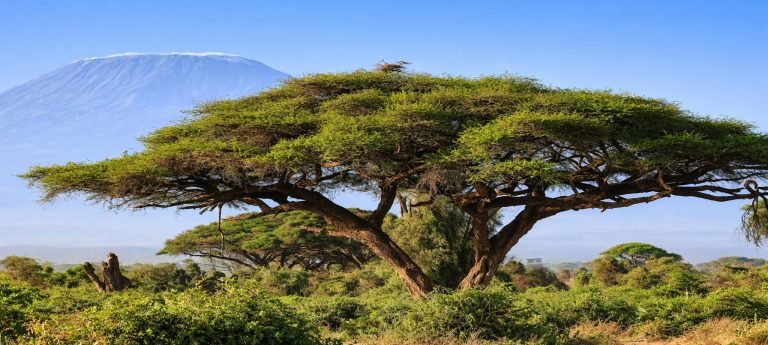
Tanzania is the kind of destination that feels larger than life. This is a country where golden savannahs stretch to the horizon, elephants wander beneath acacia trees, and the ocean glows turquoise along spice-scented island shores. If you are looking for unforgettable things to do in Tanzania, you are stepping into a place that delivers on wildlife, landscapes, culture, and raw, untamed beauty all at once.
From the vast plains of the Serengeti to the dramatic wildlife bowl of the Ngorongoro Crater, Tanzania is one of the best safari destinations on Earth. But there is more here than game drives. You can climb the slopes of Mount Kilimanjaro, wander the narrow alleys of historic Stone Town, relax on Zanzibar’s palm-fringed beaches, and meet communities whose traditions are still deeply woven into daily life.
This guide brings together the most rewarding experiences across the country, along with practical travel advice to help you plan smoothly. Whether you are dreaming of your first safari, a beach escape after the wild, or a full adventure across land and sea, Tanzania offers a journey that stays with you long after you return home.
How to Get to Tanzania
International Airports
Tanzania has several international airports that serve as gateways for visitors arriving from abroad:
- Julius Nyerere International Airport (DAR) — Dar es Salaam’s main international airport with flights from Africa, Europe, Asia, and the Middle East. It’s the largest and busiest airport in the country and a common entry point for southern safaris or coastal stays. :contentReference[oaicite:0]{index=0}
- Kilimanjaro International Airport (JRO) — The primary gateway for northern Tanzania, including safaris around Serengeti, Ngorongoro, Tarangire, and climbers heading toward Mount Kilimanjaro. Located between Arusha and Moshi. :contentReference[oaicite:1]{index=1}
- Abeid Amani Karume International Airport (ZNZ) — Zanzibar’s main airport, just minutes from Stone Town and ideal if your itinerary focuses on the islands and beach time. :contentReference[oaicite:2]{index=2}
Visa & Entry Basics
Most nationalities need a visa to enter Tanzania for tourism. You can usually apply for an electronic visa (eVisa) before you travel via the official government portal, which covers both mainland Tanzania and Zanzibar. Alternatively, visa on arrival is available for many travellers at main ports of entry (subject to immigration rules and required documentation). :contentReference[oaicite:3]{index=3}
Start your visa application on the official Tanzania Immigration eVisa portal here: https://visa.immigration.go.tz/start. :contentReference[oaicite:4]{index=4}
Getting to Safari Hubs & Zanzibar
Once you land, domestic flights or road transfers connect major safari regions and beach destinations. For northern safari circuits (Serengeti, Ngorongoro, Tarangire), fly into JRO or catch a domestic connection from Dar es Salaam. If Zanzibar is your first stop, land at ZNZ and then take a ferry or flight to other islands. Many travellers fly into one airport and out of another to optimize their route. :contentReference[oaicite:5]{index=5}
Where to Stay in Tanzania
Where you stay in Tanzania will shape your entire experience. Distances between parks, cities, and the coast are large, and travel times can be longer than they look on a map. Most trips combine a safari circuit in the north with beach time in Zanzibar, so choosing the right bases — and booking early, especially for safari lodges — makes a big difference.
Arusha is the main gateway for safaris in Serengeti, Ngorongoro, and Tarangire, while Dar es Salaam works well for coastal travel and connections to Zanzibar. On the island, Stone Town offers culture and history, while beach areas like Nungwi and Kendwa are ideal for relaxing by the sea.
Budget Hotels
KORONA HOUSE
Njiro Road - Kwa Msola Area - Plot 418J, Arusha, Tanzania — +255 784 286 058
Korona House is a peaceful, home-style guesthouse in Arusha that feels more like staying with friends than in a hotel. The rooms are simple but comfortable, and the leafy garden setting offers a calm place to unwind before or after a safari. It’s a smart choice for travelers who want a friendly atmosphere and great value close to Tanzania’s northern safari circuit.
Ready for a comfortable and affordable base in Arusha? Check availability at Korona House here.
ARUSHA BACKPACKERS HOTEL – HOSTEL
Station Rd, Arusha, Tanzania — +255 715 377 795
This lively hostel is a favorite among budget travelers and safari-goers looking to meet others on the road. Dorms and private rooms are available, and the social spaces make it easy to swap travel tips and safari stories. Its central location also makes organizing tours and onward travel simple.
Book your stay at Arusha Backpackers Hotel and connect with fellow travelers.
Mid-Range Comfort
TANZANITE BEACH RESORT
North-East Coast Zanzibar, Nungwi 4036, Tanzania — +255 777 485 022
Tanzanite Beach Resort sits along Zanzibar’s northern coast, offering direct access to soft white sand and clear blue water. A large pool, tropical gardens, and sea views create a relaxed, holiday atmosphere away from the busier parts of the island. It’s ideal for travelers who want beach time with comfort and space to unwind.
Start planning your Zanzibar beach escape and check rates at Tanzanite Beach Resort.
PROTEA HOTEL BY MARRIOTT DAR ES SALAAM COURTYARD
Seaview Ocean Road Dar es Salaam TZ, 18 Barack Obama Dr, Dar es Salaam 10000, Tanzania — +255 784 555 133
This modern hotel offers a comfortable and reliable base in Dar es Salaam, especially for travelers arriving late or heading to the coast. With a swimming pool, on-site dining, and well-equipped rooms, it balances convenience and comfort. Its location near the oceanfront also makes it easy to explore the city between flights or ferry trips.
Enjoy a smooth stay in Dar es Salaam and reserve your room at Protea Hotel by Marriott.
Luxury Hotels
MELIÁ SERENGETI LODGE MEMBER OF MELIÁ COLLECTION
Nyamuma Hills, 01184, Tanzania — +255 746 810 810
Meliá Serengeti Lodge delivers a true luxury safari experience right in the heart of Serengeti National Park. Elevated views over the savannah, elegant rooms, and a stunning infinity pool create an unforgettable setting surrounded by wildlife. It’s a perfect choice for travelers who want high-end comfort without missing the wild atmosphere of the plains.
Treat yourself to an unforgettable safari stay and book Meliá Serengeti Lodge here.
GOLD ZANZIBAR BEACH HOUSE & SPA
Kendwa, Zanzibar, Tanzania — +255 779 700 005
Located on one of Zanzibar’s most beautiful beaches, Gold Zanzibar offers a blend of elegance and laid-back island luxury. Spacious rooms, private villas, and a beachfront setting make it ideal for a special getaway or a relaxing end to a safari trip. The spa and ocean views add to the sense of complete escape.
Secure your luxury beach retreat and check availability at Gold Zanzibar Beach House & Spa.
Safari Stays
SERENGETI LUXURY RETREAT
Seronera, Serengeti National Park, Tanzania
Serengeti Luxury Retreat offers an intimate tented-camp style experience in the heart of wildlife territory. Guests stay close to nature while still enjoying comfortable beds, en-suite bathrooms, and attentive service. Waking up to the sounds of the savannah and heading straight out on game drives makes this a memorable safari base.
Experience the magic of the Serengeti and reserve your stay at Serengeti Luxury Retreat.
PUMBA LUXURY CAMPS SERENGETI
Historical site 18, Central Serengeti, Serengeti National Park, Tanzania
Pumba Luxury Camps combines the romance of a classic safari camp with thoughtful modern comforts. Spacious tents, warm hospitality, and a prime location in the Central Serengeti put you right in the middle of incredible wildlife viewing. It’s a wonderful option for travelers who want both adventure and comfort in the bush.
Add a touch of luxury to your safari and check availability at Pumba Luxury Camps Serengeti.
SERENGETI SERENA SAFARI LODGE
Serengeti National Park, Tanzania
Serengeti Serena Safari Lodge is designed to blend into the landscape, with stone-built rooms overlooking the vast plains. Its hilltop setting offers sweeping views, and the pool provides a relaxing spot between game drives. The lodge’s long-standing reputation and excellent location make it a favorite for classic Serengeti safaris.
Stay in a legendary safari lodge and book Serengeti Serena Safari Lodge here.
SERONERA WILDLIFE LODGE
Seronera, Serengeti National Park, Tanzania
Seronera Wildlife Lodge sits in the heart of the Serengeti near one of the park’s richest wildlife areas. Its solid, lodge-style rooms offer comfort and shelter after long days of game viewing. The location makes it especially convenient for early-morning and late-afternoon drives when animals are most active.
Base yourself in prime wildlife country and reserve your stay at Seronera Wildlife Lodge.
Things to Do in Tanzania
Safari in the Serengeti
Going on safari in the Serengeti is one of the most iconic wildlife experiences on Earth and easily one of the top things to do in Tanzania. Endless golden plains stretch to the horizon, broken only by rocky kopjes and lone acacia trees, creating the classic African landscape many travelers dream of. This vast ecosystem supports an extraordinary concentration of animals, making almost every game drive feel like a scene from a nature documentary.
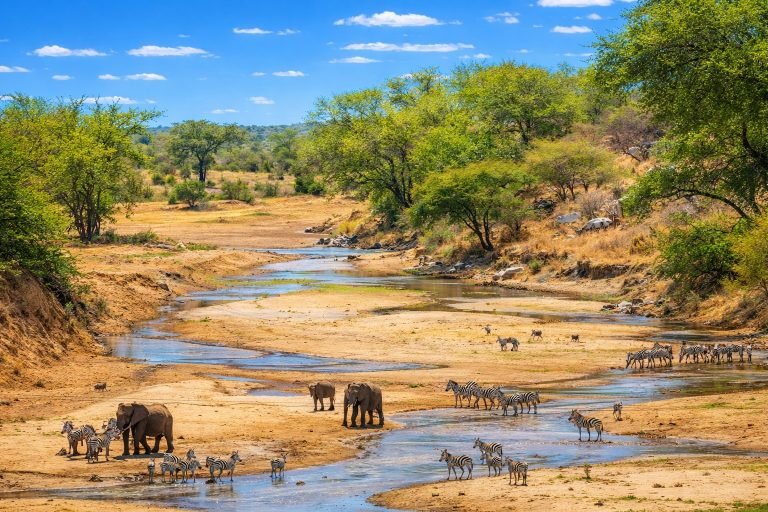
Lions lounge in the shade, cheetahs scan the grasslands from termite mounds, and large herds of elephants move slowly across the savannah. The Serengeti is also home to the famous Great Migration, when millions of wildebeest and zebras travel in a circular route in search of fresh grazing. Even outside migration months, wildlife viewing remains exceptional year-round.
A typical safari day starts early, with sunrise drives when predators are most active and the light is soft and golden. Midday breaks are often spent back at your lodge or camp, followed by an afternoon drive as temperatures cool and animals become more active again. Staying inside or close to the park allows you to spend more time in the bush and less time commuting.
The Serengeti is ideal for first-time safari-goers as well as seasoned wildlife enthusiasts. Whether you stay in a classic lodge or a tented camp, the feeling of falling asleep to the distant sounds of the wild and waking up surrounded by open plains is something that stays with you long after the trip ends.
The Serengeti National Park is recognized as a UNESCO World Heritage Site for its exceptional ecosystem and the world-famous Great Migration that moves across its vast plains each year.
🏕️ 4-Day Tarangire, Serengeti & Ngorongoro Group Camping Safari (From Arusha)
Want the full northern circuit without planning every detail yourself? This 4-day group camping safari starts and ends in Arusha and takes you through Tarangire’s elephant-filled landscapes, the Serengeti’s legendary plains, and the Ngorongoro Crater for an unforgettable final game drive. It’s a great option if you want a true safari feel, an immersive “sleep close to nature” experience, and big wildlife moments across Tanzania’s most iconic parks.
Explore the Ngorongoro Crater
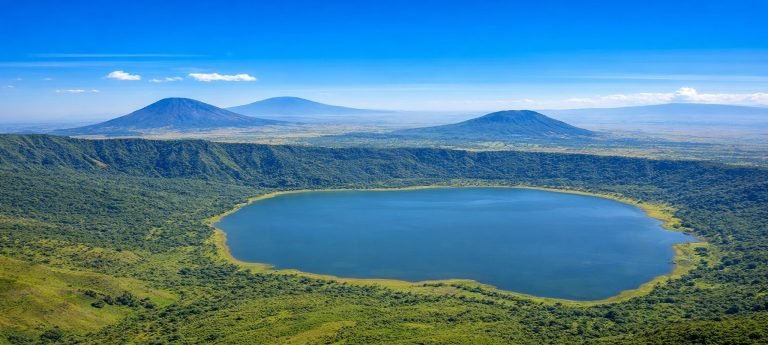
The Ngorongoro Crater offers one of the most unique safari settings in Africa and is often described as a natural wildlife amphitheater. Formed by a collapsed volcano, this vast caldera creates a self-contained ecosystem where animals live year-round within its steep walls. Descending into the crater feels like entering a different world, with forests, lakes, open plains, and marshes all packed into one remarkable landscape.
Wildlife viewing here is both diverse and reliable. You have a strong chance of seeing lions, elephants, hyenas, zebras, wildebeest, and large numbers of flamingos around the soda lake. The crater is also one of the best places in Tanzania to spot the endangered black rhino, making it a highlight for many travelers interested in seeing the Big Five.
Game drives in the crater usually take place over a full day, with vehicles descending in the morning and exploring different habitats as the day unfolds. Because animals do not migrate out of the crater, sightings can be frequent and close, offering fantastic opportunities for photography. The dramatic crater walls in the background add to the sense of scale and beauty.
Ngorongoro pairs perfectly with a Serengeti safari and is often included in northern Tanzania itineraries. For travelers who want concentrated wildlife viewing in a dramatic setting, it stands out as one of the most memorable things to do in Tanzania.
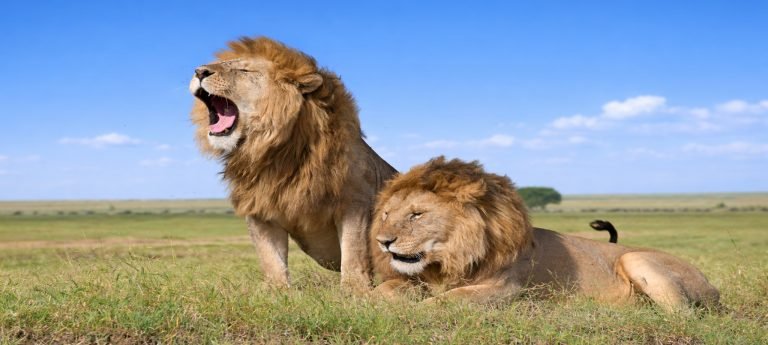
Visit Tarangire National Park
Tarangire National Park is often a quieter and less crowded alternative to the Serengeti, yet it offers some of the most distinctive scenery and wildlife in northern Tanzania. The park is famous for its giant baobab trees, which rise like ancient monuments above the dry savannah. These dramatic landscapes, combined with seasonal rivers, create a beautiful and varied backdrop for game drives.
Tarangire is especially well known for its large elephant herds. During the dry season, hundreds of elephants gather near the Tarangire River, along with zebras, wildebeest, and many species of antelope. Predators such as lions and leopards are also present, and birdlife is excellent, making it a rewarding stop for wildlife lovers who enjoy both big animals and smaller details.
Game drives here often feel more relaxed than in busier parks, allowing you to enjoy sightings without large numbers of vehicles. The mix of open plains, riverine woodland, and swamps means you can encounter different types of wildlife habitats in a single day. Sunsets in Tarangire are particularly striking, with silhouettes of baobabs and elephants against glowing skies.
Tarangire is usually visited at the start or end of a northern safari circuit and works well combined with Ngorongoro and the Serengeti. For travelers who want excellent wildlife viewing in a scenic and slightly more peaceful setting, it is easily one of the most rewarding things to do in Tanzania.
🦁 Arusha: 2-Day Tarangire & Ngorongoro Crater Safari
Short on time but still want the “classic Tanzania safari” experience? This 2-day trip from Arusha is a strong choice if you want maximum wildlife in minimal time. You’ll spend a full game drive in Tarangire National Park, famous for its elephant herds and baobab-studded landscapes, then head into the Ngorongoro Crater (a UNESCO World Heritage site) for one of the most concentrated wildlife viewing areas in Africa. It includes a scenic picnic lunch and comfortable travel in a 4x4 with expert guidance, making it easy to focus on sightings like lions, elephants, and other Big Five wildlife.
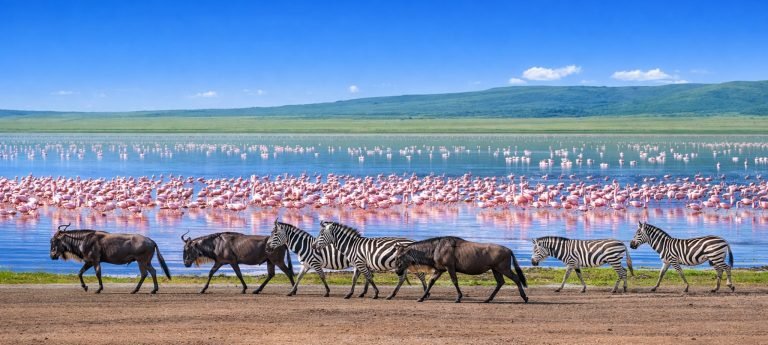
Explore Lake Manyara National Park
Lake Manyara National Park may be smaller than some of Tanzania’s more famous parks, but it packs an impressive range of scenery into a compact area. Set at the base of the Great Rift Valley escarpment, the park includes groundwater forests, open grasslands, and the shallow soda lake that gives it its name. This variety of habitats makes it a surprisingly diverse and scenic stop on a northern Tanzania safari route.
The park is well known for its large populations of elephants and its rich birdlife, with flamingos often gathering along the lake’s shores when water levels are right. Tree-climbing lions are sometimes spotted here, a rare behavior that has become one of Lake Manyara’s unique wildlife highlights. Hippos, giraffes, and numerous antelope species are also commonly seen.
Game drives in Lake Manyara often feel more intimate than in larger parks, and the changing landscapes keep the experience visually interesting throughout the day. The lush forest at the entrance, filled with monkeys and birds, contrasts beautifully with the open plains and lake views further inside the park.
Because of its location between Arusha and Ngorongoro, Lake Manyara fits easily into most northern safari itineraries. For travelers who enjoy varied scenery and excellent wildlife viewing in a relatively small area, it remains one of the underrated things to do in Tanzania.
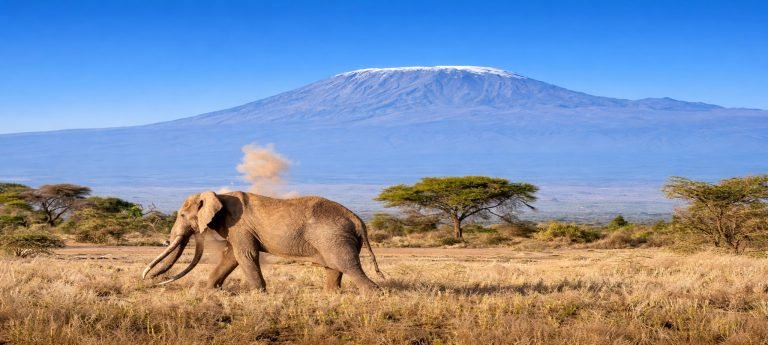
Climb (or Trek Near) Mount Kilimanjaro
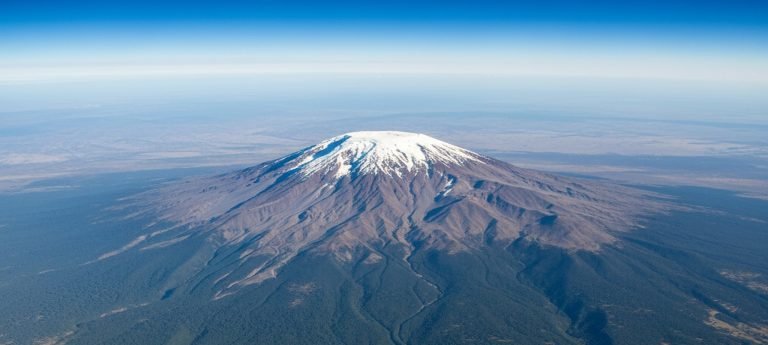
Mount Kilimanjaro is Africa’s highest peak and one of the most legendary adventures in the world. Even if you never plan to summit, seeing the snow-capped mountain rise above the plains is unforgettable, and the surrounding region offers plenty of ways to experience its atmosphere. For many travelers, Kilimanjaro is not just a hike — it’s a personal challenge, a once-in-a-lifetime journey, and one of the most iconic things to do in Tanzania.
If you do want to climb, the key is choosing the right route and giving yourself enough time to acclimatize. The landscapes change dramatically as you ascend, moving from rainforest to moorland, then to alpine desert, and finally to the icy summit zone. The reward is not only the view from Uhuru Peak, but the feeling of crossing multiple climate worlds on foot, step by step.
Not everyone needs to summit to enjoy Kilimanjaro. Day hikes on the lower slopes, nature walks in the surrounding rainforest, and viewpoints around Moshi offer a more accessible taste of the mountain. These shorter experiences still deliver beautiful scenery, fresh air, and a sense of the region’s quieter rhythm away from the safari circuit.
Whether you climb to the top or keep it gentle, Kilimanjaro adds a powerful adventure element to a Tanzania itinerary. It pairs especially well with a safari in the north and gives your trip a completely different kind of memory — one built on effort, altitude, and perspective.
Mount Kilimanjaro National Park is designated as a UNESCO World Heritage Site, recognized for its unique alpine ecosystems and its status as the highest free-standing mountain on Earth.
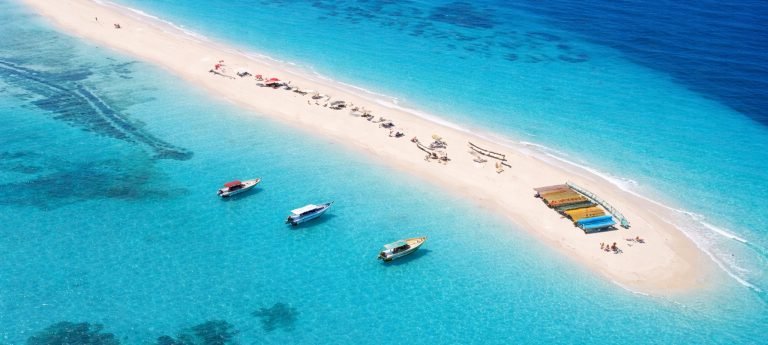
Relax on Zanzibar’s Beaches
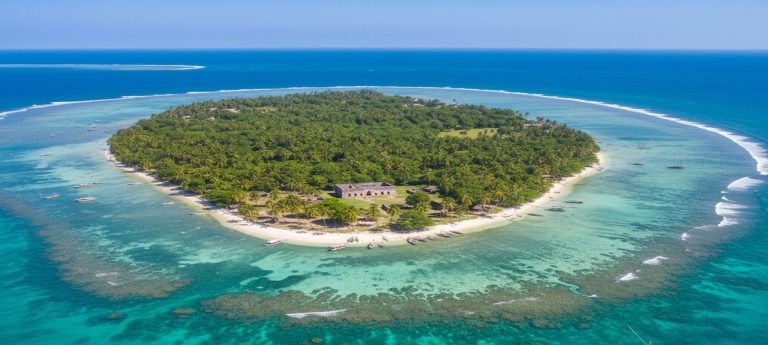
After dusty game drives and early safari mornings, Zanzibar’s beaches feel like a completely different world. Powdery white sand, palm trees swaying in the breeze, and clear turquoise water make the island a perfect place to slow down and recharge. For many travelers, combining safari with beach time is one of the most rewarding ways to experience the full range of things to do in Tanzania.
The northern beaches around Nungwi and Kendwa are especially popular thanks to their calm waters and minimal tidal changes, which make swimming possible throughout the day. These areas also offer beach bars, sunset views, and a relaxed holiday atmosphere without feeling too remote. On the east coast, beaches like Paje are known for long stretches of sand and strong breezes that attract kitesurfers.
Beyond relaxing on the sand, Zanzibar offers snorkeling, diving, and traditional dhow boat trips at sunset. Coral reefs just offshore provide colorful underwater life, while boat excursions often include stops at sandbanks or small islands. Even simple beach walks at low tide reveal local life, with seaweed farmers and fishermen going about their daily routines.
Spending a few days on Zanzibar creates a perfect contrast to the intensity of safari. It’s where your trip shifts from early mornings and wildlife sightings to warm ocean swims, seafood dinners, and long, quiet evenings by the sea.
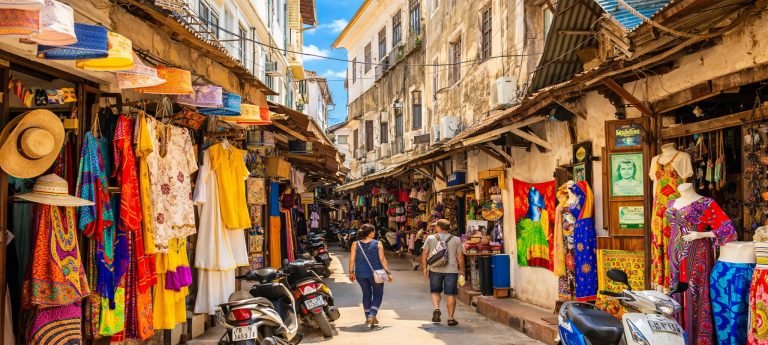
Wander the Streets of Stone Town
Stone Town, the historic heart of Zanzibar City, is one of the most atmospheric places in East Africa. A maze of narrow alleys, carved wooden doors, coral stone buildings, and hidden courtyards, it reflects centuries of trade between Africa, Arabia, India, and Europe. Exploring on foot is the best way to experience its layered history and daily life unfolding in the streets.
As you wander, you’ll pass old mosques, bustling markets, small cafés, and buildings that once belonged to wealthy traders. The mix of Swahili, Arab, and Indian influences is visible in the architecture and in the aromas drifting from local kitchens. Visiting the former slave market site and learning about Zanzibar’s role in the East African slave trade adds important historical context to the island’s story.
Stone Town is also a great place to shop for spices, handmade crafts, and textiles. Rooftop restaurants and seafront cafés provide scenic spots to take a break and watch life along the waterfront. As evening falls, Forodhani Gardens comes alive with street food stalls serving grilled seafood, Zanzibar pizza, and fresh sugarcane juice.
A day or two in Stone Town adds cultural depth to a Tanzania itinerary, balancing the wildlife of the mainland and the beaches of Zanzibar with history, architecture, and vibrant local life.
Stone Town of Zanzibar is a UNESCO World Heritage Site, celebrated for its Swahili, Arab, Persian, Indian, and European architectural influences woven through its historic streets.
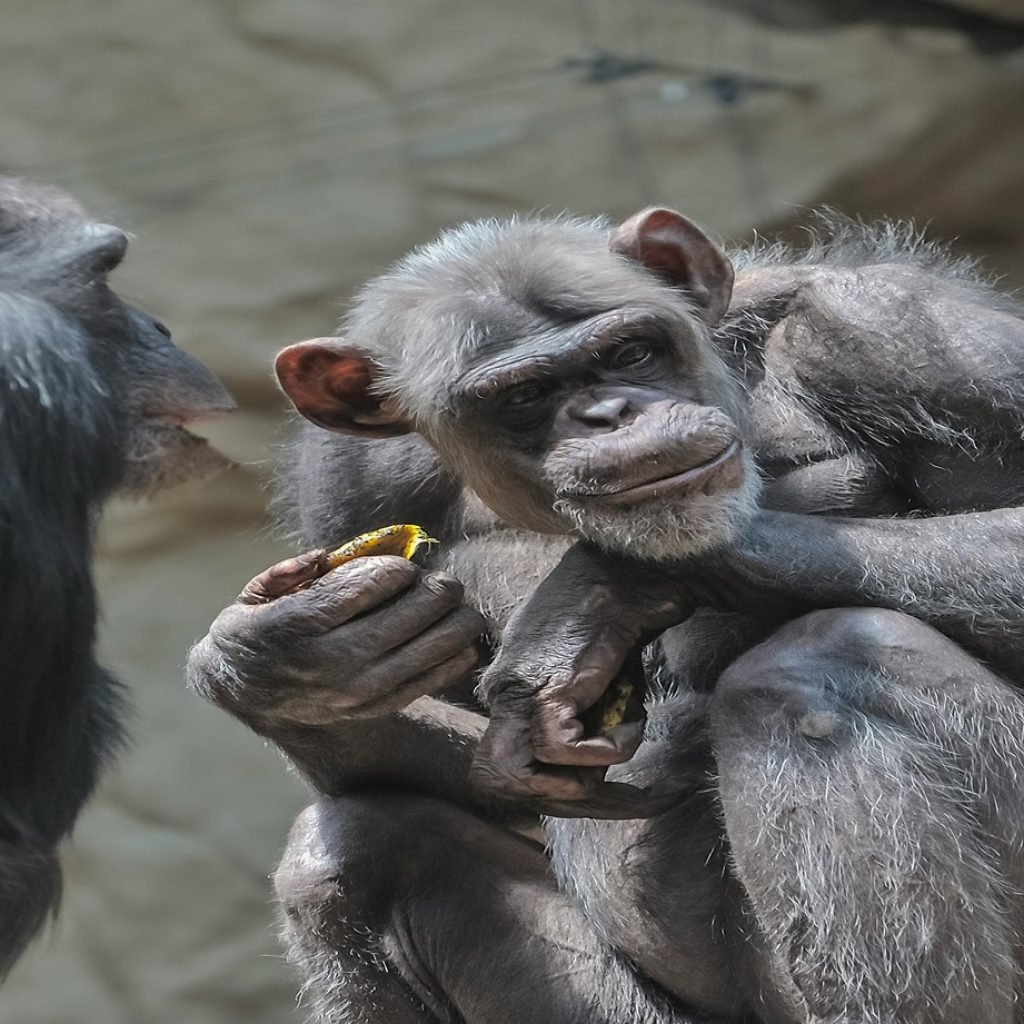
Chimpanzee Trekking in Gombe or Mahale
For a completely different kind of wildlife experience, head west to the remote forests along the shores of Lake Tanganyika. Gombe Stream National Park and Mahale Mountains National Park are famous for their wild chimpanzee populations, and trekking through the forest to observe them in their natural habitat is one of the most unique things to do in Tanzania. Unlike savannah safaris, this is an immersive jungle experience where the focus is on primates rather than big game.
Treks usually involve hiking through dense vegetation with a guide, listening for calls and watching for movement in the trees. Once you find a chimpanzee group, you may see them grooming, playing, or moving through the canopy with surprising speed and agility. Spending time so close to our closest relatives in the wild is both thrilling and deeply moving.
These parks are remote and often reached by small aircraft and boat transfers, which adds to the sense of adventure. Mahale, in particular, combines forested mountains with beautiful lakeshore beaches, making it possible to relax by clear freshwater after a morning trek. The scenery here feels worlds away from the classic safari plains.
Chimpanzee trekking is ideal for travelers who want to go beyond the traditional safari and explore one of Tanzania’s most off-the-beaten-path regions. It pairs well with a northern safari for those with more time and a desire for something truly different.
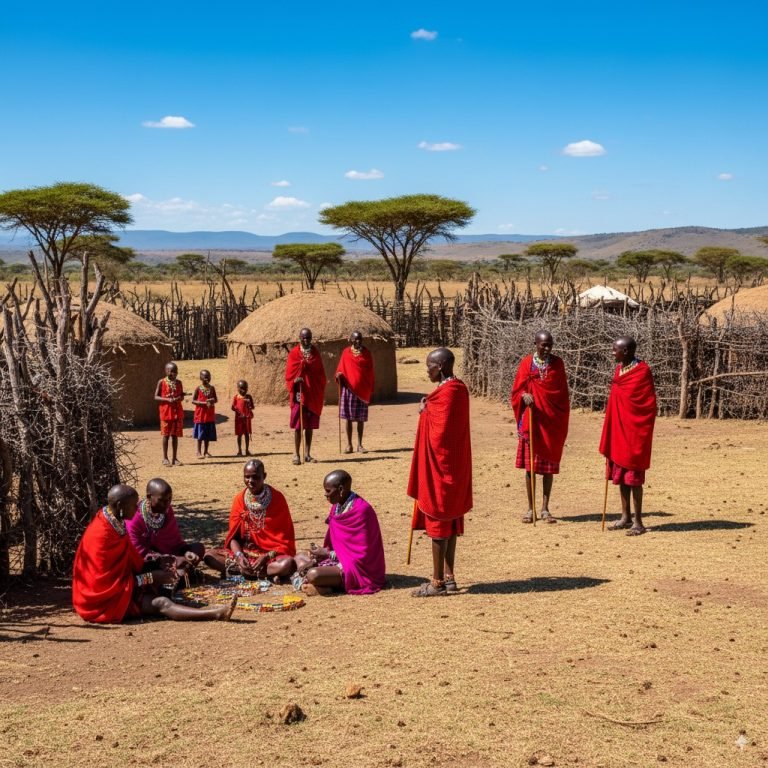
Experience Maasai Culture
Beyond its wildlife and landscapes, Tanzania offers meaningful opportunities to learn about local cultures, including the traditions of the Maasai people. The Maasai are known for their distinctive dress, beadwork, and strong pastoral heritage, and visiting a community near the Serengeti or Ngorongoro can add valuable context to your safari experience. These visits are about understanding daily life, traditions, and the close relationship between people, livestock, and land.
A typical visit may include walking through a boma (traditional homestead), learning about how homes are built, and hearing about customs that have been passed down through generations. You might see traditional dances, beadwork demonstrations, or learn about the role of cattle in Maasai society. When done respectfully and through responsible operators, these encounters can be insightful rather than superficial.
It’s important to approach cultural visits with curiosity and sensitivity. Asking questions, listening, and respecting local norms help ensure the experience benefits both visitors and host communities. Supporting community-run initiatives or cooperatives can also contribute directly to local livelihoods.
Including a cultural experience alongside wildlife viewing helps round out your understanding of Tanzania. It highlights that the country’s identity is not only shaped by its landscapes and animals, but also by the people who have lived alongside them for generations.
🐘 Dar es Salaam: 2-Day Maasai Visit & Mikumi National Park Safari
Want a real safari experience without flying to the northern circuit? This 2-day trip from Dar es Salaam takes you to Mikumi National Park — one of the most accessible wildlife parks from the city — with game drives focused on elephants, giraffes, buffalo, and big cat sightings near waterholes. You’ll also visit a Maasai community in the Mikumi area, then settle in for an overnight stay before returning for a full day of wildlife viewing. It’s a great fit if you’re based in Dar, want a shorter safari with strong variety, and prefer a guided itinerary where transport and timing are handled for you.
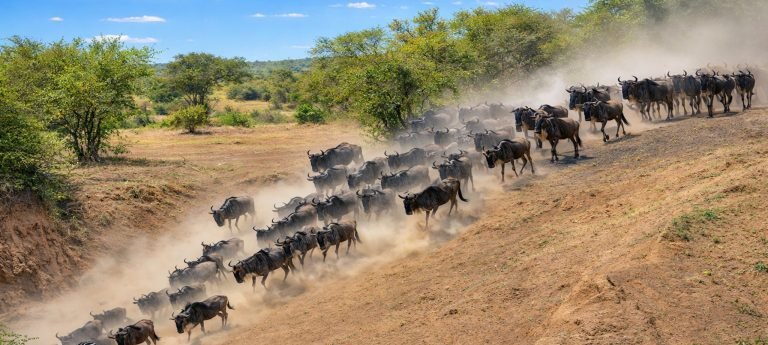
Witness the Great Migration
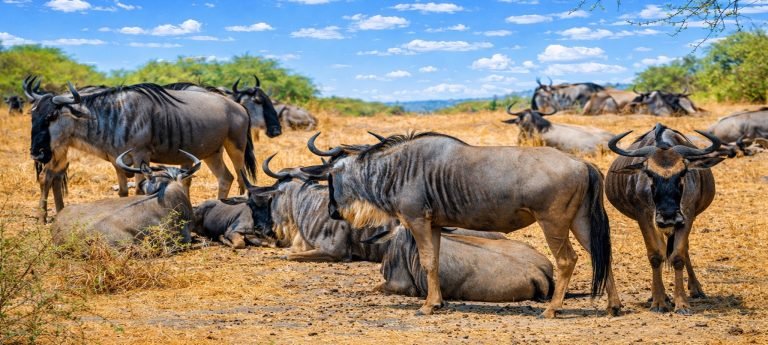
The Great Migration is one of the most extraordinary wildlife spectacles on the planet and a major highlight for many visitors planning things to do in Tanzania. Each year, millions of wildebeest, accompanied by zebras and gazelles, move in a vast circular route across the Serengeti and into Kenya’s Maasai Mara in search of fresh grazing. This constant movement creates dramatic scenes of river crossings, predator encounters, and endless herds stretching across the plains.
The exact location of the herds changes throughout the year, so timing your visit can shape the kind of migration experience you have. Calving season in the southern Serengeti usually takes place early in the year, when thousands of newborn animals arrive within a short period. Later in the year, the famous river crossings often occur as herds attempt to cross crocodile-filled rivers on their journey north.
Even when you are not directly witnessing a river crossing, the sheer scale of animal movement during migration season is unforgettable. Predators such as lions, cheetahs, and hyenas follow the herds, increasing the chances of dramatic wildlife interactions. The landscape itself feels alive with motion and sound, adding a powerful sense of scale to the safari experience.
Planning around the Great Migration can elevate a Tanzania safari into a truly once-in-a-lifetime adventure. While wildlife is excellent year-round, seeing the migration adds an extra layer of intensity and wonder to an already remarkable destination.
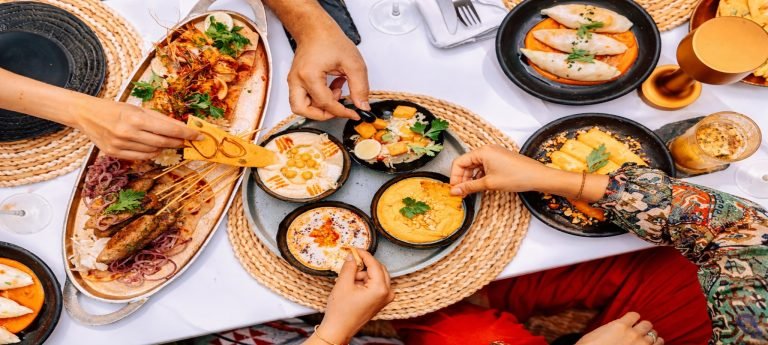
Bars, Restaurants, Nightlife & Hidden Gems
Best Bars for a Night Out
- High Spirit Lounge Bar (Dar es Salaam): A rooftop lounge known for panoramic city views, especially around sunset. It’s a stylish spot for cocktails with an open-air vibe that often gets lively later in the evening. If you want a “dress up a little” night out in Dar, this is a classic choice.
- Q Bar (Dar es Salaam): A long-running favorite with an easygoing pub feel and a friendly crowd. It’s a great place to start your night with a cold drink and conversation before heading elsewhere. Expect a relaxed atmosphere that works for both locals and travelers.
- The Slow Leopard (Dar es Salaam): A laid-back hangout that’s popular for its casual vibe, good food, and a social atmosphere. It’s the kind of place where you can settle in for a few hours without feeling rushed. Great for an easy night with drinks, music, and a mix of people.
- The Waterfront (The Slipway, Dar es Salaam): A sea-facing spot at Hotel Slipway that’s all about the view and the breeze off the Indian Ocean. Come for sunset drinks, then stay for dinner as the waterfront atmosphere builds into the night. It’s especially good if you want a scenic, relaxed evening rather than a club.
- Samaki Samaki (Dar es Salaam): A well-known seafood place that can feel like a full night out, especially when the energy ramps up in the evening. It’s a great option if you want dinner, drinks, and a buzzy atmosphere in one stop. Ideal for groups and travelers who like lively venues.
Hidden Gems You Can’t Miss
While Tanzania’s safaris and beaches get most of the attention, some of the most rewarding experiences are found off the main route. These spots add variety, depth, and a little “I can’t believe more people don’t come here” magic to your itinerary.
- Mahale Mountains National Park: A remote wilderness on the shores of Lake Tanganyika that’s famous for chimpanzee trekking. The scenery is stunning, with forested mountains dropping into clear lake water, and the sense of isolation is part of the appeal. If you want something truly different from classic safari plains, this is it.
- Nyerere National Park (former Selous): A vast and wilder-feeling safari region where the scale of the landscape is the main event. It’s known for big wilderness, fewer crowds, and a more off-the-beaten-path safari vibe compared to the northern circuit. If you want a quieter safari experience, this is worth considering.
- Kilwa Kisiwani: A UNESCO World Heritage site that was once a powerful Swahili city-state. Exploring the ruins of mosques and palaces gives you a rare window into East Africa’s coastal history beyond Zanzibar. It’s fascinating, atmospheric, and still relatively under-visited.
- Lake Natron: A dramatic soda lake landscape with flamingos and otherworldly scenery set beneath an active volcano. The roads can be rough and it feels remote, but that’s exactly why it stands out. It’s a great choice if you love wild landscapes and want something different from the big-name parks.
- Chemka Hot Springs (Kikuletwa Hot Springs): A turquoise oasis near Moshi that feels like a secret swimming spot in the middle of the bush. The water is clear, cool, and incredibly inviting, making it perfect after a safari or a Kilimanjaro hike. Go early if you want it quieter, then settle in for a slow, relaxing afternoon.
Useful Swahili Phrases for Travelers
Learning a few words of Swahili goes a long way in Tanzania. Locals genuinely appreciate the effort, and even simple greetings can open doors to warmer interactions and bigger smiles. Here are some easy phrases you’ll actually use on your trip.
- Jambo! — Hello!
- Habari? — How are you?
- Nzuri — Good / Fine
- Asante — Thank you
- Asante sana — Thank you very much
- Tafadhali — Please
- Karibu — Welcome / You’re welcome
- Sawa — Okay / Alright
- Pole pole — Slowly / Take it easy
- Hakuna matata — No worries / No problem
- Kwaheri — Goodbye
Tanzania Travel Facts
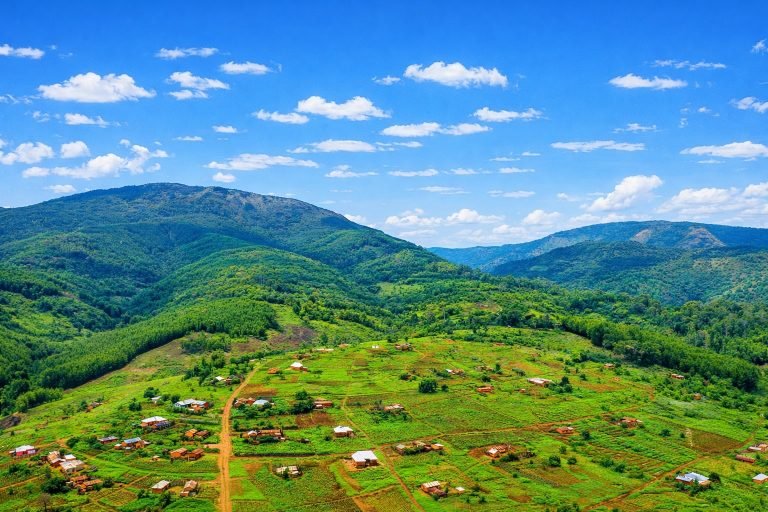
These quick facts help you understand Tanzania a little better before you arrive and make planning smoother once you’re on the ground.
- Capital: Dodoma (Dar es Salaam is the largest city and main business hub)
- Population: Over 65 million people
- Languages: Swahili and English are official; more than 100 local languages are spoken
- Currency: Tanzanian Shilling (TZS)
- Time Zone: East Africa Time (GMT+3)
- Plugs & Electricity: Type G plugs (same as the UK), 230V supply
- Main Safari Gateway: Arusha in the north; Dar es Salaam for the coast and Zanzibar connections
- National Parks: Over 20 national parks and numerous reserves, making Tanzania one of Africa’s top wildlife destinations
- Famous For: Serengeti safaris, the Great Migration, Mount Kilimanjaro, and Zanzibar beaches
- Food Staple: Ugali (a maize-based dish) is a common part of local meals
- Mobile Data & SIM Cards: Wi-Fi can be slow outside major hotels, and buying a local SIM takes time at the airport. Many travelers choose to set up an eSIM for Tanzania travel before they arrive so they have data as soon as they land.
Continue exploring...
If you enjoyed this Tanzania travel guide, you can continue exploring destinations around the world on WorldlyRoaming.com. Each guide follows the same detailed, destination-focused approach, helping you understand what a place is really like before you plan your trip.
- Taiwan travel guide – An island-wide guide to Taiwan’s cities, natural landscapes, food culture, and travel logistics, designed to help you plan a smooth and rewarding trip.
- Buenos Aires travel guide – An in-depth look at Argentina’s vibrant capital, covering neighborhoods, local eats, attractions, nightlife, and where to stay.
- Dublin travel guide – A comprehensive guide to Ireland’s cosmopolitan capital, with history, pubs, cultural sights, and practical travel planning tips.
- Madagascar travel guide – A deep country guide exploring Madagascar’s regions, unique wildlife, landscapes, logistics, and what to realistically expect when traveling there.
- Brazil travel guide – A broad overview of Brazil, including major destinations, cultural context, safety insights, and practical advice for travelers.
🇹🇿 Tanzania Travel Guide FAQ
🦁 What is Tanzania best known for?
Tanzania is best known for world-class safaris in places like the Serengeti and Ngorongoro Crater, the Great Migration, Mount Kilimanjaro, and the tropical beaches of Zanzibar. It’s one of Africa’s most diverse destinations, combining wildlife, landscapes, and coastal culture in one trip.
🗓️ When is the best time to visit Tanzania?
The dry season from June to October is generally considered the best time for safaris because wildlife is easier to spot around water sources. However, the green season (November to May) offers lush scenery, fewer crowds, and excellent birdwatching.
🚙 How many days do I need in Tanzania?
A well-balanced Tanzania trip usually takes 10 to 14 days. This allows time for a northern safari circuit, a visit to Ngorongoro, and a few relaxing days on Zanzibar’s beaches. Shorter trips are possible, but travel distances can be long.
🛂 Do I need a visa for Tanzania?
Most travelers need a tourist visa to enter Tanzania. Many nationalities can apply for an eVisa online before travel or obtain a visa on arrival at major airports. Always check official requirements for your nationality before departure.
🏝️ Is Zanzibar part of Tanzania?
Yes. Zanzibar is part of the United Republic of Tanzania and has semi-autonomous status. It has its own government for local matters, but it shares national governance, currency, and entry requirements with mainland Tanzania.
🧭 Is Tanzania safe for tourists?
Tanzania is generally considered safe for travelers, especially on organized safaris and in established tourist areas. As in any country, it’s wise to take normal precautions, avoid displaying valuables, and follow local advice in cities.
💰 Is Tanzania expensive to travel?
Tanzania can range from budget-friendly to luxury, depending on your travel style. Safaris are the biggest expense, while local food and transport can be quite affordable. Zanzibar also offers options from simple guesthouses to high-end beach resorts.
🦟 Do I need malaria tablets for Tanzania?
Malaria is present in many parts of Tanzania, so travelers are often advised to take preventive medication. It’s important to consult a travel health professional before your trip for the latest recommendations.
📶 Will my phone work in Tanzania?
Mobile coverage is good in cities and towns, but can be limited in remote safari areas. Many travelers use an international eSIM or buy a local SIM card for reliable data during their trip.
🧳 What should I pack for Tanzania?
Light, breathable clothing in neutral colors is best for safari, along with a hat, sunscreen, and comfortable walking shoes. Evenings can be cool, so a light jacket is useful. Don’t forget a good camera and binoculars for wildlife viewing.
Travel Resources to Plan, Book & Stay Connected
Use these tools and guides to stay connected abroad, find inspiration for your next trip, and book your flights, stays and gear with confidence.
Disclosure: This article may contain affiliate links. If you make a purchase through a link, I may receive a commission at no extra cost to you. I only share recommendations I believe are genuinely useful, and all opinions are my own.

Comment (0)