
What This Rome Guide Covers
This guide walks you through everything you need to plan a trip to Rome, including:
- How to get to Rome from the airport and other parts of Italy
- The best neighborhoods and areas to stay, depending on your travel style
- The top things to do in Rome, from ancient landmarks to local experiences
- Food, bars, nightlife, and hidden gems beyond the major tourist streets
- The best time of year to visit and what to expect in each season
- Useful Italian phrases that make daily interactions easier
- Practical travel facts like transport, money, safety, and logistics
- Answers to common Rome travel questions in the FAQ section
It is designed to help you plan your itinerary, choose where to stay, and understand how Rome actually works on the ground.
Things to Do in Rome: Ancient Wonders, Local Life & Timeless Atmosphere
Rome is one of those cities that feels almost unreal when you first arrive. You walk past a normal café, turn a corner, and suddenly you’re staring at a 2,000-year-old ruin sitting right in the middle of modern life. The city isn’t built around its history — it lives on top of it. That’s what makes exploring the things to do in Rome such a unique experience compared to anywhere else in Europe.
From the Colosseum and Roman Forum to the Vatican Museums and St. Peter’s Basilica, Rome delivers some of the most famous landmarks in the world. But the real magic often happens between the sights: quiet cobbled streets in Trastevere, long lunches in sunny piazzas, evening walks past glowing fountains, and late-night gelato as the city hums around you. The best things to do in Rome combine iconic history with slow, everyday moments that make you feel part of the city rather than just a visitor.
This guide brings together the must-see highlights, local neighborhoods, food experiences, and practical tips you need to plan your time well. Whether it’s your first visit or a return trip, Rome always rewards travelers who balance big sights with unplanned wandering.
How to Get to Rome
Rome is one of the easiest cities in Europe to reach thanks to its major international airport and strong train connections across Italy. Whether you’re flying in from abroad or arriving overland, getting to the city is straightforward.
By Air
Rome’s main international airport is Leonardo da Vinci–Fiumicino Airport (FCO), located about 30 km from the city center. Most long-haul and international flights arrive here.
From Fiumicino, you can reach central Rome by:
- Leonardo Express train to Roma Termini Station (about 32 minutes, no stops)
- Regional FL1 train to stations like Trastevere, Ostiense, and Tiburtina
- Official airport taxis with fixed city-center fares
- Private transfers or ride-share services
Rome’s smaller airport, Ciampino Airport (CIA), mainly serves budget airlines and European routes. From Ciampino, buses connect passengers to Roma Termini Station, or you can take a taxi into the city.
By Train
Rome is a major hub in Italy’s high-speed rail network. The main station, Roma Termini, sits right in the center and connects Rome with Florence, Milan, Venice, Naples, and many other cities via Trenitalia and Italo trains.
Another important station is Roma Tiburtina, used by many high-speed and regional services. It’s slightly outside the historic center but well connected by metro and buses.
By Bus
Long-distance buses from across Italy and Europe arrive at Rome Tiburtina Bus Station, located next to Tiburtina train station. Companies like FlixBus and Itabus operate routes linking Rome with major European cities at budget-friendly prices.
From Tiburtina, you can reach the historic center quickly using Metro Line B or local buses.
Where to Stay in Rome
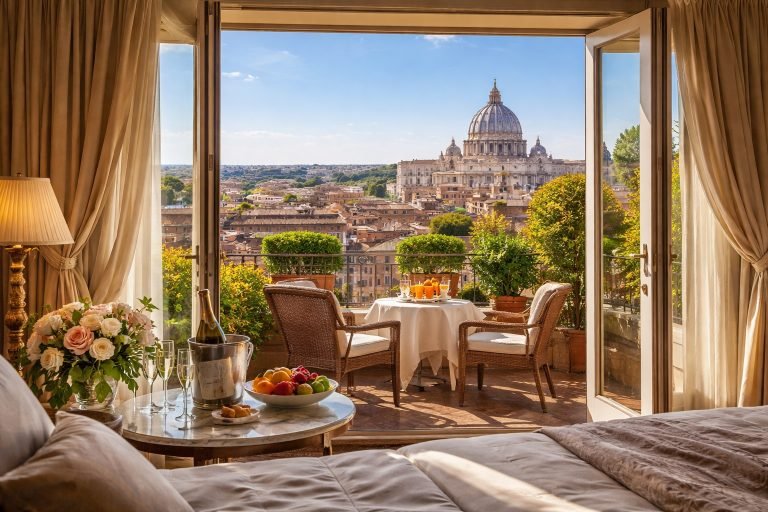
Where you stay in Rome has a big impact on how the city feels day to day. If you want to walk everywhere and dip in and out of major sights, a central neighborhood is worth the extra cost. If you prefer quieter evenings, bigger rooms, or you are arriving late from the airport, staying slightly outside the historic core can be a smart tradeoff, especially if you have easy access to metro or trains.
Budget Hotels
ROME EXPERIENCE HOSTEL
Via Statilia, 31, 00185 Roma RM, Italy; +39 06 7300 0381
This is a lively, budget-friendly base that works especially well if you want a social atmosphere and easy transport access. The Esquilino area puts you close to Roma Termini for metro and rail connections, which makes it simple to reach major things to do in Rome early in the morning, then come back and reset before heading out again in the evening. It is a practical pick for backpackers and solo travelers who care more about location, cleanliness, and community than luxury extras.
Reserve your stay at Rome Experience Hostel today!
RESIDENZA D’EPOCA PIETRA DI PONENTE
Via Doganale, 14/a, 00043 Ciampino RM, Italy; +39 06 9761 5993
If you are flying into Ciampino, arriving late, or planning to rent a car, this cozy guesthouse can be a calm, budget-friendly option outside the intensity of central Rome. You trade walkability for quiet, space, and a simpler airport-adjacent setup, then head into the city for full sightseeing days. It is a good fit for travelers who want to maximize time on the things to do in Rome without paying central prices every night.
Secure your booking at Residenza D’Epoca Pietra Di Ponente now!
AI MUSEI VATICANI BEST BED
Via Cipro, 56, 00193 Roma RM, Italy; +39 06 687 8205
This is a smart budget choice if your Rome priorities include the Vatican Museums and St. Peter’s Basilica and you want to be nearby before the crowds arrive. The Cipro area is well connected and tends to feel more local once the day-trippers leave, which is perfect for relaxed evening walks and casual dinners. Staying here makes it easier to plan a strong Vatican morning, then spend the rest of your day chasing other things to do in Rome across the historic center.
Book your stay at Ai Musei Vaticani Best Bed today!
Mid-Range Comfort Hotels
APARTHOTEL COLOMBO ROMA
Via Cristoforo Colombo, 112, 00147 Roma RM, Italy; +39 06 9837 6099
If you want more space and a more “live like a local” setup, this aparthotel is ideal for families, longer stays, or anyone who likes having a kitchenette. The EUR area is modern, calmer, and built for wide streets and easy movement, which can feel like a relief after intense sightseeing days. With public transport access, it is still easy to reach the main things to do in Rome while enjoying a quieter home base at night.
Reserve your apartment at Aparthotel Colombo Roma now!
HOTEL ALTAVILLA
Via Principe Amedeo 9, 00185 Roma; +39 06 47825568
This is a classic mid-range pick for travelers who want convenience above all else. Being near Termini makes airport transfers and day trips effortless, and it also gives you simple access to the metro so you can reach different parts of the city without overthinking logistics. It is a practical base for knocking out major things to do in Rome efficiently, especially if your plan includes early starts and full days.
Book your stay at Hotel Altavilla today!
MONTI STUDIO APARTMENT
Via del Sambuco, 16, 00184 Roma RM, Italy; +39 348 341 4718
Monti is one of the best neighborhoods in Rome to stay if you want a mix of charm, centrality, and a slightly more local feel. This studio setup is especially good for couples who want a stylish base with the flexibility of a kitchenette, plus the ability to wander to the Colosseum area, cozy wine bars, and small restaurants without relying on transport. It is the kind of location that makes the best things to do in Rome feel effortless because so much is right outside your door.
Secure your booking at Monti Studio Apartment now!
Luxury Hotels
PALAZZO MANFREDI
Via Labicana, 125, 00184 Roma RM, Italy; +39 06 7759 1380
If you want a “pinch me” Rome stay, this is one of the most unforgettable locations in the city, with the Colosseum practically next door. It is perfect for travelers who want boutique luxury, elegant design, and that rare feeling of sleeping inside the story you came to see. From here, you can start your mornings right at one of the most iconic things to do in Rome, then retreat back to comfort and calm when the city gets busy.
Reserve your luxurious stay at Palazzo Manfredi today!
THE ST. REGIS ROME
Via Vittorio Emanuele Orlando, 3, 00185 Roma RM, Italy; +39 06 47091
This is an iconic luxury choice for travelers who want polished service, elegant interiors, and a classic Rome grand-hotel experience. The area near Piazza della Repubblica sits close to Termini and the historic center, which makes it easy to move between major landmarks and the city’s restaurant districts. It is a strong fit if you want to mix sightseeing with indulgence, and return each evening to a calm, high-end base after long days ticking off things to do in Rome.
Book your opulent stay at The St. Regis Rome now!
MARTIUS PRIVATE SUITES HOTEL
Via degli Uffici del Vicario, 49, 00186 Roma RM, Italy; +39 06 678 4157
For a romantic, central stay with a boutique feel, this is a beautiful option near Piazza Navona and the Pantheon zone. You are surrounded by Rome’s most atmospheric evening streets, with an easy walk to fountains, churches, and some of the city’s best dining pockets. It is ideal if you want luxury that feels intimate and personal, while keeping you close to a huge concentration of top things to do in Rome.
Secure your romantic getaway at Martius Private Suites Hotel today!
If you want to compare prices before booking, you can also use my Hotels page to see how different platforms stack up. It is a quick way to check rates, cancellation policies, and perks side by side before you commit. If you are flexible with dates, comparing platforms can sometimes save you more than changing neighborhoods.
Top Things to Do in Rome
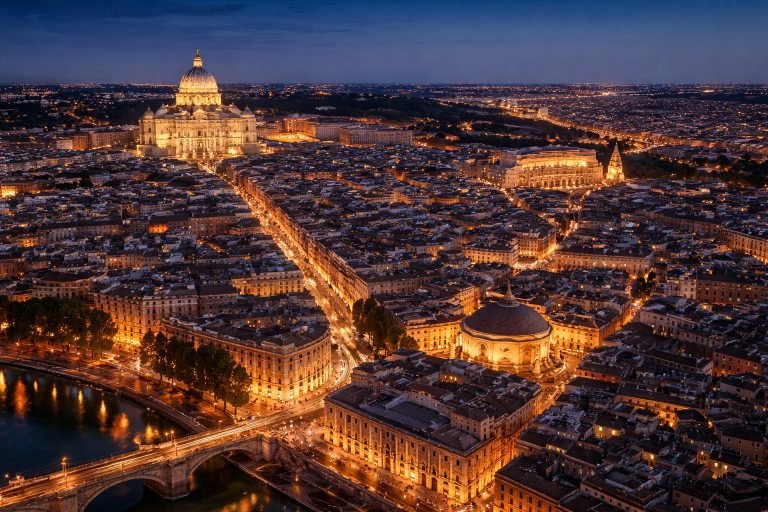
Rome is one of the few cities in the world where sightseeing feels like stepping directly into the story of Western civilization. Layers of empire, religion, art, and daily life sit on top of each other in a way that feels almost overwhelming at first, but incredibly rewarding once you slow down. The best things to do in Rome mix monumental landmarks with neighborhood wandering, long meals, and moments where you simply pause and take it all in. These experiences are not just photo stops — they are places that shape how you understand the city.
The Colosseum, Roman Forum & Palatine Hill
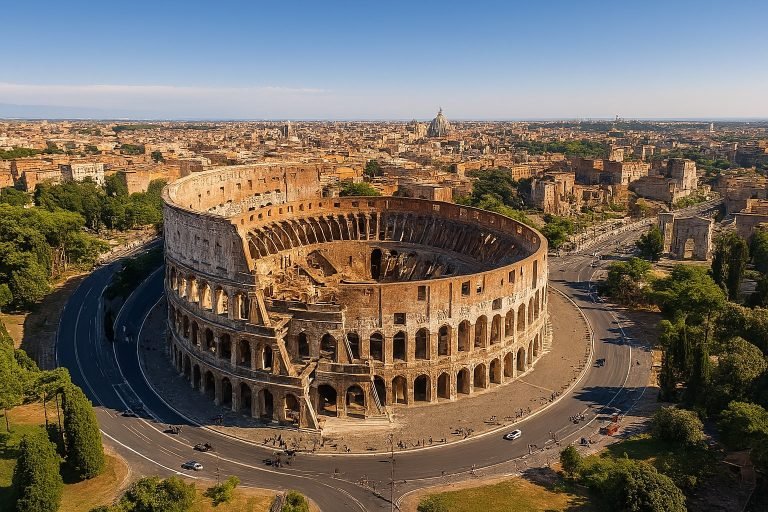
The Colosseum is one of the most recognizable landmarks on Earth, and seeing it in person is far more powerful than any photo suggests. Walking through its arches and inner corridors, you begin to grasp the scale of Roman engineering and the intensity of the spectacles that once filled the arena. Just steps away, the Roman Forum spreads out as a vast archaeological landscape of temples, basilicas, and political buildings that once formed the heart of the empire. Climbing Palatine Hill above the Forum gives you sweeping views over the ruins and a deeper sense of how Rome evolved from imperial power to modern city.
⛪ Vatican Museums, Sistine Chapel & St. Peter’s Basilica Tour
Want to experience the Vatican’s highlights with expert guidance and minimal waiting? This tour takes you through the Vatican Museums and Sistine Chapel before continuing into St. Peter’s Basilica, bringing the art, architecture, and history of Vatican City together in one seamless visit.
Vatican Museums, Sistine Chapel & St. Peter’s Basilica
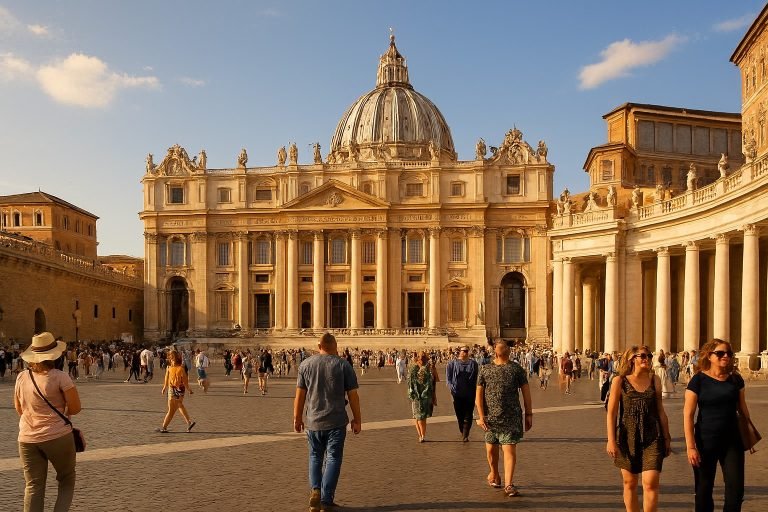
The Vatican Museums are not just a museum visit — they are a journey through centuries of art, power, and religious history. Gallery after gallery reveals classical sculptures, Renaissance masterpieces, intricate maps, and lavishly decorated halls that reflect the wealth and influence of the papacy. The route culminates in the Sistine Chapel, where Michelangelo’s ceiling and Last Judgment wall painting create one of the most awe-inspiring artistic spaces in the world. Afterward, stepping into St. Peter’s Basilica adds another layer of grandeur, with its immense dome, marble details, and atmosphere that feels both spiritual and monumental.
⛪ Vatican Museums, Sistine Chapel & St. Peter’s Basilica Tour
Want to experience the Vatican’s masterpieces with clear historical context and less waiting? This guided tour takes you through the Vatican Museums and Sistine Chapel before continuing into St. Peter’s Basilica, offering insight into the art, architecture, and religious significance that define Vatican City.
The Pantheon
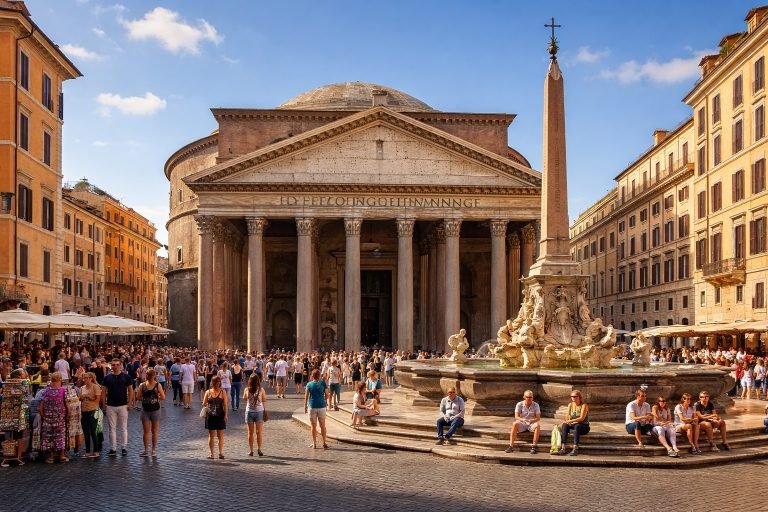
The Pantheon stands as one of the greatest architectural achievements of ancient Rome, and remarkably, it is still in use today. From the outside, its classical columns and triangular pediment hint at its age, but the real surprise comes once you step inside. The enormous dome and open oculus at its center create a perfect balance of light, space, and engineering brilliance that still feels modern. Visiting during rain or shifting afternoon light adds a magical dimension as water or sunlight pours through the opening and transforms the interior.
Trevi Fountain
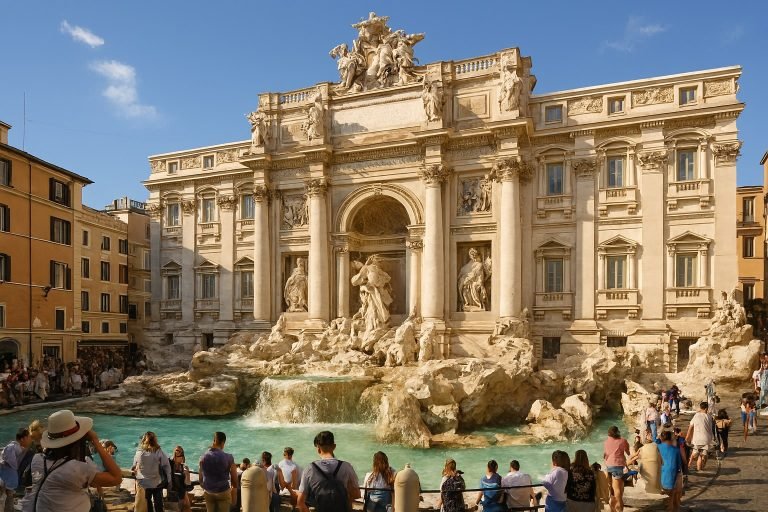
The Trevi Fountain is dramatic, theatrical, and designed to impress from the very first glance. Its towering sculptures, rushing water, and elaborate Baroque details turn a simple square into one of the most iconic scenes in Rome. Tossing a coin over your shoulder into the fountain is a long-standing tradition, said to ensure your return to the city. While it can be crowded during the day, visiting early in the morning or late at night lets you appreciate its beauty in a calmer, more atmospheric setting.
Piazza Navona
Piazza Navona is built on the site of an ancient Roman stadium, and its long, oval shape still reflects that original design. At its center stands Bernini’s Fountain of the Four Rivers, a masterpiece of Baroque sculpture that represents major rivers from different continents. The surrounding palaces, churches, and cafés create a lively, elegant setting that feels both grand and welcoming. It is the kind of place where you sit longer than planned, watching artists work and street life unfold around you.
Trastevere
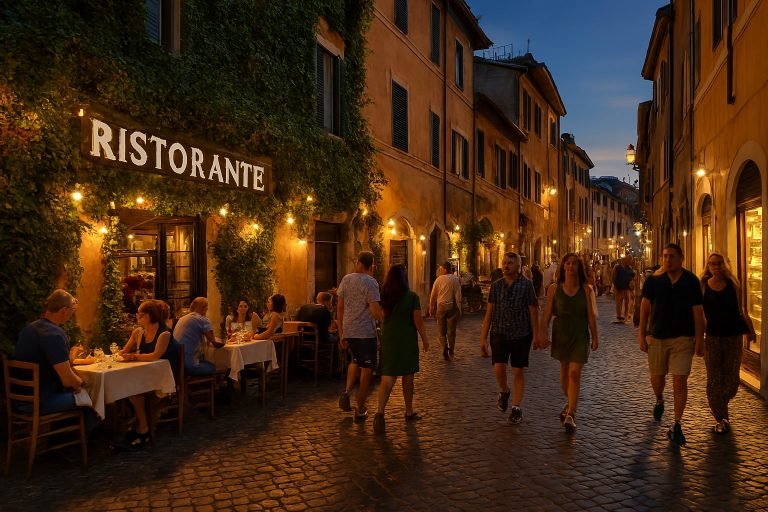
Trastevere offers a different side of Rome, with narrow cobbled lanes, ivy-covered walls, and a more local, lived-in feel. During the day, it is a pleasure to wander without a strict plan, stepping into small churches and discovering quiet corners away from major traffic. In the evening, the neighborhood comes alive with trattorias, wine bars, and buzzing piazzas filled with conversation and music. It is one of the best areas to experience Rome’s social energy and slower, more human rhythm.
Spanish Steps & Piazza di Spagna
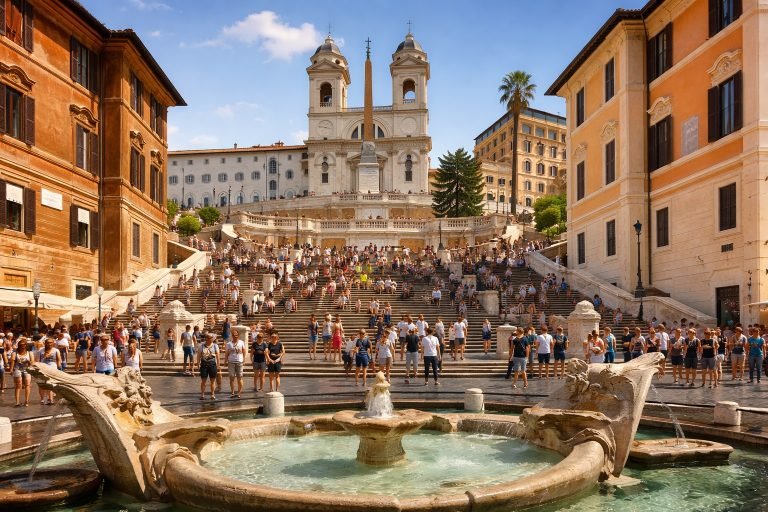
The Spanish Steps link the elegant Piazza di Spagna below with the Trinità dei Monti church above, forming one of Rome’s most photographed urban scenes. Sitting on the steps and watching the constant flow of people gives you a sense of the city’s mix of locals, travelers, and everyday life. The surrounding streets are filled with boutiques, historic cafés, and small lanes that invite exploration. From the top of the steps, the rooftops of Rome stretch out in soft tones, especially beautiful in the late afternoon light.
Campo de’ Fiori & Local Markets
Campo de’ Fiori changes character completely from morning to night, making it one of Rome’s most dynamic squares. In the morning, market stalls sell fruit, vegetables, spices, and local products that give a glimpse into everyday Roman food culture. By late afternoon and evening, the square fills with people meeting for drinks and dinner, creating a lively social atmosphere. It is a great place to see how public spaces in Rome naturally shift from practical to social throughout the day.
Appian Way & Catacombs
The Appian Way offers a peaceful escape from the dense historic center while still immersing you in ancient history. This ancient Roman road stretches through the countryside, lined with ruins, tombs, and long sections of original paving stones. Walking or cycling here gives you a sense of how vast and connected the Roman Empire once was. Nearby catacombs add another layer of depth, with guided tours leading through underground burial tunnels that reveal early Christian history.
Just Wander
Some of the most memorable experiences in Rome happen when you are not following a strict plan. Turning down side streets often leads to unexpected fountains, hidden courtyards, and churches filled with masterpieces that have no entrance fee or long line. Sitting in a quiet piazza with a coffee or gelato lets you absorb the rhythm of daily life that continues around the monuments. Rome rewards curiosity, and leaving room for unplanned moments is one of the best decisions you can make while exploring the city.
Places to Visit in Rome: Food, Markets & Cafés
Rome’s food scene is a delicious reflection of the city’s history and culture, with iconic pasta dishes like carbonara and cacio e pepe, crispy supplì, artisan gelato, and rich espresso available around almost every corner. Local markets buzz with activity each morning, offering fresh produce, street food, and the kinds of ingredients that have shaped Roman cuisine for generations. Cafés, trattorie, and bistros serve as social hubs where residents linger over slow meals, laughter, and wine, welcoming you into the rhythm of everyday life. Whether you’re grabbing quick bites between sightseeing or settling in for a long dinner, these spots are among the best places to visit in Rome for food lovers.
Iconic Cafés & Coffee Stops
Sant' Eustachio Caffè has been crafting some of Rome’s most renowned espresso for decades, and locals swear by its rich crema and signature coffee blend. Nestled near Piazza Navona, its historic setting adds to the experience, perfect for a morning caffeine boost or an afternoon pick-me-up between sightseeing. The smell of fresh coffee and the buzz of early patrons make it feel deeply Roman from the very first sip.
Caffè Tazza d’Oro is a beloved Roman institution known for its excellent espresso and traditional café vibe. Locals start their day here with a quick coffee standing at the bar before heading out to work or to explore. The attention to coffee craft and friendly service make it a must-visit for coffee aficionados.
Antico Caffè Greco sits in an elegant spot near the Spanish Steps, offering not just great coffee but a refined historic atmosphere. It’s perfect for lingering over a cappuccino and pastry while soaking in the artistic legacy of the space. Its classic Roman café experience pairs beautifully with people-watching in one of the city’s most stylish districts.
Barnum Roma combines specialty coffee with creative pastries and a relaxed environment that feels local rather than touristy. Located near the historic center, it’s the kind of café where you can sit for an hour with a book and a latte. The friendly service and quality drinks make it a favorite among both visitors and Romans alike.
Street Food & Markets
Campo de’ Fiori Market is one of Rome’s oldest and most vibrant markets, filled with fresh produce, flowers, spices, and food stalls where you can sample local specialties on the go. Here, the energy of daily shopping blends with street food culture — think fresh fruit, bruschetta, and quick bites that make perfect stops between sightseeing. The square itself is historic, and wandering its stalls gives you a true feel for Roman life.
🍝 Rome: Trastevere & Campo de’ Fiori Street Food Walking Tour
Want to taste Rome the way locals do? This guided walking tour leads you through Trastevere and Campo de’ Fiori, sampling classic Roman street food while learning how neighborhood markets and family-run spots shape the city’s food culture.
Testaccio Market is a local favorite for street food and timeless Roman eats, from supplì to fresh bread and seasonal produce. With stalls featuring both traditional Roman food and international twists, this market has become a go-to for foodies who want authentic flavors alongside cultural discovery. It’s a lively place to graze your way through lunch while chatting with vendors and trying new things.
Piazza di San Cosimato Market in Trastevere offers a quieter, neighborhood-focused market experience where you can pick up local cheeses, fruit, and bread before enjoying an impromptu picnic. Its intimate setting reflects the more relaxed pace of Trastevere and rewards those who want to explore local life beyond the biggest tourist squares.
Mercato Centrale Roma next to Roma Termini brings together a wide range of Italian and international food vendors under one roof — perfect for groups with varied tastes. From fresh pasta to artisanal desserts, it’s more than a meal stop — it’s a social hub where you can chat with chefs and fellow travelers alike. Whether you’re just arriving or heading out of town, it’s a convenient and delicious stop.
Cool Restaurants & Local Favorites
Tonnarello is one of Rome’s quintessential trattorie, loved for its classic Roman pasta dishes like tonnarelli cacio e pepe and carbonara in a lively, welcoming space. The bustling interior and hearty portions make it a favorite among locals and visitors alike, and its reputation is built on food that feels straight from a Roman grandmother’s kitchen.
Roscioli combines a deli, wine bar, and restaurant into one legendary Roman food destination. It’s known for exceptional cured meats, cheeses, and perfectly executed Roman dishes served in an intimate setting. Dining here feels like a deep dive into Italy’s culinary heritage.
Cantina e Cucina is a lively restaurant tucked into the narrow streets near Piazza Navona, where wine flows as freely as conversation. The menu features Roman favorites alongside innovative plates that highlight seasonal ingredients. Dining here feels like a celebration of Italian food — slow, social, and utterly satisfying.
CiPASSO makes excellent Roman classics with a modern touch, offering a comfortable setting for dinner or late lunch. Its warm, welcoming atmosphere makes it ideal for relaxed meals where you want to linger over plates and wine. Locals and visitors alike appreciate the quality and creativity on the menu.
Bars & Nightlife Spots
The Court Cocktail Bar overlooks the Colosseum and is one of Rome’s most iconic spots for evening drinks with a view — perfect for sunsets and special occasions. The innovative cocktails and elegant ambiance draw both locals and travelers, making it a memorable stop after a day of sightseeing.
La Botticella is a lively bar known for its vibrant atmosphere and creative drinks, often hosting live music or DJ sets. Its location near the historic center makes it easy to combine with dinner or evening strolls through Rome’s streets. It’s a relaxed and fun stop for a casual Roman night out.
The Basement Pub is a cozy, unpretentious spot with a friendly crowd, excellent cocktails, and occasional events that give it a local, neighborhood feel. It’s a great choice if you want something more relaxed than a rooftop bar but still full of character. The intimate vibe makes it easy to strike up conversations with locals and fellow travelers.
Piazza Trilussa & Trastevere bars come alive after dark, with locals gathering around fountain steps for aperitivo and moving on to nearby wine bars and lounges. The mix of lively plazas and intimate venues makes this area one of the best places to experience Rome’s nightlife atmosphere. It’s an easygoing way to end the day immersed in the city’s social energy.
Getting Around Rome
Rome is best explored with a simple strategy: walk as much as possible in the historic center, then use public transport to “reset” your position when distances start to stretch. Many of the most famous sights sit close together, but the city is also bigger than it looks on a map, and the heat, crowds, and cobblestones can add up fast. The good news is you have multiple easy options, and you can mix them depending on your day.
Walking (the best way for the historic center)
For areas like the Pantheon zone, Piazza Navona, Trevi Fountain, and Trastevere, walking is usually faster than public transport. You’ll also discover hidden churches, small piazzas, and local cafés that you would never find if you were only jumping between landmarks. Wear comfortable shoes — Rome’s cobblestones are part of the charm, but they are not forgiving.
Metro (fastest for longer jumps)
Rome’s metro is the quickest way to move across the city when you don’t want to spend 30–45 minutes walking. It’s especially useful for getting to and from Termini, reaching the Vatican area, or moving between major districts without dealing with traffic. For official transport info, maps, and service updates, use ATAC (Rome public transport).
Buses & trams (best coverage, slower in traffic)
Buses and trams reach far more neighborhoods than the metro, which makes them helpful for routes the subway doesn’t cover. The tradeoff is speed — traffic can be heavy, and buses can feel slow at peak times. If you’re using buses often, checking routes and updates through ATAC helps you avoid confusion at stops.
Trains (Termini & Tiburtina for day trips and regional travel)
If you’re planning day trips or arriving by rail, trains are your cleanest option. Roma Termini is the main hub in the center, while Roma Tiburtina also handles many regional and high-speed routes. For station information and services, you can reference Roma Termini (Grandi Stazioni).
Taxis (convenient, especially late or with luggage)
Licensed taxis are a good choice when you’re carrying luggage, traveling late at night, or simply want a direct ride without transfers. The safest approach is using official taxi stands or booking through official channels rather than accepting random offers. For general taxi information, you can reference Taxi Roma.
Bike & e-scooter (good for short hops, not ideal everywhere)
Bike and e-scooter rentals can be fun for short distances, especially along calmer stretches near parks or riverside paths. In the densest historic areas, they can be less practical due to crowds, cobblestones, and unpredictable traffic. If you do use them, stick to quieter streets and ride defensively.
Car (usually not worth it inside the city)
Driving in central Rome is rarely enjoyable for visitors, with heavy traffic, limited parking, and restricted zones (ZTL) that can trigger fines. A car can make sense for countryside day trips or airport-area stays, but for Rome itself, walking plus public transport is almost always the smoother choice.
Best Time to Visit Rome
Rome is a year-round destination, but the experience can feel very different depending on when you visit. Weather, crowd levels, and local events all shape how easy it is to explore the major landmarks and how enjoyable it is to spend long hours outside. Choosing the right season can make a big difference, especially when your plans include popular things to do in Rome like the Colosseum, Vatican Museums, and long evenings in piazzas.
Spring (March to May)
Spring is one of the best times to visit Rome, with mild temperatures and the city slowly coming back to life after winter. Flowers bloom in parks and along streets, and outdoor cafés start filling up again with both locals and visitors. It’s warm enough for comfortable sightseeing without the intense summer heat, making long walking days much more pleasant. Crowds begin to build in April and May, but the atmosphere feels lively rather than overwhelming.
Summer (June to August)
Summer in Rome is hot, busy, and energetic, with temperatures often climbing well above 30°C (86°F). Major attractions are at their most crowded, and midday sightseeing can feel exhausting if you are not used to the heat. That said, evenings are magical, with warm air, outdoor dining, and a festive atmosphere across neighborhoods like Trastevere and Campo de’ Fiori. If you visit in summer, plan early morning sightseeing, afternoon breaks, and long, relaxed evenings.
Autumn (September to November)
Autumn is another excellent season for exploring Rome, especially in September and October when the heat softens but the days are still bright and pleasant. The city feels slightly calmer than peak summer, and it’s easier to enjoy major sights without extreme temperatures. Outdoor dining continues, and the golden light in the late afternoon gives monuments and piazzas a beautiful glow. November becomes cooler and occasionally rainy, but it also brings fewer tourists and a more local feel.
Winter (December to February)
Winter is the quietest time to visit Rome, with fewer crowds and shorter lines at many attractions. Temperatures are cool rather than freezing, usually ranging between 8–15°C (46–59°F), making sightseeing comfortable if you dress in layers. The city feels more relaxed, and you get a better sense of everyday Roman life without the constant buzz of peak tourism. Around Christmas, festive lights and decorations add charm, especially in major squares and shopping streets.
If your priority is comfortable weather and a good balance between energy and manageability, late spring and early autumn are hard to beat. Summer works well if you don’t mind heat and crowds and want a lively, late-night atmosphere. Winter suits travelers who prefer quieter streets, easier museum visits, and a slower pace while still enjoying the full range of things to do in Rome.
Common Italian Phrases for Visiting Rome
You don’t need to speak fluent Italian to enjoy Rome, but learning a few basic phrases goes a long way. Locals appreciate even small efforts, and simple greetings or polite expressions can make everyday interactions smoother in cafés, shops, and restaurants. While many people working in tourism speak English, using Italian shows respect and often leads to warmer, friendlier exchanges. These phrases are especially helpful when ordering food, asking for directions, or navigating daily life while exploring things to do in Rome.
Basic Greetings
- Buongiorno – Good morning / Good afternoon
- Buonasera – Good evening
- Ciao – Hi / Bye (informal)
- Arrivederci – Goodbye (formal)
Polite Essentials
- Per favore – Please
- Grazie – Thank you
- Grazie mille – Thank you very much
- Prego – You’re welcome
- Mi scusi – Excuse me (to get attention)
At Restaurants & Cafés
- Un caffè, per favore – A coffee, please
- Il conto, per favore – The bill, please
- È possibile avere…? – Is it possible to have…?
- Acqua naturale / frizzante – Still water / Sparkling water
Getting Around
- Dov’è…? – Where is…?
- Quanto costa? – How much does it cost?
- Un biglietto – One ticket
- La fermata dell’autobus – The bus stop
Even if your pronunciation isn’t perfect, making the effort is always appreciated. Start interactions with a greeting before switching to English, and you’ll notice people are often more patient and helpful. Rome is a welcoming city, and a few Italian words can make your experience feel more connected and personal. It’s a small step that adds a lot to your time discovering the best things to do in Rome.
Continue Exploring...
If planning Rome has sparked your appetite for more iconic city breaks and unforgettable travel experiences, here are a few guides you’ll love next. Each destination below has its own personality, but they all deliver the same kind of “wow” factor you get from exploring the best things to do in Rome — whether that means history, food, scenery, or big bucket-list moments.
- Things to Do in Dublin – A lively, walkable city packed with history, pubs, stories, and a surprisingly strong food scene.
- Things to Do in Buenos Aires – Grand architecture, café culture, incredible steaks, and neighborhoods that feel endlessly exploreable.
- Things to Do in Sydney – Beaches, coastal walks, skyline views, and the kind of outdoor lifestyle that instantly resets your mood.
- Things to Do in Hawaii – Volcanoes, waterfalls, beaches, and an easygoing vibe that’s perfect after an intense city adventure.
Rome Travel Facts
- Currency: Italy uses the Euro (€). Credit and debit cards are widely accepted, but it’s useful to carry some small cash for cafés, markets, and taxis.
- Language: The official language is Italian. English is commonly spoken in hotels, restaurants, and tourist areas, but learning a few basic phrases goes a long way.
- Plug type: Italy uses Type C, F, and L plugs with a standard voltage of 230V. A universal travel adapter is essential if you’re coming from outside Europe.
- Getting around: Rome’s historic center is best explored on foot. For longer distances, buses, trams, and the metro are affordable, though traffic can make buses slow during peak hours.
- Airport transport: From Fiumicino Airport (FCO), the Leonardo Express train reaches Roma Termini in about 30 minutes. Taxis have fixed fares to central Rome, which helps avoid surprises.
- Water: Rome’s tap water is safe to drink, and you’ll see small public fountains called “nasoni” around the city. Carrying a reusable bottle saves money and keeps you hydrated during long sightseeing days.
- Dress code for churches: When visiting churches and religious sites like St. Peter’s Basilica, shoulders and knees should be covered. Carrying a light scarf or shawl can help you adapt quickly.
- Dining times: Lunch is usually between 12:30–2:30 PM, and dinner rarely starts before 7:30 PM. Restaurants in tourist areas may open earlier, but locals tend to eat later.
- Connectivity: Free Wi-Fi is available in many hotels and cafés, but coverage can be inconsistent. Using a travel data plan or an international eSIM makes it much easier to navigate, book tickets, and look up things to do in Rome on the go.
- Tipping culture: Tipping is not mandatory in Italy, as service is often included. Rounding up the bill or leaving small change for good service is appreciated but not expected.
❓ Rome Travel Guide FAQ
🇮🇹 How many days do I need in Rome?
Most travelers should plan at least 3 to 4 days in Rome. This gives you enough time to see major highlights like the Colosseum, Vatican Museums, and historic center without rushing every moment. If you want to include slower meals, neighborhoods like Trastevere, and a day trip, 5 to 6 days is ideal.
🎟️ Do I need to book Rome attractions in advance?
Yes, for major sites like the Colosseum, Roman Forum, and Vatican Museums, booking tickets in advance is highly recommended. Lines can be very long, especially in spring and summer, and timed-entry tickets help you avoid wasting hours waiting. Smaller churches and piazzas usually do not require reservations.
🚶 Is Rome a walkable city?
Rome is very walkable, especially within the historic center where many top sights are close together. Be prepared for cobblestone streets and longer walking days than you might expect. Comfortable shoes are one of the most important things you can pack for Rome.
💧 Can you drink the tap water in Rome?
Yes, Rome’s tap water is safe to drink and comes from the same sources that have supplied the city since ancient times. Public fountains called “nasoni” provide fresh, cold drinking water throughout the city. Carrying a reusable bottle makes it easy to refill while sightseeing.
🍝 What food is Rome famous for?
Rome is known for simple but incredibly flavorful pasta dishes like carbonara, cacio e pepe, and amatriciana. Street food such as supplì and pizza al taglio is also popular, along with gelato and strong Italian coffee. Meals are an important part of Roman culture, so take your time and enjoy the experience.
🛍️ Is Rome expensive to visit?
Rome can feel moderately expensive compared to some European cities, especially for accommodation near major landmarks. Food can be very affordable if you avoid tourist-heavy restaurants and eat where locals do. Many of the city’s best experiences, like wandering neighborhoods and visiting churches, are completely free.
🕌 What should I wear when visiting churches in Rome?
When entering churches and religious sites, shoulders and knees should be covered out of respect. This rule is strictly enforced at places like St. Peter’s Basilica. A light scarf or extra layer in your bag makes it easy to adjust.
🌙 Is Rome safe at night?
Rome is generally safe for visitors, including in the evening, especially in busy central areas. As in any major city, keep an eye on your belongings and be cautious of pickpocketing in crowded places and on public transport. Well-lit areas like Trastevere, Piazza Navona, and the Pantheon zone are lively and comfortable at night.
Travel Resources to Plan, Book & Stay Connected
Use these tools and guides to stay connected abroad, find inspiration for your next trip, and book your flights, stays and gear with confidence.
Disclosure: This article may contain affiliate links. If you make a purchase through a link, I may receive a commission at no extra cost to you. I only share recommendations I believe are genuinely useful, and all opinions are my own. AI was used in this post for research and drafting purposes.

Comment (0)