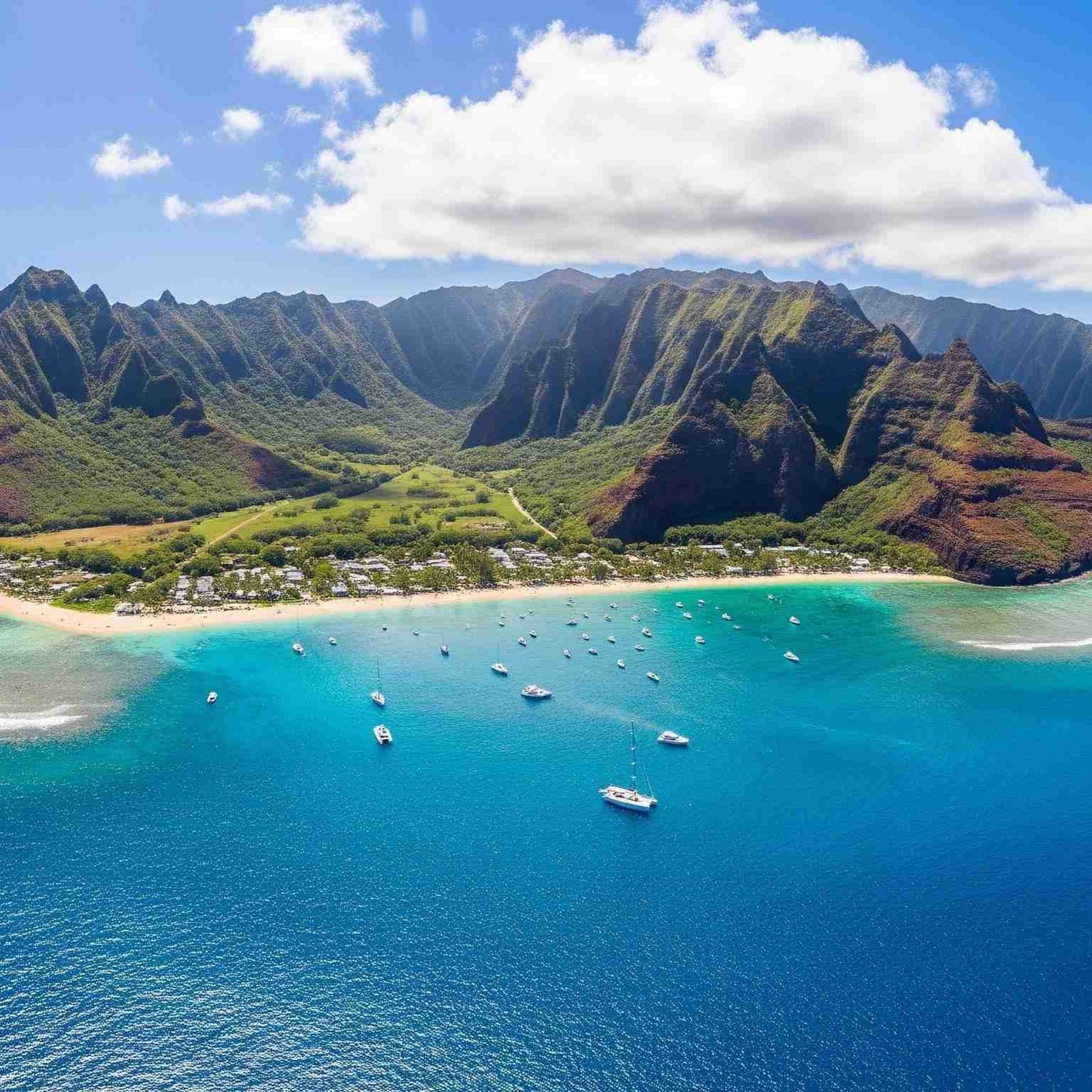
This Hawaii post at a glance
- Overview of Hawaii as a multi-island destination, with clear differences between Oʻahu, Maui, Kauaʻi, and the Big Island.
- Island comparison section to help identify which Hawaiian island fits different travel styles and priorities.
- Maui travel guide covering what the island is like, key experiences, and where to stay.
- Waikiki and Oʻahu travel guide including activities, atmosphere, and accommodation options.
- Kauaʻi travel guide focused on landscapes, outdoor experiences, and hotel choices.
- Big Island travel guide highlighting volcanic landscapes, diversity of regions, and places to stay.
- Section on food, nightlife, and local experiences across the Hawaiian islands.
- Common Hawaiian words and phrases with pronunciation and meaning.
- Practical travel facts and a detailed Hawaii travel FAQ.
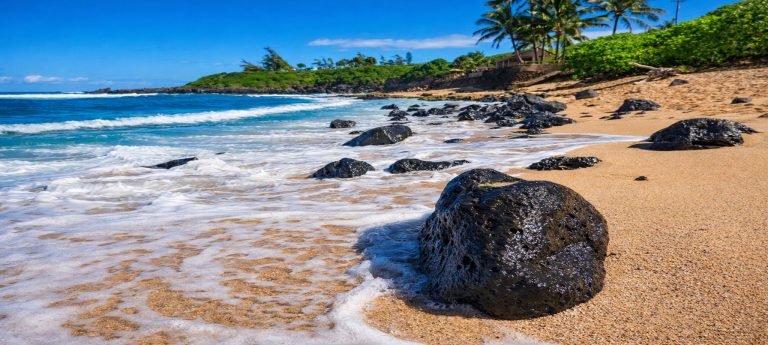
Introduction: Why Hawaii Is More Than One Destination
When people search for things to do in Hawaii, they often imagine a single destination. In reality, Hawaii is a collection of very different islands, each offering its own atmosphere, landscapes, and travel experience. Choosing the right island matters far more than choosing a hotel or building a long checklist of attractions.
From the lively streets and famous beaches of Oʻahu to the resort-lined coasts of Maui, the lush valleys of Kauaʻi, and the vast volcanic landscapes of the Big Island, each island delivers a distinctly different version of Hawaii. Understanding these differences is the key to planning a trip that actually matches how you like to travel.
Some islands feel lively and urban, with iconic beaches and cultural landmarks close together. Others are slower, greener, and shaped by dramatic coastlines, hiking trails, and quiet towns. There are places designed around resorts and relaxation, and others where nature clearly comes first and plans move at a gentler pace.
Because of this, there is no single “best” way to visit Hawaii. The perfect trip depends on what you want from it: beaches or hiking, nightlife or silence, convenience or remoteness, first-time highlights or deeper exploration.
This guide is designed to help you choose the Hawaiian island that fits you best, understand what each one offers, and plan a trip that feels balanced rather than rushed. Whether you are visiting Hawaii for the first time or returning with a clearer idea of what you want, the sections below will help you make confident decisions before you start booking.
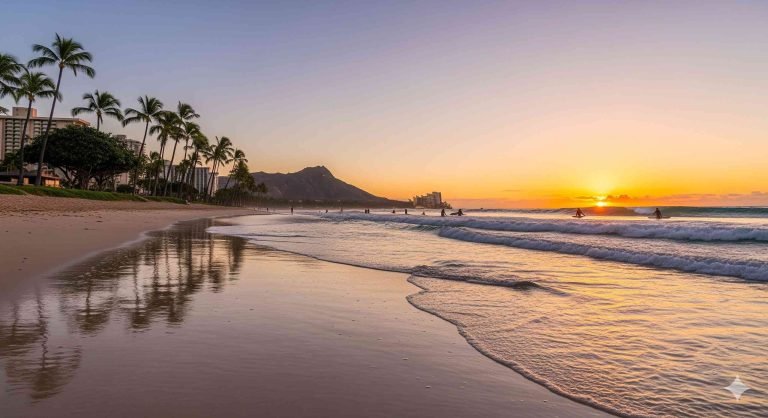
Which Hawaiian Island Is Right for You?
Each Hawaiian island offers a very different experience, and the best choice depends on how you like to travel. Some islands are ideal for first-time visitors who want variety and convenience, while others are better suited to travelers looking for nature, quiet, or a slower pace.
Hawaii’s four main visitor islands — Oʻahu, Maui, Kauaʻi, and the Big Island — all deliver something distinct. The comparisons below are designed to help you quickly narrow down which island fits your travel style before diving into the detailed island guides later in this post.
Best Hawaiian Island for First-Time Visitors
Oʻahu is the easiest and most balanced choice for first-time visitors. It combines famous beaches, cultural landmarks, food scenes, shopping, and nightlife in one place, with excellent infrastructure and transport. If you want to see a little bit of everything without constantly moving around, Oʻahu is the most straightforward introduction to Hawaii.
Best Hawaiian Island for Beaches & Resorts
Maui is the top choice for travelers focused on beaches, scenic drives, and resort-style relaxation. It offers long stretches of sand, excellent snorkeling, dramatic coastal roads, and upscale resorts spread across different parts of the island. Maui feels polished without losing its natural beauty.
Best Hawaiian Island for Nature, Hiking & Scenery
Kauaʻi is the most nature-driven of the major Hawaiian islands, known for its lush valleys, towering cliffs, waterfalls, and rugged coastline. It is ideal for travelers who prioritize hiking, landscapes, and a quieter atmosphere. Kauaʻi rewards patience and curiosity rather than packed itineraries.
Best Hawaiian Island for Volcanoes & Epic Adventure
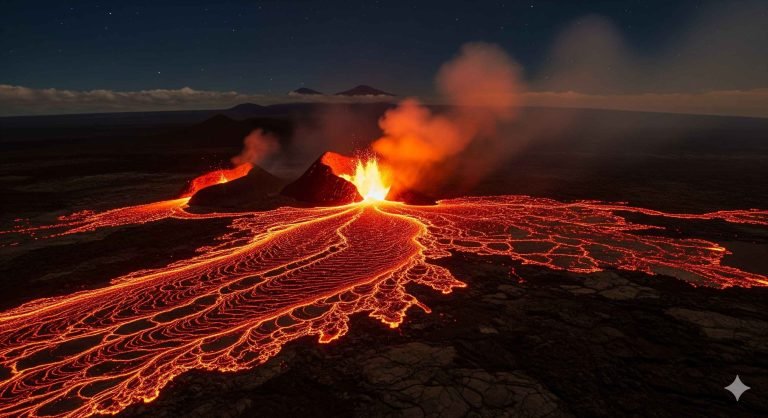
The Big Island stands apart for its sheer scale and geological diversity. Home to active volcanoes, lava fields, black sand beaches, and some of the best stargazing on Earth, it appeals to travelers who enjoy road trips, dramatic landscapes, and a more adventurous, less resort-driven experience.
Best Hawaiian Island for Families
Both Oʻahu and Maui work well for families, depending on preferences. Oʻahu offers attractions, beaches with lifeguards, and easy logistics, while Maui provides a calmer environment with family-friendly resorts and outdoor activities. Families looking for simplicity often choose Oʻahu, while those wanting space and slower days lean toward Maui.
Best Hawaiian Island for Couples & Honeymoons
Maui and Kauaʻi are the most popular choices for couples and honeymooners. Maui balances luxury, beaches, and activities, while Kauaʻi feels more secluded and romantic, with fewer crowds and dramatic scenery. Couples who prefer wide-open spaces and natural spectacle often gravitate toward the Big Island.
Best Hawaiian Island for Adventure & Surfing
Oʻahu is the best option for surfing and high-energy activities, especially along the North Shore, where world-famous waves attract surfers from around the globe. The Big Island offers adventure of a different kind, focused on volcanic landscapes, hiking, and exploration rather than dense surf culture.
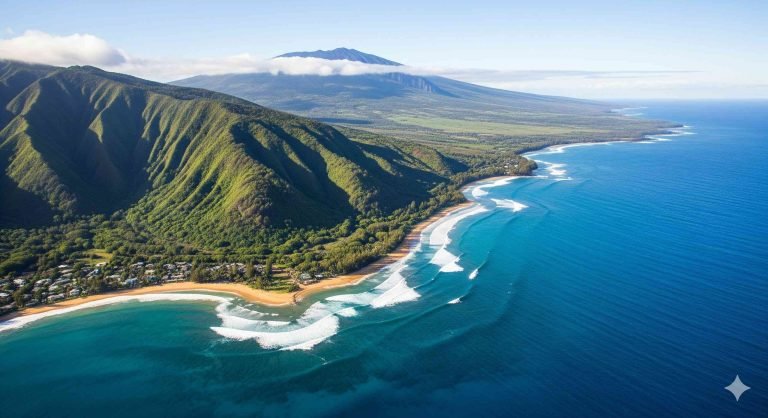
Maui: Beaches, Volcanoes & the Classic Hawaii Experience
Maui is often what people imagine when they think of Hawaii. It combines golden beaches, lush valleys, volcanic landscapes, and well-developed resort areas, all wrapped in a relaxed but refined atmosphere. The island feels scenic and adventurous without being overwhelming, making it one of the most balanced destinations in Hawaii.
What Maui Is Like
Maui offers a mix of polished comfort and raw natural beauty. You will find upscale resorts, small beach towns, winding coastal roads, and high-altitude landscapes all within a relatively compact island. It suits travelers who want variety without the fast pace of a major city, and it rewards those willing to explore beyond their hotel.
Top Things to Do in Maui
One of Maui’s most famous experiences is the Road to Hāna, a winding coastal drive that passes waterfalls, rainforests, and dramatic viewpoints. It is less about reaching a destination and more about taking your time and stopping along the way.
Haleakalā National Park offers a completely different side of the island. Watching the sunrise or sunset from the summit of the volcano is a memorable experience, with views above the clouds and a stark, almost otherworldly landscape.
Maui’s beaches are among the best in Hawaii, whether you are looking for calm waters for swimming, snorkeling with sea turtles, or long sandy stretches for relaxing. Seasonal whale watching, particularly during the winter months, is another highlight that draws visitors to the island.
Where to Stay in Maui
Choosing where to stay in Maui has a big impact on how your trip feels, because different areas of the island offer very different experiences. Beachfront resort zones like Wailea and Kāʻanapali are ideal for travelers who want comfort, scenery, and easy beach access, while areas around Kahului and Kihei tend to offer better value and more practical bases for exploring the island.
Whether you are visiting Maui on a tighter budget, planning a comfortable beach-focused stay, or looking to treat yourself to a high-end resort experience, these hotels offer strong locations, reliable comfort, and good overall value.
Budget Hotels
MAUI SEASIDE HOTEL
100 W Kaʻahumanu Ave, Kahului, HI 96732, United States
Maui Seaside Hotel is a practical and well-located budget option near Kahului Airport, making it especially convenient for short stays or travelers planning to explore multiple parts of the island. It offers simple comfort, easy access to shops and restaurants, and a central base without resort pricing.
For a convenient and affordable stay, check availability for Maui Seaside Hotel here.
DAYS INN BY WYNDHAM MAUI OCEANFRONT
2980 S Kihei Rd, Kihei, HI 96753, United States
Days Inn by Wyndham Maui Oceanfront is one of the more affordable beachfront options on the island. Located in Kihei, it suits travelers who want to stay close to the ocean without paying resort-level prices, and who plan to spend most of their time outdoors.
If you want a budget-friendly beachfront stay, see Days Inn Maui Oceanfront options here.
Mid-Range Comfort
ASTON MAUI KAʻANAPALI VILLAS
45 Kai Ala Dr, Lahaina, HI 96761, United States
Aston Maui Kaʻanapali Villas offers a comfortable mid-range stay right on the beach in one of Maui’s most popular resort areas. With spacious rooms and easy access to the shoreline, it works well for couples and families who want a relaxed beach holiday without full luxury pricing.
For a well-located beachfront stay, check Aston Maui Kaʻanapali Villas availability here.
MAUI COAST HOTEL
2259 S Kihei Rd, Kihei, HI 96753, United States
Maui Coast Hotel is a reliable mid-range option in Kihei, offering modern rooms, good amenities, and a location close to beaches, restaurants, and shops. It is a strong choice for travelers who want comfort and value with easy access to both West and South Maui.
For a comfortable and well-priced stay, view Maui Coast Hotel options here.
Luxury Hotels
THE RITZ-CARLTON, KAPALUA
1 Ritz-Carlton Dr, Kapalua, HI 96761, United States
The Ritz-Carlton, Kapalua delivers a refined luxury experience in a quieter, more scenic part of Maui. Surrounded by coastal trails and championship golf courses, it is ideal for travelers seeking high-end service, space, and a more tranquil resort atmosphere.
For an elegant and peaceful luxury stay, check availability for The Ritz-Carlton, Kapalua here.
GRAND WAILEA, A WALDORF ASTORIA RESORT
3850 Wailea Alanui Dr, Wailea, HI 96753, United States
Grand Wailea is one of Maui’s most iconic luxury resorts, known for its expansive grounds, beachfront setting, and resort-style amenities. It is especially popular with families and couples looking for a classic, high-end Maui experience with everything on site.
For a flagship luxury resort stay, see Grand Wailea Resort options here.
If you are still deciding where to stay in Maui, it can be helpful to compare prices and booking options across different platforms before committing.
You can do that here: compare hotel booking platforms and find the best deals.
Is Maui Right for You?
Maui is ideal if you want a classic Hawaii experience with beautiful beaches, scenic drives, and a comfortable level of development. It suits couples, families, and first-time visitors who want flexibility, natural beauty, and a sense of escape without sacrificing convenience.
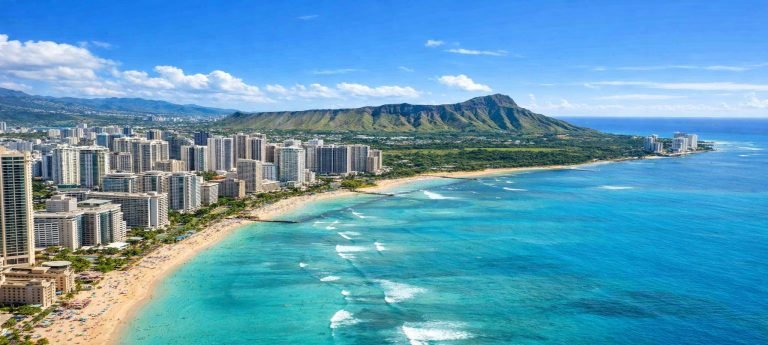
Oʻahu (Waikiki): Culture, City Energy & Iconic Hawaii
Oʻahu is the most diverse and energetic of the Hawaiian islands. It blends famous beaches, historic landmarks, cultural sites, and a lively urban scene, all within a relatively small area. This is where many first-time visitors start, and for good reason: Oʻahu offers the widest variety of experiences with the least logistical effort.
What Oʻahu Is Like
Oʻahu feels more fast-paced than the other islands, especially around Waikiki and Honolulu. It has the best public transport, the largest food scene, and the most nightlife options in Hawaii.
Waikiki is Honolulu’s beachfront district and sits within the wider city of Honolulu, which serves as Oʻahu’s main urban and cultural center. While most travelers base themselves in Waikiki, many of the island’s museums, historic sites, and local neighborhoods extend beyond the resort area into greater Honolulu.
At the same time, short drives take you to quieter beaches, lush valleys, and laid-back surf towns, particularly along the North Shore and the eastern coast. This contrast between city energy and natural escape is what makes Oʻahu feel so balanced.
Top Things to Do in Oʻahu
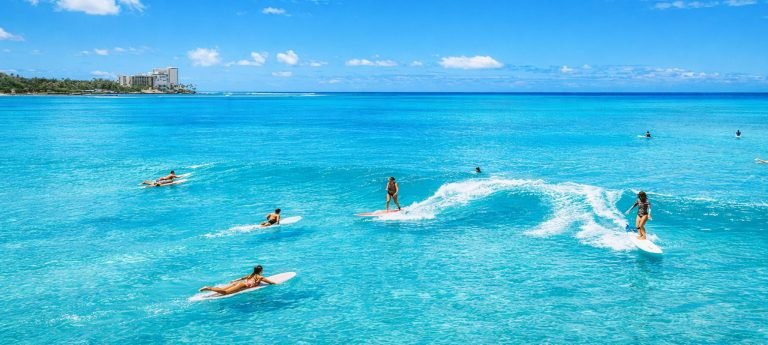
Waikiki Beach is one of the most recognizable beaches in the world and serves as a central base for many travelers. It is ideal for swimming, beginner surfing lessons, and evening strolls along the beachfront.
Diamond Head offers one of the best viewpoints on the island. The short but steep hike rewards visitors with panoramic views over Waikiki, Honolulu, and the Pacific Ocean.
Pearl Harbor provides important historical context and is one of the most visited sites in Hawaii. Nearby, the North Shore showcases a very different side of the island, with powerful winter waves, relaxed surf towns, and scenic coastal drives.
Where to Stay in Oʻahu (Waikiki)
Choosing where to stay in Oʻahu (Waikiki) shapes your entire Oʻahu experience. Waikiki is compact, walkable, and packed with beaches, restaurants, shopping, and nightlife, making it one of the easiest bases in Hawaii for first-time visitors. Staying closer to the beachfront puts you near the action, while properties a few blocks inland often offer better value without sacrificing convenience.
Whether you are visiting Waikiki on a budget, looking for comfortable beachfront access, or planning a refined luxury stay, these hotels provide reliable comfort, strong locations, and a well-rounded Waikiki experience.
Budget Hotels
SHORELINE HOTEL WAIKIKI
342 Seaside Ave, Honolulu, HI 96815, United States
Shoreline Hotel Waikiki is a popular budget-friendly choice located just a short walk from Waikiki Beach. It offers a modern, relaxed atmosphere and is well suited to travelers who want to be close to the beach, dining, and nightlife without paying beachfront resort prices.
For a central and affordable stay, check availability for Shoreline Hotel Waikiki here.
WAIKIKI RESORT HOTEL
2460 Koa Ave, Honolulu, HI 96815, United States
Waikiki Resort Hotel offers solid value in a convenient location just steps from the beach. It is a straightforward and comfortable option for travelers who want easy access to Waikiki’s main attractions while keeping accommodation costs under control.
For a practical Waikiki base near the beach, see Waikiki Resort Hotel options here.
Mid-Range Comfort
THE TWIN FIN HOTEL
2570 Kalākaua Ave, Honolulu, HI 96815, United States
The Twin Fin Hotel sits directly across from Waikiki Beach and offers a comfortable mid-range stay with ocean views from many rooms. It is a good option for travelers who want a beachfront location without stepping into full luxury pricing.
For a beachfront stay with good value, check The Twin Fin Hotel availability here.
OUTRIGGER WAIKIKI BEACH RESORT
2335 Kalākaua Ave, Honolulu, HI 96815, United States
Outrigger Waikiki Beach Resort is a reliable mid-range beachfront hotel located in the heart of Waikiki. With direct beach access, on-site dining, and live music venues, it works especially well for travelers who want to stay where the action is.
For a lively beachfront experience, view Outrigger Waikiki Beach Resort options here.
Luxury Hotels
THE ROYAL HAWAIIAN, A LUXURY COLLECTION RESORT
2259 Kalākaua Ave, Honolulu, HI 96815, United States
The Royal Hawaiian is one of Waikiki’s most iconic hotels, instantly recognizable by its pink façade and historic elegance. It offers a classic luxury experience with direct beach access and a prime location along Kalākaua Avenue.
For a historic and refined Waikiki stay, check availability for The Royal Hawaiian here.
HALEKULANI
2199 Kālia Rd, Honolulu, HI 96815, United States
Halekulani is known for understated luxury, exceptional service, and one of the most peaceful beachfront settings in Waikiki. It is ideal for couples and travelers looking for a calm, refined stay away from the busier parts of the strip.
For a serene and high-end beachfront experience, see Halekulani options here.
If you are still deciding where to stay in Waikiki, it can be useful to compare prices and booking options across different platforms before making a final choice.
You can do that here: compare hotel booking platforms and find the best deals.
Is Oʻahu Right for You?
Oʻahu is the best choice if you want variety, convenience, and energy. It is ideal for first-time visitors, families, and travelers who enjoy having beaches, food, culture, shopping, and nightlife all within easy reach.
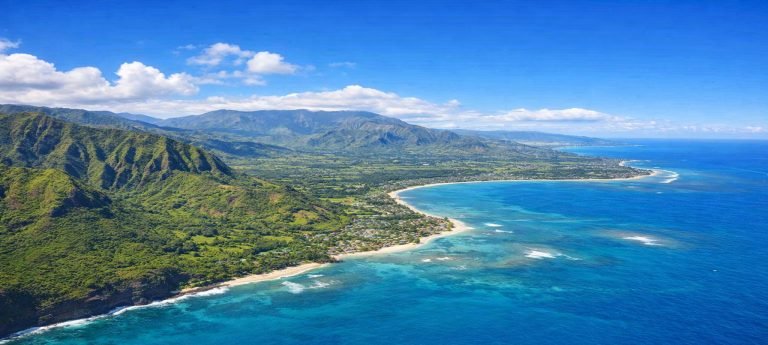
Kauaʻi: Dramatic Landscapes & Quiet Island Life
Kauaʻi is the oldest and most rugged of the main Hawaiian islands, known for its lush greenery, dramatic cliffs, and slower pace of life. Often called the “Garden Isle,” it feels less developed and more nature-focused than Maui or Oʻahu, making it especially appealing to travelers seeking scenery and tranquility.
What Kauaʻi Is Like
Kauaʻi is defined by its landscapes rather than its towns. Waterfalls, rainforests, steep valleys, and remote beaches shape daily life here. The island has fewer large resorts and nightlife options, and evenings tend to be quiet. Most visitors spend their days outdoors and their nights resting for the next day’s exploration.
Unlike the Big Island, which impresses through sheer size, volcanic terrain, and long driving distances, Kauaʻi feels compact and intimate, with dramatic scenery packed into shorter journeys and quieter corners.
Top Things to Do in Kauaʻi
The Nā Pali Coast is Kauaʻi’s most iconic feature, with towering cliffs rising sharply from the ocean. Whether viewed by boat, helicopter, or from hiking trails, it is one of the most striking landscapes in Hawaii and a highlight of any visit to the island.
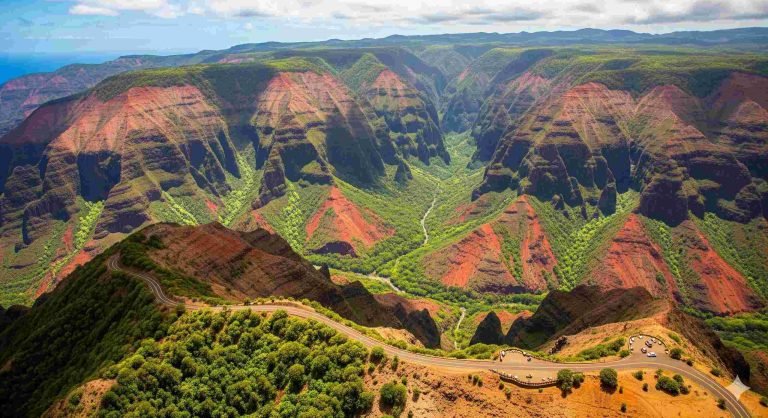
Waimea Canyon, often called the “Grand Canyon of the Pacific,” offers expansive views, scenic drives, and hiking opportunities through red rock formations and lush valleys. The changing colors and viewpoints make it one of Kauaʻi’s most memorable inland experiences.
Kauaʻi’s beaches tend to feel wilder and less crowded than those on other islands. Many are best suited for walking, photography, and quiet relaxation, while swimming conditions vary depending on location and season.
Where to Stay in Kauaʻi
Choosing where to stay in Kauaʻi is largely about deciding how quiet or resort-focused you want your trip to feel. The island has fewer large towns than Maui or Oʻahu, and accommodation is spread between the east coast around Līhuʻe, the sunnier south shore near Poʻipū, and the lush north shore around Hanalei. Each area offers a very different pace and atmosphere.
Whether you are visiting Kauaʻi on a budget, looking for comfortable beachfront access, or planning a high-end resort stay surrounded by nature, these hotels offer strong locations and a good balance between comfort and scenery.
Budget Hotels
KAUAʻI SHORES HOTEL
420 Papaloa Rd, Kapaa, HI 96746, United States
Kauaʻi Shores Hotel is a relaxed, budget-friendly beachfront option on the island’s east side. It works well for travelers who want ocean views, a casual atmosphere, and a central location for exploring both the north and south shores without paying resort prices.
For a laid-back and affordable beachfront stay, check availability for Kauaʻi Shores Hotel here.
KAUAʻI INN
2430 Hulemalu Rd, Lihue, HI 96766, United States
Kauaʻi Inn is a simple and affordable option near Līhuʻe Airport, making it convenient for short stays or travelers planning to explore the island by car. It offers basic comfort, a quiet setting, and good value compared to beachfront resorts.
If you want a practical and budget-friendly base, see Kauaʻi Inn options here.
Mid-Range Comfort
THE ROYAL SONESTA KAUAI RESORT
3610 Rice St, Lihue, HI 96766, United States
The Royal Sonesta Kauai Resort is a well-known mid-range beachfront property near Līhuʻe, offering spacious grounds, lagoon-style pools, and easy access to the island’s main airport. It suits travelers who want resort amenities without the ultra-luxury price tag.
For a comfortable resort-style stay on Kauaʻi, check availability for The Royal Sonesta Kauai Resort here.
OUTRIGGER KAUAI BEACH RESORT & SPA
4331 Kauai Beach Dr, Lihue, HI 96766, United States
Outrigger Kauai Beach Resort & Spa offers a comfortable beachfront stay with a relaxed atmosphere and good on-site amenities. Its location near Līhuʻe makes it convenient for exploring the island while still enjoying oceanfront views and resort comforts.
For a well-located beachfront stay, view Outrigger Kauai Beach Resort options here.
Luxury Hotels
GRAND HYATT KAUAI RESORT & SPA
1571 Poipu Rd, Koloa, HI 96756, United States
Grand Hyatt Kauai Resort & Spa is one of the island’s premier luxury resorts, known for its expansive grounds, multiple pools, and dramatic oceanfront setting on the south shore. It is a strong choice for travelers seeking a full-service luxury experience in a scenic location.
For a high-end resort stay in Poʻipū, check availability for Grand Hyatt Kauai here.
1 HOTEL HANALEI BAY
5520 Ka Haku Rd, Princeville, HI 96722, United States
1 Hotel Hanalei Bay offers a refined luxury stay focused on sustainability, natural design, and sweeping views of Kauaʻi’s north shore. It is ideal for travelers looking for a tranquil, design-forward resort surrounded by some of the island’s most dramatic landscapes.
For a serene and scenic luxury escape, see 1 Hotel Hanalei Bay options here.
If you are still deciding where to stay in Kauaʻi, it can be helpful to compare prices and booking options across different platforms before booking.
You can do that here: compare hotel booking platforms and find the best deals.
Is Kauaʻi Right for You?
Kauaʻi is ideal if you value landscapes, hiking, and a slower pace over nightlife and shopping. It is especially well-suited to couples, nature lovers, and travelers who enjoy quiet evenings and immersive outdoor experiences.
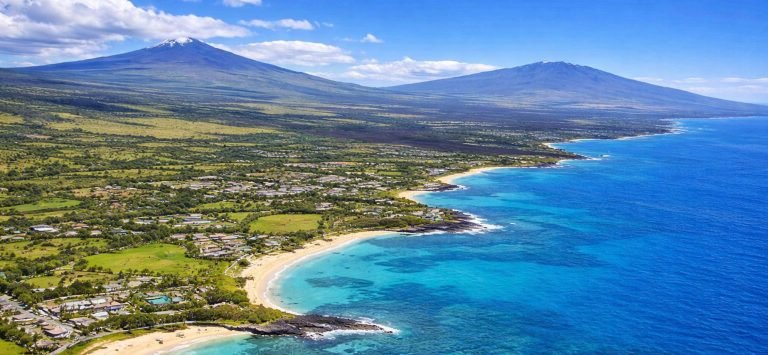
Big Island (Hawaiʻi Island): Volcanoes, Extremes & Epic Scale
The Big Island, officially known as Hawaiʻi Island, is unlike any other place in Hawaii. It is larger than all the other Hawaiian islands combined and defined by dramatic contrasts, from active volcanoes and black sand beaches to lush rainforests and dry lava fields. Distances are long, landscapes change quickly, and planning your base carefully makes a huge difference.
What the Big Island Is Like
The Big Island feels raw, spacious, and adventurous. Life here revolves around nature rather than towns or nightlife, and many visitors are surprised by how quiet large parts of the island feel. Most travelers stay on the west coast around Kailua-Kona or farther north near Waikoloa, where the weather is drier and services are concentrated.
Top Things to Do on the Big Island
Hawaiʻi Volcanoes National Park is the island’s most famous attraction, offering lava landscapes, craters, steam vents, and hiking trails across a constantly changing environment. It is one of the few places in the world where you can see the power of an active volcano up close.
The Kona coast is known for snorkeling, manta ray night dives, and calm ocean conditions, while the island’s beaches range from white sand to black and even green sand. Stargazing from Mauna Kea is another highlight, with some of the clearest night skies on Earth.
Where to Stay on the Big Island
Choosing where to stay on the Big Island is largely about geography. The island is vast, and long driving distances are common, so most visitors base themselves on the west coast around Kailua-Kona or farther north along the Kohala Coast. These areas offer sunnier weather, easier beach access, and the widest range of restaurants and tours.
Whether you are visiting the Big Island on a budget, looking for a comfortable oceanfront base, or planning a large resort-style stay, these hotels provide reliable locations and good access to the island’s main highlights.
Budget Hotels
HOLIDAY INN EXPRESS KAILUA-KONA
75-146 Sarona Ln, Kailua-Kona, HI 96740, United States
Holiday Inn Express Kailua-Kona is a practical and well-located budget option close to downtown Kona. It offers straightforward comfort, included breakfast, and easy access to restaurants, shops, and coastal activities, making it a convenient base for exploring the west side of the island.
For a simple and reliable stay in Kailua-Kona, check availability for Holiday Inn Express Kailua-Kona here.
Mid-Range Comfort
ROYAL KONA RESORT
75-5852 Aliʻi Dr, Kailua-Kona, HI 96740, United States
Royal Kona Resort offers a comfortable oceanfront stay along Aliʻi Drive, within walking distance of Kailua-Kona’s restaurants and waterfront. It is a solid mid-range option for travelers who want sea views and a central location without resort-level pricing.
For an oceanfront stay in the heart of Kona, see Royal Kona Resort options here.
Luxury Hotels
HILTON WAIKOLOA VILLAGE
69-425 Waikoloa Beach Dr, Waikoloa Village, HI 96738, United States
Hilton Waikoloa Village is one of the Big Island’s most iconic large-scale resorts, offering multiple pools, lagoons, restaurants, and on-site activities. Located along the Kohala Coast, it suits travelers looking for a self-contained luxury resort experience with minimal need to leave the property.
For a classic Big Island resort stay, check availability for Hilton Waikoloa Village here.
If you are still deciding where to stay on the Big Island, it can be helpful to compare prices and booking options across different platforms before booking.
You can do that here: compare hotel booking platforms and find the best deals.
Is the Big Island Right for You?
The Big Island is ideal for travelers who enjoy wide-open spaces, road trips, and dramatic natural scenery. It suits adventurous travelers, nature lovers, and anyone curious about volcanoes and geological extremes more than nightlife or dense resort areas.
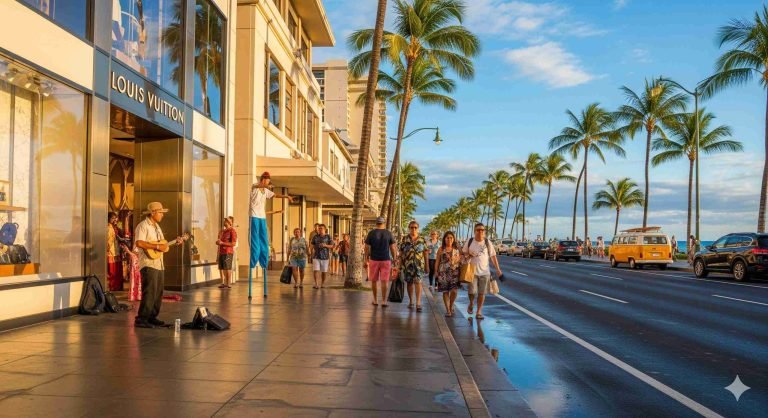
Food, Nightlife & Local Experiences in Hawaii
One of the easiest ways to understand Hawaii is through its food and evenings. The islands are shaped by Polynesian roots and generations of influence from Japan, China, the Philippines, Portugal, and the mainland U.S., which is why you can go from ultra-fresh poke to a classic plate lunch in the same day. Nightlife, meanwhile, tends to be relaxed and social rather than wild, with most “big nights out” happening in Waikiki and most other islands leaning into sunset drinks, live music, and early starts for nature-filled mornings.
Hawaiian Food You Should Try (and Where to Try It)
If you eat only one thing in Hawaii, make it poke. It is simple on paper, but the freshness and variety are on another level here. For a very local, no-frills experience that visitors still love, many people start with poke from Foodland (especially on Oʻahu). If you want something more iconic and sit-down, Maui’s Mama’s Fish House is famous for a reason, even if it is on the touristy side.
Plate lunches are another must. They are casual, filling, and deeply local: rice, macaroni salad, and a rotating mix of proteins. On Oʻahu, Rainbow Drive-In is a classic stop that helps you understand the everyday Hawaii food culture in about five minutes. For a sweet snack, malasadas are the move, and Oʻahu’s Leonard’s Bakery is the most famous name for them.
Shave ice is the obvious Hawaii dessert, but it is worth doing properly. Oʻahu’s Matsumoto Shave Ice is the headline name, and on Maui, Ululani’s Shave Ice is one of the most popular options for bright tropical flavors after a beach day.
Bars, Nightlife & Evenings in Hawaii
If nightlife matters to you, Waikiki is where the energy is. It has the highest density of bars, live music, and late-night options in Hawaii, and it is easy to build a fun evening without complicated planning. Duke’s Waikiki is a classic sunset-to-evening spot that is undeniably popular, but still delivers the easy, breezy Waikiki vibe travelers come for.
On Maui, nights are often about atmosphere rather than clubs. Lahaina has historically been the main evening hub, and places like Fleetwood’s on Front St. are known for sunset drinks and a “special night out” feel. On Kauaʻi, nightlife is minimal by comparison, and that is part of the island’s appeal. Evenings tend to be quiet, with casual dinners, early nights, and sunrise hikes the next day.
The Big Island sits somewhere in the middle. Kona can feel social and lively around dinner time, while the rest of the island quickly turns into stargazing territory. If you want a memorable “Hawaii night” that is not bar-focused, the Big Island’s summit area is one of the best places in the world for dark skies.
Local Favorites & Hidden Gems (By Island)
Maui: Beyond the big-ticket highlights, Maui is full of small moments that feel personal. Stop at roadside fruit stands when you are driving the Road to Hāna, and plan at least one slow beach afternoon in Kihei or Wailea where you do nothing but swim, snack, and watch the light change.
Oʻahu: Oʻahu rewards travelers who leave Waikiki for a day. Spend time on the North Shore for surf-town energy, food trucks, and a very different rhythm, then balance it with a sunrise hike or a quieter beach on the island’s east side.
Kauaʻi: Kauaʻi’s “hidden gems” are often nature moments rather than named venues. Choose one or two scenic drives, commit to a slower pace, and build your days around viewpoints, beaches, and short hikes rather than trying to tick off every landmark.
Big Island (Hawaiʻi Island): This is the island for dramatic contrasts. You can experience lava landscapes, tropical coastlines, and high-altitude viewpoints in the same trip. The “wow factor” here often comes from the landscapes themselves rather than curated attractions.
Molokaʻi: Molokaʻi is for travelers who want a quieter, more local-feeling Hawaii with minimal crowds and a slower pace. It is not built around nightlife or resort life, and that is exactly why some travelers fall in love with it.
Lānaʻi: Lānaʻi is small and polished, known for resort-level comfort and a feeling of seclusion. If you want quiet luxury and scenic drives without the busier energy of the larger islands, it can feel like a true escape.
Hawaiian Culture, Language & Local Etiquette
Hawaii is not just a collection of beautiful islands. It is a place with a deep cultural heartbeat that shapes how people live, interact, and welcome visitors. While beaches and landscapes may draw you in, it is the culture and values of Hawaii that often leave the strongest and most lasting impression.
Traveling well in Hawaii means more than following rules. It means understanding the spirit of the islands, slowing down, and recognizing that this is a living culture rather than a theme park built around nature.
The Aloha Spirit
The Aloha Spirit is not a slogan or a tourist phrase. It is a way of approaching life that centers on kindness, patience, humility, and mutual respect. You will feel it in everyday interactions, from casual conversations to the way people move through shared spaces.
Travelers often notice that time feels different in Hawaii. Days unfold more slowly, conversations last longer, and there is less pressure to rush from one attraction to the next. Visitors who embrace this rhythm tend to connect more deeply with both the islands and the people who call them home.
A Deep Connection to Land and Ocean
In Hawaii, the land and the ocean are not just scenery. They are considered living elements that deserve care and respect. Mountains, volcanoes, forests, and coastlines are woven into identity, history, and spirituality, shaping how communities relate to their surroundings.
This connection explains why visitors are asked to stay on trails, avoid disturbing wildlife, and treat natural spaces gently. These practices are not about restriction, but about preserving places that hold meaning far beyond their visual beauty.
Cultural Etiquette for Visitors
Respectful behavior in Hawaii is often quiet and understated. Listening more than speaking, observing before acting, and being mindful of others goes a long way. Loud, rushed, or entitled behavior can feel out of place, especially in smaller communities and natural settings.
When visitors show care for the land and consideration for local customs, interactions tend to feel warmer and more genuine. Many travelers find that this mutual respect opens doors to more meaningful experiences and conversations.
Hawaiian Words, Meaning & Everyday Use
Hawaiian language appears naturally across the islands, from place names to everyday expressions. Words often carry layered meanings that reflect values rather than direct translations. You will hear terms used with intention, not decoration.
Using Hawaiian words respectfully is appreciated, but perfection is not expected. What matters most is the intention behind them. Even a small effort to understand their meaning helps visitors connect more thoughtfully with the culture around them.
Ultimately, experiencing Hawaiian culture is not about memorizing customs or phrases. It is about approaching the islands with openness, curiosity, and respect. Travelers who do this often leave with more than photos. They leave with a sense of calm, perspective, and connection that lingers long after the trip ends.
Common Hawaiian Words & Phrases
Aloha (ah-LOH-hah) — Hello, goodbye, love, compassion; a word that carries both greeting and spirit
Mahalo (mah-HAH-loh) — Thank you
ʻOhana (oh-HAH-nah) — Family, including close friends and community
Keiki (KAY-kee) — Child or children
Kāne (KAH-neh) — Man
Wahine (wah-HEE-neh) — Woman
Pau (pow, like “cow”) — Finished, done, complete
Kuleana (koo-leh-AH-nah) — Responsibility, privilege, or personal duty
Hoʻokipa (hoh-oh-KEE-pah) — Hospitality, welcoming others
Malama ʻāina (mah-LAH-mah EYE-nah) — Care for the land; living with respect for nature
Planning Your Trip to Hawaii
Planning a trip to Hawaii is relatively straightforward, but a few practical decisions can make a big difference to how smooth and enjoyable your experience feels. Timing, transport, and trip length all play an important role, especially if you plan to explore beyond a single island.
Best Time to Visit Hawaii
Hawaii is a year-round destination with warm temperatures and generally pleasant weather. The dry season typically runs from spring through early autumn, while winter months bring slightly cooler temperatures and more rain, particularly on the northern and eastern sides of the islands. Winter is also whale-watching season, while summer tends to offer calmer ocean conditions for swimming and snorkeling.
How to Get Around the Islands
Renting a car is the most convenient way to explore Maui and Kauaʻi, where attractions are spread out and public transport is limited. On Oʻahu, public buses cover much of the island and work well for travelers staying in Waikiki, though a car is still useful for reaching beaches and hiking areas outside the city.
Traveling between islands is done by short domestic flights, which are frequent and relatively affordable. Inter-island flights make it possible to combine two islands on one trip, but moving too often can reduce the time you actually spend enjoying each destination.
How Long to Stay in Hawaii
A stay of seven days works well for exploring one island at a relaxed pace. Ten to fourteen days allows enough time to combine two islands without feeling rushed. Shorter trips are best focused on a single base, particularly for first-time visitors.
Costs & Budget Expectations
Hawaii is more expensive than many other travel destinations, especially when it comes to accommodation, food, and car rentals. Budget travelers can reduce costs by staying in smaller hotels or vacation rentals and eating at local food spots, while mid-range and luxury travelers will find a wide range of high-quality options across all islands.
Hawaii Travel Facts & Practical Tips
Hawaii is an easy destination to travel, but it works best when expectations are set correctly. The islands follow U.S. systems and infrastructure, yet nature, distance, and local rules shape everyday life more than many visitors expect. These practical tips help you plan realistically and travel with confidence.
Language & Currency
English is spoken everywhere in Hawaii and is used for all official communication. Hawaiian appears mainly in place names, cultural expressions, and signage. The U.S. dollar is the official currency, and credit cards are widely accepted across the islands, including in smaller towns and local businesses.
Costs & Daily Budget Expectations
Hawaii is one of the more expensive destinations in the United States. Accommodation, food, and car rentals often cost more than on the mainland due to import costs and limited supply. Budget travelers usually rely on smaller hotels, food trucks, and grocery stores, while mid-range and luxury travelers should expect resort pricing, especially in peak seasons.
Best Time to Visit & Seasonal Differences
Hawaii has a warm climate year-round, but seasons still matter. The dry season runs roughly from April to October, bringing calmer seas and more stable weather. Winter months can bring higher surf, more rain on some islands, and peak travel demand. Prices are typically highest during summer, winter holidays, and school breaks.
Driving, Transport & Inter-Island Travel
Renting a car is highly recommended on Maui, Kauaʻi, and the Big Island, where public transport is limited and attractions are spread out. Oʻahu offers the most public transport options, especially around Honolulu and Waikiki. Inter-island travel is done by short flights; there are no regular passenger ferries between the main islands.
Safety, Ocean Awareness & Outdoor Risks
Hawaii is very safe overall, but the ocean deserves serious respect. Strong currents, sudden drop-offs, and large seasonal waves can be dangerous even for confident swimmers. Always check local conditions, swim at lifeguarded beaches when possible, and avoid hiking or swimming in unsafe weather.
Environmental Rules & Local Laws
Hawaii has strict environmental protections. Reef-safe sunscreen is required by law, and touching coral, wildlife, or sea turtles can result in fines. Many areas are culturally sacred or environmentally sensitive, and staying on marked trails and respecting closures is essential.
Internet, Mobile Coverage & eSIMs
Mobile coverage is generally strong in towns and resort areas but can be limited in remote valleys, national parks, and coastal roads. If being connected as soon as you arrive is important for navigation, ride pickups, or bookings, you may want to consider using an eSIM instead of relying on airport SIM cards or hotel Wi-Fi. You can learn more here: best eSIM options for international travel.
Health, Sun & Emergency Considerations
The Hawaiian sun is intense year-round. Sunburn and dehydration are common issues for visitors, even on cloudy days. Drink plenty of water, wear sun protection, and pace outdoor activities. Emergency services are reliable, but response times can be longer in rural areas.
Tipping, Service & Everyday Etiquette
Tipping follows standard U.S. practices. In restaurants, 15–20 percent is customary, and tipping tour guides, drivers, and hotel staff is expected. Politeness, patience, and a relaxed pace are appreciated, and travelers who adapt to the island rhythm often have the best experiences.
Continue exploring...
If you enjoyed this guide, you can continue exploring destinations around the world on WorldlyRoaming.com. Each guide follows the same detailed, destination-focused approach, helping you understand what a place is really like before you plan your trip.
- Bali travel guide – A deep dive into Bali’s regions, cultural highlights, beaches, temples, and practical travel planning for first-time and returning visitors.
- Buenos Aires travel guide – An in-depth look at Argentina’s capital, covering neighborhoods, food culture, attractions, nightlife, and where to stay.
- Madagascar travel guide – A comprehensive country guide exploring regions, wildlife, landscapes, logistics, and what to realistically expect when traveling in Madagascar.
- Sydney travel guide – A detailed city guide covering iconic sights, coastal walks, beaches, neighborhoods, and practical tips for planning your time in Sydney.
- Taiwan travel guide – An island-wide guide to Taiwan’s cities, food scene, nature, transport, and travel logistics, designed to help you plan a smooth and rewarding trip.
- Brazil travel guide – A broad overview of Brazil, including major destinations, cultural context, safety considerations, and practical advice for travelers.
Hawaii Travel FAQ
Which Hawaiian island should I visit first?
Most first-time visitors choose Oʻahu because it offers the widest range of beaches, cultural sites, food options, and transport convenience. Maui and Kauaʻi are excellent alternatives if you prefer a slower, more nature-focused experience.
Is Hawaii expensive to visit?
Hawaii is more expensive than many destinations, particularly for accommodation and food. Costs can be managed by traveling outside peak seasons, staying in smaller hotels or rentals, and eating at local food spots rather than resort restaurants.
How many islands should I visit on one trip?
For trips shorter than a week, it is best to focus on one island. With ten to fourteen days, visiting two islands is realistic without feeling rushed. Trying to visit too many islands often reduces overall enjoyment.
Is Hawaii safe for solo travelers?
Yes, Hawaii is considered very safe for solo travelers. Basic precautions apply, particularly when hiking or swimming, and it is important to respect ocean conditions and local guidelines.
Do I need a car in Hawaii?
A car is highly recommended on Maui and Kauaʻi. On Oʻahu, travelers staying in Waikiki can rely on public transport for many activities, though a car provides greater flexibility for exploring the island.
Hawaii Travel FAQ
-
Which Hawaiian island should I visit first?
Most first-time visitors choose Oʻahu because it offers the widest range of beaches, cultural sites, food options, and transport convenience. Maui and Kauaʻi are excellent alternatives if you prefer a slower, more nature-focused experience. -
Is Hawaii expensive to visit?
Hawaii is more expensive than many destinations, particularly for accommodation and food. Costs can be managed by traveling outside peak seasons, staying in smaller hotels or rentals, and eating at local food spots rather than resort restaurants. -
How many islands should I visit on one trip?
For trips shorter than a week, it is best to focus on one island. With ten to fourteen days, visiting two islands is realistic without feeling rushed. Trying to visit too many islands often reduces overall enjoyment. -
Is Hawaii safe for solo travelers?
Yes, Hawaii is considered very safe for solo travelers. Basic precautions apply, particularly when hiking or swimming, and it is important to respect ocean conditions and local guidelines. -
Do I need a car in Hawaii?
A car is highly recommended on Maui, Kauaʻi, and the Big Island. On Oʻahu, travelers staying in Waikiki can rely on public transport for many activities, though a car provides greater flexibility for exploring beyond the city. -
What is the best time of year to visit Hawaii?
Hawaii is a year-round destination, but April to early June and September to early December offer fewer crowds and slightly lower prices. Winter brings bigger waves and whale sightings, while summer offers calmer seas. -
Can I swim safely at all Hawaiian beaches?
Not all beaches are safe for swimming year-round. Ocean conditions change daily, and some beaches have strong currents or shore breaks. Always check local warnings and swim where lifeguards are present. -
Is island hopping easy in Hawaii?
Inter-island flights are short and frequent, but airport transfers and check-in time add up. Island hopping is best done once per trip rather than repeatedly moving between islands. -
Is Hawaii suitable for families with kids?
Yes, Hawaii is very family-friendly. Oʻahu and Maui are particularly popular for families due to calm beaches, resorts, and activities suitable for all ages. -
What should I know about local culture and etiquette?
Respect for nature, local communities, and Hawaiian traditions is essential. Follow posted signs, avoid trespassing on sacred land, and approach local culture with curiosity and respect rather than entitlement.
Travel Resources to Plan, Book & Stay Connected
Use these tools and guides to stay connected abroad, find inspiration for your next trip, and book your flights, stays and gear with confidence.
Disclosure: This article may contain affiliate links. If you make a purchase through a link, I may receive a commission at no extra cost to you. I only share recommendations I believe are genuinely useful, and all opinions are my own. AI was used in this post for research and drafting purposes.

Comment (0)