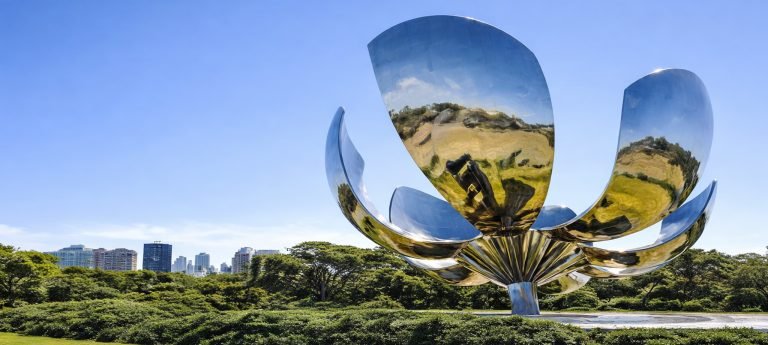
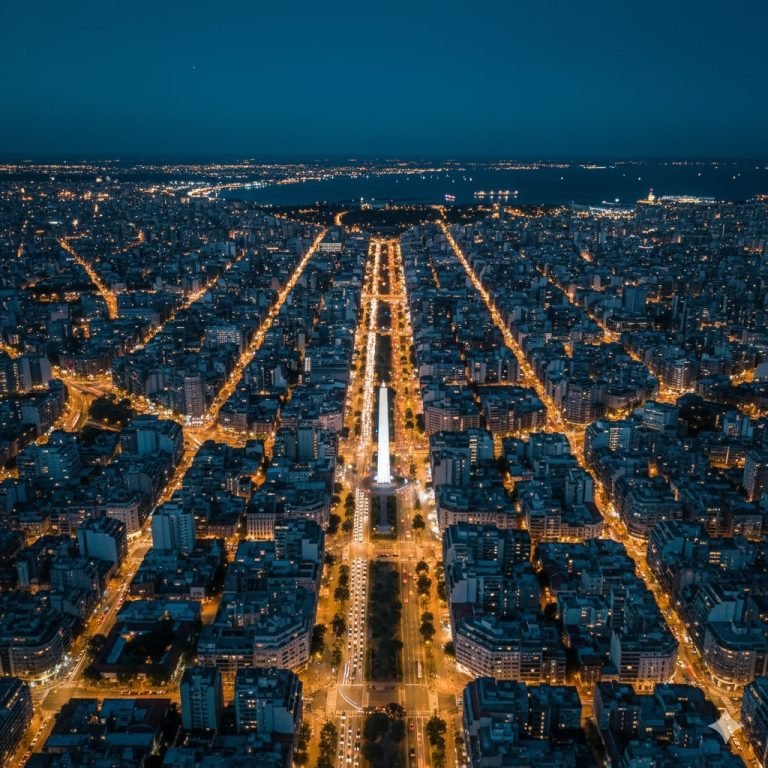

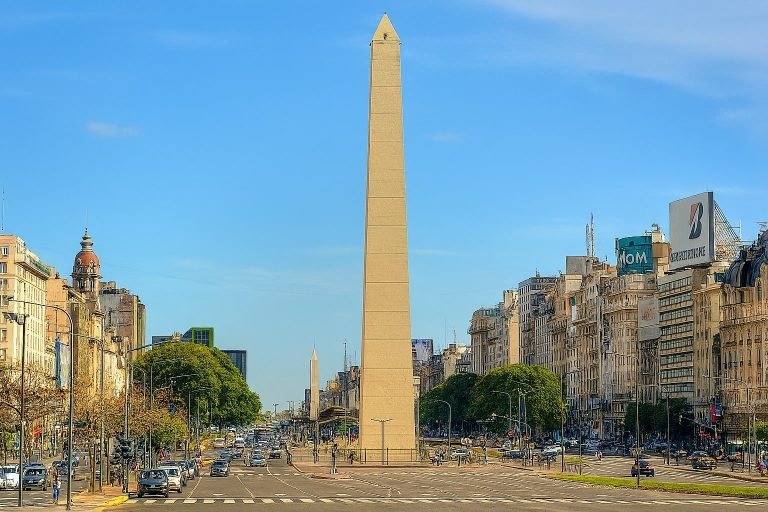
Things to do in Buenos Aires: A Love Letter to the City of Passion, Tango, and Grandeur 🇦🇷❤️
Have you ever dreamt of a city built on European elegance, yet pulsating with South American passion? A place where grand Parisian-style boulevards meet leafy plazas filled with locals sipping mate, and where late nights unfold to the sound of bandoneón music drifting from hidden tango bars? If you're searching for things to do in Buenos Aires (1/12), you've just found your essential guide to one of the most magnetic cities in the world. Buenos Aires is not just Argentina’s capital — it’s a cultural powerhouse where architecture, food, music, and history blend into an atmosphere you feel from the moment you arrive.
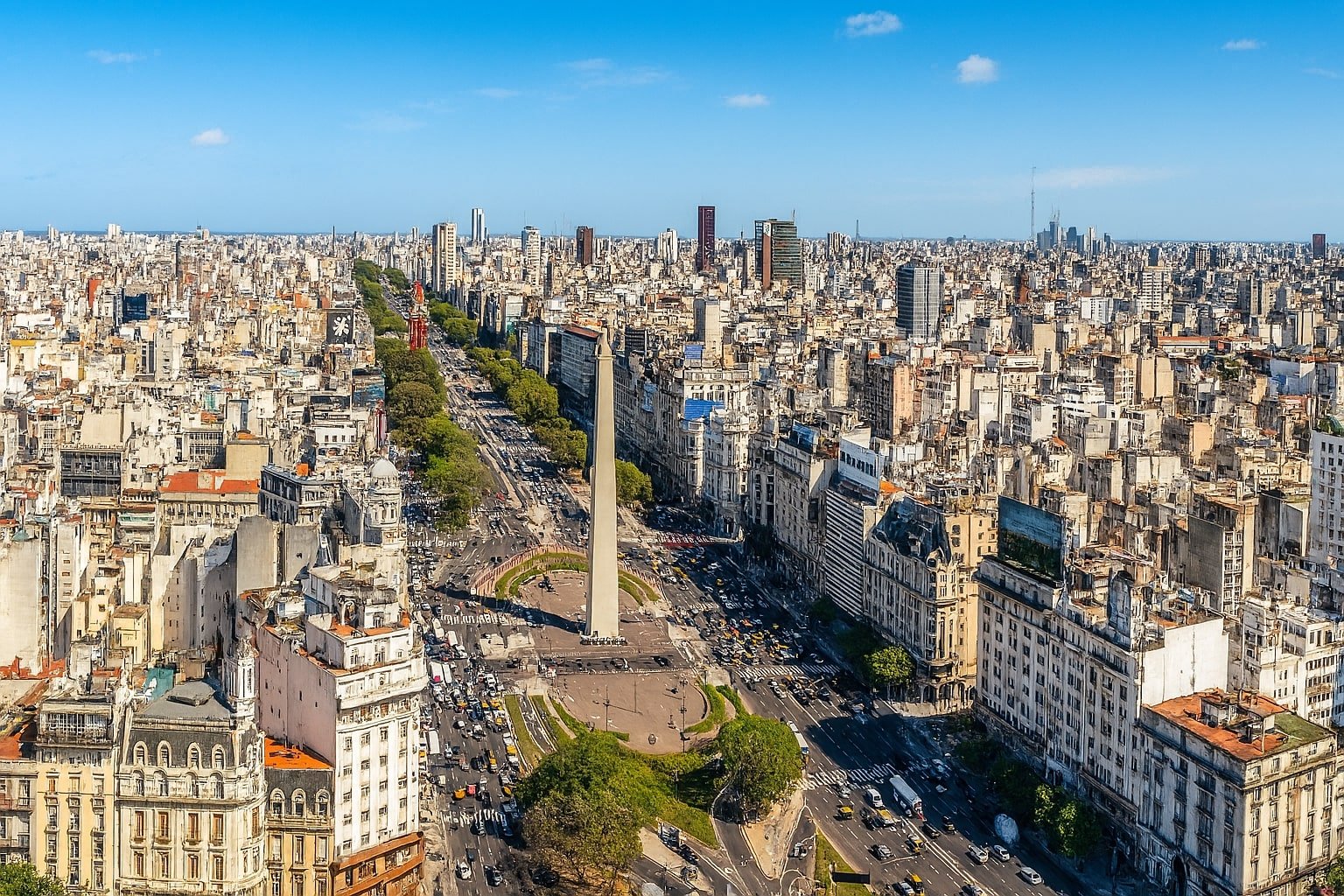
Often called the “Paris of South America,” Buenos Aires surprises travelers with its wide avenues, Belle Époque buildings, and café culture that feels straight out of Europe. But beneath that polished exterior lies something unmistakably Latin — a city driven by emotion, creativity, and an intense love of life. You’ll see it in the way locals debate politics at sidewalk cafés, in the ritual of sharing yerba mate in the park, and in the dramatic embrace of tango dancers moving in perfect silence except for the music.
Exploring what to do in Buenos Aires Argentina means stepping into neighborhoods that each feel like their own world. From the colorful, mural-covered streets of La Boca to the elegant mansions of Recoleta, from the creative pulse of Palermo to the historic heart of San Telmo, the city unfolds like a collection of distinct stories. Every district has its own rhythm, its own food scene, and its own personality — and part of the magic is discovering which one feels like home to you.
Buenos Aires is also a city for the senses. The aroma of sizzling parrillas fills the air at traditional steakhouses. Espresso machines hiss in century-old cafés where writers and thinkers once gathered. Bookstores stay open late into the night, theaters glow along Avenida Corrientes, and rooftop bars buzz with conversation long after midnight. Days here can be spent wandering grand cemeteries, browsing antique markets, or relaxing in rose gardens — while nights stretch into early morning dinners, live music, and spontaneous tango.
This isn’t just a list of attractions. It’s your key to understanding the spirit of the city. From iconic landmarks and hidden gems to the best restaurants in Buenos Aires and the neighborhoods that shape local life, this guide will help you experience the city’s soul — not just check off sights. Whether it’s your first visit or a long-awaited return, Buenos Aires has a way of getting under your skin and staying there. Let’s explore what makes this city unforgettable.
How to Get to Buenos Aires
Buenos Aires is one of the most accessible cities in South America, with strong international flight connections and multiple entry points for regional travelers. Whether you’re arriving from Europe, North America, or elsewhere in Latin America, getting to Argentina’s capital is usually straightforward — the bigger decision is which airport you’ll land at and how you’ll reach the city center from there.
✈️ Flying to Buenos Aires
Most international travelers arrive at Ezeiza (EZE), officially known as Ministro Pistarini International Airport. This is the main long-haul gateway to Argentina, serving flights from Europe, North America, the Middle East, and major hubs across South America. If you’re coming from outside the continent, this is almost certainly where you’ll land.
Shorter regional flights — including routes from Brazil, Chile, Uruguay, and other nearby countries — often arrive at Aeroparque Jorge Newbery (AEP). Aeroparque is much closer to the city center and sits right along the Río de la Plata, making it a convenient option if your route allows it.
🚕 Getting from the Airport to the City
From Ezeiza (EZE), the journey into central Buenos Aires usually takes 45 minutes to over an hour depending on traffic. Official airport taxis, ride-hailing services like Uber or Cabify, and pre-booked transfers are the most comfortable options. There are also shuttle buses that connect the airport with major city locations at a lower cost.
From Aeroparque (AEP), you can often reach neighborhoods like Palermo, Recoleta, or downtown in 15–30 minutes. Taxis and ride-hailing apps are widely used here as well, and because the airport is within the city limits, fares are much lower than from Ezeiza.
🚌 Arriving Overland
If you’re traveling through South America, Buenos Aires is also well connected by long-distance buses. Argentina has an extensive and comfortable coach network, with major routes linking the capital to cities like Mendoza, Córdoba, Rosario, and even international destinations such as Santiago de Chile or Montevideo. Buses typically arrive at Retiro Bus Terminal, located near the city center.
Some travelers also arrive by ferry from Uruguay, especially from Colonia del Sacramento or Montevideo. These ferries dock near Puerto Madero, making arrival by water one of the most scenic and convenient ways to enter the city.
No matter how you arrive, stepping into Buenos Aires feels like entering a grand stage set for culture, history, and late-night conversations — and the adventure begins the moment you leave the airport or terminal behind.
Where to Stay in Buenos Aires (Best Hotels)
Choosing the right area to stay in Buenos Aires can completely shape your experience, because each neighborhood offers a different atmosphere and travel style. If it’s your first visit and you want to be close to major sights, restaurants, and nightlife, staying in central areas like Palermo, Recoleta, or San Telmo makes exploring the city easier and more enjoyable. These districts balance walkability, culture, and access to public transport.
For travelers who prefer a quieter or more residential feel, neighborhoods slightly outside the busiest zones can offer better value while still keeping you well connected by subway, bus, or taxi. Buenos Aires is a large city, but choosing the right base helps you spend more time enjoying cafés, parks, and historic streets instead of commuting.
Whether you are visiting Buenos Aires on a tight budget, planning a comfortable city break, or treating yourself to a luxury stay, these hotels offer strong locations, reliable comfort, and good overall value.
Budget Hotels
HOSTELMO HOTEL & HOSTEL
México 950, C1097AAT Cdad. Autónoma de Buenos Aires, Argentina · +54 11 2459-7094
Hostelmo Hotel & Hostel is a popular budget-friendly base in Buenos Aires, especially for backpackers and solo travelers who want to stay somewhere social and centrally located. It offers a practical place to sleep while you spend most of your time exploring the city’s neighborhoods, cafés, and nightlife.
If you are traveling on a budget, check availability for Hostelmo Hotel & Hostel here.
HOTEL LA BARCA
Adolfo Alsina 2448, C1090 Cdad. Autónoma de Buenos Aires, Argentina · +54 11 4071-1404
Hotel La Barca is another solid choice for travelers looking for affordable accommodation in Buenos Aires. It provides a simple and functional stay, making it a good option if you plan to be out sightseeing most of the day and just need a comfortable, budget-friendly place to rest.
For a practical and affordable stay, see Hotel La Barca options here.
Mid Range Comfort
AVELLANEDA APARTS & SUITES
Av. Avellaneda 3983, Floresta, Buenos Aires, C1407EJG, Argentina
Avellaneda Aparts & Suites is a comfortable mid-range option for travelers who want more space and the flexibility of apartment-style accommodation. It suits longer stays or travelers who appreciate having extra room to relax after busy days exploring Buenos Aires.
For a comfortable and spacious stay, check Avellaneda Aparts & Suites availability here.
FILIBERTO BY IPPA
Juan de Dios Filiberto 992, C1162 Buenos Aires, Argentina · 0800 900 094 or +61 3 7032 3381
Filiberto by iPPA offers a stylish mid-range stay with modern comforts and a good location for exploring different parts of the city. It works well for couples and travelers who want a balance between price, comfort, and access to local neighborhoods.
If you want a comfortable and well-located base, view Filiberto by iPPA options here.
Luxury Hotels
FOUR SEASONS HOTEL BUENOS AIRES
Posadas 1086 88, C1011ABB Cdad. Autónoma de Buenos Aires, Argentina · +54 11 4321-1200
Four Seasons Hotel Buenos Aires is one of the city’s most prestigious luxury hotels, known for elegant interiors, exceptional service, and a prime location close to Recoleta and the city’s upscale districts. It is ideal for travelers seeking a classic five-star experience with refined comfort.
For a top-tier luxury stay in Buenos Aires, check availability for Four Seasons Hotel Buenos Aires here.
FAENA HOTEL BUENOS AIRES
Martha Salotti 445, C1107 CMB, Cdad. Autónoma de Buenos Aires, Argentina · +54 11 4010-9000
Faena Hotel Buenos Aires is famous for its bold design, glamorous atmosphere, and high-end amenities. Located in Puerto Madero, it offers a distinctive luxury experience that blends style, art, and indulgence, making it a favorite for travelers looking for something unique and memorable.
If you want a stylish and iconic luxury stay, see Faena Hotel Buenos Aires options here.
If you are still deciding where to stay, it can be helpful to compare different neighborhoods and accommodation styles based on your budget and travel preferences.
If you want to compare prices across different platforms before booking, it is worth checking how the major hotel booking sites stack up. You can do that here: compare hotel booking platforms and find the best deals.
Why Visit Buenos Aires?
Buenos Aires is not just a city you visit — it is a city you feel. There is an intensity here that goes beyond sightseeing, something woven into daily life that makes even simple moments memorable. It might be the sound of tango drifting through a doorway, the slow ritual of sharing mate in a park, or the way conversations stretch late into the night over steak and Malbec. Buenos Aires invites you to slow down, stay curious, and immerse yourself in its rhythm rather than rush from landmark to landmark.
One of the city’s most fascinating qualities is its blend of worlds. Grand European-style architecture lines wide boulevards, leafy plazas offer peaceful corners for afternoon walks, and historic cafés feel like time capsules from another era. Yet beneath this elegant surface beats a distinctly Latin energy — expressive, passionate, and deeply social. The result is a city that feels familiar and surprising at the same time, especially for first-time visitors to South America.
Culture is part of everyday life here. Buenos Aires is often called the cultural capital of the continent, and it earns that title through its theaters, bookstores, music venues, and art spaces. Locals are famously opinionated, curious, and engaged, and you will see that spirit in everything from street art to late-night debates in neighborhood cafés. Even a casual stroll through different districts reveals how strongly identity and history shape each area.
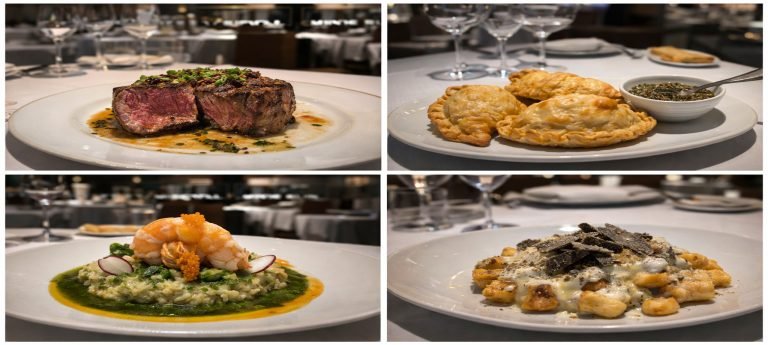
Food is another reason travelers fall in love with Buenos Aires. Meals are not rushed, dinners start late, and dining out is as much about atmosphere as it is about flavor. Traditional parrillas serve some of the best steaks in the world, bakeries tempt you with medialunas and dulce de leche treats, and modern restaurants reinterpret Argentine classics with creative flair. Pair it all with local wine, and meals often become the highlight of the day.
Above all, Buenos Aires is a city of experiences rather than checklists. It is about wandering through neighborhoods without a strict plan, lingering at cafés longer than intended, stumbling upon live music, and watching daily life unfold in plazas and markets. Whether you are drawn by tango, architecture, literature, or simply the promise of a city with soul, Buenos Aires has a way of welcoming you in — and making it hard to leave.
Food, Cafés, Nightlife & Hidden Gems in Buenos Aires 🍽️🥂
Buenos Aires is one of the great food cities of the world. While Argentina is famous for steak, the capital’s culinary scene stretches far beyond parrillas. Italian heritage, European café culture, Middle Eastern influences, and modern fine dining all shape a dining landscape where meals are social rituals and nights begin late. Exploring restaurants, cafés, and bars is not just something to do in Buenos Aires — it is how you experience the city’s personality.
Must-Try Restaurants
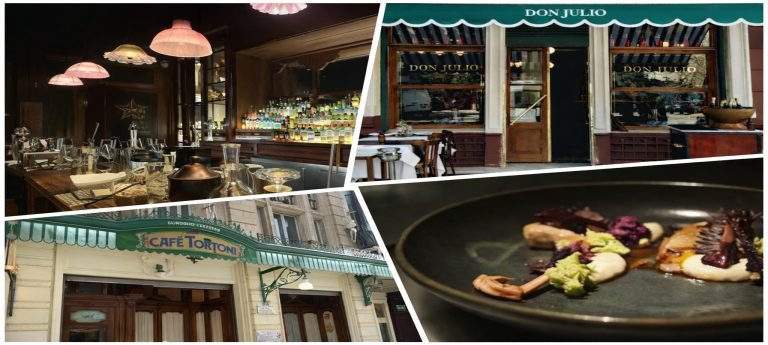
- Don Julio (Palermo): The quintessential Argentine steakhouse and one of the most celebrated parrillas in the world. Expect perfectly grilled beef, an outstanding wine list, and a lively atmosphere. Reservations are essential.
- Aramburu (Recoleta): Avant-garde fine dining that reinvents Argentine ingredients through a beautifully presented tasting menu. It is one of the most refined culinary experiences in Buenos Aires.
- El Sanjuanino (Recoleta): Known for its rustic charm and excellent traditional empanadas, this is the place to try comforting regional Argentine dishes in a relaxed, local setting.
- Proper (Palermo Hollywood): A modern, communal dining spot set in an old garage, serving creative small plates cooked over open flames. It is casual, stylish, and very popular with locals.
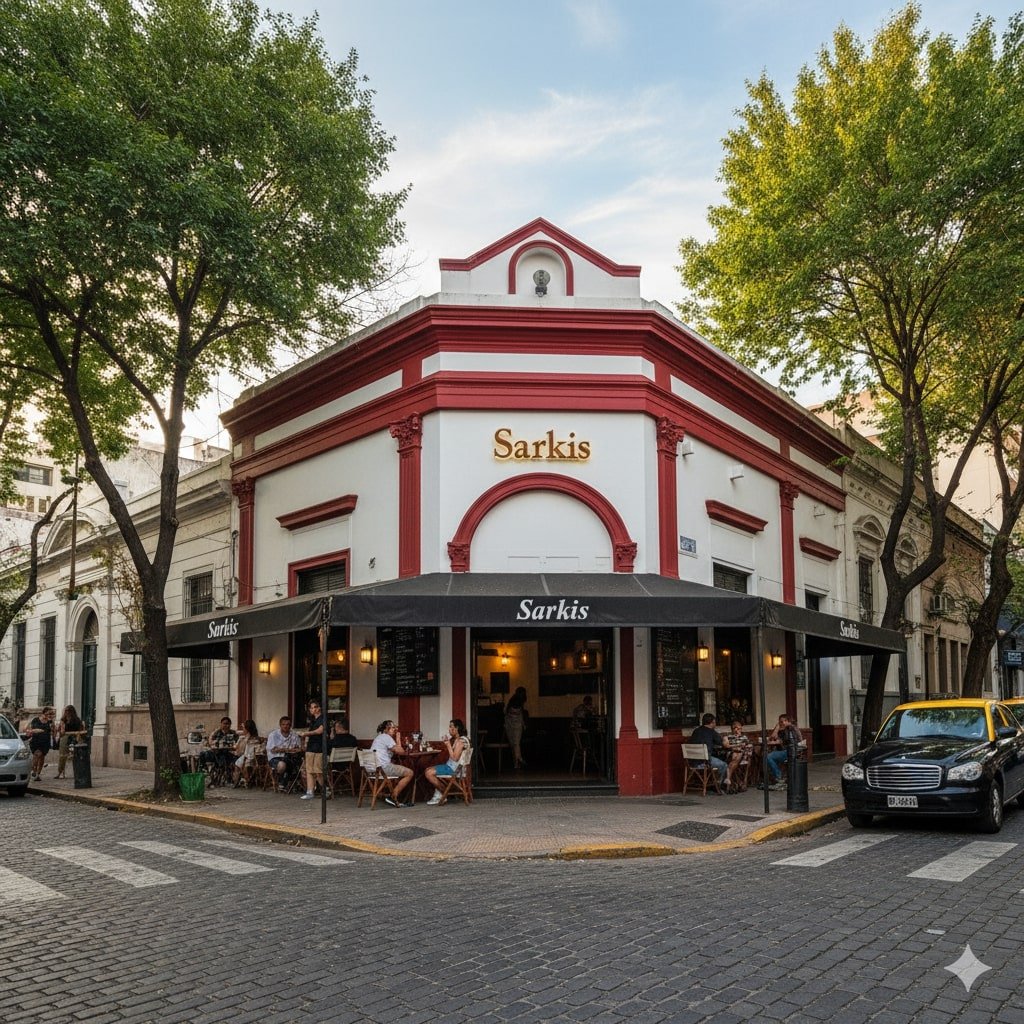
- Sarkis (Palermo): Legendary for its generous portions of Armenian and Middle Eastern dishes. If you want a break from steak, this lively restaurant is one of the most beloved alternatives in the city.
Must-Try Bars & Milongas
- Florería Atlántico (Retiro): A world-famous speakeasy hidden beneath a flower shop. Creative cocktails, moody lighting, and a dramatic setting make it one of Buenos Aires’ most memorable bars.
- La Catedral Club (Almagro): An atmospheric former factory turned into a bohemian tango venue. Taking a class or watching locals dance here is a powerful way to experience Buenos Aires’ tango culture.
- Café Tortoni (Monserrat): A grand historic café dating back to the 19th century. Come for coffee, desserts, or a small tango performance in one of the city’s most iconic interiors.
- Presidente Bar (Recoleta): Elegant, theatrical, and refined, this cocktail bar blends Parisian inspiration with Argentine flair. It is perfect for a sophisticated night out.
- The Harrison Speakeasy (Palermo): A hidden bar tucked behind a sushi restaurant, known for excellent cocktails and an intimate, stylish atmosphere.
Hidden Culinary & Cultural Gems
- Pasaje Barolo (Monserrat): A remarkable building inspired by Dante’s Divine Comedy. Guided tours reveal its symbolism and offer panoramic views from the top.
- El Zanjón de Granados (San Telmo): Underground tunnels and restored ruins that uncover layers of Buenos Aires’ colonial past.
- Librería El Gato Negro (Congreso): A historic spice shop and tea room where you can sip tea surrounded by shelves of exotic ingredients.
- Reserva Ecológica Costanera Sur (Puerto Madero): A vast riverside nature reserve ideal for walking or cycling when you need a break from the urban pace.
- Pasaje Lanín (Barracas): A colorful mosaic-covered street created by a local artist, offering a surprising burst of creativity away from the tourist crowds.
Things to Do in Buenos Aires
Buenos Aires is a city best explored through its landmarks, neighborhoods, and cultural icons. Some places impress with architectural grandeur, others with history, and many with the atmosphere that surrounds them. These are the essential experiences that define a visit to Argentina’s capital — the sights and moments that stay with you long after you leave.
Recoleta Cemetery
Recoleta Cemetery is unlike any cemetery you may have seen before. It feels more like a miniature city, filled with elaborate mausoleums, marble statues, and intricate architectural details. The most famous tomb belongs to Eva Perón (Evita), but wandering through the narrow paths reveals countless stories carved in stone. Exploring this remarkable space is one of the most memorable cultural experiences in Buenos Aires.
Teatro Colón
Teatro Colón is widely considered one of the finest opera houses in the world, both for its acoustics and its stunning design. Guided tours allow visitors to admire the grand staircases, chandeliers, and richly decorated auditorium, while attending a performance offers a truly unforgettable evening. Even if opera is not usually your thing, stepping inside this historic theater is a highlight of any visit.
Caminito (La Boca)
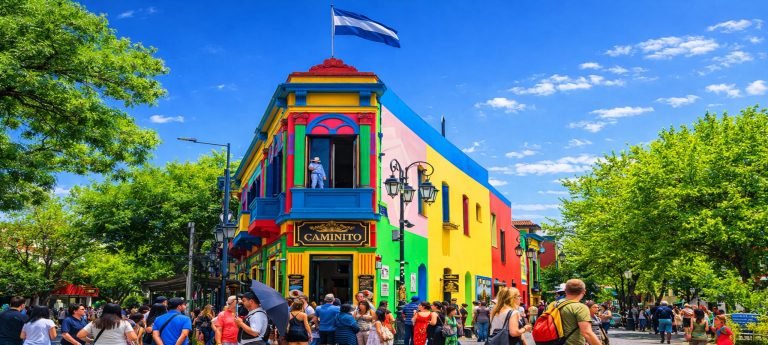
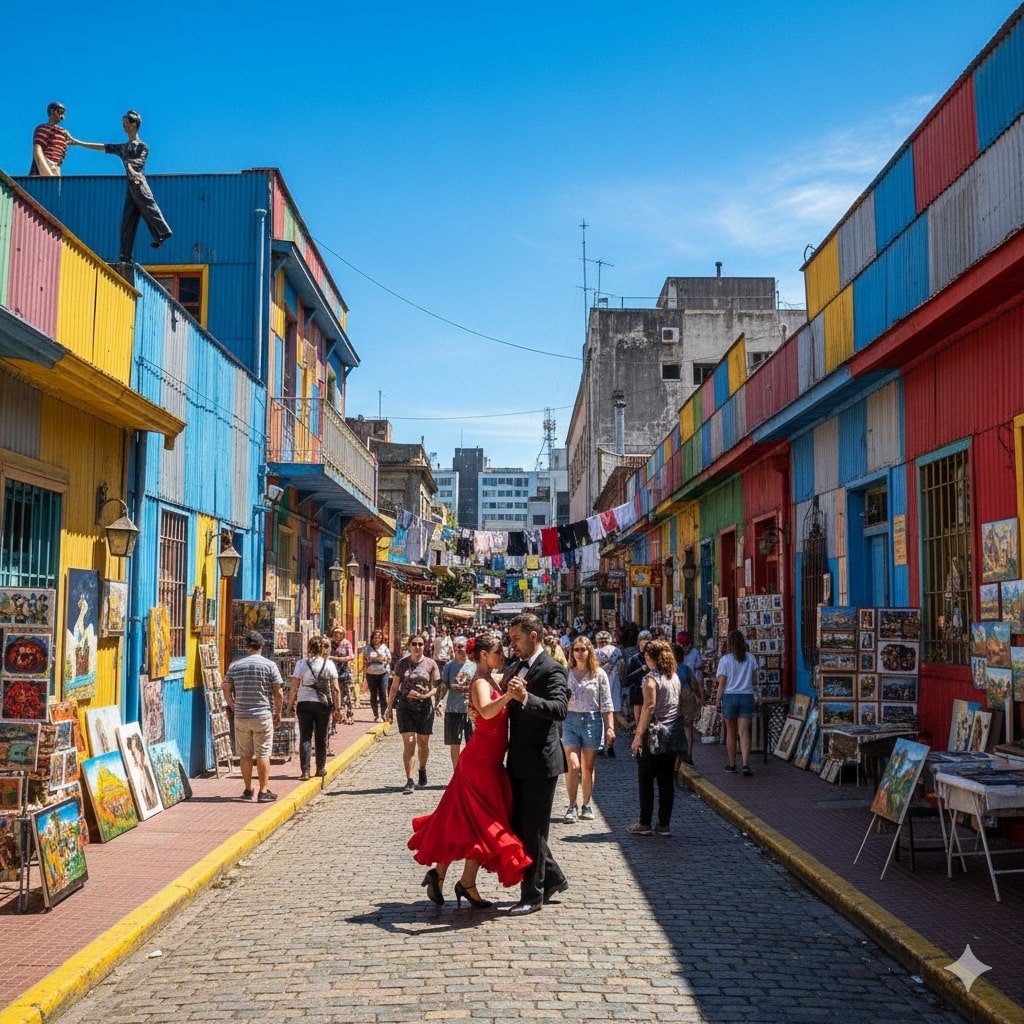
Caminito is the colorful heart of La Boca, famous for its brightly painted houses, street art, and tango dancers performing outdoors. Originally shaped by immigrant communities, the area has become a lively open-air museum celebrating local culture and creativity. It is one of the most photographed spots in Buenos Aires and offers a vibrant glimpse into the city’s working-class roots and artistic spirit.
Casa Rosada (The Pink House)
Casa Rosada, the iconic pink presidential palace, stands on Plaza de Mayo and has witnessed many defining moments in Argentine history. The balcony where key political figures addressed crowds is instantly recognizable. Visiting the square and viewing the building from outside offers insight into the country’s political heritage and the central role this plaza plays in national life.
Bosques de Palermo
The Bosques de Palermo are the city’s largest green space, offering lakes, walking paths, and shaded areas perfect for relaxing. Locals come here to jog, cycle, picnic, or simply escape the busy streets. The Rose Garden (Rosedal) is especially beautiful in bloom and provides a peaceful contrast to the urban energy of Buenos Aires.
MALBA (Latin American Art Museum of Buenos Aires)
MALBA houses an outstanding collection of modern and contemporary Latin American art. Its exhibitions include works from major artists across the continent, offering cultural context and a deeper understanding of regional creativity. Spending a few hours here is a rewarding way to balance sightseeing with artistic exploration.
Puerto Madero
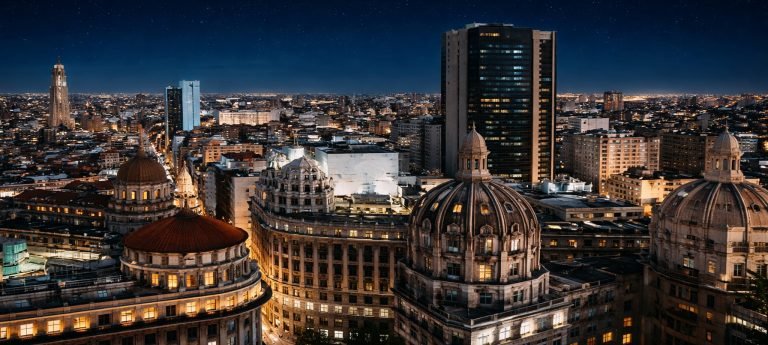
Puerto Madero is the city’s modern waterfront district, where old docklands have been transformed into a sleek area of high-end restaurants, glass towers, and riverside promenades. Walking across the elegant Puente de la Mujer (Woman’s Bridge) and enjoying the contrast between historic warehouses and contemporary architecture makes this a pleasant area for an evening stroll.
San Telmo Market
San Telmo is one of the city’s oldest neighborhoods, and its market is a lively gathering place filled with antiques, crafts, and street performers. On Sundays, the surrounding streets host a bustling fair where tango dancers, musicians, and artists create a festive atmosphere. It is one of the best places to feel the historic and creative spirit of Buenos Aires.
Ateneo Grand Splendid
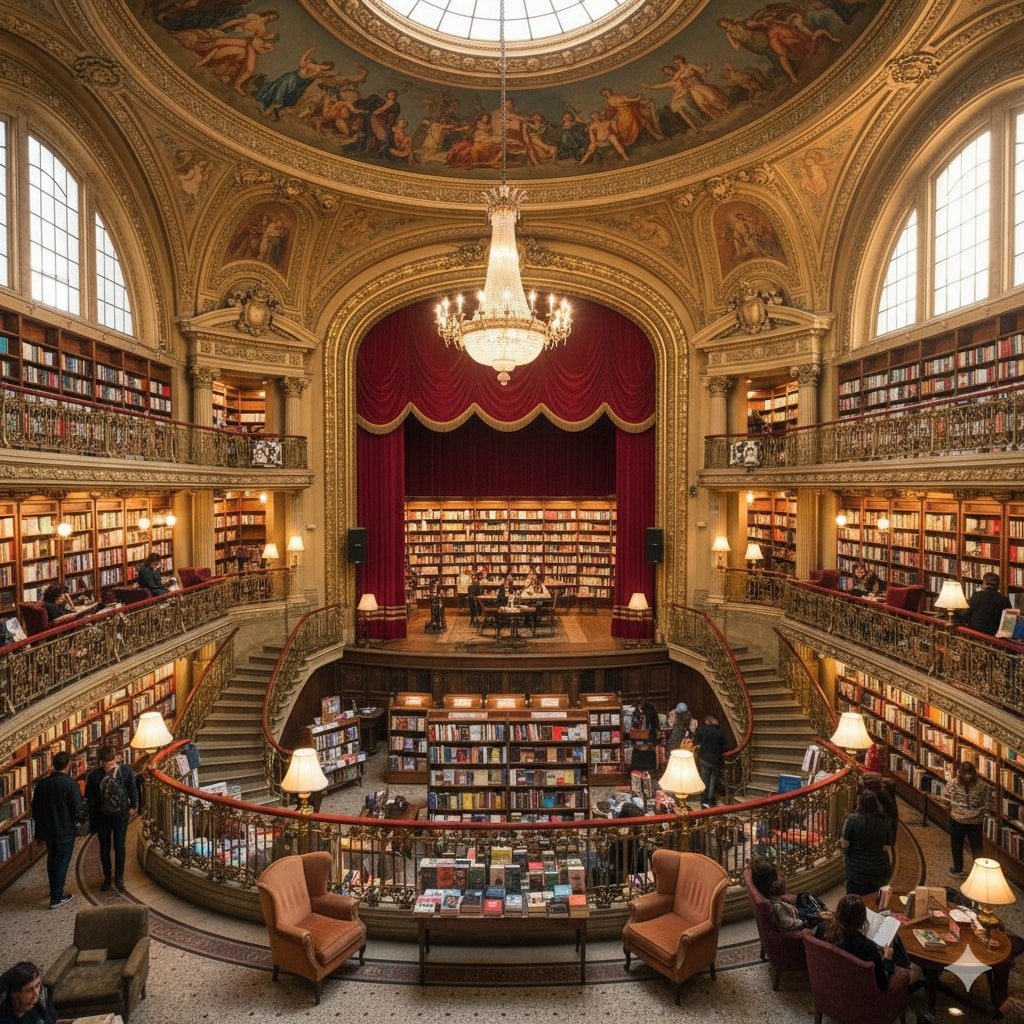
Ateneo Grand Splendid is frequently described as one of the most beautiful bookstores in the world. Housed in a former theater, the building retains its ornate balconies, red stage curtains, and grand ceiling paintings. Browsing books in this extraordinary setting is an experience that blends culture, history, and architecture in a uniquely Buenos Aires way.
Florida Street
Florida Street is a lively pedestrian shopping street known for its mix of retail stores, street performers, and everyday city life. While it is more commercial than historic, walking along it gives a sense of the city’s energy and is a classic part of exploring central Buenos Aires.
Getting Around Buenos Aires
Buenos Aires is a large city, but getting around is relatively easy once you understand the transport system. Public transport is affordable and extensive, and ride-hailing services are widely used, especially by travelers. Whether you are moving between neighborhoods or heading to the airport, planning ahead helps you save time and avoid confusion.
SUBE Card (Public Transport)
The SUBE card is the essential rechargeable smart card used for public transport in Buenos Aires, including the subway, buses, and trains. Travelers cannot pay cash on most services, so getting a SUBE card early in your trip is important.
You can buy the card at small convenience stores known as kioskos, lottery agencies, train stations, and many subway stations. They are also often available at Ezeiza International Airport. The card itself costs a small fee, and you will need to load credit onto it before using it.
Topping up your SUBE card is simple and can be done at kiosks, subway ticket booths, certain ATMs, or via the official “Carga SUBE” app on Android devices with NFC. One card can be used for multiple passengers, which is convenient if you are traveling with a companion. It is also recommended to register your card online so you can recover your balance if it is lost.
Buses in Buenos Aires
Buenos Aires has an extensive bus network that reaches nearly every part of the city. While routes can seem complex at first, buses are a very efficient and inexpensive way to travel once you get used to them. You can plan routes and check useful information through Buenos Aires Bus.
Remember that you will need your SUBE card to ride the bus, and it is a good idea to tell the driver your destination or know the stop number in advance.
Uber
Ride-hailing apps are widely used in Buenos Aires, and Uber is one of the most common options. It is especially useful at night, for airport transfers, or when you want a direct ride between neighborhoods without navigating public transport.
Cabify
Cabify is another highly reliable and popular ride-hailing app in Buenos Aires. It is often preferred by travelers because of its professional drivers, high-quality vehicles, and fixed pricing without surge charges. The app accepts international credit cards, which makes it a convenient alternative to traditional taxis.
Cabify includes useful safety features such as real-time trip tracking, driver verification, and the option to share your journey details with someone you trust. Airport transfers are available, including pick-ups at Ezeiza, usually from designated parking areas. Before your trip, download the app, add your payment method, and make sure you have a good data connection when booking rides.
In many central neighborhoods, walking is also a great option. Areas like Palermo, Recoleta, and parts of the historic center are enjoyable to explore on foot, allowing you to appreciate the architecture, cafés, and street life at your own pace.
Best Time to Visit Buenos Aires
Buenos Aires is a year-round destination, but the experience of the city can change noticeably with the seasons. Weather, local routines, and even the rhythm of daily life shift throughout the year, so choosing when to visit depends on the kind of atmosphere you enjoy most.
Spring (September – November)
Spring is one of the best times to visit Buenos Aires. Temperatures are mild, parks and gardens begin to bloom, and locals return to outdoor cafés after winter. The Bosques de Palermo and the Rose Garden look especially beautiful during this season, and walking around neighborhoods like Palermo and Recoleta is a pleasure. The city feels lively without being overwhelmingly busy.
Summer (December – February)
Summer in Buenos Aires can be hot and humid, with temperatures often rising above 30°C (86°F). Many locals leave the city for beach destinations, so some areas feel quieter while others remain active, especially at night. This is a good time if you do not mind the heat and prefer fewer crowds at major sights. Evenings are long, and outdoor dining and nightlife are in full swing.
Autumn (March – May)
Autumn is another excellent season to visit. The weather is comfortable, the intense summer heat fades, and the city takes on a relaxed, local feel. Tree-lined streets in neighborhoods like Palermo and Belgrano show warm colors, and it is a great time for walking tours, museum visits, and long café breaks.
Winter (June – August)
Winters in Buenos Aires are generally mild compared to many cities in the Northern Hemisphere. Daytime temperatures are usually cool rather than freezing, making it easy to explore without heavy winter gear. Cultural activities such as theater, tango shows, and museum visits become even more appealing, and it is a good season for travelers who prefer fewer tourists and lower accommodation prices.
Overall, spring and autumn offer the most balanced conditions, combining pleasant weather with a vibrant city atmosphere. However, each season reveals a different side of Buenos Aires, whether it is summer’s late-night energy or winter’s cozy café culture.
Buenos Aires Travel Facts
Before you dive into exploring the city, here are a few practical travel facts to help you plan your time in Buenos Aires more smoothly. These are the essentials most travelers want to know before arriving.
- Currency: Argentina uses the Argentine Peso (ARS). Credit and debit cards are widely accepted in hotels and restaurants, but carrying some cash is useful for small shops and taxis.
- Language: Spanish is the official language. English is spoken in many tourist areas, but learning a few basic Spanish phrases goes a long way.
- Electricity & Plugs: Argentina uses Type C and Type I plugs, 220V. Travelers from North America, the UK, or parts of Asia will likely need a plug adapter.
- Tipping: Tipping is customary in restaurants. Leaving around 10% for good service is standard practice.
- Safety: Buenos Aires is generally safe in tourist areas, but pickpocketing can occur in busy places and on public transport. Stay aware of your surroundings, especially at night.
- Drinking Water: Tap water is generally considered safe to drink, but some travelers prefer bottled water if they have sensitive stomachs.
- Time Zone: Buenos Aires operates on Argentina Time (ART), which is UTC−3. The country does not observe daylight saving time.
- Population: Buenos Aires city has around 3 million residents, while the greater metropolitan area is home to over 15 million people.
- Airport: The main international gateway is Ezeiza International Airport (EZE), located about 30 km from the city center.
- Mobile Data & Connectivity: If you want to avoid roaming charges and unreliable public Wi-Fi, using an eSIM is one of the easiest ways to stay connected. You can compare options in this guide to the best eSIMs for international travel before your trip.
Continue Exploring the World with Worldly Roaming
If Buenos Aires sparked your wanderlust, you might also love discovering other unforgettable destinations around the world. Dive into the rhythm, culture, and landscapes of Brazil, explore coastal walks and iconic city life in Sydney, or experience night markets, mountains, and centuries-old traditions in Taiwan. Each guide offers in-depth travel tips, neighborhood insights, food recommendations, and local experiences to help you plan your next adventure.
Buenos Aires Travel Guide FAQ
-
Is Buenos Aires worth visiting?
Yes. Buenos Aires combines European-style elegance with a distinctly Latin energy. It is rich in culture, architecture, food, and nightlife, and its neighborhoods each have their own personality. If you enjoy cities with strong character, café culture, and history, Buenos Aires is extremely rewarding. -
How many days do I need in Buenos Aires?
Most travelers should plan 3–5 days. Three days allows you to see major highlights, while five days gives you time for museums, markets, tango experiences, and a more relaxed pace. A full week is ideal if you enjoy exploring cities in depth. -
What are the best neighborhoods to stay in?
Palermo and Recoleta are the most popular bases because they are safe, walkable, and full of restaurants and cafés. San Telmo suits travelers who prefer historic charm, while Puerto Madero offers a more modern, upscale environment. -
Is Buenos Aires safe for tourists?
Buenos Aires is generally safe in tourist areas, but petty theft can happen in crowded places and on public transport. Stay aware of your belongings and be cautious at night in quiet areas. Using ride apps after dark is often the most comfortable option. -
Do I need cash in Buenos Aires, or can I use cards?
Cards are accepted in many hotels, restaurants, and larger stores, but cash is still useful for small shops, markets, and some taxis. Carrying a mix of payment methods is recommended. -
What food should I try in Buenos Aires?
Classic Argentine steak from a parrilla is essential, along with empanadas, provoleta cheese, and medialunas with coffee. Buenos Aires also has excellent Italian, Armenian, and modern fusion cuisine. -
Do I need to see tango in Buenos Aires?
Tango is deeply connected to the city’s identity. Watching a performance, visiting a milonga, or taking a beginner class is a memorable way to connect with local culture. -
Is an eSIM worth it in Buenos Aires?
Yes. Reliable mobile data makes it easier to use maps, ride apps, and make bookings without depending on public Wi-Fi. You can compare options in this guide to the best eSIMs for international travel before your trip. -
What is the best time of year to visit Buenos Aires?
Spring (September to November) and autumn (March to May) usually offer the most comfortable weather. Summer can be hot and humid, while winter is mild and often quieter with fewer tourists. -
How do I get around Buenos Aires?
Public transport is affordable and extensive, and the SUBE card is required for buses, trains, and the subway. Many travelers also use ride apps for convenience, especially at night. Walking is enjoyable in neighborhoods like Palermo and Recoleta.
Travel Resources to Plan, Book & Stay Connected
Use these tools and guides to stay connected abroad, find inspiration for your next trip, and book your flights, stays and gear with confidence.
Disclosure: This article may contain affiliate links. If you make a purchase through a link, I may receive a commission at no extra cost to you. I only share recommendations I believe are genuinely useful, and all opinions are my own.
Comment (0)