Visiting Salvador? This post is part of my Brazil Travel Guide series on Worldly Roaming. If you are planning a wider itinerary across Brazil (or deciding which destinations match your travel style), these related guides will help you connect Salvador with the country’s other essential stops.
- Brazil Travel Guide (Pillar Post) – where to go in Brazil, how to plan distances, and what to expect across regions.
- Things to Do in Rio de Janeiro – beaches, viewpoints, iconic landmarks, neighborhoods, and Carnival planning.
- Things to Do in São Paulo – Brazil’s cultural capital for food, museums, markets, and big-city energy.
📍 What This Salvador Travel Guide Covers
- How to get to Salvador, including flights, the airport, and arrival tips
- Where to stay in Salvador, with the best neighborhoods and hotels by budget
- What and where to eat, from iconic Bahian dishes to local restaurants and street food
- Bars, nightlife, and where to go out in the evening, including Rio Vermelho
- Top things to see and do, from historic Pelourinho to beaches and viewpoints
- How to get around Salvador safely using Uber, taxis, and public transport
- Weather, seasons, and the best time to visit Salvador
- Essential travel facts, safety tips, money, plugs, and practical advice
- Mobile data and connectivity, including eSIM options for Brazil
- Frequently asked questions to help plan your Salvador trip
Why Visit Salvador (Bahia)?
Salvador is where Brazil’s African roots, colonial history, and coastal beauty come together in the most vibrant way possible. As the capital of Bahia, the city is known for its colorful historic center, Afro-Brazilian culture, rhythmic music, and deeply flavorful cuisine.
From wandering the cobblestone streets of Pelourinho to watching capoeira performances by the sea, Salvador feels raw, expressive, and proudly different from anywhere else in Brazil. Add in palm-lined beaches, dramatic viewpoints, and a calendar packed with festivals, and it quickly becomes one of the country’s most culturally rich destinations.
This guide covers the essential things to do in Salvador, including historic landmarks, neighborhoods worth exploring, beaches, food experiences, and practical travel tips to help you plan a confident and rewarding visit.
How to Get to Salvador
Most travelers arrive in Salvador by air, and the city is well connected to major Brazilian hubs. A little planning before you land makes your first hour in the city much smoother — especially if you’re heading straight to Barra, Rio Vermelho, or the historic center.
Fly into Salvador (SSA)
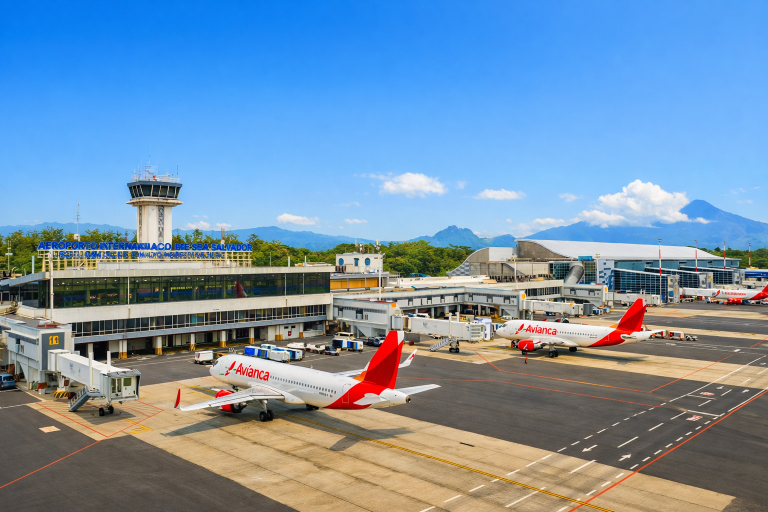
Salvador is served by Deputado Luís Eduardo Magalhães International Airport (SSA). For official terminal info, facilities, and updates, check the Salvador Airport website.
There are frequent domestic flights from São Paulo, Rio de Janeiro, Brasília, Belo Horizonte, Recife, and Fortaleza. If you’re arriving from outside Brazil, it’s common to connect via São Paulo or Rio before continuing on to Salvador.
Getting from the Airport to Your Hotel
Once you land, you have a few reliable transfer options. The best choice depends on where you’re staying and whether you’re arriving with luggage.
Uber and ride-hailing: This is the easiest option for most visitors — prices are transparent, pickup is simple, and it’s usually the most comfortable way to reach popular neighborhoods like Barra or Rio Vermelho.
Official taxis: Available 24/7 from airport stands. They’re convenient, but typically more expensive than ride-hailing for longer trips. If you prefer a taxi, stick to the official queue inside the terminal rather than negotiating outside.
Public transport: Salvador has metro/bus connections, but for first-time visitors with bags, it’s rarely the smoothest arrival choice. It can be useful later once you’re settled and traveling light.
Arrival Tips (Worth Knowing)
- Arrive in daylight if you can — it’s easier to get oriented and transfers feel less stressful.
- Save your hotel address offline (or screenshot it) before landing, and confirm the neighborhood name to avoid confusion.
- Historic areas can mean tricky access: If you’re staying near Pelourinho, some streets are pedestrian-only, so your driver may drop you a short walk from the entrance.
- Skip airport currency exchange unless you must — rates are usually better in the city or via ATMs.
With a simple plan, you can go from touchdown to the waterfront or the historic center in under an hour and start experiencing Salvador immediately.
Where to Stay in Salvador
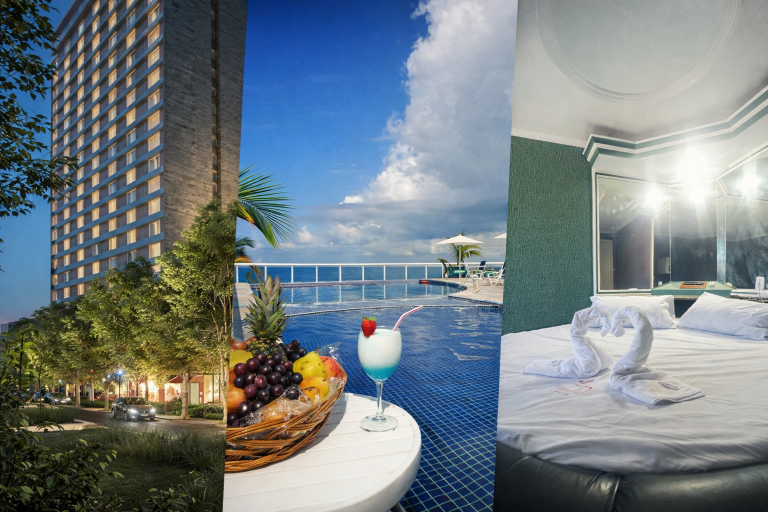
Salvador offers a wide range of accommodations, from budget-friendly pousadas to refined beachfront and historic luxury hotels. Where you stay will shape your experience, whether you prioritize nightlife, beaches, or cultural sightseeing.
Budget Hotels
These budget-friendly options are ideal for travelers who want comfort, good locations, and local character without overspending.
Pousada Mar Aberto
Av. Amaralina, 531 – Amaralina, Salvador – BA, 41900-020, Brazil · +55 71 3346-6464
Pousada Mar Aberto is a simple and welcoming guesthouse located near the beachfront in Amaralina. The area offers easy access to coastal walks, local eateries, and quick transport links to Rio Vermelho. It’s a practical choice for travelers who plan to spend most of their time exploring the city.
Check availability and current rates for Pousada Mar Aberto here.
Casa da Lucia
R. das Portas do Carmo, 09 – Pelourinho, Salvador – BA, 40026-290, Brazil
Casa da Lucia sits in the heart of Pelourinho, surrounded by colonial architecture and historic landmarks. Staying here places you steps away from churches, museums, and cultural performances. It’s best suited for travelers who want to immerse themselves in Salvador’s historic core.
View rooms and prices for Casa da Lucia here.
Hotel Paradise
Rua Conde de Porto Alegre, 49 – Salvador, Brazil · +55 71 98147 7424
Hotel Paradise offers straightforward accommodation in a central location, making it easy to reach multiple neighborhoods. Rooms are simple and functional, ideal for short stays or city-focused itineraries. It’s a good option for budget-conscious travelers who value location over amenities.
See availability for Hotel Paradise here.
Mid-range Comfort
Mid-range hotels in Salvador balance comfort, location, and amenities, making them ideal for couples and first-time visitors.
Novotel Salvador Rio Vermelho
R. Monte Conselho, 505 – Rio Vermelho, Salvador – BA, 41940-370, Brazil · +55 71 2103-2233
This modern hotel overlooks the Atlantic and sits in the lively Rio Vermelho neighborhood. Guests enjoy ocean views, contemporary rooms, and proximity to Salvador’s nightlife and dining scene. It’s a strong all-around option for comfort and location.
Check rates for Novotel Salvador Rio Vermelho here.
Hotel Catharina Paraguaçu
R. João Gomes, 128 – Rio Vermelho, Salvador – BA, 41950-640, Brazil · +55 71 3334-0089
Hotel Catharina Paraguaçu blends boutique charm with a relaxed residential feel. Located near the coast, it offers easy access to seaside walks and local restaurants. The atmosphere is calm while still being close to Salvador’s nightlife.
See current prices for Hotel Catharina Paraguaçu here.
Grande Hotel da Barra
Rua do Forte de São Diogo, 2 – Barra, Salvador – BA, 40130-170, Brazil · +55 71 2106-8600
Grande Hotel da Barra is set directly on the waterfront near Barra’s historic lighthouse. The location is excellent for beach walks and sunset views. It’s a solid choice for travelers who want comfort and classic style by the sea.
View availability for Grande Hotel da Barra here.
Luxury Hotels
For travelers seeking refined design, premium service, and standout locations, Salvador offers several high-end stays.
Águas de Sauípe
Loteamento Águas de Sauípe 14 ARP 5 – Entre Rios, BA, 48180-000, Brazil · +55 75 99198-6563
Águas de Sauípe is a resort-style escape north of Salvador, surrounded by beaches and nature. It’s ideal for travelers who want a quieter, all-inclusive style experience. The property offers space, privacy, and a slower pace away from the city.
Check luxury availability for Águas de Sauípe here.
Hotel Fasano Salvador
Praça Castro Alves, 05 – Centro Histórico, Salvador, Brazil · +55 71 2201-6300
Hotel Fasano Salvador delivers polished luxury in a restored historic building overlooking the bay. The design, service, and location appeal to travelers seeking sophistication with cultural surroundings. It’s one of the city’s most refined stays.
Explore rooms at Hotel Fasano Salvador here.
Mercure Salvador Rio Vermelho
R. da Fonte do Boi, 215 – Rio Vermelho, Salvador – BA, 41940-360, Brazil · +55 71 3172-9200
Mercure Salvador Rio Vermelho combines upscale comfort with oceanfront views. The location is ideal for travelers who want beach access and nightlife nearby. Rooms are modern and well-suited for longer stays.
See current rates for Mercure Salvador Rio Vermelho here.
Not sure yet? Browse all available accommodations using this hotel search for Salvador to compare prices, locations, and availability.
Where to Eat, Drink & Go Out in Salvador
Salvador’s food and nightlife are not separate “activities” — they are part of the city’s heartbeat. This is a place where Afro-Brazilian tradition shows up on your plate, music spills out into the street, and evenings often start slowly and end very late. If you want to understand Salvador beyond the postcard views, spend time eating well, lingering over drinks, and letting the city’s rhythm guide your night.
What to Eat in Salvador
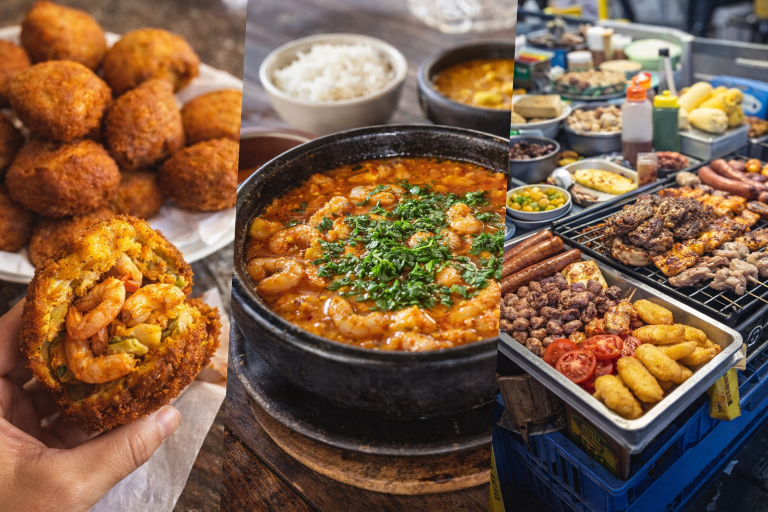
Bahian cuisine is famous across Brazil for its bold flavors and Afro-Brazilian roots. Expect coconut milk, dendê (palm oil), shrimp, fresh fish, and spices that turn even a simple meal into something memorable. If you try only a few local specialties, make them these:
- Acarajé – A deep-fried black-eyed pea fritter split open and stuffed with shrimp, vatapá, and caruru. It’s street food with real cultural weight, and the best versions are eaten standing nearby while it’s still hot and crisp.
- Moqueca – A slow-cooked seafood stew with coconut milk and dendê, served with rice and farofa. It’s the kind of dish that turns lunch into a long, relaxed afternoon, especially near the water.
- Caruru – A traditional okra-based dish often paired with seafood and rice, deeply connected to Bahian celebrations and local traditions.
Recommended Restaurants
Salvador has everything from humble, flavor-first local spots to polished dining rooms with bay views. These are great places to start — each one gives you a different slice of the city’s food identity.
- Casa de Tereza – One of Salvador’s most respected kitchens, and a brilliant introduction to Bahian flavors in a refined setting. The dishes feel rooted in tradition but thoughtfully elevated, so it’s a great choice if you want “authentic” without feeling casual or rushed. Come hungry, take your time, and treat it as a proper Salvador food experience rather than just a meal.
- Restaurante do Senac – Set in Pelourinho, this is a reliable place to try classic Bahian dishes in the heart of the historic center. It’s a strong option when you want something traditional and well-prepared after a morning of churches, museums, and wandering the cobbled streets.
- Amado – A more polished, waterfront-leaning choice that pairs Salvador’s coastal energy with an upscale dining feel. It’s especially appealing for an evening meal when you want excellent seafood, a calmer atmosphere, and a setting that feels “special” without being stiff. Ideal for couples, celebrations, or a slow dinner after a big day out.
- Café Terrasse – A relaxed stop in Pelourinho for coffee, pastries, and a light meal when you need a break from the heat. It’s the kind of place you’ll appreciate mid-afternoon — recharge, cool down, and then head back out to explore.
Bars & Social Nightlife
Nightlife in Salvador often begins with a simple plan: go to Rio Vermelho, follow the sound of music, and let the night unfold. Bars here feel social and lively, and it’s normal for places to get progressively busier as the evening goes on.
- Rio Vermelho – The city’s nightlife hub, packed with bars, casual food spots, and venues that keep the energy going late. If you want a neighborhood where it’s easy to bounce between places, hear live music, and always find something happening, this is it.
- Bar do Ulisses – A local favorite with a relaxed, easygoing vibe that feels genuinely Salvador. It’s a great place to start the evening with a drink and conversation before the night gets louder and more crowded. If you want something friendly and grounded — not touristy — this is a strong pick.
- Casa da Mãe – Part bar, part cultural venue, and often one of the best places to catch live music that feels truly local. If you’re looking for samba, Afro-Brazilian rhythms, and a crowd that’s there for the music as much as the drinks, Casa da Mãe fits beautifully into a Salvador night out.
- SAN – A spot that bridges the gap between bar and late-night party. It often starts off social and then shifts into something more energetic as the night goes on — the kind of place where you might suddenly realize you’re dancing without planning to.
- Casa da Felicidade – True to its name, this place is about atmosphere: music, a lively crowd, and a night that feels upbeat and unforced. It’s a good option if you want a fun, busy vibe without committing to a full nightclub.
Night Clubs & Late-Night Dance Spots
Salvador’s “club” scene is less about giant mega-clubs and more about energetic dance venues that stay busy well past midnight. Most nights begin late, and the best approach is to have a relaxed dinner, start with a bar in Rio Vermelho, and then move into dancing when the city really wakes up.
- Amsterdam Pop Club – One of Salvador’s best-known dance spots, popular for DJ nights, themed parties, and a packed weekend atmosphere. If you want a classic nightclub experience with a real crowd and consistent energy, Amsterdam is one of the safest bets.
- Platinum Lounge and Bar – A more polished late-night option that blends lounge seating with dancing. It’s a good fit if you want something that feels a little more “night out” than “nightclub chaos,” while still giving you music and movement.
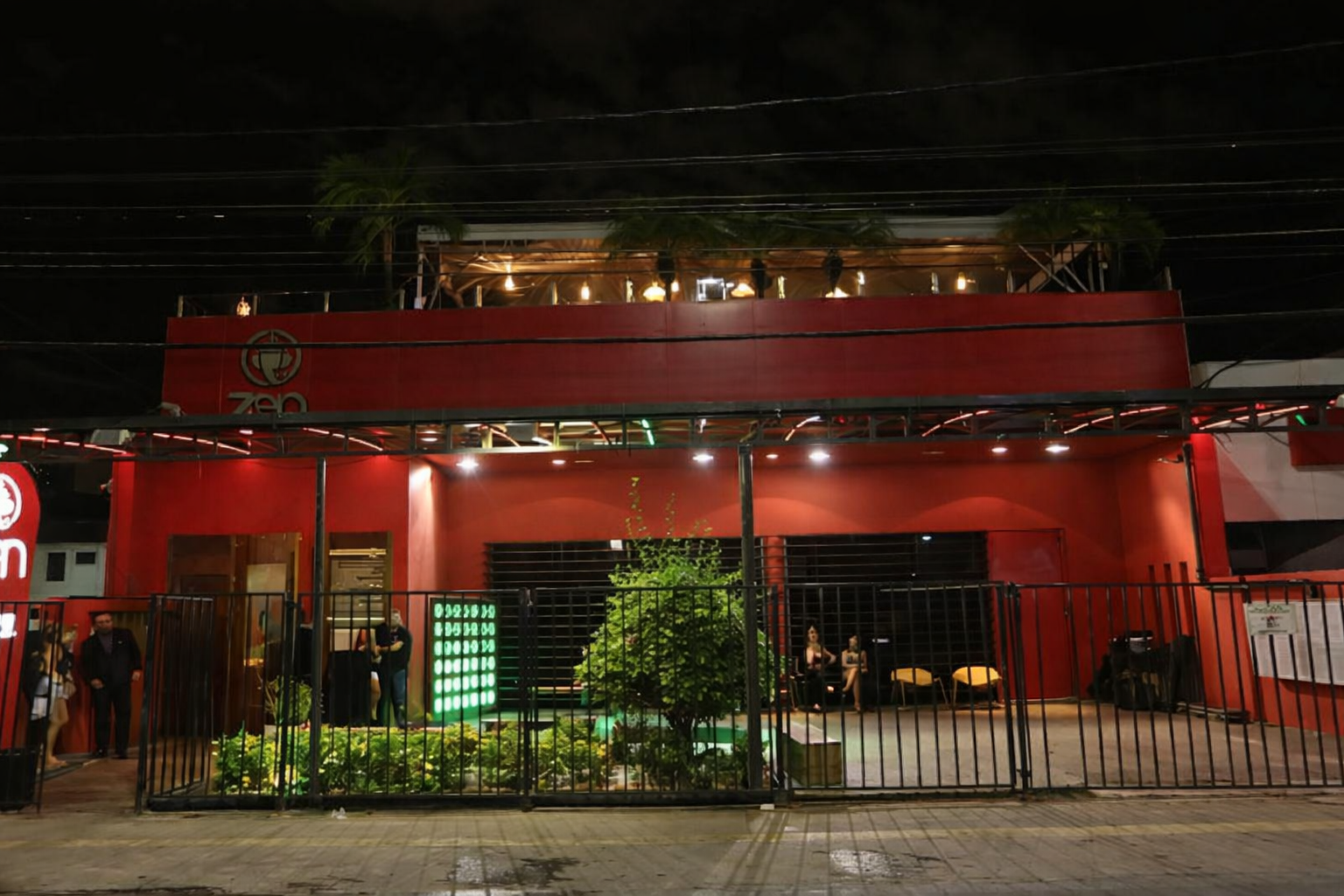
- Zen Salvador – A social Rio Vermelho nightclub that works especially well as a second or third stop of the night. It has an easygoing party vibe, and it’s best enjoyed when you’re already in the mood to dance rather than looking for a quiet drink.
- ABorracharia – A famous disco bar with a reputation for long, energetic nights and a crowd that’s there to have fun. It’s a great choice if you prefer something lively and informal rather than a more curated club scene.
- BaladasVip Salvador – A local club-style option that can be a fun way to experience Salvador nightlife beyond the best-known venues, especially if you’re curious to follow the local scene.
Tips for Eating & Going Out
- Start slow, finish late — Salvador nightlife tends to begin later than many travelers expect, especially on weekends.
- Don’t skip street food — it’s one of the most authentic ways to taste Salvador, and it’s part of the city’s everyday culture.
- Carry some cash for street vendors and smaller bars, even if you use cards most of the time.
- Use ride-hailing at night — services like Uber in Salvador are widely used and generally safer than walking long distances after dark.
- Stick to busy, well-lit areas when moving between venues, and avoid flashing phones or valuables in crowded nightlife zones.
What to See & Do in Salvador
Salvador is one of Brazil’s most culturally layered cities, where history, music, religion, and daily life are tightly woven together. Exploring the city is less about rushing from attraction to attraction and more about moving slowly through neighborhoods, historic streets, viewpoints, and cultural spaces that reveal Salvador’s identity over time.
Pelourinho & the Historic Center
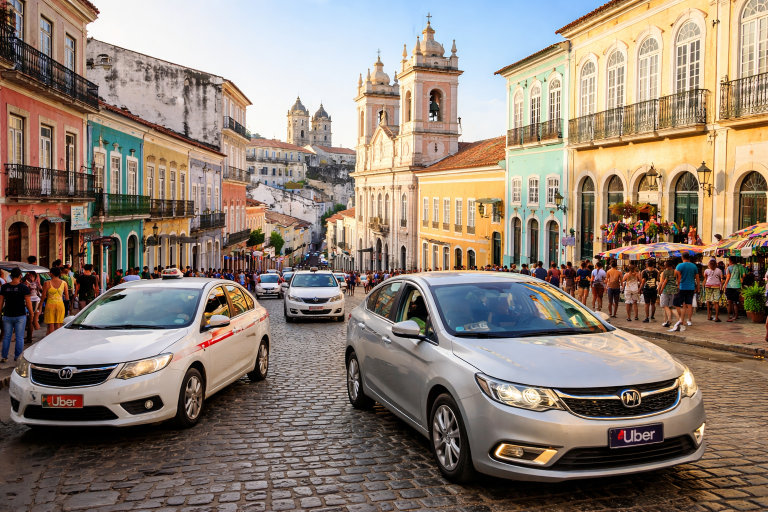
The heart of Salvador’s history lies in Pelourinho, a UNESCO-listed historic district filled with colorful colonial buildings, churches, museums, and lively public squares. Walking here feels like stepping into a different era, with cobblestone streets, pastel façades, and music often drifting through the air.
Key highlights include the baroque churches scattered throughout the area, the open plazas around Largo do Pelourinho, and the many small museums and cultural centers that explore Afro-Brazilian history, music, and art. It’s best explored on foot, ideally during the day, allowing time to stop for coffee, photos, and spontaneous street performances.
Elevador Lacerda & the Lower City
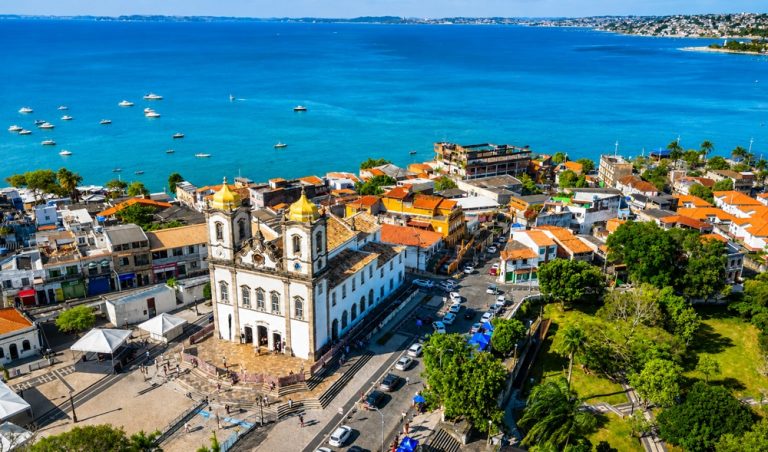
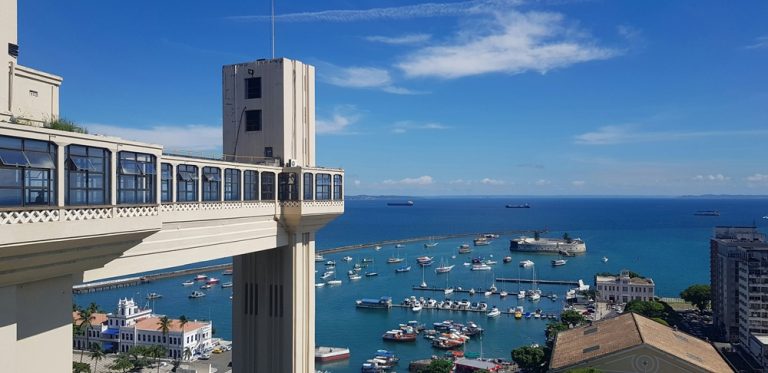
The Elevador Lacerda is both a practical piece of infrastructure and one of Salvador’s most recognizable landmarks. It connects the upper city (Cidade Alta) with the lower city (Cidade Baixa) and offers sweeping views over the Bay of All Saints.
Once at the bottom, you’ll find markets, waterfront views, and ferry connections. It’s a simple way to understand Salvador’s geography and how the city developed across different levels.
Want to experience Salvador properly (without wasting time)?
Salvador has a lot of personality — and its best experiences are spread across historic areas, viewpoints, and coastal neighborhoods. A private highlights tour is a great way to see the city’s most important places efficiently, while learning the cultural context that makes Bahia so special.
Farol da Barra & Coastal Walks
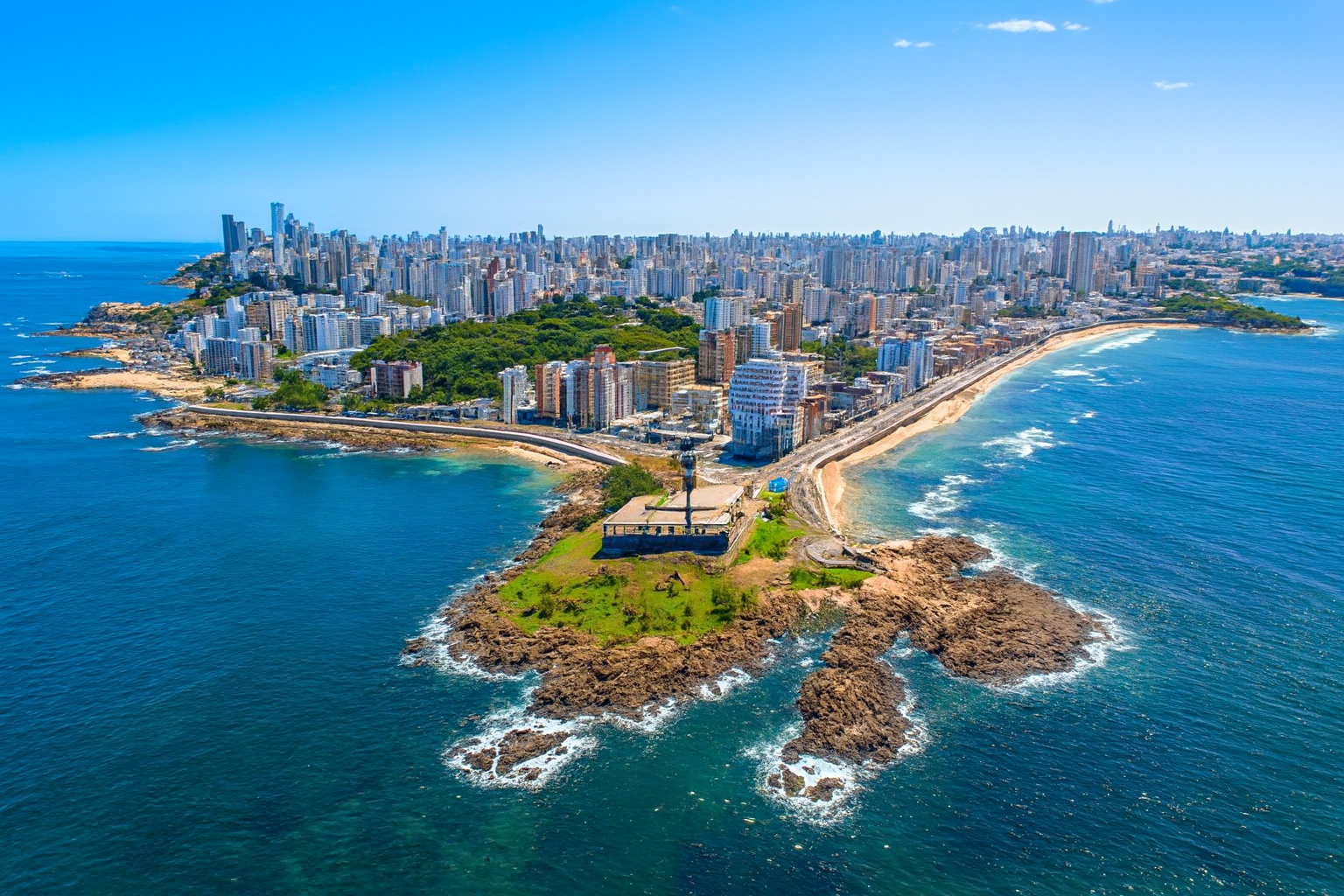
The Farol da Barra lighthouse sits at the tip of the Barra peninsula and is one of the most pleasant places in the city to walk, relax, and watch the ocean. The surrounding area has wide sidewalks, open views, and a relaxed atmosphere that contrasts nicely with the busier parts of Salvador.
Sunset here is especially popular, drawing both locals and visitors who come to watch the sky change colors over the water. It’s an easy place to spend an hour or two without any agenda.
Beaches in Salvador
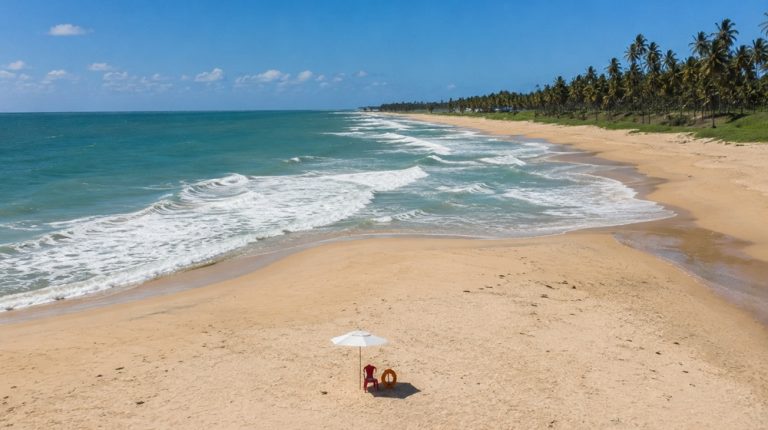
Salvador’s beaches stretch for kilometers, and each area has a slightly different feel. While not all beaches are ideal for swimming year-round, many are perfect for walking, relaxing, or enjoying food and drinks by the sea.
- Barra Beach – Central, lively, and popular for sunsets and casual beach time.
- Flamengo Beach – Wider and more open, closer to the airport, and good for a quieter beach day.
- Stella Maris – Known for waves and a more relaxed, residential atmosphere.
Afro-Brazilian Culture & Music
Salvador is widely considered the cultural capital of Afro-Brazilian heritage. You’ll encounter this influence everywhere — in music, food, religion, and daily life.
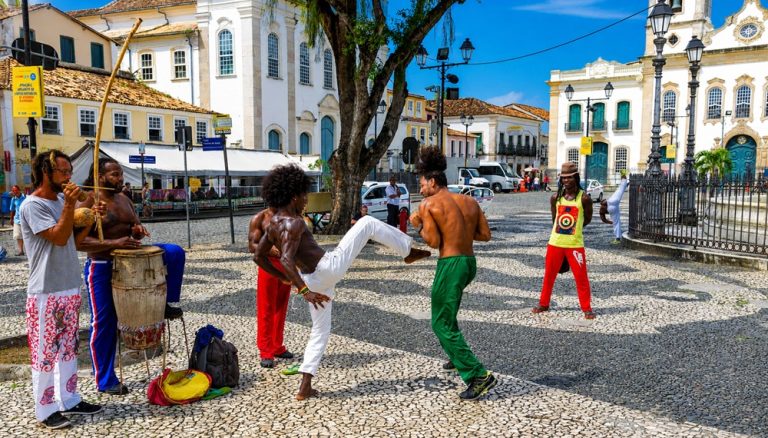
Capoeira performances are common in public squares, particularly in Pelourinho, blending martial arts, dance, and music. You’ll also find cultural centers and small museums dedicated to Candomblé, Afro-Brazilian art, and the city’s African roots. Even without entering a museum, simply watching street life offers insight into how deeply this heritage shapes Salvador.
Want to understand Salvador beyond the postcards?
Salvador is the heart of Afro-Brazilian culture — and this is one of the most meaningful ways to experience it. An African culture-focused tour adds depth to what you’re seeing, connecting neighborhoods, traditions, food, music, and history into a story that makes the city feel truly alive.
Markets, Viewpoints & Everyday Life
To experience Salvador beyond its landmarks, spend time in local markets and everyday spaces. The São Joaquim Market is chaotic, colorful, and full of local products, spices, and street food — not polished, but very real.
For views, look for elevated spots around the historic center or along the coast, where you can pause, take in the cityscape, and appreciate Salvador’s unique mix of sea, hills, and colonial architecture.
Salvador rewards curiosity and patience. Whether you’re wandering historic streets, watching capoeira in a square, or sitting by the ocean at sunset, the city reveals itself best when you give it time.
How to Get Around Salvador
Salvador is a large, spread-out city built across hills and along the coastline, so getting around efficiently makes a big difference to how much you enjoy your visit. Most travelers combine ride-hailing, short walks in specific areas, and occasional public transport depending on the day’s plans.
Uber, Taxis & Ride-Hailing
For visitors, Uber in Salvador is by far the easiest and most reliable way to move around. It’s widely used by locals, affordable compared to many international cities, and especially useful at night or when traveling between neighborhoods like Barra, Rio Vermelho, and Pelourinho.
Official taxis are also available throughout the city and at hotels and shopping centers. They’re safe and regulated, but typically more expensive than ride-hailing apps, particularly for longer journeys.
Walking (Where It Makes Sense)
Walking works best within specific neighborhoods rather than across the city as a whole. Pelourinho, parts of Barra, and coastal promenades are enjoyable on foot during the day, allowing you to take in architecture, street life, and views.
For longer distances or after dark, walking is less practical. Streets can become quiet quickly, so most travelers switch to Uber or taxis once the sun goes down.
Public Transport: Metro & Buses
Salvador has a growing metro system and an extensive bus network, mainly used by locals. While it’s inexpensive, it can be confusing for first-time visitors and isn’t always the most time-efficient option for sightseeing.
The metro can be useful for specific routes, but buses are often crowded and routes may be hard to navigate without local knowledge. Many travelers choose to use public transport selectively rather than as their main way of getting around.
Getting Between the Upper & Lower City
Salvador is divided between the upper city (Cidade Alta) and lower city (Cidade Baixa). The Elevador Lacerda connects the two and is both a practical transport link and a sightseeing experience, offering views over the Bay of All Saints.
Using the elevator is quick, inexpensive, and worth doing at least once during your stay.
Practical Transport Tips
- Use ride-hailing at night rather than walking long distances after dark.
- Plan by neighborhood — group sights together to reduce travel time.
- Allow extra time for traffic, especially during rush hours.
- Save addresses offline in case mobile data is slow or unavailable.
With a mix of Uber, short walks, and selective use of public transport, getting around Salvador is manageable and rarely stressful once you settle into the city’s rhythm.
Mobile data & connectivity in Salvador
Staying connected in Salvador is more important than many travelers expect. The city is spread out between neighborhoods like Pelourinho, Barra, and Rio Vermelho, and you will likely rely on maps, ride-hailing apps, and translation tools throughout your stay. While local SIM cards are available, the simplest option for most visitors is using an eSIM, which lets you get online as soon as you land without visiting airport kiosks or phone shops.
Ubigi eSIM works well across Brazil and is a reliable choice for Salvador, offering stable coverage and quick activation before arrival. It’s a solid option if you want dependable data for Uber, navigation, and daily use without thinking about connectivity once you arrive. Check Ubigi eSIM plans for Brazil
Yesim is another popular option, especially for travelers who want flexible plans and a straightforward setup without dealing with physical SIM cards. It works well for short stays and is easy to manage directly from your phone. View Yesim eSIM options
Airalo is widely used by international travelers and offers affordable country-specific and regional eSIM plans that work smoothly in Salvador. It’s a good choice if you want a simple, budget-friendly solution for maps, messaging, and browsing. Browse Airalo Brazil eSIMs
SimOptions is useful if you want to compare multiple providers in one place or prefer bundled regional plans that include Brazil alongside other destinations. Compare eSIM plans on SimOptions
Using an eSIM allows you to stay online from the moment you arrive, making it easier to navigate Salvador, order rides late at night, explore different neighborhoods, and focus on enjoying the city rather than worrying about connectivity.
Weather & Best Time to Visit Salvador
Salvador enjoys a tropical climate year-round, with warm temperatures, high humidity, and plenty of sunshine. Unlike many destinations, there’s no true winter here — but understanding rainfall patterns and seasonal differences can help you choose the best time for your travel style.
Salvador Weather Overview
Temperatures in Salvador stay fairly consistent throughout the year, typically ranging between 24°C and 30°C (75°F to 86°F). Days are warm and often humid, while evenings remain comfortable, especially near the coast where sea breezes help cool things down.
Rainfall varies by season rather than temperature. Short, heavy showers are common, but they rarely last all day and are often followed by clear skies.
Best Time to Visit Salvador
The most popular time to visit Salvador is during the drier months from September to March. This period offers more reliable sunshine, lively street life, and ideal conditions for beaches, walking tours, and outdoor dining.
December to February is especially vibrant, with festivals, music, and a strong social atmosphere. This is also peak season, so expect higher accommodation prices and busier attractions.
Rainy Season Considerations
The wetter months generally run from April to July. While this period sees more frequent rain, it can still be a good time to visit if you don’t mind occasional showers. The upside is fewer crowds and often better hotel deals.
Rain typically comes in short bursts rather than constant downpours, meaning you can still explore between showers.
Best Time for Beaches & Outdoor Activities
If beaches are a priority, aim for the drier months when sunshine is more consistent and the sea is calmer. Coastal walks, sunset views, and casual beach days are most enjoyable when rain is less likely.
Best Time for Festivals & Culture
Salvador’s cultural calendar peaks around major events, especially Carnival. Even outside Carnival season, music, dance, and street celebrations are common year-round, but visiting during high season amplifies the city’s festive energy.
Overall, Salvador is a destination you can enjoy at any time of year. Choosing when to visit mostly depends on whether you prioritize dry weather and lively crowds, or quieter streets and lower prices.
Travel Facts, Tips & Essentials for Visiting Salvador
This section covers the practical details that help make a trip to Salvador smoother and more comfortable. A little preparation goes a long way here, especially for first-time visitors.
Safety Basics
Salvador is vibrant and welcoming, but like many large cities, it rewards awareness. Stick to busy areas, especially at night, and avoid flashing valuables such as phones or expensive jewelry. Use ride-hailing services rather than walking long distances after dark, and keep bags zipped and close in crowded places.
Money & Payments
Brazil’s currency is the Brazilian Real (BRL). Credit and debit cards are widely accepted in hotels, restaurants, and larger businesses, but smaller bars, markets, and street food vendors often prefer cash.
ATMs are common throughout the city, though it’s best to withdraw money during the day and inside shopping centers or banks rather than on the street.
Language
Portuguese is the primary language spoken in Salvador. English is spoken in some hotels and tourist-focused businesses, but it’s not widely used day-to-day. Learning a few basic phrases goes a long way and is usually appreciated.
Time Zone
Salvador operates on Brasília Time (BRT), which is UTC−3. Brazil does not currently observe daylight saving time, so the time remains consistent throughout the year.
Power Plugs & Electricity
Brazil typically uses Type N power plugs, with some acceptance of Type C. Electricity runs at 127V or 220V depending on the location, so bringing a universal adapter is recommended if you’re traveling from outside South America.
Emergency Numbers
- Police: 190
- Ambulance: 192
- Fire Department: 193
Connectivity & Mobile Data
Mobile coverage in Salvador is generally good in urban areas, but travelers often find an eSIM to be the easiest way to stay connected without dealing with physical SIM cards. An eSIM allows you to activate mobile data digitally before arrival and use maps, ride-hailing, and messaging apps immediately.
Health & Essentials
Pharmacies are easy to find throughout Salvador and often stay open late. They’re useful for basic medication, sunscreen, toiletries, and travel essentials. Tap water is not recommended for drinking; stick to bottled or filtered water.
Useful Portuguese Phrases
Even a few words of Portuguese can make everyday interactions easier and more friendly.
- Olá – Hello
- Bom dia – Good morning
- Boa tarde – Good afternoon
- Boa noite – Good evening / good night
- Por favor – Please
- Obrigado / Obrigada – Thank you (male / female speaker)
- Quanto custa? – How much does it cost?
- Onde fica…? – Where is…?
- Você fala inglês? – Do you speak English?
- Conta, por favor – The bill, please
Being polite and patient goes a long way, and locals are usually happy to help if you make the effort.
Continue Exploring
If you enjoy in-depth travel guides with realistic logistics, culture, and practical planning advice, here are a few very different destinations to explore next:
- Brazil Travel Guide – A huge, high-energy country of iconic cities, beaches, culture, and wildlife, with very different travel styles from region to region.
- Things to Do in Madagascar – One of the most rewarding places on Earth for raw nature, unique wildlife, and adventurous travel.
- Things to Do in Sydney – A highly accessible, easy-to-plan destination perfect for city exploration, beaches, and day trips.
Frequently Asked Questions About Visiting Salvador
Is Salvador safe for tourists?
Salvador is generally safe for visitors who take basic precautions. Stick to well-lit, busy areas, avoid displaying valuables, and use ride-hailing services at night rather than walking long distances. Most issues can be avoided with awareness and common sense.
What is Salvador best known for?
Salvador is best known for its Afro-Brazilian culture, historic center, music, food, and coastal setting. It’s often considered the cultural heart of Brazil, with strong African influences visible in daily life, festivals, and cuisine.
How many days do you need in Salvador?
Three to four days is a good minimum to explore Salvador’s historic center, beaches, food scene, and nightlife. With five to seven days, you can slow down, explore more neighborhoods, and take day trips along the coast.
Is Salvador good for beaches?
Yes, Salvador has long stretches of coastline with beaches suited for walking, relaxing, and swimming depending on conditions. Barra is the most central, while Flamengo and Stella Maris offer wider beaches and a quieter feel.
Do people speak English in Salvador?
English is not widely spoken outside hotels and tourist-focused businesses. Learning a few Portuguese phrases or using a translation app makes communication much easier and is appreciated by locals.
What is the best area to stay in Salvador?
Barra and Rio Vermelho are popular with visitors due to their beach access, restaurants, and nightlife. Pelourinho offers historic charm, while other neighborhoods provide quieter, more residential experiences.
What is the best time of year to visit Salvador?
The drier months from September to March are generally the most popular, offering better weather and a lively atmosphere. The rainy season brings fewer crowds and lower prices but still plenty of sunshine between showers.
Is Salvador expensive?
Salvador is more affordable than cities like São Paulo or Rio de Janeiro. You’ll find good value accommodation, food, and transport, though prices rise during peak season and major festivals.
How do you get around Salvador?
Most travelers rely on ride-hailing services like Uber, combined with walking in specific areas during the day. Public transport exists but is less convenient for visitors unfamiliar with the city.
Is Salvador worth visiting compared to Rio or São Paulo?
Yes — Salvador offers a completely different experience. It’s less about big-city energy or iconic beaches and more about culture, history, music, and atmosphere. Many travelers find Salvador to be one of Brazil’s most memorable destinations.
🇧🇷 Part of the Brazil Travel Guide Series
This article is part of a broader Brazil travel cluster designed to help you plan trips across the country’s most important destinations. If you are continuing your itinerary beyond Salvador, these guides will help you explore other sides of Brazil — from iconic coastal cities to the country’s biggest cultural hubs.
- Brazil Travel Guide – Practical planning advice, destinations, itineraries, and travel tips for exploring Brazil
- Things to Do in Rio de Janeiro – Beaches, viewpoints, iconic landmarks, neighborhoods, Carnival planning, and local experiences
- Things to Do in São Paulo – Culture, food, neighborhoods, attractions, and practical city travel tips
Enjoy planning your Brazil adventure — and take your time with it, because this is a country that rewards slower travel. Wherever you go next, you are going to discover a completely different side of Brazil.
Travel Resources to Plan, Book & Stay Connected
Use these tools and guides to stay connected abroad, find inspiration for your next trip, and book your flights, stays and gear with confidence.
Disclosure: This article may contain affiliate links. If you make a purchase through a link, I may receive a commission at no extra cost to you. I only share recommendations I believe are genuinely useful, and all opinions are my own.
Comment (0)