
📌 What This Brazil Travel Guide Covers
- The best places to visit in Brazil, including major cities and standout regions
- Top attractions and must-see landmarks, with ideas for first-time visitors
- Suggested itineraries and how to combine destinations efficiently
- Where to stay, including neighborhood guidance and hotel recommendations
- Food and local dishes to try, plus where to eat in key areas
- Day trips and nature highlights, including beaches, waterfalls, and scenic escapes
- How to get around Brazil, including flights, buses, and practical transport tips
- Safety basics and common-sense advice for travelers
- Weather patterns and the best time to visit different parts of Brazil
- Connectivity tips, including eSIM guidance for staying online while traveling
- Essential planning notes like money, plugs, emergency numbers, and travel logistics
🇧🇷 Brazil Travel Guide Overview
Planning a trip to Brazil can feel exciting and overwhelming at the same time. The country is vast, diverse, and full of contrasts, offering everything from iconic cities and palm-lined beaches to powerful waterfalls, dense rainforest, and deeply rooted cultural traditions. This Brazil Travel Guide is designed to help you make sense of it all, especially if this is your first time visiting, or if you are returning and want to explore beyond the obvious highlights.
Rather than trying to cover every corner of the country, this guide focuses on helping you understand how Brazil works as a travel destination. You will find an overview of the most popular regions and cities, guidance on where to go based on your travel style, and practical advice on timing your visit, getting around, and choosing where to stay. From the energy of Rio de Janeiro and the natural drama of Iguazu Falls to historic coastal cities and lesser-known landscapes, each section is meant to help you decide what fits your itinerary and interests.
Brazil spans 26 states and one federal district, and experiences can vary dramatically depending on where you go. Climate, distances, culture, and even daily rhythms change from region to region. That is why this guide is structured to be read selectively. You can start with the sections on where to go if you are choosing destinations, jump ahead to when to visit if timing matters most, or use the planning sections to map routes and avoid common first-time mistakes. Think of this page as a starting point, giving you clarity before you dive deeper into individual cities and experiences.


What Traveling in Brazil Actually Feels Like
Traveling in Brazil is less about moving quickly between places and more about understanding the rhythm of each destination. Distances are large, flights are often necessary, and what looks close on a map can take far longer than expected. A trip here works best when you focus on a few key locations and give each one enough time to unfold rather than trying to cover everything at once.
Each city feels like its own world. Rio de Janeiro is shaped by landscape and lifestyle, São Paulo by scale and energy, and Salvador by history and cultural identity. Moving between them is not just a change of location, but a shift in atmosphere, pace, and experience. That contrast is what makes traveling through Brazil so rewarding, but it also means that planning your route matters more than in smaller or more compact countries.
At the same time, Brazil is not a place where you travel on autopilot. It rewards a bit of awareness, whether that means choosing the right neighborhoods, understanding how to get around, or simply being mindful of your surroundings. Most visitors who plan ahead and stay in well-known areas have a smooth and enjoyable experience, but having that baseline awareness makes a noticeable difference.
If you approach Brazil with the right expectations, allowing time for each destination, planning your movements between cities, and staying present as you explore, it becomes one of the most engaging and varied travel experiences in the world. The key is not trying to see everything, but understanding how to experience each place well.
Rio de Janeiro
Rio de Janeiro is often the image people have in mind when they think of Brazil, but the reality of the city goes far beyond its famous skyline. It is a place where natural landscapes and urban life exist side by side, with mountains rising directly from the ocean and neighborhoods that shift dramatically in atmosphere from one area to the next. Understanding Rio is not just about seeing its landmarks, but about experiencing how the city moves throughout the day.
Most first-time visitors are drawn to the same iconic experiences, and for good reason. Standing beneath Christ the Redeemer, looking out over the city from Sugarloaf Mountain, or walking along Copacabana and Ipanema are moments that define a trip to Rio. These are not isolated attractions, but part of a larger rhythm where beach life, local culture, and daily routines blend together. If you are planning your time here, this guide to things to do in Rio de Janeiro brings together the main sights, experiences, and how to structure your visit.
What gives Rio its depth, however, is the contrast between its neighborhoods. Ipanema and Leblon feel structured and polished, with restaurants, cafés, and a strong sense of order. Copacabana is busier and more intense, constantly moving and filled with a mix of locals and visitors. Santa Teresa offers a completely different perspective, with its hillside setting, colonial architecture, and slower, more artistic atmosphere. Moving between these areas is what reveals the city’s complexity, and why Rio feels different depending on where you spend your time.
Planning your visit to Rio is less about ticking off sights and more about understanding how to move through the city comfortably. Distances can be deceptive, and choosing the right base makes a significant difference in how you experience it. Staying near the beach allows for easy access to the main attractions and a more relaxed daily routine, while venturing further out requires more planning and awareness of how transport works in the city. For most itineraries, spending three to four days in Rio gives you enough time to experience its highlights, settle into its rhythm, and explore different neighborhoods without feeling rushed.
Safety is also part of that planning. Rio is not a city where you explore without thinking, but it is one that becomes far more accessible once you understand its patterns. Most visitors who stay in well-known neighborhoods and make deliberate choices about where they go experience the city without issues. If you want a detailed breakdown of what to expect and how to navigate it confidently, this guide on is Rio safe explains it clearly.
For many travelers, Rio becomes the highlight of a trip to Brazil not just because of what there is to see, but because of how it feels to be there. It is often the natural starting point for a wider journey through the country, offering a balance of scenery, culture, and accessibility that makes it easy to settle in. It is a city that requires a bit more awareness, but in return offers a level of atmosphere and energy that is difficult to find anywhere else.
São Paulo
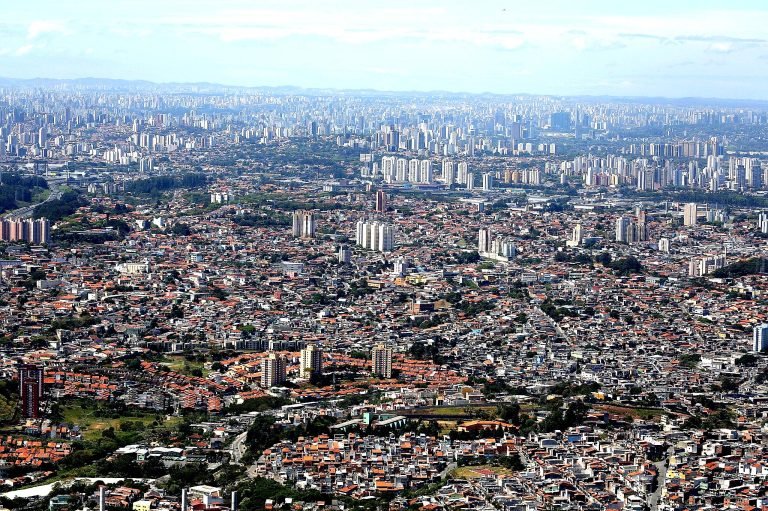
São Paulo is Brazil’s largest city and the engine that drives much of the country’s economy, culture, and daily life. It is not a place that impresses at first glance in the way Rio de Janeiro does, but it reveals itself gradually through its scale, diversity, and intensity. This is a city where Brazil feels global, shaped by waves of immigration and a constant movement of people, ideas, and industries.
What defines São Paulo is not a single landmark, but the sheer range of experiences it offers. The city is widely regarded as one of the culinary capitals of Latin America, with everything from traditional Brazilian food to some of the best Japanese and Italian cuisine outside their home countries. Neighborhoods like Jardins and Vila Madalena bring together restaurants, galleries, and nightlife, while Avenida Paulista acts as the cultural backbone of the city, home to major museums, public events, and a constant flow of activity throughout the week. If you are planning your time here, this guide to things to do in São Paulo brings together the key neighborhoods, experiences, and how to structure your visit.
Exploring São Paulo means understanding its neighborhoods rather than trying to “see the city” all at once. Each area has its own rhythm. Vila Madalena feels creative and relaxed, filled with street art and independent spaces. Jardins is more polished, with boutique hotels, upscale dining, and quieter streets. Centro tells a different story altogether, with historic buildings, markets, and a rawer, more chaotic energy that reflects the city’s past and present at the same time.
Because of its size, São Paulo rewards structure over spontaneity. Distances are significant, traffic can be intense, and moving between neighborhoods takes time. Most visitors experience the city best by focusing on a few key areas each day rather than trying to cover everything. Using ride-hailing or the metro during the day makes navigating the city manageable, while evenings are best spent in well-known districts where restaurants and nightlife are concentrated. In most itineraries, two to three days is enough to experience São Paulo’s food scene, cultural highlights, and a few key neighborhoods without feeling overwhelmed.
São Paulo is often overlooked in favor of Brazil’s more scenic destinations, but it plays an important role in understanding the country as a whole. It adds depth to an itinerary, offering a perspective that is more urban, more diverse, and more connected to contemporary Brazilian life. It works best as a contrast within a wider trip, balancing the natural beauty of Rio and the cultural richness of Salvador with a more modern, fast-paced environment.
For travelers who take the time to engage with it, São Paulo is not just a stop on the way to somewhere else. It is a destination that reveals a different side of Brazil, one that is complex, energetic, and constantly evolving.
Salvador
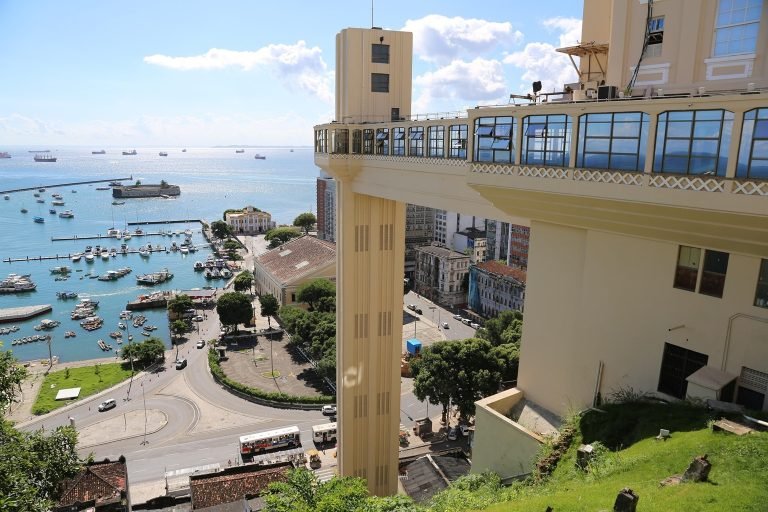
Salvador offers a completely different perspective on Brazil, shaped by history, culture, and a strong connection to its African roots. As one of the oldest cities in the Americas and the country’s first capital, it feels layered in a way that is immediately visible in its architecture, traditions, and daily life. Where cities like Rio are defined by landscape and São Paulo by scale, Salvador is defined by identity.
The historic center, known as Pelourinho, is the heart of that identity. Its cobblestone streets, colorful colonial buildings, and baroque churches create one of the most distinctive urban environments in Brazil. This is not just a preserved area for visitors, but a living part of the city where music, art, and local traditions are woven into everyday life. Walking through Pelourinho, you hear drums in the distance, see capoeira practiced in open squares, and feel a rhythm that is deeply connected to the city’s past. If you are planning your visit, this guide to things to do in Salvador brings together the main sights, neighborhoods, and how to structure your time.
Beyond its historic core, Salvador is also a coastal city with a different kind of beach culture than Rio. The coastline stretches for kilometers, offering everything from calm, protected bays to more open Atlantic beaches. Areas like Barra combine historic landmarks with accessible waterfronts, while further along the coast, the pace slows and the setting becomes more relaxed. The relationship between city and sea is constant, but it feels less structured and more local than in Brazil’s southern destinations.
Exploring Salvador is less about covering distance and more about understanding its layers. The city is divided between its upper and lower sections, connected by the Elevador Lacerda, and moving between them gives a sense of how geography has shaped its development. Each neighborhood carries its own atmosphere, and the experience changes depending on where you spend your time, from the historic center to the beachfront districts. For most itineraries, Salvador works best as a two- to three-day stay, giving you enough time to experience its historic core, coastline, and cultural rhythm without rushing through it.
Salvador also requires a similar level of awareness as other major Brazilian cities. Some areas are best visited during the day, and moving between neighborhoods is easier with planned transport rather than wandering without direction. Visitors who approach the city with a bit of structure tend to experience it far more comfortably and confidently. It is especially rewarding for travelers who want more than scenery alone, those interested in history, music, food, and the cultural foundations that shape Brazil far beyond the postcard image.
For many travelers, Salvador becomes one of the most memorable parts of a trip to Brazil because it offers something fundamentally different. It is not just another stop, but a place that adds cultural depth, historical context, and a distinct atmosphere that you will not find elsewhere in the country. Within a broader journey, Salvador brings balance to the itinerary, contrasting with Rio’s dramatic landscapes and São Paulo’s urban intensity while grounding the experience in Brazil’s cultural roots.
🗺️ Brazil Itinerary Map: Understanding the Route
Once you understand how these destinations fit together, the next step is mapping out how to move between them in a way that feels smooth rather than rushed. Distances in Brazil are much larger than they appear on a map, and traveling between cities like Rio de Janeiro, São Paulo, Salvador, and Iguazu Falls requires planning rather than guesswork.
Instead of thinking in terms of individual stops, it helps to see how a trip flows from one destination to the next. Each place offers a different pace and experience, and the order in which you visit them shapes how your trip feels overall. The routes below are designed to show how your itinerary expands as you add more time, helping you decide what fits comfortably into 7, 10, or 14 days without constantly moving.
Use the map legend (top left) to toggle between the different itineraries and explore each route step by step.
🗺️ Use this interactive map to visualize how each Brazil itinerary flows between Rio de Janeiro, São Paulo, Salvador, and Iguazu Falls. Each route is color-coded by trip length, helping you understand how the journey expands as you add more time.
Your Brazil Travel Guide & Itinerary: A 7-Day Snapshot
If you are short on time and want a well-rounded introduction to Brazil, a one-week itinerary built around Rio de Janeiro, Iguazu Falls, and Salvador offers a surprisingly complete picture of the country. This route blends iconic landmarks, natural wonders, and deep-rooted cultural experiences without trying to cover too much ground.
Days 1–3: Rio de Janeiro
Most travelers begin their Brazilian journey in Rio de Janeiro, and the city immediately sets the tone. Dramatic mountains rise straight from the ocean, golden beaches stretch for kilometers, and everyday life unfolds outdoors. Your first days here are best spent balancing famous viewpoints with time to absorb the city’s rhythm.
A visit to Christ the Redeemer provides an unforgettable overview of Rio, especially on a clear morning when the entire city seems to unfold beneath you. Pair this with a trip up Sugarloaf Mountain, where cable cars glide above Guanabara Bay and sunset brings soft light over the coastline. Between sightseeing stops, spend time walking or cycling along Copacabana and Ipanema, where beach culture is as much about people-watching as it is about swimming.
In the evenings, Rio reveals another side of itself. Street food stalls selling tapioca crepes and chilled açaí bowls line busy streets, while neighborhood bars fill with conversation. If you want a deeper cultural experience, attending a samba performance or visiting a live music venue introduces you to the sound that defines much of Brazil’s identity.
Rio de Janeiro is Brazil’s most iconic city, known for its beaches, dramatic geography, Carnival celebrations, and world-famous landmarks. See my full guide to Things to Do in Rio de Janeiro for neighborhoods, attractions, beaches, and practical travel tips.
If you are planning your stay in the city, this guide to the best areas to stay in Rio de Janeiro helps you choose the right neighborhood based on your travel style, budget, and priorities.
Choosing the right base in the city can make a big difference to your experience. This guide on where to stay in Rio de Janeiro explains the best neighborhoods and hotel options depending on your travel style.
Days 4–5: Iguazu Falls
After the intensity of Rio, Iguazu Falls offers a complete change of pace. Located on the border between Brazil and Argentina, this vast network of waterfalls is one of the most powerful natural sights in South America. Visiting both sides of the falls gives you two very different perspectives: sweeping panoramic views from the Brazilian side and immersive, close-up walkways on the Argentine side.
The highlight for many travelers is the approach to Devil’s Throat, where roaring water plunges into a narrow gorge and mist rises high into the air. The sound alone is overwhelming. For those who enjoy adventure, optional boat rides take you close enough to feel the force of the falls firsthand. Even quieter forest paths reveal wildlife, butterflies, and birds that thrive in the surrounding national parks.
Two days here allow you to explore without rushing and to appreciate how different Iguazu feels from Brazil’s coastal cities. It is a reminder of the country’s immense geographic and ecological diversity.
Days 6–7: Salvador
The final stop in this itinerary brings you to Salvador, the heart of Afro-Brazilian culture. The city feels older, slower, and deeply expressive. Wandering through the historic district of Pelourinho, you will see pastel-colored colonial buildings, cobblestone streets, and churches that reflect centuries of history and cultural fusion.
Salvador is best experienced through its traditions. Capoeira circles often form in public squares, blending martial arts, music, and dance. Drumming rhythms echo through neighborhoods, and live music spills out from bars and cultural centers in the evenings. Food plays a central role here as well, with local dishes like moqueca and freshly fried acarajé offering flavors found nowhere else in the country.
Ending your trip in Salvador provides a deeper understanding of Brazil’s cultural roots and leaves many travelers feeling that they have experienced something far more personal than a standard sightseeing route.
While seven days is only a brief introduction to a country as vast as Brazil, this itinerary offers a thoughtful balance of city life, nature, and culture. It is an ideal starting point that can easily be expanded by spending more time in each destination or by adding additional regions on a return visit.

Where to Stay in Brazil: Recommended Hotels by City
Where you stay in Brazil can shape your entire trip. Neighborhood vibe, walkability, and transport access vary dramatically from city to city, so it is worth choosing a base that matches your itinerary and the kind of experience you want. Below are handpicked stays in São Paulo, Foz do Iguaçu, and Rio de Janeiro, grouped by comfort level to make your decision easier.
São Paulo
Budget-Friendly
HOSTEL LIZE
R. Cariri-Açu, 85 – Cidade Jardim Cumbica, Guarulhos – SP, 07180-250, Brazil · +55 11 97117-9990
Hostel Lize is a practical pick for travelers who want to keep costs low while staying close to São Paulo’s main airport. It is especially convenient for late arrivals, early departures, or a short overnight before continuing onward in Brazil. The vibe is simple and functional, with the emphasis on value and convenience rather than luxury extras.
If you want a budget-friendly base near Guarulhos, you can check prices and availability for Hostel Lize here.
Foz do Iguaçu
Budget-Friendly
FOZ CENTRAL BUDGET HOTEL
Rua Bartolomeu de Gusmão, 859 – Centro, Foz do Iguaçu – PR, 85851-160, Brazil · +55 800 799 9925
Foz Central Budget Hotel is a straightforward, affordable option in a central location, which is exactly what many travelers want when their main focus is Iguazu Falls. Being based in Centro makes it easy to reach restaurants, shops, and transport, and it keeps your logistics simple if you are heading out early for the national park.
For an easy, no-frills stay close to the action, you can view rooms and availability for Foz Central Budget Hotel here.
São Paulo
Mid-Range Comfort
POUSADA SOFT BROOKLIN
Rua Pascal, 58 – Brooklin Novo, São Paulo – SP, 04616-000, Brazil · +55 11 3360-1326
Pousada Soft Brooklin is a cozy, quieter base that works well if you prefer a calmer neighborhood feel after exploring São Paulo’s busy streets. It is the kind of place that feels personal rather than corporate, with a warm atmosphere and easy access to key parts of the city, including Ibirapuera Park.
If you want a comfortable mid-range stay with a more local feel, you can check availability for Pousada Soft Brooklin here.
VILA GALÉ PAULISTA
R. Bela Cintra, 952 – Consolação, São Paulo – SP, 01415-002, Brazil · +55 11 3100-0200
Vila Galé Paulista is ideal if you want to be right near Avenida Paulista, where museums, cafés, shopping, and metro connections are all within easy reach. It is a strong choice for first-time visitors who want a convenient location that makes São Paulo feel easier to navigate, especially if you are mixing sightseeing with day trips or business.
To stay in a central, well-connected area near Paulista Avenue, you can view rates for Vila Galé Paulista here.
SOOZ HOTEL COLLECTION
Avenida São Luís, 234 – República, São Paulo – SP, 01046-000, Brazil · +55 11 4389-5393
Sooz Hotel Collection is a chic, modern option in the city center that feels like a step up without pushing into luxury pricing. It suits travelers who want to explore central São Paulo on foot, with easy access to historic streets, cultural venues, and a lively downtown atmosphere. The breakfast and overall guest experience are often mentioned as highlights.
If you like the idea of a stylish downtown base with strong reviews, you can check current availability for Sooz Hotel Collection here.
Luxury
HOTEL FASANO SÃO PAULO
Rua Vittorio Fasano, 88 – Jardins (Cerqueira César), São Paulo – SP, 01414-020, Brazil · +55 11 3896-4000
Hotel Fasano is one of São Paulo’s most refined addresses, known for quiet elegance, impeccable service, and a distinctly polished atmosphere. The Jardins location is excellent for high-end dining, shopping, and a more upscale city experience, making it a great choice if you want São Paulo to feel sophisticated and effortless.
For a true boutique-luxury experience in Jardins, you can explore rooms at Hotel Fasano São Paulo here.
ROSEWOOD SÃO PAULO
R. Itapeva, 435 – Bela Vista, São Paulo – SP, 01332-000, Brazil · +55 11 3797-0500
Rosewood São Paulo feels like a destination in itself, blending heritage architecture with modern design inside the Cidade Matarazzo complex. It is the kind of place you choose when you want your hotel to be part of the travel experience, with standout dining, a spa, and a level of comfort that makes the city feel calmer the moment you walk in.
If you want a statement luxury stay with top-tier amenities, you can check availability for Rosewood São Paulo here.
Brazil’s largest city offers a very different experience from the country’s beach destinations — explore our complete guide of things to do in São Paulo for neighborhoods, food, cultural attractions, hotels, and practical travel tips.
Rio de Janeiro
Budget-Friendly
SOCIALTEL RIO LAPA
R. Visc. de Maranguape, 9 – Lapa, Rio de Janeiro – RJ, 20021-390, Brazil · +55 21 3030-1205
Socialtel Rio Lapa is a strong budget pick if you want energy, community, and easy access to Rio’s nightlife. Lapa is known for live music and late evenings, and this stay fits that vibe well, with social spaces that make it easy to meet other travelers and keep your trip feeling lively.
If you want a social base close to Rio’s nightlife, you can see current prices for Socialtel Rio Lapa here.
EL MISTI HOTEL IPANEMA
R. Joana Angélica, 47 – Ipanema, Rio de Janeiro – RJ, 22420-030, Brazil · +55 21 98751-6618
El Misti Hotel Ipanema is ideal if you want to stay near one of Rio’s most famous beaches without paying beachfront hotel rates. With both dorms and private rooms available, it suits solo travelers and couples alike, and the neighborhood is a great base for walking, café stops, and easy beach days.
To stay in Ipanema on a budget-friendly price point, you can check availability for El Misti Hotel Ipanema here.
Mid-Range Comfort
HOTEL ARPOADOR
R. Francisco Otaviano, 177 – Ipanema, Rio de Janeiro – RJ, 22080-046, Brazil · +55 21 2529-1000
Hotel Arpoador is a mid-range favorite for travelers who want a stylish stay right by the beach, with a calm, modern feel. The Arpoador area is fantastic for sunsets and short walks between Ipanema and Copacabana, and the rooftop pool adds that extra “Rio” factor without going fully luxury.
If you want a modern beachfront stay with a rooftop pool, you can view rates for Hotel Arpoador here.
SOL IPANEMA HOTEL
Av. Vieira Souto, 320 – Ipanema, Rio de Janeiro – RJ, 22420-004, Brazil · +55 21 2101-8383
Sol Ipanema Hotel is a classic choice if being directly on the beach matters most to you. The location makes it effortless to dip in and out of the ocean, grab coffee nearby, and enjoy long promenade walks without planning your day around transport. It is a very “easy” Rio stay in the best possible way.
For a straightforward beachfront base in Ipanema, you can check availability for Sol Ipanema Hotel here.
Luxury
COPACABANA PALACE, A BELMOND HOTEL
Av. Atlântica, 1702 – Copacabana, Rio de Janeiro – RJ, 22021-001, Brazil · +55 21 2141-8990
Copacabana Palace is pure Rio history and glamour, and staying here feels like stepping into a more cinematic version of the city. It is ideal for travelers who want a classic luxury experience with top-tier service, fine dining, and a legendary beachfront address that still defines Copacabana.
If classic, iconic luxury is what you want in Rio, you can explore rooms at Copacabana Palace here.
FAIRMONT RIO DE JANEIRO COPACABANA
Av. Atlântica, 4240 – Copacabana, Rio de Janeiro – RJ, 22070-002, Brazil · +55 21 2525-1232
Fairmont Rio de Janeiro Copacabana offers a more modern, design-forward take on beachfront luxury. The infinity pool and ocean views are major highlights, and the overall feel is polished and contemporary, making it a great choice if you want upscale comfort with a dramatic setting.
If you want a luxury stay with an infinity pool and sweeping ocean views, you can check availability for Fairmont Rio de Janeiro Copacabana here.
If you want to browse a broader range of stays across the country, you can explore more hotels in Brazil via on these travel platforms .
If you are still planning your route, you can also compare options and look for flights to Brazil here: browse flights to Brazil .

Top Attractions You Can’t Miss in Brazil
Brazil is not a country you “see” from a distance. Its most memorable places are immersive, emotional, and often overwhelming in the best way possible. From towering statues above megacities to waterfalls that shake the ground beneath your feet, these attractions capture the scale, diversity, and energy that define Brazil.
Christ the Redeemer, Rio de Janeiro
Perched high above the city on Corcovado Mountain, Christ the Redeemer is more than a symbol of Rio — it is one of the most recognizable landmarks in the world. Standing beneath the statue, with Rio’s beaches, forests, and neighborhoods spread out below, gives you an immediate sense of the city’s dramatic geography.
- Arrive early in the morning for clearer skies and fewer crowds
- The historic cog train ride through Tijuca Forest is part of the experience
- Expect panoramic views stretching from Sugarloaf to Copacabana
Sugarloaf Mountain
Sugarloaf offers a different perspective on Rio, rising directly from the water at the entrance of Guanabara Bay. The two-stage cable car ride is smooth and scenic, and the views from the top are especially striking as the city transitions from day to night.
- Sunset visits are particularly popular and unforgettable
- Look back toward Christ the Redeemer for classic skyline photos
- Combine with an evening beach walk or dinner in Urca
Want to see Christ the Redeemer + Sugarloaf Mountain in one smooth half-day?
This is one of the easiest ways to hit Rio’s two most iconic sights without wasting time on confusing transport or long queues.
✅ Book: Christ the Redeemer + Sugarloaf Mountain Half-Day Tour
Iguazu Falls
Straddling the border between Brazil and Argentina, Iguazu Falls is one of the most powerful natural sights in South America. The sheer volume of water, the constant mist, and the thunderous sound create an experience that is felt as much as it is seen.
- The Brazilian side delivers sweeping panoramic viewpoints
- The Argentine side lets you walk directly above the falls on metal catwalks
- Boat excursions take you close enough to get completely soaked
Planning to visit Iguazu Falls?
A guided experience makes this day much easier — especially for first-time visitors who want the best viewpoints, smooth logistics, and zero stress navigating the park.
Pelourinho, Salvador
Pelourinho is the historic heart of Salvador and one of the most culturally rich districts in Brazil. Its colorful colonial buildings, cobblestone streets, and constant rhythm of music reflect the deep Afro-Brazilian roots of the region.
- Watch capoeira circles in public squares
- Explore museums and churches that trace Brazil’s colonial history
- Stay into the evening for live music and street performances
The Amazon from Manaus
The Amazon is vast, complex, and impossible to fully understand in one visit — but starting from Manaus offers an accessible gateway. River cruises and eco-lodges allow you to experience rainforest life while minimizing environmental impact.
- Guided jungle walks introduce medicinal plants and wildlife
- River excursions reveal pink dolphins and flooded forests
- Choose eco-focused operators that support local communities
Hidden Gems Worth the Journey
Beyond Brazil’s headline attractions lies a collection of destinations that feel more intimate, slower, and often more surprising. These places reward travelers willing to go a little further and stay a little longer.
Lençóis Maranhenses
This surreal landscape of white sand dunes dotted with seasonal turquoise lagoons feels almost unreal. During the rainy season, freshwater pools form between the dunes, creating a desert-meets-oasis environment unlike anywhere else.
- Best visited between June and September when lagoons are full
- Guided tours are essential due to shifting terrain
Ilha Grande
Ilha Grande is a car-free island where rainforest trails lead directly to secluded beaches. Life here moves at a slower pace, centered around swimming, hiking, and boat trips.
- Excellent snorkeling and diving spots
- Trails connect beaches like Lopes Mendes and Dois Rios
Paraty
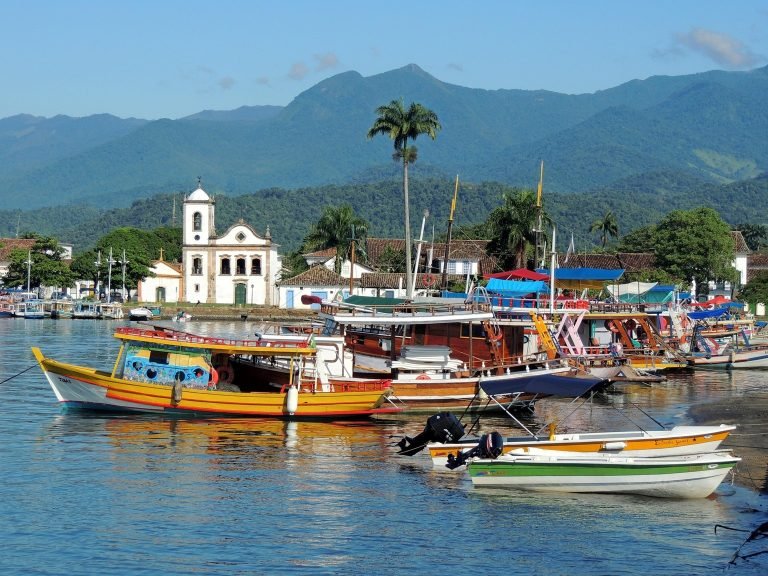
Paraty combines colonial charm with coastal beauty. Its historic center is beautifully preserved, while the surrounding bays and islands invite kayaking and sailing.
- Known for artisanal cachaça distilleries
- A popular base for boat trips and cultural festivals
Chapada Diamantina
This national park in Bahia is a playground for hikers and nature lovers, offering tabletop mountains, deep canyons, waterfalls, and luminous underground pools.
- Guided hikes recommended for safety and access
- Highlights include waterfalls and blue grottoes
Bonito
Bonito is famous for its crystal-clear rivers, where strict conservation rules protect underwater ecosystems. Snorkeling here feels like floating through an aquarium.
- Advance bookings required due to daily visitor limits
- Ideal for eco-focused travelers
Fernando de Noronha
This remote archipelago is one of Brazil’s most pristine marine environments. Visitor numbers are capped, which helps preserve coral reefs and wildlife.
- Exceptional snorkeling and diving
- Book accommodation and permits well in advance
Local Dishes You Should Try
Brazilian cuisine reflects the country’s regional diversity, blending Indigenous, African, and European influences. Meals are social, generous, and deeply tied to place.
- Feijoada — A hearty black bean and pork stew, traditionally served with rice, farofa, sautéed greens, and orange slices. Often enjoyed on weekends.
- Pão de Queijo — Chewy cheese bread from Minas Gerais, perfect as a snack or breakfast.
- Moqueca Baiana — A fragrant fish stew cooked with coconut milk, palm oil, tomatoes, and herbs.
- Acarajé — Deep-fried black-eyed pea fritters stuffed with vatapá and shrimp, commonly sold by street vendors in Bahia.
- Churrasco — Brazilian barbecue served rodízio-style; picanha is the standout cut.
- Drinks — Caipirinhas made with cachaça, Guaraná soda, and fresh tropical fruit juices are staples across the country.
Best Time to Visit
Brazil is huge, so the “best time” depends on what you want to do and where you’re going. In general, May to September is the easiest window for first-timers: temperatures are milder in many regions, humidity is lower, and sightseeing days (especially in Rio) feel more comfortable. It’s a great season for viewpoints, hiking, and long outdoor days when you want the weather to cooperate.
October to April is warmer and often greener, which can be beautiful for waterfalls and rainforest scenery, but it is also the period when you should expect more frequent showers—especially in tropical areas and the Amazon. The upside is that the coast feels lively and summery, beach culture is in full swing, and you often get dramatic skies and lush landscapes. The trade-off is that you’ll want a bit more flexibility in your itinerary so you can swap plans around when a heavy downpour hits.
If you want to time your trip around Brazil’s energy, keep the event calendar in mind too. Carnival (dates vary each year) is unforgettable but expensive and busy, with accommodation selling out early. Festa Junina in June brings a more local festival vibe across many parts of the country. And Réveillon (New Year’s Eve in Rio) is iconic—expect huge crowds, a party atmosphere, and very high demand for beachfront areas.
🌤 Average Monthly Temperatures in Rio de Janeiro (°C)
Tip: Swipe sideways to view the full table on mobile.
| Month | Avg High | Avg Low | Rainfall (mm) |
|---|---|---|---|
| January | 30 | 24 | 114 |
| February | 30 | 24 | 105 |
| March | 29 | 23 | 137 |
| April | 28 | 22 | 137 |
| May | 26 | 20 | 80 |
| June | 25 | 19 | 68 |
| July | 25 | 18 | 52 |
| August | 26 | 19 | 51 |
| September | 26 | 20 | 73 |
| October | 27 | 21 | 88 |
| November | 28 | 22 | 101 |
| December | 29 | 23 | 169 |
Source: Climate averages for Rio de Janeiro.

How to Get Around
Getting around Brazil requires a bit of planning, simply because of the country’s sheer size. Distances between major destinations are often much larger than first-time visitors expect, and travel styles that work well in Europe or smaller countries do not always translate here. The good news is that Brazil has a well-developed mix of domestic flights, long-distance buses, urban transit, and ride-hailing options that make moving around surprisingly manageable once you understand how they fit together.
✈️ Domestic Flights
For most travelers, domestic flights are the fastest and most efficient way to cover long distances. Flying between hubs like São Paulo, Rio de Janeiro, Salvador, and Foz do Iguaçu can save days compared to overland travel, and prices are often reasonable if booked in advance.
Brazil’s main domestic airlines include:
- LATAM Airlines — The largest carrier in the country, with extensive coverage and frequent connections through São Paulo and other major cities.
- GOL Airlines — A popular Brazilian airline known for competitive pricing and strong domestic coverage.
- Azul Airlines — Particularly useful for reaching smaller cities and regional airports that are not always served by other carriers.
- Avianca — Offers select routes and connections within Brazil and beyond.
If your itinerary includes destinations in different regions of the country, flying is almost always the most time-efficient choice.
🚌 Intercity Buses & Roads
Brazil’s road network is the backbone of domestic transport, and long-distance buses play a central role in connecting cities. While driving is common for locals, visitors often find buses to be the easiest land-based option, especially for medium-distance routes.
Long-distance buses are far more comfortable than many travelers expect. Higher-end services, often labeled executivo or leito, offer reclining seats, air-conditioning, onboard bathrooms, and sometimes even meal service. Overnight buses can be a practical way to save on accommodation while maximizing sightseeing time.
Driving can be a rewarding option for specific routes, especially scenic coastal stretches, but it is less practical in major cities. Traffic congestion, unfamiliar road rules, and limited parking make public transport or ride-hailing a better choice in urban areas. If you do rent a car, avoid late-night highway driving and always use secure parking in cities.
🚇 Urban Transport in Cities
Brazil’s largest cities offer a mix of metro systems, light rail, buses, and modern ride-sharing services. In cities like São Paulo and Rio de Janeiro, metro systems cover the core areas and are generally reliable during the day.
Some cities have invested heavily in bus-based solutions. Curitiba, for example, is internationally known for its Bus Rapid Transit (BRT) system, which uses dedicated lanes and integrated transfers to move large numbers of people efficiently. Similar systems are expanding in other urban centers.
Rail travel between cities is limited, as most rail infrastructure is dedicated to freight. For visitors, trains are mainly relevant as part of urban metro networks rather than long-distance travel.
🚕 Ride-Hailing & Taxis
Ride-hailing apps are widely used across Brazil and are often the easiest way to get around cities, especially at night or when carrying luggage. They are generally affordable and widely accepted by locals.
- Uber — Widely available, familiar to international travelers, and reliable in most cities.
- 99 — A major local competitor offering a range of services including standard rides, taxis, electric cars, and motorcycle taxis in some areas.
- inDrive — Allows passengers to suggest a fare, often resulting in competitive pricing, especially in larger cities.
- BlaBlaCar — Useful for longer-distance travel, combining carpooling and intercity bus options.
- Lolo — Focused on traditional taxi bookings, operating in select Brazilian cities.
For most visitors, a combination of domestic flights, urban transit, and ride-hailing offers the best balance of speed, safety, and convenience. Once you accept that Brazil rewards smart route planning rather than spontaneous long drives, getting around becomes far less intimidating and often part of the adventure itself. If you want a complete breakdown of routes, transport options, and practical travel tips, read this guide on getting around Brazil.
Brazil Travel Essentials ✅ (Read This Before You Go)
If you only read one practical section of this Brazil travel guide, make it this one. These are the small details that prevent big headaches: entry expectations, money, plugs, data, transport, and the questions most travelers only think about at the airport.
Why Go to Brazil
- Why go: Brazil offers an unmatched mix of natural wonders, vibrant cities, beaches, rainforests, waterfalls, and deeply rooted cultural traditions that vary by region.
Quick Country Facts
- Language: Portuguese. English is spoken in tourist areas, but basic phrases go a long way.
- Currency: Brazilian Real (BRL / R$). Cards are widely accepted; keep some cash for small vendors.
- Seasons: May–September is drier and easier for sightseeing; October–April is hotter and greener.
- Distances: Brazil is enormous. Domestic flights often save days of travel.
How to Get to Brazil
- Main hubs: São Paulo and Rio de Janeiro handle most international arrivals.
- Domestic connections: Flying internally is often the most efficient way to reach beaches, waterfalls, or the Amazon.
- Planning tip: Treat Brazil like multiple countries in one — don’t overpack your itinerary.
Entry, Visas & Documents
- Visa rules: Vary by nationality and change over time. Always check official government sources.
- Onward ticket: Often requested by airlines; have proof of exit ready.
- Accommodation proof: A first-night booking or local address is recommended.
- Proof of funds: Rarely asked, but a credit card and bank app screenshot help.
- Travel insurance: Strongly recommended due to private healthcare costs.
Money, Cards & Tipping
- Cards: Visa and Mastercard are widely accepted in cities.
- Cash: Useful for markets, beaches, and smaller towns.
- Tipping: A 10% service fee (“serviço”) is often included. Extra tipping is optional.
Food Culture
- Food culture: Meals are social and regionally diverse. Expect hearty lunches, lighter dinners, and local specialties that change dramatically from state to state.
Power Plugs & Voltage
- Plug type: Type N (Type C often fits).
- Voltage: 127V or 220V depending on region — check before plugging in.
- Tip: Phones and laptops are usually dual voltage; hair tools may not be.
Wi-Fi, Mobile Data & eSIM
- Wi-Fi: Common in hotels, cafés, and restaurants.
- Mobile data: Highly recommended for navigation, ride-hailing, and safety.
- Best option: Use an eSIM before arrival. See: Best eSIM for International Travel
Getting Around Inside Brazil
- No national transport pass: Systems are city-specific.
- Cities: Metro and buses cover core areas; ride-hailing is common.
- Long distances: Flights or executive buses are most practical.
- Amazon: Riverboats are essential — travel takes longer than maps suggest.
Safety Basics
- Use standard big-city awareness, especially at night.
- Keep phones and valuables discreet in busy areas.
- Use licensed taxis or ride-hailing after dark.
Seasonal Events
- Seasonal events: Carnival (Feb/March) and New Year’s Eve bring unforgettable atmosphere but higher prices and crowds—book early if traveling during these periods.
Brazil SIM Card & Internet Guide
Staying connected while traveling in Brazil is essential. Distances between cities are vast, ride-hailing apps are widely used, and having mobile data makes navigation, bookings, and day-to-day logistics far easier. While physical SIM cards are still available in Brazil, most travelers now choose an eSIM for convenience and flexibility.
An eSIM allows you to activate mobile data digitally before or after arrival, avoid language barriers at phone shops, and keep your home SIM active for banking codes, WhatsApp, or emergency contacts. Coverage is strong in major cities like Rio de Janeiro, São Paulo, and Salvador, and generally reliable along popular travel routes.
Why Use an eSIM in Brazil?
- No store visits or paperwork: Activate digitally without registering a physical SIM.
- Instant connectivity: Many travelers are online as soon as they land.
- Works across regions: Ideal for trips combining multiple Brazilian cities.
- Keep your home number active: Useful for WhatsApp, verification texts, and banking apps.
- No surprise roaming charges: You pay upfront and control your data spend.
Ubigi eSIM for Brazil
Ubigi is a strong option if Brazil is your primary destination. It offers stable coverage in major cities and tourist regions, with straightforward setup and dependable speeds for maps, ride-hailing, browsing, and streaming.
Ubigi works particularly well for travelers who want a simple, reliable data connection focused on Brazil rather than the cheapest possible plan.
Check Ubigi eSIM plans for Brazil
Yesim eSIM
Yesim is well suited if Brazil is part of a longer international trip. Its regional and global plans allow you to stay connected across multiple countries without switching eSIMs between destinations.
This makes Yesim appealing for travelers combining Brazil with other countries in South America or beyond, all managed through a single app.
View Yesim Brazil eSIM options
Airalo eSIM
Airalo is a popular choice for travelers who want a simple and affordable data-only option. Its Brazil plans are easy to install and work well for short stays or light data usage such as navigation, messaging, and basic browsing.
Airalo is a good fit if you are visiting Brazil for a shorter trip and do not need large amounts of data.
Browse Airalo eSIMs for Brazil
SimOptions eSIM
SimOptions is a solid option if you like comparing multiple plan types in one place and want flexible choices depending on how long you are staying and how much data you need.
Compare SimOptions eSIM plans for Brazil
Which eSIM Is Best for Your Brazil Trip?
Choose Ubigi
if Brazil is your main destination and you want reliable, high-quality coverage.
Choose Yesim
if Brazil is part of a multi-country itinerary and you prefer one eSIM for the entire trip.
Choose Airalo
if you are visiting Brazil short-term and only need basic, affordable mobile data.
Choose SimOptions
if you want to compare multiple eSIM plans in one place and pick the best option based on data size, trip length, and price.
If you want a deeper comparison of coverage, pricing, and real-world use cases across different providers, you can also read our full guide to choosing the best eSIM for international travel .
If your phone does not support eSIM, physical SIM cards are available at major airports and shopping centers in Brazil. However, for most modern smartphones, an eSIM is faster to set up, easier to manage, and often better value.
Handy Portuguese Phrases for Brazil
While you can travel comfortably in Brazil with English in many tourist areas, learning a few basic Portuguese phrases makes a noticeable difference. Locals genuinely appreciate the effort, and even a simple greeting or “thank you” can lead to warmer interactions, better service, and a more relaxed travel experience.
-
Olá! — Hello
(oh-LAH)
A friendly, all-purpose greeting you can use anytime, anywhere. -
Bom dia / Boa tarde / Boa noite — Good morning / afternoon / night
(bohm JEE-ah / BOH-ah TAR-jee / BOH-ah NOY-chee)
Used exactly like in English, and especially polite when entering shops or restaurants. -
Por favor — Please
(por fah-VOR)
Add this to requests to sound courteous rather than abrupt. -
Obrigado / Obrigada — Thank you (male / female speaker)
(oh-bree-gah-doo / oh-bree-gah-dah)
One of the most useful words you’ll learn; use it often. -
De nada — You’re welcome
(jee NAH-dah)
A common response when someone thanks you. -
Com licença — Excuse me (to pass)
(kohm lee-SEN-sah)
Perfect for navigating crowded buses, markets, or busy sidewalks. -
Desculpa — Sorry / excuse me
(desh-KOOL-pah)
Used when you bump into someone or need to apologize briefly. -
Quanto custa? — How much is it?
(KWAN-toh KOOS-tah)
Essential for markets, small shops, and street food stalls. -
Onde fica...? — Where is…?
(ON-jee FEE-kah)
Pair this with a place name to ask for directions. -
Você fala inglês? — Do you speak English?
(voh-SEH FAH-lah een-GLAYS?)
Polite and effective when starting a conversation with someone new.
You don’t need to be fluent to enjoy Brazil, but even a handful of these phrases can make everyday interactions smoother and more enjoyable. Most importantly, they signal respect and curiosity — two qualities that are warmly received throughout the country.
Continue Exploring
If you enjoy in-depth travel guides with realistic logistics, culture, and practical planning advice, here are a few very different destinations to explore next:
- The amazing island of Taiwan – A fascinating island blending modern cities, night markets, mountain landscapes, temples, and coastal scenery.
- Explore Madagascar – One of the most rewarding places on Earth for raw nature, unique wildlife, and adventurous travel.
- Discover all of Sydney – A highly accessible, easy-to-plan destination perfect for city exploration, beaches, and day trips.
❓ FAQ: Brazil
-
Is Brazil safe for solo travelers?
Generally yes if you stay aware, avoid risky areas at night, and use licensed taxis or ride-hailing. Keep valuables discreet. -
Do most places take credit cards?
In major cities and tourist areas, yes. Carry some cash for small vendors and tips. -
Best way from the airport to downtown?
Official airport taxis, ride-hailing, or pre-booked transfers are the easiest. Buses or metro can work depending on arrival time and luggage. -
Will weather impact my plans?
Coastal cities are warm year-round; summer can bring showers. The Amazon is hot and humid, while Iguazu is misty near the falls. -
Do I need a visa?
Requirements vary by nationality and can change. Check your government travel site or Brazil’s official consular sources before booking. -
Are vaccines required?
No universal requirement, but Yellow Fever and routine vaccines may be recommended depending on where you go. Ask a travel clinic. -
When is Carnival?
Dates shift each year (usually February or March). Book flights and hotels early — prices and demand spike fast. -
What plug type and voltage does Brazil use?
Type N plugs (often compatible with Type C) and either 127V or 220V depending on the city. Bring an adapter and check device voltage. -
How do you say hello / please / thank you?
Olá / Por favor / Obrigado (male) or Obrigada (female). -
How do I ask if someone speaks English?
“Você fala inglês?”
Want to keep planning your Brazil trip? This guide is part of my Brazil Travel Guide series, where I break down the country’s most exciting destinations and how to combine them into a realistic itinerary.
Many travelers begin their journey in Rio de Janeiro, Brazil’s most iconic city, famous for its beaches, viewpoints, vibrant neighborhoods, and unforgettable nightlife. If you are planning your stay, this guide on where to stay in Rio de Janeiro explains the best neighborhoods and hotel options in detail, while this guide to the best areas to stay in Rio de Janeiro helps you compare each neighborhood based on atmosphere, budget, and travel style. From Rio you can also visit two of the country’s most famous landmarks: the towering statue described in this guide to Christ the Redeemer, and the spectacular panoramic viewpoints covered in the Sugarloaf Mountain guide.
For a completely different urban experience, São Paulo offers world-class restaurants, cultural institutions, street art, and one of the most dynamic food scenes in South America. Further north, the historic city explored in the Salvador travel guide reveals a different side of Brazil, shaped by Afro-Brazilian culture, colonial architecture, music, and coastal landscapes.
Many itineraries also include one of the country’s most dramatic natural wonders. The thundering cascades explained in the Iguazu Falls travel guide rank among the most spectacular waterfalls in the world and are a highlight of many Brazil trips.
If you are trying to connect these destinations into a single journey, the detailed Brazil itinerary explains how travelers often combine cities, landmarks, and natural wonders into one trip. You may also want to review the best time to visit Brazil, which explains how seasonal weather and festivals influence travel across the country.
Travel Resources to Plan, Book & Stay Connected
Use these tools and guides to stay connected abroad, find inspiration for your next trip, and book your flights, stays and gear with confidence.
Disclosure: This article may contain affiliate links. If you make a purchase through a link, I may receive a commission at no extra cost to you. I only share recommendations I believe are genuinely useful, and all opinions are my own. AI was used in this post for research and drafting purposes.

Comment (0)