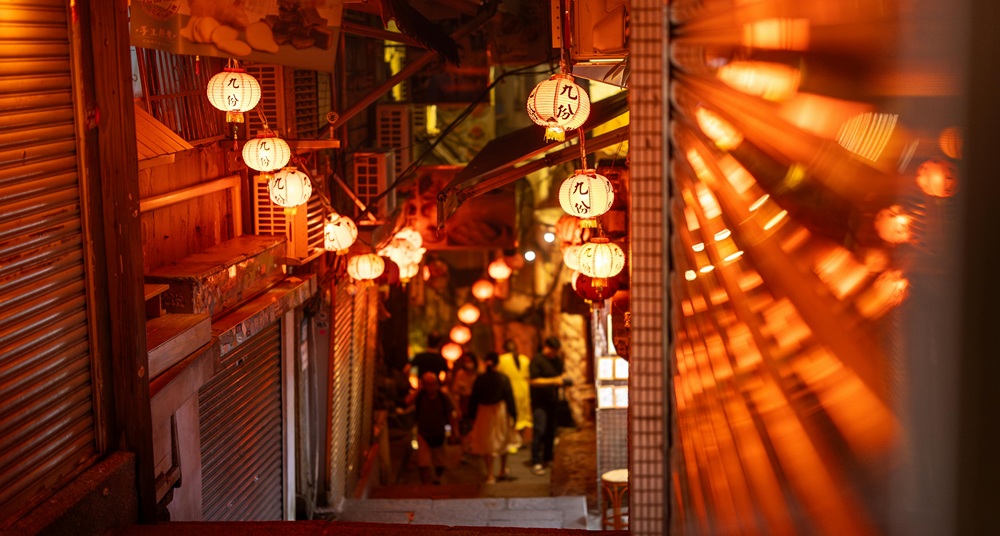
Jiufen and Shifen Day Trip: What This Guide Covers
Planning a Jiufen and Shifen day trip from Taipei can quickly become confusing once you start researching transport routes, train timings, waterfalls, lantern releases, tea houses, and whether the trip is actually worth the crowds. This guide breaks the entire experience down step by step so you can decide how to plan your day, what to prioritize, and how to avoid common mistakes.
Some travelers visit only Jiufen, others only Shifen, while many try to combine both into a single day trip from Taipei. In most cases, combining them works well if you start early and understand how the transport system works beforehand.
- How to get from Taipei to Jiufen and Shifen
- Whether to visit independently or book a guided tour
- How much time you realistically need in each destination
- What to expect from Shifen Old Street and the sky lantern experience
- Whether Shifen Waterfall is worth visiting
- The best tea houses, viewpoints, and food streets in Jiufen
- How crowded Jiufen actually gets during weekends and evenings
- Tips for avoiding transport mistakes and tourist traps
- The best time of year and best time of day to visit
- Where to stay if you want to spend the night in Jiufen instead of rushing back to Taipei
- Travel tips, costs, and practical planning advice
If this is your first time visiting Taiwan, it is also worth reading our Things to Do in Taiwan: Ultimate Travel Guide, which connects many of the island’s most important regions and experiences into one larger route. Jiufen and Shifen are often combined with Taipei and northern Taiwan itineraries, especially for shorter trips.
You may also want to read our Things to Do in Taipei, Taiwan itinerary guide, and Getting Around Taiwan before planning the trip, especially if you are still deciding how many days to spend in northern Taiwan. Travelers comparing nearby excursions may also find our guide to Taipei’s top nearby destinations useful for prioritizing places like Yehliu, Wulai, Yangmingshan, Beitou, and Keelung alongside Jiufen and Shifen.
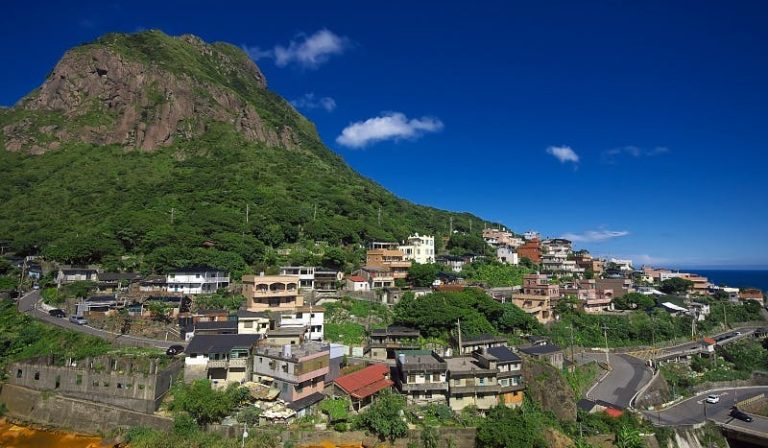
Jiufen and Shifen Day Trip: Taiwan’s Most Famous Old Streets and Lantern Experience
A Jiufen and Shifen day trip is one of the most popular experiences in northern Taiwan, and once you arrive, it becomes easy to understand why. Within a single day, you can walk through narrow mountain alleyways lined with red lanterns, release sky lanterns above old railway tracks, drink tea overlooking misty hills, and explore waterfalls and historic streets that feel completely different from central Taipei.
Jiufen and Shifen are often grouped together because they are both located northeast of Taipei and can realistically be visited in one long but manageable day. Even though they are usually spoken about together, the atmosphere in each destination is very different. Shifen feels more relaxed and activity-focused, while Jiufen is more atmospheric, crowded, and visually dramatic, especially in the late afternoon and evening once the lanterns begin glowing above the old streets.
For most travelers, this ends up being one of the highlights of Taiwan because it combines scenery, food, culture, transport nostalgia, and mountain landscapes into a trip that feels very different from the larger cities. The experience also works surprisingly well for first-time visitors because transport is relatively straightforward once you understand the route.
That said, this trip can become stressful if you underestimate the crowds, choose the wrong timing, or try to rush through everything too quickly. Jiufen in particular becomes extremely busy on weekends, public holidays, and late afternoons, especially when tour buses begin arriving from Taipei. Planning the route properly makes a huge difference.
This guide explains exactly how to structure the day, whether to travel independently or join a tour, how much time to spend in each destination, and what is genuinely worth prioritizing once you arrive.
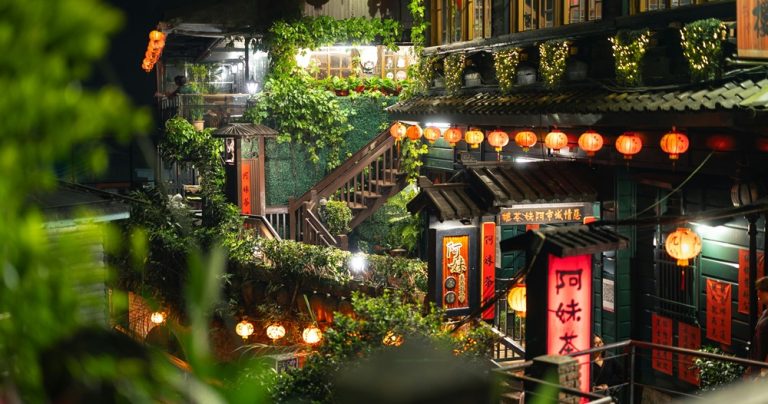
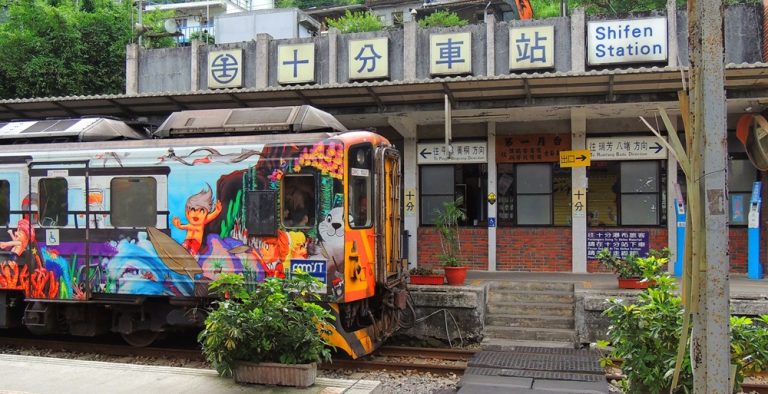
How to Get to Jiufen and Shifen from Taipei
A Jiufen and Shifen day trip from Taipei is very manageable independently, and most travelers do not need to book a guided tour. Taiwan’s public transport system is reliable, affordable, and relatively easy to understand once you know the route in advance.
The most common and efficient route is visiting Shifen first before continuing to Jiufen later in the afternoon. This order usually works best because Shifen is calmer in the morning, while Jiufen becomes far more atmospheric toward sunset once the lanterns begin glowing above the old streets.
The Most Common Independent Route
- Take the MRT to Taipei Main Station or Songshan Station
- Board a TRA train toward Ruifang Station
- Transfer to the Pingxi railway line toward Shifen
- Visit Shifen Old Street and Shifen Waterfall
- Return to Ruifang Station
- Take a local bus or taxi to Jiufen Old Street
- Return to Taipei in the evening by bus
For most travelers, this route provides the best balance between flexibility, cost, and simplicity. Taiwan’s railway network is efficient, stations are generally easy to navigate, and transport costs remain low compared to many other popular destinations in Asia.
If you are unfamiliar with Taipei’s metro network, the official Taipei MRT guide is useful for understanding routes, transfers, station maps, and payment options before starting the trip.
How Long Does the Day Trip Take?
Most travelers should expect the full Jiufen and Shifen day trip to take between 8 and 11 hours depending on crowds, transport timing, weather, and how long you spend in Jiufen. The distances themselves are not huge, but waiting times, transfers, and heavy visitor traffic can slow the day down more than many people initially expect.
Trying to rush through both destinations too quickly usually makes the experience less enjoyable. Jiufen in particular deserves time to wander slowly through the alleyways, tea houses, staircases, and food streets rather than simply stopping for a few photos before leaving again.
Is a Guided Tour Worth It?
Most independent travelers can comfortably organize the trip themselves, but guided excursions still make sense in certain situations. Tours can reduce stress, simplify transfers, and save time for travelers who do not want to manage train schedules, buses, or route planning during a short stay in Taiwan.
A guided Jiufen and Shifen day trip may be worth considering if:
- You only have a few days in Taipei
- You prefer hotel pickup and organized transport
- You are traveling with children or older relatives
- You want to combine Jiufen and Shifen with other northern Taiwan stops
- You prefer convenience over independent planning
Browse Jiufen and Shifen excursions from Taipei, including guided old street visits, sky lantern experiences, waterfalls, and northern Taiwan sightseeing routes.
View Jiufen toursTravelers who prefer a slower pace may also want to consider staying overnight in Jiufen instead of returning immediately to Taipei. Once most day-trippers leave in the evening, the atmosphere changes dramatically. We will cover that in the next section.
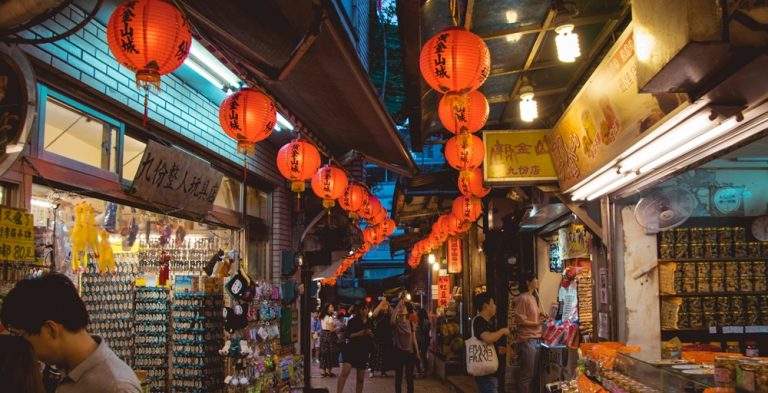
Where to Stay for a Jiufen and Shifen Day Trip
Most travelers doing a Jiufen and Shifen day trip stay in Taipei and visit both destinations in a single day. This is usually the best option if you are visiting Taiwan for the first time, have limited time, or want easier access to restaurants, transport, and nightlife once the day trip is over.
That said, staying overnight in Jiufen can completely change the experience. During the middle of the day, Jiufen Old Street is often crowded with tour groups, narrow queues, and heavy foot traffic, especially on weekends and holidays. In the evening, however, the atmosphere becomes quieter, mistier, and far more atmospheric once most visitors return to Taipei.
Should You Stay in Taipei or Jiufen?
For most travelers, staying in Taipei remains the most practical choice. Transport connections are easier, hotel options are far more extensive, and you can comfortably visit Jiufen and Shifen without changing accommodation.
- Stay in Taipei if you prefer convenience, nightlife, shopping, and easier transport
- Stay overnight in Jiufen if you want a slower, quieter, and more atmospheric experience
- Families and shorter Taiwan itineraries usually benefit more from staying in Taipei
- Photographers and slower travelers often enjoy spending one night in Jiufen
One of the biggest advantages of staying overnight in Jiufen is experiencing the old streets early in the morning before the crowds arrive. The mountain scenery, lanterns, stairways, and tea houses feel completely different once the buses and large tour groups disappear.
Accommodation inside Jiufen itself is usually smaller, more traditional, and more atmosphere-focused than what you will find in Taipei. Many guesthouses offer mountain or ocean views, while some tea-house-style stays feel much more personal and local compared to standard city hotels.
Travelers still deciding where to base themselves during a Taiwan trip can also compare hotel locations, transport convenience, and booking platforms through our hotel comparison guide, especially if you are combining Taipei with other parts of northern Taiwan.
How Many Nights Do You Need?
Most travelers only need one full day for Jiufen and Shifen. Spending one night in Jiufen is optional rather than necessary, but it can significantly improve the atmosphere of the experience if you dislike crowds or want more time to explore the old streets slowly.
If your Taiwan itinerary is short, staying in Taipei and visiting Jiufen and Shifen independently usually remains the most efficient approach.

Things to Do in Shifen
Even though Jiufen usually receives most of the international attention, many travelers end up surprised by how much they enjoy Shifen. The atmosphere here feels slower, more open, and less overwhelming than Jiufen, especially earlier in the day before larger tour groups arrive.
Shifen is located along the historic Pingxi railway line, an older mountain rail route surrounded by forests, rivers, waterfalls, and small villages. Unlike Jiufen, which is built vertically into steep hillsides, Shifen feels more spread out and easier to navigate on foot.
Most travelers visit Shifen for three main reasons:
- Releasing sky lanterns above the railway tracks
- Walking through Shifen Old Street
- Visiting Shifen Waterfall
Even though Shifen has become touristy over the years, the experience still feels unique because the train tracks remain active and run directly through the middle of the old street. Shops, lantern stalls, food vendors, and visitors all temporarily clear the tracks whenever trains approach before returning again moments later.
Shifen Old Street and the Sky Lantern Experience
The most iconic activity in Shifen is releasing a sky lantern directly from the railway tracks. Travelers write wishes, messages, names, or future goals onto large paper lanterns before lighting them and sending them floating into the sky above the mountains.
For some people, this may initially sound overly touristy or staged. In reality, the atmosphere is usually more enjoyable than expected, especially once you see hundreds of lanterns rising above the valley throughout the day. The surrounding mountains, narrow railway corridor, old storefronts, and drifting lanterns create one of the most recognizable travel scenes in Taiwan.
Lantern prices vary depending on color combinations and group size, but most stalls operate similarly. Staff members usually help take photos and videos during the release, which makes the process easier for couples, families, or solo travelers.
The old street itself is relatively small, but wandering slowly through the area is part of the experience. You will find traditional snacks, souvenir shops, drink stands, rail-themed stores, and small local restaurants lining both sides of the tracks.
Browse Jiufen and Shifen excursions from Taipei, including guided old street visits, sky lantern experiences, waterfalls, and northern Taiwan sightseeing routes.
View Jiufen toursIs Shifen Waterfall Worth Visiting?
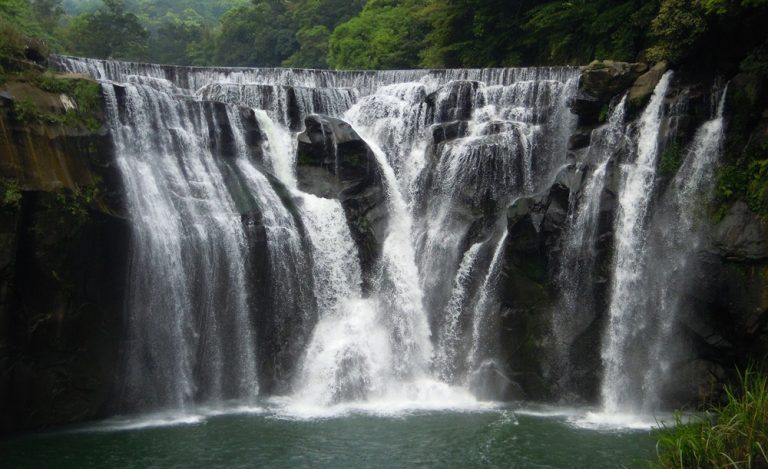
Yes, especially if you are already visiting Shifen. Shifen Waterfall is only a short walk from the old street area and adds a completely different atmosphere to the trip. The route passes suspension bridges, riverside pathways, smaller cascades, and forest scenery that contrast sharply with the busy lantern area near the train tracks.
The waterfall itself is sometimes called the “Little Niagara of Taiwan” because of its wide curtain-like shape. While that nickname is somewhat exaggerated, the waterfall is still impressive, particularly after rainfall when water levels are higher.
Most travelers only need around 45 minutes to 1.5 hours for the waterfall area depending on how slowly they explore and how many stops they make along the route.
How Much Time Should You Spend in Shifen?
Most travelers should plan for roughly 2 to 4 hours in Shifen depending on whether they visit the waterfall, eat lunch there, or spend additional time exploring the Pingxi railway area.
Shifen works best as a relaxed half-day experience rather than something to rush through quickly. The slower pace, mountain scenery, railway atmosphere, and lantern activity are part of what make it memorable.
After visiting Shifen, most travelers continue toward Jiufen for the second half of the Jiufen and Shifen day trip, where the atmosphere becomes denser, more chaotic, and dramatically more cinematic.
Things to Do in Jiufen
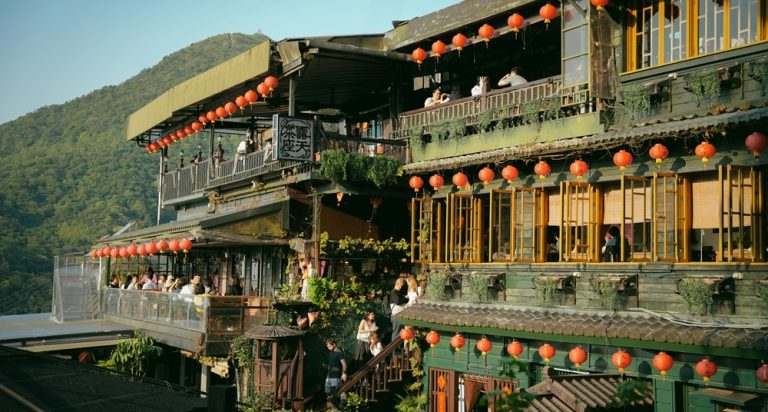
If Shifen feels relaxed and open, Jiufen feels dense, atmospheric, chaotic, and cinematic. Narrow stairways twist through steep hillsides packed with lanterns, tea houses, food stalls, hidden alleyways, and mountain viewpoints overlooking the northern Taiwanese coastline.
For many travelers, Jiufen becomes the highlight of the entire Taiwan trip because the atmosphere feels completely different from Taipei. The combination of mountain fog, glowing lanterns, old stone staircases, and layered tea houses gives the area a surreal feeling, especially late in the afternoon once the crowds begin slowing down and the lights start appearing across the hillsides.
Jiufen was originally a gold mining town during the Japanese colonial era, and parts of that history still remain visible in the architecture, stairways, and older buildings spread across the mountainside. Over time, the town transformed into one of Taiwan’s most visited tourist destinations, particularly after comparisons to the animated atmosphere of Spirited Away began spreading internationally.
Walk Through Jiufen Old Street
Jiufen Old Street is the heart of the experience and the area where most visitors spend the majority of their time. The streets are filled with food vendors, tea shops, dessert stalls, lantern-covered alleyways, souvenir stores, and endless staircases weaving between the buildings.
The atmosphere changes dramatically depending on the weather and time of day. During sunny afternoons, Jiufen can feel crowded and energetic, while rainy evenings often create the misty lantern-lit atmosphere many travelers imagine before arriving.
The busiest sections near the main entrance can become extremely congested, especially on weekends. However, many travelers make the mistake of staying only on the central food street without exploring the smaller stairways and quieter lanes branching away from the crowds.
Some of the best moments in Jiufen happen once you leave the busiest tourist corridor behind. Smaller side alleys reveal hidden viewpoints, quieter tea houses, residential staircases, ocean views, and corners of the town that still feel slower and more atmospheric.
Visit a Traditional Tea House
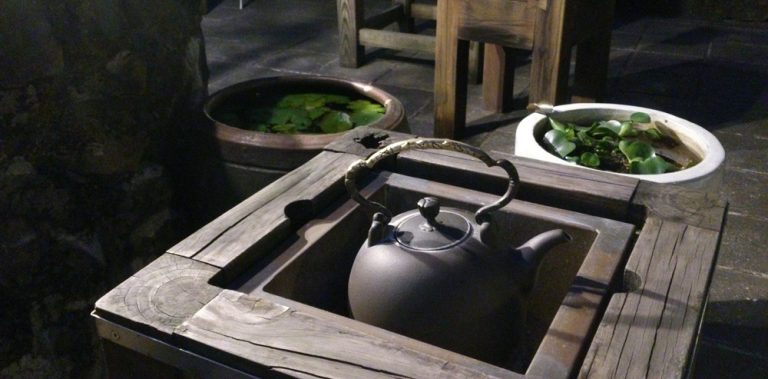
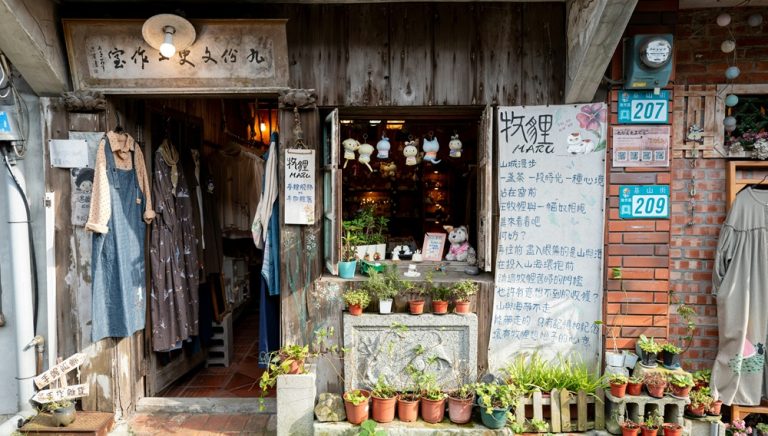
One of the best things to do in Jiufen is slowing down inside one of the traditional mountain tea houses overlooking the hills and coastline. While many visitors rush through Jiufen taking photos and eating street food, the tea houses are what give the town much of its atmosphere and character.
Inside, the pace becomes much calmer. Wooden interiors, steaming teapots, mountain views, and soft lantern lighting create a completely different mood from the crowded old streets outside.
Tea service in Taiwan is often slower and more ritualistic than many travelers expect. Staff members may explain the brewing process, demonstrate how to prepare the tea properly, or encourage guests to take their time rather than rushing through the experience.
Even travelers who are not particularly interested in tea usually end up appreciating this part of Jiufen because it provides a quiet break from the crowds and transforms the visit into something more memorable than simply walking through a busy tourist street.
Experience Jiufen at Sunset and Night
Many travelers arrive too early and leave too quickly. Jiufen becomes most beautiful later in the afternoon and early evening once the lanterns begin glowing across the stairways and the surrounding mountains slowly disappear into mist and darkness.
This is also when the atmosphere starts feeling more cinematic. Reflections from lanterns bounce across wet stone paths, tea houses begin glowing above the hillsides, and the layered staircases create one of the most visually recognizable scenes in Taiwan.
At the same time, sunset is also when Jiufen becomes most crowded. Bus lines grow longer, photography spots become congested, and the main alleys can slow to near walking-gridlock levels on busy weekends.
Travelers who want to experience Jiufen more peacefully should consider staying overnight rather than rushing back immediately to Taipei. Once most day-trippers leave, the atmosphere becomes dramatically quieter and more atmospheric.
If you decide to stay overnight, comparing accommodation locations and hotel booking options beforehand can make a significant difference, especially during busy weekends and holiday periods. Our hotel booking comparison guide can help compare pricing, flexibility, and booking platforms before reserving accommodation in Jiufen or Taipei.
Experience Jiufen Old Street’s lantern-lit atmosphere, visit the Golden Waterfall, and explore Taiwan’s former gold mining region before seeing the illuminated Remains of the 13 Levels in the evening.
View Jiufen afternoon tourIs Jiufen Worth Visiting?
Yes, despite the crowds. Jiufen can absolutely feel touristy, especially during peak hours, but the overall atmosphere still feels unique enough that most travelers consider it one of the most memorable places they visit in Taiwan.
The key is understanding what Jiufen actually is. This is not a quiet hidden village untouched by tourism anymore. It is a highly popular mountain destination that combines history, scenery, food culture, lantern-lit alleyways, and nostalgic atmosphere into a place that still feels visually distinct despite its popularity.
Travelers who arrive with realistic expectations, avoid rushing, and explore beyond the busiest food street usually end up enjoying Jiufen far more than those who treat it as a quick photo stop before returning immediately to Taipei.
Food and Tea Houses in Jiufen and Shifen
Food is a major part of any Jiufen and Shifen day trip, but the experience feels different in each place. Shifen is better for quick snacks, casual stops, and simple food around the railway tracks, while Jiufen has a much deeper old street food scene, tea house culture, dessert stalls, and atmospheric places to slow down.
The best approach is not to over-plan every single food stop. Leave enough room to wander, follow the smells, look for busy stalls, and choose a tea house based on the atmosphere you want rather than trying to chase one perfect “must-eat” place.
What to Eat in Shifen
Shifen’s food scene is small and casual, but it fits the mood of the town well. Most snacks are clustered around Shifen Old Street, close to the railway tracks and lantern shops, which makes it easy to grab something before or after releasing a sky lantern.
- Grilled sausages and skewers near the railway tracks
- Simple noodle bowls and local rice dishes
- Bubble tea, fruit drinks, and cold teas
- Peanut ice cream rolls and sweet snacks
- Small café stops if you want a slower break before visiting Shifen Waterfall
Shifen is not the place to plan a long food crawl. It works better as a casual snack stop before continuing toward the waterfall or returning to Ruifang for the Jiufen portion of the day.
What to Eat in Jiufen Old Street
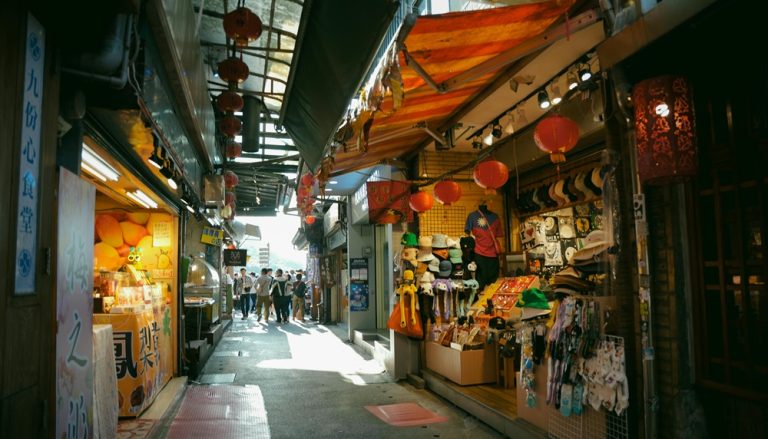
Jiufen Old Street is where the food part of the trip becomes much more memorable. The narrow lanes are packed with steaming stalls, dessert shops, tea vendors, fish ball shops, taro ball counters, grilled snacks, and small restaurants tucked into old buildings.
The most famous Jiufen snack is taro balls, usually served warm or cold with sweet syrup, beans, or shaved ice depending on the season. It is simple, filling, and closely associated with Jiufen, so it is worth trying even if you normally do not plan trips around desserts.
Other easy foods to look for include fish balls, herbal rice cakes, grilled mushrooms, peanut ice cream rolls, braised dishes, and Taiwanese street food snacks similar to what you might find in Taipei night markets. The difference is the setting: eating in Jiufen feels more layered and atmospheric because the food stalls are packed into steep mountain lanes instead of wide city streets.
The main food street can become extremely crowded, so it helps to eat before the peak sunset rush or wait until later in the evening when some day-trippers begin leaving. If you arrive hungry at the busiest time, the experience can feel more stressful than enjoyable.
How to Get Around Jiufen and Shifen
Getting around during a Jiufen and Shifen day trip is generally straightforward, but the experience can still feel tiring because the day involves multiple transfers, staircases, hills, queues, and walking sections spread across different mountain areas.
The good news is that you do not need to rent a car. In fact, driving is often more stressful than helpful because parking around Jiufen can become extremely difficult, roads are narrow, and heavy traffic builds up during weekends and holidays.
Most travelers combine trains, buses, walking, and occasional taxis throughout the day depending on energy levels and timing.
Using Trains Between Taipei, Ruifang, and Shifen
The TRA railway network is the backbone of most independent Jiufen and Shifen day trips. Trains from Taipei toward Ruifang are reliable, relatively frequent, and usually easy to navigate even for first-time visitors.
From Ruifang, travelers transfer onto the Pingxi railway line toward Shifen. This smaller mountain railway is slower and more scenic than the main Taipei routes, passing forests, rivers, villages, and old railway towns along the way.
Train frequency on the Pingxi line is lower than in Taipei, so missing a train can sometimes add significant waiting time. Checking schedules in advance helps avoid unnecessary delays during the day.
Getting Between Ruifang and Jiufen
Jiufen does not have its own train station, which means most travelers continue from Ruifang to Jiufen by bus or taxi.
Local buses are the cheapest option and usually work perfectly fine, but lines can become extremely long later in the afternoon once visitors begin heading toward Jiufen for sunset.
Taxis cost more but can save time and energy, especially if:
- You are traveling with luggage
- You are visiting during heavy rain
- You are short on time
- You are traveling with older relatives or children
- You want to avoid long bus queues at Ruifang
Taxi rides between Ruifang and Jiufen are relatively short, which makes them more reasonable than many travelers initially assume.
Walking in Jiufen
Walking is unavoidable in Jiufen. The town is built vertically into steep hillsides filled with staircases, narrow alleys, elevated pathways, and uneven stone surfaces.
Comfortable shoes make a significant difference here, especially during wet weather. Rain is common in northern Taiwan, and Jiufen’s stairways can become slippery once the stone surfaces are wet.
Travelers with mobility limitations should be aware that Jiufen is not particularly accessible in many areas. The town’s atmosphere is part of what makes it beautiful, but the steep layout can also become physically tiring after several hours.
Should You Rent a Scooter or Car?
For most international travelers, renting a scooter or car specifically for a Jiufen and Shifen day trip is unnecessary. Public transport already connects the main route efficiently, and parking near Jiufen often becomes frustrating during busy periods.
Scooters provide more flexibility for experienced riders comfortable navigating mountain roads, rain, traffic, and narrow streets, but they are not the easiest option for first-time visitors unfamiliar with Taiwan’s road conditions.
Most travelers will simply have a smoother and less stressful experience using trains, buses, taxis, and walking throughout the day instead of trying to drive themselves between the different stops.
Best Time to Visit Jiufen and Shifen
The best time to visit Jiufen and Shifen depends heavily on the type of atmosphere you want. Some travelers imagine clear blue skies and coastal mountain views, while others specifically want the misty lantern-lit atmosphere that made Jiufen famous in the first place.
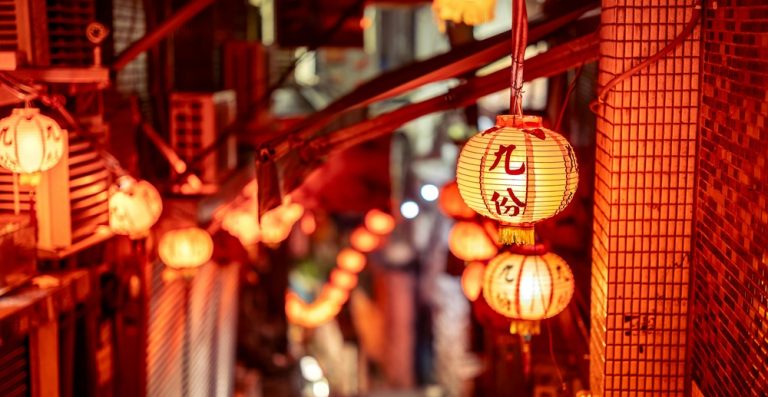
Unlike many destinations where bad weather ruins the experience, light rain and fog can actually make Jiufen feel more atmospheric. Mist drifting through the stairways, glowing lantern reflections on wet stone paths, and low clouds covering the surrounding mountains are part of what many travelers associate with the town.
That said, weather still affects comfort levels, visibility, crowd density, and transport conditions throughout the day.
Best Season for a Jiufen and Shifen Day Trip
For most travelers, autumn and spring provide the best balance between weather, visibility, and comfortable temperatures.
- October to December: Cooler temperatures, atmospheric fog, and comfortable walking conditions
- March to May: Mild weather, greener scenery, and fewer extreme summer temperatures
- Summer: Hotter, more humid, and often crowded, but still very lively
- Winter: Cooler, wetter, and foggier, but sometimes the most atmospheric period for Jiufen photography
Northern Taiwan receives a significant amount of rain throughout the year, so travelers should not expect perfectly dry conditions even outside the rainy season.
Is Rain Bad for Visiting Jiufen?
Not necessarily. Moderate rain often improves the atmosphere in Jiufen rather than ruining it. Lantern reflections on wet pathways, drifting fog, and cloud-covered mountain scenery are part of what make the town feel cinematic and visually distinct from Taipei.
The downside is that heavy rain can make staircases slippery, reduce visibility, and increase transport delays. Carrying a small umbrella or lightweight rain jacket is strongly recommended throughout most of the year.
Shifen is generally easier to navigate during rainy weather because the streets are flatter and more open compared to Jiufen’s steep stairways.
Best Time of Day to Visit
For most travelers, the best approach is visiting Shifen earlier in the day before continuing toward Jiufen in the late afternoon.
This timing works well because:
- Shifen feels calmer and less crowded in the morning
- Jiufen becomes more atmospheric later in the afternoon
- Lanterns begin glowing near sunset
- Mountain fog often becomes more dramatic toward evening
- Photography conditions improve once the harsh midday light disappears
Arriving in Jiufen too early can sometimes feel underwhelming because much of the town’s atmosphere depends on lighting, weather, and the transition into evening.
Weekdays vs Weekends
Whenever possible, visit Jiufen and Shifen on weekdays instead of weekends. Crowd levels can change dramatically, especially inside Jiufen Old Street where the narrow pathways become heavily congested during peak periods.
Weekends are still manageable, but travelers should expect:
- Longer transport queues
- Heavier foot traffic in Jiufen
- Busier tea houses and restaurants
- More difficult photography conditions
- Longer waits for buses returning to Taipei
Travelers who want the most atmospheric and least stressful experience should aim for a weekday visit with flexible expectations regarding weather. Some fog and rain often make Jiufen feel even more memorable.

Travel Tips for a Jiufen and Shifen Day Trip
A Jiufen and Shifen day trip is not difficult to organize, but a few practical decisions can make the experience significantly smoother and more enjoyable. The biggest mistakes usually happen when travelers underestimate transport timing, crowd levels, or how physically tiring Jiufen’s stairways can become after a full day.
Start Earlier Than You Think
Leaving Taipei early makes a huge difference, especially if you want to experience Shifen calmly before the larger crowds arrive. Early departures also create more flexibility later in the day once Jiufen begins getting busier toward sunset.
Many travelers who leave Taipei too late end up rushing through Shifen, arriving exhausted in Jiufen, or missing the best evening atmosphere entirely.
Wear Proper Shoes
Jiufen involves much more walking and climbing than many people initially expect. Staircases, narrow alleyways, uneven stone paths, and steep inclines are everywhere throughout the town.
Good walking shoes become especially important during rainy weather because some pathways can become slippery once wet.
Bring Rain Protection
Northern Taiwan weather changes quickly, and rain is common throughout much of the year. Carrying a lightweight umbrella or compact rain jacket is strongly recommended even if the forecast initially looks clear.
The weather often shifts dramatically between Taipei, Shifen, and Jiufen because the mountain areas around Jiufen tend to trap fog and moisture more easily.
Do Not Over-Rush the Itinerary
One of the most common mistakes is trying to turn the Jiufen and Shifen day trip into a checklist of photo stops instead of actually experiencing the atmosphere of the places themselves.
Jiufen especially works best when you slow down. Spending time inside a tea house, wandering quieter stairways, or simply watching the lanterns appear at sunset usually becomes more memorable than trying to race between every famous viewpoint.
Use an EasyCard
An EasyCard makes trains, buses, MRT rides, and smaller transport payments much easier throughout Taiwan. Most travelers using public transport regularly during their trip will save time by using one instead of constantly buying individual tickets.
It is especially helpful during a Jiufen and Shifen day trip because the route combines multiple forms of transport throughout the day.
Expect Crowds in Jiufen
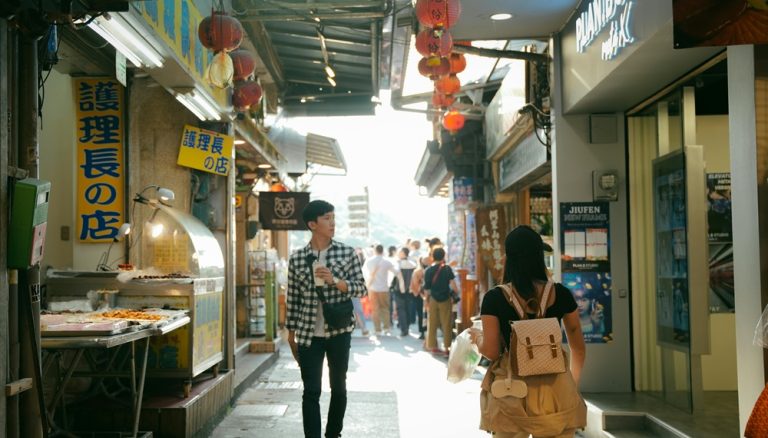
Even travelers who research Jiufen beforehand are sometimes surprised by how crowded the old streets become during peak periods. Narrow pathways, heavy photography traffic, and long food queues are all normal during weekends and sunset hours.
This does not mean Jiufen is overrated, but realistic expectations help significantly. Travelers who understand the crowd situation beforehand usually enjoy the experience far more.
Mobile Data Helps a Lot
Reliable mobile data makes the entire Jiufen and Shifen day trip much easier, especially for checking train schedules, bus routes, translations, weather conditions, and navigation between Ruifang, Shifen, and Jiufen.
Travelers comparing connectivity options before arriving in Taiwan can read our SIM card vs eSIM in Taiwan guide, which explains the main differences, costs, convenience, and coverage options for visitors.
Do Not Forget Travel Insurance
Taiwan is generally very safe and easy to travel independently, but delays, lost baggage, medical issues, and weather disruptions can still happen during international trips.
Travelers comparing coverage options before visiting Taiwan can also read our travel insurance guide for a breakdown of medical coverage, trip interruptions, and common policy differences.
Most importantly, do not treat Jiufen and Shifen as places to simply rush through for photos. The slower you move through the old streets, tea houses, railway tracks, waterfalls, and mountain scenery, the more memorable the experience usually becomes.
Final Thoughts on a Jiufen and Shifen Day Trip
A Jiufen and Shifen day trip is popular for a reason. Few places near Taipei combine mountain scenery, railway culture, waterfalls, lantern-filled alleyways, tea houses, and old streets into a single day that feels this visually distinct from the rest of the city.
Shifen brings the slower railway-town atmosphere, lantern releases, and waterfall scenery, while Jiufen delivers the dramatic lantern-lit stairways, mountain views, tea culture, and dense old-street energy most travelers remember long after leaving Taiwan.
The key to enjoying the experience is not trying to rush through every single stop. Travelers who leave enough time for wandering, slowing down inside tea houses, exploring quieter alleyways, and experiencing Jiufen later in the day usually enjoy the trip far more than those trying to move as quickly as possible between photo locations.
If you are using Taipei as your base for day trips around northern Taiwan, our guide to Taipei’s best neighborhoods and hotel areas can help you choose the most practical location depending on your itinerary, transport plans, and travel style.
If you are continuing your Taiwan trip afterward, our Taiwan Night Market Guide, Food in Taiwan guide, and Taiwan hot springs guide can help you continue planning the rest of your route across the island.
Travelers still organizing the practical side of their Taiwan trip can also compare flights, hotels, and connectivity options through our international flights guide, hotel booking comparison page, and international eSIM guide before arriving in Taiwan.
Whether you visit for the lanterns, tea houses, waterfalls, mountain scenery, or old streets, Jiufen and Shifen remain two of the most memorable day trips you can take from Taipei when approached with realistic expectations and enough time to properly experience the atmosphere.
Frequently Asked Questions About a Jiufen and Shifen Day Trip
-
Can you visit Jiufen and Shifen in one day from Taipei?
Yes. Most travelers visit both destinations in a single day by combining trains, buses, and walking. Starting early from Taipei makes the experience much smoother and allows enough time for both Shifen Old Street and Jiufen Old Street. -
Is a Jiufen and Shifen day trip worth it?
Yes. For many travelers, this becomes one of the highlights of northern Taiwan because it combines lantern-filled streets, waterfalls, tea houses, mountain scenery, railway culture, and historic old towns into a single day trip from Taipei. -
Should I visit Shifen or Jiufen first?
Most travelers should visit Shifen first and continue to Jiufen later in the afternoon. This route helps avoid some crowds and allows you to experience Jiufen closer to sunset when the lantern atmosphere becomes more dramatic. -
How do you get from Taipei to Jiufen and Shifen?
Most independent travelers take a train from Taipei to Ruifang Station, continue to Shifen using the Pingxi railway line, then return to Ruifang before taking a bus or taxi to Jiufen. -
How long does a Jiufen and Shifen day trip take?
Most travelers should expect the trip to take between 8 and 11 hours depending on crowd levels, transport timing, weather, and how long they spend in Jiufen. -
Is Jiufen better during the day or at night?
Jiufen is generally most atmospheric in the late afternoon and evening once lanterns begin glowing across the old streets and mountain fog starts appearing around the hillsides. -
Is Jiufen inspired by Spirited Away?
Jiufen is frequently compared to the atmosphere of Spirited Away because of its lantern-lit stairways and tea houses, although Studio Ghibli has never officially confirmed Jiufen as a direct inspiration. -
What is the best time to visit Jiufen and Shifen?
Autumn and spring usually provide the best balance between weather, visibility, and comfortable temperatures. Weekdays are also much less crowded than weekends. -
Is Jiufen worth visiting in the rain?
Yes. Light rain and fog often make Jiufen feel even more atmospheric because lantern reflections, misty alleyways, and cloud-covered mountains are part of what many travelers associate with the town. -
How much time do you need in Shifen?
Most travelers spend around 2 to 4 hours in Shifen depending on whether they visit Shifen Waterfall, release sky lanterns, eat lunch, or explore other nearby railway stops. -
Is Shifen Waterfall worth visiting?
Yes. The waterfall adds a quieter and more scenic nature element to the day trip and is easily accessible from Shifen Old Street. -
What is famous to eat in Jiufen?
Jiufen is especially known for taro balls, peanut ice cream rolls, fish balls, Taiwanese street food snacks, desserts, and traditional mountain tea houses. -
Should I stay overnight in Jiufen?
Most travelers stay in Taipei, but spending one night in Jiufen can create a much calmer and more atmospheric experience once most day-trippers leave in the evening. -
Can you do Jiufen and Shifen without a tour?
Yes. Most travelers can comfortably organize the route independently using Taiwan’s trains, MRT system, buses, taxis, and mobile navigation apps. -
Are Jiufen and Shifen crowded?
Jiufen can become extremely crowded during weekends, holidays, and sunset hours. Shifen is usually calmer overall, especially earlier in the day. -
Do you need cash in Jiufen and Shifen?
Many food stalls and smaller shops still prefer cash, so carrying some Taiwanese dollars is recommended even though digital payments are becoming more common. -
What should I wear for a Jiufen and Shifen day trip?
Comfortable walking shoes and light rain protection are strongly recommended because the trip involves stairs, uneven pathways, mountain weather, and frequent walking.
Travel Resources to Plan, Book & Stay Connected
Use these tools and guides to stay connected abroad, find inspiration for your next trip, and book your flights, stays and gear with confidence.
Disclosure: This article may contain affiliate links. If you make a purchase through a link, I may receive a commission at no extra cost to you. I only share recommendations I believe are genuinely useful, and all opinions are my own. AI was used in this post for research and drafting purposes.

Comment (0)