Madagascar Food: What You Need to Know Before You Eat
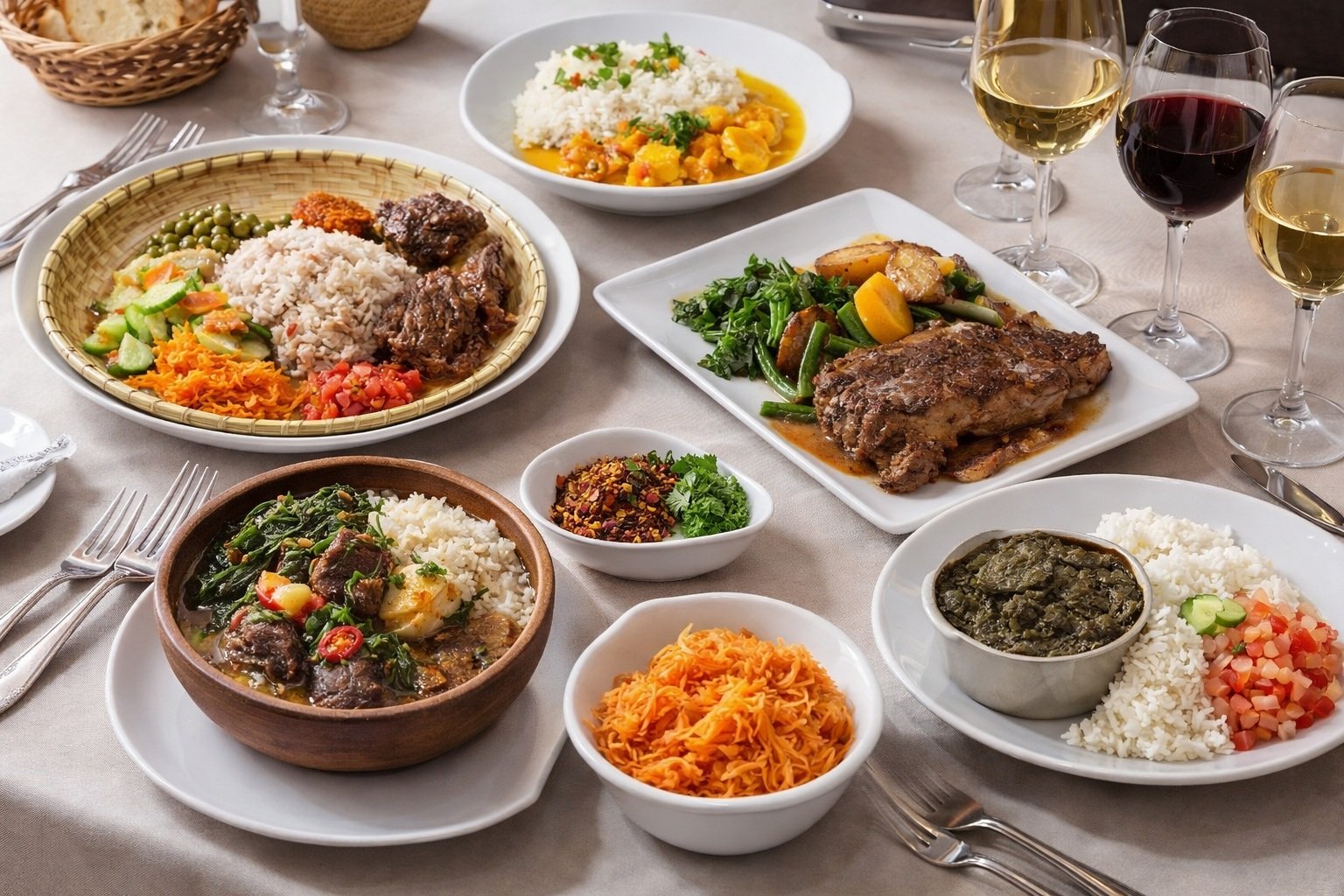
Food in Madagascar is simple, filling, and deeply rooted in daily life. Meals are built around rice, often served with meat, fish, or leafy greens, and flavored with local ingredients that reflect the island’s unique mix of African, Asian, and French influences. While the cuisine is not complex or heavily spiced, it is authentic, consistent, and closely tied to Malagasy culture and traditions.
If you are planning your trip, understanding how food fits into everyday life will help you set realistic expectations and appreciate what makes Malagasy cuisine unique. For a complete overview of the country, regions, and travel logistics, explore this Madagascar travel guide covering where to go and how to plan your trip.
- Rice is the foundation of every meal, served at breakfast, lunch, and dinner across the entire country
- Traditional dishes like romazava and ravitoto define what food in Madagascar looks like day to day
- Zebu meat and fresh seafood are widely used, depending on the region you are visiting
- Street food culture is simple but accessible, with snacks like mofo gasy and fried treats found in local markets
- Vanilla, cloves, and tropical fruits are some of the island’s most distinctive ingredients
- Food varies by region, from coastal seafood to highland dishes centered around meat and rice
- Dining is about sustenance and routine, rather than elaborate presentation or variety
Madagascar food is not about fine dining or culinary trends. It is about consistency, local ingredients, and meals that reflect how people live across the island. Once you understand this, the experience becomes far more rewarding.
Madagascar Food: A Closer Look at Local Cuisine and Eating Habits
Madagascar food is shaped by a unique blend of cultural influences and everyday practicality. The island’s cuisine reflects centuries of African, Southeast Asian, and French heritage, but what you will actually find on the plate is simple, filling, and deeply consistent across regions. Meals are built around locally available ingredients, with rice forming the foundation of almost everything people eat.
Across the country, Madagascar food follows a clear structure. A typical meal includes a generous portion of rice, known locally as vary, served with a side dish of meat, fish, or leafy greens. This side dish, called laoka, varies depending on the region, availability, and season, but the overall concept remains the same whether you are in a coastal town or the central highlands.
Understanding Madagascar food is not just about identifying dishes. It is about understanding how people eat, how often they eat, and what food represents in daily life. Meals are rarely elaborate, but they are consistent, nourishing, and tied closely to local routines. In many ways, food in Madagascar reflects the broader travel experience on the island: straightforward, grounded, and shaped by the environment rather than by modern convenience.
If you are planning your route through the island, the types of food you encounter will also vary slightly by region. Coastal areas tend to include more seafood, while inland regions rely more heavily on zebu meat and vegetables. These differences are shaped by geography and availability rather than distinct culinary traditions, which keeps Madagascar food consistent across the country while still reflecting local environments.
By the time you arrive, knowing what to expect from Madagascar food will help you adjust quickly and enjoy the experience for what it is. The cuisine may not be complex, but it is authentic, consistent, and an essential part of understanding the country.
What Food Is Like in Madagascar
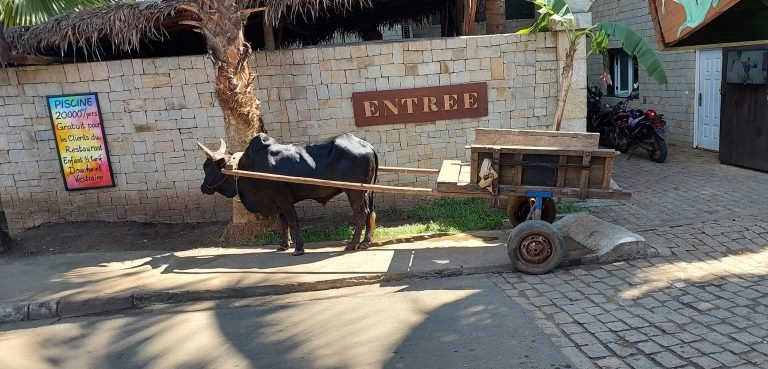
Food in Madagascar is built around consistency, simplicity, and routine. Across the entire country, meals follow a predictable structure centered on rice, which is eaten at almost every meal of the day. Whether you are in a rural village or a busy city, the foundation remains the same, and understanding this is key to understanding Madagascar food as a whole.
Rice, known locally as vary, is not just a side dish. It is the core of every meal. It is typically served in large portions and accompanied by a smaller serving of meat, fish, or vegetables called laoka. This balance defines what people eat daily, and it rarely changes regardless of location or income level.
Breakfast is often lighter but still rice-based, sometimes served as vary sosoa, a type of rice porridge that is easy to digest and widely consumed across the island. Lunch and dinner follow the same structure, with rice paired with whatever is available locally, such as zebu meat, chicken, freshwater fish, or leafy greens.
Madagascar food is not focused on variety or presentation. Instead, it emphasizes nourishment and availability. Ingredients are usually fresh and locally sourced, but dishes are often prepared in a straightforward way without heavy seasoning or complex techniques. This can feel repetitive for some travelers at first, but it reflects the realities of daily life and the importance of food as a reliable source of energy.
Regional differences do exist, although the core structure remains unchanged. Along the coast, meals are more likely to include seafood such as fish, shrimp, or crab. Inland, especially in the central highlands, dishes rely more on zebu meat, vegetables, and greens. These variations reflect the geography of the island and what is locally available, rather than distinct culinary traditions.
Another defining aspect of Madagascar food is how it is eaten. Meals are typically served all at once, with rice and side dishes placed on the table for sharing. Eating is practical and communal rather than formal, and food is valued for its role in sustaining daily life rather than for culinary experimentation.
Once you understand this structure, everything else about Madagascar food becomes easier to navigate. It may not offer constant variety, but it provides a clear, authentic insight into how people live across the island.
Traditional Madagascar Food & Dishes
Traditional Madagascar food is built around a small number of core dishes that you will encounter repeatedly as you travel across the island. These meals are simple, filling, and closely tied to local ingredients, with rice always forming the base and a variety of meat, fish, or greens providing flavor and variation. While the cuisine is not diverse in structure, the dishes themselves are an essential part of understanding daily life in Madagascar.
Below are some of the most common and widely eaten dishes you are likely to come across.
Romazava
Romazava is widely considered the national dish of Madagascar and is one of the most traditional meals you can try. It is a slow-cooked stew made with zebu meat and a mix of leafy greens, often including anamalao, a local herb that creates a mild tingling sensation on the tongue. The dish is typically served with a generous portion of rice and is known for its simplicity and depth of flavor.
Ravitoto
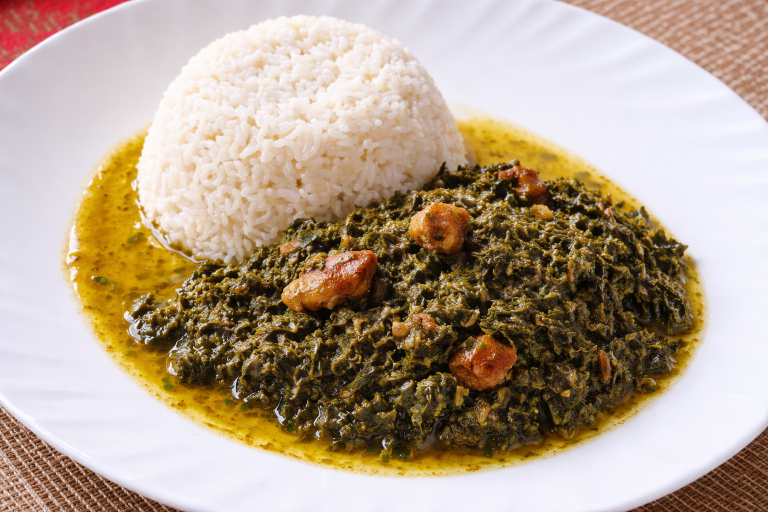
Ravitoto is another staple of Madagascar food and a dish you will see frequently, especially in the highlands. It is made from crushed cassava leaves cooked with pork, creating a rich and slightly earthy flavor. Like most Malagasy dishes, it is served with rice and often accompanied by a broth or sauce to balance the texture.
Zebu Steak
Zebu, a type of cattle found throughout Madagascar, is one of the most important sources of protein on the island. Zebu steak is commonly grilled and served in restaurants and local eateries, often with minimal seasoning. The meat can be slightly tougher than what many travelers are used to, but it is a central part of the local diet and culture.
Akoho sy Voanio
Akoho sy voanio is a chicken dish cooked with coconut milk, more commonly found in coastal regions where coconuts are readily available. The combination creates a milder, slightly creamy flavor compared to other Malagasy dishes, offering a subtle contrast to the otherwise simple and often savory cuisine.
Lasary
Lasary refers to a variety of Malagasy salads and side dishes, often made with tomatoes, carrots, onions, or green mango. It is typically served alongside rice and meat dishes to add freshness and acidity, helping to balance the heavier components of the meal.
Mofo Gasy
Mofo gasy is one of the most popular street foods in Madagascar and is commonly eaten for breakfast or as a snack. These small rice flour cakes are cooked in round molds over charcoal and have a slightly sweet flavor with a soft interior and lightly crisp exterior. They are widely available in markets and roadside stalls across the country.
These dishes represent the core of Madagascar food and are likely to appear regularly throughout your trip. While the ingredients and preparation methods may vary slightly from place to place, the overall structure remains consistent, making it easy to recognize and understand what you are eating as you travel.
The National Dish of Madagascar
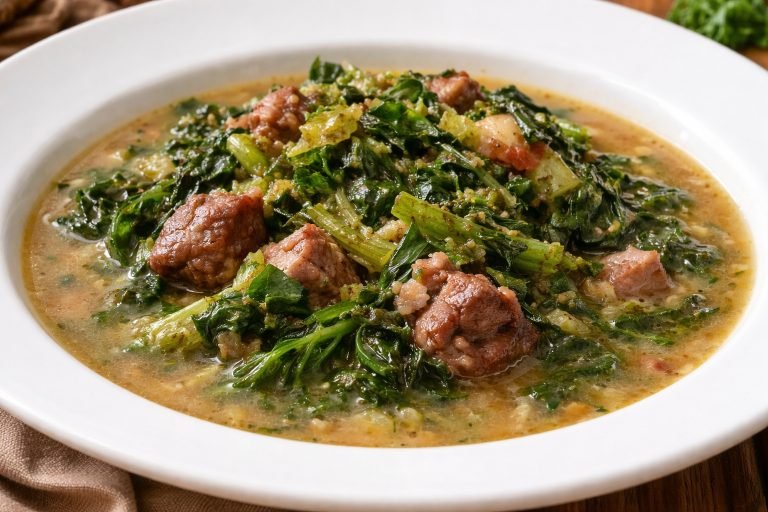
The national dish of Madagascar is widely recognized as romazava, a traditional stew that reflects the core principles of Madagascar food. Simple, nourishing, and based on locally available ingredients, romazava is a dish you will encounter across the country, from family kitchens to small roadside restaurants.
At its core, romazava is made with zebu meat (a type of cattle found throughout Madagascar), slowly simmered in a light broth with garlic, onions, and a mix of leafy greens known locally as brèdes. These greens can vary depending on the region, but often include anamamy, ravitoto leaves, or other wild and cultivated plants that give the dish its earthy, slightly bitter character.
One of the defining ingredients is anamalao, a local herb that creates a mild tingling sensation on the tongue. This subtle effect is unique to romazava and adds an extra layer of identity to the dish without overpowering its otherwise delicate flavor profile.
The preparation is intentionally simple but slow. The meat is simmered until tender, allowing the flavors to develop naturally without heavy seasoning or spices. The greens are added toward the end, preserving their texture while infusing the broth. The result is a light yet deeply comforting stew that prioritizes balance over intensity.
While the traditional version focuses on simplicity, you may occasionally come across Romazava Royal, a more refined variation rooted in the island’s history. This version typically uses higher-quality cuts of meat, sometimes combining different types of protein, and is prepared with greater attention to depth and richness. Historically associated with Merina royalty and special occasions, it represents a more elaborate interpretation of the same foundational dish.
Like most meals in Madagascar, romazava is always served with rice. The rice forms the base of the meal, while the stew provides flavor and protein. This combination reflects the structure of Malagasy cuisine, where rice is central and everything else complements it.
Beyond its ingredients, romazava carries strong cultural significance. It is often prepared for family meals and shared in a communal setting, embodying the simplicity and generosity of Malagasy hospitality. For travelers, it offers one of the most authentic introductions to Madagascar food and everyday life on the island.
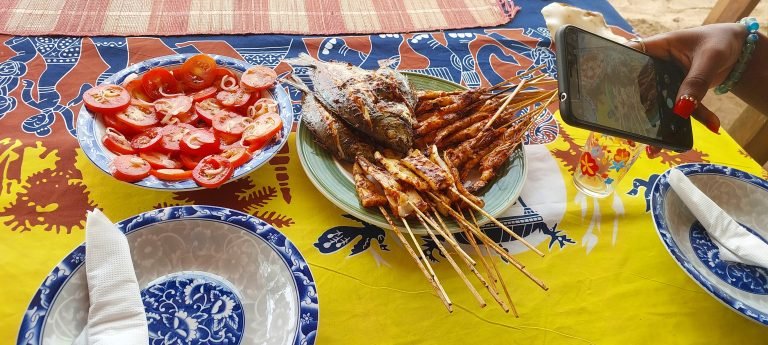
Street Food & Everyday Eating
Street food in Madagascar is simple, affordable, and widely available, especially in towns and cities. It reflects the same principles as traditional Madagascar food, focusing on practicality and accessibility rather than variety or presentation. You will not find large street food scenes like in some Asian countries, but small stalls and roadside vendors are common and form an important part of daily life.
Many people rely on street food for quick meals or snacks throughout the day. Vendors typically set up in markets, near bus stations, or along busy streets, offering freshly prepared items that are easy to eat on the go. The selection is not extensive, but it is consistent and easy to recognize once you become familiar with it.
Mofo Gasy and Fried Snacks
Mofo gasy is one of the most common street foods you will see, especially in the morning. These small rice flour cakes are cooked over charcoal in round molds and have a slightly sweet flavor. Alongside mofo gasy, you will often find fried snacks made from dough or banana, offering quick and inexpensive options for breakfast or a light bite during the day.
Sambos
Sambos are Madagascar’s version of samosas, influenced by Indian cuisine. They are small, triangular pastries filled with meat, vegetables, or sometimes fish, and are deep-fried until crispy. Sambos are widely available and are one of the more flavorful street food options you will come across.
Grilled Meat and Zebu Skewers
Grilled meat is another common sight, particularly in the evening. Zebu skewers are cooked over open flames and served with simple sides such as bread or rice. The seasoning is usually minimal, but the freshness and method of cooking give the meat a distinct, smoky flavor.
Market Food and Quick Meals
In local markets, you may also find small food stalls serving rice-based meals similar to those eaten at home. These typically include rice with a simple laoka such as meat, fish, or vegetables, offering a quick and affordable way to experience everyday Madagascar food without sitting down in a restaurant.
While street food is accessible and often enjoyable, travelers should be mindful of hygiene standards, which can vary. Choosing busy stalls with high turnover is usually a safer option, as the food is more likely to be freshly prepared.
Street food in Madagascar is not about variety or novelty. It is about convenience, affordability, and routine. Once you understand what is commonly available, it becomes a reliable and practical way to eat while traveling across the island.
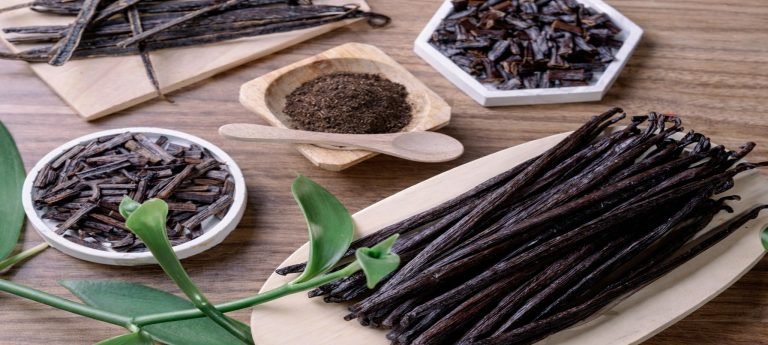
Unique Ingredients & Flavors
One of the most distinctive aspects of Madagascar food is the use of local ingredients that are deeply tied to the island’s environment. While the overall cuisine is simple, the ingredients themselves are often unique and, in some cases, globally significant. Understanding these ingredients helps explain both the flavor profile and the cultural importance of food in Madagascar.
Vanilla
Madagascar is the world’s leading producer of vanilla, and its quality is considered among the best globally. Much of this production is exported, and according to global vanilla production data, Madagascar dominates the international market. Despite this, vanilla remains an important part of local identity and is occasionally used in desserts and drinks.
Cloves and Spices
Cloves are another major export and are widely grown on the island, particularly in coastal regions. While Malagasy cuisine is not heavily spiced, cloves and other subtle spices are sometimes used to add depth to certain dishes or drinks. The use of spices tends to be mild rather than dominant.
Zebu
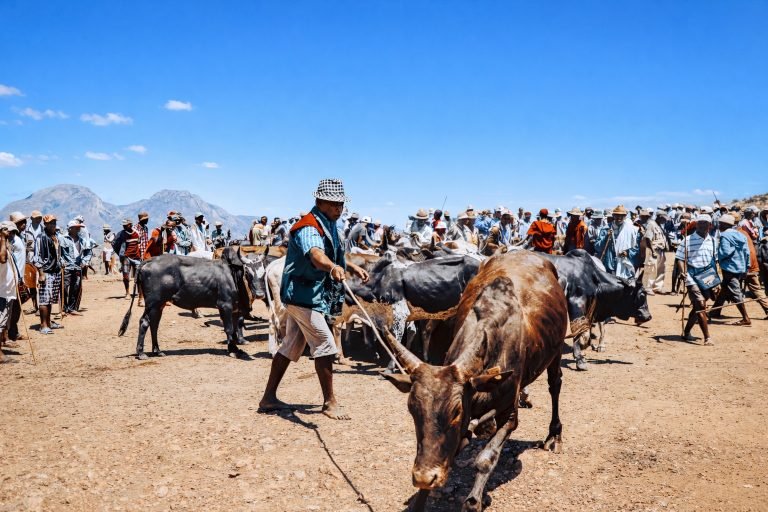
Zebu is central to both the diet and the culture of Madagascar. This type of cattle is used in many traditional dishes and is one of the main sources of protein across the island. Beyond its role in food, zebu also holds cultural and symbolic significance, often associated with wealth and tradition.
Tropical Fruits
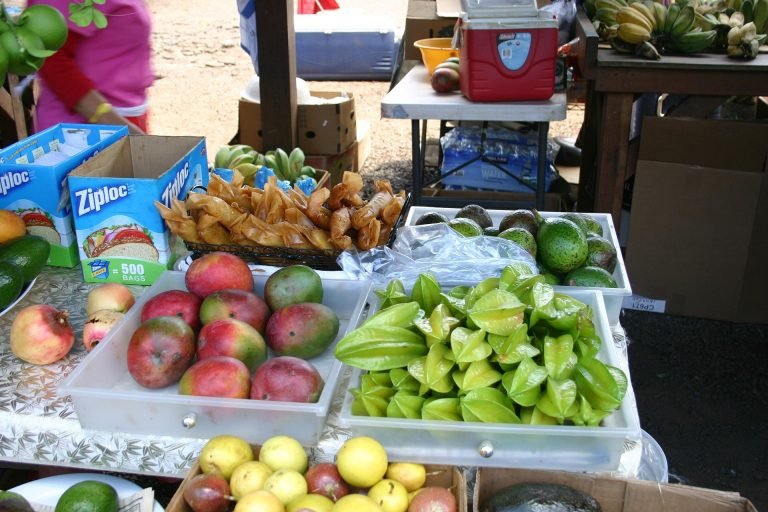
Madagascar offers a wide variety of tropical fruits, many of which are available fresh in local markets. Mangoes, litchis, bananas, pineapples, and papayas are commonly consumed, either on their own or as part of simple desserts. These fruits add natural sweetness to a cuisine that is otherwise more savory and understated.
Leafy Greens and Local Plants
Leafy greens play an important role in Madagascar food, particularly in dishes like romazava and ravitoto. Ingredients such as cassava leaves and local herbs are widely used and contribute to the earthy, natural flavor profile of many meals. These elements are often unfamiliar to visitors but are essential to traditional cooking.
The flavors of Madagascar food are not bold or heavily layered. Instead, they rely on the natural taste of ingredients, simple preparation methods, and a consistent balance between rice and accompanying dishes. This approach reflects both the resources available on the island and the practical nature of everyday cooking.
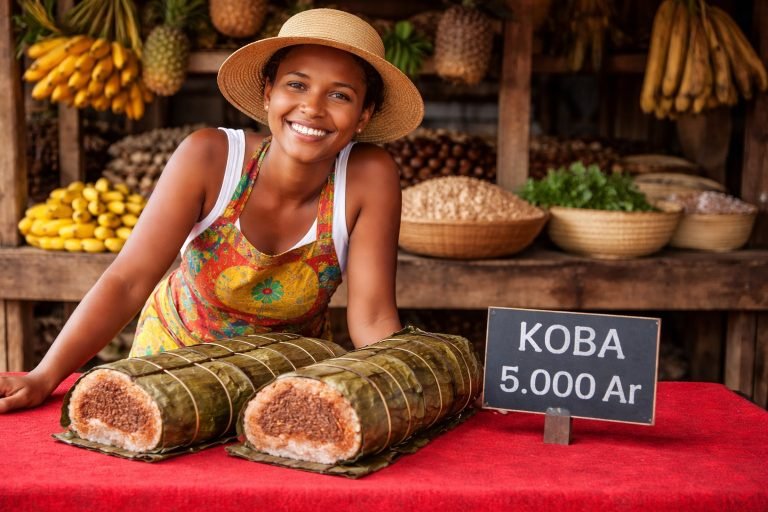
Desserts & Sweets
Desserts in Madagascar are simple and often based on the same core ingredients found in everyday meals. Unlike cuisines that emphasize elaborate sweets, Madagascar food tends to keep desserts straightforward, relying on rice, peanuts, coconut, and fresh fruit for natural flavor. Sweet dishes are not always a separate course but are commonly enjoyed as snacks throughout the day.
Koba
Koba is one of the most traditional and recognizable desserts in Madagascar. It is made from a mixture of ground peanuts, rice flour, sugar, and mashed bananas, which is then wrapped in banana leaves and steamed. The result is a dense, slightly sweet cake with a rich texture and a distinctive flavor. Koba is widely sold in markets and along roadsides, making it easy to try while traveling.
Fresh Tropical Fruits
Fresh fruit plays a major role in the sweeter side of Madagascar food. Mangoes, litchis, bananas, pineapples, and papayas are commonly available and often served on their own as a light dessert. Depending on the season, fruit can be one of the most enjoyable and refreshing parts of eating in Madagascar.
Sweet Rice-Based Snacks
Rice is not only used for savory dishes but also appears in many sweet snacks. Variations of rice cakes and fried dough treats can be found in markets and street stalls, often lightly sweetened and eaten as a quick bite during the day. These snacks are simple but reflect the central role of rice in all aspects of Malagasy cuisine.
Desserts in Madagascar are not designed to be elaborate or indulgent. Instead, they offer a natural extension of the ingredients used in everyday cooking. This makes them easy to find, affordable, and closely connected to the broader food culture of the island.
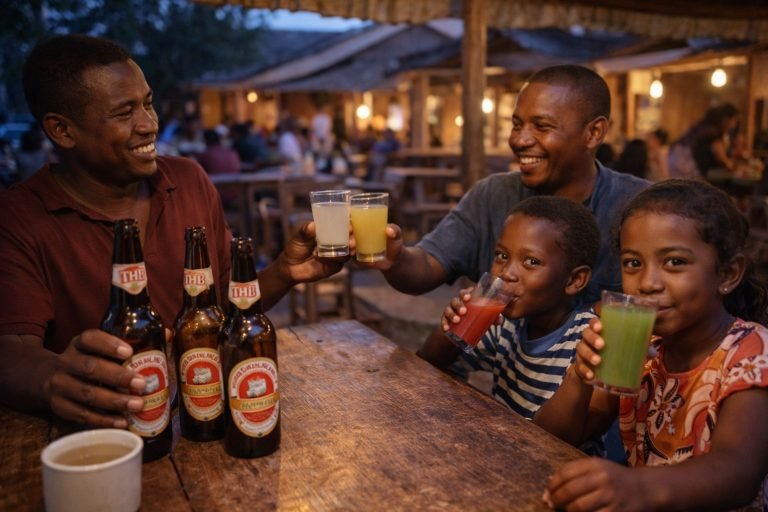
Drinks in Madagascar
Drinks in Madagascar are just as simple and practical as the food. Most beverages are either locally produced or made from readily available ingredients, and they play a functional role in daily life rather than being a major focus of the cuisine. While you will find some familiar options, there are also a few traditional drinks that are unique to Madagascar food culture.
Ranon’apango
Ranon’apango is one of the most traditional drinks in Madagascar and is closely tied to the way rice is prepared. After cooking rice, water is added to the remaining toasted rice at the bottom of the pot, creating a lightly flavored drink with a slightly smoky taste. It is often served alongside meals and is considered a normal part of everyday eating.
Three Horses Beer (THB)
Three Horses Beer, commonly known as THB, is the most popular beer in Madagascar. It is widely available in restaurants, bars, and local shops, and it is often the default alcoholic drink for both locals and travelers. The flavor is light and easy to drink, making it a common choice in warm climates.
Toaka Gasy
Toaka gasy is a locally produced rum that can vary significantly in strength and quality. It is often homemade and may be infused with ingredients such as herbs or fruits. While it is an authentic part of Malagasy culture, travelers should approach it with caution due to its unpredictable alcohol content.
Coffee and Tea
Madagascar produces its own coffee, which is commonly served in simple, strong brews. Tea is also available, though less prominent. These drinks are typically consumed in a straightforward way, without elaborate preparation or added flavors.
Fresh Juices
Fresh fruit juices are widely available, especially in areas where tropical fruits are abundant. Mango, pineapple, and passion fruit juices are among the most common and offer a refreshing alternative to other beverages, particularly in hot and humid regions.
Drinks in Madagascar are not about variety or sophistication. They reflect the same principles as the food: local ingredients, simple preparation, and a focus on practicality. Once you understand what is commonly available, choosing what to drink becomes easy and predictable.
What Travelers Should Know About Food in Madagascar
Understanding a few practical realities about Madagascar food will make your trip smoother and help you avoid common frustrations. The food itself is straightforward, but availability, hygiene standards, and expectations can vary depending on where you are traveling. These considerations are also part of broader Madagascar travel tips that can help you prepare more effectively before arriving.
Food Hygiene and Safety
Hygiene standards in Madagascar can be inconsistent, especially in smaller towns and rural areas. It is generally safer to eat food that is freshly cooked and served hot. Busy restaurants and popular street food stalls tend to be more reliable, as high turnover means ingredients are used quickly. Drinking bottled water is recommended, and ice should be avoided unless you are certain it has been made from purified water.
Limited Variety in Remote Areas
In more remote parts of the country, food options can be very limited. Meals often consist of rice with a simple accompaniment, and menu choices may be minimal. This is not a reflection of quality but rather of availability. Travelers should be prepared for repetition, especially on longer journeys through rural regions.
Vegetarian and Dietary Considerations
Vegetarian options exist but can be limited, particularly outside larger cities. Many dishes are based on meat or fish, and even vegetable-based meals may include animal products. If you have specific dietary requirements, it is important to communicate clearly and remain flexible when needed.
Meal Timing and Availability
Restaurants and food stalls often follow local routines, which may differ from what you are used to. Lunch is typically served around midday, and dinner options may become limited later in the evening, especially outside major urban areas. Planning ahead can help avoid situations where food is difficult to find.
Cost of Food
Food in Madagascar is generally affordable, particularly when eating local dishes. Prices can vary depending on location and the type of establishment, with tourist-oriented restaurants being more expensive. For a detailed breakdown of daily expenses and what to expect, you can refer to this Madagascar travel cost guide.
Madagascar food is not complicated, but it does require some adjustment. Once you understand the basics and set realistic expectations, it becomes an easy and reliable part of your travel experience.
Final Thoughts & Where to Go Next
Madagascar food is not about variety, complexity, or presentation. It is about consistency, local ingredients, and meals that reflect everyday life across the island. Once you understand how food is structured around rice, simple side dishes, and what is locally available, eating in Madagascar becomes predictable and easy to navigate.
While the cuisine may feel repetitive at times, it offers a genuine insight into Malagasy culture. Food here is practical, filling, and closely tied to the environment, whether you are eating fresh seafood along the coast or a rice-based meal in the highlands. Approaching Madagascar food with the right expectations allows you to appreciate it for what it is rather than what it is not.
If you are continuing to plan your trip, understanding how food fits into the broader travel experience is just one part of the journey. You can explore the country in more detail through this complete Madagascar travel guide covering where to go and what to expect, which connects destinations, logistics, and experiences across the island.
To build out your itinerary and travel plan, you may also find it useful to read the Madagascar itinerary guide with route ideas and planning tips, understand how transportation works across the island, and review practical advice in this Madagascar travel tips guide.
If you are still deciding where to focus your time, you can explore regional highlights such as Nosy Be and northern Madagascar, the central highlands around Antananarivo, or the southern regions of Madagascar, where landscapes, culture, and food all come together in different ways.
Madagascar is not a destination that reveals itself instantly. The same applies to its food. Give it time, understand its rhythm, and it becomes a meaningful part of the overall travel experience.
Frequently Asked Questions About Madagascar Food
• What is the most popular food in Madagascar?
The most popular food in Madagascar is romazava, a traditional stew made with zebu meat and leafy greens. It is widely considered the national dish and is typically served with rice, which forms the base of almost every meal.
• What do people eat in Madagascar every day?
People in Madagascar eat rice with a side dish, known as laoka, at almost every meal. The laoka may include meat, fish, or vegetables depending on what is available. This structure is consistent across the country.
• What is Madagascar known for in terms of food?
Madagascar is known for its simple, rice-based meals, zebu meat, and locally sourced ingredients. It is also one of the world’s leading producers of vanilla, which is used both locally and exported globally.
• What is koba?
Koba is a traditional Malagasy dessert made from ground peanuts, rice flour, sugar, and mashed bananas. It is wrapped in banana leaves and steamed, resulting in a dense and slightly sweet cake commonly sold in markets.
• Is food in Madagascar spicy?
Food in Madagascar is generally not spicy. Most dishes are mildly seasoned and rely on natural flavors rather than strong spices or heat.
• Is it easy to find vegetarian food in Madagascar?
Vegetarian food can be found, but options are limited, especially outside major cities. Many dishes include meat or fish, so travelers with dietary restrictions should be prepared for fewer choices.
• Is food expensive in Madagascar?
Food in Madagascar is generally affordable, particularly when eating local dishes. Prices increase in tourist areas and restaurants catering to international visitors, but everyday meals remain budget-friendly.
Travel Resources to Plan, Book & Stay Connected
Use these tools and guides to stay connected abroad, find inspiration for your next trip, and book your flights, stays and gear with confidence.
Disclosure: This article may contain affiliate links. If you make a purchase through a link, I may receive a commission at no extra cost to you. I only share recommendations I believe are genuinely useful, and all opinions are my own. AI was used in this post for research and drafting purposes.

Comment (0)