
What This Cape Town Guide Covers
This guide covers everything you need to plan your time in Cape Town, including:
- How to get to Cape Town and move around once you arrive
- The best neighborhoods and areas to stay
- Top things to do, from iconic landmarks to coastal and nature experiences
- Food, cafés, wine bars, and nightlife highlights
- The best time of year to visit
- Practical travel tips and local know-how
- Answers to common traveler questions
Things to Do in Cape Town: Mountains, Ocean & Culture Collide
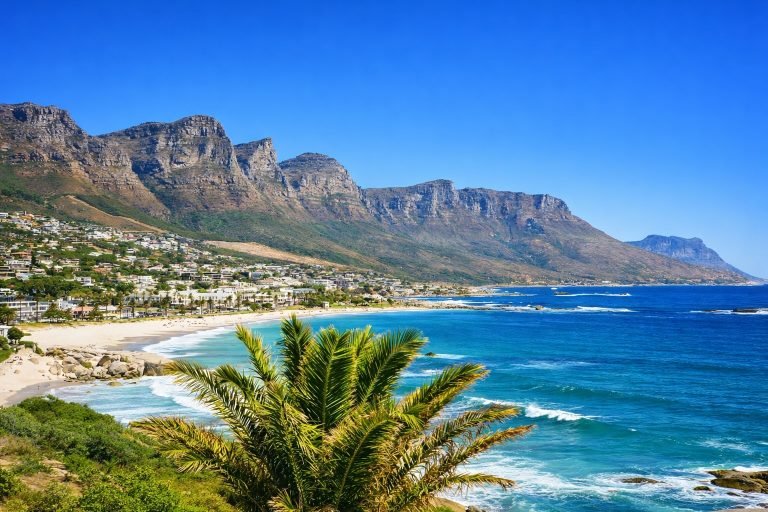
Cape Town is one of those rare cities where dramatic nature and urban life exist side by side. Within a single day, you can ride a cable car up a mountain, walk along white-sand beaches, explore historic neighborhoods, and watch the sun drop into the Atlantic. The variety of landscapes packed into such a small area is exactly what makes the range of things to do in Cape Town so unforgettable.
But Cape Town isn’t just about scenery. It’s a city shaped by complex history, creative energy, and a food and wine scene that punches far above its weight. From colorful streets in Bo-Kaap to powerful stories on Robben Island, many of the most meaningful things to do in Cape Town connect you to the people, culture, and past that define the city today.
Whether you’re here for hiking, beaches, wildlife, culture, or cuisine, Cape Town delivers a mix that few destinations can match — all wrapped in one of the most beautiful settings on Earth.
How to Get to Cape Town
Cape Town is one of the most accessible destinations in southern Africa, with strong international air connections and well-developed domestic transport links. Whether you’re arriving from overseas, traveling within South Africa, or exploring the coast by sea, the city has multiple arrival points that make planning straightforward.
By Air
Most visitors arrive via Cape Town International Airport, the second-largest airport in South Africa. It handles both long-haul international flights and frequent domestic routes from cities like Johannesburg and Durban. The airport is located about 20 km from the city centre, with easy onward travel by bus, taxi, or ride-share.
By Train
Cape Town’s commuter rail services are operated under Metrorail. Trains connect the city with surrounding suburbs and coastal towns, including scenic routes along False Bay. While trains are mainly used by local commuters, certain daytime routes are popular with visitors for their views.
By Bus
Cape Town’s primary public bus network is the MyCiTi Bus System. In addition to city routes, MyCiTi operates an airport service linking Cape Town International Airport with the city centre. Long-distance bus companies also connect Cape Town with other major South African cities via central bus terminals.
By Sea
Cape Town is home to the busy Port of Cape Town, one of the country’s main maritime gateways. Cruise ships regularly dock here, placing passengers within easy reach of the city centre and major attractions. Smaller vessels and private boats often use the marina facilities at the V&A Waterfront, which sits right beside restaurants, shops, and entertainment areas.
Where to Stay in Cape Town
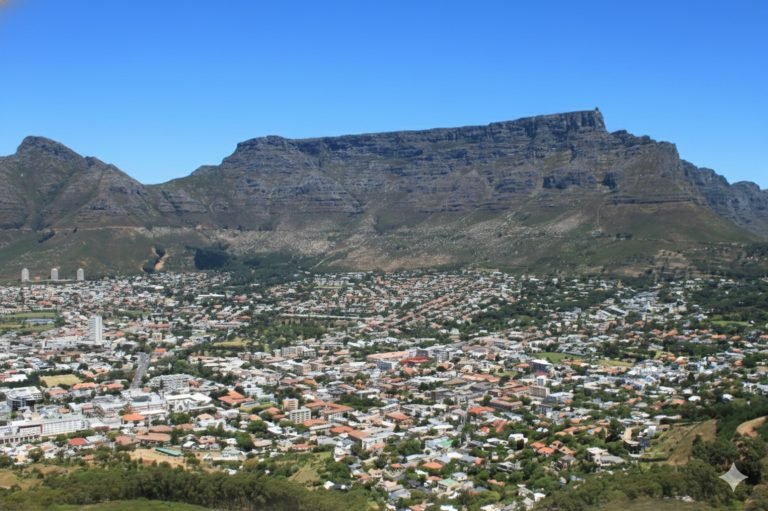
Cape Town’s neighborhoods each offer a very different experience, so where you stay can shape your entire trip. The City Centre puts you close to historic sights, restaurants, and nightlife, while Sea Point offers ocean views and promenade walks. If convenience is key, especially for early flights, staying near the airport can save time without sacrificing comfort.
Budget Hotels (Under $80 per night)
91 LOOP – HOSTEL91 Loop Street, Cape Town City Centre, Cape Town, South Africa · +27 21 286 1469
Best for social travelers and budget-conscious explorers, 91 Loop blends modern design with a friendly, community-driven vibe right in the heart of the city. You’re steps from Long Street’s nightlife, historic sights, and countless cafés, making it easy to explore on foot. Both dorms and private rooms offer comfort after busy days discovering the city.
Reserve your stay at 91 Loop – Hostel today.
MOTOWN BY MOJO – HOSTEL16 St Johns Rd, Sea Point, Cape Town, South Africa · +27 21 422 6920
Ideal for travelers who want to be near the ocean without overspending, MoTown by Mojo sits above the lively Mojo Market in Sea Point. Compact but comfortable rooms put you right next to food stalls, local flavors, and the famous seaside promenade. It’s a great base for beach walks, sunsets, and affordable Cape Town adventures.
Reserve your stay at MoTown by Mojo – Hostel today.
Mid-Range Comfort Hotels ($80–$200 per night)
THE ONYX APARTMENT HOTEL BY NEWMARK57 Heerengracht Street, Cape Town City Centre, Cape Town, South Africa · +27 21 401 1100
Perfect for longer stays or travelers who appreciate extra space, The Onyx offers stylish apartment-style rooms with kitchenettes in the city center. You’re close to markets, restaurants, and the Convention Centre, making it both practical and comfortable. It feels like a home base in the middle of Cape Town’s energy.
Reserve your stay at The Onyx Apartment Hotel by Newmark today.
HOTEL VERDE CAPE TOWN AIRPORT15 Michigan Street, Matroosfontein, Cape Town, South Africa · +27 21 380 5500
Great for transit stays or eco-conscious travelers, Hotel Verde pairs airport convenience with sustainable design. Indigenous gardens, an outdoor pool, and green initiatives create a surprisingly relaxing environment just minutes from terminals. Complimentary shuttles make arrivals and departures smooth and stress-free.
Reserve your stay at Hotel Verde Cape Town Airport today.
Luxury Hotels ($200+ per night)
TAJ CAPE TOWN1 Wale Street, Cape Town City Centre, Cape Town, South Africa · +27 21 819 2000
For travelers seeking historic elegance with five-star comfort, the Taj Cape Town blends heritage architecture with modern luxury. Spacious rooms, refined dining, and a serene spa create an indulgent retreat in the heart of the city. You’re steps from cultural landmarks, galleries, and vibrant city life.
Reserve your stay at Taj Cape Town today.
THE WESTIN CAPE TOWNConvention Square, Lower Long Street, Cape Town, South Africa · +27 21 412 9999
Overlooking the waterfront and close to the Convention Centre, The Westin offers spacious rooms with sweeping views and upscale comfort. A renowned breakfast spread, wellness spa, and easy access to the V&A Waterfront make it a favorite for both leisure and business travelers. It’s luxury with a front-row seat to Cape Town’s energy.
Reserve your stay at The Westin Cape Town today.
If you're still deciding which area suits your travel style best, this guide to comparing hotel booking platforms can help you find the right option. It breaks down where to search, how to compare deals, and what to watch for before you book. Using the right platform can make a big difference in both price and flexibility for your Cape Town stay.
Things to Do in Cape Town
Table Mountain
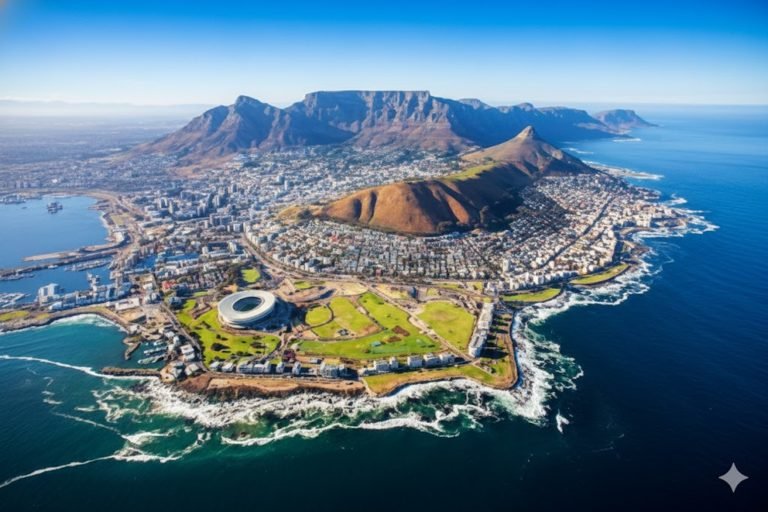
Towering over the city like a natural fortress, Table Mountain is the defining landmark of Cape Town and one of the most iconic mountains in the world. Whether you hike up one of the scenic trails or take the rotating cable car, reaching the summit feels like stepping onto a giant stone plateau suspended above the ocean. From the top, sweeping views stretch across the city, the Atlantic coastline, and the jagged peaks of the Twelve Apostles range. It’s not just a viewpoint — it’s a place to wander along flat walking paths, spot unique fynbos plants found nowhere else on Earth, and feel the powerful sense of scale that makes Cape Town so unforgettable.
Cape of Good Hope & Cape Point
At the southern edge of the Cape Peninsula, dramatic cliffs plunge into restless ocean waters where the Atlantic and Indian Oceans appear to collide. The Cape of Good Hope and nearby Cape Point are steeped in maritime history, once feared by sailors navigating treacherous routes around Africa. Today, visitors come for the windswept scenery, wild landscapes, and panoramic walking trails that trace the rugged coastline. Baboons sometimes roam the area, seabirds glide overhead, and every turn reveals another jaw-dropping view that makes the long drive from the city more than worthwhile.
Boulders Beach
Few beaches in the world can claim a resident colony of African penguins, but Boulders Beach does exactly that. Tucked between massive granite rocks near Simon’s Town, this sheltered stretch of sand allows visitors to watch penguins waddle, swim, and sunbathe just meters away. Wooden boardwalks protect both the animals and their habitat while giving you close-up views without disturbing them. It’s a playful, heartwarming experience that feels worlds away from the city, yet is easily combined with a scenic peninsula drive.
Robben Island
A visit to Robben Island Museum is one of the most powerful and meaningful things to do in Cape Town. This small island in Table Bay once served as a prison where Nelson Mandela and other political prisoners were held during apartheid. Tours are often led by former inmates, whose personal stories bring history to life in a deeply moving way. Walking through the stark prison corridors and seeing Mandela’s cell offers a sobering reminder of South Africa’s past and the resilience that shaped its path to democracy.
🎟️ Cape Town: Robben Island Prison Tour from The V&A Waterfront
Take a powerful journey into South Africa’s history with a guided visit to Robben Island, where Nelson Mandela was imprisoned for 18 years. Departing from the V&A Waterfront, this moving experience includes a ferry ride and a tour led by former inmates who share personal stories of life inside the prison.
V&A Waterfront
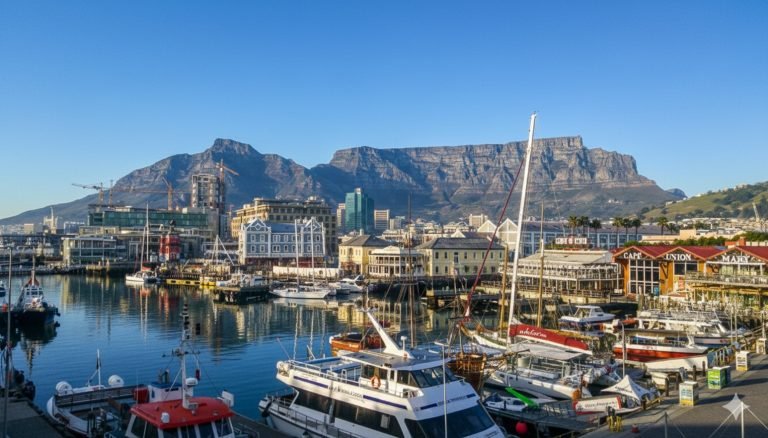
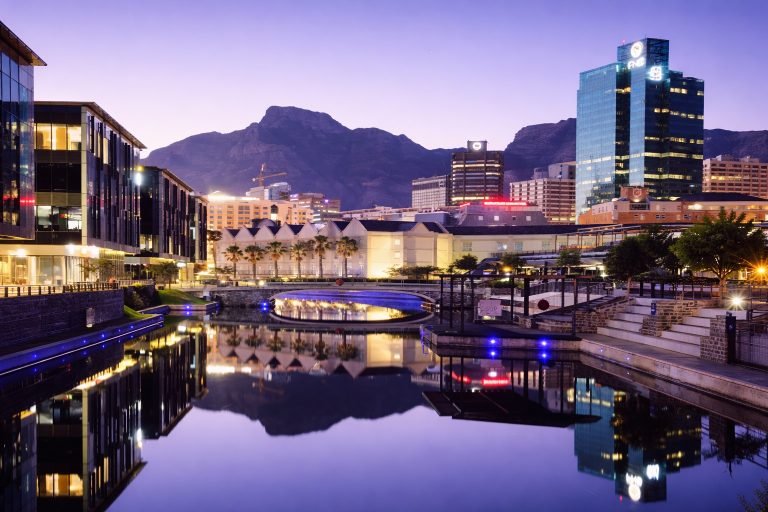
Set against the backdrop of Table Mountain and the harbor, the V&A Waterfront blends shopping, dining, and entertainment in one of the liveliest parts of the city. Street performers add energy to the promenades, while boats drift in and out of the marina. It’s a place to browse local crafts, enjoy fresh seafood, or simply sit with a coffee and watch the world go by. The atmosphere shifts beautifully from day to night, when lights reflect on the water and the mountain looms dark against the sky.
Bo-Kaap
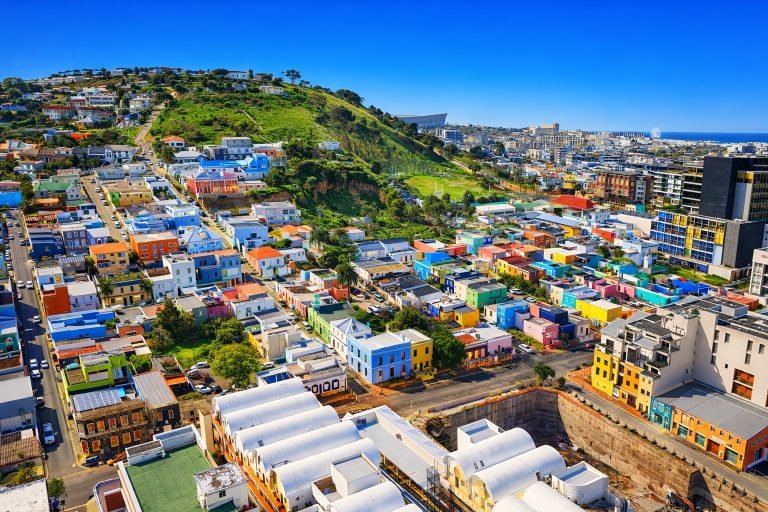
With its rows of brightly painted houses and cobbled streets, Bo-Kaap is one of Cape Town’s most photographed neighborhoods. Beyond its colorful façades lies a rich cultural heritage rooted in the city’s Cape Malay community. Small museums, spice shops, and traditional eateries reveal stories of migration, faith, and resilience that shaped the area over centuries. Wandering through Bo-Kaap is as much about learning and cultural appreciation as it is about capturing vibrant photos.
Kirstenbosch National Botanical Garden
Nestled on the eastern slopes of Table Mountain, Kirstenbosch National Botanical Garden showcases South Africa’s extraordinary plant life in a setting that feels both curated and wild. Walking paths wind through forests, flower beds, and open lawns framed by mountain cliffs. The famous Boomslang canopy walkway curves above the treetops, offering unique perspectives across the gardens and down toward the city. It’s a peaceful escape where nature, design, and scenery come together in one of the world’s most beautiful botanical gardens.
Chapman’s Peak Drive
Carved into sheer cliffs between Hout Bay and Noordhoek, Chapman’s Peak Drive is one of the most scenic coastal roads on the planet. The route twists along the mountainside, revealing dramatic drop-offs and endless ocean views at nearly every turn. Designated viewpoints invite you to stop, breathe in the salty air, and watch waves crash far below. Whether you drive it at sunset or under clear blue skies, this short stretch of road delivers some of Cape Town’s most unforgettable panoramas.
🎟️ Cape Town: Table Mountain Cable Car, Hop-On Hop-Off Bus Tour
See the very best of Cape Town in one unforgettable day with priority access to the Table Mountain Cableway and a flexible hop-on hop-off bus pass covering the city’s top sights. It’s the easiest way to combine iconic views, coastal scenery, and cultural highlights without worrying about transport.
Looking for more experiences? Browse more top-rated Cape Town tours and attractions here.
Food, Bars, Cafés & Nightlife
Iconic Cafés
Truth Coffee Roasting is a must-visit for coffee lovers and design aficionados alike. Housed in a striking steampunk-inspired space with gears, brass, and vintage machines, this café roasts its beans onsite and serves some of Cape Town’s most celebrated brews. Order a flat white or pour-over and soak up the atmosphere that’s earned international acclaim.
Origin Coffee Roasters sits in the stylish De Waterkant neighborhood, known for its artisan coffee culture and relaxed vibe. Origin excels at carefully sourced beans and expertly crafted espresso drinks, perfect for lingering over a late morning brew. The café’s airy, minimalist interior pairs beautifully with its precision-focused approach to coffee.
Bootlegger Coffee Company is a beloved Cape Town original offering house-roasted coffee and hearty café fare. Its welcoming environment makes it perfect for breakfast, brunch, or an afternoon caffeine fix as you explore nearby neighborhoods. Regulars praise the consistent quality and friendly service.
Rosetta Roastery (Bree Street) combines expertly roasted coffee with a stylish setting in one of Cape Town’s trendiest streets. It’s a great spot for specialty espresso drinks and creative seasonal brews, whether you’re planning a slow morning or a mid-day recharge. The neighborhood energy here makes it ideal for café hopping.
Ground Art Caffe stands out for its relaxed atmosphere, artistic décor, and quality coffee. It’s the kind of place where you can linger over a cappuccino, read a book, or catch up with friends before heading out to explore the city’s sights.
Markets & Street Food
Mojo Market is a vibrant food and culture hub in Sea Point where local chefs, artisans, and musicians come together under one roof. You’ll find everything from wood-fired pizzas and gourmet burgers to craft beers and artisanal desserts, all set against lively music and community energy.
Neighbourgoods Market (Woodstock) is a weekend institution where Cape Town’s best makers, bakers, and food artisans gather. Stroll among stalls selling fresh produce, creative hot dishes, and unique craft goods while soaking up the social atmosphere.
V&A Food Market offers a wide variety of local and international eats under one roof in a lively waterfront setting. From sushi bowls and wood-fired breads to South African favorites and sweet treats, it’s ideal for exploring different flavors in one stop.
Restaurants
The Test Kitchen is one of Cape Town’s most renowned fine-dining experiences, where innovative tasting menus blend local ingredients with global techniques. Chef-driven creativity and impeccable service make this a destination dinner spot for food lovers seeking something truly special.
La Colombe consistently ranks among South Africa’s top restaurants, with refined contemporary cuisine set against serene vineyard and mountain views. The tasting menus emphasize seasonal ingredients with artistic presentation, offering a memorable, elegant meal.
Kloof Street House blends eclectic décor with a globally inspired menu in a charming Victorian-era house. Its whimsical interiors and cozy garden seating make it as much a visual treat as the food itself, perfect for relaxed dinners or date nights.
Belly of the Beast is known for bold, contemporary cuisine focused on fire and smoke techniques, delivering rich flavors and unforgettable dishes. The intimate, chef-driven atmosphere makes it a standout in Cape Town’s dining scene.
Utopia Cape Town brings panoramic views of the city skyline and sea to its modern setting, along with a menu that blends local ingredients with global flair. It’s a great spot for sunset drinks and dinner with an unbeatable vibe.
Bars & Nightlife Areas
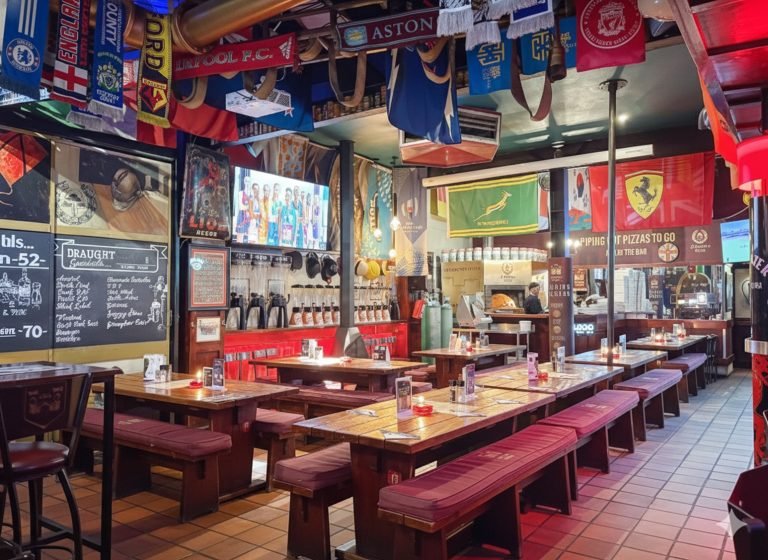
Long Street is Cape Town’s most famous nightlife strip, buzzing with bars, pubs, and live music venues that suit every mood. From laid-back craft beer spots to late-night dance floors, it’s where locals and visitors converge after dark.
Shimmy Beach Club combines beachfront glamour with sophisticated nightlife, offering cocktails by the water, DJs, and a party atmosphere that peaks at sunset. The vibe is chic and relaxed with gorgeous views of the bay.
The House of Machines is a hybrid café, bar, and live music hub that transforms from daytime coffee spot to lively evening hangout. Creative cocktails and an energetic crowd make it a standout nightlife stop.
The Gin Bar is an intimate, speakeasy-style bar specializing in a curated selection of gins and craft cocktails. Its cozy ambiance makes it perfect for a stylish nightcap after dinner.
🎟️ Cape Town: African Dinner and Drumming Session with Transfer
Experience an evening of African culture through live entertainment, traditional cuisine, and an interactive drumming session led by local performers. With hotel transfers included, this vibrant night out makes it easy to dive into Cape Town’s music, flavors, and storytelling traditions.
Best Time to Visit Cape Town
Cape Town is a year-round destination, but the experience can feel very different depending on when you visit. The city’s seasons are opposite to those in the Northern Hemisphere, with summer falling between December and February. Weather, crowd levels, and outdoor conditions all play a big role in shaping your trip, especially if you’re planning hikes, beach time, or scenic drives.
Summer (December – February)
Summer is peak season in Cape Town, bringing long sunny days, warm temperatures, and ideal conditions for beaches, coastal drives, and outdoor dining. This is when the city feels most vibrant, with festivals, busy waterfront promenades, and lively nightlife. However, it’s also the most crowded and expensive time of year, especially around Christmas and New Year. Strong winds — known locally as the “Cape Doctor” — can sometimes sweep through, but they also clear the air and create dramatic skies.
Autumn (March – May)
Autumn is one of the most underrated times to visit. The summer crowds begin to thin, temperatures remain pleasant, and the weather is often more stable with fewer strong winds. It’s a great season for hiking Table Mountain, exploring Cape Point, and enjoying vineyard visits just outside the city. The ocean can still be warm enough for swimming early in the season, making it a balanced time for both city and nature experiences.
Winter (June – August)
Winter in Cape Town brings cooler temperatures and the majority of the year’s rainfall, but it also has its own charm. Stormy seas and dramatic cloud formations create powerful coastal scenery, and it’s the best season for whale watching along the nearby coastline. Indoor attractions, restaurants, and museums are less crowded, and hotel rates are generally lower. While beach days are limited, clear winter mornings can still offer beautiful views and excellent hiking conditions.
Spring (September – November)
Spring sees Cape Town slowly warming up again, with blooming wildflowers and increasingly sunny days. It’s another shoulder season with fewer crowds than summer, making it easier to explore major sights without long lines. Wildlife viewing improves along the coast, and outdoor activities become more appealing as temperatures rise. Occasional windy days are still possible, but overall the weather becomes more reliable as summer approaches.
For the best overall balance of good weather, manageable crowds, and outdoor opportunities, autumn and spring are ideal. You’ll enjoy comfortable temperatures, clear views from the mountains, and a more relaxed pace across the city. Summer is unbeatable for beach lovers and nightlife, while winter suits travelers who prefer dramatic scenery, whale watching, and quieter experiences.

Common Phrases & Local Lingo in Cape Town
Cape Town has its own mix of English, Afrikaans, and local slang that you’ll quickly start hearing in cafés, markets, and taxis. Understanding a few common expressions adds color to your trip and helps you connect more easily with locals.
- Mother City — A nickname for Cape Town, often used by locals with pride. You’ll hear people refer to “life in the Mother City” when talking about the city’s laid-back lifestyle and natural beauty.
- Robot — In South Africa, a “robot” means a traffic light. If someone tells you to “turn left at the robot,” they’re not talking about a machine — just an intersection.
- Braai — More than just a barbecue, a braai is a social tradition centered around grilling meat over open flames. Being invited to a braai is a sign you’re getting a real taste of local life.
- Howzit? — A friendly greeting meaning “How are you?” It’s casual, warm, and widely used across Cape Town in both formal and informal settings.
- Now now — This doesn’t mean immediately. In local timing, “now now” usually means “soon” or “in a little while,” which can be confusing if you take it literally.
- Just now — Even more flexible than “now now,” this can mean anything from a few minutes to much later. Time in Cape Town conversations can be delightfully relaxed.
- Boet — Afrikaans for “brother,” often used casually between friends, similar to saying “mate” or “buddy.” You might hear shop owners or taxi drivers use it in a friendly way.
- Ja — Pronounced “yah,” this simply means “yes” in Afrikaans, and it’s used constantly in everyday speech, even in English sentences.
- Town — When Capetonians say they’re “going to town,” they usually mean the city centre, not just any urban area.
- The Berg — Short for “mountain,” often referring to Table Mountain or nearby ranges. You might hear someone say, “The berg is clear today,” meaning the mountain is visible without cloud cover.
Continue Exploring...
If Cape Town’s mix of nature, culture, and coastal beauty has sparked your travel curiosity, there’s a whole world of unforgettable destinations waiting next. From wildlife adventures to vibrant cities and island escapes, these guides will help you plan your next journey.
Travel Facts for Cape Town
- Currency: South Africa uses the South African Rand (ZAR). Credit and debit cards are widely accepted, but it’s useful to carry some cash for small vendors and markets.
- Plugs & Voltage: South Africa uses Type M plugs (large three-round-pin) and sometimes Type C or N. Voltage is 230V, so travelers from many regions will need an adapter.
- Tipping: Tipping is customary. In restaurants, 10–15% is standard, and it’s polite to tip petrol attendants, car guards, and hotel staff small amounts as well.
- Safety: Cape Town is generally safe in tourist areas, but petty_toggle crime like pickpocketing can occur. Stay aware of your surroundings, especially at night, and use registered taxis or ride-share services.
- Tap Water: Tap water in Cape Town is safe to drink and of high quality, so there’s no need to rely on bottled water unless you prefer it.
- Transport Basics: Public transport is limited, so most visitors rely on Uber, Bolt, guided tours, or rental cars to explore the city and surrounding areas.
- Weather Reality: Summers are warm and dry, while winters are cooler and bring most of the year’s rain. Weather can change quickly, especially around Table Mountain.
- Airport Transfers: Cape Town International Airport is about 20 km from the city centre. Ride-shares, taxis, hotel shuttles, and private transfers are the most convenient options.
- Local Etiquette: Greetings are friendly and informal. Saying “hello” before asking for help is appreciated, and patience is valued in social interactions.
- Connectivity: Mobile coverage is good across the city and main tourist routes. Using a travel eSIM can be the easiest way to stay connected — see this guide to the best eSIMs for international travel.
Getting Around Cape Town
Cape Town is spread out between mountains, coastline, and suburbs, so getting around works best when you mix a few transport options. Some areas are easy to explore on foot, but many of the city’s highlights involve short rides between neighborhoods or longer scenic trips outside the centre. Once you understand the main options — buses for select routes, ride-shares for flexibility, and occasional car rentals for day trips — Cape Town becomes straightforward to navigate.
Walking
Walking is great in specific pockets like the V&A Waterfront, Sea Point Promenade, Camps Bay beachfront, and parts of the city centre during the day. These areas have clusters of cafés, shops, and viewpoints that are genuinely enjoyable to explore slowly. For longer distances — or after dark — most travelers switch to ride-shares rather than walking between neighborhoods.
Buses (MyCiTi)
Cape Town’s main public bus system is MyCiTi, a modern network that can be useful for key corridors and practical routes. To use the system, you’ll need a myconnect card, which is a rechargeable card you tap when you start and end your trip. It’s not a citywide metro-style network, but for the routes it does cover, it can be a convenient and budget-friendly way to move around.
Trains
Cape Town has a commuter rail network that links the city to surrounding suburbs and some coastal areas, including routes that can be scenic in daylight. However, trains are primarily used by locals and service reliability and safety can vary depending on the line and time of day. Most visitors rely more on buses, ride-shares, and guided excursions for stress-free travel.
Taxis & Ride-Shares
For most travelers, ride-shares are the easiest and most flexible way to get around — especially when hopping between neighborhoods, heading out for dinner, or returning after dark. Uber in Cape Town is widely used and typically quick to arrive in central areas, and Bolt in Cape Town is another popular option with similar coverage. Traditional taxis also operate, but app-based ride-shares are generally simpler for visitors because pricing and pickup details are clearer.
Bikes & Scooters
Cycling can be a beautiful way to experience Cape Town in the right areas, especially along the Sea Point Promenade where the ocean views are the main event. In the city itself, hills, wind, and traffic can make biking more challenging depending on where you’re staying. If you rent a bike, plan routes that match your comfort level and keep an eye on wind conditions, which can be surprisingly strong.
Car Rental
A rental car is most valuable when you’re leaving central Cape Town — think Cape Peninsula drives, coastal viewpoints, and flexible day trips where you want to stop whenever the scenery pulls you in. Even a one- or two-day rental can unlock experiences that are harder to reach efficiently using only public transport. If you’re staying mostly in the city bowl and doing guided excursions, you can often skip the car and rely on ride-shares instead.
❓ FAQ: Cape Town
🗻 Is Table Mountain always accessible?
Not always. Strong winds and weather changes can cause closures, so it’s smart to check conditions and have a backup plan like Signal Hill or the V&A Waterfront if the summit isn’t possible.
🐧 Where can I see penguins in Cape Town?
The most famous spot is Boulders Beach near Simon’s Town, where you can view African penguins from boardwalks and sheltered beach areas.
🚗 Do I need a car to explore Cape Town?
Not for the basics, but it helps a lot for day trips and scenic drives. Many travelers use ride-shares in the city and rent a car for one or two days to explore the Cape Peninsula.
🚕 Is Uber or Bolt reliable in Cape Town?
Yes — both are widely used and usually the easiest way to get around, especially between neighborhoods or at night. Availability is best in central and tourist-heavy areas.
🚌 Can I use public transport as a tourist?
Yes, but it’s limited. The MyCiTi bus network is the most tourist-friendly option, while trains are less commonly used by visitors due to reliability and safety concerns on some routes.
🌊 How many days do you need in Cape Town?
Three days is a good minimum for the main highlights, but five to seven days is ideal if you want a slower pace and time for peninsula drives, beaches, and food experiences.
🛟 Is Cape Town safe for tourists?
Cape Town is generally safe in popular tourist areas if you stay aware and use common sense. Avoid walking alone late at night, keep valuables discreet, and rely on ride-shares for evening transport.
🌬️ What is the “Cape Doctor” wind?
It’s the strong summer wind that can sweep through Cape Town, especially around the mountain and coast. It can affect beach days and Table Mountain access, but it also clears the air and brings crisp visibility.
💳 Do I need cash in Cape Town?
Cards are accepted almost everywhere, but carrying a small amount of cash is useful for markets, tips, and smaller vendors.
📶 Should I buy a local SIM or use an eSIM?
For most travelers, an eSIM is the easiest option because you can set it up before you arrive and stay connected immediately. If you prefer physical SIMs, they’re also easy to buy in the city.
Travel Resources to Plan, Book & Stay Connected
Use these tools and guides to stay connected abroad, find inspiration for your next trip, and book your flights, stays and gear with confidence.
Disclosure: This article may contain affiliate links. If you make a purchase through a link, I may receive a commission at no extra cost to you. I only share recommendations I believe are genuinely useful, and all opinions are my own.

Comment (0)