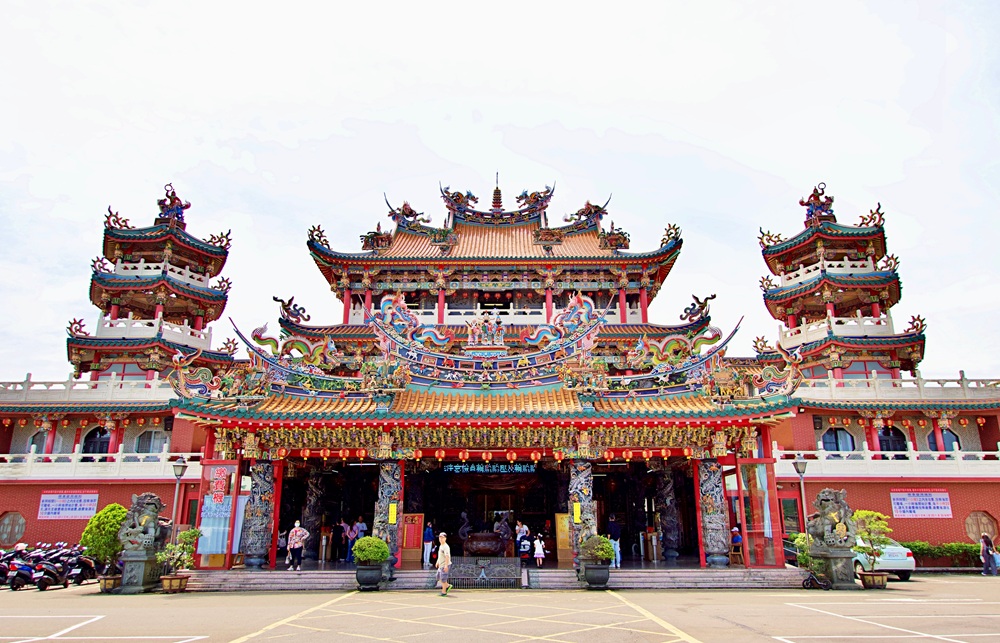
Things to Do in Tainan: Quick Trip Planner
- Best for: Taiwanese history, temples, traditional streets, local food and a slower-paced city break.
- How long to stay: Two days is ideal for most first-time visitors, although three days gives you more time for Anping, museums and the surrounding area.
- Best area to stay: West Central District is the most convenient base for first-time visitors, putting many of Tainan's historic sights, restaurants and old streets within easy reach.
- Don't miss: Chihkan Tower, Tainan Confucius Temple, Shennong Street, Anping Old Fort, Anping Tree House and some of the city's famous local food.
- Getting around: Central Tainan is relatively easy to explore on foot, while buses, YouBike and taxis are useful for reaching Anping and attractions farther from the historic centre.
Planning a longer trip? Start with our Taiwan travel guide, use our Taiwan itinerary to plan your route, and compare accommodation options in our guide to where to stay in Taiwan.
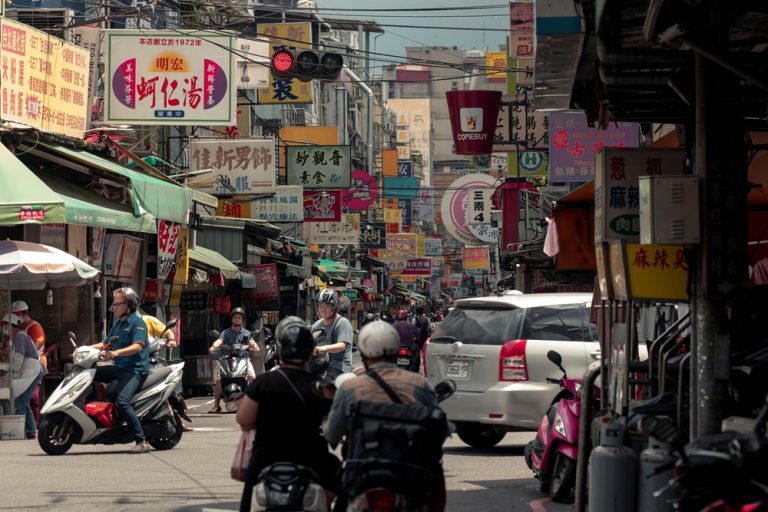
Things to Do in Tainan, Taiwan
Tainan is one of the most rewarding cities to include on a trip around Taiwan. Once the island's capital and today widely regarded as its cultural heart, the city combines centuries-old temples, historic forts and narrow old streets with lively neighbourhoods and one of Taiwan's most distinctive food scenes.
Many of the best things to do in Tainan are connected to that history. You can explore the old streets and temples of the city centre, discover the Dutch-era heritage of Anping, wander through atmospheric lanes such as Shennong Street and spend plenty of time sampling the local dishes for which Tainan is famous.
But Tainan isn't simply a collection of historic attractions. Part of its appeal is the atmosphere between them: traditional shopfronts beside modern cafés, small temples hidden down side streets and everyday neighbourhood life unfolding around buildings that have stood for generations. Compared with Taiwan's larger cities, Tainan rewards slowing down rather than racing from one sight to another.
If you're wondering what to do in Tainan on your first visit, this guide covers the city's essential attractions as well as where to stay, what to eat, how many days you need and the practical details that will help you plan your trip.
Best Things to Do in Tainan
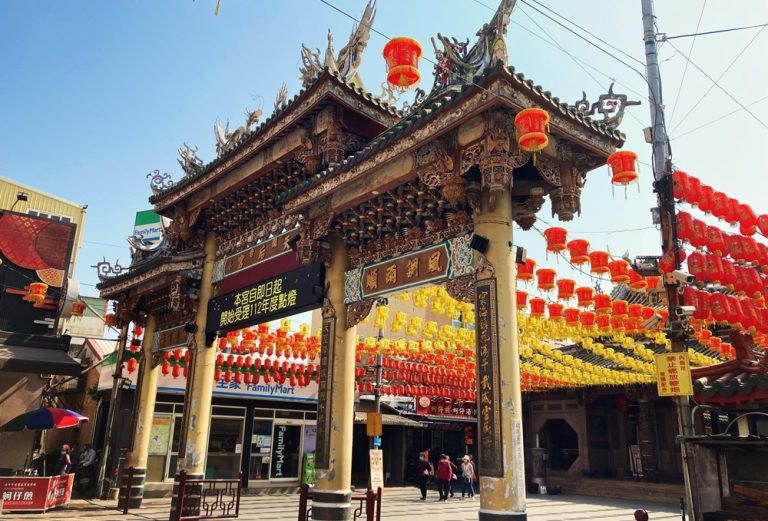
The best things to do in Tainan revolve around the city's history, temples, traditional streets and food culture. Unlike destinations where the major sights are concentrated into one compact tourist zone, Tainan rewards exploring several distinct areas, particularly the historic centre and Anping.
For a first visit, the essential sights include Chihkan Tower, Tainan Confucius Temple, Shennong Street and the historic attractions of Anping. Around those headline stops, you'll also find smaller temples, old shopfronts, museums and streets that make Tainan feel very different from Taiwan's more modern cities.
Chihkan Tower
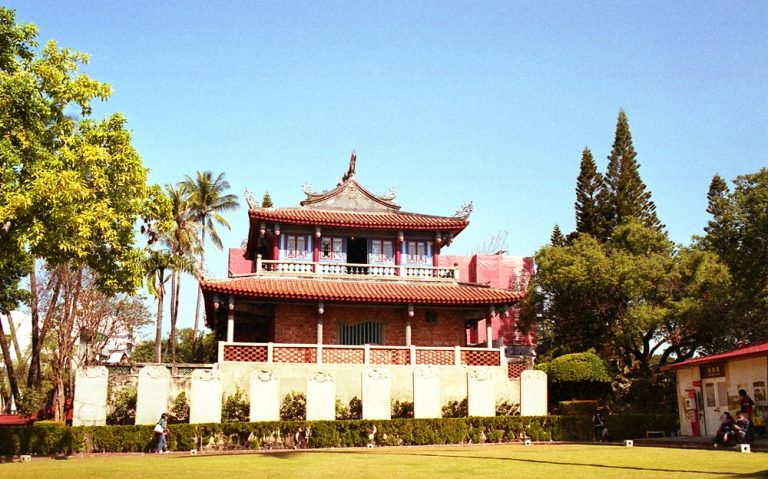
Chihkan Tower is one of Tainan's most important historic landmarks and an excellent place to begin exploring the city. The site originated as Fort Provintia, built by the Dutch in the 17th century, before being altered repeatedly through later periods of Taiwanese history. What you see today is therefore not simply a preserved European fort, but a layered historic site that reflects several different eras of Tainan's past.
Inside the complex, you can explore traditional pavilions, stone monuments and landscaped grounds while learning how the site changed from a Dutch administrative centre into the landmark that stands here today. One of the most distinctive features is the collection of stone tablets mounted on bixi — mythical turtle-like creatures traditionally associated with carrying heavy stone monuments.
Want to explore Chihkan Tower with more context?
A guided Tainan experience can help bring the city's layered history to life while combining Chihkan Tower with other important sights in the historic centre.
Chihkan Tower is particularly useful early in your Tainan visit because several other historic attractions are nearby. The Grand Mazu Temple and Sacrificial Rites Martial Temple are only a short walk away, making this part of West Central District easy to explore on foot rather than treating every landmark as a separate trip.
The site is also convenient to reach from central Tainan. Taiwan's Tourism Administration lists Tainan Railway Station at roughly one kilometre away, while buses and YouBike stations are available close to the entrance. Taiwan's official tourism website provides current transport information for Chihkan Tower.
Allow roughly 45 minutes to an hour if you want time to look around properly rather than simply photograph the exterior. It is an especially good introduction to Tainan because the site immediately establishes the historical context that helps make many of the temples, streets and buildings elsewhere in the city more meaningful.
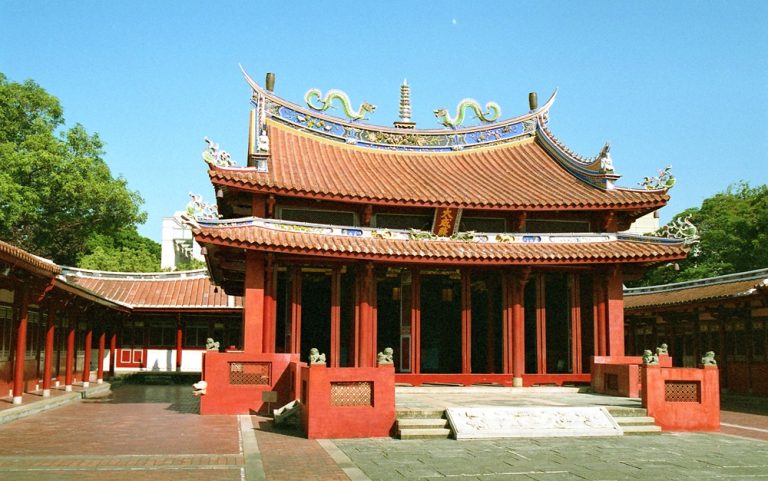
Tainan Confucius Temple
Tainan Confucius Temple is one of the city's most significant historic sites and an essential stop if you want to understand why Tainan became such an important centre of culture and education in Taiwan. Founded in the 17th century, it was Taiwan's first Confucian temple and also developed as the island's first official institution of learning, earning it the traditional title “First Academy of Taiwan.”
The complex feels noticeably calmer than many of Tainan's busier attractions. Old trees shade the grounds, while red walls, courtyards, gates and traditional halls create an atmosphere that encourages you to slow down and look around rather than simply walk through. The most important building is Dacheng Hall, where Confucius is honoured, but the wider complex also contains historic educational spaces, ceremonial areas and architectural details connected to its centuries-long role in Taiwanese education.
Want to discover Tainan's Confucian heritage with a guide?
Visiting with a local guide can add valuable context to the temple's architecture, symbolism and role in Tainan's history, while making it easy to combine the site with other landmarks in the historic centre.
Explore Tainan Confucius Temple tours and experiences on GetYourGuide
One detail worth looking for is the collection of imperial plaques displayed within the temple. The complex also preserves historic inscriptions, ritual objects and musical instruments associated with Confucian ceremonies, giving the site considerably more depth than its attractive courtyards and architecture initially suggest.
The temple remains an active cultural site rather than simply a preserved monument. Traditional ceremonies honouring Confucius continue to be held here, maintaining a connection between the historic buildings and the educational and ceremonial traditions for which the complex became famous.
Its location also makes it particularly easy to include in a walking route through central Tainan. The National Museum of Taiwan Literature and Tainan Art Museum are nearby, while several bus stops and YouBike stations are within a few minutes' walk. For current visitor and transport information, check the official Taiwan Tourism Administration page for Tainan Confucius Temple.
Allow around 45 minutes to an hour to explore at a relaxed pace. Even if you have limited time in Tainan, this is one historic site worth keeping on your itinerary: it combines architecture, education, religion and Taiwanese history in a setting that still feels remarkably peaceful despite being right in the city centre.
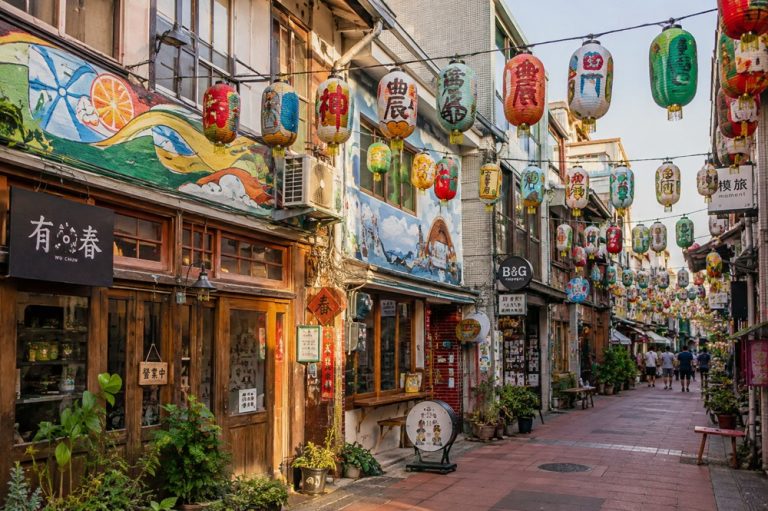
Shennong Street
Shennong Street is one of the most atmospheric places to explore in Tainan and offers a very different experience from the city's temples and monumental historic sites. This narrow old street was once part of the important Five Channels trading district, where merchants entered the city during the Qing Dynasty. Today, many of its traditional shophouses survive, giving you a glimpse of the commercial streets that once shaped this part of Tainan.
The appeal isn't about one particular building or attraction. Instead, take your time walking between the old façades, small temples and restored houses, many of which now contain independent shops, cafés, bars, studios and creative businesses. It is a good example of how Tainan has reused parts of its historic city without turning them entirely into museums.
Want to discover the stories behind Shennong Street?
Exploring this part of Tainan with a local guide can reveal much more about the old Five Channels district, its traditional buildings and the temples and historic lanes surrounding Shennong Street.
Shennong Street is worth seeing during the day, when it is easier to notice the details of the old buildings, but the atmosphere changes considerably after sunset. Red lanterns and streetlights illuminate the narrow lane, while cafés and bars add some evening life to an area that still retains much of its historic character.
If your schedule allows, arrive in the late afternoon and stay until after dark. That gives you both versions of the street: enough daylight to appreciate the architecture and the more atmospheric evening scene once the lanterns come on. It also fits naturally into an evening exploring the surrounding Haian Road and Five Channels area.
You don't need to allocate hours to Shennong Street itself. Around 30 to 45 minutes is plenty for a relaxed walk, although you can easily stay longer if you stop for coffee, browse the small shops or continue exploring the surrounding lanes. Also remember that some independent businesses restrict photography inside, so check before taking pictures in individual shops.
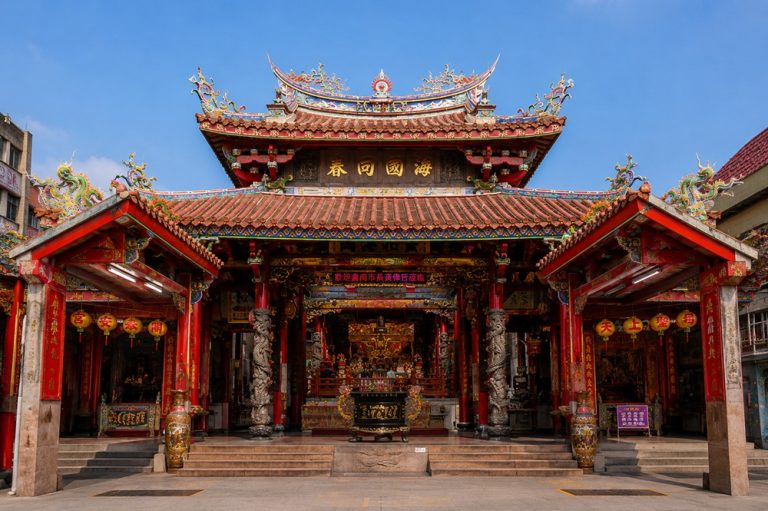
Grand Mazu Temple
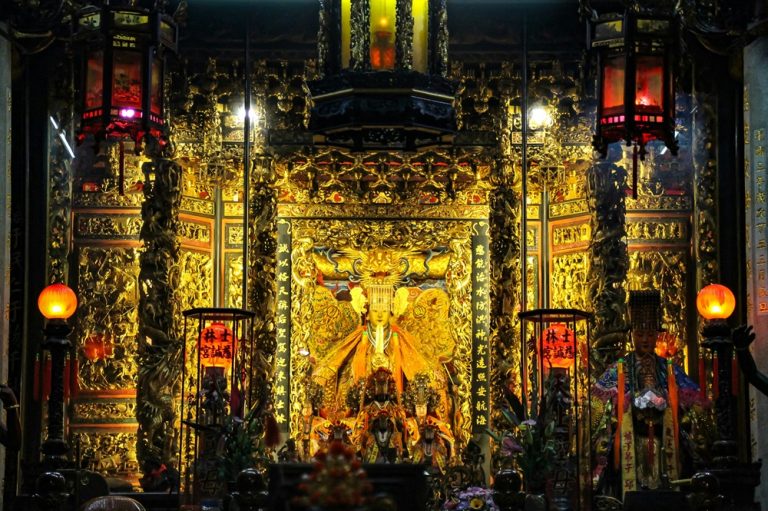
Just a short walk from Chihkan Tower, Grand Mazu Temple is one of the most important religious sites in Tainan. Dedicated to Mazu, the Goddess of the Sea, it is particularly significant because it was the first Mazu temple in Taiwan to be established by the government.
The building did not actually begin life as a temple. It was originally the palace of Prince Ningjing during the Ming period and was converted into a Mazu temple in 1684. That unusual history helps explain why the complex feels different from a temple built entirely from scratch for religious purposes and adds another layer to the remarkably concentrated history around Chihkan Tower.
Inside, the temple is divided into several main halls, including the worship hall and main hall. The centrepiece is a large Mazu statue created by a sculptor from Quanzhou around 300 years ago, but there are plenty of smaller details worth looking for as you explore. Historic plaques, stone tablets and decorative elements throughout the complex reflect both its religious importance and its long connection with Tainan's political history.
One particularly unusual detail is found on the temple doors. Instead of the painted door guardians commonly seen at Taiwanese temples, the guardian figures here are formed using decorative nails, reflecting the temple's elevated historical status. The complex also preserves an important stone tablet erected by Admiral Shi Lang in 1685, which Taiwan's Tourism Administration identifies as the earliest surviving Qing-period tablet in Taiwan.
Grand Mazu Temple remains an active place of worship, so visiting isn't simply about examining historic architecture. You'll often see local worshippers lighting incense and making offerings, particularly around important religious dates. Mazu's birthday, celebrated on the 23rd day of the third lunar month, is one of the most important occasions in the temple calendar.
Because Grand Mazu Temple is only around 75 metres from Chihkan Tower, there is little reason to visit one without seeing the other. Allow around 20 to 30 minutes for the temple itself, then continue exploring the surrounding historic streets on foot. You can find additional historical and transport information on the official Taiwan Tourism Administration page for Grand Mazu Temple.
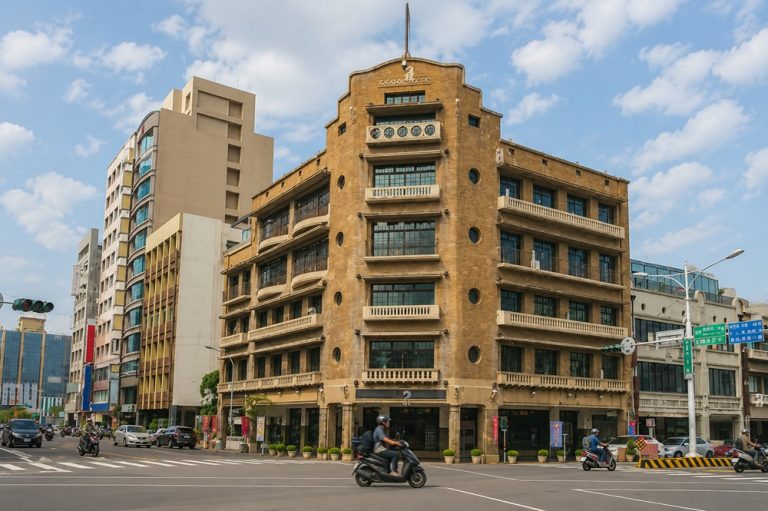
Hayashi Department Store
A historic department store might sound like an unusual addition to a list of Tainan attractions, but Hayashi Department Store is worth visiting primarily for the building and its history, rather than for the shopping. Opened in 1932 during the Japanese colonial period, it was one of the symbols of Tainan's emergence as a modern commercial city.
At six storeys high, the building was remarkably modern for Tainan at the time. One of its biggest novelties was an elevator, a luxury sufficiently unusual that locals came to know Hayashi simply as the “Five-Story Building.” The restored elevator still retains its old-fashioned dial floor indicator, making even the journey between floors part of the experience.
The most interesting historical features are higher up. On the rooftop you'll find Suehiro Shrine, a small Shinto shrine dating from the Japanese period, alongside the old elevator shaft. You can also still see bullet damage left on the building during World War II, an unexpectedly stark reminder that Hayashi's history extends far beyond its glamorous beginnings.
After decades of closure and other uses following World War II, the building was restored and eventually reopened as a cultural and creative department store. Today, its floors sell Taiwanese design products, souvenirs, food and locally themed goods, but enough of the original architecture and historic details survive that exploring the building feels very different from visiting a conventional shopping centre.
Even if you have no interest in shopping, allow around 30 to 45 minutes to explore the building, ride the historic elevator and visit the rooftop. Hayashi is particularly worthwhile because it introduces another chapter of Tainan's history: after the forts, temples and Qing-era streets elsewhere in the city, this is a tangible glimpse of Tainan during the Japanese colonial period.
For current opening hours and more information about the building's history, visit the official Hayashi Department Store website.
Explore Historic Anping
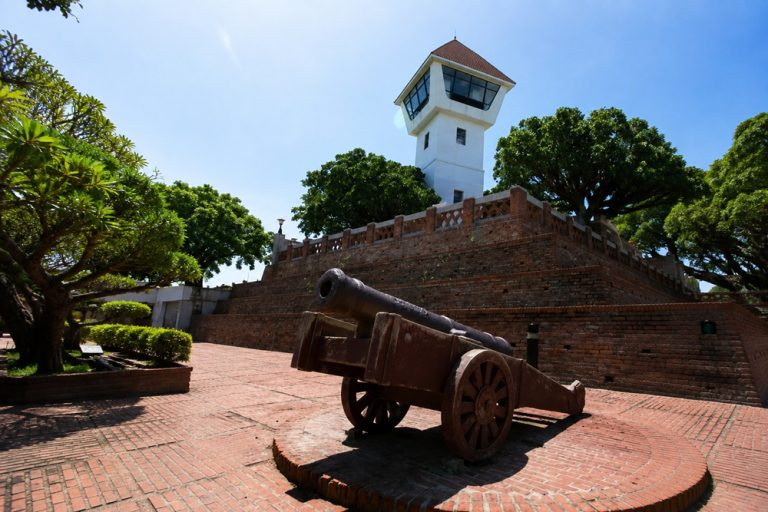
If you only have time to explore one area outside central Tainan, make it Anping. This waterfront district is where some of the most important chapters of Tainan's history unfolded, but it is also an enjoyable place simply to wander. Three of its best-known sights — Anping Old Fort, Anping Tree House and Anping Old Street — are close enough together to combine into one easy half-day outing.
Start at Anping Old Fort, the historic site associated with Fort Zeelandia. The Dutch East India Company established its stronghold here in the 17th century, making Anping an important centre for trade and colonial administration. Much of the original fort has disappeared or been rebuilt over the centuries, but sections of old brickwork survive and the site remains one of the clearest places to understand the Dutch period in Tainan's history.
You can explore the grounds, see remnants of the original fortifications and climb the observation tower for views across Anping. The exhibitions provide additional historical context, although the real value of visiting is understanding how this relatively compact site connects Tainan with the much larger story of European trade and competition in East Asia.
Want to explore historic Anping with a local guide?
A guided experience can help connect the stories behind Anping Old Fort, the old trading district and the surrounding streets while making it easy to combine several of Anping's highlights in one visit.
From the fort, continue to Anping Tree House, one of the most unusual sights in Tainan. The building was originally a warehouse connected with the former Tait & Company merchant house. After the warehouse was abandoned, enormous banyan trees gradually took over, sending roots through windows, across walls and over the roof.
Walkways and platforms now let you explore through and above the building, where the distinction between architecture and vegetation has almost disappeared. Roots wrap themselves around brick walls and push through openings in the structure, creating a place that feels completely different from the carefully preserved temples and monuments elsewhere in Tainan. The adjacent former merchant house also helps explain Anping's role in international trade.
Finish at Anping Old Street, where the experience becomes much less about formal sightseeing and much more about wandering, eating and watching the neighbourhood come to life. Often described as one of Taiwan's oldest commercial streets, the area is a maze of narrow lanes, traditional houses, small temples, food stalls and souvenir shops.
This is a good place to try some of the foods associated with Anping and Tainan, particularly shrimp rolls, oyster dishes, seafood snacks and traditional sweets. Don't restrict yourself to the busiest commercial stretch either. Some of the area's character is found in the smaller lanes branching away from it, where old houses and tiny temples offer a quieter contrast to the crowds around the food stalls.
Allow around three to four hours for Anping if you want to visit the fort and Tree House without rushing and still have time to explore Old Street. Starting with the historical attractions and finishing with food and wandering works particularly well, turning three individual sights into one of the most complete half-day experiences in Tainan.
Take a Boat Through Sicao Green Tunnel
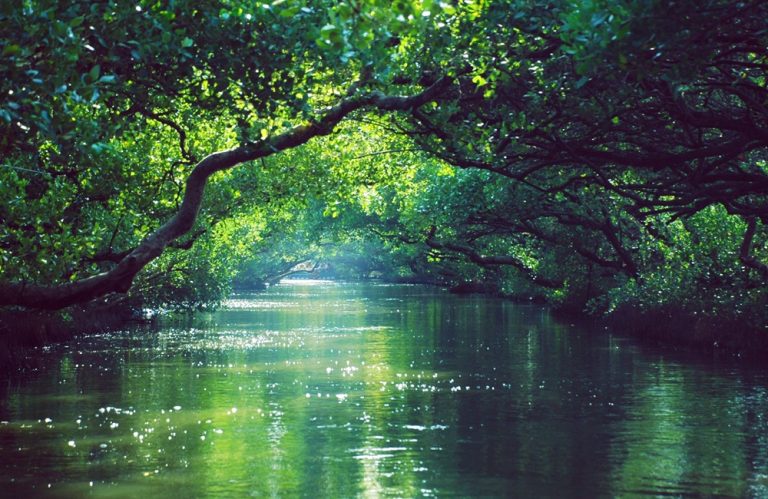
For a complete change from Tainan's temples and historic streets, head to Sicao Green Tunnel in Annan District. Here, dense mangroves growing along both sides of a narrow waterway meet overhead to form a natural canopy, creating the green corridor that has earned Sicao the nickname “Little Amazon.”
The main experience is a sightseeing trip aboard a low tube raft that moves slowly through the mangroves. Rather than dramatic scenery on a huge scale, the appeal is being right inside the wetland environment, with branches arching overhead and reflections of the vegetation filling the water around you.
Want to combine Sicao Green Tunnel with more of Tainan?
A guided Tainan experience can make it easier to visit Sicao alongside other attractions outside the historic centre, particularly if you don't want to organise the transport and sightseeing independently.
Explore Sicao Green Tunnel tours and experiences on GetYourGuide
Keep an eye on the wetlands beside the raft as well as the canopy above. Mudskippers and tide crabs live along the muddy banks, while the mangrove habitat attracts birds and other wildlife. One of the most photographed sections comes where the calm water creates an almost symmetrical reflection of the mangroves, producing a shape locally nicknamed the “Angel's Kiss” or “Green Eye.”
Boat trips depart beside Sicao Dazhong Temple, so the temple is easy to see at the same time. There are actually different boat experiences in the area, so make sure you choose the Sicao Green Tunnel route if the enclosed mangrove passage is what you have come to see.
Sicao is farther from central Tainan than most of the historic attractions, so it requires a little more planning than simply walking between sights in West Central District. It combines particularly well with Anping if you want to devote part of a day to the western side of Tainan rather than travelling back and forth across the city.
At the time of writing, admission for the Green Tunnel route is NT$200 for adults, with reduced fares available for eligible visitors. Operating arrangements can change, so check the official Tainan tourism page for Sicao Green Tunnel before travelling, particularly if the boat ride is an important part of your day.
Visit Chimei Museum
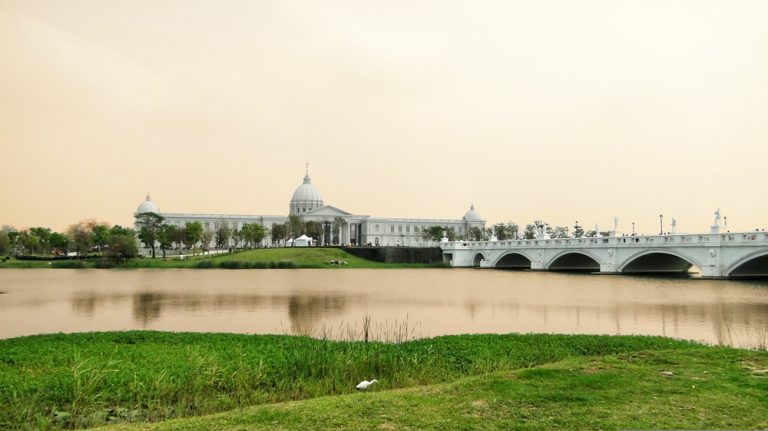
Chimei Museum is one of Tainan's most impressive cultural attractions and is worth considering even if museums aren't normally the main focus of your trips. Located in Tainan Metropolitan Park in Rende District, south of the historic centre, the museum combines an enormous European-inspired building and landscaped grounds with an unusually varied collection inside.
The permanent exhibitions are divided across several very different themes. You'll find Western paintings and sculpture, musical instruments, natural history, fossils, arms and armour, as well as a dedicated Rodin Gallery. The fine arts collection traces Western art from the 13th to the 20th century, while the sculpture displays extend from the ancient Greco-Roman period into the modern era.
One of the museum's particular strengths is its musical instrument collection. The galleries include mechanical and orchestral instruments alongside an important violin collection, making this section worthwhile even if you don't have a specialist interest in music. Elsewhere, the natural history galleries contain animal specimens and fossils from around the world, while the arms and armour collection explores weapons from different cultures and historical periods.
The building and surrounding park are also part of the experience. The grand European-style architecture, broad approach to the museum and sculptures around the grounds make Chimei feel very different from the temples, forts and narrow streets that dominate much of a Tainan itinerary. Even before going inside, it's worth allowing some time to walk around the exterior.
Because Chimei Museum is outside central Tainan and contains several substantial collections, don't treat it as a quick stop between other attractions. Allow at least two to three hours if you want to explore the main galleries, and longer if museums are a particular interest.
If you only have one day in Tainan, we'd prioritise the historic centre and Anping. With two or three days, however, Chimei Museum becomes much easier to justify and provides an excellent contrast to the city's older historic attractions.
Opening days, admission arrangements and temporary exhibitions can change, so check the official Chimei Museum website when planning your visit.
Spend an Evening at Garden Night Market
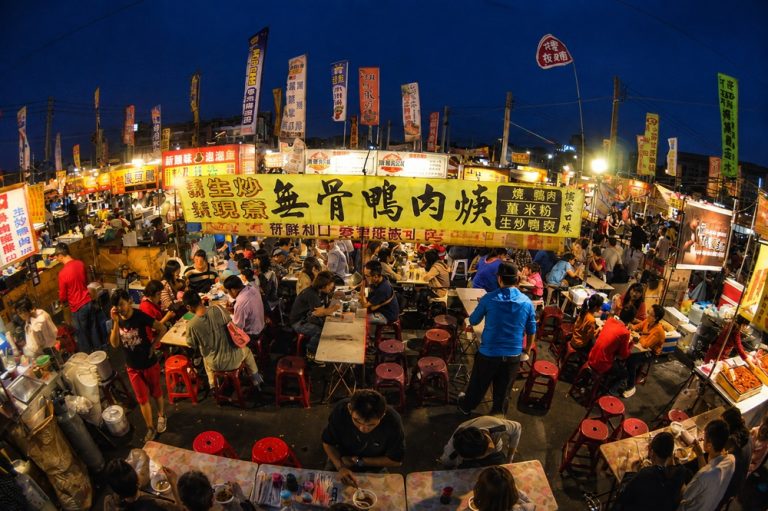
Tainan is famous for its night-market culture, and Garden Night Market is the city's biggest and best-known place to experience it. With hundreds of stalls divided between food, clothing, general merchandise and entertainment, this is less a conventional sightseeing attraction than a full evening of eating, browsing and soaking up the atmosphere.
Food is naturally a major reason to visit. You'll find everything from grilled squid, oyster omelets and fried chicken to sausages, stinky tofu, sweets and drinks. Rather than arriving with a rigid list of stalls to find, take a walk through the market first and see what looks good — part of the fun is following the crowds and trying several smaller dishes as you go.
The market is also visually distinctive. Vendors raise large advertising flags above their stalls, creating a dense canopy of banners over the crowds. Once the market fills up in the evening, the combination of food stalls, games, shoppers and illuminated signs creates exactly the lively southern Taiwanese night-market atmosphere many visitors come hoping to experience.
One important detail when planning your visit is that Garden Night Market does not operate every night. It currently opens on Thursday, Friday, Saturday and Sunday evenings from 17:00 until midnight. If your Tainan dates don't match those nights, don't worry — the city has several other night markets operating on different days.
If night markets are going to be a bigger part of your trip around the island, our Taiwan night market guide explains more about what to expect and the night-market experience elsewhere in Taiwan.
Allow around one to two hours for Garden Night Market, depending on how much you want to eat and browse. Come hungry, carry some cash and avoid scheduling a large dinner beforehand — this is one Tainan attraction where sampling the food is very much part of the experience.
Opening days can change, so check the official Tainan tourism listing for Garden Night Market before heading there.
Where to Stay in Tainan
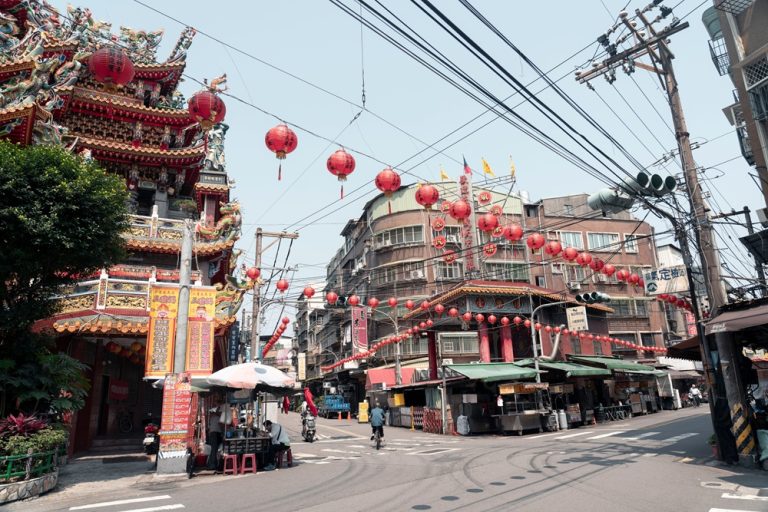
For most first-time visitors, West Central District is the best area to stay in Tainan. This puts you close to many of the city's historic attractions, temples, traditional streets, restaurants and cafés, while also making it relatively easy to reach other parts of the city.
Staying here works particularly well if you want to explore Tainan on foot. Chihkan Tower, Shennong Street, Grand Mazu Temple and Tainan Confucius Temple are all in or around the district, so you can spend much of your sightseeing time walking between attractions rather than travelling across the city.
Anping is another option if you prefer a quieter atmosphere and want to stay closer to Anping Old Fort, Anping Tree House and the waterfront. However, for a first visit, we'd choose West Central District because it provides the best overall combination of sightseeing, food and convenience.
Recommended Hotels in Tainan
Whether you're looking for an inexpensive guesthouse, a comfortable mid-range stay or a more polished hotel, these three options all put you in West Central District and provide a convenient base for exploring Tainan.
Budget: FLOWER HOUSE
No. 40, Humei Street, West Central District, Tainan City 70063, Taiwan • +886 933 923 996
Flower House is a simple budget-friendly option for travellers who want to keep accommodation costs down while staying in West Central District. It works particularly well if you plan to spend most of your days exploring and want an affordable base within easy reach of central Tainan.
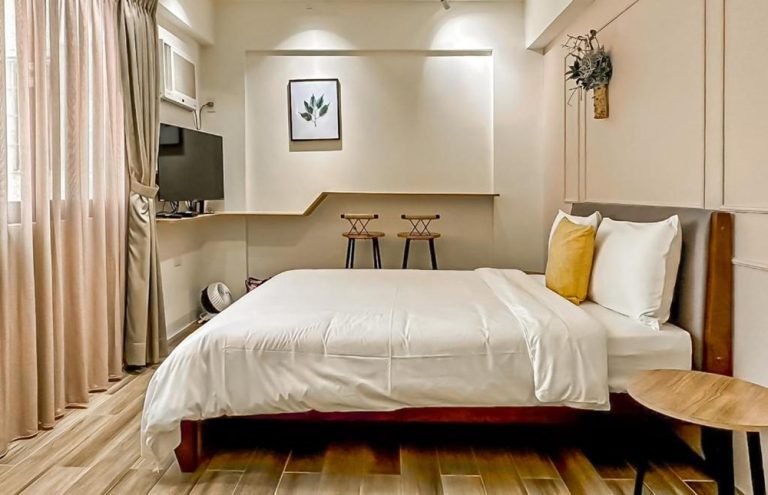
Mid-range: FUNNAN GUESTHOUSE
No. 31, Lane 259, Section 2, Hai’an Road, West Central District, Tainan City 70053, Taiwan • +886 6 602 4919
FunNan Guesthouse is a comfortable mid-range choice in a particularly convenient part of West Central District. Its location near Hai'an Road puts you close to restaurants, cafés and the historic streets around Shennong Street, making it a good option for travellers who want to explore much of central Tainan on foot.
👉 Check availability and current prices for FunNan Guesthouse
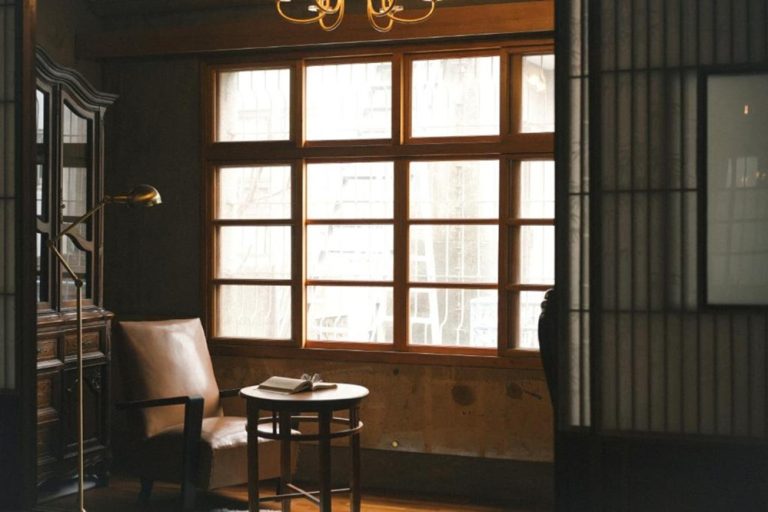
Luxury: HOTEL COZZI XIMEN TAINAN
No. 658-2, Section 1, Ximen Road, West Central District, Tainan City 700, Taiwan • +886 6 702 6699
Hotel COZZI Ximen Tainan is our luxury choice for travellers who want a more polished and comfortable city stay. Its West Central District location keeps you conveniently positioned for sightseeing while offering the extra space, facilities and comfort that make returning to the hotel after a full day exploring Tainan considerably more relaxing.
👉 Check availability and current prices for Hotel COZZI Ximen Tainan
These are just a few of our recommended places to stay in Tainan. You'll find everything from inexpensive guesthouses to comfortable city hotels and more luxurious accommodation throughout West Central District and the surrounding neighbourhoods.

What to Eat in Tainan
Tainan is one of Taiwan's great food cities, and eating well here is part of the sightseeing experience rather than something separate from it. For a first visit, the dishes most worth seeking out are beef soup, milkfish, danzai noodles, rice cake, shrimp rolls and oyster dishes, along with the city's traditional sweets and desserts.
One of the most distinctive local breakfasts is Tainan beef soup. Thin slices of fresh beef are placed in a bowl before hot broth is poured over them, cooking the meat almost instantly. The result is light, clean and much more delicate than the richer beef noodle soups you may encounter elsewhere in Taiwan. Many well-known beef soup shops open early and sell out once the day's supply is gone.
Another essential local ingredient is milkfish. Tainan is closely associated with milkfish farming, and you'll see it served in several forms, including soup, congee, grilled fillets and dishes using the belly. Milkfish porridge is particularly popular at breakfast and is a good option if you want something savoury but relatively light.
Danzai noodles are another classic Tainan dish. Traditionally served in a small bowl, they usually combine noodles with minced pork, shrimp, broth and simple garnishes. The portion is intentionally modest, which makes danzai noodles especially useful when you're trying several different foods rather than committing to one large meal.
Tainan is also known for rice-based dishes. Rice cake, often topped with braised minced pork and fish floss, is one of the city's traditional comfort foods, while bowl rice cake has a denser texture and is usually served with a savoury sauce. Both are inexpensive, filling and easy to find in local eateries.
In Anping, look out for shrimp rolls, oyster omelets and other seafood snacks. The area's long connection with the coast and trade has shaped a food culture that feels different from central Tainan, which is one reason Anping works so well as both a historical and culinary stop.
Tainan's sweeter side is worth exploring too. Traditional dessert shops sell everything from tofu-based sweets and almond tofu to shaved ice, sweet soups and local pastries. If you prefer trying a little of everything, night markets and old commercial streets are often the easiest places to sample several dishes in one evening.
For a broader look at what to eat around the island, our guide to food in Taiwan covers many of the dishes and eating habits you'll encounter beyond Tainan.
If you only remember one thing, make it this: don't treat Tainan food as an afterthought. Build time into your itinerary for breakfast, snacks and small meals throughout the day rather than relying on one restaurant dinner to experience the city's food culture.
How Many Days Do You Need in Tainan?
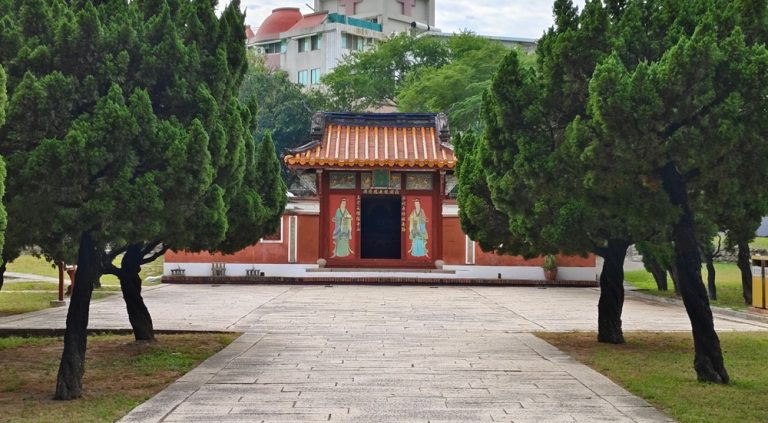
Two days is the ideal amount of time in Tainan for most first-time visitors. That gives you enough time to explore the historic centre, spend several hours in Anping, enjoy the city's food and experience Tainan after dark without trying to squeeze everything into a single rushed day. Two-day visits are also a common way of structuring a first Tainan trip, including in Taiwan's official tourism itineraries.
You can certainly visit Tainan in one day, particularly if you're travelling from elsewhere in southern Taiwan, but you'll need to be selective. Concentrate on the historic centre, with sights such as Chihkan Tower, Tainan Confucius Temple and the surrounding temples and streets, then finish around Shennong Street or with an evening of local food. Trying to add Anping, Sicao and Chimei Museum to the same day would make the itinerary unnecessarily rushed.
With two days, the city becomes much easier to experience properly. Spend one day exploring West Central District, where many of Tainan's historic sights are relatively close together, and devote the second to Anping. Anping Old Fort, Anping Tree House and Anping Old Street combine naturally, while Sicao Green Tunnel can also fit into this side of the city if you start reasonably early.
A three-day stay is worthwhile if you prefer travelling slowly or want to include attractions farther from the centre. The extra day gives you room for Chimei Museum, Sicao Green Tunnel or simply more time for Tainan's markets, cafés, temples and food without having to structure every hour around sightseeing.
As a simple rule, plan one day for the essentials, two days for a well-rounded first visit and three days for a more relaxed Tainan experience. If you're deciding how much time to give Tainan as part of a longer trip, our Taiwan itinerary can help you balance the city with Taipei, the east coast and other destinations around the island.
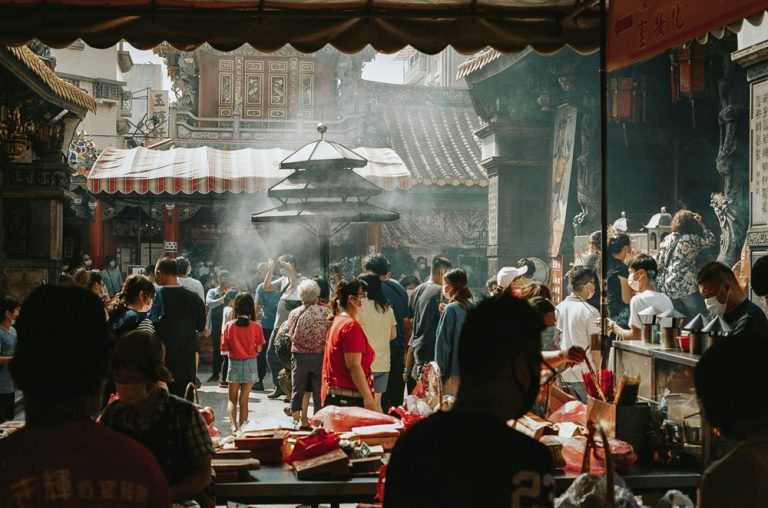
Best Day Trips from Tainan
Guanziling Hot Springs is our top day trip from Tainan if you want a genuine change of scenery, while Kaohsiung is the easiest choice if you want to combine Tainan with another major city in southern Taiwan. Tainan itself has enough to keep you busy for at least two days, so we wouldn't sacrifice the city's historic centre or Anping for a day trip on a very short visit. If you have three days or longer, however, there are several worthwhile places within reach.
Guanziling Hot Springs
Located in the mountains of Baihe District, Guanziling Hot Springs offers a completely different experience from central Tainan. The area is famous for its unusual grey-black mud hot springs, which have been developed as a bathing destination since the Japanese colonial period and are considered among Taiwan's best-known hot spring areas.
The hot springs are the main reason to come, but you can easily make more of the journey. Guanziling Old Street, Xianyun Bridge, the Hao Han Po trails and several temples are scattered around the mountain area, while local restaurants are particularly known for barrel-roasted chicken and mountain vegetables.
Want to explore beyond central Tainan?
A guided day trip can be a convenient way to reach attractions outside the city without organising several transport connections yourself, particularly if you want to explore Tainan's countryside and more distant sights.
Guanziling is particularly appealing if you've already spent several days visiting temples, forts and historic streets and want some time in the mountains. Public transport is possible, but the journey requires more planning than most sightseeing within Tainan, so allow the better part of a day rather than treating the hot springs as a quick side trip.
You can find more information about Guanziling, including the hot spring area, walking routes and nearby attractions, on the official Tainan tourism website.
Kaohsiung
For a completely different urban experience, Kaohsiung makes an easy day trip from Tainan. Taiwan's second major southern city feels much more modern and spacious, with a waterfront, contemporary cultural attractions, large parks and a very different atmosphere from Tainan's old streets and temples.
A day in Kaohsiung could include the Pier-2 Art Center and harbour area, followed by Lotus Pond or some of the city's temples and markets. The efficient MRT and light rail network also makes it relatively straightforward to move between attractions once you arrive.
The train connection makes Kaohsiung particularly practical, although it's also worth considering whether you would rather stay overnight and give the city more time. Our Kaohsiung travel guide covers the city's main attractions and can help you decide whether to visit as a day trip or make it another stop on your Taiwan itinerary.
If you only have one extra day, choose Guanziling for hot springs, mountains and relaxation, or Kaohsiung for sightseeing, culture and another city experience. That distinction makes the choice much easier than trying to squeeze both into the same Tainan stay.

How to Get to Tainan
The fastest way to get to Tainan from northern or central Taiwan is by Taiwan High Speed Rail (THSR). High-speed trains connect Tainan with Taipei, Taichung and the rest of Taiwan's west coast, making the city easy to include in a longer trip around the island.
There is one important detail to understand before booking: THSR Tainan Station is not the same station as Tainan Railway Station in the city centre. The high-speed rail station is located in Guiren District, southeast of central Tainan. It connects directly by walkway to Shalun Railway Station, where local TRA trains continue to central Tainan Station.
Taipei to Tainan
For most travellers coming from Taipei, the high-speed train is the easiest option. Direct THSR services run south from Taipei to Tainan throughout the day, with the fastest services completing the journey in roughly 1 hour 45 minutes. Slower services make additional stops along the route, so check the journey time when choosing your train.
Once you arrive at THSR Tainan Station, follow the signs to the adjoining Shalun Railway Station and take a local train to Tainan Station in the city centre. The transfer is straightforward, but remember to factor this additional journey into your arrival time, particularly if you're heading directly to a hotel or attraction.
Kaohsiung to Tainan
Tainan is particularly easy to reach from Kaohsiung. If you're already staying in central Kaohsiung, a conventional TRA train can often be more practical than high-speed rail because it takes you directly to central Tainan Station without requiring the transfer from the HSR station.
High-speed trains also connect Zuoying and Tainan, and the actual HSR journey is very short. However, once you include travelling to Zuoying and transferring from THSR Tainan Station into the city, the time advantage may disappear. For most travellers moving between the two city centres, the conventional railway is usually the simpler option.
High-Speed Rail or Regular Train?
Choose THSR if you're travelling a longer distance, particularly from Taipei or Taichung and you want to minimise travel time. Choose a conventional TRA train if you're travelling from somewhere closer or prefer arriving directly at Tainan Railway Station in the city centre.
If you're travelling around several parts of the island, our guide to getting around Taiwan explains the different train and transport options in more detail.
You can check current schedules, fares and book high-speed rail tickets through the official Taiwan High Speed Rail website. Timetables vary by service, so check your specific train rather than assuming every departure takes the same amount of time.
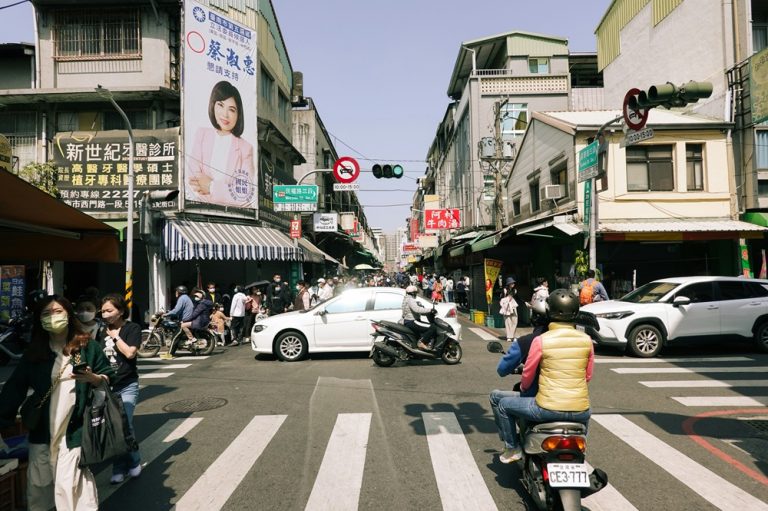
Getting Around Tainan
The best way to get around Tainan is to combine walking with buses, YouBike and occasional taxis. Many of the major attractions in West Central District are close enough to explore on foot, but Tainan is spread out and places such as Anping, Sicao Green Tunnel and Chimei Museum require some form of transport.
Walking Around Central Tainan
Walking is the best option for exploring Tainan's historic centre. Chihkan Tower, Grand Mazu Temple, Shennong Street, Tainan Confucius Temple and Hayashi Department Store can all be incorporated into a day of sightseeing without constantly arranging transport between individual attractions.
Walking also lets you experience one of the best parts of Tainan: the smaller streets between the headline sights. Temples, traditional shopfronts, cafés and food stalls are scattered throughout the old centre, so some of the most interesting discoveries happen while moving from one attraction to another.
However, don't assume that all of Tainan is walkable. Anping is several kilometres west of the historic centre, while Sicao and Chimei Museum are farther away again. Trying to cover those distances on foot would waste a significant part of your sightseeing day.
Getting Around Tainan by Bus
Tainan's city buses are useful for longer journeys, particularly when travelling between the railway station, central Tainan and attractions outside the historic core. They are inexpensive and can save you from relying on taxis for every longer trip.
The disadvantage is that buses require a little more planning than walking or taking a taxi. Routes and frequencies vary, so check the journey before leaving rather than simply arriving at a bus stop and assuming there will be a frequent service to your destination.
Using YouBike in Tainan
YouBike is one of the most useful ways to cover shorter distances in Tainan, particularly when two places are slightly too far apart to make walking convenient. The city's YouBike 2.0 network has hundreds of docking stations, including stations around Tainan Railway Station and major sights such as Chihkan Tower and the Confucius Temple area.
Bikes can be rented from one station and returned at another, which means you don't need to retrace your route. YouBike supports membership and one-time rentals, with payment options including transit cards and app-based payment methods.
Taxis and Ride-Hailing
Taxis are worth using when convenience matters more than saving a small amount of money, particularly when travelling with luggage or heading to attractions that require awkward public transport connections. They can also make sense for two or more travellers sharing the fare.
Ride-hailing services are another useful option because you can enter your destination before travelling and avoid explaining an address to the driver. For attractions outside the compact historic centre, the time saved can sometimes be worth more than the additional transport cost.
Should You Rent a Scooter in Tainan?
A scooter gives you the most flexibility and can be useful if you're comfortable riding in Taiwanese city traffic, particularly for reaching Anping and attractions farther from the centre. However, you don't need a scooter to enjoy Tainan. First-time visitors staying in West Central District can comfortably see the major sights using a combination of walking, YouBike, buses and taxis.
For most visitors, the simplest strategy is to walk around West Central District, use public transport or a taxi for Anping and Sicao, and plan Chimei Museum as a separate journey. That keeps transport straightforward while avoiding unnecessary trips back and forth across the city.
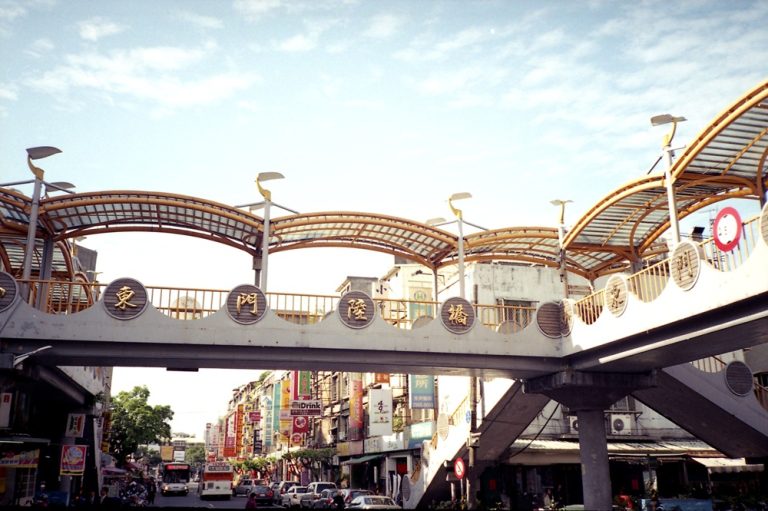
Best Time to Visit Tainan
The best time to visit Tainan is generally from November to March, when the weather is cooler, rainfall is relatively low and spending long days walking around the historic centre and Anping is more comfortable. Tainan can be visited year-round, but the heat and humidity make summer sightseeing considerably more demanding.
From November through March, daytime conditions are generally much more pleasant for exploring outdoors. This is particularly useful in Tainan because many of the city's best experiences involve walking between temples, old streets and historic buildings rather than spending the day inside air-conditioned attractions.
Spring can also be a good time to visit, although temperatures and humidity begin to rise as you move toward summer. If you're travelling during this period, starting your sightseeing earlier in the day can make walking around West Central District and Anping considerably more comfortable.
June through September is the hottest and wettest period, with high humidity, frequent rain and the possibility of typhoons affecting southern Taiwan. That doesn't mean you should avoid Tainan completely during summer, but you'll need more flexibility. Plan outdoor sightseeing for the cooler parts of the day and keep museums, cafés and other indoor attractions available when the weather turns.
Autumn becomes progressively more comfortable as temperatures fall and rainfall decreases. By November, conditions are usually much better suited to long days of sightseeing, making late autumn one of our preferred periods for visiting the city.
If Tainan is only one stop on a longer trip, remember that conditions can vary considerably around the island. Our guide to the best time to visit Taiwan explains the seasonal differences and can help you choose the best period for your overall itinerary.
For Tainan specifically, we'd prioritise November to March for sightseeing, spring for a balance of warmer weather and manageable conditions, and summer only if you're comfortable travelling in significant heat and humidity.
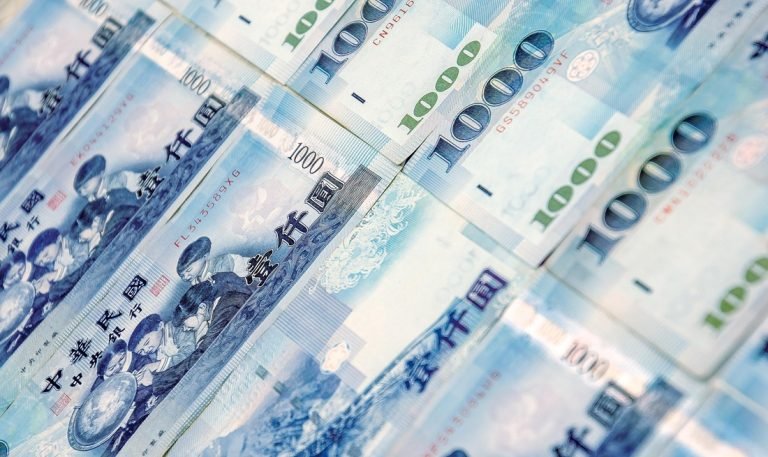
How Much Does It Cost to Visit Tainan?
Tainan is relatively affordable to visit, particularly if you eat locally and use public transport. Budget travellers can keep costs low with simple guesthouses and local food, while mid-range travellers can enjoy comfortable hotels, taxis and paid attractions without dramatically increasing the cost of the trip.
Accommodation will usually be your biggest expense. Budget guesthouses and simple rooms can often be found from around NT$800–1,500 per night, while comfortable mid-range accommodation typically starts around NT$1,500–3,000. Higher-end hotels can easily cost NT$3,000 or more, particularly on weekends and during busy travel periods.
Food is one of the easiest areas in which to keep your Tainan budget under control. Many of the city's famous dishes are inexpensive local meals rather than fine-dining experiences. A bowl of noodles, beef soup or another simple local dish will often cost around NT$60–200, while eating several snacks at a night market can still make for an affordable evening.
Getting around doesn't need to cost much either. Walking is free, buses are inexpensive and YouBike works well for shorter journeys. Taxis cost more but can be worthwhile when travelling to Anping or attractions that are less convenient to reach by public transport, especially if you're sharing the fare.
Most individual historic attractions are also reasonably priced, so sightseeing is unlikely to dominate your budget. Your costs will rise if you add guided tours, longer taxi journeys, museums or excursions outside the city, but it's perfectly possible to experience many of Tainan's highlights without spending heavily on activities.
As a rough guide, a budget traveller staying in inexpensive accommodation and eating locally might spend around NT$1,500–2,500 per day, while a comfortable mid-range trip could fall around NT$3,000–5,000 per person per day. These are planning ranges rather than fixed budgets, and accommodation choices can shift the total considerably.
For a much more detailed breakdown of accommodation, food, transport and sightseeing costs around the island, see our Taiwan travel budget guide.
Overall, Tainan offers very good value for travellers. You don't need a large daily budget to experience its temples, historic streets, local food and markets, which makes it an easy city to add to a longer Taiwan itinerary without dramatically increasing the cost of your trip.
Practical Tainan Travel Tips
The most useful things to know before visiting Tainan are to plan your sightseeing geographically, carry some cash, check attraction opening days and remember that the HSR station is outside the city centre. Tainan is easy to explore independently, but a little planning will save you a surprising amount of unnecessary travel across the city.
Explore Tainan Area by Area
Avoid jumping between central Tainan, Anping and the city's outer attractions throughout the day. Many sights in West Central District can be combined on foot, while Anping Old Fort, Anping Tree House and Anping Old Street belong together as a separate outing. Sicao Green Tunnel can also be combined with the western side of the city.
Chimei Museum is south of central Tainan and is better treated as a dedicated excursion rather than something to squeeze between attractions in the historic centre. Grouping sights this way will save time and make your days considerably more relaxed.
Carry Some Cash
Cards and digital payments are increasingly common, but cash remains useful in Tainan, particularly at traditional restaurants, food stalls, markets and smaller independent businesses. Keep some smaller notes and coins with you rather than assuming every place will accept an international credit card.
Stay Connected While Exploring
Having mobile data makes independent travel around Tainan considerably easier. You'll probably use your phone throughout the day for maps, public transport information, translation, restaurant searches and checking attraction opening hours. If your phone supports eSIM, you can arrange your connection before arriving rather than looking for a physical SIM card after landing. Our international eSIM guide compares the options we recommend for staying connected while travelling.
Check Opening Days Before You Go
Don't assume every attraction operates every day of the week. Museums, historic sites and other attractions may close on particular days or change their hours during holidays, so check important sights before building your itinerary around them.
The same applies to night markets. Garden Night Market, for example, operates only on certain evenings. If visiting a particular market matters to you, check its schedule before deciding which night to allocate to it.
Use an EasyCard for Transport
An EasyCard is useful if you're travelling around Taiwan and can make using public transport in Tainan more convenient. You can use the same stored-value card across many transport systems around the island, which saves dealing with individual fares every time you board.
Allow Time to Get Into the City from the HSR Station
If you arrive by high-speed rail, remember that THSR Tainan Station is not in central Tainan. You'll still need to transfer from the HSR station area to the city, so don't plan an attraction or hotel check-in based solely on the arrival time printed on your high-speed rail ticket.
Prepare for the Heat and Rain
Tainan's heat and humidity can make a sightseeing schedule feel much harder than it looks on paper, particularly during summer. Carry water, use sun protection and consider visiting outdoor attractions earlier in the morning or later in the afternoon. Museums, cafés and longer lunches can provide a useful break during the hottest part of the day.
A lightweight daypack, reusable water bottle, sun protection, comfortable walking shoes and compact rain protection are particularly useful when you're spending full days exploring on foot. If you're still preparing for your trip, our travel gear recommendations cover the practical items we find most useful on the road.
Consider Travel Insurance
Taiwan is an easy destination to travel independently, but unexpected illness, accidents, lost luggage and disrupted travel plans can happen anywhere. If you want cover for these kinds of problems, arrange it before your trip and always read the policy conditions and exclusions carefully. You can learn more about the options and what to look for in our travel insurance guide.
Don't Try to See Everything
Tainan rewards slower exploration. Some of the city's appeal comes from wandering between temples, stopping for food and discovering smaller streets rather than moving directly from one famous attraction to another. Two well-planned days are better than an overloaded checklist.
For more practical advice covering transport, payments, connectivity, etiquette and travelling around the island, see our Taiwan travel tips.
Is Tainan Worth Visiting?
Yes, Tainan is absolutely worth visiting, especially if you're interested in Taiwanese history, traditional culture and food. While Taipei offers the energy of a modern capital and Kaohsiung has a more contemporary waterfront feel, Tainan gives you a much stronger sense of Taiwan's past.
The biggest reason to visit is the concentration of history. Within a relatively small area, you can explore centuries-old temples, remnants of Dutch colonial rule, Qing-era streets and buildings dating from the Japanese colonial period. Places such as Chihkan Tower, Tainan Confucius Temple and Anping aren't isolated monuments either. They sit within neighbourhoods where historic buildings, temples and traditional businesses remain part of everyday city life.
Tainan is also particularly worthwhile for food lovers. Beef soup, milkfish, danzai noodles, shrimp rolls and traditional snacks aren't simply dishes added to a tourist itinerary. Eating your way through local restaurants, markets and small food stalls is one of the main reasons to spend time here.
The city will appeal most to travellers who enjoy exploring on foot, wandering through older neighbourhoods and stopping when something catches their attention. Tainan doesn't rely on one spectacular landmark. Its appeal comes from the combination of temples, old streets, food, architecture and the atmosphere between the major attractions.
That also means Tainan won't necessarily be everyone's favourite stop in Taiwan. If your priorities are dramatic mountain scenery, beaches or big-city nightlife, other parts of the island may deserve more of your limited time. And if you only have a few days in Taiwan, Taipei and its surrounding attractions will usually be easier to prioritise.
But on a longer first trip around Taiwan, we'd make room for Tainan. Two days is enough to experience the historic centre and Anping without rushing, while a third day gives you time for places such as Sicao Green Tunnel, Chimei Museum or a trip farther outside the city.
Tainan doesn't need to compete with Taipei or Kaohsiung by offering the same experience. Its history, food and slower rhythm are precisely what make it different, and that's why we think it deserves a place on a well-rounded Taiwan itinerary.
Final Thoughts on the Best Things to Do in Tainan
Tainan is a city that becomes more rewarding when you stop trying to treat every historic building as another attraction to tick off a list. Its temples, old streets, traditional food and layers of history work best when you give yourself enough time to explore the neighbourhoods around them.
If you're visiting for the first time, prioritise West Central District and historic Anping. Together, they cover much of what makes Tainan special, from Chihkan Tower and the Confucius Temple to Shennong Street, Anping Old Fort and the city's traditional food culture.
With more time, places such as Sicao Green Tunnel and Chimei Museum add completely different experiences, while an extra day gives you the freedom to explore without planning every hour around major sights.
For most travellers, two days provides the best balance. It's enough time to experience the essential things to do in Tainan without rushing, while three days allows the slower pace that suits the city particularly well.
Tainan also fits naturally into a longer journey around Taiwan. If you're still deciding where else to go, our guide to the best things to do in Taiwan covers the destinations and experiences worth considering for the rest of your trip.
Come for the history, make plenty of room for the food and don't worry about seeing every temple on the map. Tainan is at its best when you leave yourself enough time to wander between the places you originally came to see.
Frequently Asked Questions About Things to Do in Tainan
- What are the best things to do in Tainan?
The best things to do in Tainan include visiting Chihkan Tower and Tainan Confucius Temple, exploring Shennong Street, discovering historic Anping, taking a boat through Sicao Green Tunnel and visiting Chimei Museum. Eating Tainan's famous local food and spending an evening at a night market should also be part of a first visit. - What is Tainan famous for?
Tainan is famous for its history, centuries-old temples, traditional streets and distinctive local food. As one of Taiwan's most historically important cities, it preserves influences from Dutch, Qing and Japanese periods alongside an especially strong temple and food culture. - Is Tainan worth visiting?
Yes, Tainan is worth visiting, particularly if you enjoy history, traditional Taiwanese culture, temples and local food. It offers a noticeably different experience from modern Taipei and Kaohsiung and deserves around two days on a first Taiwan itinerary. - How many days do you need in Tainan?
Two days is ideal for most first-time visitors to Tainan. This gives you one day for the historic centre and another for Anping and nearby attractions, while three days allows time for places such as Sicao Green Tunnel or Chimei Museum without rushing. - Is one day enough in Tainan?
One day is enough to see some of Tainan's highlights, but you won't experience everything the city has to offer. If you only have one day, concentrate on West Central District and attractions such as Chihkan Tower, Tainan Confucius Temple and Shennong Street rather than trying to cover the entire city. - What can you do in Tainan in one day?
With one day in Tainan, start around Chihkan Tower and Grand Mazu Temple, continue to Tainan Confucius Temple and Hayashi Department Store, and explore the historic streets of West Central District. Finish with Shennong Street and a local dinner or night-market visit if your schedule allows. - What are the best things to do in Tainan at night?
Some of the best things to do in Tainan at night are exploring Shennong Street after the lanterns come on, eating your way through a night market and visiting the restaurants and bars around Hai'an Road. Garden Night Market is one of the city's best-known evening attractions, but check its operating days before visiting. - What are the best free things to do in Tainan?
Walking through Shennong Street, exploring Tainan's historic neighbourhoods, visiting many local temples and wandering around Anping Old Street are among the best free things to do in Tainan. You can also explore the grounds and public spaces around several major attractions without spending much on sightseeing. - What are the best things to do in Tainan for couples?
Couples can explore Shennong Street in the evening, wander through historic Anping, take a boat through Sicao Green Tunnel and spend time trying Tainan's local food together. Chimei Museum and its landscaped surroundings are another good option if you want a slower cultural day away from the busiest historic streets. - What are the best things to do in Tainan with kids?
Families visiting Tainan can consider Sicao Green Tunnel, Anping Tree House, Chimei Museum and the city's night markets. These provide more variety for children than spending an entire day moving between temples and historic buildings. - What food is Tainan famous for?
Tainan is particularly famous for beef soup, milkfish, danzai noodles, rice cake, shrimp rolls, oyster dishes and traditional desserts. Food is an important part of Tainan's identity, so leave room for several smaller meals and snacks rather than relying only on conventional restaurant dinners. - Where is the best area to stay in Tainan?
West Central District is the best area to stay in Tainan for most first-time visitors. It puts you close to major attractions such as Chihkan Tower, Shennong Street and Tainan Confucius Temple, as well as plenty of restaurants, cafés and local food. - Is Tainan walkable?
Central Tainan is very walkable, particularly around West Central District where several major historic attractions are relatively close together. However, the entire city is too spread out to explore on foot, and you'll need a bus, bicycle or taxi for places such as Anping, Sicao and Chimei Museum. - What is the best way to get around Tainan?
The best way to get around Tainan is to combine walking with buses, YouBike and occasional taxis. Walk around the historic centre and use transport for Anping and attractions farther from West Central District. - How do you get from Taipei to Tainan?
The fastest way to travel from Taipei to Tainan is by Taiwan High Speed Rail. Direct trains reach THSR Tainan Station in roughly two hours or less depending on the service, but remember that the high-speed rail station is outside central Tainan and you'll need to continue into the city. - How far is Tainan from Kaohsiung?
Tainan and Kaohsiung are close enough to combine easily on the same southern Taiwan trip. Regular TRA trains connect the two city centres, making the journey straightforward enough for either a day trip or an onward journey between the two destinations. - Is Tainan better than Kaohsiung?
Tainan is better for travellers primarily interested in history, temples, traditional neighbourhoods and local food, while Kaohsiung is better for modern attractions, waterfront areas and a larger-city atmosphere. Neither is objectively better, and they complement each other particularly well on a southern Taiwan itinerary. - What is the best time to visit Tainan?
November to March is generally the best time to visit Tainan for sightseeing because temperatures are cooler and conditions are more comfortable for walking. Summer can be hot, humid and wet, although Tainan remains a year-round destination if you're prepared for the weather. - Is Tainan expensive to visit?
Tainan is relatively affordable compared with many major Asian city destinations. Local food, public transport and many historic attractions are inexpensive, while accommodation is available across a wide range of budgets. - Do you need a car in Tainan?
No, you don't need a car to explore Tainan. Most first-time visitors can get around comfortably using walking, buses, YouBike and taxis, although having your own transport can provide more flexibility for attractions farther outside the centre. - Can you visit Anping from central Tainan?
Yes, Anping is easy to visit from central Tainan and works particularly well as a half-day trip. Anping Old Fort, Anping Tree House and Anping Old Street are close enough together to explore during the same outing. - What are the best day trips from Tainan?
Guanziling Hot Springs is one of the best day trips from Tainan if you want mountains, hot springs and a break from city sightseeing. Kaohsiung is another easy option if you want to experience a larger and more modern southern Taiwanese city. - Is Tainan safe for tourists?
Tainan is generally a straightforward city for tourists to explore, but normal travel precautions still apply. Pay attention to traffic when walking or cycling, protect your valuables and take additional care during extreme heat, heavy rain or severe weather. - Is Tainan good for solo travellers?
Yes, Tainan is a good destination for solo travellers because many central attractions can be explored independently on foot and local transport makes it possible to reach sights farther away. The city's inexpensive local eateries and street-food culture also make eating alone easy and informal.
Travel Resources to Plan, Book & Stay Connected
Use these tools and guides to stay connected abroad, find inspiration for your next trip, and book your flights, stays and gear with confidence.
Disclosure: This article may contain affiliate links. If you make a purchase through a link, I may receive a commission at no extra cost to you. I only share recommendations I believe are genuinely useful, and all opinions are my own. AI was used in this post for research and drafting purposes.

Comment (0)