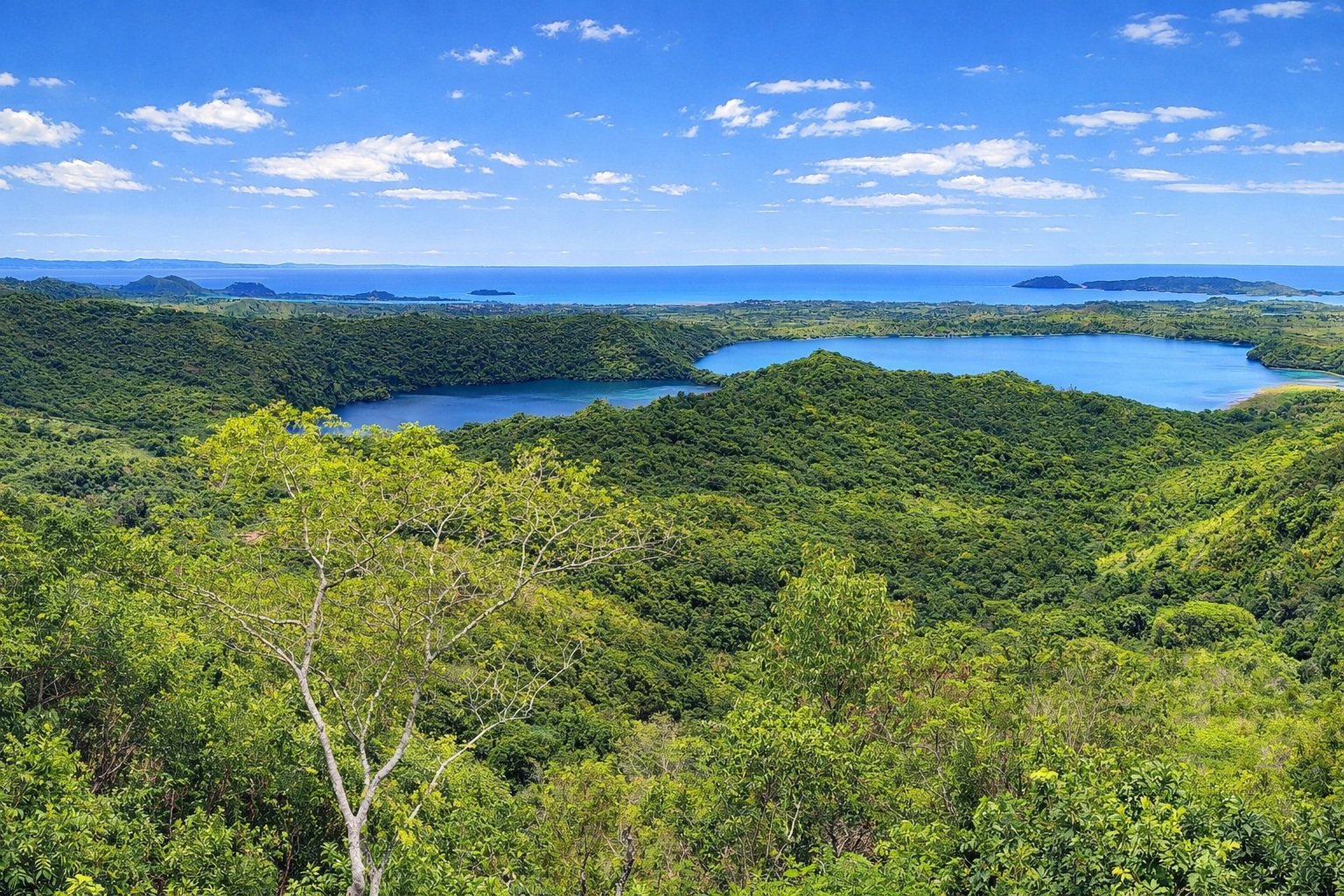
🌿 Madagascar National Parks: Quick Overview
Madagascar’s national parks protect some of the most unique ecosystems on Earth, from rainforest habitats filled with lemurs to dramatic limestone formations and remote coastal reserves.
This guide covers:
• The most important national parks in Madagascar
• Where to see lemurs and endemic wildlife
• The best parks for hiking, landscapes, and biodiversity
• How to choose parks based on your itinerary and region
• Entry fees, guide requirements, and practical logistics
• When to visit and how conditions affect your experience
To plan your route, see this Madagascar itinerary, understand how travel works across the island, and estimate your budget with this Madagascar travel cost guide.
Madagascar National Parks: What to Expect and Why They Matter
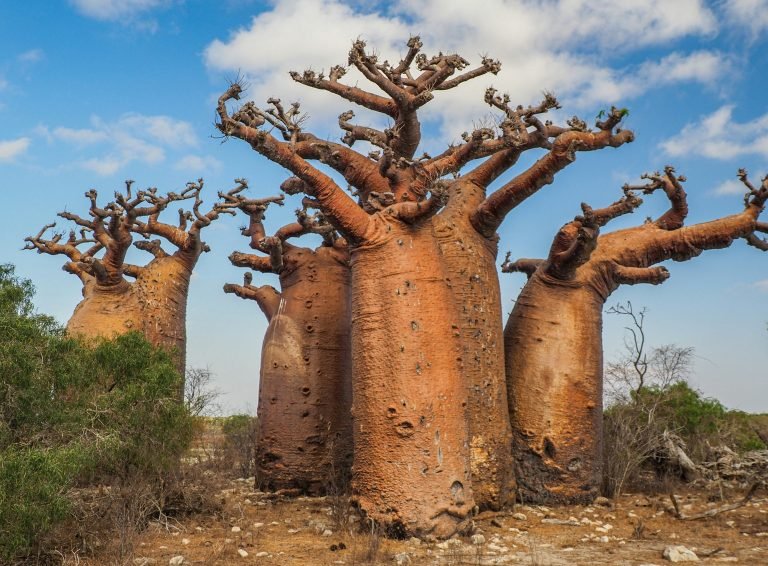
Madagascar national parks are not just another stop on your itinerary, they are the core of the entire travel experience. Most people come to the island specifically to see its wildlife and landscapes, and that means your trip will largely revolve around which parks you choose and how you move between them. Lemurs, chameleons, baobabs, rainforest trails, and otherworldly rock formations are not spread evenly across the country. They are concentrated inside these protected areas, and each park offers something completely different.
The first thing to understand is that Madagascar national parks are not easy, plug-and-play destinations. Access is often slow, roads can be rough, and distances between regions are much larger than they appear on a map. You cannot realistically visit “everything,” and trying to do so will quickly turn your trip into long travel days with limited time on the ground. Most travelers will have a far better experience by choosing a small number of parks that fit their route and focusing on those.
Logistics also work differently here than in many other countries. Almost all Madagascar national parks require you to hire a certified local guide, not just for safety, but because wildlife is difficult to spot without expert help. Entry fees are standardized, but conditions inside the parks vary depending on the season. Rain can make trails muddy or inaccessible, while dry periods can change the type of wildlife you are likely to see. Planning around these factors is essential if you want to get the most out of each visit.
What makes Madagascar national parks so special is the level of diversity you can experience across a single trip. In Andasibe, you are walking through humid rainforest listening for the call of the indri. In Isalo, you are hiking through sandstone canyons, natural pools, and open savanna landscapes. In Tsingy de Bemaraha, you are navigating sharp limestone pinnacles unlike anything else in the world. Each park feels like a completely different country, which is why choosing the right combination matters more than simply adding more stops.
If you approach Madagascar national parks with the right expectations, they become the highlight of your trip rather than a logistical challenge. Focus on a realistic route, understand the travel time involved, and prioritize the parks that match your interests. That approach will give you a far deeper and more rewarding experience than trying to rush through as many locations as possible.
Best National Parks in Madagascar: Where to Go and What to See
Choosing the best Madagascar national parks is one of the most important decisions you will make when planning your trip. The island is vast, travel is slow, and each park offers a completely different experience. Rather than trying to see everything, the key is to pick a combination of parks that fits your route and gives you variety in landscapes, wildlife, and activities.
Most travelers should choose parks based on what they want to experience:
• For easy access and guaranteed wildlife sightings: Andasibe-Mantadia National Park
• For rainforest trekking and biodiversity: Ranomafana National Park
• For landscapes, hiking, and natural pools: Isalo National Park
• For unique formations and adventure: Tsingy de Bemaraha National Park
• For remote rainforest and coastal wilderness: Masoala National Park
• For dry forest ecosystems and fewer crowds: Ankarafantsika National Park
These parks are spread across different regions of the island, and distances between them are significant. Some, like Andasibe, can be reached within a few hours from Antananarivo, making them ideal for shorter trips. Others, such as Tsingy de Bemaraha or Masoala, require multiple days of travel, rough roads, or even domestic flights. Because of this, your itinerary should guide your park selection, not the other way around.
The most visited Madagascar national parks tend to be those that combine accessibility with strong wildlife experiences. Andasibe-Mantadia and Ranomafana are known for their high chances of seeing lemurs and other endemic species in dense rainforest environments. Isalo stands out for its completely different setting, with sandstone canyons, viewpoints, and swimming spots that feel closer to a desert landscape than a jungle.
More remote parks offer a different kind of reward. Places like Masoala, Marojejy, and Ankarafantsika see fewer visitors and feel far more untouched, but they require more planning, flexibility, and time. These parks are best suited for travelers who want a deeper, less structured experience and are comfortable with more complex logistics.
The following sections break down the most important Madagascar national parks in detail, helping you understand what makes each one unique, how to visit, and how to combine them into a realistic route across the island.
📍 Madagascar National Parks Map: Where to Go Across the Island
Isalo National Park Madagascar: Canyons, Natural Pools and Easy Hiking
Why most travelers choose Isalo National Park:
• The most accessible “landscape park” in Madagascar
• Dramatic canyons, rock formations, and wide-open scenery
• Natural swimming pools built into hiking routes
• Easier hiking compared to rainforest parks
• Fits perfectly into the RN7 travel route
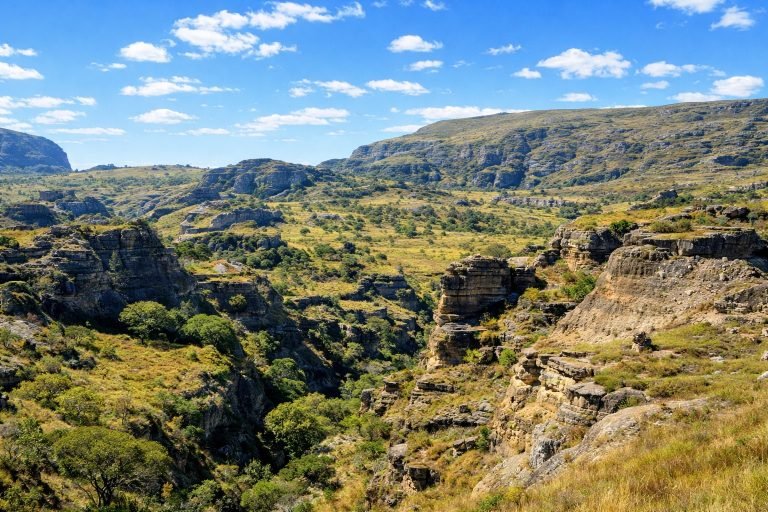
For many travelers, Isalo National Park is the most visually striking of all Madagascar national parks. Instead of dense rainforest, this is a landscape defined by sandstone massifs, open plateaus, deep canyons, dry grasslands, and hidden oases. The contrast alone makes it one of the most memorable stops in the country.
What sets Isalo apart is how quickly it delivers. You do not need long treks or complex logistics to start enjoying the park. Trails lead almost immediately into narrow gorges, sculpted rock formations, and elevated viewpoints. Along the way, natural pools provide places to rest and swim, which adds a completely different rhythm compared to parks focused purely on forest trekking.
Wildlife is still present, with lemurs, birds, reptiles, and endemic plant species found throughout the park. However, Isalo is less about searching and more about experiencing. Even without extensive wildlife sightings, the scenery alone makes the visit worthwhile, which is not always the case in more forest-heavy parks.
One of Isalo’s biggest advantages is how easily it fits into a broader itinerary. Located along the RN7, it pairs naturally with destinations such as Ranomafana and the Anja Community Reserve, making it one of the most practical Madagascar national parks to include in an overland route through the south.
If you are looking for a park that delivers strong visuals, manageable hiking, and straightforward access, Isalo is often one of the best choices. It may not be the most remote or wildlife-focused destination, but it offers one of the most complete and accessible experiences on the island.
Tsingy de Bemaraha National Park Madagascar: Limestone Peaks and Extreme Landscapes
Who should visit Tsingy de Bemaraha National Park:
• Travelers looking for the most unique landscape in Madagascar
• Those comfortable with heights, ladders, and suspension bridges
• Itineraries that include Morondava and the west coast
• Travelers with enough time for slow, challenging overland travel
• People prioritizing experience over convenience
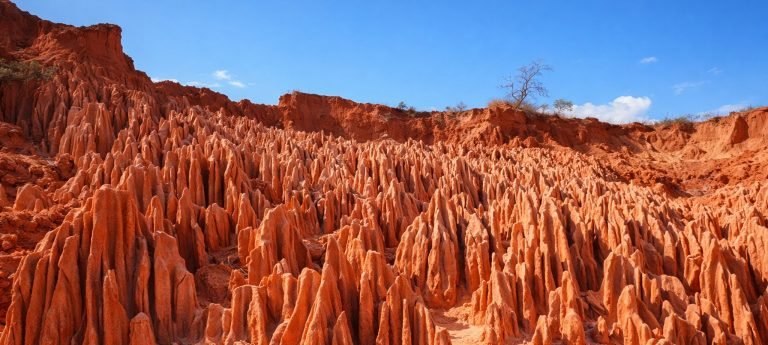
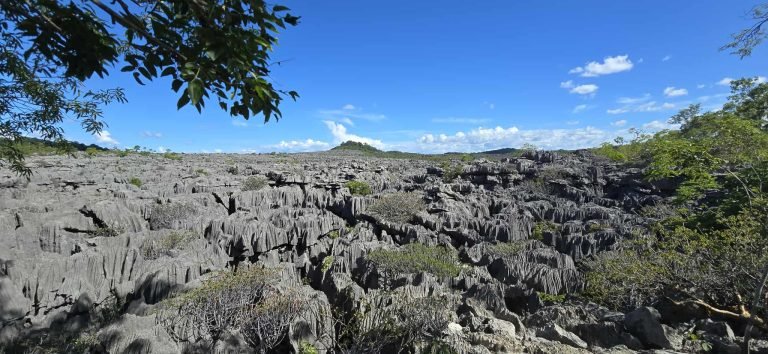
Tsingy de Bemaraha National Park is one of the most extreme and visually unique Madagascar national parks. Instead of rainforest or open landscapes, this UNESCO-listed site is defined by dense fields of razor-sharp limestone pinnacles known as tsingy. The formations create a jagged, almost impenetrable terrain that feels completely different from anywhere else on the island.
Visiting Tsingy is not a passive experience. Exploring the park involves climbing through narrow rock corridors, crossing suspension bridges, and navigating exposed sections high above the ground. Some routes require a solid level of fitness and a willingness to deal with heights, making this one of the most physically engaging parks in Madagascar.
Despite the harsh environment, the park supports a surprising range of wildlife. Lemurs, birds, and reptiles have adapted to this fragmented limestone habitat, and guided walks help reveal species that would be almost impossible to spot independently. As in all Madagascar national parks, a certified guide is required, and in Tsingy, their role is essential for both safety and navigation.
Getting to Tsingy de Bemaraha is a major part of the experience. Most travelers access the park from Morondava, following long overland routes that include rough roads and river crossings. Travel conditions vary significantly depending on the season, and during the rainy months, access may be limited or completely cut off.
Because of the effort required, fewer travelers make it to Tsingy compared to parks like Andasibe or Isalo. But for those who do, it delivers one of the most memorable and distinctive experiences in Madagascar. If your itinerary allows for the time and logistics, it is one of the most rewarding parks to include.
Masoala National Park Madagascar: Remote Rainforest and Untouched Nature
Who should visit Masoala National Park:
• Travelers looking for the most untouched rainforest experience in Madagascar
• Those willing to trade convenience for immersion and isolation
• Longer itineraries with time for slow travel and multi-day stays
• Nature-focused trips prioritizing biodiversity over accessibility
• Travelers comfortable with basic infrastructure and flexible logistics
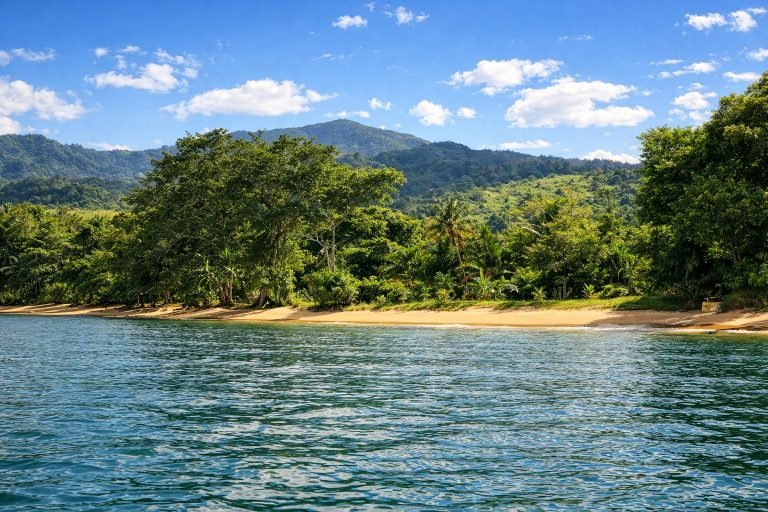
Masoala National Park is the largest protected area among Madagascar national parks and one of the most remote. Located in the northeast, it combines dense tropical rainforest with a rugged coastline, creating a rare environment where jungle meets the ocean. This combination alone makes it one of the most distinctive ecosystems on the island.
Reaching Masoala requires effort, and that is exactly why it remains so special. Most routes involve a mix of domestic flights, boat transfers, or long overland journeys, depending on where you start. Infrastructure is limited, transport schedules are not always predictable, and planning requires flexibility. The upside is that very few travelers make it here, which preserves a strong sense of isolation.
The park is known for its exceptional biodiversity. Lemurs, reptiles, birds, and endemic plant species thrive in an environment that remains largely undisturbed. Compared to more accessible Madagascar national parks, wildlife encounters here feel less structured and more natural, with fewer crowds and a deeper sense of being in a truly wild setting.
Masoala is not about quick visits or short hikes. The experience is built around spending time in the environment, often through guided walks, boat trips along the coast, and multi-day stays in remote lodges. The slower pace allows you to fully experience the rainforest rather than simply passing through it.
If your priority is convenience, Masoala may not be the right choice. But if you are looking for one of the most authentic and immersive Madagascar national parks, and you have the time to handle the logistics, it offers one of the most rewarding experiences on the island.
Ranomafana National Park Madagascar: Rainforest, Lemurs and Biodiversity
Why Ranomafana National Park is one of the best wildlife parks in Madagascar:
• One of the highest chances of seeing multiple lemur species
• Dense rainforest with rich biodiversity and constant wildlife activity
• Day and night walks for completely different experiences
• Easy to include on the RN7 travel route
• Strong balance between accessibility and depth
Ranomafana National Park is one of the most rewarding Madagascar national parks for travelers focused on wildlife. Located in the southeastern highlands along the RN7 route, it is known for its dense rainforest, exceptional biodiversity, and consistent opportunities to see lemurs in their natural habitat.
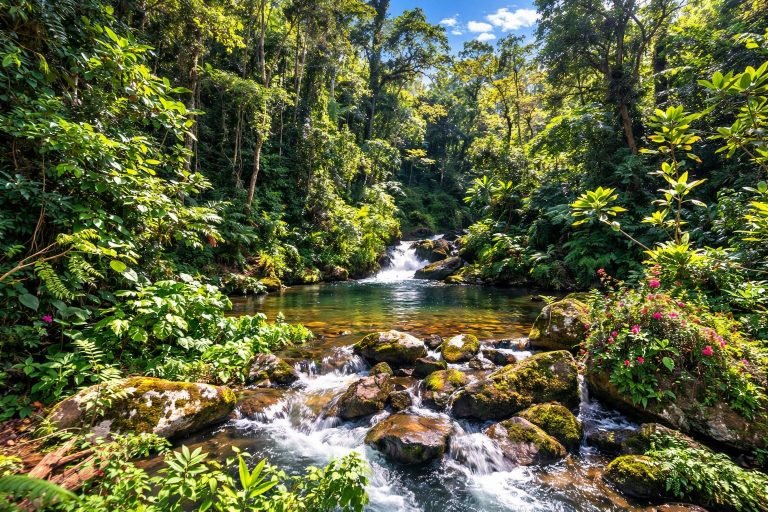
The environment here is completely different from parks like Isalo. Instead of open landscapes, Ranomafana is humid, green, and layered with thick vegetation. Rivers cut through the forest, trails wind under a dense canopy, and mist often settles over the hills, creating a setting that feels immersive from the moment you enter the park.
Wildlife is the main reason to visit. The park is home to several lemur species, including rare and endangered ones, along with chameleons, frogs, birds, and a wide range of endemic plants. Guided walks are essential, and they significantly increase your chances of spotting animals that would otherwise remain hidden. Night walks are particularly worthwhile, as they reveal species that are rarely seen during the day.
Ranomafana is also one of the easier Madagascar national parks to include in a broader itinerary. Its location along the main southern route makes it a natural stop between Antananarivo and Isalo, and it pairs well with other destinations in this region without requiring major detours.
If your priority is wildlife and rainforest immersion, Ranomafana is one of the most reliable choices on the island. It offers a strong combination of accessibility, biodiversity, and consistent sightings, making it one of the most important parks to include in a well-balanced Madagascar itinerary.
Andasibe-Mantadia National Park Madagascar: Closest Rainforest to the Capital
Why Andasibe-Mantadia is the best first national park in Madagascar:
• Closest rainforest park to Antananarivo (easy access)
• One of the highest chances of seeing lemurs, including the indri
• Ideal for short trips or first-time visitors
• Well-established trails and infrastructure
• Day and night walks with consistent wildlife sightings
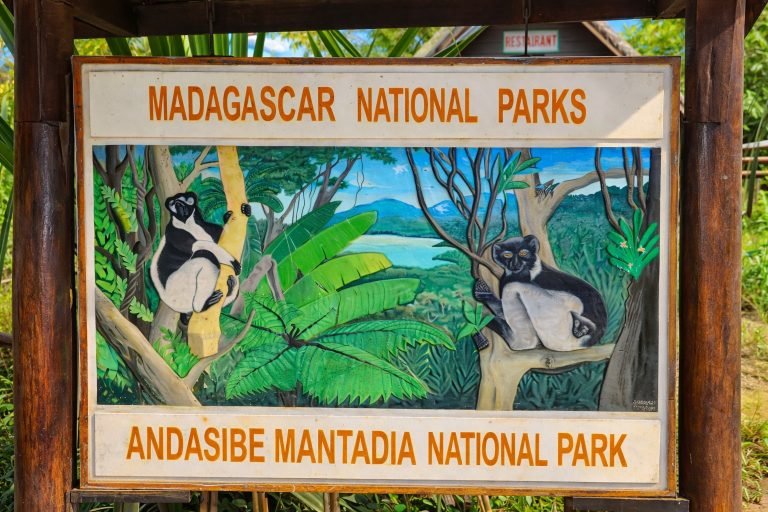
Andasibe-Mantadia National Park is one of the most accessible and reliable Madagascar national parks, located just a few hours east of Antananarivo. For many travelers, this is the first real introduction to Madagascar’s rainforest environment and its endemic wildlife, making it one of the most practical parks to include even on shorter itineraries.
The park is best known for its lemurs, especially the indri, the largest living lemur species. Their calls carry through the forest and are often heard before you see them, creating one of the most distinctive wildlife experiences on the island. If you want a broader understanding of the species found here, this Madagascar wildlife guide helps put these encounters into context.
The environment is dense, humid, and filled with life. Tall trees, thick vegetation, and well-marked trails make exploration relatively straightforward compared to more remote Madagascar national parks. You do not need long travel days or complex logistics to experience the rainforest here, which is a major advantage for first-time visitors.
Wildlife viewing is one of the strongest points of Andasibe-Mantadia. Guided walks during the day and at night reveal not only lemurs, but also chameleons, frogs, insects, and endemic birds. The combination of biodiversity and accessibility means you are far more likely to have successful sightings here than in many harder-to-reach parks.
If you are looking for a high-probability wildlife experience with minimal logistical effort, Andasibe-Mantadia is one of the best choices among Madagascar national parks. It is often the easiest way to experience the island’s biodiversity without committing to long and complex travel routes.
Ankarafantsika National Park Madagascar: Dry Forest and Fewer Crowds
Why choose Ankarafantsika National Park:
• One of the best dry forest ecosystems in Madagascar
• Far fewer visitors than rainforest parks
• Strong wildlife sightings, especially birds and lemurs
• Easier, quieter trails with a more relaxed pace
• Ideal for travelers exploring beyond the main routes
Ankarafantsika National Park is one of the more overlooked Madagascar national parks, but it offers a completely different experience compared to the better-known rainforest destinations. Located in the northwest, the park is defined by dry deciduous forest, open terrain, and a much quieter atmosphere.
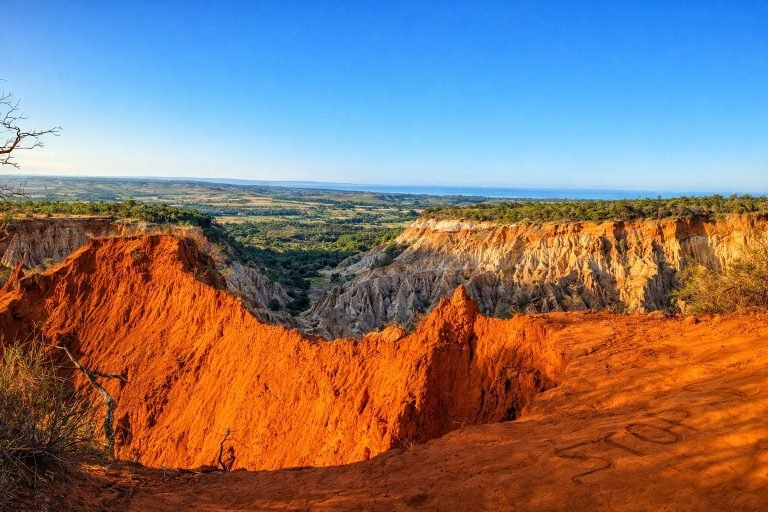
The shift in environment changes the entire experience. Instead of dense, humid jungle, you are walking through drier landscapes with red earth, scattered trees, and seasonal lakes. This makes visibility better in many areas, which can improve wildlife spotting and creates a more relaxed hiking experience.
Wildlife remains a strong reason to visit. The park is home to several lemur species, along with a wide variety of birds, reptiles, and endemic plant life adapted to these conditions. It is particularly appealing for birdwatchers, as the diversity and visibility are often better than in thicker rainforest environments.
Trails in Ankarafantsika are generally less crowded and easier to navigate, which allows you to explore at a slower pace. Compared to more popular Madagascar national parks, you are far less likely to encounter large groups, giving the visit a more personal and uninterrupted feel.
Getting here usually involves traveling north from Antananarivo toward Mahajanga, which means it is not included in most standard itineraries. However, for travelers with additional time or those looking to go beyond the classic routes, it offers a rewarding alternative.
If your goal is to experience Madagascar’s diversity without dealing with crowds, Ankarafantsika is one of the most underrated national parks on the island and a strong addition to a well-planned itinerary.
Other National Parks in Madagascar: Lesser-Known but Worth Visiting
Consider these lesser-known parks if you want something beyond the classic route:
• Marojejy National Park for remote rainforest and serious trekking
• Andringitra National Park for mountains and multi-day hikes
• Amber Mountain National Park for waterfalls and easy northern access
• Kirindy and western reserves for dry forest and nocturnal wildlife
• Ideal for longer trips or second visits to Madagascar
Beyond the main Madagascar national parks, several lesser-known destinations offer equally rewarding experiences for travelers willing to go further. These parks are not typically included in standard itineraries, but they showcase the full ecological range of the island and often feel more remote and untouched.
Marojejy National Park in the northeast is one of the most pristine rainforest environments in Madagascar. It is known for steep terrain, dense vegetation, and high biodiversity, but visiting requires time, planning, and a willingness to take on more challenging trekking routes.
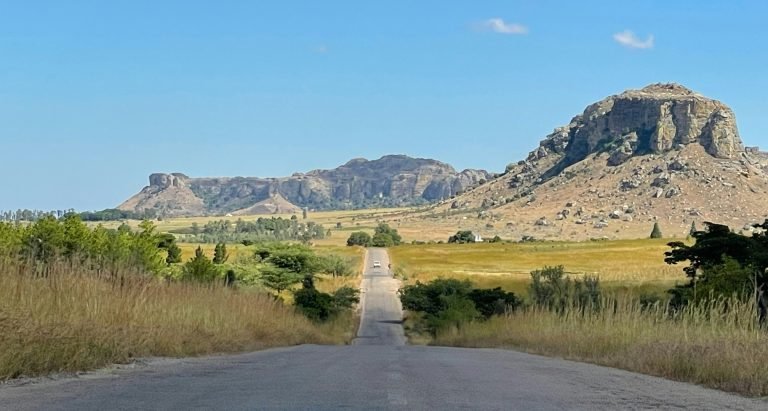
Andringitra National Park offers a completely different setting, with highland landscapes, cooler temperatures, and some of the best hiking opportunities in the country. It is particularly suited to travelers looking for multi-day treks and panoramic views rather than short, easy walks.
Amber Mountain National Park, located in the north near Diego Suarez, is more compact and easier to access. It combines rainforest, waterfalls, and volcanic features in a smaller area, making it a good option if you want a concentrated wildlife experience without long travel times.
In the west, Kirindy and nearby reserves focus on dry forest ecosystems and nocturnal wildlife. These areas are among the best places to look for the fossa, Madagascar’s top predator, along with other species that are rarely seen during the day.
These parks highlight how diverse Madagascar national parks really are. They may not attract as many visitors as Andasibe or Isalo, but for travelers with more time or specific interests, they can offer some of the most distinctive and memorable experiences on the island.

National Park Fees, Guides and How Visits Work in Madagascar
How visiting Madagascar national parks actually works:
• You pay an entry fee per person, per day
• A certified guide is mandatory in almost every park
• Guide fees are per group, not per person
• Costs increase with longer or more complex routes
• Tipping is expected but remains moderate
Visiting Madagascar national parks works differently from many other destinations. You cannot simply enter and explore on your own. Access is structured, guides are required, and total costs come from a combination of park fees, guide services, and optional extras depending on the experience you choose.
Entry fees are charged per person and per day, and they vary slightly depending on the park. In most cases, you can expect to pay between 45,000 and 65,000 Ariary, roughly equivalent to 10 to 15 USD. These fees are paid at the park entrance or official ticket office and are separate from any guiding costs.
Guides are mandatory in almost all Madagascar national parks, and this is not just a formality. Wildlife can be difficult to spot without local knowledge, and trails are not always clearly marked. Guide fees are usually charged per group rather than per person, with typical rates ranging from 60,000 to 160,000 Ariary for standard visits depending on the park and route.
Costs increase for more complex experiences. Multi-day treks or remote parks such as Masoala require additional logistics, support, and time, which can push total guide costs from around 800,000 Ariary to well over 2,000,000 Ariary depending on the setup.
Tipping is expected and generally appreciated. A common guideline is around 10,000 Ariary per day for your guide, adjusted based on the quality of the experience and group size.
It is also important to separate what is included and what is not. Entry tickets and guide fees are paid separately, and some parks may charge additional fees for specific circuits, equipment, or transport within the area.
Because these costs add up across multiple visits, national parks often become a significant part of your overall travel budget. For a complete breakdown of how these expenses fit into your trip, see this Madagascar travel cost guide.
Best National Parks in Madagascar Based on Your Travel Style
Choose your parks based on how you want to travel:
• First trip with limited time: Andasibe-Mantadia
• Scenic landscapes and relaxed hiking: Isalo
• Rainforest and high wildlife density: Ranomafana
• Adventure and unique terrain: Tsingy de Bemaraha
• Remote and immersive experience: Masoala
• Fewer crowds and alternative routes: Ankarafantsika
With so many Madagascar national parks to choose from, the best approach is not to look for “the best park,” but the best combination for your travel style. Distances are large and travel is slow, so your experience will depend more on smart selection than on the total number of parks you visit.
For first-time visitors, Andasibe-Mantadia is often the most practical starting point. It is close to the capital, easy to access, and offers a high probability of seeing lemurs and other wildlife without complicated logistics. It works especially well for shorter trips or as an introduction to Madagascar’s ecosystems.
If your focus is scenery and hiking rather than wildlife tracking, Isalo is one of the strongest choices. Its canyons, rock formations, and natural pools create a visually striking environment, and the trails are more accessible than in many rainforest parks.
For a deeper rainforest experience, Ranomafana stands out for biodiversity. Guided walks here focus on lemurs, reptiles, and endemic species, making it one of the most reliable parks for wildlife sightings in a dense forest setting.
Tsingy de Bemaraha is best suited to travelers looking for something more physically engaging. It combines hiking, climbing, and exposed terrain in a way that is completely different from other Madagascar national parks, but it requires time, effort, and comfort with more challenging conditions.
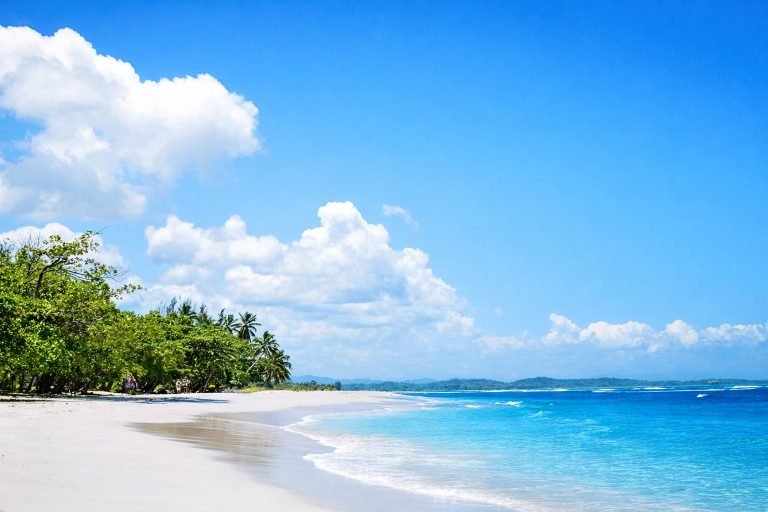
If you are aiming for a more remote and immersive experience, Masoala offers one of the most untouched environments on the island. It requires more planning and flexibility, but rewards you with a deeper connection to Madagascar’s rainforest and coastline.
For travelers who want to avoid the main routes, Ankarafantsika provides a quieter alternative. Its dry forest landscapes, lighter crowds, and good wildlife visibility make it a strong option if you are exploring beyond the standard itinerary.
If you are unsure how to combine these Madagascar national parks into a single route, this Madagascar itinerary will help you connect destinations and build a realistic plan.
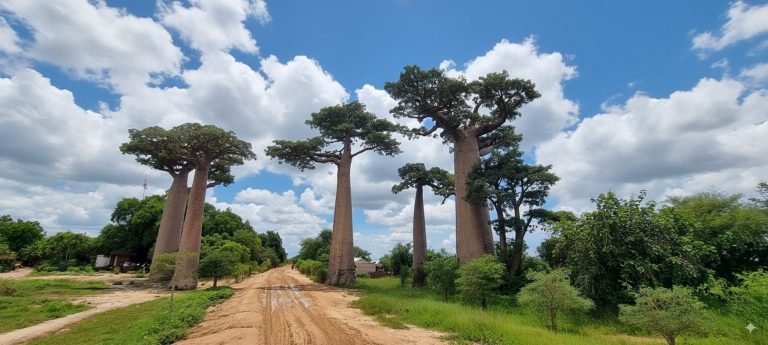
Essential Tips for Visiting Madagascar National Parks
Key tips for visiting Madagascar national parks:
• Start early to maximize wildlife sightings
• Build flexibility into your itinerary for weather and road conditions
• Wear proper footwear and prepare for mud, heat, or humidity
• Expect to rely on local guides for navigation and wildlife spotting
• Plan for limited connectivity in remote areas
Visiting Madagascar national parks can be one of the most rewarding parts of your trip, but conditions vary significantly depending on location, season, and accessibility. A few practical decisions can make the difference between a smooth experience and unnecessary frustration.
Starting early is one of the simplest ways to improve your visit. Wildlife is most active in the morning and late afternoon, especially in rainforest parks. Midday heat can reduce activity and make hiking more tiring, particularly in exposed areas like Isalo.
Weather plays a major role in how accessible parks are. Rain can quickly affect road conditions and, in some regions, make access difficult or temporarily impossible. This is especially important during the wet season, when flexibility becomes essential rather than optional.
Preparation matters more than it might seem. Trails can be muddy, uneven, or slippery depending on the park, so proper footwear is essential. Lightweight clothing works best in humid environments, while basic rain protection is useful in rainforest areas where conditions can change quickly.
Guides are not optional in most Madagascar national parks, and they are a key part of the experience. Beyond meeting requirements, they significantly improve your chances of spotting wildlife and navigating the terrain efficiently. A small tip is expected and should be factored into your budget.
Connectivity is limited in many parks, particularly in remote regions. Mobile signal can be inconsistent or unavailable, so downloading offline maps in advance is a practical step. When coverage exists, using a reliable option like this international eSIM can help you stay connected.
Travel insurance is strongly recommended when visiting Madagascar national parks. Many locations involve hiking, remote travel, and limited access to medical facilities. Having coverage adds an extra layer of security, and you can compare options in this travel insurance guide.
Continue Planning Your Madagascar Trip
Exploring Madagascar’s national parks is often the highlight of a trip, but choosing the right parks is only one part of building a route that actually works. Travel distances are long, conditions vary, and how you connect destinations will shape your entire experience.
To map out a realistic journey, start with this Madagascar itinerary planner, which shows how key regions and parks fit together. From there, understanding transport and travel logistics across the island will help you set expectations for travel times and route planning.
Seasonal timing plays a major role in both access and wildlife activity. Before locking in your plans, check when to visit Madagascar for the best conditions so you can prioritize parks that are accessible and at their best during your travel window. If you are balancing your route with your budget, this budget breakdown for Madagascar travel explains how park visits, transport, and daily costs add up.
Preparation also makes a big difference once you are on the ground. This packing checklist for Madagascar’s different climates helps you prepare for rainforest humidity, dry landscapes, and coastal conditions, while this entry requirements and visa guide ensures you arrive without issues.
Many national parks are closely tied to specific regions, so it helps to plan geographically. If you are heading north, planning a northern Madagascar route connects destinations like Amber Mountain and Masoala. For central routes, exploring the highlands and capital region works well with parks like Andasibe. In the west, traveling the western side of Madagascar adds context for places like Ankarafantsika, while building a southern Madagascar itinerary naturally includes Isalo.
If wildlife is your main focus, this where to see lemurs in Madagascar guide helps you match species to locations, while this complete overview of Madagascar’s wildlife gives a broader picture of what to expect across different ecosystems. To bring everything together, you can also explore the full Madagascar destination guide, which connects parks, regions, and experiences into one structure.
Finally, choosing where to stay can affect how easily you access each park. This Madagascar accommodation guide helps you find the right base depending on your route, travel style, and proximity to key national parks.
Madagascar National Parks FAQ
• How many national parks are there in Madagascar?
Madagascar has more than 40 national parks and protected areas, covering ecosystems such as rainforest, dry forest, mountains, and coastal zones. Many of the most visited Madagascar national parks are concentrated along the eastern rainforest belt and the southern RN7 route.
• Which Madagascar national park is best for seeing lemurs?
Andasibe-Mantadia and Ranomafana are widely considered the best Madagascar national parks for seeing lemurs. Both offer high biodiversity and strong chances of spotting multiple species during guided walks, including rare and endemic lemurs.
• What are the best national parks in Madagascar for first-time visitors?
For a first trip, Andasibe-Mantadia, Ranomafana, and Isalo are among the best choices. They combine accessibility, strong wildlife or landscape experiences, and fit well into common travel routes without requiring complex logistics.
• Are Madagascar national parks easy to visit?
Some Madagascar national parks are relatively easy to visit, especially those near Antananarivo or along main routes like the RN7. Others, such as Tsingy de Bemaraha or Masoala, require long travel times, rough roads, or additional planning.
• Do you need a guide in Madagascar national parks?
Yes, guides are mandatory in most Madagascar national parks. Certified local guides help with navigation and significantly improve wildlife spotting. Guide fees are charged separately from park entrance tickets.
• How much do Madagascar national parks cost?
National park entrance fees in Madagascar are typically between 45,000 and 65,000 Ariary per person per day. Guide fees vary depending on the park and route, but are usually charged per group and can increase for longer or more complex visits.
• Which Madagascar national park is best for landscapes and hiking?
Isalo National Park is one of the best Madagascar national parks for landscapes and hiking. It is known for sandstone canyons, viewpoints, natural swimming pools, and relatively accessible trails compared to rainforest parks.
• Which Madagascar national park is the hardest to visit?
Tsingy de Bemaraha and Masoala are among the most difficult Madagascar national parks to reach. Both involve long travel times, challenging access conditions, and a strong dependence on weather and logistics.
• What is the best time to visit Madagascar national parks?
The best time to visit Madagascar national parks is generally during the dry season, from April to November. Conditions are more stable, access is easier, and wildlife viewing is more consistent compared to the rainy season.
• Can you visit Madagascar national parks without a tour?
Yes, you can visit most Madagascar national parks independently without booking a full tour, but you will still need to hire a local guide at the park entrance. Organized tours are optional but can simplify logistics for remote areas.
• Which Madagascar national parks are best for wildlife photography?
Andasibe-Mantadia and Ranomafana are among the best Madagascar national parks for wildlife photography due to their high density of lemurs, reptiles, and birds, as well as accessible trails and guided spotting.
• Are Madagascar national parks worth visiting?
Yes, Madagascar national parks are the main reason most travelers visit the island. They offer unique wildlife, endemic species, and landscapes that cannot be found anywhere else in the world.
Travel Resources to Plan, Book & Stay Connected
Use these tools and guides to stay connected abroad, find inspiration for your next trip, and book your flights, stays and gear with confidence.
Disclosure: This article may contain affiliate links. If you make a purchase through a link, I may receive a commission at no extra cost to you. I only share recommendations I believe are genuinely useful, and all opinions are my own. AI was used in this post for research and drafting purposes.

Comment (0)