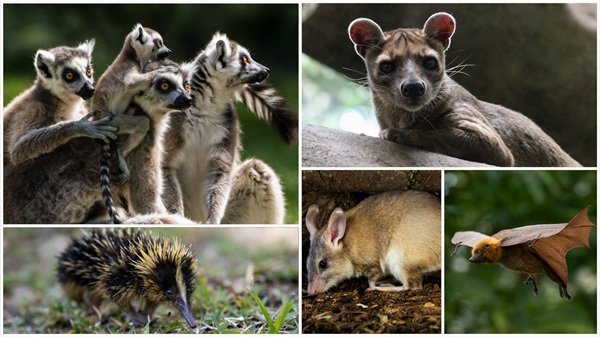
Madagascar Wildlife at a Glance
Madagascar is one of the most extraordinary wildlife destinations on Earth, with an astonishing concentration of animals, reptiles, birds, and plant life found nowhere else.
- Why Madagascar’s wildlife is so unusual and why so many species are endemic to the island
- The most famous animals in Madagascar, including lemurs, fossas, chameleons, geckos, frogs, birds, and tenrecs
- What makes the aye-aye one of the island’s strangest and most misunderstood creatures
- The difference between Madagascar’s mammals, reptiles, amphibians, birds, and smaller endemic species
- Where to see wildlife across the island, from rainforest parks to dry forests and coastal regions
- Which national parks and reserves are best for lemur sightings, reptiles, birdwatching, and nocturnal wildlife
- How Madagascar’s habitats shaped its rare fauna over millions of years of isolation
- What travelers should know about conservation, habitat loss, and responsible wildlife tourism
- The best time of year to see wildlife in different parts of Madagascar
- How this wildlife guide fits into planning a broader trip around the island
If you are planning a wider trip, this guide works best alongside my Madagascar travel guide, which gives the full big-picture view of where to go, how to move around the island, and how to shape an itinerary that actually works. For a more location-based breakdown of where wildlife experiences fit into a trip, it also pairs naturally with my Madagascar national parks guide, especially if you are deciding between rainforest reserves, dry forests, highland landscapes, and coastal areas.
Wildlife travel in Madagascar is also closely tied to season, logistics, and region, so depending on how deeply you are planning, it may also help to read my best time to visit Madagascar guide and my guide to getting around Madagascar. Together, these pages make it much easier to understand not just what wildlife exists here, but where you are most likely to experience it in a realistic trip.
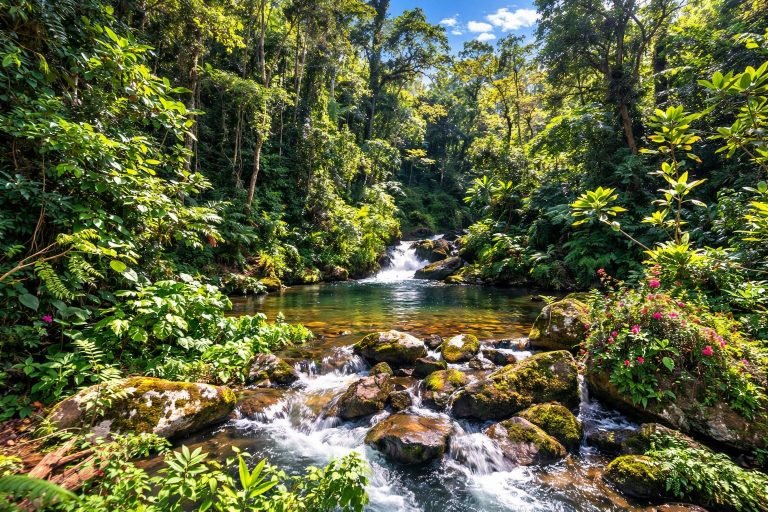
Madagascar Wildlife: Animals, Endemic Species & Where to See Them
Madagascar is not just another wildlife destination — it is one of the most unique ecosystems on Earth. Separated from mainland Africa for around 88 million years, the island evolved in near isolation, creating a world where animals developed in ways found nowhere else. Today, roughly 70 to 90 percent of Madagascar’s wildlife is endemic, meaning it exists only here and nowhere else on the planet.
This is a place where primates evolved into lemurs instead of monkeys, where predators look like a mix between a cat and a mongoose, and where chameleons, frogs, and insects display levels of color, camouflage, and adaptation that feel almost unreal. From the eerie night movements of the aye-aye to the powerful calls of the indri echoing through rainforest canopies, Madagascar’s wildlife is not just diverse — it is deeply distinctive.
At the same time, traveling to see wildlife here comes with a different rhythm. Sightings are not always guaranteed, distances are larger than they appear on a map, and experiences are shaped by nature rather than controlled environments. These challenges are real — but they are also part of what makes wildlife encounters in Madagascar feel so raw, authentic, and rewarding.
Whether you are hoping to see lemurs in the wild, track elusive nocturnal species, or simply understand why Madagascar is considered one of the world’s most important biodiversity hotspots, this guide will walk you through the animals, habitats, and locations that define wildlife on the island — and how to experience them as part of a realistic, well-planned trip.
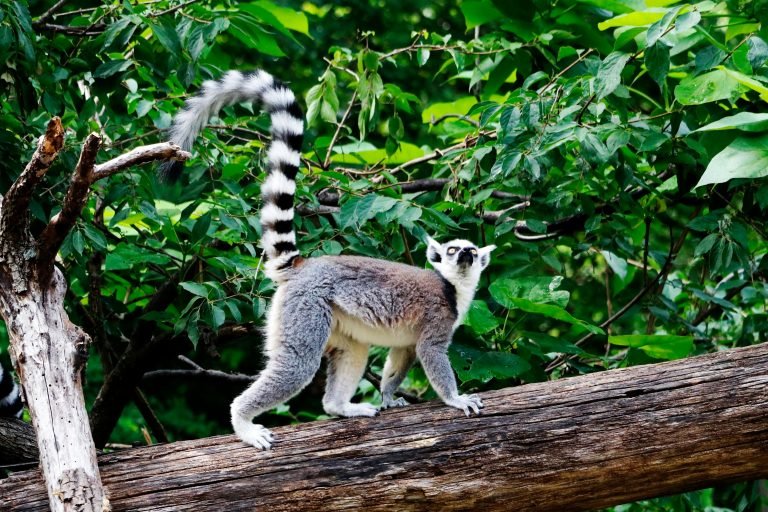
Table of Contents
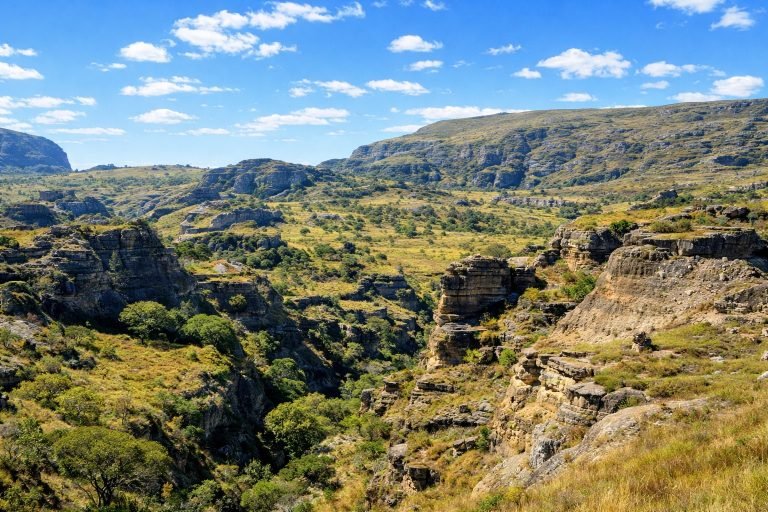
Why Madagascar Wildlife Is So Unique
Madagascar’s wildlife is unlike anything else on Earth, and the reason comes down to one simple but powerful factor: isolation. Around 88 million years ago, the island broke away from the ancient supercontinent Gondwana and drifted into the Indian Ocean, completely cut off from Africa and the rest of the world. From that moment on, evolution followed its own path here, untouched by the pressures and competition found on other continents.
Without large predators like lions or leopards, and without common mammal groups like monkeys or antelope, species adapted in entirely different ways. Primates evolved into lemurs instead of monkeys. Small insect-eating mammals became tenrecs, filling roles similar to hedgehogs or shrews. Even the island’s main predator, the fossa, evolved into something that looks like a cross between a cat and a mongoose, yet belongs to neither group in the way most people expect.
This process, known as adaptive radiation, allowed species to diversify rapidly into many different forms, each occupying its own niche. That is why Madagascar has dozens of lemur species instead of just one, why it holds more than half of the world’s chameleon species, and why even insects and frogs display unusual shapes, colors, and behaviors. It is not just biodiversity — it is highly specialized biodiversity.
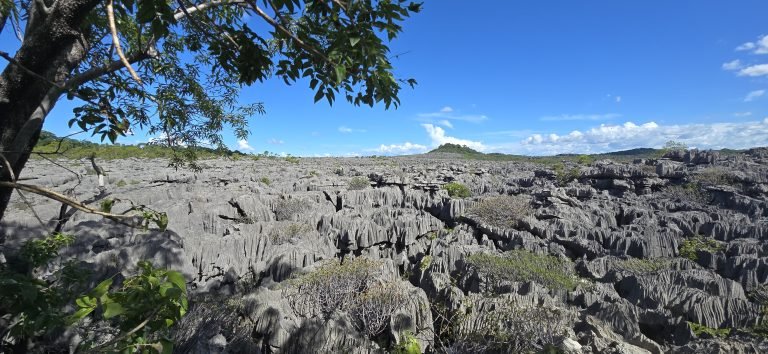
The island’s varied landscapes also play a major role. Rainforests in the east, dry deciduous forests in the west, spiny deserts in the south, and highland plateaus in the center each support completely different ecosystems. Traveling across Madagascar often feels like moving between separate natural worlds, each with its own set of species and ecological balance.
Understanding this context changes how you experience wildlife here. You are not just spotting animals — you are stepping into an isolated evolutionary system that has been developing independently for millions of years. That is what makes Madagascar not just a destination for wildlife, but one of the most important biodiversity hotspots on the planet.
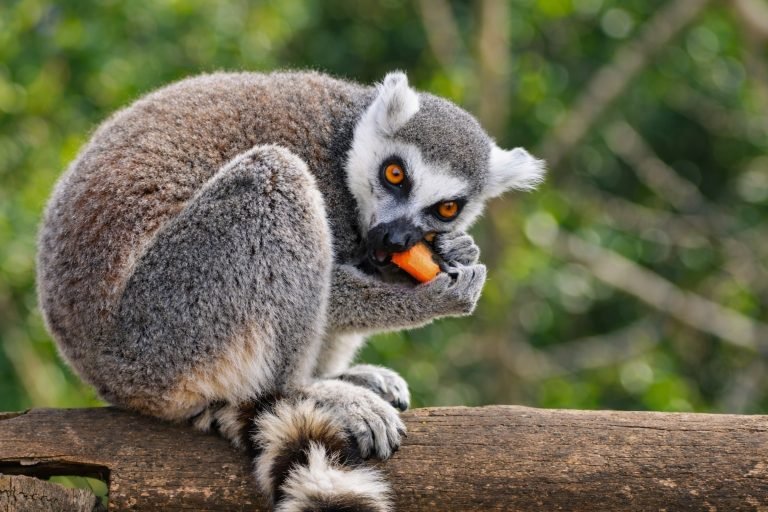
Madagascar Wildlife List: Animals You Can Find on the Island
Madagascar’s wildlife is not just diverse — it is highly specialized, with most species adapted to very specific habitats. Understanding what these animals are, how they live, and where to find them makes a huge difference when planning a trip. The overview below expands on the main groups of animals found on the island, giving you a clearer idea of what to expect in each category.
Mammals
- Lemurs – Madagascar’s most famous animals, these primates evolved in isolation and exist nowhere else. They range from tiny mouse lemurs to large indri and sifakas. Most are arboreal and live in forests, feeding on fruit, leaves, nectar, and insects. The best places to see them are rainforest parks like Andasibe and Ranomafana, although some species are found in dry forests and southern regions.
- Aye-aye – A nocturnal lemur with a highly specialized feeding method, using its long middle finger to extract insect larvae from trees. It lives in dense forest areas, mostly in eastern Madagascar, and is extremely difficult to spot without a guided night walk. Its diet consists mainly of insects, but also fruit and seeds.
- Fossa – The island’s top predator, resembling a mix between a cat and a mongoose. It is an agile climber that hunts lemurs and other small animals, often in trees. Fossas are found mainly in western dry forests such as Kirindy, but sightings are rare due to their elusive nature.
- Tenrecs – A highly diverse group of small mammals that occupy ecological roles similar to hedgehogs, shrews, and even otters. Some species are spiny, others smooth and aquatic. They are mostly insectivores and are found across different habitats, from rainforests to dry regions.
- Giant jumping rat – A rare endemic rodent found in western Madagascar. It is known for its powerful hind legs, allowing it to leap long distances. This nocturnal species feeds on seeds and plant material and is typically found in dry deciduous forests.
- Bats – Madagascar hosts several endemic bat species, which play an important role in pollination and seed dispersal. They are found throughout the island in caves, forests, and even urban areas, feeding on insects, fruit, or nectar depending on the species.
Reptiles
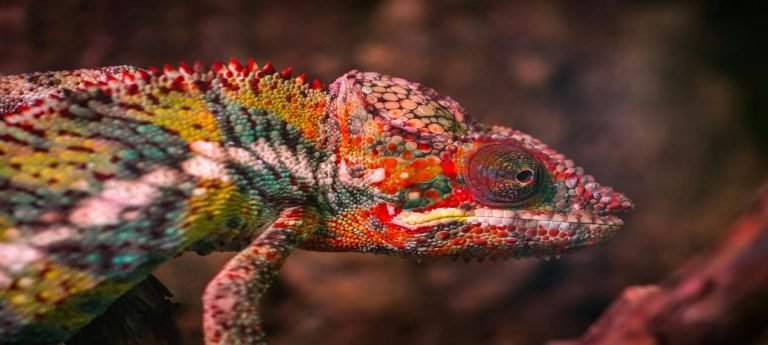
- Chameleons – Madagascar is home to more than half of the world’s chameleon species. These reptiles are famous for their color-changing abilities and slow, deliberate movement. They feed mainly on insects and are found in a wide range of habitats, from rainforests to dry forests. Some species, like Parson’s chameleon, grow quite large, while others like Brookesia are tiny and live on the forest floor.
- Leaf-tailed geckos – Masters of camouflage, these geckos resemble bark or dead leaves and are extremely difficult to spot. They are nocturnal and feed on insects, living mostly in rainforest environments where their camouflage is most effective.
- Day geckos – Bright green and active during daylight hours, these geckos are often easier to spot. They feed on insects and nectar and are commonly seen on trees and even around buildings in some regions.
- Snakes – Madagascar’s snakes are generally non-venomous and pose little threat to humans. Many species are boas or colubrids, feeding on small mammals, birds, or reptiles. They are found across different habitats, although sightings are relatively uncommon.
- Ploughshare tortoise – One of the rarest tortoises in the world, critically endangered and heavily protected. It lives in limited areas of northwestern Madagascar and feeds mainly on vegetation.
Amphibians
- Mantella frogs – Small, brightly colored frogs often compared to poison dart frogs. Their vivid colors signal toxicity to predators. They are mostly found in rainforest environments and feed on small insects.
- Tree frogs – Common in humid eastern forests, these frogs are often heard before they are seen. They feed on insects and thrive in areas with abundant moisture.
- Endemic frog species – Madagascar has hundreds of frog species, many of which are restricted to very specific locations. These amphibians are highly sensitive to environmental changes and are often indicators of ecosystem health.
Birds
- Vangas – A unique bird family found only in Madagascar, with species that have evolved into different shapes and feeding styles. Some hunt insects, while others feed on fruit or small animals, and they are found mainly in forest environments.
- Couas – Ground-dwelling birds with long tails and striking eye markings. They are often seen moving quietly through forests and feed on insects and small prey.
- Madagascar fish eagle – One of the rarest birds of prey in the world, found near lakes and coastal areas. It feeds primarily on fish and is critically endangered.
- Ground rollers and asities – Forest specialists known for their unique appearance and behavior. These birds are often found in rainforest environments and can be difficult to spot.
- Endemic bird species – Madagascar has a high number of endemic birds, making it a significant destination for birdwatchers. Many species are tied to specific habitats, particularly forests and wetlands.
Insects and Invertebrates
- Giraffe-necked weevil – A striking insect with an elongated neck used in mating displays and nest building. It is commonly found in forested areas and feeds on plant material.
- Leaf insects and stick insects – Experts in camouflage, these insects resemble leaves or twigs to avoid predators. They are mostly herbivorous and found in forest environments.
- Flatid leaf bugs – Often mistaken for plant growth, these insects blend into vegetation and feed on plant sap.
- Beetles and butterflies – Madagascar hosts a wide variety of colorful species, many of which are endemic. They play important roles in pollination and the ecosystem.
- Endemic invertebrates – The island’s insect diversity is vast, with many species yet to be fully studied. These organisms are essential for maintaining ecological balance.
This overview provides a clearer picture of what wildlife exists in Madagascar and how different species are distributed across the island. While you will not see all of these animals in one place, understanding their habitats and behaviors makes it much easier to plan meaningful wildlife experiences. For a more location-based breakdown of where to encounter these species, see my Madagascar national parks guide.
Iconic Animals of Madagascar
Madagascar’s wildlife is not defined by a single species, but by the sheer variety of animals that evolved here in isolation. From primates that behave nothing like monkeys to reptiles that disappear into tree bark, the island’s fauna covers an unusually wide range of adaptations. Understanding these animal groups helps you not only recognize what you are seeing in the wild, but also understand why Madagascar feels so different from any other destination.
Lemurs: Madagascar’s Most Famous Animals
Lemurs are the signature animals of Madagascar and the main reason many travelers visit the island. These primates evolved separately from monkeys and apes, resulting in behaviors and appearances that feel both familiar and completely different. Today, there are more than 100 species of lemurs, ranging from tiny mouse lemurs that fit in the palm of your hand to large, powerful sifakas that move by leaping sideways across the ground.
Some of the most recognizable species include the ring-tailed lemur, known for its black-and-white striped tail and social behavior, and the indri, the largest living lemur, famous for its haunting calls that echo through the rainforest. Other species, such as bamboo lemurs and sportive lemurs, are more elusive and require patience to spot.
If you want a deeper breakdown of species and where to see them, my lemurs in Madagascar guide goes into far more detail.
The Fossa: Madagascar’s Top Predator
The fossa is the island’s largest predator and one of its most unusual animals. At first glance, it resembles a small cougar or elongated cat, but it is actually more closely related to mongooses. With a long tail, flexible body, and semi-retractable claws, the fossa is an exceptional climber and hunter, capable of chasing lemurs through the treetops.
Fossas are rarely seen due to their secretive nature, but they are most commonly spotted in dry forest reserves such as Kirindy. Their presence plays a critical role in maintaining the ecological balance, as they regulate lemur populations and other small animals.
Chameleons and Reptiles: Masters of Adaptation
Madagascar is home to over half of the world’s chameleon species, making it one of the best places on Earth to observe these reptiles in the wild. Species range from the large Parson’s chameleon, one of the biggest in the world, to the tiny Brookesia, which can be smaller than a matchstick and is often found among leaf litter on the forest floor.
Beyond chameleons, the island hosts an incredible diversity of reptiles, including leaf-tailed geckos that mimic bark or dead leaves with astonishing precision. These geckos are almost impossible to spot without a trained guide, as their camouflage is among the most advanced in the animal kingdom.
Amphibians: Bright Colors and Fragile Ecosystems
Madagascar’s amphibians are small but visually striking. Many species, particularly mantella frogs, display bright orange, yellow, or green coloration that signals toxicity to predators. These frogs are often compared to poison dart frogs of South America, although they evolved separately.
Amphibians are highly sensitive to environmental change, making them important indicators of ecosystem health. Their presence, especially in rainforest regions, often signals a well-preserved habitat.
Birds: Endemic Species and Unique Families
Madagascar’s birdlife is less talked about than its mammals, but it is equally fascinating. Many bird species belong to families found nowhere else, such as the vangas, which evolved into a wide range of shapes and feeding behaviors. Some resemble shrikes, others look like woodpeckers, yet they all share a common ancestry.
Couas, ground-dwelling birds with long tails and vibrant eye markings, are another unique group that is frequently spotted in forests. Birdwatchers often consider Madagascar a must-visit destination due to the high level of endemism and relatively accessible sightings.
Tenrecs and Small Mammals: Evolution’s Experiments
Tenrecs are among the most unusual mammals in Madagascar. They occupy ecological roles similar to hedgehogs, shrews, and even otters, despite not being closely related to any of them. Some species have spines, others are smooth and aquatic, and many are nocturnal, making them harder to observe.
Another remarkable species is the giant jumping rat, a monogamous rodent capable of powerful leaps, found only in limited areas of western Madagascar. These lesser-known animals highlight just how diverse and specialized the island’s wildlife really is.
Insects: Strange, Colorful, and Often Overlooked
Madagascar’s insect life is just as extraordinary as its larger animals. The giraffe-necked weevil, with its elongated neck and bright red shell, is one of the most recognizable examples. Leaf-mimicking insects, stick insects, and vividly colored beetles all contribute to the island’s biodiversity. While they are often overlooked, these species play essential roles in pollination, decomposition, and maintaining ecosystem balance.
Discover wildlife experiences across Madagascar, including lemurs, national parks, and guided nature tours.
View wildlife tours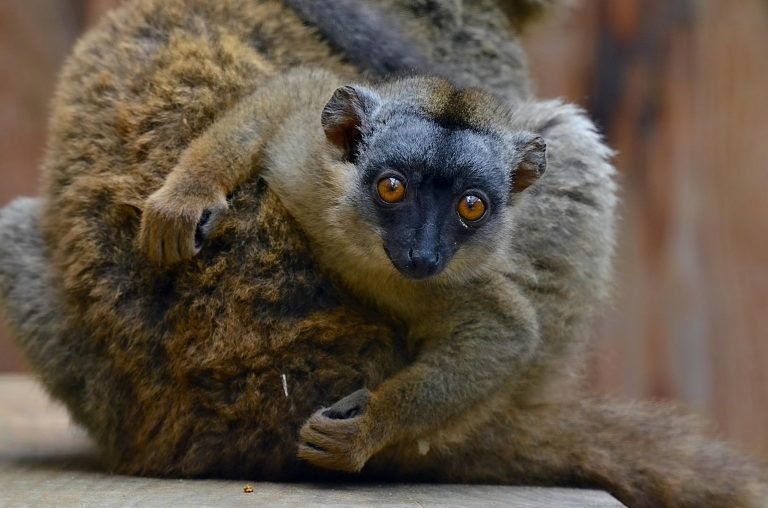
Lemurs: Madagascar’s Most Iconic Animals
Lemurs are the defining animals of Madagascar and the reason many travelers are drawn to the island in the first place. Unlike monkeys and apes found elsewhere in the world, lemurs evolved in complete isolation, resulting in a wide range of species with very different sizes, behaviors, and habitats. Today, Madagascar is home to over 100 species of lemurs, making it one of the most important primate regions on Earth.
What makes lemurs particularly fascinating is how diverse they are. Some species are active during the day, while others are strictly nocturnal. Some live high in the canopy, rarely descending to the ground, while others move through forest edges or more open environments. Their diets also vary widely, ranging from fruit and leaves to nectar and insects, depending on the species and habitat.
Different Types of Lemurs
One of the most recognizable species is the ring-tailed lemur, often seen in groups and easily identified by its long, black-and-white striped tail. These lemurs are more terrestrial than most and are known for their social behavior, often gathering in large groups and even sitting upright in the sun to warm themselves.
In contrast, the indri is the largest living lemur and one of the most distinctive. It has no visible tail and is known for its loud, echoing calls that carry across the rainforest. Hearing an indri in the wild is often described as one of the most memorable wildlife experiences in Madagascar.
Sifakas are another well-known group, recognized for their powerful hind legs and unique way of moving. In trees, they leap effortlessly between branches, but on the ground, they move in a sideways hopping motion that looks almost like a dance. Smaller species, such as mouse lemurs, are much harder to spot due to their size and nocturnal behavior, but they are just as important in the ecosystem.
Where to See Lemurs in Madagascar
Lemurs can be found across different regions of Madagascar, but the best chances of seeing a variety of species are in protected forest areas. Eastern rainforests such as Andasibe-Mantadia and Ranomafana are among the most reliable locations, offering guided walks where sightings are frequent.
Dry forests in the west and spiny forests in the south also host unique species adapted to those environments, meaning different regions provide completely different lemur experiences. Choosing where to go depends on how many species you want to see and how much time you have available.
For a more detailed breakdown of species and specific locations, my lemurs in Madagascar guide covers this topic in much greater depth.
Visit Lemuria Land Park in Nosy Be on a private tour with pickup, where you can see lemurs up close in a controlled environment. For more options, explore a range of experiences focused on lemur parks and wildlife encounters across Madagascar.
Why Lemurs Matter
Lemurs are not just important for tourism, they are essential to Madagascar’s ecosystems. Many species act as seed dispersers, helping forests regenerate and maintain biodiversity. At the same time, a large number of lemur species are endangered due to habitat loss and human activity. Seeing them in the wild is not just a highlight of a trip, but also a reminder of how fragile and unique Madagascar’s natural environment really is.
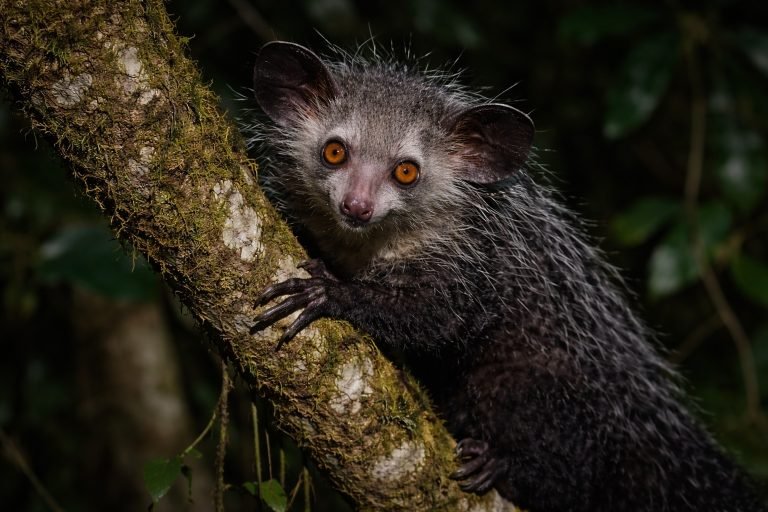
The Aye-Aye: Madagascar’s Strangest and Most Misunderstood Animal
Among all the wildlife found in Madagascar, few animals capture attention quite like the aye-aye. Often described as eerie or even unsettling at first glance, this nocturnal lemur stands out not just because of how it looks, but because of how it behaves. It is one of the most unusual primates in the world, and once you understand it, it becomes one of the most fascinating species on the island.
The aye-aye has a combination of features that feel almost mismatched. It has large, round eyes adapted for night vision, bat-like ears that can detect subtle movements inside wood, and continuously growing incisors similar to rodents. Its most distinctive feature, however, is its elongated middle finger, which it uses in a highly specialized way to find food.
This feeding method, known as percussive foraging, involves tapping on tree bark to locate hollow spaces where insect larvae are hidden. Once it detects movement, the aye-aye gnaws into the wood and uses its long finger to extract the prey. This technique is unique among primates and is more commonly associated with woodpeckers than mammals, making the aye-aye a remarkable example of convergent evolution.
Despite its ecological importance, the aye-aye has long been surrounded by strong cultural beliefs and superstition. In some parts of Madagascar, it is viewed as a dangerous omen of bad luck or even death, sometimes referred to as a “demon lemur.” Local folklore suggests that its elongated middle finger can bring harm, with stories claiming it can point at individuals to curse them or even kill in their sleep. While these beliefs are not universal across the island, they remain deeply rooted in certain regions.
These perceptions have had real consequences. Aye-ayes have historically been killed on sight in some communities due to fear and misunderstanding, contributing to population decline in already fragile habitats. Conservation efforts today increasingly focus not only on protecting the species itself, but also on working with local communities to shift perceptions and promote understanding of its role in the ecosystem.
In the wild, aye-ayes are difficult to spot due to their nocturnal habits and preference for dense forest habitats. They are most commonly observed during guided night walks in rainforest areas, particularly in eastern Madagascar. Patience and a knowledgeable guide are essential, as sightings are never guaranteed.
What makes the aye-aye so important is not just its uniqueness, but what it represents. It is a reminder of how Madagascar’s wildlife evolved in isolation, producing species that challenge expectations and redefine what is possible in nature. For many travelers, seeing an aye-aye is not just a wildlife encounter, but a moment that captures the true strangeness and beauty of Madagascar.
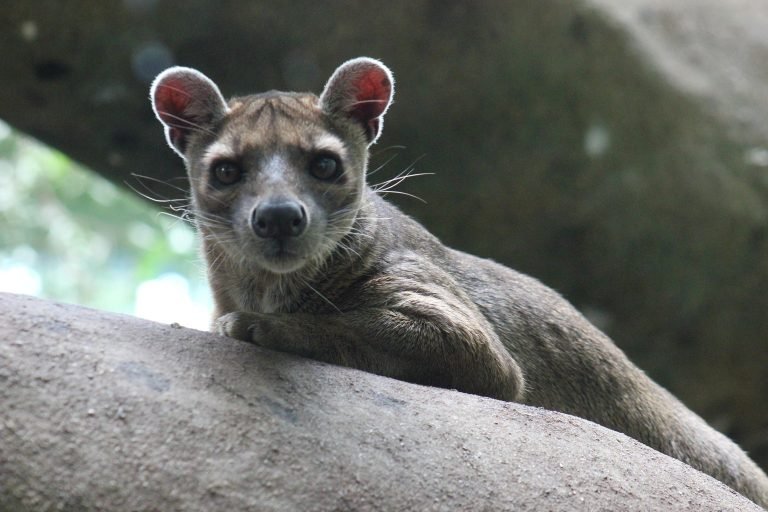
The Fossa: Madagascar’s Elusive Top Predator
While lemurs are the stars of Madagascar’s wildlife, the fossa plays an equally important role behind the scenes. As the island’s largest predator, the fossa sits at the top of the food chain, helping maintain balance within ecosystems that have evolved in isolation for millions of years. It is one of Madagascar’s most fascinating animals, yet also one of the least understood.
At first glance, the fossa looks like a small cougar or an elongated cat, with a sleek body, muscular limbs, and a long tail that helps it balance in trees. However, it is not a cat. It belongs to a unique group of carnivores related to mongooses, which evolved separately on the island. This unusual mix of features often surprises visitors and adds to the animal’s mystique.
How the Fossa Hunts
The fossa is an exceptionally agile hunter, capable of moving both on the ground and through the forest canopy with ease. It has semi-retractable claws and flexible ankles that allow it to climb and descend trees headfirst, much like a squirrel. This makes it one of the few predators capable of chasing lemurs in their natural habitat high above the forest floor.
Its diet consists mainly of lemurs, but it will also hunt birds, reptiles, and smaller mammals depending on availability. This adaptability is essential in an environment where prey species vary from one region to another. Unlike large predators in Africa, the fossa relies on stealth and agility rather than strength alone.
Where to See the Fossa
Fossas are found in several forested regions across Madagascar, but sightings are rare due to their solitary and secretive nature. One of the best places to see them is in the dry forests of western Madagascar, particularly in Kirindy Forest, where they are more accustomed to human presence and occasionally seen during the day.
Even in the best locations, spotting a fossa requires patience and a bit of luck. Many travelers visit Madagascar without ever seeing one, which makes sightings all the more memorable when they do happen. If you are planning where to include this experience, my Madagascar national parks guide explains which areas offer the best chances.
Why the Fossa Matters
The fossa is more than just an unusual predator, it is a key part of Madagascar’s ecological balance. By regulating populations of lemurs and other animals, it helps maintain healthy ecosystems. At the same time, habitat loss and human activity have put pressure on its population, making it increasingly vulnerable. Seeing a fossa in the wild is not just a rare wildlife moment, but also a reminder of how interconnected and fragile Madagascar’s ecosystems truly are.
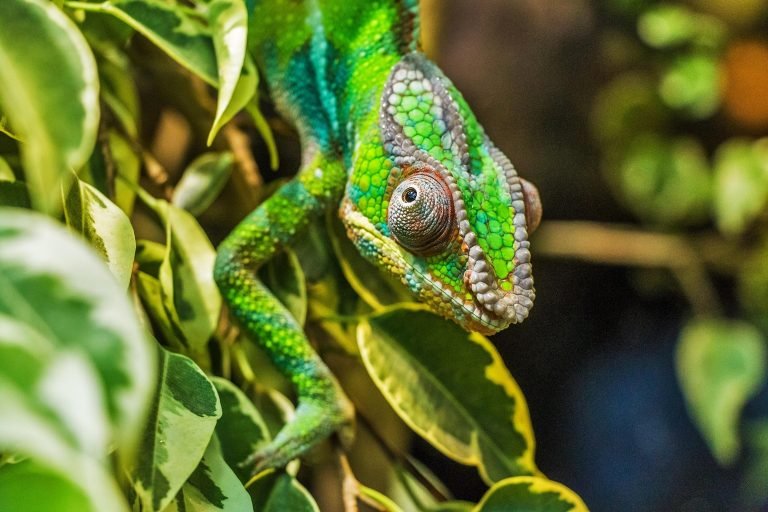
Chameleons: Madagascar’s Masters of Color and Camouflage
Madagascar is one of the best places in the world to see chameleons, with more than half of all known species found on the island. These reptiles are often associated with their ability to change color, but that is only a small part of what makes them remarkable. Their slow, deliberate movements, independently rotating eyes, and specialized hunting techniques make them one of the most fascinating animal groups in Madagascar.
Chameleons use color change not just for camouflage, but also for communication, temperature regulation, and signaling mood. Bright colors can indicate stress or dominance, while more muted tones help them blend into their surroundings. This ability, combined with their leaf-like movement, allows them to remain almost invisible in dense vegetation.
A Wide Range of Species
The diversity of chameleons in Madagascar is extraordinary. Some species, such as Parson’s chameleon, are among the largest in the world, with a powerful build and striking appearance. Others, like the tiny Brookesia species, are so small they can sit comfortably on the tip of a finger and are often found hidden among leaf litter on the forest floor.
Many species are highly localized, meaning they are found only in very specific regions or even individual forests. This makes Madagascar an important location for understanding reptile evolution and adaptation.
How Chameleons Hunt
Chameleons are insectivores and rely on a highly specialized hunting technique. They remain motionless for long periods, scanning their surroundings with eyes that can move independently, allowing them to look in two directions at once. When prey is detected, they launch their long, sticky tongue at incredible speed, capturing insects with precision.
This method allows them to conserve energy while still being effective hunters, which is particularly important in environments where food availability can vary.
Where to See Chameleons in Madagascar
Chameleons can be found across many regions of Madagascar, but they are especially common in rainforest environments along the eastern side of the island. Guided walks in national parks often reveal species that would be nearly impossible to spot alone, as their camouflage is extremely effective.
They are also frequently seen during night walks, when guides use flashlights to locate them sleeping on branches, where their pale coloration makes them easier to identify. For a more detailed overview of where these experiences fit into a trip, see my Madagascar national parks guide.
Why Chameleons Matter
Chameleons play an important role in controlling insect populations and maintaining ecological balance. At the same time, many species are highly sensitive to environmental changes, particularly habitat loss. Their presence is often a sign of a healthy ecosystem, making them not just visually striking animals, but also important indicators of biodiversity in Madagascar.
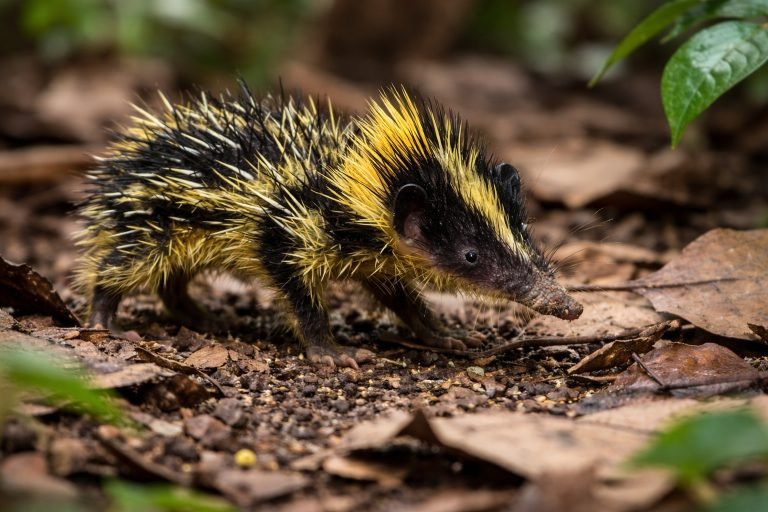
Other Unique Animals of Madagascar
While lemurs, fossas, and chameleons tend to attract the most attention, Madagascar’s wildlife extends far beyond these well-known species. Many of the island’s most interesting animals are smaller, more elusive, or less widely recognized, yet they play equally important roles in the ecosystem. These animals often reveal themselves during slower travel, guided walks, or night explorations, adding depth to the overall wildlife experience.
Tenrecs and Small Mammals
Tenrecs are among the most unusual mammals in Madagascar, representing a group that has evolved into a variety of forms that resemble hedgehogs, shrews, and even small otters. Despite these similarities, they are not closely related to those animals, making them a unique example of how evolution can produce similar traits in completely different lineages.
Most tenrecs are insectivores and are often active at night, making them harder to spot. Some species have spiny defenses similar to hedgehogs, while others are smooth and adapted to aquatic environments. Alongside them, species like the giant jumping rat highlight the diversity of Madagascar’s smaller mammals. This rodent, found mainly in western dry forests, uses powerful hind legs to leap across the ground and feeds on seeds and vegetation.
Frogs and Amphibians
Madagascar’s amphibians are small but visually striking, especially the brightly colored mantella frogs. These frogs use vivid colors to warn predators of their toxicity, a strategy similar to poison dart frogs found in other parts of the world. They are most commonly found in rainforest environments, where moisture levels support their survival.
The island is also home to hundreds of frog species, many of which are highly localized and exist only in specific forests or microhabitats. Their presence is often a sign of a healthy ecosystem, as amphibians are particularly sensitive to environmental changes such as deforestation and pollution.
Birdlife and Endemic Species
Madagascar’s birdlife is often overlooked, but it is one of the island’s most distinctive features. Many species belong to unique families found nowhere else, such as the vangas, which have evolved into a wide range of shapes and feeding behaviors. Some resemble woodpeckers, others look more like shrikes, yet they share a common origin.
Couas are another notable group, often seen moving quietly through forests with their long tails and striking eye markings. In more open or coastal areas, species such as the Madagascar fish eagle can occasionally be spotted, although sightings are rare. For travelers interested in birdwatching, Madagascar offers a high level of endemism and relatively accessible habitats compared to many other destinations.
Insects and Smaller Species
Some of Madagascar’s most unusual wildlife comes in smaller forms. The giraffe-necked weevil, with its elongated neck and bright coloration, is one of the island’s most recognizable insects. Leaf insects and stick insects use advanced camouflage to blend seamlessly into their surroundings, while flatid leaf bugs mimic plant growth so convincingly that they are often overlooked entirely.
These smaller species may not always be the focus of a trip, but they add an extra layer to the experience, especially during guided walks where attention to detail reveals just how rich and varied Madagascar’s ecosystems truly are.
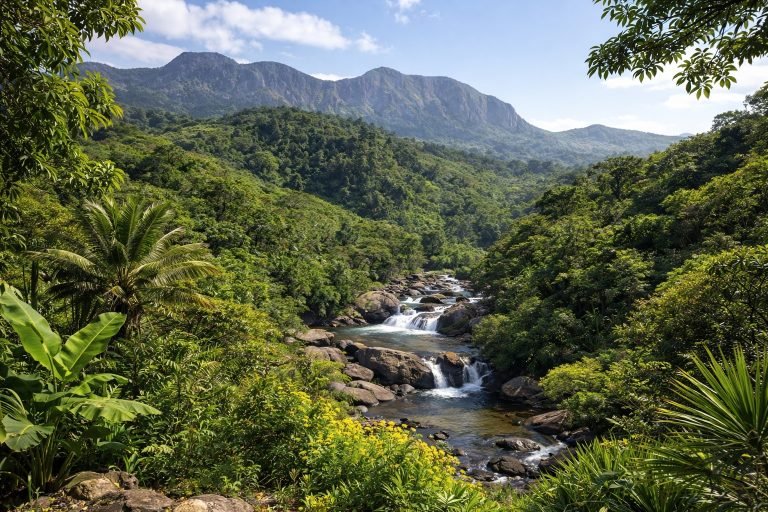
Where to See Wildlife in Madagascar
Madagascar’s wildlife is not spread evenly across the island. Different regions support completely different ecosystems, and knowing where to go is one of the most important parts of planning a successful trip. Some areas are known for lemur encounters, others for reptiles and birds, while certain regions offer the best chances to see rare or nocturnal species. Understanding this geographic diversity helps you avoid unrealistic expectations and makes it far easier to choose the right destinations.
If you are planning your route in more detail, this section works best alongside my Madagascar national parks guide, which breaks down each park in depth, and my Madagascar itinerary guide, which helps you combine these locations into a realistic travel plan.
Eastern Rainforests: Lemurs, Frogs, and Dense Biodiversity
The eastern side of Madagascar is covered in humid rainforest, making it one of the richest biodiversity zones on the island. This is the best region for seeing lemurs, especially species like indri, sifakas, and bamboo lemurs. The forests here are also home to colorful mantella frogs, chameleons, and a wide range of bird species.
Parks such as Andasibe-Mantadia and Ranomafana are among the most accessible and rewarding wildlife destinations. Andasibe-Mantadia is particularly convenient if you are traveling from the capital, making it easy to combine a few days exploring Antananarivo with one of Madagascar's best wildlife experiences. Guided walks, both during the day and at night, offer opportunities to spot species that would otherwise be impossible to find. Night walks in particular reveal a completely different side of the forest, with nocturnal lemurs, frogs, and insects becoming active after dark.
Discover wildlife tours in Eastern Madagascar, where rainforests, waterfalls, and rare species create some of the island’s most immersive nature experiences.
View Eastern toursWestern Dry Forests: Fossas and Rare Mammals
The western regions of Madagascar are characterized by dry deciduous forests, which support a different range of wildlife. This is one of the best areas to look for the fossa, especially in Kirindy Forest, where sightings are more frequent compared to other parts of the island.
These forests are also home to species such as the giant jumping rat and several nocturnal lemurs. The landscape here is more open than the eastern rainforest, which can make wildlife slightly easier to spot, although patience is still essential.
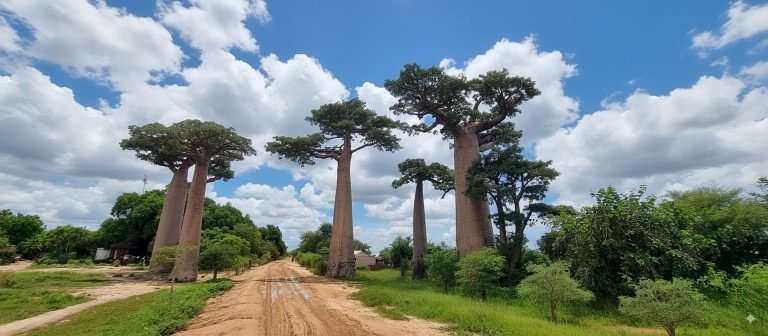
Explore wildlife tours in Western Madagascar, known for baobab landscapes, dry forests, and unique endemic species.
View Western toursSouthern Madagascar: Spiny Forests and Unique Adaptations
Southern Madagascar offers one of the most unusual environments on the island. The spiny forest ecosystem is adapted to extreme dryness, and the species found here are unlike those in other regions. Reptiles are particularly prominent, including various geckos and chameleons that have adapted to the harsh conditions.
This region also connects well with coastal areas and is often combined with beach destinations. If you are exploring this part of the island, my Southern Madagascar travel guide provides a more detailed breakdown of what to expect.
Northern Madagascar: Reptiles, Marine Life, and Coastal Diversity
Northern Madagascar, including areas like Nosy Be and Diego Suarez, offers a mix of rainforest, dry forest, and coastal ecosystems. This diversity makes it one of the best regions for combining wildlife viewing with more relaxed travel experiences.
Reptiles, especially chameleons and geckos, are commonly seen here, and marine wildlife such as turtles and whales can be observed seasonally. For a full overview of this region, see my Northern Madagascar travel guide.
Discover wildlife tours in Northern Madagascar, where rainforests, rare species, and national parks offer some of the island’s best biodiversity experiences.
View Northern toursCentral Highlands: Forest Fragments and Cultural Landscapes
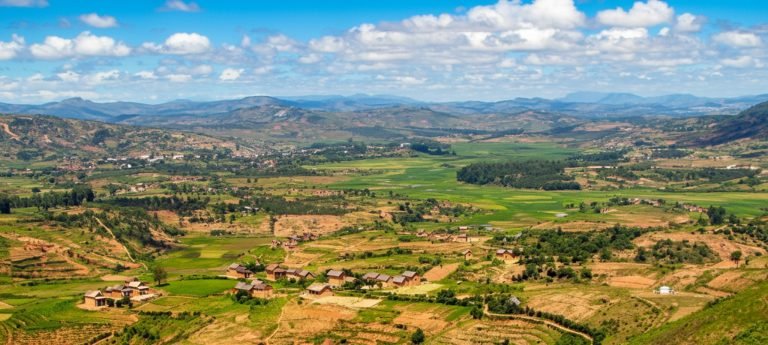
The central highlands are less dense in wildlife compared to other regions, largely due to deforestation and human activity over time. However, forest fragments and nearby reserves still provide opportunities to see certain lemur species, reptiles, and birdlife.
This region is often part of a broader travel route rather than a primary wildlife destination. If you are passing through, my Central Highlands guide explains how wildlife fits into the wider experience of this area.
Explore wildlife tours in Madagascar’s Central Highlands, known for lemurs, forests, and easy access from Antananarivo.
View Highlands tours How Madagascar’s Wildlife Fits Into Its Ecosystems
One of the most important things to understand about Madagascar wildlife is that it is not evenly distributed across the island. You are not visiting a single, unified ecosystem where everything lives together. Instead, Madagascar is made up of distinct environmental zones, each supporting its own set of species. What you see depends almost entirely on where you go.
This is why wildlife experiences here feel so varied. A rainforest walk in the east, a dry forest visit in the west, and a journey through the southern spiny desert can feel like completely different countries. Each ecosystem has shaped its animals in specific ways, creating highly specialized habitats that define where species live and how they behave.
Rainforests: Dense Biodiversity and Constant Movement
The eastern rainforests are the most biodiverse regions in Madagascar and the best place to see a wide variety of wildlife in a relatively compact area. Thick vegetation, high humidity, and year-round plant growth create ideal conditions for lemurs, amphibians, reptiles, and birdlife.
This is where you are most likely to encounter species like indri, sifakas, and bamboo lemurs, along with colorful frogs and chameleons hidden among leaves and branches. However, the density of the forest also means visibility can be limited, and wildlife spotting often relies heavily on experienced guides.
Dry Forests: Open Landscapes and Elusive Predators
In contrast, the western dry forests offer a more open environment, where trees are spaced further apart and the terrain is easier to navigate. This makes it one of the better regions for spotting certain mammals, including the fossa, as well as nocturnal species during evening walks.
Wildlife here is often more subtle, with many animals active at night or blending into the landscape during the day. The experience is less about constant sightings and more about patience and understanding the rhythms of the environment.
Spiny Forest and Southern Regions: Extreme Adaptations
The southern regions of Madagascar are dominated by spiny forests and arid landscapes, where water is scarce and temperatures can be high. Wildlife here has adapted to survive in harsh conditions, resulting in species that look and behave very differently from those in the rainforest.
Reptiles are particularly well represented, including geckos and chameleons that rely on camouflage and heat tolerance. Plant life is also highly specialized, and the entire ecosystem feels more exposed and rugged compared to the rest of the island.
Coastal and Marine Environments: A Different Kind of Wildlife
Madagascar’s wildlife is not limited to land. Coastal regions and nearby islands add another layer to the experience, with marine life such as sea turtles and seasonal whale migrations complementing the island’s terrestrial biodiversity.
These areas are often combined with inland wildlife experiences, allowing travelers to balance forest exploration with more relaxed coastal environments. If you are planning this type of trip, my Madagascar beaches guide explains how these coastal regions fit into a broader itinerary.
Why You Cannot See Everything in One Trip
Because wildlife is so closely tied to these ecosystems, it is not realistic to expect to see all of Madagascar’s animals in a single location or even in one short trip. Each region offers a different piece of the puzzle, and choosing where to go depends on your priorities.
This is where planning becomes essential. Combining locations strategically is the key to experiencing the diversity of Madagascar’s wildlife without overextending your itinerary. For a detailed breakdown of how to structure this, refer to my Madagascar itinerary guide and my national parks guide, which explain how these ecosystems translate into real travel routes.
Wildlife, Beliefs, and Fady: How Culture Shapes Madagascar’s Animals
Wildlife in Madagascar cannot be fully understood without also understanding the cultural beliefs that surround it. Across the island, many communities follow traditions known as fady, which are taboos or spiritual rules passed down through generations. These beliefs often influence how animals are viewed, treated, and even protected, creating a complex relationship between people and wildlife.
In some cases, animals are associated with ancestors or spiritual forces. Certain lemurs, for example, are considered sacred in parts of Madagascar and are protected because they are believed to represent ancestral spirits. This has helped preserve some populations, particularly in areas where hunting would otherwise be common.
At the same time, other animals are viewed very differently. The aye-aye is one of the most well-known examples, often regarded as a symbol of bad luck or death in certain regions. Stories describe it as a dangerous presence, with myths claiming its elongated finger can bring harm or misfortune. These beliefs have led to the animal being killed on sight in some areas, showing how cultural perceptions can directly affect wildlife survival.
Chameleons are another example of how belief systems influence perception. In some communities, they are seen as connected to ancestral spirits or the supernatural. This can lead to both respect and fear, with certain taboos discouraging people from touching them or even interacting with them too closely.
Other species, including some snakes and owls, are sometimes associated with witchcraft or negative spiritual forces. These associations can result in persecution, even when the animals themselves are harmless. At the same time, different regions may have entirely different beliefs, meaning an animal protected in one area may be feared in another.
These traditions are not simply superstition in isolation. They are deeply tied to cultural identity, ancestral respect, and local ways of understanding the natural world. For travelers, this means wildlife experiences in Madagascar are shaped not only by biology and geography, but also by human history and belief systems.
Understanding fady adds an important layer to wildlife travel. It explains why some animals are rarely seen, why certain species are protected in unexpected ways, and why respectful behavior matters when visiting different regions. If you are planning your trip in more detail, my Madagascar travel tips guide explains how to navigate these cultural nuances in a practical, respectful way.
Best Time to See Wildlife in Madagascar
The best time to see wildlife in Madagascar depends on what you want to experience, as animal activity changes throughout the year. While wildlife can be seen year-round, seasonal differences affect visibility, behavior, and accessibility across the island.
Dry Season (May to October)
This is generally considered the best time for wildlife viewing. Cooler temperatures and lower humidity make hiking more comfortable, and animals are often easier to spot as vegetation is less dense. Lemurs are active, and conditions are ideal for exploring national parks.
This is also the best time for combining wildlife with travel logistics, as roads are more accessible and travel between regions is easier.
Wet Season (November to April)
The wet season brings lush landscapes and increased activity among reptiles and amphibians. This is the best time to see frogs, chameleons, and other smaller species, as many become more active during periods of higher rainfall.
However, heavy rains can make travel more difficult, particularly in remote areas where roads may become impassable. Some parks may also have limited access depending on conditions.
Best Months for Specific Wildlife
- Lemurs: Active year-round, but easiest to spot during the dry season
- Chameleons and reptiles: Best during the warmer, wetter months
- Birdlife: Best between September and December during breeding season
- Nocturnal species: Seen year-round, especially on guided night walks
Best Time of Day for Wildlife Viewing
In addition to seasonal timing, the time of day plays a major role in wildlife activity. Many species in Madagascar follow strict daily patterns, and knowing when to look can significantly improve your chances of sightings.
- Early morning (sunrise to mid-morning): One of the best times to see lemurs, as many species are most active after sunrise while feeding and moving through the forest.
- Late afternoon: Activity often increases again before sunset, especially for diurnal species preparing to settle for the night.
- Night (guided walks): Essential for spotting nocturnal animals such as mouse lemurs, aye-ayes, chameleons, frogs, and many insects. Night walks are often one of the highlights of wildlife travel in Madagascar.
- Midday: Generally the quietest time, with many animals resting, although reptiles such as chameleons may still be visible basking or moving slowly in the heat.
Planning your activities around these daily patterns, especially combining early morning hikes with night walks, gives you the best overall chance of experiencing Madagascar’s wildlife in full.
Ultimately, there is no single “perfect” time to visit Madagascar for wildlife. The best choice depends on your priorities, whether that’s easier travel conditions, seeing specific animals, or experiencing the island at its most vibrant. For a more detailed breakdown of seasonal conditions, see my best time to visit Madagascar guide.
Wildlife Travel Tips for Madagascar
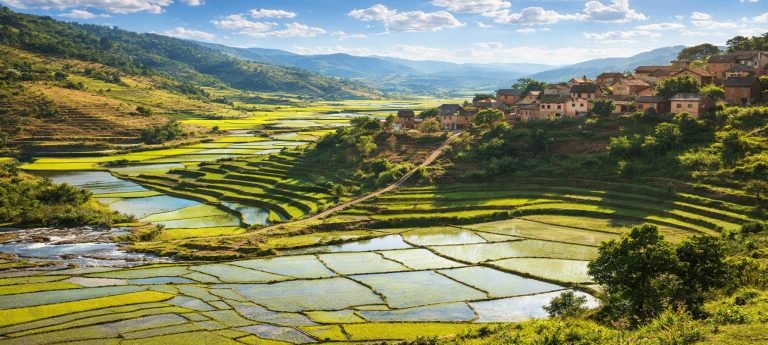
Seeing wildlife in Madagascar is very different from a typical safari or national park experience. Animals are often hidden in dense forests, many species are small or nocturnal, and sightings depend heavily on timing, location, and guidance. Knowing how wildlife viewing works here can make a significant difference in what you actually see.
Always Go With a Local Guide
Guides are essential in Madagascar. Many animals are incredibly well camouflaged or remain high in the canopy, making them almost impossible to spot without trained eyes. Local guides know where species are likely to be found and how to identify subtle signs such as movement, sounds, or tracks.
In most national parks, hiring a guide is mandatory, and for good reason. It not only improves your chances of sightings but also supports local communities and conservation efforts.
Do Not Skip Night Walks
Some of Madagascar’s most unique wildlife is nocturnal. Species such as mouse lemurs, aye-ayes, chameleons, frogs, and a wide range of insects are most active after dark. Night walks offer a completely different perspective and are often one of the highlights of a trip.
Guides use flashlights to locate animals, often spotting eye reflections or subtle movement that would otherwise go unnoticed.
Be Patient and Manage Expectations
Wildlife viewing in Madagascar is not about seeing large numbers of animals quickly. It is slower, more focused, and often requires patience. You may spend time searching before spotting something, especially in dense rainforest environments.
This makes sightings feel more rewarding, but it also means expectations should be adjusted compared to destinations where wildlife is more visible.
Bring the Right Gear
- Headlamp or flashlight: Essential for night walks
- Binoculars: Useful for spotting lemurs and birds in the canopy
- Lightweight clothing: Breathable and suitable for humid conditions
- Sturdy shoes: Trails can be uneven, muddy, or steep
- Insect repellent: Important in rainforest areas
For a full breakdown of what to bring depending on region and season, see my Madagascar packing list.
Respect Wildlife and Local Rules
Many of Madagascar’s species are endangered and highly sensitive to disturbance. Maintaining distance, avoiding flash photography when possible, and following your guide’s instructions are essential for responsible wildlife viewing.
Respecting local customs, including fady, is also important. These traditions can influence how wildlife is perceived and protected in different regions, and being mindful of them contributes to a more respectful and meaningful travel experience.
Wildlife Conservation in Madagascar
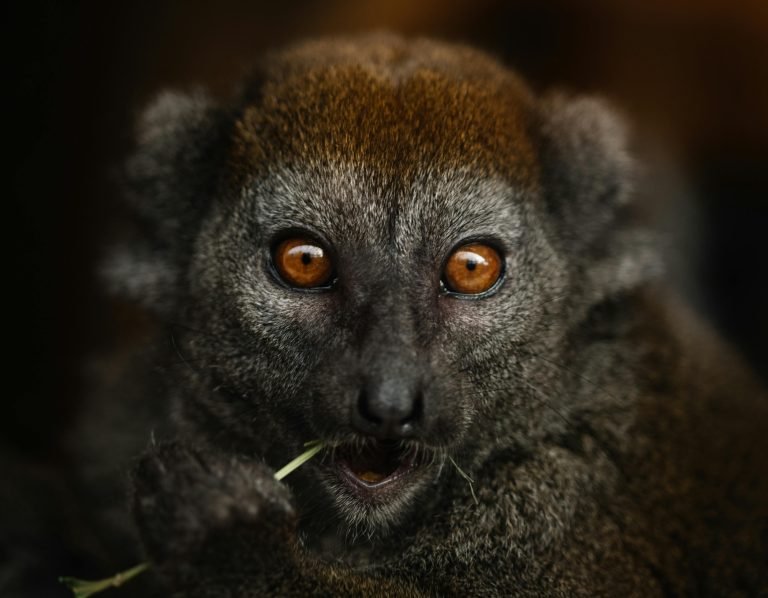
Madagascar’s wildlife is not only unique, it is also highly vulnerable. A large proportion of the island’s species are found nowhere else on Earth, which means that habitat loss and environmental changes have a direct and often irreversible impact on global biodiversity. Many of the animals you see here exist in fragile ecosystems that are under increasing pressure.
The Main Threats
Deforestation is the biggest threat to wildlife in Madagascar. Forests are cleared for agriculture, charcoal production, and development, reducing the habitats that many species depend on. Because so many animals are highly specialized and limited to specific regions, even small changes can have significant consequences. Organizations like WWF are actively working to protect these ecosystems and support conservation efforts across the island.
Hunting and local beliefs can also play a role. While some traditions protect animals, others lead to fear or persecution, particularly for species like the aye-aye. Combined with habitat loss, this creates additional pressure on already declining populations.
The Role of National Parks and Reserves
Madagascar’s national parks and protected areas are essential for preserving its biodiversity. These regions safeguard critical habitats and provide a controlled environment where wildlife can survive and recover. Many of the animals discussed in this guide can only be reliably seen within these protected zones.
Visiting these areas supports conservation efforts directly, as park fees contribute to maintenance, protection, and local employment.
Why Responsible Travel Matters
Tourism plays an important role in conservation. By visiting Madagascar and choosing responsible travel practices, you contribute to local economies and create incentives to protect natural environments. Hiring local guides, respecting park rules, and supporting ethical operators all help reinforce the value of preserving wildlife.
While Madagascar faces ongoing challenges, responsible travel remains one of the most effective ways to support conservation efforts and ensure that future generations can continue to experience the island’s extraordinary wildlife.
Final Thoughts: Madagascar Wildlife Is Unlike Anywhere Else
Madagascar is not a destination where wildlife simply appears around every corner. It is a place where you slow down, pay attention, and gradually begin to understand how unique and interconnected everything is. From the moment you hear the call of an indri echo through the forest to spotting a chameleon perfectly camouflaged on a branch, the experience feels very different from anywhere else in the world.
What makes Madagascar special is not just the number of species, but how distinct they are. Animals here have evolved in isolation for millions of years, creating ecosystems that feel almost unfamiliar at first. The more time you spend exploring different regions, the more this uniqueness becomes clear.
At the same time, travel here requires a different mindset. Wildlife encounters are not always immediate, and seeing certain species can take patience and the right conditions. But this slower pace is part of what makes the experience rewarding, each sighting feels earned rather than expected.
If you are planning a trip, combining the right regions is key. My Madagascar itinerary guide shows how to structure your route, while the national parks guide helps you decide where to focus your time based on the wildlife you want to see.
Timing also plays a role in shaping your experience. Understanding seasonal conditions through my best time to visit Madagascar guide can help you decide when to travel, while preparing properly with the Madagascar packing list ensures you are ready for the different environments you will encounter.
Many travelers also choose to combine wildlife experiences with time on the coast, and my Madagascar beaches guide shows how to incorporate that into a balanced itinerary. Madagascar is not the easiest destination, but it is one of the most rewarding. For travelers willing to take the time to explore it properly, the wildlife experiences here are truly unforgettable.
Frequently Asked Questions About Madagascar Wildlife
• What animals is Madagascar known for?
Madagascar is best known for its lemurs, which are found nowhere else in the world. Other iconic animals include the aye-aye, fossa, chameleons, and a wide variety of endemic birds, reptiles, and amphibians.
• Can you see wildlife easily in Madagascar?
Wildlife in Madagascar is not always easy to spot. Many animals are small, well camouflaged, or live in dense forests. Hiring a guide significantly improves your chances of seeing wildlife.
• What is the best place to see wildlife in Madagascar?
Popular locations include Andasibe-Mantadia for lemurs, Ranomafana for biodiversity, and Kirindy Forest for the chance to see a fossa. Each region offers different species and experiences.
• Is Madagascar good for wildlife travel?
Yes, Madagascar is one of the most unique wildlife destinations in the world. Its high level of endemism means you will see species that exist nowhere else on Earth.
• When is the best time to see animals in Madagascar?
The dry season (May to October) is generally best for wildlife viewing, while the wet season (November to April) is better for reptiles and amphibians.
Travel Resources to Plan, Book & Stay Connected
Use these tools and guides to stay connected abroad, find inspiration for your next trip, and book your flights, stays and gear with confidence.
Disclosure: This article may contain affiliate links. If you make a purchase through a link, I may receive a commission at no extra cost to you. I only share recommendations I believe are genuinely useful, and all opinions are my own. AI was used in this post for research and drafting purposes.

Comment (0)