
Best Time to Visit Bali: Weather, Seasons & When to Go
The best time to visit Bali is generally during the dry season, which runs from May to October. During these months, you can expect more sunshine, lower humidity, calmer travel conditions, and better opportunities to enjoy the island's beaches, temples, rice terraces, waterfalls, and outdoor activities.
That said, there is no single perfect time to visit Bali for everyone. The ideal month depends on what you want from your trip. Some travelers prioritize beach weather, others want lower prices and fewer crowds, while surfers, digital nomads, honeymooners, and families may all have different priorities.
- The best overall time to visit Bali for most travelers
- Bali's dry season vs rainy season explained
- A month-by-month breakdown of Bali weather
- The best time for beaches, swimming, and island hopping
- When to visit Bali for surfing and water sports
- The best months for honeymooners and couples
- When to visit Bali for lower prices and fewer crowds
- What Bali's rainy season is really like
- The best time to visit Ubud, Canggu, Seminyak, Uluwatu, and other popular areas
If you are still planning your trip, start with our complete guide to the best things to do in Bali, which covers the island's top attractions, cultural highlights, beaches, temples, waterfalls, and hidden gems.
The best time to visit Bali also depends on where you stay and how you plan to explore the island. To help you choose the right base, check out our guide to choosing the right area in Bali for your trip, our detailed Bali itinerary for 5, 7, 10, or 14 days, and our guide to getting around Bali efficiently so you can build a realistic itinerary around the season you choose.
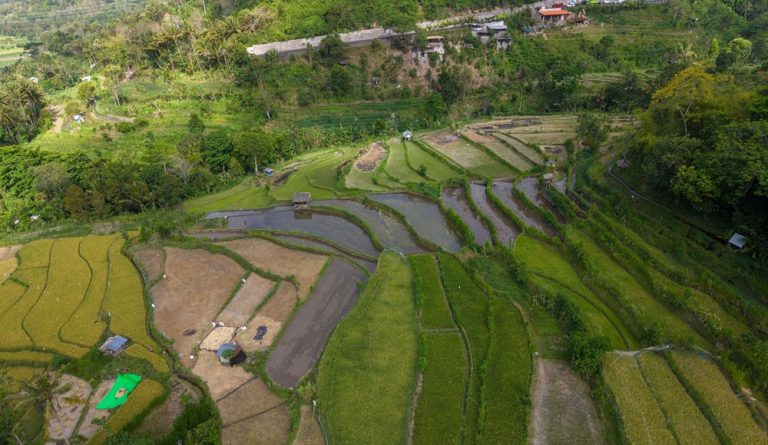
Best Time to Visit Bali
Bali is one of those destinations that can be visited year-round, which often makes choosing the best time to visit more confusing than expected. Some travelers hear that the dry season is the only good time to go, while others worry that the rainy season will ruin their trip. The reality is far more nuanced. Bali's climate certainly affects your experience, but it rarely determines whether a trip is enjoyable or not.
For most visitors, the best time to visit Bali falls between May and October, when rainfall is generally lower, humidity is more comfortable, and outdoor activities are easier to plan. This period is particularly popular for beach holidays, island hopping, sightseeing, hiking Mount Batur, exploring rice terraces, and spending time outdoors.
However, the "best" time ultimately depends on the type of trip you want. Surfers often focus on seasonal wind patterns rather than rainfall. Budget travelers may prefer quieter months with lower prices. Honeymooners often prioritize sunshine and luxury resorts, while digital nomads might care more about crowd levels and long-term accommodation costs.
Another important factor is that Bali's weather does not affect every part of the island equally. Coastal destinations such as Seminyak, Canggu, Uluwatu, Sanur, and Nusa Dua can feel quite different from inland areas like Ubud or the mountain regions around Kintamani. Travelers planning to spend time in central Bali may also find our complete Ubud travel guide useful for understanding how weather can affect rice terraces, waterfalls, cultural attractions, and outdoor activities. Understanding these seasonal differences can help you avoid common planning mistakes and choose dates that match your travel goals.
In this guide, you'll find a month-by-month breakdown of Bali weather, the pros and cons of each season, the best months for beaches, surfing, honeymoons, and budget travel, and our recommendations for choosing the right time to visit Bali based on your priorities.

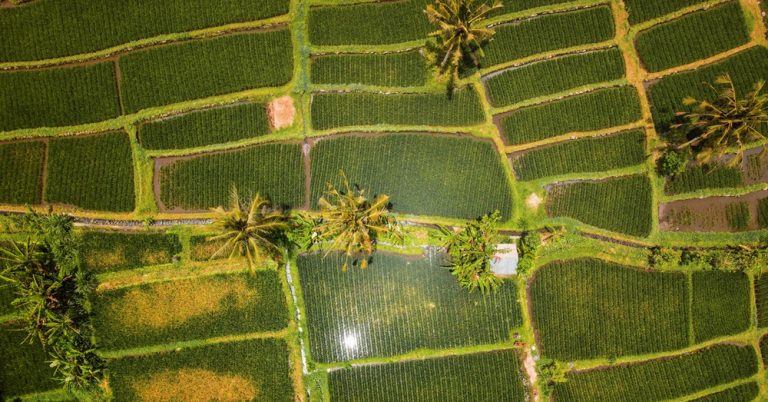
Best Time to Visit Bali: Quick Answer
If you are looking for the simplest answer, the best time to visit Bali is usually between May and October, during the dry season. This period offers the most reliable weather for beaches, sightseeing, island hopping, outdoor activities, and first-time visitors.
That said, Bali is not a destination that completely shuts down during the rainy season. Millions of travelers visit throughout the year, and some months outside the dry season can offer excellent value, fewer crowds, and surprisingly good weather. The best time to visit Bali depends largely on what you want from your trip.
- Best overall time to visit Bali: May to October
- Best weather: June to September
- Best balance of weather and crowds: May, June, September, and October
- Best time for beaches and island hopping: May to October
- Best time for surfing: Dry season on the west coast, depending on location
- Best time for honeymooners: June to September
- Best time for lower prices: February, March, and November
- Rainiest period: December to February
- Best month for most travelers: September
September is often considered the sweet spot. The weather is typically excellent, humidity is lower than during the rainy season, and the island is usually a little less crowded than during the peak summer months of July and August.
If you are planning your first trip to Bali and have flexible travel dates, aiming for May, June, September, or October will usually give you the best combination of good weather, manageable crowds, and a wide range of available activities.
Before booking flights, it is also worth reviewing the latest essential Bali planning advice. Entry requirements, visa rules, the Bali tourist levy, arrival procedures, transport realities, connectivity options, and local customs can all influence when and how you choose to visit the island. If you are visiting for the first time, it may also be helpful to understand common safety considerations for travelers in Bali, including road safety, scams, and practical precautions that can make your trip smoother.
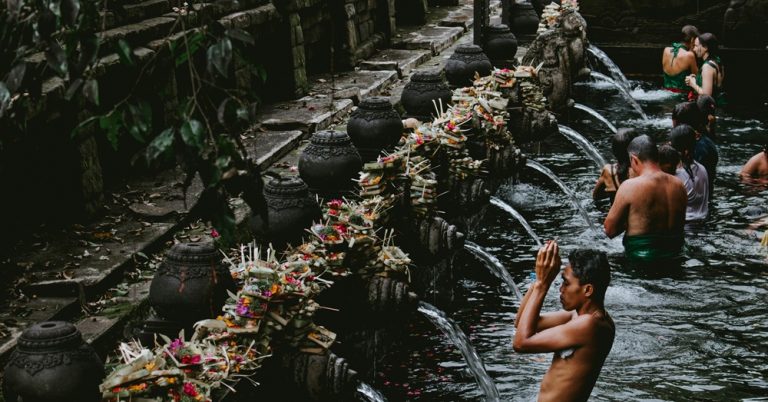
Bali Weather and Seasons Explained
Bali has a tropical climate with two main seasons: a dry season and a wet season. Unlike destinations with four distinct seasons, temperatures in Bali remain relatively stable throughout the year. The biggest difference between months is usually the amount of rainfall, humidity, and cloud cover rather than dramatic changes in temperature.
This is one of the reasons Bali remains a year-round destination. Even during the rainy season, you will often experience long periods of sunshine between tropical showers. Understanding how these two seasons affect travel can help you choose the period that best matches your priorities.
Dry Season (May to October)
The dry season is widely considered the best time to visit Bali. Rainfall is generally lower, humidity is more comfortable, and outdoor activities are easier to plan. This is the period most travelers target when booking a Bali holiday.
The months of June, July, August, and September are particularly popular because they combine warm temperatures with relatively dry conditions. Beaches are at their best, visibility for diving and snorkeling is often excellent, and popular attractions such as rice terraces, temples, waterfalls, and coastal viewpoints are easier to enjoy without weather disruptions.
This season is also ideal for island hopping to destinations such as Nusa Penida, Nusa Lembongan, and the Gili Islands. Sea conditions are often calmer, making boat transfers more reliable and enjoyable.
The main downside is that this period coincides with Bali's busiest tourism season. Accommodation prices can increase, popular attractions become more crowded, and booking accommodation in advance becomes increasingly important during July and August.
Wet Season (November to April)
The wet season brings higher humidity, warmer temperatures, and more frequent rainfall. However, many first-time visitors are surprised to discover that it rarely rains all day, every day. Rain often arrives as heavy tropical showers during the afternoon or evening before giving way to sunshine again.
December, January, and February are usually the wettest months of the year. Travelers visiting during this period should expect occasional disruptions to outdoor plans, reduced visibility for some marine activities, and an increased chance of rougher sea conditions.
That said, the rainy season also has advantages. The island becomes exceptionally green, waterfalls are often at their most impressive, and many hotels offer lower rates than during peak season. Travelers who prioritize value, photography, wellness retreats, or quieter experiences often find this period more appealing than expected.
For most first-time visitors, the dry season remains the safest choice. However, travelers who understand what to expect from Bali's tropical climate can still enjoy an excellent trip during the wet season, especially if they are flexible and do not rely exclusively on perfect beach weather every day.

Best Time to Visit Bali Month by Month
While Bali can be visited throughout the year, each month offers a slightly different experience. Some travelers prioritize sunshine and beach weather, while others are looking for lower prices, fewer crowds, or greener landscapes. This month-by-month overview will help you decide which period best matches your travel style.
| Month | General Conditions | Our Verdict |
|---|---|---|
| January | Wet season, high humidity, frequent rainfall | Fair |
| February | Wettest period of the year | Fair |
| March | Rain begins to decrease | Good |
| April | Transition to dry season | Very Good |
| May | Dry, sunny, fewer crowds | Excellent |
| June | Dry season in full swing | Excellent |
| July | Peak season, excellent weather | Excellent |
| August | Peak season, dry and sunny | Excellent |
| September | Excellent weather, fewer crowds | Excellent |
| October | Warm and mostly dry | Excellent |
| November | Beginning of rainy season | Good |
| December | Rain increases, holiday crowds | Good |
Swipe horizontally to view all columns on mobile devices.
May and June: One of Bali's Best-Kept Secrets
Many experienced travelers consider May and June to be among the best months to visit Bali. The dry season has arrived, rainfall is limited, landscapes remain lush from the recent wet season, and visitor numbers are generally lower than during the peak summer months.
Accommodation availability is often better than in July and August, and popular attractions are typically less crowded. For travelers seeking excellent weather without peak-season crowds, May and June are difficult to beat.
July and August: Peak Season in Bali
July and August bring some of the most reliable weather of the year. Sunny days, lower humidity, and ideal beach conditions attract visitors from around the world. This is also the busiest time of year, especially during European and Australian school holidays.
Travelers visiting during these months should expect higher accommodation prices, increased demand for tours and activities, and larger crowds at Bali's most famous attractions.
September and October: The Sweet Spot
For many travelers, September is the best month to visit Bali. The excellent weather of the dry season continues, but the island often feels slightly less crowded than in July and August. October remains a strong choice as well, with warm temperatures and mostly dry conditions.
These months offer an outstanding balance of weather, crowd levels, and overall travel experience, making them ideal for first-time visitors.
November to March: Bali's Green Season
The rainy season brings a different side of Bali. Tropical downpours become more common, but so do lush landscapes, vibrant rice terraces, and lower accommodation rates. Travelers who don't mind occasional rain can often find excellent value during this period.
While beach conditions may be less predictable and outdoor plans occasionally disrupted, Bali remains a popular destination throughout the year thanks to its warm temperatures and wide range of indoor and outdoor experiences.

Best Time to Visit Bali for Good Weather
One of the most common questions travelers ask is simple: when does Bali have the best weather? While Bali enjoys warm temperatures throughout the year, the months between May and October generally offer the most reliable conditions for outdoor activities, beach days, sightseeing, and exploring the island.
During this period, rainfall is lower, humidity is more comfortable, and sunny days are more common. The dry season does not guarantee perfect weather every day, but it significantly increases your chances of enjoying the type of tropical holiday most visitors imagine when planning a trip to Bali.
June to September: Bali's Best Weather
If your main goal is maximizing sunshine and minimizing rain, June through September is typically the safest choice. These months sit in the heart of Bali's dry season and are known for warm temperatures, blue skies, and excellent conditions across much of the island.
This is the ideal time for beach clubs in Seminyak, surfing in Uluwatu, exploring rice terraces around Ubud, hiking Mount Batur, and taking boat trips to destinations such as Nusa Penida and Nusa Lembongan.
The trade-off is that these months also coincide with Bali's busiest tourism season. Popular hotels often book out well in advance, and some attractions can become crowded during peak holiday periods.
May and October: Excellent Weather with Fewer Crowds
Many experienced travelers actually prefer May and October over the peak summer months. Weather conditions remain very good, but the island is often less crowded and accommodation prices can be more attractive.
These shoulder-season months are particularly appealing for visitors who want the benefits of the dry season without the highest visitor numbers. In many cases, they offer one of the best overall balances of weather, value, and comfort.
What About the Rainy Season?
A common misconception is that Bali experiences constant rain from November to April. In reality, many rainy-season days still include several hours of sunshine. Rain often arrives in short but intense tropical showers rather than lasting all day.
Travelers visiting during the wet season can still enjoy beaches, temples, restaurants, wellness retreats, and many outdoor attractions. The difference is that plans may need to remain more flexible, particularly during the wetter months of December, January, and February.
Our Recommendation for the Best Weather
If weather is your top priority, aim for June, July, August, or September. These months offer the most reliable sunshine and the lowest chance of significant rainfall.
For travelers who want excellent weather while avoiding the busiest periods, May and October are often the smartest choices. Many Bali regulars consider these shoulder-season months the sweet spot for enjoying the island at its best.
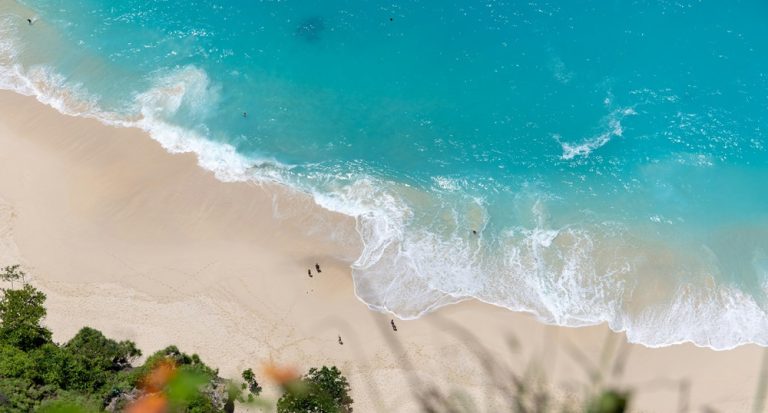
Best Time to Visit Bali for Beaches
For many travelers, Bali is synonymous with tropical beaches, warm ocean water, sunset views, and days spent moving between coastal destinations. Travelers planning to spend a large part of their trip by the ocean should also explore our complete Bali beach guide, which compares the island’s best beaches for surfing, swimming, snorkeling, sunsets, hidden coves, and relaxed coastal escapes across different regions.
In general, the best time to visit Bali for beaches is during the dry season between May and October. Rainfall is lower, skies are often clearer, humidity is more comfortable, and sea conditions are usually more favorable for coastal activities.
May to October: The Best Beach Season
The dry season offers the most reliable beach weather across much of Bali. Popular destinations such as Seminyak, Nusa Dua, Sanur, Jimbaran, and Uluwatu typically experience long stretches of sunshine and lower rainfall during these months.
This period is ideal for swimming, beach clubs, sunset dining, snorkeling, stand-up paddleboarding, and exploring nearby islands. Water visibility is often better than during the rainy season, making it a particularly good time for marine activities.
Best Months for Island Hopping
Many visitors combine Bali with destinations such as the island of Nusa Penida, Nusa Lembongan, Nusa Ceningan, or the Gili Islands. These trips are generally most enjoyable between May and October, when sea conditions are often calmer and boat crossings more predictable.
Although crossings operate year-round, rougher seas can occasionally affect schedules during the wetter months. Travelers planning multiple island transfers typically find the dry season easier and more comfortable.
What Are Bali's Beaches Like During the Rainy Season?
Bali's beaches remain attractive during much of the wet season, but conditions become less predictable. Rainfall is more frequent, humidity increases, and strong storms occasionally affect coastal areas.
Another factor to consider is that ocean currents can bring more debris onto certain beaches during parts of the rainy season, particularly along sections of the west coast. Conditions vary significantly depending on weather patterns and local cleanup efforts.
Despite this, many travelers still enjoy Bali's beaches during the wet season, especially when visiting quieter areas or combining beach time with cultural attractions, wellness retreats, restaurants, and day trips.
Which Month Is Best for Bali Beaches?
If your trip revolves around beach time, September is often one of the strongest choices. The weather is typically excellent, sea conditions are generally favorable, and visitor numbers are often slightly lower than during the peak summer months.
May, June, September, and October are usually the months that offer the best balance of sunshine, beach conditions, crowd levels, and overall travel experience.
If beaches are one of your top priorities, choosing the right base is equally important. Our guide to the best areas to stay in Bali compares destinations such as Seminyak, Uluwatu, Sanur, Nusa Dua, Canggu, and other coastal hotspots to help you find the beach atmosphere that best matches your trip.

Best Time to Visit Bali for Surfing
Bali is one of the world's most famous surfing destinations, attracting everyone from complete beginners to professional surfers. Unlike many travel activities that depend mainly on sunshine, surfing conditions in Bali are heavily influenced by seasonal wind patterns, swell direction, and the coastline you choose.
The good news is that Bali offers surfable waves throughout the year. The challenge is understanding which coast works best during different seasons. A surfer visiting in July will often target different areas than someone visiting in January.
Dry Season (May to October): Best for the West Coast
The dry season is generally considered the best surfing season for Bali's famous west coast breaks. Offshore winds create cleaner wave conditions at many of the island's most popular surf spots.
This is when destinations such as Uluwatu, Padang Padang, Bingin, Balangan, Canggu, and Medewi often experience some of their best conditions.
Experienced surfers from around the world travel to Bali during these months to take advantage of consistent swells and favorable winds. It is also a popular period for surf camps, coaching programs, and beginner surf lessons.
Wet Season (November to April): Best for the East Coast
When the wet season arrives, wind patterns shift and many surfers move toward Bali's east coast. Breaks that are less consistent during the dry season often become more attractive at this time of year.
Popular east coast surf areas include Sanur, Keramas, and several lesser-known breaks around the island. While rainfall increases during these months, many surfers continue to enjoy excellent wave conditions by simply adapting their location choices.
Best Time for Beginner Surfers
Beginners can learn to surf throughout the year, but many find the dry season easier because beach conditions are often more predictable and surf schools operate at full capacity. Areas around Canggu, Kuta, Seminyak, and Legian remain among the most popular places for first-time surfers.
That said, surf schools run lessons year-round, and instructors typically select locations based on daily conditions rather than relying solely on the season.
Best Months for Surfing in Bali
For many surfers, June through September represents the peak season. Consistent swells, favorable winds, and world-class breaks make this period particularly attractive for intermediate and advanced surfers.
However, one of Bali's strengths as a surf destination is that there is rarely a truly bad time to visit. Different coastlines perform better at different times of the year, allowing surfers to find suitable conditions in almost every season.
Our Recommendation
If surfing is the main purpose of your trip, June, July, August, and September are usually the safest choices, particularly if you plan to surf Bali's famous west coast breaks.
For travelers combining surfing with sightseeing, beaches, temples, and island hopping, May, June, September, and October often provide the best overall balance between excellent surf conditions and a broader Bali travel experience.

Best Time to Visit Bali for Honeymoons
Bali has long been one of Asia's most popular honeymoon destinations. Luxury villas, private pool resorts, sunset beaches, jungle retreats, spa experiences, and romantic dining opportunities make the island an easy choice for couples looking to celebrate a special trip together.
While Bali is a year-round destination, choosing the right season can make a significant difference to your honeymoon experience. Most couples prioritize sunshine, beautiful sunsets, beach time, and reliable weather, which generally makes the dry season the most attractive option.
June to September: Peak Honeymoon Season
For many couples, June through September offers the ideal honeymoon conditions. Rainfall is typically lower, humidity is more comfortable, and outdoor activities are easier to plan. Whether you want to relax by a private villa pool, enjoy sunset dinners overlooking the ocean, or explore Bali's famous rice terraces, this period provides some of the most reliable weather of the year.
Popular honeymoon destinations such as Ubud, Uluwatu, Nusa Dua, Seminyak, and Sidemen are particularly enjoyable during these months.
The only downside is that this is also Bali's busiest tourism period. Luxury resorts and popular villas often book up months in advance, especially during July and August.
May and October: The Honeymoon Sweet Spot
Many experienced Bali travelers consider May and October to be the best overall honeymoon months. Weather conditions remain excellent, but the island is generally less crowded than during peak season.
Couples often benefit from better accommodation availability, slightly lower prices, and a more relaxed atmosphere while still enjoying many of the advantages of the dry season.
For honeymooners who value privacy and tranquility, these shoulder-season months can be particularly appealing.
Can You Honeymoon in Bali During the Rainy Season?
Absolutely. Bali's rainy season is often misunderstood. While rainfall becomes more frequent between November and April, many days still include long periods of sunshine. Tropical showers are often intense but relatively short-lived.
The rainy season can actually create a very romantic atmosphere. Rice terraces become exceptionally green, waterfalls are at their most powerful, and luxury resorts frequently offer attractive rates compared to the peak dry season months.
Couples who prioritize relaxation, wellness retreats, fine dining, and private villa experiences often enjoy Bali just as much during this period, provided they remain flexible with outdoor plans.
Best Areas in Bali for Honeymooners
Different parts of Bali offer very different honeymoon experiences. Ubud is known for jungle resorts, rice terraces, wellness retreats, and romantic villas. Uluwatu combines dramatic cliffside scenery with luxury resorts and spectacular sunsets. Nusa Dua offers some of the island's most polished beachfront resorts, while Seminyak provides upscale dining, shopping, and beach clubs.
The ideal honeymoon often depends on matching the right destination to the type of experience you want. Some couples prioritize jungle villas and wellness retreats, while others prefer beachfront luxury resorts, sunset dinners, island excursions, or private pool villas with ocean views. Travelers comparing different regions can find more detailed recommendations in our complete guide to honeymooning in Bali, which covers where to stay, romantic activities, costs, and planning tips.
If you're still deciding where to stay, our guide to the best areas to stay in Bali compares the island's most popular destinations for couples, honeymooners, families, surfers, and first-time visitors.
Our Recommendation
For the best combination of weather, romance, and overall travel experience, May, June, September, and October are often the strongest choices for a Bali honeymoon.
If you can only choose one month, September is frequently the best balance of sunshine, comfortable temperatures, excellent beach conditions, and slightly lower crowd levels compared to the peak summer period.

Best Time to Visit Bali for Lower Prices
Bali can be surprisingly affordable compared to many other tropical destinations, but travel costs still fluctuate significantly throughout the year. Flights, hotels, villas, tours, and even some activities become more expensive during peak tourism periods, particularly when demand is highest.
If your goal is to maximize value rather than chase perfect weather, choosing the right travel dates can save a substantial amount of money without dramatically affecting your overall experience.
February and March: Some of the Lowest Prices of the Year
February and March are often among the cheapest months to visit Bali. These months fall within the rainy season, which discourages some travelers and helps keep accommodation prices relatively low.
Many hotels, resorts, and private villas offer attractive promotions during this period. Travelers who remain flexible and don't mind occasional tropical showers can often enjoy significant savings compared to the peak dry season.
Rainfall is certainly more common, but it rarely means nonstop rain. Many visitors are surprised by how much sunshine they still experience between showers.
November: One of Bali's Best Value Months
November is often overlooked, but it can be one of the smartest months for budget-conscious travelers. The dry season is ending, visitor numbers are generally lower than during peak season, and prices often remain reasonable.
Weather conditions are usually still good enough for most outdoor activities, making November a strong compromise between cost and travel experience.
Most Expensive Months in Bali
July and August are typically among the most expensive months to visit Bali. This period coincides with European summer holidays, Australian school breaks, and Bali's peak tourism season.
Accommodation demand is particularly high in popular areas such as Seminyak, Canggu, Ubud, Uluwatu, and Nusa Dua. Travelers planning a visit during these months should book flights and accommodation well in advance.
December can also be expensive, especially around Christmas and New Year, when many travelers choose Bali for a tropical holiday.
How to Save Money in Bali
- Travel during February, March, or November
- Book accommodation several months in advance
- Stay slightly outside the most popular tourist zones
- Travel during shoulder seasons such as May or October
- Compare accommodation options before booking
Choosing the right area can often save as much money as choosing the right season. Our guide to where to stay in Bali compares the island's most popular regions and helps travelers find the best balance between budget, location, and atmosphere.
If keeping costs low is a priority, understanding seasonal price differences is only part of the equation. Accommodation, transportation, food, and activity expenses can vary considerably depending on your travel style and itinerary. Our guide to Bali travel expenses breaks down the typical costs travelers can expect across different budgets and trip lengths.
Our Recommendation
For travelers who want the lowest prices possible, February and March usually offer the best opportunities for savings. If you prefer a stronger balance between good weather and lower costs, November, May, and October are often the smartest choices.
These shoulder-season months frequently provide excellent value while still offering many of the weather advantages that make Bali such a popular destination throughout the year.
When Is Bali's Rainy Season?
Bali's rainy season typically runs from November to April, with the wettest months usually occurring between December and February. During this period, humidity increases, tropical showers become more frequent, and weather patterns become less predictable than during the dry season.
For many travelers, the phrase "rainy season" sounds far worse than the reality. One of the biggest misconceptions about Bali is that it rains continuously for months. In practice, many days still include plenty of sunshine, and rain often arrives in short but intense bursts rather than lasting all day.
Weather patterns can vary slightly from year to year, especially during seasonal transitions. Before your trip, you can check the latest forecasts and weather updates from Indonesia's official meteorological agency, BMKG.
What Is Bali Like During the Rainy Season?
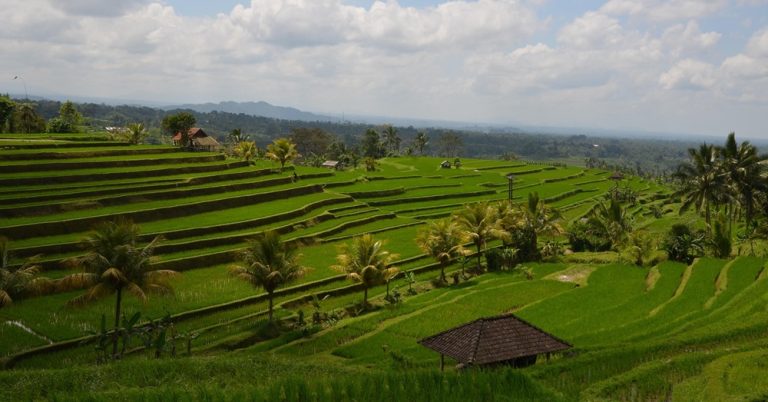
The island becomes noticeably greener during the wet season. Rice terraces look particularly vibrant, waterfalls are often at their most impressive, and tropical vegetation flourishes throughout the landscape.
Temperatures remain warm throughout the year, but humidity levels are higher than during the dry season. Visitors should expect occasional afternoon or evening showers, especially during January and February.
For travelers focused primarily on beaches and island hopping, the rainy season may require more flexibility. For those interested in culture, food, wellness retreats, photography, and relaxation, the impact is often much smaller than expected.
December, January, and February
These months generally receive the highest rainfall totals of the year. Storms can occasionally be heavy, and sea conditions may become less predictable for boat trips to Nusa Penida, Nusa Lembongan, or the Gili Islands.
That said, many visitors still enjoy successful trips during this period. Hotels, restaurants, beach clubs, temples, and attractions remain open, and Bali continues to welcome large numbers of international travelers.
Does It Rain All Day in Bali?
Usually not. While prolonged rainy periods can occur, especially during strong weather systems, many rainy-season days still feature sunshine before or after a storm. It is common to experience bright mornings followed by a tropical downpour later in the day.
This is one of the reasons many travelers return from Bali surprised by how much good weather they experienced despite visiting during the wet season.
Advantages of Visiting During the Rainy Season
- Lower hotel and villa prices
- Fewer crowds at many attractions
- Lush green landscapes and rice terraces
- Powerful waterfalls and tropical scenery
- Greater accommodation availability
Should You Avoid Bali's Rainy Season?
Not necessarily. If your trip depends on daily beach weather, island hopping, diving, or outdoor adventures, the dry season remains the safer choice. However, travelers who prioritize value, luxury resorts, wellness retreats, cultural experiences, or simply a quieter atmosphere can still have an excellent experience during the wetter months.
For most first-time visitors, May through October remains the easiest recommendation. However, Bali's rainy season is far more travel-friendly than many people expect, and it should not automatically discourage you from visiting the island.

Our Recommendation: When Should You Visit Bali?
After helping countless travelers plan trips to Bali and comparing the pros and cons of each season, one conclusion stands out: there is no single perfect month for everyone. The best time to visit Bali depends on your priorities, budget, travel style, and the type of experience you want from the island.
That said, some months consistently offer a better balance of weather, crowd levels, prices, and overall travel conditions than others.
If You Are Visiting Bali for the First Time
For most first-time visitors, the safest choice is between May and October. During these months, rainfall is generally lower, outdoor activities are easier to plan, and you are more likely to experience the Bali that most travelers imagine when booking their trip.
If your dates are flexible, September is often the standout month thanks to its combination of excellent weather and slightly lower crowd levels compared to July and August.
If You Want the Best Weather
June, July, August, and September typically offer Bali's most reliable sunshine and lowest rainfall. These months are ideal for beaches, sightseeing, island hopping, surfing, and outdoor adventures.
The trade-off is that they are also among the busiest and most expensive periods of the year.
If You Want Fewer Crowds
May and October are often the sweet spot. The weather remains very good, but visitor numbers are generally lower than during the peak summer season.
Many experienced Bali travelers deliberately target these shoulder-season months because they offer much of the dry season's appeal without the highest accommodation prices and busiest attractions.
If You Are Traveling on a Budget
February, March, and November are often the best months for finding lower prices. Accommodation deals are easier to find, and flights can sometimes be more affordable than during peak travel periods.
You will need to accept a greater chance of rain, but many travelers find the savings worthwhile.
If Your Trip Focuses on Beaches
The dry season between May and October remains the best choice for beach lovers. Sea conditions are generally more favorable, sunshine is more reliable, and activities such as snorkeling, diving, and island hopping are easier to organize.
If You Are Planning a Honeymoon
May, June, September, and October are often the strongest honeymoon months. Couples benefit from excellent weather while avoiding some of the peak-season crowds found in July and August.
Our Overall Pick
If we could recommend only one period for most travelers, it would be September. The weather is typically excellent, the dry season is still in full swing, beaches are at their best, and the island often feels slightly less crowded than during the peak summer holiday period.
In short, Bali is a destination that can be enjoyed throughout the year, but May, June, September, and October consistently offer the strongest overall balance of weather, value, comfort, and travel flexibility. For most travelers, these months represent the best time to visit Bali.
Frequently Asked Questions About the Best Time to Visit Bali
-
What is the best month to visit Bali?
For many travelers, September is the best month to visit Bali. The weather is typically excellent, rainfall is low, and the island is often slightly less crowded than during the peak summer months of July and August. -
What is the best time of year to visit Bali?
The dry season between May and October is generally considered the best time of year to visit Bali. These months offer the most reliable weather for beaches, sightseeing, island hopping, and outdoor activities. -
When is the best time to visit Bali Indonesia?
Most travelers will have the best experience between May and October, especially during June, September, and October when weather conditions are excellent and crowd levels are often more manageable than during peak season. -
Is Bali worth visiting in December?
Yes. December falls within Bali's rainy season, but many travelers still enjoy visiting. Expect higher humidity, occasional tropical downpours, and larger crowds during the Christmas and New Year period. -
Does it rain all day in Bali during the rainy season?
Usually not. Rain often arrives in short but intense tropical showers rather than lasting all day. Many rainy-season days still include several hours of sunshine. -
What is the cheapest month to visit Bali?
February and March are often among the cheapest months to visit Bali. Accommodation prices are typically lower, and travelers can often find better deals than during the peak dry-season months. -
What is the hottest month in Bali?
The hottest period is generally between December and March, when temperatures remain high and humidity levels increase during the rainy season. -
Is October a good time to visit Bali?
Yes. October is often considered one of the best months to visit Bali. Weather conditions remain largely dry, temperatures are warm, and crowds are usually lower than during July and August. -
Is Bali crowded in August?
August is one of Bali's busiest months. The weather is excellent, but popular attractions, beach clubs, hotels, and tourist areas often experience peak visitor numbers. -
When is Bali's rainy season?
Bali's rainy season generally runs from November to April, with December, January, and February typically receiving the highest rainfall. -
Can you visit Bali during the rainy season?
Absolutely. Many travelers visit Bali throughout the rainy season and still enjoy a fantastic trip. While flexibility is important, the island remains warm, vibrant, and attractive year-round. -
What is the best time to visit Bali for good weather?
June through September usually provide the most reliable sunshine and the lowest chance of rainfall. These months are ideal for travelers who prioritize outdoor activities and beach time. -
What is the best time to visit Bali for beaches?
The dry season from May to October offers the best beach conditions. Sea conditions are generally calmer, rainfall is lower, and water activities are easier to plan. -
What is the best time to visit Bali for a honeymoon?
May, June, September, and October are often considered the best honeymoon months thanks to their combination of excellent weather, romantic settings, and lower crowd levels than peak season.
Travel Resources to Plan, Book & Stay Connected
Use these tools and guides to stay connected abroad, find inspiration for your next trip, and book your flights, stays and gear with confidence.
Disclosure: This article may contain affiliate links. If you make a purchase through a link, I may receive a commission at no extra cost to you. I only share recommendations I believe are genuinely useful, and all opinions are my own. AI was used in this post for research and drafting purposes.

Comment (0)