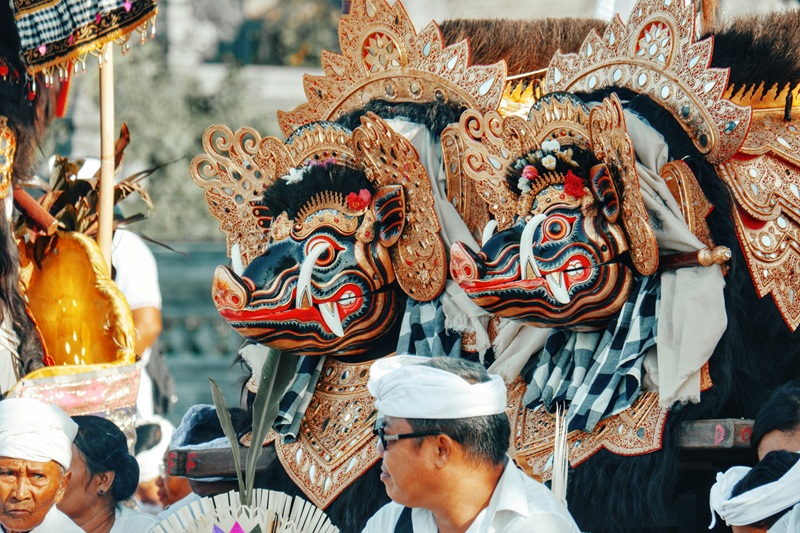
Is Bali Safe? What This Guide Covers
For most travelers, Bali is a safe destination and one of the easiest places to visit in Southeast Asia. Millions of tourists visit the island every year without experiencing serious problems. However, that does not mean there are no risks. Petty theft, traffic accidents, tourist scams, drink spiking incidents, and natural hazards do occur, and understanding them before you arrive can help you avoid the vast majority of issues.
This guide explains the reality of safety in Bali, including the risks tourists are most likely to encounter, which concerns are often exaggerated, and the practical steps that can make your trip safer and more enjoyable.
- Whether Bali is safe for tourists, families, couples, and solo travelers
- The most common scams visitors encounter in Bali
- Crime levels, theft risks, and areas where extra caution is needed
- Scooter safety and why traffic accidents are a bigger concern than crime
- Safety advice for solo female travelers
- Nightlife safety, drink spiking, and common mistakes after dark
- Volcanoes, earthquakes, tsunamis, and other natural hazards
- The safest areas to stay in Bali
- Practical safety tips that can reduce risk during your trip
If you are still planning your trip, start with our complete guide to the best things to do in Bali, which covers the island's top attractions, temples, beaches, waterfalls, and cultural experiences.
Safety is also closely linked to where you stay and how you move around the island. Choosing the right base can dramatically improve your experience, so it is worth reviewing the best areas to stay in Bali and understanding how transportation works across the island before finalizing your itinerary.

Is Bali Safe?
Yes, Bali is generally safe for tourists and remains one of the most popular travel destinations in Southeast Asia. Millions of visitors travel to the island every year, including solo travelers, families, couples, backpackers, and digital nomads. Most trips are completed without any serious safety issues.
The reality is that Bali is not a dangerous destination, but it is not risk-free either. The biggest threats facing most visitors are not violent crime or serious security concerns. Instead, they are everyday travel risks such as scooter accidents, petty theft, tourist scams, alcohol-related incidents, and simple mistakes caused by unfamiliar surroundings.
Many first-time visitors arrive worried about crime and personal safety. In practice, Bali feels safer than many major cities in North America, Europe, and Australia. Violent crime against tourists is relatively uncommon, and the vast majority of visitors spend their time exploring temples, beaches, cafés, rice terraces, and nightlife without experiencing any problems.
The key to staying safe in Bali is understanding where the genuine risks exist. A traveler who wears a helmet, avoids driving recklessly, uses reputable transport providers, keeps valuables secure, and exercises normal common sense is unlikely to encounter major issues during their visit.
In short, most travelers should feel comfortable visiting Bali. The island remains welcoming, tourist-friendly, and easy to navigate, but like any destination, a little preparation goes a long way.
- Bali is generally safe for tourists, including first-time visitors
- Petty theft and scams exist but are usually easy to avoid
- Scooter accidents are a far bigger risk than crime
- Most popular tourist areas feel safe during both day and evening hours
- Solo female travelers regularly visit Bali without major problems
- Using common sense dramatically reduces the chances of encountering issues

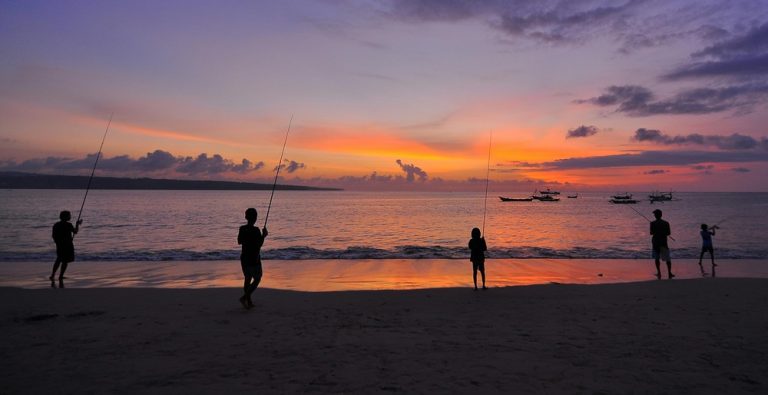
How Safe Is Bali for Tourists?
- Most tourists visit Bali without experiencing serious safety problems
- Violent crime against visitors is relatively uncommon
- Traffic accidents present a greater risk than crime
- Popular tourist areas are generally safe during both day and evening hours
- Normal travel precautions are usually enough to avoid most issues
For the average visitor, Bali is considered one of the safer destinations in Southeast Asia. The island has welcomed international tourists for decades and has developed an extensive tourism infrastructure that caters to travelers from around the world. English is widely spoken in tourist areas, accommodation options are abundant, and most businesses are accustomed to serving foreign visitors.
Many people searching "is Bali safe to visit" or "how safe is Bali" are often concerned about violent crime. In reality, serious incidents involving tourists are relatively rare. The overwhelming majority of visitors spend their days exploring temples, beaches, cafés, waterfalls, rice terraces, and cultural attractions without encountering significant safety issues.
The most common problems tend to be opportunistic rather than violent. Unattended phones can disappear from café tables, bags left on scooters can attract thieves, and travelers who become heavily intoxicated may make themselves vulnerable to scams or theft. These situations are usually preventable through basic awareness and common sense.
Is Bali Safe for Families?
Yes. Bali is one of the most family-friendly destinations in Asia. Areas such as Sanur and Nusa Dua are particularly popular with families thanks to their calmer atmosphere, walkable areas, family-oriented resorts, and relatively gentle beaches. Families are generally more likely to encounter traffic frustrations than security concerns.
Is Bali Safe for Solo Travelers?
Bali is one of the most popular solo travel destinations in the world. The island has a well-established backpacker, digital nomad, and long-term traveler community, making it easy to meet other people. Places such as Ubud, Canggu, Seminyak, and Uluwatu regularly attract solo travelers who spend weeks or months on the island.
Most solo travelers find Bali welcoming and easy to navigate. Accommodation ranges from social hostels to luxury villas, transport is readily available, and tourist facilities are widespread throughout the most visited regions.
Is Bali Safe for Honeymooners?
Bali is also considered one of the world's most popular destinations for couples and honeymooners. Areas such as Ubud, Uluwatu, Nusa Dua, and the Gili Islands attract thousands of couples each year thanks to their romantic resorts, private villas, beautiful scenery, and generally relaxed atmosphere. While normal travel precautions still apply, most couples find Bali easy to navigate and comfortable for independent travel.
Violent crime affecting tourists remains relatively uncommon, and most honeymooners spend their time enjoying beaches, cultural attractions, spas, restaurants, island excursions, and resort facilities without experiencing safety issues. The most common concerns tend to be traffic accidents, petty theft, scams, strong ocean currents, and health issues such as dehydration or Bali Belly rather than serious crime.
Travelers planning a romantic getaway can find additional recommendations in our Bali honeymoon travel guide, which covers romantic destinations, accommodation, activities, and practical planning advice.
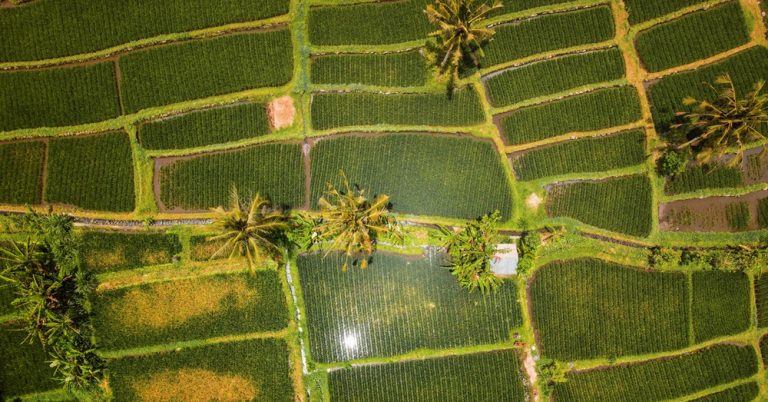
Is Bali Safe for Solo Female Travellers?
For most women, Bali is considered one of the safer destinations in Southeast Asia for solo travel. Female travelers frequently visit the island independently for surfing, yoga retreats, wellness experiences, remote work, and long-term travel. Harassment levels are generally lower than in many other popular tourist destinations around the world.
That said, the same precautions that apply anywhere else still apply in Bali. Avoid excessive alcohol consumption, use reputable transportation providers, be cautious when meeting strangers, and avoid walking alone in isolated areas late at night. Following basic travel safety practices significantly reduces risk.
Is Bali Safe for Americans, Australians, and European Travelers?
Yes. Bali has long been a favorite destination for travelers from Australia, Europe, North America, and increasingly other parts of Asia. Tourist infrastructure is well developed, international visitors are common throughout the island, and many businesses cater specifically to foreign guests.
Most travelers from these regions find Bali to be welcoming, easy to navigate, and relatively safe. The biggest adjustment is often dealing with Bali's traffic, road conditions, and transportation challenges rather than concerns about crime.
For most visitors, the answer to the question "is Bali safe for tourists?" is straightforward: yes. Bali is generally a safe destination, but understanding the common risks and taking sensible precautions will help ensure your trip remains memorable for the right reasons.

Common Scams in Bali
- Most scams in Bali target tourists rather than residents
- Taxi overcharging and transport-related scams are among the most common issues
- Unlicensed money changers can manipulate exchange rates and cash counts
- Scooter rental disputes occasionally occur when damage is claimed after return
- The majority of scams are inconvenient rather than dangerous
One reason many travelers search "is Bali safe to visit" is concern about scams. Fortunately, most scams in Bali are relatively minor and can usually be avoided with a little awareness. The island does not have a reputation for sophisticated tourist fraud, but visitors can occasionally encounter dishonest operators looking to take advantage of unfamiliar travelers.
The good news is that once you know what to look for, most scams become easy to avoid. The vast majority of businesses in Bali are legitimate and depend heavily on tourism, meaning they have a strong incentive to maintain a good reputation.
Taxi Overcharging and Transport Scams
Transport-related scams are among the most common complaints from visitors. Some unofficial taxi drivers may quote inflated prices, particularly around airports, nightlife areas, and major tourist attractions. Others may claim that a meter is broken and attempt to negotiate a much higher fare.
The easiest solution is to use reputable ride-hailing apps such as Grab or Gojek whenever possible. These apps provide transparent pricing before the trip begins and reduce the chances of misunderstandings or overcharging.
Money Exchange Scams
Bali has many legitimate money exchange businesses, but a small number of operators have earned a reputation for misleading tourists. Common tactics include offering unusually attractive exchange rates, using confusing calculations, or recounting cash quickly in an attempt to shortchange customers.
If an exchange rate looks dramatically better than everywhere else, it is usually a warning sign. Stick to reputable exchange offices, count your money carefully before leaving the counter, and avoid exchanging large amounts in small, unlicensed booths.
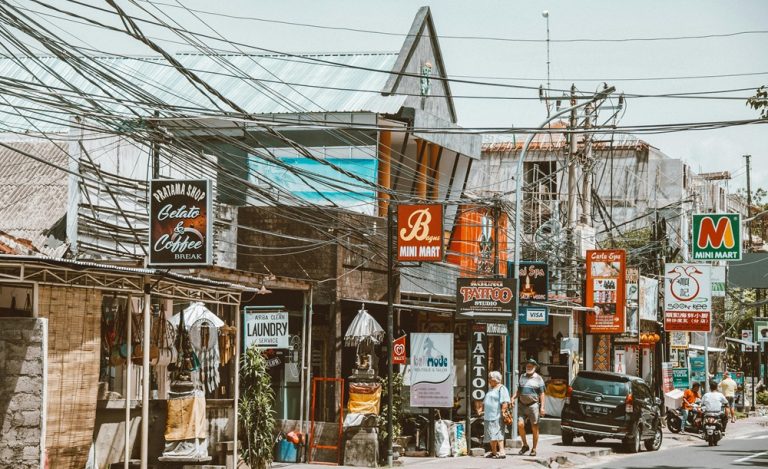
Scooter Rental Disputes
Renting a scooter is common in Bali, but occasional disputes arise when a rental company claims damage occurred during the rental period. In some cases, travelers are asked to pay repair costs that they believe are unfair or exaggerated.
Before leaving with any scooter, take clear photos and videos of the vehicle from every angle. Document existing scratches, dents, and cosmetic damage. These images can be extremely helpful if a disagreement occurs when returning the scooter.
Tour and Activity Pricing Tricks
Some visitors encounter situations where a tour, activity, or service appears inexpensive at first but later includes unexpected fees. This is more likely to happen when booking through informal street vendors rather than established operators.
Whenever possible, confirm exactly what is included before paying. Ask whether entrance fees, transport, equipment rental, taxes, and guide services are covered in the quoted price.
Nightlife and Drink Scams
Although uncommon, occasional reports involve inflated bar tabs, drink tampering, or visitors being pressured into spending more than expected in nightlife venues. These incidents tend to be concentrated in busy nightlife districts rather than across Bali as a whole.
As with any destination, keep an eye on your drinks, avoid accepting beverages from strangers, and review bills before paying. Most bars and beach clubs operate professionally, but exercising basic caution remains sensible.
Many of the scams found in Bali are not unique to the island. Taxi overcharging, money exchange tricks, fake tour offers, and drink scams are common in tourist destinations around the world. Before you travel, take a look at our Travel Scams Around the World guide for a broader overview of the most common tourist scams and how to avoid them.
Overall, scams in Bali are usually more annoying than dangerous. Most involve attempts to overcharge tourists rather than cause physical harm. Travelers who use reputable businesses, verify prices in advance, and remain aware of their surroundings are unlikely to experience serious problems.

Crime in Bali
- Petty theft is more common than violent crime in Bali
- Pickpocketing and bag theft occasionally occur in busy tourist areas
- Violent crime against tourists is relatively uncommon
- Most incidents can be avoided through basic precautions
- Traffic accidents remain a greater risk than criminal activity
When travelers ask whether Bali is safe, they are often thinking about crime. The reality is that crime exists in Bali, just as it does in any popular tourist destination, but the level of risk is generally lower than many visitors expect.
Most reported incidents involving tourists are opportunistic crimes rather than violent offenses. Thieves tend to target unattended belongings, unsecured bags, mobile phones left on tables, or valuables visible on parked scooters. Visitors who take basic precautions rarely experience serious problems.
For the average traveler, crime is unlikely to define a trip to Bali. Most visitors spend their entire holiday without encountering any criminal activity, particularly when staying in established tourist areas and exercising normal awareness.
Pickpocketing and Bag Theft
Pickpocketing can occur in crowded areas, especially around markets, nightlife districts, festivals, and busy tourist attractions. While Bali is generally safer than many major cities around the world, crowded environments still create opportunities for theft.
Crossbody bags, zippered pockets, and keeping valuables out of sight are usually sufficient precautions. Carrying only what you need for the day can further reduce risk.
Phone Snatching and Scooter Theft Incidents
One of the more common theft-related incidents reported by tourists involves phones being snatched by thieves riding scooters. This usually occurs when someone is walking near the edge of a road while holding a phone visibly in their hand.
Using your phone away from the roadside and remaining aware of passing traffic can significantly reduce the chances of becoming a target. Although these incidents are not widespread, they occur often enough to justify caution.
Accommodation Security
Hotels, resorts, guesthouses, and villas in Bali are generally safe, but visitors should still use available security features. Lock doors and windows when leaving, use room safes when provided, and avoid leaving expensive electronics or passports visible in accommodation.
Travelers choosing reputable accommodations in established tourist areas rarely encounter significant security issues. If you are still deciding where to base yourself, our guide to choosing the right area in Bali can help you identify the parts of the island that best match your travel style.
Violent Crime in Bali
Violent crime against tourists is relatively uncommon. Most visitors never encounter threats, assaults, or serious criminal incidents during their stay. This is one reason Bali continues to attract millions of international visitors every year.
That does not mean violent crime never occurs, but it is not the primary safety concern for most travelers. In practical terms, visitors are far more likely to experience transport-related issues, minor scams, or petty theft than serious criminal activity.
How to Reduce Your Risk
The same habits that help keep travelers safe anywhere in the world work well in Bali:
- Keep valuables secure and out of sight
- Avoid carrying large amounts of cash
- Stay aware in crowded areas
- Use reputable transportation providers
- Lock accommodation doors and windows when leaving
- Be cautious when using your phone near busy roads
For most visitors, Bali feels safe, welcoming, and easy to navigate. Understanding the types of crime that occasionally affect tourists allows you to take sensible precautions while focusing on enjoying the island rather than worrying about unlikely worst-case scenarios.
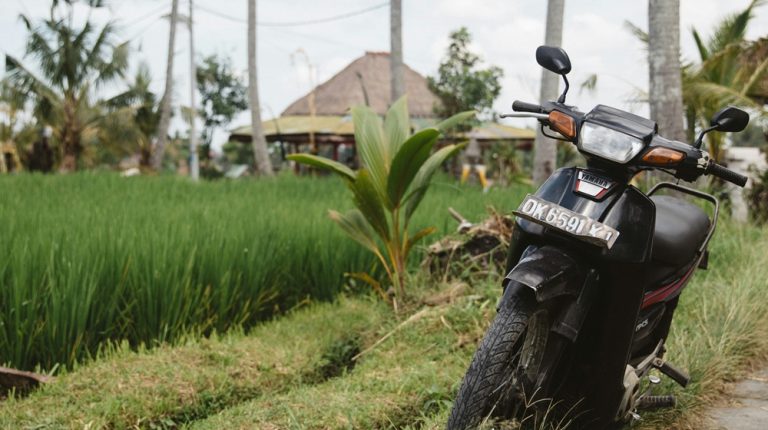
Are Bali Scooters Dangerous?
- Scooter accidents are one of the biggest safety risks facing tourists in Bali
- Many visitors underestimate Bali's traffic conditions and road hazards
- Not wearing a helmet dramatically increases the risk of serious injury
- Inexperience, poor road conditions, and traffic congestion contribute to accidents
- For many travelers, using drivers or ride-hailing apps is the safer option
If there is one safety concern that deserves more attention than crime, scams, or theft, it is scooter accidents. Many experienced travelers consider road safety to be the single biggest risk facing tourists in Bali.
The island's roads can be chaotic, particularly in busy areas such as Canggu, Seminyak, Kuta, and parts of Ubud. Heavy traffic, narrow roads, unpredictable driving behavior, loose dogs, potholes, poor lighting, and sudden weather changes all create conditions that can be challenging even for experienced riders.
Many visitors arrive expecting a relaxed tropical island where driving a scooter feels easy. The reality can be very different. Someone with little or no scooter experience may suddenly find themselves navigating dense traffic, unfamiliar road rules, and road conditions that require constant attention.
Why Do So Many Tourists Have Scooter Accidents?
Several factors contribute to the high number of scooter-related injuries involving tourists:
- Limited or no previous scooter experience
- Driving without a proper motorcycle license
- Not wearing a helmet
- Roads made slippery by tropical rain
- Fatigue after long travel days
- Distractions caused by navigation apps or unfamiliar surroundings
- Driving after consuming alcohol
Many accidents occur not because riders are reckless, but because they underestimate how quickly conditions can change. A short ride to a beach, café, or temple can become far more challenging than expected when traffic builds up or weather conditions deteriorate.
Should You Rent a Scooter in Bali?
For experienced riders who hold the appropriate license, wear protective gear, and understand the risks, renting a scooter can be a convenient way to explore the island. Many travelers use scooters safely every day.
However, most first-time visitors should think carefully before renting one. If you have never ridden a scooter before, Bali is not the ideal place to learn. The freedom a scooter provides can be appealing, but the consequences of an accident can be significant.
For many travelers, especially families, occasional visitors, and anyone lacking confidence on two wheels, using private drivers, Grab, or Gojek is often the safer and less stressful option. Our guide to transportation options in Bali explains the different ways to explore the island without relying entirely on a scooter.
Always Wear a Helmet
This may seem obvious, but it remains one of the most important safety recommendations for Bali. A significant proportion of serious injuries involve riders who were not wearing helmets at the time of the accident.
Even on short journeys, a helmet should be considered essential. The distance being traveled has little relevance when unexpected hazards can appear within seconds.
Travel Insurance Matters
Because road accidents are one of the most common causes of serious travel-related injuries in Bali, comprehensive travel insurance is strongly recommended. Medical treatment, emergency transport, and unexpected changes to travel plans can become expensive very quickly after an accident.
Before your trip, it is worth reviewing whether travel insurance is necessary for your type of trip and understanding exactly what activities your policy covers.
For many visitors asking "is Bali safe?", scooters are where the conversation becomes most important. While crime levels are relatively low and scams are usually minor, road safety is one area where sensible decisions can make a significant difference to the outcome of your trip.

Is Bali Safe for Solo Female Travellers?
- Bali is widely considered one of the safest destinations in Asia for solo female travelers
- Thousands of women visit Bali alone every year for holidays, remote work, wellness retreats, and long-term travel
- Harassment levels are generally lower than in many popular tourist destinations worldwide
- Most safety concerns involve the same common travel risks found elsewhere
- Basic precautions can significantly reduce risk during your trip
For women wondering whether Bali is safe for solo female travellers, the short answer is yes. Bali has developed a strong reputation as a welcoming destination for independent female travelers, attracting everyone from backpackers and digital nomads to surfers, yoga enthusiasts, and long-term visitors.
One reason Bali appeals to solo travelers is that it rarely feels difficult to meet people. Popular destinations such as Ubud, Canggu, Seminyak, Uluwatu, and Sanur have active tourism communities, countless cafés, coworking spaces, group tours, and accommodation options where meeting fellow travelers happens naturally.
Many women choose Bali specifically because it offers a balance between adventure and comfort. Tourist infrastructure is well developed, transportation is widely available, and English is commonly spoken in the areas most visitors frequent.
What Risks Should Solo Female Travellers Be Aware Of?
While Bali is generally safe, it is still important to approach travel with realistic expectations. Most incidents involving solo female travelers are not unique to Bali and are similar to situations that can arise almost anywhere in the world.
- Excessive alcohol consumption in nightlife areas
- Accepting rides from unofficial transport providers
- Walking alone in isolated areas late at night
- Leaving drinks unattended in bars or clubs
- Sharing personal information too quickly with strangers
The vast majority of women who visit Bali never experience serious problems, but exercising the same awareness you would use at home remains sensible.
Are Bali's Tourist Areas Safe for Women?
Most of Bali's major tourist destinations feel comfortable and welcoming for solo female travelers. Ubud is particularly popular among women interested in culture, wellness, yoga, and slower-paced travel. Sanur offers a relaxed atmosphere and is often favored by travelers seeking a quieter environment.
Canggu and Seminyak attract larger crowds, including surfers, digital nomads, and nightlife-focused travelers. These areas are generally safe, but the increased nightlife scene means visitors should exercise the same caution they would in any busy entertainment district.
Choosing the right location can influence both comfort and safety during your trip. If you are still deciding where to stay, our guide to Bali's most popular areas and neighborhoods can help you find the best base for your travel style.
Transportation Safety for Women
Many solo female travelers use Grab, Gojek, private drivers, and organized tours throughout Bali without issue. These options are generally considered safer and more convenient than learning to ride a scooter for the first time on busy roads.
When using transportation services, confirm vehicle details before entering, share your location with someone you trust when appropriate, and rely on reputable providers whenever possible.
Practical Safety Tips for Solo Female Travellers
- Use reputable accommodation with strong reviews
- Keep family or friends informed of your plans
- Avoid carrying large amounts of cash
- Be cautious when consuming alcohol
- Use trusted transport providers and ride-hailing apps
- Trust your instincts if a situation feels uncomfortable
- Keep emergency contact information accessible
Overall, Bali remains one of the easiest and most approachable destinations for solo female travel. Most women who visit the island find it friendly, welcoming, and straightforward to navigate. While no destination is completely risk-free, Bali's reputation as a safe place for independent travelers is generally well deserved.

Is Bali Safe at Night?
- Most tourist areas in Bali remain active and relatively safe after dark
- Popular destinations such as Seminyak, Canggu, Ubud, Sanur, and Uluwatu attract visitors well into the evening
- Alcohol-related incidents and poor decision-making create more risk than crime itself
- Using reputable transportation is one of the easiest ways to stay safe at night
- Normal precautions are usually enough to avoid most problems
For most visitors, Bali feels safe at night. Restaurants, cafés, night markets, beach clubs, bars, and nightlife venues remain busy long after sunset, particularly in popular tourist areas. It is common to see travelers walking between venues, dining outdoors, or returning to accommodation late in the evening.
The atmosphere in many parts of Bali is generally relaxed rather than intimidating. However, as with any destination that attracts millions of visitors each year, nighttime brings a different set of risks than daytime sightseeing.
Nightlife Areas Require More Awareness
Areas such as Seminyak, Canggu, Kuta, Legian, and parts of Uluwatu have active nightlife scenes. Most visitors enjoy these areas without issue, but the combination of alcohol, crowds, and late-night travel naturally increases risk.
The majority of incidents reported by tourists after dark involve excessive drinking, arguments, accidents, lost belongings, or poor decisions rather than serious criminal activity. Travelers who remain aware of their surroundings and drink responsibly are unlikely to encounter significant problems.
Drink Spiking and Nightlife Safety
Although relatively uncommon, reports of drink spiking occasionally emerge in Bali, particularly in nightlife-focused areas. This is not unique to Bali and is a risk that exists in destinations around the world.
Simple precautions can dramatically reduce the risk:
- Never leave drinks unattended
- Avoid accepting drinks from strangers unless you personally observe them being prepared
- Keep an eye on friends during nights out
- Leave immediately if a venue feels uncomfortable or unsafe
- Trust your instincts when something does not feel right
Walking Around After Dark
In most tourist areas, walking short distances at night is generally safe. However, some roads lack proper sidewalks, lighting can vary significantly, and traffic often remains busy long after sunset.
Many visitors are surprised to discover that road safety can sometimes be a bigger concern than crime when walking at night. Uneven pavements, fast-moving scooters, and limited pedestrian infrastructure mean that staying alert is important even in otherwise safe areas.
Getting Back to Your Accommodation Safely
One of the easiest ways to reduce risk at night is to plan your return journey before heading out. Grab, Gojek, and trusted private drivers are widely used throughout Bali and provide a safer alternative than attempting to negotiate transport while tired or intoxicated.
If you expect to spend time exploring beach clubs, bars, or nightlife venues, choosing accommodation nearby can also make evenings more convenient. Travelers planning their trip may find our guide to the best areas to stay in Bali useful when deciding where to base themselves.
Can You Feel Comfortable at Night in Bali?
For most travelers, yes. Couples regularly walk between restaurants and hotels after dark, solo travelers dine alone without issue, and families enjoy evening markets and cultural performances throughout the island.
The key is not to treat Bali as either completely risk-free or unusually dangerous. It is a destination where sensible decisions matter. Travelers who drink responsibly, use reliable transportation, remain aware of their surroundings, and follow basic safety practices generally find Bali to be a comfortable and enjoyable place to explore after sunset.

Natural Disasters in Bali
- Natural disasters are a real but relatively infrequent risk in Bali
- The island sits within the Pacific Ring of Fire and experiences volcanic and seismic activity
- Earthquakes are not uncommon, although most are minor
- Heavy rainfall can occasionally cause flooding and landslides during the wet season
- Most travelers visit Bali without experiencing any natural disaster-related disruption
Many travelers asking "is it safe to travel to Bali right now" are often concerned about natural disasters rather than crime. Bali is located in a geologically active part of the world, meaning volcanoes, earthquakes, and severe weather events occasionally affect the island.
While these risks are real, they should be kept in perspective. Millions of visitors travel to Bali every year without encountering any significant natural disaster-related issues. Most events are closely monitored by local authorities, and major tourism disruptions remain relatively uncommon.
Volcanoes in Bali
Bali is home to several volcanoes, including Mount Agung, the island's highest and most famous volcano. Periods of increased volcanic activity occasionally make international headlines and can create concern among travelers planning a trip.
The most significant impacts typically involve temporary exclusion zones around the volcano and, in some cases, disruptions to flights caused by volcanic ash. These events are usually monitored well in advance, giving authorities time to issue warnings and implement safety measures where necessary.
For most visitors, volcanic activity does not affect their trip. However, checking local conditions before departure is always sensible if there has been recent activity reported in the region.
Earthquakes and Tsunamis
Indonesia experiences regular seismic activity because it sits near several major tectonic plate boundaries. Earthquakes occur throughout the country, including in and around Bali, although many are minor and cause little or no disruption.
As with many coastal regions located within the Pacific Ring of Fire, tsunamis are a theoretical risk. However, significant tsunami events affecting tourists in Bali are rare. Local monitoring systems and warning procedures exist to help authorities respond when necessary.
Travelers staying near the coast can familiarize themselves with evacuation information provided by hotels or local authorities, but for most visitors this remains a low-probability risk rather than a daily concern.
Rainy Season Flooding and Landslides
During Bali's wet season, heavy rainfall can occasionally lead to localized flooding, road disruptions, and landslides, particularly in mountainous areas. These events are usually temporary but can affect travel times and outdoor activities.
If you are planning a trip during the rainy season, it is worth understanding how weather patterns vary throughout the year. Our guide to Bali's different travel seasons explains what conditions you can typically expect each month.
Should Natural Disasters Stop You From Visiting Bali?
For most travelers, no. Natural disasters are a risk worth understanding, but they are not a reason to avoid Bali. The island remains one of the world's most visited travel destinations, and the overwhelming majority of visitors experience no issues related to volcanoes, earthquakes, or severe weather.
The best approach is simply to stay informed. Before departure, consider checking the latest travel advice published by official government sources such as Australia's SmartTraveller, the U.S. Department of State Travel Advisories, or the UK Foreign Travel Advice service. These resources provide current information about safety conditions, entry requirements, and any significant disruptions affecting travelers.
In practical terms, natural disasters are not the risk most visitors should focus on. Traffic accidents, poor travel planning, and everyday travel mistakes are far more likely to affect a trip than a major natural disaster. Understanding the risks is useful, but there is no need to let them overshadow the many reasons people continue to visit Bali year after year.

Safest Areas to Stay in Bali
- Most tourist areas in Bali are considered safe for visitors
- Sanur and Nusa Dua are often regarded as the calmest and most family-friendly areas
- Ubud is popular among solo travelers, couples, and wellness-focused visitors
- Canggu and Seminyak offer excellent facilities but have busier nightlife scenes
- Choosing the right area can significantly improve both comfort and safety
When travelers ask whether Bali is safe, the answer often depends partly on where they choose to stay. While most of Bali's popular tourist areas are considered safe, each part of the island offers a different atmosphere, level of activity, and travel experience.
The good news is that visitors generally do not need to avoid entire regions because of crime. Instead, the decision usually comes down to choosing an area that matches your travel style, comfort level, and priorities. If you're comparing destinations across the island, our overview of Bali's most popular regions explains which areas are best suited to families, couples, solo travelers, surfers, digital nomads, and first-time visitors.
Sanur
Sanur is often one of the first areas recommended to travelers looking for a quieter and more relaxed side of Bali. The beachfront promenade, slower pace of life, and family-oriented atmosphere make it popular with couples, retirees, and visitors who prefer a calmer environment.
The area has relatively little nightlife compared to Seminyak or Canggu, which contributes to its reputation as one of the island's more comfortable and predictable places to stay.
Nusa Dua
Nusa Dua is home to many of Bali's luxury resorts and is often viewed as one of the most controlled tourist environments on the island. Wide roads, well-maintained grounds, resort security, and a focus on high-end tourism create an experience that feels very different from some of Bali's busier destinations.
Families, honeymooners, and first-time visitors frequently choose Nusa Dua because of its convenience, cleanliness, and relaxed atmosphere.
Ubud
Ubud is one of Bali's most popular destinations for culture, wellness, yoga retreats, and longer stays. Solo travelers, digital nomads, and couples are particularly drawn to its rice terraces, temples, cafés, and slower pace.
Although traffic can become busy in central Ubud, the area generally feels welcoming and comfortable for independent travelers. Many visitors who are concerned about safety find Ubud to be one of the easiest places to settle into during their first trip to Bali. Travelers wanting a deeper look at the area's temples, rice terraces, waterfalls, cultural attractions, and practical travel advice can read our detailed guide to visiting Ubud before planning their stay.

Seminyak
Seminyak combines upscale restaurants, beach clubs, shopping, and nightlife. It remains one of Bali's most popular tourist areas and is generally safe for visitors, though the active nightlife scene means travelers should exercise the same caution they would in any busy entertainment district.
Most safety concerns in Seminyak relate to alcohol consumption, late-night transport, and petty theft rather than serious crime. Travelers looking for a more detailed overview of the area can also read our Seminyak visitor planning guide, which covers accommodation, beaches, restaurants, transportation, and local travel tips.
Canggu
Canggu has become one of Bali's most popular destinations for surfers, remote workers, and younger travelers. The area offers excellent cafés, coworking spaces, restaurants, and beach clubs, creating a vibrant social environment.
Crime levels remain relatively low, but heavy traffic and large numbers of scooters create challenges that many visitors underestimate. For some travelers, navigating Canggu's roads can be more stressful than any security concern.
Which Area Is Safest?
There is no single "safest" place in Bali because different travelers prioritize different things. Families often prefer Sanur or Nusa Dua, wellness travelers frequently choose Ubud, and those seeking nightlife usually gravitate toward Seminyak or Canggu.
For most visitors, the safest area is simply the one that best matches their travel style. Staying close to the activities you plan to enjoy reduces unnecessary travel, minimizes time spent on busy roads, and generally creates a more comfortable experience overall.
If you are still deciding where to base yourself, our complete guide to where to stay in Bali for different travel styles compares the island's most popular areas in far more detail.
Bali Safety Tips
- Wear a helmet whenever riding a scooter
- Use Grab, Gojek, or trusted drivers for transportation
- Keep valuables secure and avoid displaying expensive items
- Use reputable money changers and count cash carefully
- Drink responsibly and never leave drinks unattended
- Carry travel insurance that covers your planned activities
- Stay aware of weather conditions and local travel advisories
Most travelers who encounter problems in Bali do not become victims of serious crime. Instead, issues often arise from poor planning, unnecessary risks, or simple mistakes that are easy to avoid. Following a few practical safety habits can dramatically reduce the chances of your trip being disrupted.
Be Careful on Bali's Roads
Road safety deserves more attention than almost any other aspect of travel in Bali. Whether you are driving a scooter, riding as a passenger, walking near traffic, or using a private driver, remaining alert is essential.
Many visitors underestimate travel times, road conditions, and traffic density. Leaving extra time for journeys and avoiding unnecessary scooter use can significantly reduce risk.
Protect Your Valuables
Petty theft is not widespread, but it does occur. Keep phones, wallets, passports, and electronics secure, particularly in crowded areas, busy cafés, nightlife districts, and beaches.
A simple habit such as keeping bags zipped and avoiding leaving belongings unattended can prevent most theft-related problems.
Choose Transportation Carefully
Using trusted transportation providers is one of the easiest ways to improve your safety. Ride-hailing apps such as Grab and Gojek provide transparent pricing and reduce the risk of misunderstandings compared with negotiating transport on the spot.
If you are planning to explore extensively, understanding local transport options before arrival can make your trip much smoother. Our guide to important Bali travel advice for first-time visitors covers several practical considerations that travelers often overlook.
Food and Water Safety
Food-related illness is one of the most common health concerns among travelers visiting Bali, although the vast majority of visitors enjoy the island's food without experiencing any significant problems. Drinking bottled or filtered water, washing your hands regularly, choosing busy restaurants with good food turnover, and using common sense when selecting where to eat can significantly reduce the risk of stomach issues during your trip.
Travelers should not let concerns about food hygiene prevent them from experiencing Bali's excellent culinary scene. From traditional warungs serving local specialties to modern cafés and beachfront restaurants, food is an important part of the island's culture. Our guide to Balinese food and must-try local dishes highlights some of the island's most popular culinary experiences, while our guide to avoiding stomach problems in Bali explains prevention strategies, symptoms, treatment options, and practical health precautions for travelers.

Be Sensible With Alcohol
Most nightlife-related incidents involve excessive alcohol consumption rather than criminal activity. Drinking responsibly, staying with trusted companions, and planning your transport home in advance can significantly reduce risk.
The goal is not to avoid Bali's nightlife, but to enjoy it while making the same sensible decisions you would make anywhere else in the world.
Carry Appropriate Travel Insurance
Travel insurance is one of the simplest ways to prepare for unexpected situations. Medical treatment, flight disruptions, lost belongings, and transport-related accidents can become expensive when traveling abroad.
Even if nothing goes wrong, the peace of mind provided by adequate coverage is often worth the relatively small cost of a policy.
Respect Local Customs and Laws
Bali is a welcoming destination, but it is also a place with strong cultural and religious traditions. Showing respect at temples, dressing appropriately when required, and following local laws helps create positive interactions with residents and avoids unnecessary misunderstandings.
Many visitors find that approaching Bali with patience, curiosity, and respect not only improves safety but also leads to a far more rewarding travel experience.
The Most Important Tip
Perhaps the single most useful piece of advice is to avoid becoming complacent. Bali feels relaxed, friendly, and easygoing, which is one of the reasons people love visiting the island. However, that relaxed atmosphere can sometimes encourage travelers to take risks they would never take at home.
Use common sense, stay aware of your surroundings, make informed decisions, and prepare appropriately. Do that, and you will likely discover what millions of visitors already know: Bali is a destination where most trips are remembered for beautiful beaches, incredible scenery, rich culture, and unforgettable experiences rather than safety concerns.

Final Thoughts: Is Bali Safe?
Yes, Bali is generally safe for tourists and remains one of the easiest destinations in Southeast Asia to visit independently. Millions of travelers visit the island every year, including families, couples, backpackers, digital nomads, and solo travelers, with the vast majority completing their trips without any serious safety issues.
The biggest risks in Bali are usually not violent crime or major security concerns. Instead, visitors are far more likely to encounter everyday travel issues such as scooter accidents, petty theft, transport mistakes, tourist scams, or problems caused by poor planning. Understanding these risks before you arrive can significantly reduce the chances of your trip being disrupted. For first-time visitors, our guide to arriving in Bali for the first time covers airport procedures, transportation options, mobile connectivity, and practical arrival tips that can help you avoid some of the most common mistakes.
For most travelers, Bali feels welcoming, accessible, and easy to explore. Choosing the right area to stay, planning transportation carefully, respecting local customs, and exercising normal common sense are often all that is needed to enjoy a safe and memorable trip.
Budget planning also plays an important role in a smooth and stress-free trip. Understanding typical accommodation prices, transportation costs, activity fees, and daily expenses before arrival can help you avoid unexpected surprises. Our Bali budget planning guide provides a detailed breakdown of what travelers can realistically expect to spend across different travel styles.
If you are still planning your route around the island, our detailed Bali itinerary guide can help you decide how much time to spend in each region and which destinations best match your travel style.
You may also find our complete guide to the best things to do in Bali useful for planning temples, beaches, waterfalls, cultural attractions, and day trips across the island.
Before traveling, it is also worth arranging reliable mobile data so you can access maps, transport apps, accommodation details, and emergency information when needed. Our guide to the best eSIMs for international travel compares some of the easiest options for staying connected abroad.
Ultimately, Bali is not a risk-free destination, but neither is it the dangerous place that some travelers fear before their first visit. Approach the island with realistic expectations, stay aware of your surroundings, and make sensible decisions, and you will likely discover why Bali continues to be one of the world's most popular travel destinations.

Frequently Asked Questions About Safety in Bali
-
Is Bali safe for tourists?
Yes. Bali is generally considered safe for tourists and attracts millions of international visitors every year. Most travelers experience no serious safety issues during their trip. -
Is Bali safe to visit right now?
For most travelers, yes. Bali remains open to tourism and continues to welcome visitors from around the world. Before traveling, it is always wise to check official travel advisories and local conditions for the latest information. -
How safe is Bali compared to other destinations in Southeast Asia?
Bali is often considered one of the safer and more beginner-friendly destinations in Southeast Asia. Crime levels affecting tourists are generally low, and the island has a well-developed tourism infrastructure. -
Is Bali safe for solo female travellers?
Yes. Bali has a strong reputation as a safe destination for solo female travelers. Many women visit independently for surfing, yoga retreats, remote work, and long-term travel. Basic precautions should still be followed, especially at night. -
Is Bali safe to travel alone?
Yes. Bali is one of the world's most popular destinations for solo travel. It is easy to meet other travelers, find accommodation, arrange transport, and join activities throughout the island. -
Is Bali safe for Americans?
Yes. American visitors travel to Bali in large numbers every year. Tourist facilities are well developed, English is widely spoken in tourist areas, and the island is generally welcoming to international visitors. -
Is Bali safe for families?
Yes. Areas such as Sanur and Nusa Dua are particularly popular with families thanks to their relaxed atmosphere, family-friendly resorts, and relatively calm beaches. -
Is Bali safe at night?
Most tourist areas remain active and relatively safe after dark. Travelers should still exercise normal precautions, use reliable transport, and avoid excessive alcohol consumption. -
What is the biggest safety risk in Bali?
For most visitors, road accidents involving scooters are a greater risk than crime. Wearing a helmet, driving carefully, and using alternative transportation when appropriate can significantly improve safety. -
Are Bali taxis safe?
Generally yes. Ride-hailing services such as Grab and Gojek are widely used and provide transparent pricing. Reputable taxi companies are also considered safe for most travelers. -
Are Bali beaches safe for swimming?
Many beaches in Bali are safe for swimming, but conditions vary. Strong currents, large waves, and changing tides can create hazards in some locations. Always pay attention to local warnings and flag systems. -
Can tourists drink alcohol in Bali?
Yes. Alcohol is widely available throughout Bali in restaurants, bars, beach clubs, and hotels. Travelers should drink responsibly and avoid accepting unattended drinks from strangers. -
Do I need travel insurance for Bali?
Travel insurance is strongly recommended. Medical treatment, scooter accidents, lost belongings, flight disruptions, and other unexpected events can become expensive without adequate coverage. -
Is Bali safe during the rainy season?
Yes. Many travelers visit Bali during the rainy season without problems. Heavy rainfall can occasionally cause localized flooding, traffic delays, and disruptions to outdoor activities, but major impacts are relatively uncommon. -
Is Bali dangerous because of volcanoes?
No. While Bali is home to active volcanoes, serious disruptions affecting tourists are relatively rare. Local authorities closely monitor volcanic activity and issue warnings when necessary. -
Should I be worried about crime in Bali?
Most visitors do not need to be overly concerned about crime. Petty theft and scams occasionally occur, but violent crime against tourists is relatively uncommon. Basic awareness and common sense are usually enough to avoid problems.
Travel Resources to Plan, Book & Stay Connected
Use these tools and guides to stay connected abroad, find inspiration for your next trip, and book your flights, stays and gear with confidence.
Disclosure: This article may contain affiliate links. If you make a purchase through a link, I may receive a commission at no extra cost to you. I only share recommendations I believe are genuinely useful, and all opinions are my own. AI was used in this post for research and drafting purposes.

Comment (0)