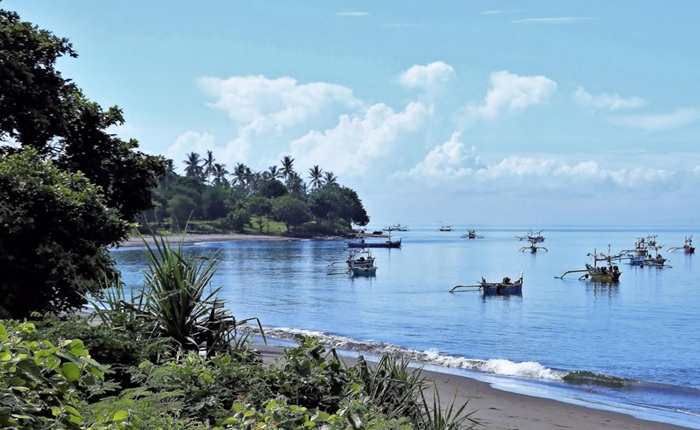
Bali Beaches: What This Guide Covers
Bali is home to some of the most famous beaches in Southeast Asia, but the island's coastline is far more varied than many first-time visitors expect. Some beaches are built around surfing, sunsets, nightlife, and beach clubs, while others focus more on calm swimming, snorkeling, dramatic cliffs, fishing villages, luxury resorts, or quieter coastal scenery.
- The best Bali beaches for swimming, surfing, sunsets, snorkeling, and relaxation
- Popular beaches including Seminyak Beach, Padang Padang, Bingin, Jimbaran, Diamond Beach, Melasti Beach, and Amed
- Hidden beaches and quieter alternatives away from Bali's busiest tourist areas
- Which beaches are best for surfers, couples, families, first-time visitors, and photographers
- Beach safety tips, swimming conditions, tides, waves, and seasonal considerations
- How to choose the best beach area based on your itinerary and travel style
Areas such as Kuta, Seminyak, and Canggu offer a very different atmosphere from places like Uluwatu, Nusa Dua, Amed, Lovina, or Nusa Penida. Choosing the right beach area often has a major impact on accommodation, transportation, nightlife, surfing conditions, and the overall pace of your trip.
If you are still planning your route around the island, our complete Bali travel guide, guide to where to stay in Bali, and Bali transportation guide can help you better understand the island's different regions, travel times, and logistics before building your itinerary.
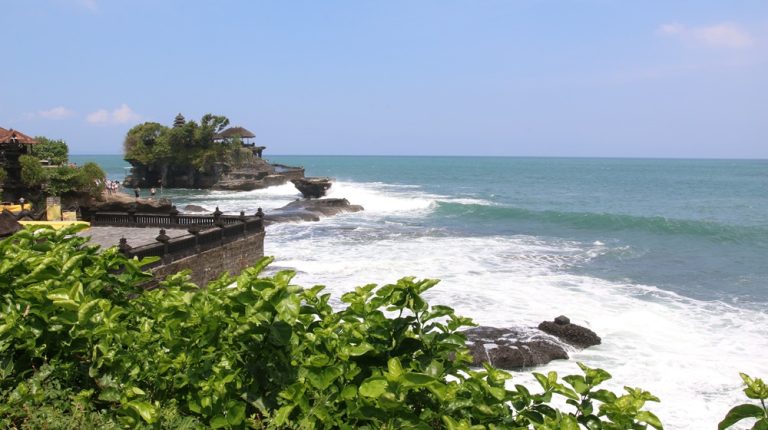
Bali Beaches: More Diverse Than Most Travelers Expect
Bali is often imagined as a single tropical beach destination, but the reality is far more varied. The island's coastline changes dramatically from one region to another, with some beaches built around surfing and nightlife, others focused on calm swimming, snorkeling, luxury resorts, dramatic cliffs, fishing villages, or quieter coastal scenery far from the busiest tourist areas.
Places like Kuta, Seminyak, and Canggu are famous for sunsets, beach clubs, beginner surf breaks, and lively atmospheres, while Uluwatu is known for cliffside beaches, stronger waves, and some of Bali's most dramatic coastal landscapes. Areas such as Nusa Dua offer calmer swimming conditions and resort-style beaches, while destinations like Amed, Lovina, and Nusa Penida provide a very different experience focused more on diving, black sand beaches, snorkeling, nature, and slower travel. Travelers wanting a deeper look at Bali's southern coastline can explore our complete guide to Uluwatu, which covers many of the island's most famous beaches, surf spots, and sunset viewpoints.
One of the biggest mistakes first-time visitors make is assuming that all Bali beaches feel the same. Choosing the right coastal area often has a major impact on your itinerary, accommodation choices, nightlife access, surfing conditions, and the overall pace of your trip. Travelers planning longer stays often discover that beach-hopping across the island takes far more time than expected, which is why building a realistic Bali itinerary and choosing the right base areas becomes so important.
A traveler looking for luxury resorts and calmer swimming beaches may prefer Nusa Dua or Jimbaran, while surfers and younger travelers often gravitate toward Canggu, Bingin, Padang Padang, or Uluwatu. The atmosphere changes considerably between regions, and understanding these differences early can make it much easier to decide where to stay in Bali based on your travel style. If you're comparing specific destinations, our guide to Bali's most popular beach and resort areas explains the strengths and weaknesses of each region in more detail.
This guide explores Bali's most popular beaches across different parts of the island, including famous surf beaches, hidden coves, family-friendly beaches, snorkeling spots, sunset beaches, and quieter alternatives beyond Bali's busiest tourist zones. Whether you are visiting Bali for surfing, photography, relaxation, swimming, nightlife, or island-hopping adventures, understanding the differences between Bali's beach areas can help you build a far better trip.
Why Bali Beaches Are So Popular
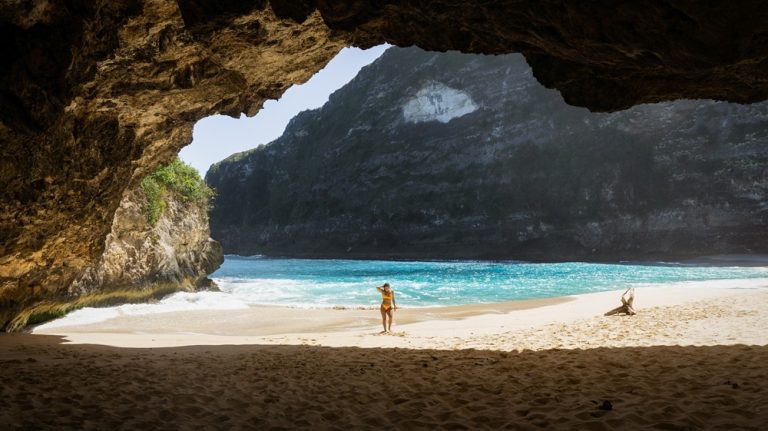
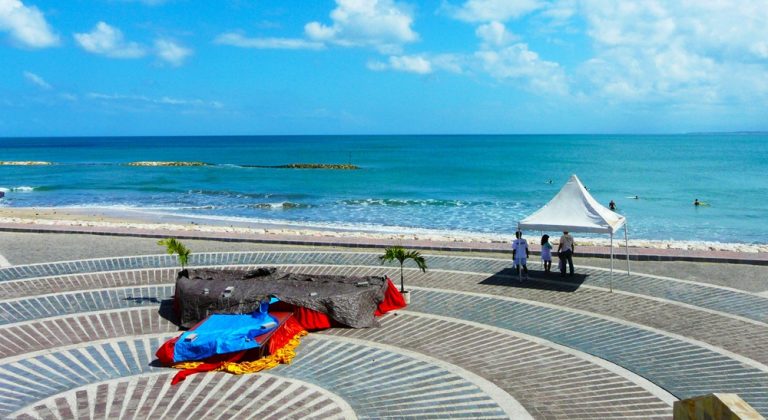
Bali's beaches attract millions of visitors every year because the island offers far more variety than many tropical destinations. Instead of a single coastline with one atmosphere, Bali combines surf beaches, dramatic cliffs, calm resort beaches, hidden coves, snorkeling spots, black volcanic sand beaches, fishing villages, luxury beach clubs, and island scenery spread across very different regions.
One of the biggest reasons Bali became internationally famous is surfing. Beaches such as Kuta, Uluwatu, Padang Padang, Bingin, and Balangan helped turn Bali into one of the world's best-known surf destinations, attracting everyone from beginners to professional surfers. Even travelers with no interest in surfing are often drawn to Bali's beach culture, sunsets, cafés, seafood restaurants, and laid-back coastal atmosphere.
Another reason Bali beaches remain so popular is the sheer diversity between regions. Southern Bali tends to be busier and more developed, with areas such as Seminyak, Canggu, and Kuta built around tourism, nightlife, surfing, and beach clubs. Meanwhile, destinations such as Amed, Lovina, and parts of East Bali feel considerably quieter and slower, attracting travelers looking for diving, snorkeling, relaxation, or less crowded beaches.
The atmosphere changes dramatically depending on where you stay. Travelers focused on nightlife, restaurants, and beach clubs often choose Seminyak or Canggu, while visitors looking for calmer resort beaches may prefer Jimbaran or Nusa Dua. Surfers and photographers frequently gravitate toward Uluwatu, Bingin, or Padang Padang because of the cliffs, scenery, and wave conditions. Understanding these differences early can make it much easier to decide where to stay in Bali based on your travel style.
Bali's sunsets are another major part of the island's appeal. Beaches along the western coastline often become gathering points in the late afternoon as travelers head toward the ocean for sunset drinks, surfing sessions, seafood dinners, photography, or simply relaxing by the water. Jimbaran, Seminyak, Canggu, and Uluwatu are especially known for their evening atmosphere.
Bali's coastline is also one of the reasons the island remains such a popular destination for couples and honeymooners. Whether it's a sunset walk along Jimbaran Beach, a cliff-top dinner overlooking the ocean in Uluwatu, a luxury beachfront resort in Nusa Dua, or a quiet escape to one of the nearby islands, Bali offers countless opportunities for romantic coastal experiences. Couples looking for ideas on where to stay and what to do can find additional inspiration in our romantic Bali getaway guide, which covers honeymoon-friendly destinations, experiences, and accommodation options across the island.
Of course, Bali beaches are not perfect. Some areas experience strong currents, rough waves, heavy traffic, seasonal plastic waste, or overcrowding during peak tourism months. This is one of the reasons why choosing the right beach region matters so much. A traveler searching for calm swimming beaches may have a very different experience from someone visiting Bali primarily for surfing, nightlife, beach clubs, or island-hopping adventures.
Bali rewards travelers who match the right beaches to the type of trip they actually want. Once you understand how different the island's coastal regions feel from one another, it becomes much easier to build a more enjoyable and realistic Bali experience overall.
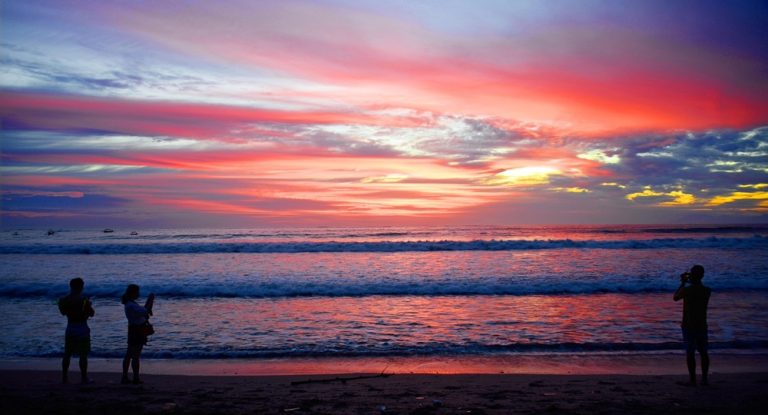
Best Bali Beaches for First-Time Visitors
For first-time visitors, choosing the right beach area in Bali can feel surprisingly confusing because every region offers a very different atmosphere. Some beaches are built around surfing and nightlife, others focus more on swimming, resorts, seafood restaurants, sunsets, or relaxed coastal scenery. The best choice depends heavily on what type of Bali experience you actually want.
- Kuta Beach: Beginner surfing, nightlife, sunsets, and a lively atmosphere
- Seminyak Beach: Beach clubs, restaurants, shopping, sunsets, and upscale tourism
- Legian Beach: A calmer alternative between Kuta and Seminyak
- Jimbaran Beach: Seafood restaurants, calmer water, luxury resorts, and sunsets
These beaches are among the easiest and most accessible for first-time travelers because they are located relatively close to Bali's main tourism infrastructure, restaurants, accommodation, transportation services, cafés, and nightlife. While they may not always be Bali's quietest beaches, they often provide the easiest introduction to the island for travelers who want convenience and a wide range of facilities nearby.
Kuta Beach
Kuta Beach is one of Bali's most famous beaches and has long been associated with surfing, nightlife, backpacking, and sunset culture. Although some travelers now prefer quieter areas, Kuta remains one of the island's main tourism hubs and continues to attract first-time visitors looking for a lively atmosphere and easy access to restaurants, shopping, nightlife, and beginner surf schools.
The beach itself is wide, sandy, and particularly popular with beginner surfers because of its gentler waves compared to many of Bali's more advanced surf spots. Surfboard rentals and lessons are available almost everywhere along the beachfront, making Kuta one of the easiest places on the island to try surfing for the first time.
Kuta can feel crowded and chaotic, especially during peak travel seasons, and traffic in the surrounding area is often heavy. However, many travelers still enjoy the energetic atmosphere, affordable accommodation, nightlife, beach bars, and sunset views that helped make Bali internationally famous in the first place.
Travelers looking for a more relaxed atmosphere often stay elsewhere while still visiting Kuta briefly for surfing lessons, shopping, restaurants, or sunsets.
Seminyak Beach
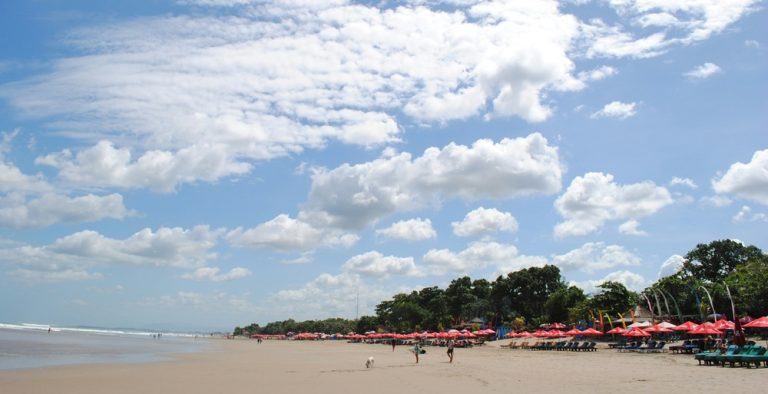
Seminyak Beach is one of Bali's most popular beach areas for travelers looking for a more upscale and polished atmosphere without completely losing the island's relaxed coastal vibe. Compared to nearby Kuta, Seminyak generally feels more refined, with stylish cafés, boutique hotels, beach clubs, restaurants, rooftop bars, spas, and luxury villas spread throughout the area.
The beach itself is long, wide, and particularly famous for sunsets. In the late afternoon, travelers gather along the coastline for beach walks, sunset drinks, photography, and beachfront dining as the sky gradually changes color over the Indian Ocean. Seminyak has also become one of Bali's best-known beach club destinations, attracting visitors looking for music, cocktails, pools, and sunset views directly along the sand.
Swimming conditions can vary depending on tides and wave conditions, and parts of Seminyak are often better suited for relaxing, surfing, or sunset walks than calm swimming. The waves are generally more beginner-friendly than some of Bali's heavier surf beaches, although currents can still become strong during certain seasons.
One of Seminyak's biggest advantages is convenience. Restaurants, shops, cafés, spas, nightlife venues, and accommodation are all located relatively close together, making the area easy to explore without constantly needing long transportation transfers. Travelers who want easy access to sunsets, dining, nightlife, shopping, and beach clubs often find Seminyak one of the most balanced areas in Bali. For a more detailed look at the area, our guide to visiting Seminyak's beaches and attractions covers accommodation, restaurants, beach clubs, day trips, and practical travel information.
Seminyak can become busy during peak tourism periods, especially around sunset and dinner hours, but many travelers consider it one of the easiest places in Bali for combining beach time, nightlife, restaurants, and comfortable accommodation within the same area.
Legian Beach
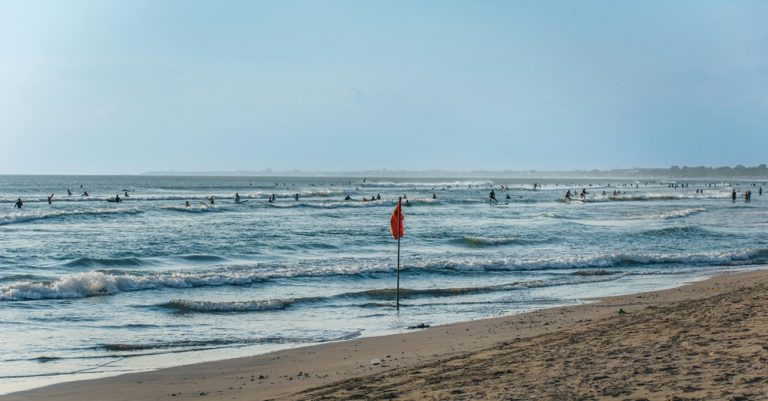
Legian Beach sits between Kuta and Seminyak and is often considered a middle ground between the two. It offers much of the same long sandy coastline, surfing culture, sunset atmosphere, and beachfront scenery as its neighboring areas, but usually with a slightly calmer and less hectic feel.
The beach is popular with travelers who want easy access to restaurants, bars, shopping, surfing, and nightlife without staying directly in the busiest parts of Kuta. Many visitors find Legian more relaxed and manageable while still remaining close to Bali's main tourist infrastructure.
Like Kuta and Seminyak, Legian Beach is known for wide sandy stretches and consistent sunset views across the Indian Ocean. Surf schools, beach bars, cafés, and massage vendors are common along the beachfront, and the waves are generally suitable for beginner and intermediate surfers depending on conditions.
Accommodation in Legian ranges from budget guesthouses to beachfront resorts, making the area attractive to a wide variety of travelers. Couples, first-time visitors, families, and surfers often choose Legian because it provides a good balance between convenience, nightlife access, beach atmosphere, and slightly lower intensity compared to Kuta.
While Legian is still a busy tourism area, especially during peak season, it usually feels less crowded than central Kuta while remaining more affordable and less upscale than parts of Seminyak. For many travelers, it becomes a practical compromise between Bali's busiest beach zones and its more expensive resort areas.
Jimbaran Beach
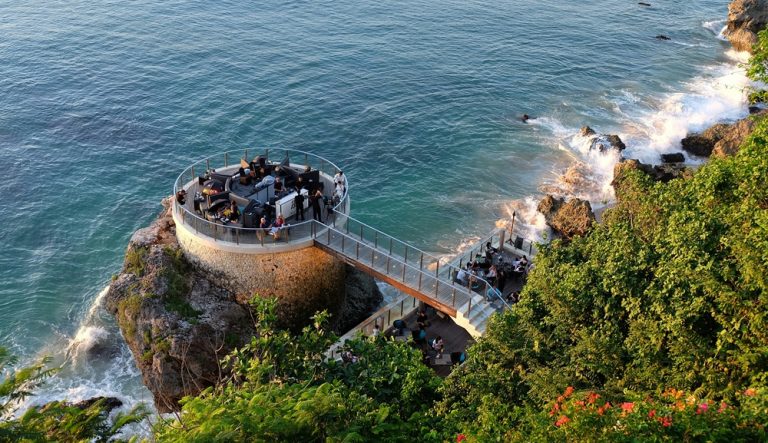
Jimbaran Beach offers a very different atmosphere from Kuta, Legian, or Seminyak. Instead of surfing crowds, beach clubs, and busy nightlife, Jimbaran is generally known for calmer waters, seafood restaurants, luxury resorts, and a slower, more relaxed coastal environment that appeals strongly to couples, families, and travelers looking for a quieter beach experience.
Travelers comparing beachfront resorts, villas, and coastal accommodation options may also find our hotel booking comparison guide useful before reserving accommodation in Bali.
The beach itself is long, wide, and backed by a large bay that helps create gentler swimming conditions than many of Bali's west coast surf beaches. While wave conditions still vary depending on tides and weather, Jimbaran is often considered one of the better beach areas in southern Bali for travelers who actually want to swim rather than surf.
One of Jimbaran's biggest attractions is its seafood dining scene. In the evening, rows of beachfront seafood restaurants place tables directly on the sand as travelers gather to watch the sunset while eating grilled fish, prawns, squid, lobster, and other freshly caught seafood. Sunset dinners along the beach have become one of the area's most recognizable experiences.
Jimbaran is also home to many of Bali's luxury resorts and private villas, giving the area a noticeably calmer and more upscale atmosphere compared to nearby Kuta. Despite this, Jimbaran still remains relatively convenient for airport access, southern Bali sightseeing, and day trips toward Uluwatu or Nusa Dua.
Travelers looking for surfing, nightlife, or beach clubs may find Jimbaran too quiet, but visitors focused on sunsets, relaxation, seafood dining, resort stays, and calmer beaches often consider it one of the most comfortable areas in southern Bali.
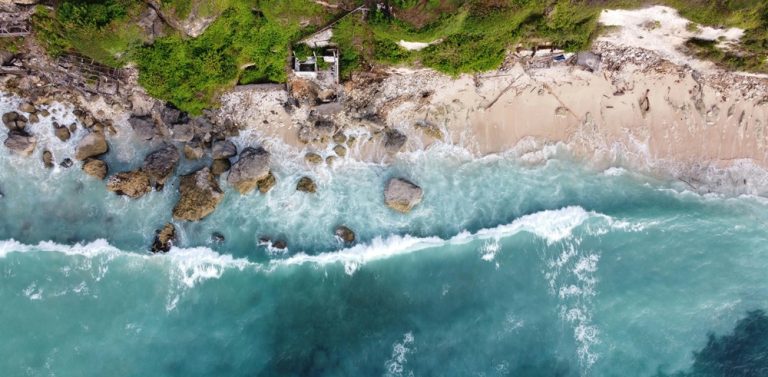
Best Beaches in Uluwatu
Uluwatu is home to some of Bali's most dramatic and visually impressive beaches. Unlike the flatter coastlines around Kuta or Seminyak, many beaches in Uluwatu sit below steep limestone cliffs and require stair access through narrow pathways, cliff openings, or winding coastal roads. The scenery feels noticeably different from most other parts of Bali and is one of the main reasons Uluwatu has become so popular with surfers, photographers, couples, and luxury travelers.
- Padang Padang: One of Bali's most famous surf beaches
- Suluban Beach: Dramatic cave access and strong surf culture
- Bingin Beach: Cliffside cafés, surfing, and sunsets
- Dreamland Beach: Wide sandy beach with easier access
- Balangan Beach: Relaxed atmosphere and panoramic cliff views
- Melasti Beach: Scenic limestone cliffs and calmer swimming conditions
Many Uluwatu beaches are better suited for surfing, scenery, photography, and sunsets than calm swimming. Strong currents, reef breaks, changing tides, and wave conditions are common throughout the region, particularly during the dry season when surf conditions are strongest.
Despite the growing popularity of the area, Uluwatu still feels noticeably different from Bali's busiest tourism zones. Luxury villas, cliffside resorts, surf cafés, beach clubs, hidden beaches, and dramatic viewpoints dominate much of the coastline, creating a slower and more scenic atmosphere that many travelers consider one of Bali's highlights.
Padang Padang Beach
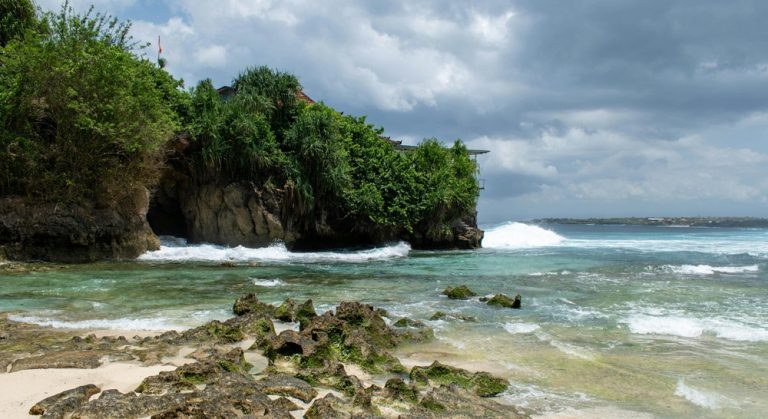
Padang Padang Beach is one of the most famous beaches in Uluwatu and has become internationally known for its surfing, cliffside scenery, and compact tropical cove surrounded by limestone rock formations. The beach gained even more popularity after appearing in the movie Eat Pray Love, helping turn it into one of Bali's most recognizable coastal locations.
Access to the beach is part of the experience itself. Visitors descend through a narrow rock passage and staircase that opens onto a small stretch of sand framed by cliffs and turquoise water. During lower tides, the beach can feel picturesque and relatively calm, while higher tides often reduce the amount of exposed sand considerably.
Padang Padang is particularly famous among surfers because of the powerful reef breaks located offshore. Experienced surfers travel here from around the world during Bali's dry season when wave conditions are strongest. The beach itself also attracts many non-surfers who come primarily for the scenery, photography, swimming, and relaxed atmosphere.
Because of its popularity, Padang Padang can become crowded during peak travel months, especially during the middle of the day. Early mornings and late afternoons generally provide a quieter experience along with softer lighting for photography.
Travelers staying in Uluwatu often combine Padang Padang with nearby beaches such as Bingin, Suluban, Balangan, or Dreamland because they are all located relatively close together along Bali's southern cliffs.
Suluban Beach
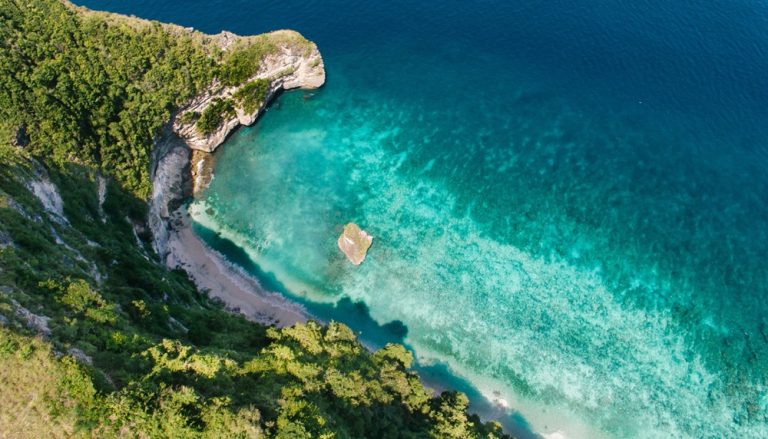
Suluban Beach is one of the most visually distinctive beaches in Bali and is particularly famous for its dramatic cave access, rugged cliffs, and strong surf culture. Often referred to as Blue Point Beach by some travelers, Suluban sits beneath steep limestone formations and can only be reached by descending a series of staircases and narrow rock passages that eventually open toward the ocean.
The beach itself changes significantly depending on the tide. During lower tides, small sandy sections and rocky pathways become accessible beneath the cliffs, while higher tides can cover much of the beach area entirely. The surrounding cave-like formations, natural rock arches, and crashing waves create one of the most atmospheric coastal settings anywhere in Bali.
Suluban is especially popular with experienced surfers because of the powerful reef breaks located offshore. The waves here are generally not suitable for beginners, and strong currents are common throughout much of the year. Even travelers who do not surf often visit Suluban simply for the scenery, photography, cliffside cafés, and dramatic ocean views.
The cliff area above the beach has developed into a lively surf-focused zone with cafés, bars, restaurants, surf shops, and viewpoints overlooking the coastline. Sunset is particularly popular here, with many visitors gathering along the cliffs to watch surfers riding waves below as the sun drops toward the horizon.
Because of the stairs, rocks, and changing tides, Suluban is not always ideal for travelers with mobility limitations or families looking for calm swimming beaches. However, for scenery, surf culture, and dramatic coastal landscapes, it remains one of the most memorable beaches in Uluwatu.
Bingin Beach
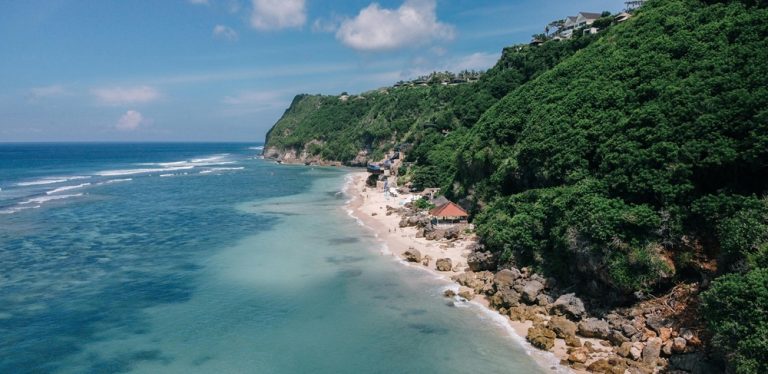
Bingin Beach is one of Uluwatu's most popular beaches for travelers looking for a combination of surfing, cliffside scenery, cafés, sunsets, and a more laid-back atmosphere than some of Bali's busier coastal areas. Hidden beneath limestone cliffs, the beach feels smaller and more secluded than nearby beaches such as Kuta or Seminyak, giving it a more intimate and relaxed character.
Access to Bingin involves descending a long staircase through cliffside guesthouses, cafés, surf accommodations, and small restaurants overlooking the ocean. The walk itself has become part of the area's appeal, with many cafés and terraces offering panoramic coastal views across the cliffs and surf breaks below.
Bingin is especially well known among surfers because of its consistent reef breaks and strong dry-season waves. The surf conditions are generally better suited for experienced surfers rather than beginners, although many non-surfers still visit purely for the scenery, beach atmosphere, photography, and sunsets.
At lower tides, more sand and rock pools become visible along the beach, while higher tides can reduce the available beach space considerably. Swimming conditions vary depending on tides and wave activity, and visitors should remain cautious around rocks, reefs, and currents.
One of Bingin's biggest attractions is the atmosphere surrounding the beach itself. Cliffside cafés, small boutique accommodations, surf culture, sunset viewpoints, and oceanfront dining create a slower and more relaxed environment that many travelers consider one of the most appealing parts of southern Bali.
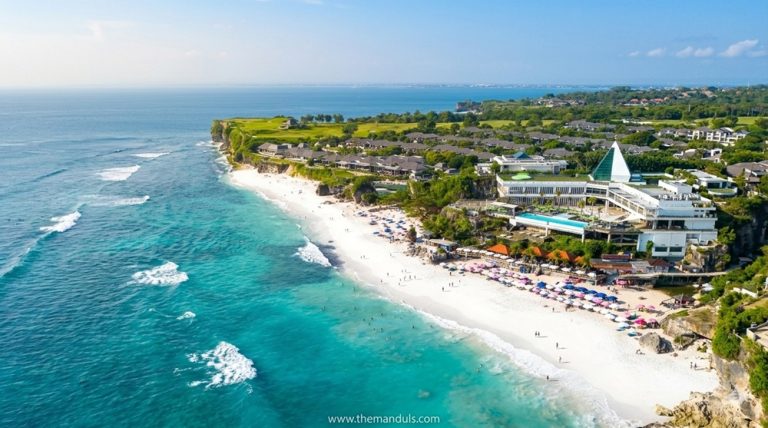
Dreamland Beach
Dreamland Beach is one of the easiest Uluwatu-area beaches to access and has long been popular with travelers looking for wide sandy shoreline, surfing, sunsets, and a more open beach environment than some of the smaller cliff-hidden coves nearby. Compared to beaches such as Suluban or Bingin, Dreamland feels larger, more spacious, and generally more accessible for casual visitors.
The beach is backed by limestone cliffs and offers long stretches of pale sand facing the Indian Ocean. During lower tides, the shoreline becomes particularly scenic, with shallow pools, exposed rocks, and wide walking areas appearing across the beach. The surrounding cliffs also provide elevated viewpoints overlooking the coastline.
Dreamland is well known for surfing, and wave conditions can become strong depending on the season and tides. While some areas may appear calmer at certain times, swimmers should still remain cautious because currents and wave activity can change quickly.
Unlike some of Uluwatu's more hidden beaches, Dreamland has a broader tourism setup with sunbeds, cafés, local vendors, surf rentals, and easier parking access nearby. This makes it one of the more convenient beaches in the area for travelers who want dramatic scenery without navigating extremely steep staircases or narrow cave entrances.
The beach is particularly popular around sunset, when visitors gather along the sand and surrounding cliffs to watch the light change across the coastline. Although Dreamland has become busier over the years, many travelers still consider it one of the most visually impressive beaches in southern Bali.
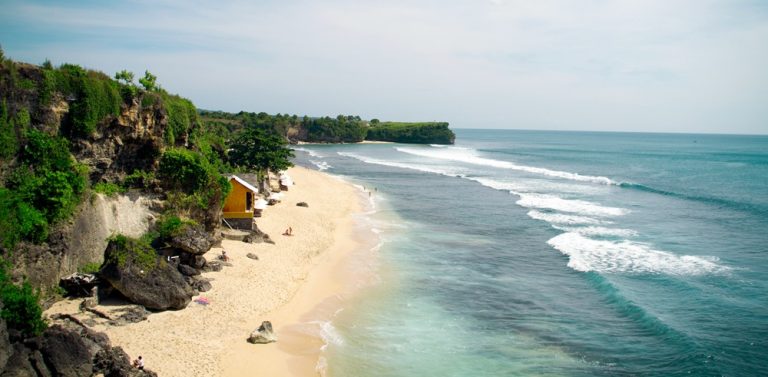
Balangan Beach
Balangan Beach is one of the most scenic beaches in southern Bali and is especially known for its relaxed atmosphere, panoramic cliff views, and long stretch of golden sand framed by limestone cliffs. Compared to some of Bali's busier beach areas, Balangan generally feels calmer and less commercialized, attracting surfers, photographers, couples, and travelers looking for a more laid-back coastal setting.
One of the beach's most recognizable features is the elevated cliff viewpoint overlooking the bay. From above, visitors can see the curved shoreline, reef breaks, turquoise water, and surrounding cliffs stretching along Bali's southern coastline. Sunset is particularly popular here, with many travelers stopping at the viewpoint before heading down toward the beach itself.
Balangan is also a well-known surf beach, especially during Bali's dry season when wave conditions are strongest. The reef breaks attract experienced surfers, while the beach atmosphere remains noticeably quieter than nearby surf hotspots such as Padang Padang or Bingin.
At lower tides, the beach becomes wider and more walkable, revealing rock pools and larger sandy sections along the shoreline. Swimming conditions can vary considerably depending on tides and wave activity, and strong currents are possible during certain periods.
Small cafés, warungs, and surf accommodations are scattered around the cliffs and beachfront area, but Balangan still retains a more natural and less heavily developed atmosphere than many of Bali's larger tourism zones. For travelers looking for scenic coastal views, surfing, sunsets, and a slower beach environment, Balangan remains one of the most appealing beaches in Uluwatu.
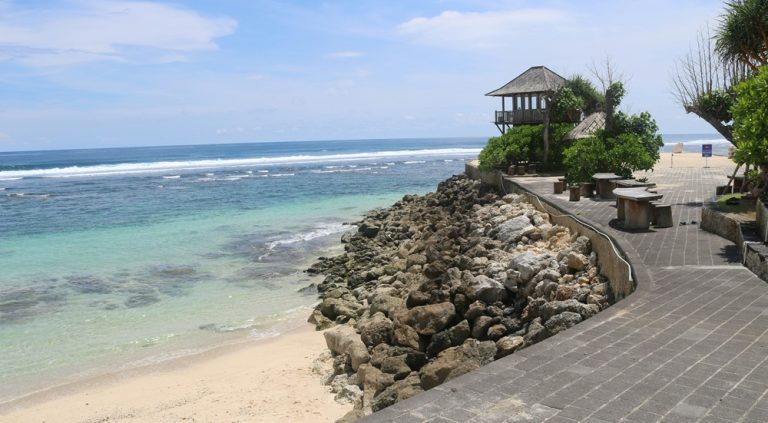
Melasti Beach
Melasti Beach has become one of the most visually impressive beaches in southern Bali thanks to its dramatic limestone cliffs, turquoise water, and modern coastal access road carved directly through the rock formations above the ocean. Located near Ungasan in the southern part of the Bukit Peninsula, Melasti feels noticeably more open and spacious than many of Uluwatu's smaller hidden beaches.
The drive down toward the beach is part of the attraction itself. Winding roads cut through towering white cliffs create some of the most photographed coastal scenery in Bali, particularly during sunny weather when the contrast between the limestone, ocean, and sky becomes especially vivid.
Compared to many of Bali's surf-focused beaches, Melasti is often considered one of the better options in southern Bali for calmer swimming conditions, especially during favorable tides and weather. While wave activity can still vary, the beach generally attracts a wider mix of families, couples, photographers, and travelers looking for relaxation rather than purely surfing.
The beach has developed rapidly in recent years, with cafés, beach clubs, viewpoints, event venues, and improved visitor facilities appearing throughout the area. Despite this growth, Melasti still feels cleaner, more spacious, and less crowded than some of Bali's older tourism beaches, particularly earlier in the day.
Sunset is one of the most popular times to visit Melasti Beach, when the cliffs and ocean begin reflecting warmer light across the coastline. For many travelers, the combination of scenery, accessibility, swimming potential, and dramatic coastal landscapes makes Melasti one of the most impressive beaches in the Uluwatu region.
Best Hidden Beaches in Bali
While Bali's most famous beaches attract large numbers of visitors every day, the island is also home to quieter coastal areas that feel noticeably more relaxed and less developed. Some hidden beaches require longer drives, stair access, or more effort to reach, but many travelers find that these quieter locations provide a very different experience from Bali's busiest tourism zones.
- Pandawa Beach: Limestone cliffs, calmer water, and easier swimming conditions
- Virgin Beach: Quieter east Bali beach with a slower local atmosphere
- Balian Beach: Black sand beach popular with surfers and slower-paced travelers
- Blue Lagoon Beach: Small snorkeling beach with clear water and a more hidden setting
Some of these beaches are no longer completely “secret,” especially during peak travel months, but they still tend to feel calmer than areas such as Kuta, Seminyak, or central Canggu. Travelers willing to move beyond Bali's busiest coastal hubs often discover quieter scenery, slower beach culture, and a more relaxed atmosphere overall.
Hidden beaches in Bali also vary considerably depending on the region. Some are known for snorkeling and calmer swimming conditions, others for surfing, dramatic cliffs, black volcanic sand, or quieter local fishing villages. This diversity is one of the reasons Bali's coastline continues to appeal to such a wide variety of travelers.
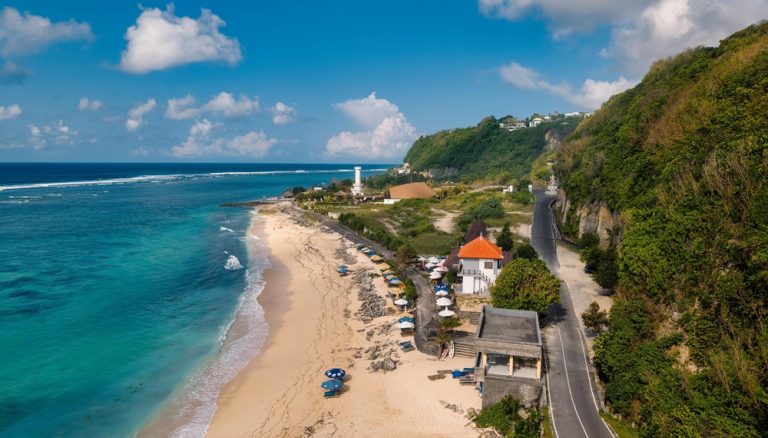
Pandawa Beach
Pandawa Beach was once considered one of Bali's hidden coastal gems, although improved road access and growing tourism have made it increasingly popular in recent years. Located on the Bukit Peninsula in southern Bali, the beach is particularly famous for its dramatic limestone cliffs, turquoise water, and scenic entrance road carved through the rock formations leading toward the ocean.
Compared to many of Bali's stronger surf beaches, Pandawa is often considered one of the better options for calmer swimming conditions, especially during favorable tides and weather. The beach attracts a wide mix of families, couples, local visitors, and travelers looking for a more relaxed coastal environment than nearby surfing hotspots.
The long stretch of sand and relatively sheltered bay create a noticeably different atmosphere from beaches such as Padang Padang or Suluban. Kayak rentals, beachfront cafés, sunbeds, and small local restaurants are commonly available along the shoreline, while the cliffs above provide elevated viewpoints overlooking the coast.
One of the most recognizable features of Pandawa Beach is the series of large stone statues carved into the cliffs along the entrance road, representing characters from the Mahabharata. These cliff carvings have become one of the area's most photographed landmarks.
Although Pandawa no longer feels completely hidden, it still remains quieter and more spacious than many of Bali's busiest beach zones, particularly during mornings and weekdays. Travelers looking for scenic coastal views, easier swimming conditions, and a more relaxed atmosphere often consider Pandawa one of the better beach options in southern Bali.
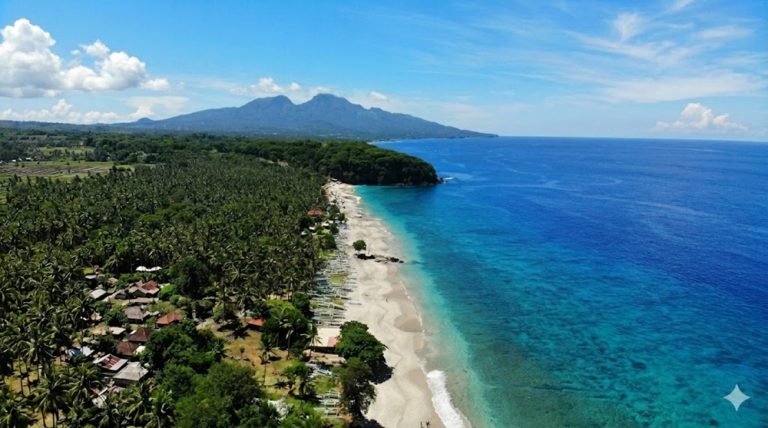
Virgin Beach
Virgin Beach is one of East Bali's quieter coastal areas and is often recommended to travelers looking for a slower and less commercialized beach experience. Also known locally as Pasir Putih Beach or White Sand Beach, it sits between green hills and the ocean along Bali's eastern coastline, far from the heavier tourism traffic found around Kuta, Seminyak, or Canggu.
Compared to many beaches in southern Bali, Virgin Beach generally feels more relaxed and less developed. Small local warungs, beach chairs, fishing boats, and simple beachfront cafés line parts of the shore, creating a more traditional coastal atmosphere that appeals to travelers looking for a quieter side of Bali.
The beach itself features a long stretch of light-colored sand and clearer water than many of Bali's darker volcanic beaches. Swimming conditions can vary depending on tides and wave activity, but the beach is often calmer than Bali's major surf beaches, particularly during good weather conditions.
Virgin Beach is especially popular with couples, photographers, and travelers exploring East Bali because it combines scenic coastal views with a slower pace and noticeably fewer crowds. The surrounding region also feels very different from southern Bali, with quieter roads, fishing villages, hillsides, and less dense tourism development.
While facilities remain more limited than in Bali's larger tourism zones, many visitors consider this part of the appeal. Travelers willing to venture beyond Bali's busiest beach regions often find that Virgin Beach offers a calmer and more authentic coastal atmosphere than many of the island's better-known beaches.
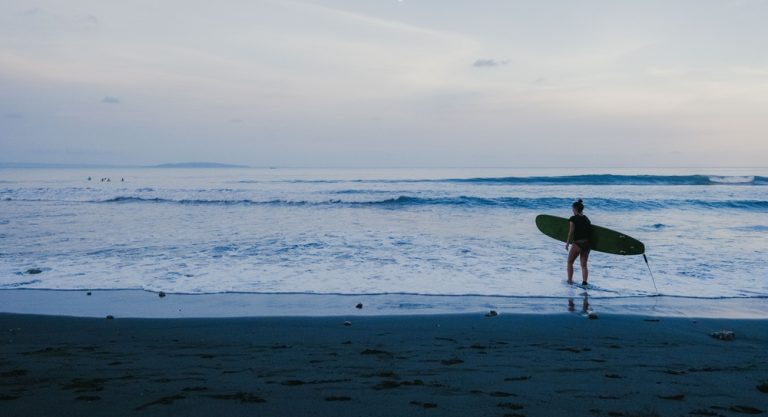
Balian Beach
Balian Beach is one of Bali's quieter surf beaches and attracts travelers looking for a slower, less commercialized atmosphere than the island's busier southern coast. Located on Bali's west coast several hours from Seminyak or Canggu, the area feels noticeably more remote and relaxed, with fewer crowds, smaller accommodations, and a stronger connection to Bali's rural coastal scenery.
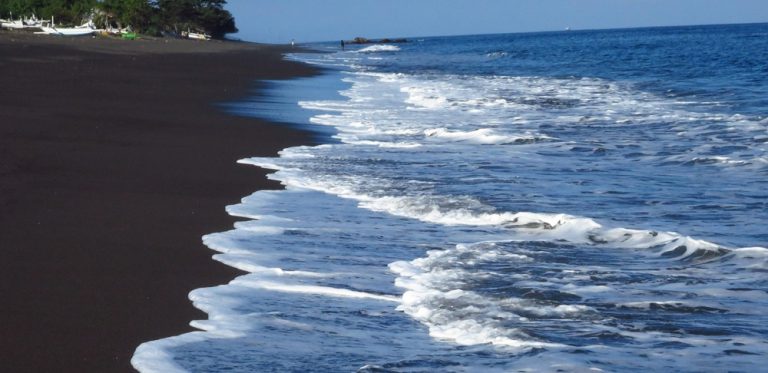
Unlike Bali's white sand resort beaches, Balian is known for its darker volcanic sand, river mouth surf breaks, and rugged coastline facing the Indian Ocean. The beach has become particularly popular with surfers because of its consistent waves, although the atmosphere remains considerably calmer than major surf hubs such as Uluwatu or Canggu.
The surrounding village area is small and relaxed, with cafés, surf guesthouses, yoga spaces, and simple beachfront accommodations spread along the coastline. Many travelers visit Balian specifically because it feels slower and less developed than Bali's main tourism zones, making it attractive to surfers, long-stay travelers, digital nomads, and visitors looking to disconnect from heavier tourist crowds.
Swimming conditions can be rough depending on tides and wave activity, and the beach is generally better known for surfing, sunsets, and coastal scenery than calm swimming. The ocean here often feels more powerful and untamed than the calmer bays found in other parts of Bali.
For travelers looking to experience a quieter side of Bali beyond the island's busiest tourism regions, Balian Beach offers a very different atmosphere from places like Seminyak, Kuta, or Uluwatu. The combination of black sand, surf culture, slower pacing, and less commercial development gives the area a distinct character that many repeat visitors appreciate.
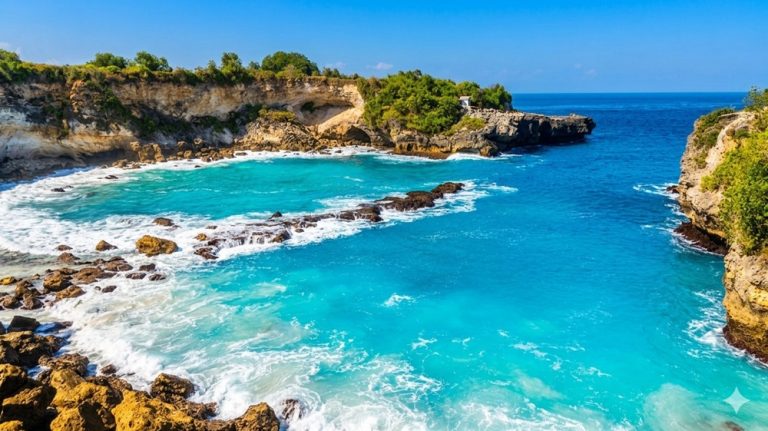
Blue Lagoon Beach
Blue Lagoon Beach is a small sheltered beach near Padangbai in East Bali and is particularly popular for snorkeling, calmer water, and clearer visibility compared to many of Bali's larger surf beaches. Hidden below green hills and rocky cliffs, the beach feels more secluded and compact than the wide coastlines found in southern Bali.
The bay is known for its turquoise water and relatively calm conditions during favorable weather, making it one of the better beaches in Bali for casual snorkeling and relaxed swimming. Coral, tropical fish, and clearer water conditions attract both independent travelers and snorkeling tours visiting the area.
Like many coastal areas in Indonesia, the reefs around Bali remain environmentally sensitive and are increasingly affected by tourism, climate conditions, and marine conservation challenges. Travelers interested in reef protection and sustainable marine tourism in the region can learn more through organizations such as the Coral Triangle Center.
Compared to Bali's larger tourism beaches, Blue Lagoon remains relatively quiet and low-key. Small local cafés, warungs, snorkeling rentals, and sunbeds are available near the shoreline, but the area still feels considerably less commercialized than destinations such as Seminyak or Kuta.
Access to the beach involves descending a sloping road and staircase toward the bay, which helps preserve the more hidden atmosphere of the area. Many travelers combine Blue Lagoon with nearby Padangbai, ferries to the Gili Islands, or other East Bali destinations while exploring the region.
For travelers looking for calmer water, snorkeling opportunities, and a more peaceful beach environment away from Bali's busiest coastal zones, Blue Lagoon Beach offers a noticeably different atmosphere from the island's more surf-oriented beaches.
Best Beaches in East and North Bali
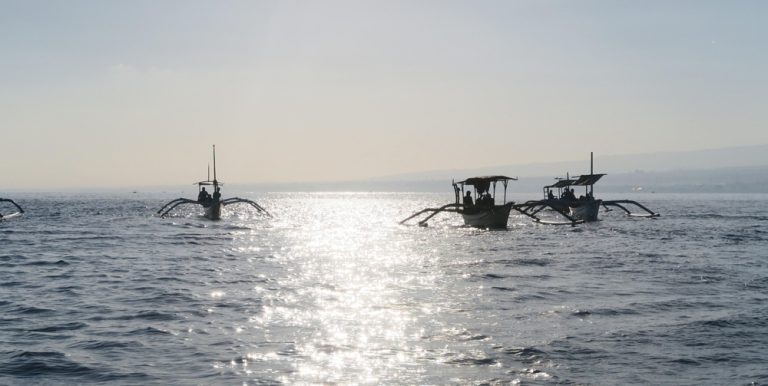
East and North Bali offer a very different coastal experience from the island's busier southern beach regions. Instead of beach clubs, nightlife, and heavy tourism infrastructure, these parts of Bali are generally known for diving, snorkeling, black volcanic sand beaches, fishing villages, calmer atmospheres, and slower-paced travel.
- Amed Beach: Snorkeling, diving, fishing villages, and volcanic scenery
- Lovina Beach: Black sand coastline, dolphins, and relaxed coastal atmosphere
- Keramas Beach: Powerful surf waves and dramatic volcanic coastline
These regions tend to attract travelers looking for a quieter side of Bali away from the island's busiest tourism zones. Distances are longer, nightlife is far more limited, and the atmosphere often feels noticeably calmer and more local compared to Seminyak, Kuta, or Canggu.
The coastline itself also changes considerably. Black volcanic sand becomes more common in many areas, particularly along Bali's eastern and northern shores, while coral reefs, snorkeling spots, diving sites, fishing boats, and mountain views replace much of the beach club and surf culture associated with southern Bali.
Although East and North Bali require more travel time to reach, many visitors consider these regions some of the most rewarding parts of the island for slower travel, underwater activities, coastal scenery, and experiencing a very different atmosphere from Bali's better-known southern beaches.
Amed Beach
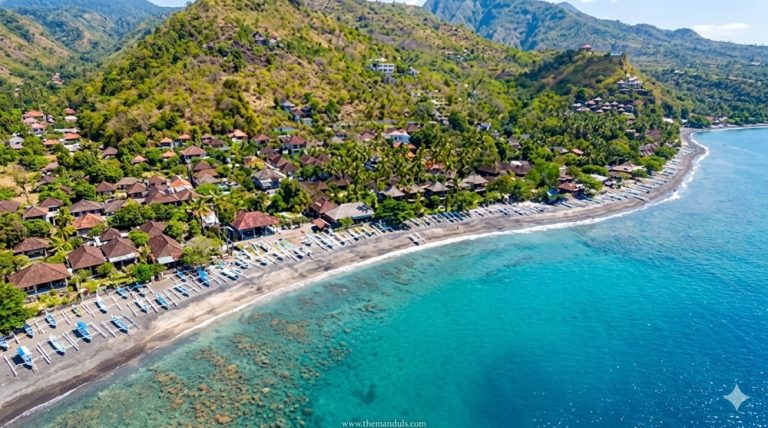
Amed is one of Bali's most popular coastal regions for travelers interested in snorkeling, diving, volcanic scenery, and slower-paced travel away from the island's busiest tourism zones. Located along Bali's eastern coastline beneath the slopes of Mount Agung, the area feels dramatically different from places such as Seminyak, Kuta, or Canggu.
Rather than one single beach, Amed consists of a series of small coastal villages connected by winding roads overlooking the ocean. Black volcanic sand beaches, traditional fishing boats, coral reefs, and mountain views dominate much of the coastline, creating one of Bali's most distinctive coastal landscapes.
Amed is especially well known for snorkeling and diving. Many coral reefs are located close to shore, allowing travelers to explore marine life without needing long boat trips. The region also serves as a gateway for diving sites such as the USAT Liberty shipwreck in nearby Tulamben, one of Bali's most famous underwater attractions.
The atmosphere in Amed is noticeably calmer than southern Bali. Nightlife is limited, beach clubs are rare, and the focus tends to revolve more around diving, snorkeling, cafés, ocean views, and slower travel. Many visitors come specifically to escape Bali's heavier traffic and more crowded tourism areas.
Swimming conditions vary depending on tides, waves, and rocky sections of coastline, but many travelers visit Amed primarily for underwater activities and coastal scenery rather than traditional sandy swimming beaches. For snorkeling, diving, volcanic landscapes, and relaxed coastal travel, Amed remains one of Bali's most distinctive beach regions.
Lovina Beach
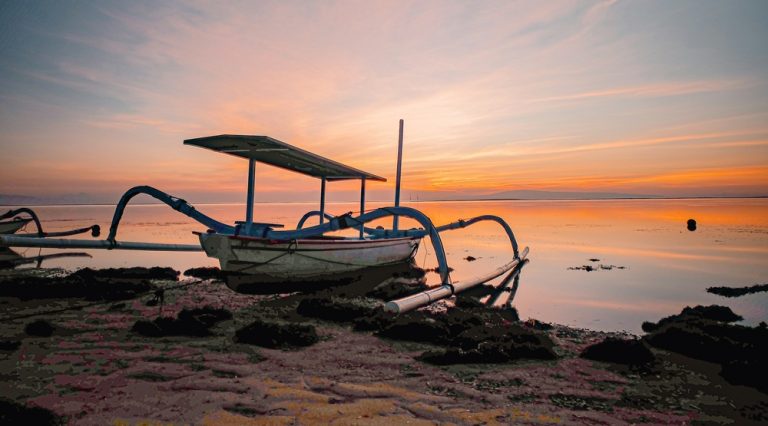
Lovina Beach is one of North Bali's best-known coastal areas and is particularly famous for its relaxed atmosphere, black volcanic sand beaches, and early morning dolphin tours. Located far from the busier tourism regions of southern Bali, Lovina attracts travelers looking for slower-paced coastal scenery, calmer surroundings, and a noticeably less commercialized side of the island.
Unlike many of Bali's surf-oriented beaches, the ocean around Lovina is generally calmer because the coastline faces the Bali Sea rather than the open Indian Ocean. This creates a very different atmosphere from places such as Uluwatu or Canggu, with gentler water conditions and quieter beaches replacing heavy surf and strong waves.
One of Lovina's biggest attractions is dolphin watching. Before sunrise, traditional fishing boats head out across the water carrying visitors hoping to spot dolphins swimming offshore. While these tours have become extremely popular, many travelers still enjoy the calmer morning atmosphere and ocean scenery that characterize the region.
The beaches themselves are darker in color because of Bali's volcanic geology, and the coastline tends to feel more relaxed than scenic postcard-style beaches elsewhere on the island. Lovina is generally less about dramatic cliffs or beach clubs and more about slower travel, coastal relaxation, snorkeling, diving, and exploring North Bali at a gentler pace.
The surrounding region also provides access to waterfalls, temples, hot springs, mountain scenery, and quieter roads compared to southern Bali. For travelers looking to escape heavier tourism development and experience a calmer coastal environment, Lovina offers one of the most relaxed beach atmospheres anywhere on the island.
Keramas Beach
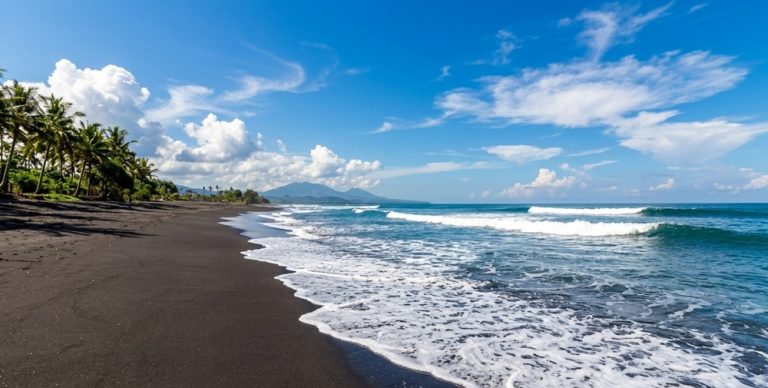
Keramas Beach is one of Bali's best-known surf beaches on the island's eastern coastline and is particularly famous for its powerful waves, dark volcanic sand, and more dramatic ocean conditions. Compared to the busy beach club atmosphere of Seminyak or Canggu, Keramas feels more focused on surfing, coastal scenery, and a quieter local environment.
The beach attracts experienced surfers from around the world because of its strong reef breaks and consistent wave conditions, especially during favorable swell periods. International surf competitions have also helped increase Keramas Beach's reputation within Bali's surf community over the years.
Unlike many of Bali's western beaches, Keramas faces a coastline where black volcanic sand dominates the scenery, creating a noticeably different atmosphere from the island's lighter-colored tourist beaches. The darker sand, rougher waves, and less commercialized surroundings give the area a more rugged coastal character.
Swimming conditions are often challenging because of wave activity and currents, which means the beach is generally better suited for surfing, photography, coastal walks, and relaxing near the ocean rather than calm swimming. Visitors looking for gentle resort beaches may prefer other regions of Bali.
Although Keramas has seen more development in recent years, the area still feels quieter than Bali's busiest southern tourism hubs. Travelers exploring East Bali often visit Keramas for the surf culture, black sand coastline, and slower atmosphere that contrasts strongly with the island's more crowded beach destinations.
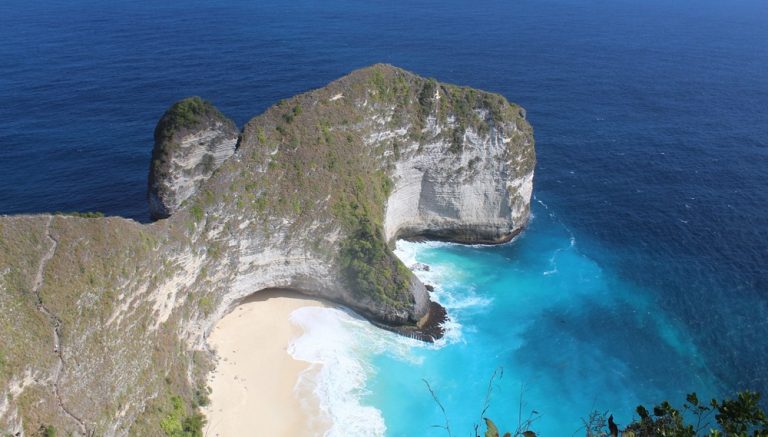
Best Beaches in Nusa Penida
Nusa Penida is home to some of the most dramatic coastal scenery anywhere in Indonesia and has become one of the most photographed island destinations near Bali. Located southeast of the main island, Nusa Penida's spectacular coastline is known for steep cliffs, turquoise water, rugged landscapes, hidden beaches, and spectacular viewpoints that feel very different from Bali's more developed tourism regions.
- Diamond Beach: Iconic cliff scenery, white sand, and turquoise water
- Atuh Beach: Dramatic rock formations and calmer coastal scenery
- Crystal Bay: Snorkeling, sunsets, and easier beach access
The beaches in Nusa Penida are visually spectacular, but they are not always the easiest to access. Steep staircases, rougher roads, stronger currents, and changing tides are common throughout the island, which means many travelers visit more for the scenery, photography, snorkeling, and viewpoints rather than purely for relaxed swimming.
Despite the growing number of visitors, Nusa Penida still feels far more rugged and less developed than southern Bali. The island attracts photographers, couples, adventurers, snorkelers, and travelers looking for dramatic coastal landscapes beyond Bali's main tourism zones.
Many visitors explore Nusa Penida as a day trip from Bali, while others stay overnight to experience the island with fewer crowds early in the morning or around sunset. The slower pace, dramatic scenery, and more remote atmosphere make Nusa Penida one of the most visually striking beach destinations in the Bali region.
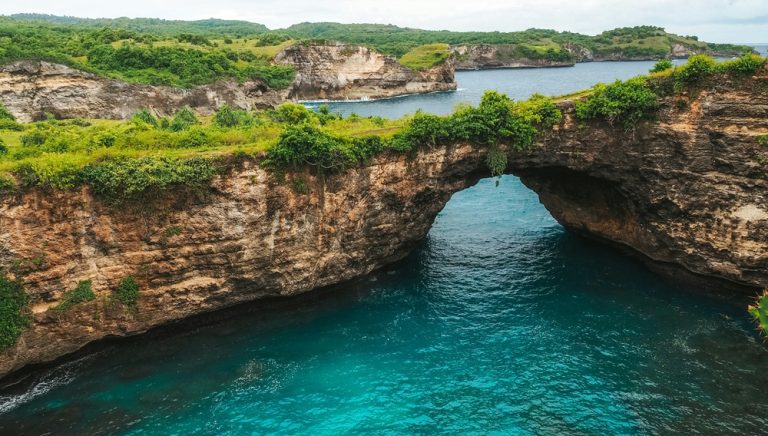
Diamond Beach
Diamond Beach is one of the most famous beaches in Nusa Penida and has become one of the most photographed coastal locations near Bali. Known for its dramatic cliffs, white sand, turquoise water, and towering rock formations rising from the ocean, the beach is often considered one of the most visually impressive destinations in the region.
The viewpoint above the beach is already spectacular, but many visitors also descend the steep staircase carved into the cliffside to reach the shoreline itself. The climb requires caution because some sections can feel narrow and steep, especially during hot weather or after rain.
Once at the bottom, travelers are greeted by bright turquoise water, dramatic limestone formations, and a much more rugged atmosphere than most beaches on mainland Bali. The scenery feels wild and remote, which is one of the main reasons Diamond Beach became so popular on social media and travel photography platforms.
Swimming conditions can vary considerably depending on tides and wave activity, and the ocean here can become dangerous during rough conditions. Many visitors come primarily for the scenery, photography, and experience of the beach itself rather than long swimming sessions.
Because of its popularity, Diamond Beach can become crowded during the middle of the day, particularly with day-trip visitors arriving from Bali. Early mornings usually provide a quieter atmosphere along with softer lighting and cooler temperatures for exploring the cliffs and beach below.
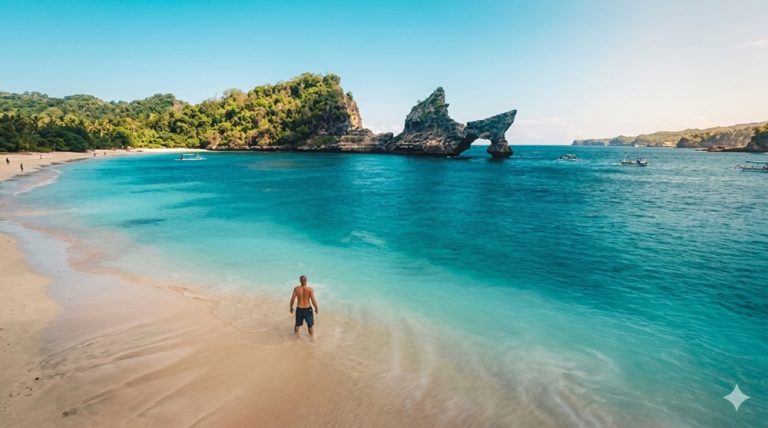
Atuh Beach
Atuh Beach is one of Nusa Penida's most scenic coastal locations and is often visited together with nearby Diamond Beach because of the dramatic cliffs, turquoise water, and striking rock formations surrounding the bay. Compared to some of Bali's flatter coastlines, Atuh feels far more rugged and isolated, with steep cliffs dropping toward the ocean and panoramic viewpoints overlooking the shoreline below.
The beach itself sits inside a curved bay framed by limestone cliffs and offshore rock formations rising from the sea. During sunny weather, the contrast between the white sand, turquoise water, and surrounding cliffs creates some of the most visually impressive scenery in the Bali region.
Access to Atuh Beach usually involves descending a staircase from the cliffside parking and viewpoint areas above. While the walk is manageable for many travelers, the climb back up can feel challenging in the heat, especially during the middle of the day.
Compared to Diamond Beach, Atuh sometimes feels slightly calmer and more sheltered depending on tides and weather conditions. Swimming may be possible during favorable conditions, but visitors should still remain cautious because currents and wave activity can change quickly around Nusa Penida's coastline.
Many travelers spend time at the viewpoints above the beach before descending toward the shoreline itself, particularly during sunrise or early morning when lighting conditions across the cliffs and ocean are especially dramatic. For scenery, photography, and dramatic coastal landscapes, Atuh Beach remains one of the highlights of Nusa Penida.
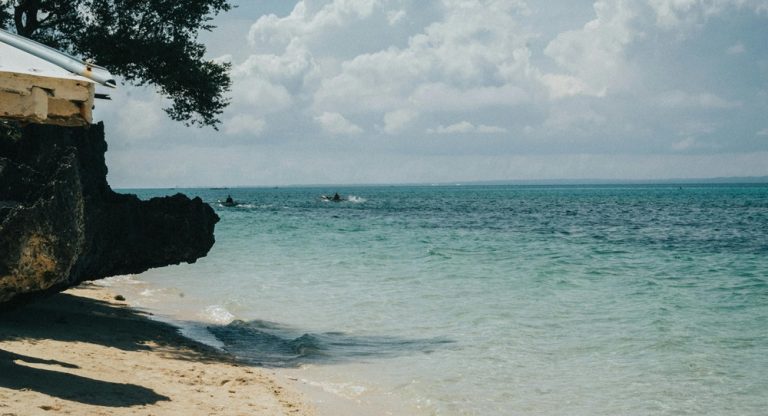
Crystal Bay
Crystal Bay is one of Nusa Penida's most accessible and popular beaches and is especially known for snorkeling, sunsets, calmer bay conditions, and easier beach access compared to many of the island's steeper cliffside beaches. Located on the western side of Nusa Penida, the beach attracts both day-trip visitors and travelers staying overnight on the island.
The beach itself features a curved bay lined with palm trees, light-colored sand, and clear blue water facing a small offshore rock island that has become one of the area's most recognizable landmarks. Compared to beaches such as Diamond Beach or Atuh Beach, Crystal Bay generally feels easier to reach and more relaxed for casual beach visits.
Crystal Bay is particularly popular for snorkeling and diving because of its clearer water conditions and marine life visibility during favorable weather. The surrounding waters are also known among divers for seasonal opportunities to spot larger marine species, including mola mola sunfish during certain times of the year.
Swimming conditions are often calmer than many of Nusa Penida's more exposed coastlines, although currents can still become strong depending on tides and ocean conditions. Visitors should remain cautious when entering deeper water, especially during rougher weather or stronger swells.
Sunset is one of the most popular times to visit Crystal Bay, when travelers gather along the beach and surrounding viewpoints to watch the light fade across the bay and offshore cliffs. For many visitors, Crystal Bay provides one of the easiest ways to experience Nusa Penida's coastal scenery without the more physically demanding access routes found elsewhere on the island.
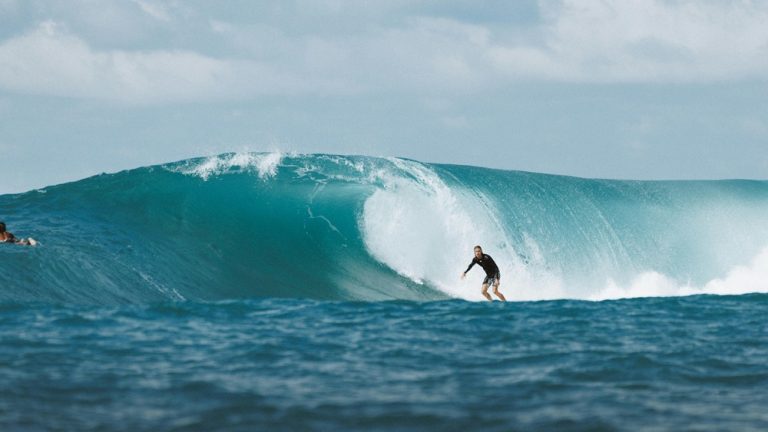
Best Beaches in Bali for Surfing
Bali is one of the world's most famous surf destinations and attracts everyone from complete beginners to experienced professional surfers. Different parts of the island offer very different wave conditions, reef breaks, beach breaks, and surfing atmospheres, which means choosing the right beach depends heavily on your experience level and the time of year you visit.
- Kuta Beach: One of the best beaches in Bali for beginner surf lessons
- Canggu: Popular surf area with cafés, beach clubs, and multiple surf breaks
- Padang Padang: Famous reef break for experienced surfers
- Uluwatu: Legendary surf destination with powerful waves and cliff scenery
- Bingin Beach: Strong reef waves and classic Uluwatu surf atmosphere
- Balangan Beach: Consistent surf conditions and a quieter atmosphere
- Keramas Beach: Powerful east coast surf break with volcanic scenery
The west coast of Bali generally receives the strongest surf during the dry season from roughly May to September, when offshore winds create cleaner wave conditions across many of the island's best-known surf beaches. During the wet season, surf conditions often improve along parts of Bali's east coast instead.
Beginner surfers usually gravitate toward beaches such as Kuta because of the sandy bottom, surf schools, rental boards, and gentler wave conditions compared to Bali's more advanced reef breaks. Areas such as Uluwatu, Padang Padang, Bingin, and Keramas are far better suited for experienced surfers because of stronger waves, reefs, currents, and more technical conditions.
Even travelers who do not surf are often drawn to Bali's surf beaches because of the atmosphere surrounding them. Cliffside cafés, beach bars, sunset viewpoints, surf culture, and ocean scenery have become part of Bali's identity and continue to attract photographers, couples, digital nomads, and coastal travelers from around the world.
Visitors planning to surf in Bali should always pay attention to tides, currents, reef conditions, and local advice before entering the water. Some beaches that appear calm from shore can become extremely dangerous during larger swells or changing tides, particularly around reef breaks in Uluwatu and along parts of the Bukit Peninsula.
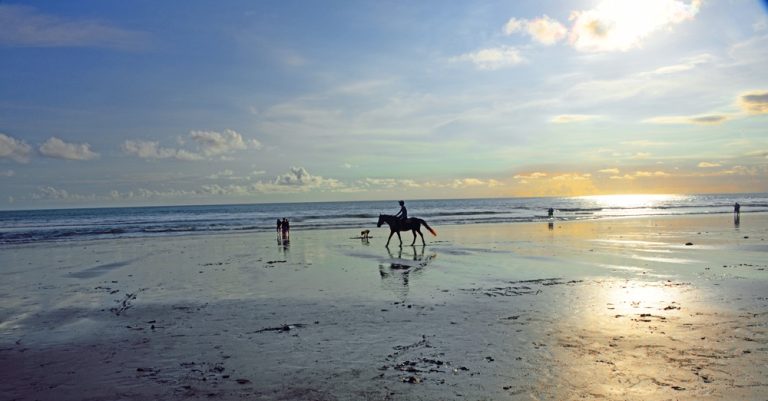
Best Beaches in Bali for Swimming
Not all Bali beaches are ideal for swimming. Many of the island's most famous beaches are better known for surfing, strong waves, reef breaks, or dramatic scenery rather than calm water. Travelers specifically looking for relaxed swimming conditions should pay close attention to tides, currents, seasonal conditions, and the type of coastline in each region.
- Nusa Dua: One of Bali's calmest and most resort-oriented swimming beaches
- Jimbaran Beach: Gentler bay conditions and calmer water than many surf beaches
- Melasti Beach: Scenic southern Bali beach with calmer conditions during favorable tides
- Pandawa Beach: Sheltered bay popular with families and casual swimmers
- Virgin Beach: Relaxed East Bali beach with quieter swimming areas
- Blue Lagoon Beach: Small sheltered bay popular for snorkeling and calmer water
- Crystal Bay: Easier swimming conditions than much of Nusa Penida's coastline
Nusa Dua is often considered one of the safest and easiest beach areas in Bali for swimming because many of the beaches are protected by reefs that reduce wave intensity. This makes the region especially popular with families, couples, and resort travelers looking for calmer ocean conditions.
Jimbaran and Pandawa also tend to offer gentler conditions than surf-heavy beaches such as Uluwatu, Bingin, or Balangan, although tides and weather still influence swimming safety throughout the year. Beaches in these areas are often better suited for casual swimming, relaxing near the water, and sunset walks rather than surfing.
Travelers should remember that conditions can change quickly in Bali depending on tides, weather, and seasonal ocean patterns. Strong currents, shore breaks, hidden reefs, and rough waves are common on many parts of the island, especially along the west coast and the Bukit Peninsula during the dry season.
Even beaches that appear calm can become dangerous under certain conditions, particularly during higher swells or changing tides. Visitors unfamiliar with local conditions should pay attention to warning flags, speak with locals when unsure, and avoid swimming far from shore in areas known for strong currents or reef breaks.
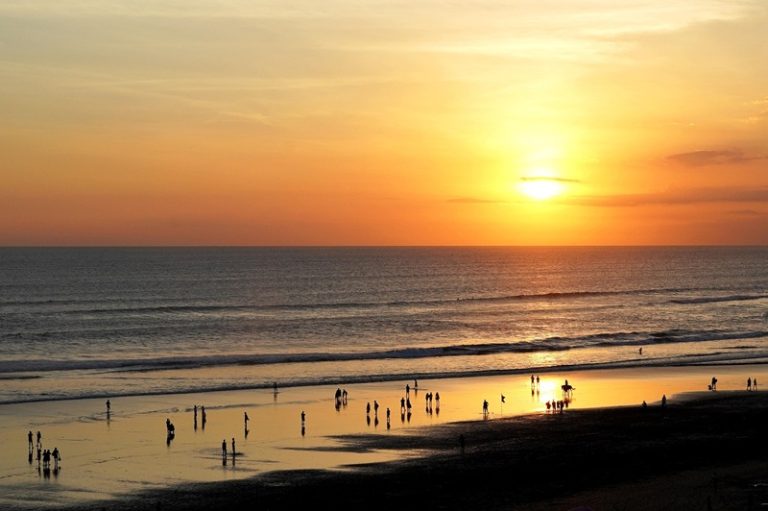
Best Sunset Beaches in Bali
Bali is famous for its sunsets, particularly along the island's western coastline where beaches face directly toward the Indian Ocean. In the late afternoon, many coastal areas transform into gathering points filled with surfers, photographers, beachgoers, couples, and travelers heading toward the ocean to watch the sky gradually change color over the water.
- Seminyak Beach: Beach clubs, restaurants, and wide sunset views
- Canggu: Surf culture, cafés, beach bars, and relaxed sunset atmosphere
- Jimbaran Beach: Seafood dinners directly on the sand during sunset
- Uluwatu: Cliffside viewpoints and dramatic ocean scenery
- Bingin Beach: Relaxed surf atmosphere and cliffside sunset cafés
- Balangan Beach: Panoramic coastal views from the cliffs above the beach
- Crystal Bay: One of Nusa Penida's most popular sunset beaches
Seminyak and Canggu are among Bali's most popular sunset destinations because of the combination of beach clubs, restaurants, live music, cocktails, and oceanfront venues lining the coastline. Travelers often spend the late afternoon moving between cafés, bars, beach clubs, and sunset viewpoints as the atmosphere gradually becomes more lively toward evening.
Jimbaran offers a very different type of sunset experience focused more on seafood dining and calmer coastal scenery. Beachfront restaurants place tables directly on the sand each evening, allowing visitors to watch the sunset while eating freshly grilled seafood beside the ocean.
Uluwatu, Bingin, and Balangan are particularly popular with photographers and surfers because of the cliffs, surf breaks, and dramatic coastal landscapes overlooking the ocean. Sunset lighting across the limestone cliffs and waves often creates some of Bali's most visually striking scenery.
Weather conditions naturally play a major role in sunset quality throughout the year. Clear skies during Bali's dry season often create the island's most colorful sunsets, while cloud cover and tropical storms during the rainy season can sometimes limit visibility. Even so, many travelers still consider sunset one of the most memorable parts of spending time along Bali's coastline.
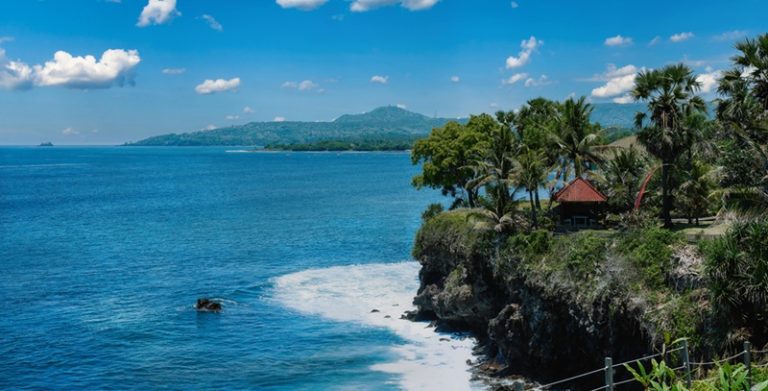
Beach Safety Tips in Bali
Bali's beaches are beautiful, but ocean conditions can become far more dangerous than many first-time visitors expect. Strong currents, powerful waves, reef breaks, changing tides, and rough surf are common throughout large parts of the island, particularly along the west coast and the Bukit Peninsula during the dry season.
Travelers concerned about ocean conditions, scams, scooter accidents, nightlife safety, and common tourist mistakes may also want to read our complete Bali safety guide before visiting the island.
- Pay attention to warning flags and local advice before swimming
- Many Bali beaches are better suited for surfing than casual swimming
- Currents and shore breaks can become dangerous very quickly
- Reef cuts and sharp rocks are common at many surf beaches
- Tides dramatically affect beach access and swimming conditions
- Always use extra caution around cliffs, staircases, and wet rocks
One of the most common mistakes travelers make is assuming that calm-looking water automatically means safe swimming conditions. At many Bali beaches, especially around Uluwatu, currents and reef breaks can become dangerous even when the ocean appears relatively calm from shore.
Because surfing, scooter travel, snorkeling, diving, and island-hopping activities are common throughout Bali, many travelers also choose to arrange travel insurance before visiting Bali, particularly for trips involving water sports or multiple islands.
Beaches such as Padang Padang, Bingin, Suluban, Balangan, and Keramas are internationally known surf beaches and are often far better suited for experienced surfers than casual swimmers. Families and travelers primarily interested in swimming generally have a better experience at calmer beaches such as Nusa Dua, Jimbaran, Pandawa, or Melasti during favorable conditions.
Travelers should also remain cautious around cliffs, steep staircases, and rocky coastal access points. Many of Bali's most scenic beaches require descending uneven stairs or walking across rocks and reefs, particularly in Uluwatu and Nusa Penida. Proper footwear and extra caution become especially important after rain or during high tide conditions.
Ocean conditions in Bali can change quickly depending on tides, swell direction, and seasonal weather patterns. Travelers planning surfing, snorkeling, diving, or boat trips should always monitor local forecasts and marine conditions through sources such as BMKG Indonesia before entering the water.
Seasonal conditions also matter. During Bali's rainy season, stronger waves, reduced visibility, rougher water, and seasonal plastic waste can affect some beaches more heavily than others. Checking tides, weather forecasts, and local conditions before visiting a beach can often make a major difference to both safety and overall enjoyment.
For most travelers, Bali's beaches remain safe and enjoyable as long as normal caution and common sense are used. Understanding which beaches are designed more for surfing versus swimming is one of the easiest ways to avoid unnecessary risks while exploring Bali's coastline.
Best Time to Visit Bali Beaches
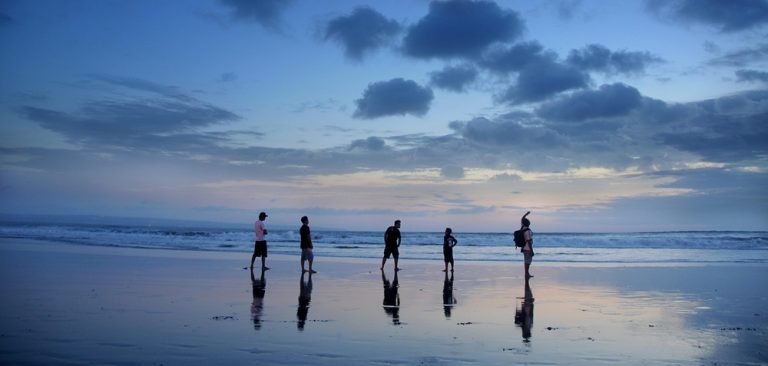
Bali's beaches can be visited year-round, but weather conditions, ocean currents, rainfall, waves, visibility, and overall beach conditions change considerably depending on the season. Understanding the difference between Bali's dry season and rainy season can make a major impact on surfing conditions, swimming safety, snorkeling visibility, sunsets, and the overall beach experience.
Travelers planning beach-focused trips may also find our guide to the best time to visit Bali useful for understanding seasonal weather patterns, rainfall, tourism peaks, surfing conditions, and the differences between Bali's dry and rainy seasons.
- Dry Season (May to September): Best for surfing, sunshine, sunsets, and beach weather
- Rainy Season (November to March): Greener landscapes, fewer crowds, but more rainfall and rougher conditions in some areas
- Shoulder Months (April and October): Often a strong balance between weather and lower crowds
- West Coast Beaches: Best surf conditions during the dry season
- East Coast Beaches: Often better surf during parts of the rainy season
The dry season is generally considered the best time to visit Bali beaches, especially for travelers focused on sunshine, surfing, sunsets, beach clubs, and outdoor activities. Beaches around Seminyak, Canggu, Uluwatu, Bingin, and Balangan are particularly popular during this period because of cleaner surf conditions and lower rainfall.
July and August are usually the busiest months on the island, bringing larger crowds, heavier traffic, and higher accommodation prices across many beach regions. Popular beaches in southern Bali can become especially crowded during sunset hours and school holiday periods.
The rainy season does not necessarily mean constant rain, and many travelers still enjoy Bali during these months. Tropical showers are often intense but temporary, with sunshine returning later in the day. However, ocean conditions can become rougher in some regions, visibility for snorkeling and diving may decrease, and seasonal plastic waste occasionally affects certain beaches more heavily.
Travelers looking for a balance between good weather and fewer crowds often prefer shoulder-season months such as April, May, or October. These periods frequently provide strong beach conditions while avoiding some of the busiest tourism peaks.
Because weather, tides, and ocean conditions affect different regions differently throughout the year, travelers planning beach-focused trips should pay attention not only to the season itself but also to which part of Bali they intend to visit most heavily.
How to Get Around Bali Beaches
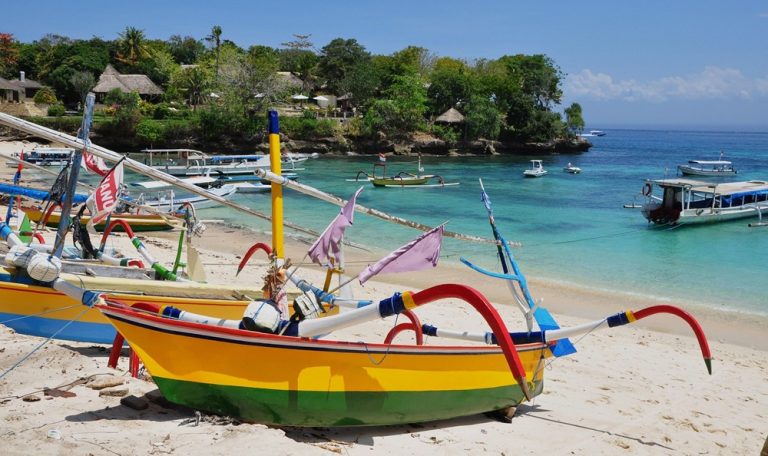
Getting around Bali's beaches often takes far longer than many first-time visitors expect. Distances on the map can appear relatively short, but traffic, narrow roads, scooters, ceremonies, weather, and the island's geography frequently increase travel times considerably, especially across southern Bali.
Travelers planning to explore multiple coastal regions often underestimate how long transportation takes in Bali, particularly around southern beach areas where traffic can become extremely heavy. Our complete guide to getting around Bali explains private drivers, scooters, ferries, ride-hailing apps, airport transfers, and realistic travel times across the island.
- Private drivers: One of the easiest ways to explore multiple beaches in a single day
- Scooters: Flexible for experienced riders but not ideal for everyone
- Grab and Gojek: Useful for shorter trips in busy tourist areas
- Fast boats and ferries: Necessary for reaching Nusa Penida
- Southern Bali traffic: Often much heavier than travelers expect
Travelers staying in Seminyak, Canggu, Kuta, or Uluwatu often discover that moving between beaches can easily take far longer than expected during busy traffic periods. A route that appears short online may require well over an hour depending on the time of day and road conditions.
Hiring a private driver remains one of the most practical options for travelers planning beach-hopping days across southern Bali. Drivers allow visitors to combine multiple beaches, viewpoints, cafés, restaurants, and sunset spots without dealing with navigation, parking, or unfamiliar roads.
Scooters are extremely common throughout Bali and provide flexibility for experienced riders comfortable navigating busy roads and traffic conditions. However, Bali's road system can feel chaotic for inexperienced riders, particularly around Canggu, Seminyak, Kuta, and Uluwatu where traffic congestion is often intense.
Travelers heading toward Nusa Penida must use fast boats or ferries departing from ports such as Sanur or Padangbai. Ocean conditions can affect schedules and ride comfort, especially during rougher weather periods.
Because transportation logistics play such a major role in beach planning, many travelers eventually realize that choosing fewer base areas often creates a far more enjoyable Bali trip than constantly moving between distant regions every day.
Reliable mobile data is also extremely useful when navigating Bali because most travelers depend heavily on maps, ride-hailing apps, ferry schedules, restaurant searches, and accommodation directions while moving between beaches. Our international eSIM guide compares some of the easiest ways to stay connected while traveling.
Transportation costs in Bali can also add up surprisingly quickly, especially for travelers moving frequently between beach regions or relying heavily on private drivers and transfers. Our Bali travel budget guide breaks down transportation, accommodation, food, and activity costs across different travel styles.
Is Bali Worth Visiting for the Beaches?
Yes, but probably not for the reasons many first-time travelers initially expect.
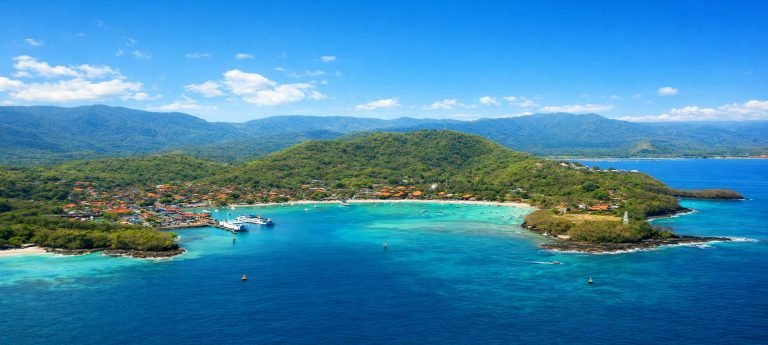
Bali does not necessarily have the single most perfect white sand beaches in Southeast Asia, and travelers arriving with unrealistic “postcard paradise” expectations sometimes end up surprised by the island's traffic, crowds, surf-heavy coastlines, or seasonal ocean conditions. What makes Bali special is not one perfect beach. It is the sheer diversity of experiences spread across the island's coastline.
Within a single trip, travelers can move between surfing beaches in Uluwatu, beach clubs in Seminyak, seafood sunsets in Jimbaran, snorkeling in Amed, black volcanic beaches in North Bali, dramatic cliffs in Nusa Penida, and quieter hidden coves scattered around the island. Very few destinations offer this level of variety within such a relatively compact area.
Bali's beaches also work best when combined with everything else the island offers. Temples, waterfalls, rice terraces, cafés, nightlife, diving, volcanoes, wellness retreats, island-hopping, surfing culture, luxury villas, and local Balinese traditions all contribute to the overall experience. For many travelers, Bali becomes memorable because of how easily beach time blends together with the island's broader atmosphere and lifestyle.
Some travelers fall in love with the surfing and sunsets, while others prefer the slower pace of places like Amed or Lovina. Couples may gravitate toward cliffside resorts and sunset dinners, while backpackers often prefer surf towns and beach cafés. Families frequently choose calmer swimming beaches such as Nusa Dua or Jimbaran instead of Bali's more intense surf beaches.
The key is understanding that Bali's coastline is highly varied. Choosing the right beach areas based on your travel style, priorities, and expectations usually has a much bigger impact on the quality of your trip than simply choosing the “most famous” beach on the island.
For travelers willing to explore beyond a single beach town, Bali continues to offer one of the most diverse and rewarding coastal travel experiences anywhere in Southeast Asia.
Final Thoughts: Which Bali Beaches Are Right for You?
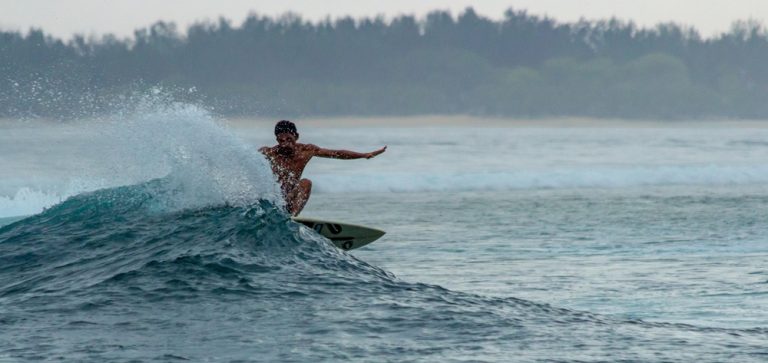
The best beaches in Bali ultimately depend far more on your travel style than on which beach is considered the “most famous.” Travelers looking for surfing, nightlife, cafés, and sunset culture often gravitate toward places like Canggu, Seminyak, Kuta, Bingin, or Uluwatu. Those interested in Bali's most popular surf and café destination can learn more in our Canggu beach and lifestyle guide, while visitors focused on calmer swimming beaches, snorkeling, diving, or slower travel may prefer areas such as Jimbaran, Nusa Dua, Amed, Lovina, or Nusa Penida.
One of Bali's biggest strengths is the sheer variety of experiences available across the island's coastline. Within a single trip, travelers can move between surf beaches, hidden coves, dramatic cliffs, seafood villages, beach clubs, snorkeling bays, volcanic coastlines, and quieter coastal regions that feel completely different from Bali's busiest tourism zones.
At the same time, Bali rewards travelers who plan realistically. Distances, traffic, tides, weather, and transportation logistics often influence the experience far more than many first-time visitors initially expect. Understanding which beach regions best match your priorities can make a major difference to how enjoyable the overall trip feels.
Travelers preparing for their first Bali trip may also find our Bali travel tips guide useful for understanding local customs, transportation, scams, cultural etiquette, and other practical planning advice before arriving on the island. Before heading to Bali's beaches, it is also worth reviewing what to bring for beach days and island adventures so you are prepared for swimming, snorkeling, surfing, and Bali's tropical climate.
If you are still organizing flights and travel logistics, our international flight booking guide can also help you compare routes and pricing before finalizing your Bali trip.
For many travelers, Bali is not simply about finding one perfect beach. The island's appeal comes from how different each coastal region feels and how easily beaches can be combined with temples, waterfalls, rice terraces, nightlife, surfing, island-hopping, cafés, luxury villas, diving, and local Balinese culture throughout the trip.
Travelers willing to explore beyond a single beach town often discover that Bali offers one of the most varied and rewarding coastal experiences anywhere in Southeast Asia.
Frequently Asked Questions About Bali Beaches
-
Which beach is best in Bali?
There is no single “best” beach in Bali because different beaches suit different travel styles. Seminyak is popular for sunsets and beach clubs, Uluwatu for surfing and cliffs, Jimbaran for seafood dinners and calmer water, Amed for snorkeling and diving, and Nusa Penida for dramatic scenery. -
Which part of Bali has the best beaches?
Southern Bali has the island's most famous beaches, including Seminyak, Kuta, Jimbaran, and Uluwatu. East Bali and Nusa Penida are often preferred for snorkeling, diving, and more dramatic scenery, while North Bali offers quieter beaches and slower-paced travel. -
Are Bali beaches good for swimming?
Some Bali beaches are good for swimming, but many are better suited for surfing because of waves and currents. Nusa Dua, Jimbaran, Pandawa, Melasti, and Blue Lagoon are generally considered better swimming beaches than surf-heavy beaches such as Uluwatu or Bingin. -
Which Bali beaches are best for surfing?
Kuta is popular for beginner surfing, while Uluwatu, Padang Padang, Bingin, Balangan, Canggu, and Keramas attract more experienced surfers because of stronger reef breaks and larger waves. -
What is the clearest beach in Bali?
Blue Lagoon Beach, Crystal Bay, parts of Nusa Dua, and several snorkeling areas around Amed are often considered among the clearest beaches in Bali during good weather conditions. -
Which Bali beach has the best sunsets?
Seminyak, Canggu, Jimbaran, Uluwatu, Bingin, and Balangan are among Bali's most popular sunset beaches because they face the Indian Ocean along the island's western coastline. -
Are Bali beaches crowded?
Popular beaches such as Kuta, Seminyak, Canggu, and parts of Uluwatu can become very crowded during peak tourism periods, especially around sunset. Quieter beaches are easier to find in East Bali, North Bali, and less developed parts of the coastline. -
What are the best hidden beaches in Bali?
Pandawa Beach, Virgin Beach, Balian Beach, and Blue Lagoon Beach are often considered among Bali's best hidden or quieter beaches compared to the island's busiest tourist areas. -
Which Bali beaches are best for families?
Families often prefer calmer beaches such as Nusa Dua, Jimbaran, Pandawa, and Melasti because they usually offer gentler swimming conditions and easier beach access than Bali's stronger surf beaches. -
Can you snorkel at Bali beaches?
Yes. Amed, Blue Lagoon Beach, Crystal Bay, and parts of Nusa Penida are among Bali's most popular snorkeling areas because of coral reefs, marine life, and clearer water conditions. -
Which Bali beaches have black sand?
Black volcanic sand beaches are more common in East and North Bali. Areas such as Amed, Lovina, Keramas, and parts of the eastern coastline are known for darker volcanic beaches. -
What is the safest beach in Bali for swimming?
Nusa Dua is often considered one of Bali's safest swimming areas because reefs help reduce wave intensity along much of the coastline. However, ocean conditions can still change depending on tides and weather. -
Is Nusa Penida worth visiting for the beaches?
Yes. Nusa Penida is home to some of the most dramatic coastal scenery near Bali, including Diamond Beach, Atuh Beach, and Crystal Bay. Many travelers visit for the cliffs, viewpoints, snorkeling, and island scenery rather than purely for swimming. -
What is the best time to visit Bali beaches?
The dry season from roughly May to September is generally considered the best time for surfing, beach weather, sunshine, and sunsets. Shoulder months such as April and October often provide a good balance between weather and fewer crowds. -
Are Bali beaches safe?
Most Bali beaches are safe as long as travelers respect local conditions and remain cautious around waves, currents, reefs, and tides. Many beaches are designed more for surfing than swimming, especially around Uluwatu and the Bukit Peninsula. -
How do you get around Bali beaches?
Most travelers use private drivers, scooters, Grab, Gojek, or organized tours to move between Bali's beach regions. Ferries and fast boats are required for visiting Nusa Penida.
Travel Resources to Plan, Book & Stay Connected
Use these tools and guides to stay connected abroad, find inspiration for your next trip, and book your flights, stays and gear with confidence.
Disclosure: This article may contain affiliate links. If you make a purchase through a link, I may receive a commission at no extra cost to you. I only share recommendations I believe are genuinely useful, and all opinions are my own. AI was used in this post for research and drafting purposes.

Comment (0)