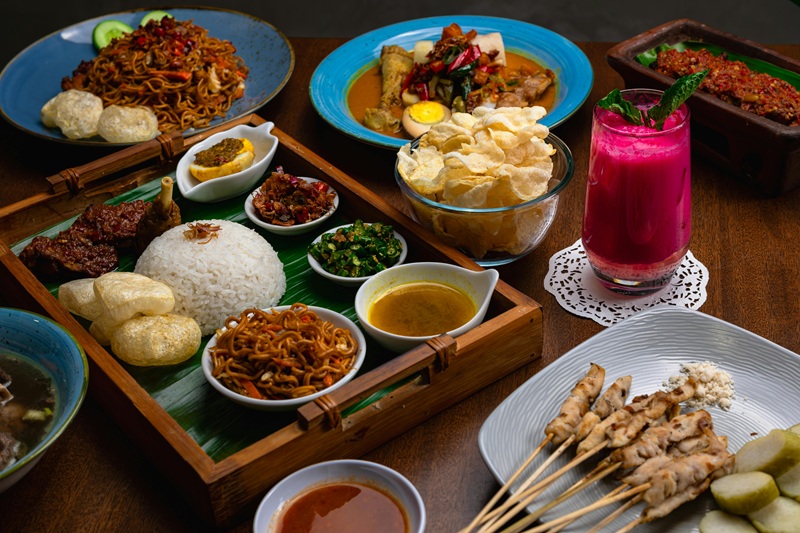
Food in Bali: What This Guide Covers
Food in Bali is one of the best parts of visiting the island, but it can also be confusing at first. Between local warungs, beach cafés, vegan restaurants, street food stalls, seafood spots, hotel restaurants, and busy tourist areas, knowing what to eat and where to eat can make your trip much easier.
This guide helps you understand the best food in Bali, from traditional Balinese dishes and casual local meals to restaurant areas, vegetarian options, halal food, food prices, and simple tips for avoiding stomach problems while eating around the island.
- The famous Balinese dishes and Indonesian meals worth trying
- The difference between warungs, street food, cafés, and restaurants
- How much food costs in Bali for budget, mid-range, and higher-end travelers
- The best areas for food in Bali, including Ubud, Canggu, Seminyak, Sanur, and Uluwatu
- Vegetarian, vegan, halal, Indian, Chinese, and international food options
- How to reduce your risk of Bali Belly while still enjoying local food
- Food tours, cooking classes, coffee, desserts, and drinks to consider during your trip
If you are still planning the wider trip, start with the full Bali travel guide first, then use this food guide to decide what to eat once your route is clearer. For daily planning, it also pairs naturally with the Bali itinerary, especially if you want to match meals with Ubud, beach areas, day trips, and cultural stops.
Food choices also connect directly with budget, safety, and logistics. Before finalizing your plans, it is worth comparing this guide with the Bali travel cost guide and the Bali safety guide, especially if you are worried about food prices, hygiene, stomach issues, or eating local food for the first time.
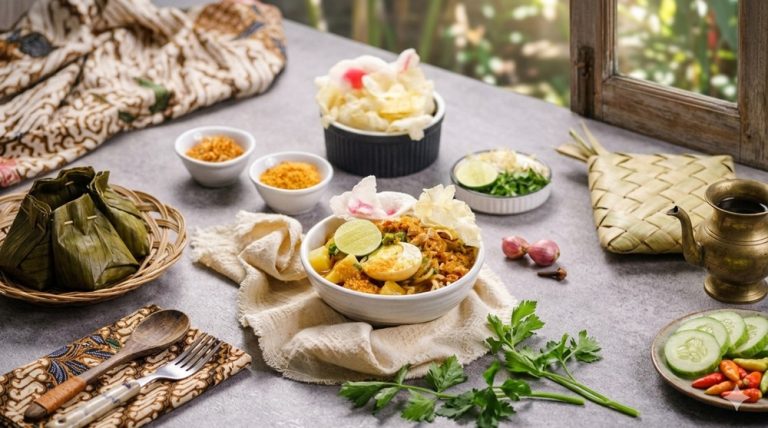
Food in Bali: More Than Just Nasi Goreng and Smoothie Bowls
Food in Bali is one of the island's biggest highlights and often becomes one of the most memorable parts of the trip. While many travelers arrive expecting beaches, temples, waterfalls, and rice terraces, they quickly discover that Bali also offers one of the most diverse food scenes in Southeast Asia. Traditional Balinese recipes sit alongside Indonesian classics, local seafood, international restaurants, vegan cafés, specialty coffee shops, beach clubs, and family-run warungs serving recipes that have been passed down for generations.
The best food in Bali is not limited to expensive restaurants or trendy tourist areas. Some of the island's most authentic meals can be found in simple local eateries where dishes are prepared fresh each day and served at surprisingly affordable prices. At the same time, Bali has become one of Asia's leading destinations for vegan cuisine, healthy cafés, international dining, and creative fusion restaurants, giving visitors an enormous variety of choices regardless of their budget or dietary preferences.
For first-time visitors, the challenge is rarely finding food. The challenge is knowing what to order, where to eat, and how to distinguish between traditional Balinese dishes, Indonesian favorites, and the many international options found across the island. Understanding these differences can help you experience far more of Bali's culture while avoiding the common mistake of spending an entire trip eating food that could be found almost anywhere else in the world.
Whether you want to try famous Balinese dishes such as Babi Guling and Bebek Betutu, discover the best street food and warungs, find vegetarian and halal options, understand food prices, or simply learn what foods are truly worth trying during your visit, this guide will help you make the most of Bali's remarkable food scene.
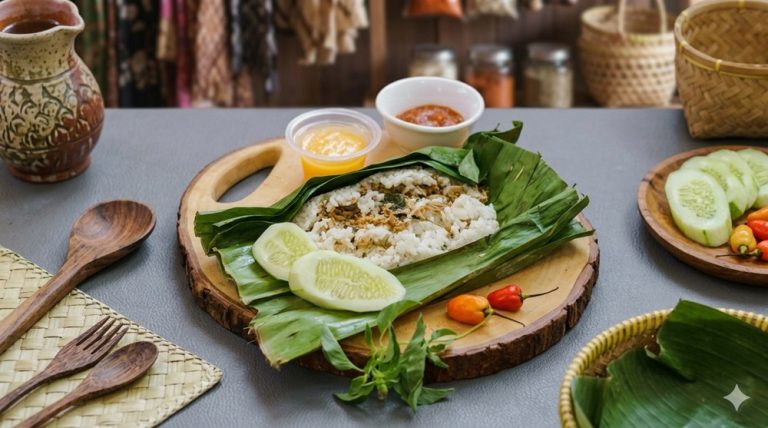
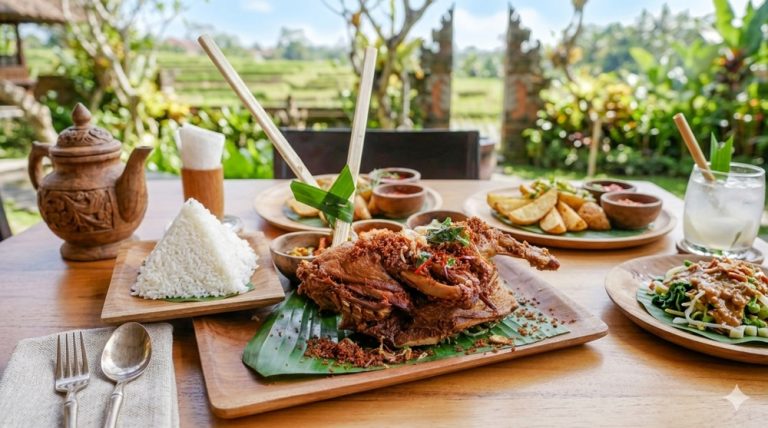
Food in Bali: What Should You Actually Eat?
- Nasi Campur: The easiest introduction to Balinese food and often the best first meal on the island
- Babi Guling: Bali's famous roast suckling pig and one of the island's most iconic dishes
- Bebek Betutu: Slow-cooked duck packed with traditional Balinese spices
- Sate Lilit: Balinese satay made with minced seafood, chicken, or pork wrapped around lemongrass sticks
- Nasi Goreng and Mie Goreng: Indonesia's famous fried rice and fried noodle dishes found throughout Bali
- Lawar: A traditional Balinese mixture of vegetables, coconut, herbs, and meat
- Fresh seafood: Especially popular around Jimbaran Bay and coastal villages
If you only remember one thing about food in Bali, it should be this: Balinese cuisine and Indonesian cuisine are not exactly the same thing. Many visitors spend their entire trip eating popular Indonesian dishes such as Nasi Goreng and Mie Goreng without realizing that Bali has its own distinctive culinary traditions, ingredients, and cooking techniques.
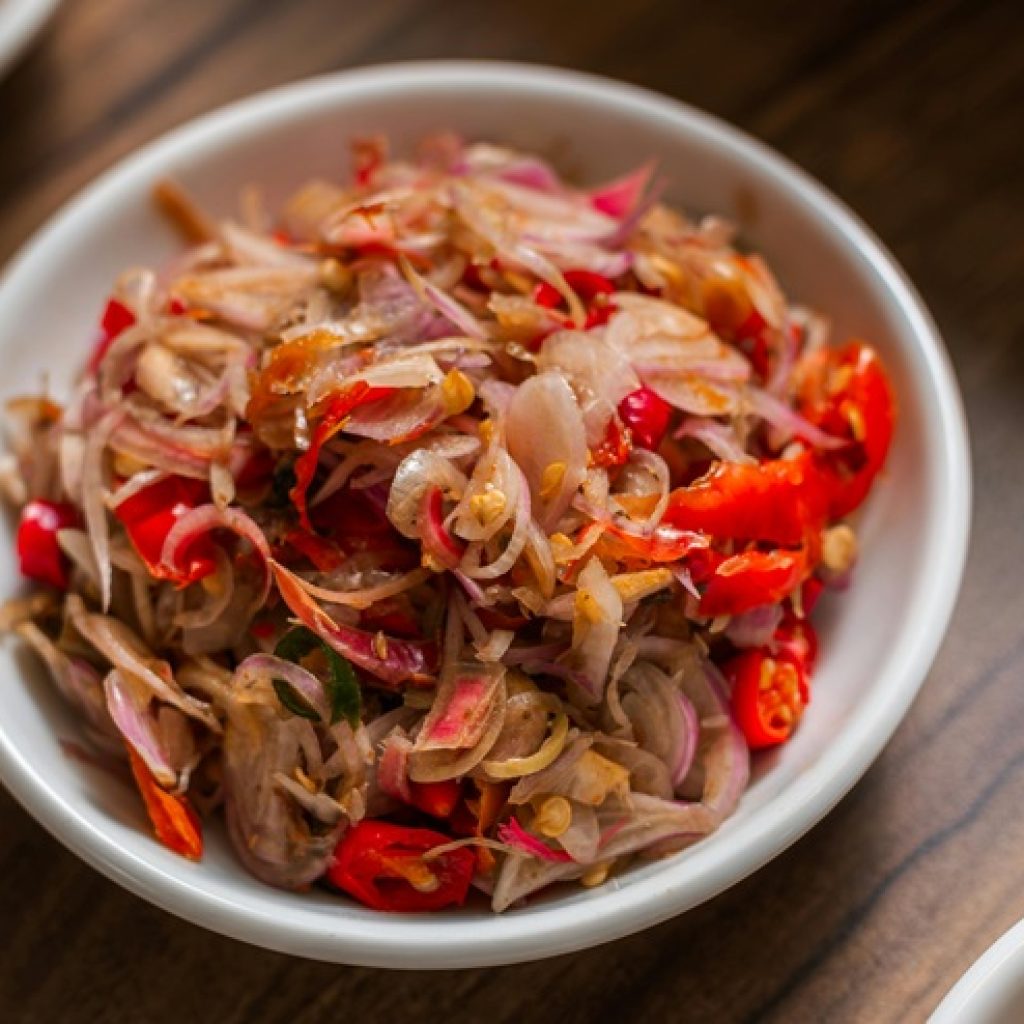
Balinese food relies heavily on fresh herbs, turmeric, ginger, galangal, lemongrass, chili, garlic, shallots, and aromatic spice blends known locally as base genep. These ingredients create deeper and more complex flavors than many travelers expect, particularly in slow-cooked dishes such as Bebek Betutu and Babi Guling.
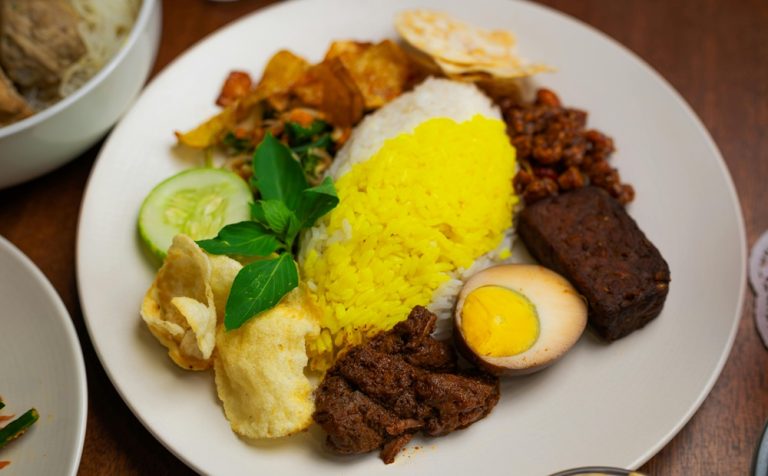
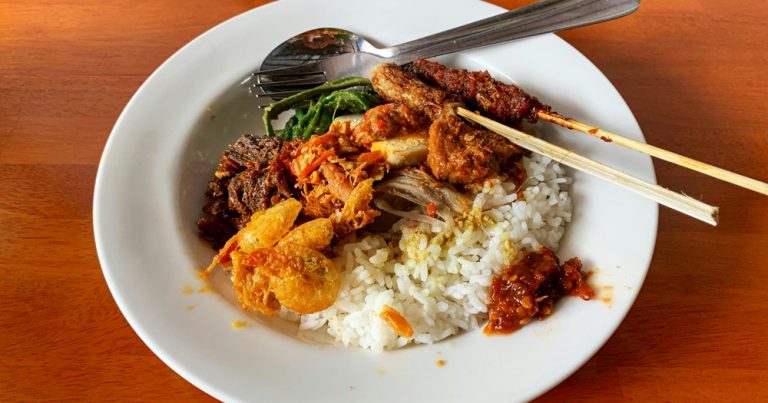
For most first-time visitors, Nasi Campur is often the best place to start. The dish typically includes rice accompanied by several smaller portions of local specialties, allowing you to sample multiple flavors in a single meal. Depending on the restaurant or warung, your plate may include shredded chicken, satay, vegetables, egg, spicy sambal, peanuts, and traditional Balinese side dishes.
Travelers looking for Bali's most famous food usually end up trying Babi Guling, a roasted suckling pig dish that has become one of the island's culinary icons. The pork is seasoned with traditional spices and slow-roasted until the skin becomes crisp while the meat remains tender. It is widely considered one of the most authentic food experiences available in Bali.
Those who prefer duck should look for Bebek Betutu. This traditional Balinese dish is marinated in a rich spice mixture before being slow-cooked for many hours. The result is exceptionally tender meat with deep flavors that showcase the complexity of Balinese cooking.
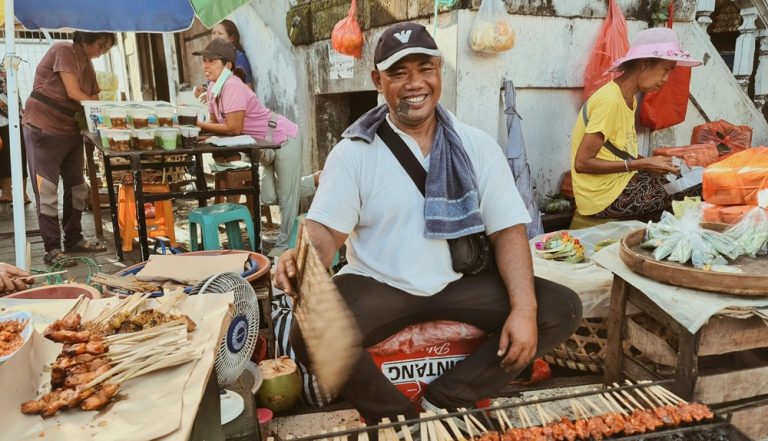
Seafood lovers should not miss Sate Lilit, one of Bali's most distinctive street foods. Unlike traditional satay, the meat is finely minced and mixed with spices before being wrapped around lemongrass stalks or bamboo skewers. Fish-based versions are particularly common near the coast, although chicken and pork variations are also widely available.
While Bali's international restaurant scene continues to grow, most travelers find that their most memorable meals often come from simple local warungs serving traditional recipes at affordable prices. Exploring these local dishes is one of the easiest ways to experience Balinese culture beyond the beaches, resorts, and tourist attractions.
For more information about Indonesian cuisine and regional food traditions, visit the official Indonesia Travel website: Indonesia Travel.
One of the best ways to understand Balinese cuisine is to explore it with a local guide. This highly rated food tour takes you through Denpasar's old city, where you'll sample more than 15 local specialties from street food stalls and traditional warungs while learning about the ingredients, flavors, and cultural influences behind Bali's most famous dishes.
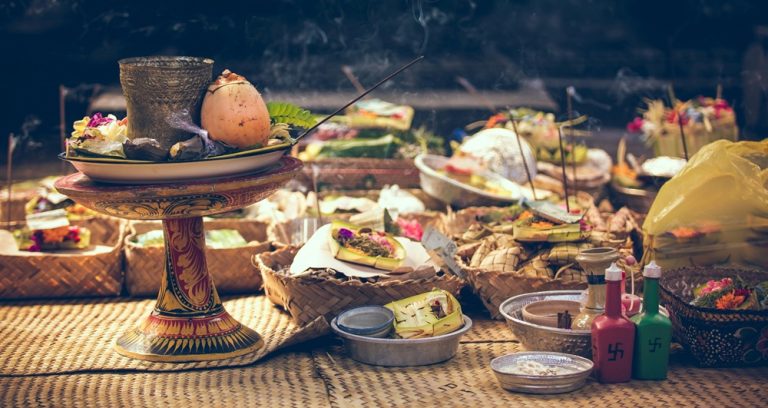
Best Food in Bali for First-Time Visitors
- Start with Nasi Campur if you want to sample multiple Balinese dishes in one meal
- Try Babi Guling for Bali's most famous traditional food experience
- Order Bebek Betutu if you enjoy rich, slow-cooked dishes packed with spices
- Look for Sate Lilit to experience one of Bali's most unique local specialties
- Eat at least one local warung rather than relying entirely on tourist restaurants
- Visit a local market to discover traditional snacks and desserts
- Don't skip Indonesian classics such as Nasi Goreng and Mie Goreng
With hundreds of restaurants, cafés, warungs, beach clubs, and food stalls spread across the island, deciding what to eat in Bali can feel overwhelming. Most travelers simply cannot try everything during a single trip, which makes prioritizing the right dishes far more important than chasing endless restaurant recommendations.
If you only have a few days in Bali, Nasi Campur should be your first meal. More than any other dish, it provides an introduction to Balinese cuisine because it combines several local specialties on a single plate. Rather than committing to one dish, you can sample different flavors, textures, spices, and cooking styles at the same time.
Babi Guling deserves a place near the top of every food itinerary. It is one of the few dishes that visitors specifically travel across the island to try, and for good reason. The combination of crispy skin, tender meat, aromatic spices, and traditional preparation methods makes it one of Bali's most iconic culinary experiences.
For travelers who prefer poultry, Bebek Betutu offers an equally authentic experience. The lengthy cooking process creates exceptionally tender duck while showcasing the complex spice blends that make Balinese cuisine unique. Many returning visitors consider it one of the island's best dishes.
Sate Lilit should also be on every shortlist. It is distinctly Balinese, widely available, and easy to enjoy as a snack, appetizer, or part of a larger meal. The use of lemongrass and local spices gives it a flavor profile that differs noticeably from satay found elsewhere in Indonesia.
Beyond individual dishes, one of the smartest decisions a first-time visitor can make is to eat in a local warung at least once or twice. These family-run eateries often serve some of the most authentic food on the island while offering excellent value compared with tourist-focused restaurants. In many cases, the meals are fresher, more traditional, and far more representative of what local people actually eat.
Finally, leave room for discovery. Bali's food scene extends far beyond famous dishes and social-media cafés. Local markets, roadside stalls, seafood restaurants, coffee shops, bakeries, and small neighborhood warungs often provide the most memorable meals of an entire trip. A willingness to explore usually rewards travelers far more than following a rigid restaurant checklist.
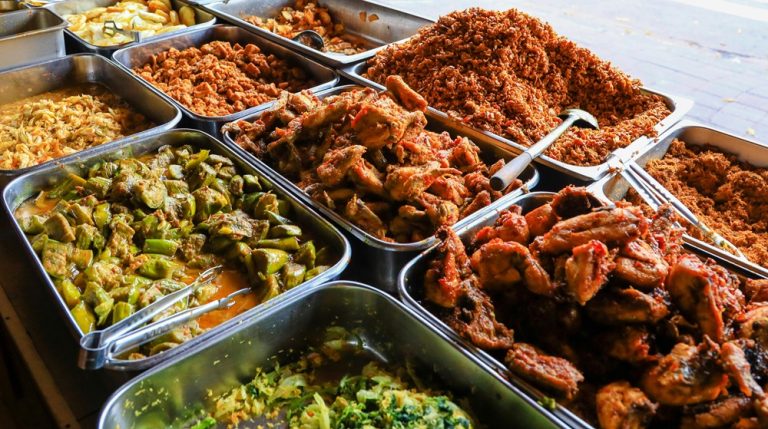
Street Food, Warungs & Restaurants Explained
- Warungs usually offer the most authentic and affordable local food experiences
- Street food stalls can be excellent but require a little more caution regarding hygiene and food handling
- Tourist restaurants often provide greater menu variety and more international options
- High-end restaurants and beach clubs focus more on atmosphere, presentation, and dining experiences
- Most travelers should combine all four rather than relying on a single type of venue throughout their trip
What Is a Warung?
A warung is a small local restaurant or family-run eatery and is often where visitors discover some of the best food in Bali. While appearances vary from simple roadside establishments to modern cafés serving traditional dishes, the defining characteristic is that warungs typically focus on local food prepared using family recipes and regional cooking traditions.
Many warungs serve dishes such as Nasi Campur, Babi Guling, Mie Goreng, Nasi Goreng, satay, soups, grilled meats, and fresh vegetables at prices that are significantly lower than those found in tourist-oriented restaurants. For travelers who want authentic Balinese food without spending a fortune, warungs are usually the best place to start.
The most rewarding approach is often to look for busy warungs with a steady flow of local customers. High turnover generally means fresher ingredients and food that is being prepared continuously throughout the day.
Is Street Food Safe in Bali?
Street food forms an important part of Bali's food culture and can be a fantastic way to experience local flavors. Grilled satay, fried snacks, noodles, fresh fruit, and traditional desserts are commonly sold from roadside carts, markets, and small food stalls across the island.
Most travelers can enjoy street food safely by applying basic common sense. Choose vendors that appear busy, maintain reasonable hygiene standards, and cook food fresh in front of you. Hot food that is prepared to order is generally a safer choice than dishes that have been sitting out for long periods in the tropical heat.
Street food can offer excellent value and authentic flavors, but first-time visitors may feel more comfortable starting with established warungs before gradually becoming more adventurous.
Tourist Restaurants in Bali
Tourist-oriented restaurants are particularly common in areas such as Seminyak, Canggu, Ubud, Sanur, and Uluwatu. These venues often provide extensive menus, English-speaking staff, air conditioning, modern interiors, and a wider range of international cuisine.
While some travelers dismiss tourist restaurants as less authentic, many are excellent and serve high-quality Indonesian and Balinese food alongside international dishes. They can be especially useful for families, larger groups, travelers with dietary restrictions, or anyone easing themselves into local cuisine.
The main trade-off is price. Meals at tourist restaurants are usually more expensive than comparable dishes served in local warungs.
Beach Clubs & Fine Dining Experiences
Bali has developed one of Southeast Asia's most sophisticated dining scenes, particularly in Seminyak, Canggu, Uluwatu, and parts of Ubud. Upscale restaurants, rooftop venues, beachfront dining experiences, and internationally recognized chefs have become a major part of the island's appeal.
These venues often focus as much on the setting as the food itself. Sunset views, oceanfront locations, jungle scenery, and carefully designed interiors frequently play a central role in the overall experience.
Although prices can be substantially higher than local restaurants, many travelers choose to include one or two special dining experiences during their trip while relying on warungs and casual eateries for everyday meals.
So Where Should You Eat?
Most travelers should avoid limiting themselves to a single type of dining experience. The best approach is usually a combination of local warungs, carefully chosen street food, casual cafés, and a few memorable restaurant experiences. This provides a better understanding of Bali's food culture while balancing authenticity, comfort, variety, and budget.
In practice, some of your most memorable meals may come from a humble roadside warung, while others might come from a cliffside restaurant overlooking the ocean at sunset. Experiencing both sides of Bali's food scene is often what makes the island such a rewarding destination for food lovers.
Explore Bali through its food on this authentic culinary street food experience. Taste up to 15 local dishes while discovering hidden food spots, traditional flavors, and everyday Balinese culture. It's an excellent way to move beyond tourist restaurants and experience the dishes locals actually eat.
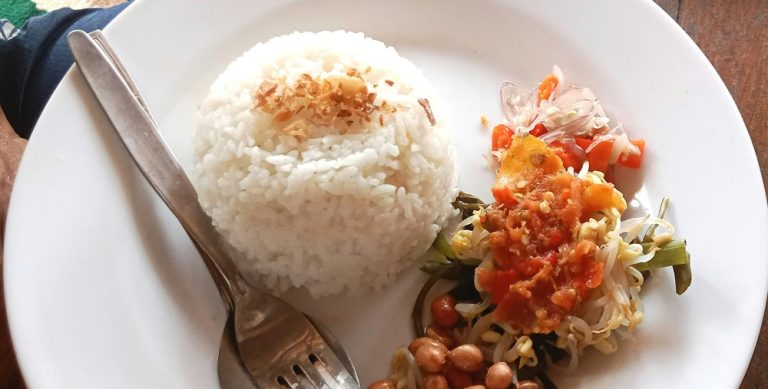
How Much Does Food Cost in Bali?
- Warung meals are often available for $2–$5 per person
- Casual cafés and local restaurants typically cost $5–$12 per meal
- Mid-range restaurants usually range from $10–$25 per person
- Beach clubs and upscale restaurants can easily exceed $25–$60+ per person
- Food in Bali remains affordable compared with many Western countries, but costs vary significantly by location and dining style
One of the reasons Bali remains so popular with travelers is that food can be surprisingly affordable. However, there is no single answer to the question of how much food costs in Bali because the island offers everything from simple roadside warungs to luxury restaurants overlooking the ocean.
A backpacker eating mostly local food can spend very little on meals, while travelers who regularly visit beach clubs, fine dining venues, and imported-food cafés may spend amounts comparable to major cities in Australia, Europe, or North America. Understanding the differences helps set realistic expectations before your trip.
| Food Type | Typical Cost (USD) | What to Expect |
|---|---|---|
| Local Warung Meal | $2–$5 | Rice dishes, noodles, local specialties, drinks |
| Street Food Snack | $1–$3 | Satay, fried snacks, desserts, small meals |
| Casual Café | $5–$12 | Coffee, breakfast, smoothie bowls, light meals |
| Mid-Range Restaurant | $10–$25 | Sit-down dining, broader menus, cocktails |
| Beach Club or Fine Dining | $25–$60+ | Premium locations, imported ingredients, sunset dining |
Travelers staying primarily in Ubud, Canggu, Seminyak, and Uluwatu often spend more on food than visitors exploring less touristy parts of the island. Areas with large numbers of international visitors naturally have more cafés, specialty coffee shops, imported products, and premium restaurants, which pushes average meal prices higher.
That said, Bali still offers excellent value compared with many other popular travel destinations. It is entirely possible to enjoy authentic local food for just a few dollars while occasionally treating yourself to a memorable restaurant experience without dramatically increasing your overall travel budget.
Most travelers find that a balanced approach works best. Eating breakfast at a café, enjoying lunch at a local warung, and occasionally splurging on a sunset dinner or beach club experience provides both variety and value while allowing you to experience different sides of Bali's food scene.
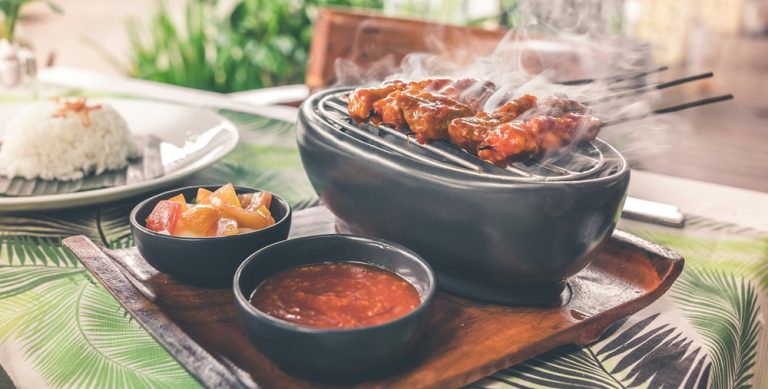
Best Areas for Food in Bali
- Ubud is the best area for traditional Balinese food, cooking classes, and healthy cafés
- Canggu offers trendy cafés, international restaurants, and a strong digital nomad food scene
- Seminyak is home to many of Bali's best restaurants and upscale dining experiences
- Sanur combines local restaurants, seafood, and a more relaxed atmosphere
- Uluwatu specializes in cliffside dining, seafood, and sunset restaurants
Bali's food scene changes dramatically depending on where you stay. While traditional Balinese dishes can be found across the island, each region has developed its own personality and dining culture. Choosing the right area can have a major impact on your overall food experience.
Ubud
Ubud is often considered Bali's cultural and culinary heart. Traditional Balinese restaurants, local warungs, organic cafés, vegetarian eateries, and cooking schools are found throughout the area. Travelers interested in authentic local food experiences usually find more variety here than anywhere else on the island.
The town is particularly strong for traditional Balinese cuisine, healthy eating, plant-based restaurants, coffee culture, and food-focused experiences. Ubud is also one of the best places to take a cooking class and learn more about the ingredients and techniques used in Balinese cuisine.
If food plays an important role in your trip, you may want to stay nearby and explore the wider area. Travelers interested in local restaurants, cafés, cooking classes, rice terraces, markets, and cultural experiences can learn more in our complete Ubud travel guide. For a broader comparison of Bali's regions, our Where to Stay in Bali guide compares Ubud with Bali's other major destinations and neighborhoods.
Discover Ubud's rich culinary scene through guided food tours featuring local specialties, traditional markets, hidden eateries, and authentic Balinese flavors.
View Ubud Food ToursCanggu
Canggu has become one of Bali's most diverse food destinations. The area is packed with cafés, brunch spots, international restaurants, specialty coffee shops, bakeries, smoothie bars, and modern fusion concepts. Travelers looking for variety rarely struggle to find something new here.
While traditional Indonesian food is still available, Canggu is best known for its international dining scene. It is particularly popular with digital nomads, long-term visitors, surfers, and travelers seeking modern cafés and global cuisine. Visitors interested in exploring the area's beaches, surf culture, neighborhoods, and attractions can also read our essential Canggu travel planner for a broader overview of the destination.
Explore Canggu's diverse food scene with guided culinary tours featuring local favorites, trendy cafés, hidden gems, and authentic Indonesian flavors.
View Canggu Food ToursSeminyak
Seminyak is often regarded as Bali's dining capital. Many of the island's most established restaurants are located here, ranging from casual eateries to fine dining venues and beachfront dining experiences.
The area is ideal for travelers who enjoy restaurant-hopping, sunset dinners, cocktails, and high-quality international cuisine. Although prices tend to be higher than in many other parts of Bali, the overall dining standard is often excellent. Travelers looking for restaurant recommendations, beach clubs, accommodation, and local attractions can also explore our Seminyak food and nightlife guide before planning their visit.
Sanur
Sanur offers a more relaxed food scene than Seminyak or Canggu while still providing plenty of excellent dining options. Seafood restaurants, Indonesian eateries, family-friendly venues, cafés, and beachfront dining can all be found within a relatively compact area.
The slower pace of Sanur appeals to travelers who prefer quieter evenings and a more traditional atmosphere without sacrificing restaurant choice.
Uluwatu
Uluwatu combines dramatic coastal scenery with an increasingly impressive dining scene. Restaurants overlooking cliffs and the ocean have become one of the area's major attractions, particularly around sunset.
Seafood, grilled dishes, international cuisine, and stylish restaurants dominate many menus. While Uluwatu may not offer the same concentration of dining options as Seminyak or Canggu, it compensates with some of the most spectacular dining views anywhere in Bali. Travelers looking for restaurant recommendations, beach clubs, sunset venues, and local dining highlights can explore our complete Uluwatu travel guide for a more detailed overview of the area.
For most visitors, the best strategy is not to focus on a single area. Bali's food culture varies significantly from region to region, and exploring multiple destinations often leads to a far more rewarding culinary experience than staying in one place throughout the trip. If you're still deciding where to base yourself, our comparison of Bali's most popular regions can help you choose the area that best matches your travel style and interests.
Vegetarian, Vegan & Halal Food in Bali
- Vegetarian food is very easy to find in Ubud, Canggu, Seminyak, Sanur, and most tourist areas
- Vegan travelers are well served thanks to Bali's large health café and plant-based dining scene
- Halal food is available, but Muslim travelers should check pork, alcohol, and cross-contamination carefully
- Indian, Chinese, Middle Eastern, and international restaurants are common in major tourist areas
- Traditional Balinese food is not always vegetarian or halal, so it is worth asking before ordering
Vegetarian Food in Bali
Vegetarian food in Bali is easy to find, especially in areas with strong tourism infrastructure. Ubud, Canggu, Seminyak, Sanur, and Uluwatu all have vegetarian-friendly restaurants, healthy cafés, smoothie bars, salad spots, and international menus with clearly marked meat-free options.
That said, traditional Balinese food is not automatically vegetarian. Dishes may contain chicken, pork, fish sauce, shrimp paste, or meat-based broths even when they look vegetable-focused. If you eat strictly vegetarian, it is worth asking before ordering rather than assuming a dish is meat-free.
Vegan Food in Bali
Bali is one of the easiest destinations in Southeast Asia for vegan travelers. Ubud and Canggu are especially strong for vegan restaurants, raw food cafés, smoothie bowls, plant-based breakfasts, dairy-free desserts, and creative international dishes.
The vegan scene is much stronger in tourist areas than in smaller local villages, so your experience will depend heavily on where you stay. Travelers who want consistent vegan options should base themselves in areas with a larger café and restaurant scene rather than remote parts of the island.
Halal Food in Bali
Halal food in Bali is available, but it requires more attention than in many other parts of Indonesia. Bali has a Hindu majority, and pork is an important part of local cuisine, especially in dishes such as Babi Guling and some versions of Lawar.
Muslim travelers should look for restaurants that clearly advertise halal food or specialize in Indonesian, Javanese, Padang, Middle Eastern, or Indian cuisine. Padang restaurants are often a practical option because they are widely available, affordable, and usually easier for Muslim travelers to navigate.
If you are unsure, ask whether pork, lard, alcohol, or non-halal meat is used in the dish. In busy tourist areas, many restaurants are familiar with halal requirements, but it is still worth checking carefully if this is important to you.
Indian, Chinese & International Food in Bali
Travelers looking for Indian food, Chinese food, Middle Eastern food, Japanese food, Italian food, Mexican food, or Western comfort food will find plenty of options in Bali's main tourist areas. Seminyak, Canggu, Ubud, Sanur, and parts of Kuta have particularly broad restaurant selections.
This international variety is one reason Bali works well for families, picky eaters, long-stay travelers, and visitors with dietary restrictions. You can eat traditional Balinese food one day, vegetarian café food the next, and international cuisine whenever you want a break from local dishes.
How to Avoid Bali Belly While Eating in Bali
- Choose busy restaurants and warungs with high customer turnover
- Eat food that is freshly cooked and served hot whenever possible
- Wash your hands regularly before eating
- Be cautious with untreated water and use bottled or filtered water instead
- Introduce spicy and unfamiliar foods gradually if your stomach is sensitive
- Don't let fear stop you from trying local food, as most visitors enjoy Bali's cuisine without major issues
One of the most common concerns among first-time visitors is Bali Belly. The term is widely used to describe stomach problems that can occur during travel, ranging from mild digestive discomfort to more significant gastrointestinal illness. While stories about Bali Belly are common online, the reality is that most travelers enjoy local food throughout their trip without experiencing serious issues. If you'd like a more detailed look at prevention, symptoms, treatment, and recovery, see our complete guide to avoiding stomach problems in Bali.
The best approach is not to avoid local food entirely. Instead, focus on making sensible choices. Restaurants and warungs that are busy, popular, and preparing food continuously are often safer than establishments with very few customers. High turnover generally means ingredients are being used quickly and meals are prepared more frequently throughout the day.
Freshly cooked food is usually the safest option. Grilled meats, soups, stir-fries, noodle dishes, rice dishes, and meals cooked to order typically present less risk than food that has been sitting out for long periods, particularly in Bali's tropical climate.
Water is another area where visitors should exercise caution. Most travelers avoid drinking tap water and instead rely on bottled water, filtered water stations, or water provided by hotels, restaurants, and cafés. Ice is generally considered safe in established restaurants and tourist areas, but some travelers choose to be more cautious in remote locations.
If you have a sensitive stomach, it may also help to ease into local cuisine rather than immediately eating the spiciest dishes available. Bali's food can contain unfamiliar spices, ingredients, and cooking methods that your digestive system may not be accustomed to, even when the food itself is perfectly safe.
Even with sensible precautions, stomach issues can occasionally affect travelers anywhere in the world. If you're planning a longer trip or visiting multiple destinations, having travel insurance can provide additional peace of mind in case you need medical treatment, medication, or assistance while abroad. Our travel insurance guide compares several popular options for international travelers.
Good hygiene habits remain one of the simplest forms of prevention. Washing your hands before meals, carrying hand sanitizer, staying hydrated, and paying attention to food preparation standards can significantly reduce your chances of experiencing problems during your trip.
The important thing to remember is that fear of Bali Belly should not prevent you from exploring the island's food culture. Some of Bali's best experiences happen in local warungs, markets, seafood restaurants, and family-run eateries. A little common sense usually goes much further than avoiding local food altogether.
General food safety recommendations for travelers can also be found through the World Health Organization's food safety guidance.
Balinese Coffee, Desserts & Drinks
- Balinese coffee is one of the island's most underrated food experiences
- Kopi Bali remains a staple drink across the island
- Traditional desserts often feature coconut, palm sugar, rice flour, and pandan
- Fresh tropical fruit is widely available and often surprisingly affordable
- Local drinks and juices provide a refreshing alternative to soft drinks and alcohol
While dishes such as Babi Guling, Bebek Betutu, and Nasi Campur receive most of the attention, Bali's food culture extends well beyond main meals. Coffee, traditional sweets, tropical fruit, and local drinks all play an important role in everyday life and offer another way to experience the island's culinary traditions.
Balinese Coffee
Coffee production has been part of Bali's agricultural landscape for generations, particularly in the cooler highland regions around Kintamani. The volcanic soils and favorable growing conditions help produce beans that are increasingly recognized by coffee lovers around the world.
One of the most common local drinks is Kopi Bali, a traditional coffee often prepared using finely ground coffee beans placed directly into the cup. Rather than being filtered, the grounds settle at the bottom while the coffee develops a rich and robust flavor. Visitors quickly learn to stop drinking before reaching the final sip.
Modern specialty coffee culture has also flourished across Bali. Ubud, Canggu, Seminyak, and Sanur are filled with cafés serving locally sourced beans, pour-over coffee, cold brews, and espresso-based drinks that rival those found in major international cities.
Traditional Balinese Desserts
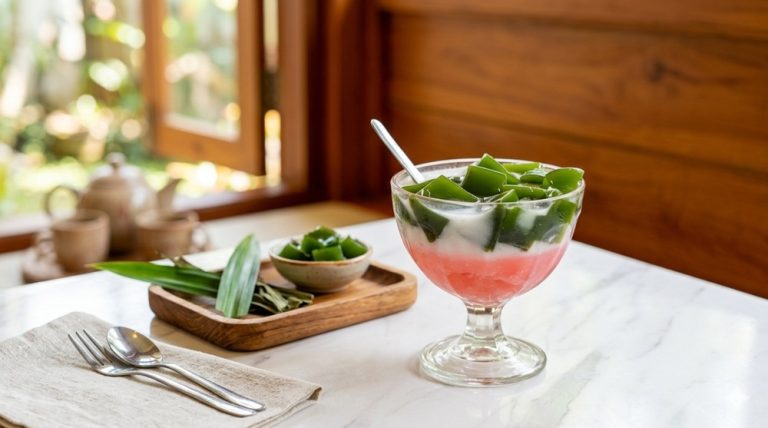
Traditional Balinese desserts tend to be lighter and less sugary than many Western sweets. Coconut, rice flour, sticky rice, banana, pandan, and palm sugar appear frequently in local recipes and create distinctive flavors that are closely tied to Indonesian cuisine.
One of the most popular traditional treats is Klepon, small green rice cakes filled with liquid palm sugar and coated in grated coconut. Biting into one releases a sweet syrup center that surprises many first-time visitors.
Travelers may also encounter a wide variety of Jaje Bali, a collective term for traditional Balinese cakes and snacks often prepared for ceremonies, festivals, family gatherings, and religious celebrations. Local markets are often the best places to discover these specialties.
Tropical Fruits in Bali
Bali's tropical climate allows a wide variety of fruits to grow throughout the year. Depending on the season, visitors may encounter mangoes, mangosteens, rambutans, dragon fruit, papaya, jackfruit, snake fruit, watermelon, pineapple, and passion fruit.
Many cafés and restaurants use these fruits in juices, smoothie bowls, desserts, and breakfast dishes, but local markets often provide a more authentic and affordable way to enjoy them.
Local Drinks Worth Trying
Fresh fruit juices are among the most popular drinks in Bali and are available almost everywhere. Watermelon, mango, pineapple, dragon fruit, avocado, and mixed tropical fruit combinations frequently appear on menus across the island.
Travelers interested in local alcoholic beverages may encounter Arak, a traditional Indonesian spirit that has been produced for generations. While reputable establishments increasingly serve professionally produced versions, visitors should exercise caution with homemade alcohol from unknown sources.
Whether you prefer specialty coffee, fresh tropical fruit, traditional sweets, or refreshing juices after a day exploring temples and beaches, Bali offers far more culinary variety than many visitors initially expect.
Balinese Cooking Classes Worth Trying
- Cooking classes provide one of the best cultural experiences in Bali
- Many classes begin with a local market visit before moving on to food preparation
- Participants learn traditional Balinese spice blends and cooking techniques
- Classes are suitable for beginners and require no previous cooking experience
- Most sessions end with a shared meal featuring the dishes you have prepared
Trying Balinese food is one thing. Learning how it is prepared offers a completely different perspective on the island's culture. Cooking classes have become one of Bali's most popular food experiences because they combine local ingredients, culinary traditions, market visits, and hands-on learning into a single activity.
Many classes begin early in the morning with a visit to a local market. Here, participants learn about ingredients that appear throughout Balinese cuisine, including fresh vegetables, herbs, spices, tropical fruits, coconut products, and locally produced seasonings. Understanding these ingredients helps explain why Balinese food has such a distinctive flavor profile.
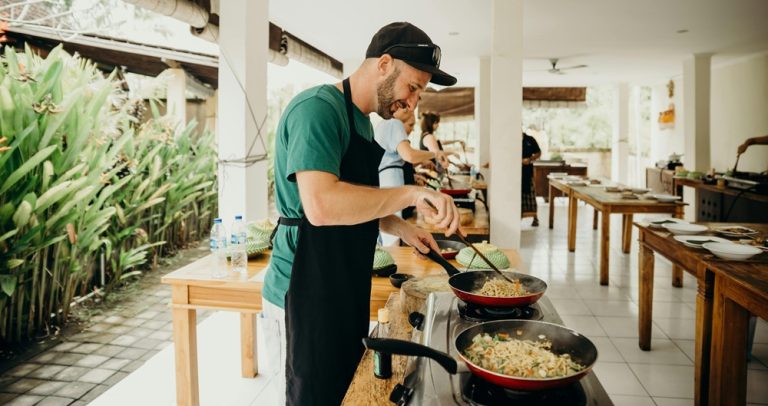
After the market visit, instructors typically guide participants through the preparation of several traditional dishes. Common recipes include Nasi Goreng, Sate Lilit, Balinese curries, vegetable dishes, sambals, and desserts. Along the way, students learn how to prepare base genep, the aromatic spice mixture that forms the foundation of many Balinese recipes.
One of the biggest advantages of a cooking class is that it transforms meals from something you simply consume into something you understand. Many travelers leave with a greater appreciation for the techniques, ingredients, and traditions that influence everyday life across Bali.
Learn to prepare authentic Balinese dishes with a local chef at CANNA Beachfront in Nusa Dua. This hands-on cooking class combines traditional recipes, beachfront dining, and full-day access to the beach and pool facilities for a memorable culinary experience.
Cooking classes are particularly worthwhile for travelers spending several days in Ubud, where many of the island's most established culinary schools are located. They also make excellent rainy-day activities and provide a memorable alternative to beaches, temples, and sightseeing.
For many visitors, a cooking class becomes one of the highlights of the trip because it creates a deeper connection with Balinese culture while providing practical skills that can be taken home and recreated long after the journey ends.
Final Thoughts on Food in Bali
Food in Bali is far more diverse than many travelers expect. From traditional dishes such as Babi Guling, Bebek Betutu, and Sate Lilit to local warungs, seafood restaurants, international dining, vegan cafés, and cooking classes, the island offers something for almost every taste and budget. The best approach is to combine famous local specialties with spontaneous discoveries along the way rather than sticking only to restaurants recommended on social media.
For many visitors, the most memorable meals are not necessarily the most expensive ones. A simple Nasi Campur from a busy warung, freshly grilled satay from a local market, or a family recipe served in a small village restaurant often provides a more authentic experience than a luxury dining venue. Staying curious and trying a variety of foods is one of the easiest ways to connect with Balinese culture.
Food also provides a unique way to experience different parts of the island. The dining scene in Canggu feels very different from Ubud, while seafood restaurants in Jimbaran offer a completely different atmosphere from traditional eateries found in smaller villages. Exploring Bali through its food often leads travelers to places they might never have otherwise visited.
While most visitors enjoy Bali's food scene without issues, it is still worth following basic hygiene precautions, staying hydrated, and gradually introducing unfamiliar dishes if you have a sensitive stomach. A little preparation allows you to focus on enjoying the experience rather than worrying about potential problems.
Before your trip, it is also worth reviewing what to pack for Bali's food, markets, and day-to-day travel experiences. Items such as a reusable water bottle, hand sanitizer, comfortable walking shoes, medications, and a lightweight daypack can make exploring Bali's restaurants, markets, cooking classes, and food tours much more convenient.
Now that you've planned what to eat, you can continue organizing the rest of your trip with our Bali itinerary, explore the island's top attractions in our Things to Do in Bali guide, and estimate your overall expenses using our Bali travel cost guide.
Ultimately, some of Bali's best travel memories are created around the table. Whether you're eating at a roadside warung, enjoying fresh seafood on the beach, learning traditional recipes during a cooking class, or discovering a hidden café overlooking rice terraces, Bali's food culture adds another layer to an island that already offers an extraordinary variety of experiences.
Frequently Asked Questions About Food in Bali
-
What is the most famous food in Bali?
Babi Guling is widely considered the most famous food in Bali. This traditional roast suckling pig dish is one of the island's signature specialties and is often recommended as a must-try meal for first-time visitors. -
What traditional food should I try in Bali?
Some of the best traditional Balinese dishes include Babi Guling, Bebek Betutu, Sate Lilit, Lawar, and Nasi Campur Bali. These dishes showcase the flavors, spices, and cooking techniques that make Balinese cuisine unique. -
What is the best food in Bali for first-time visitors?
Most first-time visitors should start with Nasi Campur, Babi Guling, Sate Lilit, and Bebek Betutu. These dishes provide a good introduction to Balinese food while remaining easy to find throughout the island. -
How much does food cost in Bali?
Food costs in Bali vary considerably. Local warung meals often cost between $2 and $5, while mid-range restaurants typically range from $10 to $25 per person. Luxury restaurants and beach clubs can cost significantly more. -
Is food expensive in Bali?
Compared with many Western countries, food in Bali is generally affordable. Travelers who eat at local warungs can keep food costs very low, while those who prefer upscale restaurants should expect higher prices. -
Can you eat street food in Bali?
Yes. Many travelers enjoy Bali's street food safely. Choosing busy vendors, freshly cooked meals, and maintaining good hygiene habits can help reduce potential risks. -
Is vegetarian food easy to find in Bali?
Yes. Bali is one of the easiest destinations in Southeast Asia for vegetarians. Ubud, Canggu, Seminyak, and Sanur offer a large selection of vegetarian restaurants and cafés. -
Is Bali good for vegans?
Yes. Bali has a thriving vegan food scene, particularly in Ubud and Canggu, where travelers can find plant-based restaurants, smoothie cafés, vegan bakeries, and health-focused dining options. -
Is halal food available in Bali?
Yes. Halal food is widely available throughout Bali, particularly in Indonesian, Padang, Middle Eastern, Indian, and Muslim-owned restaurants. Travelers should still verify preparation methods if halal requirements are important. -
Can Muslims find food easily in Bali?
Yes. Although Bali has a Hindu majority population, Muslim travelers will find many halal restaurants and food options across the island's main tourist areas. -
Can I find Indian food in Bali?
Yes. Indian restaurants are common in popular tourist destinations such as Ubud, Seminyak, Canggu, Sanur, and Kuta. Both vegetarian and non-vegetarian options are widely available. -
Can I find Chinese food in Bali?
Yes. Chinese restaurants can be found throughout Bali, ranging from casual eateries to upscale dining establishments, especially in major tourist areas. -
What is Bali Belly?
Bali Belly is a common term used to describe stomach illnesses that some travelers experience during their trip. Symptoms may include diarrhea, stomach cramps, nausea, and digestive discomfort. -
How can I avoid Bali Belly?
Choosing freshly cooked food, drinking safe water, washing your hands regularly, and eating at reputable restaurants or busy warungs can help reduce the risk. -
What are the symptoms of Bali Belly?
Common symptoms include diarrhea, stomach cramps, nausea, bloating, fatigue, vomiting, and general digestive discomfort. Symptoms vary from person to person. -
What drinks should I try in Bali?
Popular drinks include Balinese coffee (Kopi Bali), fresh fruit juices, coconut water, tropical smoothies, and locally produced coffee from the highlands around Kintamani.
Travel Resources to Plan, Book & Stay Connected
Use these tools and guides to stay connected abroad, find inspiration for your next trip, and book your flights, stays and gear with confidence.
Disclosure: This article may contain affiliate links. If you make a purchase through a link, I may receive a commission at no extra cost to you. I only share recommendations I believe are genuinely useful, and all opinions are my own. AI was used in this post for research and drafting purposes.

Comment (0)