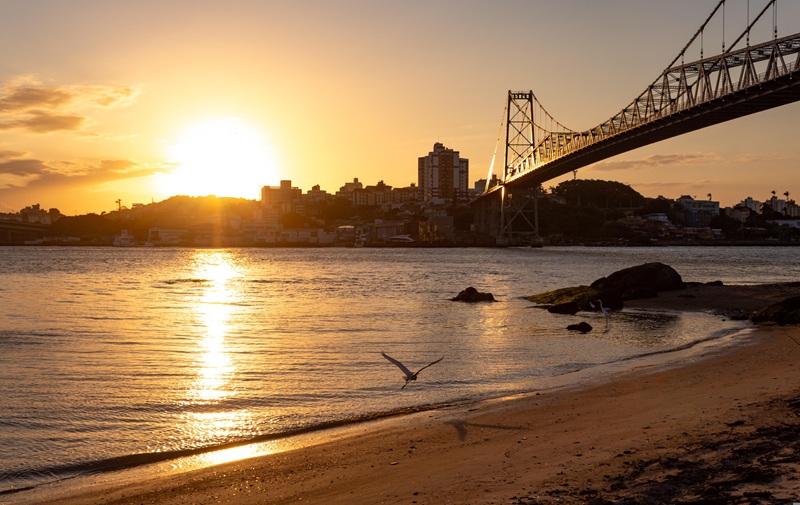
Things to Do in Florianópolis, Brazil: Beaches, Neighborhoods & Travel Tips
Florianópolis is one of Brazil’s most underrated beach destinations. Located in the southern state of Santa Catarina, this island city combines surfing, beach life, nature, nightlife, seafood, and relaxed coastal living in a way that feels very different from places like Rio de Janeiro or Salvador.
If you are trying to decide whether Florianópolis is worth visiting, where to stay, which beaches are best, or how to plan your trip properly, this guide covers everything you need to know before visiting the island.
- The best beaches in Florianópolis for surfing, nightlife, families, and relaxation
- Which neighborhoods and areas fit different travel styles
- The top things to do around the island
- Where to stay in Florianópolis
- Beach clubs, seafood restaurants, bars, and nightlife areas
- How to get around the island and whether you need a car
- The best time to visit Florianópolis for weather and surfing
- Travel costs, safety tips, and practical planning advice
- What makes Florianópolis different from other destinations in Brazil
Florianópolis also fits perfectly into a wider Brazil itinerary. If you are still planning your trip around the country, start with our Brazil Travel Guide: Best Beaches, Cities, Hidden Gems & Top Attractions, which connects many of Brazil’s most rewarding destinations together.
If your trip is focused on beaches and coastal destinations, you should also read our Best Beaches in Brazil guide, especially if you are comparing Florianópolis with Rio de Janeiro, Northeast Brazil, or other beach regions around the country.
Before booking your trip, it is also worth checking our guides on Brazil Travel Tips, comparing hotel booking platforms, and finding cheap international flights to help plan your Florianópolis trip more efficiently.
Why Visit Florianópolis?
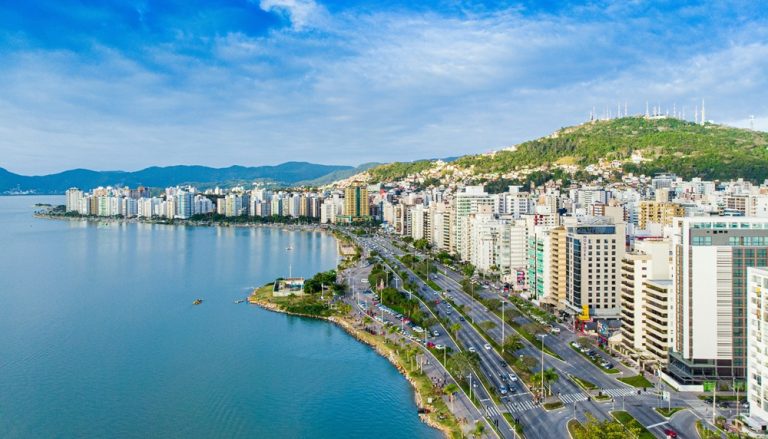
Florianópolis is one of those destinations that surprises people once they arrive. While international travelers often focus on Rio de Janeiro, São Paulo, or Brazil’s northeastern coast, Florianópolis offers a completely different side of the country. The city sits across both the mainland and the island of Santa Catarina, combining dozens of beaches, green mountains, surfing culture, nightlife, seafood, and relaxed coastal living into one destination.
Unlike Rio, Florianópolis feels less chaotic and far more spread out. Different parts of the island attract completely different types of travelers. Some beaches are known for surfing and backpacker culture, others for upscale beach clubs and luxury villas, while quieter areas appeal more to couples, families, and travelers looking for a slower pace.
One of the biggest reasons people fall in love with Florianópolis is the variety. You can spend the morning hiking to a hidden beach, the afternoon surfing or relaxing by the ocean, and the evening eating fresh seafood before heading to beach bars or nightlife around Lagoa da Conceição or Jurerê Internacional.
The city is also increasingly popular with remote workers and long-stay travelers. Compared to some of Brazil’s larger cities, Florianópolis often feels cleaner, calmer, and more relaxed, while still offering good infrastructure, cafes, nightlife, shopping, and modern amenities.
That said, Florianópolis is not the ideal destination for everyone. Travelers looking for iconic landmarks, heavy cultural sightseeing, or fast-paced city tourism may prefer Rio de Janeiro or Salvador instead. Florianópolis works best for people who enjoy beaches, outdoor activities, road trips, surfing, nature, and slower travel experiences.
For many travelers, though, that balance is exactly what makes Florianópolis one of Brazil’s most rewarding destinations.
Where Is Florianópolis and Why Do People Visit?
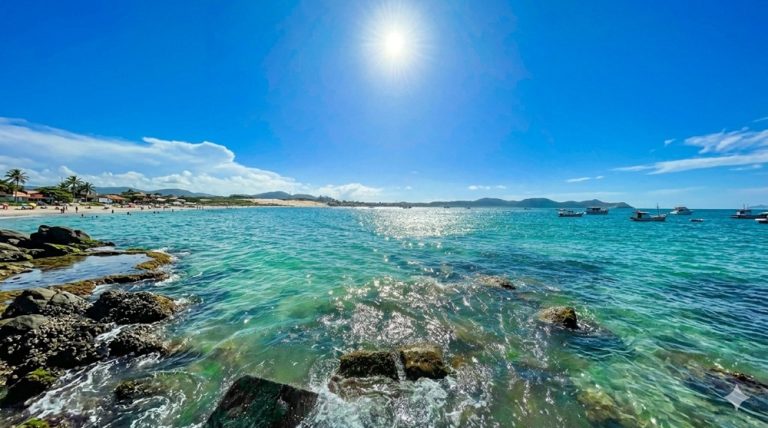
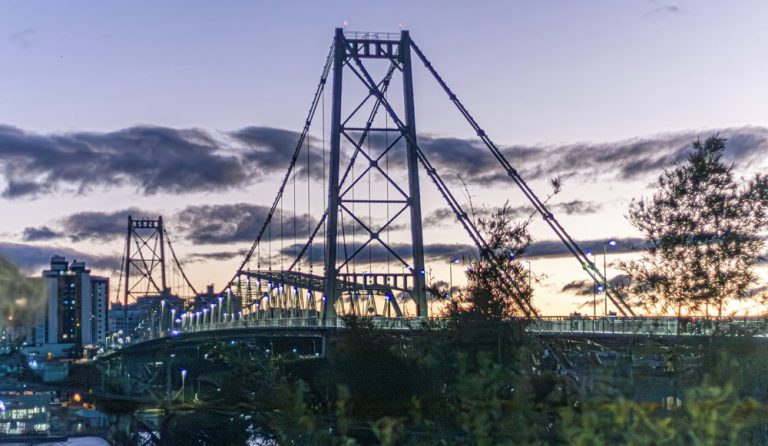
Florianópolis is located in southern Brazil in the state of Santa Catarina, roughly halfway between São Paulo and the border with Uruguay. The city is spread across both the mainland and Santa Catarina Island, with most travelers staying on the island itself where the beaches, nightlife, surfing, and resort areas are located.
What makes Florianópolis different from many other destinations in Brazil is how varied the island feels. Instead of one central tourist zone, Florianópolis is made up of dozens of beaches and neighborhoods that each have their own atmosphere. Some areas focus on surfing and backpacker culture, while others are known for upscale beach clubs, family-friendly beaches, nightlife, seafood restaurants, or quieter coastal living.
The island is especially popular with Brazilian travelers during summer, but it has also become increasingly well known among Argentinians, surfers, digital nomads, and international travelers looking for a more relaxed side of Brazil.
Most people visit Florianópolis for a combination of:
- Beautiful beaches with very different personalities
- Surfing and outdoor activities
- Relaxed island atmosphere
- Nature, hiking, and viewpoints
- Seafood and beachside dining
- Nightlife around Lagoa and Jurerê
- Longer slow-travel stays and remote work
Florianópolis works particularly well for travelers who enjoy beach destinations with flexibility. You can spend your days surfing, hiking, relaxing at quieter beaches, visiting beach clubs, taking boat trips, or simply driving between different parts of the island discovering new viewpoints and coastal towns.
At the same time, the destination is less focused on iconic sightseeing than places like Rio de Janeiro. Travelers expecting huge landmarks, nonstop city attractions, or a heavy cultural itinerary may find Florianópolis slower paced. The island is much more about lifestyle, scenery, beaches, and atmosphere than checking famous attractions off a list.
For couples, surfers, beach lovers, road trippers, digital nomads, and travelers looking to experience a calmer side of Brazil, Florianópolis is often one of the country’s most rewarding destinations.
How to Get to Florianópolis
Florianópolis is one of the easiest beach destinations in southern Brazil to reach, thanks to its modern international airport and strong domestic flight connections across the country. Most travelers arrive through Hercílio Luz International Airport, located on the southern side of the island.
International visitors usually reach Florianópolis by first flying into São Paulo or Rio de Janeiro before taking a domestic connection south. Brazil is an enormous country, and domestic flights are often essential when moving between regions like Rio, the Northeast, the Amazon, and southern Brazil.
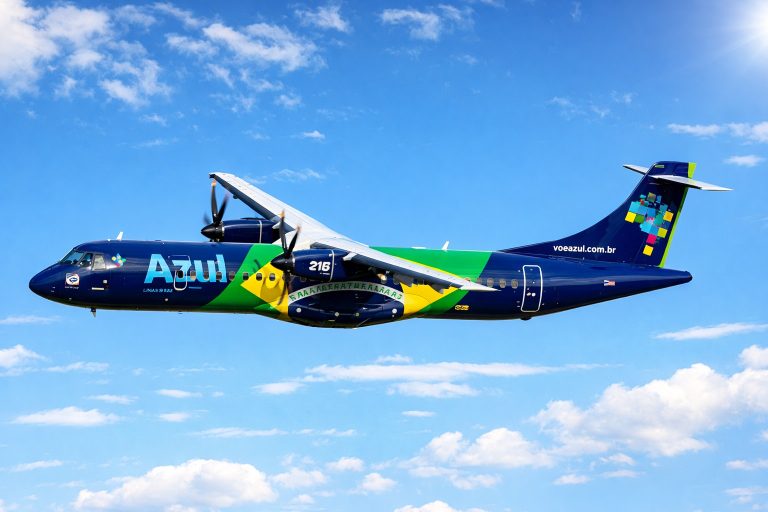
The country’s three main airlines are LATAM Brasil, Gol Linhas Aéreas, and Azul Linhas Aéreas. LATAM and Gol operate many of Brazil’s busiest routes, while Azul is especially useful for regional connections and smaller airports throughout the country.
- São Paulo and Rio de Janeiro are the main gateways for domestic connections
- Flights to Florianópolis are frequent during summer and holiday periods
- Booking flights early is highly recommended, especially during Brazilian summer
- Economy fares often have stricter baggage limits than travelers expect
- Azul is particularly strong for regional and secondary airport connections
If you are still organizing your Brazil itinerary, our guide on finding cheap international flights can help compare routes and reduce transportation costs across the country.
The airport itself is modern, efficient, and relatively easy to navigate. However, travel times across the island can vary significantly depending on where you stay. Areas like Campeche and Lagoa da Conceição are much closer to the airport, while northern beach destinations such as Jurerê Internacional, Canasvieiras, and Praia Brava can take considerably longer during peak season traffic.
Long-distance buses are another realistic option if you are already traveling through southern Brazil. The country has an extensive and surprisingly comfortable bus network linking most major cities and regions. Depending on your route and budget, overnight buses can sometimes work well between Florianópolis, Curitiba, Porto Alegre, São Paulo, or Rio de Janeiro.
Companies such as Águia Branca and Expresso Guanabara operate many long-distance routes across Brazil, with different comfort classes ranging from standard seating to fully reclining sleeper-style buses.
That said, most international travelers visiting Florianópolis will save a significant amount of time by flying rather than relying entirely on overland transport.
If you plan to continue traveling around the country afterward, it is also worth reading our complete guide to getting around Brazil, especially if you expect to combine flights, buses, rental cars, and regional transport during your trip.
Best Areas and Beaches in Florianópolis
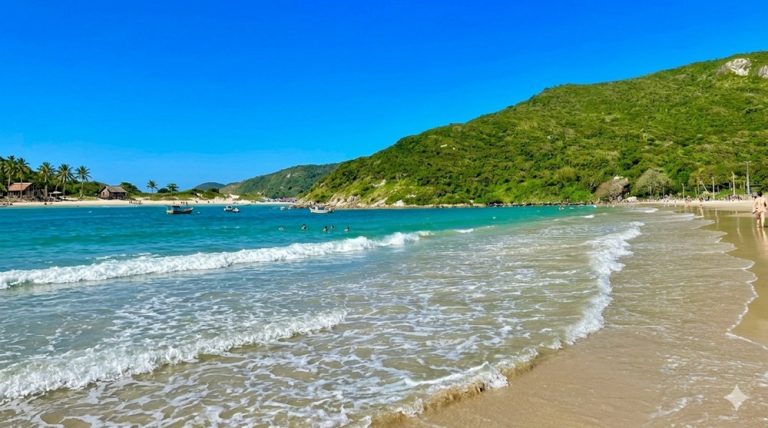
One of the biggest mistakes travelers make when visiting Florianópolis is assuming the island works like a normal city with one main tourist center. In reality, Florianópolis feels more like a collection of completely different beach towns connected together across a large island.
Where you stay will heavily shape your experience. Some areas are lively and social with beach clubs and nightlife, while others feel quiet, residential, surf-oriented, or focused almost entirely on nature. Distances around the island are also longer than many visitors expect, and traffic during summer can become extremely slow, especially when moving between the north and south of the island.
Because of that, choosing the right base matters far more in Florianópolis than in many other destinations in Brazil.
Before booking accommodation, it is worth comparing locations, apartment options, hotels, and beach access carefully using our guide on comparing hotel booking platforms, especially during Brazil’s busy summer season when prices rise quickly.
Jurerê Internacional
Jurerê Internacional is Florianópolis’ most upscale and polished beach area. This is the part of the island people often associate with luxury beach clubs, expensive apartments, modern villas, nightlife, and a more glamorous side of Brazilian beach culture.
The atmosphere here feels noticeably different from many other parts of Florianópolis. Streets are cleaner, buildings are newer, and the area feels more organized and wealthier than the island’s surf-oriented or backpacker-focused beaches. During summer, Jurerê becomes one of the most social and energetic parts of the island, attracting Brazilian tourists, influencers, groups of friends, and travelers looking for beach clubs, music, restaurants, and nightlife.
The beach itself is calmer than some of Florianópolis’ surf beaches, with gentler waves and a long stretch of sand that works well for swimming, sunbathing, and beachside dining. It is more about atmosphere and lifestyle than rugged scenery or surfing culture.
One of the defining features of Jurerê is its beach club scene. Throughout summer, many visitors spend their afternoons moving between restaurants, bars, and clubs that overlook the ocean. Sunset becomes a social event here, especially during peak season when the area feels busy almost every evening.
Accommodation in Jurerê is generally more expensive than in many other parts of Florianópolis. The area is dominated by modern apartments, boutique hotels, luxury rentals, and upscale vacation properties. Travelers on tighter budgets may find better value elsewhere on the island.
Jurerê works particularly well for:
- Couples looking for a more comfortable and upscale stay
- Travelers who enjoy beach clubs and nightlife
- Groups of friends
- Shorter luxury-oriented vacations
- Travelers who prefer modern infrastructure and convenience
It is less ideal for travelers looking for quiet nature, strong surfing culture, or a more local atmosphere.
Campeche
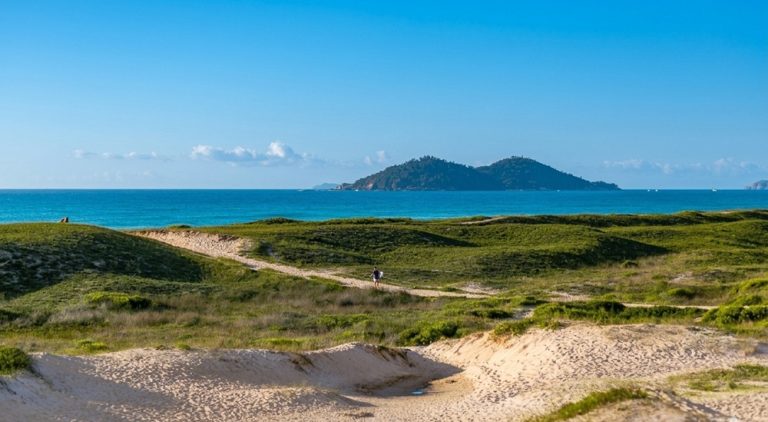
Campeche feels almost like the opposite of Jurerê in many ways. Located in the southern part of the island, this area is known for its long open beach, surfing culture, nature, and more relaxed atmosphere.
The first thing many travelers notice about Campeche is how wide and open the coastline feels. The beach stretches for kilometers, backed by dunes, vegetation, and lower-rise development that gives the area a less urban feel than some northern parts of the island.
The ocean here is rougher and more energetic, making Campeche particularly popular with surfers and younger travelers who prefer a more natural beach environment over polished beach clubs or luxury resorts.
Compared to Jurerê, Campeche feels quieter, windier, more local, and far less focused on nightlife or luxury tourism. The atmosphere is slower paced, especially outside peak summer months. Cafes, surf shops, casual restaurants, and smaller guesthouses dominate the area rather than large resorts or nightlife venues.
Many digital nomads and longer-stay travelers are drawn to Campeche because it balances beach life with a calmer residential atmosphere. It feels more lived-in than heavily touristic, which many travelers end up preferring after spending time on the island.
Campeche is also the main gateway for boat trips to Ilha do Campeche, one of the region’s most beautiful islands known for clear water, hiking trails, and protected nature.
Accommodation here is usually more relaxed and practical than luxurious. Vacation rentals, surf hostels, apartments, pousadas, and smaller boutique stays are common. Travelers looking for beach access and a more authentic island atmosphere often prefer Campeche over the busier northern beaches.
Campeche works especially well for:
- Surfers and beach lovers
- Digital nomads and slow travelers
- Couples wanting a quieter stay
- Travelers who enjoy nature and outdoor activities
- People wanting a less commercial atmosphere
Travelers expecting luxury nightlife, heavy social scenes, or calmer swimming beaches may prefer other parts of Florianópolis instead.
Explore Florianópolis beyond the beaches with guided excursions, boat tours, island experiences, and scenic trips around Santa Catarina. One of the most popular experiences is the boat trip to Campeche Island and Conceição Lagoon, combining clear waters, coastal scenery, and one of the most beautiful islands near Florianópolis.
Lagoa da Conceição
Lagoa da Conceição is often considered the social heart of Florianópolis. Located around a large lagoon near the center-east of the island, this area combines nightlife, cafes, restaurants, bars, water sports, and relatively central access to several beaches.
Unlike beach-focused areas that quiet down after sunset, Lagoa stays active throughout the day and evening. The atmosphere here feels younger, more energetic, and more connected than many other parts of the island. Travelers often choose Lagoa because it offers a balance between nightlife, beach access, restaurants, and practical location.
The area itself is built around the lagoon rather than directly on the ocean. This creates a very different atmosphere compared to open Atlantic beaches like Campeche or Praia Mole. Around the water, you will find cafes, bars, seafood restaurants, live music venues, and busy streets filled with both locals and visitors during high season.
Lagoa is particularly popular with:
- Younger travelers
- Groups of friends
- Digital nomads
- Travelers without a car
- People wanting nightlife and restaurants nearby
It also works well as a base because several famous beaches are relatively close, including Praia Mole, Joaquina, Barra da Lagoa, and Campeche.
That convenience comes with tradeoffs. Traffic around Lagoa can become frustrating during peak season, especially in the evenings and weekends. Parking can also become difficult depending on where you stay.
Accommodation ranges from backpacker hostels and surf lodges to boutique hotels, apartments, and mid-range vacation rentals. The area generally feels more casual and social than luxurious.
For many travelers, Lagoa da Conceição offers the best overall balance on the island between nightlife, location, restaurants, and beach access.
Barra da Lagoa
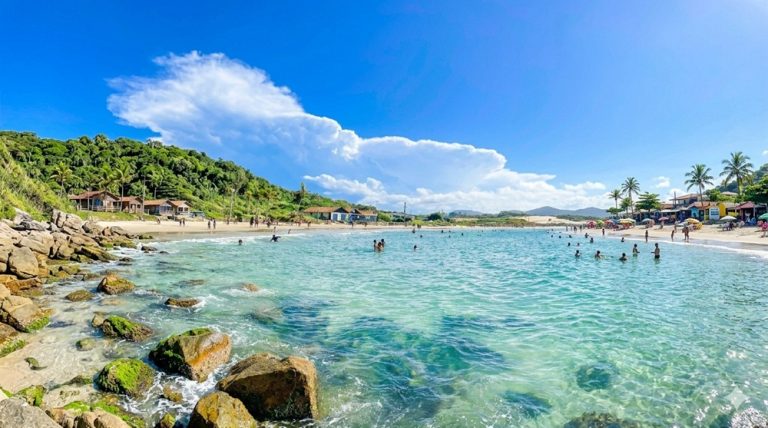
Barra da Lagoa has a very different atmosphere from Florianópolis’ more upscale or polished beach areas. Originally a traditional fishing village, the neighborhood still feels more local, relaxed, and connected to the ocean than many other parts of the island.
For many travelers, Barra da Lagoa represents the more laid-back and surf-oriented side of Florianópolis. The area attracts backpackers, surfers, younger travelers, and people looking for a casual beach atmosphere rather than luxury resorts or nightlife-focused tourism.
The beach itself is long, wide, and popular with surfers, especially near the stronger waves farther from the calmer canal area. At the same time, the natural channel connecting the lagoon to the ocean creates calmer sections that are often better for swimming and families.
One of the things that makes Barra da Lagoa feel unique is the combination of beach culture and fishing village identity. Fishing boats still line parts of the water, seafood restaurants feel less polished and more traditional, and daily life continues alongside tourism instead of being completely replaced by it.
The area also works very well for travelers who enjoy outdoor activities. Hiking trails, surfing, natural pools, viewpoints, and nearby beaches are all relatively accessible from Barra da Lagoa. The famous trail to Piscinas Naturais is one of the most popular short hikes in the area and gives visitors a more rugged side of Florianópolis compared to the organized beach clubs of the north.
At night, Barra remains far quieter than Lagoa da Conceição or Jurerê Internacional. There are bars, casual restaurants, and beach spots to relax, but the overall energy is much calmer and more low-key.
Accommodation here tends to focus on hostels, surf lodges, pousadas, smaller guesthouses, and practical vacation apartments rather than luxury stays. Travelers looking for high-end resorts or upscale nightlife usually prefer other areas of the island.
Barra da Lagoa works particularly well for:
- Backpackers and younger travelers
- Surfers and beach-focused trips
- Travelers wanting a more local atmosphere
- People who enjoy hiking and nature
- Budget and mid-range travelers
It is less ideal for luxury travelers, nightlife-heavy trips, or visitors wanting quick access to all parts of the island.
Discover a quieter and more natural side of Florianópolis with a guided tour to Cachoeira da Costa da Lagoa. This experience takes you through scenic lagoon landscapes, local communities, forested trails, and one of the island’s hidden waterfalls, offering a different perspective from the city’s more crowded beaches.
Praia Brava
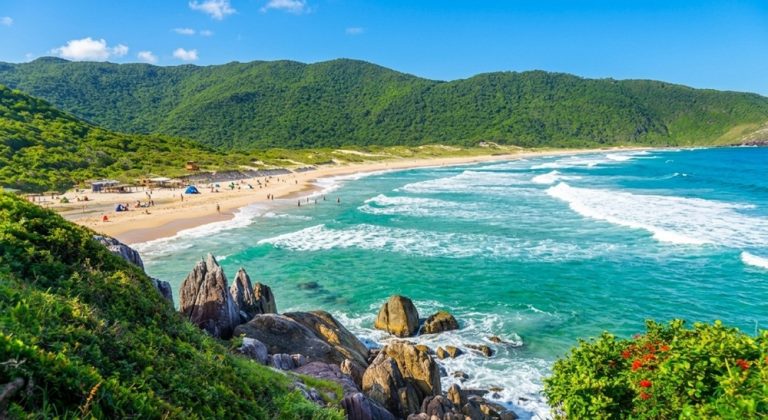
Praia Brava feels more dramatic and secluded than many of Florianópolis’ better-known beaches. Located in the northern part of the island, the area is surrounded by green hills and steep terrain that make the coastline feel more enclosed and scenic.
The beach itself is known for stronger waves, a wider open coastline, and a more powerful Atlantic Ocean feel than calmer beaches like Jurerê. The scenery here feels wilder and more energetic, especially when the surf is high and the ocean becomes rougher.
Compared to heavily social beach areas, Praia Brava feels quieter and more residential. The atmosphere attracts a mix of surfers, couples, apartment owners, and travelers looking for a more peaceful beach environment without completely isolating themselves from restaurants and infrastructure.
While Praia Brava does have restaurants, beach bars, and some nightlife during summer, the area generally feels calmer and less crowded than Jurerê Internacional. Even during busier periods, it tends to attract travelers who are more focused on the beach itself than the social scene surrounding it.
The surrounding hills and coastal roads also make Praia Brava feel visually impressive. Many accommodations sit higher above the coastline, creating ocean views that are very different from flatter beach areas elsewhere on the island.
Because of its geography, however, Praia Brava can feel somewhat isolated depending on your travel style. Reaching other parts of the island often requires longer drives, and traffic in the north can become heavy during peak season.
Accommodation is usually centered around apartments, vacation rentals, condos, and smaller upscale stays. Many travelers staying here prioritize beach quality and scenery over nightlife or central location.
Praia Brava works best for:
- Couples and quieter beach vacations
- Travelers wanting dramatic scenery
- Surfers and ocean lovers
- Longer beach stays
- Travelers who prefer calmer evenings
Travelers looking for nightlife, backpacker culture, or highly central locations may prefer Lagoa or Barra da Lagoa instead.
Ingleses
Ingleses is one of the most practical and heavily developed beach areas in Florianópolis. Located in the north of the island, it is especially popular with Brazilian families, longer-stay visitors, Argentinians during summer, and travelers looking for convenience rather than a highly curated beach atmosphere.
The area feels far more residential and functional than places like Jurerê or Campeche. Large apartment buildings, supermarkets, pharmacies, shopping areas, restaurants, and vacation rentals dominate much of the neighborhood, giving Ingleses a more everyday urban-beach feel.
That practicality is exactly why many people choose to stay here. Ingleses has strong infrastructure, plenty of accommodation, easier access to services, and a large beach that works well for long beach days and family-oriented trips.
The beach itself is extensive and changes considerably depending on where you are. Some sections have calmer water suited for swimming and families, while other parts attract surfers when conditions are stronger.
Unlike areas built around nightlife or beach clubs, Ingleses feels more focused on comfort, convenience, and longer vacations. During peak summer months, the neighborhood becomes extremely busy, especially with Brazilian and Argentine tourists escaping colder weather farther south.
For international travelers, Ingleses may not feel as visually striking or atmospheric as some of Florianópolis’ more scenic areas. However, many visitors end up appreciating how easy daily life becomes here, particularly for longer stays.
Accommodation options are extensive and often more affordable than upscale areas of the island. Apartments, apart-hotels, family rentals, and mid-range hotels dominate the market.
Ingleses works particularly well for:
- Families
- Longer stays
- Travelers wanting convenience and infrastructure
- Mid-range budgets
- People prioritizing practicality over nightlife
Travelers looking for a more romantic, surf-focused, or visually dramatic atmosphere may prefer Campeche, Praia Brava, or Barra da Lagoa instead.
Explore the cultural side of Florianópolis with a walking tour focused on local history, street life, architecture, art, and regional gastronomy. This experience offers a deeper look into the city beyond the beaches, with insights into the island’s Portuguese heritage, local traditions, and food culture.
Centro
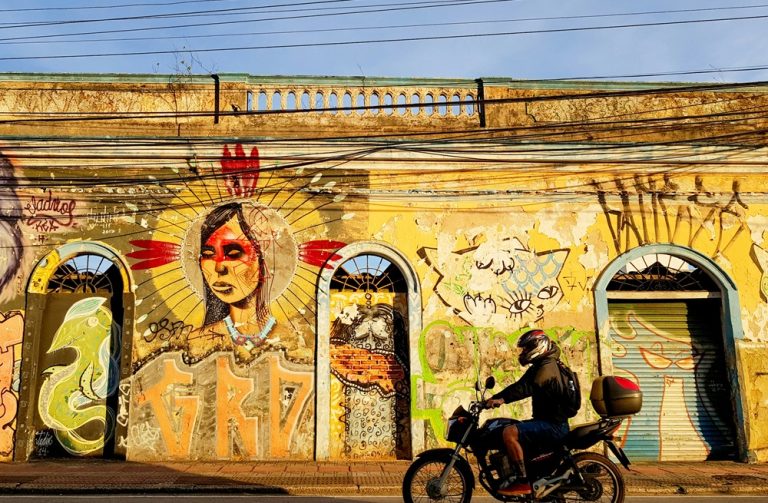
Centro is the administrative and commercial center of Florianópolis, located closer to the mainland side of the city rather than the island’s famous beaches. While many tourists immediately head toward beach areas, Centro still plays an important role for transportation, shopping, business travel, and shorter stays.
The atmosphere here feels completely different from Florianópolis’ beach neighborhoods. Instead of surf shops and oceanfront restaurants, Centro is dominated by office buildings, shopping streets, apartment towers, bus terminals, and everyday city life.
For beach-focused travelers, Centro is usually not the most attractive place to stay. You are farther from the island’s best beaches, and the overall atmosphere feels far more urban than coastal.
That said, Centro can still work well for certain types of travelers. People arriving late at night, staying briefly before continuing elsewhere in Brazil, traveling for work, or prioritizing transportation connections may find the area convenient.
The neighborhood also contains parts of Florianópolis’ older history and local life that many beach travelers never see. Around Mercado Público and nearby streets, you can still find seafood restaurants, bars, and traces of the city’s older cultural identity beneath the modern urban environment.
Accommodation in Centro is generally practical rather than scenic. Business hotels, apartment rentals, and mid-range city stays dominate the area, often at lower prices than beachfront locations during peak season.
Centro works best for:
- Short overnight stays
- Business travelers
- Travelers prioritizing transport connections
- Budget-conscious visitors
- People arriving late or leaving early
Most travelers visiting Florianópolis primarily for beaches, nightlife, surfing, or island atmosphere will usually enjoy staying elsewhere on the island more.
Best Things to Do in Florianópolis
Florianópolis is not the kind of destination where travelers spend their days moving between giant landmarks or famous museums. The island is much more about beaches, scenery, outdoor experiences, surfing, sunsets, hiking, and discovering different corners of the coastline.
Many of the best experiences in Florianópolis revolve around movement. One day might involve driving between beaches in the north of the island, while another could mean hiking to a remote beach in the south, taking a boat to Ilha do Campeche, or spending the afternoon watching surfers at Praia Mole before ending the night around Lagoa da Conceição.
The island rewards slower travel far more than rushed sightseeing. Some of the best moments in Florianópolis are not necessarily planned attractions, but long beach afternoons, seafood lunches overlooking the water, sunset viewpoints, or discovering quieter stretches of coastline away from the busiest tourist areas.
Relax at Praia Mole
Praia Mole is one of Florianópolis’ most famous beaches and one of the best places to experience the island’s surf culture and younger social atmosphere. Surrounded by green hills and backed by bars and restaurants, the beach has a much more energetic feel than calmer family-oriented areas in the north.
The sand is soft and wide, and the ocean here is usually rougher than at beaches like Jurerê or Daniela. Stronger waves attract surfers throughout much of the year, while groups of friends, younger travelers, and beachgoers gather along the shoreline during summer.
Unlike heavily urbanized beaches, Praia Mole still feels scenic and natural despite its popularity. The surrounding hills create a dramatic backdrop, especially during late afternoon when the sunlight hits the coastline.
The atmosphere also changes throughout the day. Mornings tend to feel calmer and more relaxed, while afternoons become more social and lively as beach bars fill up and music starts playing near the sand.
Praia Mole works particularly well for:
- Surfers
- Younger travelers
- Groups of friends
- People wanting a social beach atmosphere
- Travelers staying around Lagoa da Conceição
Because of the stronger surf, swimmers should still pay attention to ocean conditions, especially when the waves become larger.
Visit Joaquina Beach and the Sand Dunes
Praia da Joaquina combines two of Florianópolis’ most iconic landscapes: a long surfing beach and enormous white sand dunes rising behind the coastline.
The beach itself is famous throughout Brazil for surfing. Waves here can become powerful, especially during swell season, and experienced surfers are a common sight in the water. Even travelers who do not surf usually end up spending time here because the scenery is so impressive.
Behind the beach, the giant dunes create one of the island’s most unique landscapes. The contrast between bright sand, green vegetation, blue ocean, and the nearby lagoon gives Joaquina a very different atmosphere from many other beaches around Brazil.
Sandboarding is one of the most popular activities here. Boards can usually be rented directly near the dunes, and even beginners often try sliding down the steep sandy slopes. Others simply climb higher into the dunes for views over the ocean and surrounding coastline.
Joaquina feels more energetic and active than quieter beaches like Campeche or Daniela. Restaurants, surf shops, parking areas, and beach vendors make the area feel busy during summer, particularly on weekends and holidays.
Even travelers not particularly interested in surfing usually end up enjoying Joaquina because it captures so much of Florianópolis’ identity in one place: beaches, wind, surfing, dunes, scenery, and outdoor lifestyle.
Take a Boat Trip to Ilha do Campeche
Ilha do Campeche is often considered one of the most beautiful places around Florianópolis. Located just offshore from Praia do Campeche, the island is famous for its turquoise water, preserved landscapes, hiking trails, and protected environment.
The first thing many visitors notice when arriving is how different the water color looks compared to much of mainland Brazil’s coastline. On clear days, the water around the island can appear bright blue and surprisingly transparent, giving the area a more tropical feel than many travelers expect in southern Brazil.
Access to Ilha do Campeche is controlled in order to preserve the environment, which means visitor numbers are limited depending on weather and sea conditions. Boats typically depart from Praia da Armação, Barra da Lagoa, or Campeche itself, although crossings can change depending on ocean conditions.
The crossing itself is part of the experience. Depending on where you depart from, the ride usually takes between 30 minutes and one hour.
Once on the island, most visitors spend their time swimming, relaxing on the beach, snorkeling, or hiking one of the island’s trails. Some guided hikes also focus on archaeological sites and ancient rock inscriptions that helped give the island protected historical status.
Unlike highly commercialized island tours elsewhere in Brazil, Ilha do Campeche still feels relatively preserved and nature-oriented. There are basic facilities, but the experience is much more focused on scenery and environment than nightlife or beach clubs.
Weather matters heavily here. Crossings are often canceled when the ocean becomes rough, so travelers should avoid leaving this activity until the very last day of their trip if possible.
Explore Florianópolis beyond the beaches with guided excursions, boat tours, island experiences, and scenic trips around Santa Catarina. One of the most popular experiences is the boat trip to Campeche Island and Conceição Lagoon, combining clear waters, coastal scenery, and one of the most beautiful islands near Florianópolis.
Hike to Lagoinha do Leste
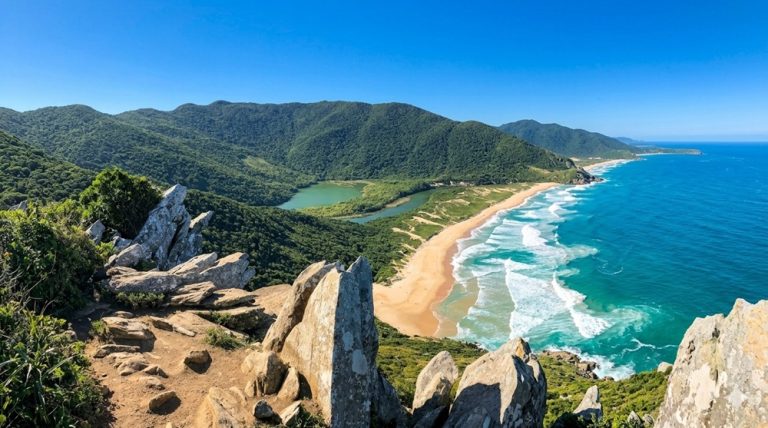
Lagoinha do Leste is one of Florianópolis’ most rewarding hikes and one of the clearest examples of the island’s wilder side. Unlike easily accessible urban beaches, this remote stretch of coastline can only be reached by hiking trails or boat.
The beach feels isolated, raw, and dramatically different from the busier tourist areas farther north. There are no large developments, beach clubs, or rows of restaurants here. Instead, visitors are surrounded by forested hills, ocean, sand, and one of the island’s most untouched landscapes.
The hike itself is not necessarily easy, especially in hot weather. The most common route starts near Pântano do Sul and involves steep sections, uneven terrain, and significant elevation changes. Most travelers should allow several hours for the full experience.
That said, the reward is enormous. Reaching the viewpoint above Lagoinha do Leste gives one of the best panoramic views anywhere in Florianópolis. From above, the isolated beach, surrounding hills, and lagoon create a landscape that feels far removed from the city atmosphere found elsewhere on the island.
Travelers attempting the hike should:
- Start early in the day
- Bring plenty of water
- Wear proper footwear
- Avoid hiking in poor weather
- Expect limited facilities
For many visitors, Lagoinha do Leste ends up becoming one of the highlights of the entire trip because it reveals how much natural beauty still exists beyond Florianópolis’ more developed beach areas.
Experience one of Florianópolis’ most scenic hikes with a guided trek to Lagoinha do Leste, a remote beach surrounded by cliffs, Atlantic Forest, and dramatic coastal viewpoints. The Secret Path route offers a more adventurous way to reach this hidden corner of the island while learning about the region with a local expert.
Explore Santo Antônio de Lisboa
Santo Antônio de Lisboa offers a completely different atmosphere from Florianópolis’ surf beaches and nightlife areas. Located on the western side of the island, this historic waterfront district is known for seafood restaurants, colonial architecture, calmer water, and some of the island’s best sunsets.
The neighborhood still retains traces of its older Azorean heritage, which gives the area a more traditional and slower-paced atmosphere compared to modern beach developments elsewhere on the island.
Colorful buildings line the waterfront, while seafood restaurants overlook the bay facing the mainland. Oysters are particularly famous here, and many travelers visit specifically for long seafood lunches or sunset dinners by the water.
The pace feels noticeably slower than places like Lagoa da Conceição or Jurerê. Rather than surfing or nightlife, Santo Antônio is more about atmosphere, food, views, and spending time near the water.
Sunset is easily the best time to visit. As the light softens over the bay, the area becomes one of Florianópolis’ most scenic evening destinations.
Watch Sunset Around Lagoa da Conceição
Lagoa da Conceição changes character throughout the day, but sunset is when the area becomes particularly atmospheric. Cafes, bars, restaurants, and waterfront spots slowly begin filling up as people gather around the lagoon after spending the day at nearby beaches.
The lagoon itself creates a calmer and softer landscape than Florianópolis’ Atlantic-facing beaches. Instead of strong surf and ocean wind, the atmosphere around Lagoa feels more social, relaxed, and centered around food, drinks, music, and evening energy.
Many travelers end up returning to Lagoa multiple evenings during their stay because the area works so well as a social hub. Some come for casual bars and live music, while others simply sit near the water watching the light disappear behind the surrounding hills.
It is also one of the best areas on the island for cafes, coworking-friendly spaces, and a more digital nomad-oriented atmosphere during the daytime.
Try Surfing in Florianópolis
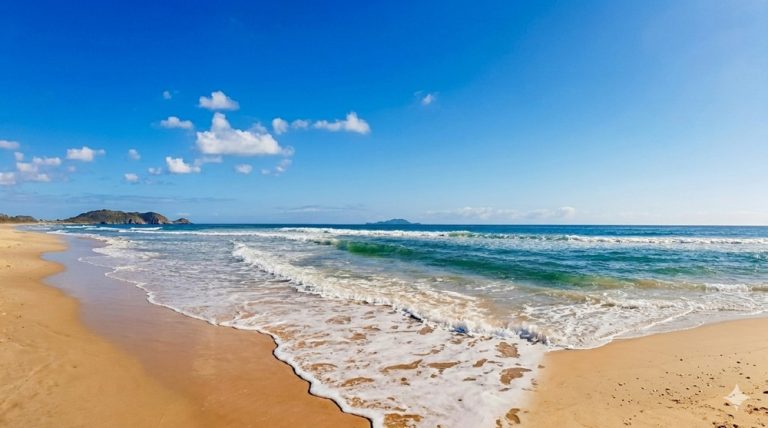
Surf culture is deeply connected to Florianópolis’ identity. Different parts of the island attract surfers of different levels, from complete beginners to experienced riders chasing larger winter swells.
Praia Mole and Joaquina are among the island’s most famous surf beaches, while areas like Campeche and Matadeiro also attract experienced surfers depending on conditions.
For beginners, surf schools and board rentals are easy to find around the island, especially near the east coast beaches. Lessons are widely available during both high and shoulder seasons.
The surf atmosphere also shapes much of the island’s identity beyond the ocean itself. Surf shops, beach cafes, relaxed clothing styles, hostels, and beach-focused lifestyles all contribute to Florianópolis’ laid-back atmosphere.
While surfing is possible year-round, larger swells are generally more common during the cooler months between April and October.
Florianópolis is one of Brazil’s best surfing destinations, with waves suitable for both beginners and experienced surfers. Taking a surfing lesson with a local instructor is a great way to experience the island’s beach culture while learning the basics in a safe and relaxed environment.
Visit Mercado Público de Florianópolis
Located in the city center, Mercado Público offers a glimpse into a more local and urban side of Florianópolis that many beach-focused travelers never fully experience.
The historic market contains seafood restaurants, bars, local products, casual eateries, and everyday city activity. Compared to the island’s beaches, the atmosphere here feels busier, noisier, and more connected to local life.
Seafood plays a major role throughout the market, reflecting Florianópolis’ strong fishing traditions and coastal identity. Many visitors stop here for lunch before exploring nearby streets around the historic center.
While Mercado Público is not usually the main reason travelers visit Florianópolis, it provides a useful contrast to the island’s beach culture and gives a better sense of the city beyond the coastline.
Take a Schooner or Pirate Boat Tour
Boat tours are another popular way to experience Florianópolis from a different perspective. Around the northern part of the island, especially near Canasvieiras, schooner-style tours and themed pirate boat trips attract both families and groups looking for a more relaxed day on the water.
Some tours focus on scenery and swimming stops, while others are designed more around entertainment and social atmosphere onboard. Routes often include nearby islands, quieter beaches, and viewpoints of the coastline that are difficult to appreciate fully from land.
Travelers looking for more nature-oriented experiences often prefer crossings toward Ilha do Campeche or smaller coastal boat trips departing from Barra da Lagoa instead of party-focused excursions.
As with many island destinations, weather conditions can affect departures, particularly when ocean conditions become rough.
Enjoy a fun and scenic pirate boat ride around Florianópolis, combining coastal views, island scenery, music, and a more playful atmosphere on the water. This experience is especially popular with families and travelers looking for a relaxed excursion while exploring the coastline from a different perspective.
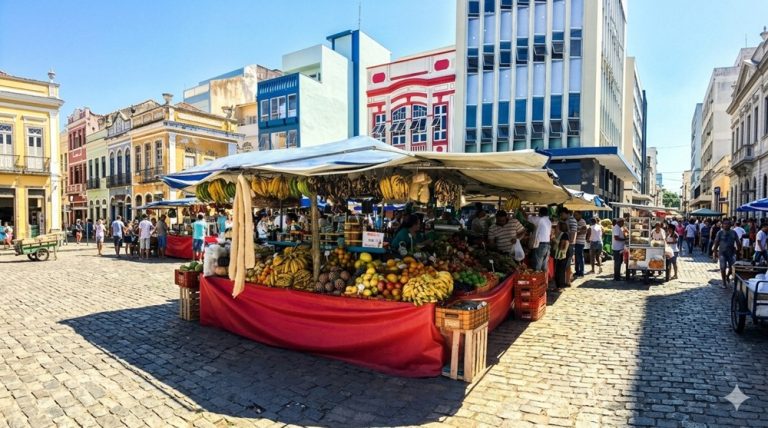
Food and Nightlife in Florianópolis
Food and nightlife in Florianópolis are closely tied to the island’s coastal lifestyle. Seafood dominates many menus, beach bars stay active late into the evening during summer, and different parts of the island create completely different social atmospheres after sunset.
Unlike larger Brazilian cities where nightlife often revolves around dense urban districts, Florianópolis feels more spread out and beach-oriented. Some evenings are about seafood dinners overlooking calm water, while others revolve around beach clubs, surf bars, live music, or crowded restaurants around Lagoa da Conceição.
The island’s atmosphere also changes heavily depending on the season. During peak summer months, restaurants, bars, and nightlife areas become dramatically busier, especially around New Year’s and January when Brazilian and Argentine tourism reaches its peak.
Seafood and Local Cuisine
Seafood is deeply connected to Florianópolis’ identity. Fishing traditions remain important across parts of the island, and many of the city’s best-known dishes revolve around oysters, shrimp, fish, and other coastal specialties.
Oysters are particularly famous in Florianópolis. The calm waters around the island create excellent conditions for oyster farming, and many travelers specifically seek them out during their stay. Santo Antônio de Lisboa is especially well known for seafood restaurants serving oysters with waterfront sunset views.
Compared to heavily commercialized tourist destinations, many restaurants in Florianópolis still feel relatively relaxed and local. Long seafood lunches overlooking the water are a major part of the island experience, especially in calmer western areas facing the bay rather than the open Atlantic.
Throughout the island, travelers will also find:
- Grilled fish and seafood platters
- Shrimp dishes and seafood stews
- Casual beach restaurants
- Fresh fruit juices and açaí shops
- Small cafes near surf beaches
- Brazilian barbecue restaurants
Mercado Público in the city center offers another side of Florianópolis’ food culture. The atmosphere there feels busier, more urban, and more connected to everyday local life than the beach-focused dining scenes elsewhere on the island.
Meanwhile, beach areas like Campeche, Lagoa da Conceição, and Barra da Lagoa lean more toward casual cafes, surf-oriented restaurants, and laid-back beach dining rather than upscale formal meals.
Discover the flavors of Florianópolis with an authentic food tour featuring local dishes, regional ingredients, seafood specialties, and traditional culinary influences from southern Brazil. This experience is a great way to explore the island’s culture through its food while visiting local spots with a knowledgeable guide.
Beach Bars and Sunset Spots
Some of Florianópolis’ best moments happen late in the afternoon when the island begins transitioning from beach life into evening social life.
Different parts of the island create very different sunset atmospheres. In places like Jurerê Internacional, sunset often feels polished and social, with beach clubs, cocktails, music, and groups gathering near the water before the nightlife continues into the evening.
Praia Mole and nearby beach areas feel younger and more surf-oriented. Bars begin filling up after the beach crowds leave the sand, creating a more relaxed and energetic atmosphere without the luxury focus of Jurerê.
Lagoa da Conceição is one of the island’s most versatile evening areas because the lagoon itself creates a calmer and more social environment than the Atlantic-facing beaches. Restaurants, bars, and waterfront cafes become busy around sunset, especially during summer weekends.
On the western side of the island, Santo Antônio de Lisboa offers one of Florianópolis’ most scenic sunset settings. The atmosphere there feels slower and calmer, with seafood restaurants overlooking the bay as the sun disappears behind the mainland.
Rather than one single nightlife district, Florianópolis spreads its social atmosphere across different beach communities and neighborhoods, which is part of what gives the island its relaxed and decentralized character.
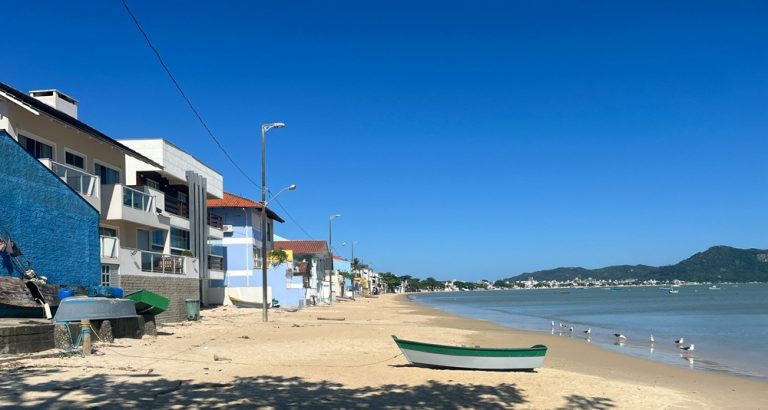
Nightlife in Florianópolis
Nightlife in Florianópolis varies enormously depending on where you stay. Some areas focus almost entirely on beach clubs and upscale nightlife, while others revolve around casual bars, surf culture, or quieter evenings near the ocean.
Lagoa da Conceição is generally considered the island’s main nightlife and social hub. The area attracts a younger crowd and stays lively well into the night during summer. Bars, live music venues, casual restaurants, and social spots line the streets around the lagoon, creating one of the island’s busiest evening atmospheres.
Jurerê Internacional offers a more upscale nightlife scene. Beach clubs, electronic music events, stylish restaurants, and higher-end venues dominate the area during peak season. The atmosphere feels more polished and luxury-oriented than in Lagoa or Barra da Lagoa.
Barra da Lagoa remains much more relaxed. Evenings there usually revolve around casual bars, surf culture, beach restaurants, and smaller social gatherings rather than large nightlife venues.
Centro has a more local and urban nightlife scene tied to everyday city life rather than tourism. Travelers staying primarily for beaches rarely spend most of their evenings there, although the area still has bars, restaurants, and local social life.
One important thing to understand about Florianópolis nightlife is that transportation matters heavily. Because the island is large and traffic can become difficult at night during summer, many travelers end up spending most evenings near the area where they are staying instead of constantly moving between opposite sides of the island.
Experience Florianópolis after dark with a nightlife tour that takes you through some of the island’s most popular bars, nightlife areas, and social spots. From beach bars to lively music venues, this experience offers a fun way to discover the city’s evening atmosphere with local guidance.
Cafes and Digital Nomad Atmosphere
Florianópolis has quietly become one of Brazil’s more popular destinations for remote workers, longer stays, and slower travel lifestyles. While the island is still strongly associated with beaches and tourism, some neighborhoods also have a noticeable digital nomad and coworking atmosphere.
Lagoa da Conceição is probably the strongest example of this. During the daytime, many cafes fill with people working remotely before the area transitions into nightlife and social activity later in the evening.
Campeche also attracts many longer-stay travelers because the area balances beach life with a calmer residential atmosphere. Compared to more tourism-heavy parts of the island, Campeche often feels slower paced and more connected to everyday life.
The island’s outdoor lifestyle contributes heavily to its appeal for remote workers. Surfing before work, beach sunsets after meetings, and easy access to nature all help create a rhythm that feels very different from larger Brazilian cities.
Travelers planning longer stays should also consider mobile connectivity and data coverage around the island, especially if they plan to work remotely while traveling. Our guide to the best eSIMs for international travel can help simplify connectivity while moving around Brazil.
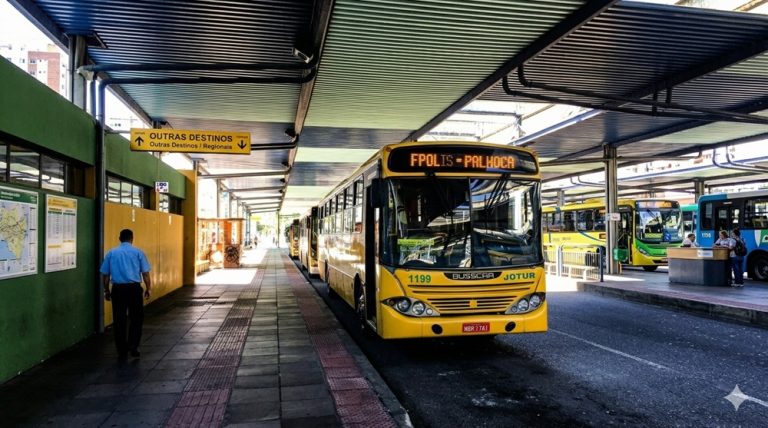
How to Get Around Florianópolis
Transportation plays a much bigger role in Florianópolis than many travelers initially expect. The island is large, beaches are spread out, and moving between the north, east, south, and central areas can take far longer than the map suggests, especially during summer.
Unlike compact beach destinations where most attractions are walkable, Florianópolis works much more like a collection of separate coastal communities connected by winding roads, hills, bridges, and beach highways.
Because of that, transportation directly affects your experience on the island. Staying in the wrong area or underestimating travel times can easily lead to long days spent in traffic instead of enjoying the beaches and scenery.
Renting a Car in Florianópolis
For most travelers, renting a car is the best way to explore Florianópolis properly. While it is possible to rely on buses and ride apps, having your own vehicle gives far more flexibility for beach hopping, reaching hiking trails, exploring quieter areas, and moving around on your own schedule.
A car becomes especially useful if you plan to:
- Visit multiple beaches across different parts of the island
- Explore southern beaches and hiking trails
- Reach viewpoints and quieter coastal areas
- Visit places like Lagoinha do Leste or Santo Antônio de Lisboa
- Stay outside highly central neighborhoods
Driving around Florianópolis is generally straightforward, but there are still a few important realities travelers should understand before arriving.
Traffic during Brazilian summer can become extremely heavy, particularly between the north and south of the island. A drive that looks short on the map can easily take much longer during weekends, holidays, or late afternoons when beach traffic builds up.
Parking also varies significantly depending on the area. Beaches like Joaquina, Praia Mole, and parts of Lagoa da Conceição can become crowded during peak season, especially in the afternoon.
That said, many travelers still find the flexibility of having a car well worth it because the island rewards spontaneous exploration far more than rigid transportation schedules.
If you plan to combine Florianópolis with road trips or longer travel across Brazil, it is also worth checking our travel insurance guide and recommended travel gear picks before your trip.
Uber and Ride Apps
Uber works well in Florianópolis and is widely used across much of the island. For travelers staying mainly around Lagoa da Conceição, Campeche, Centro, or Jurerê, ride apps can work perfectly for shorter trips, evenings out, or airport transfers.
You can check Uber availability and services directly through Uber Florianópolis.
Ride apps are especially useful for nightlife because they allow travelers to avoid parking issues around bars, restaurants, and beach clubs during busy evenings.
However, Uber becomes less practical when constantly crossing large sections of the island. Distances can be longer than expected, and prices increase accordingly during high-demand periods.
Travelers should also remember that availability may vary slightly depending on the neighborhood and time of day, especially in quieter southern beach areas.
Motorcycle taxi services are also available in some areas through Uber’s platform via Uber Moto, although most international visitors still rely primarily on standard rides.
Public Buses in Florianópolis
Florianópolis has a functional public bus system connecting many parts of the island, including beaches, residential neighborhoods, and the city center.
Budget travelers staying longer on the island often use buses successfully, especially when focusing on one region rather than trying to cross the island repeatedly every day.
That said, buses are generally much slower than driving, particularly during high season traffic. Routes can also become time-consuming when transferring between distant parts of the island.
For travelers with limited time, relying entirely on buses can significantly reduce how much of Florianópolis they are realistically able to explore.
Still, buses remain useful for:
- Budget-conscious travelers
- Longer stays
- Travelers staying near Lagoa da Conceição
- Backpackers based around Barra da Lagoa
- Shorter local movements between nearby beaches
Boat Transport Around the Island
While boats are not the island’s primary transportation system, they still play an important role in some experiences around Florianópolis.
Boat crossings to Ilha do Campeche are among the island’s most popular excursions, particularly from Barra da Lagoa, Campeche, and nearby southern beaches depending on sea conditions.
In Lagoa da Conceição, the local Cooperbarco ferry also connects parts of the lagoon and offers a more scenic alternative to road transport in certain areas.
Tourist schooners and pirate-style boat tours are especially common around Canasvieiras in the north of the island. These tours are usually more focused on sightseeing, entertainment, swimming stops, and enjoying the coastline from the water rather than practical transportation.
As with many coastal destinations, weather conditions can heavily affect boat departures and schedules.
Driving Tips and Practical Advice
The most important transportation advice in Florianópolis is simple: avoid trying to cross the entire island constantly.
Many first-time visitors underestimate both the size of the island and how quickly traffic builds up during summer. Choosing accommodation close to the beaches and activities you care about most will improve your experience far more than staying somewhere “central” on paper.
For example:
- Surfers and nature-focused travelers often prefer Campeche or Barra da Lagoa
- Nightlife-focused travelers usually enjoy Lagoa da Conceição or Jurerê more
- Families often prioritize calmer northern beaches
- Short-term luxury stays generally work best around Jurerê Internacional
Trying to move between opposite ends of the island every single day can quickly become exhausting during peak season.
Florianópolis works best when travelers slow down, stay near the atmosphere they enjoy most, and allow time to explore each part of the island properly rather than constantly rushing between beaches.
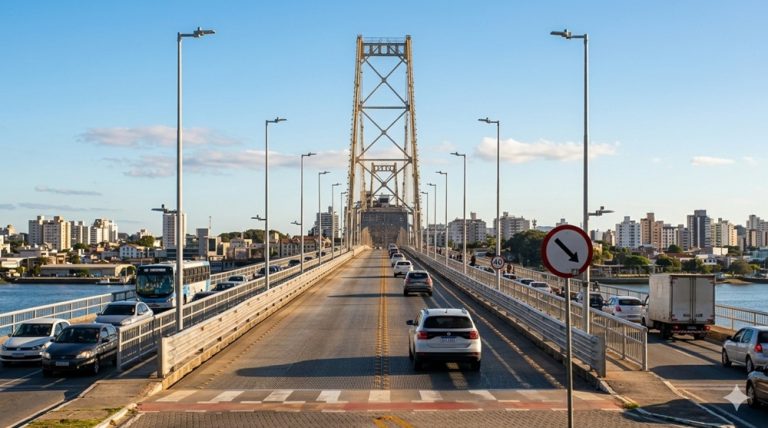
Best Time to Visit Florianópolis
Florianópolis changes dramatically depending on the season. During summer, the island becomes one of Brazil’s busiest beach destinations filled with nightlife, traffic, packed beaches, and holiday energy. During quieter months, the atmosphere becomes calmer, slower, and much more relaxed.
Because of that, there is no single “perfect” time to visit Florianópolis for everyone. The best period depends heavily on whether you prioritize beach weather, surfing, nightlife, lower prices, fewer crowds, or a quieter island atmosphere.
Travelers planning a classic beach vacation usually prefer the warmer months, while surfers, slower travelers, and people avoiding crowds often enjoy the shoulder seasons far more.
Summer (December to February)
Summer is Florianópolis at its busiest, hottest, and most energetic. This is peak beach season across southern Brazil, and the island fills with Brazilian tourists, Argentine visitors escaping colder weather farther south, surfers, families, and groups of friends on vacation.
Beach life dominates daily routines during this period. Restaurants, beach bars, nightlife venues, and beach clubs stay active late into the evening, especially around Lagoa da Conceição and Jurerê Internacional.
The weather is hot, humid, and ideal for swimming, beach hopping, and spending long days outside. Ocean temperatures are also warmer than during winter, making summer the best period for travelers primarily focused on classic beach conditions.
At the same time, summer also brings the island’s biggest frustrations:
- Heavy traffic between different parts of the island
- Higher accommodation prices
- Crowded beaches
- Busy restaurants and nightlife areas
- Longer travel times around Florianópolis
Travelers visiting during December, January, or Carnival should book accommodation well in advance, especially in popular beach areas like Jurerê Internacional, Lagoa da Conceição, Campeche, and Praia Brava.
For nightlife, beach atmosphere, warm water, and social energy, however, summer remains the island’s most vibrant period.
Shoulder Seasons (March to May and September to November)
For many travelers, the shoulder seasons offer the best overall balance in Florianópolis.
Temperatures remain pleasant enough for beaches and outdoor activities, but the island becomes significantly calmer compared to the peak summer chaos. Roads are easier to navigate, restaurants feel less crowded, and accommodation prices often become more reasonable.
This period works especially well for travelers who want to enjoy Florianópolis’ scenery, beaches, hikes, cafes, and slower island lifestyle without constantly dealing with traffic and crowds.
March and April are particularly attractive because the ocean often remains relatively warm after summer while visitor numbers begin dropping noticeably.
Spring months like September, October, and November also bring pleasant conditions, greener landscapes, and a more relaxed atmosphere before the summer rush begins again.
Shoulder season is often ideal for:
- Couples
- Road trips
- Digital nomads
- Longer stays
- Travelers wanting a calmer experience
- People combining beaches with hiking and sightseeing
Many travelers end up preferring Florianópolis during these quieter months because the island feels more relaxed and easier to experience at a slower pace.
Winter (June to August)
Winter in Florianópolis is cooler, quieter, and far less focused on beach tourism. While temperatures remain milder than in many colder parts of the world, this is generally not the best period for travelers looking for classic tropical beach conditions.
The atmosphere during winter feels completely different from summer. Beaches become emptier, traffic drops significantly, and the island feels calmer and more local.
Some days can still be sunny and pleasant enough for walks, outdoor cafes, and exploring the coastline, but swimming conditions are noticeably cooler.
Winter does come with some advantages:
- Lower accommodation prices
- Less traffic
- Quieter beaches
- Better conditions for some surf breaks
- More relaxed atmosphere overall
Travelers focused more on scenery, hiking, surfing, remote work, or slower travel may still enjoy Florianópolis during winter, especially if they are not expecting a pure beach holiday.
Best Time for Surfing
Florianópolis has surf conditions year-round, but experienced surfers often prefer the cooler months between April and October when larger swells become more common.
Beaches like Praia Mole, Joaquina, Campeche, and Matadeiro regularly attract surfers during these periods, especially when stronger Atlantic systems move through southern Brazil.
Beginners can still find lessons and rentals throughout much of the year, particularly around the island’s better-known surf beaches.
Wind and ocean conditions vary considerably depending on the beach and season, which is one reason many surfers enjoy staying longer on the island rather than visiting for only a few days.
When Should You Visit Florianópolis?
The best time to visit Florianópolis ultimately depends on the kind of trip you want.
- December to February is best for classic beach vacations, nightlife, warm water, and social atmosphere
- March to May often provides the best balance between weather, crowds, and prices
- September to November works well for quieter trips before summer begins
- June to August suits surfers, slower travelers, and lower-budget stays
For most first-time visitors, the shoulder seasons often provide the most enjoyable overall experience because the island remains beautiful and active without the full intensity of peak summer crowds and traffic.
If you are planning a larger trip across the country, our Best Time to Visit Brazil guide can also help compare weather and travel seasons across different Brazilian regions.
Is Florianópolis Safe?
Florianópolis is generally considered one of Brazil’s safer and more relaxed tourist destinations. Compared to larger cities like Rio de Janeiro or São Paulo, the island usually feels calmer, less intense, and more oriented around beaches, residential neighborhoods, surfing, and outdoor lifestyle.
Many travelers visiting Florianópolis for the first time are surprised by how comfortable the atmosphere feels, especially in beach areas such as Jurerê Internacional, Lagoa da Conceição, Campeche, and Barra da Lagoa.
That said, Florianópolis is still a major Brazilian destination, and normal travel precautions remain important. Travelers should stay aware of their surroundings, avoid unnecessary risks, and use common sense just as they would in any busy coastal destination.
Beach Theft and Petty Crime
The most common issues travelers encounter in Florianópolis are usually opportunistic theft and unattended belongings disappearing from beaches.
Leaving phones, wallets, bags, cameras, or valuables unattended while swimming is never a good idea, especially on busier beaches during peak summer months.
Busy areas like Praia Mole, Lagoa da Conceição, Jurerê Internacional, and central beaches during high season naturally attract larger crowds, which also increases the risk of petty theft.
Most travelers avoid problems simply by:
- Not leaving valuables unattended on the beach
- Avoiding carrying unnecessary expensive items
- Using ride apps instead of walking long isolated distances late at night
- Staying aware in crowded nightlife areas
- Keeping phones and wallets secure in busy environments
Compared to some larger Brazilian cities, many parts of Florianópolis still feel noticeably less stressful from a safety perspective, particularly in quieter beach neighborhoods.
Driving and Road Safety
Driving around Florianópolis is generally manageable, but the island’s roads can become frustrating during peak season.
Traffic is one of the biggest practical challenges, especially when moving between the north and south of the island during weekends, holidays, or late afternoons.
Some roads are narrow, winding, and built around hills or coastal terrain, which means driving conditions can feel slower than expected even outside traffic periods.
Rain can also make roads more difficult, particularly around steeper sections or less developed southern areas of the island.
Travelers renting scooters or motorbikes should remain especially careful. Traffic, wet roads, unfamiliar terrain, and busy summer conditions can quickly become risky for inexperienced riders.
Nightlife and Evening Safety
Florianópolis’ nightlife areas are generally lively and social rather than aggressive or intimidating. Places like Lagoa da Conceição and Jurerê Internacional attract large evening crowds during summer, especially around bars, beach clubs, and restaurants.
Most evenings pass without problems for travelers, but normal nightlife awareness still matters.
It is usually smarter to use Uber or taxis after drinking rather than trying to drive between beaches or nightlife districts at night.
Travelers should also avoid isolated beach areas very late at night, particularly if unfamiliar with the island.
Groups of friends, couples, solo travelers, and digital nomads all regularly spend time around Florianópolis nightlife areas without major issues, especially when using the same level of awareness they would use in other tourist destinations.
Hiking and Nature Safety
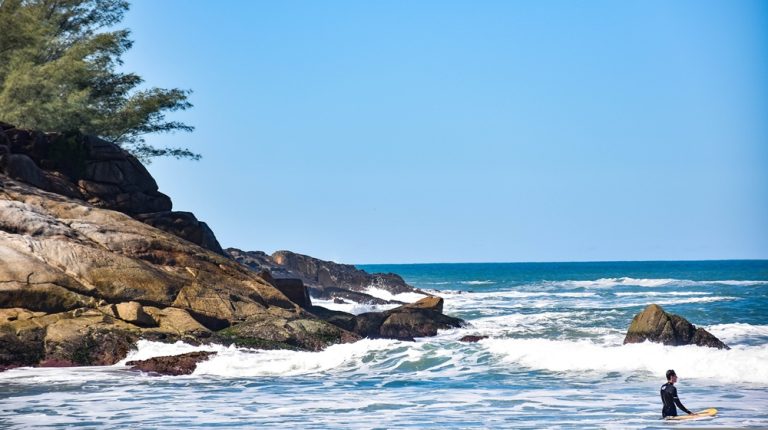
Some of Florianópolis’ best experiences involve hiking trails, remote beaches, cliffs, dunes, and more isolated natural areas.
Hikes like Lagoinha do Leste are extremely rewarding, but travelers should still prepare properly before setting out.
Important precautions include:
- Starting hikes early in the day
- Bringing enough water
- Wearing proper footwear
- Checking weather conditions beforehand
- Avoiding isolated trails after dark
- Not underestimating heat and humidity during summer
Ocean conditions also vary significantly around the island. Some beaches have strong currents and heavier surf, particularly during rougher weather or winter swell periods.
Travelers unfamiliar with local conditions should pay attention to warning flags and avoid overestimating swimming abilities in stronger surf beaches.
Final Safety Advice
Most travelers experience Florianópolis without major safety problems and leave with the impression that the island feels far calmer and more relaxed than many people expect from Brazil.
The key is approaching the destination with awareness rather than fear. Travelers who use normal precautions, avoid obvious risks, and stay reasonably attentive usually find Florianópolis welcoming, enjoyable, and easy to navigate.
For travelers planning a wider trip across the country, it is also worth reading our complete guide to safety in Brazil as well as our Brazil travel insurance guide before traveling.
Florianópolis Travel Costs
Florianópolis is not the cheapest destination in Brazil, but it still offers very good value compared to many international beach destinations. Costs vary heavily depending on the season, the area you stay in, and your travel style.
During peak summer between December and February, accommodation prices rise significantly, especially around Jurerê Internacional, Lagoa da Conceição, and some northern beaches. Outside peak season, however, Florianópolis becomes much more affordable and easier to enjoy at a slower pace.
For most travelers, Florianópolis sits somewhere in the middle of the Brazilian price spectrum. It is generally more expensive than smaller inland cities, but often cheaper than major international resort destinations or upscale beach tourism hotspots abroad.
Average Daily Travel Budget
Your daily costs in Florianópolis depend heavily on whether you are backpacking, staying in apartments, renting a car, or focusing on beach clubs and nightlife.
- Budget travelers: around R$150–250 ($30–50 USD) per day
- Mid-range travelers: around R$350–500 ($70–100 USD) per day
- Luxury travelers: R$750+ ($150+ USD) per day
Most travelers visiting Florianópolis fall somewhere in the mid-range category, especially once accommodation, transportation, restaurants, and occasional activities are combined.
A one-week mid-range trip for one person often ends up costing roughly R$3,000–5,000 ($600–1,000 USD), excluding international flights.
Accommodation Costs
Accommodation prices vary enormously depending on both the season and the area of the island.
During quieter months, travelers can still find good-value apartments, pousadas, and private rooms across much of Florianópolis. During Brazilian summer holidays, however, prices can increase dramatically, particularly near beaches and nightlife areas.
Average accommodation prices are roughly:
- Hostel dorm beds: R$65–95 ($13–19 USD)
- Private hostel or Airbnb room: R$80–250 ($16–50 USD)
- Mid-range hotels and pousadas: R$170–500 ($35–100 USD)
- Upscale beachfront hotels or apartments: R$500+ ($100+ USD)
Areas like Jurerê Internacional are usually among the island’s most expensive locations, especially during summer when luxury apartments, beach clubs, and nightlife attract wealthier Brazilian tourists.
Lagoa da Conceição and Campeche also become noticeably more expensive during peak season because of their popularity with younger travelers, surfers, and digital nomads.
Travelers visiting between December and February should book accommodation as early as possible. Prices rise quickly, and the best locations often disappear far in advance.
Before booking, it is also worth comparing prices across different platforms using our hotel booking comparison guide.
Food and Dining Costs
Food costs in Florianópolis are generally reasonable, although seafood dinners and beach clubs can increase expenses quickly during summer.
Travelers eating casually can still keep daily food costs relatively low, especially by using local restaurants, buffets, cafes, and snack bars instead of relying entirely on tourist-oriented beachfront dining.
Typical food prices around the island include:
- Street snacks, pastries, or coconuts: R$10–15 ($2–3 USD)
- Buffet restaurants (por quilo): R$35–50 ($7–10 USD)
- Casual restaurant meals: R$30–60 ($6–12 USD)
- Seafood dinners: R$80–150+ ($16–30 USD)
- Beer: roughly R$11–15 ($2–3 USD)
- Cappuccino or coffee drinks: around R$9 ($1.80 USD)
Seafood is one of Florianópolis’ highlights, particularly around Santo Antônio de Lisboa where oysters and waterfront seafood restaurants are especially popular.
Travelers staying in apartments or Airbnb rentals can also reduce costs considerably by shopping locally and preparing some meals themselves.
Transportation Costs
Transportation costs in Florianópolis depend heavily on whether you rent a car or rely on buses and ride apps.
Public buses are extremely cheap by international standards:
- Local bus rides: around R$5–7 ($1–1.40 USD)
Uber is also relatively affordable for shorter trips:
- Short Uber rides: roughly R$15–40 ($3–8 USD)
- Airport to central areas: around R$50–100 ($10–20 USD)
For most travelers, however, renting a car provides the best overall experience because the island is so spread out.
- Economy car rentals: around R$100–250 ($20–50 USD) per day depending on season and booking timing
- Fuel costs are additional
Booking early can significantly reduce rental costs during high season.
Domestic flights inside Brazil are often one of the larger travel expenses depending on your itinerary. Flights between São Paulo, Rio, Florianópolis, Salvador, or the Northeast can fluctuate heavily in price depending on the season and how far ahead you book.
If you are still planning your route across the country, our guide to finding cheaper flights can help reduce overall transportation costs.
Activities and Beach Costs
One of the best things about Florianópolis is that many of its highlights are free. Beaches, viewpoints, hiking trails, sunsets, dunes, and much of the island’s natural beauty cost nothing to enjoy.
At the same time, organized activities and tours can still add up depending on your travel style.
Typical activity prices include:
- Sandboarding around Joaquina: roughly R$50–100 ($10–20 USD)
- Boat trips to Ilha do Campeche: around R$100–300+ ($20–60 USD)
- Surf lessons or kayaking: roughly R$150–300 ($30–60 USD)
- Paragliding and adventure activities: usually higher
Beach clubs and nightlife around Jurerê can also increase spending quickly, particularly during peak summer weekends.
Is Florianópolis Expensive?
Florianópolis can work for a wide range of budgets, but expectations matter.
Backpackers can still travel relatively cheaply by staying in hostels, using buses, eating casually, and focusing on free outdoor activities.
For most travelers, however, Florianópolis works best as a mid-range destination where spending slightly more improves the experience significantly through better accommodation, transportation flexibility, and easier beach access.
Luxury travel is also very easy on the island, particularly around Jurerê Internacional where upscale apartments, beach clubs, nightlife, and premium restaurants can quickly raise overall costs.
Compared to many international island destinations, though, Florianópolis still offers strong value considering the beaches, scenery, infrastructure, and variety available across the island.
If you are planning a wider Brazil itinerary, our Brazil travel cost guide also breaks down realistic expenses across different parts of the country.
Travel Tips for Florianópolis
Florianópolis is relatively easy to enjoy once travelers understand how the island works. Most frustrations usually come from choosing the wrong area, underestimating distances, or trying to move around too much in a short amount of time.
The island rewards slower travel far more than rushed sightseeing. Travelers who give themselves time to settle into one part of Florianópolis often end up enjoying the experience much more than those trying to constantly cross the island every day.
Choose Your Area Carefully
One of the most important decisions in Florianópolis is where you stay.
The island is much larger and more spread out than many travelers expect. Beaches and neighborhoods have completely different atmospheres, and staying in the wrong area for your travel style can easily affect your trip.
- Jurerê works best for upscale beach clubs and nightlife
- Campeche suits surfers and slower beach stays
- Lagoa da Conceição balances nightlife, cafes, and location
- Barra da Lagoa is popular with backpackers and surfers
- Ingleses works well for families and longer stays
Rather than choosing somewhere “central,” most travelers are better off staying near the beaches and atmosphere they plan to enjoy most.
Rent a Car If Possible
For stays longer than a couple of days, renting a car usually improves the Florianópolis experience significantly.
Having your own transportation makes beach hopping, hiking, sunset viewpoints, and exploring quieter parts of the island far easier.
While Uber and buses work in many situations, travelers relying entirely on public transportation often spend much more time moving around the island than expected.
Avoid Overscheduling Your Days
Florianópolis works best at a slower pace.
Trying to visit too many beaches or constantly crossing between the north and south of the island can quickly become exhausting, especially during peak season traffic.
Many travelers end up enjoying the island more by focusing on one region per day instead of trying to “see everything.”
Book Early During Summer
December, January, and Carnival period are extremely busy in Florianópolis.
Accommodation prices rise quickly, especially in popular areas like Jurerê Internacional, Lagoa da Conceição, Praia Brava, and Campeche.
Travelers visiting during peak season should ideally book:
- Accommodation
- Car rentals
- Domestic flights
- Popular tours
well in advance whenever possible.
Prepare for Fast Weather Changes
Weather around the island can shift surprisingly quickly, especially outside peak summer.
Sunny beach mornings can turn windy, cloudy, or rainy later in the day, particularly near the coast and higher terrain.
Travelers planning hikes, boat trips, or surf activities should always remain flexible with weather conditions.
Bring Proper Beach and Hiking Gear
Many of Florianópolis’ best experiences involve beaches, hiking trails, dunes, viewpoints, and outdoor activities.
Comfortable footwear, sun protection, reusable water bottles, dry bags, beach gear, and lightweight daypacks all make a noticeable difference, especially for travelers planning hikes like Lagoinha do Leste or beach-hopping days around the island.
Before traveling, it is also worth checking our recommended travel gear picks for useful beach and travel essentials.
Use an eSIM for Connectivity
Mobile data is useful in Florianópolis, especially for navigation, ride apps, weather updates, beach research, and moving around the island.
Travelers staying longer or working remotely often find eSIMs much easier than searching for local SIM cards after arrival.
Our guide to the best eSIMs for international travel can help simplify connectivity while traveling through Brazil.
Do Not Underestimate the Sun and Heat
Even outside peak summer, the combination of sun, humidity, hiking, and beach exposure can become exhausting surprisingly quickly.
Travelers hiking trails like Lagoinha do Leste or spending full days at exposed beaches should bring:
- Water
- Sunscreen
- Hats or caps
- Lightweight clothing
- Proper footwear
Dehydration and sun exhaustion are far more common problems than most travelers expect.
Cards Are Widely Accepted
Credit and debit cards are accepted almost everywhere around Florianópolis, including restaurants, cafes, supermarkets, and many beach businesses.
Still, carrying a small amount of cash can occasionally help in smaller local businesses, parking situations, beach vendors, or quieter parts of the island.
Learning Basic Portuguese Helps
English is less widely spoken in Florianópolis than in some major international tourist destinations.
In hotels, restaurants, and tourism-focused areas, basic communication is usually manageable, but outside those situations many locals primarily speak Portuguese.
Even learning a few simple Portuguese phrases often improves interactions and daily experiences around the island.
Final Travel Tip
The travelers who usually enjoy Florianópolis the most are the ones who slow down.
The island is not really a destination to “complete” quickly. Its best moments often come from spending long afternoons at the beach, discovering quieter corners of the coastline, watching sunsets around Lagoa or Santo Antônio de Lisboa, and letting the island’s relaxed rhythm shape the trip naturally.
Final Thoughts on Visiting Florianópolis
Florianópolis feels very different from the version of Brazil many travelers imagine before arriving. Instead of giant landmarks, nonstop urban energy, or heavily structured sightseeing, the island is much more about rhythm, atmosphere, beaches, scenery, and lifestyle.
Some travelers come for surfing and end up staying for the slower pace. Others arrive expecting a simple beach vacation and discover an island filled with completely different coastal environments, from upscale beach clubs and nightlife to quiet fishing villages, remote hiking trails, dunes, and isolated beaches.
Part of what makes Florianópolis so rewarding is that the island does not force travelers into one type of experience. You can spend mornings hiking to hidden beaches, afternoons surfing or beach hopping, and evenings eating seafood by the water before ending the night around Lagoa da Conceição or Jurerê Internacional.
At the same time, Florianópolis also rewards travelers who slow down. The island is rarely at its best when rushed. Spending extra time in one neighborhood, returning to the same beach multiple evenings, or exploring different corners of the coastline gradually tends to create a far more memorable experience than trying to check everything off quickly.
For travelers planning a larger trip around the country, Florianópolis also combines well with many other Brazilian destinations depending on the kind of experience you want next.
If you are still building your route through Brazil, our Brazil itinerary guide can help connect Florianópolis with destinations like Rio de Janeiro, São Paulo, Salvador, and the Northeast coast.
Travelers wanting more iconic city scenery and famous attractions should also explore our guides to Rio de Janeiro’s top attractions and beaches and São Paulo’s neighborhoods, food, and culture.
If beaches and coastal travel are your main priority, our Northeast Brazil travel guide and best places to stay across Brazil can also help compare different regions and beach destinations throughout the country.
For many travelers, though, Florianópolis ends up becoming one of those places in Brazil that quietly stays in their memory long after the trip is over, not because of one single attraction, but because of the island’s atmosphere, variety, and slower coastal rhythm.
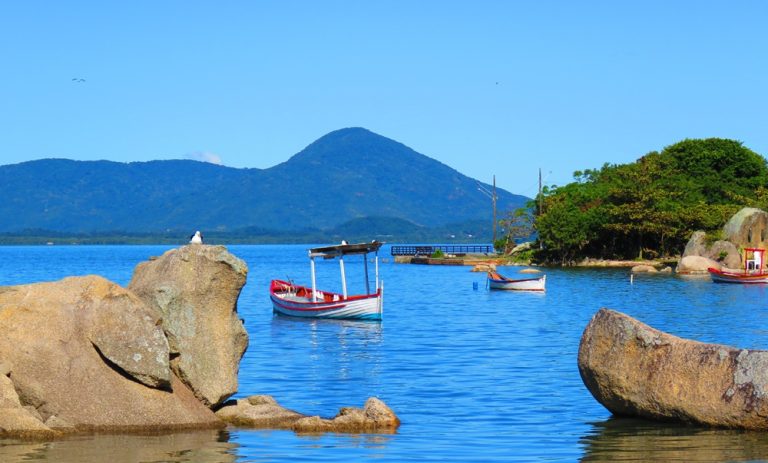
Frequently Asked Questions About Florianópolis
-
Is Florianópolis worth visiting?
Yes, Florianópolis is absolutely worth visiting for travelers looking for beaches, surfing, nature, hiking, nightlife, and a more relaxed side of Brazil. The island offers a mix of upscale beach areas, surf beaches, hiking trails, seafood, and slower coastal lifestyle that feels very different from larger Brazilian cities like Rio de Janeiro or São Paulo. -
Where is Florianópolis in Brazil?
Florianópolis is located in southern Brazil in the state of Santa Catarina. The city sits partly on the mainland and partly on Santa Catarina Island along Brazil’s southern Atlantic coast. -
How many days do you need in Florianópolis?
Most travelers should spend at least 4–5 days in Florianópolis. The island is much larger than many people expect, and different beaches and neighborhoods have very different atmospheres. Travelers wanting to combine beaches, hiking, surfing, nightlife, and day trips often stay a week or longer. -
What are the best beaches in Florianópolis?
Some of the best beaches in Florianópolis include Praia Mole, Joaquina Beach, Campeche Beach, Jurerê Internacional, Praia Brava, Barra da Lagoa, Daniela Beach, and Lagoinha do Leste. The best choice depends on whether you prioritize surfing, nightlife, scenery, families, or quieter beach atmosphere. -
Which part of Florianópolis is best to stay in?
Lagoa da Conceição works well for nightlife and central access, Jurerê Internacional suits upscale beach vacations, Campeche is popular with surfers and slower travelers, Barra da Lagoa attracts backpackers, and Ingleses is practical for families and longer stays. -
Is Florianópolis expensive?
Florianópolis can fit a wide range of budgets. Backpackers can still travel relatively cheaply, while luxury travelers can easily spend much more in areas like Jurerê Internacional. Prices increase significantly during peak summer between December and February. -
What is the best time to visit Florianópolis?
December to February offers the hottest beach weather and strongest nightlife atmosphere, while March to May and September to November usually provide the best balance between weather, prices, and fewer crowds. -
Is Florianópolis safe for tourists?
Florianópolis is generally considered one of Brazil’s safer tourist destinations. Most travelers experience the island without major problems, although normal precautions against petty theft and unattended belongings are still important. -
Do you need a car in Florianópolis?
Most travelers benefit from renting a car in Florianópolis because the island is large and beaches are spread out. Uber and buses work in many areas, but having a car makes exploring beaches, hiking trails, and viewpoints far easier. -
Can you surf in Florianópolis?
Yes, Florianópolis is one of Brazil’s best surf destinations. Beaches like Praia Mole, Joaquina, Campeche, and Matadeiro attract surfers throughout the year, with larger swells usually arriving between April and October. -
How do you get to Ilha do Campeche?
Boats to Ilha do Campeche usually depart from Campeche, Barra da Lagoa, or nearby southern beaches depending on weather and ocean conditions. Visitor numbers are limited because the island is environmentally protected. -
Is Florianópolis good for digital nomads?
Yes, Florianópolis has become increasingly popular with digital nomads and remote workers thanks to its beaches, cafes, surfing culture, coworking atmosphere, and relatively relaxed lifestyle compared to larger Brazilian cities. -
What is Lagoa da Conceição known for?
Lagoa da Conceição is known for nightlife, cafes, restaurants, bars, water sports, and its social atmosphere. It is often considered the main nightlife and social hub of Florianópolis. -
Can you visit Florianópolis without speaking Portuguese?
Yes, many travelers visit Florianópolis without speaking Portuguese, especially in tourism-focused areas. However, English is less common outside hotels, restaurants, and tourist businesses, so learning a few Portuguese phrases can still help significantly. -
What is Florianópolis famous for?
Florianópolis is famous for its beaches, surfing, dunes, hiking trails, seafood, lagoons, nightlife, and island lifestyle. The destination is often called “Ilha da Magia” or “Island of Magic” because of its scenery and atmosphere. -
Is Florianópolis better than Rio de Janeiro?
Florianópolis and Rio de Janeiro offer very different experiences. Rio is more focused on iconic landmarks, culture, and urban energy, while Florianópolis is more relaxed, beach-oriented, nature-focused, and slower paced. -
Can you swim in Florianópolis beaches?
Yes, many beaches in Florianópolis are excellent for swimming, especially calmer northern beaches like Daniela and Jurerê. Other beaches such as Praia Mole or Joaquina often have stronger surf and currents. -
What food should you try in Florianópolis?
Travelers should try oysters, grilled seafood, shrimp dishes, fresh fish, açaí, and local seafood restaurants around Santo Antônio de Lisboa and Mercado Público. -
Is Florianópolis good for families?
Yes, Florianópolis works very well for families, especially around calmer beaches like Jurerê, Daniela, and Canasvieiras where the ocean is usually calmer and infrastructure is more family-friendly. -
What airport do you fly into for Florianópolis?
Travelers fly into Hercílio Luz International Airport (FLN), which connects Florianópolis with major Brazilian cities including São Paulo, Rio de Janeiro, Brasília, Curitiba, and Porto Alegre.
Travel Resources to Plan, Book & Stay Connected
Use these tools and guides to stay connected abroad, find inspiration for your next trip, and book your flights, stays and gear with confidence.
Disclosure: This article may contain affiliate links. If you make a purchase through a link, I may receive a commission at no extra cost to you. I only share recommendations I believe are genuinely useful, and all opinions are my own. AI was used in this post for research and drafting purposes.

Comment (0)