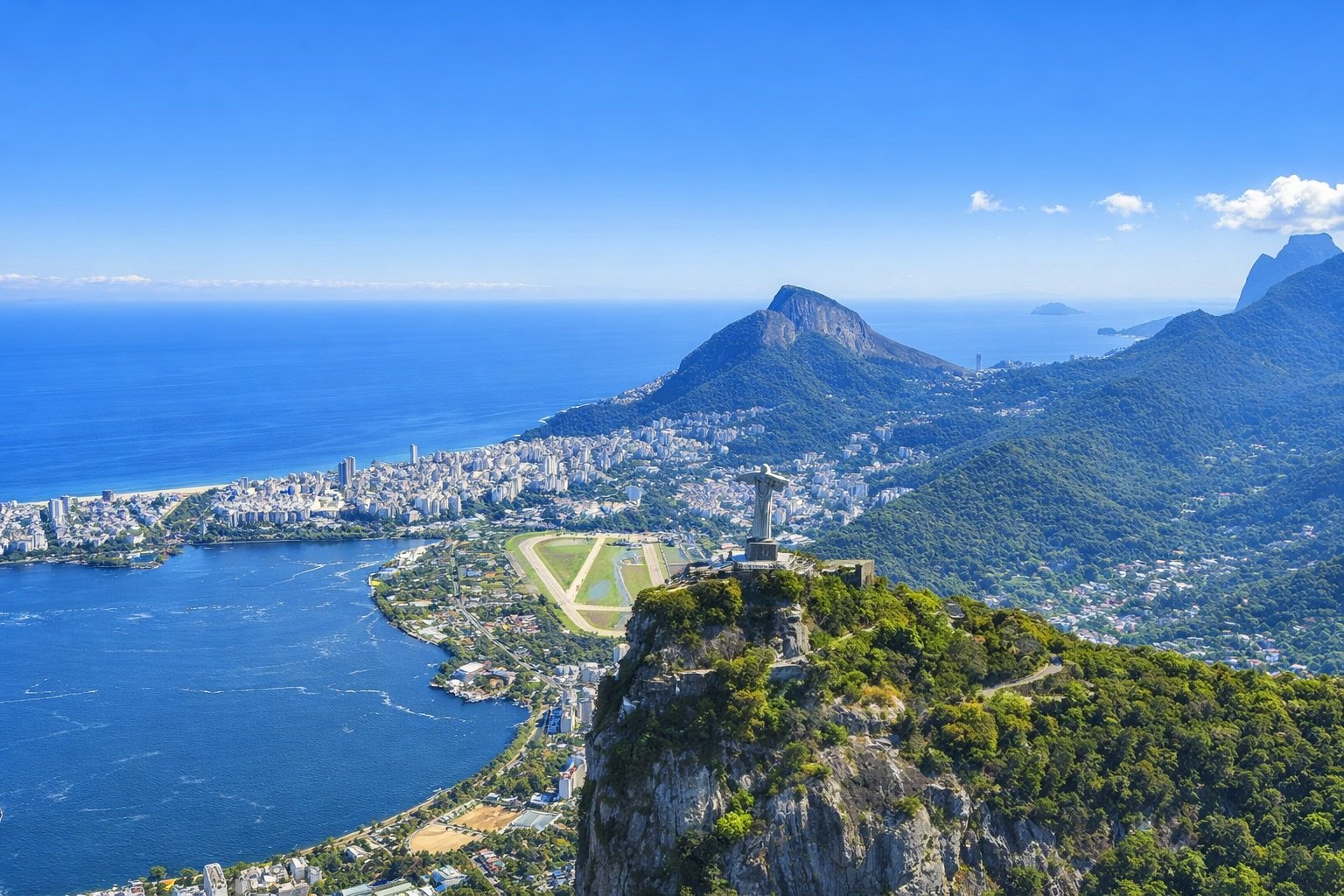
🇧🇷 What This Brazil Itinerary Covers
Planning a Brazil itinerary can feel overwhelming at first, especially because distances are large and each destination offers a completely different experience. This guide gives you a clear, realistic route you can follow without overthinking every step. If you are still deciding where to go, start with the full complete Brazil destination guide, which breaks down the country by regions and travel styles.
- 7, 10, and 14 day Brazil itinerary options so you can match your time, pace, and travel style
- A clear route structure: Rio de Janeiro → São Paulo → Salvador, with optional extensions
- Direct links to each city guide so you can plan daily activities without searching again
- Key highlights including Christ the Redeemer, Sugarloaf Mountain, and cultural districts
- Practical transport guidance to move between cities efficiently
- Planning shortcuts to help you decide quickly instead of overanalyzing options
This itinerary works as your central planning hub. You can follow it step by step, or use it to build your own route by clicking into each destination, choosing where to stay, and adjusting based on your budget and priorities.
Brazil Itinerary: Where to Start?
Designing a Brazil itinerary is not about seeing everything, it is about choosing the right route. Brazil is massive, and the biggest mistake travelers make is trying to fit too much into one trip. The goal is to combine a few strong destinations in a way that feels smooth, not rushed.
This itinerary focuses on Brazil’s most rewarding contrasts: Rio de Janeiro for beaches and iconic sights, São Paulo for food and culture, and Salvador for history and atmosphere. These three destinations create a balanced trip without unnecessary complexity. From here, your only real decision is how much time you have and how far you want to go.
If you have one week, the best option is to stay in Rio and experience it properly with the 7-day Brazil itinerary. With ten days, you can expand into a more complete route by adding São Paulo and Salvador, follow the 10-day Brazil itinerary. And if you have two full weeks, you can slow the pace and add a stronger finish with nature or coastal destinations, jump to the 14-day Brazil itinerary.
Before locking in your route, it helps to understand how your choices impact your overall budget. This complete cost of traveling in Brazil breaks down what you can expect to spend based on your itinerary, travel style, and how often you move between destinations.
Once your route is clear, the next step is choosing the right base in each city. This Brazil accommodation guide by city and travel style helps you avoid common location mistakes and choose the best areas before booking.
This guide gives you a structured route you can follow directly, or use as a framework to build your own trip without overcomplicating the planning process.


🗺️ Brazil Itinerary Map: Understanding the Route
Use this interactive map to visualize how each Brazil itinerary connects Rio de Janeiro, São Paulo, Salvador, and Iguazu Falls. Routes are color-coded by trip length so you can quickly see how your journey expands as you add more time.
🗺️ Use the map to compare distances and decide how much you can realistically include in your trip. Shorter itineraries focus on fewer destinations, while longer routes allow you to combine cities, culture, and nature without rushing between flights.
Brazil Itinerary Overview (Quick Route Options)
Before diving into the full itineraries, use this quick overview to choose the route that fits your time and travel style. Each option builds on the previous one, adding depth without making the trip feel rushed.
-
7 days in Brazil: Focus entirely on Rio de Janeiro for a balanced mix of beaches, landmarks, and culture without rushing.
👉 View 7-day itinerary -
10 days in Brazil: Add São Paulo and Salvador for a more complete experience combining city life, culture, and coastal atmosphere.
👉 View 10-day itinerary -
14 days in Brazil: Slow the pace and add a nature or beach extension for a deeper, more immersive trip across multiple regions.
👉 View 14-day itinerary
If you are unsure which route to choose, start with the number of days you have, then pick the option that gives you enough time in each destination without relying on frequent flights or long transfers.

7-Day Brazil Itinerary (Rio de Janeiro Focus)
If you have one week in Brazil, the best decision you can make is to stay in Rio de Janeiro and experience it properly. Brazil is too large to rush, and trying to add extra cities usually turns a great trip into a stressful one. Rio alone offers beaches, mountains, culture, nightlife, and iconic landmarks in a way that easily fills seven days without ever feeling repetitive.
Before planning your days, choose your base carefully. Rio is a city where neighborhoods shape your experience. Staying in the right area makes everything easier, from getting around to feeling comfortable at night.
For a full breakdown of what to do in the city, use this Rio de Janeiro travel guide, and for practical safety context, this Rio safety guide explains what to expect and how to move around with confidence.
Day 1: Arrival, Beach Orientation, and a Soft Start
After landing at Galeão International Airport, avoid the temptation to do too much. Rio rewards travelers who start slowly and learn its rhythm. Drop your bags and head straight toward the coastline, either Copacabana or Ipanema depending on where you are staying.
Walk the beachfront without a plan. Watch how the city uses the beach: locals playing volleyball, vendors moving effortlessly through the crowd, runners finishing their day, and families settling into the sand. This is where Rio begins to make sense.
Make your way to Arpoador for sunset. When the sun drops behind the hills and people applaud, you will understand immediately that Rio is not just a destination, it is a shared experience.
Keep dinner simple. A classic option like Garota de Ipanema gives you a relaxed introduction to local food. No pressure, no rush, just a strong start to the week.
Day 2: Historic Rio, Santa Teresa, and Samba
Start early in Centro, where Rio’s history is layered into its streets. Colonial buildings, churches, and modern architecture sit side by side, telling the story of how the city evolved.
Move toward Santa Teresa in the late morning. The shift is immediate: narrow streets, colorful houses, slower pace. Wander without a strict plan, then continue beyond the Selarón Steps to quieter viewpoints and cafés.
In the evening, stay in the area for dinner, then head to Lapa for samba. This is where Rio’s nightlife feels authentic, music spills into the street, and the atmosphere becomes communal rather than staged.
Day 3: Christ the Redeemer and Perspective
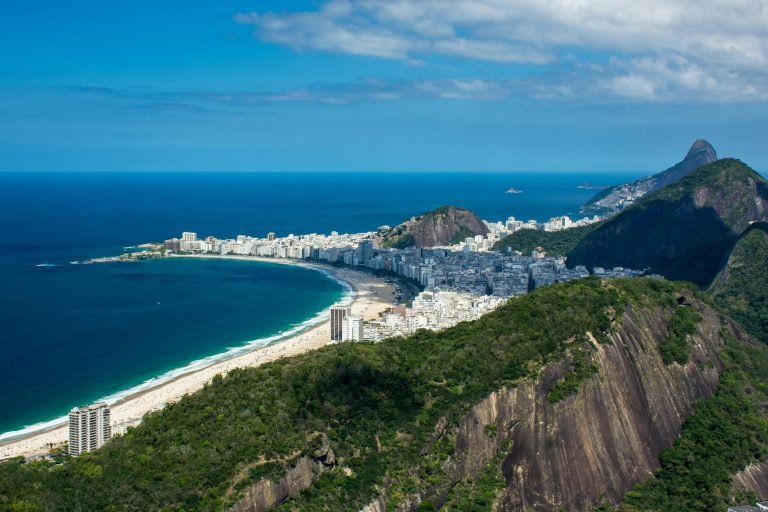
Visit Christ the Redeemer early. This is not just a landmark, it is the moment you understand Rio’s geography. From the top, the entire city reveals itself, beaches, mountains, and coastline forming one continuous landscape.
After descending, slow the day down. Walk around Lagoa, rent a bike, or return to the beach. Balance is key here. One major highlight is enough.
Day 4: Sugarloaf Mountain and Sunset
Spend the afternoon around Urca before heading up Sugarloaf. The neighborhood itself is calm and local, a contrast to the busier beach areas.
Take the cable car up in stages and stay for sunset. From here, Rio’s layout becomes clear, bay, skyline, and mountains forming one of the most iconic views in the world.
Afterward, keep the evening simple at Bar Urca, standing by the water with locals and letting the day settle naturally.
Day 5: Beach Day Done Properly
Today is about experiencing Rio, not sightseeing it. Start in Ipanema, rent a chair, order coconut water, and observe how the beach functions as part of daily life.
Walk toward Leblon for a quieter atmosphere, then later head up to Mirante do Leblon for a panoramic view of the coastline you just experienced.
Day 6: Nature or Culture
Choose your direction based on your interests. For nature, explore Tijuca Forest or a waterfall. For culture, visit the Museum of Tomorrow and the port district.
In the afternoon, return to the coast. This contrast between forest, city, and ocean is what makes Rio unique.
Day 7: A Meaningful Departure
Take the morning slowly. Walk the beach again, have a relaxed breakfast, and revisit a place you liked. Rio feels different the second time you experience something.
Leaving Rio is rarely just logistical. The city builds gradually, and by the end of the week, it feels familiar in a way that is hard to explain.
If you are still deciding where to stay, or want to refine your base, you can jump to the Rio hotel recommendations to choose a location that matches your travel style without overthinking it.
🎟️ Top Tours & Experiences in Rio de Janeiro
Compare guided tours, attraction tickets, and local experiences before finalizing your plan.

10-Day Brazil Itinerary (Rio de Janeiro, São Paulo, and Salvador)
A 10-day Brazil itinerary is where the trip starts to feel complete. You keep enough time in Rio to experience it properly, then add São Paulo and Salvador to introduce contrast. This route combines landscapes, culture, food, and history without becoming rushed or overly complex.
Instead of collecting destinations, this itinerary builds momentum: Rio first for iconic geography and energy, São Paulo next for scale and culture, and Salvador last for history and atmosphere. Each stop adds something different, which is what makes this version of the trip feel balanced.
Before moving through three cities, choosing the right base in each one becomes critical. Location affects how easy your trip feels day to day, especially with limited time.
Days 1–5: Rio de Janeiro (Iconic Landscapes and First Impressions of Brazil)
Rio opens the trip because it delivers Brazil in its most recognizable form. Mountains meet the ocean, neighborhoods wrap around beaches, and the city’s energy feels immediate. These five days are about understanding how Rio works, not rushing through it.
Day 1: Arrive and head straight to the coastline. Walk Copacabana or Ipanema, end at Arpoador for sunset, and let the city introduce itself naturally.
Day 2: Visit Christ the Redeemer early, then slow the afternoon with a walk around Lagoa or time at the beach.
Day 3: Head to Sugarloaf Mountain mid-afternoon and stay for sunset to understand the structure of the city from above.
Day 4: Commit to a full beach day. Experience Ipanema or Copacabana properly without trying to fit in additional sightseeing.
Day 5: Explore Centro and Santa Teresa, then experience Rio’s nightlife in Lapa or a relaxed rooftop setting.
For deeper planning, use the Rio travel guide and check practical details in the Rio safety guide.
To make your stay easier, choose your base carefully. Compare neighborhoods and options in the Rio hotel recommendations before booking.
🌅 Explore More of Rio de Janeiro
Compare tours, attraction tickets, and local experiences to refine your time in the city.
Days 6–8: São Paulo (Scale, Food, and Cultural Depth)
São Paulo shifts the tone of the trip completely. Where Rio is visual and geographic, São Paulo is cultural and intellectual. It rewards curiosity rather than sightseeing speed.
Day 6: Walk Avenida Paulista, visit MASP, and settle into the city’s rhythm.
Day 7: Explore Liberdade, Pinheiros, and commit to a strong dinner experience like A Casa do Porco.
Day 8: Spend time in Ibirapuera Park and revisit your favorite neighborhood before departure.
Use the São Paulo guide to plan your time and avoid wasting hours moving between areas.
Your experience here depends heavily on location. Choose between Jardins, Pinheiros, or Vila Madalena using the São Paulo hotel section.
🏙️ Top Experiences in São Paulo
Discover food tours, cultural walks, and curated city experiences.
Days 9–10: Salvador (History, Coast, and Cultural Depth)
Salvador closes the itinerary with a completely different rhythm. It feels older, warmer, and more rooted in culture, where history, music, and food are deeply connected.
Day 9: Explore Pelourinho, visit Elevador Lacerda, and watch sunset at Barra Lighthouse.
Day 10: Visit cultural sites, slow down along the coast, and end the trip with a traditional Bahian meal.
For detailed planning, use the Salvador guide.
Where you stay here changes your experience significantly. Areas like Barra, Rio Vermelho, and Pelourinho all offer very different atmospheres depending on whether you prioritize beaches, nightlife, or history. This guide to staying in Salvador helps you choose the right base for your trip.
🎶 Discover Salvador’s Culture & Coast
Explore cultural tours, historic walks, and coastal experiences before finalizing your trip.

14-Day Brazil Itinerary (Rio de Janeiro, São Paulo, Salvador, and Iguazu Falls)
If you have two weeks in Brazil, this is where the trip becomes immersive rather than fast-paced. You are no longer moving between highlights, you are experiencing each destination properly. This itinerary balances Rio’s landscapes, São Paulo’s depth, Salvador’s culture, and finishes with Iguazu Falls for a completely different kind of impact.
The structure is intentional: Rio first to ground you in Brazil’s identity, São Paulo next for contrast and culture, Salvador to slow the rhythm, and Iguazu Falls as a natural finale. Each destination builds on the previous one without forcing unnecessary movement.
With four destinations, choosing the right base in each city becomes critical. Location affects how smoothly your trip flows, especially with flights and limited time.
Days 1–6: Rio de Janeiro (Landmarks, Beach Rhythm, and Local Life)
Rio deserves time. With six days, you are not rushing between landmarks, you are experiencing the city’s rhythm: mornings by the ocean, afternoons exploring neighborhoods, and evenings that feel social rather than scheduled.
Use the Rio travel guide to expand on specific activities, but keep your structure simple:
- Christ the Redeemer (early morning, weather-dependent)
- Sugarloaf Mountain (afternoon into sunset)
- At least one full beach day (Ipanema, Copacabana, or Leblon)
- Centro + Santa Teresa for culture and perspective
- One proper evening for samba or nightlife
Balance is key. One major highlight per day is enough, the rest should feel natural rather than scheduled.
To simplify your stay, compare neighborhoods and options in the Rio hotel section before booking.
🌊 Add Experiences in Rio
Browse tours, guided experiences, and local activities to refine your schedule.
Days 7–11: São Paulo (Culture, Food, and Urban Depth)
São Paulo shifts the experience completely. It is less visual, but far more layered. This is where Brazil becomes cultural, creative, and intellectual.
Use the São Paulo guide to plan your time, but focus on neighborhoods rather than rushing between attractions:
- Avenida Paulista and MASP
- Liberdade (Japanese-Brazilian district)
- Pinheiros and Vila Madalena for food and culture
- Parque Ibirapuera for green space and architecture
- One standout dining experience (e.g. A Casa do Porco)
São Paulo works best when you slow down and let the city unfold through food, conversation, and exploration.
Where you stay here matters more than you expect. Choose your base using the São Paulo hotel section to reduce travel time and stay in the right area.
🏙️ Discover São Paulo
Explore food tours, cultural walks, and curated experiences across the city.
Optional Alternative: Add the Brazilian Amazon from Manaus
If you prefer rainforest, wildlife, and slower nature-focused travel over adding another major city, this is the point where you could replace Salvador or Iguazu Falls with the Amazon region around Manaus.
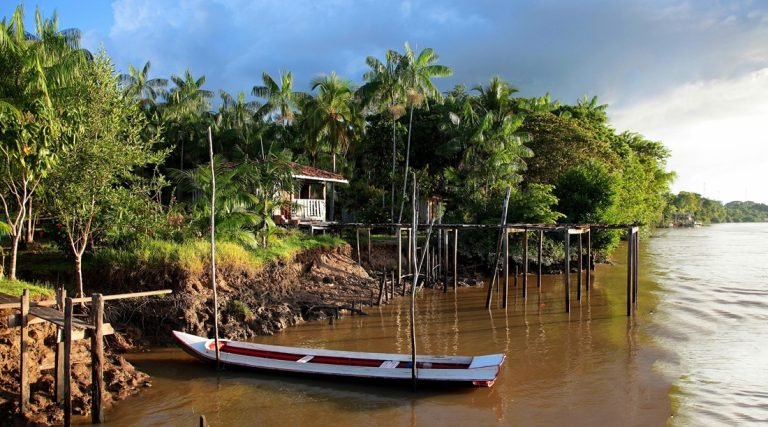
Manaus acts as the main gateway into the Brazilian Amazon, with river lodges, jungle stays, guided wildlife excursions, and multi-day boat trips offering a completely different side of Brazil. Instead of beaches and nightlife, the focus shifts toward river culture, rainforest landscapes, pink dolphins, canoe trips, flooded forests, and remote eco-lodges.
The Amazon works best for travelers who want a quieter and more immersive experience rather than constant movement between cities. It also adds strong contrast to Rio and São Paulo, making the overall trip feel more balanced between urban Brazil and nature.
If you are considering adding the rainforest to your route, this Amazon Rainforest Brazil Guide explains how to reach Manaus, choose jungle lodges, organize river tours, and realistically plan time in the Brazilian Amazon.
Optional Alternative: Explore Northeast Brazil Beyond Salvador
If you prefer beaches, coastal scenery, dunes, lagoons, and slower seaside travel over adding the Amazon or extending time in major cities, another strong alternative is expanding your trip deeper into northeastern Brazil beyond Salvador.
Instead of flying south again after Bahia, many travelers continue toward destinations such as Recife, Porto de Galinhas, Jericoacoara, Lençóis Maranhenses, or Fernando de Noronha. This changes the pace of the itinerary completely, replacing large urban centers with beach towns, tropical coastlines, and more relaxed travel.
The northeast works especially well for travelers who want a warmer climate, stronger beach focus, and a less rushed atmosphere while still experiencing some of Brazil’s most distinctive regional culture and landscapes.
If you are considering extending your route through the region, this Northeast Brazil travel guide explains how the destinations connect, what each area offers, and how to realistically plan transportation between them.
For travelers who still want beaches and outdoor lifestyle without committing fully to the tropical northeast, southern Brazil offers another interesting contrast. Destinations like Florianópolis combine surfing, hiking, coastal scenery, and a slower island atmosphere that feels very different from both Rio de Janeiro and the northeast coast. This guide to experiencing Florianópolis at a slower pace explores the island’s beaches, neighborhoods, hiking areas, and practical travel logistics in more detail.
Days 12–13: Salvador (Culture, Coast, and Atmosphere)
Salvador slows the trip down and adds depth. It feels warmer, older, and more rooted in culture, with strong Afro-Brazilian influence shaping food, music, and daily life.
Use the Salvador guide to explore:
- Pelourinho (historic center)
- Elevador Lacerda and Mercado Modelo
- Farol da Barra and the coastline
- Traditional Bahian food experiences
This part of the trip is about atmosphere rather than speed.
To choose the right area, compare options in Barra, Rio Vermelho, and Pelourinho using this Salvador accommodation breakdown, which explains the pros and atmosphere of each neighborhood.
🎶 Explore Salvador
Discover cultural tours, coastal experiences, and local highlights.
Day 14: Iguazu Falls (Finale)
Iguazu Falls is the final shift from culture to raw nature. The Brazilian side offers the best panoramic views, allowing you to see the full scale of the waterfalls.
Use the Iguazu Falls guide to plan your visit and understand viewpoints, tickets, and timing.
Take your time here. This is not a rushed stop. The experience works because it contrasts everything that came before.
Where to Stay in Brazil (By City & Budget)
Choosing where to stay in Brazil becomes much easier once you understand the rhythm of each city. If you want a broader overview before diving into specific hotels, this guide to the best places to stay across Brazil breaks down the main destinations and how they fit different travel styles. Below, you will find curated hotel options in Rio de Janeiro, São Paulo, Salvador, and Iguazu Falls, grouped by budget so you can quickly match your travel style to the right base.
HOTELS IN RIO DE JANEIRO
Budget Hotels
Castle of Vibes - Hostel
Avenida Gomes Freire, 814, Centro, Rio de Janeiro, CEP 20231-015, Brazil — +55 21 98730-4858
A lively, social option in Centro that suits travelers who would rather invest in experiences than oversized hotel bills. The atmosphere is relaxed and welcoming, making it easy to connect with other travelers after a full day exploring. If you want a budget base with personality and strong location value, this is an easy choice to consider.
Centro RJ
Rua Evaristo da Veiga, Rio de Janeiro, CEP 20031-040, Brazil — +55 (21) 2441-9100
A practical and efficient stay that works especially well if historic Rio and transport access matter more than beachfront glamour. The location keeps you close to Centro landmarks while still connected to the rest of the city. If your priority is logistics and value, Centro RJ delivers exactly that without overcomplicating your stay.
Mid-Range Comfort Hotels
Samba Rio 1900
Rua Artur Bernardes, 29, Catete, Rio de Janeiro, CEP 22220-070, Brazil — +55 21 3174-1900
Comfortable, well-located, and balanced between beach access and cultural districts, this is a smart middle-ground option. The Catete location gives you a calmer base while still keeping commute times manageable. If you want reliable comfort without paying luxury prices, Samba Rio 1900 fits the brief beautifully.
Pompeu Rio Hotel
Rua Camerino, 15, Centro, Rio de Janeiro, CEP 20080-011, Brazil — +55 21 2263-2435
A straightforward mid-range option that emphasizes practicality and accessibility. Rooms are comfortable without being flashy, making it ideal for travelers who spend most of their time out exploring. If value and convenience matter more than ocean views, Pompeu Rio Hotel is a dependable base.
Luxury Stays
Copacabana Palace, A Belmond Hotel
Avenida Atlantica 1702, Copacabana, Rio de Janeiro, CEP 22021-001, Brazil — +55 21 2141-8990
An iconic Rio address that feels cinematic from the moment you arrive. Historic glamour, impeccable service, and direct access to Copacabana Beach make this more than just a hotel stay. If you want one unforgettable upgrade in Rio, Copacabana Palace delivers a true once-in-a-lifetime experience.
Hotel Fasano Rio de Janeiro
Avenida Vieira Souto, 80, Ipanema, Rio de Janeiro, CEP 22420-000, Brazil — +55 21 2149-1800
Modern, design-forward luxury directly facing Ipanema Beach. The rooftop pool and sleek interiors create a polished atmosphere that feels distinctly contemporary Rio. If you want your stay to feel refined from sunrise to sunset, Hotel Fasano is a standout choice.
Browse more options here: Rio de Janeiro hotels.
HOTELS IN SÃO PAULO
Budget Hotels
Center Hostel SP
133 Rua Amaral Gama, Santana, São Paulo, CEP 02018-000, Brazil — +55 11 91203-8757
An affordable, social base that suits travelers who want to prioritize food and experiences over accommodation.
If you want value without losing the chance to meet other travelers, Center Hostel SP is an easy, friendly pick.
Hostel Dumah
Rua Patrocínio do Sapucaí, 259, Santana, São Paulo, CEP 02042-030, Brazil — +55 11 91350-2239
A straightforward budget option that works well if you want a practical place to sleep and recharge.
If you are spending your days out exploring and only need a reliable base, Hostel Dumah keeps things simple.
Mid-Range Comfort
Loft Duplex Impression Morumbi
120 Rua Charles Spencer Chaplin, Vila Andrade, São Paulo, CEP 05642-010, Brazil
A spacious, modern stay that works especially well for couples who want more room and comfort.
If you like having a real “home base” feel in São Paulo, Loft Duplex Impression Morumbi is a strong choice.
Studio Moema 34
Av. Miruna, 47 Ap 34, São Paulo, CEP 04084-000, Brazil
A comfortable studio in a neighborhood that many visitors find easy, safe, and enjoyable to stay in.
If you want convenience and a calmer atmosphere after busy city days, Studio Moema 34 is an excellent fit.
Luxury Stays
Hotel Fasano São Paulo
Rua Vittorio Fasano, 88, Jardim Paulista, São Paulo, CEP 01414-020, Brazil — +55 11 3513-7472
A refined luxury stay in one of São Paulo’s most elegant areas, perfect for an upgraded city experience.
If you want your stay to feel polished from start to finish, Hotel Fasano São Paulo is the benchmark choice.
2202 Hotel - E-suites Atlântica Congonhas
Rua Henrique Fausto Lancelotti, 6333, Campo Belo, São Paulo, CEP 04625-005, Brazil — +55 (11) 2137-4000
A modern, well-appointed option that is especially convenient if airport access and efficiency matter to you.
If you want comfort and smooth logistics without unnecessary stress, 2202 Hotel is a smart luxury-leaning pick.
Browse more options here: São Paulo hotels.
HOTELS IN SALVADOR
Budget Hotels
Hostal Mar De Itapua
Rua do Tamarineiro, 22 B, Itapuã, Salvador, CEP 41610-430, Brazil — +55 71 98126-9854
A relaxed, affordable stay close to Salvador’s coastal atmosphere, ideal if you enjoy a lighter, beach-oriented base. It works especially well if you prefer quieter evenings after full cultural days in Pelourinho. If you want budget-friendly comfort with ocean proximity, this is an easy, stress-free choice.
Ibis Budget Salvador
Rua das Alfazemas, 752, Caminho das Árvores, Salvador, CEP 41820-710, Brazil — +55 71 3444-1100
A reliable, straightforward option that keeps things simple and efficient. It is ideal for travelers who want predictable comfort, good transport access, and clean rooms without paying for extras they will not use. If your focus is exploring rather than lingering at the hotel, this is a practical and dependable base.
Mid-Range Comfort Hotels
Sol Victoria Marina
Avenida Sete de Setembro, 2068, Vitória, Salvador, CEP 40080-001, Brazil — +55 71 3418-2155
A comfortable waterfront stay with sunset views built directly into the experience. The location makes evening walks easy and gives the trip a softer, more relaxed rhythm after busy sightseeing days. If you want scenery without stepping into luxury pricing, this is a strong mid-range balance.
Estrela Mar Barra
Rua Recife, 60 Ed. Único Barra - Apto 1301, Barra, Salvador, CEP 40140-330, Brazil — +55 71 3511-3881
A beachfront option in Barra that suits travelers who want the Atlantic within immediate reach. Waking up close to the sea shifts the tone of your Salvador stay toward lightness and ease. If beach access matters as much as culture, this is a very appealing middle-ground option.
Luxury Stays
Expresso 2222 Circuito Carnaval
Rua Francisco Otaviano, 54, Salvador, CEP 40140-150, Brazil — +55 71 993333072
A distinctive stay that reflects Salvador’s celebratory personality and creative spirit. It feels less like a generic hotel and more like a place with character and story. If you want accommodation that mirrors the city’s energy rather than softening it, this is the bold choice.
Browse More Salvador Hotels
Explore additional options based on your travel dates, neighborhood preference, and budget. Salvador’s best stays vary depending on whether you prioritize beach access, historic atmosphere, or convenience. Checking availability early is wise, especially around major festivals and high season.
HOTELS IN IGUAZU FALLS
Budget Hotels
Hotel Nacional Palace
Avenida José Maria de Brito, Foz do Iguaçu, CEP 85864-320, Brazil — +55 45 3528-8060
A practical and affordable base in Foz do Iguaçu that keeps your focus on the waterfalls rather than your room rate. Its central location makes transport to Iguazu Falls straightforward while still offering easy access to restaurants and everyday essentials. If you want a clean, reliable stay that keeps your budget intact for tours and park tickets, Hotel Nacional Palace is a smart and simple choice.
Mid-Range Comfort Hotels
Vivaz Cataratas Hotel Resort
Av. das Cataratas 6798, Foz do Iguaçu, CEP 85853-000, Brazil — +55 45 3529-8200
A resort-style property located along the main road to the falls, offering space, greenery, and a relaxed atmosphere after a full day exploring the park. The pools and on-site facilities make it particularly appealing for couples and families who want comfort without stepping into full luxury pricing. If you want a stay that feels like part of the vacation rather than just a place to sleep, Vivaz Cataratas Hotel Resort delivers that balance beautifully.
Luxury Stays
Hotel das Cataratas, A Belmond Hotel, Iguassu Falls
BR 469 Km 32 Parque Nacional Do Iguaçu, Foz do Iguaçu, CEP 85859-899, Brazil — +55 45 2102-7000
The only hotel located inside Brazil’s Iguazu National Park, offering exclusive early and late access to the waterfalls before and after day visitors leave. The colonial-style architecture, lush gardens, and refined service create a stay that feels immersive and cinematic. If you want Iguazu Falls to feel once-in-a-lifetime rather than simply impressive, Hotel das Cataratas transforms the experience entirely.
Browse More Iguazu Falls Hotels
Availability around Iguazu can tighten quickly during peak travel months and long weekends, so checking options early helps secure the location and style that match your trip.
Choosing where to stay in Brazil does not need to feel complicated. Focus on location first, then comfort level, then atmosphere. In Rio, proximity to the beach shapes your entire rhythm. In São Paulo, walkability and neighborhood vibe matter more than views. In Salvador, decide whether you want colonial charm or coastal air outside your window.
Once your base is right, the rest of the itinerary flows naturally. The cities themselves provide the energy, your hotel simply sets the tone. Browse your preferred category above, compare options, and secure your stay early, especially if you are traveling during high season or major events.

How to Travel Between Cities in This Brazil Itinerary
Brazil is enormous, and distances between Rio de Janeiro, São Paulo, Salvador, and Iguazu are significant. These are not quick connections, and how you move between cities directly impacts how much you actually experience. In most cases, domestic flights are the most efficient way to preserve time and energy across a 10–14 day itinerary.
For a deeper breakdown of transport options across the country, including flights, long-distance buses, and local travel, this guide to getting around Brazil explains the most efficient ways to move between destinations.
Getting to Brazil (Arrival in Rio)
Most international travelers begin in Rio de Janeiro via RIOgaleão International Airport. It is well connected internationally and makes logical sense as a starting point because Rio sets the emotional tone of the trip.
If you are still booking flights, compare options early to avoid price spikes: Flights to Rio de Janeiro.
From Galeão to Copacabana or Ipanema, expect roughly 30–50 minutes depending on traffic. Rio traffic can be unpredictable, so avoid tight arrival-day plans.
Rio to São Paulo
Distance by air: approximately 1 hour flight time.
Realistic door-to-door time: 4–5 hours including airport transfers.
Flights between Rio and São Paulo are extremely frequent. A morning departure allows you to land with most of the day still usable.
Buses are available (6–7 hours), but in a 10–14 day itinerary, this typically becomes a lost travel day rather than a productive one.
São Paulo to Salvador
Distance by air: approximately 2 hours 30 minutes.
Realistic door-to-door time: 5–6 hours.
Salvador is significantly further north, and the distance becomes noticeable here. Overland travel can exceed 30 hours, making flights the only practical option for most travelers.
Salvador to Iguazu Falls (Brazil Side)
Distance by air: approximately 3–4 hours, usually with a connection in São Paulo.
Realistic door-to-door time: 6–8 hours.
Flying allows you to treat Iguazu as a powerful finale instead of a logistical challenge. Overland routes are technically possible but impractical within this itinerary.
Practical Advice for Domestic Flights in Brazil
Arrive 1.5–2 hours before departure, avoid tight scheduling after arrival, and prioritize morning flights when possible. Brazil’s domestic network is efficient, but minor delays can happen.
When planned correctly, each flight becomes a smooth transition between completely different experiences, Rio’s coastline, São Paulo’s scale, Salvador’s culture, and Iguazu’s natural power.
Is This Brazil Itinerary Right for You?
This Brazil itinerary is designed for travelers who want structure without feeling rushed. It works particularly well for first-time visitors who want to experience the country’s most iconic cities, Rio de Janeiro, São Paulo, and Salvador, while finishing with a strong natural highlight at Iguazu Falls.
If your idea of Brazil includes Christ the Redeemer at sunrise, a real beach day in Rio, a serious food night in São Paulo, live music after dinner, colonial streets in Salvador, and a waterfall finale that feels genuinely cinematic, this route delivers that balance. It also gives you a solid introduction to Brazil’s most iconic coastal experiences without needing to add extra destinations. Travelers interested in regional cuisine and local dining culture can also explore my guide to what to eat in Brazil.
Brazil is too large to “see everything” in one trip. This itinerary focuses on depth across three major cultural centers rather than surface-level coverage of multiple regions. The pace is active but realistic, you move between cities, but you have enough time in each one to settle in and experience it properly.
This route works best if:
• You are comfortable taking short domestic flights.
• You enjoy food, nightlife, and city energy as much as landscapes.
• You prefer structured days with breathing room over constant transit.
• You want variety, beaches, culture, architecture, music, and nature, in one trip.
Before finalizing your trip, it helps to align your route with your budget and travel style. This Brazil travel cost guide breaks down what to expect, while this Brazil travel tips guide helps you avoid common mistakes.
Choosing the right base in each city is just as important as the route itself.
Used correctly, this itinerary gives you a version of Brazil that feels layered, efficient, and complete without becoming rushed.
Best Time to Follow This Brazil Itinerary
Brazil is a year-round destination, but the experience of this itinerary changes depending on when you visit. Rio de Janeiro, São Paulo, Salvador, and Iguazu Falls sit in different climate zones, so the “best time” depends on what you value most: beach weather, comfortable city exploring, lower prices, or dramatic waterfall volume.
December to March (Summer, Peak Energy, Beach Season)
This is Brazil’s summer and high season, especially in Rio and Salvador. Expect heat, humidity, and a lively atmosphere. Beach days feel energetic, sunsets are long, and nightlife is at its most vibrant. Salvador’s coastal rhythm thrives in this season as well.
This period also brings higher hotel prices, busier attractions, and occasional heavy rain showers, usually intense but brief. Iguazu Falls often runs at higher water levels, making the experience more powerful, though viewpoints can be mistier.
If your priority is maximum energy and beach conditions, this is an excellent time to follow this itinerary, just book flights and accommodation well in advance. You can also use the Brazil travel cost guide to understand how pricing changes during peak season.
February or March (Carnival Period)
Carnival transforms cities like Rio de Janeiro and Salvador completely. Streets become louder, more crowded, and far more energetic as samba parades, blocos, live music, nightlife, and street celebrations begin taking over daily life.
For many travelers, this becomes one of the most unforgettable times to visit Brazil. The atmosphere feels intense, immersive, and culturally unique in a way that is difficult to fully understand until you experience it in person.
At the same time, Carnival also changes the practical side of travel significantly. Hotel availability tightens quickly, prices rise sharply, domestic flights fill fast, and transportation inside cities often becomes slower and more chaotic due to crowds, road closures, and major events.
If you plan to follow this itinerary during Carnival season, booking accommodation and flights early is extremely important. Our complete guide to experiencing Carnival in Brazil explains how different cities celebrate Carnival, what the atmosphere actually feels like, and how to plan around the crowds, costs, blocos, and samba parades.
For some travelers, Carnival becomes the highlight of their entire Brazil trip. For others, the nonstop crowds, noise, and intensity can feel exhausting after several days. Your tolerance for crowds and high-energy environments will strongly influence whether Carnival enhances or complicates your experience.
April to June (Shoulder Season, Balanced Conditions)
This is one of the most comfortable times to travel. Rio’s humidity drops slightly, temperatures remain warm, and sightseeing becomes easier. São Paulo is ideal for walking neighborhoods and exploring museums, and Salvador maintains a tropical feel.
Iguazu Falls still carries strong water flow during parts of this period, while visibility often improves compared to peak rainy months.
For travelers who want fewer crowds without sacrificing good weather, this window offers a strong balance.
July to September (Cooler, Drier, Excellent for Exploring)
These months correspond to Brazil’s winter in the southeast. Rio and São Paulo are cooler but still comfortable, especially for walking-heavy days and cultural exploration.
Salvador remains warm year-round, though occasional rain is possible. Iguazu Falls may have slightly lower water volume, but clearer air can improve panoramic views from the Brazilian side.
If your priority is comfort over peak beach heat, this is one of the most practical times to follow this itinerary.
October to November (Transitional Season)
Temperatures begin rising again in Rio and São Paulo, while crowds remain moderate compared to peak summer. This period offers a good balance between improving beach conditions and manageable pricing.
Rainfall patterns vary by region, and Iguazu may begin seeing increased water flow again as rainy periods return.
How Seasonality Affects This Itinerary
This Brazil itinerary works year-round, but the emphasis shifts:
• Summer emphasizes beach life and nightlife.
• Shoulder seasons emphasize comfort and cultural exploration.
• Winter emphasizes walkability and fewer crowds.
• Rainier months enhance Iguazu’s power but can reduce visibility.
The key is not avoiding certain months, but aligning your expectations with conditions. If you are still deciding which version of the trip to follow, return to the itinerary overview to match your timing with the right route.
If flexibility allows, April to June and August to early November typically offer the most balanced overall conditions for this 7-, 10-, or 14-day itinerary.

Final Thoughts on Planning Your Brazil Itinerary
Brazil is not a country you “tick off.” It is a country you experience in layers. This 7-, 10-, or 14-day Brazil itinerary is designed to give you contrast without chaos: Rio’s landscapes and rhythm, São Paulo’s intensity and food culture, Salvador’s warmth and history, and Iguazu’s raw natural scale.
You do not need to see everything to feel like you have seen Brazil properly. What matters is giving each stop enough time to breathe, to eat well, to walk without rushing, and to let the character of each city reveal itself gradually. Some travelers even choose to slow down further by adding coastal escapes or island destinations to their route. If that appeals to you, this guide to Brazil's most unforgettable islands highlights destinations ranging from Fernando de Noronha and Ilha Grande to quieter tropical getaways.
Safety and location choices also play a major role in how smooth your trip feels. This guide to traveling safely in Brazil helps you understand what to expect
If you are still refining your plan, the Brazil travel cost guide gives you a realistic idea of what to expect based on your route and travel style.
Whether you follow the 7-day Rio-focused version or the full 14-day route, this itinerary gives you a clear framework. From there, the experience is yours to shape.
❓ Frequently Asked Questions About This Brazil Itinerary
🇧🇷 Is Brazil safe for first-time visitors?
Brazil can be safe for first-time travelers who use basic city awareness: avoid flashing valuables, use rideshares at night, and stay in well-reviewed neighborhoods. Cities like Rio de Janeiro, São Paulo, and Salvador all have areas that feel comfortable for visitors when you choose your base carefully. For a deeper breakdown, see this Brazil safety guide for travelers.
🗓️ How many days do you need for a Brazil itinerary?
A 7-day Brazil itinerary works best for focusing on Rio de Janeiro. A 10-day Brazil itinerary allows you to combine Rio, São Paulo, and Salvador. A 14-day Brazil itinerary gives you enough time to include Iguazu Falls without rushing. The right choice depends on how much time you want to spend in each destination versus how many places you want to visit.
✈️ Do you need domestic flights in Brazil or can you travel by bus?
For long distances like Rio to São Paulo, São Paulo to Salvador, or Salvador to Iguazu Falls, flights are the most practical option. Brazil is a large country, and bus journeys between major cities can take 20–40+ hours. Buses are better suited for shorter regional routes, but most travelers rely on flights for efficiency on a multi-city itinerary.
🧳 What is the best time of year to visit Brazil for this itinerary?
Brazil is a year-round destination, but timing affects your experience. December to March is summer with strong beach energy and higher prices. April to June and August to November offer more balanced conditions with fewer crowds. If you plan to visit during Carnival, book accommodation and flights early due to high demand.
🏨 Where should you stay in Brazil for the easiest trip?
In Rio de Janeiro, staying in Ipanema, Copacabana, or Leblon makes moving around easier. In São Paulo, neighborhoods like Jardins or Pinheiros offer better walkability and food access. In Salvador, your base affects both safety and access to the historic center. This Brazil accommodation guide helps you compare cities and neighborhoods before booking.
🌊 Is Iguazu Falls worth adding to a Brazil itinerary?
Iguazu Falls is one of the most impressive natural attractions in South America and is often considered a highlight of a Brazil trip. It works best in a 14-day itinerary, where you have enough time to include it without turning it into a rushed stop.
📱 Should you get a SIM card or eSIM in Brazil?
An eSIM is often the easiest option if your phone supports it, as you can land connected without visiting a store. Physical SIM cards are available locally, but registration requirements can vary. Having mobile data is essential for navigation, translation, and booking rideshares. You can compare options in this international eSIM guide.
💳 Do you need cash in Brazil or can you use cards everywhere?
Credit and debit cards are widely accepted in major cities, restaurants, and hotels. However, carrying a small amount of cash is still useful for markets, street vendors, and smaller establishments. Using a travel-friendly card with low fees helps reduce costs.
🚕 How do you get around cities like Rio, São Paulo, and Salvador?
Rideshare apps like Uber are widely used and often the easiest way to move between neighborhoods, especially at night. Public transport exists but can be less intuitive for short visits. Walking is possible in certain areas, but depends heavily on the neighborhood.
💰 Is Brazil expensive to travel?
Brazil can fit a range of budgets. Daily costs depend on your travel style, accommodation choices, and how often you fly between cities. Major cities tend to be more expensive, while local food and transport can be affordable. For a full breakdown, see this Brazil travel cost guide.
Travel Resources to Plan, Book & Stay Connected
Use these tools and guides to stay connected abroad, find inspiration for your next trip, and book your flights, stays and gear with confidence.
Disclosure: This article may contain affiliate links. If you make a purchase through a link, I may receive a commission at no extra cost to you. I only share recommendations I believe are genuinely useful, and all opinions are my own. AI was used in this post for research and drafting purposes.

Comment (0)