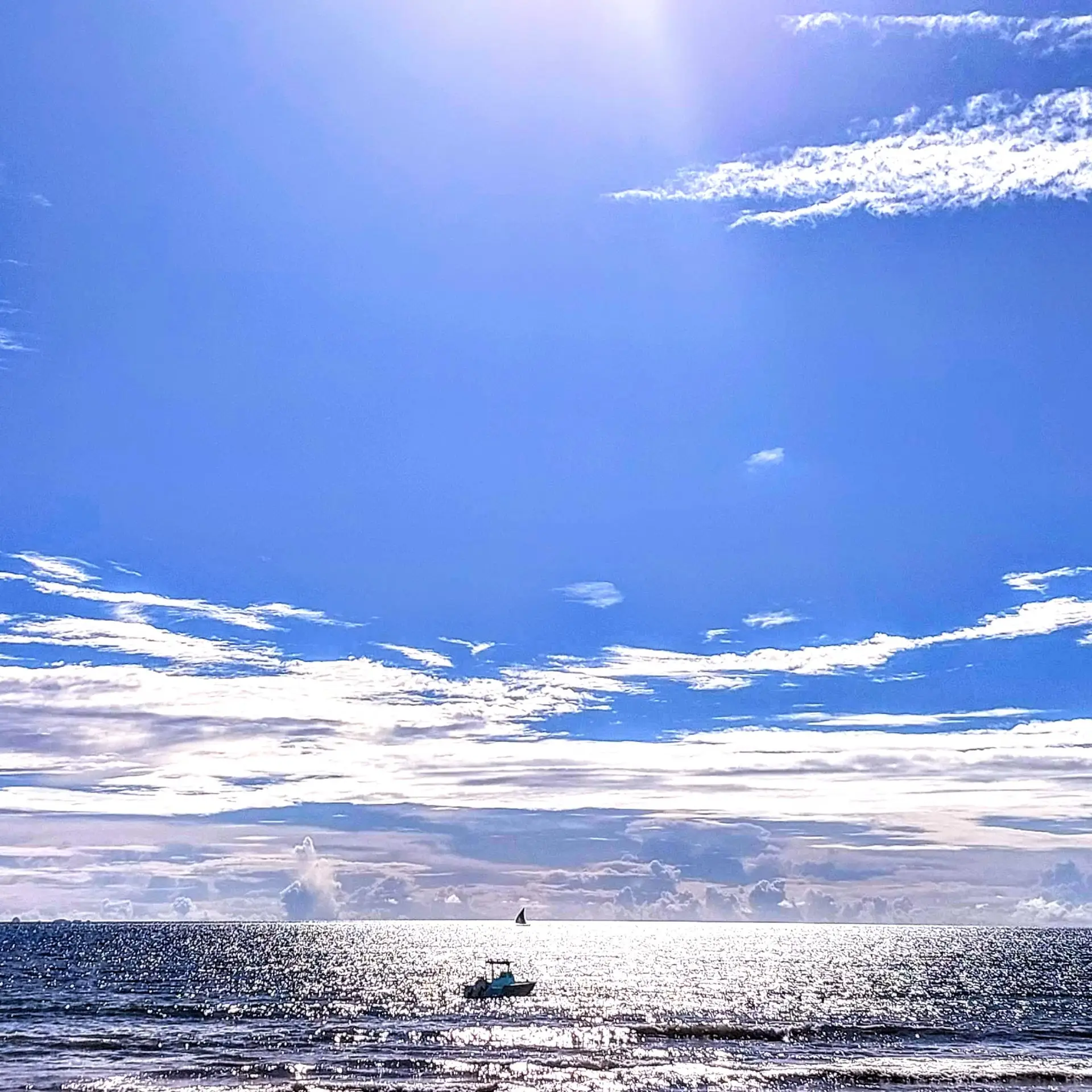
🏖️ Madagascar Beaches Quick Guide
- Best-known beach areas: Nosy Be, Île Sainte-Marie, Ifaty, Anakao, and Fort Dauphin’s southern coastline.
- Best region for tropical island beaches: Northern Madagascar, especially Nosy Be, Nosy Iranja, and the Emerald Sea near Ramena.
- Best region for quiet east coast escapes: Île Sainte-Marie, Mahambo, and Foulpointe.
- Best region for reef, lagoons, and fishing village atmosphere: The southwest coast near Toliara, Ifaty, Mangily, and Anakao.
- Best region for wild scenery: The far south around Libanona, Lokaro, and Manafiafy near Fort Dauphin.
- Best time for beach travel: Usually April to November, when conditions are drier and more comfortable in many parts of the island.
- Good to know: Madagascar’s best beaches are spread far apart, so domestic flights, road transfers, and boat connections can make a big difference to your itinerary.
- Planning a wider trip: If you want to explore wildlife, national parks, and cultural destinations beyond the coast, see this complete Madagascar travel guide.
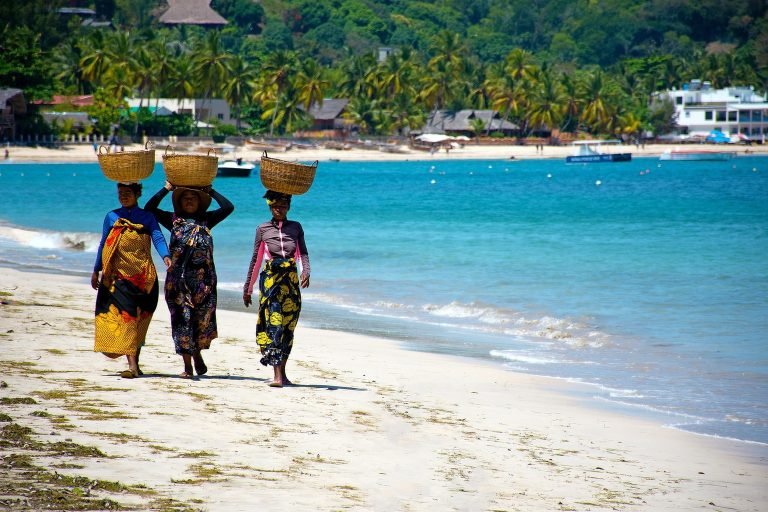
Madagascar Beaches: Where to Find the Island’s Most Beautiful Shores
Madagascar is famous for its lemurs, rainforests, and unique wildlife, but Madagascar beaches are just as remarkable. With nearly 5,000 kilometers of coastline and dozens of offshore islands, Madagascar offers a surprising variety of coastal landscapes. From calm turquoise lagoons and palm-fringed islands to wild southern shores where the ocean meets dramatic scenery, many Madagascar beaches still feel far more untouched than those in other Indian Ocean destinations.
Some travelers head north to Nosy Be, where clear water and tropical islands create the classic setting many people imagine when they think about Madagascar beaches. These northern islands are among the top destinations covered in what to see and do across Madagascar, alongside national parks, cities, and cultural highlights.
Because Madagascar is such a large island, its beaches are spread across several very different regions. Understanding where these coastal areas are located can help you plan a more rewarding trip. If you are exploring the island more broadly, you may also want to read this ">complete overview of Madagascar, which covers national parks, wildlife, cities, and travel planning tips across the country.
This guide focuses on some of the most beautiful Madagascar beaches and explains where to find them in the north, along the east coast, and across the southern shores of the island.
Northern Madagascar Beaches
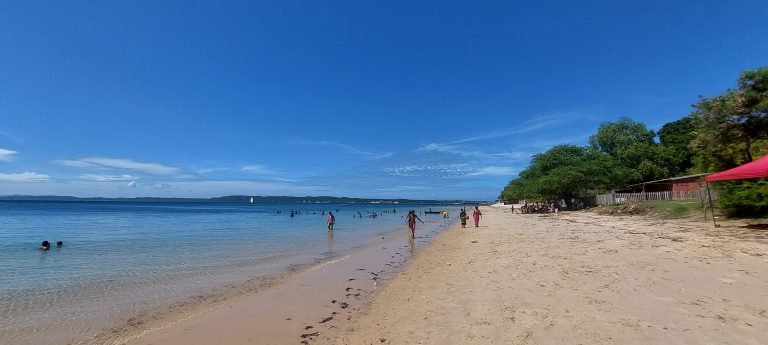
Northern Madagascar is home to some of the most famous beaches in the country. The region around Nosy Be and the coast near Antsiranana combines tropical islands, clear turquoise water, coral reefs, and quiet fishing villages. Many travelers begin their beach exploration here because the scenery feels immediately tropical and the water conditions are often excellent for swimming, snorkeling, and boat excursions.
This part of the island also offers a wide range of coastal experiences. You can relax on resort beaches in Nosy Be, take boat trips to nearby islands, or explore quieter mainland shores where daily life unfolds along the coastline. For a deeper look at destinations, routes, and what to expect across the region, this northern Madagascar travel guide covers the area in more detail.
Some of the most beautiful Madagascar beaches can be found across this northern coastline, from the well-known bays of Nosy Be to the remote lagoon of the Emerald Sea near Ramena.
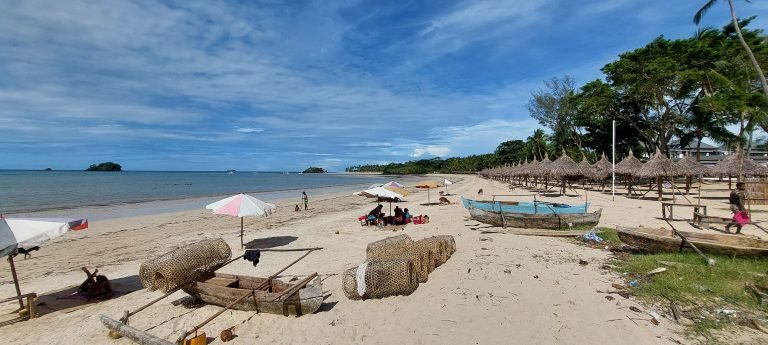
Andilana Beach (Nosy Be)
Andilana Beach is widely considered one of the most beautiful Madagascar beaches. Located on the northwest coast of Nosy Be, this long stretch of pale sand curves around a calm bay where the water shifts through bright shades of turquoise and blue. The protected location keeps the sea relatively gentle, which makes swimming here particularly pleasant.
Palm trees line the beach and low hills rise behind the shoreline, creating a classic tropical setting that many travelers picture when they imagine beaches in Madagascar. The atmosphere is relaxed, with a few resorts and restaurants nearby but still plenty of space to walk along the sand.
Sunsets at Andilana are especially memorable. As the light fades over the Mozambique Channel, the water reflects warm gold and orange tones while small fishing boats drift across the bay.
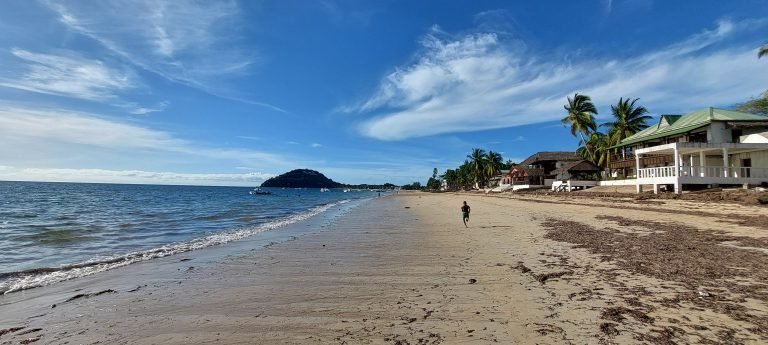
Madirokely Beach (Nosy Be)
Madirokely Beach is one of the most accessible beaches on Nosy Be and has a lively but relaxed atmosphere. Located close to the town of Ambatoloaka, the beach is known for its wide sandy shoreline and calm water that stretches across a shallow bay.
During the day, visitors come here to swim, take boat trips to nearby islands, or simply relax by the water. The beach is also a convenient starting point for excursions to places such as Nosy Tanikely Marine Reserve and Nosy Komba.
In the evening, Madirokely becomes one of the most social beaches in northern Madagascar. Beachfront restaurants set up tables near the sand, and many travelers gather here to watch the sunset while enjoying fresh seafood and views of fishing boats returning to shore.
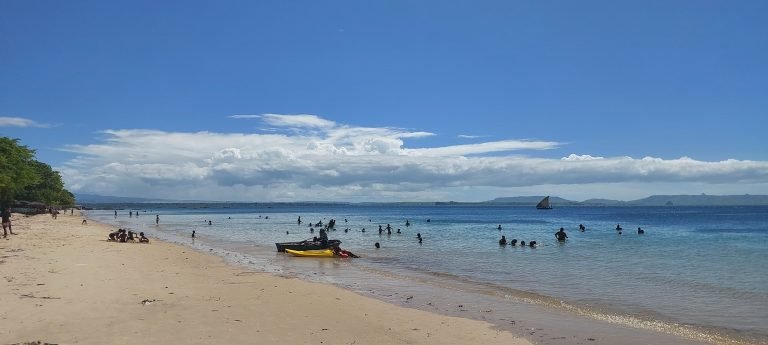
Ramena Beach (Diego Suarez)
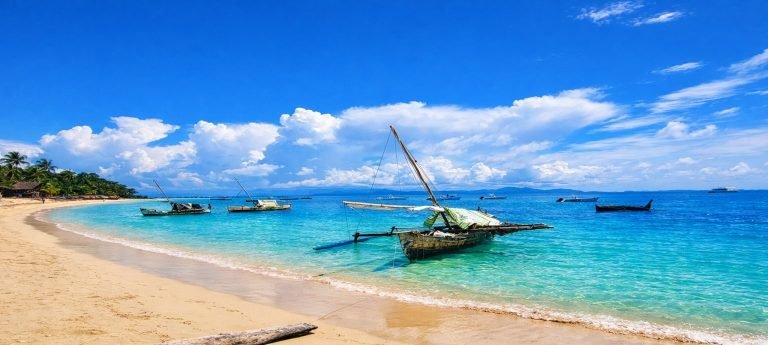
Ramena Beach sits just outside Antsiranana, the northern city historically known as Diego Suarez. The beach stretches along a wide bay where golden sand meets calm, clear water, and colorful wooden fishing boats rest along the shoreline. Compared with the resort atmosphere of Nosy Be, Ramena feels more like a living coastal village where daily Malagasy life unfolds beside the sea.
Small restaurants along the beach serve grilled fish, seafood, and local dishes, often prepared with the day’s catch brought in by fishermen. Visitors can walk along the long curve of sand, swim in the protected bay, or simply relax while watching fishing boats move across the water.
Ramena is also the main departure point for boat trips to the Emerald Sea, one of the most striking marine landscapes in northern Madagascar. Many travelers visit Ramena specifically to experience this shallow turquoise lagoon and its remarkable colors.
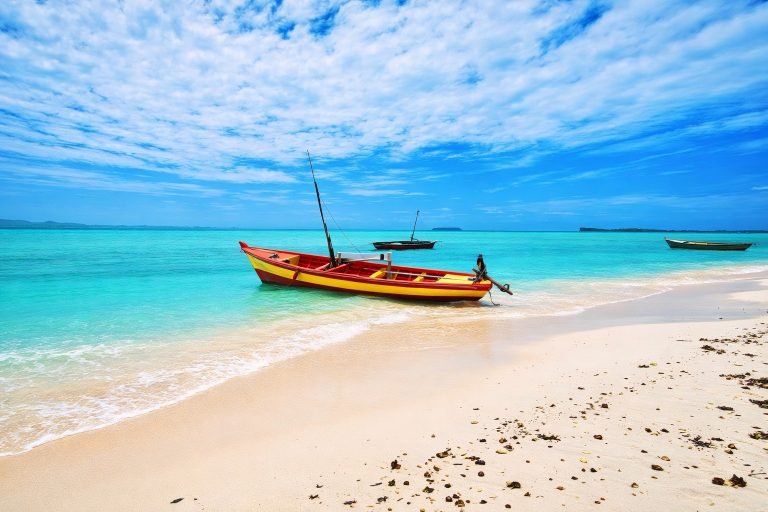
The Emerald Sea (Mer d’Émeraude)
Just north of Ramena lies the Emerald Sea, a shallow lagoon famous for its luminous turquoise water. Boats depart from Ramena and travel across the bay toward this remarkable stretch of ocean where coral reefs create calm, clear conditions and striking shades of blue and green.
The lagoon is protected by surrounding reefs, which makes the water shallow and exceptionally transparent. At low tide, sandbanks appear across the lagoon, forming tiny islands that feel like natural platforms in the middle of the sea. Many visitors swim, snorkel, or simply relax on the sand while enjoying the surrounding views.
Because of the steady winds and shallow water, the Emerald Sea is also known as one of the best places in Madagascar for sailing and kitesurfing. Even without water sports, the combination of bright water, coral reefs, and distant coastline makes the lagoon one of the most memorable coastal landscapes in northern Madagascar.
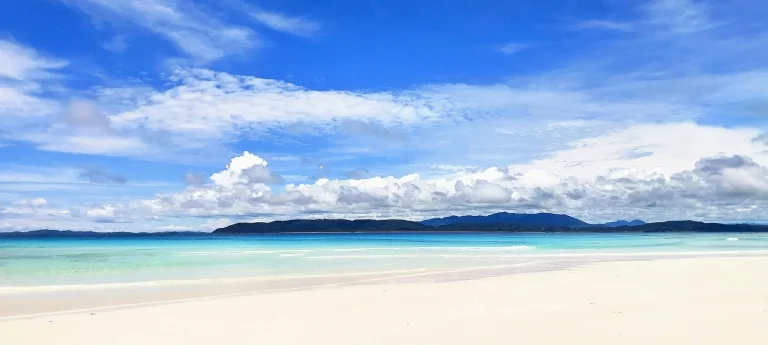
Nosy Iranja
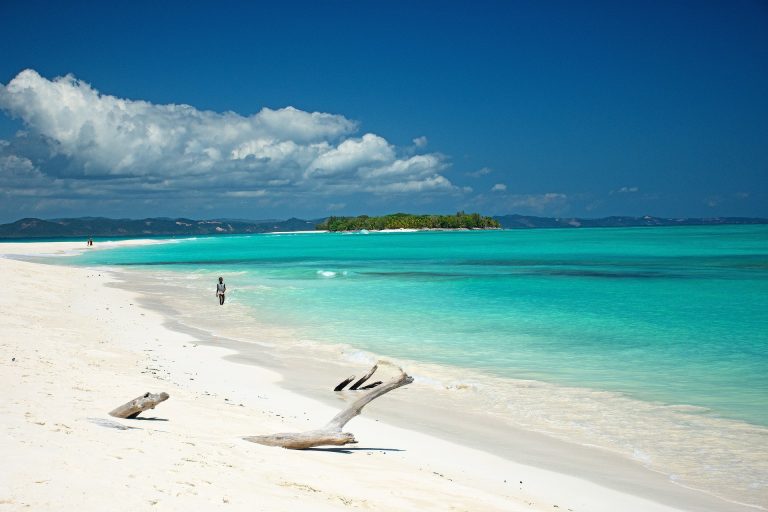
Nosy Iranja is one of the most spectacular island beaches near Nosy Be. The destination actually consists of two small islands connected by a narrow white sandbar that appears at low tide. When the tide drops, visitors can walk across the sand between the two islands while surrounded by shallow turquoise water.
The beaches here are long, bright, and remarkably clean, with clear water that is ideal for swimming and snorkeling. Because the island sits further offshore, the scenery feels even more remote than many other Madagascar beaches. Sea turtles are sometimes seen in the surrounding waters, and the island is known as a nesting site during certain times of the year.
Most travelers reach Nosy Iranja on a day trip by boat from Nosy Be. The journey itself is part of the experience, crossing open water before arriving at one of the most photogenic island beaches in Madagascar.
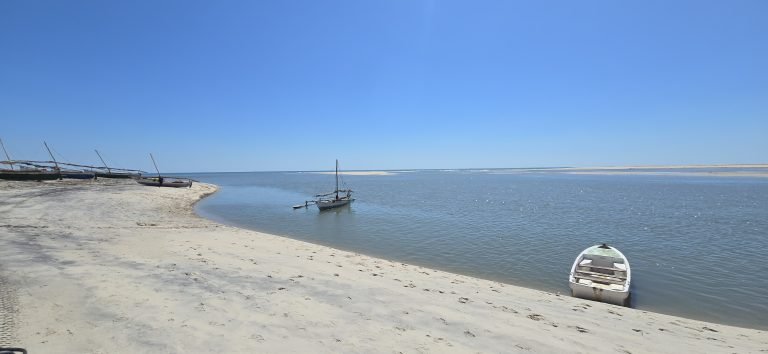
East Coast Madagascar Beaches
Madagascar’s east coast faces directly toward the Indian Ocean and is known for its lush landscapes, palm-lined shores, and long stretches of sand shaped by ocean waves. Compared with the more resort-oriented beaches of the north, many east coast beaches feel quieter and more natural, with small coastal towns and fishing communities scattered along the shoreline.
Some of the island’s most relaxed beach destinations can be found here, including the beautiful island of Île Sainte-Marie and the laid-back coastal village of Mahambo. Travelers often combine these beaches with rainforest parks and wildlife reserves in eastern Madagascar, creating a trip that mixes nature, culture, and time by the sea.
For a broader overview of destinations along this coastline, see the regional guide to Madagascar’s east coast and coastal cities.
These east coast destinations highlight another side of Madagascar beaches, where palm trees, ocean waves, and quiet villages create a peaceful setting for travelers exploring this part of the island.
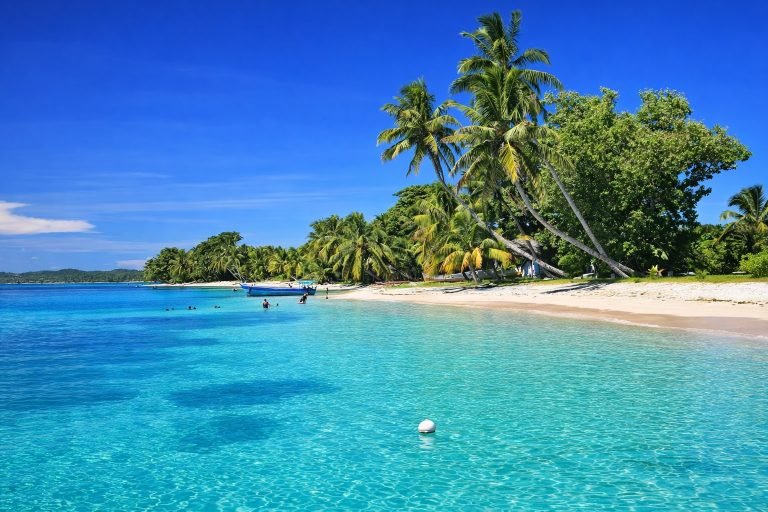
Île Sainte-Marie Beaches
Île Sainte-Marie, also known as Nosy Boraha, is one of the most peaceful beach destinations in Madagascar. The island lies just off the east coast and is known for its long palm-lined shores, quiet villages, and relaxed atmosphere. Unlike many tropical islands that have become heavily developed, Sainte-Marie still feels calm and authentic.
Several beaches stretch along the island’s coastline, offering soft sand and warm water ideal for swimming and snorkeling. The scenery combines coconut palms, wooden fishing boats, and small beachfront lodges that blend naturally into the landscape.
Between July and September, the waters around the island become one of the best whale watching areas in Madagascar. Humpback whales migrate through the channel between the island and the mainland, making this one of the few places where visitors can combine wildlife experiences with beautiful Madagascar beaches.
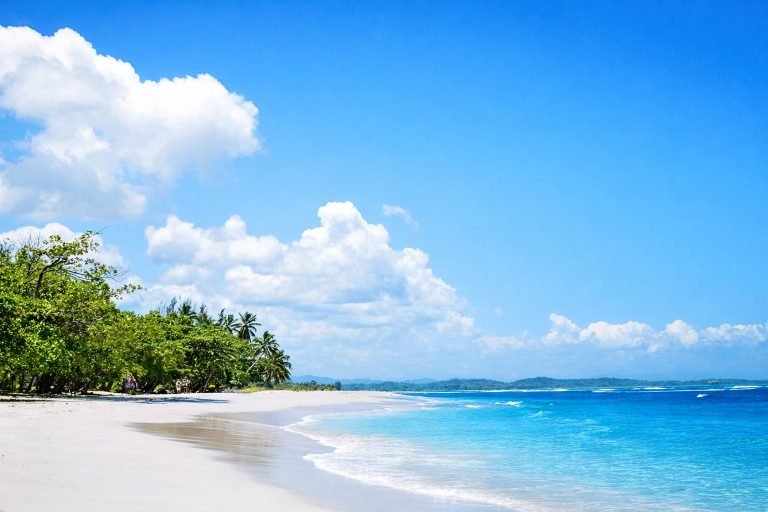
Mahambo Beach
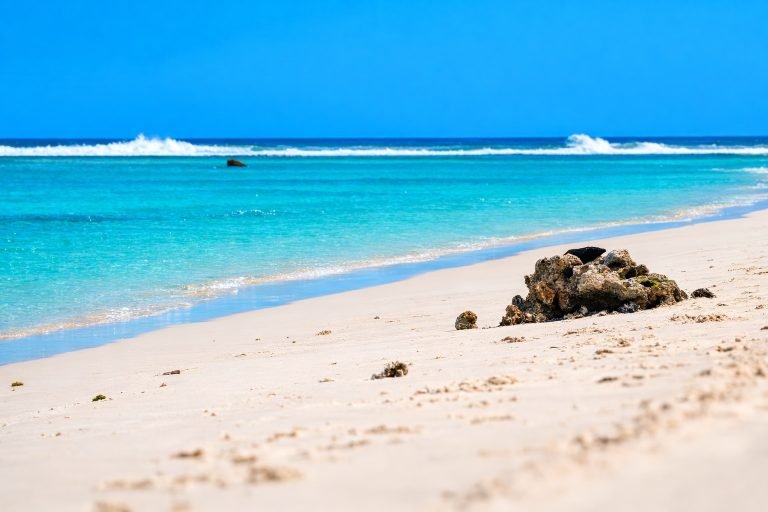
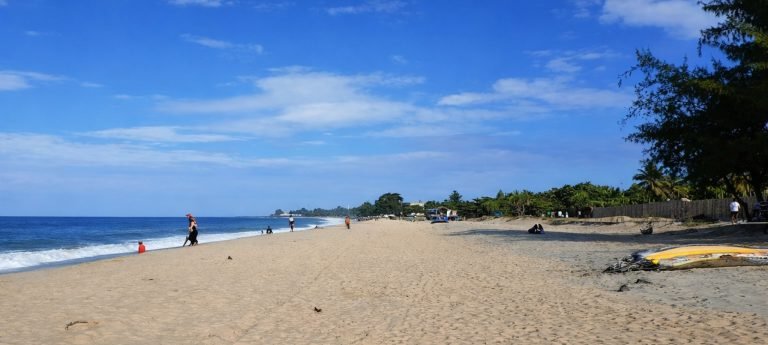
Mahambo is a small coastal village north of Toamasina that has quietly become one of the most relaxed beach destinations on Madagascar’s east coast. The beach stretches for several kilometers along the shoreline, with golden sand, palm trees, and rolling ocean waves.
Unlike some of the more famous Madagascar beaches, Mahambo remains largely uncrowded. Visitors often come here to enjoy a slower pace of travel, staying in small guesthouses near the water and spending time swimming, walking along the beach, or watching fishermen return with their catch.
Mahambo is also known among surfers as one of the few places in Madagascar where consistent waves break along the coast. Even for travelers who are not interested in surfing, the wide beach and relaxed village atmosphere make it an appealing stop along the east coast.
Foulpointe
Foulpointe is one of the easiest beach destinations to reach from Toamasina and has long been a favorite weekend escape for Malagasy travelers. The town sits along a wide stretch of sand protected by a coral reef that forms a shallow lagoon just offshore.
Because of this natural barrier, the water near the beach is usually calm and suitable for swimming. Small pirogues glide across the lagoon, and visitors often take short boat rides to explore the reef or nearby stretches of coastline.
Foulpointe also has a bit of history. The remains of an old fort built during the colonial period still stand near the shoreline, offering a glimpse into the region’s past. Combined with the relaxed beach atmosphere, this makes Foulpointe an interesting stop along Madagascar’s east coast.
Southwest Madagascar Beaches
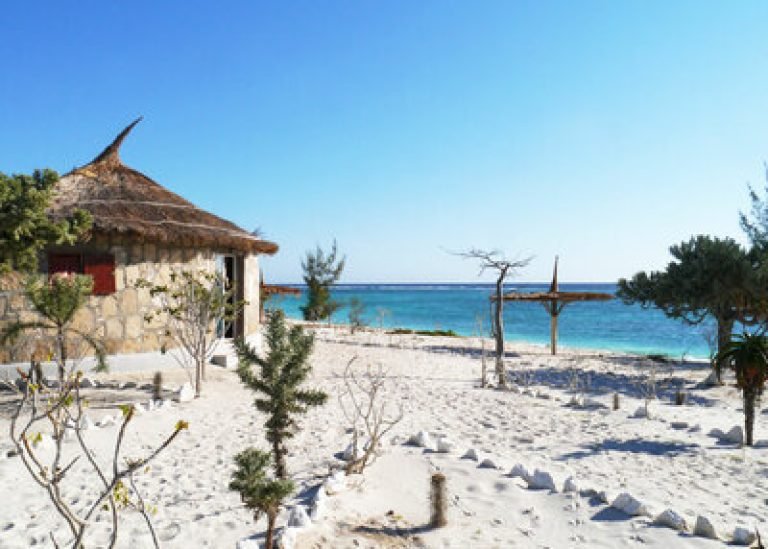
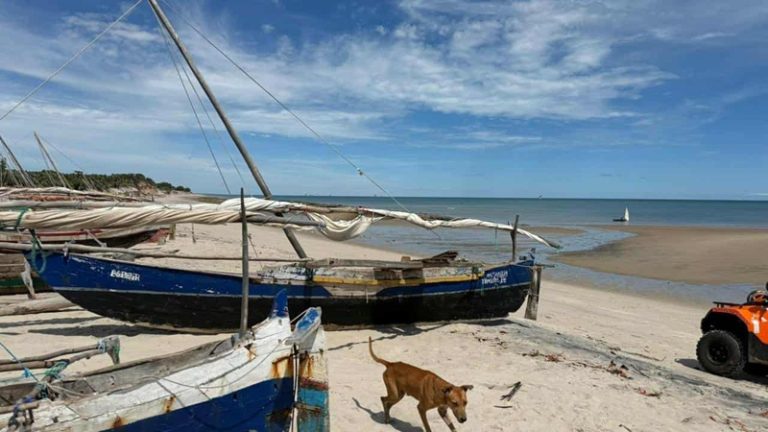
The southwest coast of Madagascar offers a very different beach experience from the lush east or the island scenery of the north. Here the landscape becomes drier and more open, with long stretches of sand, coral reefs, and traditional fishing villages scattered along the shoreline.
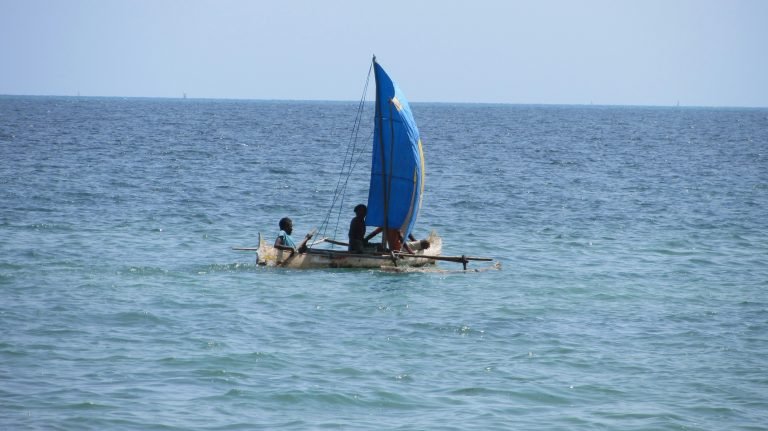
The coastal region near Toliara is particularly well known for its reefs and marine life. Offshore coral formations protect parts of the coast and create calm lagoons where travelers can swim, snorkel, or take boat trips to small islands. The area also provides a glimpse into the daily life of the Vezo people, a coastal community whose culture and livelihood are closely connected to the sea.
Some of the most well-known beaches in this region include Ifaty, Mangily, and Anakao, each offering a different atmosphere along Madagascar’s southwest coast. You can explore more destinations in this region in the regional guide here: Southern Madagascar: Toliara, Ifaty & Fort Dauphin.
These beaches reveal another side of Madagascar’s coastline, where coral reefs, fishing boats, and wide horizons define the character of the southwest.
Ifaty Beach
Ifaty Beach is one of the best known coastal destinations near Toliara and a popular base for travelers exploring the southwest of Madagascar. The beach stretches along a coral-protected lagoon where the water remains relatively calm compared with other parts of the coast.
Small beachfront lodges and guesthouses line parts of the shore, but the atmosphere remains relaxed and far from the large resort developments found in many other tropical destinations. Visitors often spend their days swimming in the lagoon, snorkeling along the nearby coral reef, or taking boat trips with local fishermen.
The surrounding region is also known for its unique landscapes. Spiny forests grow just inland from the coast, and several nature reserves nearby protect unusual plants and wildlife that are found only in southwestern Madagascar.
Mangily Beach
Mangily Beach lies just north of Ifaty and is part of the same coastal stretch near Toliara. While the two destinations are often mentioned together, Mangily tends to feel quieter and slightly more remote. The beach runs along a wide lagoon protected by coral reefs, creating calm water that is ideal for swimming and snorkeling.
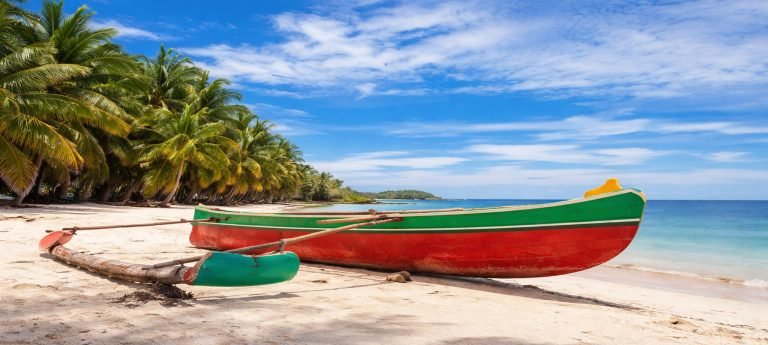
The village itself is small, with a handful of guesthouses and beachfront restaurants overlooking the sea. Traditional Vezo fishing boats are often pulled up onto the sand, and daily life unfolds slowly along the coast.
Mangily is also a convenient base for exploring nearby marine areas. Boat trips can take visitors out to coral reefs or small offshore islands, where the clear water and marine life make snorkeling particularly rewarding.
Anakao Beach
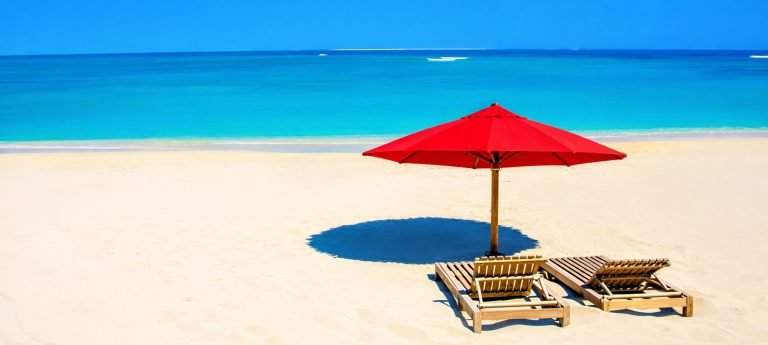
Anakao Beach lies south of Toliara on a remote stretch of coastline that can be reached by boat or by a long road journey through the southwest of Madagascar. The village sits beside a wide sandy beach where fishing boats rest on the shore and the sea stretches toward the open Mozambique Channel.
The beach here is known for its clear water and relaxed atmosphere. Small beachfront lodges and guesthouses offer simple places to stay, and many visitors spend their days swimming, walking along the sand, or watching local fishermen launch their pirogues into the ocean.
Anakao is also a gateway to nearby marine areas, including coral reefs and offshore islands where snorkeling and diving are popular. The combination of quiet beaches and traditional coastal life makes this one of the most distinctive Madagascar beaches along the southwest coast.
Nosy Ve
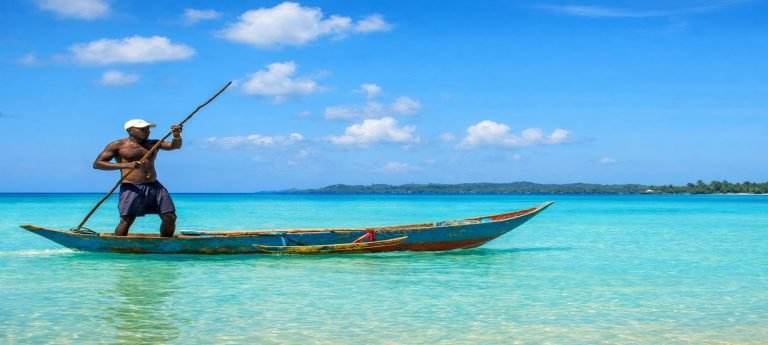
Nosy Ve is a small offshore island located not far from Anakao and is one of the most beautiful marine areas along Madagascar’s southwest coast. The island itself is uninhabited and protected, surrounded by bright turquoise water and coral reefs that make it a favorite destination for snorkeling and boat excursions.
Although visitors cannot stay overnight on the island, many travelers take day trips from Anakao to explore the surrounding lagoon. The clear water and coral formations attract a wide range of marine life, and the island is also known for its seabird colonies.
The scenery around Nosy Ve captures the remote character of Madagascar beaches in this region. With white sand, open ocean views, and very little development, the island offers a glimpse of how much of Madagascar’s coastline still feels wild and untouched.
Far South Madagascar Beaches
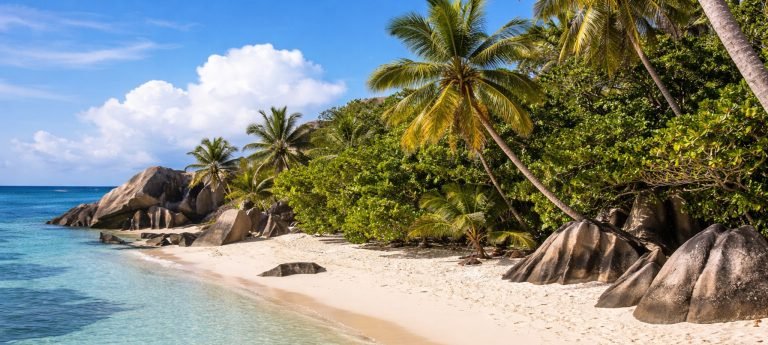
The far south of Madagascar offers some of the most dramatic coastal scenery on the island. Around the city of Fort Dauphin, the landscape shifts again. Mountains, forests, and ocean cliffs create a striking contrast with wide beaches and powerful waves from the Indian Ocean.
This region feels more rugged and remote than many other beach areas in Madagascar. Travelers often come here to combine wildlife exploration, national parks, and quiet coastal scenery in a single trip. The coastline around Fort Dauphin includes several beautiful beaches that remain largely uncrowded.
To explore the region in more detail, see the regional guide here: Southern Madagascar: Toliara, Ifaty & Fort Dauphin.
Some of the most memorable Madagascar beaches in the south include Libanona Beach near Fort Dauphin as well as more remote coastal landscapes such as Lokaro and Manafiafy.
Libanona Beach (Fort Dauphin)
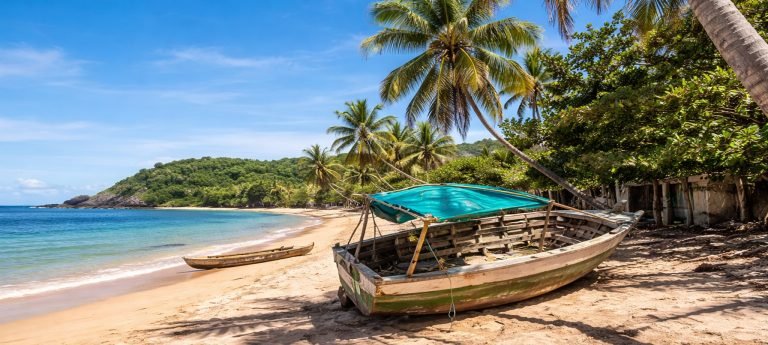
Libanona Beach sits just outside Fort Dauphin and is one of the most accessible beaches in southern Madagascar. The beach curves along a sheltered bay where clear water meets soft sand and large rock formations rise along the shoreline.
Because of its location near town, Libanona is popular with both travelers and local residents. Visitors often come here to swim, walk along the sand, or enjoy views of fishing boats moving across the bay. Small restaurants and guesthouses nearby make it easy to spend a relaxed afternoon by the sea.
The surrounding scenery also adds to the appeal of the beach. Hills and green landscapes rise behind the coastline, creating a setting that feels very different from the flatter coastal areas of southwestern Madagascar.
Lokaro Beach
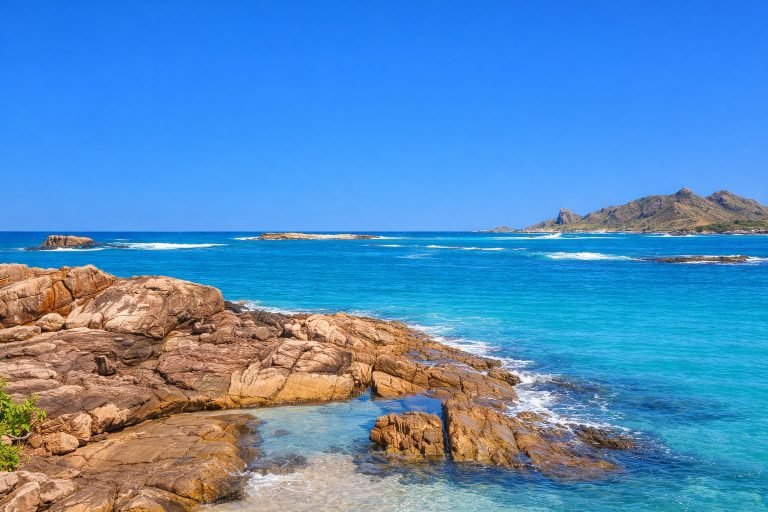
Lokaro Beach lies about an hour east of Fort Dauphin and is often considered one of the most scenic coastal landscapes in southern Madagascar. The beach sits along a sheltered bay where pale sand meets deep blue water, framed by hills and rocky headlands that create a dramatic natural setting.
The journey to Lokaro is part of the experience. Visitors typically travel by boat across the bay or follow rough tracks through coastal forest before arriving at the beach. Because of its location, Lokaro remains relatively quiet compared with more accessible Madagascar beaches.
The bay is protected from strong ocean currents, which makes the water calmer than many other beaches along the southern coast. Travelers often spend time swimming, exploring the surrounding hills, or simply enjoying the sense of space and isolation that defines this part of Madagascar.
Manafiafy Beach
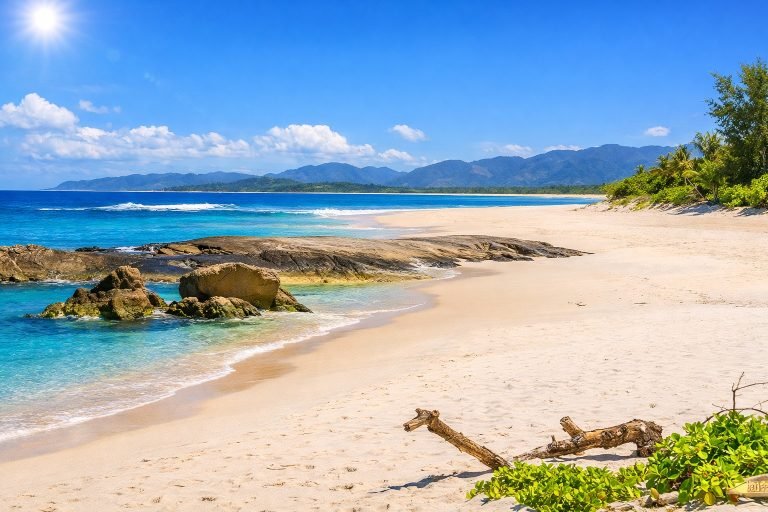
Manafiafy Beach lies southeast of Fort Dauphin along a remote stretch of Madagascar’s southern coastline. The area is known for its combination of forest, lagoons, and ocean scenery, where the beach meets natural landscapes that feel largely untouched.
The shoreline here is long and often empty, with powerful waves rolling in from the Indian Ocean. Unlike the calmer lagoon beaches found elsewhere in Madagascar, Manafiafy has a wilder character that reflects the remote nature of this part of the island.
The nearby Manafiafy forest and coastal ecosystems are home to a variety of wildlife, and some travelers visit the region specifically to experience both the rainforest and the beach in the same area. The result is a destination that combines nature, quiet coastal scenery, and a strong sense of isolation compared with more developed Madagascar beaches.
When to Visit Madagascar Beaches
Madagascar beaches can be visited throughout much of the year, but weather conditions vary across the island because of its size and geography. In general, the most comfortable period for beach travel is between April and November, when temperatures are warm and rainfall is lower in many regions.
During these months the skies are often clearer, sea conditions are calmer in several coastal areas, and travel around the island becomes easier. This period also overlaps with whale watching season around Île Sainte-Marie, when humpback whales migrate through the channel between July and September.
From December to March, Madagascar enters its rainy season. Tropical storms can affect parts of the island, especially along the east coast, where rainfall is heavier and seas can become rougher. Travel is still possible during this period, but beach conditions may be less predictable.
For a more detailed breakdown of weather patterns and seasonal travel advice across the island, see the guide to the best time to visit Madagascar.
How to Include Madagascar Beaches in Your Itinerary
Because Madagascar is one of the largest islands in the world, its beach destinations are spread across several very different regions. Reaching multiple coastal areas in a single trip usually requires a combination of domestic flights, road travel, and boat transfers. Understanding the geography of the island can help you decide which beaches fit best into your travel plans.
Many travelers begin with northern Madagascar, where Nosy Be offers easy access to tropical islands, coral reefs, and some of the most famous Madagascar beaches. Others prefer the quieter east coast, where destinations such as Île Sainte-Marie provide a peaceful atmosphere and seasonal whale watching.
In the southwest, the beaches around Toliara, Ifaty, and Anakao reveal a very different coastal landscape shaped by coral reefs and traditional fishing communities. Further south near Fort Dauphin, dramatic scenery and remote beaches create another unique side of Madagascar’s coastline.
Planning a route that combines wildlife, national parks, and coastal destinations often creates the most rewarding experience. For ideas on how to structure your trip across the island, see this suggested Madagascar itinerary. You can also learn more about transportation options between regions in this guide to getting around Madagascar.
By selecting one or two beach regions and combining them with other highlights across the island, travelers can experience both the natural beauty and the cultural diversity that make Madagascar such a memorable destination.
Final Thoughts and Where to Go Next
If you are just starting to explore the country, it helps to begin with a broader perspective. This complete Madagascar travel overview explains how the island’s regions connect and what you can expect when traveling across different parts of the country.
From there, many travelers begin shaping their journey region by region. In the north, this guide to Nosy Be and the northern coast introduces island landscapes, bays, and rainforest areas. Inland, exploring the Central Highlands and Antananarivo reveals a completely different side of Madagascar, with cooler climates, rice terraces, and historic towns.
Along the coastline, travel experiences vary widely depending on where you go. This west and east coast comparison highlights the differences between Madagascar’s contrasting coastal regions, while travel in southern Madagascar focuses on dry forests, baobabs, and remote beach environments.
If you are planning how to connect these regions, this Madagascar trip planning guide outlines realistic routes depending on how much time you have. To understand how movement works in practice, this guide to transport across Madagascar explains flights, road travel, and local connections.
When preparing for your trip, it also helps to think about practical details in advance. This accommodation guide for Madagascar helps you choose the right regions to stay in, while this Madagascar travel budget guide provides a realistic overview of expenses.
Because travel conditions can vary significantly across the island, preparing properly makes a big difference. This packing guide for Madagascar travel covers what to bring for different climates and regions, while this Madagascar entry requirements and visa guide helps ensure a smooth arrival.
Timing your visit is also important, especially if your trip includes national parks or coastal travel. This Madagascar seasonal travel guide explains how weather patterns change throughout the year. For day-to-day logistics, this practical travel tips for Madagascar covers money, connectivity, and local expectations, while understanding safety in Madagascar provides a clear overview of what travelers can expect.
Beyond landscapes, Madagascar is also known for its wildlife. If seeing lemurs is part of your trip, this guide to spotting lemurs in Madagascar explains where to find them in the wild.
For a deeper look at protected ecosystems, this Madagascar national parks overview highlights the best places to experience rainforests, wildlife, and unique landscapes.
Together, these guides form a connected Madagascar travel series designed to help you explore the island step by step. Whether your trip focuses on beaches, wildlife, or cultural discovery, Madagascar rewards travelers who take the time to experience it slowly.
Frequently Asked Questions About Madagascar Beaches
- Does Madagascar have good beaches?
Yes. Madagascar has nearly 5,000 kilometers of coastline, with tropical islands, white-sand beaches, turquoise lagoons, coral reefs and wild stretches of coast. Some of the best-known beach areas are around Nosy Be, Île Sainte-Marie, Ifaty, Anakao and Fort Dauphin. - Where are the best beaches in Madagascar?
Some of the best beaches in Madagascar are found around Nosy Be and Nosy Iranja in the north, Île Sainte-Marie on the east coast, Ifaty and Anakao in the southwest, and around Fort Dauphin in the far south. Each region offers a very different beach experience. - What is the most beautiful beach in Madagascar?
There is no single best beach, but Nosy Iranja is one of Madagascar's most spectacular beach destinations thanks to its white sandbar and surrounding turquoise water. Andilana Beach, the Emerald Sea, Île Sainte-Marie, Anakao and Lokaro are also among the island's most scenic coastal destinations. - What is the best beach destination in Madagascar?
Nosy Be is one of the best beach destinations in Madagascar for first-time visitors because it combines tropical beaches with accommodation, restaurants and easy access to nearby islands. Travelers looking for somewhere quieter may prefer Île Sainte-Marie, Anakao or the more remote beaches around Fort Dauphin. - What are the best beaches in Nosy Be?
Andilana Beach and Madirokely Beach are two of the best-known beaches on Nosy Be. Andilana offers a long sandy shoreline and calm water, while Madirokely has a livelier atmosphere with restaurants, boat trips and easy access to nearby Ambatoloaka. - Where are the best white-sand beaches in Madagascar?
Nosy Iranja is particularly famous for its bright white sand and turquoise water. Beautiful pale-sand beaches can also be found around Nosy Be, Île Sainte-Marie, Anakao and several smaller islands and coastal areas around Madagascar. - Where can you find turquoise water in Madagascar?
Some of Madagascar's most striking turquoise water can be found around Nosy Be, Nosy Iranja and the Emerald Sea near Ramena. The coral lagoons around Ifaty, Mangily and Anakao in southwestern Madagascar can also have beautifully clear blue and turquoise water. - What are the best beaches near Antsiranana or Diego Suarez?
Ramena Beach is one of the easiest beaches to visit near Antsiranana, also known as Diego Suarez. Ramena is also the main departure point for excursions to the Emerald Sea, a spectacular shallow lagoon known for its clear turquoise water, coral reefs and sandbanks. - What are the best beaches on Madagascar's east coast?
Île Sainte-Marie, Mahambo and Foulpointe are among the best-known beach destinations on Madagascar's east coast. Sainte-Marie offers a tropical island atmosphere and seasonal whale watching, while Mahambo is quieter and popular with surfers. Foulpointe has a reef-protected lagoon suitable for swimming. - What are the best beaches in southern Madagascar?
The south and southwest offer several excellent beaches, including Ifaty, Mangily, Anakao, Nosy Ve, Libanona, Lokaro and Manafiafy. Beaches around Toliara are known for lagoons, reefs and Vezo fishing communities, while the coastline around Fort Dauphin is greener, wilder and more dramatic. - Can you swim at the beaches in Madagascar?
Yes, swimming is possible at many Madagascar beaches, particularly in sheltered bays and reef-protected lagoons. Conditions vary considerably around the island, however, and some exposed beaches can have strong waves or currents. Check local conditions before entering the water. - Where are the best beaches in Madagascar for swimming?
Sheltered beaches and lagoons generally provide the best swimming conditions. Andilana Beach, Madirokely, the Emerald Sea and reef-protected areas around Ifaty and Mangily are among the places known for relatively calm water, although sea conditions can change with weather and tides. - Where are the best beaches in Madagascar for snorkeling?
Northern Madagascar and the southwest coast offer excellent snorkeling opportunities. The waters around Nosy Be, Nosy Tanikely, the Emerald Sea, Nosy Iranja, Ifaty, Anakao and Nosy Ve contain reefs and marine environments that can be explored on snorkeling and boat excursions. - Where are the best beaches in Madagascar for surfing?
Mahambo on Madagascar's east coast is known for its surf and attracts travelers looking for more consistent waves. Other exposed coastal areas can also offer surfing conditions, but Madagascar is better known internationally for its tropical beaches, reefs and marine landscapes than as a major surfing destination. - Are there quiet and uncrowded beaches in Madagascar?
Yes. Many Madagascar beaches remain relatively quiet compared with major tropical destinations elsewhere in the Indian Ocean. Outside the most popular areas of Nosy Be, travelers can find uncrowded stretches of coast around Île Sainte-Marie, Mahambo, Anakao, Manafiafy and other remote coastal communities. - What is the best time to visit Madagascar beaches?
April to November is generally the most comfortable period for beach travel in many parts of Madagascar, with drier conditions and easier travel. Weather varies significantly by region, however, and the east coast can experience different rainfall and sea conditions from the west and southwest. - When is the rainy season at Madagascar beaches?
Madagascar's main rainy season generally runs from November or December through March or April. Tropical storms and cyclones can affect parts of the island during this period, particularly the eastern and northern regions, so travelers planning a beach-focused trip should check seasonal conditions carefully. - Can you see whales from Madagascar beaches?
Île Sainte-Marie is one of Madagascar's best-known whale-watching destinations. Humpback whales migrate through the waters around the island during the austral winter, particularly from July to September, making it possible to combine a beach stay with seasonal whale-watching excursions. - Is Nosy Be or Île Sainte-Marie better for beaches?
Nosy Be is generally better for travelers who want a more developed beach destination with island excursions, restaurants and a wider choice of accommodation. Île Sainte-Marie has a quieter atmosphere and is particularly attractive for travelers looking for peaceful beaches and seasonal humpback whale watching. - Is Madagascar good for a beach holiday?
Yes, especially for travelers who prefer less-developed tropical destinations. Madagascar can combine beaches with wildlife, national parks, local culture and island excursions. Because the country's best beach regions are spread far apart, it is usually better to choose one or two coastal areas rather than trying to visit them all in a single trip. - How many days do you need for a Madagascar beach holiday?
Three to five days can work well for relaxing in one beach destination, while a week gives you more time for boat trips, snorkeling and nearby islands or coastal attractions. Travelers combining beaches with Madagascar's national parks and wildlife destinations will generally need a considerably longer overall itinerary. - How do you get to the best beaches in Madagascar?
Getting to Madagascar's beaches depends heavily on the region. Some destinations require domestic flights followed by road transfers, while offshore islands may require boat connections. Because distances are large and road journeys can be slow, choosing beaches that fit naturally into your wider Madagascar itinerary can save considerable travel time. - Are Madagascar beaches expensive to visit?
Costs vary considerably. Local beach towns and simple guesthouses can be relatively affordable, while remote island resorts, private transfers, domestic flights and boat excursions can increase the cost substantially. Transport is often one of the biggest expenses when visiting several beach regions during the same trip. - Are Madagascar beaches safe for tourists?
Many of Madagascar's established beach destinations are regularly visited by travelers, but normal precautions still apply. Keep valuables secure, arrange reliable transportation and ask locally about swimming conditions, currents and weather before entering unfamiliar water. Remote beaches may have limited infrastructure or emergency services. - Which Madagascar beaches are best for a first-time visitor?
Nosy Be is one of the easiest choices for a first-time beach visit because it combines good tourism infrastructure with beaches and access to nearby islands. Travelers already exploring southern Madagascar may find Ifaty or Anakao easier to incorporate, while Île Sainte-Marie works particularly well with an east coast itinerary.
Travel Resources to Plan, Book & Stay Connected
Use these tools and guides to stay connected abroad, find inspiration for your next trip, and book your flights, stays and gear with confidence.
Disclosure: This article may contain affiliate links. If you make a purchase through a link, I may receive a commission at no extra cost to you. I only share recommendations I believe are genuinely useful, and all opinions are my own. AI was used in this post for research and drafting purposes.

Comment (0)