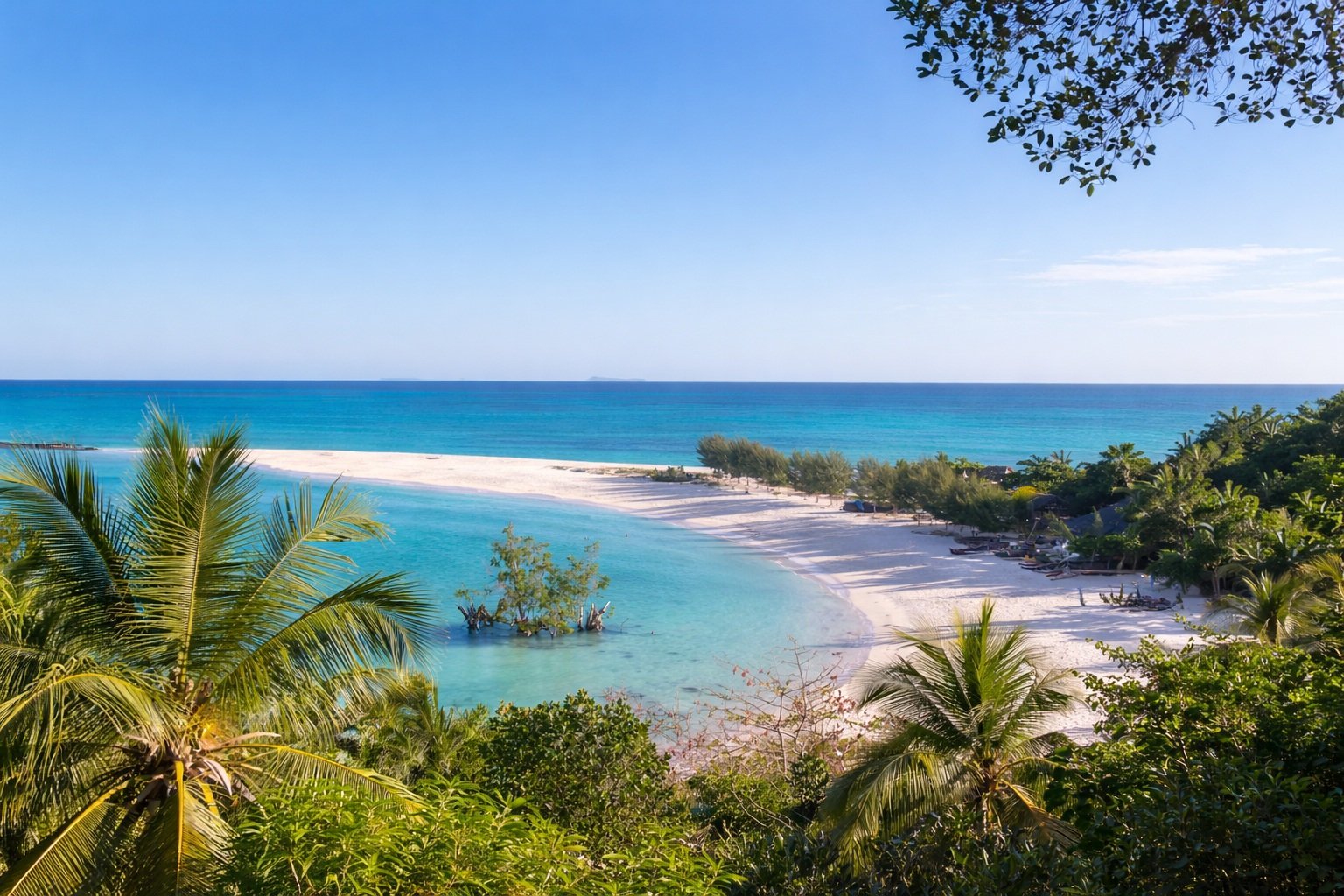
🛏️ Where to Stay in Madagascar: Quick Overview
This guide is for travelers trying to decide which parts of Madagascar make the most sense for their route, budget, and travel style, whether that means rainforest lodges, beach stays, national park bases, or practical overnight stops between long travel days.
This guide covers:
• The best places to stay in Madagascar by region
• Which areas are best for wildlife, beaches, hiking, and first-time visitors
• How long to stay in each destination
• The pros and cons of each base
• Accommodation budgets from simple guesthouses to higher-end lodges
• Practical booking advice for planning a smoother trip
Start with the where to go in Madagascar for a full island overview, use this Madagascar itinerary to map out your route, explore the main regions through the Central Highlands, Northern Madagascar, Majunga & Tamatave, and Southern Madagascar, and estimate your accommodation and transport costs with this Madagascar travel cost guide.
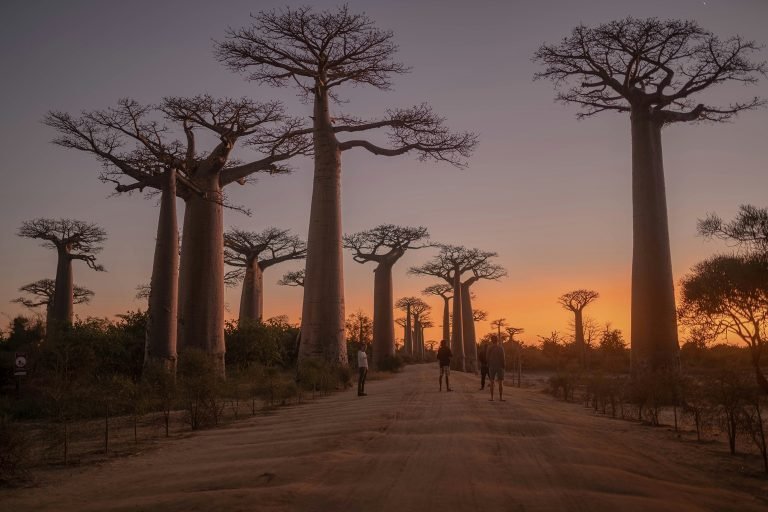
Where to Stay in Madagascar: Why Your Base Matters More Than You Think
Deciding where to stay in Madagascar is not a simple matter of picking a city and booking a hotel. Madagascar is a large, fragmented island where travel takes time, infrastructure is limited, and each region offers a completely different experience.
When planning where to stay in Madagascar, you are not choosing a single base. You are choosing a sequence of locations that shape your entire itinerary. Rainforests, national parks, beaches, and remote landscapes are spread across the island, often separated by long drives or domestic flights.
This means your accommodation choices directly impact how much you can realistically see, how comfortable your journey feels, and how efficiently you move between destinations. A poorly planned route can lead to exhausting travel days, while a well-structured plan allows you to experience the country at a much more enjoyable pace.
Instead of focusing on individual hotels, the key is to understand which regions to stay in, how long to spend in each, and how to connect them into a logical route. Once that structure is clear, choosing accommodation becomes far easier and far more effective.
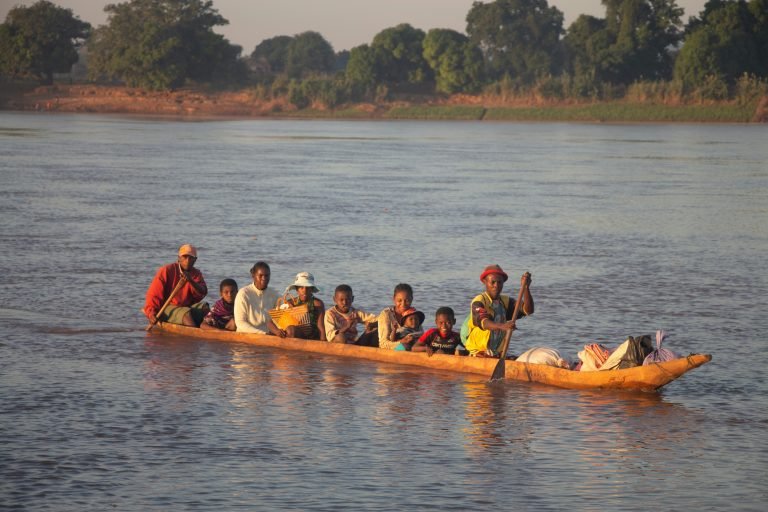
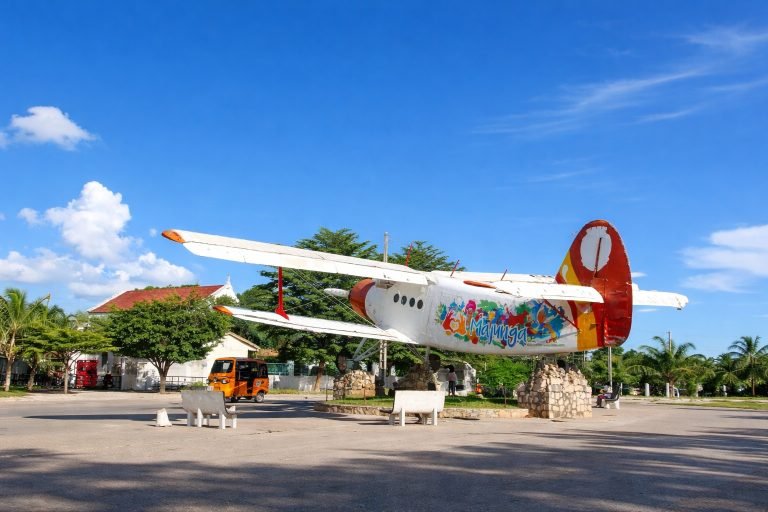
🎯 Best Places to Stay in Madagascar by Travel Style
Choosing where to stay in Madagascar becomes much easier once you stop thinking in terms of hotels and start thinking in terms of travel style. Madagascar is not a destination where one base fits every kind of trip. Some areas are better for first-time visitors, some are much stronger for wildlife, some work best if you want beach time and easier logistics, and others are only worth choosing if you have more time and are comfortable with rougher travel conditions.
The right places to stay in Madagascar depend on what you want your trip to feel like. Do you want a balanced first introduction to the island, a nature-heavy itinerary focused on national parks, a beach break with easier travel, or a more adventurous route that takes you into remote regions? Each of these calls for a different set of bases.
First-Time Visitors: Stay Somewhere Practical, Rewarding, and Easy to Combine
If this is your first trip to Madagascar, the best places to stay are the ones that give you a real sense of the country without making logistics unnecessarily difficult. That usually means combining Antananarivo and the Central Highlands with one or two additional destinations that are relatively straightforward to add.
A classic first trip often starts with one night in Antananarivo, followed by 1 to 2 nights in Andasibe for rainforest and lemurs, and then either a landscape-focused stop such as Isalo in southern Madagascar or a beach finish in Northern Madagascar, especially around Nosy Be. If you decide to give the capital more than an overnight stop, there are plenty of places to explore in Antananarivo, from the Rova and historic Upper Town to markets, restaurants and nightlife.
This works well because it gives you three very different sides of the island: urban arrival and cultural context in the highlands, wildlife and rainforest near Andasibe, and either dramatic scenery or coastline to round out the trip. It also keeps your route relatively manageable, which is important in a country where travel takes longer than many visitors expect.
For first-time visitors, the best places to stay are usually those that feel rewarding without demanding too much logistical effort. Antananarivo, Andasibe, Isalo, and Nosy Be all fit that description well.
Wildlife and Nature Lovers: Stay Close to Rainforest and National Parks
If wildlife is your main reason for visiting Madagascar, your accommodation should be chosen almost entirely around proximity to parks, reserves, and natural habitats. This is not the kind of trip where you stay in a comfortable central base and take easy day trips. You need to sleep near the places where wildlife viewing actually happens.
The strongest bases for this kind of trip include Andasibe for indri and rainforest wildlife, Ranomafana for more humid forest and biodiversity, and the more remote northern areas covered in this Northern Madagascar guide, where places like Masoala and Marojejy appeal to travelers who want a more immersive, less conventional nature experience.
The advantage of staying in these areas is obvious: early park access, shorter transfer times, and a much stronger chance of seeing wildlife during the best hours of the day. Morning and late afternoon are often the most rewarding times in Madagascar’s forests, so sleeping nearby makes a real difference.
The downside is that accommodation in these locations can be simpler than travelers expect, even at mid-range prices. But if your priority is lemurs, rainforest, endemic birds, and guided nature experiences, staying close to the parks is far more important than chasing comfort in the wrong place.
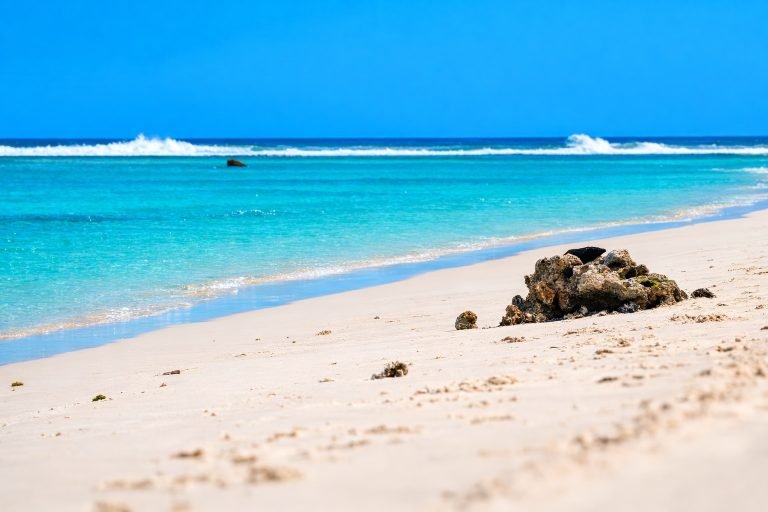
Beach and Relaxation: Choose the Coast That Matches Your Pace
If your goal is to slow down, enjoy the sea, and recover after longer overland travel, Madagascar has several strong coastal options. The best choice depends on whether you want ease and comfort or a quieter, more laid-back atmosphere.
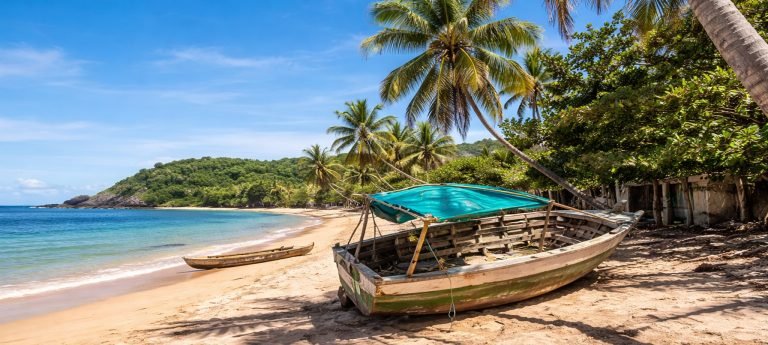
Nosy Be and the surrounding islands are usually the easiest option. This is the most developed beach area in Madagascar, with better hotel infrastructure, more organized excursions, and smoother travel conditions than many other parts of the island. It works especially well if you want a soft landing, a comfortable end to your trip, or a mix of beaches, boat outings, and easy tropical scenery.
Compare beachfront resorts, boutique hotels, luxury villas, and budget-friendly accommodations across Nosy Be. Find the perfect base near Andilana Beach, Ambatoloaka, Hell-Ville, Lokobe Reserve, and the island’s best beaches and excursions.
Find Hotels in Nosy BeIf you want something quieter and less polished, Sainte-Marie on the east coast can be a better fit. It has a slower rhythm, a more local feel, and stronger appeal for travelers who want a beach stay that feels less resort-driven. During whale season, it becomes even more attractive.
Compare beachfront resorts, boutique hotels, eco-lodges, and charming guesthouses across Sainte-Marie. Find the perfect base for whale watching, tropical beaches, island excursions, diving, and exploring one of Madagascar’s most relaxing destinations.
Find Hotels in Sainte-MarieFor travelers exploring the south, coastal bases in Ifaty and the southwest offer another beach option, but with a drier landscape and a more off-the-beaten-path feel. These are better suited to people already traveling through the south than to travelers looking for an easy standalone beach escape.
Compare beachfront resorts, eco-lodges, boutique hotels, and budget-friendly stays in Ifaty. Find the perfect base for snorkeling, diving, whale watching, exploring the spiny forest, and relaxing on Madagascar’s southwest coast.
Find Hotels in IfatySo if your main priority is convenience and comfort, Nosy Be is usually the strongest choice. If you want a quieter and more atmospheric coastal stay, Sainte-Marie often makes more sense. If you are already traveling through the south, Ifaty can fit well into that route.
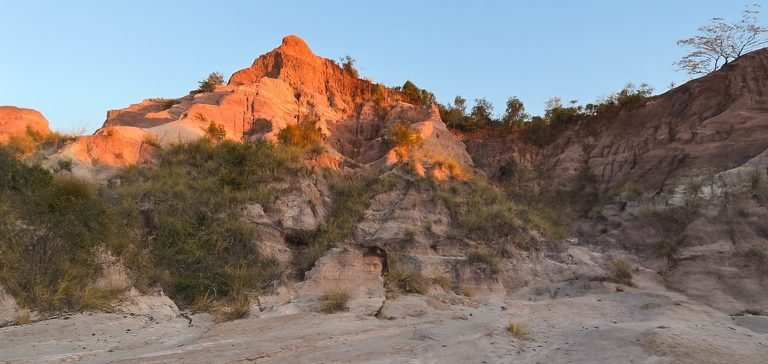
Adventure and Off-the-Beaten-Path Travel: Stay in Remote Bases and Accept More Basic Conditions
For travelers who want Madagascar at its rawest and least polished, the best places to stay are often also the hardest to reach. These are the bases that make sense if you are willing to spend more time on transport, accept more limited infrastructure, and prioritize experience over convenience.
Examples include the western access route towards Tsingy de Bemaraha and western Madagascar, the more remote rainforest areas of the Masoala Peninsula and northern Madagascar, and the harsher, less visited landscapes of the deep south.
Compare hotels, beachfront resorts, boutique stays, and guesthouses in Mahajanga and Western Madagascar. Find the perfect base for exploring Cirque Rouge, Ankarafantsika National Park, beautiful beaches, mangroves, and the region’s unique wildlife.
Find Hotels in Western MadagascarThese places are not the easiest choices, but they often deliver the strongest sense of discovery. Staying in these areas can mean long transfers, rough roads, changing plans, and hotels or lodges that are more functional than luxurious. In return, you get a side of Madagascar that feels less filtered, less crowded, and far more memorable.
This style of travel works best for people with more time, more patience, and a willingness to accept that transport and accommodation may not run as smoothly as they would in easier destinations. If that sounds appealing rather than stressful, remote bases can be some of the most rewarding places to stay in Madagascar.
Short Trips: Keep Your Bases Close Together
If you only have 7 to 10 days, the biggest mistake is trying to cover too many regions. Madagascar looks manageable on a map, but travel times quickly eat into your trip. In that timeframe, the best places to stay are the ones that let you experience the island without constantly being in transit.
That usually means starting with Antananarivo and Andasibe, then adding only one more destination. For some travelers, that extra stop is Isalo for scenery and hiking. For others, it makes more sense to finish in Nosy Be for beach time and a gentler ending.
Compare hotels, guesthouses, eco-lodges, and comfortable stays in Antananarivo and Andasibe. Whether you're exploring Madagascar's capital or heading into the rainforest to see lemurs and wildlife, find the perfect base for every stage of your journey.
The logic is simple: fewer bases, less exhaustion, and more time to actually enjoy where you are. On a short trip, a tighter route almost always beats a more ambitious itinerary.
If you are limited on time, the best places to stay in Madagascar are not necessarily the most famous ones. They are the ones that fit together realistically.
If you are comparing options across different regions, it helps to see how platforms and pricing vary. This hotel comparison guide gives you a clear overview of where to search, how to compare availability, and how to find the best options for your trip.
💰 Accommodation Prices in Madagascar
Accommodation is one of the most variable parts of the budget when deciding where to stay in Madagascar. Prices depend heavily on location, accessibility, and the level of infrastructure in the region. In major hubs and tourist areas, you will find a range of options, but in remote regions, choices are limited and prices can feel high for what you get.
It is also important to understand that Madagascar does not follow the same value logic as more developed destinations. A hotel that looks mid-range on paper may still be quite basic in terms of comfort, especially outside Antananarivo and the main tourist routes.
Budget Stays ($10–$25 per night)
Budget accommodation is widely available in cities and along overland routes. These are usually small guesthouses, basic hotels, or locally run stays. Expect simple rooms, limited facilities, and sometimes inconsistent water or electricity.
These places work well if you are moving frequently, traveling overland, or just need a functional place to sleep. In more remote areas, budget options may be the only available choice.
Mid-Range Hotels ($30–$80 per night)
This is the most common category for travelers and offers the best balance between comfort and practicality. In Antananarivo, Nosy Be, and well-visited areas, mid-range hotels can be quite comfortable, with private bathrooms, decent service, and sometimes air conditioning.
However, outside these areas, “mid-range” can still feel basic. You may pay $50–$70 per night for accommodation that would be considered budget in other countries. The value comes from location rather than luxury.
Higher-End Lodges and Resorts ($100+ per night)
Higher-end accommodation is concentrated in beach destinations and select national park areas. Nosy Be and Sainte-Marie offer the widest range of comfortable resorts, while eco-lodges near parks like Isalo or Andasibe focus more on experience than luxury.
These stays often include better service, stronger design, and more reliable facilities, but even at this level, Madagascar rarely matches the standards of established luxury destinations. You are often paying for location, isolation, and access to nature.
Regional Differences Matter
Prices and quality vary significantly depending on where you are. Antananarivo offers the widest choice and the best value for money. Nosy Be has the most developed hotel scene, while areas like Andasibe and Isalo focus on functional lodges close to the parks. In remote regions such as the west or deep south, options become more limited and prices can rise due to logistics.
Hidden Costs and Practical Considerations
Some accommodations include breakfast, while others charge extra. In remote lodges, meals may be your only option and can add significantly to your daily budget. Power cuts, limited Wi-Fi, and basic facilities are common, even in mid-range properties.
Location is often more important than comfort. Staying close to a park entrance or transport route can save hours of travel time and make your trip far more enjoyable.
If you want to compare availability, prices, and platforms before booking, this hotel comparison guide can help you understand where to search and how to find the best options.
For a broader overview of accommodation options across the island, including where to look in each region, you can also explore this Madagascar hotels guide to get a clearer picture of what is available and how to choose the right stay for your route.
While accommodation is an important part of your budget, it is rarely the most expensive one. Transport and logistics usually have a much bigger impact, but choosing the right place to stay can dramatically improve your overall experience.
🛎️ Practical Booking Tips for Madagascar
Booking accommodation in Madagascar requires a different approach than in most destinations. Availability is limited in many regions, transport is unpredictable, and what you see online does not always match reality on the ground. Planning ahead, while staying flexible, is key.
Book Key Stops Early, Not Everything
In places like Andasibe, Isalo, and Nosy Be, accommodation options can fill up quickly, especially during peak travel periods. It is worth securing your key stops in advance, particularly in areas where there are only a handful of viable hotels.
At the same time, overbooking your entire trip can create problems. Delays are common in Madagascar, whether due to road conditions, vehicle issues, or changes in domestic flights. Leaving some flexibility between stops can make your trip much smoother.
Do Not Rely Blindly on Online Listings
Photos and descriptions on booking platforms are not always up to date. Some properties look significantly better online than they do in reality, especially in remote regions.
Always check recent reviews and look for consistent feedback rather than relying on high ratings alone. A hotel with slightly lower ratings but more detailed and recent reviews is often the safer choice.
Location Is More Important Than Comfort
In Madagascar, staying close to your point of interest is often far more valuable than staying in a more comfortable hotel that requires long daily travel.
For example, staying near a national park entrance allows you to start early and avoid long transfers, which can make a significant difference to your experience. The same applies to transport hubs and ferry points.
Understand That Standards Vary Widely
Accommodation categories are not always consistent. A “mid-range” hotel in Antananarivo may feel very different from a mid-range lodge in a remote park area.
Expect variations in water pressure, electricity, Wi-Fi, and overall maintenance. This is normal and part of traveling in Madagascar.
Plan Around Your Transport, Not Just Your Stay
Where you stay should always be aligned with how you are moving between destinations. Long travel days are common, and arriving late is not unusual.
It helps to coordinate your accommodation with your route using this getting around Madagascar guide, so you can avoid unrealistic connections and unnecessary backtracking.
Meals and On-Site Services Matter
In many areas, especially near national parks or in remote regions, your accommodation may also be your only practical option for meals. Some lodges offer full-board or set menus, while others charge separately for each meal.
Checking this in advance can help you avoid unexpected costs and plan your daily budget more accurately.
Compare Platforms Before Booking
Availability and pricing can vary significantly depending on where you search. Some hotels appear on multiple platforms with different rates, while others may only be listed locally.
Using this hotel comparison guide can help you identify where to look and how to secure the best option for your trip.
Taking the time to approach booking carefully will not only save you money, but also prevent many of the common frustrations travelers encounter in Madagascar.
🔗 Continue Planning Your Madagascar Trip
Choosing where to stay in Madagascar is closely linked to how you move around the island, what you want to experience, and how much time you have. To plan effectively, it helps to connect accommodation decisions with a clear route and realistic travel expectations.
To get a full picture of the country, start with this complete Madagascar travel overview, then map out your journey using this Madagascar route planner. You can also explore how to travel between regions in Madagascar to better understand distances, road conditions, and travel times across the island.
Seasonality and preparation can also influence where it makes sense to stay. Reviewing the best time to travel in Madagascar helps you align your accommodation choices with weather conditions, while this Madagascar packing checklist ensures you are ready for different regions and environments. For staying connected throughout your trip, this SIM vs eSIM in Madagascar guide explains how mobile data works across the island, including coverage, costs, and what to expect in remote areas. Before departure, it is also worth checking Madagascar entry and visa requirements to avoid surprises on arrival.
To refine your plans further, explore each region in more detail:
• exploring Antananarivo and the Central Highlands for your main gateway and rainforest access
• discovering northern Madagascar for Nosy Be, island beaches, and coastal scenery
• Madagascar’s western and eastern regions for baobabs, Tsingy, and contrasting coastlines
• traveling through southern Madagascar for Isalo, desert landscapes, and remote coastlines
If you are budgeting your trip alongside accommodation choices, this Madagascar budget planning guide helps you estimate daily expenses, transport, and lodging together. You can also review what to expect in terms of safety in Madagascar when choosing areas and accommodations.
Once these elements come together, deciding where to stay in Madagascar becomes much clearer and allows you to build a trip that feels both realistic and rewarding.

🧭 Essential Tips for Choosing Where to Stay in Madagascar
• Plan your route first, then your stays
Madagascar is a route-based destination. Where you stay depends entirely on how you move across the island, not the other way around. Start with your itinerary before looking at hotels, and take time to understand
how travel flows across the island
so your accommodation choices align with realistic travel days.
• Do not underestimate travel times
Distances may look short on a map, but roads are slow and conditions vary. Always choose accommodation that fits your travel day, not just your ideal destination.
• Stay close to what you came to see
Whether it’s a national park, beach, or specific landscape, staying nearby will save time, reduce fatigue, and improve your overall experience.
• Expect simple comfort, not luxury standards
Even mid-range and higher-end stays can feel basic compared to other destinations. Focus on location, cleanliness, and reliability rather than luxury expectations.
• Book key stops, stay flexible elsewhere
Secure accommodation in high-demand areas like Andasibe, Isalo, and Nosy Be, but leave some flexibility in between to adapt to delays or changes in plans.
• Cash is often required
Many smaller hotels and guesthouses do not accept cards. Make sure you carry enough local currency, especially when traveling outside major hubs.
• Meals are often tied to your accommodation
In remote areas, your hotel may be your only dining option. Check whether meals are included or charged separately to avoid surprises.
• Use trusted sources to compare options
Before booking, it helps to check availability and pricing across platforms using this hotel comparison guide, especially in areas with limited choices.
These small decisions make a big difference in Madagascar. Choosing the right place to stay is not just about comfort, it is about making your entire trip smoother, more efficient, and far more enjoyable.
For up-to-date travel information, seasonal considerations, and general planning advice, it is also worth checking the official Madagascar Tourism Board website, which provides useful insights into regions, activities, and practical travel details before your trip.
❓ FAQ: Where to Stay in Madagascar
• Where is the best place to stay in Madagascar for first-time visitors?
Most first-time visitors combine Antananarivo with Andasibe and either Isalo or Nosy Be. This gives a balanced mix of wildlife, landscapes, and relaxation without overly complex logistics.
• Is it better to stay in one place or move around Madagascar?
It is much better to move between regions. Madagascar is large, and each area offers a different experience. Staying in one place would limit what you can see.
• How many nights should I stay in each destination?
Most travelers spend 1 night in Antananarivo, 1–2 nights in Andasibe, 2–3 nights in Isalo, and 3–5 nights in beach destinations like Nosy Be or Sainte-Marie.
• Is accommodation in Madagascar expensive?
Accommodation can be affordable, but prices do not always reflect comfort levels. Budget stays can start around $10–$25, while mid-range hotels typically range from $30–$80 per night.
• Do I need to book accommodation in advance?
Yes, especially in popular areas like Andasibe, Isalo, and Nosy Be. Availability can be limited, and last-minute options are not always reliable.
• Are hotels in Madagascar reliable?
Standards vary significantly. Reviews are important, as photos and descriptions can be outdated or inaccurate, particularly in remote areas.
• What is the best area for beaches in Madagascar?
Nosy Be is the easiest and most developed beach destination, while Sainte-Marie offers a quieter and more relaxed alternative.
• Can I find luxury accommodation in Madagascar?
Yes, particularly in Nosy Be, Sainte-Marie, and some national park lodges. However, even higher-end options may feel simpler than luxury standards in other countries.
Travel Resources to Plan, Book & Stay Connected
Use these tools and guides to stay connected abroad, find inspiration for your next trip, and book your flights, stays and gear with confidence.
Disclosure: This article may contain affiliate links. If you make a purchase through a link, I may receive a commission at no extra cost to you. I only share recommendations I believe are genuinely useful, and all opinions are my own. AI was used in this post for research and drafting purposes.

Comment (0)