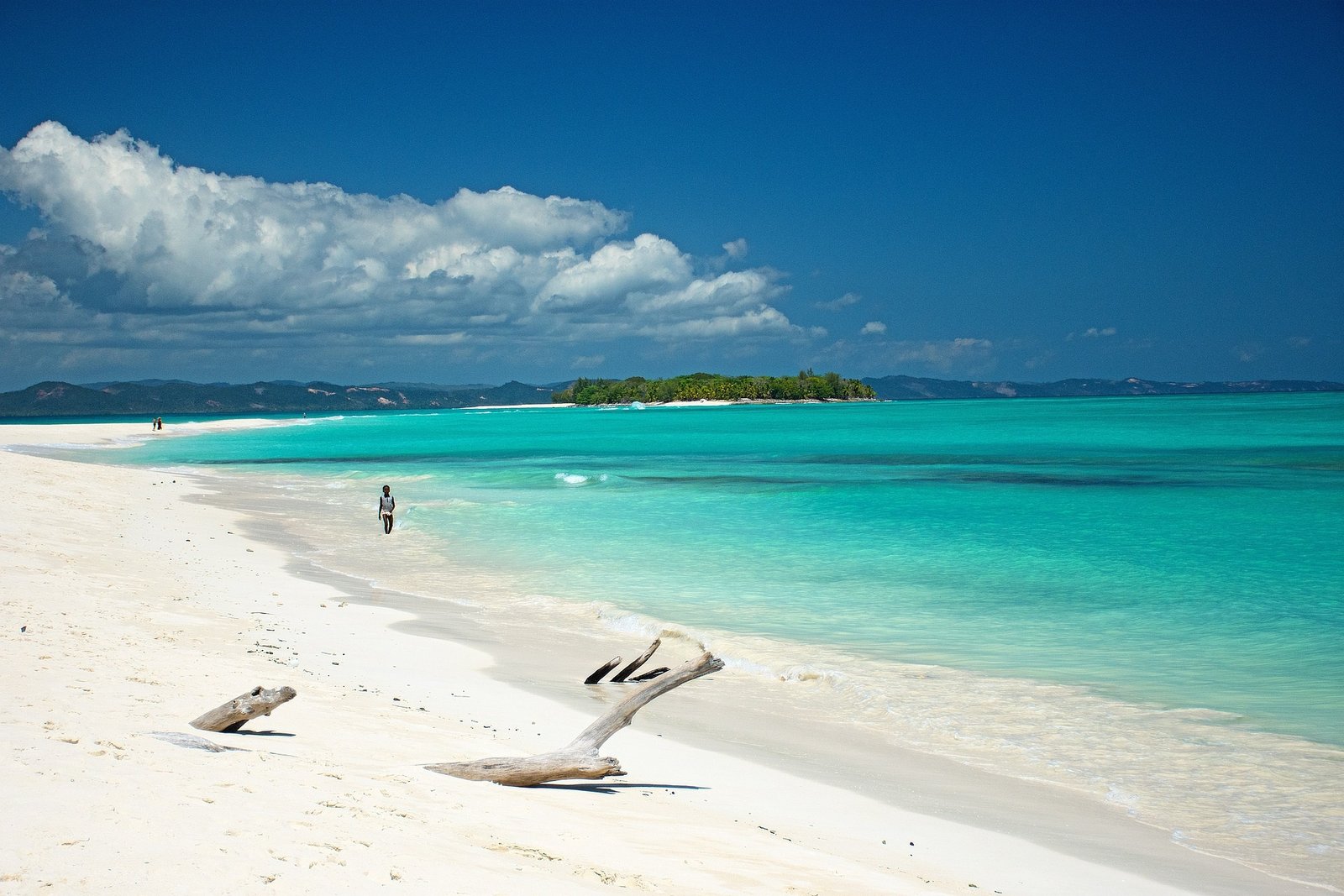
Madagascar Packing List Overview
This Madagascar packing list covers everything you need to prepare for the island’s diverse climates, remote regions, national parks, and tropical coastal destinations. From humid rainforests to cooler highlands and beach escapes, packing smartly will make your journey smoother, more comfortable, and far more enjoyable.
- Lightweight clothing for heat, humidity, and strong sun exposure
- Layered outfits for cooler regions like Antananarivo and the Central Highlands
- Proper footwear for hiking, national parks, and uneven terrain
- Essential gear for trekking, wildlife spotting, and remote travel
- Beach and island items for Nosy Be and coastal destinations
- Health, safety, and medical essentials for tropical conditions
- Electronics, adapters, and connectivity solutions for staying online
- Important documents, visa requirements, and travel essentials
Before packing, it helps to understand how the island works. If you are still planning your route, start with the Madagascar travel guide to get a full overview of regions and experiences. Timing also plays a major role, so reviewing the best time to visit Madagascar will help you prepare for weather conditions across the island.
Transport conditions can directly impact what you bring, especially if you are traveling long distances or heading into remote areas. The guide to getting around Madagascar explains what to expect on the ground. If you are building a route, the Madagascar itinerary will help you plan realistically.
Finally, staying connected can be challenging once you leave major cities, so preparing your mobile data in advance is essential. This international eSIM guide shows the easiest way to stay online during your trip.
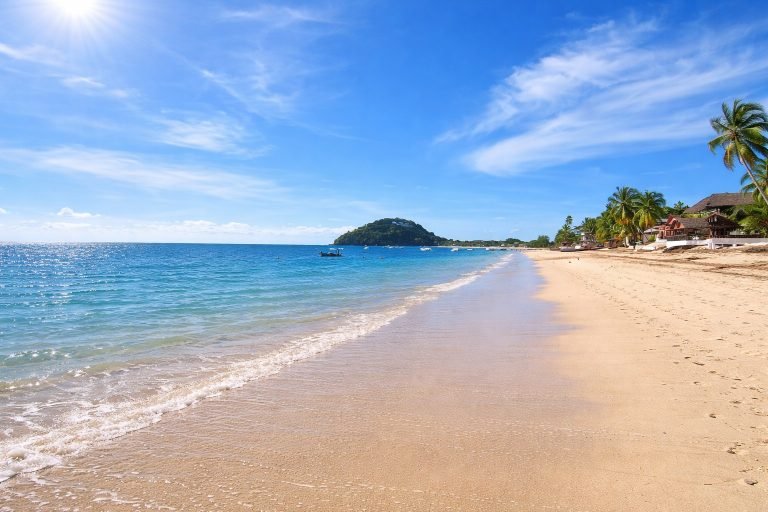
Madagascar Packing List: What You Really Need to Bring
Putting together a proper Madagascar packing list is not just about choosing what to wear. It is about preparing for a destination where conditions can change quickly depending on where you go. From humid rainforests and tropical beaches to cooler highland cities and remote national parks, Madagascar requires a more thoughtful approach than most travel destinations.
Weather conditions can vary significantly depending on the region and time of year. Checking reliable forecasts before your trip can help you refine your packing list and prepare for changing conditions. You can review current forecasts and seasonal patterns on the official Madagascar meteorological website.
This Madagascar packing list is designed to help you avoid the most common mistakes travelers make when arriving on the island. Infrastructure can be limited outside major cities, shops may not carry what you expect, and replacing forgotten items is not always easy once you are on the road.
At the same time, Madagascar is one of the most rewarding places you can visit. Packing correctly allows you to fully enjoy its landscapes, wildlife, and culture without unnecessary stress. Whether you are planning to explore national parks, relax on remote beaches, or travel across multiple regions, having the right gear will make a significant difference to your overall experience.
This guide breaks everything down clearly so you know exactly what to bring, what you can leave behind, and how to pack efficiently for the realities of traveling in Madagascar.
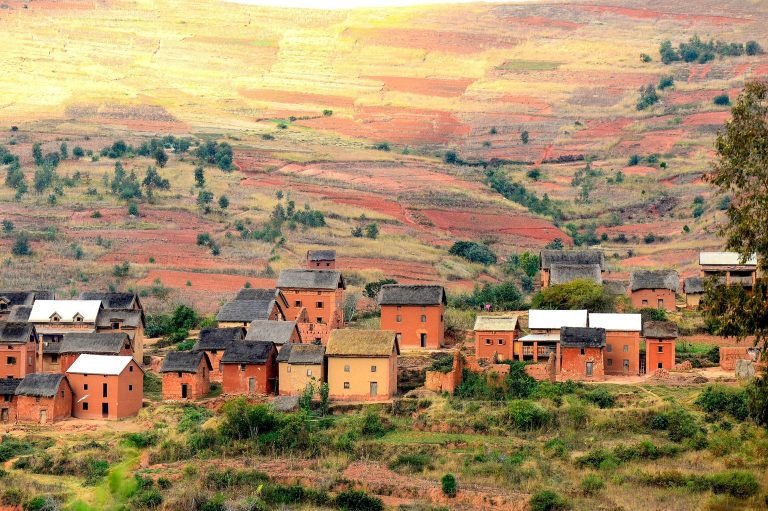
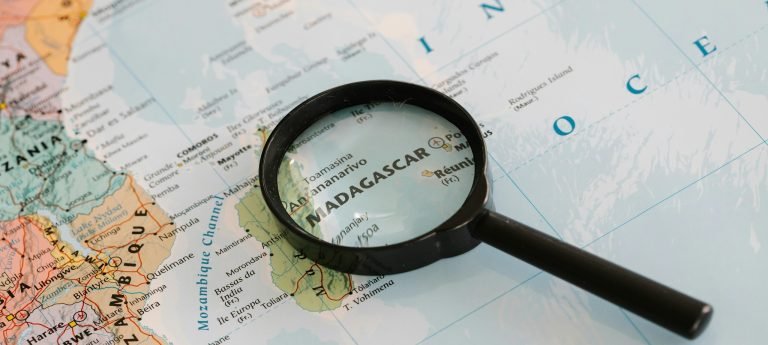
Essential Clothing for Madagascar
Choosing the right clothing is one of the most important parts of any Madagascar packing list. The island’s climate varies significantly depending on where you travel, and you will likely experience heat, humidity, cooler evenings, and occasional rain during the same trip.
Packing versatile, lightweight clothing that can be layered is the best approach. You want to stay comfortable in tropical conditions while still being prepared for cooler highland regions and changing weather patterns.
Lightweight Clothing for Heat and Humidity
Much of Madagascar is hot and humid, especially in coastal areas and rainforests. Breathable fabrics will make a huge difference to your comfort during the day.
- Lightweight t-shirts and tank tops made from breathable materials
- Loose-fitting shirts for airflow and sun protection
- Shorts and lightweight trousers for daytime wear
- Long-sleeve shirts to protect against sun and insects
Quick-drying fabrics are especially useful, as laundry options can be limited or slow in more remote areas.
Layers for Highlands and Cooler Evenings
In regions like Antananarivo and the Central Highlands, temperatures can drop significantly in the evening and early morning. Even if your trip focuses on tropical areas, you will likely pass through cooler zones.
- Light sweater or fleece for cooler nights
- Lightweight jacket or windbreaker
- Long trousers or comfortable travel pants
Layering is key. Instead of packing bulky items, bring pieces that can be combined depending on the temperature.
Rain Protection for Tropical Conditions
Rain can be unpredictable, especially during the wet season or in rainforest regions. Staying dry is not always possible, but being prepared makes a big difference.
- Compact rain jacket or poncho
- Lightweight waterproof layer
- Quick-dry clothing to handle sudden downpours
A small rain jacket that fits easily into your daypack is usually enough for most situations.
Footwear for Different Terrains
Footwear can make or break your experience in Madagascar. Roads, trails, and sidewalks are often uneven, and you may encounter mud, dust, or rocky paths depending on your destination.
- Comfortable walking shoes or trainers for everyday use
- Sturdy hiking shoes for national parks and trekking
- Sandals or flip-flops for beaches and casual wear
If you plan to visit multiple regions, having at least two types of footwear is highly recommended. This allows you to adapt to both urban and outdoor environments without discomfort.
Download Your Complete Madagascar Packing List (Free PDF)
👉 Planning a trip to Madagascar? This printable packing list covers everything you need for beaches, national parks, and remote travel — so you don’t forget anything important.
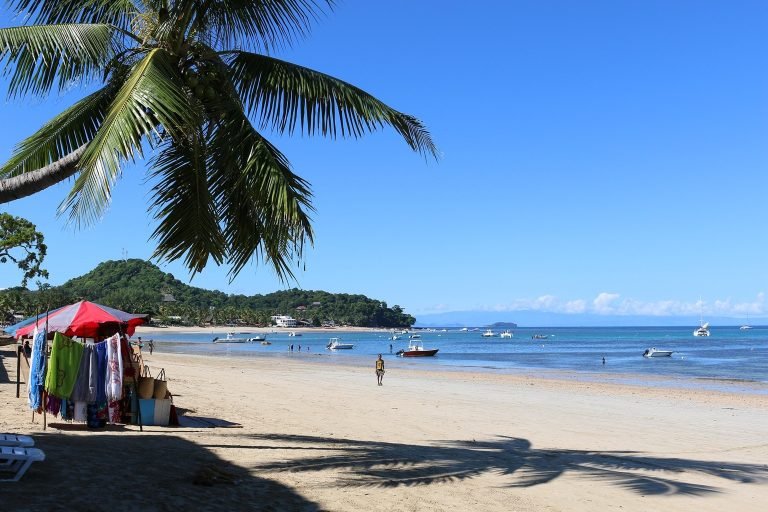
What to Pack for National Parks and Hiking
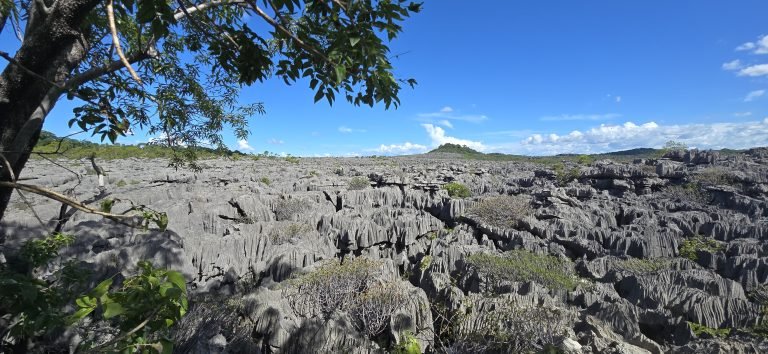
Exploring Madagascar’s national parks is one of the highlights of any trip. Whether you are walking through rainforests in Andasibe, navigating the unique rock formations of Tsingy, or hiking through dry landscapes in Isalo, your packing choices will directly impact your comfort and experience.
Conditions in these areas can be humid, muddy, dusty, or uneven depending on the region and season. Having the right equipment allows you to focus on the wildlife and landscapes instead of dealing with discomfort or avoidable problems.
Daypack and Essentials
A small, comfortable daypack is essential for carrying your daily items during hikes and park visits. You will often be out for several hours at a time, sometimes far from any facilities.
- Lightweight daypack with good shoulder support
- Reusable water bottle to stay hydrated in hot conditions
- Snacks or energy bars for longer walks
- Sunglasses and sun protection
Protection Against Insects and Sun
Madagascar’s biodiversity comes with a high presence of insects, especially in rainforest regions. At the same time, sun exposure can be intense, even on cloudy days.
- Strong insect repellent for mosquitoes and bugs
- Long-sleeve clothing for added protection
- Wide-brim hat or cap
- High SPF sunscreen suitable for tropical climates
Being prepared here is not optional. It is one of the most important aspects of staying comfortable and avoiding issues during your trip.
Footwear and Terrain Readiness
Trails in Madagascar are rarely smooth. You may encounter mud, loose rocks, tree roots, and steep sections depending on the park.
- Sturdy hiking shoes with good grip
- Socks that dry quickly and prevent blisters
- Optional lightweight sandals for resting after hikes
Good footwear is one of the best investments you can make for your trip. It will significantly improve your experience across multiple regions.
Extra Gear for Remote Conditions
Many national parks and remote areas have limited infrastructure. Bringing a few additional items can make a big difference, especially on longer excursions.
- Headlamp or flashlight for early morning or evening use
- Portable power bank to keep devices charged
- Lightweight rain cover or poncho
- Dry bag to protect electronics during rain or boat transfers
If you want a full breakdown of useful items, you can explore this travel gear for Madagascar guide, which covers practical gear choices for different types of trips.
Packing properly for national parks does not mean carrying more. It means carrying the right items so you can fully enjoy Madagascar’s landscapes without unnecessary stress or limitations.
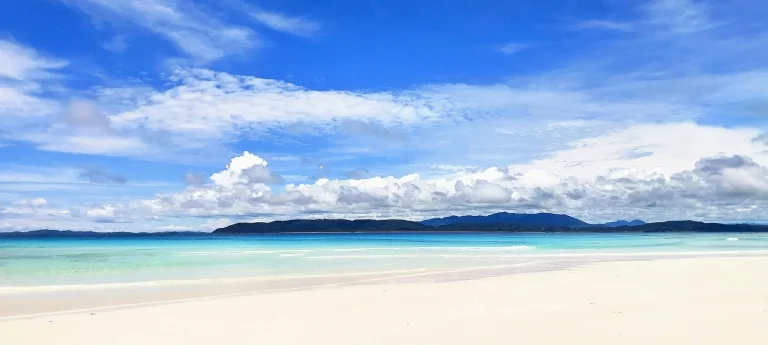
Beach and Island Packing List
Madagascar is not just about national parks and rugged landscapes. The island is also home to some of the most beautiful beaches in the Indian Ocean, especially around destinations like Nosy Be and Île Sainte-Marie. If your trip includes time by the coast, your packing list should reflect a more relaxed, tropical environment.
Beach conditions are generally warm, sunny, and humid, with strong UV exposure throughout the day. Packing light, breathable items that can handle heat and saltwater is essential.
Swimwear and Beach Clothing
You will likely spend a lot of time in and around the water, so having the right clothing makes a difference.
- Swimwear or board shorts for beach days and island hopping
- Lightweight cover-ups or sarongs for sun protection
- Breathable t-shirts or tank tops for hot coastal weather
- Flip-flops or sandals for easy movement between beach and accommodation
Sun Protection Essentials
The sun in Madagascar can be intense, especially on exposed beaches where shade is limited. Protecting yourself from sunburn is critical.
- High SPF sunscreen suitable for tropical climates
- Sunglasses with proper UV protection
- Wide-brim hat or cap
Reef-safe sunscreen is a good option if you plan to swim or snorkel regularly, as it helps protect marine life.
Snorkeling and Water Activities
Many coastal areas offer excellent snorkeling opportunities, often directly from the beach. While equipment is sometimes available locally, quality and availability can vary.
- Snorkeling mask if you prefer using your own gear
- Quick-dry towel for beach and boat trips
- Dry bag to protect valuables from water and sand
If you plan to move between islands or take boat excursions, keeping your belongings dry becomes especially important.
Practical Beach Tips
Beach destinations in Madagascar can be more remote than typical resort areas in other countries. It is worth being slightly more prepared than you normally would be for a beach holiday.
- Bring enough essentials, as shops can be limited on smaller islands
- Carry small cash for local purchases and transport
- Pack light but include versatile items that can handle both beach and travel days
With the right preparation, Madagascar’s coastal regions offer a completely different side of the island, combining relaxed beach time with unique wildlife and landscapes.
Health, Safety and Medical Essentials
Health preparation is a key part of any Madagascar packing list. While the island offers incredible experiences, medical infrastructure can be limited outside major cities, and access to pharmacies or reliable supplies is not always guaranteed in remote areas.
Packing a basic medical kit and taking a few precautions before your trip can help you avoid unnecessary stress and stay focused on enjoying your journey.
Basic Medical Kit
Having your own medical essentials is strongly recommended, especially if you plan to travel beyond Antananarivo or other main hubs.
- Personal prescription medication with copies of prescriptions
- Pain relief medication such as paracetamol or ibuprofen
- Anti-diarrheal medication for stomach issues
- Oral rehydration salts for dehydration
- Basic first aid kit including plasters, antiseptic wipes, and bandages
Even if some of these items are available locally, quality and availability can vary significantly depending on your location.
Insect Protection
Mosquitoes are present in many parts of Madagascar, particularly in coastal and rainforest regions. Protecting yourself from bites is essential.
- Strong insect repellent with DEET or similar protection
- Long-sleeve clothing for evenings
- Lightweight trousers to reduce skin exposure
Using repellent consistently, especially at dusk and dawn, is one of the simplest and most effective precautions you can take.
Hygiene and Everyday Protection
Maintaining basic hygiene becomes more important when traveling through remote areas or using local transport.
- Hand sanitizer for situations without access to soap and water
- Wet wipes for long travel days
- Reusable tissues or toilet paper for public facilities
These small items can make a big difference during long journeys or when facilities are limited.
Travel Insurance and Preparedness
Travel insurance is strongly recommended when visiting Madagascar. It provides coverage for medical emergencies, unexpected delays, and changes to your travel plans, especially in a destination where logistics can be unpredictable.
If you have not arranged coverage yet, you can compare options in this travel insurance for international trips guide to find a policy that suits your needs.
Taking the time to prepare properly ensures that small issues remain manageable and that you are covered if something unexpected happens during your trip.
Electronics and Connectivity
Electronics are easy to overlook when building a Madagascar packing list, but they can make a major difference once you are on the ground. Power cuts, long overland journeys, remote accommodation, and limited access to reliable shops mean it is worth preparing properly before you leave.
You do not need to overpack, but you do need the right essentials. A few well-chosen items will help you stay connected, protect your devices, and avoid unnecessary frustration during your trip.
Phone, Charging and Power Backup
Your phone will likely be your map, camera, booking reference, translation tool, and communication device throughout your trip. Keeping it charged is essential, especially during long travel days.
- Smartphone with enough storage for offline maps, bookings, and travel documents
- Charging cable and a spare cable if possible
- Portable power bank for long road journeys, boat trips, and park visits
- Wall charger that can handle regular daily use
A power bank is especially useful in Madagascar, where transport days can be long and charging opportunities are not always guaranteed when you need them.
Travel Adapter and Power Compatibility
A reliable adapter is one of the most practical items you can bring. Rather than relying on cheap adapters picked up at the last minute, it is better to travel with one dependable option that can handle your main devices safely.
If you need help choosing one, this universal travel adapter guide breaks down what to look for before your trip.
Mobile Data and Staying Connected
Connectivity in Madagascar can be inconsistent once you leave major cities, and relying on airport solutions or local setup after arrival is not always the easiest approach. Preparing your data access before departure can save time and reduce stress, especially if you need maps, transport information, or booking confirmations as soon as you land.
A practical option is to set up mobile data in advance through this best eSIM for international travel guide, which explains the easiest ways to stay online while traveling. If you are comparing options more specifically for Madagascar, this SIM vs eSIM in Madagascar guide breaks down coverage, costs, and what to expect in real travel conditions across the island.
Useful Extras for Travel Days
A few small electronics can make travel in Madagascar much easier, especially if your trip includes multiple destinations or remote regions.
- Headlamp or small flashlight for power cuts, early starts, or simple accommodation
- Earphones for flights, bus journeys, and waiting time
- Camera and spare memory card if photography is an important part of your trip
- Dry bag or protective pouch for electronics during rain, boat transfers, or dusty roads
If you are still deciding what gear makes sense for your trip, you can also browse these travel gear picks for practical options that work well for international travel.
The goal is not to carry more electronics than you need. It is to bring the items that genuinely make travel easier, safer, and more efficient once you are moving around Madagascar.
Toiletries and Personal Care
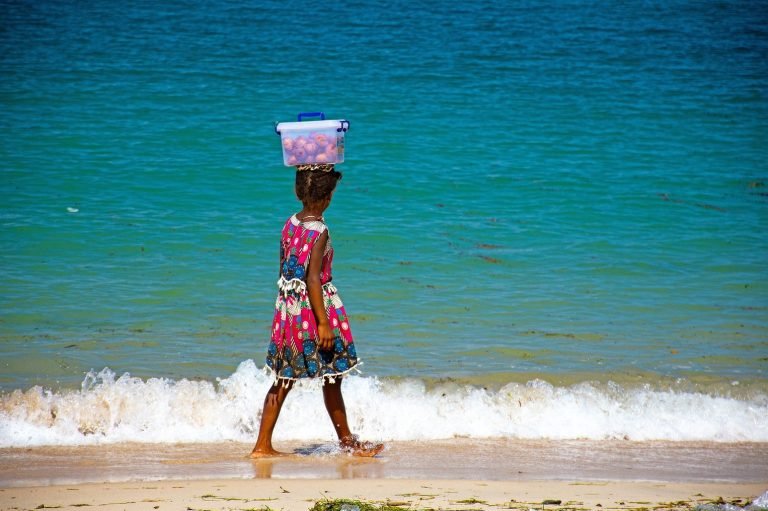
Toiletries are often underestimated when planning a Madagascar packing list. While you can find basic products in larger cities, availability becomes much more limited once you travel to smaller towns, national parks, or coastal areas. Bringing your own essentials ensures consistency and avoids having to search for items you rely on.
The goal is not to overpack, but to bring the items you know you will use regularly, especially those that may be difficult to find locally or vary in quality.
Daily Toiletries
Start with your everyday essentials, focusing on travel-sized items that are easy to carry and replace if needed.
- Toothbrush and toothpaste
- Shampoo and conditioner in travel-size containers
- Body wash or soap
- Deodorant suitable for hot climates
- Razor and shaving essentials if needed
Solid toiletries or refillable bottles can help save space and reduce the risk of leaks in your bag.
Sun and Skin Protection
Between strong sun exposure, humidity, and dust, your skin will go through more than usual during your trip.
- High SPF sunscreen for daily use
- After-sun lotion or moisturizer
- Lip balm with sun protection
Using the right products regularly will help you stay comfortable, especially during long days outdoors.
Hygiene Essentials for Travel Days
Travel days in Madagascar can be long and unpredictable. Having a few simple hygiene items easily accessible makes a noticeable difference.
- Hand sanitizer for use throughout the day
- Wet wipes for quick refreshes
- Reusable tissues or toilet paper
These items are particularly useful when traveling by taxi-brousse, boat, or on longer road journeys.
Quick-Dry and Practical Items
A few lightweight additions can make daily life easier, especially when moving frequently between accommodations.
- Quick-dry travel towel for beaches, parks, or basic hotels
- Small laundry detergent for washing clothes on the go
- Compact toiletry bag to keep everything organized
If you are organizing your packing system, using well-designed bags and accessories can help keep everything accessible and easy to manage throughout your trip. You can explore options like Peak Design travel gear, which includes practical solutions for organizing toiletries, clothing, and electronics while traveling.
Packing your toiletries thoughtfully ensures that daily routines remain simple, even when traveling through remote areas or changing locations frequently.
What Not to Pack for Madagascar
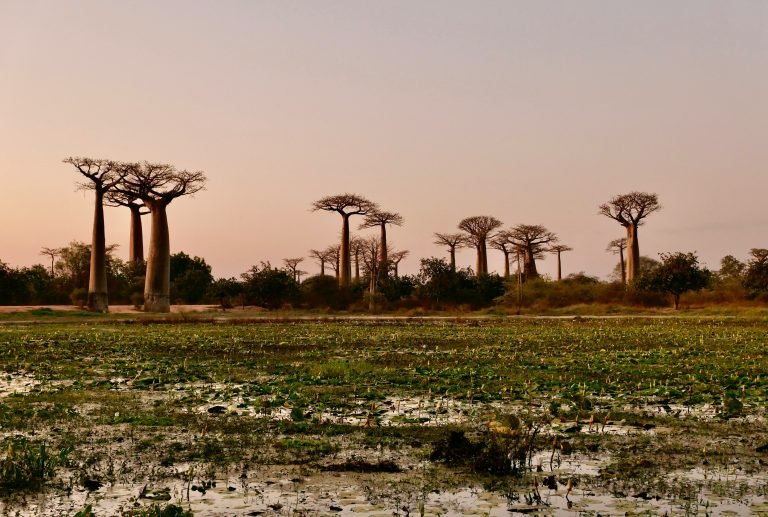
A good Madagascar packing list is not just about what to bring, but also about what to leave behind. Overpacking or bringing the wrong items can make your trip more difficult, especially when moving between regions or using local transport.
Madagascar is not a destination where more luggage equals more comfort. In many cases, packing less and packing smarter will give you a much smoother experience.
Bulky or Heavy Luggage
Large, rigid suitcases are not ideal for traveling around Madagascar. Roads can be rough, transport options limited, and handling heavy luggage becomes inconvenient very quickly.
- Avoid oversized suitcases that are difficult to carry or store
- Skip heavy luggage that limits your flexibility when moving between locations
- Prioritize lightweight, easy-to-carry bags instead
Soft bags, backpacks, or compact carry-ons are much more practical, especially if your itinerary includes multiple destinations.
Expensive or Unnecessary Valuables
There is no need to bring high-value items that you will not actively use. Keeping things simple reduces risk and helps you travel more comfortably.
- Avoid expensive jewelry or luxury accessories
- Do not bring multiple high-end electronics unless necessary
- Leave items behind that would cause stress if lost or damaged
Traveling lighter and with fewer valuables allows you to focus on the experience rather than worrying about your belongings.
Knowing how to protect your belongings is just as important as deciding what to pack. Before you leave, read our Travel Scams Around the World guide to learn how to avoid common tourist scams, pickpocketing, fake taxis, and other situations that can catch travelers off guard.
Too Many Clothes
One of the most common mistakes is packing far more clothing than needed. Laundry is often possible, and wearing versatile outfits will reduce how much you need to carry.
- Avoid packing outfits for every single day
- Skip heavy or bulky clothing that takes up unnecessary space
- Focus on items that can be mixed, matched, and layered
Packing efficiently means choosing clothing that works across different conditions rather than packing for every possible scenario.
Items You Can Easily Replace
Some items are simply not worth bringing in large quantities. Basic goods can be found in cities, and carrying too much adds unnecessary weight.
- Avoid packing excessive toiletries
- Do not overstock on basic items that can be purchased locally
- Bring only what you need for the first part of your trip
The key is balance. Bring what is essential, but avoid turning your luggage into a burden.
Keeping your packing list simple and practical will make traveling across Madagascar far easier, especially when dealing with long distances and changing conditions.
How to Pack for Madagascar the Smart Way
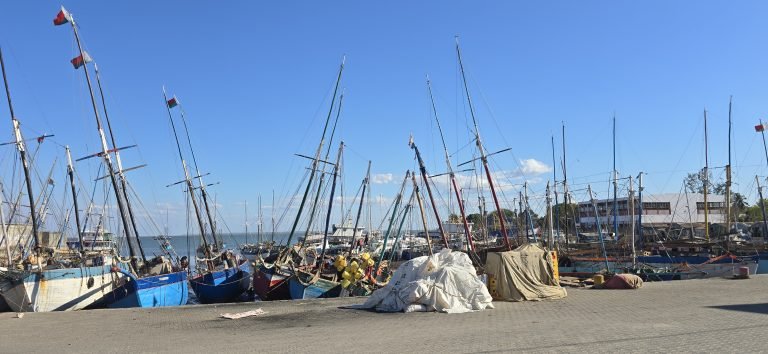
Packing for Madagascar is not just about what you bring, but how you organize it. Distances are long, transport can be unpredictable, and you will likely move between very different environments during your trip. A smart packing strategy makes everything easier, from airport transfers to remote travel days.
The goal is to stay flexible, organized, and lightweight while still having everything you need for comfort and practicality.
Choose the Right Type of Luggage
Not all luggage works well in Madagascar. Roads, transport conditions, and accommodation setups can make large suitcases difficult to handle.
- Backpacks or soft-sided bags are easier to carry and store
- Compact carry-ons are more practical than large suitcases
- A small daypack is essential for daily use and excursions
Flexibility matters more than capacity. Being able to move easily with your luggage will improve your overall experience.
Use Packing Cubes and Stay Organized
Keeping your belongings organized becomes increasingly important as your trip progresses. Instead of unpacking everything at each stop, a structured packing system allows you to access what you need quickly.
- Separate clothing by type using packing cubes
- Keep electronics and documents in dedicated compartments
- Use small pouches for toiletries and accessories
Well-designed packing systems can make a noticeable difference, especially on multi-stop trips. You can explore options like Peak Design travel gear, which includes durable bags, packing cubes, and carry-on solutions designed for efficient travel.
Pack Light but Pack Smart
Overpacking is one of the most common mistakes travelers make. Carrying too much weight quickly becomes a burden, particularly when dealing with uneven terrain or limited transport options.
- Focus on versatile clothing that can be reused and layered
- Avoid packing for every possible scenario
- Prioritize essentials over “just in case” items
Packing light does not mean sacrificing comfort. It means bringing the right items instead of too many items.
Prepare for Long Travel Days
Traveling within Madagascar often involves long drives, early departures, and limited facilities along the way. Keeping a few essentials easily accessible will make these days much more manageable.
- Keep snacks and water within reach
- Store important documents in a secure but accessible place
- Have a power bank ready for your phone and devices
- Pack a light layer for changing temperatures
A well-organized bag allows you to move comfortably through each stage of your journey without constantly searching for what you need.
Packing smartly gives you freedom. It reduces stress, improves mobility, and allows you to focus fully on experiencing Madagascar rather than managing your luggage.
Get Your Free Madagascar Packing List
👉 Download the printable PDF and make sure you’re fully prepared before your trip.
Packing Tips by Region in Madagascar
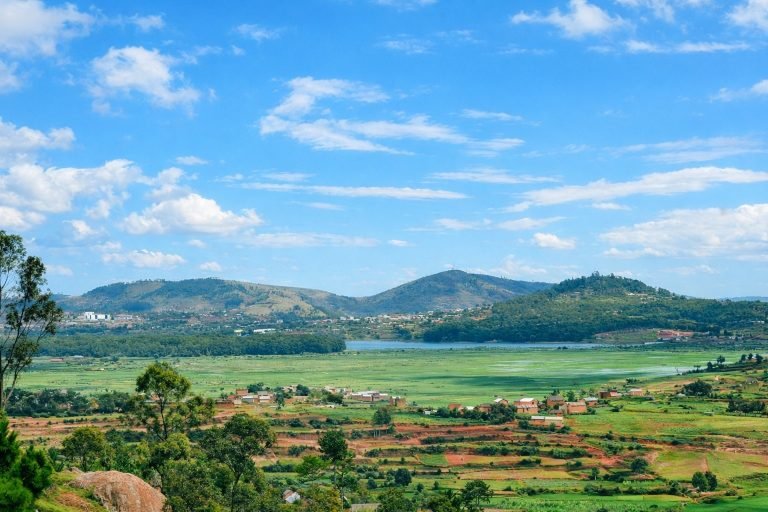
One of the most important things to understand when building your Madagascar packing list is that conditions vary significantly across the island. What works on the coast may not be suitable in the highlands, and what you need in the north can differ from the south.
Adapting your packing to your itinerary will help you stay comfortable and avoid unnecessary items. If you are still planning your route, this Madagascar travel guide provides a complete overview of the main regions and what to expect.
Northern Madagascar
The north of Madagascar, including areas like Nosy Be and Diego Suarez, is typically warm, humid, and tropical. Beach conditions are common, but you may also encounter rain depending on the season.
- Lightweight clothing for heat and humidity
- Swimwear and beach essentials
- Strong sun protection for coastal exposure
- Insect repellent for tropical environments
If your trip focuses on this region, you can lean more heavily toward beach and warm-weather gear. You can explore more details in this Northern Madagascar travel guide.
Central Highlands
The Central Highlands, including Antananarivo and Antsirabe, have a noticeably cooler climate, especially in the evenings and early mornings.
- Light layers such as sweaters or fleeces
- Long trousers for cooler temperatures
- Closed shoes for city walking and uneven streets
Even if you are heading to warmer regions later, you will likely pass through the highlands, so packing at least one warm layer is essential. This Central Highlands guide explains what to expect in more detail.
Western Madagascar
Western regions such as Majunga and parts of the west coast are generally hot and dry, with less humidity than the east and north.
- Light, breathable clothing for hot daytime conditions
- Sun protection including hats and sunscreen
- Comfortable footwear for walking and exploration
Dry conditions mean less need for rain protection, but strong sun exposure makes protection essential. Learn more in this west coast Madagascar guide.
Southern Madagascar
The south is one of the most remote and challenging regions of Madagascar. Conditions can be hot, dry, and sometimes harsh, with limited infrastructure.
- Lightweight but durable clothing for rugged conditions
- Extra water capacity for long travel days
- Sun protection and practical gear for remote areas
- Basic essentials, as availability can be limited
Traveling in the south requires a bit more preparation, but it also offers some of the most unique landscapes on the island. This Southern Madagascar travel guide provides additional insights.
Understanding these regional differences allows you to refine your packing list and avoid carrying items you will not use while ensuring you are prepared for the environments you will actually encounter.
Final Thoughts and Where to Go Next
Building a solid Madagascar packing list is one of the best ways to set yourself up for a smooth and enjoyable trip. The island can be unpredictable at times, but with the right preparation, those challenges become part of the experience rather than obstacles.
Packing smartly means you can move comfortably between regions, adapt to changing conditions, and focus fully on the journey. Whether you are exploring national parks, relaxing on tropical beaches, or traveling across the country, having the right essentials makes a noticeable difference every day.
If you are still shaping your plans, it also helps to understand when to visit Madagascar based on weather and seasons, and to review these practical travel tips to better prepare for conditions across the island. You can also explore this complete guide to Madagascar’s destinations to connect your packing choices with where you plan to go.
To build your trip step by step, you can start by planning your route through Madagascar. Understanding distances and travel conditions is just as important, and this guide to transport across the island will help you prepare for how travel actually works between regions.
Choosing where to stay can also shape your experience, so comparing options through this compare hotel booking platforms guide is a useful next step. If you are still booking your trip, you can also find affordable international flights to secure the best routes to Madagascar.
Staying connected throughout your journey can make travel easier, especially in remote areas. Setting up data in advance through this best eSIM for international travel guide helps you stay online from the moment you arrive.
Finally, having the right equipment can simplify every part of your trip, from packing to daily travel. You can explore practical recommendations in these travel gear recommendations, which focus on items designed for flexibility and durability.
Madagascar is not always the easiest destination, but it is one of the most rewarding. With the right preparation and a well-thought-out packing list, you will be ready to experience everything the island has to offer with confidence.
Frequently Asked Questions About a Madagascar Packing List
-
What should I pack for Madagascar?
A well-prepared Madagascar packing list should include lightweight clothing for warm weather, layers for cooler highland regions, comfortable walking shoes, hiking gear for national parks, swimwear for coastal areas, insect repellent, sunscreen, a basic medical kit, travel documents, and essential electronics such as a power bank and travel adapter. -
Do I need hiking gear for Madagascar?
If you plan to visit national parks such as Andasibe, Isalo, or Tsingy, proper hiking gear is highly recommended. Sturdy walking or hiking shoes, a daypack, sun protection, insect repellent, and a reusable water bottle will make your experience significantly more comfortable. -
Is it safe to bring electronics to Madagascar?
Yes, it is generally safe to bring electronics, but you should take basic precautions. Keep valuables secure, avoid displaying expensive devices unnecessarily, and use a protective pouch or dry bag when traveling in dusty or wet conditions. -
What shoes are best for Madagascar?
A combination of comfortable walking shoes or trainers and sturdy hiking shoes is ideal. Sandals or flip-flops are also useful for beach areas and relaxing at your accommodation. -
Do I need insect repellent in Madagascar?
Yes, insect repellent is essential, especially in coastal and rainforest regions where mosquitoes are common. Using repellent regularly, particularly in the evening, helps reduce the risk of bites. -
Can I buy things locally in Madagascar?
Basic items are available in larger cities, but options become limited in smaller towns and remote areas. It is best to bring important items with you rather than relying on local availability. -
How much luggage should I bring to Madagascar?
Traveling light is strongly recommended. A backpack or small suitcase combined with a daypack is usually sufficient. Keeping your luggage manageable makes it much easier to move between destinations and handle local transport.
Travel Resources to Plan, Book & Stay Connected
Use these tools and guides to stay connected abroad, find inspiration for your next trip, and book your flights, stays and gear with confidence.
Disclosure: This article may contain affiliate links. If you make a purchase through a link, I may receive a commission at no extra cost to you. I only share recommendations I believe are genuinely useful, and all opinions are my own. AI was used in this post for research and drafting purposes.

Comment (0)