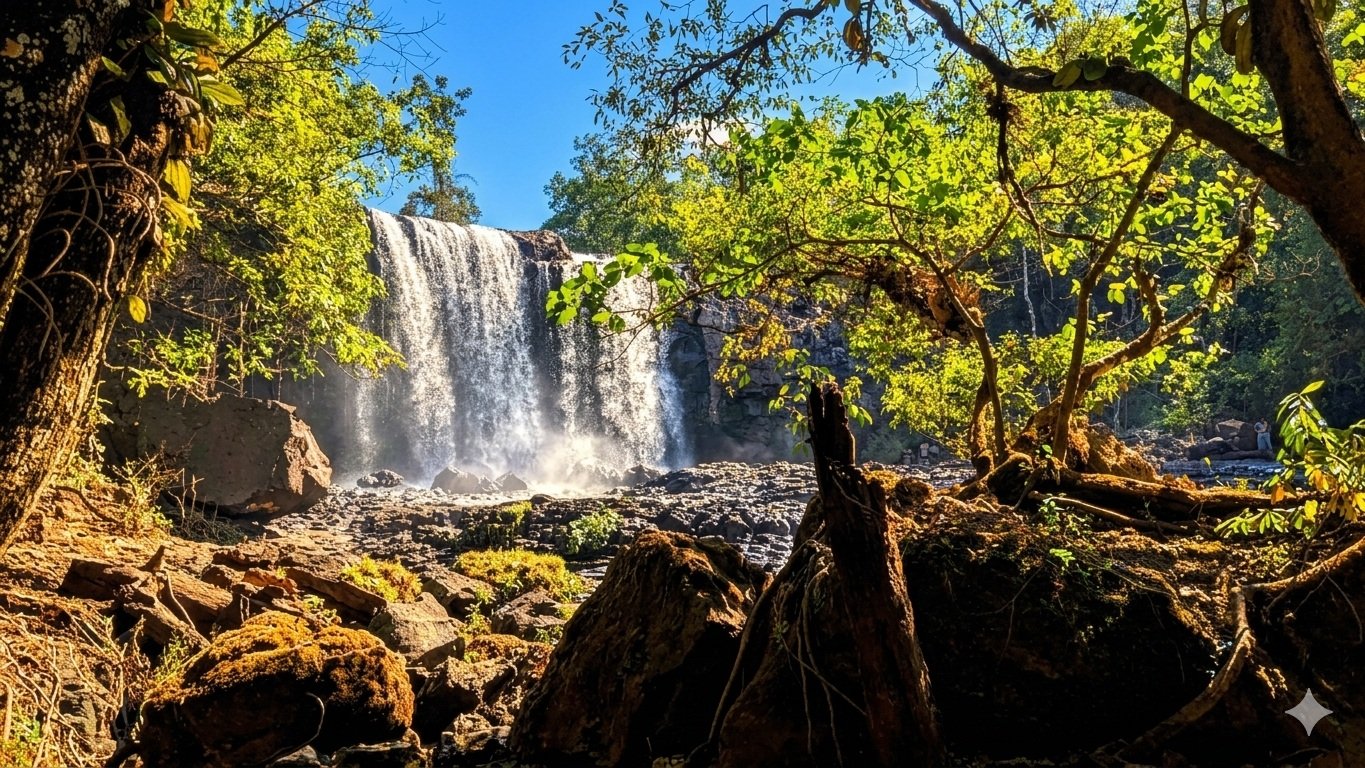
Northeast Cambodia: Mondulkiri & RatanakiriTravel Guide
The region of Northeast Cambodia: Mondulkiri & Ratanakiri is one of the least explored regions in the country, offering a completely different experience from the temples of Angkor or the beaches along the southern coast. This remote part of the country, centered around Mondulkiri and Ratanakiri, is defined by rolling hills, dense forests, waterfalls, wildlife, and strong indigenous cultures that remain deeply connected to the land.
Traveling here is less about ticking off major landmarks and more about experiencing Cambodia at a slower, more natural pace. From ethical elephant sanctuaries and jungle trekking to volcanic crater lakes and remote villages, this region is ideal for travelers looking to go beyond the typical route and explore a more raw and authentic side of the country.
What This Guide Covers
- How to get to Mondulkiri and Ratanakiri and what to expect from the journey
- Where to stay in Sen Monorom and Banlung, the main travel bases
- The best things to do in Mondulkiri, including waterfalls, jungle treks, and ethical elephant experiences
- The top attractions in Ratanakiri, from Yeak Laom crater lake to remote waterfalls and indigenous villages
- A comparison of Mondulkiri vs Ratanakiri to help you decide which region fits your travel style
- How to get around this remote part of Cambodia safely and efficiently
- The best time to visit based on weather, road conditions, and seasonal differences
- Practical travel tips, including safety, road conditions, health considerations, and responsible tourism
Because of its remote nature, traveling in northeast Cambodia requires more planning than other parts of the country. Understanding how this region fits into a wider trip, including how it connects with the Cambodia travel guide and how to structure your route using this Cambodia itinerary planner, will help you build a smoother and more realistic journey. It is also worth reviewing practical considerations such as how to get around Cambodia and the cost of traveling in Cambodia before heading into more remote areas.
Exploring Northeast Cambodia: Mondulkiri & Ratanakiri
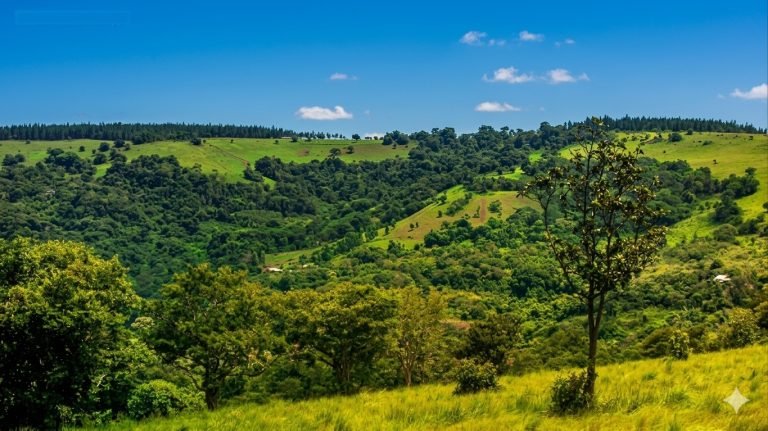
Mondulkiri and Ratanakiri are often grouped together as Cambodia’s northeastern highlands, but they are not identical destinations. While both provinces share a reputation for dense forests, waterfalls, indigenous cultures, and a slower pace of travel, each offers a slightly different experience on the ground. Understanding these similarities and differences is key to planning your time in this region properly.
Mondulkiri is generally the more accessible of the two. Centered around the town of Sen Monorom, it is known for its rolling hills, cooler climate, and well-established ethical elephant sanctuaries. The infrastructure here, while still basic compared to major Cambodian destinations, is more developed, making it easier to organize activities such as jungle trekking, waterfall visits, and guided wildlife experiences.
Ratanakiri, on the other hand, feels more remote and less structured. Based around Banlung, the province offers a more rugged and adventurous atmosphere, with volcanic crater lakes, powerful waterfalls, and deeper access to indigenous communities such as the Tampuan, Kreung, and Jarai. Travel here requires more time, more flexibility, and a greater willingness to deal with rough roads and limited infrastructure.
Because of these differences, one of the most common questions travelers face is whether to visit Mondulkiri, Ratanakiri, or both. If you are limited on time, Mondulkiri is usually the better choice due to easier access and a wider range of organized experiences. If you are looking for something more remote and less visited, Ratanakiri offers a more raw and immersive experience. Combining both provinces is possible and rewarding, but it requires careful planning due to long travel times and the limited transport connections between them.
This guide is designed to help you make that decision. By breaking down what each province offers, how they compare, and how they fit into a wider Cambodia itinerary, you will be able to plan a route that matches your travel style rather than trying to fit everything into a rushed schedule. If you are still shaping your overall trip, it also helps to understand how this region connects with the more commonly visited parts of the country, including Siem Reap, Phnom Penh, and the southern coast explored in Kampot.
By the end of this guide, you will not only understand what makes Mondulkiri and Ratanakiri unique, but also whether they belong in your itinerary at all, and if so, how to experience them without overcomplicating your trip.
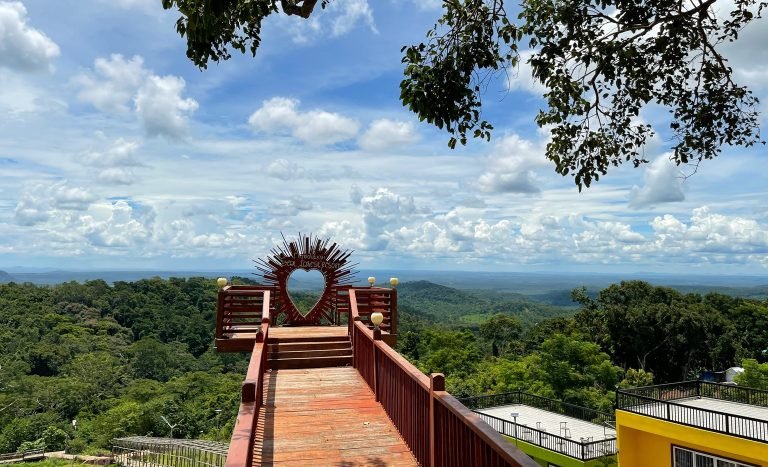
How to Get to Northeast Cambodia
Getting to northeast Cambodia requires more time and planning than traveling between the country’s main destinations. Mondulkiri and Ratanakiri are both located far from the typical tourist route, and while access has improved in recent years, the journey is still part of the experience. Expect long travel days, changing road conditions, and fewer transport options compared to places like Siem Reap or Phnom Penh.
Getting to Mondulkiri (Sen Monorom)
Mondulkiri is the easier of the two provinces to reach. Most travelers base themselves in Sen Monorom, a small and relaxed town surrounded by hills and forest.
- From Phnom Penh: The most common route. Buses and minivans take approximately 6 to 8 hours, depending on traffic and road conditions. Departures are frequent in the morning.
- From Siem Reap: There is no direct, simple route. Most journeys require a connection in Phnom Penh or a long overland transfer.
- By air: Domestic flights to Sen Monorom are limited and not always reliable, so overland travel remains the main option.
Road conditions to Mondulkiri have improved significantly, but the final stretch can still feel rural, with winding roads and occasional rough sections. Travel is generally straightforward, but it is still a full-day commitment.
Getting to Ratanakiri (Banlung)
Ratanakiri is more remote and takes longer to reach. Banlung serves as the main base, but getting there requires more patience and flexibility.
- From Phnom Penh: Buses and minivans typically take 10 to 12 hours, often with early departures or overnight options. Some routes pass through Kratie or Stung Treng.
- From Siem Reap: Travel is possible overland, but expect a long and sometimes tiring journey with multiple segments.
- From Mondulkiri: Overland connections exist but are less frequent and can be slow due to road conditions. This route is best planned in advance.
- By air: Flights to Banlung are limited and not widely used by most travelers.
Roads in Ratanakiri are generally rougher than in Mondulkiri, especially outside of main routes. Red dirt roads, dust in the dry season, and mud during the rainy season can all affect travel times.
Should You Visit Both?
While it is possible to visit both Mondulkiri and Ratanakiri in one trip, doing so requires careful planning. Distances are long, transport is limited, and moving between the two provinces can take most of a day.
If you have limited time, it is usually better to focus on one destination rather than trying to cover both. If you have more flexibility and enjoy slower, more remote travel, combining them can create a unique and rewarding route through Cambodia’s least explored region.
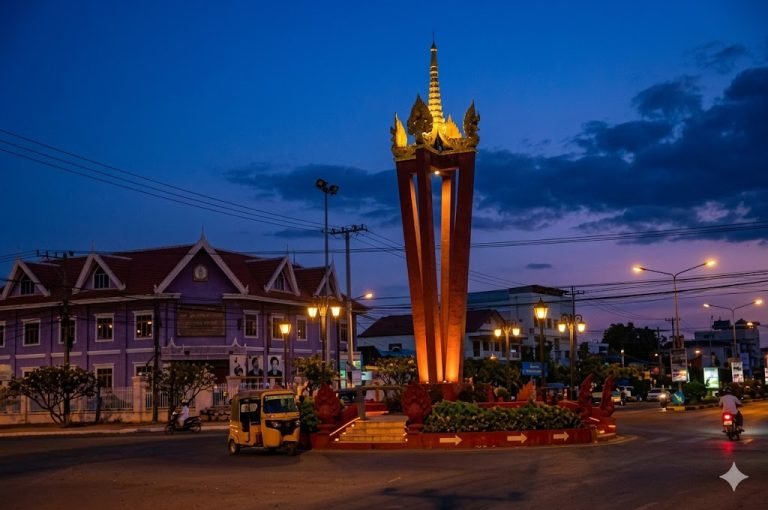
Where to Stay in Mondulkiri & Ratanakiri
Accommodation in northeast Cambodia is less about large hotel chains and more about experience. Mondulkiri and Ratanakiri offer a mix of guesthouses, eco-lodges, and homestays that are often closely connected to nature. Where you stay will shape your trip, whether you prioritize comfort, views, or a more immersive local experience.
Where to Stay in Mondulkiri (Sen Monorom & Surroundings)
Sen Monorom is the main base in Mondulkiri, but many of the best stays are located just outside town in the surrounding hills. Choosing accommodation here is often about balancing convenience with scenery and atmosphere.
- Budget stays: Simple guesthouses in town with easy access to restaurants and transport. A good example is Happy Elephant Bungalows, which offers affordable comfort in a relaxed setting.
- Mid-range options: More comfortable resorts with better facilities and views over the surrounding hills, such as Pidoma Resort by EHM, which combines comfort with a scenic location.
- Eco-lodges: One of the best ways to experience Mondulkiri. Properties like Nature Lodge are set on hillsides with panoramic views and a strong focus on sustainability.
- Homestays: For a more local and cultural experience, options such as Mondulkiri Holiday Homestay offer a closer connection to daily life in the region.
If you want to explore more accommodation options in the area, this Mondulkiri hotels overview helps you compare availability and prices.
A unique aspect of Mondulkiri is the possibility of staying near conservation areas or combining accommodation with guided experiences. Some elephant sanctuaries and jungle trekking programs offer multi-day stays, which provide a deeper and more immersive way to experience the region beyond standard accommodation.
Where to Stay in Ratanakiri (Banlung & Surroundings)
Banlung serves as the main base in Ratanakiri. Accommodation here is more functional and less scenic at first glance, but options outside the town provide a quieter and more nature-focused experience.
- Guesthouses: Affordable and practical stays in town, such as Garden View Lodge & Trekking Tours, which also helps organize local activities.
- Mid-range hotels: A step up in comfort, with options like Terres Rouges Lodge, known for its more refined atmosphere and setting.
- Eco-lodges: Nature-focused stays outside Banlung, such as Tree Top Eco-Lodge, offering a more immersive environment.
- Homestays: For a deeper cultural experience, Ratanakiri Homestay & Jungle Trek combines accommodation with guided exploration of the surrounding region.
To explore additional options and compare prices, this Ratanakiri hotels overview provides a broader selection.
In both Mondulkiri and Ratanakiri, accommodation is part of the overall travel experience rather than just a place to sleep. Choosing the right type of stay will shape how you experience the region, from waking up to misty hills to spending evenings in quiet forest surroundings.
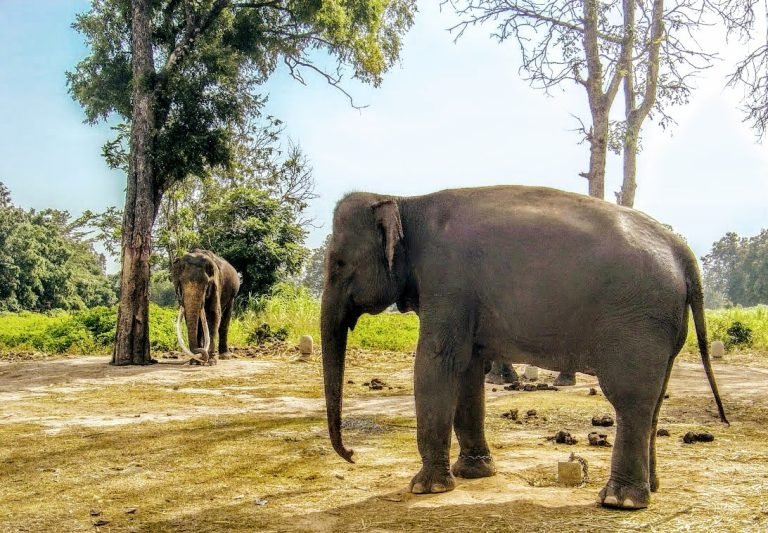
Things to Do in Mondulkiri
Mondulkiri is one of the most nature-focused destinations in Cambodia. Unlike Siem Reap or Phnom Penh, where attractions are concentrated and easy to access, the experience here is more spread out and slower-paced. Most activities revolve around the landscape itself, including forests, waterfalls, wildlife, and local communities. Spending time here is less about rushing between sights and more about choosing a few meaningful experiences and giving them the time they deserve.
Bou Sra Waterfall
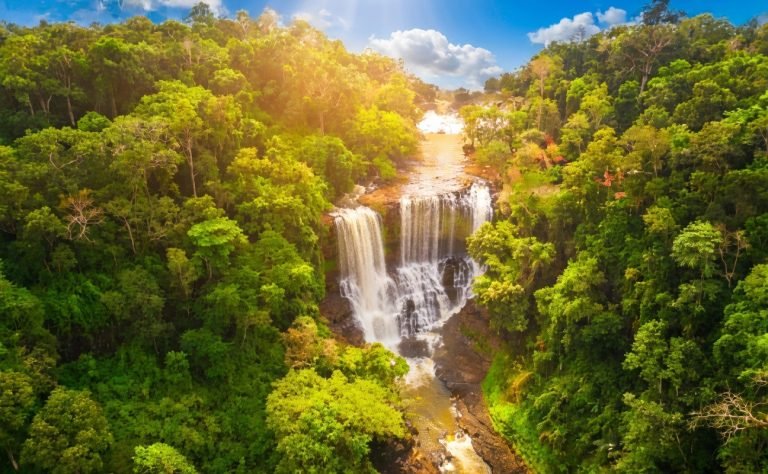
Bou Sra Waterfall is the most famous natural attraction in Mondulkiri and one of the most impressive waterfalls in Cambodia. Located about 35 to 45 minutes from Sen Monorom, the waterfall is made up of multiple tiers, with a wide, powerful flow that becomes even more dramatic during the rainy season.
The main viewing area is easily accessible, but what makes Bou Sra stand out is the scale and setting. Surrounded by forest and open landscape, it feels far removed from the more developed parts of the country. During the wet season, the water volume increases significantly, creating a strong and immersive atmosphere, while in the dry season the flow is calmer but still scenic.
There are basic facilities on site, and some areas where you can get closer to the water or even swim depending on conditions. It is best visited earlier in the day to avoid crowds and heat, especially if you are combining it with other stops in the area.
Ethical Elephant Experiences
Mondulkiri is one of the few places in Cambodia where you can see elephants in an ethical and responsible setting. The region has become known for conservation-focused sanctuaries that prioritize animal welfare over tourism.
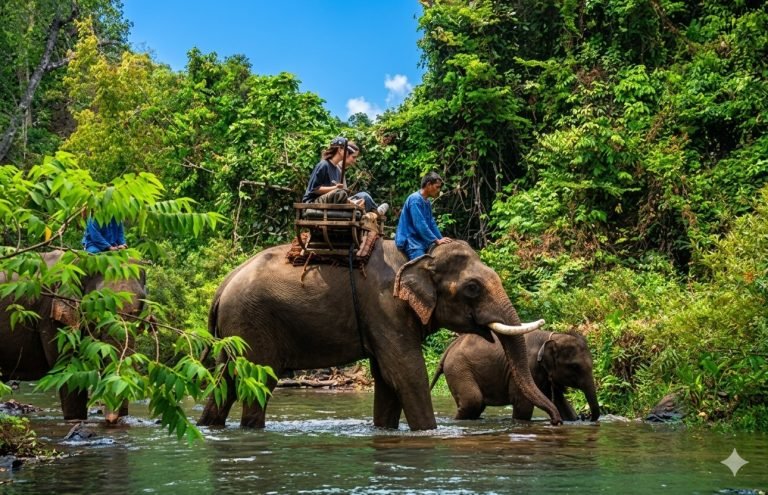
One of the most established options is the Elephant Valley Project, which operates on a large protected area where rescued elephants are allowed to roam freely. Instead of riding or direct interaction, visits focus on observing elephants in their natural environment, walking through the forest with guides, and learning about their behavior and history.
Experiences typically range from half-day visits to full-day or multi-day treks. The longer programs offer a deeper understanding of both the elephants and the surrounding ecosystem, and often include time spent in the forest itself. These types of visits are not designed for entertainment, but for awareness and conservation, which makes them far more meaningful.
Jungle Trekking and Wildlife
The forests around Mondulkiri offer some of the best trekking opportunities in Cambodia. Guided hikes through areas such as Seima Protected Forest or Phnom Prich Wildlife Sanctuary provide access to dense jungle, waterfalls, and remote landscapes that are otherwise difficult to reach.
Treks can range from a few hours to multi-day experiences with overnight stays in the forest. Wildlife sightings are never guaranteed, but the region is home to a wide variety of species, including birds, gibbons, and other forest animals. Places like Jahoo Gibbon Camp are known for early morning gibbon calls, which can be one of the most memorable experiences in the region.
What makes trekking here special is not just the wildlife, but the sense of isolation. Trails often pass through untouched forest, and the experience feels far removed from more structured tourist environments.
Bunong Villages and Cultural Experiences
Mondulkiri is home to the Bunong people, one of Cambodia’s main indigenous groups. Visiting local villages offers a chance to understand a way of life that is closely connected to the forest and based on traditions that have been passed down for generations.
Experiences can include homestays, guided visits, or cultural tours that introduce aspects of daily life such as traditional housing, farming practices, rice wine production, and the use of medicinal plants. The Bunong also have strong spiritual beliefs tied to nature, which adds another layer to the experience.
These visits are most meaningful when organized through local guides or community-based tourism initiatives, ensuring that they are respectful and beneficial to the people who live there.
Waterfalls, Coffee Farms, and Scenic Spots
Beyond Bou Sra, Mondulkiri has a number of smaller waterfalls that are worth visiting if you have extra time. Places like Dak Dam, Leng Khin, and Sen Monorom Waterfall are less crowded and offer a quieter experience, often surrounded by forest and farmland.
The region is also known for its coffee production. Visiting areas like Pida Coffee Farm gives you the chance to see how coffee is grown and processed in the highlands, as well as sample local varieties. These stops are often combined with short scenic drives through the countryside.
For views, places like Doh Kramom Mountain and the Sea Forest Lookout provide wide panoramas over the rolling hills that define the landscape of Mondulkiri. Sunset is usually the best time to visit, when the light softens and the temperature drops.
Adventure and Exploration
For travelers looking to go beyond standard sightseeing, Mondulkiri offers several more active ways to explore the region. Motorbike loops through the countryside allow you to visit waterfalls, farms, and viewpoints at your own pace, although they are best suited to experienced riders due to road conditions.
Other options include ziplining and guided outdoor activities, which add a more adventurous element to the trip. These experiences are not the main reason to visit Mondulkiri, but they can complement the slower, nature-focused pace of the region.
Overall, Mondulkiri is best experienced by choosing a combination of activities rather than trying to see everything. A mix of one major highlight, such as an elephant sanctuary or waterfall, combined with smaller local experiences and time to relax, usually creates the most balanced and rewarding trip.
Things to Do in Ratanakiri
Ratanakiri offers a more rugged and remote version of what Mondulkiri introduces. While both provinces share a focus on nature and indigenous culture, Ratanakiri feels less structured, less developed, and more adventurous. Activities here often require more time, more flexibility, and a willingness to deal with rough roads and limited infrastructure, but the reward is a deeper and more untouched travel experience.
Yeak Laom Volcanic Crater Lake
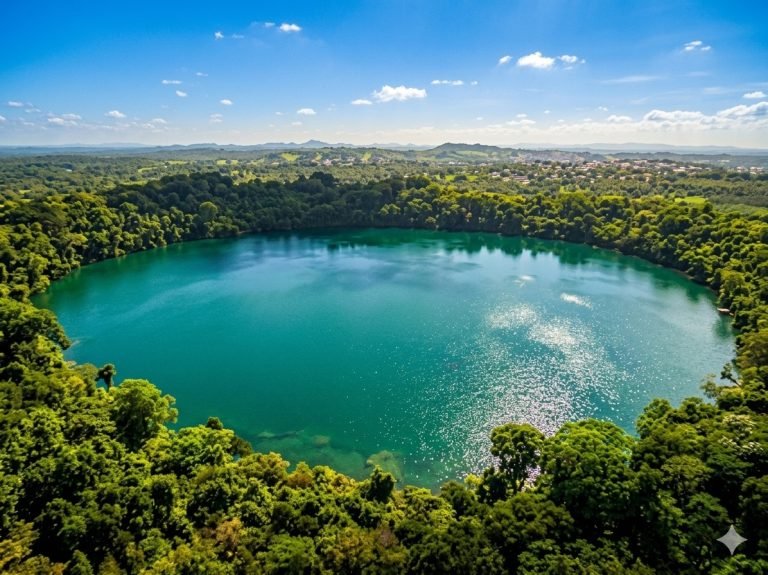
Yeak Laom is the most iconic attraction in Ratanakiri and one of the most unique natural sites in Cambodia. Formed by a volcanic eruption thousands of years ago, the lake is almost perfectly circular, surrounded by dense forest, and filled with clear, calm water.
Unlike many lakes, Yeak Laom feels secluded and well-preserved. Wooden platforms provide access points for swimming, and the water is deep and clean, making it one of the best places in the country for a refreshing break from the heat. A walking trail circles the lake, taking around one to two hours to complete and offering different viewpoints along the way.
The site is managed by the local Tampuan community, which helps maintain its condition and ensures that tourism remains controlled. Early morning and late afternoon are the best times to visit, when the light is softer and the atmosphere is quieter.
Waterfalls Around Banlung
Ratanakiri is home to several waterfalls, each offering a slightly different experience. Unlike Bou Sra in Mondulkiri, these are smaller but more varied, and often easier to combine in a single day.
Ka Chanh Waterfall is one of the most accessible, located just a short drive from Banlung. It has a wide cascade and a natural pool where you can swim, especially during the wet season when the water flow is stronger. Katieng Waterfall offers a similar experience but is usually quieter, making it a good option if you want fewer people around.
Chaa Ong Waterfall stands out for its dramatic setting, with a high drop and a cave behind the waterfall that you can walk through. Visiting multiple waterfalls in one day is common, especially if you are traveling with a driver or on a guided tour.
As in Mondulkiri, waterfalls are most impressive during the rainy season, but road conditions can become more difficult, with muddy tracks and slower travel times.
Indigenous Villages and Cultural Experiences
Ratanakiri is one of the best places in Cambodia to learn about indigenous cultures. The region is home to groups such as the Tampuan, Kreung, and Jarai, each with their own traditions, beliefs, and ways of life.
Visiting these communities provides insight into daily life in a part of Cambodia that has changed much less than the rest of the country. You may see traditional stilt houses, spirit forests, and burial sites marked by carved wooden figures. Cultural practices such as weaving, rice wine production, and forest-based living are still present here.
These experiences are best approached through local guides or community-based tourism initiatives to ensure that visits are respectful and beneficial to the people involved.
Virachey National Park and Jungle Trekking
Virachey National Park is one of the largest protected areas in Cambodia and one of the least visited. For travelers looking for a true jungle experience, this is one of the most adventurous options in the country.
Treks can range from one to several days and usually include a combination of hiking, river travel, and overnight stays in hammocks or basic camps. The park is home to a wide range of wildlife, including birds, primates, and other forest species, although sightings depend on conditions and timing.
What makes Virachey stand out is the scale and remoteness. Once inside, it feels completely disconnected from the rest of Cambodia, offering a level of immersion that is difficult to find elsewhere in the country.
Ethical Elephant Experiences
Elephants are much less common in Ratanakiri than in Mondulkiri, which makes any encounter here feel more rare and closely tied to local traditions. Experiences are smaller in scale and often connected to community-based conservation efforts.
One of the main initiatives in the region is the Airavata Elephant Foundation, located near Banlung. The focus is on ethical, non-riding interactions, where visitors can walk alongside elephants, observe their behavior, and learn about their role within indigenous communities.
These experiences are less commercial and more intimate than those in Mondulkiri, making them particularly appealing for travelers interested in conservation and cultural context rather than structured tourism.
Other Highlights and Local Experiences
Beyond the main attractions, Ratanakiri offers a range of smaller experiences that help round out a visit. Gem mining areas around Banteay Srei or Bar Kaev provide a glimpse into local sapphire and zircon extraction, although visits are often informal.
Coffee and cashew plantations can be visited for a look at local agriculture, and the surrounding countryside offers scenic drives through red dirt roads, forest, and farmland. Boat trips along the Se San River or tubing experiences provide a different perspective on the landscape.
Viewpoints such as Phnom Eisey Patamak and lesser-known spots like Ceal Rumplan Stone Field add variety, especially if you have extra time to explore beyond the main highlights.
Overall, Ratanakiri rewards travelers who are willing to slow down and adapt to the pace of the region. It is not about checking off major sights, but about experiencing a part of Cambodia that remains raw, quiet, and largely unchanged by mass tourism.
Mondulkiri vs Ratanakiri: Which Part of Northeast Cambodia Should You Visit?
One of the most important decisions when planning a trip through northeast Cambodia is whether to visit Mondulkiri, Ratanakiri, or both. On the surface, they can look similar. Both are remote highland provinces in eastern Cambodia. Both are known for forests, waterfalls, indigenous cultures, cooler temperatures, and a slower pace than the country’s better-known destinations. Both appeal to travelers who want to go beyond temples, cities, and beaches. But once you look more closely, the experience of traveling in Mondulkiri and Ratanakiri begins to separate in very clear ways.
This is exactly why a combined northeast Cambodia Mondulkiri and Ratanakiri guide makes sense. Many travelers researching this part of the country are not looking for just one destination in isolation. They are trying to understand how these provinces compare, which one is easier, which one is more rewarding, and whether it is realistic to visit both in the same trip. The answer depends less on which province is “better” and more on what kind of traveler you are, how much time you have, and how comfortable you are with long distances, rougher roads, and lower levels of infrastructure.
If You Want the Easier and More Accessible Option, Choose Mondulkiri
For most travelers, Mondulkiri is the more practical entry point into northeast Cambodia. Sen Monorom is easier to reach from Phnom Penh, the town itself feels calmer and more scenic than Banlung, and the overall tourism infrastructure is more developed without feeling overbuilt. That does not mean Mondulkiri is polished or heavily commercial. It still feels remote compared to the rest of Cambodia. But it is remote in a way that remains manageable.
Mondulkiri is usually the better choice if you are searching for a Mondulkiri travel guide because you want nature without too much friction. It suits travelers who want to experience waterfalls, forest trekking, Bunong culture, and ethical elephant encounters while still having a comfortable base at the end of the day. Places like Bou Sra Waterfall, forest hikes, coffee farms, and the region’s hilltop lodges give Mondulkiri a balance that feels both adventurous and accessible.
It is also the stronger option for travelers who are specifically interested in responsible elephant tourism. Ethical sanctuaries are one of the biggest reasons people choose Mondulkiri over other parts of Cambodia, and that alone can make the province feel like the better fit if wildlife and conservation are central to your trip.
If You Want the More Remote and Adventurous Experience, Choose Ratanakiri
Ratanakiri is the province for travelers who want something wilder, less structured, and further removed from Cambodia’s standard tourist flow. Banlung is a useful base, but the province as a whole feels rougher around the edges than Mondulkiri. Roads can be more demanding, distances can feel longer, and the travel rhythm is slower in a more literal way. It takes more effort to move around, to organize activities, and to get the most out of your time here.
That extra effort is exactly what makes Ratanakiri so rewarding for the right traveler. If you are looking for a Ratanakiri travel guide because you want crater lakes, lesser-visited waterfalls, indigenous villages, jungle routes, and a destination that still feels genuinely off the beaten track, Ratanakiri often delivers more strongly than Mondulkiri. Yeak Laom alone gives the province a distinctive identity, and places like Virachey National Park push the experience even further toward raw nature and deeper exploration.
Ratanakiri is better suited to travelers who are comfortable with uncertainty, who do not mind more basic infrastructure, and who actually enjoy places that feel less organized. It is not the easiest part of Cambodia to travel, but for some people that is exactly the appeal.
If You Are Interested in Elephants, Mondulkiri Is Usually the Stronger Choice
Both provinces can include ethical elephant experiences, but they are not equal in scale or reputation. Mondulkiri is much more established in this area and is more likely to be chosen by travelers specifically researching where to see elephants in Cambodia responsibly. The sanctuary model is more developed, the conservation narrative is clearer, and the province has built a stronger identity around this type of experience.
Ratanakiri can still be meaningful for travelers interested in smaller-scale, culture-linked elephant experiences, but if that is the main reason you are heading east, Mondulkiri is usually the safer choice. In practical terms, this means that if your trip is short and you are asking yourself whether Mondulkiri or Ratanakiri is better for ethical elephant tourism, Mondulkiri is the answer for most people.
If You Care More About Indigenous Culture and a Less Touristed Feel, Ratanakiri Has a Slight Edge
Both provinces have strong indigenous identities, and both can offer meaningful cultural experiences when approached respectfully. Mondulkiri is associated primarily with the Bunong, while Ratanakiri includes communities such as the Tampuan, Kreung, and Jarai. The difference is not that one province has “more culture” than the other. It is that Ratanakiri often feels less filtered through tourism and more directly connected to a wider range of traditional communities and landscapes.
That can make Ratanakiri feel more immersive for travelers who are specifically seeking a deeper cultural layer in northeast Cambodia. At the same time, it also means the experience can require more sensitivity, more time, and often better local guidance. Mondulkiri is easier to access and easier to understand quickly. Ratanakiri may reward longer and more patient travelers.
If You Have Limited Time, Do Not Force Both
This is one of the most important practical points in any northeast Cambodia travel guide. Technically, you can visit both Mondulkiri and Ratanakiri in one trip. In reality, whether you should depends entirely on your schedule. If you only have a few days, trying to combine both provinces often weakens the experience rather than improving it.
Travel times are long, overland connections can be tiring, and neither province is a place that works well when rushed. A three-day trip is usually better spent in one province only. Four or five days can still feel tight if you try to split them. If you have a week or more and genuinely enjoy slower regional travel, combining Mondulkiri and Ratanakiri becomes much more realistic and can create one of the most distinctive routes in Cambodia.
In other words, the question is not only “Can you visit both?” but “Will visiting both improve the trip?” For many travelers, especially first-time visitors to Cambodia, the answer is no unless they have enough time to let the route breathe.
Who Should Visit Mondulkiri?
Mondulkiri is the better fit if you are looking for:
- a gentler introduction to northeast Cambodia
- cooler weather, scenic hills, and easier logistics
- ethical elephant experiences as a major priority
- a nature destination that still feels accessible
- a 3 to 5 day trip that combines comfort with adventure
It works especially well for couples, first-time Cambodia return visitors who want to go beyond the classic route, and travelers who enjoy nature but do not want constant logistical friction.
Who Should Visit Ratanakiri?
Ratanakiri is the better fit if you are looking for:
- a more remote and less visited destination in Cambodia
- volcanic crater lakes, jungle routes, and rougher landscapes
- indigenous culture in a more rugged setting
- a stronger feeling of adventure and distance from mainstream tourism
- a province that rewards patience and flexibility
It is especially appealing to slower travelers, repeat visitors to Cambodia, and people who prefer raw, low-infrastructure destinations over places that are easier and more polished.
Who Should Visit Both Mondulkiri and Ratanakiri?
You should consider visiting both if you have enough time, are intentionally building an eastern Cambodia route, and actually enjoy overland travel. When combined well, Mondulkiri and Ratanakiri create one of the most rewarding regional loops in the country. The contrast between Sen Monorom’s cool hills and elephant-focused experiences and Banlung’s crater lakes, waterfalls, and rougher energy gives the trip real depth.
But combining them only works if you treat the journey as part of the destination. If your style is fast-moving, tightly scheduled, or focused on efficiency, the long travel times between places may start to feel like a burden rather than part of the appeal.
The Real Difference in One Sentence
If Mondulkiri feels like the more accessible, scenic, and conservation-focused side of northeast Cambodia, Ratanakiri feels like the rougher, more adventurous, and more remote side of the same region.
The Final Verdict
If you are asking which is better between Mondulkiri and Ratanakiri, the most honest answer is that Mondulkiri is the better choice for most travelers, while Ratanakiri is often the more rewarding choice for the right traveler. Mondulkiri is easier to fit into a Cambodia itinerary, easier to enjoy with limited time, and more likely to appeal broadly. Ratanakiri asks more of you, but it can also give more back if you are looking for raw nature, cultural depth, and a stronger sense of discovery.
If you are still unsure, choose Mondulkiri for your first trip into northeast Cambodia. If you already know you want something deeper, wilder, and further from the usual route, choose Ratanakiri. If you have enough time and the right mindset, combining both can give you one of the most memorable regional journeys in the country.
How to Get Around Mondulkiri & Ratanakiri
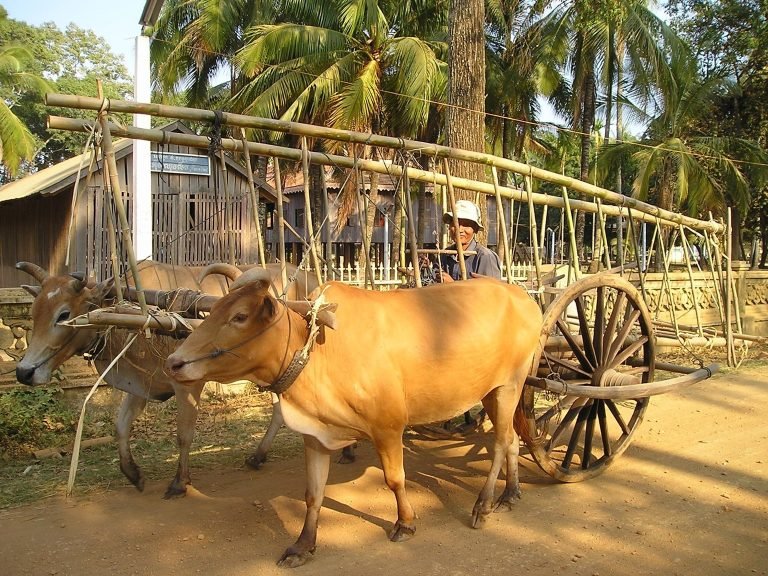
Getting around northeast Cambodia is very different from moving between major destinations like Phnom Penh or Siem Reap. Transport here is less structured, distances between attractions are larger, and road conditions can vary significantly depending on the season. In both Mondulkiri and Ratanakiri, there is no reliable public transport network connecting sights, which means you will need to rely on motorbikes, private drivers, or guided tours.
The most important thing to understand is that your accommodation becomes your main transport hub. Whether you are staying in Sen Monorom or Banlung, guesthouses and lodges routinely help arrange motorbike rentals, drivers, and tours. In practice, this is how most travelers organize their entire stay, often within minutes of arrival.
Getting Around Mondulkiri
Mondulkiri is the easier of the two provinces to navigate. Roads around Sen Monorom are generally in better condition, and most attractions such as waterfalls, viewpoints, and villages are within a reasonable distance of each other. That said, you still need transport for almost everything outside the town center.
- Private drivers and tuk-tuks: The most practical option for most travelers. Drivers can be arranged directly through your accommodation and are typically hired for half-day or full-day trips. This works well for visiting Bou Sra Waterfall, scenic viewpoints, and multiple stops in one day without needing to navigate yourself.
- Motorbike rental: One of the most popular ways to explore independently. Many guesthouses offer rentals or can arrange one quickly through local contacts. This gives you flexibility to visit waterfalls, coffee farms, and viewpoints at your own pace. Roads can be dusty, uneven, and occasionally steep, so this is best suited to confident riders.
- Bicycle rental and tours: A slower and more immersive option, especially for shorter distances around Sen Monorom and nearby countryside. Some operators also offer guided cycling routes through villages and farmland.
- Guided tours: The best option for elephant sanctuaries, jungle trekking, and cultural experiences. These include transport and local guides, making them the easiest way to access more remote areas.
- Walking: Limited to the town itself or around your accommodation. Attractions are too spread out to reach on foot.
If you prefer to arrange transport yourself, there are a few local providers available. Angkor Motorcycles offers motorbike rentals, while smaller operators such as Bike Tours Mondulkiri focus on bicycles and guided rides. Even with these options, many travelers still find it easier to organize everything through their accommodation.
In practice, most visitors combine different transport types. For example, renting a motorbike for independent exploration one day and booking a guided tour for jungle or elephant experiences on another.
Getting Around Ratanakiri
Ratanakiri is more challenging to navigate than Mondulkiri. Roads are rougher, attractions are more spread out, and transport options are less structured. Travel here requires more time, more planning, and a more flexible approach.
- Motorbike rental: The most common way to explore around Banlung. Many guesthouses offer rentals directly or can arrange them through local contacts. This is often the easiest way to reach waterfalls, crater lakes, and nearby villages. Road conditions can be difficult, especially in the rainy season, so this is best suited to experienced riders.
- Private drivers: A more comfortable and safer option, particularly for visiting multiple locations in one day. Drivers are usually arranged through your accommodation, which is often more reliable than searching independently.
- Guided tours: Essential for visiting Virachey National Park, remote indigenous communities, or multi-day jungle routes. These tours include transport, guides, and logistics, and are typically organized in Banlung through local operators or your guesthouse.
- Boat transport: Used in specific areas such as along the Se San River. These are usually part of organized tours rather than independent transport options.
Independent rental options are more limited than in Mondulkiri, but services like Explore Ratanakiri offer motorbike rentals in Banlung. As with Mondulkiri, however, most travelers rely on their accommodation to arrange transport through trusted local contacts.
Seasonal Impact on Transport
Seasonality plays a major role in how easy it is to get around northeast Cambodia. During the dry season, roads are generally passable but can be dusty, especially in Ratanakiri. During the rainy season, dirt roads can become muddy and slippery, travel times increase, and some remote areas may be harder to access.
This does not make travel impossible, but it does mean adjusting expectations. Planning fewer activities per day and allowing extra time between stops is especially important during the wet season.
Choosing the Right Transport Style
The best way to get around depends on your travel style. Motorbikes offer flexibility and independence, private drivers provide comfort and simplicity, and guided tours open access to more remote or specialized experiences. In most cases, a combination of these options works best.
Transport in northeast Cambodia is not just a logistical detail. It shapes how you experience the region. Slower travel, longer distances, and less structured options are part of what makes Mondulkiri and Ratanakiri feel different from the rest of the country. Once you adapt to that rhythm, getting around becomes part of the experience rather than something to work around.
Best Time to Visit Mondulkiri & Ratanakiri
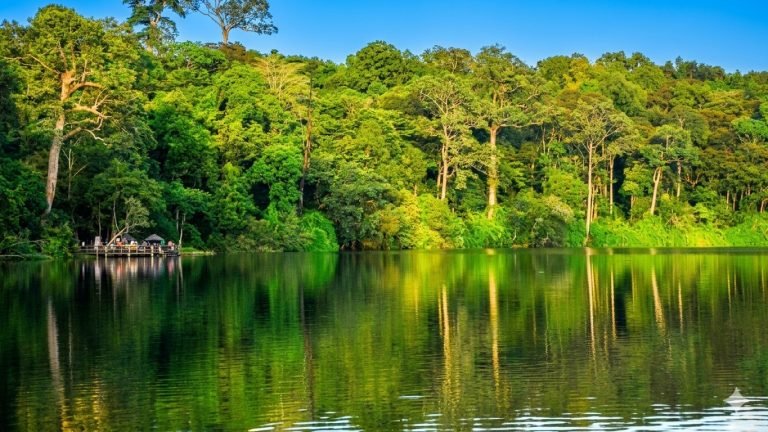
The best time to visit Mondulkiri and Ratanakiri depends less on a single “perfect season” and more on what kind of experience you are looking for. Unlike Cambodia’s main destinations, where weather mostly affects comfort, in the northeast it directly impacts road conditions, accessibility, waterfall strength, and the overall feel of the landscape.
Both provinces follow Cambodia’s two main seasons: the dry season and the rainy season. Each comes with clear advantages and trade-offs, and understanding these will help you plan your trip more realistically rather than aiming for a one-size-fits-all answer.
Dry Season (November to April)
The dry season is generally the easiest and most popular time to visit northeast Cambodia. Roads are in better condition, travel times are more predictable, and getting around between attractions is significantly simpler. This is especially important in Ratanakiri, where dirt roads can become difficult during wetter months.
From November to February, temperatures are slightly cooler, particularly in Mondulkiri, which sits at a higher elevation. Mornings and evenings can feel noticeably fresher than in the rest of Cambodia, making this one of the most comfortable periods for trekking, outdoor exploration, and longer days of sightseeing.
From March to April, temperatures rise, and conditions become hotter and drier. While travel remains easy, landscapes can appear more dusty and less green. Waterfalls are still accessible but often have reduced flow compared to the rainy season.
If your priority is ease of travel, reliable transport, and comfortable trekking conditions, the dry season is the best overall choice. It is also the safest option if you are planning to rent a motorbike or move between multiple locations independently.
Rainy Season (May to October)
The rainy season transforms Mondulkiri and Ratanakiri into much greener and more dramatic landscapes. Forests become dense and vibrant, waterfalls reach their full power, and the entire region feels more alive compared to the dry months.
This is the best time to visit if your focus is on nature, photography, and seeing the region at its most visually impressive. Bou Sra Waterfall in Mondulkiri and the waterfalls around Banlung in Ratanakiri are significantly more powerful during this period.
However, these conditions come with practical challenges. Dirt roads can become muddy and slippery, especially in Ratanakiri, where infrastructure is more limited. Travel times increase, and some remote areas may be harder to access. Motorbike travel becomes more demanding, and flexibility in your schedule becomes more important.
Rain usually falls in short, heavy bursts rather than all day, so it is still possible to plan activities around it. Early mornings are often dry, with rain more likely in the afternoon or evening.
Shoulder Months (November & May)
If you are trying to balance good weather with fewer crowds and better landscapes, the transition months can be some of the best times to visit. November often combines greener scenery with improving road conditions, while May marks the beginning of the rainy season, when the landscape starts to recover from the dry months.
These periods can offer a strong middle ground, especially if you are comfortable with a bit of unpredictability in exchange for better scenery and fewer travelers.
How Season Affects Your Experience
The most important difference between seasons in northeast Cambodia is not just temperature or rainfall, but how it changes the way you travel. In the dry season, your experience is defined by ease and accessibility. In the rainy season, it is defined by atmosphere and landscape.
For example, a waterfall visit in the dry season may be easier to reach but less visually impressive, while the same visit in the rainy season may require more effort but offer a far more dramatic setting. Similarly, jungle trekking is more comfortable in cooler months but more immersive and alive during the wet season.
The Best Time Overall
For most travelers, the best time to visit Mondulkiri and Ratanakiri is between November and February. This period offers the most balanced conditions, with cooler temperatures, manageable road conditions, and enough greenery to keep the landscape appealing.
That said, there is no single “perfect” time for everyone. If your priority is comfort and ease, the dry season is ideal. If your priority is lush landscapes and powerful waterfalls, the rainy season may be the better choice. The right time depends on how you want to experience northeast Cambodia rather than simply when the weather is best.
If you are planning a broader trip across the country, it also helps to understand how these seasonal patterns fit into Cambodia as a whole. This Cambodia seasonal travel guide gives a clearer overview of how weather varies between regions and how to align your itinerary accordingly.
Travel Tips for Mondulkiri & Ratanakiri
Traveling through northeast Cambodia is very different from visiting the country’s main destinations. Mondulkiri and Ratanakiri are remote, less developed, and far more dependent on nature and local conditions. This is part of what makes them so rewarding, but it also means preparation matters much more here than in places like Siem Reap or Phnom Penh.
Health, Mosquitoes, and Jungle Conditions
One of the biggest practical differences in northeast Cambodia is the environment itself. These are forested, rural regions where mosquito-borne illnesses such as dengue are a real concern, especially during the rainy season. Using strong insect repellent, wearing long sleeves in the evening, and sleeping in protected accommodation are simple steps that make a big difference.
If you are trekking or spending time in jungle areas, expect leeches during the wet season, as well as insects and occasional wildlife encounters. Sturdy shoes, awareness of your surroundings, and sticking to established paths are essential. These are not dangerous conditions, but they are very different from city travel.
Cash, Connectivity, and Daily Practicalities
Infrastructure in Mondulkiri and Ratanakiri is improving, but it is still limited. ATMs can be unreliable or unavailable outside main towns, so it is important to carry enough cash for your stay. Payments are often made in US dollars or Cambodian riel, and smaller businesses may not accept cards.
Wi-Fi is available in most guesthouses, but connections can be slow or inconsistent, especially outside town centers. Mobile signal also varies depending on your location. Downloading offline maps before arriving makes navigation much easier, particularly if you are exploring independently.
Transport Reality and Planning Your Days
Distances in northeast Cambodia can be misleading. What looks close on a map can take much longer due to road conditions. Dirt roads, hills, and seasonal changes all affect travel time, especially in Ratanakiri.
The best approach is to plan fewer activities per day and allow extra time between stops. Trying to fit too much into a single day often leads to rushed experiences and unnecessary stress. Slower planning usually results in a much better trip.
Cultural Awareness and Respect
Both provinces are home to indigenous communities, including the Bunong, Tampuan, Kreung, and Jarai. Visiting these areas is one of the most meaningful parts of traveling in northeast Cambodia, but it requires a respectful approach.
Dressing modestly, asking permission before taking photos, and avoiding intrusive behavior are basic but important practices. Some areas, such as spirit forests or sacred sites, should not be entered without a local guide. Supporting community-based tourism and local guides helps ensure that your visit benefits the people who live there.
Food, Water, and Expectations
Food in Mondulkiri and Ratanakiri is simple but fresh. Most meals are based on rice, vegetables, and grilled meats, with local variations depending on the region. Western options exist in small numbers but should not be expected everywhere.
As in the rest of Cambodia, it is best to drink bottled water and eat at places that are busy and freshly preparing food. This reduces the risk of stomach issues and generally leads to better meals.
Ethical Travel and Wildlife Experiences
Northeast Cambodia is one of the few places in the country where wildlife and conservation experiences play a central role. Choosing ethical operators is essential. This means avoiding elephant riding and instead supporting observation-based sanctuaries that focus on animal welfare and habitat protection.
These experiences are often less commercial and more educational, which makes them more meaningful. They also contribute directly to conservation efforts and local communities.
What to Pack for Northeast Cambodia
Packing for Mondulkiri and Ratanakiri requires a slightly different approach than the rest of Cambodia. Lightweight clothing is still essential, but it should be combined with practical items for outdoor conditions.
- Sturdy shoes suitable for trekking and uneven ground
- Insect repellent and basic first-aid supplies
- Light rain jacket or poncho, especially during the wet season
- Layers for cooler evenings in Mondulkiri
- Reusable water bottle and basic daypack
These items are not just convenient but often necessary for enjoying the region comfortably.
Final Practical Mindset
The most important tip for traveling in Mondulkiri and Ratanakiri is to adjust your expectations. Things may take longer, infrastructure may be simpler, and plans may change depending on conditions. But this is exactly what makes the experience feel different from the rest of Cambodia.
Approaching the region with flexibility, patience, and curiosity will almost always lead to a better experience than trying to control every detail. These provinces reward travelers who are willing to slow down and engage with their surroundings.
Final Thoughts on Visiting Northeast Cambodia
Traveling through northeast Cambodia is not about ticking off famous landmarks or following a tightly structured itinerary. Mondulkiri and Ratanakiri offer something very different from the rest of the country. They are slower, less developed, and far less predictable, but that is exactly what makes them some of the most rewarding destinations in Cambodia for the right traveler.
What stands out most about this region is the sense of space and authenticity. Instead of moving between crowded sites, you spend your time in forests, small towns, and landscapes that still feel largely untouched by mass tourism. Experiences such as walking alongside elephants in ethical sanctuaries, swimming in volcanic crater lakes, trekking through protected forest, or staying in indigenous communities are not just activities, but moments that define the entire trip.
At the same time, it is important to approach northeast Cambodia with realistic expectations. Infrastructure is limited, distances are longer than they appear on a map, and travel often requires more patience than in the rest of the country. This is not a destination where everything runs on a fixed schedule, and that is part of its character. Travelers who expect convenience above all else may find it challenging, while those who embrace flexibility usually find it deeply rewarding.
If you are building a broader Cambodia itinerary, Mondulkiri and Ratanakiri work best as a dedicated segment rather than something added quickly at the end of a trip. They contrast strongly with the temples of Siem Reap, the energy of Phnom Penh, and the coastal atmosphere found in places like Kampot and Sihanoukville Cambodia. Including this region adds depth and variety, turning a standard Cambodia trip into a much more complete journey.
Planning your route carefully makes a significant difference. Using a structured Cambodia itinerary guide helps you connect northeast Cambodia with the rest of the country without unnecessary backtracking, while aligning your plans with the best time to visit Cambodia ensures that road conditions, weather, and overall travel comfort match your expectations. Before finalizing your plans, it is also worth understanding the Cambodia entry visa process so you can arrive prepared and avoid unnecessary delays at the border.
Costs in this region are still relatively low compared to many other destinations, but slightly higher than in lowland Cambodia due to transport and remoteness. Understanding how these factors affect your daily budget can help you plan more effectively, and this Cambodia travel cost breakdown gives a clear overview of what to expect across different parts of the country.
Getting around also requires a slightly different approach. Transport is less structured, and organizing drivers, motorbikes, or tours locally is often part of the experience. Planning this in advance using a practical Cambodia transport guide makes it easier to move between regions and avoid common challenges once you are on the ground.
Finally, while northeast Cambodia is generally very safe and peaceful, it is still worth understanding how travel here differs from more developed destinations. Factors such as road conditions, remote areas, and jungle environments introduce different types of risks compared to city travel. Having a clear understanding of what to expect helps you travel with confidence, and this Cambodia safety guide for travelers provides a broader overview of safety across the country.
In the end, Mondulkiri and Ratanakiri are not destinations for everyone, and they are not meant to be. But for travelers who are willing to slow down, adapt to local conditions, and explore beyond the usual routes, they offer some of the most unique and memorable experiences in Cambodia. This is where the country feels raw, natural, and deeply connected to its landscapes and communities.
If you approach northeast Cambodia with the right mindset, it becomes far more than just another stop on your itinerary. It becomes one of the parts of your journey that stays with you long after you leave.
FAQ: Mondulkiri & Ratanakiri Travel Guide
-
Is northeast Cambodia worth visiting?
Yes, northeast Cambodia is absolutely worth visiting if you are looking for nature, culture, and a slower travel experience. Provinces like Mondulkiri and Ratanakiri offer waterfalls, jungle trekking, crater lakes, and indigenous communities that you will not find in more popular destinations like Siem Reap or Phnom Penh. It is especially rewarding for travelers who want to go off the beaten path. -
Should I visit Mondulkiri or Ratanakiri?
Mondulkiri is usually better for first-time visitors due to easier access, better roads, and more structured experiences like ethical elephant sanctuaries. Ratanakiri is more remote and adventurous, with crater lakes and less tourist infrastructure. If you have limited time, choose one. If you have a week or more, combining both can create a unique northeast Cambodia itinerary. -
Can you visit Mondulkiri and Ratanakiri in one trip?
Yes, it is possible to visit both in one trip, but it requires time. Travel between Sen Monorom and Banlung takes several hours, and both regions are best experienced slowly. A minimum of 5 to 7 days is recommended to properly explore both without rushing. -
How do you get to Mondulkiri and Ratanakiri?
Mondulkiri (Sen Monorom) can be reached by bus or minivan from Phnom Penh in around 6 to 8 hours. Ratanakiri (Banlung) takes longer, usually 10 to 12 hours from Phnom Penh. Travel between the two provinces is possible by road but can be slow depending on conditions. -
How do you get around Mondulkiri and Ratanakiri?
Most travelers rent a motorbike, hire a driver, or join guided tours. Guesthouses and hotels usually arrange everything for you. There is no reliable public transport between attractions, so planning transport locally is essential. -
Is it safe to ride a motorbike in Mondulkiri and Ratanakiri?
It can be safe for experienced riders, but roads can be dusty, uneven, or muddy depending on the season. Beginners should avoid riding, especially in the rainy season, and consider hiring a driver instead. -
What is the best time to visit Mondulkiri and Ratanakiri?
The best time to visit is during the dry season from November to February, when temperatures are cooler and roads are easier to navigate. The rainy season from May to October offers greener landscapes and stronger waterfalls but more difficult travel conditions. -
What are the top things to do in Mondulkiri?
Top activities include visiting Bou Sra Waterfall, exploring ethical elephant sanctuaries, jungle trekking, visiting Bunong villages, and enjoying scenic viewpoints and coffee farms around Sen Monorom. -
What are the top things to do in Ratanakiri?
Highlights include swimming in Yeak Laom crater lake, visiting waterfalls like Ka Chanh and Chaa Ong, exploring Virachey National Park, visiting indigenous villages, and experiencing remote jungle landscapes. -
Are there ethical elephant sanctuaries in Cambodia?
Yes, especially in Mondulkiri. Ethical sanctuaries focus on observing elephants in their natural environment without riding or forced interaction. Some projects also exist in Ratanakiri but on a smaller scale. -
Can you stay at elephant sanctuaries in Mondulkiri?
Some sanctuaries offer multi-day experiences or overnight stays as part of guided programs. These are usually booked as packages rather than standard hotel stays and provide a more immersive conservation-focused experience. -
Is Mondulkiri or Ratanakiri better for elephants?
Mondulkiri is generally better for ethical elephant experiences due to more established sanctuaries and conservation programs. Ratanakiri offers smaller, more local initiatives but fewer options overall. -
Are Mondulkiri and Ratanakiri safe for tourists?
Yes, both provinces are considered very safe and peaceful. Crime is extremely low. The main risks are related to road conditions, jungle environments, and health factors such as mosquitoes. -
Do you need cash in Mondulkiri and Ratanakiri?
Yes, cash is essential. ATMs are limited and unreliable, especially outside main towns. It is recommended to bring enough US dollars or Cambodian riel for your stay. -
Is there Wi-Fi and mobile signal in northeast Cambodia?
Wi-Fi is available in most guesthouses but can be slow. Mobile signal varies depending on location and may be weak in remote areas. Downloading offline maps is highly recommended. -
What should you pack for Mondulkiri and Ratanakiri?
Pack sturdy shoes, insect repellent, lightweight clothing, a rain jacket (especially in the wet season), and basic medical supplies. Layers are useful for cooler evenings in Mondulkiri. -
Are Mondulkiri and Ratanakiri suitable for first-time Cambodia travelers?
They can be, but they are better suited as a second or third stop after visiting more accessible destinations. First-time visitors with limited time may find Mondulkiri easier than Ratanakiri. -
How many days do you need in Mondulkiri or Ratanakiri?
A typical stay is 3 to 4 days per province. This allows enough time to visit key attractions, take part in a guided activity, and explore at a relaxed pace. -
Is northeast Cambodia good for solo travel?
Yes, it is generally safe for solo travelers, including solo female travelers. However, due to the remote nature of the region, it is important to plan transport carefully and avoid unnecessary risks such as riding alone in difficult conditions. -
What makes Mondulkiri and Ratanakiri different from the rest of Cambodia?
These provinces offer a completely different side of Cambodia focused on nature, indigenous culture, and slower travel. They are less developed, less crowded, and more immersive than the country’s main tourist destinations.
Travel Resources to Plan, Book & Stay Connected
Use these tools and guides to stay connected abroad, find inspiration for your next trip, and book your flights, stays and gear with confidence.
Disclosure: This article may contain affiliate links. If you make a purchase through a link, I may receive a commission at no extra cost to you. I only share recommendations I believe are genuinely useful, and all opinions are my own. AI was used in this post for research and drafting purposes.

Comment (0)