
Getting Around Bali: What This Transport Guide Covers
Getting around Bali is one of the biggest challenges first-time visitors face. Unlike destinations with extensive train networks or metro systems, Bali relies heavily on private drivers, ride-hailing apps, scooters, and ferries. Choosing the right transport option can save you time, reduce stress, and help you build a more realistic itinerary.
- The best ways to get around Bali for different travel styles and budgets
- Whether renting a scooter is worth it and who should avoid it
- How Grab and Gojek work in Bali and where restrictions still exist
- When hiring a private driver makes more sense than driving yourself
- Airport transfers, taxis, and transport from Ngurah Rai Airport
- Travel times between Ubud, Canggu, Seminyak, Uluwatu, Amed, and Sidemen
- How to reach Nusa Penida, Nusa Lembongan, and Nusa Ceningan
- What to expect from Bali traffic and how it affects your plans
- Public transport options and their limitations
- Practical travel tips to help you move around Bali efficiently
If you are still deciding which parts of the island to visit, start with our guide to the best things to do in Bali, which covers the island's top attractions, beaches, temples, waterfalls, and cultural highlights.
Transport decisions are closely linked to where you stay. A traveler based in Ubud will move around Bali very differently from someone staying in Canggu, Seminyak, or Uluwatu. Before planning your routes, it is worth reading our where to stay in Bali guide, which explains the strengths and weaknesses of each area.
If you are building a complete trip, this transport guide works best alongside our Bali itinerary for 5, 7, 10, or 14 days, helping you understand how travel times, traffic, ferries, and transfer days can affect your overall schedule.

Is It Easy to Get Around Bali?
Getting around Bali is easier than many first-time visitors expect, but it works very differently from destinations with extensive train, metro, or bus networks. Most travelers rely on private drivers, ride-hailing apps such as Grab and Gojek, scooters, and ferries rather than public transportation. Understanding how these options work can save you hours on the road and help you avoid some of the most common planning mistakes.
The short answer is that most visitors do not need to rent a scooter. While scooters are popular and often the fastest way to move through traffic, they are not the best choice for everyone. For most travelers, a combination of Grab or Gojek for shorter journeys and a private driver for longer sightseeing days provides the easiest, safest, and most comfortable way to explore the island.
Bali is also much larger than many people expect. Distances that look short on a map can take considerably longer because of traffic, narrow roads, weather conditions, and the island's geography. A journey between two popular tourist areas can easily take one to three hours depending on the time of day, which is why transport planning plays such an important role when building a Bali itinerary.
In this guide, you'll learn how each transport option works, when it makes sense to use it, what it costs, and how to travel efficiently between Bali's most popular destinations. Whether you're staying in Ubud, Canggu, Seminyak, Uluwatu, Amed, Sidemen, or planning a trip to Nusa Penida, understanding how to get around Bali will help you make better decisions from the moment you arrive.


The Best Ways to Get Around Bali
There is no single best way to get around Bali because the right option depends on your budget, comfort level, itinerary, and travel style. A couple spending a week in Ubud will have very different transport needs from a surfer staying in Canggu or a backpacker moving between multiple destinations.
For most visitors, the best approach is to combine several transport methods throughout the trip rather than relying on just one.
- Private drivers are the best overall option for day trips, sightseeing, and longer journeys.
- Grab and Gojek are ideal for short trips within popular tourist areas.
- Scooters offer maximum flexibility but are only suitable for experienced riders.
- Ferries and fast boats are necessary for reaching islands such as Nusa Penida and Nusa Lembongan.
- Airport transfers are often the easiest solution after arriving in Bali.
- Public transport exists but is not used by most tourists.
Private Drivers
For the majority of travelers, hiring a private driver is the easiest and most practical way to explore Bali. Drivers can be booked for half-day or full-day trips and are commonly used for sightseeing routes that include multiple attractions, temples, waterfalls, rice terraces, beaches, and viewpoints.
A private driver removes the stress of navigating unfamiliar roads, finding parking, dealing with traffic, or trying to coordinate multiple taxis throughout the day. This is particularly useful in areas such as Ubud, Sidemen, northern Bali, and East Bali, where attractions are spread across large distances. Travelers who are concerned about road conditions, scooter accidents, or other transport-related risks may also find our guide to staying safe while traveling around Bali helpful before deciding how they plan to explore the island.
Many visitors quickly discover that hiring a driver for a full day can be surprisingly affordable when the cost is shared between two or more people. For most first-time visitors, this is the transport option that provides the best balance between convenience, comfort, safety, and value.
Grab and Gojek
Grab and Gojek are Bali's two dominant ride-hailing apps and function similarly to Uber. They are widely used in major tourist areas including Seminyak, Canggu, Ubud, Sanur, and parts of Uluwatu.
These services are usually the best choice for short journeys, restaurant visits, beach trips, and transfers within the same area. Fares are generally transparent, booking is simple through the app, and waiting times are often short in busy locations.
Most travelers find themselves using Grab or Gojek regularly throughout their stay, particularly when moving around towns or returning to their accommodation after dinner, shopping, or nightlife.
Transportation costs can vary considerably depending on whether you rely on ride-hailing apps, private drivers, scooter rentals, or a combination of all three. Travelers trying to estimate their overall expenses may find our Bali trip budget breakdown useful, as it compares typical transportation, accommodation, food, and activity costs across different travel styles.

Scooter Rental
Scooters are everywhere in Bali and provide the greatest freedom for travelers who are comfortable riding motorcycles. They make it easier to navigate traffic, reach smaller attractions, and avoid some of the delays experienced by cars during busy periods.
However, scooters are not the best option for everyone. Roads can be chaotic, weather conditions can change quickly, and many visitors underestimate the challenges of riding in unfamiliar environments. Travelers with little or no riding experience should think carefully before renting a scooter, regardless of how common they appear.
For experienced riders, scooters can be an excellent way to explore local areas independently. For many other visitors, private drivers and ride-hailing apps remain the safer and more comfortable choice.
Ferries and Fast Boats
If your trip includes Nusa Penida, Nusa Lembongan, Nusa Ceningan, or the nearby Gili Islands, ferries and fast boats become an important part of your transport plan. These services connect Bali to some of Indonesia's most popular island destinations and operate daily from several ports around the island.
Travel times, departure points, and sea conditions vary throughout the year, so it is worth planning these transfers in advance rather than treating them as last-minute decisions.
Airport Transfers
Most visitors begin their Bali trip at Ngurah Rai International Airport near Kuta. After a long flight, arranging a straightforward airport transfer is often the easiest option, particularly if you are heading to Ubud, Canggu, Seminyak, or Uluwatu.
Travelers can choose between app-based rides, taxis, private transfers, and hotel-organized transportation. The best option depends largely on your arrival time, group size, luggage, and destination.
Public Transport
Unlike destinations such as Taiwan, Japan, Singapore, or many European countries, Bali does not have a comprehensive public transportation network connecting the island's main tourist attractions.
While buses do exist, they play a relatively small role in most tourist itineraries. The vast majority of visitors rely on private transport, ride-hailing apps, or organized tours instead.
For most travelers, planning around private transportation options will result in a far smoother experience than attempting to rely heavily on public transport.

Should You Rent a Scooter in Bali?
Renting a scooter is one of the most common ways to get around Bali, and you'll see locals, expats, and tourists using them everywhere from Canggu and Seminyak to Ubud and Amed. For some travelers, a scooter provides unmatched freedom and flexibility. For others, it can quickly become one of the biggest risks of their trip.
The reality is that scooters are neither inherently good nor bad. The right decision depends on your riding experience, confidence level, itinerary, and willingness to deal with Bali's unique road conditions.
Advantages of Renting a Scooter
- Greater flexibility to explore independently.
- Easier navigation through traffic congestion.
- Access to smaller roads and less-visited attractions.
- Convenient for short trips between cafés, beaches, and accommodations.
- Often the fastest way to travel within busy tourist areas.
In destinations such as Canggu, Ubud, and Uluwatu, scooters can save significant time compared with cars during peak traffic periods. Many travelers staying in one area for several days appreciate being able to move around without repeatedly booking rides through an app.
The Risks Many Visitors Underestimate
While scooters are popular, Bali's roads can be challenging for inexperienced riders. Traffic patterns may differ significantly from what visitors are used to at home, road conditions can vary, and sudden obstacles are not uncommon.
- Heavy traffic in tourist areas.
- Unpredictable driving behavior from other road users.
- Narrow roads with limited shoulders.
- Rainy-season conditions that reduce visibility and traction.
- Long-distance rides that can become physically tiring.
Many first-time visitors assume that because scooters are everywhere, riding one must be easy. In reality, Bali's roads require constant attention, especially in busy areas such as Canggu, Seminyak, Kuta, and parts of Ubud.
Who Should Consider Renting a Scooter?
A scooter can be an excellent option if you already have experience riding motorcycles or scooters and feel comfortable navigating busy traffic.
- Experienced riders familiar with two-wheeled transport.
- Travelers staying primarily within one area.
- Visitors planning frequent short-distance trips.
- People comfortable riding in changing weather conditions.
For experienced riders, a scooter often becomes the most efficient way to explore local neighborhoods, beaches, viewpoints, and restaurants without depending on drivers or ride-hailing apps.
Who Should Avoid Renting a Scooter?
For many visitors, renting a scooter simply isn't necessary. Bali has plenty of alternative transport options that are safer and more comfortable, particularly for travelers who are unfamiliar with riding.
- First-time scooter riders.
- Travelers who are uncomfortable in heavy traffic.
- Families with children.
- Visitors planning long-distance journeys around the island.
- Anyone who would rather relax and enjoy the scenery than focus on driving.
Most first-time visitors are usually better served by combining Grab or Gojek for shorter journeys with private drivers for sightseeing days. This approach eliminates the stress of navigating unfamiliar roads while still providing flexibility and convenience.
Our Recommendation
Most travelers do not need a scooter to enjoy Bali. If you already ride regularly at home and are comfortable handling busy traffic, a scooter can be a useful tool for exploring local areas. However, if you have little or no riding experience, Bali is not the ideal place to learn.
For the majority of visitors, private drivers and ride-hailing apps provide a safer, more comfortable, and surprisingly affordable way to get around the island while allowing you to focus on the experience rather than the road.

Using Grab and Gojek in Bali
For most visitors, Grab and Gojek are the easiest ways to get around Bali for shorter journeys. Both apps function similarly to Uber and allow you to book cars, scooters, food delivery, and other services directly from your smartphone. If you are staying in popular tourist areas such as Ubud, Canggu, Seminyak, Sanur, or Uluwatu, you will likely use one of these apps regularly during your trip.
For many travelers, Grab and Gojek eliminate the need to negotiate taxi fares, search for transportation, or rent a scooter. They are particularly useful for restaurant visits, beach trips, shopping, nightlife, and short transfers between attractions.
Grab vs Gojek: Which Is Better?
In practice, both apps provide a very similar experience. Prices can vary slightly depending on demand, driver availability, weather conditions, and your location, but the differences are usually minor.
- Grab generally has strong coverage across Bali's main tourist areas.
- Gojek is equally popular and often provides competitive pricing.
- Both apps offer car and scooter transport options.
- Both allow cash and digital payment methods in many situations.
- Most travelers benefit from installing both apps and comparing prices when needed.
Having both applications available gives you more flexibility and can occasionally reduce waiting times during busy periods.
Where Do Grab and Gojek Work?
Coverage is excellent throughout Bali's main tourism zones. Finding a driver is rarely difficult in heavily visited areas, particularly during daylight hours.
- Canggu
- Seminyak
- Kuta
- Legian
- Ubud
- Sanur
- Uluwatu
- Jimbaran
- Nusa Dua
Availability can become more limited in remote parts of northern Bali, East Bali, mountain regions, and smaller villages. If you plan to spend the day exploring less-developed areas, a private driver is often the more reliable choice.
Using Grab and Gojek at Bali Airport
Ngurah Rai International Airport is one of the first places many visitors encounter ride-hailing services. While Grab and Gojek operate at the airport, the pickup process can differ from what travelers expect in other countries.
Airport authorities periodically adjust pickup zones and designated meeting points, so you may need to walk a short distance before meeting your driver. The exact process can change over time, but both apps generally provide instructions within the booking process.
If convenience is your priority after a long flight, many travelers prefer arranging an airport transfer or hotel pickup in advance, particularly when heading to Ubud or other destinations more than an hour away.
How Much Do Grab and Gojek Cost?
One reason these apps are so popular is that fares are usually affordable compared with similar services in many Western countries. Short journeys within a tourist area often cost only a few dollars, while longer trips remain reasonably priced.
The exact fare depends on distance, traffic conditions, demand, time of day, and vehicle type. During heavy traffic or peak periods, prices can increase through dynamic pricing systems.
Even when prices rise, Grab and Gojek are often among the most cost-effective transport options available for short and medium-distance journeys.
When Should You Use Grab and Gojek?
These apps work best when you need simple point-to-point transportation rather than a full day of sightseeing.
- Restaurant and café visits.
- Beach hopping within the same area.
- Transfers between hotels and attractions.
- Evening transportation after nightlife or dinner.
- Short journeys where hiring a private driver would be unnecessary.
For longer sightseeing days that include multiple stops, waterfalls, temples, rice terraces, or scenic drives, a private driver is usually the more practical and comfortable solution.
Common Mistakes First-Time Visitors Make
Many visitors assume that Grab and Gojek can efficiently handle every transport need in Bali. While they are extremely useful, they are not always the best solution for longer routes or full-day itineraries.
- Relying on ride-hailing apps for complex sightseeing days.
- Ignoring Bali's traffic when estimating travel times.
- Assuming drivers will always be available in remote regions.
- Not installing both apps before arriving.
- Using multiple individual rides when a private driver would be more efficient.
For most travelers, Grab and Gojek work best as part of a broader transport strategy. They are excellent for everyday mobility, while private drivers remain the better choice for exploring larger parts of the island.

Hiring a Private Driver in Bali
For most first-time visitors, hiring a private driver is the best way to get around Bali. While ride-hailing apps are excellent for shorter journeys, a private driver becomes far more practical when you want to visit multiple attractions in a single day, travel between regions, or explore parts of the island where transportation options are limited.
Many travelers initially assume they will rely on taxis, Grab, or scooters throughout their trip. After a few days, however, they often discover that a private driver offers the best combination of convenience, comfort, flexibility, and value, especially when traveling as a couple, family, or small group.
How Private Drivers Work in Bali
Unlike traditional taxis, private drivers are usually hired for several hours or an entire day. Rather than paying separately for each journey, you agree on a route and the driver remains available throughout the day while you visit temples, waterfalls, beaches, viewpoints, markets, and other attractions.
This approach eliminates the need to repeatedly search for transportation between stops and allows you to adjust your plans as the day unfolds. If you decide to spend longer at a waterfall or add an extra temple to your route, a private driver can often accommodate those changes.
How Much Does a Private Driver Cost?
Prices vary depending on the season, route, duration, vehicle type, and location, but private drivers are generally more affordable than many visitors expect.
For travelers making multiple stops throughout the day, the overall cost is often comparable to booking several individual rides through ride-hailing apps. Once the cost is shared between two or more people, hiring a driver frequently becomes one of the best-value transport options available in Bali.
It is always worth confirming exactly what is included before booking, including fuel, parking fees, tolls, waiting time, and any additional charges for longer distances.
When Does Hiring a Driver Make Sense?
Private drivers are particularly useful when attractions are spread across different regions or when traffic conditions make self-driving less appealing.
- Exploring multiple attractions around Ubud.
- Visiting waterfalls and rice terraces in central Bali.
- Day trips to East Bali and Amed.
- Exploring Sidemen and surrounding villages.
- Temple-hopping routes that include several stops.
- Long-distance transfers between major tourist areas.
In these situations, a private driver is usually more efficient than relying on multiple individual rides throughout the day.
Advantages of Hiring a Private Driver
- No need to navigate unfamiliar roads.
- No parking concerns at busy attractions.
- Less stress during heavy traffic.
- Greater comfort during longer journeys.
- Flexibility to visit multiple attractions in one day.
- Local knowledge that can improve your itinerary.
Many drivers have extensive knowledge of local attractions and road conditions. They can often suggest alternative routes, recommend places to stop, or help you avoid some of the island's busiest traffic periods.
Private Driver vs Grab and Gojek
For short journeys within Canggu, Seminyak, Ubud, Sanur, or Uluwatu, Grab and Gojek are usually the better option. They are quick, convenient, and ideal for simple point-to-point transportation.
However, once your day includes multiple attractions, scenic routes, waterfalls, temples, beaches, or longer distances, a private driver becomes far more practical. Instead of arranging several separate rides and coordinating pickup locations throughout the day, you have one dedicated driver available whenever you are ready to continue.
Our Recommendation
If you are only taking short trips around a single area, use Grab or Gojek. If you plan to spend the day exploring Bali, hire a private driver.
For most first-time visitors, a combination of ride-hailing apps for local transportation and private drivers for sightseeing days provides the most efficient, comfortable, and enjoyable way to experience the island.

Public Transport in Bali: Does It Exist?
One of the biggest misconceptions first-time visitors have is assuming Bali has a public transportation system similar to destinations such as Taiwan, Japan, Singapore, or many European countries. In reality, public transport in Bali is extremely limited and plays only a minor role in how most tourists travel around the island.
The short answer is that public transport does exist, but most visitors will find private drivers, ride-hailing apps, and organized tours far more practical for exploring Bali.
Why Most Travelers Don't Use Public Transport
Bali was never designed around extensive public transportation. The island's tourism infrastructure developed primarily around private vehicles, scooters, taxis, and drivers rather than trains and large-scale bus networks.
As a result, many popular attractions are not easily connected by public transport. Even when buses are available, routes may not align with the places most visitors actually want to visit.
- Limited route coverage.
- Few direct connections between tourist attractions.
- Longer travel times compared with private transport.
- Less flexibility when building day-trip itineraries.
- Inconvenient schedules for many sightseeing routes.
For travelers with limited time, relying entirely on public transportation can significantly reduce the number of places they are able to visit during their trip.
The Trans Metro Dewata Bus System
Bali's primary public bus network is known as Trans Metro Dewata. The system connects parts of southern Bali and serves some of the island's more populated areas.
While the buses can be useful for residents and budget-conscious travelers following specific routes, they are not a comprehensive solution for most visitors. Popular destinations such as waterfalls, temples, viewpoints, rice terraces, and many beaches remain difficult to reach solely by bus.
For travelers staying in tourist hubs such as Ubud, Canggu, Seminyak, Sanur, or Uluwatu, ride-hailing apps generally provide a much simpler experience.
Are Tourist Shuttle Services a Better Option?
Some travelers use tourist shuttle services to move between major destinations such as Ubud, Canggu, Seminyak, Kuta, Sanur, and Uluwatu. These services are often easier to use than public buses and can be a reasonable option for budget travelers moving between regions.
However, shuttles typically operate on fixed schedules and are designed for transportation between destinations rather than sightseeing throughout the day.
They can be useful for occasional transfers, but they are unlikely to replace ride-hailing apps or private drivers during the rest of your trip.
Is Public Transport Worth Using in Bali?
For most visitors, the answer is usually no. While public transport can help reduce costs in certain situations, the trade-off is often reduced flexibility, longer travel times, and more complicated logistics.
Bali is a destination where convenience has a significant impact on the overall travel experience. Spending a little more on transportation often allows you to see more attractions, reduce travel stress, and make better use of your limited vacation time.
Our Recommendation
Most travelers should view public transport as a backup option rather than a primary transportation strategy. For day-to-day travel, Grab and Gojek are usually the easiest solutions, while private drivers remain the best choice for sightseeing and longer journeys around the island.
If your goal is to maximize what you can see and do during your trip, private transportation will almost always provide a smoother and more efficient experience than relying heavily on public transport.
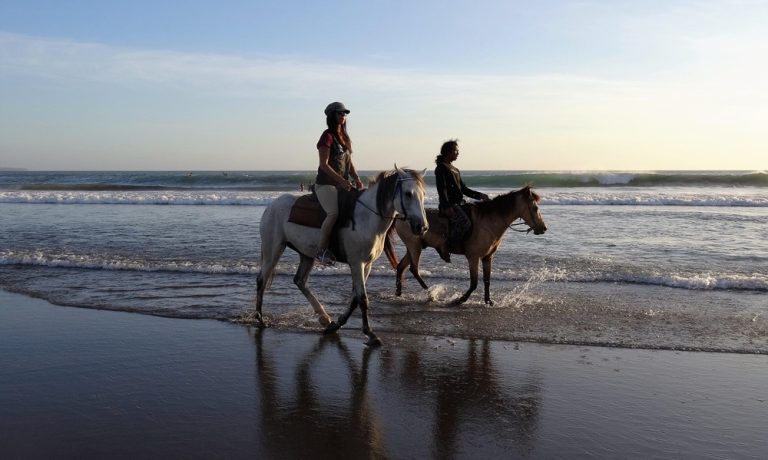
Airport Transfers in Bali: How to Get from Ngurah Rai Airport to Your Hotel
Most visitors arrive in Bali through Ngurah Rai International Airport (DPS), located near Kuta and Jimbaran in southern Bali. While getting from the airport to your hotel is relatively straightforward, the experience can vary significantly depending on the transport option you choose. If you have not arrived yet, our step-by-step guide to arriving at Bali Airport covers immigration, customs, transportation options, mobile data setup, and other practical information for first-time visitors.
For most travelers, booking a private airport transfer in advance is the easiest and most stress-free solution. It eliminates the need to negotiate prices, search for transportation after a long flight, or navigate Bali's transport system immediately after arriving.
The Best Airport Transfer Option for Most Travelers
If convenience and reliability are your priorities, pre-booking an airport transfer is usually the best choice. Your driver will typically monitor your flight, wait for delayed arrivals, and meet you at the airport with a name board before escorting you directly to your vehicle.
This approach is particularly useful for first-time visitors, families, travelers arriving late at night, and anyone heading to destinations such as Ubud, Canggu, Sidemen, Amed, or northern Bali.
Popular airport transfer providers include Klook, local transfer companies, private tour operators, and hotel-arranged transportation services.
Typical Airport Transfer Costs and Travel Times
Travel times in Bali depend heavily on traffic conditions, weather, holidays, and the time of day. Distances that appear short on a map can take considerably longer than expected, especially during peak traffic periods.
| Destination | Approximate Travel Time | Typical Private Transfer Cost |
|---|---|---|
| Kuta / Jimbaran | 10–20 minutes | IDR 150,000–200,000 |
| Seminyak / Legian | 25–30 minutes | Around IDR 250,000 |
| Sanur / Nusa Dua | 30–45 minutes | IDR 250,000–350,000 |
| Canggu / Uluwatu | 45–60 minutes | IDR 300,000–350,000 |
| Ubud | 60–90 minutes | IDR 350,000–450,000 |
| Amed / Lovina | 2.5–3 hours | IDR 750,000–850,000 |
Some operators apply a small surcharge for very late-night arrivals, particularly for flights landing after 10:00 PM. Always confirm the final price before booking.
Using Grab at Bali Airport
Travelers who prefer not to book ahead can use Grab after arriving at the airport. Bali Airport has dedicated pickup procedures for ride-hailing services, making the process relatively straightforward.
After collecting your luggage and exiting arrivals, follow the signs toward the designated Grab pickup area. Staff are often available to assist with bookings and direct passengers to the correct meeting point.
Grab can be an excellent option for travelers heading to nearby destinations such as Kuta, Seminyak, Jimbaran, Sanur, or Canggu. However, prices can increase during periods of high demand, particularly when multiple flights arrive simultaneously or during heavy rain.
For short journeys to nearby destinations, Grab is usually sufficient. For longer transfers, late-night arrivals, families, large groups, or first-time visitors, pre-booking a private airport transfer is generally the smoother option.
After a long international flight, many travelers appreciate knowing that transportation is already arranged and that they can head directly to their accommodation without additional planning or negotiation.

Getting Between Bali's Main Areas
One of the most common mistakes first-time visitors make is underestimating how long it takes to travel around Bali. The island may appear relatively small on a map, but traffic, road conditions, ceremonies, weather, and the lack of major highways can significantly increase travel times.
When planning your itinerary, it is usually better to assume journeys will take longer than expected rather than trying to squeeze too many destinations into a single day. In many cases, changing hotels and staying closer to the attractions you want to visit will result in a far more enjoyable trip. For example, travelers planning to spend several days exploring temples, rice terraces, waterfalls, and cultural attractions may find it helpful to read our complete Ubud travel guide before deciding where to base themselves.
If you are planning to spend time along the coast, it is also worth reading our detailed guide to the best beaches in Bali, which compares popular surf beaches, quieter swimming spots, dramatic cliffside coves, black sand beaches, and some of the island’s most scenic coastal areas.
Typical Travel Times Between Popular Areas
| Route | Typical Travel Time |
|---|---|
| Airport → Seminyak | 25–45 minutes |
| Airport → Canggu | 45–90 minutes |
| Airport → Ubud | 60–90 minutes |
| Ubud → Canggu | 45–90 minutes |
| Ubud → Seminyak | 45–75 minutes |
| Canggu → Uluwatu | 60–120 minutes |
| Ubud → Sidemen | 45–75 minutes |
| Ubud → Amed | 2–3 hours |
| Canggu → Amed | 3–4 hours |
| Ubud → Lovina | 2–3 hours |
Ubud to Canggu
Although these are two of Bali's most popular destinations, the journey between them can be surprisingly slow. Heavy traffic often develops around Denpasar and the roads leading into Canggu, particularly during mornings, afternoons, and weekends.
Many travelers stay in both destinations during the same trip rather than attempting frequent day trips between them.
Ubud to Seminyak
The route between Ubud and Seminyak is generally straightforward, but traffic can dramatically affect journey times. Outside peak periods, the trip is often manageable, but congestion can easily add 30 minutes or more.
For travelers interested in shopping, beach clubs, restaurants, and nightlife, staying overnight in Seminyak is often more practical than commuting from Ubud repeatedly.
Canggu to Uluwatu
This route frequently surprises visitors. While both destinations are located in southern Bali, traffic can be extremely unpredictable. A journey that looks simple on a map may take considerably longer than expected.
If you plan to spend several days surfing, visiting beach clubs, or exploring the Bukit Peninsula, staying in Uluwatu rather than commuting from Canggu can save a significant amount of time.
Ubud to Sidemen
Sidemen is one of the easiest regions to reach from Ubud and makes an excellent short transfer or overnight addition to a Bali itinerary. The scenery becomes increasingly rural as you leave central Bali behind, with rice terraces, valleys, and traditional villages replacing heavier tourist development.
Many travelers combine Ubud and Sidemen during the same trip because the transfer is relatively simple compared with longer journeys elsewhere on the island.
Ubud to Amed
Amed sits on Bali's northeastern coast and feels very different from the island's busier tourism hubs. The journey requires crossing a large portion of eastern Bali and is considerably longer than many visitors anticipate.
Because of the distance involved, Amed is usually best treated as its own destination rather than a day trip from Ubud. Divers, snorkelers, and travelers looking for a quieter side of Bali often spend several nights here.
Why Google Maps Can Be Misleading in Bali
Google Maps is generally useful for navigation in Bali, but its travel-time estimates should be treated with caution. Conditions can change rapidly, especially near tourist hotspots, major intersections, and popular attractions.
- Traffic patterns vary significantly throughout the day.
- Road closures occasionally occur for ceremonies and local events.
- Weather conditions can slow journeys considerably.
- Narrow roads create bottlenecks in many popular areas.
- Peak-season traffic is often heavier than expected.
A good rule of thumb is to avoid overloading your schedule. Bali rewards slower travel, and building realistic transport times into your itinerary will usually lead to a far more enjoyable experience.

How to Get to Nusa Penida, Nusa Lembongan & Nusa Ceningan
The Nusa Islands are among the most popular side trips from Bali, offering dramatic cliffs, beautiful beaches, snorkeling opportunities, and a slower pace of life than many of Bali's busier tourist areas. Despite their popularity, many first-time visitors underestimate the logistics involved in reaching them.
The short answer is that you'll need to take a fast boat. There are no bridges connecting Bali to the Nusa Islands, and all visitors arrive by sea.
Which Nusa Island Should You Visit?
- Nusa Penida is known for dramatic coastal scenery, viewpoints, beaches, and rugged landscapes.
- Nusa Lembongan offers a more relaxed atmosphere with easier transportation and calmer beaches.
- Nusa Ceningan is the smallest island and is connected to Nusa Lembongan by the famous Yellow Bridge.
Many travelers focus exclusively on Nusa Penida's famous beaches and viewpoints because of iconic attractions such as Kelingking Beach, Diamond Beach, and Broken Beach. However, Nusa Lembongan and Nusa Ceningan often provide a more relaxed experience with fewer crowds and easier logistics.
If you're deciding whether the Nusa Islands fit into your itinerary, our guide to Bali's most popular island and adventure excursions compares Nusa Penida, Nusa Lembongan, Mount Batur, Uluwatu, the Gili Islands, and several other destinations that can be visited in a single day.
Where Do Fast Boats Depart From?
Most fast boats to the Nusa Islands depart from Sanur Harbour on Bali's southeast coast. This is the primary gateway used by both independent travelers and organized tours.
Depending on where you are staying, reaching Sanur may require an early morning transfer. Travelers staying in Ubud, Canggu, Seminyak, Uluwatu, or other parts of Bali should factor this additional travel time into their plans.
Many boat operators offer combined packages that include hotel pickup and drop-off, which can simplify the process considerably.
How Long Does the Journey Take?
| Route | Approximate Travel Time |
|---|---|
| Sanur → Nusa Penida | 30–45 minutes |
| Sanur → Nusa Lembongan | 30–40 minutes |
| Nusa Lembongan → Nusa Ceningan | A few minutes via Yellow Bridge |
Sea conditions can affect travel times throughout the year, particularly during rough weather. Delays occasionally occur, so avoid planning tightly timed connections on the same day whenever possible.
Day Trip or Overnight Stay?
Many visitors choose a day trip from Bali, particularly to Nusa Penida. While this is certainly possible, it often results in a very long day that begins early and involves significant time spent in transit.
A day trip usually works best if you only want to visit a handful of major attractions and have limited time available. However, travelers hoping to explore multiple beaches, viewpoints, snorkeling sites, and quieter corners of the islands will usually benefit from spending at least one night.
An overnight stay also allows you to experience the islands before the day-trip crowds arrive and after they leave in the afternoon.
Getting Around Once You Arrive
Transportation on the islands differs significantly from Bali. Ride-hailing apps such as Grab and Gojek are far less common, and infrastructure is generally more limited.
- Scooter rental is widely available.
- Private drivers can be hired for sightseeing.
- Organized tours often include transportation.
- Road conditions may be rougher than in Bali's main tourist areas.
Nusa Penida in particular has improved significantly in recent years, but some roads remain narrow, steep, and challenging for inexperienced riders.
Common Mistakes Travelers Make
- Underestimating the time required to reach Sanur Harbour.
- Trying to see all of Nusa Penida in a single day.
- Assuming boat schedules operate exactly on time.
- Not accounting for sea conditions and weather.
- Attempting overly ambitious itineraries with multiple island transfers.
The Nusa Islands are well worth visiting, but they should not be treated as quick, effortless add-ons to a Bali itinerary. Building realistic travel times into your plans will help you enjoy the experience far more than trying to rush through multiple islands in a single day.

Bali Traffic: What First-Time Visitors Need to Know
If there is one thing that catches first-time visitors by surprise, it is Bali's traffic. Many travelers look at the map, see that two destinations are only 20 or 30 kilometers apart, and assume the journey will be quick. In reality, traffic is often the single biggest factor affecting travel times across the island.
The short answer is simple: distances in Bali are not the problem. Traffic is. A relatively short journey can easily take an hour or more during busy periods, particularly in southern Bali where much of the island's tourism infrastructure is concentrated.
Where Is Traffic Worst?
Traffic can occur almost anywhere, but certain areas experience congestion far more frequently than others.
- Canggu
- Seminyak
- Kuta
- Legian
- Denpasar
- Uluwatu access roads
- Routes connecting southern Bali with Ubud
These areas are home to many of Bali's most popular hotels, restaurants, beach clubs, coworking spaces, and attractions, which naturally leads to heavier traffic throughout the day.
Why Traffic Can Be So Slow
Unlike many destinations with extensive highway systems, Bali relies heavily on relatively narrow roads that were not originally designed for the current volume of tourism and local traffic.
As tourism has grown, vehicle numbers have increased significantly while road capacity has remained largely unchanged in many areas.
- Limited road capacity.
- High volumes of scooters and cars.
- Frequent construction projects.
- Tourist shuttle and tour traffic.
- Religious ceremonies and local events.
- Weather-related slowdowns during heavy rain.
The result is that average travel speeds are often much lower than visitors expect when looking at route distances.
When Is Traffic at Its Worst?
Traffic patterns vary throughout the day, but congestion is typically heaviest during morning commuting hours, late afternoons, evenings, and weekends.
Popular sunset destinations such as Uluwatu can become particularly congested as visitors head toward beach clubs, viewpoints, and sunset spots at the same time.
Public holidays, school holidays, and major Indonesian holiday periods can also increase travel times significantly.
How Traffic Affects Your Itinerary
One of the biggest itinerary mistakes is trying to visit attractions located in completely different regions of the island on the same day.
For example, combining a morning activity in Ubud, an afternoon beach visit in Uluwatu, and dinner in Canggu may look reasonable on a map, but the time spent sitting in traffic can quickly consume much of the day.
A better approach is to group attractions by region and explore one part of Bali at a time. This reduces unnecessary transfers and allows you to spend more time enjoying destinations rather than traveling between them.
How to Minimize Time in Traffic
- Stay close to the attractions you plan to visit.
- Group sightseeing activities by geographic area.
- Leave early for popular attractions.
- Avoid crossing large sections of southern Bali during peak periods.
- Allow extra time for airport transfers.
- Consider changing hotels instead of making repeated long day trips.
This is one reason many travelers divide their trip between destinations such as Ubud, Canggu, Uluwatu, Sidemen, or Amed rather than staying in a single location for their entire visit.
Our Recommendation
When planning your Bali itinerary, always prioritize realistic travel times over straight-line distances. A route that appears simple on Google Maps can take considerably longer than expected once traffic is factored in.
If you build flexibility into your schedule and avoid overloading your days, Bali becomes a much more enjoyable destination. Travelers who accept the island's slower pace often have a far better experience than those who try to squeeze too many locations into a single trip.

Travel Tips for Getting Around Bali
Getting around Bali is not particularly difficult, but a few simple decisions can save you a significant amount of time, money, and frustration. The travelers who enjoy Bali the most are usually the ones who build realistic transport expectations into their plans from the beginning.
If you're visiting Bali for the first time, these practical transport tips will help you avoid many of the mistakes that cause unnecessary stress during a trip.
Many transport frustrations in Bali actually begin before travelers arrive. Understanding where to stay, how traffic affects travel times, local entry requirements, connectivity options, and realistic daily planning can make a significant difference to your overall experience. If this is your first visit, these practical Bali travel planning tips cover many of the common mistakes visitors make before and during their trip.
- Stay close to the attractions and activities that interest you most rather than trying to commute across the island every day.
- Do not judge Bali travel times solely by distance. Traffic often has a much greater impact than kilometers.
- Download both Grab and Gojek before arriving so you can compare availability and pricing.
- Use ride-hailing apps for short journeys and private drivers for full sightseeing days.
- Allow extra time when traveling to the airport, especially during busy periods.
- If you are inexperienced on a scooter, choose alternative transportation options rather than learning to ride in Bali traffic.
- Consider splitting longer trips between multiple bases such as Ubud, Canggu, Uluwatu, Sidemen, or Amed instead of staying in one location for your entire vacation.
- When visiting Nusa Penida or Nusa Lembongan, factor in transfer times to Sanur Harbour and potential boat delays.
- Avoid creating itineraries that require multiple long-distance transfers on the same day.
- Book airport transfers, popular boat routes, and long-distance drivers in advance during peak travel seasons.
The Most Important Bali Transport Tip
The single best piece of advice for getting around Bali is to slow down. Many visitors try to see too much in too little time and end up spending a large portion of their trip in vehicles rather than actually enjoying the island.
Bali rewards travelers who focus on one region at a time. Spending several days exploring Ubud before moving to Uluwatu or Canggu is usually far more enjoyable than attempting to visit all three areas every day.
A realistic itinerary, sensible transport choices, and reasonable expectations about traffic will often have a greater impact on your trip than almost any other planning decision.

Final Thoughts on Getting Around Bali
Getting around Bali is not as complicated as it may seem at first, but transportation can have a major impact on how much you enjoy your trip. The island does not have the extensive public transport systems found in many other destinations, which means most visitors rely on a combination of ride-hailing apps, private drivers, airport transfers, ferries, and occasionally scooters.
For most travelers, the winning formula is simple: use Grab or Gojek for shorter journeys, hire private drivers for sightseeing days, and avoid trying to cover too much ground in a single day. Bali is a destination that rewards slower travel and realistic expectations far more than rushed itineraries.
If you are still deciding what to see during your trip, our complete Bali attractions guide covers the island's top temples, beaches, waterfalls, rice terraces, and cultural experiences.
Choosing the right base can dramatically reduce travel times and improve your overall experience. Before booking accommodation, take a look at our guide to Bali's best areas and hotels to find the location that matches your travel style. Travelers considering the southern coast may also find our complete Uluwatu travel guide useful for understanding whether Bali's famous cliffside beaches, surf spots, and sunset viewpoints fit into their plans. Those interested in surf culture, cafés, beach clubs, and digital nomad-friendly areas should also explore our in-depth look at Canggu. Travelers seeking upscale dining, luxury villas, boutique shopping, and Bali's most polished beach club scene may prefer our complete guide to exploring Seminyak. It is also worth understanding how Bali's seasons affect crowds and travel conditions, as visiting during the right time of year can make getting around the island significantly easier.
If you're planning a longer trip, our recommended Bali routes for 5, 7, 10, and 14 days show how to combine destinations efficiently while minimizing unnecessary travel time between regions. Before you leave, it is also worth reviewing the essential items to bring to Bali so you are prepared for the island's climate, transportation options, and day-to-day travel needs.
With the right transport strategy, Bali becomes much easier to navigate than many first-time visitors expect. Understanding how the island works before you arrive will help you spend less time in traffic and more time enjoying everything Bali has to offer.

Frequently Asked Questions About Getting Around Bali
-
What is the best way to get around Bali?
For most travelers, the best option is a combination of Grab or Gojek for short trips and private drivers for sightseeing days. This provides the best balance of convenience, comfort, flexibility, and value. -
Is Bali easy to get around?
Yes, but not in the same way as destinations with trains or metro systems. Most visitors rely on ride-hailing apps, private drivers, airport transfers, and ferries rather than public transport. -
Do I need a scooter in Bali?
No. Most visitors can comfortably explore Bali using Grab, Gojek, private drivers, and organized tours without ever renting a scooter. -
Can you get around Bali without a scooter?
Absolutely. Many travelers never rent a scooter and instead use ride-hailing apps and private drivers throughout their trip. -
Is renting a scooter in Bali worth it?
It can be worth it for experienced riders who want maximum flexibility. However, first-time riders are usually better off using alternative transportation options. -
Do you need an international driving permit to ride a scooter in Bali?
Foreign visitors should carry the appropriate license and international driving permit required for motorcycle use in Indonesia. Requirements can change, so always verify the latest regulations before traveling. -
Is Grab available in Bali?
Yes. Grab operates throughout most of Bali's major tourist areas, including Ubud, Canggu, Seminyak, Sanur, Jimbaran, and Uluwatu. -
Is Gojek available in Bali?
Yes. Gojek is widely used across Bali and functions similarly to Grab, offering both car and scooter transport services. -
Should I use Grab or Gojek in Bali?
Most travelers install both apps and compare prices when booking. Availability and pricing can vary depending on location and demand. -
How much does Grab cost in Bali?
Prices vary depending on distance, traffic, demand, and vehicle type. Short trips are usually inexpensive compared with taxi services in many Western countries. -
How much is a private driver in Bali?
Costs vary based on duration, route, and season. Many travelers find that a full-day driver offers excellent value, especially when costs are shared between two or more people. -
Is hiring a private driver in Bali worth it?
For most visitors, yes. Private drivers are often the easiest way to visit multiple attractions in a single day without worrying about navigation, parking, or finding transportation between stops. -
Can I hire a driver for a full day in Bali?
Yes. Full-day private drivers are extremely common and are one of the most popular transportation options for tourists. -
How do I get from Bali Airport to Ubud?
The easiest options are a private airport transfer, Grab, or a pre-arranged hotel transfer. The journey typically takes around 60 to 90 minutes depending on traffic. -
How much is a Bali airport transfer?
Prices depend on your destination, but transfers to Ubud typically cost more than transfers to Kuta, Seminyak, or Jimbaran because of the longer distance. -
Can I use Grab at Bali Airport?
Yes. Grab operates from Ngurah Rai International Airport using designated pickup areas and meeting points. -
Is there Uber in Bali?
No. Uber no longer operates in Indonesia. Grab and Gojek are the main ride-hailing alternatives used throughout Bali. -
Does Bali have public transportation?
Yes, but public transport is limited and not commonly used by tourists. Most visitors rely on private transportation instead. -
Is public transport in Bali good?
Compared with destinations such as Taiwan, Singapore, or Japan, Bali's public transport network is relatively limited and not ideal for most sightseeing itineraries. -
How long does it take to get from Canggu to Ubud?
The journey typically takes between 45 and 90 minutes, depending on traffic conditions and the time of day. -
How long does it take to get from Ubud to Amed?
Most journeys take around 2 to 3 hours, depending on traffic and weather conditions. -
How do you get to Nusa Penida from Bali?
Most travelers take a fast boat from Sanur Harbour. The crossing usually takes around 30 to 45 minutes. -
Can you do Nusa Penida as a day trip from Bali?
Yes, but it makes for a long day. Travelers who want to explore more thoroughly often prefer spending at least one night on the island. -
How bad is traffic in Bali?
Traffic can be significant, especially around Canggu, Seminyak, Kuta, Denpasar, and Uluwatu. Travel times are often much longer than distances suggest. -
What is the biggest transportation mistake travelers make in Bali?
Trying to visit too many regions in a short period of time. Bali is best explored at a slower pace with realistic expectations about travel times and traffic conditions.
Travel Resources to Plan, Book & Stay Connected
Use these tools and guides to stay connected abroad, find inspiration for your next trip, and book your flights, stays and gear with confidence.
Disclosure: This article may contain affiliate links. If you make a purchase through a link, I may receive a commission at no extra cost to you. I only share recommendations I believe are genuinely useful, and all opinions are my own. AI was used in this post for research and drafting purposes.

Comment (0)