Travel Scams Around the World: What You'll Learn
Most travelers will never become victims of a serious scam, but knowing what to look out for can save you money, stress and unnecessary frustration. This guide explains the most common travel scams around the world, how they work and the simple precautions that will help you travel with confidence.
- Most tourist scams rely on distraction, urgency or false friendliness rather than sophisticated tricks.
- The vast majority of people you meet while traveling are honest, welcoming and genuinely helpful.
- Learn how to recognize common taxi, ATM, money, rental, nightlife and street scams before your trip.
- Discover simple habits that will help you avoid scams without becoming suspicious of every local you meet.
- Includes real-world examples from popular destinations around the globe and practical tips you can use anywhere.
Travel Scams Around the World: How to Stay Aware Without Being Afraid
Traveling is one of the most rewarding experiences you can have, and the overwhelming majority of people you meet along the way will be honest, welcoming and genuinely happy to help. Travel scams around the world do exist, but they are usually carried out by a very small minority looking to take advantage of visitors who are unfamiliar with local customs, prices or procedures.
The purpose of this guide is not to make you suspicious of every taxi driver, street vendor or friendly stranger you meet. It is simply to help you recognize the situations in which common travel scams around the world tend to occur, so you can stay calm, avoid unnecessary problems and continue enjoying your trip with confidence.
We will cover taxi and transport scams, ATM and currency tricks, fake police officers, rental disputes, nightlife scams, pickpocket distractions, misleading tours, accommodation fraud, online booking scams and several other tactics travelers may encounter. You will also learn the simple habits that can prevent many travel scams around the world before they have a chance to develop.
Whether you are backpacking through Southeast Asia, exploring South America, visiting Europe or taking your first international trip, awareness should help you feel more confident, not more fearful. The goal is to travel wisely without allowing a small number of dishonest people to damage your trust in everyone else.
Taxi Scams: One of the Most Common Travel Scams Around the World
Whether you're arriving at a busy international airport, a train station or a popular tourist attraction, taxis are often the first service travelers use in a new destination. While the vast majority of drivers are honest professionals, taxi scams remain one of the most common travel scams around the world because visitors are unfamiliar with local routes, prices and transportation systems.
Fortunately, most taxi scams follow the same handful of patterns. Once you know what to look for, they become much easier to spot and avoid.
The "Broken Meter" Scam
Perhaps the oldest taxi scam in the book begins with a simple sentence: "The meter isn't working." The driver then offers a fixed price that is often significantly higher than the normal fare, hoping that tired travelers will simply agree rather than negotiate.
If taxis in your destination are legally required to use a meter, politely insist that it be switched on. If the driver refuses, it's usually best to find another taxi or use a reputable ride-hailing app if one is available.
The Scenic Route Scam
Some dishonest drivers deliberately take a longer route to increase the fare, especially when they realize their passenger has just arrived in the country. This can happen anywhere in the world, from major European capitals to busy cities in Southeast Asia and South America.
Using Google Maps or another navigation app during the ride doesn't mean you distrust the driver—it simply allows you to follow the journey and recognize if you're being taken far off the most reasonable route. If you're planning a trip to Indonesia, our Is Bali Safe? guide also covers transportation safety, common scams and practical advice for getting around with confidence.
Fake Airport or Station Taxis
Unofficial drivers sometimes approach travelers inside airport terminals or outside train stations, offering what sounds like a convenient ride. These vehicles may not be licensed, insured or regulated, and fares can be dramatically inflated once the journey has started.
Whenever possible, use the official taxi queue, pre-paid taxi counters or reputable ride-hailing services rather than accepting unsolicited offers from people approaching you inside the terminal.
Currency Confusion
Another variation involves taking advantage of unfamiliar currencies. A driver may claim you handed over a smaller banknote than you actually did, switch notes while counting your payment or insist you still owe additional money.
When paying cash, clearly state the value of the note before handing it over and wait until your change has been counted before putting your wallet away.
How to Avoid Taxi Scams
- Research typical taxi fares before arriving.
- Use official taxis or trusted ride-hailing apps whenever possible.
- Ask whether the meter will be used before the journey begins.
- Follow your route on your phone using Google Maps or another navigation app.
- Keep smaller banknotes available to reduce confusion over change.
- Remain calm if something doesn't feel right—it's perfectly acceptable to leave before the journey starts.
Having mobile data makes it much easier to verify routes, compare prices and use official ride-hailing apps. If you haven't organized connectivity yet, our guide to choosing the best eSIM for international travel explains how to stay connected from the moment you arrive.
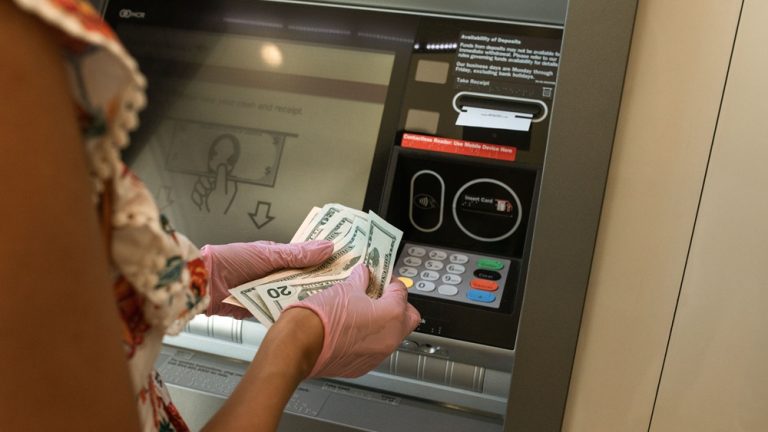
ATM Scams: Protecting Your Money While Traveling
Access to cash is essential in many destinations, especially in countries where smaller businesses, local markets and taxis may not accept cards. Fortunately, withdrawing money abroad is usually straightforward, but it's also an opportunity that scammers occasionally exploit. Like many travel scams around the world, ATM scams often rely on distraction or taking advantage of travelers who are unfamiliar with local banking practices.
Card Skimming
Card skimming is one of the most well-known ATM scams. Criminals attach a hidden device over the card slot to copy the information stored on your bank card. At the same time, a tiny hidden camera or fake keypad records your PIN. The stolen information can then be used to create a duplicate card.
Before inserting your card, take a quick look at the machine. If the card reader feels loose, the keypad appears unusually thick or anything looks tampered with, use another ATM instead. It's also good practice to cover the keypad with your hand while entering your PIN.
Dynamic Currency Conversion (DCC)
This isn't technically a scam, but it catches countless travelers every year. After inserting your card, the ATM may offer to charge your withdrawal in your home currency rather than the local currency. While this sounds convenient, it usually comes with a much less favorable exchange rate.
In most cases, choosing to be charged in the local currency allows your own bank or card provider to apply the exchange rate, which is often significantly better.
Managing your money is just one part of staying safe while traveling. Our Madagascar Travel Tips, Bali Travel Tips and Cambodia Travel Tips guides also include practical advice on using cash, paying by card and avoiding common tourist mistakes.
Fake Assistance
If your card becomes stuck or you appear confused by the machine, a stranger may suddenly offer to help. While they distract you, they may observe your PIN or even persuade you to hand over your card. If your card is retained by the ATM, contact your bank immediately rather than accepting assistance from someone you don't know.
Independent ATMs with High Fees
Not every ATM belongs to a bank. In tourist areas, you'll often find privately operated machines that charge considerably higher withdrawal fees and sometimes offer poor exchange rates. Whenever possible, withdraw cash from ATMs located inside or directly outside established banks.
How to Avoid ATM Scams
- Use ATMs attached to reputable banks whenever possible.
- Inspect the card slot and keypad before inserting your card.
- Always cover the keypad when entering your PIN.
- Choose the local currency instead of accepting Dynamic Currency Conversion.
- Ignore unsolicited offers of assistance from strangers.
- Check your bank account regularly for unfamiliar transactions while traveling.
Keeping your cards, passport and emergency cash organized and secure can make a significant difference if something goes wrong. Our guide to the best travel gear includes practical accessories that help keep your valuables safe on the road.
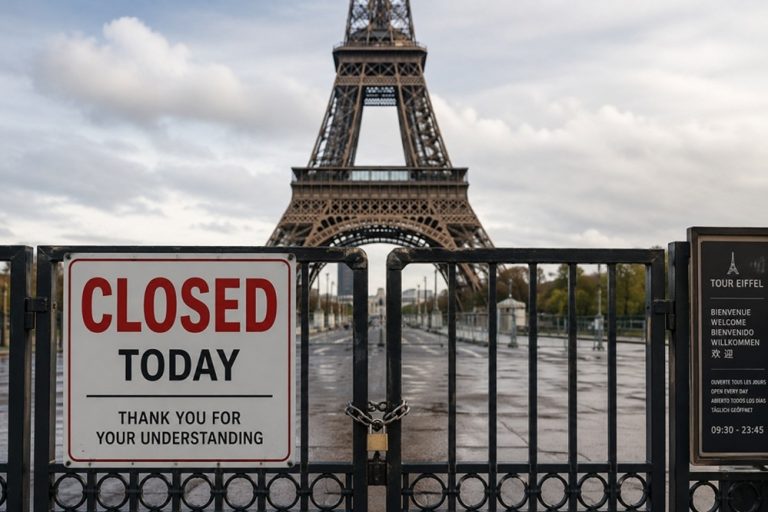
Fake Attraction Scams: "Sorry, It's Closed Today"
One of the oldest travel scams around the world doesn't involve stealing your wallet or cloning your bank card. Instead, it begins with someone who appears to be doing you a favor.
As you walk toward a famous temple, museum or historical landmark, a friendly local casually informs you that it's closed for a holiday, religious ceremony, lunch break or private event. They then recommend an "alternative" attraction, offer to call a taxi or suggest another nearby place that's supposedly just as good.
Unfortunately, that helpful recommendation often leads to an overpriced souvenir shop, gem store, tailor, art gallery or another business where the scammer receives a commission for bringing in tourists.
How the Scam Works
The scam relies on catching visitors before they reach the entrance. Since you're in an unfamiliar city, it's easy to believe someone who sounds confident and appears to know the area.
In reality, many major attractions rarely close unexpectedly during normal opening hours. Even if they do, it's always better to confirm the information yourself rather than relying on a stranger you've just met.
If you're visiting popular destinations, checking official opening hours in advance can save you both time and frustration. Our destination guides, including Best Temples in Bali, Angkor Wat Guide and Christ the Redeemer Tickets, include practical information to help you plan your visit before you arrive.
Common Variations
- "The temple is closed for a religious ceremony."
- "The museum doesn't open until this afternoon."
- "The palace is closed today because of a government event."
- "Your hotel can arrange a much better tour."
- "I'll take you somewhere locals actually go."
While these stories differ, they all have the same goal: redirecting you somewhere that generates money for the person approaching you.
How to Avoid Fake Attraction Scams
- Walk to the entrance and verify whether the attraction is actually closed.
- Check the official website or Google Maps for opening hours.
- Be cautious if someone approaches you before you've even reached the attraction.
- Politely decline unsolicited offers to arrange transport or alternative tours.
- Book tours through reputable operators rather than accepting random street offers.
If you're planning to book sightseeing activities before you travel, using established platforms can reduce the risk of misleading offers or inflated prices. We regularly recommend browsing flights, hotels and reputable tour providers in advance so you know exactly what you're paying for before you arrive.
Fake Police Scams: Always Ask for Identification
Most police officers around the world are honest professionals whose job is to keep both locals and visitors safe. Unfortunately, scammers sometimes take advantage of the authority associated with a police uniform to intimidate travelers into handing over cash, valuables or even their passport.
Fake police scams are among the more intimidating travel scams around the world because they rely on fear rather than deception. A scammer may introduce themselves as a police officer, accuse you of committing a minor offense or claim they need to inspect your money, passport or wallet as part of a routine check.
How the Scam Works
A person dressed in a convincing uniform, or simply claiming to be an undercover officer, approaches you and asks to see your identification. They may accuse you of carrying counterfeit money, violating local laws or being connected to illegal activities. During the "inspection," cash may disappear, your wallet may be switched or you're pressured into paying an on-the-spot fine.
In some cases, the scammers work in pairs, with one distracting you while the other searches your belongings.
How to Respond
If someone claiming to be a police officer approaches you, remain calm and respectful. Genuine officers should be able to identify themselves and explain why they are stopping you. If you have any doubts, politely ask to see official identification and request that any further discussion take place at the nearest police station.
Scammers usually lose interest once they realize you are not easily intimidated.
While fake police scams occasionally make headlines, they remain relatively uncommon compared to petty theft or overcharging. If you're wondering how safe your destination really is, our guides on Is Bali Safe?, Is Cambodia Safe? and Is Madagascar Safe to Visit? explain the most common risks travelers face and how to avoid them.
How to Avoid Fake Police Scams
- Carry a photocopy or digital copy of your passport whenever local regulations allow it, while keeping the original securely stored.
- Ask to see official police identification if someone claims to be an officer.
- Never hand over your wallet for inspection.
- Do not pay cash fines on the street unless you are absolutely certain they are legitimate and follow local procedures.
- If you feel uncomfortable, politely request to continue the conversation at the nearest police station.
If your passport, wallet or valuables are ever stolen while traveling, having comprehensive travel insurance can make dealing with the financial consequences significantly easier, especially if your policy includes coverage for theft and lost travel documents.
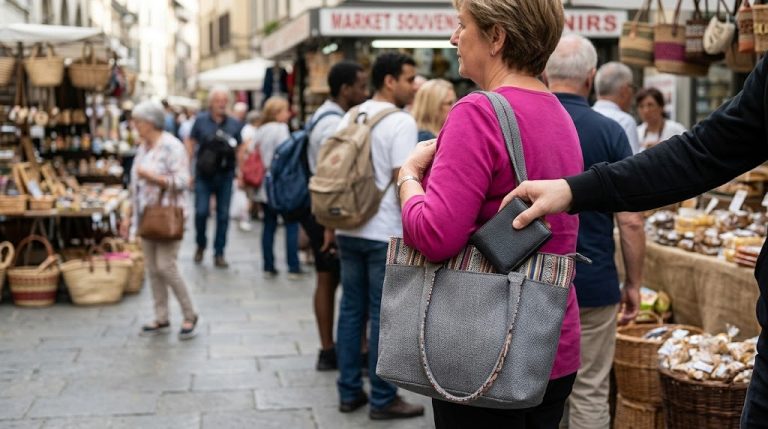
Pickpocket Scams: Distraction Is the Real Weapon
Unlike many travel scams around the world, pickpocketing doesn't rely on convincing stories or elaborate tricks. Instead, it depends on distraction. Professional pickpockets are skilled at taking advantage of moments when your attention is focused elsewhere, often working in teams to create confusion while someone quietly removes your valuables.
Busy tourist attractions, public transport, markets, festivals and crowded streets provide the perfect environment. Most victims never even realize they've been targeted until much later.
Common Distraction Techniques
The exact distraction varies from country to country, but the principle remains the same. Someone wants your attention while another person targets your belongings.
- Someone "accidentally" spills food or a drink on your clothes and offers to help clean it.
- A group of children surrounds you asking for money or trying to sell small items.
- A stranger asks you to sign a petition or complete a survey.
- Someone places a bracelet, flower or other small object in your hands before demanding payment.
- A staged argument, fight or street performance suddenly draws everyone's attention.
- Someone bumps into you while boarding public transport or walking through a crowd.
Where Pickpockets Usually Operate
Pickpockets are most active where large numbers of tourists gather. Popular landmarks, metro stations, buses, train stations, outdoor markets and major festivals are common locations. This doesn't mean you should avoid these places—it simply means being a little more aware of your surroundings.
Large crowds naturally create opportunities for pickpockets, whether you're visiting Rio de Janeiro, Paris, Barcelona or any other major tourist destination. If Brazil is on your itinerary, our Is Rio Safe? and Is Brazil Safe? guides explain where visitors should be extra vigilant while also putting the risks into perspective.
How to Avoid Pickpocket Scams
- Keep your wallet in a front pocket or a secure crossbody bag.
- Avoid storing your passport, phone and wallet together.
- Keep backpacks zipped and carry them in front of you in crowded places.
- Ignore unexpected distractions and continue walking if possible.
- Only carry the cash you'll need for the day.
- Leave expensive jewelry and unnecessary valuables in your hotel safe.
A simple habit can make a huge difference: before leaving a café, taxi or train, quickly check for your "phone, wallet and passport." That five-second routine has saved countless travelers from discovering something important is missing hours later.
If you're carrying expensive cameras, laptops or other valuables, our guide to the best travel gear includes secure anti-theft backpacks, money belts and travel accessories that can help protect your belongings while you're on the move.
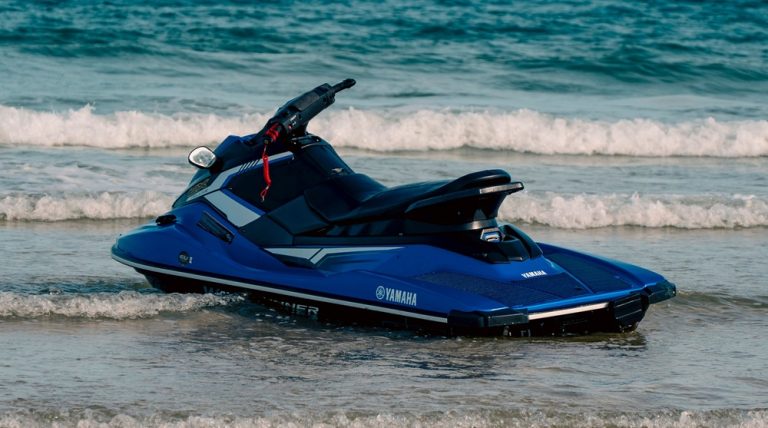
Rental Scams: Inspect Before You Drive Away
Renting a scooter, motorcycle, car or even a jet ski is a fantastic way to explore many destinations, giving you the freedom to travel at your own pace. While most rental businesses are completely legitimate, rental disputes remain one of the more expensive travel scams around the world because tourists often struggle to prove when damage actually occurred.
The good news is that almost all rental scams can be avoided with a few simple precautions before you even leave the rental shop.
Pre-Existing Damage
The most common scam involves charging customers for scratches, dents or mechanical problems that were already there. Without evidence, it can become your word against the rental company's.
Before accepting any vehicle, walk around it carefully and take clear photos and videos from every angle. Make sure existing damage is recorded on the rental agreement before you sign anything.
Holding Your Passport
Some rental businesses ask to keep your passport as a security deposit. While this may seem normal in certain destinations, handing over your most important travel document can leave you in a difficult position if a dispute arises.
Whenever possible, offer a cash deposit or use another form of identification instead. If a passport deposit is unavoidable, only rent from businesses with a strong reputation and plenty of positive reviews.
Fuel Scams
Another common trick is providing a vehicle with only a partially filled fuel tank, then expecting it to be returned completely full. Others may claim you've returned the vehicle with less fuel than when you collected it.
Taking a quick photo of the fuel gauge before leaving can prevent unnecessary arguments later.
How to Avoid Rental Scams
- Photograph and film the vehicle before driving away.
- Record every scratch, dent and mechanical issue on the rental agreement.
- Avoid leaving your passport as a deposit whenever possible.
- Read the insurance excess and damage policy carefully.
- Choose rental companies with consistently positive reviews.
- Take photos again when returning the vehicle.
If you're planning to rent a scooter or car abroad, our Bali Travel Tips and Getting Around Cambodia guides include practical advice on driving conditions, local transport and what to expect before getting behind the wheel.
Even with the best preparation, accidents and disputes can still happen. Choosing comprehensive travel insurance before your trip can provide valuable financial protection if your policy includes rental vehicle coverage and personal liability.
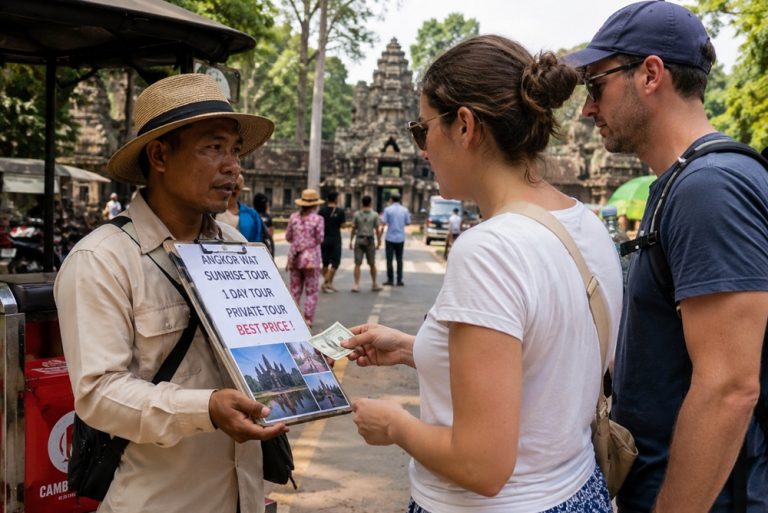
Tour Scams: When the Deal Sounds Too Good to Be True
Booking a guided tour is one of the best ways to discover a new destination, and most tour operators genuinely want you to have an unforgettable experience. Unfortunately, tour-related travel scams around the world still exist, particularly in popular tourist areas where visitors may not know the typical prices or what's actually included.
Many of these scams don't begin with outright fraud. Instead, they start with an incredibly cheap offer that gradually becomes much more expensive through hidden fees, unnecessary stops or services that were never mentioned upfront.
Hidden Fees
A tour may be advertised at an attractive price, only for you to discover later that entrance tickets, transport, equipment rental, fuel surcharges or guide fees are charged separately. By the end of the day, the "bargain" tour often costs far more than booking with a reputable company.
Forced Shopping Stops
Some tours include lengthy visits to souvenir shops, jewelry stores, silk factories or other businesses where guides receive a commission for bringing customers. While there's nothing wrong with stopping at local businesses, problems arise when these visits take up a large part of your day or you're pressured into making purchases.
Unlicensed Guides
In some destinations, individuals approach tourists outside major attractions offering unofficial guided tours. While a few may be knowledgeable, others provide inaccurate information, overcharge visitors or disappear after collecting payment.
Booking through licensed operators helps ensure you receive the experience you've paid for while also supporting legitimate local businesses.
How to Avoid Tour Scams
- Read recent reviews before booking.
- Confirm exactly what is and isn't included in the price.
- Be cautious of tours that are significantly cheaper than every other option.
- Avoid paying large sums in cash without receiving a receipt.
- Don't feel pressured into buying souvenirs during scheduled shopping stops.
- Book with established operators whenever possible.
If you're looking for inspiration before your trip, our destination guides—including Things to Do in Bali, Things to Do in Cambodia and Things to Do in Madagascar—recommend reputable attractions and experiences to help you plan with confidence.
Whenever possible, book your activities through established platforms before you arrive. Comparing prices, reading verified reviews and confirming what's included can help you avoid unpleasant surprises. The same applies when booking hotels or planning the rest of your trip in advance.
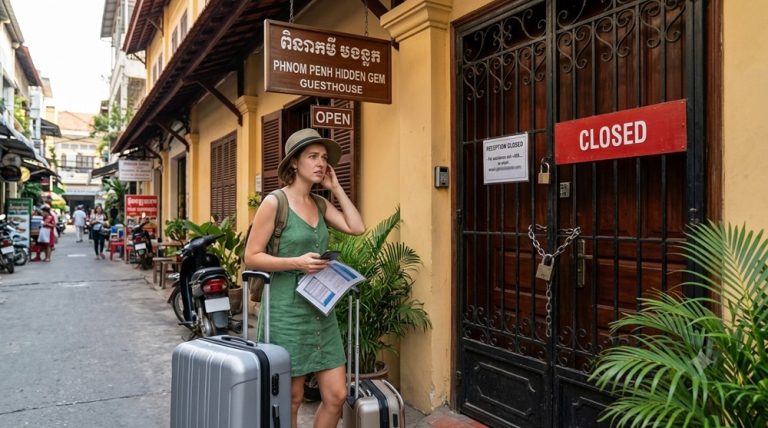
Hotel & Accommodation Scams: Protect Your Booking Before You Arrive
Finding the perfect place to stay is one of the most exciting parts of planning a trip, and reputable hotels, guesthouses and vacation rentals provide exactly what they promise. Unfortunately, accommodation-related travel scams around the world have become more common as online bookings continue to grow in popularity.
Most hotel scams don't happen at the reception desk—they happen before you even arrive. Fake listings, misleading photos and fraudulent booking confirmations are designed to separate travelers from their money long before they set foot in their destination.
Fake Accommodation Listings
Scammers sometimes create fake listings using stolen photographs and descriptions copied from legitimate properties. Travelers pay a deposit or even the full amount, only to discover that the accommodation doesn't exist or was never available for rent.
Booking through well-established platforms and reading recent reviews significantly reduces this risk.
The "Your Reservation Was Cancelled" Scam
Another increasingly common scam involves fake emails or messages claiming there's a problem with your reservation. You may be asked to confirm your credit card details, make another payment or click a suspicious link to "secure" your booking.
Whenever you receive an unexpected message about a reservation, log in to your booking platform directly rather than clicking the link provided in the email.
Misleading Photos & Descriptions
Not every disappointing hotel is a scam, but heavily edited photos, outdated images or exaggerated descriptions can leave travelers feeling misled. Reading recent reviews and checking traveler photos often provides a much more realistic impression of the property.
How to Avoid Accommodation Scams
- Book through reputable booking platforms.
- Read recent reviews instead of relying only on the overall rating.
- Compare traveler photos with the official images.
- Never transfer money directly unless you're certain the property is legitimate.
- Verify unexpected emails by logging into your booking account directly.
- Keep copies of your booking confirmation and payment receipts.
If you're still deciding where to stay, our destination guides—including Where to Stay in Bali, Where to Stay in Madagascar and Where to Stay in Brazil—highlight recommended areas, accommodation types and practical booking advice.
Choosing the right booking platform can be just as important as choosing the hotel itself. Our detailed comparison of the best hotel booking platforms explains the pros and cons of each option, helping you book with confidence while avoiding common accommodation scams.
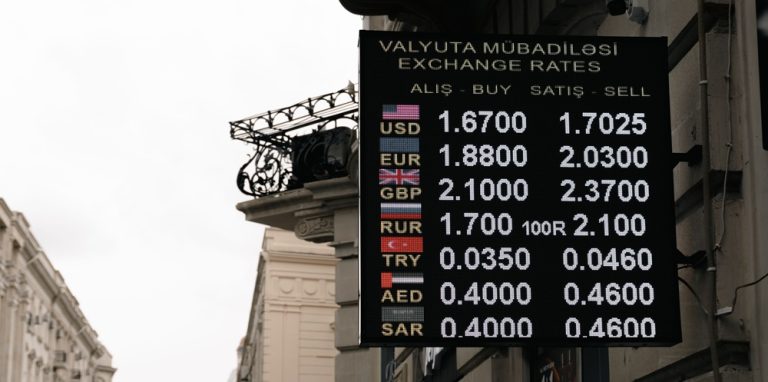
Currency Exchange Scams: Count Your Money Before You Leave
Exchanging money is a routine part of international travel, and most banks and licensed exchange offices operate honestly. However, currency exchange scams remain among the more common travel scams around the world, particularly in busy tourist districts, airports and border crossings where visitors may be unfamiliar with local exchange rates.
These scams rarely involve outright theft. Instead, they rely on confusion, hidden fees or taking advantage of travelers who are tired after a long journey.
Hidden Commission Fees
Some exchange offices advertise attractive exchange rates but compensate by charging high commission fees or unfavorable service charges that aren't clearly displayed. The amount you receive can be significantly lower than expected.
Always ask how much local currency you'll receive before handing over your money.
Short-Changing Customers
Another common trick is simply giving you less money than you're owed, hoping you won't count it until you've already left. This is especially common when exchanging large amounts or unfamiliar banknotes.
Take a moment to count your money before leaving the counter. A reputable exchange office won't mind waiting a few extra seconds.
Confusing Similar Banknotes
In some countries, different denominations look remarkably similar. Unscrupulous cashiers may intentionally hand over lower-value notes, assuming tourists won't notice the difference until much later.
Familiarizing yourself with the local currency before arriving can help prevent this mistake.
How to Avoid Currency Exchange Scams
- Use banks or licensed exchange offices whenever possible.
- Check the current exchange rate before exchanging money.
- Ask about commission fees before completing the transaction.
- Count your cash before leaving the counter.
- Learn to recognize the most common banknotes in your destination.
- Avoid exchanging large amounts of cash on the street.
Understanding local prices also makes it much easier to spot unrealistic exchange rates or inflated tourist prices. Our Madagascar Travel Cost, Bali Travel Cost and Cambodia Travel Cost guides provide realistic budgets to help you plan your spending with confidence.
Before your trip, it's also worth notifying your bank that you'll be traveling and carrying a backup payment method. Combining sensible cash management with comprehensive travel insurance can help minimize both financial disruption and stress if your money or cards are ever lost or stolen.
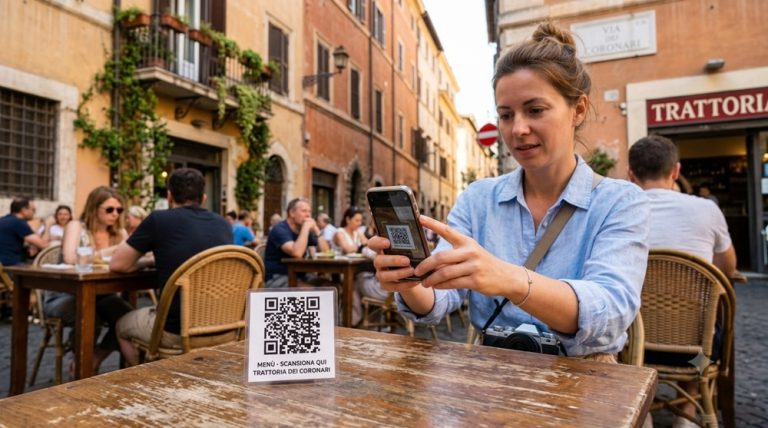
Wi-Fi & QR Code Scams: Stay Connected Safely
Free Wi-Fi is available almost everywhere these days, from airports and cafés to hotels and shopping malls. While most public networks are perfectly legitimate, cybercriminals sometimes create fake Wi-Fi hotspots or malicious QR codes to steal personal information, passwords or payment details. As more travelers rely on their smartphones abroad, these digital travel scams around the world have become increasingly common.
The good news is that avoiding them usually requires nothing more than a few simple habits.
Fake Public Wi-Fi Networks
Scammers may create wireless networks with names that closely resemble legitimate ones, such as an airport, hotel or café. Once connected, your internet traffic can potentially be monitored, or you're redirected to fake login pages designed to capture sensitive information.
If you're unsure which network is official, always ask a member of staff before connecting.
Malicious QR Codes
QR codes have become a convenient way to access restaurant menus, parking payments and tourist information. Unfortunately, scammers sometimes place fake QR code stickers over legitimate ones, directing visitors to fraudulent websites that request payment or personal information.
Before entering any payment details, check that the website address matches the official business or organization.
How to Stay Safe Online While Traveling
- Verify the correct Wi-Fi network with staff before connecting.
- Avoid accessing online banking or making sensitive transactions on public Wi-Fi.
- Check website addresses carefully after scanning QR codes.
- Enable two-factor authentication on important accounts.
- Keep your devices updated with the latest security patches.
- Disconnect from public Wi-Fi when you no longer need it.
One of the easiest ways to reduce your reliance on public Wi-Fi is by using mobile data throughout your trip. Our guide to the best eSIM for international travel compares some of the most reliable options for staying connected securely almost anywhere in the world.
Whether you're planning a city break or a long backpacking adventure, our destination guides—including Bali Travel Tips, Brazil Travel Tips and Cambodia Travel Tips—include practical advice on staying connected, protecting your belongings and avoiding common tourist mistakes.

Charity & Donation Scams: Give with Confidence
Supporting local communities can be one of the most rewarding parts of traveling. Around the world, countless charities and community projects genuinely rely on donations to fund schools, healthcare, wildlife conservation and social programs. Unfortunately, some scammers exploit travelers' generosity by pretending to represent charitable organizations or inventing emotional stories to collect money.
These travel scams around the world can be difficult to recognize because they appeal to your compassion rather than your curiosity. Taking a moment to verify where your donation is going helps ensure your money reaches the people who truly need it.
Fake Charity Collectors
Individuals may approach tourists carrying clipboards, fake identification badges or collection boxes, claiming to represent orphanages, hospitals or disaster relief organizations. Some even wear convincing uniforms or use official-looking paperwork.
While some fundraising efforts are legitimate, many are impossible to verify on the spot.
Invented Personal Emergencies
Another common tactic involves emotional stories about stolen wallets, sick relatives, missed buses or children needing food or medicine. While some people are genuinely in need, professional scammers often repeat the same stories to countless tourists every day.
If you want to help, consider offering practical assistance rather than handing over cash.
How to Donate Safely While Traveling
- Research charities before making significant donations.
- Donate directly through an organization's official website whenever possible.
- Be cautious of high-pressure fundraising tactics.
- Avoid handing over large amounts of cash on the street.
- If you wish to help someone immediately, consider buying food, water or other essentials instead.
- Trust your instincts if something doesn't feel genuine.
Many of our destination guides—including Cambodia Travel Tips, Madagascar Travel Tips and Brazil Travel Tips—include practical cultural advice to help you interact respectfully with local communities while making informed decisions during your trip.
Keeping copies of important documents, emergency contact details and proof of your travel plans can also help if you ever encounter someone claiming to represent an official organization. Before departing, it's worth reviewing your travel insurance policy so you know exactly what assistance is available if something unexpected happens during your journey.
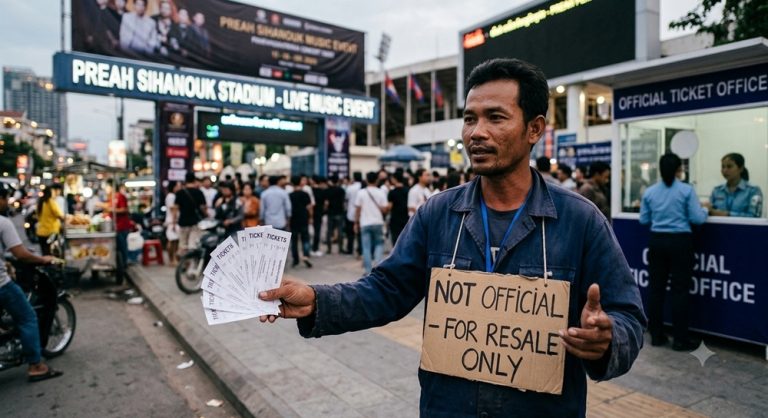
Fake Ticket Scams: Buy from Official Sources Whenever Possible
Whether you're visiting a famous landmark, attending a concert or taking a ferry to your next destination, buying tickets is an essential part of travel. While the vast majority of ticket vendors are legitimate, fake tickets remain one of the more frustrating travel scams around the world because victims often don't discover the problem until they're denied entry.
These scams usually target busy tourist attractions where visitors are eager to skip queues or grab what appears to be a bargain.
Counterfeit Attraction Tickets
Scammers may sell printed tickets that look genuine but are completely fake, duplicated or no longer valid. By the time you reach the entrance gate, the seller has usually disappeared.
If someone approaches you outside an attraction offering discounted tickets, it's usually safest to decline and purchase directly from an official ticket office or authorized reseller.
Fake Online Ticket Sellers
Fraudulent websites sometimes imitate official booking platforms, advertising tickets that either don't exist or are sold at heavily inflated prices. Always double-check the website address before entering your payment details.
Reading recent reviews and booking through trusted platforms can help you avoid these scams.
How to Avoid Fake Ticket Scams
- Buy tickets directly from official websites or authorized sellers.
- Be cautious of heavily discounted tickets sold outside attractions.
- Check that the website address is genuine before making payment.
- Keep digital and printed copies of your booking confirmation.
- Avoid purchasing tickets from strangers on the street.
- If an offer seems too good to be true, it probably is.
If you're planning to visit some of the world's most popular attractions, our guides—including Christ the Redeemer Tickets, Angkor Wat Guide and Best Temples in Bali—explain where to buy legitimate tickets, what to expect and how to plan your visit.
Planning ahead doesn't stop with attraction tickets. Booking your flights and accommodation through trusted platforms can also reduce the risk of fraud while giving you greater peace of mind before your trip.

Nightlife Scams: Stay Alert After Dark
Exploring the local nightlife can be one of the highlights of any trip. Whether you're enjoying rooftop bars, beach clubs, live music or night markets, most evenings out end with great memories. However, alcohol, unfamiliar surroundings and late-night crowds can create opportunities for some of the more expensive travel scams around the world.
Fortunately, a little awareness goes a long way. Most nightlife scams are easy to avoid once you know what to look for.
Inflated Bar Bills
One of the most common scams involves being invited into a bar where drinks appear reasonably priced, only to receive an outrageously inflated bill at the end of the evening. In some cases, tourists are pressured into paying through intimidation or threats.
Checking prices before ordering and choosing venues with plenty of genuine reviews can greatly reduce the risk.
Drink Spiking
Although relatively uncommon, drink spiking can happen anywhere in the world. Never leave your drink unattended, avoid accepting open drinks from strangers and watch your beverage being prepared whenever possible.
If you suddenly feel unusually dizzy or disoriented, seek help from trusted friends, venue staff or local authorities immediately.
Unofficial Taxi Drivers
Leaving bars or clubs late at night is another time when scammers may target tourists. Unlicensed taxi drivers often wait outside nightlife districts, charging excessive fares or taking unnecessarily long routes.
Whenever possible, use official taxi ranks or trusted ride-hailing apps.
How to Stay Safe During a Night Out
- Choose bars and clubs with good reviews.
- Keep an eye on your drink at all times.
- Agree on taxi fares in advance if a meter isn't available.
- Travel with friends whenever possible.
- Avoid carrying large amounts of cash.
- Trust your instincts and leave if a situation feels uncomfortable.
If nightlife is part of your travel plans, our Is Rio Safe?, Is Bali Safe? and Is Cambodia Safe? guides explain what to expect after dark, which areas deserve extra caution and how to enjoy your evenings responsibly.
It's also worth keeping emergency contact details, copies of your important documents and your travel insurance information easily accessible in case you ever need medical assistance or help replacing stolen belongings while abroad.

Social Media & Dating Scams: Be Careful Who You Trust
Meeting new people is one of the greatest joys of traveling, and many lifelong friendships—and even relationships—begin abroad. While the vast majority of locals and fellow travelers are genuine, scammers sometimes use dating apps and social media platforms to target tourists before or during their trip. These travel scams around the world rely on building trust first, making them particularly convincing.
Fortunately, a few sensible precautions can help you enjoy meeting new people while avoiding unnecessary risks.
Romance & Dating App Scams
Some scammers use dating apps to arrange meetings with tourists, only to steer them toward overpriced bars, clubs or restaurants where the visitor receives an outrageously inflated bill. Others may eventually ask for money, gifts or financial assistance after building an online relationship.
Always suggest meeting in a busy public place and be cautious if someone seems unusually eager to move the conversation toward money or expensive venues.
Fake Social Media Profiles
Scammers sometimes create convincing social media profiles using stolen photos and fabricated travel stories. They may pretend to be fellow travelers, local guides or even representatives of legitimate businesses before requesting payments or personal information.
Take a moment to verify who you're dealing with before sending money, sharing sensitive details or making bookings outside established platforms.
How to Stay Safe When Meeting People Abroad
- Meet new people in public places, especially the first time.
- Tell a friend or family member where you're going.
- Be cautious if someone quickly asks for money or expensive gifts.
- Verify tour guides or businesses through official websites or reviews.
- Avoid sharing unnecessary personal or financial information.
- Trust your instincts if something feels off.
Whether you're meeting locals, fellow backpackers or other travelers, a little preparation goes a long way. Our Is Bali Safe?, Is Cambodia Safe? and Is Madagascar Safe to Visit? guides include practical advice on staying safe, avoiding common scams and enjoying your destination with confidence.
Before every trip, it's also worth saving digital copies of your important documents and keeping your travel insurance details readily available, just in case an unexpected situation requires assistance.
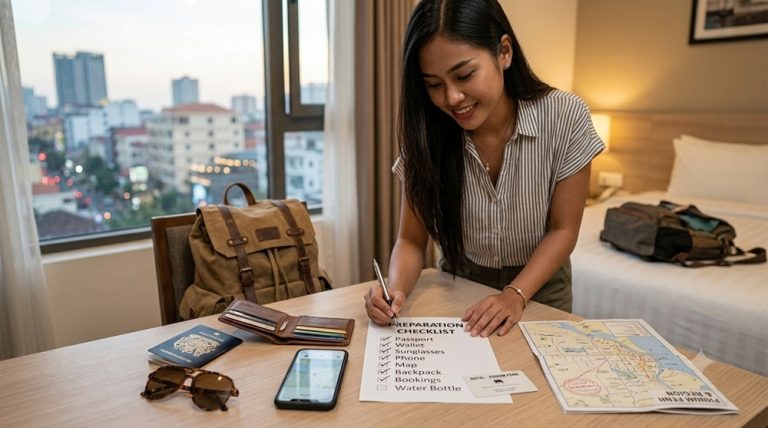
The Golden Rules for Avoiding Travel Scams Anywhere in the World
While travel scams around the world come in many different forms, they all have one thing in common: they rely on catching you off guard. The good news is that you don't need to become suspicious of everyone you meet to stay safe. A handful of simple habits will help you avoid the vast majority of scams without taking away from the joy of traveling.
Remember that millions of people travel internationally every day without encountering serious problems. Staying informed, trusting your instincts and taking a few sensible precautions are usually all it takes.
Before leaving home, review the International Travel Checklist from the U.S. Department of State. It covers destination research, travel documents, emergency preparation and other practical steps that can help you travel more safely and deal with problems more effectively.
If your passport is lost or stolen, report it promptly to the local police and the authority that issued it. INTERPOL's information about its Stolen and Lost Travel Documents database explains why a passport reported missing becomes invalid and should never be used again, even if you later recover it.
Keep These Simple Rules in Mind
- If an offer seems too good to be true, it probably is.
- Research common scams before arriving at your destination.
- Book flights, accommodation and major activities through reputable providers whenever possible.
- Keep your passport, cash and bank cards separate.
- Stay aware of your surroundings without becoming overly suspicious.
- Don't let anyone pressure you into making quick decisions or immediate payments.
- Verify unexpected emails, phone calls or payment requests before responding.
- Trust your instincts—if something doesn't feel right, politely walk away.
Preparing before you travel is one of the best ways to avoid unpleasant surprises. Our Bali Travel Tips, Cambodia Travel Tips and Madagascar Travel Tips guides are packed with practical advice to help you travel more confidently from the moment you arrive.
Finally, don't forget the essentials before every trip. Booking your flights, choosing the right hotel booking platform, staying connected with the best eSIM for international travel and taking out comprehensive travel insurance can all help make your journey smoother, safer and far less stressful.
Frequently Asked Questions About Travel Scams Around the World
What are the most common travel scams around the world?
The most common travel scams include taxi scams, ATM scams, fake police officers, pickpocketing, fake attraction closures, rental vehicle disputes, fake accommodation listings, currency exchange scams, nightlife scams and counterfeit ticket sales. While the exact scams vary by destination, most rely on distraction, confusion or creating a false sense of urgency.
Which countries have the most travel scams?
Travel scams can happen anywhere. Popular tourist destinations naturally experience more scams simply because they attract more visitors. Rather than worrying about a specific country, it's more useful to research the most common scams at your destination before you travel.
How can I avoid travel scams?
The best way to avoid travel scams is to research your destination, use reputable booking platforms, keep your valuables secure, avoid deals that seem too good to be true and stay aware of your surroundings. Most scams can be avoided by taking a few simple precautions and trusting your instincts.
What should I do if I get scammed while traveling?
If you've been scammed, stay calm and avoid confronting the scammers if doing so could put you at risk. Report the incident to the local police, contact your bank immediately if payment cards were involved and notify your travel insurance provider if your policy covers the loss. If your passport has been stolen, contact your embassy or consulate as soon as possible.
Are travel scams becoming more common?
Traditional scams such as pickpocketing and taxi overcharging have existed for decades, but digital scams involving fake booking websites, phishing emails, public Wi-Fi and QR codes have become increasingly common as travelers rely more on smartphones and online payments.
Are solo travelers more likely to be targeted by scammers?
Solo travelers can sometimes be viewed as easier targets because they don't have someone else watching their belongings or helping them spot suspicious situations. However, staying alert, researching common scams and following basic safety precautions significantly reduces the risk.
How do I know if a taxi is legitimate?
Whenever possible, use official taxi ranks, licensed taxis or trusted ride-hailing apps. Make sure the driver uses the meter where required, or agree on the fare before starting the journey if meters are not common at your destination.
Is it safe to use ATMs while traveling?
Yes. ATMs located inside banks, shopping malls or other secure locations are generally the safest option. Before inserting your card, inspect the machine for anything unusual, cover the keypad when entering your PIN and avoid accepting Dynamic Currency Conversion unless you understand the exchange rate being offered.
Should I carry cash or use a credit card while traveling?
A combination of both is usually the safest approach. Carry enough cash for everyday expenses while keeping most of your money on a credit or debit card. It's also wise to carry a backup payment method and store it separately from your main wallet.
Can travel insurance protect me against travel scams?
Travel insurance won't prevent scams from happening, but many comprehensive policies can help cover losses resulting from theft, stolen belongings, lost travel documents or certain forms of fraud. Always read your policy carefully to understand exactly what is and isn't covered before you travel.
Travel Resources to Plan, Book & Stay Connected
Use these tools and guides to stay connected abroad, find inspiration for your next trip, and book your flights, stays and gear with confidence.
Disclosure: This article may contain affiliate links. If you make a purchase through a link, I may receive a commission at no extra cost to you. I only share recommendations I believe are genuinely useful, and all opinions are my own. AI was used in this post for research and drafting purposes.

Comment (0)