This Post at a Glance
This guide focuses on Madagascar’s Central Highlands, helping you understand what this region is like, how it differs from the coast, and how to plan your time between Antananarivo and Antsirabe.
- Where the Central Highlands are located and how they fit into a broader Madagascar itinerary
- What to expect from Antananarivo as a gateway city and cultural center
- Why Antsirabe is a natural base for exploring highland landscapes and daily life
- How altitude, climate, and geography shape travel conditions in the highlands
- Typical travel times and transport options between key towns
- Practical considerations such as cash access, connectivity, and pacing
- When to visit the Central Highlands and how seasons affect travel
Rather than listing every attraction, this post is designed to give you a realistic sense of the region so you can decide how it fits into your overall journey through Madagascar.
Madagascar Travel Guide Series
If you're planning a trip across the island, start with the complete Madagascar travel guide for a full overview of the country before diving into this northern region.Looking for a different part of the country? Jump to the guide you need:
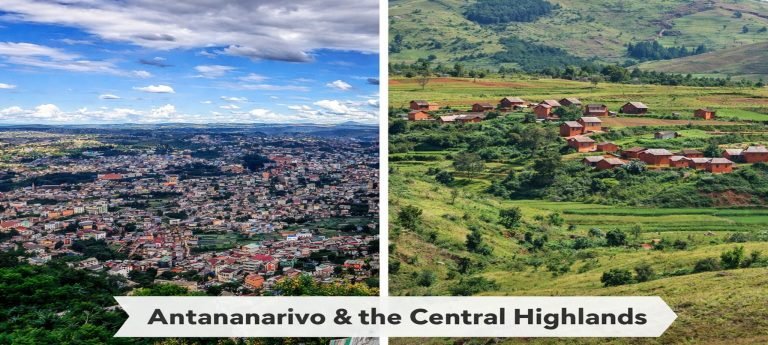
Antananarivo & the Central Highlands: The Inland Heart of Madagascar
Madagascar is a vast and varied island, and no single journey captures its full character. While coastal regions reveal the country’s tropical, maritime side, much of everyday life unfolds inland, across the elevated plateaus that form Madagascar’s central spine. These highlands are where history, politics, agriculture, and trade have long converged.
In our main Madagascar travel guide, we introduced the country’s regions at a high level, from coastal islands and rainforests to arid landscapes and remote national parks. This guide builds on that foundation by focusing specifically on the Central Highlands, with Antananarivo and Antsirabe as key reference points.
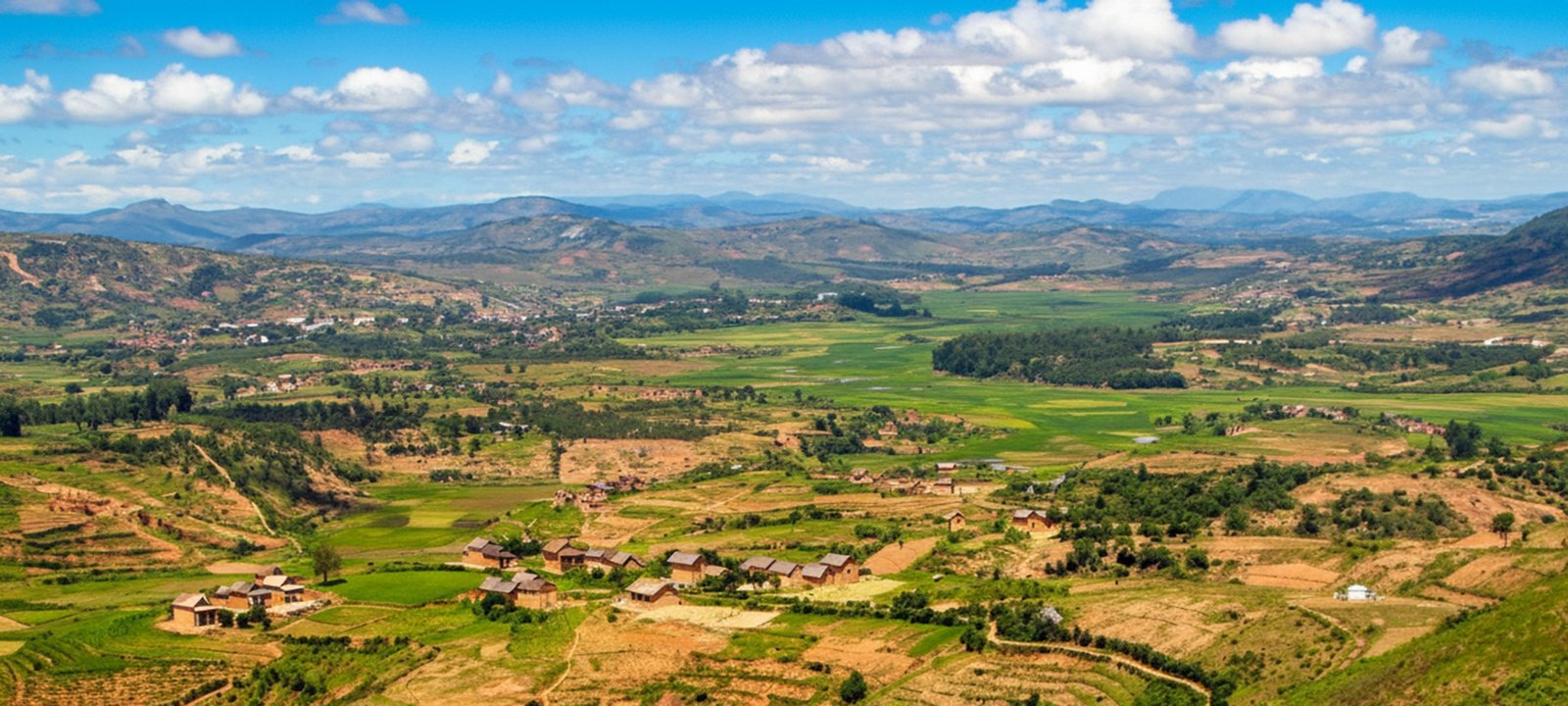
Compared to the beaches and island life explored in our Northern Madagascar guide, the highlands offer a different rhythm of travel. Cooler temperatures, terraced rice fields, market towns, and long road journeys define this part of the island, creating a setting that feels more rooted in daily Malagasy life than in postcard scenery.
This guide explores Antananarivo as both a gateway and a destination in its own right, before moving south into the highland landscapes around Antsirabe. Together, they offer insight into how Madagascar functions beyond its coastlines — culturally, economically, and geographically — and provide essential context for anyone planning to travel deeper into the island.
Antananarivo: Capital of Madagascar and Gateway to the Central Highlands
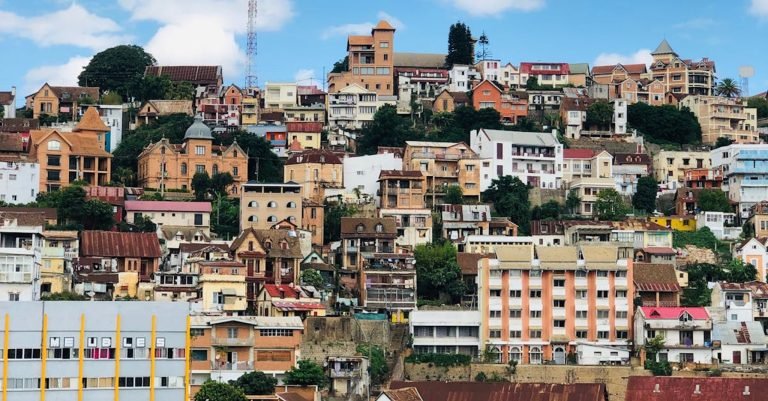
Antananarivo, commonly called Tana, is Madagascar’s political, economic, and cultural center, and the unavoidable gateway to the Central Highlands. Built across a series of steep hills, the city combines historic royal sites, dense residential neighborhoods, markets, and modern commercial areas, all layered into a landscape shaped by altitude and agriculture.
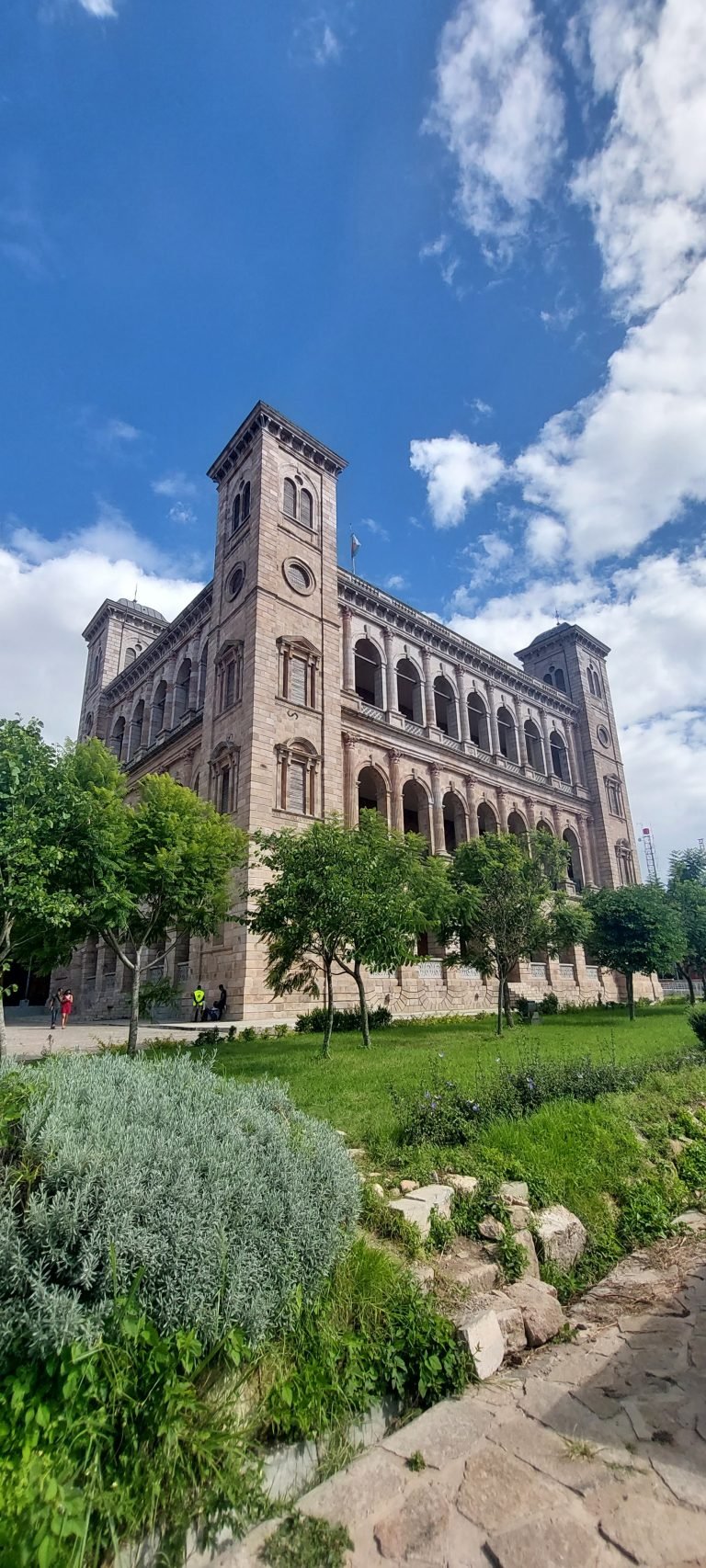
The historic Upper Town, crowned by the Rova of Antananarivo, reflects the city’s origins as the capital of the Merina Kingdom. From the palace grounds, views stretch across rice plains and lakes that still feed the capital today. Nearby, Lac Anosy offers a quieter visual landmark, especially at sunset, with its central monument and jacaranda-lined banks.
Beyond its historic core, Antananarivo functions as the country’s main hub for food, shopping, and nightlife. Restaurants range from refined dining rooms to informal eateries, offering both Malagasy and international cuisine. Well-known addresses include Restaurant Sakamanga in Isoraka, a long-standing institution combining Malagasy flavors with European technique, and La Varangue , near the Upper Town, known for its garden setting and carefully plated local dishes. In the Antaninarenina area, Les Jardins d’Antaninarenina offers a calm dining space close to embassies and offices, while La Petite Brasserie , also in Antaninarenina, serves classic brasserie-style meals popular with locals and visitors alike.
Nightlife in Antananarivo is concentrated in a few central neighborhoods and ranges from relaxed pubs to lively dance clubs. Tana Irish Pub, located in the city center, is a familiar stop for both locals and travelers, offering live music and a social atmosphere. For late-night dancing, Tana Red Club and Djembe Club are among the city’s better-known venues, while Taxi Be Club attracts a younger crowd with contemporary music and a busy weekend scene.
Shopping in Antananarivo reflects the city’s mix of modern and traditional life. Tana Water Front, on the western side of the city, offers a more modern retail experience with cafés and international brands, while La City Ivandry serves as a commercial center for the northern residential districts. For electronics, textiles, and everyday goods, Behoririka remains one of the busiest shopping areas in the capital.
Local markets are an essential part of daily life. The Analakely markets form one of the city’s main commercial arteries, where fresh produce, clothing, household items, and street food are sold throughout the day. These markets provide a vivid snapshot of urban Malagasy life and are often a traveler’s first real introduction to the rhythm of the capital.
Antananarivo is not a city of neatly packaged attractions, but there is plenty to explore for those who approach it with curiosity. Visiting the Rova, walking through historic hillside neighborhoods, browsing markets, and spending time in cafés or restaurants all help build an understanding of how Madagascar functions beyond its coastlines.
Planning to spend some time in the capital? Our complete Antananarivo travel guide covers the city's main sights, markets, restaurants, nightlife, hotels, transport and practical tips for exploring Tana.
From a practical standpoint, Antananarivo is where most inland journeys begin. The RN7 highway heading south toward Antsirabe starts here, and time spent in the capital allows travelers to organize transport, adjust to altitude, and prepare for slower-paced travel deeper into the Central Highlands.
🏙️ Explore Antananarivo With a Local Guide (Day Tour)
If you want to get a confident introduction to Antananarivo without figuring everything out on your own, a guided day tour is one of the easiest ways to understand the city quickly. You will visit key landmarks, viewpoints, and local markets — while learning the history and everyday context that most travelers miss when exploring alone.
Antsirabe and the Central Highlands
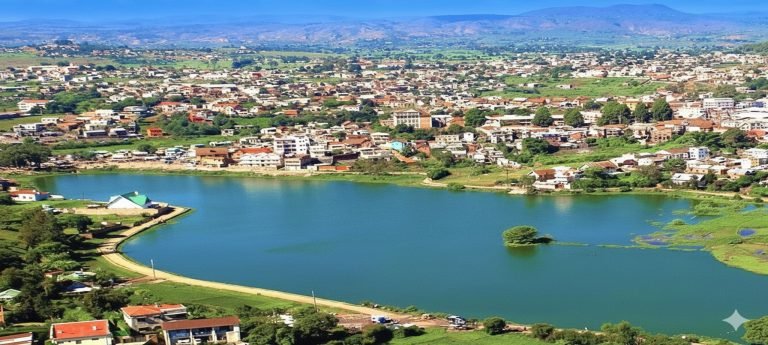
South of Antananarivo, the landscape gradually opens into the rolling plateaus of the Central Highlands, where cooler temperatures, fertile soil, and a slower pace of life define the region. Antsirabe sits at the heart of this area and has long served as a retreat from the capital, first during the colonial period and later as a regional center known for agriculture, crafts, and quiet streets.
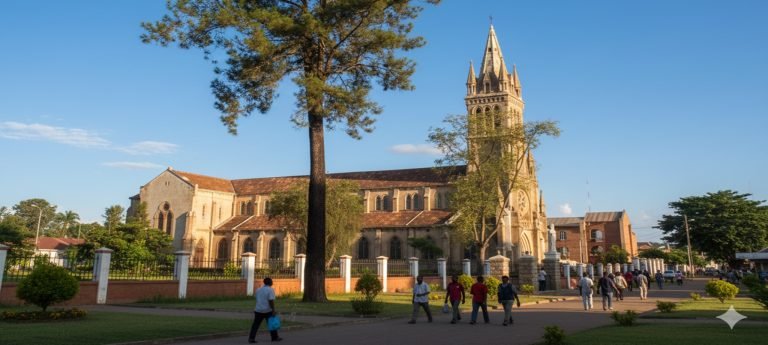
Founded in the late nineteenth century around thermal springs, Antsirabe developed as a spa town and administrative hub. Traces of its colonial past remain visible in wide avenues, brick buildings, and churches such as the Antsirabe Cathedral, which anchors part of the town’s historic center. The surrounding countryside is dotted with rice paddies, small lakes, and villages that reflect a more rural rhythm of life.
Antsirabe’s food scene is modest but satisfying, with restaurants that cater to both locals and travelers. Chez Billy, located near the town center, is a long-standing favorite known for generous portions and classic Malagasy dishes. Hasina Hotel Antsirabe offers a quieter dining space with a mix of local and international cuisine, while Couleur Café is popular for lighter meals, coffee, and a relaxed atmosphere. Smaller eateries and hotelys throughout town serve rice-based meals with zebu, chicken, or seasonal vegetables, offering an affordable and authentic dining experience.
Evenings in Antsirabe are generally low-key, reflecting the town’s calmer character. Bars tend to be informal gathering places rather than nightlife destinations, with local beer and conversation taking priority. Venues such as Blue Moon Bar and hotel lounges provide relaxed settings where visitors often mingle with residents, especially on weekends.
Shopping in Antsirabe centers on crafts and everyday goods rather than modern retail. The town is particularly known for hand-pushed rickshaws, miniature wooden bicycles, embroidered textiles, and stonework made from local materials. Workshops and small shops sell carved chess sets, toys, and decorative items, many produced by family-run cooperatives. Markets around the town center offer fresh produce, household goods, and street food, giving insight into daily life in the highlands.
Several small lakes lie just outside town and are commonly visited as short excursions. Lac Tritriva, set within a volcanic crater, is one of the most striking, surrounded by steep slopes and tied to local legends. Other nearby lakes and rural paths make Antsirabe a good base for gentle exploration by foot, bicycle, or rickshaw, especially for travelers interested in scenery rather than major landmarks.
Life in Antsirabe moves at a noticeably slower pace than in the capital. This makes it an ideal place to pause, adjust to highland conditions, and experience a side of Madagascar that is shaped by agriculture, craftsmanship, and community rather than tourism infrastructure. For many travelers, time spent here provides a welcome contrast to both Antananarivo’s intensity and the country’s coastal destinations, while the surrounding highlands also place you within reach of Madagascar’s famous wildlife areas, where travelers often hope to see the island’s iconic primates — learn more about lemurs in Madagascar and where to see them.
Highland Landscapes and Rural Life
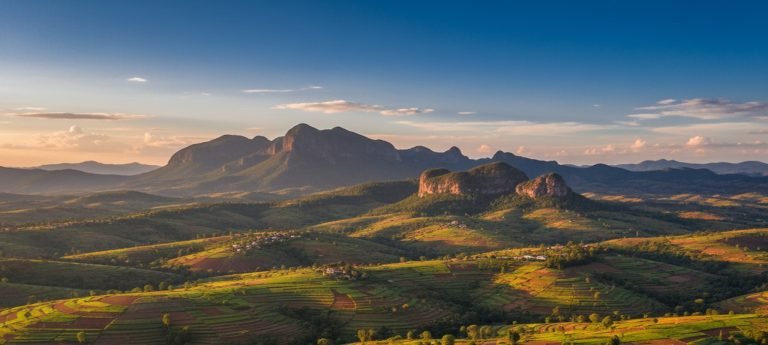
One of the most rewarding parts of traveling through Madagascar’s Central Highlands is that the landscape itself becomes the experience. Outside the cities, the region opens into wide valleys and layered hills shaped by rice cultivation, with terraced paddies stepping down slopes and spreading across flat plains wherever water can be captured and directed. In the early morning and late afternoon, when light softens and farmers are active in the fields, the highlands feel quietly spectacular in a way that is easy to overlook if you rush through.
Rice is more than a crop here; it is central to Malagasy life and the defining feature of the highland countryside. You will see irrigated paddies bordered by low earthen walls, small canals feeding fields from streams, and families working together to plant, weed, and harvest. In many villages, zebu cattle are still used for ploughing, and walking paths between fields are often the most direct routes between homes, markets, and roadside transport stops.
The highlands are also dotted with crater lakes and small reservoirs that serve both practical and cultural roles. Some are quiet places where locals fish or wash clothes, while others are tied to local stories and taboos. Around Antsirabe, excursions to lakes such as Lac Tritriva give a glimpse into the region’s volcanic history and the way landscapes are woven into local identity. Even when you are not visiting a “named” site, you will frequently pass small lakes and wetlands that attract birds and create pockets of greenery against the red earth.
Rural towns and villages throughout the highlands often feel more inward-looking than coastal settlements, shaped by agriculture, schooling, church life, and local markets. Homes are commonly built from brick or clay, and weekly market days bring surrounding communities into town to trade produce, charcoal, handmade goods, and livestock. These markets are not designed for tourism, which is exactly why they are so revealing: they show how people actually live, work, and move through the region.
If you travel the RN7 corridor or secondary roads branching off from it, you will notice how quickly scenery changes. One moment you are passing rice plains and eucalyptus groves, the next you are climbing into higher terrain where fields become smaller and villages feel more remote. It is also where you begin to understand the true scale of Madagascar. The Central Highlands may not offer the postcard beaches of the north, but they provide something equally valuable: a sense of continuity, daily rhythm, and connection to the land that underpins life across the island.
For many travelers, the highlands become the part of Madagascar that feels most personal. It is the region where you slow down, notice details, and begin to read the landscape — not just as scenery, but as a living system shaped by water, seasons, and generations of work.
Getting Around the Central Highlands
Travel in Madagascar’s Central Highlands is shaped by altitude, road conditions, and the country’s reliance on overland transport. While distances between towns may appear short on a map, journey times are influenced by traffic leaving Antananarivo, road quality, and the pace of local transport. Planning with flexibility rather than rigid schedules makes travel through this region far more enjoyable.
Antananarivo is the main transport hub for the highlands, with most routes radiating outward from the capital. The RN7 highway connects Antananarivo to Antsirabe and continues south toward Fianarantsoa and beyond, making it the backbone of inland travel. The journey from Antananarivo to Antsirabe typically takes between four and six hours, depending on traffic and weather, and passes through agricultural landscapes, roadside towns, and highland scenery.
Within Antananarivo itself, getting around can be slow due to traffic congestion, especially during peak hours. In addition to standard city taxis, travelers can use Piqla, a ride-hailing app that currently operates in the capital and functions in a similar way to Uber or Grab. The service is known for newer, well-maintained vehicles, including electric cars, and for offering a more predictable experience with tracked rides and transparent pricing.
Piqla places a strong emphasis on safety and reliability, with professional drivers and customer support advertised as available around the clock. The company has also highlighted the inclusion of female drivers as part of its approach to passenger comfort, which some travelers may find reassuring when moving around the city, arriving late, or traveling alone.
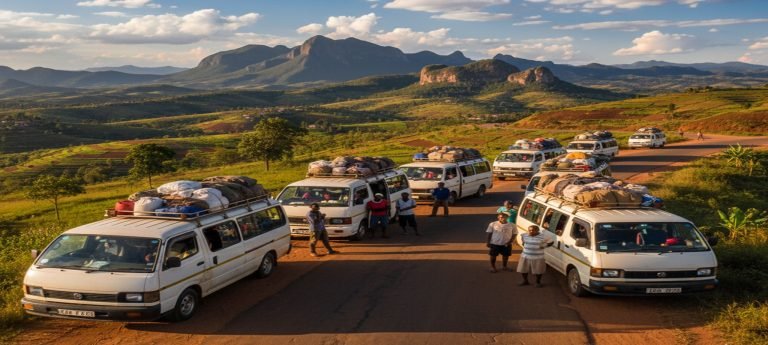
For intercity travel, taxis-brousse remain the most common way for people to move between towns and are widely used by locals for both passenger travel and the transport of goods. These shared minibuses and coaches are affordable and frequent, though departures usually take place only once vehicles are full. For travelers seeking more comfort and structure, several established operators offer a more organized alternative.
Soatrans and Cotisse Transport are among the most reputable taxi-brousse companies operating in the Central Highlands. Both run scheduled services between Antananarivo, Antsirabe, and other major towns, maintain relatively modern fleets, and allow seats to be reserved online. Their services are commonly used by travelers who want a cleaner, more reliable experience while still traveling in the same way many locals do.
Beyond passenger transport, these companies also play a critical role in Madagascar’s distribution network. Buses frequently carry cargo alongside travelers, linking rural producers with urban markets and keeping goods moving across the highlands. Using these services offers insight into how closely transportation and everyday life are connected across the island.
In towns such as Antsirabe, shorter distances are often covered on foot, by local taxi, or by traditional pousse-pousse rickshaws. These hand-pulled carts are an iconic part of the town’s identity and provide a practical way to get around while supporting local livelihoods.
Domestic flights play a limited role in travel within the Central Highlands, where road connections remain the most practical option. Although journeys can be slower than in more compact destinations, travel days are rarely wasted. The landscapes, towns, and interactions along the way often become a memorable part of the experience rather than simply a transfer between stops.
Antananarivo is the main transport hub of the country, and understanding local and long-distance travel is essential. This overview of getting around Madagascar explains how transport works across the island.
🗺️ Want to See More of Madagascar Beyond Antsirabe?
If you are visiting Antsirabe but want to experience much more of Madagascar’s natural beauty in one well-organized trip, this multi-day adventure is an incredible option. It includes Antsirabe and expands far beyond the Central Highlands — taking you through rainforest scenery, local culture and crafts, dramatic landscapes in and around Isalo National Park, and onward to Madagascar’s southwest coast for beaches, wildlife, and unforgettable scenery. It is a great choice if you want a deeper “big-picture” experience of the island without building the whole route yourself.
Where to Stay in the Central Highlands
Accommodation in Madagascar’s Central Highlands reflects the character of the region itself: practical, varied, and generally more focused on function than luxury. Options range from simple guesthouses and family-run hôtels to a small number of comfortable mid-range properties, particularly in Antananarivo and Antsirabe.
In Antananarivo, where most journeys begin or end, staying near the city center or close to major road arteries can make logistics easier, especially if you are arranging onward transport. Areas such as Antaninarenina, Ivandry, and parts of Isoraka are commonly chosen for their relative convenience, access to restaurants, and proximity to services. Properties here often cater to short stays, airport transfers, and business travelers, with a focus on security and reliability.
Antsirabe offers a quieter accommodation scene, better suited to longer stays and a slower pace. Guesthouses and small hotels are spread across town, often within walking distance of markets, workshops, and lakes. Many travelers choose Antsirabe as a base for exploring the surrounding countryside, making location and atmosphere more important than proximity to specific sights.
Across the highlands, expectations should remain realistic. Hot water, heating during cooler months, and strong Wi-Fi are not guaranteed everywhere, and standards can vary widely even within the same price range. Reading recent reviews and comparing platforms can make a significant difference when choosing where to stay.
For a broader overview of available options and to compare booking platforms before making a decision, you can use our hotel comparison guide, which explains the strengths and limitations of different services when booking accommodation in Madagascar.
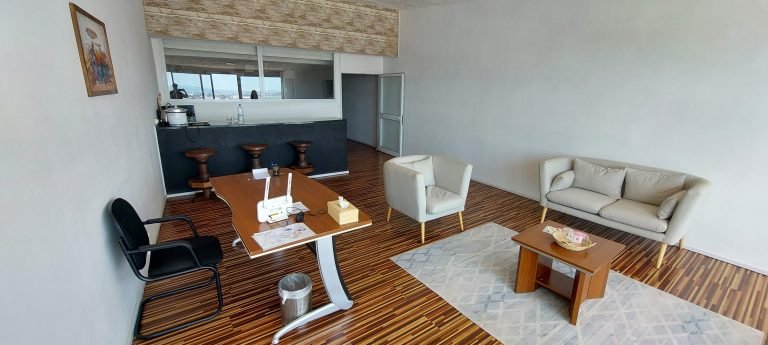
Antananarivo: Hotel Picks (Budget to Luxury)
Antananarivo (usually called “Tana”) is where most Madagascar trips begin and end, so your first hotel choice matters more here than almost anywhere else. A good base makes everything smoother: airport transfers, SIM/eSIM setup, exchanging cash, organising a driver, or simply recovering from a long flight before you hit the highlands. Below are reliable options across budgets, from practical city stays to more polished hotels with spa-style comfort.
Budget-Friendly Hotels in Antananarivo
Iarimbato Hotel & Spa
If you want a budget stay that still feels comfortable, this is a great choice. The “spa” angle is exactly what it sounds like in Tana: a little bit of extra comfort that makes a big difference after travel. It’s a calm, clean base for your first night while you sort logistics (cash, transport, drivers, and the first leg of your route).
Check prices and availability for Iarimbato Hotel & Spa.
Downtown Hotel
A solid pick when location and convenience are your priority. Downtown Hotel is ideal for short stays where you want to be close to the city’s practical side: restaurants, shops, services, and easy taxi access. It’s the kind of place that works well when you arrive, reset, and move on the next morning.
See current rates for Downtown Hotel.
Mid-Range Comfort in Antananarivo
Palissandre Hotel & Spa
Palissandre is one of the most dependable “comfort” choices in Tana: a calmer atmosphere, a more polished feel, and the kind of facilities that make you feel properly rested before a long road itinerary. It’s especially good if you want a quiet base for planning the next steps rather than being in the middle of city noise.
Check availability for Palissandre Hotel & Spa.
Radisson Serviced Apartments Antananarivo City Centre
The best option here if you want something modern and “easy,” with extra space and an international-standard feel. Serviced apartments are a smart move in Tana because they give you breathing room: a more relaxed setup for couples, longer stays, or anyone who wants a comfortable reset before heading into rural Madagascar where accommodation becomes simpler.
View rooms and rates for Radisson Serviced Apartments.
Luxury Hotels in Antananarivo
Le Louvre Hotel & Spa
A classic upscale choice in the capital, known for comfort, service, and a strong “city hotel” feel. This is a great pick if you want to arrive, recover properly, and start the trip feeling organised and refreshed. It also works well if you plan a short “Tana day” before continuing into the highlands.
Check rates for Le Louvre Hotel & Spa.
Le Centell Hotel & Spa
A more polished, modern luxury option that suits travelers who want a clean, high-comfort base with strong service. It’s a great “treat yourself” stay after long travel days, and it’s especially good if you want a smoother, more premium experience in the capital before heading out on rougher roads.
See availability for Le Centell Hotel & Spa.
If you want to compare more options by neighborhood, budget, or guest rating, you can browse: all Antananarivo hotels here.
Tip: For most travelers, staying around Ivandry, Antanimena, or the city centre makes logistics much easier: better taxi access, more dining options, and a smoother first-night experience.
Avoid: If you arrive late (or leave very early), avoid properties that feel isolated or are down quiet side streets. In Tana, “central + trusted transport” is usually the easiest win.
Antsirabe: Hotel Picks (Budget to Luxury)
Antsirabe is a cooler, calmer stop in the Central Highlands and one of the nicest places to slow down for a night or two. It’s known for its colonial feel, thermal-springs reputation, and easy day trips like Lac Tritriva. Hotels here often feel like better value than the capital, so it’s a great place to upgrade a little if your budget allows.
Budget Hotels in Antsirabe
Canaan Hotel
A clean, practical base that works well for travelers who want a simple stay and a good night’s sleep. It’s a strong choice if you plan to spend your time exploring Antsirabe itself, using pousse-pousse rides, and organising a quick day trip without needing “resort-style” facilities.
Check prices and availability for Canaan Hotel.
Toky Hotel
A straightforward, reliable budget option for a short Antsirabe stop. This is ideal if you just need something comfortable and easy between long driving days, with a location that makes it simple to get around town and keep your itinerary moving.
See current rates for Toky Hotel.
Mid-Range Comfort in Antsirabe
Lovasoa 4C
One of the best mid-range picks if you want Antsirabe to feel peaceful. Lovasoa has a calmer, more meaningful “highlands” atmosphere and suits travelers who enjoy quiet evenings, garden-style spaces, and a comfortable base for exploring town, local workshops, and nearby countryside.
Check availability for Lovasoa 4C.
Hotel Diamant
A dependable comfort-forward option that feels a bit more polished than typical budget stays. This is a great pick for couples or anyone who wants a smoother experience: good sleep, easy town access, and a reliable base for trips to Lac Tritriva and other highland sights.
View deals for Hotel Diamant.
Luxury Hotels in Antsirabe
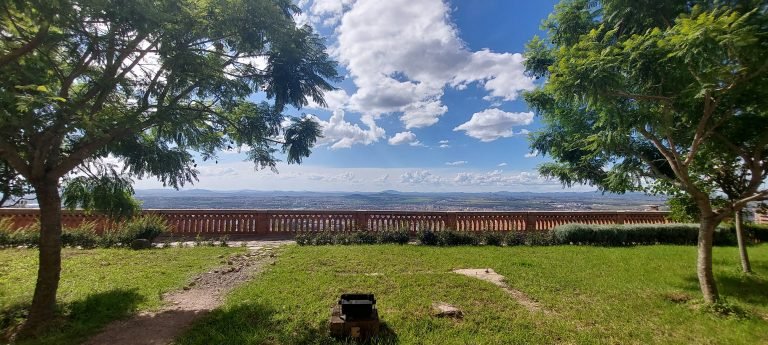
Best Time to Visit the Central Highlands
The Central Highlands experience a noticeably different climate from Madagascar’s coastal regions, shaped by altitude rather than proximity to the ocean. Temperatures are generally cooler, especially in the evenings, and seasonal changes are more pronounced, making timing an important part of trip planning.
The most comfortable period to visit is typically during the dry season, which runs roughly from May to October. During these months, days are mild, humidity is lower, and road conditions are more reliable, making travel between Antananarivo, Antsirabe, and surrounding areas easier. This period is particularly well suited for overland travel, walking through towns, and exploring rural landscapes.
From November to April, the region enters the rainy season. Afternoon showers become more frequent, and heavier rainfall can affect road conditions, especially on secondary routes. That said, the highlands remain accessible year-round, and the rainy months bring greener scenery, fuller rice fields, and fewer visitors. Travel during this period simply requires more flexibility and patience.
Temperatures in the highlands can drop significantly at night, particularly in Antsirabe and surrounding rural areas during the dry season. Packing layers is advisable, even if you are visiting Madagascar as part of a broader tropical itinerary. Daytime conditions, however, are usually pleasant and rarely extreme.
For travelers combining the Central Highlands with other regions of Madagascar, the dry season offers the easiest overall balance. However, those prioritizing quieter travel, agricultural landscapes, or a slower pace may still find the rainy season rewarding, provided they plan accordingly.
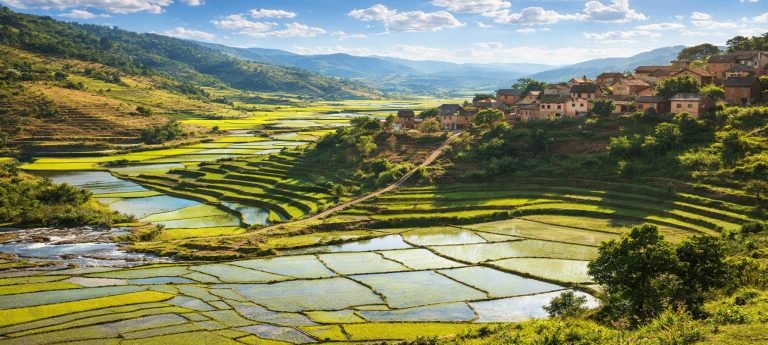
Useful Malagasy Phrases for Travelers
While French is the main working language for visitors, learning a few Malagasy phrases goes a long way. Even small attempts are warmly appreciated and often lead to friendlier interactions, smiles, and better help — especially in rural areas where French may be limited.
- Salama (sah-LAH-ma) – Hello
- Manao ahoana? (mah-now ah-WAH-na) – How are you?
- Tsara, misaotra (TSAH-ra mee-SOW-tra) – Fine, thank you
- Misaotra (mee-SOW-tra) – Thank you
- Misaotra betsaka (mee-SOW-tra beh-TSAH-ka) – Thank you very much
- Azafady (ah-za-FAH-dee) – Please / Excuse me / Sorry
- Eny (EN-ee) – Yes
- Tsy (tsee) – No / Not
- Ohatrinona? (oh-ha-tree-NOO-na) – How much is it?
- Lafo loatra (LAH-foo loo-AH-tra) – It’s too expensive
- Afaka manampy ahy ve ianao? (ah-FAH-ka mah-NAM-pee AH-hee veh ee-AH-nao) – Can you help me?
- Aiza ny trano fidiovana? (EYE-za nee TRAH-noo fee-dee-WAH-na) – Where is the toilet?
- Tsy azoko (tsee ah-ZOO-koo) – I don’t understand
- Miteny frantsay ve ianao? (mee-TEN-ee fran-TSIGH veh ee-AH-nao) – Do you speak French?
- Veloma (veh-LOO-ma) – Goodbye
Using even a few Malagasy words shows respect and effort. Travelers who try often find people become warmer, more patient, and more willing to help — small moments that can completely change the feel of a trip.
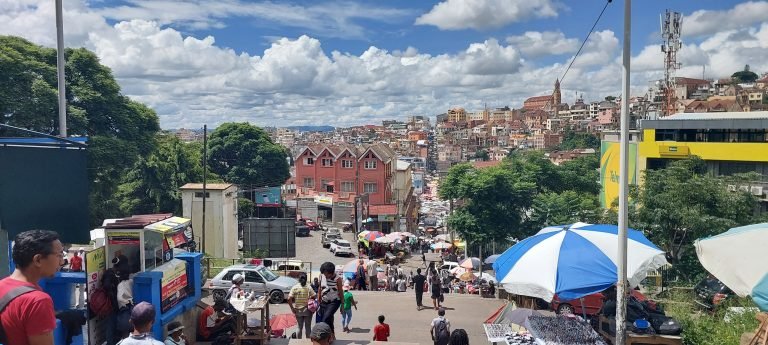
Antananarivo & the Central Highlands Travel Facts
The Central Highlands form the geographic and administrative heart of Madagascar, and understanding a few practical details can make travel through this region far smoother. Antananarivo and Antsirabe sit at higher elevation than most coastal destinations, which affects climate, transport, and daily routines.
Altitude: Antananarivo lies at approximately 1,280 meters above sea level, while Antsirabe sits slightly higher at around 1,500 meters. This elevation explains the cooler temperatures, especially at night, and the slower pace many travelers notice when first arriving.
Climate: Daytime temperatures in the highlands are generally mild year-round, but evenings and early mornings can be cold, particularly during the dry season from May to October. Frost is rare, but heating is uncommon in many accommodations.
Transport Hub: Antananarivo is the country’s primary transport hub, home to Ivato International Airport and the starting point for most major road routes, including RN7, which connects the highlands to southern Madagascar.
Money & Payments: Cash is widely used throughout the highlands. ATMs are available in Antananarivo and Antsirabe but can be unreliable, and smaller towns may have none at all. Mobile money is commonly used by locals and increasingly important for everyday transactions outside hotels.
Money & Payments: Cash is widely used throughout the highlands. ATMs are available in Antananarivo and Antsirabe but can be unreliable, and smaller towns may have none at all. Mobile money is commonly used by locals and increasingly important for everyday transactions outside hotels. For a deeper breakdown of cash access, mobile payments, and what to expect in more remote areas, see the Mobile Money section in our main Madagascar post.
Connectivity: Mobile coverage is generally good in and around Antananarivo and Antsirabe, but internet speeds can vary. Outside urban areas, coverage becomes less consistent, and having offline maps or downloaded information is helpful.
If staying connected is important for navigation, payments, or coordinating transport, it can be helpful to use an international eSIM, allowing you to be online as soon as you arrive in Antananarivo.
Language: Malagasy is spoken everywhere, while French is widely understood in cities and among service providers. English is less common outside hotels and tour services, particularly in rural areas.
FAQ: Visiting the Central Highlands of Madagascar
-
• Is Antananarivo worth spending time in, or should I pass through quickly?
Antananarivo is not a conventional sightseeing city, but spending at least one or two nights helps provide valuable context for the rest of your trip. Markets, historic neighborhoods, and daily life in the capital offer insight into how Madagascar functions beyond its coastal destinations. -
• How many days should I plan for the Central Highlands?
Most travelers spend three to five days between Antananarivo and Antsirabe. This allows time to adjust to altitude, explore the cities at a relaxed pace, and experience rural landscapes without rushing. -
• Is Antsirabe a good base for exploring the highlands?
Yes. Antsirabe’s slower pace, cooler climate, and central location make it a practical base for short excursions into surrounding countryside, lakes, and villages, especially for travelers looking to experience everyday highland life. -
• Do I need a guide to travel through the Central Highlands?
A guide is not strictly necessary for city visits, but having local assistance can be helpful for rural excursions, markets, or longer overland travel. Many travelers combine independent travel with occasional guided outings depending on comfort level. -
• Is travel in the Central Highlands safe?
The region is generally safe for visitors who take standard precautions. As in any large city, awareness is important in Antananarivo, particularly in crowded areas. In smaller towns and rural areas, travel tends to feel calmer and more community-oriented. -
• Will altitude affect me in Antananarivo or Antsirabe?
Most travelers adjust easily, but cooler temperatures and thinner air can be noticeable at first. Taking the first day slowly, staying hydrated, and avoiding overpacked schedules helps with acclimatization. -
• Can I combine the Central Highlands with other regions of Madagascar?
Absolutely. The Central Highlands often form the backbone of a Madagascar itinerary, linking northern, southern, and eastern regions. Many travelers pass through Antananarivo multiple times as they move around the island.
Final Thoughts & Where to Go Next
Northern Madagascar has a way of staying with you long after you leave. It is the contrast that makes it unforgettable. Lazy island mornings in Nosy Be, raw wind and wide horizons around Diego Suarez, and the humid green rhythm of the Vanilla Coast near Sambava all create a region that feels vivid and alive. It is not a place you simply pass through. Northern Madagascar rewards slow travel, curious detours, and the kind of time that allows the landscape, wildlife, and culture to reveal themselves properly — including the island’s remarkable primates, which you can learn more about in this guide to lemurs in Madagascar and where to see them.
Many of these experiences are closely tied to Madagascar’s protected landscapes, and this guide to Madagascar national parks explains where to find rainforests, wildlife, and some of the island’s most unique ecosystems.
If you are exploring Madagascar for the first time and want a broader overview of how the country fits together, you can return to the main country guide here: Explore the island of Madagascar. That guide explains the island as a whole and helps place each region into a realistic travel plan.
From northern Madagascar, many journeys naturally continue south into the cooler highlands. The next chapter of the island reveals rice terraces, colonial architecture, and historic hill towns around Antananarivo and the Central Highlands, where the rhythm of daily life shifts to markets, farmland, and highland landscapes shaped by altitude and tradition.
Other travelers expand their route toward Madagascar’s contrasting coasts. The ports of Majunga (Mahajanga) and Tamatave (Toamasina) reveal two very different sides of the island, where Indian Ocean trade routes, tropical humidity, and seaside life shape a distinct atmosphere far removed from the highlands. Many travelers exploring the coast also take time to discover the island’s most beautiful shorelines, which you can explore in this guide to Madagascar beaches.
When you are ready for Madagascar’s most remote and adventurous landscapes, the journey continues into the far south. The guide to Southern Madagascar explores a region where distances grow longer, vegetation becomes drier, and the coastline feels wild and untamed.
If you are planning a full trip across the island, the Madagascar itinerary guide explains how these regions can realistically fit together, whether you have ten days, two weeks, or longer to explore the country.
As you begin organizing your trip, it also helps to think about where you will stay and how your budget fits your travel style. This guide to where to stay in Madagascar breaks down the best regions and accommodation options, while the Madagascar travel cost guide gives a realistic overview of daily expenses across the island.
Travel in Madagascar also comes with unique logistical realities. Distances can be large and road conditions unpredictable, which is why it helps to understand how travel works across the island. Our guide on getting around Madagascar explains flights, taxi-brousse routes, and how travelers move between regions.
Timing your visit can shape your entire Madagascar experience. Rainfall patterns, wildlife activity, road conditions, and beach weather all change throughout the year, which is why many travelers consult our guide on the best time to visit Madagascar before finalizing their itinerary.
Many visitors also want to understand the everyday realities of traveling across the island. Our detailed guide on Is Madagascar safe to visit explains what travelers should realistically expect and how to move around the country confidently.
For practical planning advice covering money, transport, customs, connectivity, and what travelers should realistically prepare for, the guide to Madagascar travel tips walks through the small details that can make a trip across the island much smoother.
Before finalizing your trip, it is also worth making sure you are properly equipped for Madagascar’s varied climates and remote travel conditions. This complete Madagascar packing guide breaks down what to bring for each region, from humid coastal areas to the cooler highlands and dry southern landscapes.
Together, these guides form a connected Madagascar travel series designed to help you move through the island step by step. Whether you start in the tropical north, follow the RN7 through the highlands and southern deserts, or combine several regions into a longer adventure, each guide is meant to help you build a trip that feels realistic, rewarding, and unforgettable.
Travel Resources to Plan, Book & Stay Connected
Use these tools and guides to stay connected abroad, find inspiration for your next trip, and book your flights, stays and gear with confidence.
Disclosure: This article may contain affiliate links. If you make a purchase through a link, I may receive a commission at no extra cost to you. I only share recommendations I believe are genuinely useful, and all opinions are my own. AI was used in this post for research and drafting purposes.

Comment (0)