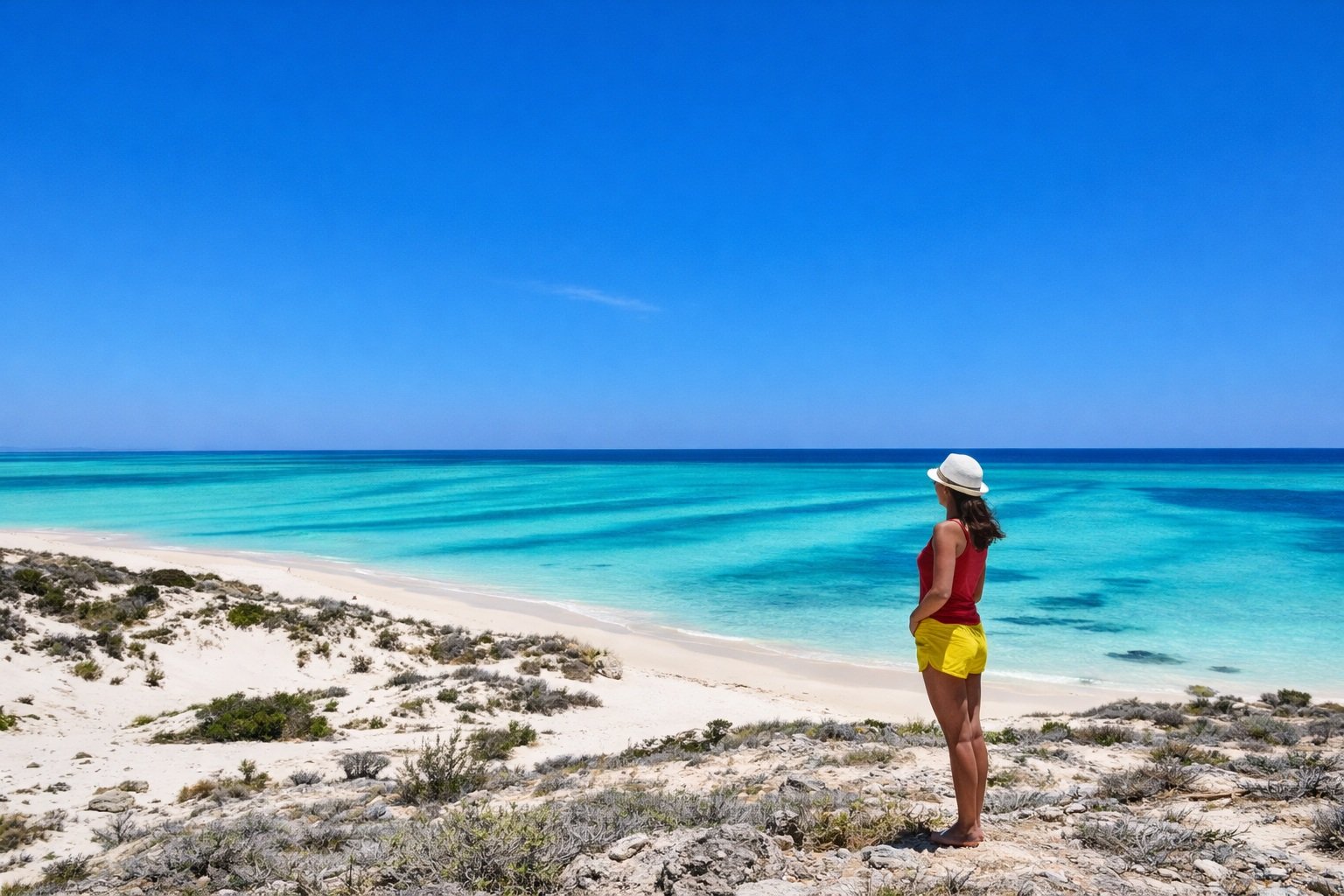
This Post at a Glance
Destination covered: Southern Madagascar — Toliara (Tulear), Ifaty, and Fort Dauphin.
Best for: beach lovers, snorkeling, lagoon trips, road-trip itineraries, hiking viewpoints, nature reserves, and travelers who want Madagascar’s wild coastal side.
What this post covers:
- What Southern Madagascar is like (vibe + what makes it different)
- How this region fits into a Madagascar itinerary
- Toliara (Tulear): what to do + why most travelers stop here
- Ifaty: beach base guide (snorkeling, lagoon, reef boats, relaxing)
- Fort Dauphin: adventure base guide (hikes, viewpoints, wild beaches)
- Where to stay: hotel picks by budget (budget / mid-range / luxury)
- How to get around (taxi-brousse vs private driver vs flights)
- Best time to visit the south (weather + seasonal realities)
- Practical travel facts (money, safety, water, connectivity)
- Useful phrases (French + Malagasy)
- FAQ section + quick planning answers
Madagascar Travel Guide Series
Planning a broader trip across the island? Start with the complete country overview in the Madagascar Travel Guide, which explains how the island’s regions fit together and helps you build a realistic Madagascar itinerary.
Looking for a different part of the country? Jump to the guide you need:
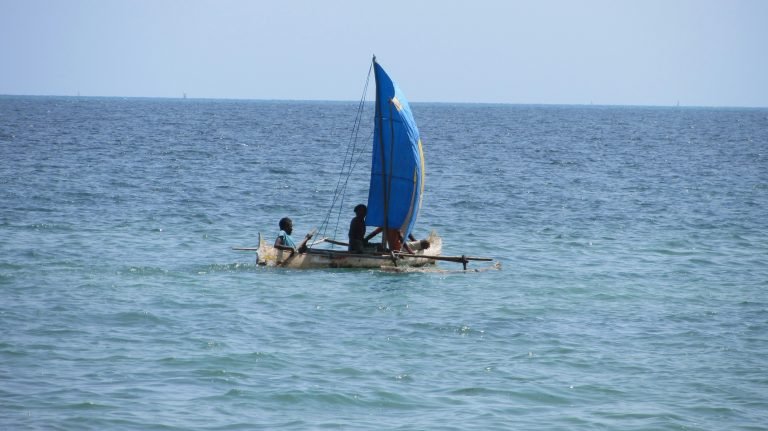
Why Visit Southern Madagascar?
Southern Madagascar is where the island starts to feel raw, open, and completely different from the greener north. The landscapes turn drier and more dramatic, the coast feels more remote, and travel becomes a little more adventurous — in the best possible way.
This region delivers some of the most rewarding contrasts in the country: sleepy lagoon beaches in Ifaty, gritty coastal city energy in Toliara (Tulear), and the rugged, cinematic coastline around Fort Dauphin, where you can hike to viewpoints and find beaches that feel completely untouched.
It’s also a part of Madagascar that rewards travelers who slow down. Distances are long, plans can shift, and transport can test your patience — but the payoff is huge. When you finally reach an empty beach, or catch the sunset after a dusty road trip day, Southern Madagascar doesn’t just feel beautiful… it feels earned.
If you want the full Madagascar experience without it being only national parks and city logistics, the south balances everything perfectly: coastal freedom, adventurous day trips, and enough comfort in Ifaty and Fort Dauphin to make the journey genuinely enjoyable.
Where Southern Madagascar Fits in a Trip
Southern Madagascar usually makes the most sense as the “next chapter” after the Central Highlands or the classic RN7 road trip. This is where the island starts to feel drier, more open, and more remote — and where travel days can become longer, but the scenery and coastal experiences become truly distinct.
Most travelers reach Southern Madagascar in one of these ways:
- Antananarivo → Antsirabe → Ranomafana → Isalo → Toliara (Tulear) → Ifaty
-
The Fort Dauphin alternative (separate southern chapter):
Fly or travel overland to Fort Dauphin (Taolagnaro), then explore the southeast as its own adventure base with wild beaches, hikes, and day trips.
If you want to add one of Madagascar’s most iconic stops, you can also route via Morondava to visit the legendary Avenue of the Baobabs (Baobab Alley) before continuing onward. It’s not part of the classic RN7 route, but it’s an unforgettable add-on if you’re traveling through western Madagascar or planning a longer loop itinerary.
Once you reach the south, most trips naturally flow in this order: a practical stop in Toliara, beach time in Ifaty, and then (if you have time) a wilder adventure chapter around Fort Dauphin.
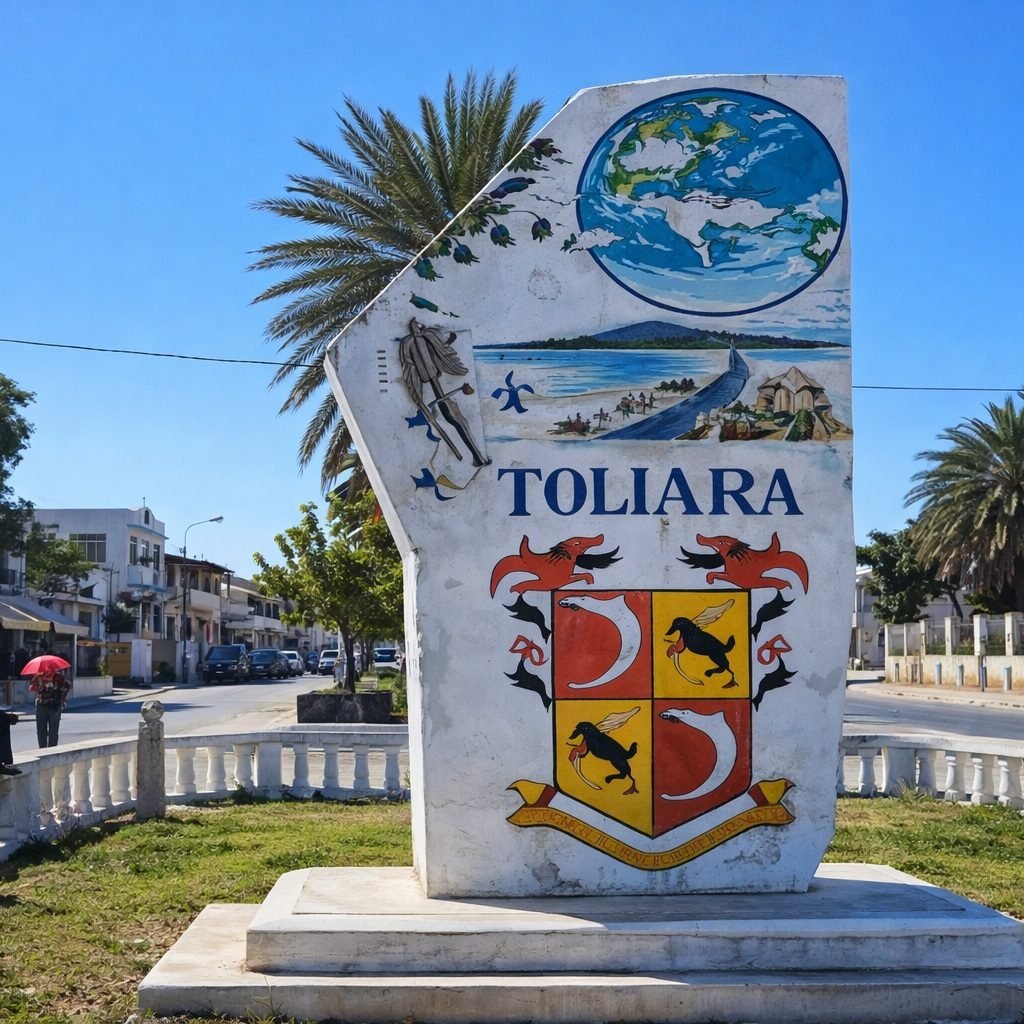
Toliara (Tulear): What It’s Like + What to Do
What Toliara Feels Like (Vibe)
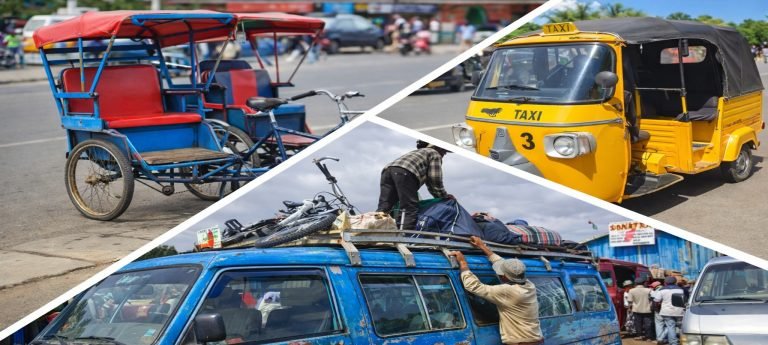
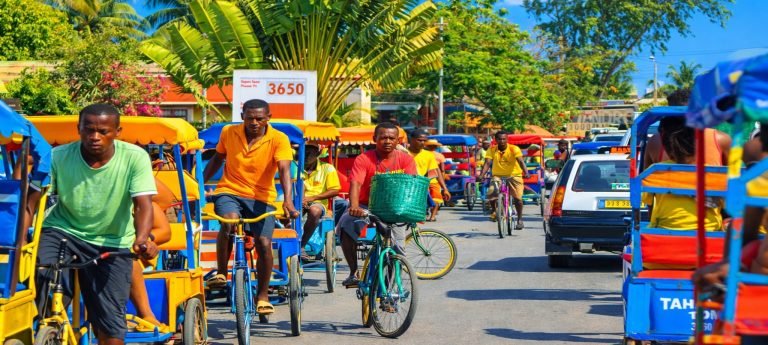
Toliara (also spelled Tulear) is one of those places that feels like “real Madagascar” rather than a postcard. It’s hot, dusty, busy, and unapologetically local — tuk-tuks weaving through traffic, street vendors everywhere, marketplaces full of sound and color, and the kind of coastal city rhythm where things don’t always run on strict schedules.
Most travelers don’t come to Toliara for luxury or polished attractions. They come because it’s the main transport hub for the southwest coast and the practical gateway to Ifaty. But even if you only spend one night, it’s worth giving the city a little time. It adds texture to your trip: everyday life, southern Malagasy culture, markets, and the “edge-of-the-desert” feeling you don’t get in greener regions.
Think of Toliara as the transition point between “road trip mode” and “beach mode.” It’s not the most beautiful city in Madagascar — but it’s authentic, energetic, and extremely useful for routing the south properly.
Best Things to Do in and Around Toliara
Toliara itself is more of a practical hub than a headline attraction — but that’s exactly what makes it useful. This is the place where you pause, reset, and decide how you want the south to feel: more nature-heavy, more beach-focused, or a mix of both. And the truth is that many of the best experiences in this region aren’t “inside the city” — they sit just outside town, especially toward Ifaty and Mangily.
If you only do one nature experience near Toliara, make it the Arboretum d’Antsokay. It’s one of the best introductions to the southwest’s famous spiny forest ecosystem — a surreal world of drought-adapted plants that look like they belong on another planet. This landscape is one of the defining features of Southern Madagascar, and seeing it in person helps you understand why the south feels so different from the rainforests of the east and the highlands inland.
But for most travelers, the highlight of this region is the coast. If you base yourself in Ifaty (even for just a night or two), you unlock the version of Southern Madagascar that feels effortless and rewarding: lagoon boat trips, relaxed snorkeling over coral reefs, and (for travelers who want more adventure) scuba diving. The water here can be stunningly clear on the right days — the kind of place where a few hours on the lagoon suddenly becomes one of the most memorable parts of your whole Madagascar trip.
Depending on the season, you may also be able to arrange whale watching along this stretch of coast — a reminder that Madagascar is not only about lemurs in Madagascar, but also about powerful ocean life and migration routes. Your best move is to ask your hotel or beach lodge what’s currently running and what conditions are like, because tours are often organized locally rather than through big online platforms.
Back in Toliara, don’t underestimate the beauty of simple experiences: wandering through local markets, watching daily life unfold, and catching the late-afternoon light when the city softens and the heat begins to fade. In the south, sunsets don’t just look good — they feel dramatic, almost cinematic, and even a short coastal walk can become one of those travel memories that stays with you.
Bars & Restaurants in Toliara
Toliara might not be a “foodie destination” on paper, but it has a handful of great local spots where you can cool down, eat well, and experience the city’s social side. After a long, hot travel day, these places make Toliara feel much more enjoyable — especially if you’re spending the night before heading to Ifaty.
- Tam Tam café — A relaxed stop for coffee, casual meals, and a break from the heat.
- Restaurant le Boeuf — One of the better-known restaurant options in town, especially if you’re craving something hearty and filling.
- RESTO-BAR KARAOKE 974 — A fun pick for evening energy — food, drinks, and that noisy local nightlife vibe.
- Blu Bar — A simple place to unwind with a drink, especially if you want something casual and social.
- MARINA BLUE — A solid waterfront-style option for drinks and a relaxed evening atmosphere.
- Bar sorodrano — A classic local bar experience that feels more “Toliara” than tourist-oriented.
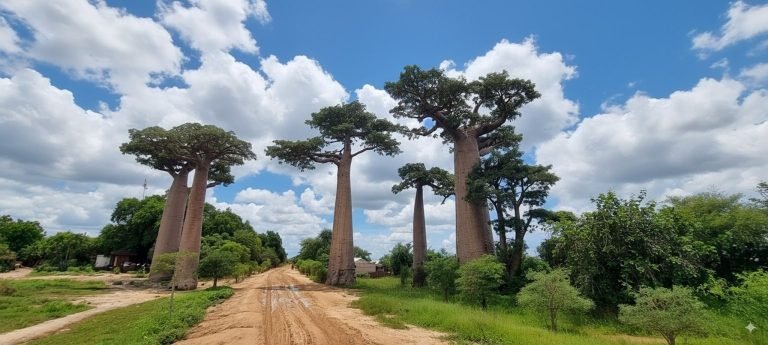
The Famous Baobab Alley (Avenue of the Baobabs) — The Iconic Madagascar Photo Spot
If you’ve seen a single “Madagascar postcard” image online, it was probably taken here. The famous Avenue of the Baobabs (often casually called “Baobab Alley”) is one of the most iconic landscapes in the country — a dirt road lined with towering, centuries-old baobab trees that look almost unreal in the soft light of sunrise and sunset.
Important note: despite sometimes being referred to as “Toliara Baobab Alley,” this site is actually located on the west coast near Morondava in the Menabe region (historically part of the wider Toliara Province). It sits on the unpaved road between Morondava and Belon’i Tsiribihina — and it’s a bucket-list stop for photographers and nature lovers.
The trees here are mostly Grandidier’s baobabs (Adansonia grandidieri), some believed to be over 800 years old. Their massive trunks and strange, sculptural shapes are one of the most powerful symbols of Madagascar’s biodiversity — often described locally as a “Tree of Life” or even the “mother of the forest.”
Best time to visit: go for sunrise or sunset. That’s when the light turns warm and golden, the trunks glow red, and the entire avenue feels cinematic. Nearby, you can also visit the famous Lovers’ Baobab (Baobab Amoureux), where two baobabs appear intertwined — another classic photo stop.
If you’re routing the southwest coast, the Avenue of the Baobabs is not a quick Toliara day trip — but if you’re building a longer itinerary (or traveling overland across western Madagascar), it’s one of the most unforgettable natural landmarks you can add to your journey.
🌳 Visit the Famous Avenue of the Baobabs (Morondava)
If you are in Morondava, visiting the Avenue of the Baobabs is one of those Madagascar moments you will never forget. These giant ancient trees create a landscape that feels almost unreal — especially at sunset, when the light turns golden and the silhouettes are at their most dramatic. A guided tour makes it easy to get there at the right time, with transport handled and the best viewpoints already planned.
Ifaty & Mangily: The Beach Base
Why Ifaty Is Worth It
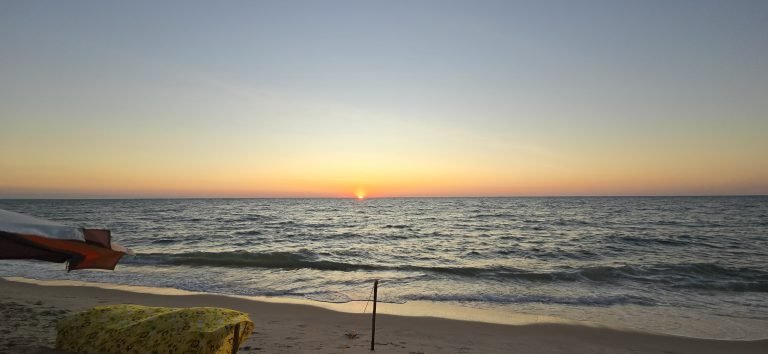
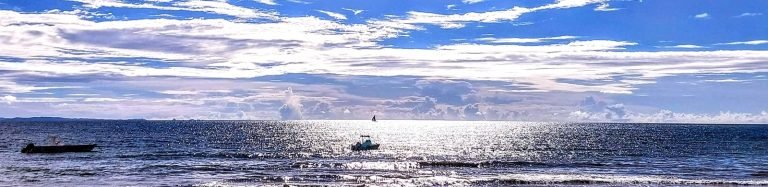
If Toliara feels like the gateway to the south, Ifaty is where you finally exhale. This stretch of coastline is all about lagoon blues, slow beach days, and a calmer rhythm — the kind of place where you can actually recover from long road travel. It’s also one of the places that shows why travelers seek out Madagascar beaches in the first place: warm water, wide horizons, and a coastline that still feels natural and uncrowded.
Ifaty (and the nearby village of Mangily) is one of the most popular beach bases in southern Madagascar because it offers something rare: a real “vacation feeling” without being overly developed. It’s not a glossy resort strip — it still feels Malagasy — but it has everything you want after dusty RN7 travel: warm shallow water, soft sand, seafood dinners, and easy excursions you can book locally without stress.
It’s also a perfect reward stop if you’ve done the RN7 journey down through the Central Highlands and national parks. After days of long drives and big landscapes, Ifaty is where Madagascar starts to feel light again — beach afternoons, sunset drinks, and that delicious sense that you have nowhere to be.
Best Things to Do in Ifaty & Mangily
The magic of Ifaty is the lagoon. The water is often calm and shallow, and when the light hits it right the colors shift from turquoise to deep blue like a postcard. It’s one of the easiest places in Madagascar to enjoy ocean time properly — not just “look at the sea,” but actually get in it and spend hours out there without needing extreme conditions or high effort.
If you snorkel, this is one of the most beginner-friendly places to do it. Many areas of the lagoon are gentle enough for first-timers, and on clear days the reef comes alive with color. You can also arrange reef boat trips that take you further out to better snorkeling spots — usually relaxed half-day outings where the whole experience feels unhurried. This is the kind of activity that makes people say, “Okay… now I understand why everyone comes here.”
For travelers who want a little more adventure, Ifaty can also be a strong base for scuba diving. Even if you’ve never dived before, it’s often possible to arrange introductory dives locally. Conditions vary through the year, but when visibility is good, diving here is one of the best-value ocean experiences in the south.
Another classic Ifaty experience is doing something simple and local: a traditional fishing outing or boat trip arranged through a lodge or guide. You don’t need it to be a serious “sport fishing” day — even a small half-day on the water teaches you a lot about the coastline and the way coastal life works here. Afterward, you’ll eat better, sleep better, and feel like you’ve actually *experienced* the region rather than just passing through it.
If you’re visiting during the right season, Ifaty can also deliver one of the biggest ocean moments in Madagascar: whale watching. It’s never guaranteed — but when it happens, it’s unforgettable. This is one of those experiences that can turn an already great beach stop into a “this trip was worth it” memory.
And finally — Ifaty isn’t only beach. Inland, the south becomes dry and surreal, with thorny spiny forest landscapes and iconic baobab-style scenery. Short excursions can show you just how different the southwest is compared to Madagascar’s greener regions. It’s the perfect contrast: ocean softness on one side, wild desert-like nature on the other.
The evenings in Ifaty are a big part of the appeal too. This is the kind of place where sunset becomes a daily ritual — barefoot walks on the sand, relaxed seafood dinners, and quiet nights that feel restorative after travel days that demand patience.
How Long to Stay in Ifaty
For most travelers, 2–4 nights is the sweet spot. Two nights gives you a full beach day and time for one lagoon outing. Four nights is ideal if you want to slow down, enjoy multiple boat trips, and genuinely recover from overland travel without feeling like you’re constantly packing again.
Fort Dauphin (Taolagnaro): Wild Beaches + Adventure
What Fort Dauphin Feels Like
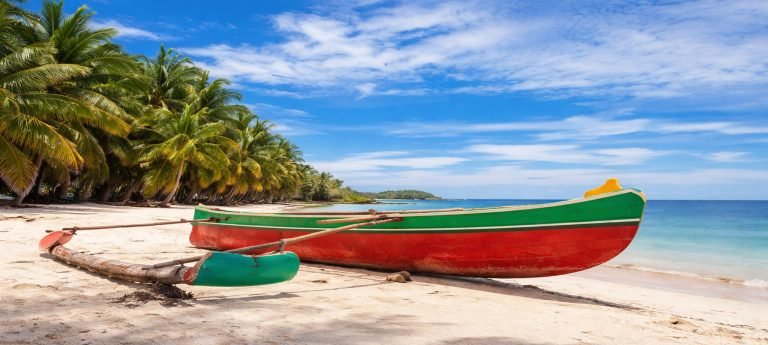
Fort Dauphin (also called Taolagnaro) feels like a completely different version of Southern Madagascar. Compared to the dusty west coast around Toliara and Ifaty, Fort Dauphin has a greener, more rugged edge — a place of rolling hills, rainforest touches, and dramatic coastline that feels like you’ve reached the far end of the island.
This is where the south stops being only about beaches and becomes a proper adventure base. Fort Dauphin is ideal for travelers who want variety: viewpoint hikes, remote day-trip beaches, nature reserves, and coastal drives where every bend seems to reveal another landscape that looks untouched. The scenery here has a wildness to it — not curated, not overly developed, and often surprisingly beautiful.
It’s also one of those destinations where the pace naturally slows down in a satisfying way. You don’t need to rush from attraction to attraction. Fort Dauphin works best with a simple rhythm: one “big experience” per day, plenty of downtime in between, and space for the spontaneous detours that Madagascar always seems to create.
Best Things to Do in Fort Dauphin
The signature experience in Fort Dauphin is the landscape itself. One of the best ways to feel that immediately is the hike up Pic St Louis, a viewpoint climb that delivers an incredible “reward for effort” moment. The trail is manageable for most travelers, and the views over the coastline are spectacular — especially in the early morning or late afternoon when the light turns golden and the ocean looks endless.
For a beach day that feels truly remote, Lokaro Beach is one of the most talked-about day trips from Fort Dauphin — and for good reason. The journey itself is part of the adventure, and once you reach the coast you’ll find wide sand, wild surf, and the kind of open, empty scenery that’s getting harder and harder to find in the modern travel world.
If you want a nature experience without committing to a full expedition, Nahampoana Reserve is an easy, rewarding stop that fits into almost any itinerary. It’s not designed to feel “extreme” or overly challenging — it’s calm, accessible, and often a great chance to see lemurs, lush plant life, and Madagascar’s biodiversity up close without hiking for hours.
Another strong day-trip direction is toward Sainte Luce and the surrounding beaches, where the coastline softens into something more tropical. It’s a great option if you want a laid-back beach day without losing that “remote Madagascar” atmosphere. And if you’re the type of traveler who likes to explore rather than sit still, Fort Dauphin is also one of the rare places in Madagascar where surf culture and adventure travel overlap naturally — even if you don’t surf yourself, the region carries that ocean-front energy.
Overall, Fort Dauphin is one of the best places in Madagascar to let your travel days breathe. This isn’t just a stop you pass through — it’s a region you can settle into, explore slowly, and genuinely enjoy.
🐒 Fort Dauphin Day Trip: See the “Dancing Lemurs”
If you are staying in Fort Dauphin, this is one of the most memorable day trips you can do in the region. You will head into surrounding nature where Madagascar’s wildlife really shines — including the famous “dancing lemurs,” one of the most unique lemur encounters in the country. It’s an ideal experience if you want to see lemurs in a more natural setting without having to organize transport, routes, and timing yourself.
Bars & Restaurants in Fort Dauphin
Fort Dauphin has a small but surprisingly fun social scene. After beach days and hikes, it’s the kind of place where travelers naturally end up grabbing a drink, sharing stories, and watching the town wind down in the evenings. These are some solid spots to eat, have a cold beer, and experience the “end-of-the-island” vibe.
- Cafe Bar Colorado — A relaxed go-to spot for drinks and casual evenings, especially when you want something lively without feeling too touristy.
- L’Arrivage Ft Dauphin — A popular choice for a more “proper meal” feel, with a comfortable setting and the kind of atmosphere that works well for couples or groups.
- Surf's Up Bar — A classic Fort Dauphin-style stop where surf energy and southern Madagascar adventure vibes meet. Great for winding down after a beach day.
- La Kabane — One of the most local-feeling spots to grab food and drinks in Taolagnaro. The vibe is laid-back, social, and ideal for an easy evening.
- Chez Anita — A well-known option for travelers who want a reliable meal in a comfortable setting (especially good after long travel days).
- Rex Restaurant Pizzeria — A practical crowd-pleaser when you want something simple, filling, and familiar. Perfect for low-effort dinner nights.
- Le Spot – Libanona — One of the best choices if you want the full Fort Dauphin coastal experience: beach setting, relaxed atmosphere, and that “this feels like the end of the world (in a good way)” energy.
How Long to Stay in Fort Dauphin
A stay of 3–5 nights usually feels ideal. That gives you enough time to do a viewpoint hike, enjoy at least one major beach day trip, explore a reserve, and still have space for relaxed days in between. If you have the time, Fort Dauphin is one of the few places in Madagascar where adding extra days rarely feels wasted — it’s simply a great region to travel slowly.

Where to Stay (Hotels): Toliara, Ifaty & Fort Dauphin
In Southern Madagascar, where you stay can completely shape your experience. Toliara (Tulear) is mainly a practical gateway city, while Ifaty is the classic beach base for relaxed lagoon days. Fort Dauphin feels more adventurous and remote, with dramatic coastline energy and a few standout places to stay. Below are curated picks across budgets so you can book confidently, plus general hotel search links if you want to compare more options.
Toliara & Ifaty: Budget Hotels
Villa Maroloko is a simple, good-value base in Mangily near Ifaty, ideal if you want beach time without resort pricing. It’s a practical choice for travelers who spend their days out on lagoon trips and come back mainly to sleep comfortably. The big advantage here is location: you’re close to the Ifaty coast and the relaxed beach village atmosphere. Check rates and availability for VILLA MAROLOKO here.
HOTEL MIRA D'OR AMBOABOAKY TOLIARA
Hotel Mira d'Or is a straightforward budget option in Toliara that works well if you’re in transit, arriving late, or leaving early. It’s best for travelers who want a convenient base in town rather than a beach-style stay in Ifaty. The advantage is simplicity: you’re positioned for city logistics and onward travel without paying for amenities you won’t use. Check rates and availability for HOTEL MIRA D'OR AMBOABOAKY TOLIARA here.
Toliara & Ifaty: Mid-Range Comfort Hotels
Prince Anakao is a great mid-range choice if you want a beach-forward experience with a more “special stay” feel than a basic guesthouse. It’s located in Anakao, which adds a sense of escape and makes the trip feel like you’re properly stepping away from the main travel corridor. The advantage is the atmosphere: it’s ideal for slowing down, enjoying the coast, and waking up somewhere that feels genuinely different. Check rates and availability for PRINCE ANAKAO here.
Hary’s Aparthotel is a comfortable mid-range option in Toliara, especially if you like having more space and a slightly more “independent” feel. It’s a good fit for travelers who want a reliable base for logistics, errands, or a short stop before heading on to the coast. The advantage here is practicality: it’s a solid “reset” stay when you want comfort without paying luxury prices. Check rates and availability for HARY'S APARTHOTEL here.
Toliara & Ifaty: Luxury Hotels
Demeure des Huiles Précieuses is a luxury-style stay near Ifaty that feels calm, curated, and intentionally designed for slowing down. It’s ideal if you want comfort and atmosphere after long travel days, with a more refined feel than a basic beach lodge. The advantage is the “treat yourself” factor: it turns Ifaty into a real reset stop rather than just a quick beach break. Check rates and availability for DEMEURE DES HUILES PRÉCIEUSES here.
Princesse du Lagon is a well-known Ifaty favorite and a strong option if you want a classic beach resort feel with comfort built in. It’s positioned for easy access to the coast and lagoon activities, so it works well if you want your days to be effortless. The biggest advantage is balance: it’s relaxing and polished without losing that laid-back southwest Madagascar atmosphere. Check rates and availability for PRINCESSE DU LAGON here.
Want to compare more options in the area? Browse all Toliara & Ifaty hotel options here.
Fort Dauphin: Hotel Picks
Fort Dauphin has fewer accommodation options than the west coast, so it’s worth booking early when you find something that fits your style. The upside is that the best stays here feel genuinely special — the kind of places that match Fort Dauphin’s wild coastline and “end of the island” energy.
Ecolodge Anjomba is a great choice if you want Fort Dauphin to feel peaceful and coastal rather than purely logistical. It’s the kind of stay that pairs well with early morning viewpoint hikes and slower evenings back by the sea. The advantage is the atmosphere: it fits the region’s nature-forward energy and makes your stay feel like part of the adventure. Check rates and availability for ECOLODGE ANJOMBA here.
MANAFIAFY BEACH & RAINFOREST LODGE
Manafiafy Beach & Rainforest Lodge is the “bucket list” style stay in this region — the kind of place you choose when you want Madagascar to feel truly special. It sits near Sainte-Luce, surrounded by nature, and it’s ideal if you want your trip to be about beaches, rainforest atmosphere, and total escape. The advantage is uniqueness: it’s not just a hotel, it’s part of the experience and one of the strongest reasons to include Fort Dauphin in your itinerary. Check rates and availability for MANAFIAFY BEACH & RAINFOREST LODGE here.
Want to compare more options in Fort Dauphin? Browse all Fort Dauphin hotel options here.
If you’re still comparing the best places to book, start with my full hotel platform guide here: Compare Hotel Booking Platforms. And if Southern Madagascar is part of a bigger international trip, you can also plan flights here: Book Cheap International Flights.
Getting Around Southern Madagascar
Getting around Southern Madagascar is completely doable, but it’s one of those regions where your transport choices will shape your whole trip. Most travelers combine a mix of taxi-brousse travel, private drivers for comfort, and (when it makes sense) domestic flights to save time. The key is to plan realistically: distances are long, road conditions vary, and “fast” travel often isn’t actually fast.
Taxi-Brousse Realities
Taxi-brousse travel is the classic budget way to move between towns, and it can be an unforgettable part of the Madagascar experience — but it’s not built for speed or comfort. Expect early departures, long waits, and routes that only leave once a vehicle fills up. On some days it runs smoothly, and on others it feels like the whole system is “almost leaving” for hours. If you’re traveling with a tight schedule, it’s often worth upgrading to a driver for at least one leg.
That said, there are a couple of well-known companies that many travelers find more reliable and comfortable than the most informal options: Soatrans Plus and Cotisse Transport. These buses are generally cleaner and better maintained than the average taxi-brousse, and they can often be reserved online, which makes planning far less stressful.
Private Drivers and Transfers
If you want to maximize comfort, reduce uncertainty, or stop for viewpoints and photo breaks along the way, hiring a private driver can be a game-changer in the south. This is especially true if you’re traveling as a couple, family, or small group — the cost can make more sense when split, and the flexibility is huge. You’ll also arrive less exhausted, which matters more than people expect when travel days are already long.
A good middle-ground option is to use a private transfer only for the toughest legs (or when you have limited time), and keep taxi-brousse travel for shorter, simpler routes. Your accommodation can usually help arrange trusted drivers, and that’s often safer and smoother than negotiating with random contacts on arrival.
Domestic Flights (When It Makes Sense)
If you’re short on time, domestic flights can help you “skip” a long overland stretch and use your trip days for experiences instead of transport. Madagascar Airlines operates domestic routes and can fly to both Toliara (Tulear) and Fort Dauphin (Taolagnaro), which can be a major advantage if you want to include the south without committing to every long road segment.
The trade-off is that flights can be less frequent and schedules can change, so it’s still smart to avoid ultra-tight connections and to keep at least a little buffer in your itinerary. But for many travelers, flying one leg (and traveling overland for the rest) is the best balance of adventure and practicality.
Safety Notes (Without Fear-Mongering)
Southern Madagascar is not a place you need to be afraid of — but it is a region where common-sense travel habits matter. Keep valuables low-key, avoid flashing expensive gear, and ask locals or your accommodation about any areas you should avoid after dark, especially in bigger towns.
For road travel, the biggest “safety” factor is usually not crime — it’s fatigue, rough roads, and unpredictable travel times. Start early, avoid pushing long routes late into the evening, and treat travel days as travel days (not sightseeing days squeezed into the same schedule). If you do that, the south is not only manageable — it’s one of the most rewarding parts of Madagascar.
Southern Madagascar involves some of the longest overland journeys in the country. Before planning routes, it helps to understand how transport works in Madagascar and why travel days often need to be broken up.
Best Time to Visit Southern Madagascar
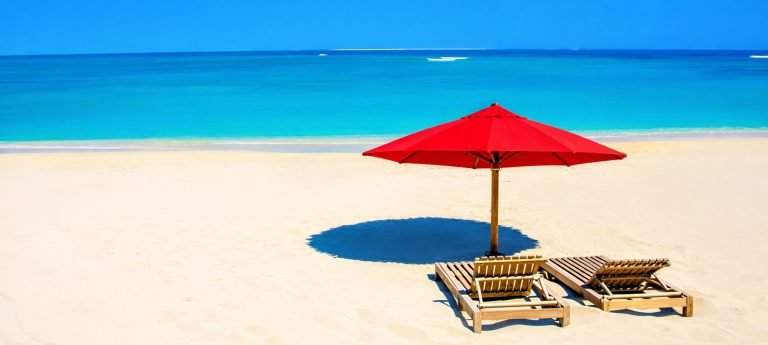
Southern Madagascar is generally best visited during the dry season, when roads are more reliable, humidity is lower, and beach conditions are easier to enjoy. The south is already drier than much of the island, so even in “good” months it can feel hot and sun-intense — but you’ll typically get clearer skies, better travel flow, and fewer weather-related surprises.
Dry Season (Why It Works Best)
The dry season is the easiest time to plan a southern itinerary because overland travel becomes more predictable. Roads can still be rough, but heavy rain is less likely to slow things down, and you’re far less likely to have plans disrupted by sudden storms or washed-out sections.
If you’re doing the classic RN7 route and ending in Toliara and Ifaty, the dry season tends to give you the smoothest version of that journey. And if you’re including Fort Dauphin, dry season timing usually improves the overall reliability of day trips, hikes, and coastal exploration.
Heat and Wind: What to Expect
The south can feel intensely hot, especially around midday. Even travelers who love warm weather often underestimate how quickly the sun can drain your energy here, so it’s smart to plan active outings for early morning or late afternoon and keep your midday time for shade, beach breaks, or slow lunches.
Wind is also part of the southern coast experience, especially around Ifaty. On the plus side, wind can make the heat more manageable and creates good conditions for kiteboarding and ocean sports. On the downside, it can sometimes make the sea feel rougher or affect boating and snorkeling conditions.
Whale Season in Ifaty (Seasonal Highlight)
Ifaty can be a fantastic place to add whale watching to your trip during the seasonal window when whales migrate along parts of Madagascar’s coastline. Seeing whales is never guaranteed, but if you’re traveling in season and you have a couple of flexible days in Ifaty, it can be one of the most memorable experiences of the entire trip.
If whale watching matters to you, plan a little extra time in Ifaty so you can choose the best day based on conditions — and book through reputable local operators recommended by your hotel.

Useful Malagasy Phrases for Travelers
While French is the main working language for visitors, learning a few Malagasy phrases goes a long way. Even small attempts are warmly appreciated and often lead to friendlier interactions, smiles, and better help — especially in rural areas where French may be limited.
- Salama (sah-LAH-ma) – Hello
- Manao ahoana? (mah-now ah-WAH-na) – How are you?
- Tsara, misaotra (TSAH-ra mee-SOW-tra) – Fine, thank you
- Misaotra (mee-SOW-tra) – Thank you
- Misaotra betsaka (mee-SOW-tra beh-TSAH-ka) – Thank you very much
- Azafady (ah-za-FAH-dee) – Please / Excuse me / Sorry
- Eny (EN-ee) – Yes
- Tsy (tsee) – No / Not
- Ohatrinona? (oh-ha-tree-NOO-na) – How much is it?
- Lafo loatra (LAH-foo loo-AH-tra) – It’s too expensive
- Afaka manampy ahy ve ianao? (ah-FAH-ka mah-NAM-pee AH-hee veh ee-AH-nao) – Can you help me?
- Aiza ny trano fidiovana? (EYE-za nee TRAH-noo fee-dee-WAH-na) – Where is the toilet?
- Tsy azoko (tsee ah-ZOO-koo) – I don’t understand
- Miteny frantsay ve ianao? (mee-TEN-ee fran-TSIGH veh ee-AH-nao) – Do you speak French?
- Veloma (veh-LOO-ma) – Goodbye
Using even a few Malagasy words shows respect and effort. Travelers who try often find people become warmer, more patient, and more willing to help — small moments that can completely change the feel of a trip.
Travel Facts for Southern Madagascar
Southern Madagascar is one of the most rewarding regions in the country — but it runs on practical realities. A few small preparations (cash planning, connectivity, and basic health habits) make a huge difference here, because once you’re outside major towns, convenience drops quickly.
Cash + Mobile Money
Cash is essential in the south. Even in larger places like Toliara, card payments can be unreliable, and many hotels, drivers, and local restaurants still operate primarily on cash. Always keep small notes, because getting change can be difficult in markets and for local transport.
Mobile money is also extremely useful in Madagascar (and often more dependable than cards), especially when you need quick payments or cash transfers. If you’re traveling with a long itinerary, having mobile money working can be a major stress reducer — but don’t assume every rural stop will have a reliable network connection at all times.
Mobile Money in Madagascar (complete guide)
Food + Water
Along the coast, you’ll often find delicious fresh seafood, simple grilled meals, and Malagasy staples like rice-based dishes. As a traveler, the main rule is to keep it sensible: eat in places that are busy (high turnover), be cautious with raw foods, and avoid anything that has clearly been sitting in heat for too long.
Water matters more than people expect in the south. The heat and wind can dehydrate you fast, so use bottled or treated water and carry more than you think you’ll need on travel days.
Safety
Southern Madagascar doesn’t require paranoia — it requires smart habits. Keep valuables low-key, avoid walking alone late at night in unfamiliar areas, and ask your accommodation what the current local advice is (they’ll know what’s normal and what’s not).
The biggest safety factor in this region is often travel fatigue. Roads are rough, days can be long, and delays are common. Plan buffer time, don’t push long trips into the evening, and treat travel days as travel days.
SIM / eSIM Reminder (Don’t Leave This to the Last Minute)
Connectivity in Southern Madagascar can be inconsistent once you leave main towns, and Wi-Fi is often weak or intermittent. If you want the easiest setup, use an eSIM so you land connected and can sort everything else after. Best eSIM for Madagascar & international travel (full guide). If you are unsure whether to rely on an eSIM or switch to a local SIM once you arrive, this SIM vs eSIM in Madagascar guide explains what works best in remote regions like the south.
Having data in the south isn’t just about social media — it’s about logistics: maps, WhatsApp messages with drivers, hotel coordination, and avoiding unnecessary stress during travel days.

Final Thoughts & More Madagascar Travel Guides
Southern Madagascar stands out as one of the most diverse and rewarding regions on the island, bringing together everything that defines the country: arid coastal towns, turquoise lagoons, dramatic viewpoints, and remote landscapes that still feel largely untouched. Wildlife is part of that experience too, and if seeing endemic species is high on your list, this guide to where to spot lemurs across Madagascar will help you understand where to go and what to expect. For travelers drawn to the coast, this overview of the island’s most beautiful beaches highlights just how varied Madagascar’s shoreline can be.
Yes, distances are long and getting here takes effort. But that’s also what makes places like Toliara, Ifaty, and Fort Dauphin feel so rewarding once you arrive. This is Madagascar at its most raw, quiet, and memorable.
If you’re continuing to plan your trip, it helps to connect the regions into one clear route. This broader Madagascar travel overview breaks down how the island fits together and what kind of journey actually makes sense.
For a step-by-step route, this suggested Madagascar itinerary walks through realistic travel timelines, whether you have 10 days, two weeks, or more to explore.
Planning also means thinking about where you’ll stay and how your budget fits your travel style. This guide to the best areas and accommodations in Madagascar helps you choose the right base, while this cost breakdown for traveling Madagascar gives you a realistic idea of daily expenses across the island.
Getting around is another key part of the experience. This guide to transport options across Madagascar explains flights, taxi-brousse routes, road conditions, and how to plan travel days without underestimating distances.
Before you go, it’s also worth making sure you’re properly equipped for the island’s conditions. This Madagascar packing guide covers what to bring for heat, humidity, remote travel, and changing environments across the country.
Seasonality plays a big role in shaping your trip, from road access to wildlife visibility. This month-by-month Madagascar travel guide helps you choose the right time to visit based on your priorities.
To better understand daily realities on the ground, this Madagascar safety guide explains what to expect, while these practical travel tips for Madagascar cover money, connectivity, transport, and small details that make a big difference once you arrive.
If you’re heading north next, this Northern Madagascar guide explores Nosy Be, Diego Suarez, and the Vanilla Coast — a region known for beaches, bays, and rainforest landscapes.
For a completely different atmosphere, the Central Highlands travel guide dives into Antananarivo, Antsirabe, and the cultural heart of the island, where many journeys begin.
And if you want to continue exploring Madagascar’s coastal contrasts, this Majunga and Tamatave guide compares two completely different coastal cities, from relaxed west coast sunsets to the humid, port-driven rhythm of the east.
Taken together, these guides form a complete Madagascar travel series, designed to help you move across the island with clarity and confidence. Whether you are planning a short trip or a longer journey, Madagascar rewards those who take the time to understand it — and explore it properly.
Southern Madagascar FAQ
• Is Southern Madagascar safe for tourists?
Yes — most travelers have a safe and positive experience, especially when using common-sense habits. Keep valuables low-key, avoid walking alone late at night in unfamiliar areas,
and ask your hotel what neighborhoods or routes to avoid. The biggest travel challenge here is usually long transport days and fatigue rather than safety incidents.
• Should I stay in Toliara or Ifaty?
If you want beaches, relaxation, snorkeling, and lagoon trips, stay in Ifaty. Toliara is best as a practical gateway city for transport and logistics.
Many travelers spend minimal time in Toliara and use Ifaty as their base for the southwest coast experience.
• How many days do I need for Southern Madagascar?
A good minimum is 5–7 days if you want to include Toliara + Ifaty and still have time to enjoy it. If you also want to add Fort Dauphin,
aim for 8–12 days total so you’re not rushing and losing days purely to transport.
• What is the best time of year to visit Southern Madagascar?
The dry season is generally best: clearer skies, better road reliability, and easier beach conditions. The south can still feel hot and windy,
but the overall travel experience is smoother. If whale watching matters to you in Ifaty, check seasonal timing and give yourself flexibility.
• Can I do both Fort Dauphin and Toliara/Ifaty in one trip?
Yes, but it requires more time and smart planning because they’re on different sides of the island. Many travelers treat Fort Dauphin as a separate southern “adventure add-on”
and either fly in/out or build a longer loop. If you’re on a tight schedule, choose either the RN7 route ending in Ifaty or a Fort Dauphin-focused adventure trip.
• Do I need a private driver in Southern Madagascar?
You don’t need one — taxi-brousse travel is possible — but a driver can dramatically improve comfort, timing, and flexibility. If you’re traveling as a couple or small group,
hiring a driver for at least one longer leg can be worth it. It also makes stops at viewpoints and nature spots much easier.
• How do I get to Fort Dauphin?
The easiest way is via domestic flights. Madagascar Airlines operates routes that can help you reach Fort Dauphin without sacrificing days to overland travel.
Overland travel is possible too, but it’s slower and requires more buffer time.
• What are the best things to do in Ifaty?
The top experiences are lagoon snorkeling, coral reef boat trips, and relaxed beach time. If you’re traveling in the right season, whale watching is also a major highlight.
Ifaty is also a great place for slow travel — good food, sunsets, and recovery time after long road travel.
• Is Wi-Fi reliable in Southern Madagascar?
Wi-Fi can be patchy and slow, especially outside larger towns. If you rely on maps, WhatsApp coordination, or remote work, it’s best to have mobile data available.
An eSIM is the easiest way to arrive connected and avoid wasting travel time on SIM setup.
• Should I carry cash in the south?
Yes — cash is essential. ATMs can be unreliable and card payments aren’t widely accepted outside some hotels. Keep small notes for markets and local transport,
and consider using mobile money when available for smoother payments.
Travel Resources to Plan, Book & Stay Connected
Use these tools and guides to stay connected abroad, find inspiration for your next trip, and book your flights, stays and gear with confidence.
Disclosure: This article may contain affiliate links. If you make a purchase through a link, I may receive a commission at no extra cost to you. I only share recommendations I believe are genuinely useful, and all opinions are my own. AI was used in this post for research and drafting purposes.

Comment (0)