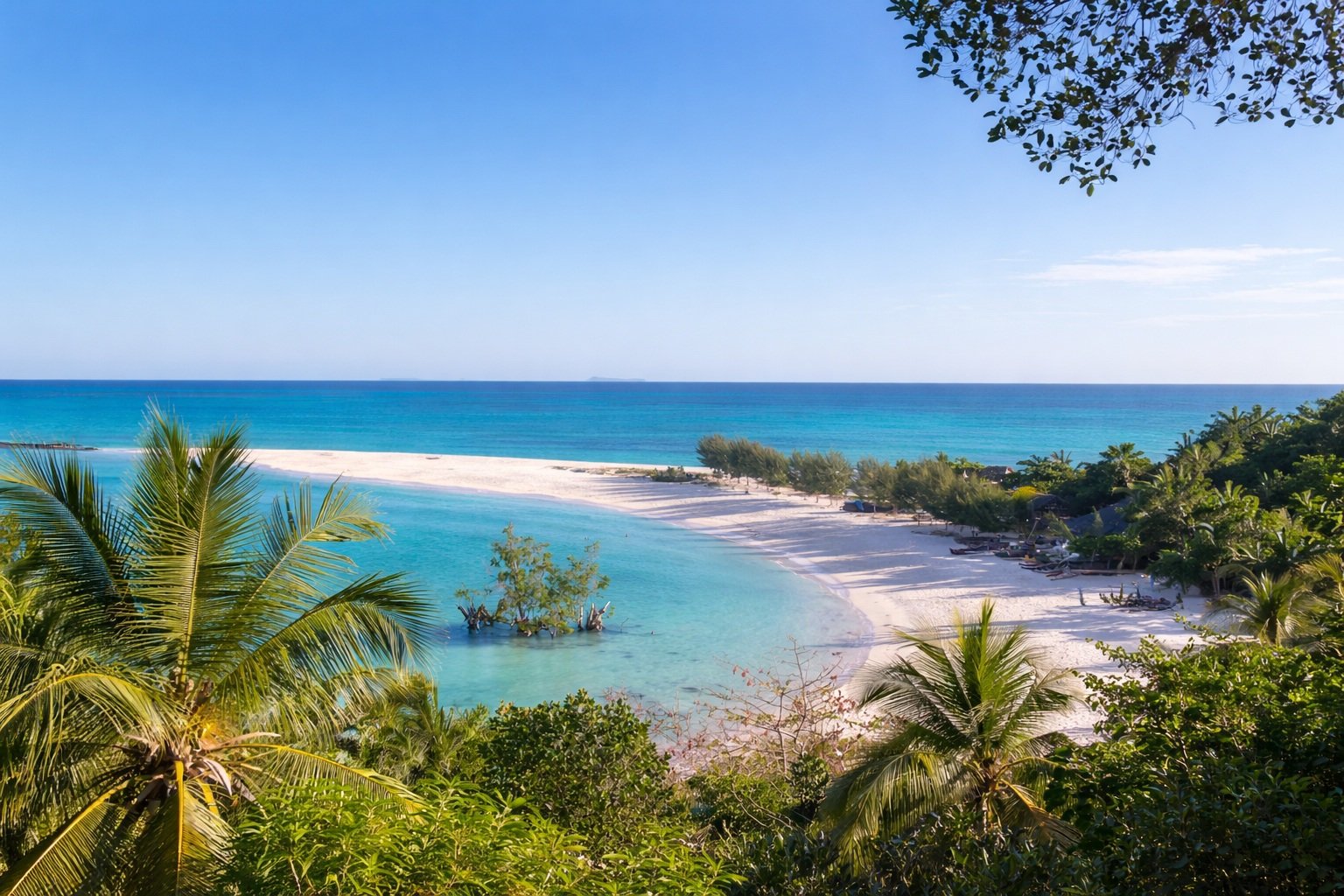
Madagascar Safety Overview
- Many travelers planning a trip to the island ask the same question: Is Madagascar safe to visit? In most cases, the answer is yes. The vast majority of visitors explore the country without serious problems.
- Crime affecting tourists is usually limited to opportunistic petty theft such as pickpocketing or bags taken from unattended vehicles, especially in busy urban areas.
- The biggest travel challenges in Madagascar are often logistical rather than dangerous. Roads can be rough, distances are long, and transportation sometimes takes longer than expected.
- Visitors who stay aware of their surroundings, avoid walking alone late at night, and arrange reliable transport generally find Madagascar to be welcoming and safe.
- Despite its remote reputation, tourism continues to grow each year as travelers discover the island’s unique wildlife, dramatic landscapes, and fascinating culture.
- If you are planning your trip, you can start by exploring the island’s highlights in our complete guide to things to do in Madagascar.
Introduction
Madagascar sits far out in the Indian Ocean and feels wonderfully remote from the rest of the world. The island is famous for its otherworldly landscapes, towering baobab trees, unique wildlife, and rainforests filled with lemurs and chameleons found nowhere else on Earth. For travelers who dream of exploring places that still feel wild and untouched, Madagascar often rises to the top of the list.
At the same time, its remoteness raises a natural question for many people planning a trip. Travelers researching the island often ask the same thing before booking flights or building an itinerary: is Madagascar safe to visit? The country is still unfamiliar to many visitors, and headlines about poverty, infrastructure challenges, or political events can make it difficult to understand what travel on the ground actually looks like.
In reality, the answer to the question is Madagascar safe to visit is more nuanced than a simple yes or no. Most visitors travel across the island without experiencing serious problems, but like many developing destinations, there are practical realities travelers should understand before arriving. Petty theft can occur in busy areas, transportation can be slow and unpredictable, and medical facilities outside major cities are limited.
The key to traveling safely in Madagascar is preparation and awareness rather than fear. Understanding how the country works, knowing where the main travel routes are, and planning transport carefully makes an enormous difference. Once travelers arrive, they often discover that Madagascar is not only fascinating but also welcoming, with curious and friendly locals eager to share their culture and landscapes.
This guide explores the full picture of travel safety on the island. We will look at crime levels, common scams, transportation safety, health concerns, and regional differences across the country. If you are still planning your route, you may also want to explore our detailed Madagascar itinerary and practical advice on getting around Madagascar.
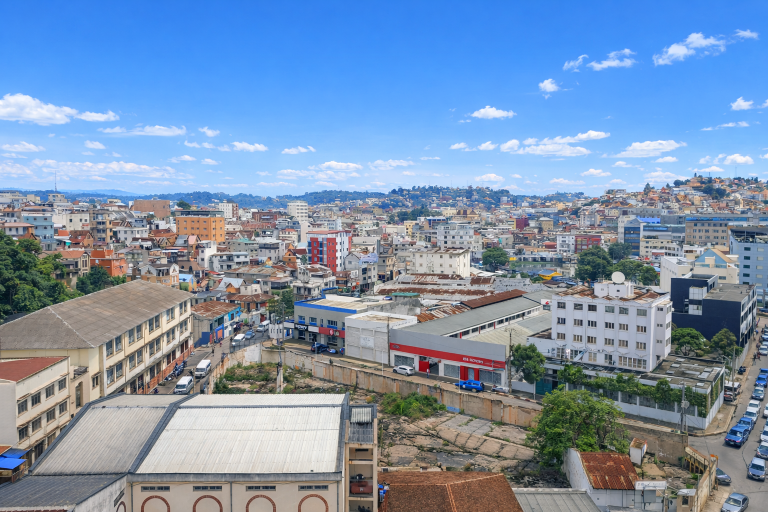
Is Madagascar Safe to Visit?
For most travelers, the short answer is yes. Madagascar is generally safe to visit, and thousands of travelers explore the island every year without experiencing serious problems. Tourism remains relatively small compared with many destinations around the world, but visitors regularly travel across the country to see national parks, coastal villages, rainforests, and some of the most unique wildlife on Earth.
When people ask whether Madagascar is safe to visit, the concern often comes from how remote and unfamiliar the island appears. Madagascar lies far from major tourist circuits, and its infrastructure is still developing. Because of this, the country can sometimes seem more intimidating than it actually is. In reality, most safety issues that travelers encounter are minor and can be avoided with basic travel awareness.
The most common problems reported by visitors involve opportunistic petty crime such as pickpocketing or unattended bags being taken in busy urban areas. This type of crime is not unique to Madagascar and can be found in many cities around the world. Violent crime targeting tourists is uncommon, particularly in the rural areas and national parks where many visitors spend much of their time.
Another important factor to understand is that Madagascar’s main challenges are logistical rather than dangerous. Distances between destinations are long, roads can be rough, and transportation sometimes takes longer than expected. Travelers who plan their routes carefully and allow extra time between destinations usually find that these challenges become part of the adventure rather than a serious risk.
Visitors who remain aware of their surroundings, keep valuables secure, and avoid walking alone late at night in unfamiliar areas generally find Madagascar to be welcoming and enjoyable. Many travelers are pleasantly surprised by how friendly and curious local communities can be, especially in smaller towns and rural regions where tourism is still developing.
For travelers interested in exploring different parts of the island, you can also learn more about Madagascar’s regions in our guides to Northern Madagascar, the Central Highlands and Antananarivo, Majunga and Tamatave, and Southern Madagascar.
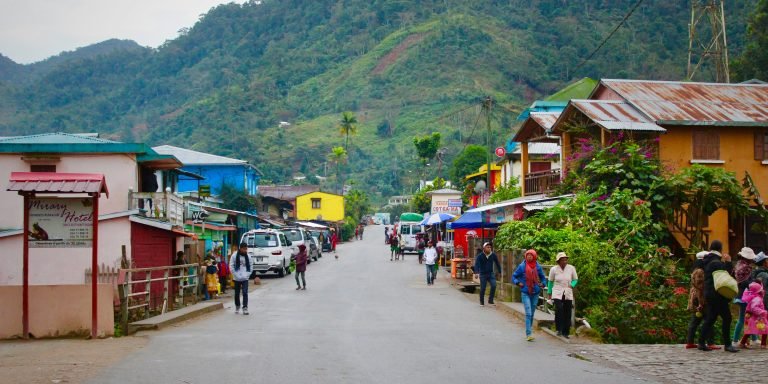
How Safe Is Madagascar for Tourists?
In practical terms, Madagascar is considered reasonably safe for tourists who travel with awareness and realistic expectations. Visitors exploring the island rarely encounter serious security issues, especially when following the same precautions that would apply in many developing destinations. Most travelers move between national parks, coastal towns, and smaller cities where tourism is already established and local communities are accustomed to welcoming visitors.
Urban areas require a bit more attention. The capital city Antananarivo, for example, can experience petty crime such as pickpocketing or bag snatching in crowded places. This type of opportunistic theft is the most common issue affecting tourists. Keeping valuables secure, avoiding displaying expensive electronics, and remaining attentive in busy markets or transport hubs significantly reduces the risk.
Outside the major cities, many travelers actually find Madagascar to feel calmer and safer than expected. Rural regions, national parks, and coastal communities tend to have very low levels of crime directed at visitors. In these areas the main challenge is not personal safety but the logistical realities of traveling through a country where infrastructure is still developing.
Tourists are also relatively easy to recognize in Madagascar simply because international visitor numbers are still modest compared with other destinations. Being visible as a traveler does not usually lead to problems, but it can attract curiosity from locals who may be interested in where visitors come from or what brings them to the island. These encounters are typically friendly and often become some of the most memorable cultural moments of a trip.
Ultimately, Madagascar rewards travelers who approach the destination with patience and preparation. Understanding the environment, planning transportation carefully, and respecting local customs allows most visitors to explore the island comfortably while enjoying one of the most unique travel experiences in the world.
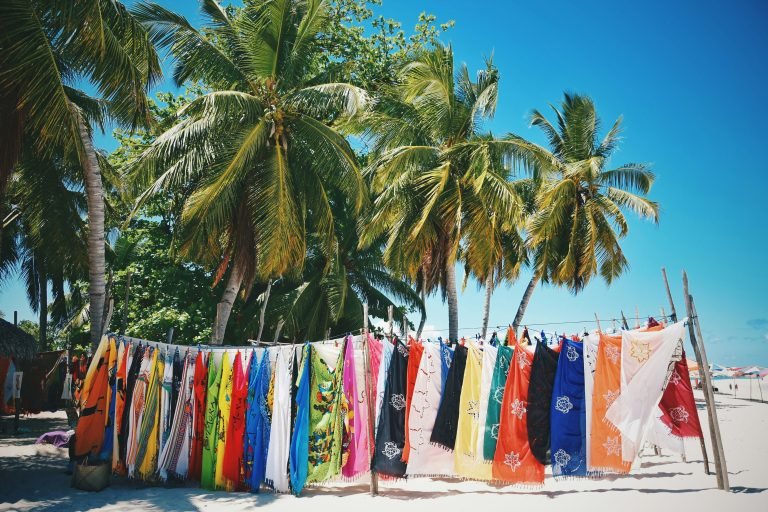
Is Madagascar Safe Right Now?
For most travelers considering a trip, the question is not only whether Madagascar is safe in general, but whether it is safe to visit right now. In most cases, the country remains open to tourism and travelers continue to explore its national parks, beaches, and cities without major disruption.
Madagascar has experienced periods of political tension in the past, including protests and changes in government. However, these events rarely affect the areas where travelers spend most of their time. Demonstrations are usually limited to parts of the capital Antananarivo and occasionally other urban centers, and they tend to be short-lived. Visitors who stay informed about local news and avoid large gatherings generally have little reason for concern.
The tourism industry continues to operate across the island. National parks remain open, domestic flights connect major destinations, and guided tours run regularly to the country’s most famous attractions. Travelers visiting places such as Nosy Be, the Avenue of the Baobabs, or the rainforests of the eastern coast typically experience the country as calm and welcoming.
As with any destination, it is wise to check current travel advisories and local conditions before departure. Situations can evolve, particularly during election periods or extreme weather events. That said, Madagascar does not experience the type of widespread instability that would normally prevent tourism.
Before traveling, it is also wise to review the official Madagascar travel advisory, which provides updated information about safety conditions, entry requirements, and travel considerations.
Most travelers who arrive today find that the island feels peaceful and relaxed. The biggest adjustments tend to involve transportation delays, long travel distances, and the slower rhythm of life rather than safety concerns.
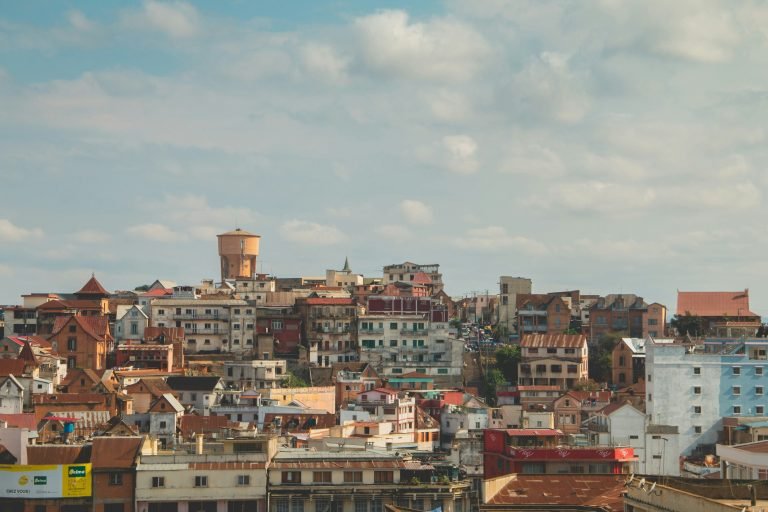
Is Madagascar Safe for Solo Travelers?
Madagascar can be a very rewarding destination for solo travelers, particularly those who enjoy adventure, wildlife, and exploring places that remain far from mass tourism. Many independent travelers visit the island each year and successfully navigate its national parks, coastal regions, and cultural sites on their own.
At the same time, traveling solo in Madagascar requires a bit more planning than in many other destinations. Transportation across the island can be slow, distances between destinations are large, and public transport options are sometimes limited. Because of this, many solo travelers choose to combine independent exploration with guided tours or organized transport when moving between remote areas.
From a safety perspective, the same general precautions apply as they would in most developing destinations. Staying aware of your surroundings, keeping valuables secure, and avoiding isolated streets at night are sensible practices. Solo travelers who follow these basic habits typically move around without encountering serious problems.
Many parts of Madagascar are actually easier to explore with some local support. Hiring a driver, joining a small group excursion, or arranging transport through a reputable hotel can make travel smoother and safer, especially in regions where public infrastructure is limited. These arrangements also allow visitors to reach national parks and rural areas that might otherwise be difficult to access independently.
Another reassuring factor is the curiosity and friendliness that travelers often encounter across the island. Malagasy communities tend to be welcoming toward visitors, and it is not uncommon for solo travelers to find themselves sharing conversations with locals who are interested in hearing about their journey.
For those planning a longer trip across the country, it can be helpful to review a typical travel route before departure. Our guide to a Madagascar itinerary explains how many travelers structure their journeys between the island’s main destinations.
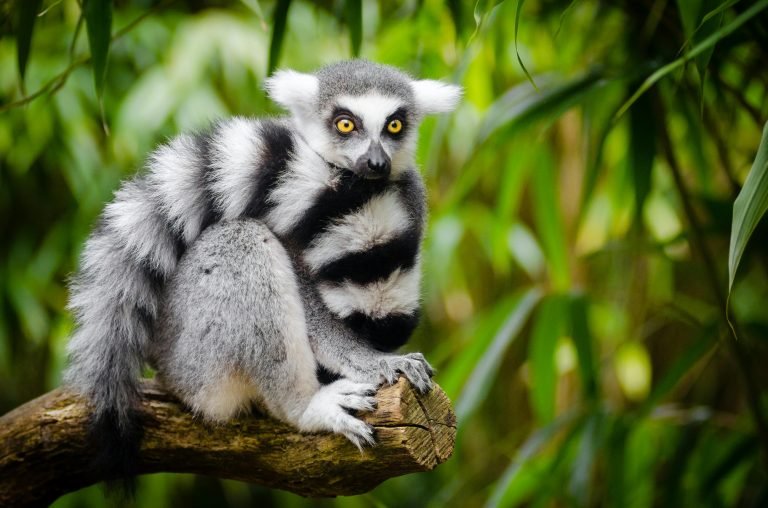
Is Madagascar Safe for Women and Solo Female Travelers?
Madagascar is generally considered a safe destination for women, including those traveling alone. Many female travelers visit the island every year and explore its national parks, coastal towns, and cultural sites without encountering serious problems. As with many destinations where tourism infrastructure is still developing, awareness and preparation play an important role in ensuring a comfortable experience.
Most women traveling in Madagascar report that interactions with locals are respectful and friendly. Malagasy culture places strong emphasis on politeness and hospitality, and visitors are often welcomed with curiosity rather than hostility. Travelers may attract attention simply because international tourism numbers remain relatively small, especially in rural areas, but this attention is usually harmless and often comes in the form of conversation or interest about where visitors come from.
Urban environments require the same precautions that apply to all travelers. Busy neighborhoods in cities such as Antananarivo can experience petty theft, and it is sensible to avoid walking alone late at night or displaying expensive items in crowded areas. Using registered taxis, arranging transport through hotels, and keeping valuables secure are simple measures that significantly reduce potential risks.
Many female travelers also find that joining guided tours for national parks or remote regions adds an extra level of comfort. Guides not only help navigate the country’s logistics but also provide valuable cultural context that can make the travel experience richer and more relaxed.
In practice, women who travel with awareness and basic precautions often find Madagascar to be welcoming and memorable. The island’s extraordinary landscapes and wildlife tend to overshadow safety concerns once travelers settle into the rhythm of the journey.
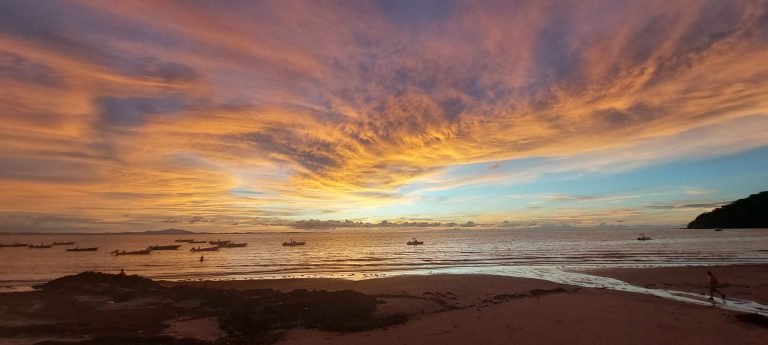
Is Madagascar Safe for Americans and Western Tourists?
Travelers from the United States, Europe, and other Western countries regularly visit Madagascar without encountering serious safety problems. The country has welcomed international visitors for decades, and tourism plays an important role in supporting many national parks, conservation projects, and local communities.
Because Madagascar receives fewer international visitors than many popular travel destinations, foreign travelers can sometimes stand out, particularly in smaller towns or rural villages. This visibility rarely leads to negative situations. More often it results in curiosity from locals who may greet visitors, ask where they are from, or simply watch with interest as travelers pass through their community.
As in many parts of the world where poverty is widespread, visible wealth can occasionally attract opportunistic theft. Visitors who avoid displaying expensive electronics, keep bags close in crowded areas, and remain attentive in busy city neighborhoods significantly reduce the likelihood of problems. These precautions are similar to those travelers would take in large cities almost anywhere.
Another question sometimes asked by travelers online concerns whether Madagascar is safe for white tourists. In practice, visitors of different backgrounds travel across the island every year. Local communities are accustomed to seeing foreigners in major tourism regions, and travelers generally report warm and welcoming interactions with the Malagasy people.
Respect for local customs and culture also plays an important role in positive travel experiences. Greeting people politely, dressing modestly in rural communities, and showing interest in local traditions often leads to friendly conversations and a deeper connection with the places visitors explore.
For travelers interested in discovering different regions of the island, our guides to Northern Madagascar, the Central Highlands and Antananarivo, Majunga and Tamatave, and Southern Madagascar provide a closer look at the island’s main travel areas.
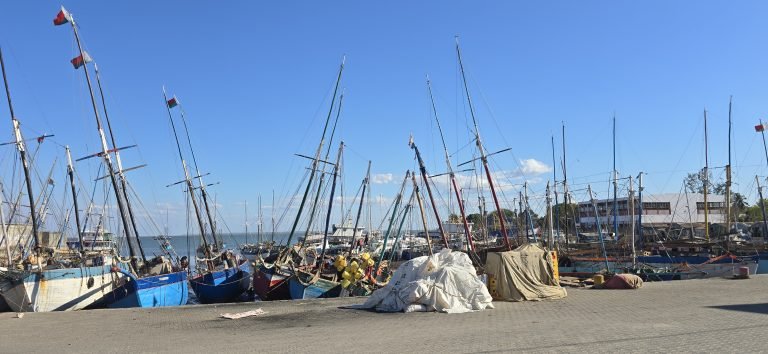
Is Madagascar a Safe Country Overall?
When travelers ask whether Madagascar is a safe country overall, the answer requires looking at the broader context of the island. Madagascar is one of the poorest countries in the world, and economic challenges affect everyday life for many communities. Poverty can create conditions where opportunistic theft occurs, particularly in crowded urban environments. However, this does not mean that the country is inherently dangerous for visitors.
In fact, many travelers find that Madagascar feels calmer than expected once they arrive. Outside of the busiest city districts, the pace of life across much of the island is slow and community oriented. Small towns, rural villages, and national park regions often feel peaceful and welcoming, with local residents going about daily life in close-knit communities.
Most tourism in Madagascar focuses on nature and wildlife experiences rather than large cities. Travelers spend significant time visiting national parks, coastal regions, and smaller towns where the risk of crime affecting tourists is relatively low. Guides, drivers, and local tourism operators are accustomed to working with international visitors and often play an important role in helping travelers move comfortably between destinations.
It is also worth remembering that Madagascar’s main travel challenges are not usually related to personal security. Infrastructure across the island is still developing, which means roads can be rough, travel distances are long, and schedules are sometimes unpredictable. These realities can feel surprising for first-time visitors but are generally logistical rather than safety concerns.
For travelers who approach the destination with patience and realistic expectations, Madagascar is often described as one of the most extraordinary places they have ever visited. The island’s remarkable biodiversity, unique culture, and dramatic landscapes tend to leave a much stronger impression than any safety concerns encountered along the way.
Is It Safe to Travel Around Madagascar?
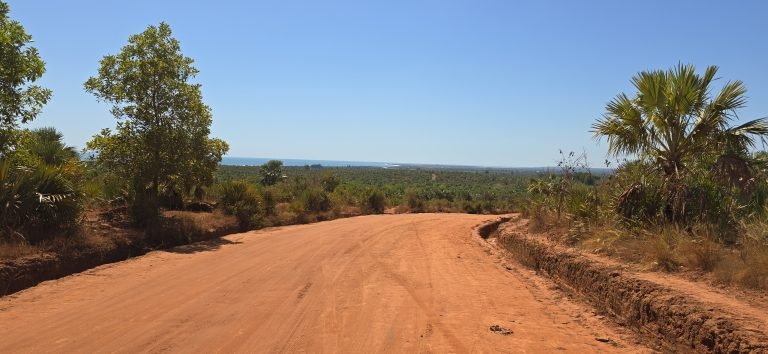
Traveling around Madagascar is generally safe, but it is also one of the aspects of visiting the island that requires the most preparation. The country is enormous, and distances between destinations can be much greater than travelers initially expect. Because infrastructure is still developing, journeys that appear short on a map can sometimes take an entire day.
The condition of roads is one of the biggest challenges when moving between regions. Major highways connect the capital Antananarivo with several parts of the country, but many secondary roads are rough, unpaved, or slow to navigate. During the rainy season, certain routes can become difficult or temporarily inaccessible, which is why travelers often build flexibility into their itineraries.
Many visitors choose to hire a driver or arrange private transport when traveling across Madagascar. This option allows travelers to move comfortably between national parks, coastal regions, and major cities while benefiting from local knowledge about road conditions and travel times. Drivers are also familiar with the rhythms of long journeys across the island and know where to stop safely for food or rest.
Public transportation is available in the form of taxi-brousse, shared minibuses that connect cities and towns throughout Madagascar. While these vehicles are widely used by locals, they can be crowded and unpredictable for travelers who are unfamiliar with the system. Long journeys on taxi-brousse are common, and schedules are often flexible rather than fixed.
Domestic flights provide another way to travel across the island, particularly between distant regions such as the capital, Nosy Be, and the southern coast. Flights reduce travel time dramatically, although schedules can sometimes change and seats may need to be booked well in advance.
If you want a deeper look at how transportation works across the island, our guide to getting around Madagascar explains the different options travelers use to move between destinations.
Despite the logistical challenges, most travelers find that getting around Madagascar becomes part of the adventure. Long drives pass through villages, rice fields, forests, and dramatic landscapes that reveal the extraordinary diversity of the island.
Crime and Scams Travelers Should Know About
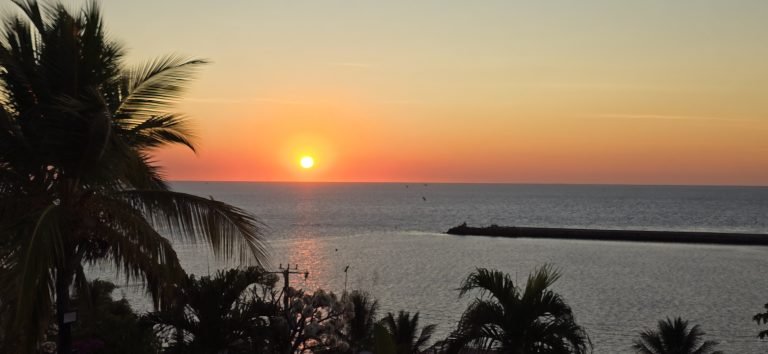
Like many destinations where tourism is growing but infrastructure is still developing, Madagascar does experience some petty crime. The most common incidents reported by travelers involve opportunistic theft rather than targeted or violent crime. Pickpocketing, unattended bags being taken, or items disappearing from vehicles are the situations visitors are most likely to encounter.
Busy urban areas are where travelers should be the most attentive. Markets, crowded streets, and transportation hubs in cities such as Antananarivo can attract pickpockets who look for easy opportunities. Keeping bags zipped, carrying only the cash you need for the day, and avoiding displaying expensive phones or cameras in crowded places helps reduce the chances of problems.
Bag snatching from motorcycles occasionally occurs in larger cities. This type of theft typically targets loosely carried bags or cameras. Wearing bags across your body and keeping them close rather than hanging from one shoulder makes it much harder for thieves to grab them quickly.
Another situation travelers sometimes encounter involves unofficial guides or individuals offering assistance in tourist areas. While many local guides are knowledgeable and helpful, it is best to arrange tours through reputable operators, hotels, or official park offices. This ensures that visitors receive reliable information and helps avoid misunderstandings about prices or services.
Taxi pricing can also cause confusion for first-time visitors. In some cities taxis may not use meters, which means it is wise to agree on a price before beginning a journey. Hotels and guesthouses are usually happy to call trusted drivers for guests, which helps avoid uncertainty when moving around unfamiliar neighborhoods.
Overall, the risk of crime affecting tourists in Madagascar is relatively low when travelers remain aware of their surroundings and take simple precautions. Most visitors spend their time exploring national parks, coastal towns, and rural regions where crime is far less common than in crowded city environments.
Health Risks in Madagascar
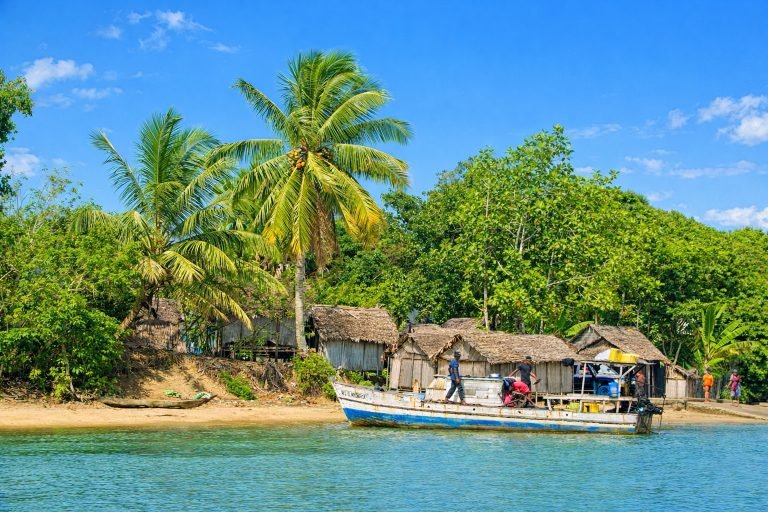
Health considerations are an important part of planning a trip to Madagascar. The island’s tropical climate and developing medical infrastructure mean travelers should take a few precautions before and during their visit. With proper preparation, most visitors travel across the country without experiencing serious health issues.
Travelers should also consult the CDC travel health advice for Madagascar for recommended vaccinations, mosquito precautions, and general health guidance before visiting the island.
Malaria is present in many parts of Madagascar, particularly in coastal regions and lowland areas. Travelers often consult a doctor before departure to discuss preventive medication and recommended vaccinations. Using mosquito repellent, wearing long sleeves in the evening, and sleeping under mosquito nets where provided are common precautions that help reduce the risk of mosquito-borne illnesses.
Dengue fever can also occur in tropical regions of Madagascar. Like malaria, it is spread through mosquito bites, which makes insect protection one of the most important health precautions travelers can take. Many hotels and lodges provide mosquito nets or screened rooms, especially in areas where mosquitoes are more common.
Food and water safety is another consideration when traveling across the island. Bottled or filtered water is widely available and is generally recommended instead of tap water. Many travelers also choose to avoid ice in drinks unless they are confident it was made from purified water. Eating freshly cooked meals and choosing busy restaurants where food turnover is high are simple ways to minimize the risk of stomach problems.
Medical facilities in Madagascar vary significantly depending on location. The capital Antananarivo has several hospitals and clinics, but services in smaller towns and rural areas can be limited. Because of this, many travelers choose to arrange comprehensive travel insurance before visiting the country. Insurance can provide access to medical assistance, evacuation services if necessary, and peace of mind while exploring remote regions of the island.
If you are comparing coverage options before your trip, you can explore travel insurance providers that specialize in international travel such as SafetyWing travel insurance, which is designed for travelers and long-term visitors moving between destinations.
Preparing for these health considerations allows travelers to focus on the extraordinary experiences Madagascar offers, from rainforest hikes and wildlife encounters to remote beaches and vibrant local culture.
Are Some Parts of Madagascar Safer Than Others?
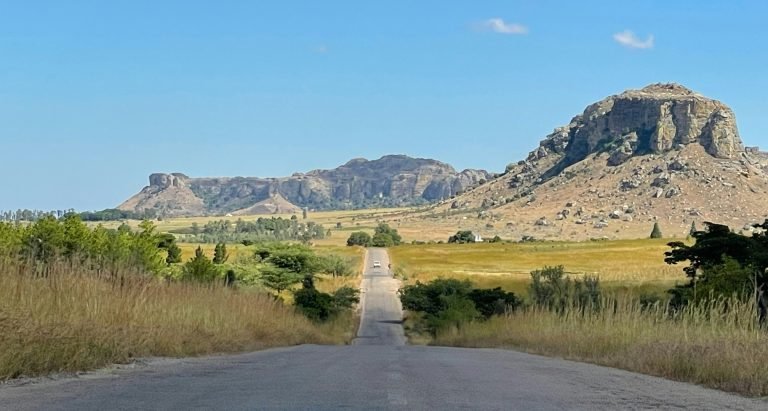
Madagascar is a very large island, and safety conditions can vary slightly depending on where travelers go. In general, most regions visited by tourists are considered relatively safe, especially the areas known for national parks, beaches, and wildlife reserves. These locations welcome international visitors regularly and have tourism services that make travel more comfortable.
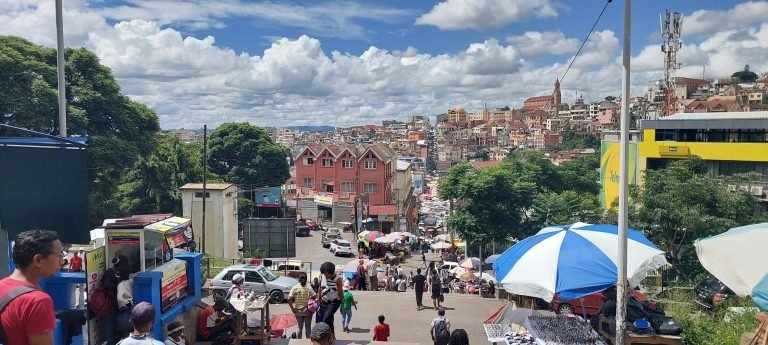
The capital Antananarivo is the busiest city in the country and naturally has more of the petty crime issues that are common in large urban areas. Pickpocketing and bag snatching can occur in crowded neighborhoods, markets, or transportation hubs. Visitors who remain attentive, avoid carrying visible valuables, and arrange transportation through hotels or trusted drivers usually move around the city without problems.
Outside the capital, many travelers find that Madagascar feels calmer and more relaxed. Coastal destinations and smaller towns often have a slower pace of life, and visitors are more likely to encounter curious conversations with locals than any safety concerns. Tourism areas such as Nosy Be or national parks across the island typically have guides, lodges, and transport networks that help travelers navigate the region safely.
Many of the island’s most famous natural attractions are located inside protected areas managed by Madagascar National Parks, which oversees conservation and visitor access across many of the country’s most remarkable landscapes.
The northern part of the island is known for its dramatic landscapes, wildlife reserves, and coastal destinations. Travelers interested in this region can learn more in our guide to Northern Madagascar, which covers some of the island’s most famous natural attractions.
The central highlands surrounding the capital offer a different perspective on Madagascar, with historical towns, rice terraces, and cultural experiences that reveal everyday life on the island. Our guide to Antananarivo and the Central Highlands explains what travelers can expect when exploring this region.
On the western and eastern coasts, travelers often visit coastal cities and nature reserves where forests meet the ocean. If you are curious about these regions, you can explore our guides to Majunga and Tamatave, which highlight important gateways to Madagascar’s coastal environments.
The southern part of the island offers yet another landscape, with dry forests, coral reefs, and unique ecosystems that differ dramatically from the rainforests of the east. Our guide to Southern Madagascar explores this region and its remarkable biodiversity.
For most travelers, the key takeaway is that Madagascar’s main tourist regions are generally welcoming and safe. With sensible precautions and thoughtful planning, visitors can explore the island’s diverse landscapes with confidence.
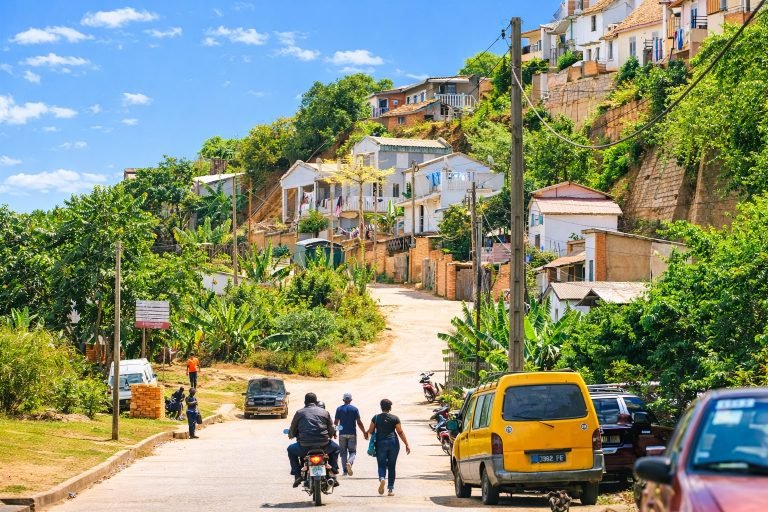
Is Madagascar Safe at Night?
Like many destinations around the world, Madagascar changes character after dark. During the day, cities, markets, and national parks are lively places where locals and travelers move freely. At night, however, quieter streets and reduced activity mean visitors should take a bit more care when moving around unfamiliar areas.
In larger cities such as Antananarivo, walking alone late at night is generally not recommended, especially in poorly lit neighborhoods or areas that are unfamiliar. Petty theft is more likely to occur after dark when streets are quieter and fewer people are around. For this reason, many travelers choose to use taxis rather than walking between restaurants, hotels, or nightlife areas in the evening.
Hotels and guesthouses can usually arrange reliable taxis for guests, which is often the easiest and safest way to move around after sunset. Drivers familiar with the area know the safest routes and can take visitors directly to their destination without unnecessary detours.
In smaller towns and coastal regions, the atmosphere after dark is often calm and relaxed. Many communities become quiet once the evening sets in, and visitors typically spend their time at their hotel, lodge, or local restaurant. While these places tend to feel peaceful, it is still sensible to remain aware of surroundings and avoid carrying valuables unnecessarily when going out at night.
National parks and remote lodges usually have their own rhythm once the sun goes down. Travelers often gather for dinner, share stories from the day’s wildlife encounters, and prepare for early morning excursions. In these settings, nighttime tends to feel tranquil rather than unsafe.
By taking simple precautions such as arranging transport, staying in well lit areas, and keeping valuables secure, most travelers find that evenings in Madagascar are comfortable and uneventful.
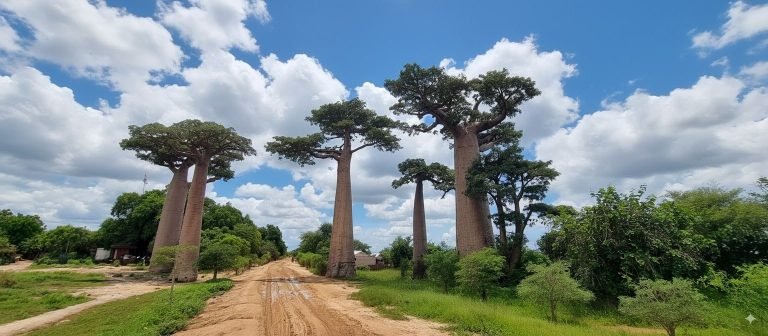
Is Madagascar Safe for Families Traveling With Children?
Madagascar can be a wonderful destination for families, especially those interested in wildlife, nature, and outdoor exploration. The island offers experiences that are difficult to find anywhere else in the world. Children often find the idea of seeing lemurs in the wild, walking through rainforests, or spotting chameleons along forest trails particularly exciting.
From a safety perspective, families can travel across Madagascar comfortably when they plan their itinerary carefully. Many lodges, national park guides, and tour operators are accustomed to welcoming families and helping them explore the island at a relaxed pace. Guided visits to parks such as Andasibe or Ranomafana are common parts of family trips and allow children to learn about Madagascar’s extraordinary wildlife in a safe environment.
The main challenges for families usually involve travel logistics rather than security concerns. Distances between destinations can be long, and road conditions may make journeys slower than expected. Families often choose to hire a driver or arrange private transport so that travel days are more comfortable and flexible.
Health preparation is also important when traveling with children. Consulting a doctor before departure about recommended vaccinations, mosquito protection, and preventive medication for malaria can help families travel with confidence. Carrying a small travel medical kit and ensuring access to reliable travel insurance are additional precautions many parents find reassuring.
Families who approach Madagascar with patience and a sense of adventure often discover that it becomes one of the most memorable trips they take together. The island’s wildlife, landscapes, and welcoming communities provide experiences that stay with children long after the journey ends.
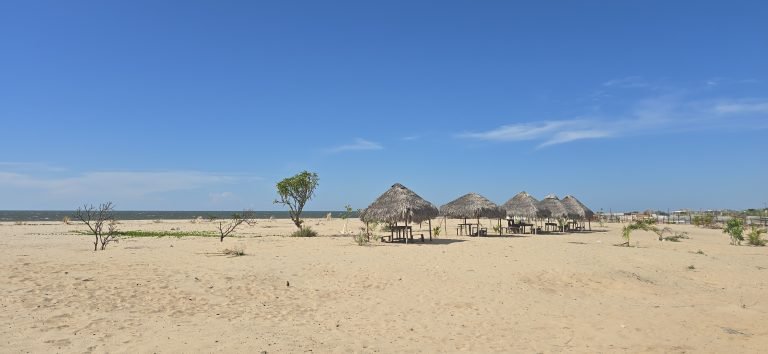
Natural Risks Travelers Should Know
Madagascar’s landscapes are one of the main reasons travelers visit the island, but the natural environment also brings a few risks that visitors should understand before traveling. These risks are rarely dangerous for tourists who plan their trips carefully, yet being aware of the island’s climate and terrain helps avoid unpleasant surprises.
Cyclones are one of the most significant natural events affecting Madagascar. The cyclone season usually runs from January to March and can bring heavy rain, strong winds, and temporary disruptions to transportation. During this period some roads may become difficult to use, and flights can occasionally be delayed. Travelers visiting outside the cyclone season generally experience much more stable weather conditions.
Rainfall can also affect road conditions in parts of the island, particularly in rural regions where roads are unpaved. Heavy rain may slow travel between destinations and sometimes make remote routes difficult to navigate. Many travelers plan their itineraries with some flexibility so that weather delays do not disrupt their entire journey.
Madagascar is also home to remote national parks and wildlife reserves where the natural environment is largely untouched. While these areas are safe to visit, it is always advisable to explore them with experienced local guides who understand the terrain. Guides help visitors navigate forest trails, identify wildlife, and avoid getting lost in areas where navigation can be challenging.
Despite these considerations, natural risks rarely prevent travelers from enjoying the island. Most visitors quickly discover that Madagascar’s extraordinary landscapes and wildlife are worth the effort required to explore them.
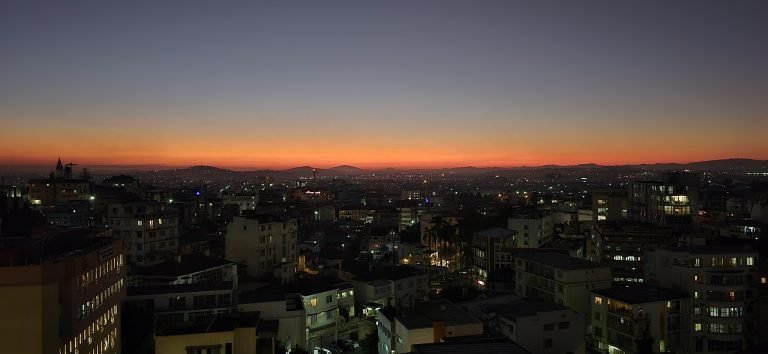
Safety Tips for Traveling in Madagascar
Traveling safely in Madagascar mostly comes down to preparation, awareness, and realistic expectations about how travel works on the island. Visitors who take a few simple precautions usually find that they can explore the country comfortably while focusing on the extraordinary wildlife, landscapes, and cultural experiences that make Madagascar so unique.
One of the most helpful habits is staying aware of your surroundings, especially in busy city areas. Markets, transportation hubs, and crowded streets can attract opportunistic pickpockets. Keeping bags zipped, carrying only the cash needed for the day, and avoiding displaying expensive electronics are simple ways to reduce the risk of petty theft.
Transportation planning is another important aspect of safe travel in Madagascar. Distances across the island are large and road conditions can vary widely. Many travelers choose to arrange private drivers or trusted local transport through their hotel or tour operator. This approach helps avoid uncertainty and allows visitors to move between destinations more comfortably.
Evenings are generally relaxed in many parts of the country, but it is wise to avoid walking alone late at night in unfamiliar urban neighborhoods. Using taxis arranged through hotels or restaurants is usually the easiest way to move around safely after dark.
Health preparation also plays a role in staying safe while traveling. Protecting against mosquito bites, drinking bottled or filtered water, and carrying a small travel medical kit are common precautions for visitors exploring tropical destinations.
Finally, patience and flexibility are valuable travel skills in Madagascar. Schedules may change, roads can be slow, and journeys sometimes take longer than expected. Travelers who approach these realities with a relaxed mindset usually find that the adventure becomes part of the experience rather than a problem.
Are Tourists Welcome in Madagascar?
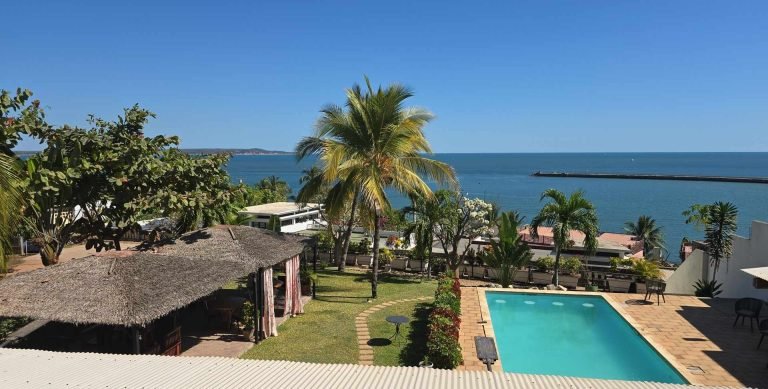
Travelers who visit Madagascar often arrive with some uncertainty about what to expect, especially if it is their first time exploring the island. In practice, most visitors quickly discover that Malagasy people are welcoming, curious, and proud of their country. Tourism is still developing compared with many destinations around the world, which means interactions between visitors and local communities often feel more personal and authentic.
In many towns and villages, travelers attract friendly curiosity simply because international visitors are not as common as they might be in larger global tourism hubs. It is not unusual for locals to greet visitors, ask where they are from, or share stories about their region. These conversations are usually warm and genuine, and they often become memorable moments of a trip.
Respect for local customs helps create positive interactions wherever travelers go. Greeting people politely, showing patience, and demonstrating interest in Malagasy culture are simple gestures that are appreciated throughout the country. Taking the time to learn a few basic words of Malagasy or French can also create friendly connections during everyday encounters.
Madagascar has a strong cultural tradition known as fady, which refers to local customs or taboos that vary between regions and communities. Even Malagasy people sometimes ask about local fady when visiting unfamiliar areas, and travelers who show the same curiosity are usually seen as respectful rather than uninformed.
Many communities across Madagascar understand that tourism supports conservation projects, guides, small hotels, and local businesses. Because of this, visitors often find themselves welcomed not only as guests but also as partners in protecting the island’s unique natural heritage.
For most travelers, this welcoming atmosphere becomes one of the highlights of visiting Madagascar. The warmth of local communities, combined with the island’s extraordinary landscapes and wildlife, creates an experience that feels both adventurous and deeply human.
Final Verdict: Is Madagascar Safe to Visit?
For most travelers, the answer to the question is Madagascar safe to visit is yes. The island is not a dangerous destination for tourists who travel with awareness and realistic expectations. Visitors who take basic precautions, plan transportation carefully, and remain attentive in busy areas usually explore the country without serious problems.
Madagascar is a destination where the main challenges are logistical rather than security related. Long travel distances, rough roads, and slower infrastructure can make journeys take more time than expected. Travelers who approach the island with patience and flexibility often find that these aspects simply become part of the adventure.
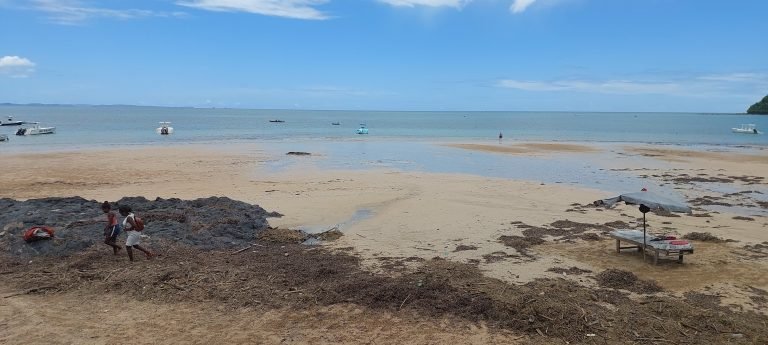
Across the island, visitors discover extraordinary biodiversity, dramatic landscapes, and welcoming communities. National parks protect wildlife found nowhere else in the world, coastal regions offer quiet beaches and coral reefs, and cultural traditions provide a glimpse into a way of life that remains deeply connected to the land.
In many ways, Madagascar rewards travelers who arrive with curiosity and an open mind. Those who prepare well, respect local customs, and allow time for the rhythm of the island often leave with memories of one of the most remarkable travel experiences on Earth.
If you are planning your journey, you can start exploring the island in more detail in our guide to things to do in Madagascar. It provides a complete overview of the country’s most fascinating destinations and natural wonders.
Final Verdict: Is Madagascar Safe to Visit?
For most travelers, the answer to the question is Madagascar safe to visit is yes. The island is not a dangerous destination for tourists who travel with awareness and realistic expectations. Visitors who take basic precautions, plan transportation carefully, and remain attentive in busy areas usually explore the country without serious problems.
Madagascar is a destination where the main challenges are logistical rather than security related. Long travel distances, rough roads, and slower infrastructure can make journeys take more time than expected. Travelers who approach the island with patience and flexibility often find that these aspects simply become part of the adventure.
Across the island, visitors discover extraordinary biodiversity, dramatic landscapes, and welcoming communities. National parks protect wildlife found nowhere else in the world, coastal regions offer quiet beaches and coral reefs, and cultural traditions provide a glimpse into a way of life that remains deeply connected to the land.
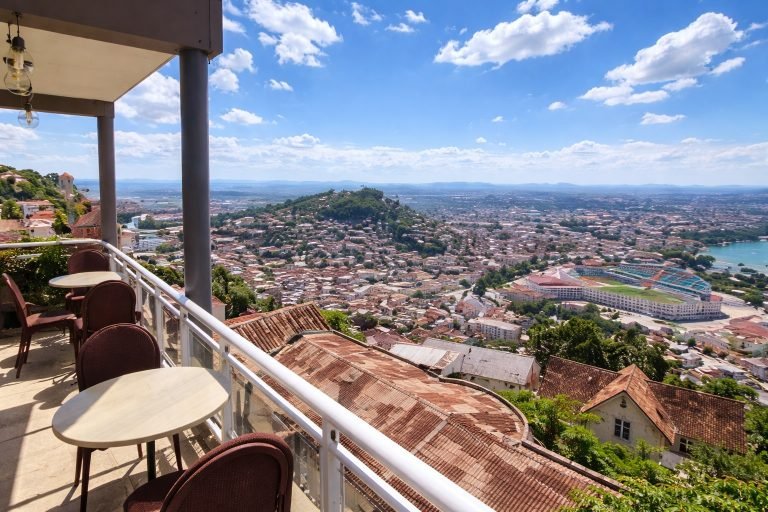
I have personally spent many months traveling across Madagascar, including extended time in Antananarivo, Mahajanga, Nosy Be, Diego Suarez, Morondava, and Manakara. During all those travels, I followed the same basic precautions that apply in many places around the world. I avoided displaying valuables, did not walk alone late at night in unfamiliar areas, and stayed aware of my surroundings.
In all that time, I never once experienced a dangerous situation. Instead, I was consistently welcomed with kindness and curiosity. People greeted me warmly, conversations started easily, and the hospitality I encountered across the island left a lasting impression.
From my personal experience, Madagascar should not be a destination that scares travelers away. It is one of the most unique, fascinating, and genuinely friendly places I have ever visited. Those who arrive with patience, curiosity, and respect for local culture often discover a country that leaves a far deeper impression than they ever expected.
If you are planning your journey, you can begin exploring the island in more detail in our guide to things to do in Madagascar, which highlights the destinations and experiences that make this remarkable island so special.
❓ Frequently Asked Questions About Safety in Madagascar
🌍 Is Madagascar safe to visit for tourists?
Yes, Madagascar is generally safe to visit for tourists who follow normal travel precautions. Most visitors explore the island without serious problems. Petty theft can occur in busy city areas, but violent crime affecting tourists is uncommon. Travelers who stay aware of their surroundings, avoid displaying valuables, and plan transport carefully usually find Madagascar welcoming and comfortable to explore.
👩 Is Madagascar safe for solo female travelers?
Madagascar is considered reasonably safe for solo female travelers, especially those who take the same precautions they would use in many destinations around the world. Many women travel across the island each year without experiencing major issues. Using trusted transportation, avoiding isolated areas at night, and staying in reputable hotels or lodges helps ensure a smooth and enjoyable trip.
🧭 Is Madagascar safe to travel alone?
Yes, many travelers visit Madagascar independently. However, due to long travel distances and limited infrastructure, solo travelers often find it easier to arrange private transport or join guided tours for certain parts of their journey. This approach helps simplify logistics while allowing travelers to explore the island safely and comfortably.
🌙 Is Madagascar safe at night?
Madagascar is generally safe during the evening in most tourist areas, but walking alone at night in unfamiliar urban neighborhoods is not recommended. In larger cities such as Antananarivo, travelers usually choose taxis arranged through hotels or restaurants when moving around after dark.
🚗 Is it safe to drive in Madagascar?
Driving in Madagascar can be challenging because road conditions vary widely and distances between destinations are large. Many travelers prefer hiring a local driver who understands the roads and travel times between regions. This option makes journeys safer and far more comfortable.
💉 What health precautions should travelers take in Madagascar?
Travelers typically prepare for mosquito-borne illnesses such as malaria by consulting a doctor before departure and using mosquito repellent during their trip. Drinking bottled or filtered water and carrying basic medical supplies are also common precautions when visiting tropical destinations.
🇺🇸 Is Madagascar safe for American or Western tourists?
Yes, travelers from the United States, Europe, and other Western countries regularly visit Madagascar. Visitors may attract curiosity simply because tourism numbers are still relatively small, but interactions with locals are usually friendly and welcoming.
🏝 Are tourists welcome in Madagascar?
Yes, Malagasy communities are generally very welcoming toward visitors. Many travelers report warm interactions with locals across the island. Showing respect for local customs, greeting people politely, and taking interest in Malagasy culture often leads to positive and memorable experiences.
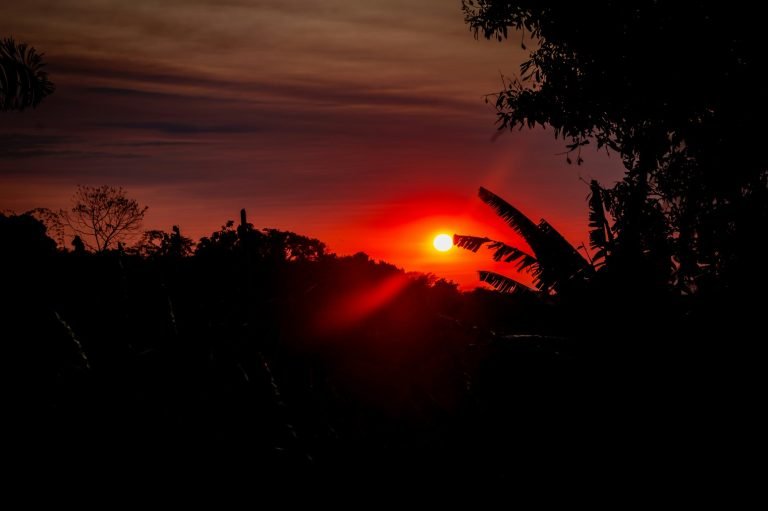
Final Thoughts & Where to Go Next
Madagascar is a destination that rewards travelers who approach it with curiosity, patience, and realistic expectations. The island’s landscapes, wildlife, and cultures are incredibly diverse, and every region reveals a different side of the country. Whether you are planning your first visit or refining an itinerary, exploring Madagascar step by step often leads to the most memorable experiences.
If you want a complete overview of the island before diving into specific regions, start with the main Madagascar travel guide, which explains the country’s regions, highlights, and how everything fits together as a destination.
Once you understand the bigger picture, many travelers begin planning their route using the Madagascar itinerary guide, which outlines realistic travel routes for different trip lengths across the island.
Understanding transportation is also essential when planning a trip. The guide to getting around Madagascar explains how domestic flights, taxi-brousse routes, and road travel actually work throughout the country.
Many travelers also find it helpful to plan around Madagascar’s seasons. The guide to the best time to visit Madagascar explains how rainfall, wildlife viewing conditions, and travel logistics change throughout the year.
For practical preparation before arriving, the Madagascar travel tips guide covers money, connectivity, transport expectations, and everyday travel realities across the island. Travelers who want a clearer understanding of safety considerations can also read Is Madagascar Safe to Visit, which provides a realistic overview of how to explore the island confidently.
Once your planning is underway, exploring Madagascar region by region helps bring the island to life. In the far north, the guide to Northern Madagascar covers destinations such as Nosy Be, Diego Suarez, and the Vanilla Coast, where tropical islands, rainforests, and dramatic bays define the landscape.
Moving inland from the coast, the cooler highlands around the capital reveal a very different atmosphere. The guide to Antananarivo and the Central Highlands explores historic towns, rice terraces, and the cultural heart of Madagascar.
Madagascar’s coastline also offers striking contrasts. The ports of Majunga and Tamatave show two very different sides of life along the Indian Ocean.
For travelers seeking Madagascar’s most remote landscapes, the guide to Southern Madagascar explores dry forests, baobabs, and the dramatic coastline around Toliara, Ifaty, and Fort Dauphin.
If you prefer reading in French, you can also explore the full country overview in the Guide de voyage Madagascar, which covers planning, travel essentials, and regional highlights.
Together, these guides form a connected Madagascar travel series designed to help you explore the island step by step and build a trip that feels realistic, rewarding, and unforgettable.
Travel Resources to Plan, Book & Stay Connected
Use these tools and guides to stay connected abroad, find inspiration for your next trip, and book your flights, stays and gear with confidence.
Disclosure: This article may contain affiliate links. If you make a purchase through a link, I may receive a commission at no extra cost to you. I only share recommendations I believe are genuinely useful, and all opinions are my own.

Comment (0)