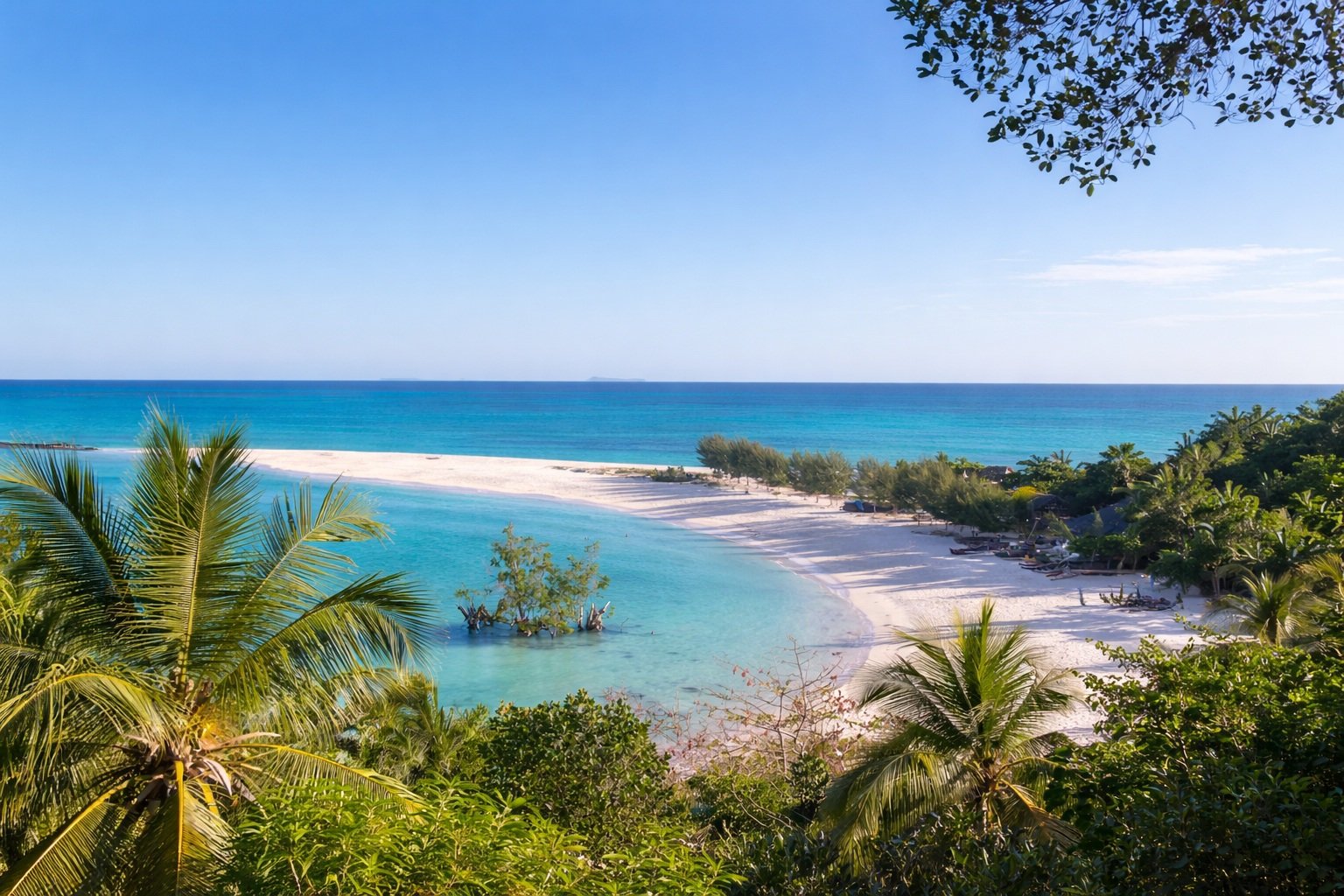
Madagascar Safety Overview
- Is Madagascar safe to visit for travelers? Yes, for most travelers Madagascar is considered safe, especially when following well-traveled routes and applying basic precautions.
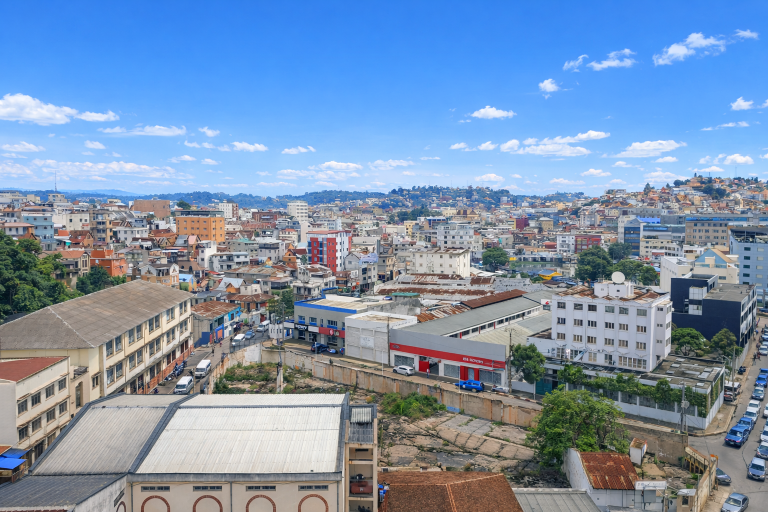
- Crime affecting tourists is usually limited to opportunistic petty theft such as pickpocketing or items taken from unattended vehicles, particularly in busy urban areas like Antananarivo.
- The main challenges when traveling in Madagascar are logistical rather than safety-related. Roads can be slow, distances are long, and transport often takes more time than expected.
- Travelers who stay aware of their surroundings, avoid walking alone at night, and arrange reliable transport generally experience Madagascar as safe and welcoming.
- Tourism continues to grow as more visitors discover the island’s unique wildlife, diverse landscapes, and strong cultural identity.
- If you are planning your trip, start with the Madagascar destination guide, then review how to get to Madagascar and choose the best arrival airport before finalizing your itinerary.
Introduction
Madagascar sits far out in the Indian Ocean and feels genuinely remote from the rest of the world. The island is known for its unusual landscapes, towering baobab trees, and wildlife found nowhere else, including lemurs and chameleons. For travelers looking for destinations that still feel raw and largely untouched, Madagascar is often high on the list.
That same remoteness naturally raises an important question before planning a trip: is Madagascar safe to visit? The short answer is yes, but understanding how safety works on the island is essential. Because Madagascar is less familiar than many travel destinations, it can be difficult to separate perception from reality when researching safety.
In practice, safety in Madagascar is not a simple yes or no. Most travelers visit without serious issues, but there are real conditions to understand. Petty theft can occur in busy areas, transport can be slow and unpredictable, and medical facilities outside major cities are limited. These are not reasons to avoid the country, but they are factors to plan for.
The key to traveling safely in Madagascar is preparation and awareness. Knowing how transport works, understanding distances, and sticking to realistic routes makes a significant difference. Once on the ground, many travelers find the country welcoming, with friendly locals and a strong sense of community.
This guide breaks down what you need to know about safety in Madagascar, including crime, transport, health considerations, and regional differences. If you are still planning your trip, review how to plan a Madagascar itinerary and how transport works across the island before finalizing your route.
Is Madagascar Safe to Visit?
For most travelers, the short answer is yes. Madagascar is generally safe to visit, and thousands of visitors explore the island each year without serious issues. While tourism is still relatively small compared with other destinations, travelers regularly move across the country to visit national parks, coastal areas, rainforests, and unique wildlife regions.
Concerns about safety often come from how remote and unfamiliar Madagascar appears. Its distance from major travel circuits and developing infrastructure can make it seem more intimidating than it actually is. In reality, most issues travelers encounter are minor and manageable with basic awareness.
The most common problems involve opportunistic petty theft, such as pickpocketing or items taken from unattended bags in busy urban areas. This type of crime is not specific to Madagascar and is similar to what travelers may experience in cities worldwide. Violent crime targeting tourists is uncommon, especially in rural areas and national parks.
The main challenges in Madagascar are logistical rather than safety-related. Distances are long, roads can be slow, and transport often takes more time than expected. Travelers who plan realistic routes and allow flexibility generally find these conditions manageable.
Visitors who stay aware of their surroundings, keep valuables secure, and avoid walking alone at night in unfamiliar areas typically find Madagascar to be welcoming and enjoyable. Many travelers note the friendliness of local communities, particularly in smaller towns and rural regions.
To explore different parts of the island, you can also read our regional guides to Northern Madagascar, the Central Highlands and Antananarivo, Majunga and Tamatave, and Southern Madagascar.
How Safe Is Madagascar for Tourists?
In practical terms, Madagascar is considered reasonably safe for tourists who travel with awareness and realistic expectations. Most visitors move between national parks, coastal areas, and established travel routes without encountering serious issues. As with many developing destinations, safety depends more on behavior and preparation than on the destination itself.
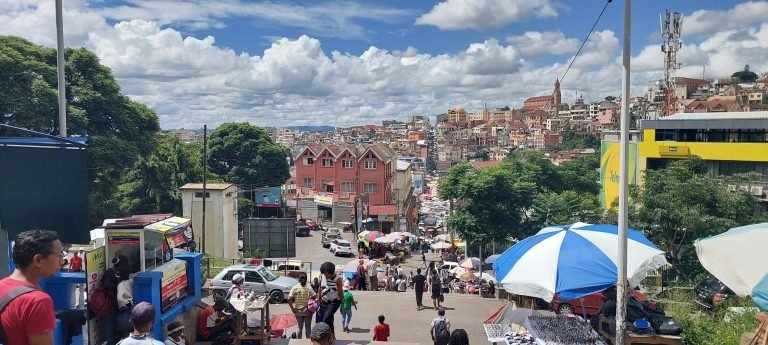
Urban areas require more attention. In Antananarivo, petty crime such as pickpocketing or bag snatching can occur in crowded places. This is the most common issue affecting visitors. Keeping valuables secure, avoiding visible electronics, and staying aware in busy areas such as markets and transport hubs significantly reduces risk.
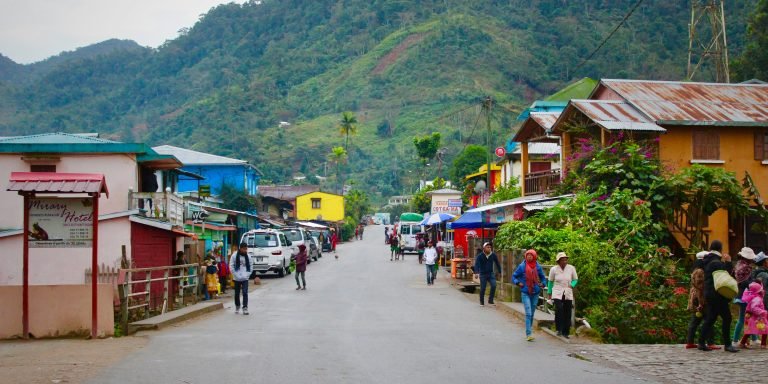
Outside major cities, the atmosphere often feels calmer. Rural regions, national parks, and coastal communities generally have low levels of crime directed at tourists. In these areas, the main challenges are logistical rather than safety-related, including transport delays and limited infrastructure.
Tourists are easy to recognize in Madagascar due to relatively low visitor numbers. This visibility rarely creates problems, but it often attracts curiosity from locals. These interactions are usually friendly and can become memorable parts of the travel experience.
Overall, Madagascar is a destination where preparation and awareness matter more than concern. Travelers who plan carefully, move between known routes, and respect local conditions typically find the country safe, welcoming, and highly rewarding.
Is Madagascar Safe Right Now?
For most travelers, the question is not just whether Madagascar is safe in general, but whether it is safe to visit right now. In practice, the country remains open to tourism, and visitors continue to travel across national parks, coastal regions, and cities without major disruption.
Madagascar has experienced periods of political tension, including protests and government changes. These events are typically limited to parts of Antananarivo and occasionally other urban areas. They are usually short-lived and rarely affect the main tourist routes. Travelers who stay informed and avoid large gatherings generally encounter no issues.
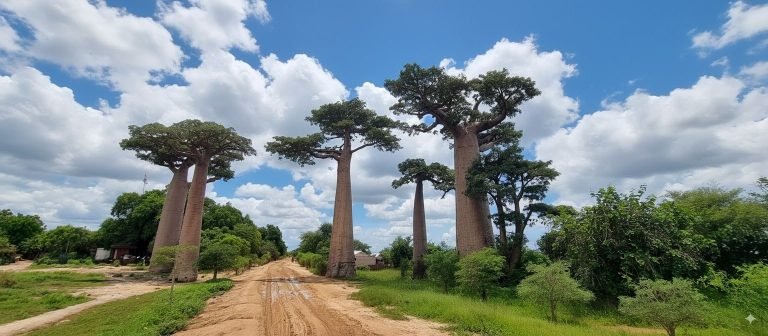
The tourism sector continues to operate across the island. National parks are open, domestic flights connect key destinations, and tours run regularly to major highlights such as Nosy Be, the Avenue of the Baobabs, and eastern rainforest regions. Most visitors experience these areas as calm and accessible.
As with any destination, checking current conditions before departure is important. Situations can change during election periods or extreme weather events, but Madagascar does not experience the type of widespread instability that typically disrupts tourism.
Before traveling, review the official Madagascar travel advisory for up-to-date information on safety conditions, regional considerations, and entry requirements.
Most travelers visiting Madagascar today find the country peaceful and relaxed. The main challenges tend to be logistical, such as long travel distances and slower transport, rather than safety concerns.
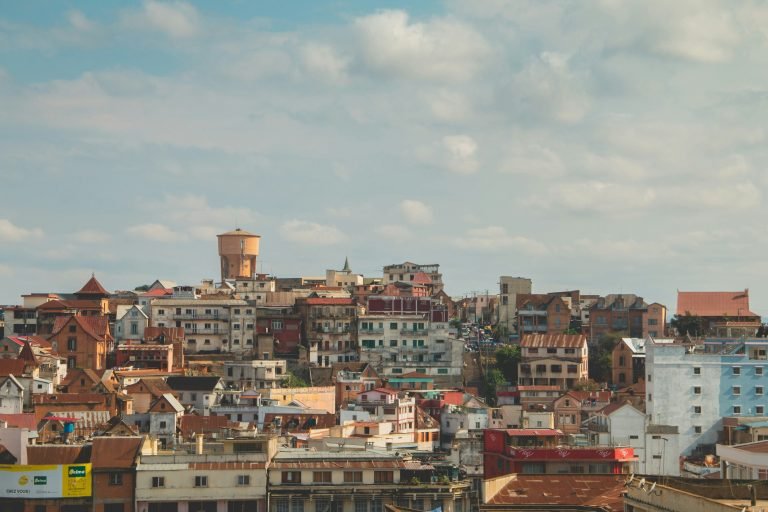
Is Madagascar Safe for Solo Travelers?
Madagascar can be a rewarding destination for solo travelers, especially those interested in wildlife, nature, and less-traveled routes. Many independent travelers visit each year and explore national parks, coastal regions, and cultural sites without major issues.
That said, solo travel in Madagascar requires more planning than in many destinations. Distances are long, transport can be slow, and public options are sometimes limited. For this reason, many solo travelers combine independent travel with guided tours or arranged transport when moving between remote areas.
From a safety perspective, the same precautions apply as in most developing destinations. Staying aware of your surroundings, securing valuables, and avoiding isolated areas at night significantly reduces risk. Travelers who follow these habits generally move around without problems.
In many regions, having some local support makes travel easier. Hiring a driver, joining a small group tour, or arranging transport through accommodation providers improves both convenience and safety. These options also make it easier to reach national parks and rural areas that are difficult to access independently.
Another factor that reassures many solo travelers is the friendliness of local communities. Visitors often encounter curiosity rather than hostility, and interactions with locals frequently become a positive part of the experience.
For longer trips, planning your route in advance is important. This Madagascar itinerary guide explains how to structure a realistic journey between the island’s main regions.

Is Madagascar Safe for Women and Solo Female Travelers?
Madagascar is generally considered a safe destination for women, including those traveling alone. Many female travelers visit the island every year and explore its national parks, coastal towns, and cultural sites without encountering serious problems. As with many destinations where tourism infrastructure is still developing, awareness and preparation play an important role in ensuring a comfortable experience.
Most women traveling in Madagascar report that interactions with locals are respectful and friendly. Malagasy culture places strong emphasis on politeness and hospitality, and visitors are often welcomed with curiosity rather than hostility. Travelers may attract attention simply because international tourism numbers remain relatively small, especially in rural areas, but this attention is usually harmless and often comes in the form of conversation or interest about where visitors come from.
Urban environments require the same precautions that apply to all travelers. Busy neighborhoods in cities such as Antananarivo can experience petty theft, and it is sensible to avoid walking alone late at night or displaying expensive items in crowded areas. Using registered taxis, arranging transport through hotels, and keeping valuables secure are simple measures that significantly reduce potential risks.
Many female travelers also find that joining guided tours for national parks or remote regions adds an extra level of comfort. Guides not only help navigate the country’s logistics but also provide valuable cultural context that can make the travel experience richer and more relaxed.
In practice, women who travel with awareness and basic precautions often find Madagascar to be welcoming and memorable. The island’s extraordinary landscapes and wildlife tend to overshadow safety concerns once travelers settle into the rhythm of the journey.
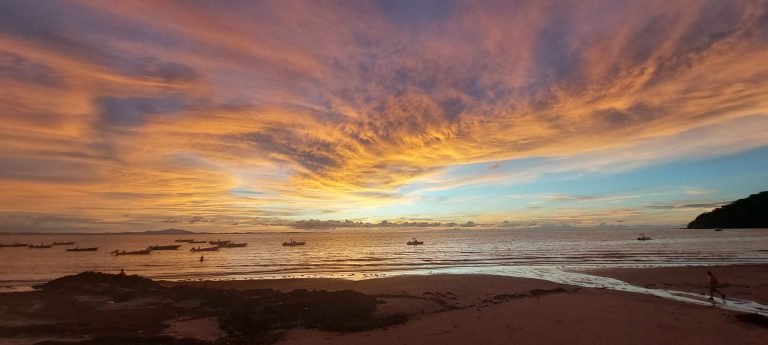
Is Madagascar Safe for Americans and Western Tourists?
Travelers from the United States, Europe, and other Western countries regularly visit Madagascar without encountering serious safety problems. Tourism has been part of the island’s economy for many years, particularly in national parks, coastal destinations, and key travel routes, and visitors are generally welcomed across these regions.
Because Madagascar receives fewer international tourists than many destinations, foreign visitors can stand out more, especially in smaller towns or rural areas. In most cases, this visibility leads to curiosity rather than risk. Locals may greet visitors, ask where they are from, or show interest in their presence, which often results in friendly and positive interactions.
As in many countries where economic conditions vary, visible wealth can attract opportunistic petty theft. The most common issues involve unattended belongings or pickpocketing in busy areas. Travelers who keep valuables out of sight, stay aware in crowded places, and avoid displaying expensive items significantly reduce the likelihood of problems.
Another question that sometimes appears in travel research is whether Madagascar is safe for white tourists or Western visitors specifically. In practice, travelers of all backgrounds move throughout the island each year. In established tourism areas, local communities are accustomed to international visitors, and interactions are typically respectful and welcoming.
Perception can sometimes differ from reality when researching Madagascar. Its remoteness and developing infrastructure can make it seem more intimidating than it is. Once on the ground, most travelers find that the main challenges relate to logistics rather than personal safety, including long travel times, limited transport options, and slower infrastructure.
Respect for local customs plays an important role in positive experiences. Greeting people politely, dressing modestly in rural areas, and showing interest in local traditions often lead to more meaningful interactions and smoother travel overall.
Overall, Madagascar is not a destination where Western travelers face specific safety risks beyond normal travel considerations. With basic awareness, realistic expectations, and respectful behavior, most visitors experience the island as welcoming, safe, and highly rewarding.
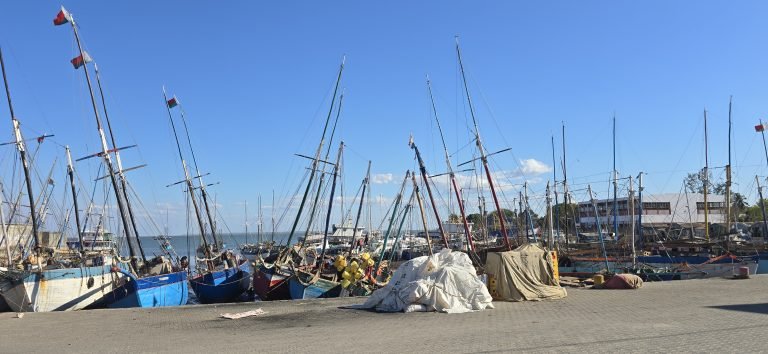
Is Madagascar a Safe Country Overall?
When travelers ask whether Madagascar is a safe country overall, the answer requires some context. Madagascar is one of the poorer countries globally, and economic challenges affect everyday life for many communities. In certain situations, this can lead to opportunistic petty theft, particularly in crowded urban areas. However, this does not mean the country is inherently dangerous for visitors.
In practice, many travelers find that Madagascar feels calmer than expected once they arrive. Outside of the busiest parts of Antananarivo, the pace of life is slow and community-focused. Small towns, rural villages, and national park areas often feel relaxed, with a strong sense of local routine and hospitality.
Tourism in Madagascar is largely centered around nature rather than urban environments. Visitors typically spend most of their time in national parks, coastal regions, and smaller towns, where the risk of crime affecting tourists is relatively low. Local guides, drivers, and tourism operators are experienced in working with international visitors and play an important role in making travel smoother and more comfortable.
It is also important to separate safety from logistics. Madagascar’s main challenges are often related to infrastructure rather than security. Roads can be slow, distances are long, and transport schedules are not always predictable. For first-time visitors, these factors can feel more demanding than any safety concerns.
From a broader perspective, Madagascar is best understood as a destination where awareness and preparation matter more than risk level. Travelers who plan routes carefully, manage transport expectations, and apply basic precautions generally experience the country as safe and welcoming.
For most visitors, the defining impression of Madagascar is not safety concerns, but the island’s extraordinary biodiversity, unique cultural identity, and landscapes that feel completely different from anywhere else. These elements tend to shape the experience far more than the challenges.
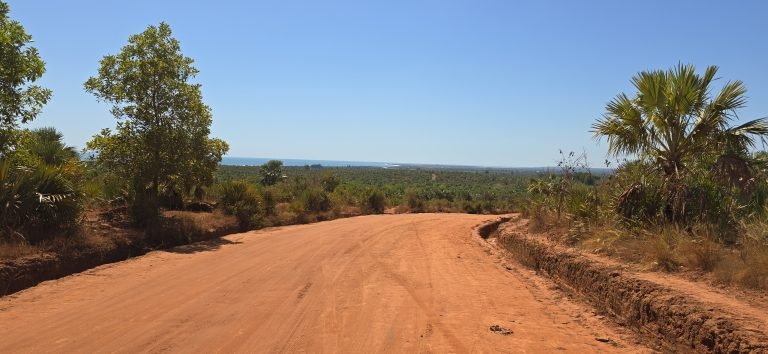
Is It Safe to Travel Around Madagascar?
Quick overview:
- Traveling around Madagascar is generally safe but requires planning
- Distances are long and travel times are often underestimated
- Road conditions vary and can slow journeys significantly
- Private drivers are the easiest and most reliable option
- Domestic flights save time but require flexibility
Traveling around Madagascar is generally safe, but it is one of the parts of the trip that requires the most preparation. The island is large, and distances between destinations are often much greater than they appear on a map. What looks like a short journey can easily take an entire day due to road conditions and travel speed.
Road infrastructure is the main challenge. Major routes connect Antananarivo with key regions, but many secondary roads are unpaved, uneven, or slow to navigate. During the rainy season, some routes can become difficult or temporarily inaccessible, which is why building flexibility into your itinerary is essential.
For most travelers, hiring a private driver is the most practical way to move between regions. Drivers understand road conditions, realistic travel times, and safe stopping points along long routes. This option not only improves comfort but also reduces uncertainty when traveling through less accessible areas.
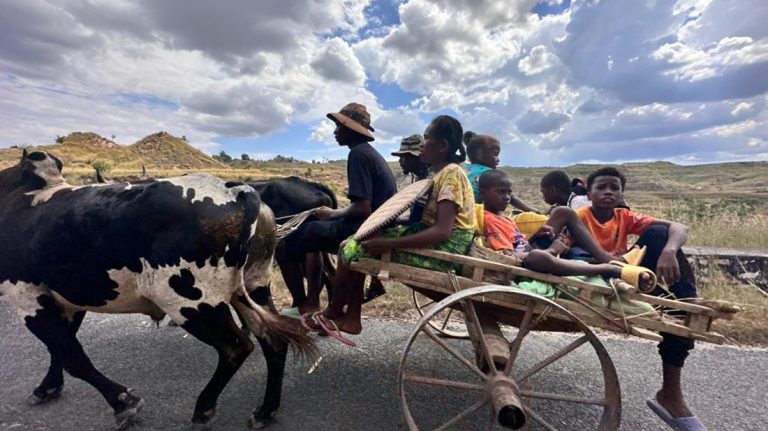
Public transport is available through taxi-brousse, shared minibuses that connect cities and towns across the island. While widely used by locals, they can be crowded, slow, and unpredictable for visitors unfamiliar with the system. Journeys are often long, and departure times depend on vehicles filling up rather than fixed schedules.
Domestic flights offer a faster alternative, especially for longer distances between regions such as Antananarivo, Nosy Be, and the south. Flights can save significant time, but schedules may change and availability can be limited, so booking in advance and allowing flexibility is important.
If you want a deeper understanding of transport options, this Madagascar transport guide explains how travelers combine flights, road travel, and local transport across the island.
From a safety perspective, travel across Madagascar is more about managing logistics than avoiding danger. Travelers who plan routes carefully, allow extra time, and choose reliable transport options typically move around without issues.
Despite the challenges, many visitors find that getting around becomes part of the experience. Long journeys pass through villages, rice terraces, forests, and changing landscapes, offering a deeper view of the island that you would not see otherwise.
Crime and Scams Travelers Should Know About
Quick overview:
- Most issues involve petty theft, not violent crime
- Pickpocketing and unattended bags are the most common risks
- Urban areas require more awareness than rural regions
- Unofficial guides and unclear pricing can cause confusion
- Basic precautions significantly reduce risk
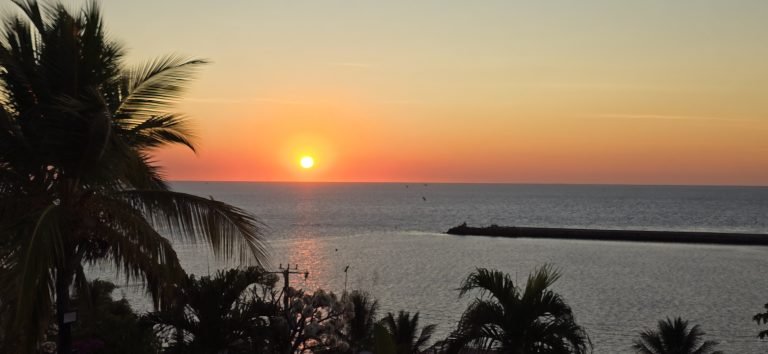
Like many developing destinations, Madagascar does experience petty crime, but incidents involving travelers are usually opportunistic rather than targeted. The most common problems include pickpocketing, unattended bags being taken, or items disappearing from vehicles. These situations are avoidable with basic awareness.
Busy urban areas require the most attention. Markets, transport hubs, and crowded streets in cities such as Antananarivo are the places where pickpocketing is most likely to occur. Keeping bags zipped, carrying only essential valuables, and avoiding visible electronics in crowded environments helps reduce risk.
Bag snatching from motorcycles is less common but can happen in larger cities. This typically targets loosely carried bags or cameras. Wearing bags across your body and keeping them secured close to you makes quick theft much more difficult.
Travelers may also encounter individuals offering guiding services in tourist areas. While many local guides are genuine, it is best to arrange tours through hotels, official park offices, or trusted operators. This avoids confusion around pricing and ensures a more reliable experience.
Taxi pricing can sometimes be unclear, particularly in cities where meters are not used. Agreeing on a price before starting a journey is the simplest way to avoid misunderstandings. Many accommodations can arrange trusted drivers, which adds another layer of convenience and reliability.
In most situations, avoiding problems comes down to small habits. Staying aware of your surroundings, keeping valuables secure, and planning transport through reliable sources removes the majority of risk travelers might encounter.
Most scams travelers encounter in Madagascar are not unique to the island. Taxi overcharging, unofficial guides, fake tour offers, pickpocketing and currency scams can happen in destinations all over the world. For a complete overview of the most common tourist scams and practical ways to avoid them, read our Travel Scams Around the World guide before your trip.
Outside major cities, crime affecting tourists is far less common. Most visitors spend their time in national parks, coastal regions, and smaller towns, where the environment feels calmer and the focus shifts away from security concerns toward the overall travel experience.
Health Risks in Madagascar
Quick overview:
- Malaria and mosquito-borne illnesses are the main health risks
- Insect protection is essential, especially in coastal and lowland areas
- Food and water safety requires basic precautions
- Medical facilities are limited outside major cities
- Travel insurance is strongly recommended
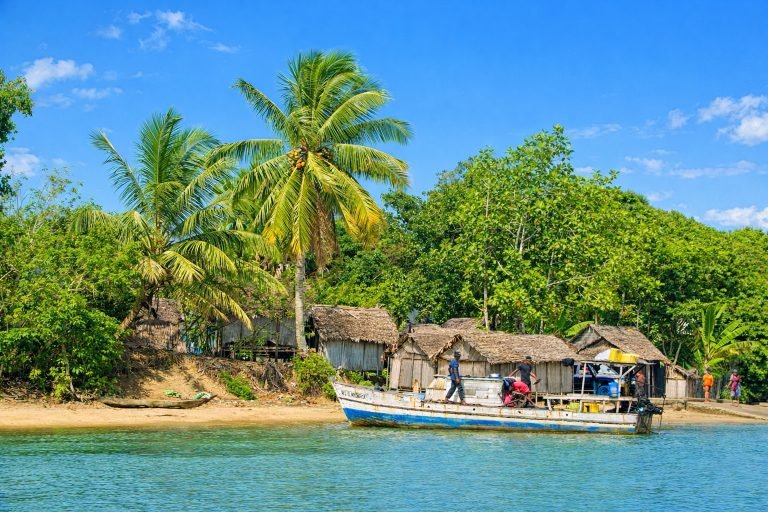
Health preparation is an important part of traveling in Madagascar. The tropical climate and limited medical infrastructure in some regions mean that a few precautions make a significant difference. With proper planning, most travelers explore the island without serious health issues.
Before traveling, it is useful to review the CDC travel health advice for Madagascar, which outlines recommended vaccinations, mosquito protection, and general health considerations.
Malaria is present in many parts of the country, particularly in coastal and lowland regions. Travelers often consult a doctor before departure to discuss preventive medication. In practice, protection against mosquito bites is the most important measure. Using repellent, wearing long sleeves in the evening, and sleeping under mosquito nets significantly reduces risk.
Dengue fever can also occur in Madagascar and is spread through mosquito bites. This reinforces the importance of consistent insect protection throughout your trip, not just in remote areas. Many accommodations provide mosquito nets or screened rooms, especially in regions where mosquitoes are more common.
Food and water safety is another key consideration. Bottled or filtered water is widely available and is recommended over tap water. Avoiding ice in drinks when the source is unclear and choosing freshly cooked meals from busy restaurants are simple ways to reduce the risk of stomach issues.
Medical facilities vary widely across the island. Antananarivo has hospitals and clinics, but services become more limited in smaller towns and rural areas. Because of this, many travelers arrange comprehensive insurance before arrival to ensure access to treatment and evacuation if needed.
If you are comparing coverage, you can review options such as SafetyWing travel insurance, which is designed for international and long-term travel.
Preparation also depends on what you bring with you. This Madagascar packing list for remote and tropical travel covers essential items such as insect protection, basic medical supplies, and suitable clothing for different regions.
With these precautions in place, health risks are manageable, and travelers can focus on the experiences that make Madagascar unique, from wildlife encounters to remote landscapes and coastal regions.
Are Some Parts of Madagascar Safer Than Others?
Quick overview:
- Most tourist regions in Madagascar are considered relatively safe
- Antananarivo requires more awareness due to typical city risks
- National parks and coastal areas are generally calm and welcoming
- Rural regions often feel safer but require logistical planning
- Guides and local operators improve both safety and travel experience
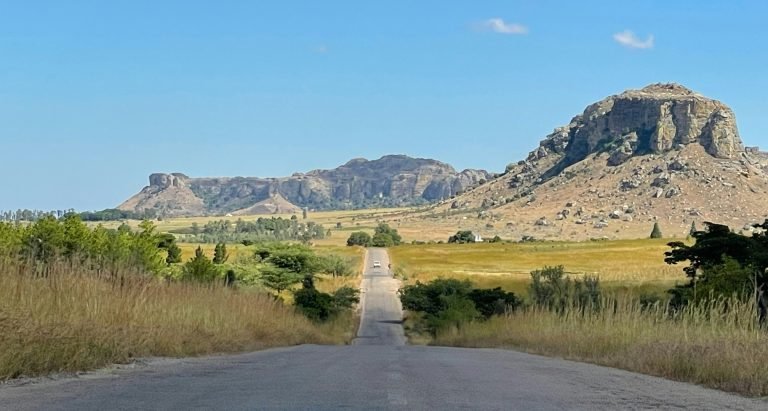
Madagascar is a large and diverse island, and safety conditions can vary slightly depending on the region. In general, the areas most visited by travelers, including national parks, coastal destinations, and established tourism routes, are considered relatively safe and well adapted to receiving international visitors.
The capital Antananarivo is the busiest and most complex part of the country. Like many large cities, it has higher levels of petty crime, particularly in crowded areas such as markets and transport hubs. Pickpocketing and bag snatching can occur, which is why staying aware, avoiding visible valuables, and arranging transport through hotels or trusted drivers is recommended. If you are spending time in the capital, our on-the-ground advice for visiting Tana covers which areas to explore, getting around safely, what to expect after dark, and the places worth seeing while you are there.
Outside the capital, the atmosphere often changes noticeably. Many travelers find that coastal regions, smaller towns, and national park areas feel calmer and more relaxed. These regions are typically where visitors spend most of their time, and they tend to offer a more comfortable and predictable travel experience.
Many of Madagascar’s key attractions are located within protected areas managed by Madagascar National Parks, which oversees visitor access and conservation across the island. These areas are structured for tourism and are generally among the safest places to explore.
The northern region is known for its mix of wildlife, coastal scenery, and accessible travel routes. You can explore this area further in the Northern Madagascar guide, which highlights its main destinations.
The central highlands around the capital offer cultural depth and everyday local life, with a different travel experience compared to coastal regions. This Antananarivo and Central Highlands guide explains what to expect in this part of the country.
On the western and eastern sides of the island, travelers encounter coastal cities, forests, and biodiversity-rich regions. The Majunga and Tamatave guide provides insight into these important travel areas.
The southern region offers a more remote and contrasting landscape, with dry forests and unique ecosystems. You can learn more in the Southern Madagascar guide, which covers its distinct environments.
Overall, Madagascar is not a country where certain regions are considered dangerous while others are completely safe. Instead, safety depends more on awareness and preparation. Travelers who stay on established routes, plan transport carefully, and follow basic precautions generally find the island welcoming across all regions.
Is Madagascar Safe at Night?
Quick overview:
- Evenings are generally calm, but require more awareness than daytime
- Avoid walking alone late at night in large cities
- Use taxis arranged through hotels or trusted providers
- Smaller towns and lodges tend to be quiet and low risk
- Simple precautions significantly reduce any potential issues
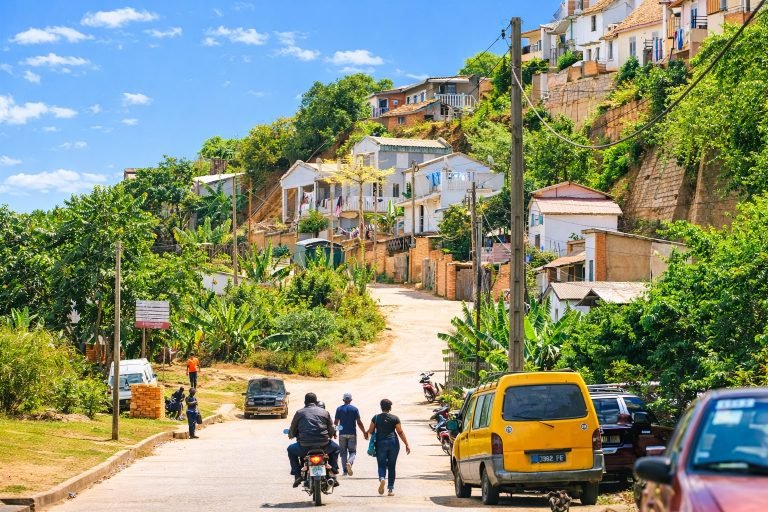
Like many destinations, Madagascar changes pace after dark. During the day, cities, markets, and parks are active and easy to navigate. At night, streets become quieter, visibility drops, and moving around requires more awareness, particularly in urban areas.
In Antananarivo and other larger cities, walking alone late at night is generally not recommended, especially in unfamiliar or poorly lit neighborhoods. Petty theft is more likely when streets are quiet and there are fewer people around. Most travelers choose to use taxis rather than walk between restaurants, hotels, and evening venues.
Arranging transport through hotels or guesthouses is the safest option. These providers typically work with trusted drivers who know the area well and can take you directly to your destination. This removes uncertainty and avoids the need to navigate unfamiliar streets after dark.
In smaller towns and coastal regions, evenings tend to feel calm and uneventful. Many places quiet down early, and visitors usually stay within their accommodation area or nearby restaurants. While the environment often feels relaxed, basic awareness still applies, particularly when carrying valuables.
In national parks and remote lodges, nighttime follows a different rhythm. Travelers usually remain within the lodge, with activities centered around meals and early starts for wildlife excursions. These settings are generally controlled and feel safe and quiet.
Overall, Madagascar at night is not inherently unsafe, but it is a time when small decisions matter more. Using arranged transport, staying in well-lit areas, and avoiding unnecessary risks allows most travelers to move around comfortably without issues.
Is Madagascar Safe for Families Traveling With Children?
Quick overview:
- Madagascar is generally safe for families with proper planning
- Wildlife and nature experiences are highly engaging for children
- Private transport makes travel significantly easier
- Health preparation and mosquito protection are essential
- Slower itineraries work best for family travel
Madagascar can be a rewarding destination for families, especially those interested in wildlife, nature, and outdoor exploration. Experiences such as seeing lemurs in the wild, walking through rainforests, or spotting chameleons along forest trails often make a strong impression on children and turn the trip into something memorable.
From a safety perspective, families can travel comfortably when the trip is planned realistically. Many lodges, guides, and tour operators are experienced in working with families and adapt activities to different ages. Guided visits to national parks such as Andasibe or Ranomafana are common and provide a structured and safe way for children to explore Madagascar’s biodiversity.
The main challenges for families are usually logistical rather than safety-related. Distances are long, travel days can be tiring, and road conditions may slow journeys significantly. For this reason, many families choose to hire a private driver or arrange organized transport, which allows more flexibility for stops, breaks, and pacing.
Pacing is an important factor when traveling with children. Trying to cover too much of the island in a short time can lead to long travel days and unnecessary fatigue. Focusing on one or two regions and allowing time to explore them properly creates a more enjoyable experience for both children and adults.
Health preparation is another key consideration. Consulting a doctor before departure about vaccinations, mosquito protection, and malaria prevention helps families travel with confidence. Carrying a small medical kit, staying consistent with insect protection, and having reliable travel insurance are practical steps that add reassurance.
In terms of environment, many areas visited by families, such as national parks, lodges, and coastal regions, feel calm and welcoming. Local communities are often friendly toward children, and interactions can become a positive part of the travel experience.
Overall, Madagascar is not the easiest destination for family travel, but it is a highly rewarding one. Families who plan carefully, travel at a relaxed pace, and focus on a few key regions often find that the experience becomes one of their most memorable trips together.
Natural Risks Travelers Should Know
Quick overview:
- Cyclones can affect travel between January and March
- Heavy rain may impact road conditions in rural areas
- Remote terrain requires guides in national parks
- Heat, humidity, and sun exposure can be intense
- Ocean conditions can vary along the coast
Madagascar’s landscapes are one of the main reasons travelers visit the island, but the natural environment also comes with a few considerations. These risks are rarely serious for visitors who plan ahead, yet understanding the island’s climate and terrain helps avoid disruptions during your trip.
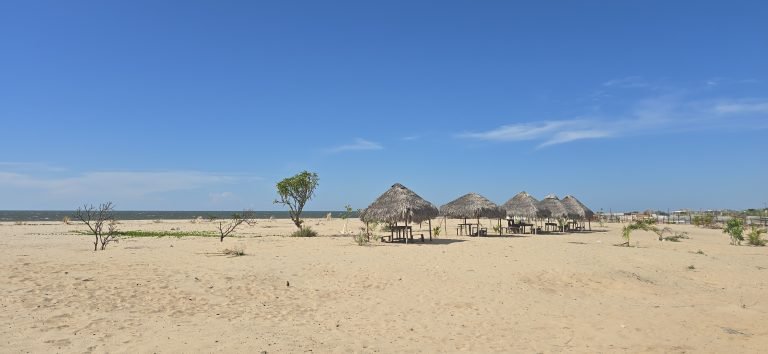
Cyclones are the most significant natural events affecting Madagascar. The season usually runs from January to March and can bring heavy rain, strong winds, and temporary travel disruptions. Flights may be delayed, and some roads can become difficult to use. Outside this period, weather conditions are generally more stable.
Rainfall plays an important role in travel conditions across the island. In many rural regions, roads are unpaved, and heavy rain can slow journeys or make certain routes temporarily inaccessible. Travelers often build flexibility into their itinerary so that weather-related delays do not affect the entire trip.
Madagascar’s terrain is also a factor to consider, particularly in national parks and remote areas. Forest trails can be uneven, steep, or poorly marked. Exploring these areas with experienced local guides is strongly recommended, as they help with navigation, safety, and understanding the environment.
Heat and humidity can also affect travelers, especially in coastal regions. Staying hydrated, using sun protection, and planning activities during cooler parts of the day helps avoid fatigue or heat-related discomfort.
Along the coast, ocean conditions can vary depending on location and season. Some areas have strong currents or rougher seas, which is why it is best to follow local advice when swimming or organizing boat trips.
Despite these natural factors, Madagascar remains a highly accessible destination for prepared travelers. Most risks are manageable with basic awareness, and the island’s landscapes, wildlife, and remote environments are part of what makes the experience so unique.
Safety Tips for Traveling in Madagascar
Quick safety tips:
- Stay aware in busy urban areas and keep valuables secure
- Arrange transport through trusted drivers or accommodation
- Avoid walking alone late at night in unfamiliar areas
- Carry enough cash and avoid relying on ATMs
- Use mosquito protection and follow basic health precautions
- Plan extra time for travel and expect delays
Traveling safely in Madagascar is mostly about preparation, awareness, and understanding how the country works. Visitors who take a few practical precautions usually find that they can explore comfortably while focusing on the island’s wildlife, landscapes, and cultural experiences.
In cities, awareness is key. Markets, transport hubs, and busy streets can attract opportunistic pickpockets. Keeping bags zipped, carrying only what you need for the day, and avoiding visible electronics or valuables significantly reduces risk.
Transport planning plays an important role in both safety and comfort. Distances are long, and road conditions vary widely. Many travelers arrange private drivers or trusted transport through hotels or tour operators, which provides reliability and reduces uncertainty when moving between destinations.
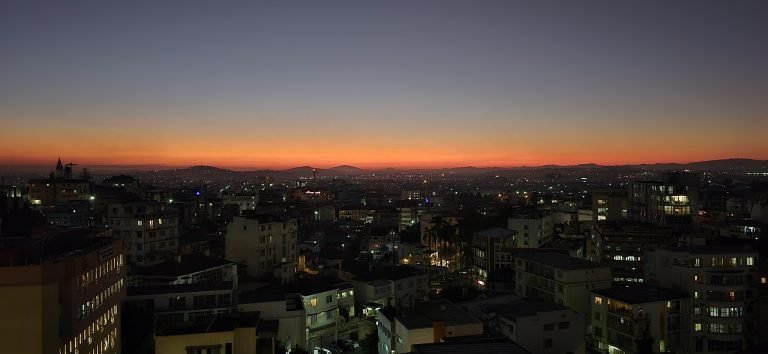
After dark, it is best to avoid walking alone in unfamiliar urban areas. Using taxis arranged through accommodation or restaurants is usually the safest and simplest option for getting around in the evening.
Money management is another practical consideration. Madagascar is largely cash-based, and ATMs are not always reliable outside major cities. Keeping cash in different places and carrying smaller notes for daily use helps avoid unnecessary stress.
Health precautions are straightforward but important. Using mosquito repellent, drinking bottled or filtered water, and carrying a small medical kit are simple steps that help prevent common travel issues.
Finally, flexibility is one of the most valuable safety habits in Madagascar. Travel plans can change, journeys may take longer than expected, and schedules are not always predictable. Travelers who build extra time into their itinerary and adapt to local conditions usually have a smoother and more enjoyable experience.
Are Tourists Welcome in Madagascar?
Yes, tourists are generally welcomed warmly across Madagascar, and most visitors quickly experience the friendliness and curiosity of local communities.
Quick overview:
- Tourists are welcomed in most regions across the island
- Local interactions often feel personal and genuine
- Curiosity from locals is common and usually friendly
- Respect for culture and customs strengthens interactions
- Tourism supports local communities and conservation
Because tourism is still developing compared to many global destinations, interactions in Madagascar often feel more direct and authentic. In smaller towns and villages, visitors naturally stand out, which leads to friendly conversations, greetings, and genuine curiosity about where travelers come from.
Respect for local customs plays an important role in shaping these experiences. Greeting people politely, showing patience, and taking an interest in local life are simple gestures that are appreciated throughout the country. Learning a few basic words in Malagasy or French can also create positive connections.
An important cultural aspect to understand is fady, a system of local customs and taboos that varies between regions. Even Malagasy people ask about fady when visiting new areas, so travelers who do the same are seen as respectful and engaged.
Tourism also contributes directly to local livelihoods. Guides, drivers, small hotels, and community-run businesses often depend on visitors, and many regions recognize the value of tourism in supporting conservation and local development.
Overall, Madagascar is a destination where visitors are not only accepted but genuinely welcomed. For many travelers, the warmth of local interactions becomes one of the most memorable parts of the experience.
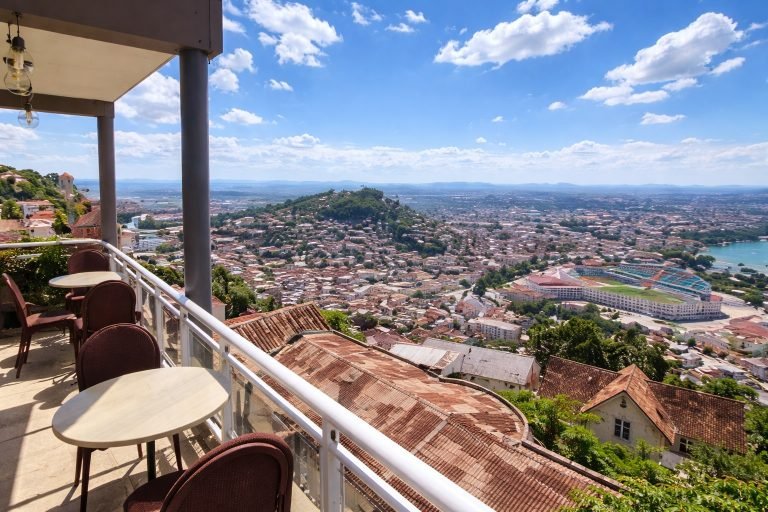
Final Verdict: Is Madagascar Safe to Visit?
Yes, Madagascar is generally safe to visit for travelers who plan ahead, stay aware of their surroundings, and follow basic precautions.
For most visitors, the country is not a dangerous destination. The main challenges are logistical rather than security-related. Long travel distances, rough roads, and slower infrastructure can make journeys take more time than expected. Travelers who approach the island with patience and flexibility usually find that these aspects become part of the experience rather than a problem.
Across the island, visitors encounter extraordinary biodiversity, dramatic landscapes, and welcoming communities. National parks protect wildlife found nowhere else in the world, coastal regions offer quiet beaches and coral reefs, and cultural traditions provide a deeper understanding of everyday life in Madagascar.
I have personally spent several months traveling across Madagascar, including extended time in Antananarivo, Mahajanga, Nosy Be, Diego Suarez, Morondava, and Manakara. Throughout these journeys, I followed the same basic precautions that apply in many destinations, such as avoiding visible valuables, not walking alone late at night in unfamiliar areas, and staying aware in busy environments.
During that time, I did not encounter a dangerous situation. Instead, I experienced consistent warmth, curiosity, and hospitality from local communities. Conversations started easily, and interactions with people across the island became one of the most memorable parts of the journey.
Madagascar is not a destination that should discourage travelers who are prepared. It is one of the most unique and rewarding places to visit, especially for those interested in wildlife, nature, and cultural experiences. Visitors who arrive with realistic expectations and an open mindset often leave with a much deeper appreciation of the country than they anticipated.
If you are planning your trip, you can start exploring routes and destinations in this Madagascar travel planning guide, which covers the island’s main highlights and travel ideas.
Final Thoughts & Where to Go Next
Madagascar rewards travelers who approach it with curiosity, patience, and realistic expectations. The island’s landscapes, wildlife, and cultures are incredibly diverse, and each region reveals a different side of the country. From rainforest ecosystems filled with endemic species to remote coastlines and highland villages, Madagascar offers experiences that are difficult to find anywhere else. Travelers interested in the island’s most iconic wildlife can start with this guide to lemurs in Madagascar and where to see them, which introduces one of the country’s defining highlights.
Many of these experiences are closely tied to protected environments. This Madagascar national parks guide explains where to find rainforests, wildlife, and the island’s most remarkable natural landscapes.
If you are starting from scratch, begin with the main Madagascar travel guide, which gives a complete overview of regions, highlights, and how the country fits together as a destination.
Once you understand the overall structure of the island, most travelers move on to planning their route. The Madagascar itinerary guide outlines realistic travel routes based on different trip lengths.
From there, it helps to refine the practical side of your trip. This where to stay in Madagascar guide breaks down the best regions and accommodation styles, while the Madagascar travel cost guide gives a realistic overview of daily expenses.
Understanding transport is equally important. The getting around Madagascar guide explains how flights, taxi-brousse routes, and road travel work across the island.
Seasonality also plays a major role in planning. The best time to visit Madagascar guide shows how weather, wildlife activity, and travel conditions change throughout the year.
For practical preparation, the Madagascar travel tips guide covers money, connectivity, and everyday logistics. If safety is part of your planning, you can also read Is Madagascar Safe to Visit for a complete breakdown. :contentReference[oaicite:0]{index=0}
Once your planning is underway, exploring Madagascar region by region brings the island to life. The Northern Madagascar guide covers destinations such as Nosy Be and Diego Suarez, known for tropical scenery and coastal landscapes.
The Central Highlands guide focuses on Antananarivo and surrounding regions, where rice terraces and cultural experiences define the landscape.
Along the coast, the Majunga and Tamatave guide introduces key port cities and access points to Madagascar’s eastern and western shorelines. For coastal scenery, the Madagascar beaches guide highlights the island’s most scenic stretches.
For more remote travel, the Southern Madagascar guide explores dry forests, baobabs, and the coastline around Toliara and Fort Dauphin.
If you prefer French content, you can also explore the Guide de voyage Madagascar, which provides a full overview in French.
Together, these guides form a connected Madagascar travel series designed to help you plan your trip step by step and build a journey that feels realistic, structured, and rewarding.
Frequently Asked Questions About Safety in Madagascar
-
Is Madagascar safe to visit for tourists?
Yes, Madagascar is generally safe for tourists who follow normal travel precautions. Most visitors explore the island without serious issues. Petty theft can occur in busy urban areas, but violent crime affecting tourists is uncommon. Travelers who stay aware, avoid displaying valuables, and plan transport carefully usually experience a smooth and safe trip. -
Is Madagascar safe for solo female travelers?
Madagascar is considered reasonably safe for solo female travelers who take standard precautions. Many women travel across the island independently each year. Using trusted transport, avoiding isolated areas at night, and staying in reputable accommodation helps ensure a comfortable and safe experience. -
Is Madagascar safe to travel alone?
Yes, Madagascar is safe for solo travelers, but planning is important. Due to long distances and limited infrastructure, many independent travelers choose to arrange private drivers or join guided tours for certain regions. This approach simplifies logistics and improves overall safety and comfort. -
Is Madagascar safe at night?
Madagascar is generally safe in the evening in most tourist areas, but caution is advised in cities. Walking alone at night in unfamiliar or poorly lit neighborhoods is not recommended. Using taxis arranged through hotels or restaurants is the safest way to move around after dark. -
Is it safe to drive in Madagascar?
Driving in Madagascar can be difficult due to poor road conditions, long distances, and unpredictable travel times. Most travelers consider it safer and more practical to hire a local driver who understands the roads and can manage long journeys between destinations. -
What health risks should travelers be aware of in Madagascar?
The main health risks include mosquito-borne illnesses such as malaria and dengue. Travelers usually consult a doctor before departure, use insect repellent, and take preventive measures. Drinking bottled or filtered water and carrying basic medical supplies are also recommended. -
Is Madagascar safe for American and Western tourists?
Yes, Madagascar is safe for American, European, and other Western travelers. Visitors may stand out in some areas due to lower tourism numbers, but interactions are typically friendly and respectful. Most travelers report positive experiences across the island. -
Are tourists welcome in Madagascar?
Yes, tourists are welcomed warmly across Madagascar. Local communities are often curious and friendly, and many interactions feel genuine. Showing respect for local customs and culture helps create positive experiences throughout the country. -
Are there dangerous areas in Madagascar for tourists?
Most tourist areas are considered safe, including national parks, coastal regions, and established travel routes. The main areas requiring more caution are busy parts of Antananarivo, where petty theft can occur. Staying aware and using trusted transport minimizes risk. -
What is the biggest safety risk when traveling in Madagascar?
The biggest risks are usually logistical rather than dangerous. Long travel times, rough roads, and limited infrastructure can make travel challenging. Planning routes carefully and allowing extra time helps avoid most issues.
Travel Resources to Plan, Book & Stay Connected
Use these tools and guides to stay connected abroad, find inspiration for your next trip, and book your flights, stays and gear with confidence.
Disclosure: This article may contain affiliate links. If you make a purchase through a link, I may receive a commission at no extra cost to you. I only share recommendations I believe are genuinely useful, and all opinions are my own. AI was used in this post for research and drafting purposes.

Comment (0)