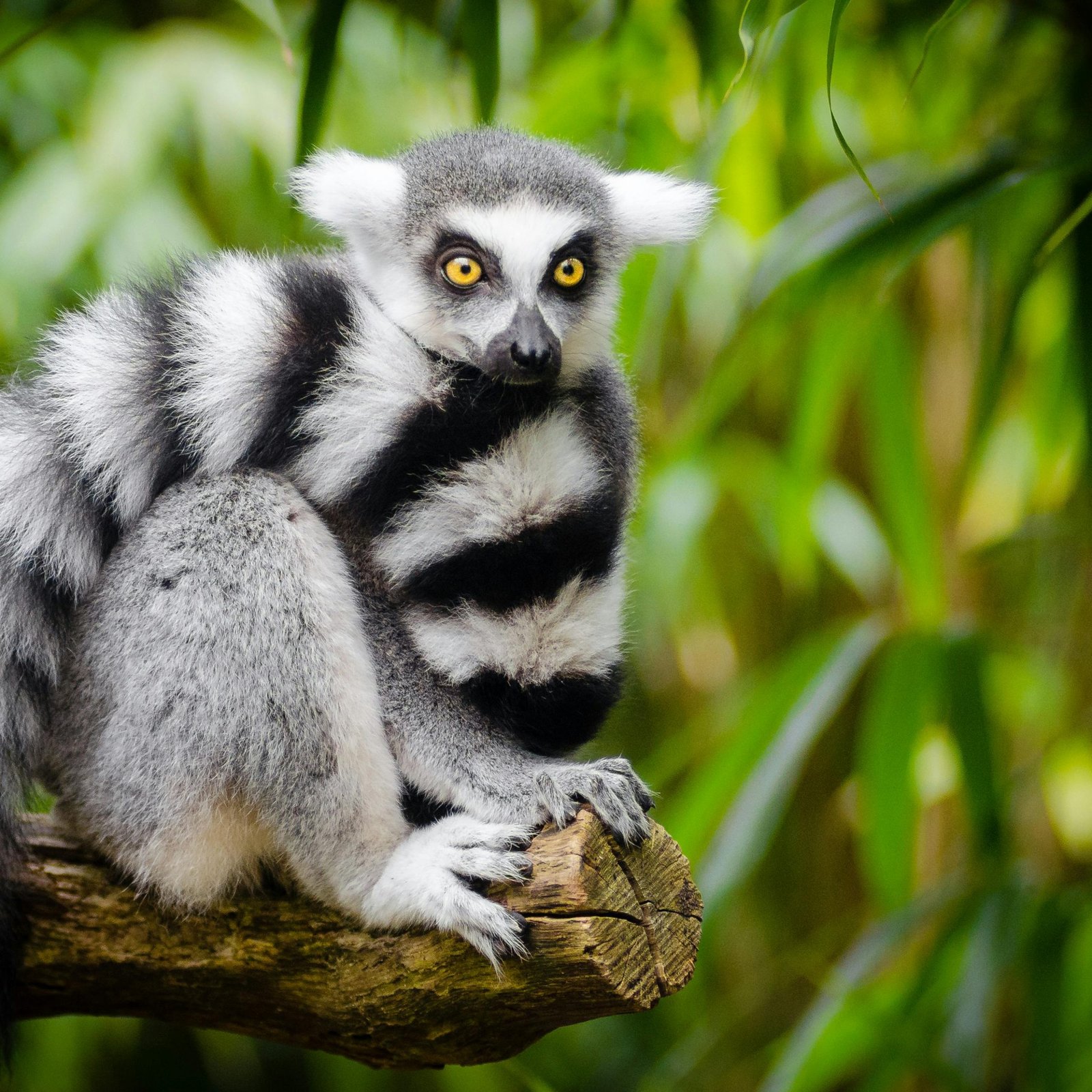
- Lemurs in Madagascar: Madagascar is the only place on Earth where lemurs live naturally in the wild. Learn more in our complete Madagascar travel guide.
- Number of species: More than 100 species of lemurs live on the island, ranging from the tiny mouse lemur to the large indri.
- Best places to see them: Top wildlife locations include Andasibe-Mantadia National Park, Ranomafana National Park, Isalo National Park, and Lokobe Reserve.
- Famous lemur species: Ring-tailed lemurs, indri, sifakas, bamboo lemurs, and mouse lemurs are among the best-known species.
- When to see lemurs: Lemurs can be spotted year-round, though the dry season generally makes wildlife watching easier.
- Travel tip: Local guides dramatically increase your chances of finding lemurs hidden in Madagascar’s forests.
Why Lemurs Only Live in Madagascar
Few wildlife encounters are as special as seeing lemurs in Madagascar. These remarkable primates exist naturally nowhere else on Earth, and the island is home to more than one hundred different species. From the famous ring-tailed lemurs lounging in the dry forests of the south to the haunting calls of the indri echoing through eastern rainforests, Madagascar offers one of the most unique wildlife experiences on the planet.
For many travelers, spotting lemurs in the wild is the main reason to visit Madagascar. The island’s national parks and reserves protect an extraordinary range of habitats where these animals still thrive, including dense rainforests, mountain forests, and dry spiny landscapes. Some species are active during the day and surprisingly easy to observe, while others appear only at night, making guided wildlife walks one of the highlights of traveling across the island.
This guide explains everything you need to know about lemurs in Madagascar, including the different species you may encounter, the best places to see them in the wild, and why these extraordinary animals evolved only on this isolated island in the Indian Ocean.
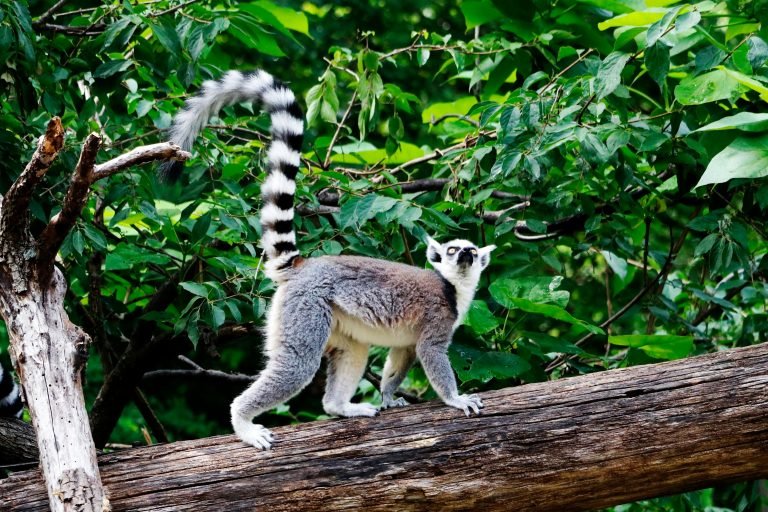
Why Lemurs Only Live in Madagascar
Lemurs exist naturally only on the island of Madagascar. Nowhere else on Earth supports wild populations of these remarkable primates. Scientists believe their ancestors arrived on the island tens of millions of years ago, long before humans appeared, most likely drifting across the Mozambique Channel on floating vegetation from mainland Africa. At the time, Madagascar had very few competing mammals, allowing lemurs to evolve in isolation and diversify into many different forms.
Over millions of years, this isolation allowed lemurs to develop into more than one hundred distinct species. Some adapted to dense rainforests, others to dry forests or highland environments. Because Madagascar remained geographically isolated from other continents, these primates evolved along their own unique evolutionary path, filling ecological roles that monkeys and apes occupy elsewhere in the world.
Today, lemurs are considered one of the most distinctive groups of animals on the planet. Their survival is closely tied to the forests and ecosystems of Madagascar, which is why conservation efforts on the island are so important. Protecting Madagascar’s habitats means protecting the only place on Earth where lemurs live in the wild.
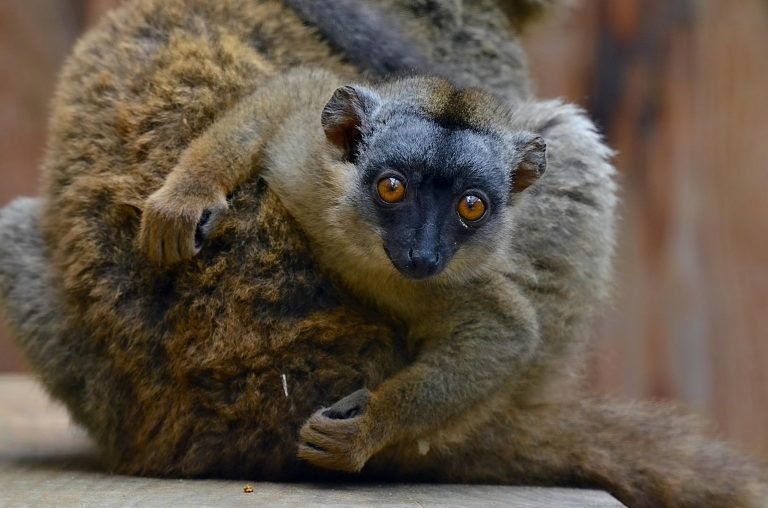
How Many Lemur Species Live in Madagascar
Madagascar is home to an extraordinary diversity of lemurs. Scientists have identified more than 100 species and subspecies, making these primates one of the most varied animal groups on the island. They range from the tiny mouse lemur, which can weigh less than a chocolate bar, to the large indri, whose haunting calls echo through the rainforests of eastern Madagascar.
This diversity exists because Madagascar’s ecosystems vary dramatically across the island. Dense eastern rainforests, dry western forests, highland plateaus, and the spiny forests of the south all provide different habitats where lemurs evolved to survive in unique ways. Some species are highly specialized and live only in very specific regions or national parks.
Many travelers are surprised by how different these animals can look and behave. Some lemurs are active during the day, while others only emerge at night. Some leap gracefully between tree trunks, while others move slowly through the forest canopy. This incredible range of adaptations is one of the reasons wildlife enthusiasts travel to Madagascar to see them in their natural habitat.
Below are some of the best-known types of lemurs visitors may encounter when exploring Madagascar’s national parks and wildlife reserves.
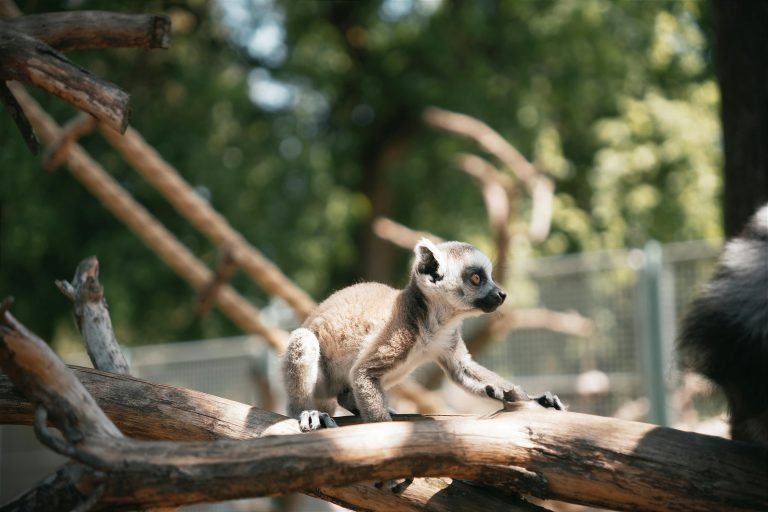
Types of Lemurs in Madagascar
With more than one hundred species spread across the island, Madagascar’s lemurs come in a remarkable variety of shapes, sizes, and behaviors. Some species live in large social groups that are easy to observe during the day, while others are small nocturnal animals that remain hidden in the forest canopy. The following lemurs are among the most famous and are often the ones travelers hope to see during a trip to Madagascar.
Ring-Tailed Lemur
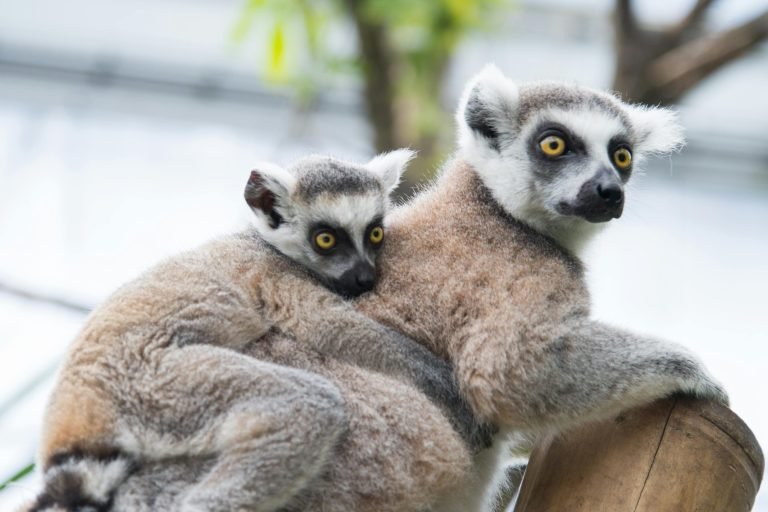
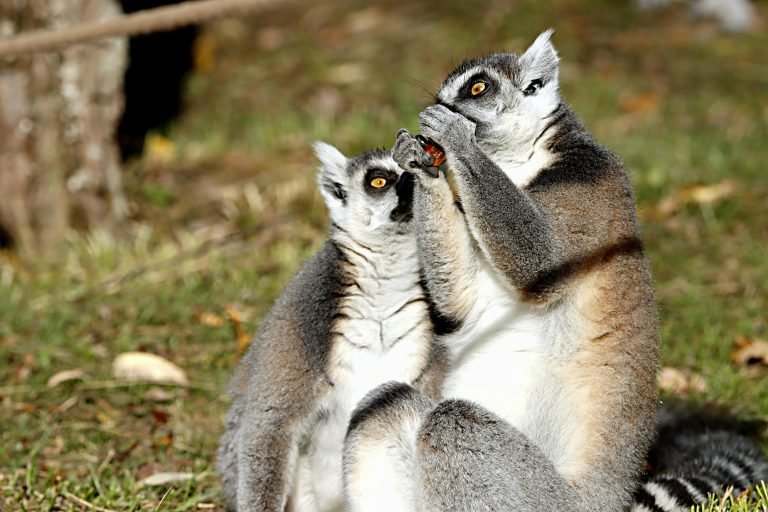
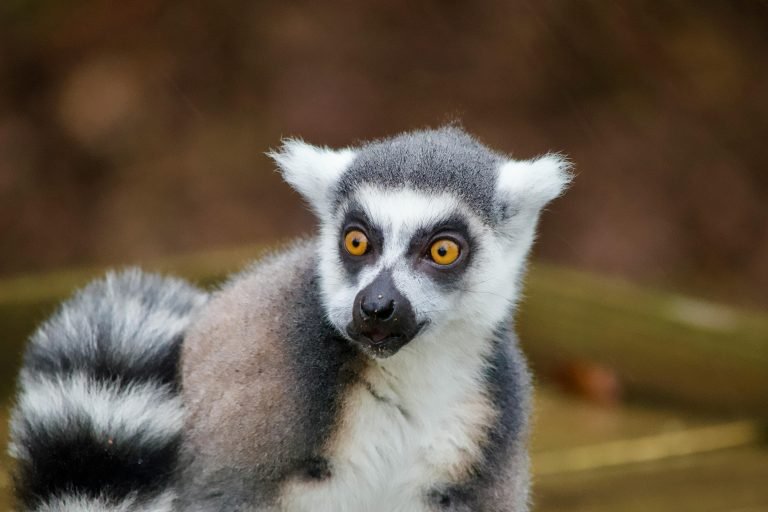
The ring-tailed lemur is probably the most recognizable lemur species in Madagascar thanks to its distinctive black-and-white striped tail. These lemurs live mainly in the dry forests and rocky landscapes of southern Madagascar, particularly around areas such as Isalo National Park. They are active during the day and often move in social groups, making them one of the easiest species for visitors to observe.
Indri
The indri is the largest living lemur and is famous for its powerful, haunting calls that echo through the rainforest. These animals live primarily in eastern Madagascar’s dense forests, including the region around Andasibe-Mantadia National Park. Indris rarely descend to the ground and move through the trees with impressive leaps between trunks.
Sifaka
Sifakas are known for their elegant vertical leaps between trees and their unusual sideways “dancing” movement when they cross open ground. Several species exist across Madagascar, and they inhabit different types of forests depending on the region. Their graceful movement and striking white fur make them one of the most photographed animals on the island.
Mouse Lemur
Mouse lemurs are the smallest primates in the world. These tiny nocturnal animals are active at night and can often be spotted during guided evening walks in Madagascar’s national parks. Despite their small size, they are one of the most diverse lemur groups, with many different species living in forests across the island.
Bamboo Lemur
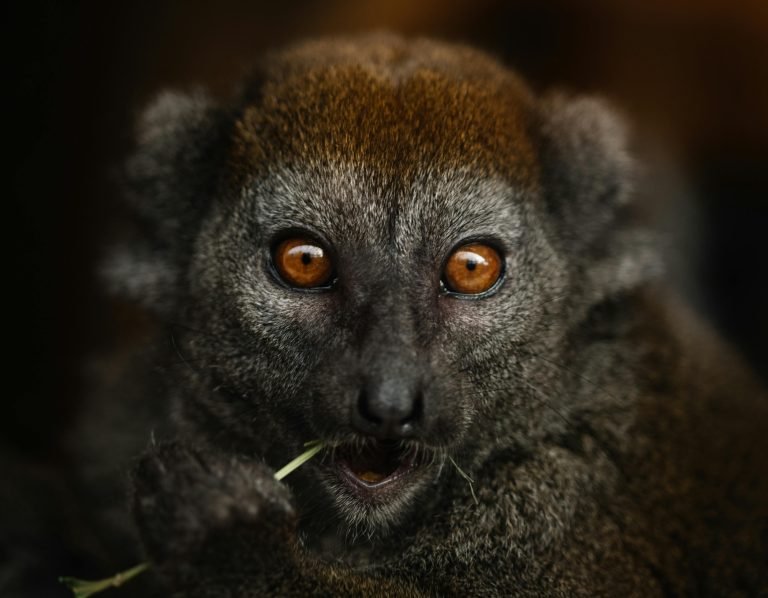
Bamboo lemurs are famous for their unusual diet. Some species feed primarily on bamboo shoots, which contain levels of cyanide that would be toxic to most animals. These lemurs are usually found in rainforest environments, particularly in protected areas in eastern Madagascar.
Because each species lives in specific habitats, the best way to see lemurs in Madagascar is to visit several different national parks across the island. Each region offers a chance to encounter different species in their natural environment.
Where to See Lemurs in Madagascar
Lemurs live in forests across much of Madagascar, but the best opportunities to see them are inside the island’s national parks and wildlife reserves. These protected areas preserve the habitats where different species evolved and still thrive today. Visiting several regions of Madagascar often allows travelers to encounter a wider variety of lemurs in the wild.
Andasibe-Mantadia National Park
Located a few hours east of Antananarivo, Andasibe-Mantadia National Park is one of the most famous wildlife destinations in Madagascar. The rainforest here is home to the indri, the largest living lemur species, whose powerful calls echo through the forest in the early morning. Several other lemur species live in the park as well, making it one of the best places on the island for wildlife watching.
Antananarivo: Full Day Lemurs’ Park / Queen’s Palace / City Tour
This full-day tour from Antananarivo combines a visit to Lemurs’ Park with the historic Queen’s Palace and a guided exploration of the city. It’s a great introduction to Madagascar’s wildlife and cultural heritage in a single day.
Ranomafana National Park
Ranomafana protects a vast stretch of rainforest in southeastern Madagascar and is known for its exceptional biodiversity. The park became internationally famous after the discovery of the golden bamboo lemur in the 1980s. Today, visitors exploring its forest trails may encounter several lemur species as well as countless birds, reptiles, and amphibians.
Isalo National Park
In the dry landscapes of southern Madagascar, Isalo National Park offers a completely different environment for spotting lemurs. Ring-tailed lemurs and sifakas often inhabit the rocky canyons and forested valleys here, and they are sometimes seen resting on cliffs or moving between trees along hiking trails.
Ankarana and Amber Mountain
Northern Madagascar also offers excellent opportunities for seeing lemurs in the wild. Protected areas such as Ankarana Special Reserve and Amber Mountain National Park preserve forests where several species live. Travelers exploring the region covered in our Northern Madagascar guide often include these parks as part of their itinerary.
Antsiranana: Red Tsingy and Lemur Safari with Lunch
Explore the dramatic landscapes of the Red Tsingy near Antsiranana on this guided tour that also includes a lemur safari and lunch. It’s a fantastic way to combine northern Madagascar’s unique rock formations with wildlife encounters in the surrounding forests.
Lokobe Reserve (Nosy Be)
On the island of Nosy Be, Lokobe Reserve protects one of the last remaining areas of primary forest in the region. Boat trips across the bay lead visitors into a dense tropical forest where lemurs, chameleons, and colorful birds can still be seen. Because the reserve is relatively small, wildlife sightings are often quite good.
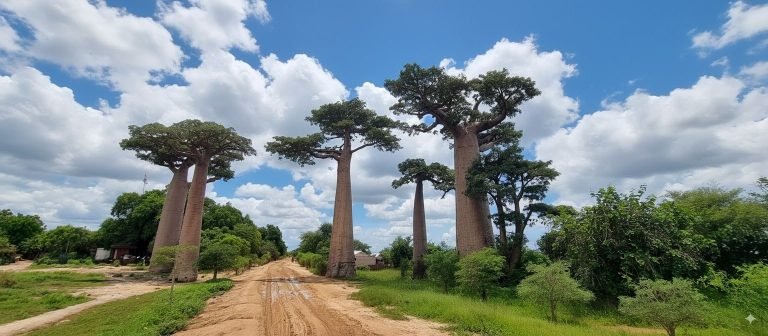
Morondava: Alley of the Baobabs and Lemur Park Day Trip
Combine two of Madagascar’s most iconic experiences on this guided day trip from Morondava, visiting Lemur Park and the famous Alley of the Baobabs.
Each region of Madagascar offers different habitats and species, which is why many travelers combine several national parks when planning a trip across the island. Our Madagascar itinerary guide explains how these destinations can fit into a longer journey.
Best Time to See Lemurs in Madagascar
Lemurs can be seen in Madagascar throughout the year, but the experience varies depending on the season and the region you visit. Because many species are active during the day, sightings are often possible on forest walks in national parks and reserves. However, weather conditions and forest density can influence how easy it is to spot them.
The dry season, generally from May to October, is often considered the best time for wildlife watching. During these months the forests are less dense, trails are easier to walk, and animals are often easier to locate. Many travelers choose this period to explore Madagascar’s national parks because conditions are more comfortable for hiking and guided wildlife excursions.
The rainy season, which usually runs from November to April, brings lush vegetation and more active forests. While rain can make travel more challenging in some regions, it is also a time when many animals are active and the island’s landscapes are at their most vibrant. Some lemur species are particularly vocal during this period, making them easier to locate even when they remain hidden in the canopy.
If you are planning a wildlife-focused trip, it is worth reading our guide to the best time to visit Madagascar, which explains seasonal travel conditions and what to expect in different parts of the island.
Explore More Tours in Madagascar
Madagascar offers incredible wildlife experiences, national parks, and unique landscapes across the island. Guided tours can help travelers explore remote areas, discover lemurs in the wild, and visit some of the country’s most spectacular natural attractions.
Tips for Seeing Lemurs in the Wild
Seeing lemurs in Madagascar is one of the highlights of traveling across the island, but spotting them in the wild often requires patience and the right approach. These animals live high in the forest canopy and move quietly through dense vegetation, which means they can easily go unnoticed without a trained eye.
One of the best ways to increase your chances of seeing lemurs is to explore Madagascar’s national parks with a local guide. Guides know the forest trails, understand lemur behavior, and are skilled at locating animals that visitors might otherwise miss. Many parks also offer night walks, which are a fantastic opportunity to see nocturnal species such as mouse lemurs.
Starting your forest walks early in the morning is another good strategy. Lemurs are often most active shortly after sunrise, when the forest is cooler and quieter. Listening carefully can also help, as some species announce their presence with distinctive calls that echo through the forest.
Finally, move slowly and quietly while exploring the forest. Lemurs are curious animals, and if you remain calm and respectful of their space, they sometimes come surprisingly close. Following park rules and keeping a safe distance helps protect both the animals and the fragile ecosystems where they live.
If you are planning a longer journey across the island, our guide to getting around Madagascar explains how travelers typically reach the country’s national parks and wildlife reserves.
Why Lemurs Are Endangered in Madagascar
Although Madagascar remains the only place on Earth where lemurs live in the wild, many species are now considered endangered. Habitat loss is the primary reason for this decline. Large areas of forest have been cleared over the past decades for agriculture, charcoal production, and expanding settlements. Because lemurs depend heavily on forest ecosystems, the loss of these habitats directly threatens their survival.
Another challenge is the fragmentation of Madagascar’s forests. When large forest areas are divided into smaller patches, animal populations become isolated from one another. This makes it harder for lemurs to find food, reproduce, and maintain healthy genetic diversity over time.
Despite these challenges, conservation efforts across Madagascar are working to protect remaining forests and the wildlife that depends on them. National parks, wildlife reserves, and community conservation projects all play an important role in preserving the island’s extraordinary biodiversity.
For travelers, visiting Madagascar’s protected areas helps support these conservation efforts. Park entrance fees, local guides, and responsible tourism all contribute to protecting the habitats where lemurs continue to live in the wild.
Before planning your trip, it is also helpful to read our Madagascar travel tips and Is Madagascar safe to visit? guides, which explain how to travel responsibly and what to expect when exploring the island.
Frequently Asked Questions About Lemurs in Madagascar
🐒 Are lemurs only found in Madagascar?
Yes. Lemurs evolved on the island of Madagascar millions of years ago and exist naturally nowhere else on Earth. A few small introduced populations exist on nearby islands such as Mayotte, but Madagascar remains the only place where lemurs live in the wild.
🐒 How many lemur species live in Madagascar?
Scientists have identified more than 100 species and subspecies of lemurs. New species continue to be discovered as researchers study Madagascar’s forests more closely.
🐒 What is the most famous lemur in Madagascar?
The ring-tailed lemur is the most recognizable species thanks to its black-and-white striped tail. It became widely known through documentaries and films and is often seen in southern Madagascar.
🐒 Where can you see lemurs in Madagascar?
Some of the best places to see lemurs include Andasibe-Mantadia National Park, Ranomafana National Park, Isalo National Park, and several protected areas in northern Madagascar.
🐒 When is the best time to see lemurs?
Lemurs can be seen year-round, but many travelers prefer the dry season between May and October when hiking conditions are easier and wildlife is often easier to observe.
🐒 Are lemurs endangered?
Many lemur species are considered endangered due to habitat loss and deforestation. Conservation programs and national parks across Madagascar are working to protect these unique animals and their habitats.
Continue Exploring Madagascar
Madagascar Guides
Start planning your journey across Madagascar with these practical guides covering the island’s top destinations, travel logistics, and essential tips for visiting.
- Things to Do in Madagascar
- Madagascar Itinerary
- Madagascar Travel Tips
- Getting Around Madagascar
- Is Madagascar Safe to Visit?
Madagascar Regions
Madagascar is a large and diverse island with distinct regions, each offering different landscapes, wildlife, and travel experiences.
Planning Your Trip
Understanding Madagascar’s seasons and travel conditions will help you plan the best possible trip to the island.
Travel Resources to Plan, Book & Stay Connected
Use these tools and guides to stay connected abroad, find inspiration for your next trip, and book your flights, stays and gear with confidence.
Disclosure: This article may contain affiliate links. If you make a purchase through a link, I may receive a commission at no extra cost to you. I only share recommendations I believe are genuinely useful, and all opinions are my own.
This blog post was created with the assistance of AI to enhance quality and detail.

Comment (0)