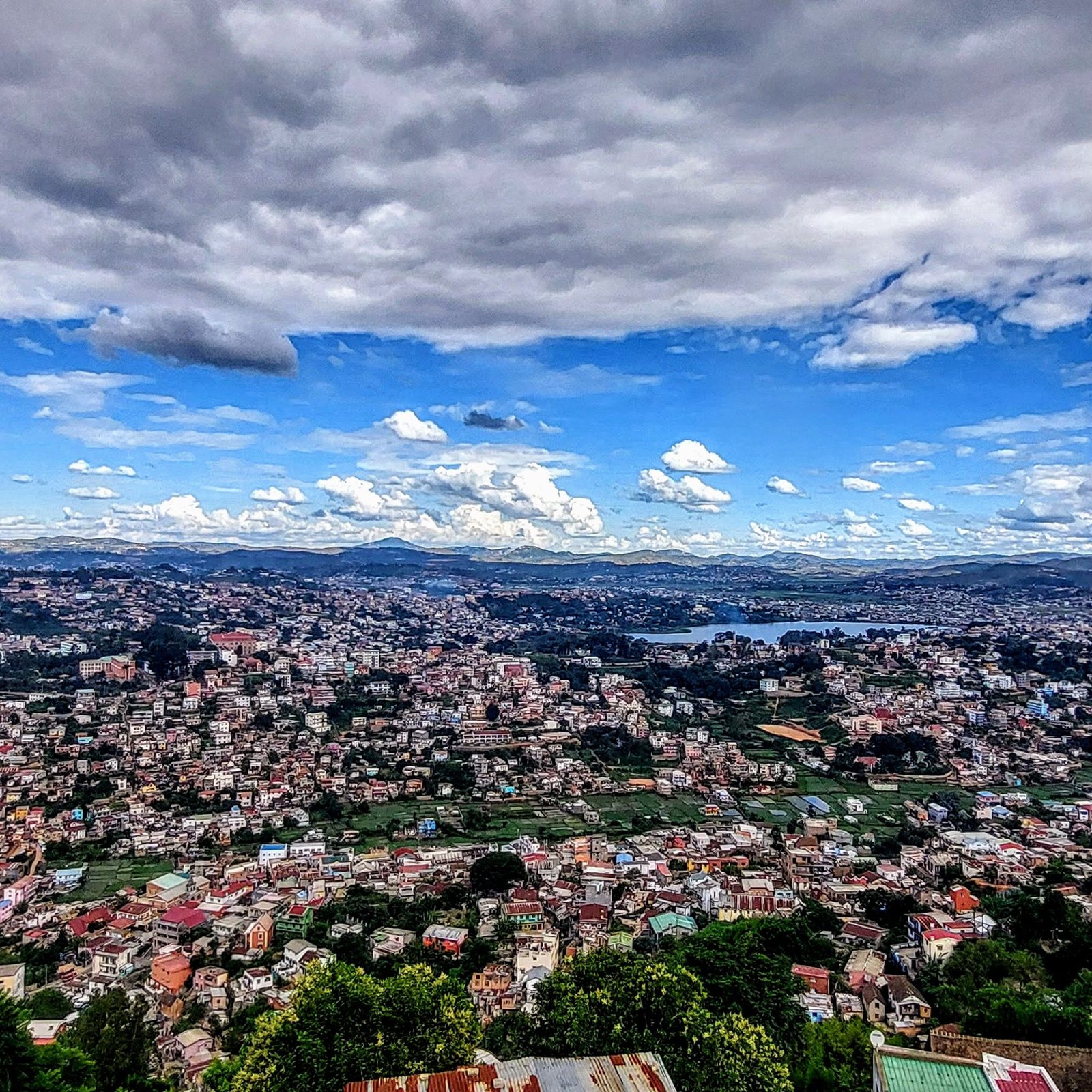
💰 Madagascar Travel Cost: Quick Overview
Madagascar can be both surprisingly affordable and unexpectedly expensive, depending on how you travel and how you move around the island.
This guide covers:
• How much it costs to travel to Madagascar
• Daily budget ranges for different travel styles
• Flights, accommodation, and transport costs
• Food, activities, and national park fees
• Hidden costs most travelers underestimate
• Practical tips to manage and reduce your budget
If you are still planning your route, see this Madagascar itinerary, understand how travel works across the island, and check the best time to visit Madagascar to better estimate your total costs.
Madagascar Travel Cost: What to Expect Before You Go
Understanding the madagascar travel cost is not as straightforward as it might seem at first glance. On paper, the country looks like a budget destination, with low food prices, affordable guesthouses, and relatively cheap daily expenses. But once you start planning a real trip, you quickly realize that transport, logistics, and distances play a much bigger role in shaping your overall budget.
The reality is that the madagascar travel cost depends heavily on how you choose to explore the island. Staying in one region and traveling slowly can keep costs low, while trying to cover long distances with private drivers or domestic flights can increase your budget significantly. This contrast is what makes Madagascar both appealing and challenging to plan.
In this guide, we break down the real costs you can expect, so you can plan your trip with clarity and avoid the common budgeting surprises that catch many travelers off guard.
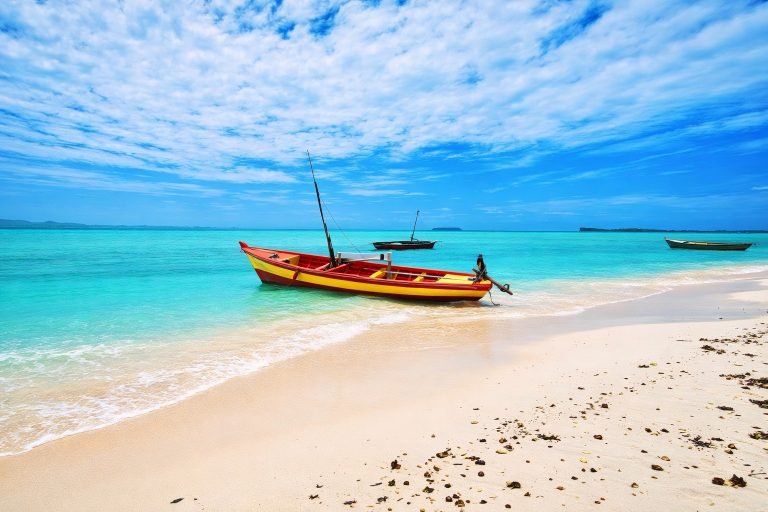
How Much Does It Cost to Travel to Madagascar?
The madagascar travel cost varies more than most destinations, and that is what catches many travelers off guard. At first glance, prices for food and accommodation are low, which creates the impression that Madagascar is a cheap country to visit. In reality, the overall cost depends heavily on how you move around and how much of the island you try to cover.
For most trips, you can expect to fall into one of three broad budget ranges. Budget travelers who stay in simple guesthouses, eat local food, and rely on shared transport can keep costs relatively low. Mid-range travelers who combine comfortable hotels with occasional private transport and guided visits tend to spend more. Higher-end trips, especially those that include domestic flights or remote lodges, can increase the budget quickly.
As a general guideline, many travelers spend between $40 and $120 per day once they are in the country. This does not include international flights, which can represent a significant part of the total trip cost. The key factor shaping your expenses is not what you eat or where you sleep, but how you choose to travel between destinations.
Madagascar is a large island with limited infrastructure, and distances that look short on a map can take a full day to cover. These challenges are real, but they are also part of what makes traveling here feel like a genuine adventure rather than a routine trip.
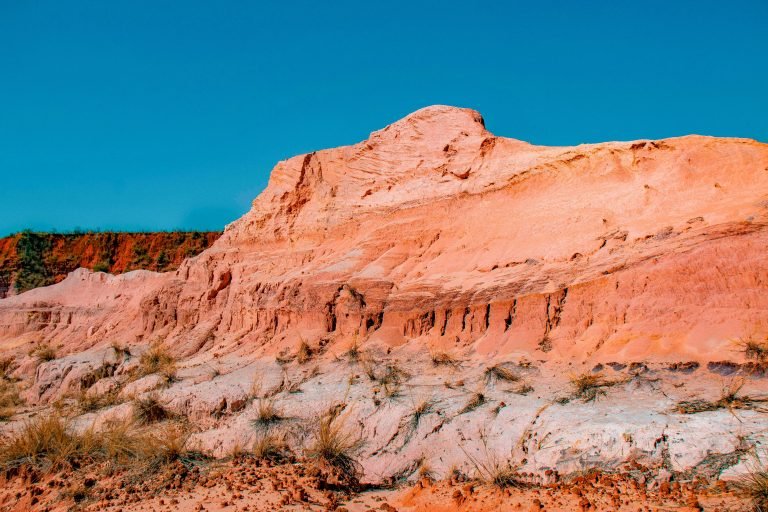
Daily Budget Breakdown in Madagascar
To better understand the madagascar travel cost, it helps to break it down into realistic daily budgets based on different travel styles. While exact numbers vary depending on your route and pace, these ranges give a reliable starting point for planning your trip.
Budget Travel: $30 to $50 per day
Traveling on a tight budget in Madagascar is possible, but it requires flexibility and patience. This typically means staying in simple guesthouses, eating local meals, and using shared taxis or minibuses when available.
Daily expenses stay low, but travel days can be long and unpredictable. This style of travel works best if you focus on one region instead of trying to move across the entire island.
Mid-Range Travel: $60 to $120 per day
This is where most travelers fall. You can expect comfortable hotels, a mix of local and restaurant meals, and the option to hire private drivers for certain routes. Guided visits to national parks and key attractions are also easier to arrange at this level.
While accommodation and food remain affordable, transport costs start to play a bigger role. This is the point where the madagascar travel cost begins to reflect the realities of distance and logistics on the island.
Higher-End Travel: $150+ per day
At the higher end, travel becomes significantly more comfortable and efficient. This includes boutique lodges, organized tours, private transfers, and domestic flights to reach remote areas quickly.
This approach reduces travel time and uncertainty, but increases your daily budget considerably. For many travelers, it is the most practical way to explore multiple regions within a limited timeframe.
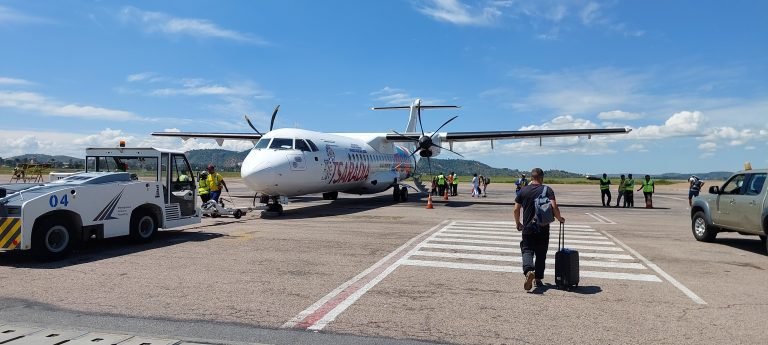
Flights to Madagascar: The Biggest Upfront Cost
For most travelers, flights are the single biggest part of the madagascar travel cost. Unlike daily expenses inside the country, which can be relatively low, getting to Madagascar is rarely cheap.
Return flights typically range between $700 and $1,500 or more, depending on where you are flying from, the time of year, and how early you book. Routes are limited, and prices can fluctuate significantly, especially during peak travel periods.
Because of this, booking early and comparing multiple options can make a noticeable difference to your overall budget. If you are flexible with your travel dates or departure city, you may be able to find better deals.
To get an overview of current prices and routes, you can use this flight comparison guide to search for the best available options.
While flights can feel expensive, they are often the main fixed cost of the trip. Once you arrive in Madagascar, your daily spending can be adjusted depending on how you choose to travel.
Accommodation Costs in Madagascar
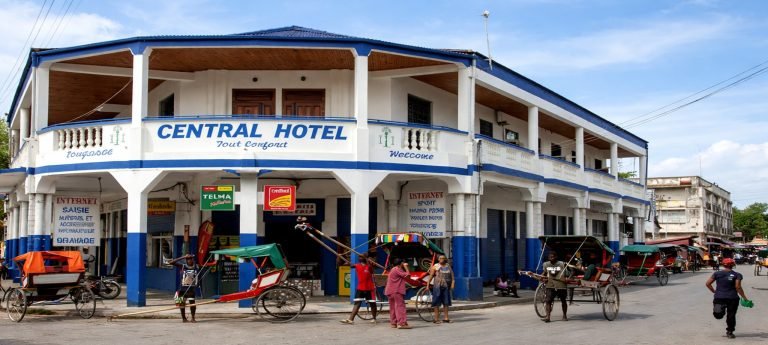
Accommodation is one of the more flexible parts of the madagascar travel cost, because prices can range from very simple local guesthouses to remote eco-lodges and beach resorts. In many parts of the country, you can still find decent places to stay without spending a fortune, but comfort levels vary a lot from one destination to another.
Budget travelers can often find basic rooms for around $10 to $20 per night, especially in larger towns or less touristic areas. Mid-range hotels usually fall in the $30 to $80 range, while higher-end lodges and boutique stays can easily exceed $100 per night, particularly in places such as Nosy Be or near major national parks.
One thing to keep in mind is that Madagascar does not always offer the same value-for-money balance you might expect in other destinations. A room that feels reasonably priced may still be fairly simple, especially in remote regions where infrastructure is limited and supply is low.
That said, there are some genuinely charming places to stay across the island, from small locally run guesthouses to beachside lodges and nature-focused retreats. If you want to compare different booking options before choosing where to stay, this hotel comparison guide can help you check prices and availability more efficiently.
Accommodation usually does not break the budget on its own. The bigger challenge is matching your lodging choices to your route, because in Madagascar, where you stay often depends less on preference and more on what is realistically available along the way.
Transport Costs in Madagascar: Where the Budget Really Changes
More than anything else, transport is what shapes the madagascar travel cost. Food is cheap, many hotels are still reasonably priced, and day-to-day expenses can look low on paper, but once you start moving around the island, the budget picture changes quickly.
Madagascar is large, roads can be rough, and travel times are often much longer than the map suggests. A route that appears manageable in distance can take an entire day, and sometimes much longer, depending on road conditions, weather, or delays along the way. This is why transport is often the real deciding factor between a low-budget trip and a much more expensive one.
Shared Taxis and Local Transport
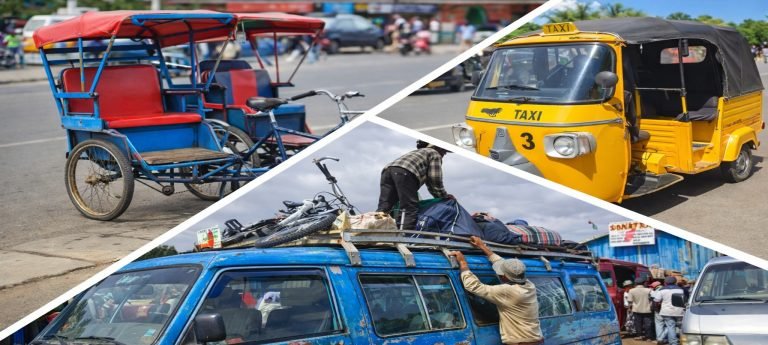
The cheapest way to get around Madagascar is by using shared taxis, bush taxis, or local minibuses. These are affordable and widely used by locals, which makes them the obvious choice for travelers trying to keep costs down.
The downside is that they are rarely fast or comfortable. Vehicles can be crowded, schedules are flexible rather than fixed, and long journeys can be physically tiring. For patient travelers with time to spare, this can still be a perfectly workable option, but it is not the easiest way to cover a large route across the country.
Private Drivers and Organized Transfers
Many travelers eventually choose to hire a driver for at least part of their trip, especially when visiting several destinations in one journey. This is where the madagascar travel cost can rise significantly. Private transport is far more comfortable and efficient, but it comes at a very different price level than shared local travel.
Depending on the route, vehicle, and season, private drivers often cost between $50 and $100 per day or more. For longer overland trips, that expense adds up quickly, but it also gives you much more flexibility and can save a great deal of stress.
Domestic Flights
Domestic flights are the fastest way to cover large distances, especially if you want to combine far-apart regions such as Nosy Be, the central highlands, and the deep south in a limited timeframe. They can save days of overland travel, but they also increase the total cost of the trip substantially.
For some travelers, domestic flights make the itinerary more realistic. For others, they simply push the budget beyond what feels comfortable. It all depends on whether time or money is the bigger constraint.
If you want a full picture of what travel between regions actually looks like, including road conditions, realistic journey times, and the trade-offs between local transport and private drivers, this guide on getting around Madagascar explains the reality in much more detail.
This is also the part of the trip where expectations matter most. Madagascar is not expensive in the way people often imagine, but it is logistically demanding, and those logistical realities are exactly where the budget can shift from manageable to much higher than planned.
Food and Drink Prices in Madagascar
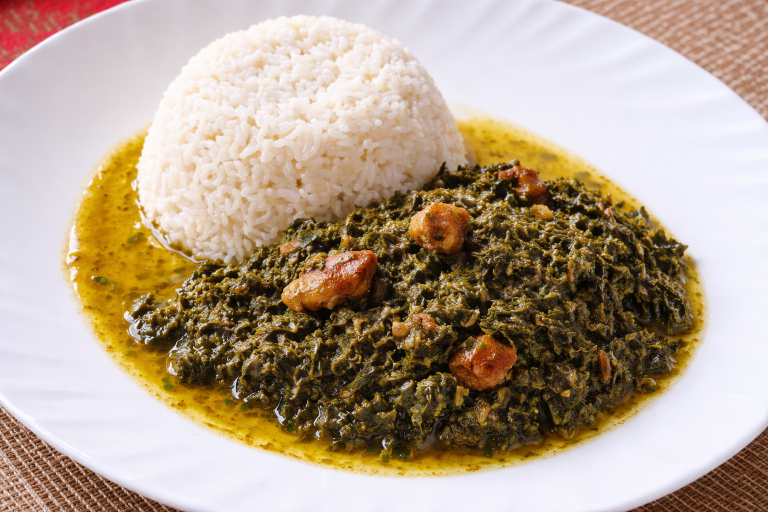
Food is one of the areas where the madagascar travel cost can remain pleasantly low. Across the country, meals are generally simple, filling, and affordable, especially if you eat where locals do. Rice forms the foundation of most dishes, often served with vegetables, seafood, or grilled meat.
Local restaurants and small street-side eateries offer some of the best value. A typical meal can cost between $2 and $5, while larger portions or seafood dishes may reach $6 to $10 depending on the location. Even in more touristic areas, it is still possible to eat well without spending very much.
Mid-range restaurants in larger towns or beach destinations usually charge between $10 and $15 for a full meal. These places often offer a wider variety of dishes, including international options alongside Malagasy staples.
Drinks are also reasonably priced. Local beers and soft drinks are inexpensive, while imported beverages and wine are usually more expensive due to transport costs.
For many travelers, the low cost of food helps balance the higher expenses associated with transport. Eating locally not only keeps daily spending manageable, it also offers a more authentic glimpse into everyday life on the island.

National Park Fees and Activity Costs in Madagascar
A large part of the madagascar travel cost comes from visiting national parks and protected areas. Madagascar is famous for its wildlife, especially lemurs, and most of these experiences take place inside officially managed reserves where entrance fees and local guides are required.
Park entrance fees typically range from $10 to $25 per person, depending on the location. In addition to this, hiring a certified local guide is usually mandatory, which adds another $10 to $20 or more. While this might seem like an extra cost, guides play an important role in helping you actually spot wildlife that would otherwise be very difficult to find.
Some parks offer additional activities such as night walks, longer treks, or boat excursions, each with their own pricing. These optional experiences can quickly add up if you visit multiple parks during your trip.
In certain regions, you may also encounter community fees or small local contributions that support conservation or village initiatives. These are generally modest, but they are part of the overall budget to keep in mind.
If seeing wildlife is a priority, this is one area where it is worth spending a little more. Madagascar’s biodiversity is unique, and the guided experiences are often what make the visit truly memorable.
To better plan where to see lemurs and which parks are worth including in your route, you can explore this guide on lemurs in Madagascar.
Hidden Costs in Madagascar: What Most Travelers Don’t Expect
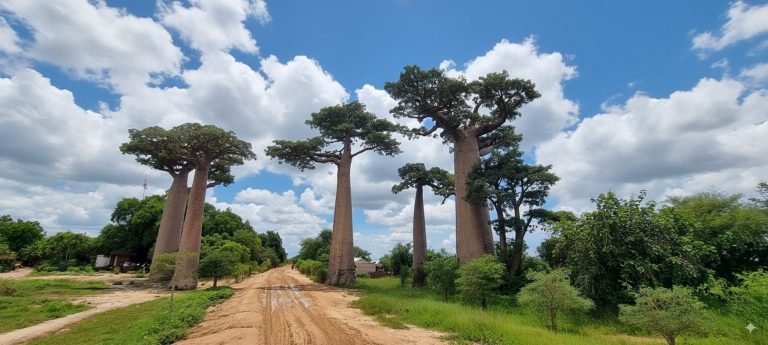
This is the part of the madagascar travel cost that often surprises people the most. On paper, daily expenses can look low, but once you are on the ground, a number of smaller costs begin to add up in ways that are not always obvious during the planning stage.
Guide Fees Add Up Quickly
Local guides are mandatory in most national parks, and their fees are separate from park entry tickets. Prices vary depending on the location, but typical rates range from around 60,000 Ariary to 165,000 Ariary per group (approximately $13 to $35).
For example, you can expect to pay about 60,000 Ariary at Anja Community Reserve, while larger parks such as Isalo, Zombitse, or Tsingy de Bemaraha are closer to 160,000 to 165,000 Ariary per group. In Masoala National Park, daily guide rates are often around 150,000 Ariary.
If you plan longer or more remote experiences, costs increase significantly. Multi-day treks in areas like Masoala can range from 800,000 to over 2,200,000 Ariary depending on duration and logistics. These are not everyday expenses, but they can have a major impact on your overall budget.
It is also customary to tip guides, typically around 10,000 Ariary per day. While each individual cost may seem small, they add up quickly when visiting multiple parks.
Fuel and Driver Costs
If you are traveling with a private driver, fuel is often not fully included in the base daily rate. Drivers typically charge between 250,000 and 400,000 Ariary per day (around $50 to $90), but fuel costs are usually added depending on distance and road conditions.
For shorter routes such as Antananarivo to Andasibe, the fuel surcharge may remain relatively modest. However, on longer routes like the RN7 towards Toliara or extended cross-country journeys, fuel can become a significant additional expense.
Detours, waiting time, or changes to your itinerary can also increase the total cost. This is one of the reasons why the madagascar travel cost can shift during the trip, even if you start with a clear plan.
Small Daily Expenses That Add Up
In addition to major costs, there are frequent smaller payments throughout a trip. These can include tips, small community fees, parking fees, or local contributions in villages and protected areas.
None of these costs are particularly high on their own, but they are part of everyday travel in Madagascar and can accumulate over time.
Delays and Unexpected Changes
Travel in Madagascar does not always follow a strict schedule. Road conditions, weather, or mechanical issues can delay journeys and sometimes require an extra night of accommodation or adjustments to your route.
These situations are common rather than exceptional, and having a small buffer in your budget makes a big difference. It allows you to adapt without stress when plans shift.
If you want a broader understanding of what to expect when traveling across the island, including practical considerations beyond budgeting, this guide on Madagascar travel tips provides additional context.
How to Save Money in Madagascar Without Ruining the Experience
While the madagascar travel cost can rise quickly in certain situations, there are also clear ways to keep your budget under control without compromising the experience. The key is not to cut corners, but to make smarter decisions about how you plan your route and move around the island.
Focus on One Region Instead of Crossing the Entire Island
One of the biggest mistakes travelers make is trying to see too much in one trip. Madagascar is far larger than it looks on a map, and moving between regions takes time and money. By focusing on one area, such as the central highlands, the north, or the RN7 route, you can reduce transport costs significantly.
Plan Your Route Before You Arrive
Having a clear plan helps avoid unnecessary detours, last-minute changes, and extra travel days. This does not mean over-planning every detail, but understanding your main route in advance can prevent unexpected costs from building up along the way.
Mix Local Meals with Occasional Restaurants
Eating locally is one of the easiest ways to save money in Madagascar. Small restaurants and local eateries offer filling meals at very low prices. You can still enjoy occasional restaurant meals without significantly increasing your daily budget.
Travel at a Steady Pace
Trying to rush through multiple destinations often leads to higher transport costs and more logistical stress. Slowing down allows you to make better use of each location, reduce unnecessary movement, and keep your spending more predictable.
Compare Options Before Booking Flights and Hotels
Prices for flights and accommodation can vary widely, especially in a destination like Madagascar where options are limited in some areas. Taking the time to compare different options can make a noticeable difference to your overall budget.
You can check available routes and prices using this flight comparison guide, and compare accommodation options through this hotel booking comparison to find what fits your travel style.
Keep a Small Buffer in Your Budget
Even with careful planning, unexpected costs can arise. Road delays, changes in plans, or additional guide fees are part of traveling in Madagascar. Having a small financial buffer helps you handle these situations without stress.
Saving money in Madagascar is less about strict budgeting and more about making thoughtful choices. With the right approach, you can keep costs manageable while still experiencing everything that makes the island so unique.
Is Madagascar Worth the Cost?
After looking at all the different factors that influence the madagascar travel cost, it is natural to wonder whether the experience truly justifies the expense. The answer depends less on the numbers themselves and more on what you are looking for in a trip.
Madagascar is not a destination where everything is easy. Distances are long, travel can be slow, and logistics sometimes require patience. But that is also part of what makes it feel different from more conventional travel experiences.
Few places offer the same combination of unique wildlife, diverse landscapes, and a sense of genuine discovery. Seeing lemurs in their natural habitat, exploring remote national parks, or reaching parts of the island that still feel largely untouched creates a type of travel experience that is becoming increasingly rare.
For many travelers, the value of Madagascar is not measured in comfort or convenience, but in the depth of the experience. The challenges are real, but they are also part of what makes the journey memorable.
If you approach the trip with realistic expectations and a well-planned route, the cost becomes easier to understand. What you gain in return is not just a destination, but an experience that stands apart from almost anywhere else.
Travel Facts: Money and Payments in Madagascar
Understanding how money works on the ground is an important part of managing the madagascar travel cost. While prices may seem low, the way you access and use money can have a real impact on your daily experience.
Currency and Cash Reality
The official currency is the Malagasy Ariary (MGA), and cash is still the backbone of everyday transactions. One important detail that surprises many travelers is how low the value of the largest banknote is.
The highest denomination is 20,000 Ariary, which is roughly the equivalent of 4 to 5 euros depending on the exchange rate. This means that even moderate expenses require a large number of bills, and it is completely normal to carry thick stacks of cash when traveling across the country.
Handling cash becomes part of daily travel, especially when paying for accommodation, transport, or guided visits.
ATMs: Available but Unreliable
ATMs exist in larger towns such as Antananarivo, Nosy Be, and Toamasina, but they are not something you can rely on consistently. Machines are often empty, out of service, or may reject foreign cards without explanation.
In rural areas, finding a working ATM can be difficult, and even when you do, there is no guarantee it will dispense cash. This is why withdrawing money whenever you have the opportunity is essential.
Mobile Money: More Widespread Than ATMs
While ATMs can be unreliable, mobile money services are widely used across Madagascar and are often easier to access than traditional banking. Platforms such as MVola, Orange Money, and Airtel Money are deeply integrated into daily life.
With over 10 million users, these services are used for everything from sending money and paying bills to making purchases and handling local transactions. In many places, it is actually easier to find a mobile money agent than a functioning ATM.
In towns and even smaller settlements, you will often see signs for Orange Money or MVola long before you find a bank. Locals rely heavily on these systems, and they have become a key part of how money moves across the country.
For travelers, mobile money can sometimes be useful, especially for local payments or transfers. However, setting it up usually requires a local SIM card and registration, which makes it less practical for short visits.
Cards and Payment Flexibility
Credit cards are accepted in some higher-end hotels and restaurants, mainly in larger cities or established tourist areas. Even then, acceptance is not guaranteed, and additional fees are common.
For most of your trip, you should expect to rely on cash. A flexible approach, combining cash access with awareness of mobile money systems, makes it much easier to navigate daily expenses across different regions of Madagascar.
🌍 Continue Planning Your Madagascar Trip
Understanding the madagascar travel cost is only one part of planning a successful trip. To build a route that matches your budget, pace, and interests, it helps to connect this guide with the rest of the Madagascar cluster.
If you are still shaping your route, start with this Madagascar itinerary, then read getting around Madagascar to understand what travel between regions really looks like. Seasonal conditions can also affect both prices and logistics, so the guide on the best time to visit Madagascar is worth checking before you finalize anything.
For practical on-the-ground advice, this post on Madagascar travel tips will help you prepare, while is Madagascar safe to visit covers another question many travelers ask early in the planning process.
If you are still deciding where to go, the main Madagascar travel guide gives you the full island-wide overview. You can then explore each region in more detail through Northern Madagascar, the Central Highlands of Madagascar, Majunga & Tamatave, and Southern Madagascar.
If your budget depends on wildlife priorities or beach time, these guides on lemurs in Madagascar and Madagascar beaches will help you decide what is most worth including in your trip.
❓ Madagascar Travel Cost FAQ
Is Madagascar expensive to travel?
Madagascar can be both affordable and expensive depending on how you travel. Food and accommodation are often reasonably priced, but transport, guide fees, and long distances can increase the total cost much faster than many travelers expect.
How much does a trip to Madagascar cost?
Many travelers spend between $40 and $120 per day once they are in the country. Budget travelers can stay below that range, while trips that include private drivers, domestic flights, or remote lodges can cost much more.
What is the biggest cost when traveling in Madagascar?
For most people, transport is the biggest expense. Madagascar is a large island with difficult roads, long travel times, and limited infrastructure, so moving between destinations often has the biggest impact on the budget.
Is cash necessary in Madagascar?
Yes, cash is essential for everyday travel in Madagascar. Even though mobile money is widespread, many small businesses, local restaurants, markets, and transport providers still operate almost entirely in cash.
Can tourists use mobile money in Madagascar?
In some cases, yes, but it is not always straightforward. Services such as MVola, Orange Money, and Airtel Money are widely used by locals, but setting them up usually requires a local SIM card and registration, which may not be practical for every short-term visitor.
Are guide fees included in Madagascar national park tickets?
Usually not. In many parks, entry fees and guide fees are charged separately, which means the total cost of visiting a park is often higher than the entrance ticket alone suggests.
How much cash should you carry in Madagascar?
That depends on your route, but travelers should be prepared to carry more cash than they might in other countries. The largest banknote is only 20,000 Ariary, so even moderate expenses can involve carrying a large number of bills.
Travel Resources to Plan, Book & Stay Connected
Use these tools and guides to stay connected abroad, find inspiration for your next trip, and book your flights, stays and gear with confidence.
Disclosure: This article may contain affiliate links. If you make a purchase through a link, I may receive a commission at no extra cost to you. I only share recommendations I believe are genuinely useful, and all opinions are my own. AI was used in this post for research and drafting purposes.

Comment (0)