Things to Do in Antananarivo, Madagascar: At a Glance
- Best for: Malagasy history, local life, markets, hillside views and experiencing the country's capital beyond its reputation as a transit stop.
- Don't miss: The Rova of Antananarivo and the historic Haute-Ville, with Andafiavaratra Palace easily combined into the same visit.
- How long to stay: One or two full days is enough for most visitors to experience the highlights without rushing.
- Worth knowing: Antananarivo isn't packed with major tourist attractions. Much of its appeal comes from walking its streets, meeting people and experiencing the atmosphere of everyday life in Madagascar's capital.
I spent a month in Antananarivo on my first stay, which gave me far more time than most visitors will ever need. This guide focuses on the places and experiences I genuinely think are worth your time rather than stretching Tana into a long list of attractions simply for the sake of it.
Planning a longer trip? Start with our Madagascar travel guide, build your route with our Madagascar itinerary, and compare the best bases in our guide to where to stay in Madagascar. If you're travelling beyond Tana, our guide to Antananarivo and the Central Highlands covers the wider region.
Things to Do in Antananarivo, Madagascar
I'll start with something that may surprise travellers who have read some of the less flattering descriptions of Madagascar's capital: I genuinely loved my time in Antananarivo.
On my first visit, I spent an entire month in Tana. That gave me a very different experience from most travellers, who might have only a day or two in the city before continuing elsewhere in Madagascar. I wasn't rushing from one attraction to the next. I had time to walk around, eat in local restaurants, meet people and simply experience the rhythm of the city.
And perhaps that's why I remember Antananarivo so fondly. It isn't one of those capitals where I could give you a list of 20 spectacular attractions and honestly tell you that you need to see them all. Some of Madagascar's most extraordinary experiences are found elsewhere on the island. Tana's appeal is different.
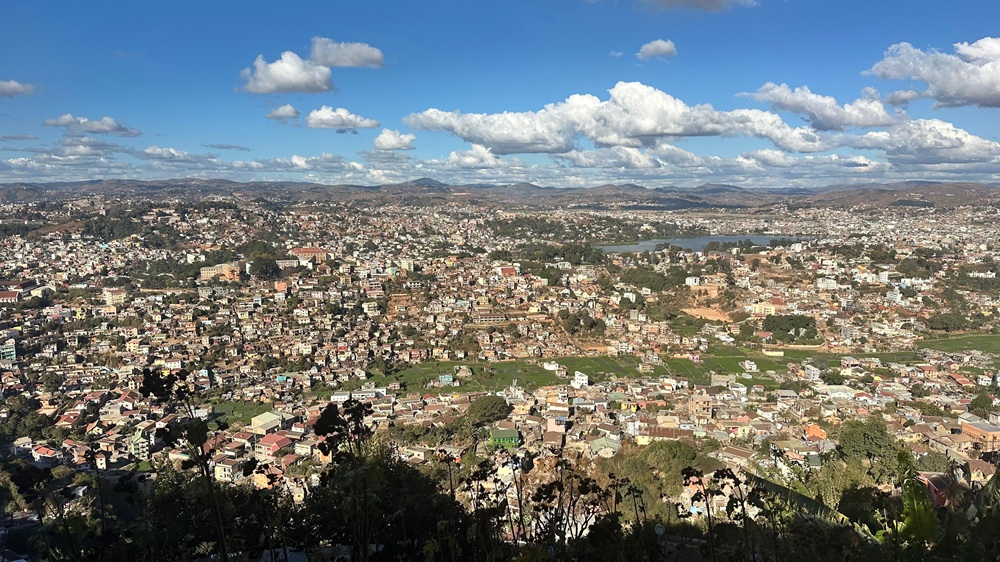
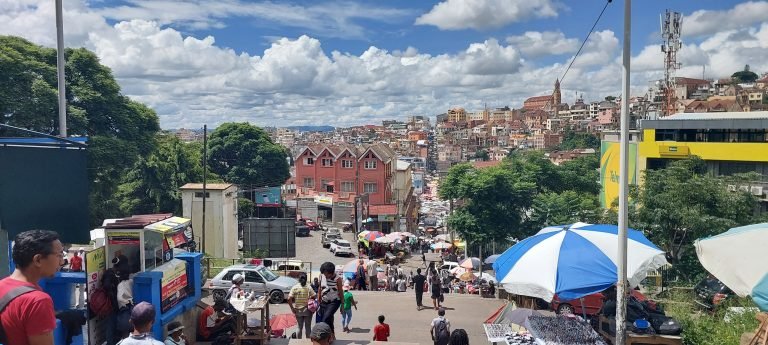
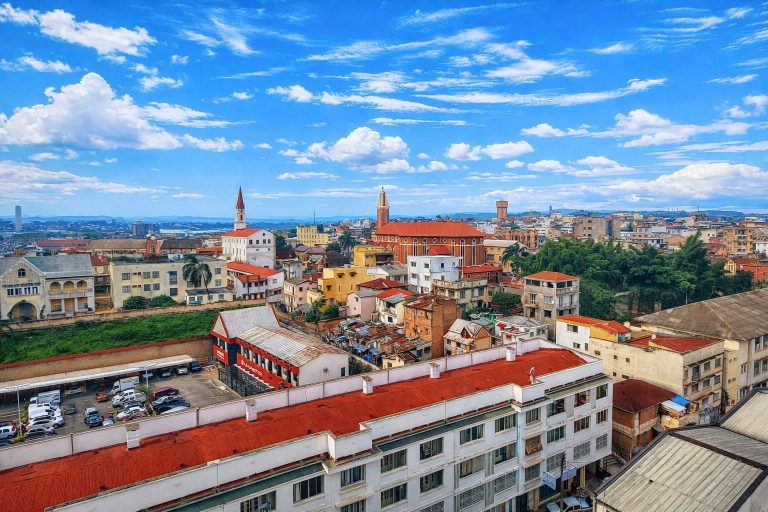
The city spills across steep hills, with colourful houses, busy streets, markets and neighbourhoods that feel unmistakably Malagasy. I enjoyed walking around without always having somewhere specific to go, stopping for food or a drink, talking to people and watching everyday life unfold around me.
Most visitors won't have a month in Antananarivo, and they don't need one. If you have one or two days, you can see the most worthwhile Antananarivo attractions and still get a taste of what makes the city interesting. The important thing, in my opinion, is not to treat Tana merely as an airport you need to escape from as quickly as possible.
So rather than padding this guide with places I wouldn't personally recommend, I've kept this list of things to do in Antananarivo deliberately selective. These are the sights and experiences I think genuinely add something to a visit to Madagascar's capital.
Visit the Rova of Antananarivo
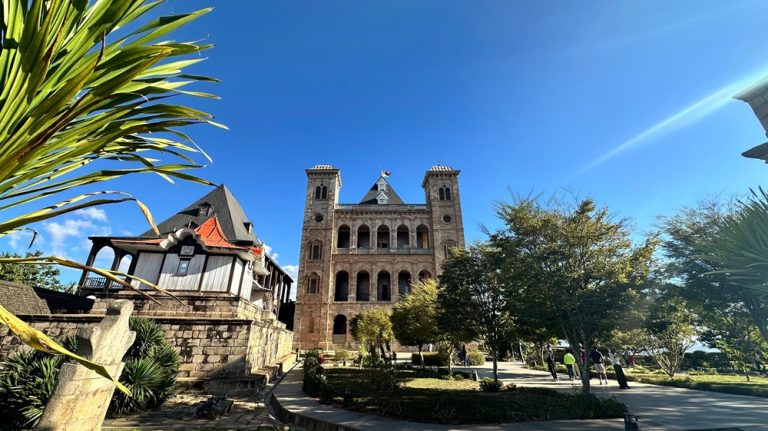
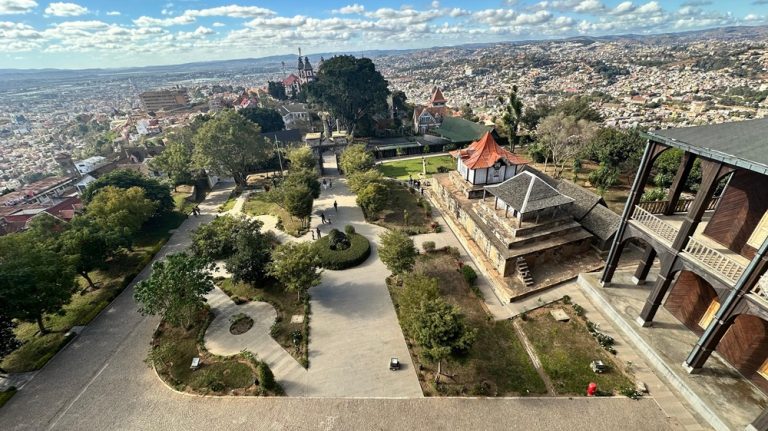
If you only visit one historical attraction in Antananarivo, I'd make it the Rova of Antananarivo. Sitting high above the city on Analamanga Hill, the former royal complex is one of Tana's defining landmarks and one of the best places to understand the history of the Merina monarchy and Madagascar before French colonisation.
The site dates back to the early 17th century, when King Andrianjaka established a fortified royal complex on the hill. It later became the political heart of the Merina kingdom and eventually the Kingdom of Madagascar. The Rova and surrounding Haute-Ville remain such an important part of the capital's heritage that the Upper Town of Antananarivo is included on UNESCO's World Heritage Tentative List.
The complex you see today has been extensively reconstructed following the devastating fire of 1995, which destroyed or severely damaged several historic buildings. Even so, the location, surviving and restored structures, royal tombs and sweeping views across Antananarivo make this much more than simply another palace visit.
I visited the Rova without a guide and still found it well worth seeing, but this is one place where a knowledgeable local guide can genuinely add something to the experience. There is a lot of Malagasy history, symbolism and tradition here that isn't immediately obvious when you're walking around independently.
For example, one of the traditions associated with entering royal buildings is to step across the threshold with your right foot first. Entering with the left foot can be considered fady — taboo. Details like this are easy to miss without someone explaining the cultural context behind what you're seeing.
Discover the Queen's Palace and more of Antananarivo's historic centre with a guided experience that adds valuable context to the city's royal history, traditions and landmarks.
WorldlyRoaming Tip: I visited the Rova independently and still enjoyed it, so you certainly don't need a guide simply to see the palace complex. But if you're interested in Malagasy history and traditions, a guide can make the visit considerably more meaningful by explaining details and customs that aren't always obvious on your own.
Combine the Rova With Andafiavaratra Palace
If you're visiting the Rova, it's worth combining it with Andafiavaratra Palace, which sits nearby in Antananarivo's Haute-Ville. I wouldn't necessarily make a special journey across the city just for the palace, but as part of the same visit, it adds another layer to the history you've just encountered at the Rova.
The distinctive pink-brick building was the 19th-century residence of Rainilaiarivony, the powerful prime minister who served three successive queens of Madagascar. Today, the palace functions as a museum and has housed important royal objects associated with the Merina monarchy, including artifacts rescued following the devastating 1995 fire at the Rova.
The museum itself is relatively modest, so don't arrive expecting the scale or presentation of a major international museum. What makes it interesting is the historical connection between the two sites. Visiting Andafiavaratra shortly after the Rova helps put some of the people, objects and events you've just learned about into a broader context.
Because the two palaces are close together, they work particularly well as part of the same walk through the Haute-Ville. And that's really how I'd approach this part of Antananarivo: don't rush from attraction to attraction. Give yourself some time to walk around the Upper Town, look at the old houses and architecture, stop occasionally and take in the views across Tana.
WorldlyRoaming Tip: Think of Andafiavaratra Palace as an extension of your Rova visit rather than a separate must-see attraction. If you're short on time, prioritize the Rova. If you have a little longer, combining both makes for a much more complete exploration of Antananarivo's royal history.
Explore the Haute-Ville on Foot
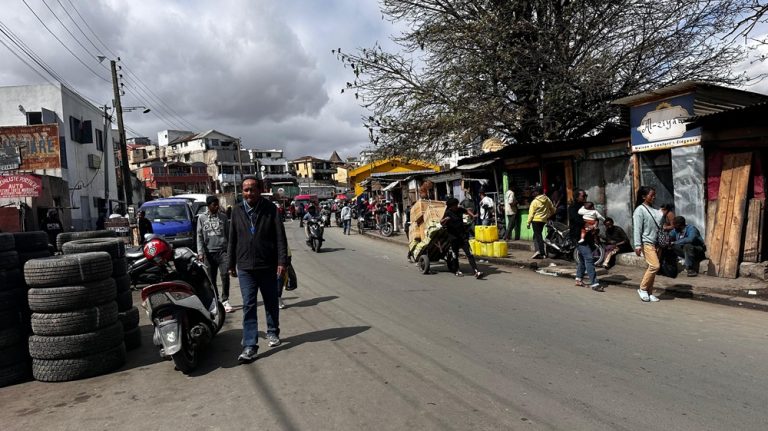
Once you've visited the Rova and Andafiavaratra Palace, don't immediately jump into a taxi and head somewhere else. Take some time to explore Antananarivo's Haute-Ville on foot. For me, walking around Tana was actually a bigger part of enjoying the city than ticking off individual attractions.
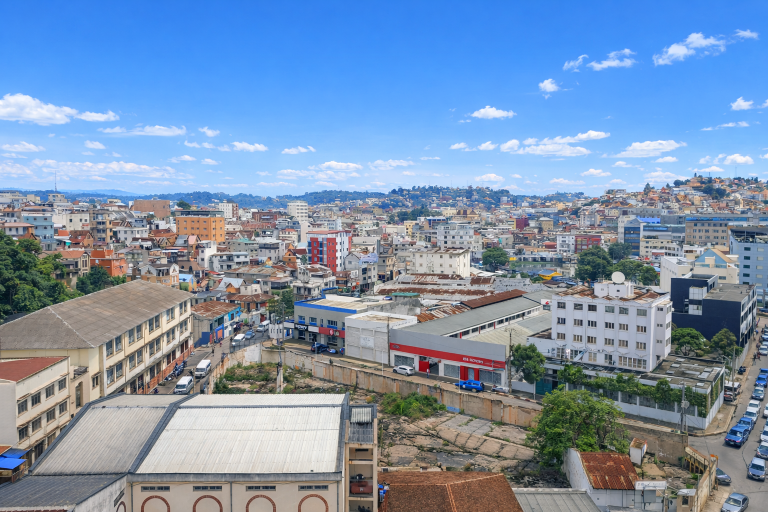
The Upper Town spreads across the hills around the Rova, with steep streets, stairways, old brick houses and viewpoints opening across the densely packed city below. It's also one of the best areas to appreciate just how unusual Antananarivo looks. The city seems to tumble down the hillsides, with traditional highland houses mixed among churches, colonial-era buildings and newer development.
I had an advantage most visitors won't have: on my first trip to Antananarivo, I stayed for an entire month. I wasn't trying to squeeze the city into a sightseeing itinerary. I could simply walk, stop somewhere for something to eat, talk to people and gradually get a feel for the place. That probably explains why my impression of Tana is considerably warmer than many of the accounts you'll find online.
You certainly don't need a month — and I wouldn't suggest that you do. But even if you only have a day or two in Antananarivo, I'd leave a couple of hours without a rigid sightseeing schedule. Wander through the Haute-Ville, look down over the city, watch everyday life around you and allow Tana to be a city rather than simply a collection of tourist attractions.
Explore Tana on foot with a local guide who can introduce you to the city's history, neighbourhoods and everyday life while providing context you might otherwise miss walking around independently.
WorldlyRoaming Tip: Walking is one of the best ways to experience central Antananarivo, but do your exploring during daylight hours. I was comfortable walking around the city during my stays, but I wouldn't recommend wandering around alone after dark. Once evening arrives, arrange transport instead.
Walk Around Lake Anosy
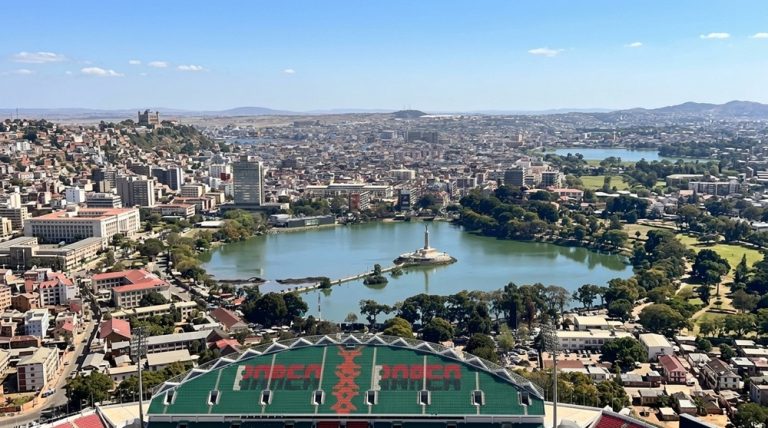
Lake Anosy is one of Antananarivo's most recognizable landmarks, sitting below the Haute-Ville in the middle of the city. The artificial, roughly heart-shaped lake is particularly easy to spot from the hills above, with the Monument aux Morts standing on a small island at its centre.
I visited Lake Anosy while exploring Tana, and I'd include it among the things to do in Antananarivo — but with realistic expectations. This isn't a beautiful, landscaped urban lake where I'd suggest spending several hours. It's worth seeing because of its setting, its place in the city and the views back towards Antananarivo's hills rather than because the lake itself is an exceptional attraction.
The monument in the centre commemorates Malagasy soldiers who died fighting for France during World War I, while jacaranda trees around the lake add splashes of purple when they're in bloom. From around Lake Anosy, you also get a completely different perspective on the densely built hills of the Haute-Ville rising behind the lower city.
And in some ways, I think the area captures Antananarivo rather well. From above, Lake Anosy can look remarkably picturesque. At street level, things are considerably busier, rougher around the edges and unmistakably part of a working African capital. Personally, I found that contrast more interesting than trying to judge Tana purely on whether individual attractions are beautiful.
WorldlyRoaming Tip: I wouldn't make a special journey across Antananarivo solely for Lake Anosy. Instead, include it while exploring the centre during daylight hours and enjoy the views of the lake from the Haute-Ville as well as seeing it at street level.
Experience Analakely and Everyday Life in Tana
Some of my favourite time in Antananarivo wasn't spent visiting attractions at all. It was simply walking through the busy streets, watching the city go about its day and interacting with people along the way. If you want to experience that side of Tana, Analakely is one of the best places to start.
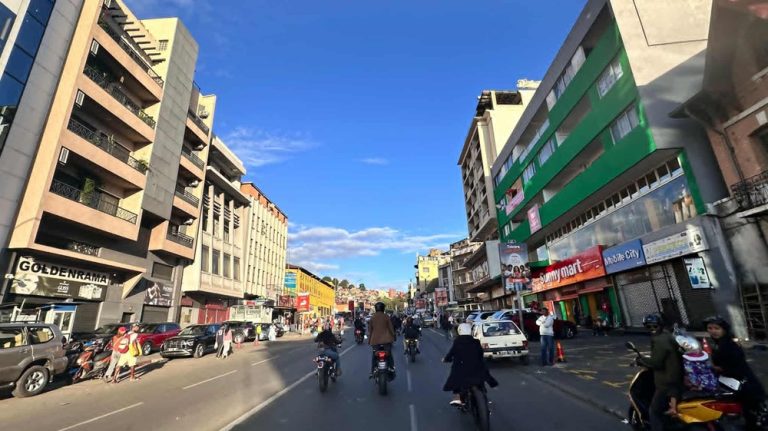
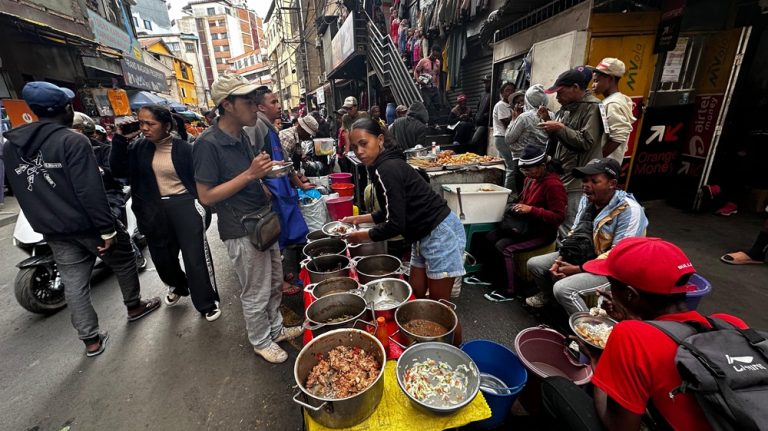
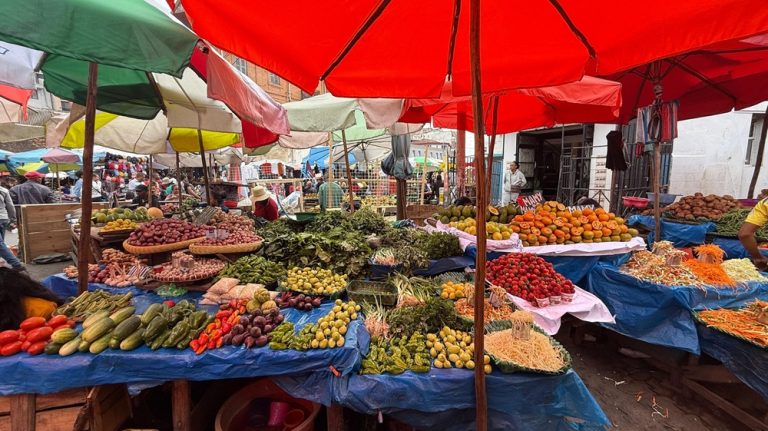
Analakely sits in the commercial heart of the lower city and feels completely different from the quieter streets and old houses of the Haute-Ville. The streets are crowded with vendors, shops, produce stalls, pedestrians and traffic, and there's seemingly something happening in every direction.
You may still see references to Antananarivo's famous Zoma Market, historically held in Analakely on Fridays. The enormous traditional market described in older travel accounts no longer exists in that form, but Analakely remains one of the busiest commercial areas in the city.
From there, you can continue through the surrounding streets towards Behoririka, another densely packed commercial district. I wouldn't describe Behoririka as a tourist attraction in itself. That's really the point. You're seeing a part of Antananarivo where people are shopping, selling, eating, working and getting on with everyday life rather than somewhere designed specifically for visitors.
It's crowded, noisy and chaotic, and you'll need to keep the usual eye on your belongings in busy areas. But if you only travel between Antananarivo's main attractions by car, you miss a large part of what made me enjoy the city in the first place.
Having a month in Tana on my first stay gave me the luxury of experiencing the city slowly. I could wander without constantly thinking about what attraction I needed to see next, stop somewhere when I felt like it and talk to people I met along the way. Most travellers won't have that amount of time, but you can still get a taste of that side of Antananarivo by leaving some space in your itinerary simply to experience the city.
Take a Day Trip to the Royal Hill of Ambohimanga
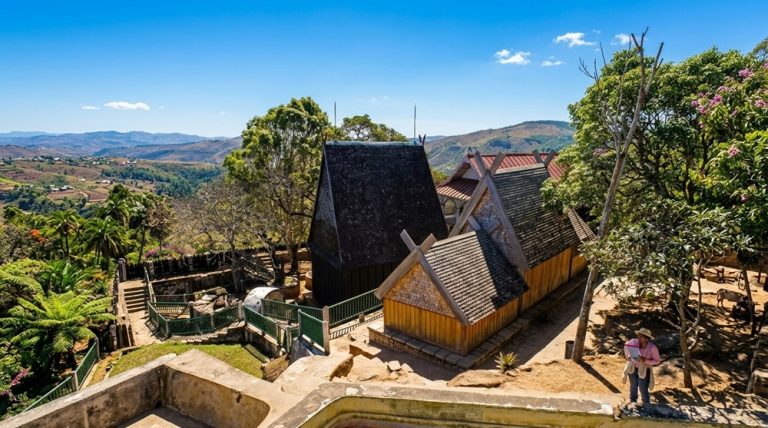
If you have enough time to leave central Antananarivo for half a day or longer, the Royal Hill of Ambohimanga is one of the most worthwhile places to go. Unlike the Rova, which sits at the heart of the modern capital, Ambohimanga feels much more removed from the noise and intensity of Tana.
The site is one of Madagascar's most important cultural and spiritual landmarks. UNESCO describes Ambohimanga as a royal city, burial site and collection of sacred places that has retained its religious and symbolic importance for centuries. It remains closely connected to Malagasy identity, ancestor worship and the history of the Merina monarchy. You can read more about its significance on the official UNESCO World Heritage page for the Royal Hill of Ambohimanga.
The royal enclosure includes traditional buildings, tombs, sacred spaces and defensive structures, while the elevated setting provides wide views across the surrounding highlands. Visiting after seeing the Rova also helps put Antananarivo's royal history into a broader context rather than treating the palace in the city as an isolated attraction.
Ambohimanga also gives you a first taste of the landscapes beyond the capital. If you want to continue farther into this part of the country, our guide to Antananarivo and the Central Highlands covers the wider region, including Antsirabe, highland scenery and practical travel planning.
Because Ambohimanga lies outside central Tana, this is one of the places where a guided excursion can make logistics considerably easier. It also gives you the benefit of historical and cultural explanations at a site where many of the details and traditions are not immediately obvious when visiting independently.
Explore Beyond Antananarivo
If Ambohimanga is your priority, this Ambohimanga and Talata Volonondry day trip combines the Royal Hill with a visit to the traditional market town of Talata Volonondry. If you'd rather see what other excursions are available, you can compare day trips from Antananarivo and choose an itinerary that best suits your time and interests.

Eat, Drink and Experience Antananarivo After Dark
One of the things I enjoyed most about spending longer in Antananarivo was discovering the city beyond its tourist attractions. Tana has a surprisingly varied restaurant, bar and nightlife scene, and going out for dinner or drinks became part of how I experienced the city rather than simply something to do after sightseeing.
You certainly don't need to visit expensive restaurants or nightclubs to enjoy Antananarivo. There are plenty of simpler places to eat and drink throughout the city. But if you're looking for somewhere for a good dinner, a few drinks or a night out, these are some of the places I personally enjoyed during my stays.
Restaurants in Antananarivo
For a more polished meal, Tana has several excellent restaurants, particularly around Isoraka and Antaninarenina. I enjoyed La Varangue, as well as eating at Hôtel du Louvre, but my personal favourite was La Petite Brasserie.
These are at the more expensive end of dining in Antananarivo, so I wouldn't suggest them as representative of what you need to spend to eat well in Madagascar. They are better options when you feel like having a more comfortable evening or treating yourself to a good restaurant meal.
If you'd like to explore Malagasy cuisine beyond individual restaurant recommendations, our guide to food in Madagascar covers traditional dishes, street food, drinks and some of the flavours you'll encounter while travelling around the country.
Bars and Pubs in Antananarivo
Tana also has a lively bar scene that can be easy to miss if your experience of the capital consists mainly of sightseeing during the day and returning to your hotel in the evening. Two places I enjoyed were Irish Pub Tana and No Comment Bar.
Spending an evening out also gives you a very different impression of Antananarivo. This is a large capital city where people live, meet friends and go out, and experiencing some of that social side helped me appreciate Tana as more than simply the place where most Madagascar trips begin and end.
Nightlife in Antananarivo
If you want to continue later into the night, Antananarivo does have a proper nightclub scene. Of the places I visited, my favourites were Taxi Be and RED.Night.tana.
Nightlife isn't going to be relevant to everyone visiting Madagascar, but it was another part of Tana that I genuinely enjoyed. It also reinforced something I found throughout my stays here: the appeal of Antananarivo isn't necessarily a long checklist of attractions, but the experience of actually spending time in the city.
WorldlyRoaming Tip: Experiencing Tana after dark doesn't mean I recommend wandering around the city at night. When I went out to restaurants, bars or clubs, I treated transport as part of the evening. Arrange a taxi or other reliable transport between your accommodation and the venue, particularly later at night. I'll cover this distinction in more detail in the safety section below.
Is Antananarivo Safe?
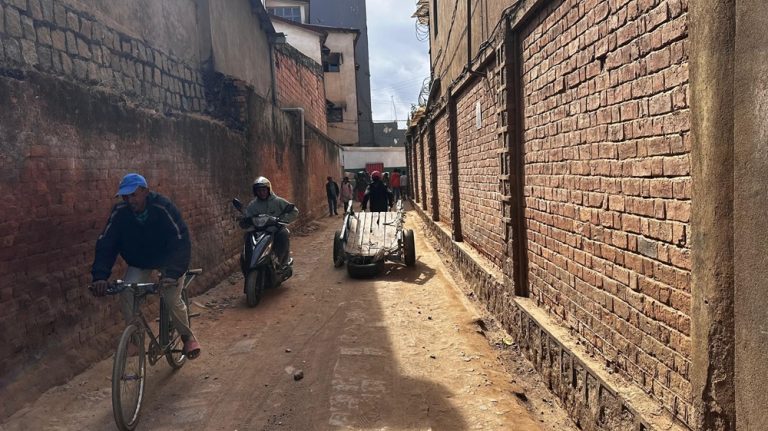
Antananarivo has a fairly intimidating reputation online. Spend enough time reading travel forums and expat discussions and you could easily come away with the impression that Tana is a city best avoided altogether. That hasn't been my experience.
I've spent months in Antananarivo across different stays, including a full month on my first visit, and I have never personally encountered a serious safety problem. I've walked extensively around the city during the day, explored markets and neighbourhoods, eaten out, gone to bars and clubs, and generally felt comfortable doing so.
That doesn't mean Antananarivo is risk-free. Petty theft and opportunistic crime are genuine concerns, particularly in crowded areas such as Analakely, markets and busy transport areas. Be discreet with your phone and cash, keep valuables secure and pay attention to what's happening around you. These are precautions I would take in many large cities, but they're worth taking seriously in Tana.
The biggest distinction I make is between Antananarivo during the day and Antananarivo after dark. I am comfortable exploring Tana on foot during daylight hours, but I do not recommend wandering around the city alone at night. This doesn't mean you need to stay inside your hotel once the sun goes down — I certainly didn't. It simply means changing how you get around.
If you're going out for dinner, drinks or nightlife, arrange transport rather than walking between venues. Traditional taxis are widely available, while local ride-hailing services provide another useful option. PIQLA operates an app-based ride service in Antananarivo with GPS ride tracking, while Misy lets you request a ride with an identified driver, see the fare before confirming and follow your journey in real time.
This approach is also consistent with official travel advice. The UK government's Madagascar travel advice recommends avoiding walking alone in city centres and poorly lit urban areas after dark and using pre-booked taxis or hotel transport instead.
It's also important to keep my experience in perspective. The fact that I've never had a serious problem in Tana doesn't mean nobody will. Crime happens, circumstances differ and no traveller can eliminate risk completely. But I also wouldn't let some of the more alarming descriptions of Antananarivo online convince you that the city is inherently too dangerous to visit.
For a broader look at crime, transport risks and precautions elsewhere on the island, read our Madagascar safety guide.
For me, the sensible middle ground is straightforward: explore Tana, enjoy the city, stay aware of your surroundings and change your behaviour after dark. That's how I've approached Antananarivo during my own stays, and its reputation certainly wouldn't stop me from spending time here again.
Is Antananarivo Worth Visiting?
Yes. I definitely think Antananarivo is worth visiting, although perhaps not for the reasons you might expect.
Tana doesn't have the spectacular wildlife, national parks, beaches or dramatic landscapes that bring most travellers to Madagascar. It isn't a city packed with famous attractions either. What I enjoyed most was simply being in the city — walking around, eating, meeting people and experiencing everyday life in Madagascar's capital.
Many travellers arrive in Antananarivo already convinced that they shouldn't stay. Tana has a reputation for being dangerous, unattractive and having very little to do, so the capital is often treated as an inconvenient stop between the airport and the places people actually came to Madagascar to see.
A good friend of mine was given exactly that advice before his first visit: get to the hotel, don't wander around and leave for the rest of Madagascar as quickly as possible.
I had a very different experience. On my first trip, I spent an entire month in Antananarivo. That obviously isn't how most travellers experience the city, and I'm certainly not suggesting you need anything close to a month. But having that much time meant I wasn't rushing from one attraction to another. I could walk around the neighbourhoods, stop somewhere for a coffee or a beer, talk to people and gradually get a feel for the city.
That's ultimately why I liked Tana so much. Antananarivo is more interesting as a place to experience than as a collection of things to see.
If you've previously landed in Tana, gone straight to your hotel and left the following morning, consider doing something different next time. Give the capital a day or two. Visit the Rova, explore Haute-Ville, walk through the centre during the day, have a proper Malagasy meal and allow yourself some time without an itinerary.
You may discover, as I did, that Tana is much more enjoyable than its reputation suggests.
How Many Days Do You Need in Antananarivo?
For most travellers, one or two full days in Antananarivo is enough. That gives you time to see the city's genuinely worthwhile sights without taking too much time away from the rest of Madagascar.
With one day, concentrate on the Rova and Haute-Ville, explore some of the historic centre on foot and finish with a good restaurant or bar. With two days, you can slow things down, explore more of the city and potentially use your second day for Ambohimanga or another excursion outside central Tana.
I wouldn't build a first Madagascar itinerary around spending a long time in the capital. If you only have seven days in the country, for example, spending four of them in Antananarivo makes little sense when Madagascar has so much else to experience.
But I wouldn't automatically rush through Tana either. For most first-time visitors, two nights is a very reasonable starting point — enough time to experience the capital rather than simply sleep there before moving on.
Best Time to Visit Antananarivo
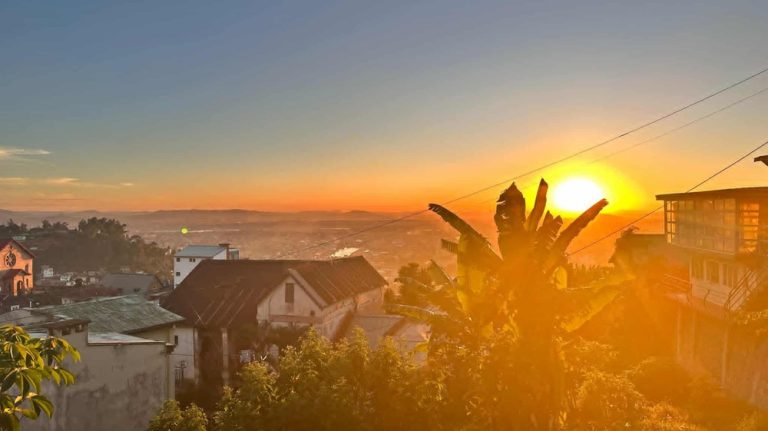
Antananarivo can be visited year-round, but April to October generally offers the easiest weather for exploring the city. Madagascar is in the Southern Hemisphere, so remember that the seasons are reversed compared with Europe and North America: June to August is winter, while December to February is summer.
Tana also sits at around 1,280 metres above sea level in Madagascar's Central Highlands, which makes its climate noticeably cooler than you might expect from a tropical island.
- April to May: One of the best periods to visit. The heavy summer rains are fading, temperatures remain pleasant and walking around the city becomes much more comfortable.
- June to August: This is the heart of the dry season and rain is relatively uncommon, but it is also winter. Days can be pleasant in the sunshine, while mornings and evenings can feel surprisingly cold. Bring a jacket or warm layer.
- September to October: Another excellent time to visit Antananarivo. Conditions are generally dry, temperatures begin to rise and the colder winter weather has passed.
- November to March: This is the warmer, wetter season. You can certainly still visit Tana, but expect more frequent rain and occasional heavy downpours, particularly from December through February.
For the best balance of comfortable temperatures and relatively dry weather, I would choose April–May or September–October. If avoiding rain is your main priority, June to September is generally the safer period, provided you don't mind cooler temperatures.
Remember that Antananarivo's weather is only one consideration if you're travelling around the country. Madagascar's climate varies considerably between the Central Highlands, the coasts, the north and the south, so the best time for Tana may not necessarily be the best time for your entire trip.
For a complete regional and seasonal breakdown, read our Best Time to Visit Madagascar guide.
Where to Stay in Antananarivo
Choosing where to stay in Antananarivo matters more than you might expect. Traffic can be extremely slow, particularly during rush hour, so staying reasonably close to the parts of the city you want to explore can save a surprising amount of time.
For most first-time visitors, Antaninarenina is one of the most convenient central bases, with restaurants, shops and many of Tana's main sights within relatively easy reach. Haute-Ville is better if atmosphere, views and historic surroundings are your priority, while Ivandry and Alarobia offer a more modern, residential side of the capital. Staying near Ivato Airport makes sense for an early departure or late arrival, but I wouldn't choose it as a base for actually exploring Antananarivo.
Below are several accommodation options across these different parts of the city. For more help planning accommodation throughout the country, see our Where to Stay in Madagascar guide.
ANTANINARENINA – BEST FOR MOST FIRST-TIME VISITORS
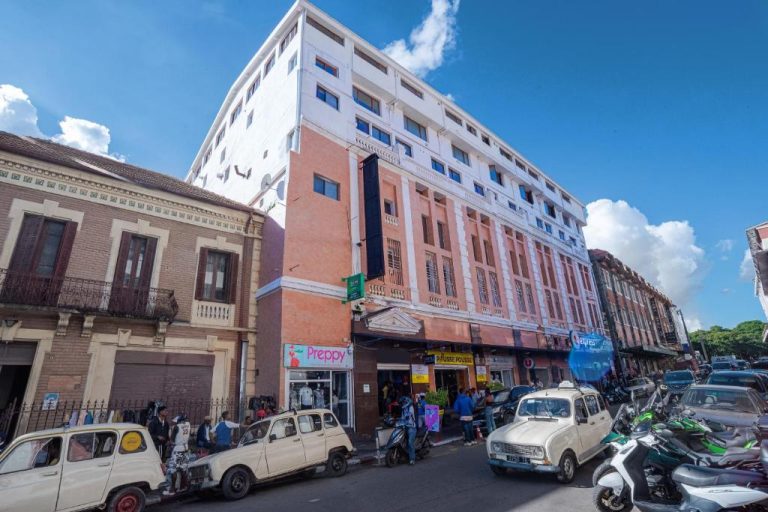
Antaninarenina is my preferred area for most travellers visiting Tana for the first time. You're right in the centre of the city, with Avenue de l'Indépendance, Analakely, restaurants, cafés and several of the places we've covered in this guide nearby, while Haute-Ville and the Rova are easily reached by taxi or on foot if you don't mind the hills.
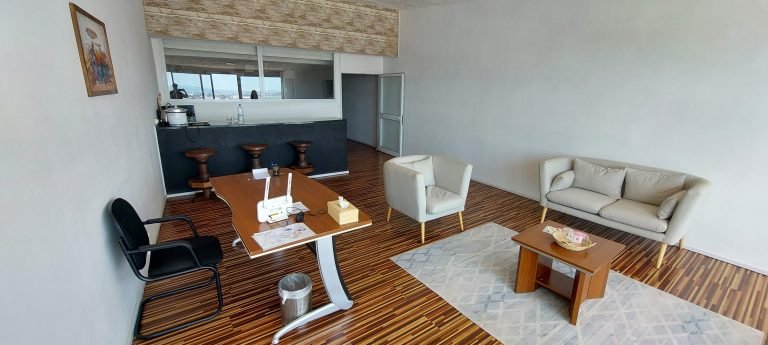
Hôtel Le Pousse Pousse
9 Rue Général Rabehevitra, Antaninarenina, 101 Antananarivo, Madagascar — +261 32 42 052 62
Hôtel Le Pousse Pousse offers a central base in Antaninarenina, within easy reach of the shops, restaurants and busy streets around the heart of Tana. Its location is particularly useful if you want to spend your visit exploring the city rather than commuting in and out from the outskirts. Check current rates and availability at Hôtel Le Pousse Pousse.
Grand Appart'Antaninarenina
8 Rue Général Rabehevitra, Antaninarenina, Immeuble Le Pousse Pousse, 101 Antananarivo, Madagascar — +261 34 20 030 16
Grand Appart'Antaninarenina is an alternative in the same central location for travellers who prefer apartment-style accommodation rather than a conventional hotel room. The extra space can make it particularly practical for longer stays in Tana or anyone who wants a little more independence. Check current rates and availability at Grand Appart'Antaninarenina.
HAUTE-VILLE – BEST FOR HISTORY AND ATMOSPHERE
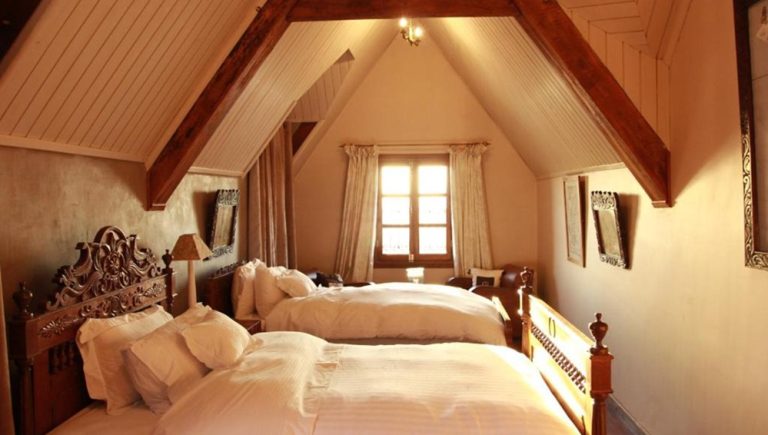
Haute-Ville is the most atmospheric part of Antananarivo, climbing across the hills around the Rova with historic buildings, narrow streets and some of the best views across the capital. It's a good choice if the older side of Tana appeals to you, although the steep streets and hills make it less convenient for travellers with limited mobility.
Lokanga Boutique Hotel
Lot V W 115 Ambohimitsimbina, 101 Antananarivo, Madagascar — +261 38 30 530 60
Lokanga Boutique Hotel suits travellers who want their accommodation to feel connected to the historic character of Antananarivo rather than simply providing somewhere to sleep. Its Haute-Ville setting places you close to the Rova and gives you a very different atmosphere from the busier commercial districts below. Check current rates and availability at Lokanga Boutique Hotel.
ISORAKA – BEST FOR RESTAURANTS AND EVENINGS OUT
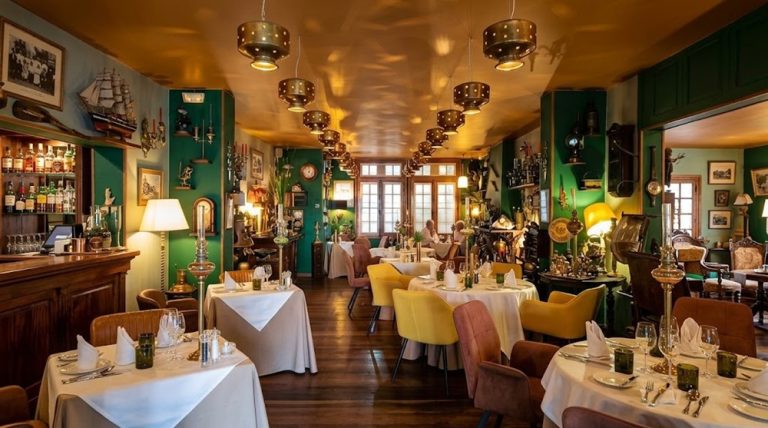
Isoraka is worth considering if restaurants, bars and being able to go out in the evening are priorities. It's still relatively central, and several of the restaurants and nightlife venues mentioned earlier in this guide are in or around this part of Tana.
La Varangue
17 Rue Printsy Ratsimamanga, 101 Antananarivo, Madagascar — +261 20 22 251 74
La Varangue combines an established hotel with one of the better-known restaurants in central Antananarivo, making it particularly appealing if dining is an important part of your stay. The location also keeps you close to central Tana while offering a more refined option than many of the city's straightforward hotels. Check current rates and availability at La Varangue.
IVANDRY AND ALAROBIA – BEST FOR MODERN COMFORT
Ivandry and Alarobia offer a more modern and residential experience away from the historic centre. These areas are popular with expats, business travellers and visitors who prioritise larger international-standard hotels and facilities, although you'll rely more heavily on taxis or ride-hailing apps when sightseeing.
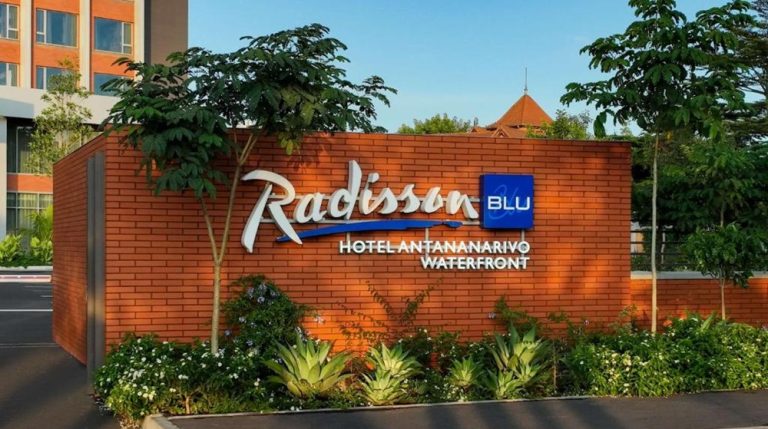
Radisson Blu Hotel Antananarivo Waterfront
Tana Water Front, Ambodivona, 101 Antananarivo, Madagascar — +261 20 22 692 01
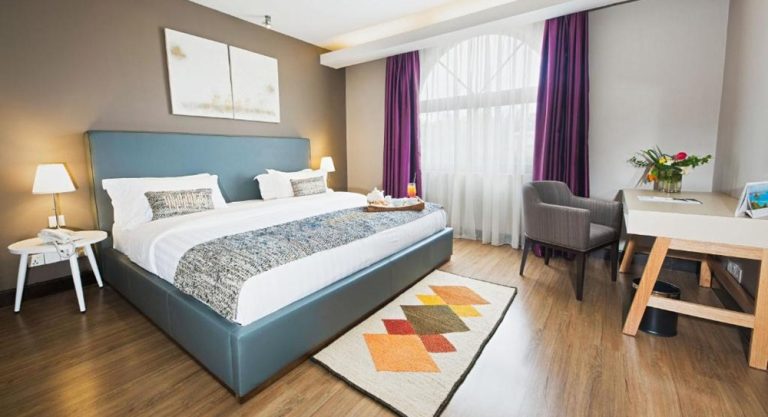
Radisson Blu Hotel Antananarivo Waterfront is a strong choice if you prefer the facilities and consistency of an international hotel while staying outside the busiest historic streets. Its waterfront location offers a noticeably different environment from central Antananarivo, with modern amenities and convenient access to the surrounding commercial area. Check current rates and availability at Radisson Blu Hotel Antananarivo Waterfront.
Novotel Convention And Spa
Alarobia, 101 Antananarivo, Madagascar — +261 20 23 777 77
Novotel Convention And Spa is another modern option for travellers who value hotel facilities, space and comfort more than being able to walk directly to Tana's historic attractions. Its Alarobia location is particularly suited to business travellers or visitors who don't mind using a taxi or ride-hailing app to reach the centre. Check current rates and availability at Novotel Convention And Spa.
IVATO AIRPORT – BEST FOR LATE ARRIVALS AND EARLY FLIGHTS
Ivato makes sense when convenience to the airport matters more than access to the city. If you're arriving late, leaving early or simply spending one night in Tana between flights, staying near the airport can save you from dealing with unpredictable traffic, but it isn't the area I'd choose for a proper visit to Antananarivo.
San Cristobal Boutique Hotel - Ivato Airport
MAI 33 Maibahoaka Talatamaty, Ivato, 105 Antananarivo, Madagascar — +261 34 05 024 91
San Cristobal Boutique Hotel is a practical option when you want to stay close to Ivato Airport without basing yourself there for an entire sightseeing visit. It works particularly well for an overnight stop before an early flight or after arriving in Madagascar late in the day. Check current rates and availability at San Cristobal Boutique Hotel.
If none of these options suits your budget or travel style, Antananarivo has everything from inexpensive guesthouses and apartments to international luxury hotels. Pay particular attention to location when comparing properties, because a hotel that looks close on a map can become considerably less convenient once Tana's traffic is factored into your plans.
Browse more hotels in Antananarivo and compare current prices and availability.
Antananarivo Travel Tips
Antananarivo becomes much easier to enjoy once you understand a few of the practical realities of the city. Tana isn't particularly difficult to navigate, but traffic, money, connectivity and a few administrative quirks can catch first-time visitors by surprise.
Allow Much More Time for Traffic Than the Map Suggests
Distances across Antananarivo can look surprisingly short on a map, but traffic can turn a simple journey into a much longer one. This is especially important when travelling to or from Ivato Airport. Don't plan an airport transfer, restaurant reservation or onward connection based purely on the driving time shown when you first check the route.
I would rather arrive early than spend my final hour in Tana sitting in traffic wondering whether I'm going to miss a flight.
Keep Some Cash With You
Cards are accepted at many larger hotels, restaurants and supermarkets, but Madagascar is still heavily cash-based. Keep enough ariary for taxis, small shops, markets, cafés and everyday purchases, preferably in smaller denominations rather than relying only on large notes.
ATMs are available around central Antananarivo, but I wouldn't wait until you have almost no cash left before looking for one. Our Madagascar travel cost guide goes into much more detail about money, prices and budgeting around the country.
Get Connected Before You Need Your Phone
Having mobile data in Tana is particularly useful for maps, messaging your accommodation and using services such as PIQLA and Misy. Wi-Fi is available in many hotels and restaurants, but having your own connection means you aren't dependent on finding it when you're out exploring.
Our SIM vs eSIM in Madagascar guide explains the differences between local SIM cards and eSIMs, including what to expect from coverage around the country. If you'd prefer to arrange mobile data before you arrive, you can also compare eSIM options for international travel.
Don't Treat Travel Insurance as an Afterthought
I consider travel insurance particularly important for Madagascar. Antananarivo has both public and private medical facilities, but the healthcare system is limited compared with what many international travellers may be accustomed to. The UK government's Madagascar health advice notes that hospitals in Antananarivo can handle routine operations, but complex cases may require evacuation to Mauritius, South Africa or Réunion.
That makes medical evacuation cover especially important. A serious accident or illness isn't the moment you want to discover that your policy covers a hospital visit but not the cost of getting you to a country where more advanced treatment is available.
Before travelling, compare travel insurance options and what they actually cover, paying particular attention to emergency medical treatment, evacuation and repatriation rather than choosing a policy purely because it is inexpensive.
Get Certified Copies of Your Passport and Visa
Foreign visitors to Madagascar can be asked by the authorities to produce identification and proof that they are legally in the country. The awkward part is that carrying your original passport around Tana every day also creates an obvious problem: losing it or having it stolen can turn into a major travel headache.
One practical solution I use in Antananarivo is to have certified copies of my passport and visa made locally.
In Analakely, go to the Bureau de l'État Civil of the 1st Arrondissement. Walk up the stairs, enter the office on the right and, in my experience, the relevant counter was the first guichet directly in front of me. I brought my original passport together with photocopies of both the passport and visa, and had the copies officially certified.
I recommend taking several photocopies with you rather than making only one. A copy can easily be damaged or lost during a longer Madagascar trip, and having extras saves you from repeating the process.
When I did this, certification cost approximately 4,000 ariary per page. Prices and procedures can change, so treat that as a useful reference rather than a guaranteed current fee.
WorldlyRoaming Tip: This is one of those small pieces of preparation that gave me much more peace of mind in Tana. I keep certified copies of my passport and visa with me and keep the original passport somewhere secure whenever circumstances allow. However, certified copies should not be assumed to be legally interchangeable with the original in every situation, so check the latest identification requirements before relying on them exclusively.
Pack for Tana, Not Just for a Tropical Island
Madagascar may conjure up images of beaches and tropical heat, but Antananarivo's elevation changes what you need to pack. During the cooler months, mornings and evenings can feel genuinely cold, so a light jacket or warmer layer is worth carrying even if most of the rest of your itinerary is considerably warmer.
A compact day bag, comfortable walking shoes for Tana's steep streets, a power bank and a universal travel adapter are also genuinely useful. You can see the equipment and essentials we recommend on our travel gear picks, while the Madagascar packing list covers what to bring for the country's different climates and regions.
Don't Expect Everything to Run on a Precise Schedule
Finally, allow a little flexibility. Tana can be unpredictable. Traffic jams appear, journeys take longer than expected and things don't always happen at exactly the time you planned.
That can be frustrating if you arrive expecting everything to operate with clockwork precision. It becomes much easier once you accept a little of Madagascar's mora mora rhythm and leave some breathing room in your plans.
For more practical advice that applies beyond the capital, our Madagascar travel tips cover transport, money, connectivity, health, cultural customs and common mistakes across the island.
How to Get to Antananarivo
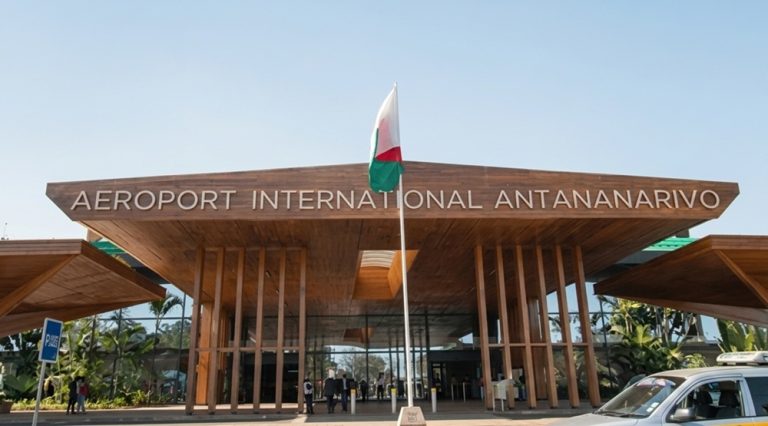
For most international visitors, Antananarivo is the main gateway into Madagascar. Flights arrive at Ivato International Airport, around 15 km north of central Antananarivo.
The distance doesn't look particularly far on a map, but traffic in Tana can be extremely slow. Depending on the time of day, the journey between Ivato Airport and central Antananarivo can take anywhere from around 30 minutes to well over an hour. Don't plan a tight connection or assume you'll be at your hotel shortly after leaving the airport.
For a first arrival, I recommend arranging an airport transfer through your hotel if possible. It removes the hassle of negotiating transport immediately after a long flight and means someone will be waiting for you when you arrive.
If Antananarivo is only the beginning of a longer Madagascar trip, our How to Get to Madagascar guide covers international flights, airlines, overland options and the practicalities of reaching the country in much more detail.
Worldly Roaming tip: Traffic is one of the great variables in Antananarivo. When heading back to Ivato for a flight, give yourself considerably more time than the distance on the map suggests. Getting stuck in Tana traffic while watching your departure time approach is not the way you want to finish your Madagascar trip.

Getting Around Antananarivo
Getting around Antananarivo takes a little patience. Tana is a sprawling, hilly city, traffic can be intense, and a journey that looks short on a map can take considerably longer than expected.
Walking is one of the best ways to experience central Antananarivo during the day. Areas such as Analakely, Antaninarenina and the Haute-Ville are much more interesting when explored on foot, and walking gives you the chance to experience the street life and atmosphere that I think are among Tana's greatest attractions. Bear in mind that the hills can be steep, pavements are inconsistent and I would not recommend walking around the city alone after dark.
- Traditional taxis: Taxis are everywhere and remain one of the easiest ways to make shorter journeys around the city. They generally aren't metered, so agree on the fare before getting in.
- Ride-hailing apps: PIQLA and Misy provide another option for arranging rides in Antananarivo and can be particularly useful if you prefer booking transport rather than negotiating with taxis on the street.
- Private driver: Hiring a car with a driver can make sense if you're visiting several places in one day, travelling outside central Tana or heading somewhere such as Ambohimanga.
- Taxi-be: These shared minibuses are extremely cheap and an important part of everyday transport for locals, but routes can be confusing for first-time visitors. They're an experience if you're adventurous, but they're rarely the easiest way to sightsee around Tana.
Traffic is the biggest factor to keep in mind. Antananarivo's roads can become heavily congested, particularly around the main commercial areas and during rush hour, so avoid planning your day around unrealistically precise travel times.
For travelling beyond the capital, including Madagascar's bush taxis, domestic flights, private drivers and other transport options, see our Getting Around Madagascar guide.
Worldly Roaming tip: Don't try to experience Tana entirely through a car window. During daylight hours, I much prefer walking when distances are reasonable. Some of my favorite memories of Antananarivo came simply from wandering around, stopping somewhere for a coffee or a drink, and interacting with people rather than rushing from one attraction to the next.
Final Thoughts on Visiting Antananarivo
Antananarivo isn't the reason most people travel halfway around the world to visit Madagascar. The country's lemurs, national parks, extraordinary landscapes, beaches and wildlife understandably get most of the attention, and Tana doesn't have a long list of spectacular attractions competing with them.
But I think dismissing the capital because of that is a mistake.
I spent a month in Antananarivo the first time I stayed there, which gave me a completely different experience from someone arriving at Ivato Airport and leaving again the following morning. I had time to walk around without an itinerary, return to places I liked, sit in cafés and bars, meet people and gradually get to know the city. What I ended up loving about Tana wasn't necessarily what I saw, but how the city felt.
Most visitors obviously don't have a month to discover Antananarivo, and you certainly don't need one. But if your Madagascar itinerary allows it, I would give the capital one or two genuine days rather than treating it as an airport, a hotel room and a traffic jam between you and the rest of the country.
Visit the Rova, explore the Haute-Ville, walk through the busy streets around Analakely, eat somewhere good and give yourself some time when you don't have another attraction to reach. You may still decide that Madagascar's countryside and wildlife were the highlights of your trip — they probably will be — but at least you'll have experienced the country's capital rather than simply passed through it.
If you're planning the rest of your trip, our Things to Do in Madagascar guide introduces the country's major experiences, while our Madagascar itinerary can help you decide how Antananarivo fits into a wider route. For more places to explore around the capital, continue with our Antananarivo and the Central Highlands of Madagascar guide.
Frequently Asked Questions About Visiting Antananarivo
- Is Antananarivo worth visiting?
Yes. Antananarivo may not have as many major attractions as other destinations in Madagascar, but I think it is well worth spending at least a day or two in the capital. The Rova, Haute-Ville, Analakely and the city's markets are interesting, but much of Tana's appeal comes from its atmosphere, street life, restaurants and people. I spent a month here on my first stay and found that simply walking around and experiencing everyday life became one of the things I enjoyed most. - What are the best things to do in Antananarivo?
The best things to do in Antananarivo include visiting the Rova of Antananarivo and nearby Andafiavaratra Palace, exploring the Haute-Ville, walking around Analakely and its markets, visiting Lake Anosy, experiencing the city's restaurants and nightlife, and taking a day trip to the Royal Hill of Ambohimanga. - How many days do you need in Antananarivo?
For most travelers, one or two full days in Antananarivo is enough. One day allows you to see the principal sights, while two days gives you more time to explore the city at a relaxed pace, enjoy its restaurants and atmosphere, and potentially visit the Royal Hill of Ambohimanga. If you have a short Madagascar itinerary, I wouldn't sacrifice several days elsewhere just to spend longer in Tana. - Is Antananarivo safe for tourists?
Antananarivo requires normal big-city precautions, but its reputation can make it sound considerably more frightening than my own experience suggests. I have spent months in the city without encountering serious problems. Be aware of your surroundings, keep valuables discreet, take particular care in crowded areas and avoid walking around alone after dark. At night, I recommend taking a taxi or arranging a ride instead. - What is the best time to visit Antananarivo?
The drier months from roughly April to October are generally the easiest time to visit Antananarivo, with less rain and more comfortable conditions for exploring on foot. Remember that Madagascar is in the Southern Hemisphere, so its seasons are reversed compared with Europe and North America. The austral winter from June to August can be surprisingly cool in Tana because of the city's elevation, particularly in the mornings and evenings. - Where should you stay in Antananarivo?
Antaninarenina and Isoraka are convenient choices if you want to stay centrally, while the Haute-Ville offers more character and views over the city. The Waterfront and Alarobia have several modern upscale hotels, while staying around Ivato can make sense if you have an early flight or only an overnight stop between flights. - How do you get around Antananarivo?
Walking works well for exploring parts of central Antananarivo during daylight hours, although the city is very hilly. For longer journeys, traditional taxis are widely available, while ride-hailing services such as PIQLA and Misy provide additional options. Traffic can be extremely slow, so allow considerably more travel time than distances on a map might suggest. - How do you get from Antananarivo Airport to the city centre?
Ivato International Airport is around 15 km north of central Antananarivo. Hotel transfers and taxis are among the simplest options for reaching the city. Although the distance is relatively short, heavy traffic means the journey can take much longer than expected, so the transfer time varies considerably depending on when you arrive. - Can you visit the Royal Hill of Ambohimanga from Antananarivo?
Yes. The Royal Hill of Ambohimanga is one of the best day trips from Antananarivo and can easily be visited from the capital. The UNESCO World Heritage Site is one of Madagascar's most important cultural and historical places and provides much more context for understanding the Merina Kingdom and the history you encounter at the Rova in Tana. - Can you walk around Antananarivo?
Yes, and during the day I think walking is one of the best ways to experience central Antananarivo. The Haute-Ville, Antaninarenina and parts of Analakely can all be explored on foot, although steep hills, uneven pavements and busy traffic can make walking more tiring than the distances suggest. I would not recommend walking around the city alone after dark. - Is Antananarivo just a stopover on a Madagascar trip?
It doesn't have to be. Many travelers arrive in Antananarivo and leave for Madagascar's national parks, wildlife destinations and beaches as quickly as possible. If your itinerary allows it, spending one or two days actually exploring Tana gives you a very different introduction to Madagascar and a chance to experience the country's capital beyond the airport and your hotel.
Travel Resources to Plan, Book & Stay Connected
Use these tools and guides to stay connected abroad, find inspiration for your next trip, and book your flights, stays and gear with confidence.
Disclosure: This article may contain affiliate links. If you make a purchase through a link, I may receive a commission at no extra cost to you. I only share recommendations I believe are genuinely useful, and all opinions are my own. AI was used in this post for research and drafting purposes.

Comment (0)