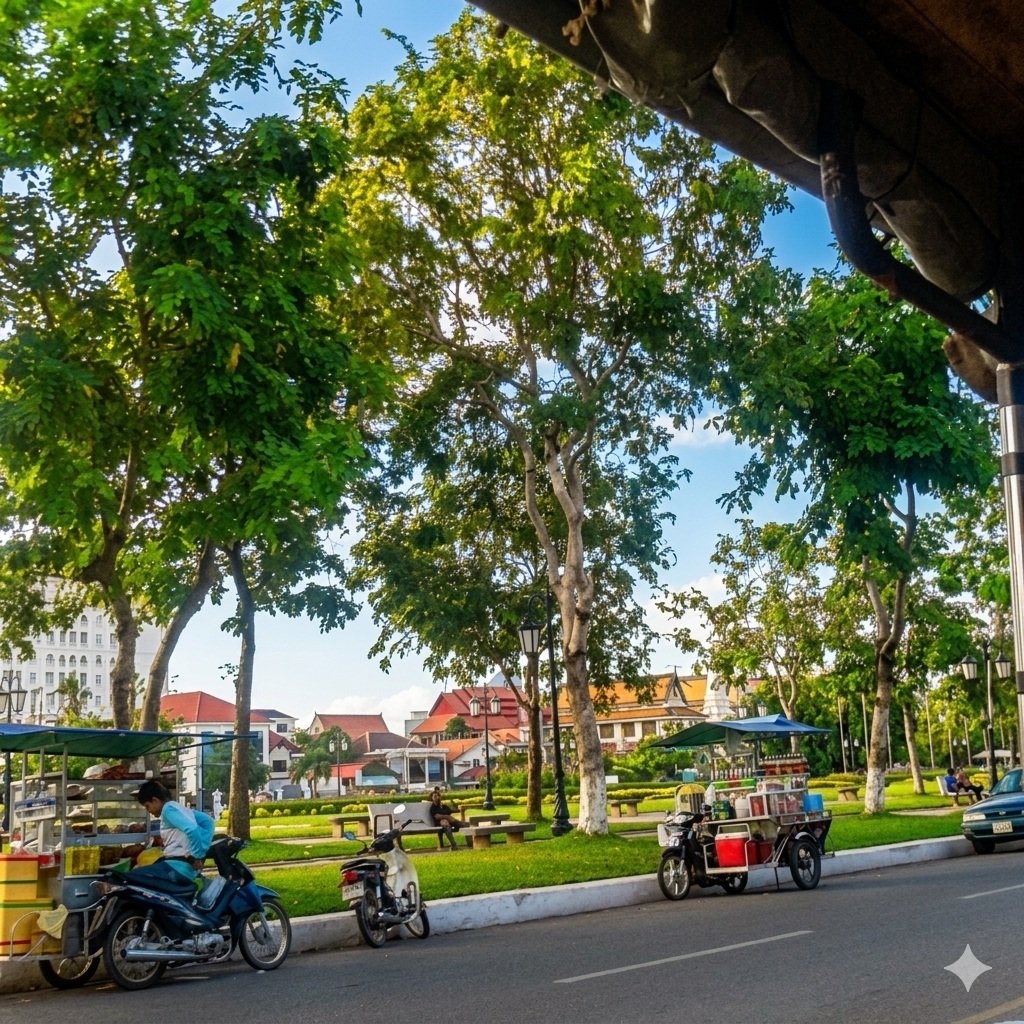
Getting Around Cambodia: What You Need to Know Before You Travel
Understanding how to get around Cambodia is one of the most important parts of planning your trip. Transport here is generally affordable and flexible, but it is not always as structured or predictable as in other countries. Whether you are moving between major cities, heading to the islands, or simply getting around locally, knowing which options to use and when can save you time, money, and unnecessary stress.
From tuk-tuks and motos in cities to long-distance buses, ferries, and domestic flights, Cambodia offers a wide range of transport options that suit different travel styles and budgets. The key is not just knowing what exists, but understanding how to combine these options efficiently depending on your route and priorities.
- The best ways to get around Cambodia depending on your travel style and budget
- Real transport costs for tuk-tuks, buses, ferries, trains, and flights
- Popular routes and travel times between Phnom Penh, Siem Reap, Kampot, and the coast
- When to choose buses, flights, or private transport for comfort, speed, or savings
- Apps, tools, and booking tips to make traveling easier
- Useful Khmer phrases to communicate with drivers and locals
If you are still planning your route, it helps to see how transport connects the country as a whole. This Cambodia itinerary shows how to structure your journey, while this Cambodia travel guide provides a broader overview of destinations and travel flow across the country.
Getting Around Cambodia: What to Expect
Getting around Cambodia is generally easy, affordable, and surprisingly flexible, but it works very differently from what many travelers are used to. There is no single “system” that connects everything in a clean, structured way. Instead, transportation is a mix of informal local options, private operators, and a few developing national services. Once you understand how this system works, moving around the country becomes straightforward and even enjoyable.
Most journeys in Cambodia revolve around a few key routes. Travelers typically move between Phnom Penh, Siem Reap, Kampot, Battambang, and the southern coast near Sihanoukville. These routes are well-served by buses, minivans, and shared taxis, making it easy to build a logical travel plan without needing to backtrack. For island travel, ferries connect the mainland to destinations like Koh Rong and Koh Rong Samloem, while domestic flights link the major cities for those who want to save time.
Within cities, transport is even more flexible. Tuk-tuks, known locally as remork or remorque, are the most common way to get around in places like Phnom Penh and Siem Reap. For solo travelers, moto taxis, often called motodops, are a faster and cheaper alternative. Ride-hailing apps such as Grab and PassApp have made urban transport more predictable, allowing you to see prices upfront and avoid negotiation if you prefer a smoother experience.
One of the key advantages of traveling in Cambodia is cost. Compared to most destinations in Southeast Asia, transport here remains very affordable. Short rides within cities often cost just a few dollars, while long-distance bus journeys between major destinations are typically priced between $8 and $25 depending on comfort level. Even ferries to the islands and train tickets remain accessible, making it possible to travel extensively without a large budget. If you want a complete overview of how transport fits into your daily expenses, this Cambodia travel cost guide breaks down what you can expect to spend across different travel styles.
That said, convenience and comfort can vary. Roads between major cities are generally good, but traffic conditions, driving styles, and occasional delays mean that travel times are not always exact. Night buses, shared taxis, and ferries each come with their own trade-offs between price, speed, and comfort. Understanding these trade-offs is what allows you to make better decisions and avoid common frustrations.
Ultimately, getting around Cambodia is less about finding the perfect option and more about choosing the right option for each part of your journey. With a bit of planning and the right expectations, transport becomes a seamless part of the experience rather than a challenge, allowing you to move easily between the country’s cities, countryside, and coast.
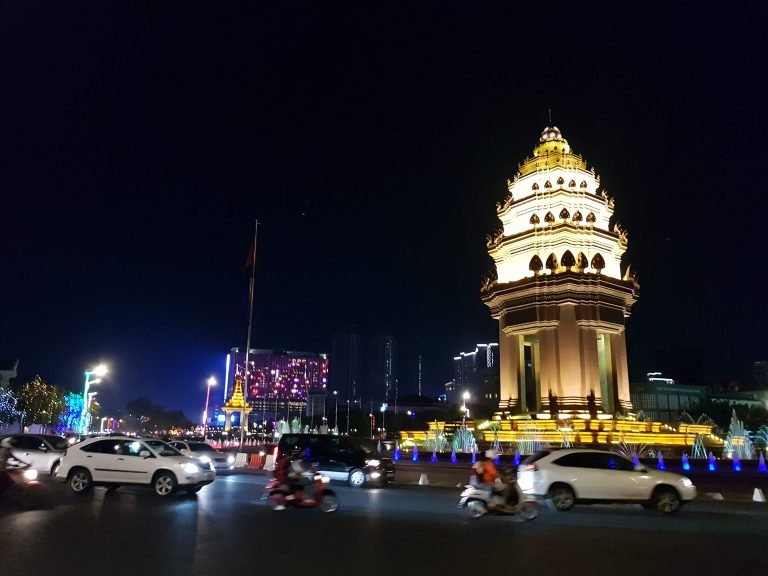
Getting Around Cambodia: Transport Options Explained
Getting around Cambodia is less about following a fixed system and more about choosing the right option for each part of your journey. The country offers a mix of local and long-distance transport, ranging from simple tuk-tuk rides in cities to buses, ferries, and flights connecting major destinations. Understanding how these options differ in terms of cost, comfort, and flexibility is what allows you to move efficiently without overpaying or wasting time.
For short distances within cities like Phnom Penh and Siem Reap, most travelers rely on tuk-tuks, known locally as remork or remorque, or moto taxis, often called motodops. These are the backbone of local transport and are widely available, inexpensive, and easy to use. Ride-hailing apps have added a layer of convenience, but traditional street pickups are still common.
For longer distances between cities, buses and minivans, sometimes referred to locally as lahn krong or lahn tom, are the most common choice. These connect all major destinations, including Phnom Penh, Siem Reap, Kampot, Battambang, and Sihanoukville. Shared taxis and private cars offer a faster and more direct alternative, especially for travelers who value flexibility or are traveling in small groups.
When heading toward Cambodia’s islands, boats and ferries, known locally as dtook, take over as the main transport option. These connect the mainland to Koh Rong and Koh Rong Samloem, with both fast speedboats and slower, more basic options available depending on your budget and comfort level.
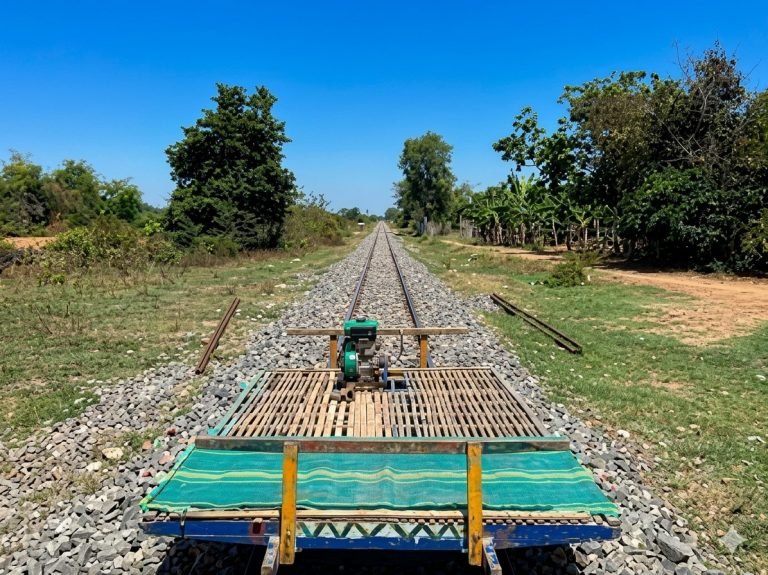
Cambodia also has a limited but gradually improving train network, called rot pleung, which connects Phnom Penh with places like Kampot and Battambang. While not the fastest option, trains can offer a more relaxed and scenic way to travel for certain routes. Domestic flights, referred to as yohn hawh, provide the fastest way to move between major hubs such as Phnom Penh, Siem Reap, and Sihanoukville, though they come at a higher cost compared to land transport.
Each of these transport options serves a different purpose. Tuk-tuks and motos are ideal for short city rides, buses and minivans are the most practical for intercity travel, ferries are essential for island access, and flights are best reserved for saving time on longer routes. Choosing the right combination depends on your budget, schedule, and travel style, which is exactly what the rest of this guide will help you navigate.
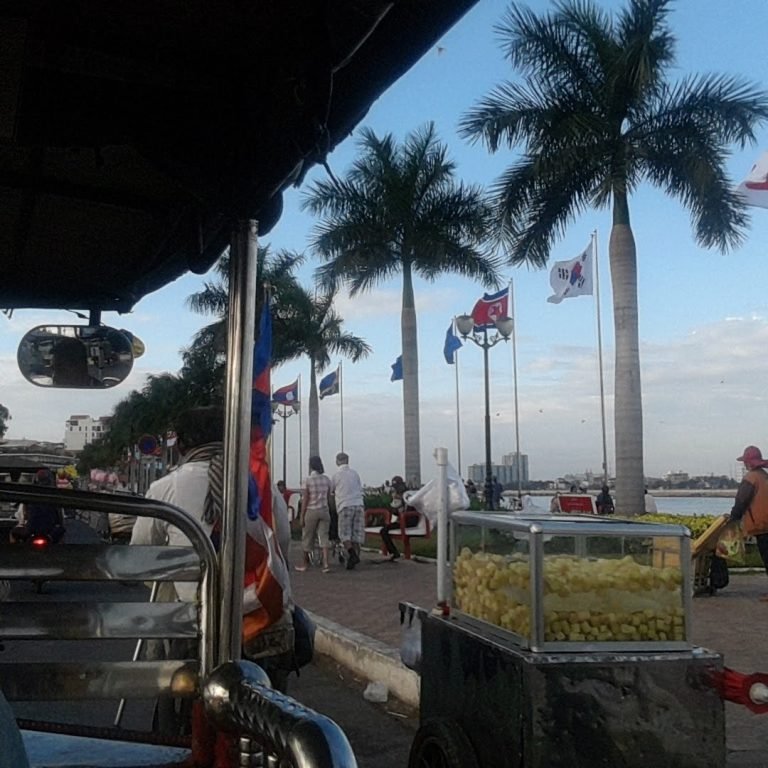
Tuk-Tuks, Motos, Grab and City Transport in Cambodia
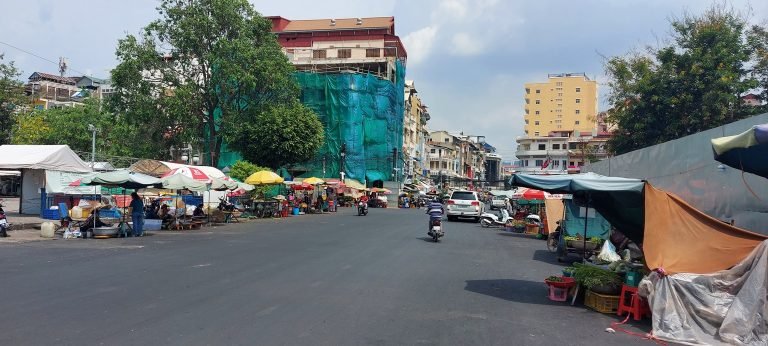
Getting around cities like Phnom Penh and Siem Reap is simple once you understand how local transport works. There is no metro system or large-scale public transport network, so most daily movement happens through informal but highly efficient options such as tuk-tuks, moto taxis, and ride-hailing apps. These options are cheap, widely available, and flexible, making them the easiest way to move around for most travelers.
The most common option is the tuk-tuk, known locally as a remork or remorque. These are motorbikes pulling a covered trailer with seating, and they are everywhere in tourist areas, markets, hotels, and major streets. Tuk-tuks are ideal for short to medium distances, especially if you are traveling with luggage, as a couple, or in a small group. In Phnom Penh, short rides typically cost between $1 and $3, while slightly longer trips across the city can range from $3 to $6 depending on distance and traffic. In Siem Reap, prices are often similar or slightly lower due to shorter distances.
For solo travelers, moto taxis, commonly referred to as motodops, are the fastest and cheapest way to get around. These are individual motorbike drivers who can navigate traffic quickly and take you directly to your destination. Short rides can cost as little as $1 to $2, making them the most budget-friendly option. However, they are less comfortable, not suitable for luggage, and require more confidence, especially in busy traffic conditions.
Ride-hailing apps like Grab and PassApp have become widely used in Cambodia, particularly in Phnom Penh. These apps allow you to book tuk-tuks, motos, or taxis with fixed prices shown upfront, which removes the need for negotiation. This is especially useful for first-time visitors who want a smoother and more predictable experience. Grab tends to be slightly more expensive than negotiating directly, but the difference is usually small and worth it for convenience.
If you prefer to take a tuk-tuk directly from the street, negotiation is part of the process. Drivers will often quote a higher price initially, especially in tourist areas. A good approach is to politely negotiate down to a fair rate, often around 50 to 70 percent of the first offer. Always agree on the price before getting in. For very short rides in central Phnom Penh or Siem Reap, anything above $3 is usually too high unless distances are longer or traffic is heavy.
Choosing between tuk-tuks, motos, and apps depends on your situation. Tuk-tuks are best for comfort, shade, and carrying bags. Motos are best if you are traveling alone and want the cheapest and fastest option. Apps like Grab and PassApp are ideal if you want fixed pricing and minimal hassle. In practice, most travelers end up using a combination of all three depending on the time of day, location, and distance.
Safety is something to keep in mind, especially in larger cities. Traffic in Cambodia can feel chaotic, with few strict rules being followed. If you take a moto, always wear a helmet, even for short rides. For tuk-tuks, choose drivers who appear professional and avoid accepting rides from overly aggressive solicitors. At night, using an app is generally the safest option, as it provides driver tracking and clear pricing.
Overall, city transport in Cambodia is one of the easiest parts of traveling in the country. It is inexpensive, widely available, and adaptable to different travel styles. Once you get used to the rhythm of tuk-tuks, motos, and apps, moving around becomes second nature and adds to the overall experience rather than complicating it.
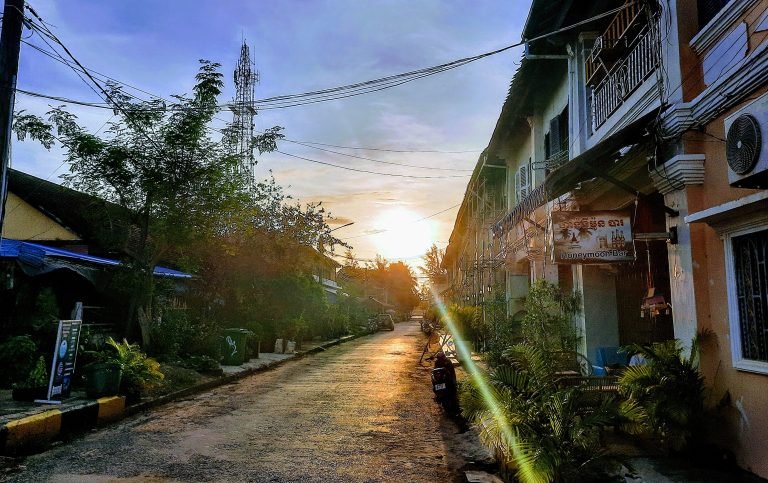
Buses and Minivans in Cambodia: Intercity Travel Explained
For traveling between cities in Cambodia, buses and minivans are the most widely used and practical options. They connect all major destinations, including Phnom Penh, Siem Reap, Kampot, Battambang, and Sihanoukville, and offer a balance between affordability and convenience. For most travelers, this is the default way to move around the country, especially if you are following a classic Cambodia itinerary.
The main difference between buses and minivans comes down to comfort, speed, and space. Large buses are generally more comfortable, with better seating, more legroom, and sometimes onboard toilets. Minivans are smaller and faster, but can feel cramped, especially if fully booked. They are often used on shorter routes or when speed is a priority, but may not be the best option if you are carrying luggage or prefer a more relaxed journey.
Several companies operate reliable routes across Cambodia. Well-known operators such as Giant Ibis and Vireak Buntham offer consistent service, air conditioning, and basic amenities like water, snacks, and WiFi on certain routes. These companies are generally considered safer and more comfortable than smaller local operators, making them a popular choice for travelers who value reliability.
One of the most common routes is Phnom Penh to Siem Reap, which takes around 6 hours by bus. Prices typically range from $17 to $25 depending on the company and level of comfort. Premium options, such as VIP seated buses, offer more space and additional amenities, while standard buses provide a more budget-friendly alternative. Overnight sleeper buses are also available on this route for around $20 to $21, allowing you to save on accommodation, although comfort can vary.
Traveling from Phnom Penh to Sihanoukville, the gateway to Cambodia’s islands, is faster thanks to improved roads. This journey usually takes between 3 and 4 hours, with ticket prices ranging from $16 to $18. Similarly, the Phnom Penh to Kampot route takes approximately 3 to 4 hours, with prices between $8 and $14 depending on whether you choose a minivan, standard bus, or larger coach.
Choosing the right option depends on your priorities. If comfort matters, larger buses with fewer passengers are the better choice. If you want to arrive faster and do not mind tighter seating, minivans can save time. Overnight sleeper buses are useful for long routes, but they are not always ideal for light sleepers or travelers who prefer more space.
Booking is straightforward. Tickets can be purchased online through company websites or local travel agencies, or directly at bus stations. Booking in advance is recommended during peak travel periods, especially for popular routes like Phnom Penh to Siem Reap. In most cases, tickets include a fixed seat, and departures are generally on time, although delays can happen due to traffic or road conditions.
Overall, buses and minivans offer one of the best ways to get around Cambodia. They are affordable, cover all major routes, and provide enough comfort for most travelers. Understanding the differences between operators and vehicle types helps you choose the option that fits your travel style, whether you are prioritizing cost, comfort, or speed.
Shared Taxis and Private Cars in Cambodia
Shared taxis and private cars are one of the most common but often overlooked ways of getting around Cambodia. While buses and minivans dominate the tourist space, shared taxis are widely used by locals and can be a faster and more flexible alternative for traveling between cities. If you are looking to reduce travel time or avoid crowded buses, this option is worth considering.
A shared taxi typically operates as a regular car that carries multiple passengers along a fixed route. Instead of booking the entire vehicle, you pay for a seat, and the driver fills the car with other travelers heading in the same direction. This is very common on routes such as Phnom Penh to Siem Reap, Phnom Penh to Kampot, and Phnom Penh to Sihanoukville. Because these cars make fewer stops than buses, they often reach their destination faster.
Prices for shared taxis usually range between $10 and $15 per person depending on the route and level of demand. For example, a shared taxi from Phnom Penh to Siem Reap may cost around $12 to $15, while shorter routes such as Phnom Penh to Kampot can be closer to $10 to $12. If you prefer more comfort or privacy, you can book the entire car for yourself, which typically costs between $40 and $70 depending on distance, vehicle type, and negotiation.
One of the biggest advantages of shared taxis is speed. Without frequent stops to pick up or drop off passengers, they can often complete journeys more quickly than buses or minivans. They also offer a more direct experience, with less waiting time before departure. This makes them a good option if you are on a tighter schedule or prefer a more streamlined journey between destinations.
However, comfort can vary. Shared taxis are often filled to capacity, which can mean limited personal space, especially on longer journeys. In some cases, vehicles may carry more passengers than expected, including occasional extra seating arrangements. While this is part of the local travel culture, it may not be ideal if you are looking for a more relaxed or spacious experience.
Private cars provide a more comfortable alternative. Booking a private car allows you to travel at your own pace, stop when needed, and avoid crowded conditions. This is particularly useful for small groups, families, or travelers with luggage. When the cost is shared between multiple people, a private car can be surprisingly good value compared to buying multiple bus or minivan tickets.
Choosing between shared taxis, private cars, and buses depends on your priorities. If you want the cheapest option, buses remain the best choice. If you want a balance between speed and cost, shared taxis are a strong alternative. If comfort, flexibility, and convenience matter most, private cars are the best option, especially for longer journeys or more customized travel plans.
Overall, shared taxis and private cars add an extra layer of flexibility to traveling in Cambodia. They are not always the most obvious choice, but in the right situation, they can significantly improve your travel experience by saving time and offering a more direct route between destinations.
Shared Taxis and Private Cars in Cambodia
Shared taxis and private cars are one of the most common but often overlooked ways of getting around Cambodia. While buses and minivans dominate the tourist space, shared taxis are widely used by locals and can be a faster and more flexible alternative for traveling between cities. If you are looking to reduce travel time or avoid crowded buses, this option is worth considering.
A shared taxi typically operates as a regular car that carries multiple passengers along a fixed route. Instead of booking the entire vehicle, you pay for a seat, and the driver fills the car with other travelers heading in the same direction. This is very common on routes such as Phnom Penh to Siem Reap, Phnom Penh to Kampot, and Phnom Penh to Sihanoukville. Because these cars make fewer stops than buses, they often reach their destination faster.
Prices for shared taxis usually range between $10 and $15 per person depending on the route and level of demand. For example, a shared taxi from Phnom Penh to Siem Reap may cost around $12 to $15, while shorter routes such as Phnom Penh to Kampot can be closer to $10 to $12. If you prefer more comfort or privacy, you can book the entire car for yourself, which typically costs between $40 and $70 depending on distance, vehicle type, and negotiation.
One of the biggest advantages of shared taxis is speed. Without frequent stops to pick up or drop off passengers, they can often complete journeys more quickly than buses or minivans. They also offer a more direct experience, with less waiting time before departure. This makes them a good option if you are on a tighter schedule or prefer a more streamlined journey between destinations.
However, comfort can vary. Shared taxis are often filled to capacity, which can mean limited personal space, especially on longer journeys. In some cases, vehicles may carry more passengers than expected, including occasional extra seating arrangements. While this is part of the local travel culture, it may not be ideal if you are looking for a more relaxed or spacious experience.
Private cars provide a more comfortable alternative. Booking a private car allows you to travel at your own pace, stop when needed, and avoid crowded conditions. This is particularly useful for small groups, families, or travelers with luggage. When the cost is shared between multiple people, a private car can be surprisingly good value compared to buying multiple bus or minivan tickets.
Choosing between shared taxis, private cars, and buses depends on your priorities. If you want the cheapest option, buses remain the best choice. If you want a balance between speed and cost, shared taxis are a strong alternative. If comfort, flexibility, and convenience matter most, private cars are the best option, especially for longer journeys or more customized travel plans.
Overall, shared taxis and private cars add an extra layer of flexibility to traveling in Cambodia. They are not always the most obvious choice, but in the right situation, they can significantly improve your travel experience by saving time and offering a more direct route between destinations.

Ferries and Boats in Cambodia: Getting to the Islands
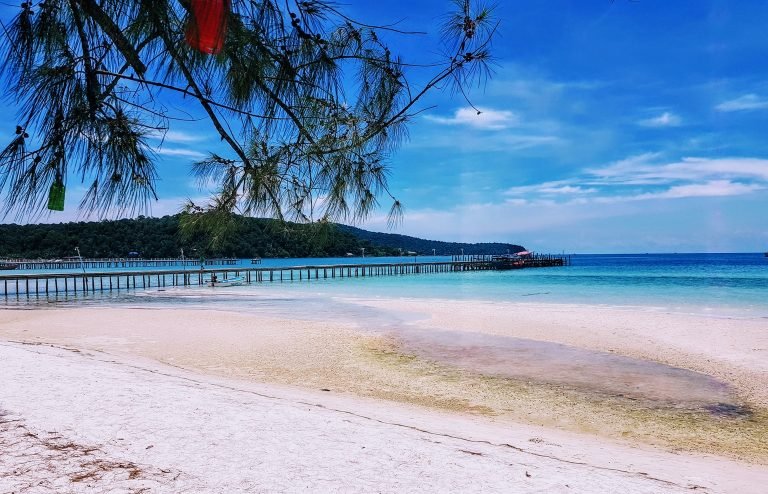
If you are heading to Cambodia’s islands, ferries and boats become an essential part of your journey. The main departure point is Sihanoukville, which acts as the gateway to Koh Rong and Koh Rong Samloem. From there, multiple daily departures connect the mainland to the islands, making it relatively easy to plan your transfer once you arrive at the coast.
The most common option is the speed ferry, operated by companies such as Buva Sea and GTVC Speedboat Cambodia. These boats typically take between 30 and 60 minutes depending on the destination and sea conditions. Ticket prices are usually around $17 one way, with return tickets sometimes offered at a small discount. Speed ferries are the most popular choice because they are fast, relatively comfortable, and run frequently throughout the day.
Most ferries depart from the Sihanoukville Autonomous Port or nearby piers and arrive at different points on the islands, such as Koh Touch or Long Set Beach on Koh Rong, and various piers on Koh Rong Samloem. It is important to check your exact drop-off point when booking, as it can affect how close you are to your accommodation.
For budget travelers or those looking for a more local experience, there is also a slower supply boat option, sometimes referred to as the “yellow boat.” This boat typically departs once per day in the afternoon and takes around 2 hours to reach Koh Rong. Tickets cost approximately $5, making it the cheapest way to reach the islands. However, comfort is basic, and the journey involves multiple stops to drop off goods and passengers along the way.
Choosing between a speed ferry and the slower boat depends on your priorities. If you want to arrive quickly and comfortably, speed ferries are the best option. If you are traveling on a tight budget and do not mind a longer, less predictable journey, the slow boat can be an interesting alternative.
Sea conditions can affect travel times, especially during the rainy season, when waters can be rough. It is generally recommended to choose morning or early afternoon departures when conditions are calmer. Booking tickets in advance is advisable during peak travel periods, although same-day tickets are often available outside of high season.
Overall, ferry travel in Cambodia is straightforward and well-organized, especially on the main tourist routes. Once you understand the difference between speed ferries and slower boats, planning your trip to the islands becomes a simple and smooth part of your overall itinerary.
Trains in Cambodia: Routes, Prices and What to Expect
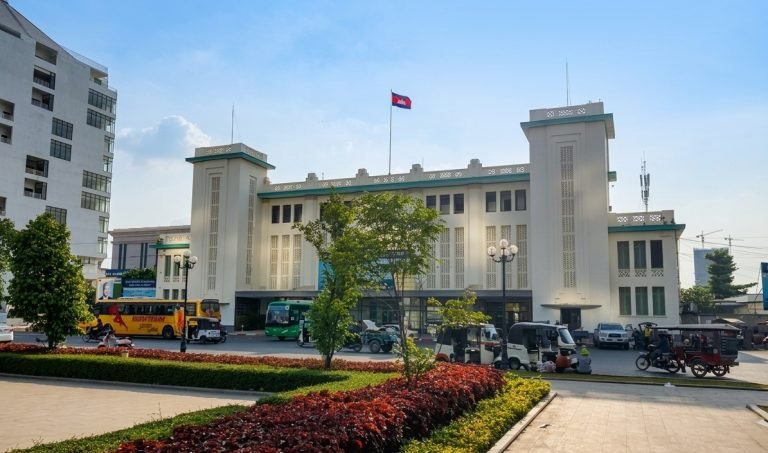
Train travel in Cambodia is limited but slowly improving, offering a different way to move between certain parts of the country. While it is not the fastest or most widely used transport option, it can be a good choice if you prefer a more relaxed journey and want to experience Cambodia at a slower pace. The rail network, known locally as rot pleung, connects Phnom Penh with a small number of destinations, mainly along the southern and western lines.
The most commonly used train routes include Phnom Penh to Kampot and Phnom Penh to Battambang. The Phnom Penh to Kampot route takes around 3.5 to 4 hours, with ticket prices starting from approximately $9. The Phnom Penh to Battambang route is longer, taking between 5.5 and 7 hours, with fares starting from around $8. These routes are operated by Royal Railway Cambodia and run on a limited schedule, often with only one departure per day.
Compared to buses or shared taxis, trains are slower but offer a more spacious and comfortable environment. Seats are generally larger, there is more room to move around, and the journey feels less rushed. For travelers who prefer to avoid crowded roads or want a quieter experience, trains can be a pleasant alternative, especially on shorter routes like Phnom Penh to Kampot.
However, there are some limitations to consider. The rail network does not cover all major destinations, and schedules are not as frequent or flexible as buses. Travel times are also longer, which makes trains less practical if you are on a tight itinerary. For example, while you can take a train to Battambang, many travelers still prefer buses or shared taxis for faster travel.
Train travel in Cambodia works best as a complementary option rather than a primary one. It is ideal for specific routes where you want a more relaxed experience or where the journey itself is part of the trip. For most long-distance travel, buses and minivans remain the more efficient choice, but trains offer a different perspective that can add variety to your itinerary.
Overall, while Cambodia’s railway system is still developing, it provides a unique and comfortable way to travel between certain destinations. If your schedule allows for a slower pace, taking the train can be a worthwhile addition to your journey.

Domestic Flights in Cambodia: When It Makes Sense to Fly
Domestic flights in Cambodia offer the fastest way to travel between major destinations, but they are not always the most practical or cost-effective option. While the country does have a small aviation network, most routes are short and already well-served by buses and private transport. That means flights are best reserved for specific situations where saving time is more important than saving money.
The main domestic flight routes connect Phnom Penh, Siem Reap, and Sihanoukville. These are operated primarily by Air Cambodia, the national carrier, along with budget options such as AirAsia Cambodia. Flights between Phnom Penh and Siem Reap are the most frequent, with a flight time of approximately 50 to 60 minutes. :contentReference[oaicite:0]{index=0}
Prices for domestic flights vary significantly depending on demand, timing, and how far in advance you book. A typical one-way flight between Phnom Penh and Siem Reap starts around $100 to $130 for a direct route, but can increase to $200 or more during peak periods or last-minute bookings. :contentReference[oaicite:1]{index=1} Flights to Sihanoukville are generally more expensive due to fewer direct options and sometimes require connections, which can push prices even higher.
In terms of convenience, flying is clearly the fastest option, but the overall time saved is not always as significant as it seems. Once you factor in airport transfers, check-in time, and security procedures, the difference between a one-hour flight and a six-hour bus journey becomes less dramatic, especially on shorter routes like Phnom Penh to Siem Reap.
Flights make the most sense in a few specific situations. If you are on a tight schedule and want to minimize travel time, flying can help you fit more into your itinerary. It can also be useful if you prefer to avoid long road journeys or are traveling during the hottest part of the year. However, for most travelers, buses, minivans, or private cars remain the more economical and practical choice for getting around Cambodia.
If you are comparing flight options or planning your route in advance, this cheap flights guide can help you find the best deals and decide whether flying fits your travel style and budget.
Overall, domestic flights in Cambodia are best seen as a convenience option rather than a necessity. They are fast and reliable, but in most cases, the country’s road network offers a more cost-effective and flexible way to travel between destinations.

Renting Motorbikes and Bicycles in Cambodia
Renting a motorbike or bicycle is one of the most flexible ways to explore parts of Cambodia, especially if you prefer independence and want to move at your own pace. While not suitable for every destination, it can be an excellent option in places like Siem Reap, Kampot, and certain coastal or island areas where distances are manageable and traffic is less intense than in Phnom Penh.
Bicycles are the simplest and most budget-friendly option. Rental prices typically range from $1 to $3 per day, making them ideal for short distances or relaxed exploration. In Siem Reap, many travelers use bicycles to visit the Angkor temple complex, especially if they want a slower, more immersive experience. The terrain is mostly flat, and the roads around the temples are generally suitable for cycling, although distances between temples can be longer than expected.
Motorbikes, often referred to as scooters, offer more speed and convenience. Rental prices usually range from $5 to $10 per day depending on the type of bike and rental location. This makes them a popular choice in areas like Kampot, where exploring the surrounding countryside, pepper farms, and coastal roads is much easier with your own transport. On the islands, motorbikes are sometimes available, but conditions can vary depending on terrain and infrastructure.
Choosing whether to rent depends largely on where you are. In Phnom Penh, renting a motorbike is generally not recommended for most travelers due to heavy traffic, unpredictable driving behavior, and the overall intensity of the roads. In contrast, in smaller towns and rural areas, riding can be much more manageable and enjoyable, especially if you have previous experience driving in Southeast Asia.
There are also important safety considerations. Traffic in Cambodia can feel chaotic, with limited enforcement of road rules. Wearing a helmet is essential, even for short rides. Police checks do occur, and while enforcement varies, it is technically required to have a valid driving license that covers motorbike use. Insurance is another factor to keep in mind, as many travel insurance policies do not cover motorbike accidents unless you meet specific requirements.
From a practical perspective, renting can save money if you plan to visit multiple places in one day, especially compared to hiring tuk-tuks for every trip. However, it also comes with responsibility and risk. If you are not confident riding a motorbike, sticking with tuk-tuks or private transport is usually the better choice.
Overall, motorbikes and bicycles can add a lot of freedom to your trip when used in the right locations. They are best suited for slower destinations where you can explore comfortably, rather than busy cities where traffic conditions make riding more challenging.
Travel Times and Route Planning in Cambodia
Planning your route in Cambodia is just as important as choosing how you get around. While the country may look compact on a map, travel times can be longer than expected due to road conditions, traffic, and the type of transport you choose. Understanding how long journeys actually take helps you build a realistic itinerary and avoid exhausting travel days.
Some of the most common travel routes are relatively straightforward. The journey between Phnom Penh and Siem Reap takes around 6 hours by bus or car, making it one of the longest but most frequently traveled routes in the country. Traveling from Phnom Penh to Kampot or Sihanoukville is much shorter, usually taking between 3 and 4 hours depending on traffic and your chosen transport. Routes to Battambang are similar in length to Siem Reap but can vary depending on the vehicle and number of stops.
One of the most important things to keep in mind when planning your route is to avoid overloading your itinerary. It is tempting to move quickly between destinations, but frequent travel days can take away from the overall experience. Cambodia is best enjoyed at a slower pace, allowing time to explore each location properly rather than constantly being in transit.
A practical way to structure your trip is to follow a logical north-to-south or south-to-north route. Many travelers start in Phnom Penh, head north to Siem Reap and possibly Battambang, then return south toward Kampot and the coast before continuing to the islands. This approach minimizes backtracking and keeps travel days efficient.
It is also worth considering how different transport options affect your schedule. Buses and shared taxis may take longer but offer more flexibility and lower costs, while flights can reduce travel time at a higher price. Ferries to the islands depend on fixed departure times, which means you may need to plan your arrival in Sihanoukville accordingly.
If you are unsure how to structure your journey, this Cambodia itinerary guide shows how to connect the main destinations into a smooth and well-paced route. Combining this with realistic travel times allows you to build a trip that feels balanced rather than rushed.
Overall, route planning in Cambodia is about finding the right balance between movement and experience. With a clear understanding of distances and travel times, it becomes much easier to create an itinerary that flows naturally and makes the most of your time in the country.
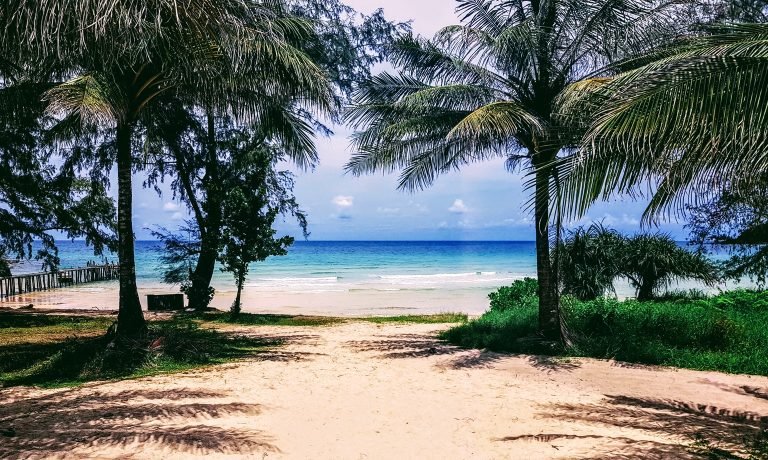
Cost of Transportation in Cambodia
Transportation in Cambodia is generally very affordable, and for most travelers, it makes up only a small part of the total daily budget. Whether you are taking short rides within cities or traveling between major destinations, costs remain relatively low compared to many other countries in Southeast Asia. That said, how much you spend on transport depends on your travel style, how often you move, and the type of transport you choose.
For local transport within cities like Phnom Penh and Siem Reap, costs are minimal. Short tuk-tuk rides usually range from $1 to $3, while longer trips across the city can reach $4 to $6. Moto taxis are even cheaper, often costing around $1 to $2 for short distances. If you use apps like Grab or PassApp, prices are slightly higher but fixed, which can be useful if you prefer convenience over negotiation.
For intercity travel, buses and minivans offer excellent value. Most routes between major destinations cost between $8 and $25, depending on the company and level of comfort. For example, traveling between Phnom Penh and Siem Reap typically falls within this range, while shorter routes such as Phnom Penh to Kampot are often on the lower end. Shared taxis usually cost slightly more per person, around $10 to $15, but offer faster travel times and fewer stops.
Ferries to the islands are also reasonably priced. Speedboats from Sihanoukville to Koh Rong or Koh Rong Samloem usually cost around $17 one way, while slower supply boats can be as cheap as $5. These costs are fixed and easy to plan for, especially if you are including island time in your itinerary.
Domestic flights represent the highest transport cost in Cambodia. A one-way flight between Phnom Penh and Siem Reap typically starts around $100 to $130 and can increase significantly depending on demand and timing. While flights save time, they are not essential for most routes and are usually only chosen by travelers with limited time or a preference for convenience.
When you combine all of these options, a typical daily transport budget remains low. Budget travelers often spend around $3 to $8 per day on transport by relying on tuk-tuks, motos, and occasional buses. Mid-range travelers who prioritize comfort or use private cars and flights more frequently may spend between $10 and $25 per day depending on how often they move between destinations.
Transport costs also depend on how frequently you change locations. Staying longer in each destination reduces overall transport spending, while moving every day increases it. This is why route planning plays such an important role in managing your budget.
If you want a complete breakdown of how transportation fits into your overall expenses, this Cambodia travel cost guide covers daily budgets, accommodation, food, and activities in more detail.
Overall, transportation in Cambodia is one of the easiest parts of your budget to manage. With a bit of planning and the right choices, you can travel extensively across the country without significantly increasing your daily expenses.

Safety Tips for Getting Around Cambodia
Getting around Cambodia is generally safe and straightforward, especially in well-traveled areas like Phnom Penh, Siem Reap, Kampot, and the coastal regions. However, transport-related risks are one of the most important things to be aware of during your trip. With the right precautions and awareness, most issues can be easily avoided.
The biggest safety concern in Cambodia is road traffic. Driving conditions can feel chaotic, with limited adherence to traffic rules and a mix of cars, motorbikes, tuk-tuks, and pedestrians sharing the same space. Whether you are walking, riding, or sitting in a tuk-tuk, it is important to stay alert and assume that traffic may not behave predictably. If you choose to ride a moto, always wear a helmet, even for short distances.
For city transport, using apps like Grab or href="https://www.passapptaxis.com/" target="_blank" rel="noopener">PassApp is often the safest and easiest option. Prices are fixed, routes are tracked, and you avoid the need to negotiate, especially at night. If you take a tuk-tuk from the street, always agree on the price before starting your ride to avoid misunderstandings.
Petty crime is something to be aware of, particularly in busy urban areas. Bag and phone snatching by passing motorbikes can happen, especially in parts of Phnom Penh and tourist-heavy zones in Siem Reap. Keep your belongings close, avoid holding your phone near the road, and carry bags on the side away from traffic. If something is taken, it is always safer to let it go rather than resist.
Scams are generally minor but still worth noting. These can include inflated tuk-tuk prices, unnecessary detours, or overly friendly strangers offering unsolicited help or tours. Staying polite but cautious and confirming prices upfront will prevent most situations. When exchanging money or receiving change, take a moment to check amounts carefully.
Health and hygiene also play a role in safe travel. Stick to bottled or properly filtered water, and choose busy restaurants or food courts where turnover is high. Mosquito protection is important, particularly in rural areas. For peace of mind, having proper coverage is essential, especially as medical facilities outside major cities are limited. This travel insurance guide explains what to look for, including coverage for accidents and medical evacuation.
For longer journeys, choosing reputable transport companies adds an extra layer of safety. Well-established bus operators and organized ferry services are generally more reliable than smaller, less regulated alternatives. Night travel is common, but if comfort or safety is a concern, daytime departures are usually the better choice.
In more remote areas, it is important to stay on marked paths and avoid wandering into unmarked countryside, as unexploded ordnance still exists in certain regions. Travelers should also avoid border areas near Thailand where tensions can occasionally occur.
Overall, Cambodia is a welcoming and safe destination when approached with basic awareness and common sense. By choosing reliable transport, staying alert in busy areas, and planning ahead, getting around the country becomes a smooth and secure part of your travel experience.
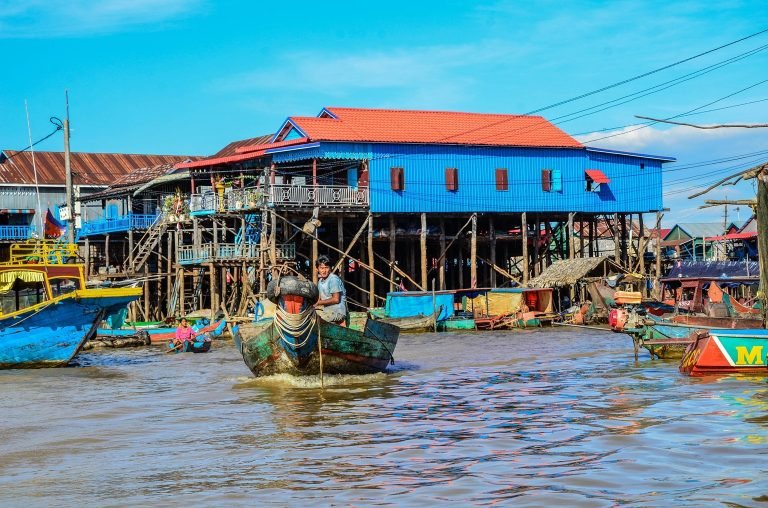
Apps and Tools You Should Use for Getting Around Cambodia
Using the right apps can make getting around Cambodia significantly easier, especially if it is your first time visiting the country. While transport is generally straightforward, having access to navigation, ride-hailing, and booking tools removes a lot of uncertainty and helps you move around more efficiently.
For local transport within cities, ride-hailing apps are the most useful tools. Grab and PassApp allow you to book tuk-tuks, motos, and taxis with fixed pricing. This avoids the need to negotiate fares and gives you a clear idea of cost before you start your journey. Both apps are widely used in Phnom Penh and increasingly available in other tourist areas, making them one of the easiest ways to get around safely and predictably.
For navigation, Google Maps works well across Cambodia and is essential for planning routes, estimating travel times, and finding locations. One of the most useful features is the ability to download offline maps, which allows you to navigate even without a mobile connection. This is particularly helpful when traveling between cities or exploring rural areas where coverage may be less reliable.
When booking buses, ferries, or other long-distance transport, online platforms and company websites can simplify the process. While many tickets can still be purchased locally, booking in advance gives you more control over departure times and seat selection, especially during busy travel periods. It also helps avoid last-minute stress when moving between destinations.
All of these tools depend on having a reliable internet connection. While local SIM cards are inexpensive and widely available, many travelers now prefer using an eSIM for convenience, especially when arriving in the country. If you want to understand the differences between providers, pricing, and coverage, this SIM card and connectivity guide for Cambodia helps you choose the right setup for your trip. This international eSIM guide explains how to stay connected from the moment you arrive, making it easier to use navigation, booking platforms, and ride-hailing apps without interruption.
In practice, combining these tools creates a smooth travel experience. Ride-hailing apps handle short distances, Google Maps keeps you oriented, and booking platforms take care of longer journeys. Together, they remove much of the guesswork and allow you to focus on enjoying your trip rather than figuring out logistics.
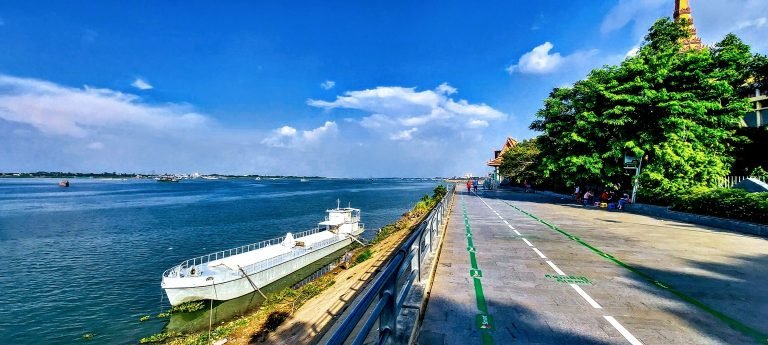
Useful Khmer Phrases for Getting Around Cambodia
You do not need to speak Khmer to travel around Cambodia, but knowing a few simple phrases can make everyday transport easier and more enjoyable. They can help when using tuk-tuks, motos, shared taxis, or even when giving directions on the road. Even if your pronunciation is not perfect, most drivers will understand what you mean, especially if you keep it simple and speak slowly.
One useful word to remember is Som, which means please. Adding it to a phrase makes you sound more polite, which is always appreciated.
| English | Khmer (Phonetic) | Khmer Script |
|---|---|---|
| Turn left | Baht chveng | បត់ឆ្វេង |
| Turn right | Baht sdam | បត់ស្តាំ |
| Go straight | Tov trawng | ទៅត្រង់ |
| Please go straight | Som tov trawng | សូមទៅត្រង់ |
| Please take a left | Som baht chveng | សូមបត់ឆ្វេង |
| Please take a right | Som baht sdam | សូមបត់ស្តាំ |
| Please stop here | Som chhop ti nih | សូមឈប់ទីនេះ |
| How much? | Thlai ponmann? | ថ្លៃប៉ុន្មាន? |
| I want to go to… | Knhom jong tov… | ខ្ញុំចង់ទៅ... |
| Where is…? | Noev ai nah? | នៅណា? |
| Thank you | Orkun | អរគុណ |
| Please | Som | សូម |
In practice, even just saying “Som chhop ti nih” when you want to get out, or “Thlai ponmann?” before agreeing on a ride, can make a real difference. These phrases are especially useful if you are taking tuk-tuks outside of apps, using moto taxis, or traveling in places where English is less common.

Practical Tips for Getting Around Cambodia
Getting around Cambodia is generally straightforward, but a few practical habits can make a big difference in terms of cost, comfort, and overall travel experience. Transport here is flexible rather than structured, which means small decisions, like how you book a ride or when you travel, can have a noticeable impact on your trip. For a broader understanding of how these decisions shape your experience across the country, these practical travel tips for Cambodia help connect transport with the realities of traveling on the ground.
When using tuk-tuks or moto taxis, always agree on the price before starting your ride if you are not using an app. Negotiation is normal, especially in tourist areas, and initial prices are often higher than what locals would pay. For short distances in cities like Phnom Penh, a fair price usually falls between $1 and $3. Using Grab or PassApp removes the need for negotiation entirely and is often the easiest and most reliable option, particularly at night or if you are unfamiliar with local pricing.
Choosing the right type of transport for each situation is key. Tuk-tuks are ideal for comfort and carrying luggage, while motos are better suited for solo travelers who want the fastest and cheapest way to move through traffic. For longer journeys between cities, buses and minivans are the most practical choice, offering a strong balance between cost and convenience. Shared taxis are faster but less predictable, while private cars offer the most flexibility, especially if you are traveling as a group.
Timing your travel also matters more than many travelers expect. Traffic in Phnom Penh can significantly increase travel times during peak hours, especially in the morning and late afternoon. For longer journeys, early departures are usually more reliable and comfortable, particularly when traveling by bus or ferry. If you are heading to the islands, planning your arrival in Sihanoukville around ferry departure times can help you avoid unnecessary waiting.
If you are renting a motorbike, be realistic about your experience level. Roads can be unpredictable, and driving conditions are very different from those in most Western countries. Helmets are essential, and it is important to understand that many travel insurance policies only cover motorbike accidents under specific conditions. If you are unsure, sticking with tuk-tuks or private transport is often the safer choice.
For long-distance travel, choosing reputable companies can improve both comfort and safety. Booking tickets in advance helps secure better seats and preferred departure times, especially on popular routes like Phnom Penh to Siem Reap. While last-minute tickets are often available, planning ahead reduces stress and gives you more control over your schedule.
Finally, staying flexible is one of the most valuable approaches to transport in Cambodia. Delays can happen due to traffic, weather, or road conditions, and schedules are not always precise. Allowing extra time between connections and avoiding overly tight itineraries will make your trip far more enjoyable.
With the right approach, getting around Cambodia becomes part of the experience rather than a challenge. A mix of planning, flexibility, and local awareness will help you move through the country smoothly while keeping costs low and stress to a minimum.
Final Thoughts on Getting Around Cambodia
Getting around Cambodia is far simpler than it may seem at first. Once you understand the different transport options, from tuk-tuks and buses to ferries and occasional flights, moving between destinations becomes a smooth and manageable part of your trip. The key is not finding transport, but choosing the right option for each stage of your journey based on your budget, time, and travel style.
One of the strengths of traveling in Cambodia is how well everything connects. You can move from the temples of Siem Reap’s main attractions and plan your visit using this Angkor temple planning guide, then head to the capital to experience the energy of Phnom Penh’s cultural and historical highlights or organize your time with this Phnom Penh day-by-day itinerary. Each destination offers a different pace, and the transport network allows you to transition between them without unnecessary complexity.
Beyond the main cities, Cambodia becomes even more rewarding when you include a mix of slower and less tourist-heavy destinations. Exploring Battambang’s countryside and local experiences adds depth to your route, while Kampot’s riverside and surrounding landscapes offer a more relaxed atmosphere. For a completely different and more remote experience, heading east into the highlands through this Mondulkiri and Ratanakiri travel guide introduces a side of Cambodia defined by jungle landscapes, waterfalls, and indigenous culture. From there, continuing toward Sihanoukville as the coastal transport hub makes it easy to reach the islands using this Koh Rong and Koh Rong Samloem island guide, where the pace shifts again toward beaches and island life.
To bring everything together into a smooth journey, it helps to start with a broader overview. This complete Cambodia travel guide connects all major destinations, while this Cambodia route planning guide shows how to structure your trip logically without backtracking. Before you start moving between regions, it is also worth understanding the Cambodia visa process and entry rules so you can arrive and travel without unnecessary interruptions. If you are still deciding how to reach the country in the first place, this overview of flight options and entry routes into Cambodia helps you choose the most efficient way to begin your trip. As you move between destinations, you will also encounter a wide range of regional dishes and everyday Cambodian meals, which naturally become part of the overall travel experience. If you are still unsure about safety while moving between destinations, this Cambodia travel safety guide explains what to expect and how to travel confidently across the country. Aligning your plans with the best season for traveling Cambodia will also help you move between regions more comfortably.
Transport also plays a direct role in your overall budget. While most options are affordable, costs can vary depending on how often you move and the level of comfort you choose. This Cambodia budget breakdown guide explains how transportation fits into your daily spending and how to keep your trip balanced without cutting corners.
In the end, getting around Cambodia is not something that should limit your trip. With a mix of planning, flexibility, and the right transport choices, you can move easily between destinations and experience the full variety the country has to offer. Once you settle into the rhythm of travel here, transport becomes part of the journey rather than something to worry about.

Frequently Asked Questions About Getting Around Cambodia
-
What is the best way to get around Cambodia?
The best way to get around Cambodia depends on distance and travel style. For short distances in cities like Phnom Penh and Siem Reap, tuk-tuks and ride-hailing apps are the most practical. For longer routes between destinations, buses and minivans offer the best balance of cost and convenience, while shared taxis are faster but less comfortable. Ferries are essential for reaching the islands, and domestic flights are useful if you want to save time. -
Is Grab available in Cambodia?
Yes, Grab is widely available in Cambodia, especially in Phnom Penh and Siem Reap. It allows you to book tuk-tuks, motos, and taxis with fixed prices, making it one of the easiest and safest ways to get around. PassApp is another popular local alternative that works in a similar way. -
How much does transport cost in Cambodia?
Transport in Cambodia is very affordable. Short tuk-tuk rides usually cost $1 to $3, while longer city rides can reach $4 to $6. Buses between cities typically range from $8 to $25, and ferries to islands like Koh Rong cost around $17 one way. Domestic flights are the most expensive option, starting from around $100+. For a full breakdown, see this Cambodia travel cost guide. -
How do you travel from Phnom Penh to Siem Reap?
The most common way to travel from Phnom Penh to Siem Reap is by bus or minivan, which takes around 6 hours and costs between $17 and $25. Shared taxis are slightly faster but less comfortable, while flights take about 1 hour but are significantly more expensive. -
Is it safe to travel around Cambodia?
Yes, Cambodia is generally safe for travelers, but it is important to stay aware of road conditions and petty crime. Traffic can be chaotic, so using trusted transport options and wearing a helmet on motos is important. In cities, be cautious of bag or phone snatching. Using apps and reputable transport companies helps reduce risks. -
Should I use tuk-tuks or taxis in Cambodia?
Tuk-tuks are the most common and practical option for getting around cities. They are cheap, widely available, and flexible. Taxis and private cars are more comfortable and better for longer distances or airport transfers, but they are more expensive. For most travelers, tuk-tuks are the default choice. -
Can you rent a motorbike in Cambodia?
Yes, motorbikes are widely available for rent, usually costing $5 to $10 per day. They are a great option in places like Kampot or Siem Reap, but not recommended in Phnom Penh due to heavy traffic. Always wear a helmet and check your insurance coverage before renting. -
How do you get to Koh Rong and Koh Rong Samloem?
To reach Koh Rong or Koh Rong Samloem, you first travel to Sihanoukville, then take a ferry or speedboat. Most ferries take between 30 and 60 minutes and cost around $17. For detailed planning, see this island transport and travel guide. -
Is public transport good in Cambodia?
Cambodia does not have a traditional public transport system like metros or city buses in most countries. Instead, transport is based on tuk-tuks, motos, and private vehicles. For intercity travel, buses and minivans function as the main transport network and are generally reliable and easy to use. -
How do you plan a travel route in Cambodia?
The easiest way to plan a route is to follow a logical path between major destinations such as Phnom Penh, Siem Reap, Kampot, and the islands. Avoid backtracking and allow enough time between stops. This Cambodia itinerary guide shows how to structure your trip efficiently.
Travel Resources to Plan, Book & Stay Connected
Use these tools and guides to stay connected abroad, find inspiration for your next trip, and book your flights, stays and gear with confidence.
Disclosure: This article may contain affiliate links. If you make a purchase through a link, I may receive a commission at no extra cost to you. I only share recommendations I believe are genuinely useful, and all opinions are my own. AI was used in this post for research and drafting purposes.

Comment (0)