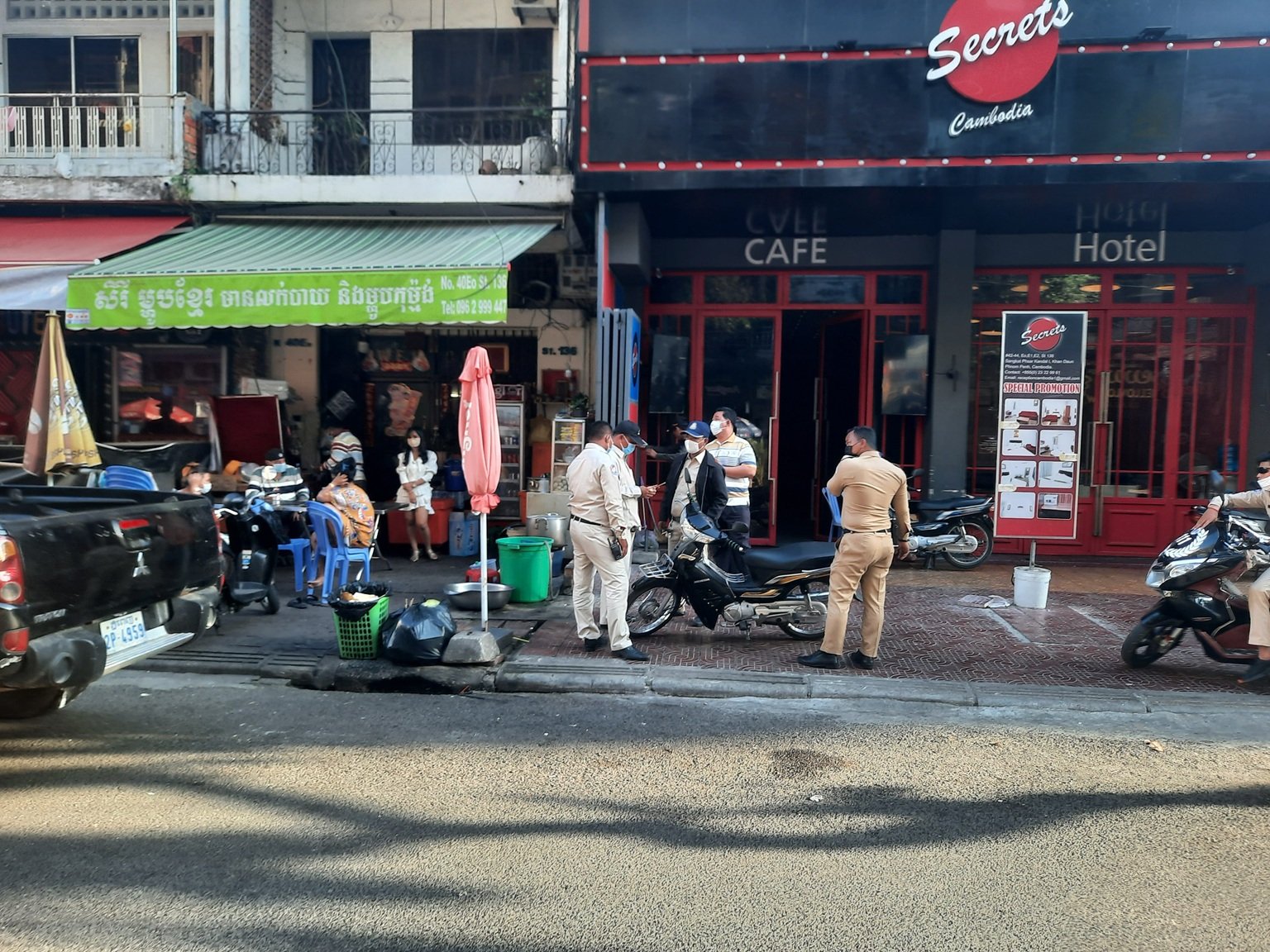
Is Cambodia Safe? What You Need to Know Before You Visit
Cambodia is generally safe for most travelers, including solo visitors, couples, and families. Popular destinations like Phnom Penh, Siem Reap, and the islands are well-traveled, welcoming, and easy to navigate with basic precautions.
That said, Cambodia is not risk-free. The most common concerns for travelers are petty theft, road safety, scams, and understanding which areas to avoid. The good news is that these risks are manageable once you know what to expect.
This guide breaks down everything you need to know to travel Cambodia safely and confidently.
- Whether Cambodia is safe to visit right now
- What official travel advisories actually mean for your trip
- The most common risks travelers face in Cambodia
- How safe Cambodia is for tourists, solo travelers, and families
- Areas and situations where you should be more careful
- Practical safety tips to avoid problems during your trip
If you are still planning your trip, start with this Cambodia travel guide for a full overview, or explore specific destinations like Battambang, Kampot, and Koh Rong to start shaping your itinerary.
Is Cambodia Safe to Visit?
Cambodia is generally safe for most travelers, and for the vast majority of visitors, a trip here is far more likely to be shaped by temples, food, islands, riverside sunsets, and warm local hospitality than by serious safety problems. That does not mean you should be careless. Like many destinations in Southeast Asia, Cambodia comes with a few very real risks that are worth understanding before you arrive, especially petty theft, phone snatching, road safety, occasional scams, and the need to stay informed about specific border areas that are not suitable for travel.
This is exactly where a lot of safety advice about Cambodia becomes unhelpful. Some articles make the country sound risk-free, which is not true. Others make it sound far more dangerous than most travelers will actually experience, which is just as misleading. The reality sits in the middle. Cambodia is not a dangerous country in the way some first-time visitors fear, but it is also not a place where you should move around absent-mindedly with your phone in your hand, your bag hanging loosely toward the street, or your route planned without any awareness of current conditions. If you travel with normal caution, make sensible transport choices, and avoid the few areas that are clearly flagged as higher risk, Cambodia remains one of the most accessible and rewarding countries to visit in the region.
Another important point is that “Is Cambodia safe?” is really several questions rolled into one. Some people are asking whether Cambodia is safe for tourists in general. Others are wondering whether it is safe to travel there right now because they have seen headlines about regional tensions or border issues. Some are thinking about solo travel, family travel, nightlife, food safety, or whether Phnom Penh feels overwhelming compared with somewhere like Siem Reap or Kampot. Those are not all the same concern, and they should not be answered with the same vague paragraph. Safety in Cambodia depends a lot on where you go, how you move around, what time of day you are out, and how much common sense you use in everyday situations.
That is why this guide takes a practical, traveler-first approach. Instead of giving you recycled warnings with no context, it breaks down what official travel advisories actually mean, which risks matter most in real life, which concerns are overblown, and what you can do to reduce the chances of problems during your trip. We will look at crime and scams, road and transport safety, health concerns, solo and family travel, and the parts of Cambodia where extra caution is genuinely warranted. The goal is not to scare you off. It is to help you arrive informed, prepared, and confident.
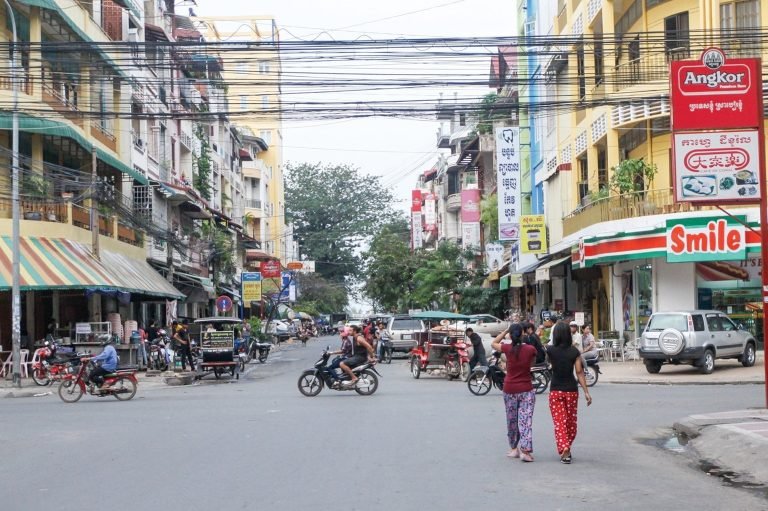
Is Cambodia Safe Right Now?
Yes, Cambodia is safe to visit right now for most travelers, especially if you are planning to follow the typical travel route through places like Phnom Penh, Siem Reap, Kampot, Battambang, or the islands. These destinations remain open, welcoming, and widely visited, with tourism continuing as normal across the country’s main hubs.
The main reason you might be asking this question is because of recent headlines or travel advisories mentioning regional tensions. These concerns are real, but they are also very specific. The current warnings are focused on areas near the Cambodia–Thailand border, where past clashes and ongoing tensions have led governments to advise against travel within a certain distance of that border. This does not affect the core destinations most travelers visit, and it is unlikely to impact a standard Cambodia itinerary.
In practical terms, if you are planning a trip that includes Angkor Wat, Phnom Penh, Kampot, or the coastal islands, you are not traveling anywhere near the areas that are flagged as higher risk. Most visitors move between these destinations using well-established routes, and these remain safe and operational. If you are following a typical route like the one outlined in this Cambodia itinerary, you will naturally avoid the regions that require extra caution.
What matters more than timing is awareness. Cambodia is not a country where safety conditions change dramatically overnight for tourists, but it is a place where small decisions make a difference. Staying in well-known areas, using reliable transport, and avoiding unnecessary detours into remote border regions will do far more for your safety than worrying about whether it is the “right moment” to visit.
The bottom line is simple. Cambodia is safe to travel right now if you stick to the main destinations, understand the real risks, and make informed choices about where you go and how you move around. For most travelers, the experience remains smooth, enjoyable, and far safer than they expected before arriving.
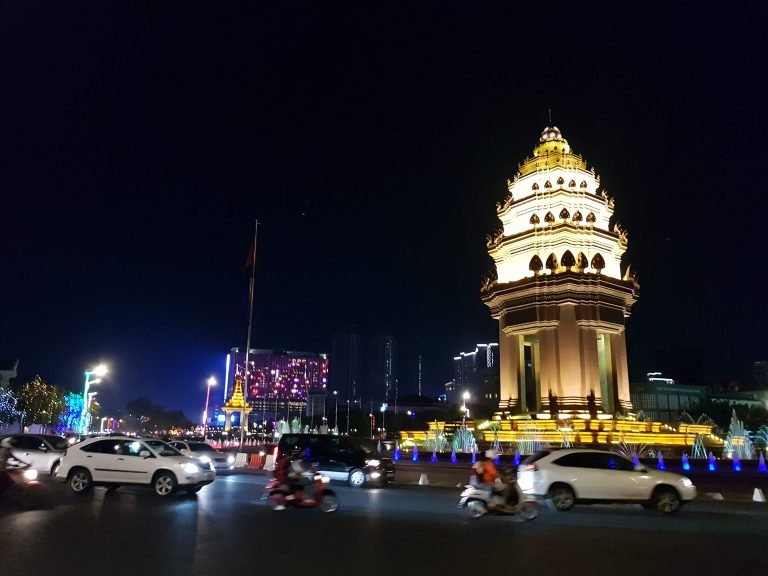
Official Travel Advisories and What They Actually Mean
If you search “Is Cambodia safe?”, you will quickly come across official travel advisories from governments like the United States, Canada, Australia, and the United Kingdom. These advisories are important, but they are also often misunderstood.
Most major governments currently advise travelers to exercise increased caution in Cambodia. For example, the U.S. Department of State assigns Cambodia a Level 2 advisory, which simply means you should stay aware of your surroundings and take normal precautions. It does not mean you should avoid traveling to the country.
The key detail that often gets overlooked is that higher-level warnings apply only to specific areas. In Cambodia’s case, this concerns regions near the Thailand border. Due to past clashes and ongoing tensions, governments consistently advise against travel within roughly 50 kilometers of that border. Guidance from sources like Australia’s Smartraveller highlights these border zones as areas to avoid, while the rest of the country remains open for travel.
For most travelers, this distinction is critical. The places you are most likely planning to visit, including Phnom Penh, Siem Reap, Angkor Wat, Kampot, Battambang, and the islands, are not part of these restricted zones. Tourism continues as normal in these areas, with hotels, transport, tours, and daily life operating without disruption.
Another important point is that travel advisories are intentionally cautious. They are written to cover worst-case scenarios and apply to all types of travelers, including those going off the beaten path or staying long-term. They are not designed specifically for short-term visitors following typical travel routes.
In practical terms, what these advisories mean is simple. Stay within well-traveled areas, avoid border regions, and keep informed about local conditions. If you do that, Cambodia remains a safe and accessible destination for the vast majority of travelers.
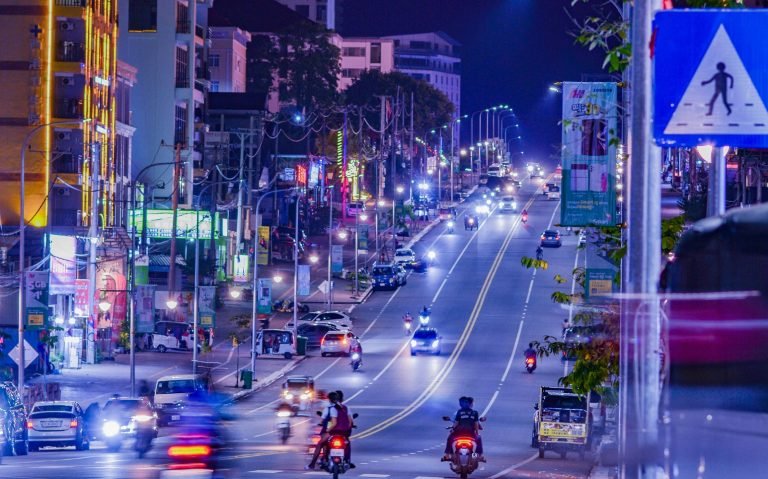
Is Cambodia Safe for Tourists?
Yes, Cambodia is safe for tourists, and millions of people visit the country every year without experiencing any serious issues. Whether you are exploring temples in Siem Reap, walking along the riverside in Phnom Penh, or relaxing on the islands, the overall experience for most travelers is smooth, welcoming, and far less intimidating than they expected before arriving.
What makes Cambodia feel safe in practice is not the absence of risk, but the nature of those risks. Violent crime against tourists is relatively rare, especially in the main destinations. The vast majority of problems reported by travelers involve non-violent situations such as phone snatching, bag theft, minor scams, or overcharging. These are frustrating, but they are also predictable and largely avoidable with a bit of awareness.
In cities like Phnom Penh, the biggest concern is opportunistic theft, particularly along busy roads or near the riverside where motorbike snatching can occur. In Siem Reap, which is centered around tourism and Angkor Wat, the atmosphere is generally more relaxed, with risks mostly limited to pickpocketing in crowded areas like markets or nightlife zones. Coastal destinations like Koh Rong and quieter towns like Kampot tend to feel even safer, with fewer incidents overall, though basic precautions still apply.
Another factor that contributes to safety is how accustomed Cambodia is to tourism. In major destinations, infrastructure is built around visitors. Hotels, guesthouses, transport services, and tour operators are used to dealing with international travelers, and it shows in how easy it is to move around, ask for help, and resolve small issues when they arise.
That said, feeling safe and being safe are not always the same thing. Cambodia can feel relaxed and low-key, which sometimes leads travelers to let their guard down more than they would in a big Western city. That is often when problems happen. Walking with your phone loosely in your hand near traffic, leaving bags unattended in cafés, or trusting the wrong person in a nightlife setting are all situations where small mistakes can lead to avoidable issues.
The key takeaway is that Cambodia is safe for tourists who travel with awareness. If you treat it with the same level of caution you would use in any unfamiliar city, stay alert in busy areas, and make sensible decisions about transport and nightlife, you are very unlikely to run into serious trouble. For most people, the biggest surprise is not how dangerous Cambodia is, but how comfortable it feels once they arrive.
Crime and Scams in Cambodia
Crime in Cambodia is usually opportunistic rather than aggressive, and for most travelers, it shows up in predictable, everyday situations. Where you are and how you behave in that moment matters far more than the country itself.
Phone Snatching in Phnom Penh
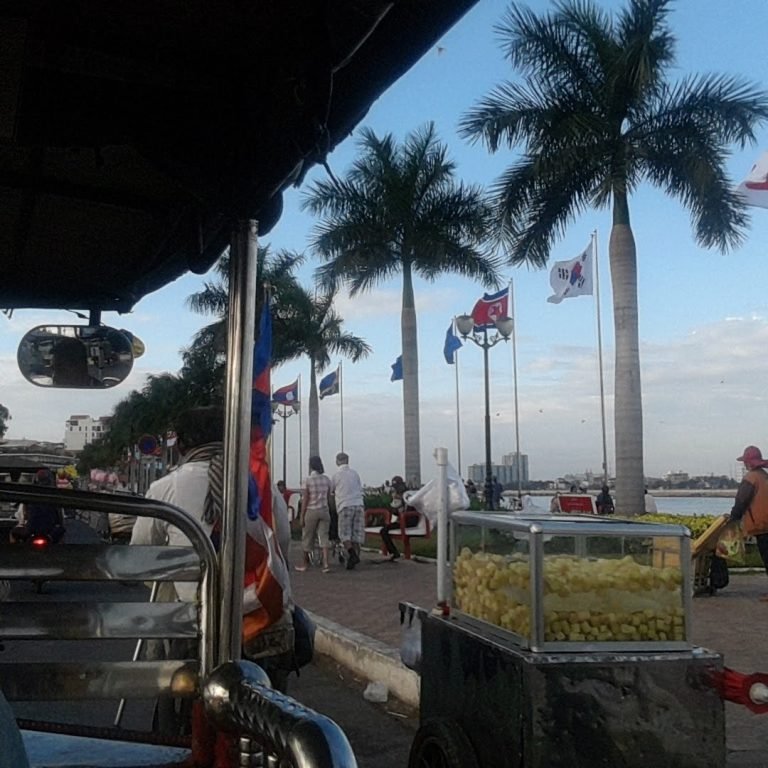
The most talked-about issue in Cambodia is phone and bag snatching, particularly in Phnom Penh. This typically happens along busy roads or near the riverside, where motorbikes can pass close to pedestrians. Someone rides by, grabs a phone or bag, and disappears into traffic within seconds.
The pattern is consistent. It almost always involves a moment of distraction. Standing near the road using your phone, holding it loosely while walking, or sitting at a street-facing table with valuables exposed are the most common situations. Simply stepping a few meters away from traffic or keeping your phone out of sight when not in use reduces the risk significantly.
Low-Level Theft in Tourist Areas
In more tourism-focused destinations like Siem Reap, crime is less aggressive but still present in subtle ways. Pickpocketing can happen in busy markets, around Pub Street, or near the entrances to major sites like Angkor Wat, especially when crowds gather.
This is not organized or highly sophisticated, but it relies on distraction. Bags left open, phones sticking out of pockets, or wallets easily accessible can become easy targets in crowded environments.
Overcharging and Transport Scams
Across Cambodia, especially in tourist-heavy areas like Sihanoukville and transport hubs, overcharging is one of the most common frustrations travelers face. This usually happens when prices are not agreed in advance or when visitors are unfamiliar with typical rates.
Tuk-tuk drivers may quote inflated prices, or take longer routes if expectations are not clearly set. This is rarely confrontational, but it can be avoided almost entirely by confirming the price before starting the ride or using ride-hailing apps where available.
Transport scams are among the most common issues travelers encounter worldwide, but they are far from the only ones. ATM fraud, currency exchange tricks, fake tour operators, and distraction scams are also common in popular tourist destinations. Before your trip, read our Travel Scams Around the World guide to learn how to recognize these scams and avoid unnecessary problems.
“Closed Attraction” and Redirect Scams
Another situation to watch for is the classic “closed attraction” scam. Someone approaches you near a temple or tourist site and claims it is closed for the day, then offers to take you somewhere else instead. This can happen in various parts of the country, although it is less common than in some neighboring destinations.
In most cases, the site is open. The safest response is simple: ignore the suggestion and check for yourself.
Nightlife and Island Environments
In party-focused areas, particularly on islands like Koh Rong, the risk shifts slightly. Incidents here are more likely to involve alcohol-related situations, such as drink tampering, disputes over bills, or poor decisions late at night.
These situations are not the norm, but they are easier to avoid than to deal with. Staying in well-reviewed venues, keeping control of your drink, and avoiding isolated areas late at night will significantly reduce your exposure to risk.
The Real Takeaway
Crime and scams in Cambodia are not random. They happen in repeatable situations where awareness drops or expectations are unclear. Once you understand those patterns and adjust your behavior slightly, the chances of encountering problems drop dramatically. For most travelers, these risks remain theoretical rather than something they experience firsthand.
Road and Transport Safety
Road safety is one of the most important things to understand before traveling in Cambodia. For most visitors, traffic presents a greater day-to-day risk than crime. The difference is that it is visible, constant, and something you interact with every time you move between places.
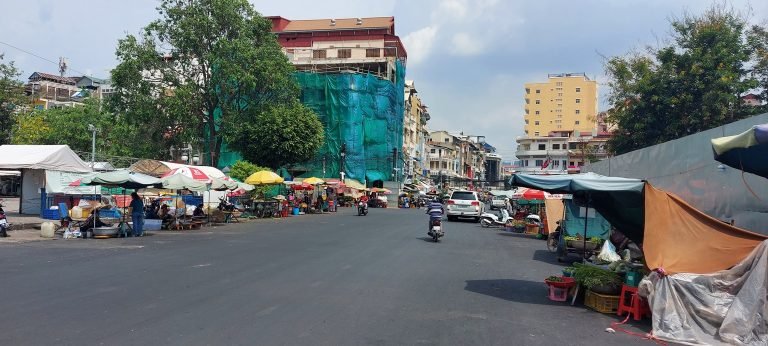
Traffic in Cambodia can feel chaotic at first, especially in cities like Phnom Penh. Motorbikes dominate the roads, traffic lights are not always strictly followed, and the flow of vehicles often feels unpredictable compared to what many travelers are used to. Crossing the street, riding in a tuk-tuk, or even sitting near busy roads quickly shows how different the rhythm is.
The statistics behind this reflect what you see on the ground. Cambodia records several road fatalities every day, and accidents are often linked to speeding, inconsistent enforcement of traffic rules, and low helmet usage among motorbike riders. While this may sound concerning, the practical takeaway is straightforward. The more exposed you are to local traffic conditions, the higher your risk becomes.
Where Travelers Are Most Exposed
Most travelers encounter traffic risks in three situations: short rides within cities, longer transfers between destinations, and any time they consider driving themselves. In busy areas, even something as simple as walking along the road requires a bit more awareness, especially when vehicles pass close by.
Intercity travel is another factor. Moving between destinations like Siem Reap, Kampot, or Battambang often involves several hours on the road. Conditions vary, and night travel can increase risk due to reduced visibility and driver fatigue.
Motorbikes and Self-Driving
Renting a motorbike might seem like an easy way to explore, but it is one of the biggest risk factors for travelers. Many accidents involve inexperienced riders who are not familiar with local traffic patterns. Even short rides can become unpredictable if you are not used to the flow.
If you do not have experience riding in similar conditions, it is generally safer to avoid driving yourself. Hiring a driver, using tuk-tuks, or booking transport through your accommodation are far lower-risk options.
How to Reduce Your Risk
The safest approach in Cambodia is not to avoid transport, but to make better choices. Using trusted drivers, avoiding overnight buses when possible, and choosing well-reviewed transport options will significantly reduce your exposure to risk. If you are unsure, following the advice in this guide to getting around Cambodia will help you choose safer and more reliable ways to move between destinations.
Simple habits also matter. Always wear a helmet if you are on a motorbike, even for short distances. Stay alert when crossing streets, especially in busy cities. Avoid traveling late at night on unfamiliar routes, and do not assume that drivers will follow the same rules you are used to at home.
The Real Takeaway
Traffic in Cambodia may feel overwhelming at first, but it becomes manageable once you adjust your expectations. The key is to respect how different the environment is and to reduce unnecessary risk where you can. For most travelers, choosing safer transport options and staying aware is enough to move around the country without any problems.
Health, Food, Water, and Medical Care
Health is one of the areas where a bit of preparation goes a long way in Cambodia. Most travelers stay healthy throughout their trip, but the risks here are different from what many people are used to. The main concerns are food and water hygiene, mosquito-borne illnesses, and the quality of medical care if something more serious happens.
Food Safety and Stomach Issues
Mild stomach problems are one of the most common issues travelers experience in Cambodia, especially during the first few days. This is usually not serious, but it can disrupt your trip if you are not careful.
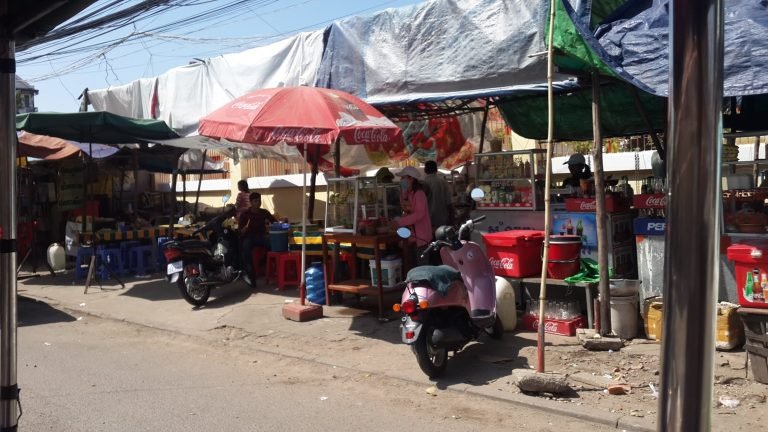
The safest approach is simple. Eat food that is freshly cooked and served hot, choose busy restaurants or street stalls with high turnover, and be cautious with anything raw. Salads, undercooked meat, and food that has been sitting out in the heat carry a higher risk. Street food itself is not the problem, as long as it is cooked in front of you and served immediately.
Water Safety
Tap water in Cambodia is not safe to drink, even in major cities like Phnom Penh or Siem Reap. Bottled water is widely available, inexpensive, and used by both locals and travelers. Most hotels provide it daily, and it should be your default choice for drinking and brushing your teeth if you want to be extra cautious.
Ice in tourist-oriented restaurants is generally safe, as it is typically made from purified water, but it is best avoided in smaller local establishments if you are unsure. Showering and bathing are fine, as long as you avoid swallowing water.
Mosquito-Borne Diseases
Mosquitoes are one of the more important health considerations in Cambodia. Dengue fever is present year-round, with higher risk during the rainy season. There is no simple treatment or widely used vaccine for travelers, so prevention is key.
Using insect repellent, wearing longer clothing in the evenings, and staying in accommodation with air conditioning or fans are all effective ways to reduce your risk. Malaria is much less of a concern for most travelers, especially in places like Phnom Penh and Siem Reap, but it can still be present in more remote or forested areas.
Medical Care in Cambodia
Medical care in Cambodia varies significantly depending on where you are. In major cities like Phnom Penh and Siem Reap, there are private hospitals and international clinics that provide a good standard of care. Outside of these areas, facilities can be basic and limited.
This is why having proper coverage matters. If something serious happens, evacuation to another country may be necessary. Having a policy in place before you travel is one of the most important steps you can take, and this travel insurance guide explains what to look for and how to choose the right coverage.
Heat, Sun, and General Conditions
Cambodia’s climate can also catch people off guard. The heat and humidity are intense, particularly during the middle of the day. Dehydration and sun exposure are common issues, especially when visiting places like Angkor Wat where you spend long hours outdoors.
Drinking enough water, taking breaks in the shade, and avoiding the midday sun when possible will make a big difference. These are simple habits, but they have a direct impact on how comfortable and safe your trip feels.
If you have specific health concerns or travel plans that go beyond typical routes, consider speaking with a healthcare professional before your trip.
The Real Takeaway
Health risks in Cambodia are real, but they are also manageable. Most problems can be avoided with basic precautions and a bit of awareness. If you pay attention to what you eat and drink, protect yourself from mosquitoes, and make sure you have access to proper medical support if needed, you are very unlikely to experience anything more than minor and temporary issues.
Solo Female and Family Travel Safety
Cambodia is generally a safe and welcoming destination for both solo female travelers and families. Many visitors in these groups describe their experience as positive, relaxed, and far easier than expected. At the same time, the way you experience Cambodia can vary depending on how you travel, where you go, and how aware you are in certain situations.
Solo Female Travel in Cambodia
Solo female travelers often report feeling comfortable in Cambodia, especially in well-traveled areas like Siem Reap, Phnom Penh, and places like Kampot or Koh Rong. Locals are generally respectful, and day-to-day interactions tend to feel safe and straightforward.
The main risks are not unique to Cambodia, but they are worth being aware of. Petty theft can happen in busy areas, particularly in cities, and situations involving alcohol or nightlife require more attention. Reports of drink spiking or inappropriate behavior do exist, especially in party-focused areas such as riverside Phnom Penh, Pub Street in Siem Reap, or more active beach scenes.
In practice, safety comes down to small decisions. Using trusted transport like ride-hailing apps instead of random tuk-tuks late at night, keeping control of your drink, and staying in well-lit, busy areas after dark are all simple ways to reduce risk. Dressing modestly, particularly around temples or in less touristy areas, also helps avoid unwanted attention and aligns with local norms.
One of the biggest advantages of Cambodia is how easy it is to meet other travelers. Group tours, shared transport, and social hostels make it simple to avoid feeling isolated, especially if you are visiting larger sites like Angkor Wat or traveling between destinations.
Traveling in Cambodia with Kids
Cambodia is a family-friendly destination, and children are generally welcomed warmly by locals. Many of the country’s highlights, from temples to beaches, are accessible with kids, and destinations like Siem Reap and Koh Rong can be particularly enjoyable for families.
The main considerations for families are slightly different from those of solo travelers. Road safety becomes more important, as traffic can be unpredictable and infrastructure like car seats or seatbelts is not always standard. Health is another key factor, especially when it comes to food hygiene, hydration, and protection from mosquitoes.
Choosing the right type of accommodation can make a big difference. Well-reviewed hotels or guesthouses with good facilities, air conditioning, and reliable staff provide a more comfortable and secure environment, particularly in cities like Phnom Penh.
Planning your activities carefully is also important. Some sites, such as the Killing Fields or S-21 in Phnom Penh, can be emotionally intense and may not be suitable for younger children. Balancing cultural visits with more relaxed experiences, like time by the river in Kampot or beach days on the islands, helps create a smoother trip for everyone.
Simple precautions go a long way. Keeping children close in busy areas, staying hydrated, using insect repellent, and sticking to freshly prepared food will reduce most risks. As with solo travel, awareness matters more than anything else.
The Real Takeaway
Cambodia is safe for both solo female travelers and families who approach their trip with awareness. The country’s friendly atmosphere, established tourist routes, and growing infrastructure make it accessible, while a few simple precautions help avoid the situations where problems are more likely to occur. For most visitors, the experience is not defined by risk, but by how easy and rewarding the journey feels once they are there.
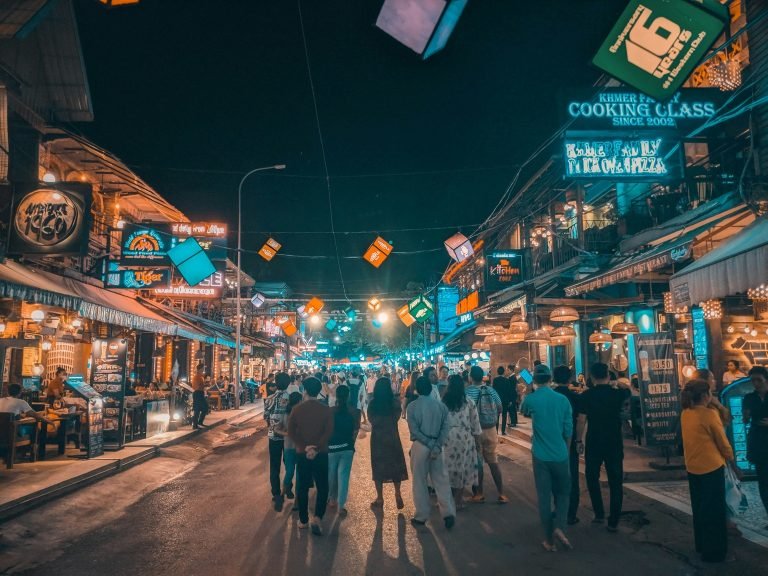
Places and Situations Where You Should Be More Careful
Cambodia is generally straightforward to travel, but it is not a country where every setting carries the same level of risk. Most problems happen in specific places, at specific times, or in situations where travelers become distracted, tired, intoxicated, overconfident, or simply too relaxed. Knowing where extra caution matters helps you stay realistic without becoming paranoid.
Busy Roads and Street Edges in Phnom Penh
If there is one environment where travelers should stay consistently alert, it is along busy roads in Phnom Penh. This is not because the city is uniquely dangerous, but because traffic is intense, motorbikes pass close to pedestrians, and phone or bag snatching is more likely to happen where someone can grab something and disappear into moving traffic.
The risky moments are often ordinary ones. Checking directions on your phone while standing near the curb, sitting at a street-facing café with your phone on the table, carrying a loose shoulder bag on the traffic side, or stepping into the road without fully reading the flow of vehicles are all situations where travelers become exposed. Phnom Penh is a city where awareness has to be active rather than passive.
This does not mean you should avoid exploring the capital. It means you should move through it more intentionally. Put your phone away when you are not using it, step inside a shop or lobby before checking maps, keep bags zipped and across your body, and assume traffic may behave differently from what you expect.
Nightlife Areas After Dark
Nightlife zones deserve a different kind of caution. In parts of Phnom Penh, around Pub Street in Siem Reap, and in party-oriented spots on Koh Rong, the atmosphere can feel easygoing and social, but alcohol changes judgment quickly. That is when small issues become bigger ones.
The main risks here are not dramatic in most cases, but they are still worth taking seriously. Drinks left unattended, inflated bills in unfamiliar venues, arguments late at night, trusting the wrong person too quickly, or walking back alone through poorly lit areas are all situations that increase exposure to risk. Travelers sometimes assume the danger lies in the city or island itself, when in reality it is the late-night decision-making that matters most.
The safest approach is simple. Stick to places with a steady flow of people, choose venues that are clearly established and well reviewed, keep an eye on your drink, avoid getting stranded without a transport plan, and leave if a place feels off. Cambodia rewards common sense at night just as much as it does during the day.
Transport Hubs and Transition Moments
Bus stations, ferry departures, shared taxi pickup points, and major transit areas are another setting where travelers should be a little more careful. These are moments when people are carrying bags, checking tickets, looking for drivers, or dealing with confusion around timing and routes. That makes distraction easier and overcharging more likely.
This is especially relevant in places like Sihanoukville, where many travelers are in transit to or from the islands, and in larger urban transport points where multiple drivers or helpers may approach you at once. The goal is not to assume bad intent from everyone, but to stay organized. Know where you are going, confirm the vehicle and price before you get in, keep valuables secured while loading bags, and do not let the pressure of a rushed moment make decisions for you.
Remote Areas, Rural Roads, and Off-Path Exploration
Cambodia becomes riskier when you move away from established routes without preparation. In rural areas, the issue is usually not crime but isolation, poor roads, limited medical access, patchy phone signal, and weaker transport backup if something goes wrong. A breakdown or injury that would be manageable in a city can become much more complicated in a remote setting.
This matters if you are planning to venture beyond standard itineraries, explore countryside roads independently, or follow suggestions that are not well mapped. It also matters if you assume that “quiet” automatically means “safe.” Quiet places can be wonderful, but they also offer fewer services, fewer people to ask for help, and less room for error.
If you want to explore beyond the usual circuit, the smartest approach is to do it deliberately. Leave with enough water, charge your phone, tell someone where you are going, avoid traveling remote roads after dark, and do not treat unfamiliar terrain casually.
Border Areas and Places That Look Temptingly Adventurous
One of the clearest examples of where caution really matters is near the Cambodia–Thailand border. This is the part of the country that appears in official travel advisories, and it is not the kind of warning travelers should dismiss as bureaucracy. Border regions can involve security tensions, restricted movement, and in some places the lingering risk of landmines or unexploded ordnance.
For the average traveler, the good news is that this is easy to avoid. These areas are not part of the classic Cambodia route and do not affect visits to Phnom Penh, Siem Reap, Kampot, Battambang, or the islands. Problems usually arise only when travelers start improvising, exploring far beyond established routes, or assuming that a dramatic-looking detour is harmless because it appears peaceful in the moment.
Quiet Streets, Empty Beaches, and Isolated Shortcuts
A place does not need to be “dangerous” in a broad sense for it to be unwise at a particular moment. Quiet alleys late at night, empty stretches of beach after dark, unlit roads between bars and hotels, or isolated shortcuts can all increase your vulnerability simply because there are fewer people around if something goes wrong.
This applies just as much on the islands as it does in cities. On a beach destination, the risk may be less about theft and more about being alone, disoriented, or far from help. In a city, it may mean ending up in a street with little lighting or traffic after midnight when better alternatives were available.
The principle is simple: if an area feels noticeably more isolated than the rest of your route, especially after dark, take that feeling seriously. Cambodia is usually easiest and safest when you stay where there is still some movement, light, and access to transport.
The Real Takeaway
The places where you should be more careful in Cambodia are not hidden mysteries. They are the same kinds of environments that create problems in many countries: busy roads, nightlife zones, transit moments, remote areas, and isolated places after dark. The difference is that in Cambodia, the consequences of a small mistake can be amplified by traffic, distance, limited infrastructure, or simply being unfamiliar with how things work. If you stay alert in the right moments and avoid drifting into unnecessary risk, Cambodia remains a very manageable country to travel.
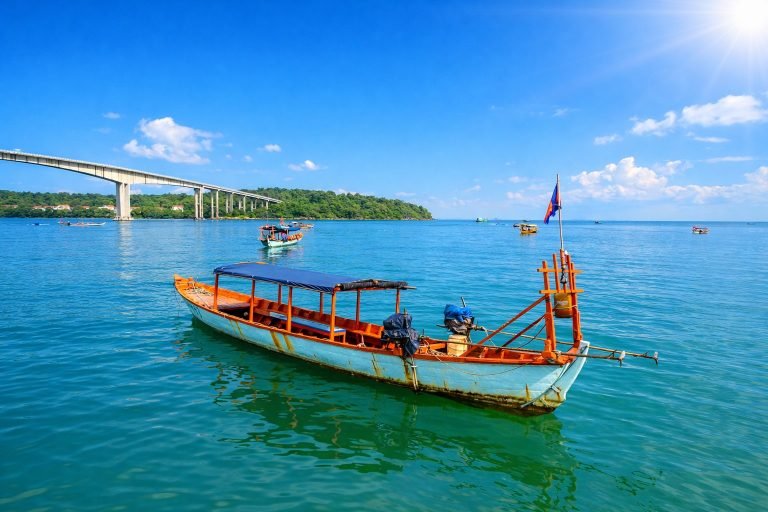
Practical Safety Tips for Visiting Cambodia
Most safety issues in Cambodia can be avoided with a few simple habits. The country is easy to travel, but small decisions in transport, money handling, and daily behavior make a big difference. These practical tips focus on the situations where travelers are most exposed and how to handle them confidently. For a broader understanding of how to navigate these situations across your trip, these Cambodia travel essentials for staying safe and prepared bring together the key habits that make travel smoother.
Transport and Getting Around
Using reliable transport is one of the easiest ways to reduce risk. Ride-hailing apps like Grab and PassApp are widely used in Cambodia and provide fixed pricing, driver tracking, and a more predictable experience than flagging down random tuk-tuks, especially at night.
If you are using a tuk-tuk, sit toward the middle or back and keep your belongings away from the roadside. Avoid night buses where possible, and choose reputable companies if you need to travel long distances. Renting a motorbike should only be considered if you are experienced and comfortable with local traffic conditions.
Protecting Your Valuables
Petty theft, particularly phone and bag snatching, is the most common issue travelers face in Cambodia. This is especially relevant in busy areas of Phnom Penh, Siem Reap, and Sihanoukville. Using a cross-body bag with secure zippers, keeping valuables out of sight near roads, and avoiding unnecessary displays of phones or cash will significantly reduce your risk.
It is also a good idea to leave passports, extra cash, and electronics in your accommodation where possible. Carry copies instead of originals, and use ATMs located inside banks, hotels, or shopping centers for added security.
Nighttime and Personal Safety
After dark, staying in well-lit and active areas is the safest approach. Avoid isolated streets, empty beaches, or unfamiliar shortcuts, especially if you are alone. In nightlife settings, never leave drinks unattended and be cautious with strangers offering help, invitations, or unexpected deals.
Planning your return transport in advance also helps avoid unnecessary risk. Knowing how you will get back to your accommodation removes the need to make rushed decisions late at night.
Road Awareness and Daily Behavior
Traffic in Cambodia requires constant attention. Always check carefully before crossing the road, and do not assume vehicles will stop. Walking on the side away from traffic and keeping your bag on the inner side reduces exposure to passing motorbikes.
In rural areas, avoid touching unfamiliar objects or straying off marked paths, as unexploded ordnance can still exist in certain regions. These situations are rare on typical routes, but awareness matters if you venture further.
Money, Scams, and Practical Awareness
Scams in Cambodia are usually straightforward. Confirm prices before accepting services, be cautious of anyone claiming attractions are closed, and avoid situations that feel unnecessarily complicated or rushed. Checking change, especially with larger bills, is also a sensible habit.
If you are traveling near international borders, particularly the Thailand border, follow current guidance and avoid restricted areas. These regions are clearly flagged in travel advisories and are not part of standard travel routes.
Health and Daily Habits
Basic health precautions are simple but important. Drink sealed bottled water, eat freshly prepared food, and use mosquito repellent, especially in the evenings. Staying hydrated and managing heat exposure will also make your trip more comfortable and reduce fatigue-related mistakes.
Emergency and Preparedness
Having a few essentials prepared can make a big difference if something unexpected happens. Save local emergency numbers, keep a copy of your travel insurance details, and have access to offline maps or translation tools. These small steps are rarely needed, but they are useful when they are.
The Real Takeaway
Cambodia is not a difficult country to travel safely, but it rewards awareness. If you manage your transport carefully, protect your valuables, stay alert in the right moments, and avoid unnecessary risks, you will eliminate the vast majority of potential problems and be free to enjoy everything the country has to offer.
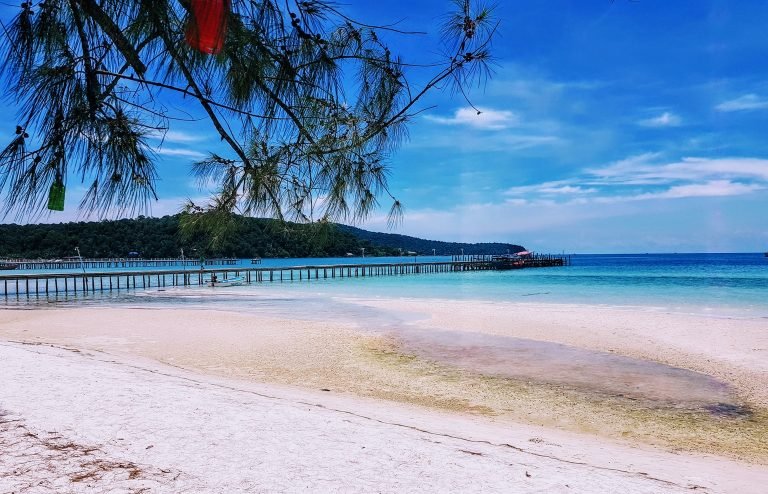
Final Thoughts on Safety in Cambodia
Cambodia is a country that often surprises people. Before arriving, many travelers are unsure what to expect and wonder whether safety will be a concern throughout their trip. In reality, most leave with the opposite impression. Once you understand how things work on the ground, Cambodia feels manageable, welcoming, and far less intimidating than it might seem at first.
That does not mean ignoring the risks. Petty theft, traffic, health considerations, and certain locations require awareness, but these are all predictable and manageable. The difference between a smooth trip and a frustrating one usually comes down to small daily decisions rather than major dangers.
If you approach Cambodia with the right mindset, stay aware in busy areas, and make sensible choices about transport and accommodation, you are very unlikely to run into serious problems. For most travelers, the experience is defined by the people they meet, the places they explore, and how easy it becomes to move through the country once they settle into the rhythm of it.
If you are still planning your trip, this is where everything starts to come together. Understanding how to travel safely is only one part of the picture. Deciding where to go, how long to stay, and how to move between destinations is what shapes your experience.
To plan your route, start with this Cambodia travel guide, which gives you a full overview of the country. From there, you can build your trip using this Cambodia itinerary to structure your time across different regions, while also understanding the Cambodia visa requirements for entry so you can arrive fully prepared.
If you are deciding where to spend your time, destination guides for Siem Reap, Angkor Wat, Phnom Penh, Kampot, Battambang, Koh Rong, and exploring the more remote regions through this northeast Cambodia travel guide will help you understand what each place offers and how they fit together.
For logistics, this guide to getting around Cambodia will help you move safely between destinations, while this best time to visit Cambodia guide helps you choose the right season for your trip. Budget planning is covered in this Cambodia cost guide, so you know what to expect before you go.
When it comes to booking and preparation, you can compare options using this hotel comparison guide and find better deals through this cheap flights guide. Staying connected is also part of traveling safely, and this eSIM guide explains how to stay online from the moment you arrive.
For added protection, especially in a country where medical care can vary, this travel insurance guide helps you choose the right coverage. And if you want to travel more comfortably and reduce small risks along the way, this travel gear guide covers the essentials.
Cambodia rewards travelers who come prepared but stay flexible. If you take the time to understand how to move around safely and plan your trip properly, you will spend far less time worrying about risks and far more time enjoying everything the country has to offer.
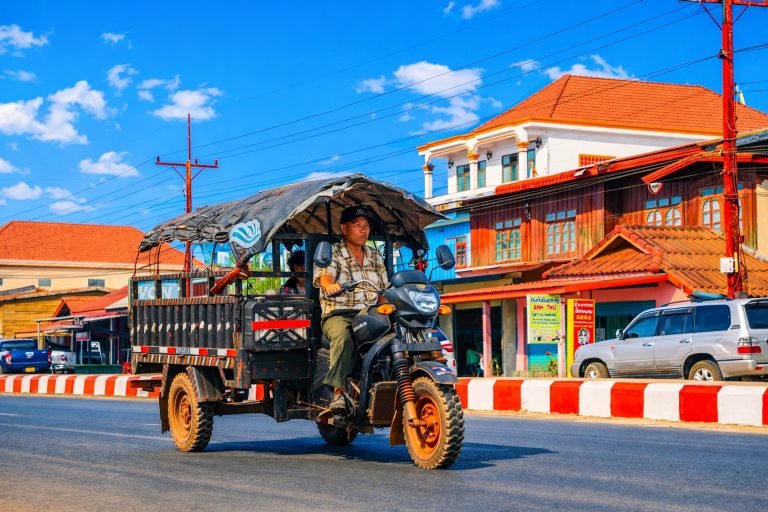
Frequently Asked Questions
-
Is Cambodia safe to visit?
Yes, Cambodia is safe to visit for most travelers. The main tourist destinations such as Phnom Penh, Siem Reap, Kampot, and the islands are well established and widely visited. Most travelers experience no serious issues, especially when following basic precautions around valuables, transport, and nightlife. -
Is Cambodia safe to travel to right now?
Yes, Cambodia is safe to travel to right now for typical tourist routes. Current travel advisories mainly apply to areas near the Thailand border, which are not part of standard itineraries. As long as you avoid these regions and stay informed, travel conditions remain normal across the country. -
Is Cambodia safe for tourists?
Cambodia is generally safe for tourists. Violent crime against visitors is rare, and most issues involve petty theft, scams, or transport-related risks. Staying aware in busy areas and making sensible decisions reduces the likelihood of problems significantly. -
How safe is Cambodia compared to other Southeast Asian countries?
Cambodia is similar to many Southeast Asian destinations in terms of safety. It may feel less structured than places like Thailand or Singapore, but it is not significantly more dangerous. The main difference is the need for slightly higher awareness, especially around traffic and petty crime. -
Is Cambodia safe for solo female travelers?
Yes, Cambodia is safe for solo female travelers who take standard precautions. Many women travel independently across the country without issues. Staying in well-reviewed accommodation, using trusted transport, avoiding isolated areas at night, and being cautious in nightlife settings are the most important steps. -
Is Cambodia safe for families with children?
Cambodia is generally safe for families. The main considerations are road safety, food hygiene, and protection from heat and mosquitoes. With proper planning, families can travel comfortably and enjoy destinations like Siem Reap, Kampot, and the islands. -
What are the biggest safety risks in Cambodia?
The most common risks are petty theft, phone snatching, traffic accidents, and minor scams. Health-related issues such as food hygiene and mosquito-borne diseases are also important to consider. Serious violent crime against tourists is rare. -
Is Phnom Penh safe for tourists?
Phnom Penh is safe for tourists, but it requires more awareness than smaller destinations. Petty theft and phone snatching are more common here, particularly along busy roads and riverside areas. Staying alert, avoiding distractions near traffic, and using reliable transport will help you move around safely. -
Is Siem Reap safe for tourists?
Siem Reap is one of the safest and most tourist-friendly destinations in Cambodia. It is well developed, easy to navigate, and centered around tourism. The main risks are minor, such as pickpocketing in crowded areas or nightlife zones. -
Is it safe to travel around Cambodia?
Yes, it is safe to travel around Cambodia, especially between major destinations. Buses, private transfers, and domestic transport are widely used. The main risk comes from road conditions and driving behavior, so choosing reputable transport options is important. -
Is Cambodia dangerous at night?
Cambodia is not particularly dangerous at night, but caution is needed. Stick to well-lit and busy areas, avoid isolated streets, and plan your transport in advance. Nightlife areas are generally safe, but awareness around alcohol and surroundings is important. -
Is Cambodia safe for Americans, Canadians, and European travelers?
Yes, Cambodia is safe for travelers from the United States, Canada, Europe, and other regions. There are no specific risks targeting nationalities. The same general precautions apply to all visitors regardless of where they are from. -
Do I need travel insurance for Cambodia?
Travel insurance is highly recommended for Cambodia. Medical facilities vary in quality, and serious situations may require evacuation to another country. Having coverage ensures you are protected against unexpected costs and emergencies. -
Is it safe to drink water in Cambodia?
No, tap water in Cambodia is not safe to drink. Travelers should use sealed bottled water, which is widely available and inexpensive. Ice is usually safe in tourist areas but should be avoided in smaller local settings if you are unsure. -
Is Cambodia safe overall?
Yes, Cambodia is safe overall for travelers who use common sense. The country is welcoming, widely visited, and easy to navigate once you understand the environment. Most visitors experience a smooth and enjoyable trip without any serious problems.
Travel Resources to Plan, Book & Stay Connected
Use these tools and guides to stay connected abroad, find inspiration for your next trip, and book your flights, stays and gear with confidence.
Disclosure: This article may contain affiliate links. If you make a purchase through a link, I may receive a commission at no extra cost to you. I only share recommendations I believe are genuinely useful, and all opinions are my own. AI was used in this post for research and drafting purposes.

Comment (0)