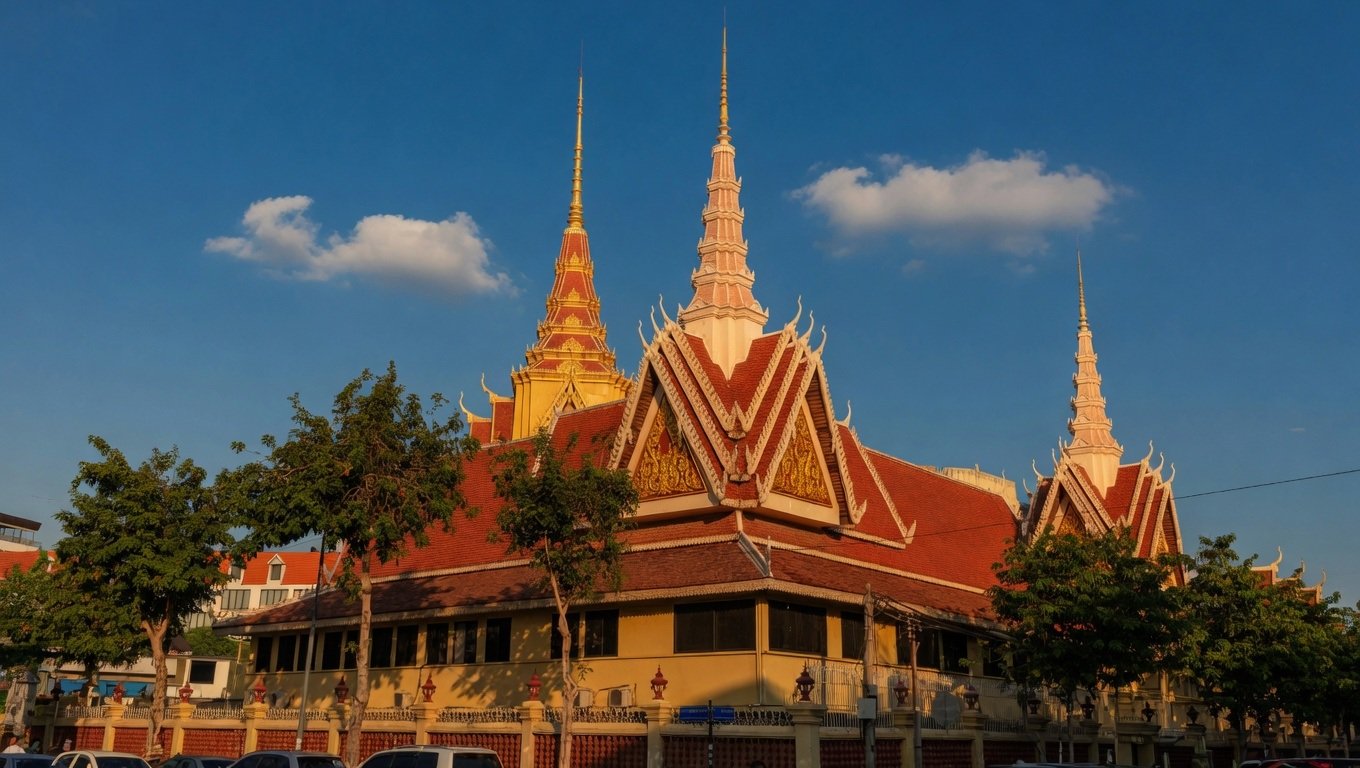
Planning Your Trip to Cambodia: What This Guide Covers
Traveling in Cambodia is relatively easy once you understand how things work on the ground. This guide brings together the most important Cambodia travel tips to help you avoid common mistakes, plan more efficiently, and move through the country with confidence from the moment you arrive.
- How to prepare before arrival, including entry requirements and practical details
- Money, payments, and how to manage your daily budget effectively
- Transport tips for moving between cities and regions without wasting time
- Food expectations, where to eat, and how to approach local dining
- Safety, scams, and what to realistically expect on the ground
- Cultural etiquette and small details that make a big difference
If you are still organizing your trip, start with this Cambodia travel guide for a complete overview of destinations, then use this Cambodia itinerary to structure your route. Before booking flights, it is also important to understand the Cambodia visa requirements so your arrival is smooth, while this Cambodia travel budget guide helps you plan your daily spending realistically. Once your route is taking shape, it becomes much easier to decide which areas to stay in throughout Cambodia based on your travel style and timeline. To move between destinations efficiently, this Cambodia transport guide explains your options, and understanding what to expect from Cambodian food and local dishes will help you feel more comfortable navigating menus across the country.
Understanding Cambodia Travel Tips Before You Go
Cambodia is one of the easiest countries to travel in Southeast Asia, but it works differently from what many first-time visitors expect. The basics are simple, yet small details such as how money works, how transport actually operates, or how daily life flows can have a much bigger impact on your trip than your itinerary itself. Understanding these Cambodia travel tips before you arrive helps you avoid common frustrations and makes everything from your first day to your final stop feel smoother.
What often surprises travelers is not the destinations, but how quickly plans can change once you are on the ground. Distances look short but take longer than expected, prices vary depending on how you travel, and experiences shift depending on how flexible you are. Cambodia rewards a practical approach, where knowing what to expect matters more than trying to follow a perfectly fixed plan.
This guide focuses on the details that make a real difference. Instead of repeating general advice, it brings together the most useful Cambodia travel tips to help you move through the country with confidence, avoid unnecessary mistakes, and understand how things actually work day to day. Once you grasp these fundamentals, traveling in Cambodia becomes not only easy, but genuinely enjoyable.
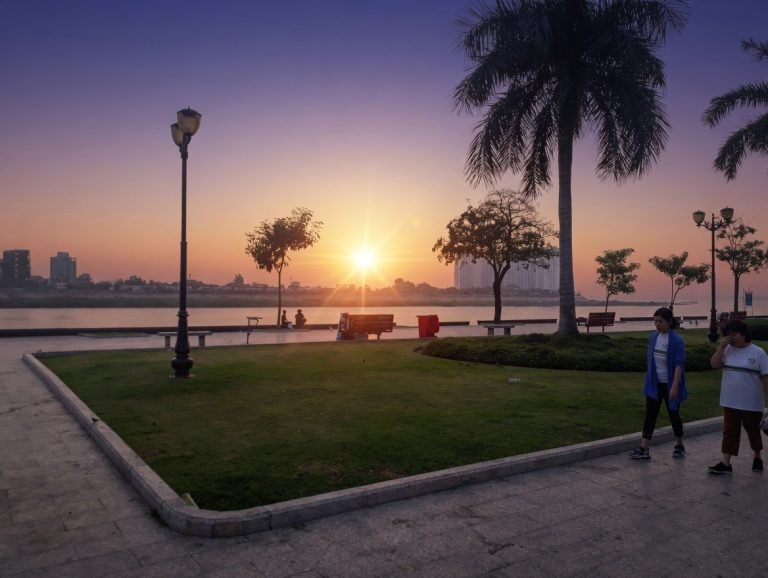
First-Time Cambodia Travel Tips to Avoid Common Mistakes
Cambodia is easy to travel, but the small details can make a big difference once you are on the ground. Most first-time travelers do not run into major problems, but they often lose time, overpay, or feel frustrated simply because they were not aware of how things actually work locally. These Cambodia travel tips focus on the practical realities you will notice immediately after arrival.
Money works differently than expected. Cambodia operates on a dual-currency system using US dollars and Cambodian riel. Most prices are listed in USD, especially for hotels, transport, and restaurants, but you will often receive change in riel for smaller amounts. Having small USD bills is essential, as larger notes are not always accepted or easy to break. Torn or damaged USD bills are frequently refused, which can catch travelers off guard if they arrive with worn currency.
Cash is still important, but digital payments are growing fast. In cities like Phnom Penh and Siem Reap, mobile payments through apps like ABA are now extremely common. Many restaurants, cafés, shops, and even tuk-tuk drivers accept QR payments, making it possible to pay digitally in a wide range of situations. However, this does not fully replace cash. In smaller towns, local markets, and more remote areas, cash remains the only reliable option. The easiest approach is to use a mix of both, relying on cash as a backup even if you use digital payments regularly.
ATMs and cards are available, but not always convenient. ATMs are easy to find in major cities, but withdrawal fees are common, usually around $4 to $6 per transaction. Cards are accepted in mid-range and higher-end places, but many local restaurants and smaller businesses operate on a cash-only basis. Planning fewer, larger withdrawals is often more practical than making multiple small ones.
Arrival is simple, but preparation helps. The visa process is straightforward, but you are expected to have your documents ready. Completing the e-Arrival form in advance saves time, and having passport photos or digital copies available can help if needed. Immigration is generally efficient, but small delays are normal, especially during busy periods.
Getting around is easy, but not always fast. Tuk-tuks are the most common way to move around cities, and apps like Grab make pricing transparent and avoid the need to negotiate. However, travel times are often longer than expected. Traffic, road conditions, and indirect routes mean that even short distances can take time. Between cities, buses are affordable and widely available, but schedules are not always precise, and delays are part of the experience.
The heat changes how you plan your day. Cambodia is consistently hot and humid, and trying to do too much in the middle of the day is one of the most common mistakes. Early mornings and late afternoons are the best times for exploring, while midday is better used for rest, meals, or indoor activities. Adjusting your pace makes a noticeable difference in how enjoyable your trip feels.
Temple etiquette is taken seriously. When visiting places like Angkor Wat or other religious sites, modest clothing is expected. Shoulders and knees should be covered, and behavior should remain respectful at all times. These are active cultural and religious spaces, not just tourist attractions, and understanding this helps avoid uncomfortable situations.
Once you understand these basics, traveling in Cambodia becomes far more intuitive. Most challenges are not difficult to solve, but knowing what to expect in advance allows you to move through the country with more confidence and far less friction.
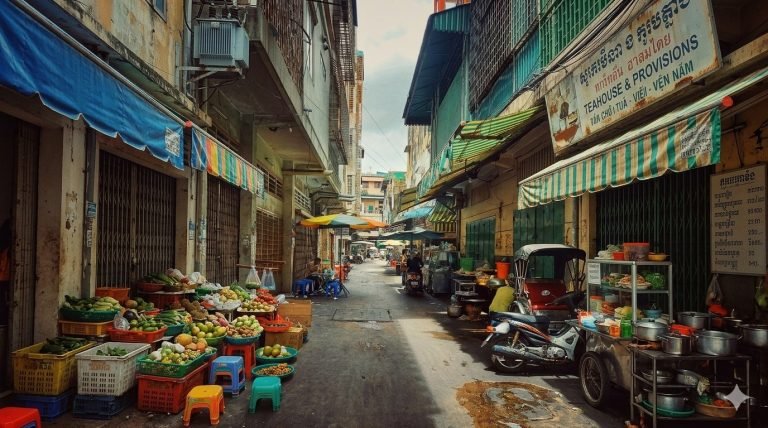
Cambodia Money & Budget Tips for Smarter Daily Spending
Managing your budget in Cambodia is less about strict planning and more about understanding how spending habits shift once you are on the ground. The country is affordable, but daily costs can vary more than expected depending on your choices. These Cambodia travel tips focus on how money actually flows during a trip, and where most travelers unintentionally spend more than they planned. For a detailed breakdown of prices across accommodation, food, and transport, this complete Cambodia travel cost guide provides a clearer picture of what to expect.
Most overspending comes from small, repeated choices. Local food is very affordable, but switching regularly to Western meals, cafés, and air-conditioned restaurants quickly increases your daily total. A couple of coffees, a Western-style breakfast, and a few drinks in the evening can easily cost more than an entire day of local meals. This is one of the main reasons why travelers sometimes exceed their budget without realizing it.
The easiest way to control costs is through balance. Eating local meals for most of the day and mixing in occasional cafés or more comfortable restaurants works well for most travelers. This approach keeps costs low without feeling restrictive, and it allows you to enjoy both authentic food and more familiar options when you want them.
Tourist pricing exists, but it is usually reasonable. In markets, tuk-tuks, and some smaller businesses, prices may be slightly higher for visitors, but the difference is rarely extreme. Negotiation is sometimes possible, especially in markets or for transport without apps, but it is not always expected. In many situations, especially in restaurants or with digital payments, prices are fixed and transparent.
Tipping is not required, but appreciated. Cambodia does not have a strong tipping culture compared to Western countries. In local restaurants and street food settings, tipping is uncommon. In mid-range or higher-end restaurants, leaving a small tip for good service is appreciated but not expected. For drivers or guides, rounding up or adding a small amount is a simple and common gesture.
Daily budgets depend more on behavior than on prices. Cambodia makes it easy to travel cheaply, but it also makes it easy to spend more if you lean toward comfort, convenience, and nightlife. Travelers who stay mindful of how often they choose higher-cost options tend to stay within budget without needing to track every expense closely.
In practice, Cambodia offers a level of flexibility that many destinations do not. You can adjust your spending day by day without significantly affecting your overall experience, which is one of the reasons why it remains such a popular destination for a wide range of travel styles.
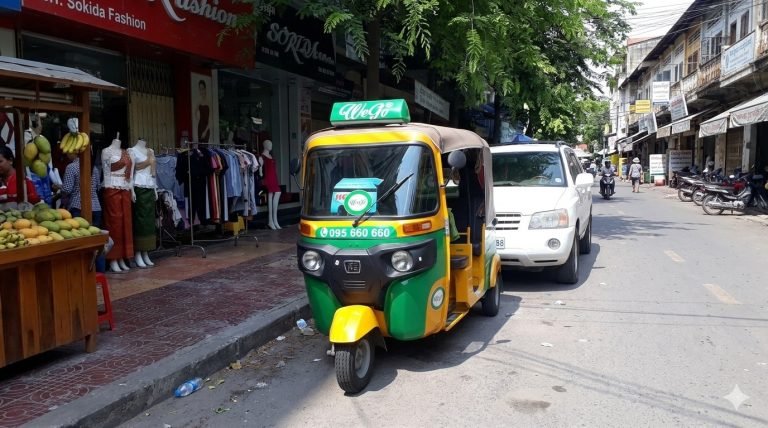
Getting Around Cambodia: Practical Transport Tips
Getting around Cambodia is generally straightforward, but it rarely works exactly as expected. Distances between destinations may look short on a map, yet travel times are often longer due to road conditions, traffic, and frequent stops. Planning your route based on time rather than distance is one of the most important Cambodia travel tips, especially when moving between cities. For a more detailed breakdown of routes, transport options, and what to expect between destinations, this Cambodia transport guide with routes and travel options helps you plan more accurately.
Tuk-tuks are the default option for short distances. In cities like Phnom Penh and Siem Reap, they are everywhere and easy to use. Apps like Grab remove the need to negotiate and provide consistent pricing, which makes them the most reliable choice for most travelers. Traditional tuk-tuks are still widely available, but agreeing on a price in advance is essential to avoid confusion.
Not all transport options are equal, even for the same route. Buses are the most common way to travel between cities, but comfort and reliability vary significantly depending on the company. Some journeys are smooth and well-organized, while others involve delays, multiple stops, and longer travel times than expected. Choosing a slightly more reputable operator often makes a noticeable difference.
Flights can save time, but only on specific routes. For longer distances, such as Phnom Penh to Siem Reap, flying can be worth it if you want to avoid a full day of travel. However, for shorter routes, the time saved is often less significant once you factor in airport transfers and waiting times. In many cases, buses or private transport remain the more practical option.
Private drivers offer the most flexibility. For travelers who want to move at their own pace or stop along the way, hiring a private car with a driver is a comfortable and relatively affordable option. This is particularly useful for routes where you want to visit multiple places in one day or avoid the rigidity of bus schedules.
Night buses are an option, but not for everyone. They can save both time and the cost of a night’s accommodation, but comfort varies widely. Some buses offer reclining seats or sleeper layouts, while others are more basic. Light sleepers or those sensitive to movement may find them tiring rather than convenient, especially on longer routes.
Delays and flexibility are part of the experience. Transport in Cambodia does not always run on strict schedules. Buses may leave late, arrive later than planned, or make unexpected stops along the way. Building extra time into your plans, especially on travel days, helps avoid unnecessary stress and keeps your itinerary manageable.
Once you adjust your expectations and plan with a bit of flexibility, getting around Cambodia becomes much easier. The system works well, but it rewards travelers who understand how it actually operates rather than relying on fixed schedules or assumptions.
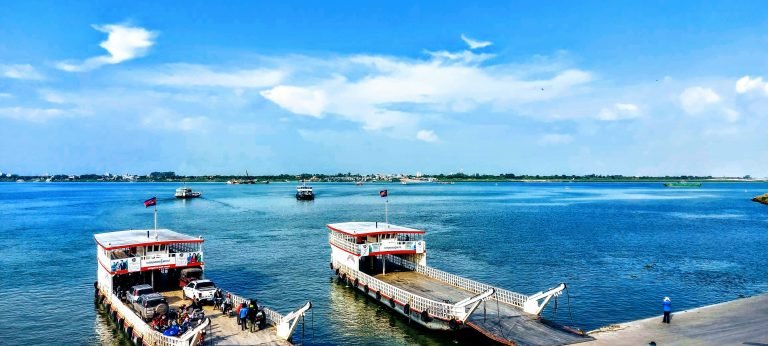
Safety & Common Scams in Cambodia: What to Expect
Cambodia is generally a safe country to travel in, especially for tourists following common-sense precautions. Most visits are trouble-free, and serious incidents are rare. The main issues travelers encounter are usually minor, such as overpaying, small scams, or petty theft. Understanding how these situations typically occur helps you avoid them without feeling on edge during your trip. If you want a more detailed breakdown of risks, areas, and real-world situations, this complete Cambodia safety guide for travelers provides deeper insight.
Most scams are low-pressure and easy to avoid. Tuk-tuk drivers offering unofficial “tours” or suggesting extra stops are common, especially in cities. These often lead to shops or services where prices are higher than usual. The easiest way to avoid this is to use apps like Grab or clearly agree on your route and price before starting the ride. In markets and smaller businesses, prices may be slightly higher for tourists, but the difference is usually modest rather than aggressive.
These are just a few examples of the scams travelers may encounter in Cambodia. Similar schemes, including ATM fraud, taxi scams, fake tour operators, currency exchange tricks, and overcharging, are common in tourist destinations around the world. Before your trip, read our Travel Scams Around the World guide to learn how to recognize these scams and avoid unnecessary problems.
Be cautious around border crossings and visa-related services. If you are entering Cambodia by land, you may encounter unofficial agents offering help with visas or paperwork for an extra fee. While not always problematic, these services are rarely necessary. Handling your visa directly through official channels or at the border keeps the process straightforward and avoids unnecessary costs.
Petty theft does happen, especially in busy areas. The most common issue is phone or bag snatching, particularly in cities like Phnom Penh. This usually involves someone passing quickly on a motorbike. Keeping your phone out of reach near the street, avoiding distractions, and carrying bags securely reduces the risk significantly.
Night safety depends more on behavior than location. Areas such as riversides and central districts are active in the evening and generally safe when you stay aware of your surroundings. Walking alone late at night in quieter streets or poorly lit areas is best avoided, as in most cities. Using tuk-tuks or ride-hailing apps after dark is a simple and effective way to move around safely.
Health and hygiene are manageable with basic precautions. Street food is widely available and often safe, especially when it is freshly prepared and served hot. Choosing busy stalls, avoiding food that has been sitting out for long periods, and sticking to bottled water are simple ways to reduce risk. The heat and humidity are often a bigger challenge than food, so staying hydrated and pacing your activities is important.
Overall, Cambodia is a destination where awareness goes a long way. You do not need to be overly cautious, but understanding the small risks allows you to travel confidently and focus on enjoying the experience rather than worrying about it. For additional peace of mind, it is useful to keep a list of emergency numbers in Cambodia accessible during your trip.
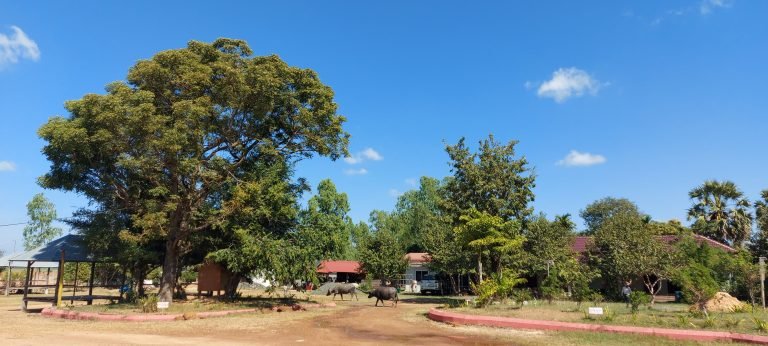
Cambodian Food Tips: What to Expect & How to Eat Well
Food is a central part of traveling in Cambodia, and it is often one of the most memorable aspects of the experience once you understand what to expect. Khmer cuisine is generally lighter and more balanced than many travelers anticipate, with a focus on fresh herbs, rice, grilled meats, soups, and mild, aromatic spices rather than intense heat. If you want a deeper understanding of the dishes you will encounter, this guide to Cambodian food and local specialties helps you recognize what to look for on menus across the country.
Street food and local restaurants are where most people eat. Cambodia has a strong street food culture, and many of the best meals are found in simple settings rather than formal restaurants. Busy stalls with a steady flow of customers are usually a good sign, as food is prepared fresh and turnover is high. Local restaurants offer a slightly more comfortable environment while still serving authentic dishes at very reasonable prices.
Hygiene is generally manageable with basic awareness. Choosing freshly cooked food, avoiding dishes that have been sitting out for long periods, and sticking to bottled water are simple ways to reduce risk. While street food is widely consumed by locals, travelers who are more cautious can opt for busier venues or food courts, which often provide similar dishes with more consistent handling standards.
Menus and eating habits can feel different at first. Many local places do not have extensive English menus, and dishes are often chosen based on familiarity rather than detailed descriptions. Meals are typically simple and focused, with rice or noodles forming the base of most dishes. Breakfast, lunch, and dinner options can overlap, meaning you may see similar foods available throughout the day.
It is easy to adjust your food experience to your comfort level. Cambodia offers a wide range of options, from basic street meals to modern cafés and international restaurants. You can eat very locally for a fully authentic experience, or mix in more familiar options when you want variety. This flexibility makes it easy to enjoy the food without feeling restricted, regardless of your travel style.
Once you become comfortable with how food works in Cambodia, it quickly shifts from something uncertain to one of the highlights of the trip. Understanding where to eat, what to expect, and how to approach it makes a noticeable difference in how much you enjoy the experience.
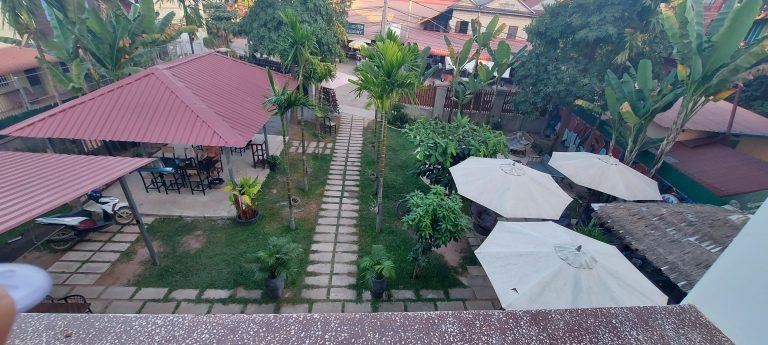
Cultural & Etiquette Tips in Cambodia
Understanding local culture in Cambodia does not require deep preparation, but a few small adjustments in behavior can make a noticeable difference in how you are received. Cambodian culture is generally polite, respectful, and non-confrontational, and travelers who are aware of these norms tend to have smoother and more positive interactions throughout their trip.
Respect for religion and temples is essential. Cambodia is a predominantly Buddhist country, and temples are active places of worship, not just historical sites. Modest clothing is expected when visiting temples, with shoulders and knees covered. Speaking quietly, avoiding disruptive behavior, and showing general respect for the space are simple but important practices.
Dress modestly outside of temples as well. While tourist areas are more relaxed, wearing very revealing clothing can feel out of place, especially in smaller towns or rural areas. Light, breathable clothing that still offers some coverage is both culturally appropriate and more comfortable in the heat.
Body language matters more than you might expect. The head is considered the most respectful part of the body, so touching someone’s head, even casually, is inappropriate. Pointing directly at people or objects, especially with your feet, should also be avoided. When handing something to someone, using both hands or your right hand is seen as more polite.
Communication is polite and indirect. Cambodians tend to avoid confrontation and direct refusal. A smile can have many meanings, including politeness, uncertainty, or an attempt to keep the interaction positive. Remaining calm, patient, and respectful, even in confusing situations, is usually the most effective approach.
Small gestures go a long way. Removing your shoes before entering someone’s home or certain indoor spaces, greeting people politely, and showing appreciation for service are all simple actions that are noticed and appreciated. These details may seem minor, but they contribute to a more respectful and enjoyable travel experience.
Adapting to these cultural norms does not require major effort, but it does enhance your experience. Cambodia is a welcoming country, and showing awareness of local etiquette helps you connect more naturally with the people and places you encounter along the way.
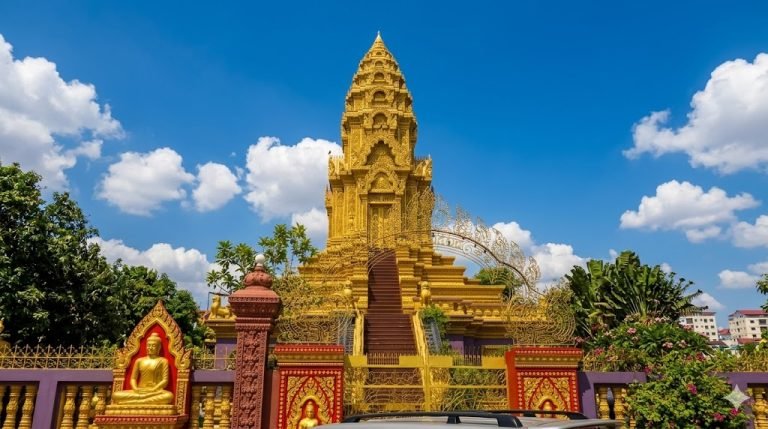
When Things Don’t Go as Planned in Cambodia
No matter how well you plan your trip, things in Cambodia do not always run exactly on schedule. Buses arrive late, routes take longer than expected, and plans sometimes shift once you are on the ground. This is not a sign that something is wrong, but rather part of how travel works in the country. Understanding this early helps you adjust your expectations and avoid unnecessary frustration.
Delays are normal, not exceptional. Transport schedules are often flexible, and departure or arrival times can change depending on conditions. Traffic, road quality, weather, and unexpected stops all play a role. Building extra time into your itinerary, especially on travel days, makes these delays easier to manage and prevents small disruptions from affecting the rest of your plans.
Plans often evolve once you arrive. What looks efficient on paper may feel rushed in reality, especially in the heat or after long travel days. You may find yourself wanting to spend more time in certain places and less in others. Cambodia rewards travelers who allow for this kind of flexibility rather than trying to follow a rigid schedule.
Not everything needs to go perfectly to be enjoyable. Some of the best moments during a trip come from unplanned situations, whether it is discovering a local place to eat, taking a different route, or simply slowing down in a place that feels right. Trying to control every detail often leads to more stress than benefit.
Patience and adaptability make a big difference. Staying calm when things change, asking for help when needed, and keeping a flexible mindset allows you to adjust quickly without losing momentum. Most situations are easy to resolve, even if they take a bit longer than expected.
Once you accept that travel in Cambodia works on its own rhythm, the experience becomes much more enjoyable. Instead of reacting to small changes, you start to move with them, which ultimately leads to a smoother and more rewarding journey.
Final Thoughts on Traveling in Cambodia
Traveling in Cambodia is not complicated, but it does require a slightly different mindset than many first-time visitors expect. Once you understand how things work on the ground, from money and transport to food and daily routines, the country becomes easy to navigate and far more enjoyable. These Cambodia travel tips are less about strict rules and more about helping you move through the experience with confidence.
What makes Cambodia especially rewarding is how much variety it offers within a relatively small area. You can move from the historical depth of Angkor to the energy of Phnom Penh, then slow down in riverside towns or along the coast. Using this Cambodia travel itinerary helps you connect these destinations into a smooth route, while this Cambodia travel guide provides a broader overview of what to expect across the country.
If you are still refining your plans, exploring specific destinations can help you shape your trip more clearly. From the temples and culture covered in this Siem Reap travel guide and the detailed Angkor Wat guide, to the capital explored in this Phnom Penh guide, each stop adds a different layer to the overall experience. Slower destinations such as Kampot, cultural areas like Battambang, and the coastal gateway of Sihanoukville all contribute to a more balanced journey, while more remote regions such as Mondulkiri and Ratanakiri offer a completely different perspective of the country.
Before you finalize your itinerary, it is also worth understanding how to choose the best flights and entry points for Cambodia, as this can shape how efficiently your trip flows from the moment you arrive. Once your route is set, it also helps to prepare a well-planned Cambodia packing list so you are ready for the climate, activities, and day-to-day travel conditions. To avoid connectivity issues along the way, it is also worth reviewing how to stay connected with a SIM card or eSIM in Cambodia before your trip.
Cambodia works best when you combine its major highlights with its quieter moments. With the right expectations and a flexible approach, it becomes far more than a short visit to a single landmark and turns into a destination that stays with you long after the trip is over.
FAQ: Cambodia Travel Tips
- What are the most important Cambodia travel tips for first-time visitors?
The most important Cambodia travel tips include understanding the dual-currency system (USD and riel), carrying small bills, planning transport with extra time, staying hydrated in the heat, and using apps like Grab for easier navigation. Knowing these basics helps avoid common mistakes and makes your trip smoother from the start. - Is Cambodia safe to travel to for tourists?
Cambodia is generally safe for tourists, with most visits being trouble-free. The main concerns are petty theft and small scams rather than serious crime. Staying aware of your surroundings, avoiding poorly lit areas at night, and securing your belongings are usually enough to travel confidently. - Do I need cash in Cambodia or can I pay by card or phone?
Cash is still widely used, especially in smaller towns and local markets, but digital payments are becoming very common in cities. Many businesses accept QR payments through apps like ABA, while cards are accepted in mid-range and higher-end establishments. A mix of cash and digital options works best. - How much money do you need per day in Cambodia?
Daily costs depend on your travel style, but Cambodia can be very affordable. Travelers who eat local food and use standard transport options can spend relatively little, while those choosing Western restaurants, cafés, and private transport will spend more. Managing daily habits has a bigger impact than fixed prices. - What is the best way to get around Cambodia?
Tuk-tuks and ride-hailing apps like Grab are the easiest way to move around cities. For longer distances, buses are the most common option, while private drivers offer more flexibility. Flights can be useful for longer routes, but travel times should always be planned with some flexibility. - How long should you spend traveling in Cambodia?
Most travelers spend between 7 and 14 days in Cambodia to see the main highlights, including Angkor Wat, Phnom Penh, and one or two additional destinations. Shorter trips are possible, but a longer stay allows for a more relaxed pace and a better overall experience. - What should you know before traveling to Cambodia?
Before traveling to Cambodia, it is important to understand visa requirements, how money works, transport realities, and the climate. Knowing that plans may change and that flexibility is important will also help you adapt more easily once you arrive. - What is Cambodian food like for travelers?
Cambodian food is generally light, fresh, and not overly spicy, with a focus on rice, noodles, herbs, and grilled or slow-cooked dishes. Street food is common and often safe when freshly prepared, while restaurants offer a mix of traditional and international options. - Are there any scams to watch out for in Cambodia?
Common scams include unofficial tuk-tuk tours, slightly inflated prices in markets, and unnecessary visa assistance at border crossings. These are usually easy to avoid by using apps, agreeing on prices in advance, and relying on official processes. - Is it easy to travel around Cambodia independently?
Cambodia is a relatively easy country to travel independently. Transport is widely available, destinations are well connected, and most tourist areas are accessible without guided tours. Basic planning and awareness are usually enough to manage a trip without difficulty. - What is the best time to visit Cambodia?
The best time to visit Cambodia is generally during the dry season, when travel conditions are more comfortable and roads are easier to navigate. However, the country can be visited year-round, with each season offering a slightly different experience. - What should you wear in Cambodia as a tourist?
Lightweight, breathable clothing is ideal due to the heat and humidity. Modest clothing is recommended, especially when visiting temples, where shoulders and knees should be covered. Comfortable footwear is also important for walking and exploring.
Travel Resources to Plan, Book & Stay Connected
Use these tools and guides to stay connected abroad, find inspiration for your next trip, and book your flights, stays and gear with confidence.
Disclosure: This article may contain affiliate links. If you make a purchase through a link, I may receive a commission at no extra cost to you. I only share recommendations I believe are genuinely useful, and all opinions are my own. AI was used in this post for research and drafting purposes.

Comment (0)