Flights to Cambodia: Best Routes, Airports, Airlines & How to Find Cheap Tickets
Finding the right flights to Cambodia can feel confusing at first. There are no direct long-haul routes from most regions, and choosing between Phnom Penh and Siem Reap depends on how you plan your trip. This guide breaks everything down clearly, from the best routes and airlines to practical tips on finding cheap flights, so you can book with confidence and avoid costly mistakes.
If you are planning a full trip, it also helps to understand how flights fit into the bigger picture. Start with this Cambodia travel guide for a complete overview, then use this Cambodia itinerary planner to map out your route before booking your flights.
- Which airports to fly into, including Phnom Penh and Siem Reap
- The best international and regional routes to reach Cambodia
- Flight options from the USA, Europe, and across Southeast Asia
- How to find cheap flights to Cambodia and avoid overpaying
- Typical flight times and what to expect during your journey
- How to choose the right arrival city based on your itinerary
- Practical booking tips to save money and travel smarter
Once your flights are sorted, the next step is choosing where to stay. This hotel booking comparison guide helps you find the best deals, while staying connected on arrival is much easier with this best eSIM for international travel guide. For a smoother trip overall, it is also worth reviewing travel insurance options and browsing these travel gear recommendations before you go.
Flights to Cambodia: What You Need to Know Before You Book
Booking flights to Cambodia is not as straightforward as flying into major global hubs, and that is something many travelers underestimate at first. There are currently no direct long-haul flights from North America, Europe, or Australia, which means every journey to Cambodia involves at least one connection. In most cases, these connections happen through major Asian hubs such as Bangkok, Singapore, Kuala Lumpur, or Ho Chi Minh City, all of which offer frequent and reliable onward flights into the country.
Once you arrive, you will typically land in either Phnom Penh or Siem Reap, depending on your travel plans. Phnom Penh serves as the main international gateway and handles the majority of flights, while Siem Reap is the best choice if your trip is focused on Angkor Wat and the surrounding temples. If you are still deciding where to begin your journey, this Phnom Penh travel guide gives you a clear overview of the capital, while this Angkor Wat guide helps you plan a trip centered around one of the most iconic sites in Southeast Asia.
The good news is that Cambodia is very well connected within Asia. There are dozens of daily flights from nearby countries, a growing number of low-cost airlines, and multiple entry points depending on your route. Once you understand how these connections work, finding the right flight becomes much easier, and often more affordable than you might expect.
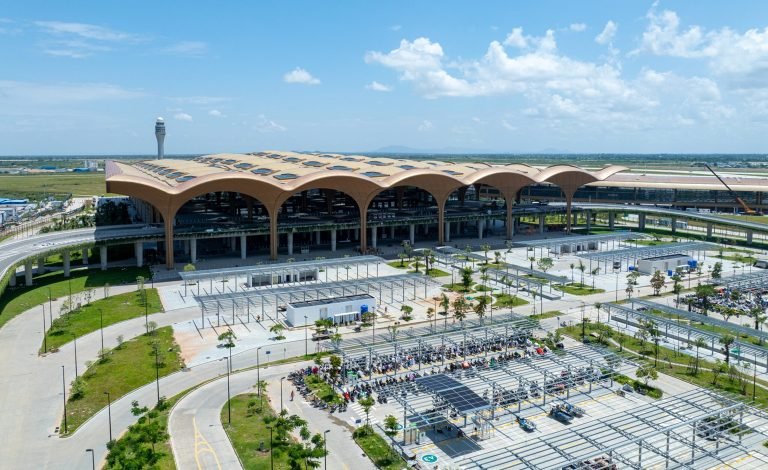
Table of Contents
How to Get to Cambodia: Airports, Routes and Entry Strategy
Cambodia has four airports in total, but only three handle international flights. These are Phnom Penh International Airport (PNH), Siem Reap Angkor International Airport (SAI), and Sihanoukville International Airport (KOS). The fourth airport, located in Battambang, is used for domestic aviation only and plays a very minor role in most travel plans. While this may sound simple, choosing the right airport is one of the most important decisions you will make when booking your flights to Cambodia, as it directly impacts your route, cost, and overall itinerary.
Phnom Penh Techo International Airport is by far the most important gateway into the country. It handles roughly 70% of all incoming flights, with over 1,700 arrivals per month, making it the busiest and most connected airport in Cambodia. If you are flying in from outside Southeast Asia, this is almost always where you will land. Phnom Penh has the widest range of airlines, the most frequent connections, and the most reliable schedules. It is also the main hub for connections from major regional cities such as Bangkok, Singapore, Kuala Lumpur, Ho Chi Minh City, Seoul, and multiple cities across China. For travelers who prioritize flexibility, pricing, and availability, Phnom Penh is usually the smartest entry point.
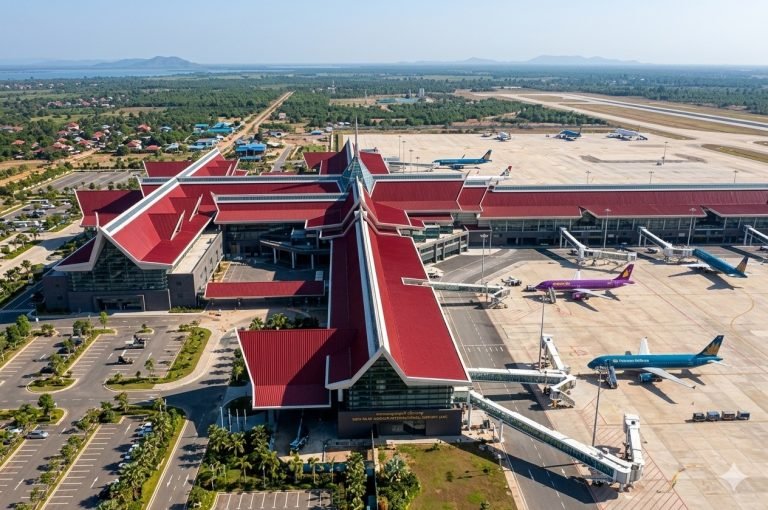
Siem Reap Angkor International Airport is the second major airport and is specifically geared toward tourism. If your trip is centered around Angkor Wat and the temples, flying directly into Siem Reap can save significant travel time. The airport has strong regional connectivity, particularly from Thailand, Vietnam, Malaysia, and Singapore, with multiple daily flights on both full-service and low-cost airlines. While it does not offer the same volume of international routes as Phnom Penh, it is often the most convenient choice for travelers whose itinerary starts in northern Cambodia. However, long-haul travelers will still need to connect through a regional hub before arriving here.
Sihanoukville International Airport is much smaller and serves a more specific purpose. It has a limited number of international routes, mainly from nearby countries such as Malaysia and occasionally China. This airport is only worth considering if you are planning to head directly to Cambodia’s southern coast or islands like Koh Rong and Koh Rong Samloem. For most travelers, flying into Phnom Penh or Siem Reap and then continuing south by land or ferry is often more practical, due to better flight availability and pricing.
Across all three international airports, Cambodia is connected to approximately 45 departure airports across 16 countries, with around 2,500 flights operating each month. A total of 36 airlines serve the country, including 11 low-cost carriers. This means that while Cambodia does not have direct long-haul connections from the West, it is extremely well integrated into the Southeast Asian aviation network. Countries like Thailand, Vietnam, Malaysia, Singapore, and China offer the strongest and most frequent direct connections, making them the key transit points for most international travelers.
Domestic flights within Cambodia do exist, but they are limited. There are only around eight domestic routes in total, operated primarily by local carriers, with Air Cambodia handling the majority of them. While flying domestically can save time on longer routes, most travelers rely on buses, private drivers, or boats to move between destinations such as Phnom Penh, Siem Reap, Kampot, and the islands. In practice, flights are most important for entering the country, while ground transport plays a much bigger role once you are already there.
The key takeaway is simple: Phnom Penh offers the best connectivity and flexibility, Siem Reap is ideal for temple-focused itineraries, and Sihanoukville is a niche entry point for coastal travel. Choosing the right airport at the booking stage can save you both time and money, and helps ensure that your overall route through Cambodia makes sense from the very beginning.
Flights to Cambodia from Major Regions
When planning flights to Cambodia, the most important thing to understand is that the country is very well connected within Asia, but still relies heavily on regional transit hubs for long-haul travelers. In practical terms, that means travelers coming from nearby Asian countries can often fly direct, while those coming from North America, Europe, or Australia will almost always need to connect through one of the main gateways in Southeast or East Asia. Once you understand that structure, booking becomes much easier because you stop searching for unrealistic long-haul direct flights and start focusing on the hubs that actually move most traffic into Cambodia.
For travelers coming from North America, there are currently no direct flights to Cambodia. Whether you are flying from the United States or Canada, you should expect at least one stop, and often two, depending on your departure city and airline. In most cases, the smoothest connections are routed through major Asian airports such as Bangkok, Singapore, Kuala Lumpur, Ho Chi Minh City, Seoul, Taipei, or one of several large cities in China. This is why searches like flights to Cambodia from LAX, flights to Cambodia from NYC, or flights to Cambodia from Boston often produce a wide range of itineraries with very different total travel times. The key is not just the ticket price, but the quality of the connection, the airport you are connecting through, and whether your final destination in Cambodia is Phnom Penh or Siem Reap.
Travelers from Europe face a similar situation. There are no current non-stop flights from Europe to Cambodia, so journeys almost always connect through Asia or the Middle East before continuing on to Phnom Penh, Siem Reap, or less commonly Sihanoukville. For many European travelers, the most practical one-stop options involve connections through Singapore, Bangkok, Kuala Lumpur, Doha, Dubai, Abu Dhabi, or occasionally major East Asian gateways depending on the airline and fare. Phnom Penh usually offers the widest choice of schedules and airlines, while Siem Reap tends to work better for travelers whose trip is centered on Angkor Wat and northern Cambodia. From a planning perspective, Europe-to-Cambodia itineraries are less about finding a single perfect route and more about choosing the best balance between cost, total travel time, baggage rules, and layover convenience.
For travelers coming from Australia and New Zealand, Cambodia is also reached via a connection rather than a direct flight. In practice, common transfer points include Singapore, Kuala Lumpur, Bangkok, and Ho Chi Minh City, all of which have strong onward links into Cambodia. These routes are often easier to manage than North American departures because the onward regional flight options are dense, frequent, and competitively priced. If you are building a wider Southeast Asia trip, Cambodia is often added after Thailand, Vietnam, Malaysia, or Singapore rather than flown to first, which makes open-jaw and multi-city bookings particularly useful.
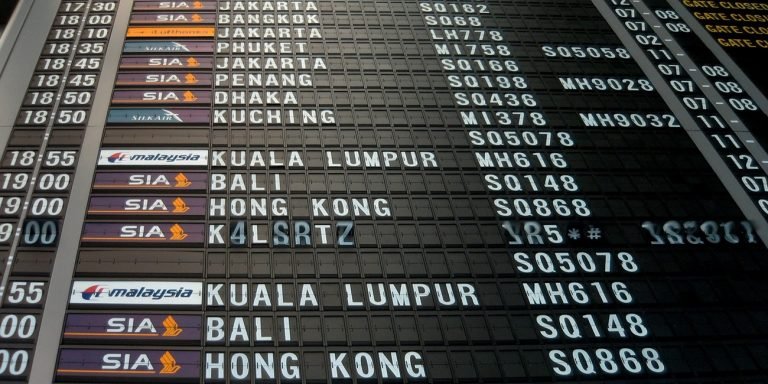
Asia is where Cambodia’s flight network becomes much stronger. The country currently receives direct international service from a broad set of regional markets, with especially strong connectivity from China, Vietnam, Thailand, Malaysia, Singapore, South Korea, India, Laos, Taiwan, Hong Kong, the Philippines, Indonesia, Myanmar, Macao, and the United Arab Emirates. This is what makes Cambodia much easier to reach than many first-time travelers assume. Even though there are no direct flights from the West, the country is not isolated at all. On the contrary, it is deeply plugged into regional aviation networks, with dozens of direct routes and thousands of monthly flights feeding into its three international airports.
China is one of the strongest source markets for direct flights to Cambodia and one of the biggest reasons the country has such a broad regional network. Multiple Chinese cities offer non-stop services into Cambodia, and these routes feed all three international airports, especially Phnom Penh. This is important not only for travelers starting in China, but also for long-haul passengers who may find surprisingly competitive fares when connecting through Chinese hubs. Vietnam is another major connection point, with several Vietnamese cities offering direct flights to Cambodia. Because Vietnam is geographically close and heavily linked to Cambodia by both tourism and business travel, flights between the two countries are practical, frequent, and often among the easiest regional options to book.
Thailand is one of the most useful gateway countries for Cambodia and deserves special attention. Bangkok is one of the most important regional hubs for reaching Cambodia, and direct flights between Thailand and Cambodia are among the most searched and most useful routes in the market. This is especially relevant for travelers combining the two countries in one itinerary, which is extremely common. If you are seeing keyword demand around Bangkok to Cambodia flight, flights from Bangkok to Phnom Penh, or flights from Bangkok to Siem Reap, that reflects real traveler behavior. Bangkok works exceptionally well as a transfer point because it offers strong long-haul connectivity into Asia, plus short onward flights into Cambodia on a mix of full-service and budget carriers.
Malaysia and Singapore are also key gateways, even though they have fewer departure airports than China or Vietnam. Kuala Lumpur is especially important because it links directly to all three of Cambodia’s international airports and supports a healthy mix of airline options, including several low-cost carriers. Singapore is more limited in terms of Cambodian destinations, but it remains one of the strongest premium and full-service hubs for onward travel. Travelers who value smoother transit, strong baggage policies, and reliable long-haul connections often end up routing through Singapore even if it is not always the absolute cheapest option.
South Korea, India, Taiwan, Hong Kong, and the United Arab Emirates add another useful layer to Cambodia’s connectivity. Seoul provides a direct link into Phnom Penh and is an important hub for passengers coming from Northeast Asia or connecting from long-haul networks. India now has direct links into Cambodia as well, which matters both for Indian travelers and for route diversity overall. Taiwan and Hong Kong provide useful one-stop patterns for certain long-haul itineraries, while Abu Dhabi gives Cambodia a direct connection to the Gulf, expanding access for travelers coming from the Middle East or using Gulf carriers as part of a broader long-haul routing strategy.
What all of this means in practical terms is that Cambodia is best understood as a destination reached through smart routing rather than through direct long-haul access. If you are already in Southeast Asia, flying into Cambodia is often simple, fast, and relatively affordable. If you are coming from farther away, your booking strategy should focus on choosing the right regional hub first, then the right Cambodian arrival airport second. Phnom Penh usually gives you the most route flexibility, Siem Reap is best for temple-focused trips, and Sihanoukville only makes sense for a narrower set of coastal itineraries. Once you frame your search that way, flight options become much easier to compare and much more likely to line up with the kind of trip you actually want to take.
Flights to Cambodia from Major Regions
When planning flights to Cambodia, the most important thing to understand is that the country is very well connected within Asia, but still relies heavily on regional transit hubs for long-haul travelers. In practical terms, that means travelers coming from nearby Asian countries can often fly direct, while those coming from North America, Europe, or Australia will almost always need to connect through one of the main gateways in Southeast or East Asia. Once you understand that structure, booking becomes much easier because you stop searching for unrealistic long-haul direct flights and start focusing on the hubs that actually move most traffic into Cambodia.
For travelers coming from North America, there are currently no direct flights to Cambodia. Whether you are flying from the United States or Canada, you should expect at least one stop, and often two, depending on your departure city and airline. In most cases, the smoothest connections are routed through major Asian airports such as Bangkok, Singapore, Kuala Lumpur, Ho Chi Minh City, Seoul, Taipei, or one of several large cities in China. This is why searches like flights from LAX, NYC, or Boston to Cambodia often produce a wide range of itineraries with very different total travel times. The key is not just the ticket price, but the quality of the connection, the airport you are connecting through, and whether your final destination in Cambodia is Phnom Penh or Siem Reap.
Travelers from Europe face a similar situation. There are no current non-stop flights from Europe to Cambodia, so journeys almost always connect through Asia or the Middle East before continuing on to Phnom Penh, Siem Reap, or less commonly Sihanoukville. For many European travelers, the most practical one-stop options involve connections through Singapore, Bangkok, Kuala Lumpur, Doha, Dubai, Abu Dhabi, or occasionally major East Asian gateways depending on the airline and fare. Phnom Penh usually offers the widest choice of schedules and airlines, while Siem Reap tends to work better for travelers whose trip is centered on Angkor Wat and northern Cambodia. From a planning perspective, Europe-to-Cambodia itineraries are less about finding a single perfect route and more about choosing the best balance between cost, total travel time, baggage rules, and layover convenience.
For travelers coming from Australia and New Zealand, Cambodia is also reached via a connection rather than a direct flight. In practice, common transfer points include Singapore, Kuala Lumpur, Bangkok, and Ho Chi Minh City, all of which have strong onward links into Cambodia. These routes are often easier to manage than North American departures because the onward regional flight options are dense, frequent, and competitively priced. If you are building a wider Southeast Asia trip, Cambodia is often added after Thailand, Vietnam, Malaysia, or Singapore rather than flown to first, which makes open-jaw and multi-city bookings particularly useful.
Asia is where Cambodia’s flight network becomes much stronger. The country currently receives direct international service from a broad set of regional markets, with especially strong connectivity from China, Vietnam, Thailand, Malaysia, Singapore, South Korea, India, Laos, Taiwan, Hong Kong, the Philippines, Indonesia, Myanmar, Macao, and the United Arab Emirates. This is what makes Cambodia much easier to reach than many first-time travelers assume. Even though there are no direct flights from the West, the country is not isolated at all. On the contrary, it is deeply plugged into regional aviation networks, with dozens of direct routes and thousands of monthly flights feeding into its three international airports.
China is one of the strongest source markets for direct flights to Cambodia and one of the biggest reasons the country has such a broad regional network. Multiple Chinese cities offer non-stop services into Cambodia, and these routes feed all three international airports, especially Phnom Penh. This is important not only for travelers starting in China, but also for long-haul passengers who may find surprisingly competitive fares when connecting through Chinese hubs. Vietnam is another major connection point, with several Vietnamese cities offering direct flights to Cambodia. Because Vietnam is geographically close and heavily linked to Cambodia by both tourism and business travel, flights between the two countries are practical, frequent, and often among the easiest regional options to book.
Thailand is one of the most useful gateway countries for Cambodia and deserves special attention. Bangkok is one of the most important regional hubs for reaching Cambodia, and direct flights between Thailand and Cambodia are among the most searched and most useful routes in the market. This is especially relevant for travelers combining the two countries in one itinerary, which is extremely common. If you are seeing keyword demand around flights from Bangkok to Phnom Penh or Siem Reap, that reflects real traveler behavior. Bangkok works exceptionally well as a transfer point because it offers strong long-haul connectivity into Asia, plus short onward flights into Cambodia on a mix of full-service and budget carriers.
Malaysia and Singapore are also key gateways, even though they have fewer departure airports than China or Vietnam. Kuala Lumpur is especially important because it links directly to all three of Cambodia’s international airports and supports a healthy mix of airline options, including several low-cost carriers. Singapore is more limited in terms of Cambodian destinations, but it remains one of the strongest premium and full-service hubs for onward travel. Travelers who value smoother transit, strong baggage policies, and reliable long-haul connections often end up routing through Singapore even if it is not always the absolute cheapest option.
South Korea, India, Taiwan, Hong Kong, and the United Arab Emirates add another useful layer to Cambodia’s connectivity. Seoul provides a direct link into Phnom Penh and is an important hub for passengers coming from Northeast Asia or connecting from long-haul networks. India now has direct links into Cambodia as well, which matters both for Indian travelers and for route diversity overall. Taipei and Hong Kong provide useful one-stop patterns for certain long-haul itineraries, while Abu Dhabi gives Cambodia a direct connection to the Gulf, expanding access for travelers coming from the Middle East or using Gulf carriers as part of a broader long-haul routing strategy.
What all of this means in practical terms is that Cambodia is best understood as a destination reached through smart routing rather than through direct long-haul access. If you are already in Southeast Asia, flying into Cambodia is often simple, fast, and relatively affordable. If you are coming from farther away, your booking strategy should focus on choosing the right regional hub first, then the right Cambodian arrival airport second. Phnom Penh usually gives you the most route flexibility, Siem Reap is best for temple-focused trips, and Sihanoukville only makes sense for a narrower set of coastal itineraries. Once you frame your search that way, flight options become much easier to compare and much more likely to line up with the kind of trip you actually want to take.

Best Direct and Connecting Flight Routes to Cambodia
Understanding the most common and reliable flight routes to Cambodia can save you both time and money. While the country does not have direct long-haul flights from North America, Europe, or Australia, it is extremely well connected through a network of short and medium-haul routes across Asia. In practice, this means your journey will almost always involve one key decision: choosing the right connection hub before flying into Phnom Penh, Siem Reap, or occasionally Sihanoukville.
For most travelers, the easiest and most efficient routes involve flying into a major regional hub first, then taking a short direct flight into Cambodia. The strongest and most reliable gateways are Bangkok, Singapore, Kuala Lumpur, and Ho Chi Minh City. These cities offer multiple daily flights into Cambodia, competitive pricing due to airline competition, and flexible scheduling that makes connections relatively smooth. If you are searching for options like flights from Bangkok to Phnom Penh, flights from Bangkok to Siem Reap, or flights from Singapore to Cambodia, you will usually find a wide range of choices across both full-service and low-cost carriers.
Routes from Vietnam are particularly convenient due to proximity. Flights from Ho Chi Minh City to Phnom Penh or Siem Reap are short, frequent, and often among the most affordable in the region. Similarly, connections from Thailand, especially through Bangkok, are some of the most heavily used routes into Cambodia. These routes are extremely popular for travelers combining multiple Southeast Asian countries in one trip, and they consistently appear in search demand for keywords like flights from Thailand to Cambodia or flights from Vietnam to Cambodia.
Flights from Malaysia and Singapore also play a major role in Cambodia’s connectivity. Kuala Lumpur offers direct access to all three international airports in Cambodia and supports a strong mix of low-cost and full-service airlines. Singapore, while slightly more limited in destinations, is one of the most reliable and efficient hubs for long-haul travelers connecting into the region. These routes are particularly valuable for travelers looking for smoother transit experiences, better baggage policies, and higher overall service quality.
China represents one of the largest networks of direct routes into Cambodia, with multiple cities offering non-stop flights into Phnom Penh, Siem Reap, and Sihanoukville. These routes significantly expand your options when searching for flights, especially if you are flexible with your connection point. In many cases, flying via China can offer competitive pricing, although transit times and visa requirements should always be checked carefully before booking.
Additional regional routes from South Korea, India, Taiwan, Hong Kong, Laos, and Indonesia further strengthen Cambodia’s accessibility. For example, flights from Seoul to Phnom Penh provide a useful option for travelers coming from Northeast Asia, while connections from Taipei or Hong Kong can serve as efficient one-stop routes from other parts of the world. India and the United Arab Emirates also offer direct connections, which adds flexibility for travelers coming from South Asia or the Middle East.
For travelers coming from North America or Europe, the most common route patterns involve a long-haul flight into one of these major Asian hubs, followed by a short regional flight into Cambodia. Popular combinations include flying from Los Angeles, New York, or London to Bangkok, Singapore, or Seoul, then continuing on to Phnom Penh or Siem Reap. These routes are not only practical but also give you the flexibility to turn your connection city into a stopover destination if you want to break up a long journey.
The key takeaway is that there is no single “best” route to Cambodia. Instead, the best option depends on where you are starting from, your budget, your preferred airlines, and how your itinerary is structured once you arrive. By focusing on the major hubs in Thailand, Vietnam, Malaysia, and Singapore, and understanding how they connect to Cambodia’s main airports, you can quickly narrow down your options and choose a route that fits both your schedule and your travel goals.

How to Find Cheap Flights to Cambodia
Finding cheap flights to Cambodia is less about luck and more about understanding how the regional flight network works. Because there are no direct long-haul flights from North America, Europe, or Australia, prices are heavily influenced by your choice of connection hub and how you structure your route. Travelers who approach this strategically can often save hundreds of dollars simply by adjusting where they connect or splitting their journey into separate tickets.
The most effective strategy is to search for long-haul flights into major Asian hubs first, then book a separate regional flight into Cambodia. Cities like Bangkok, Singapore, Kuala Lumpur, and Ho Chi Minh City consistently offer some of the cheapest and most competitive fares into the region. From there, short flights into Phnom Penh or Siem Reap are frequent and relatively inexpensive, especially when booked in advance. This two-step approach often works out cheaper than booking a single ticket all the way through to Cambodia.
If you want to quickly compare routes and prices across multiple airlines, it is worth using a flight comparison tool. This cheap international flights guide shows how to find the best deals and avoid overpaying when booking long-haul and regional flights together. It also helps you identify which routes are genuinely good value versus those that only look cheap at first glance.
Low-cost airlines play a major role in keeping prices down within Southeast Asia. Carriers such as AirAsia, VietJet, and Thai AirAsia operate many of the short-haul routes between Thailand, Vietnam, Malaysia, and Cambodia. These flights can be extremely affordable, but you need to pay attention to baggage fees, seat selection, and add-ons, as these can quickly increase the total price. For short flights of one to two hours, budget airlines are often the best option, as long as you understand what is included in the ticket.
Timing also matters. Flights to Cambodia tend to be cheaper during the shoulder seasons, particularly between May and early October, when demand is lower due to the rainy season. Booking your flights around two to four months in advance is usually the sweet spot for international routes, while regional flights within Asia can often be booked closer to departure if needed. Flexibility with your travel dates and departure airport can make a significant difference, especially if you are flying from major cities like Los Angeles, New York, London, or Sydney.
Another effective way to reduce costs is to be flexible with your arrival airport. Flying into Phnom Penh is often cheaper due to the higher number of flights and greater airline competition, while Siem Reap may sometimes carry a slight premium because of its popularity with tourists. In some cases, it can be cheaper to fly into one city and travel overland to another, especially if you are planning to explore multiple regions of Cambodia anyway.
Finally, always compare total travel time, not just ticket price. A slightly more expensive flight with a shorter or smoother connection in Singapore or Bangkok can be far more comfortable than a cheaper itinerary with long layovers or multiple stops. The goal is not just to find the cheapest flight, but to find the best overall value based on your time, comfort, and travel plans once you arrive in Cambodia.
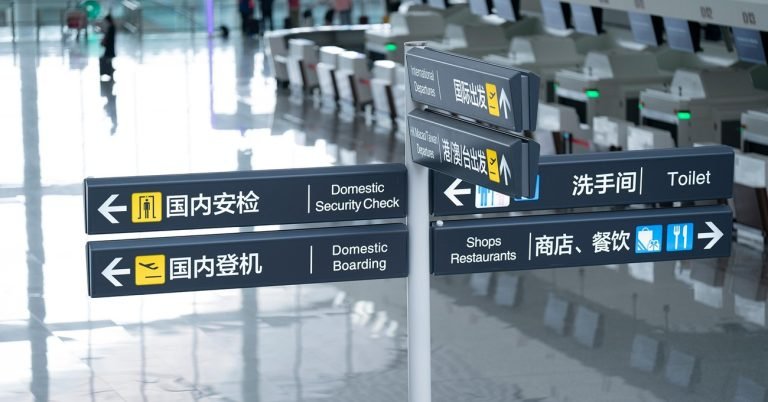
Flight Times to Cambodia from Major Regions
Flight times to Cambodia vary depending on where you are flying from and which connection hub you use. Since there are no direct long-haul flights from North America, Europe, or Australia, total travel time is always a combination of a long-haul flight into Asia, a layover, and a shorter regional flight into Phnom Penh, Siem Reap, or Sihanoukville. The final leg into Cambodia is usually quick, but your overall journey time depends heavily on how efficient your connection is.
Flight Times from North America
| Origin | Typical Duration |
|---|---|
| Los Angeles (LAX) | 18–24 hours (via Seoul, Tokyo, or Taipei) |
| San Francisco (SFO) | 18–24 hours (via Seoul or Singapore) |
| Seattle (SEA) | 19–25 hours (via Seoul or Tokyo) |
| New York (NYC) | 22–30 hours (via Singapore, Doha, or Seoul) |
| Boston (BOS) | 22–30 hours (via Tokyo or Singapore) |
Flight Times from Europe
| Origin | Typical Duration |
|---|---|
| London | 14–20 hours (via Bangkok, Singapore, or Dubai) |
| Paris | 14–20 hours (via Singapore or Doha) |
| Amsterdam | 15–21 hours (via Kuala Lumpur or Bangkok) |
| Frankfurt | 14–20 hours (via Singapore or Dubai) |
Flight Times from Australia and New Zealand
| Origin | Typical Duration |
|---|---|
| Sydney | 10–14 hours (via Singapore or Bangkok) |
| Melbourne | 10–15 hours (via Kuala Lumpur or Singapore) |
| Auckland | 12–16 hours (via Singapore) |
Flight Times from Southeast Asia
| Origin | Typical Duration |
|---|---|
| Bangkok | 1–1.5 hours to Phnom Penh or Siem Reap |
| Ho Chi Minh City | 45–60 minutes to Phnom Penh |
| Kuala Lumpur | 1.5–2 hours to Cambodia |
| Singapore | 2 hours to Cambodia |
Flight Times from Other Parts of Asia
| Origin | Typical Duration |
|---|---|
| Seoul | 5–6 hours to Phnom Penh |
| Taipei | 3–4 hours to Cambodia |
| Hong Kong | 2.5–3.5 hours to Cambodia |
| Major cities in China | 3–6 hours depending on departure city |
The key takeaway is that the final leg into Cambodia is relatively short, especially within Southeast Asia. Most of your travel time will be spent reaching your connection hub rather than flying into Cambodia itself. Choosing efficient routes through cities like Bangkok, Singapore, or Kuala Lumpur can significantly reduce your overall journey time and make the trip much more comfortable.
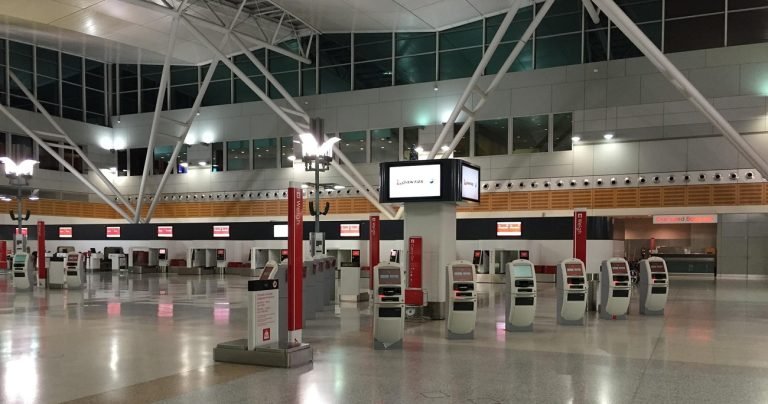
Which Airport Should You Fly Into in Cambodia
Choosing the right airport when booking your flights to Cambodia is one of the most important decisions you will make, as it directly affects your itinerary, travel time, and overall cost. Cambodia has three international airports, each serving a different purpose, and the best choice depends entirely on how you plan to travel through the country.
Phnom Penh is the main international gateway and the most practical option for the majority of travelers. It handles roughly 70% of all incoming flights and offers the widest range of connections from across Asia. If you are flying from North America, Europe, or Australia, this is the airport you are most likely to arrive at. The higher flight volume means better availability, more competitive pricing, and more flexible schedules. Phnom Penh is also the best starting point if your itinerary includes the capital, southern Cambodia, or a broader loop through multiple regions.
Siem Reap is the best choice if your trip is focused on Angkor Wat and the temples. Flying directly into Siem Reap allows you to start exploring immediately without needing to travel overland from Phnom Penh. The airport has strong connections from nearby countries such as Thailand, Vietnam, Malaysia, and Singapore, making it an excellent entry point for regional travelers. However, long-haul travelers will still need to connect through a hub before arriving here, and flight options are generally more limited compared to Phnom Penh.
Sihanoukville is a more specialized entry point and only makes sense for a specific type of itinerary. The airport has a smaller number of international routes, mainly from Malaysia and China, and is primarily used by travelers heading directly to Cambodia’s southern coast or islands such as Koh Rong and Koh Rong Samloem. While it can save time if your trip is focused entirely on the coast, most travelers will find better flight options and pricing by flying into Phnom Penh or Siem Reap and continuing south by land.
If you are planning to visit multiple destinations within Cambodia, it is often worth considering a flexible routing strategy. For example, you might fly into Siem Reap to explore Angkor Wat, then travel overland through the country and depart from Phnom Penh. This type of multi-city approach can save time and reduce backtracking, especially if you are following a route that includes northern, central, and southern Cambodia.
In simple terms, Phnom Penh offers the best overall connectivity and flexibility, Siem Reap is ideal for temple-focused trips, and Sihanoukville is only worth considering for coastal itineraries. Choosing the right airport at the booking stage will make the rest of your trip significantly smoother and more efficient.
Pro Travel Tips for Booking Flights to Cambodia
Booking flights to Cambodia is not just about finding the cheapest ticket. The way you structure your route, choose your connection hub, and time your booking can have a major impact on your overall travel experience. These practical tips will help you avoid common mistakes and make smarter decisions when planning your trip.
One of the most effective strategies is to separate your long-haul and regional flights. Instead of booking a single ticket all the way to Phnom Penh or Siem Reap, look for the best deal into a major hub like Bangkok, Singapore, Kuala Lumpur, or Ho Chi Minh City, then book a separate short flight into Cambodia. This approach often gives you more flexibility and can significantly reduce the total cost of your trip.
Always pay close attention to layover times. While a cheap ticket with a long connection might look appealing, layovers of 6 to 10 hours can quickly turn your journey into an exhausting experience. On the other hand, very short layovers can be risky if your first flight is delayed. A connection time of 2 to 4 hours in well-organized airports like Singapore or Seoul is usually the safest and most comfortable option.
Be aware of baggage rules, especially when mixing full-service airlines with low-cost carriers. Budget airlines operating routes between Thailand, Vietnam, Malaysia, and Cambodia often charge extra for checked luggage, seat selection, and even carry-on baggage in some cases. What looks like a cheap flight can quickly become expensive if you do not factor in these additional costs when booking.
Flexibility is one of your biggest advantages when searching for flights. If possible, compare prices across different departure cities and dates. Flying out of major international airports like Los Angeles, New York, London, or Sydney can open up more routing options and better deals. Even shifting your departure by a day or two can make a noticeable difference in price.
It is also worth considering multi-city tickets instead of simple return flights. For example, you could arrive in Siem Reap and depart from Phnom Penh, which allows you to travel through the country without backtracking. This approach is especially useful if you plan to visit multiple regions such as the temples, the capital, and the coast.
Travel insurance is another factor that should not be overlooked, especially for long-haul journeys with multiple connections. Delays, cancellations, and missed connections can happen, and having coverage gives you an extra layer of protection. This travel insurance guide explains what to look for and how to choose the right policy for your trip.
Finally, think about your arrival time. Landing late at night in Phnom Penh or Siem Reap can make transfers more complicated, especially if you are unfamiliar with the area. Whenever possible, aim for a daytime arrival so you can organize transport, check into your accommodation smoothly, and start your trip without unnecessary stress.

Final Thoughts on Flights to Cambodia and How to Plan Your Trip
Flights to Cambodia may seem complicated at first, but once you understand how the regional flight network works, the process becomes much more manageable. The key is to focus on strong connection hubs in Asia, choose the right arrival airport based on your itinerary, and structure your route in a way that balances cost, time, and convenience. Whether you arrive in Phnom Penh, Siem Reap, or Sihanoukville, your entry point should always align with how you plan to move through the country.
If you are still building your itinerary, it helps to step back and look at Cambodia as a whole before finalizing your flights. This Cambodia travel guide gives you a complete overview of destinations across the country, while this Cambodia itinerary planner helps you structure your route based on how much time you have. Choosing the right flight only makes sense once you know where you actually want to go.
If your trip includes specific destinations, it is worth planning your flights around them. You can explore the capital with this Phnom Penh travel guide or follow a structured route using this Phnom Penh itinerary. If your focus is on temples, this Siem Reap guide and this Angkor Wat guide will help you plan your time around one of the most iconic sites in Southeast Asia.
For travelers heading beyond the main cities, Cambodia offers a wide range of destinations that can influence how you book your flights. You can explore river life and countryside experiences with this Kampot travel guide, relax on the islands using this Koh Rong guide, understand what to expect in this Sihanoukville guide, or discover a quieter side of the country with this Battambang travel guide and this Northeast Cambodia guide.
Beyond destinations, planning logistics properly will make your trip significantly smoother. Understanding seasonal conditions through this best time to visit Cambodia guide can help you avoid peak prices and weather disruptions. Budgeting accurately with this Cambodia cost guide ensures there are no surprises, while this transport guide explains how to move efficiently between destinations once you arrive.
There are also a few essential practical considerations to take care of before booking your flight. Entry requirements are covered in this Cambodia visa guide, while local cuisine and food experiences are explored in this Cambodian food guide. For a smoother trip overall, this Cambodia travel tips guide highlights important things to know before you go.
Finally, once your flights are booked, it is worth organizing the essentials that will impact your trip on arrival. Comparing accommodation options through this hotel booking comparison guide helps you find the best places to stay, while staying connected is much easier when you understand mobile data options and SIM cards in Cambodia before you arrive. You can also explore best eSIM for international travel if you prefer to set everything up in advance. Before you travel, it is also worth putting together a Cambodia packing essentials checklist so you are fully prepared for the climate, activities, and conditions on the ground. It is also worth reviewing travel insurance options and preparing with these travel gear recommendations before you go.
Flights are the starting point of your journey, but they are only one part of the bigger picture. Once you align your flights with your route, budget, and travel style, everything else becomes much easier to plan. Cambodia rewards travelers who plan smart, move efficiently, and understand how the different pieces of the trip fit together from the very beginning.

Frequently Asked Questions About Flights to Cambodia
-
Are there direct flights to Cambodia?
There are no direct long-haul flights to Cambodia from North America, Europe, or Australia. However, there are many direct regional flights from countries in Asia, including Thailand, Vietnam, Malaysia, Singapore, China, South Korea, and the United Arab Emirates. Most international travelers will need to connect through one of these hubs.
-
What is the cheapest way to fly to Cambodia?
The cheapest way to find flights to Cambodia is to book a long-haul flight into a major hub like Bangkok, Kuala Lumpur, or Singapore, then take a separate low-cost flight into Phnom Penh or Siem Reap. Budget airlines within Southeast Asia often offer very competitive prices on these short routes.
-
Which airport should I fly into in Cambodia?
Phnom Penh is the best option for most travelers due to its strong international connections and frequent flights. Siem Reap is ideal if your trip is focused on Angkor Wat, while Sihanoukville is only worth considering if you are heading directly to the coast or islands.
-
How long is the flight to Cambodia?
Flight time depends on your starting point. From North America, expect 18 to 30 hours total travel time. From Europe, it is usually 14 to 22 hours. From Australia, around 10 to 16 hours. Regional flights within Asia, such as from Bangkok or Ho Chi Minh City, typically take between 1 and 2 hours.
-
Are there cheap flights from Bangkok to Cambodia?
Yes, flights from Bangkok to Phnom Penh or Siem Reap are among the most frequent and affordable routes. Multiple airlines operate daily flights, and prices are often low due to strong competition between carriers.
-
Can you fly from Vietnam to Cambodia?
Yes, there are regular direct flights from Vietnam, especially from Ho Chi Minh City, to both Phnom Penh and Siem Reap. These flights are short, often under one hour, and are one of the easiest ways to travel between the two countries.
-
What airlines fly to Cambodia?
Cambodia is served by a mix of full-service and low-cost airlines, including regional carriers like Cambodia Airways and Vietnam Airlines, as well as larger international airlines connecting through Singapore, Bangkok, Seoul, and China. Budget airlines such as AirAsia and VietJet also operate many regional routes.
-
Are there flights from the USA to Cambodia?
Yes, but there are no direct flights. Travelers from the United States typically connect through Asia, with common routes passing through Seoul, Tokyo, Singapore, or Bangkok before continuing to Cambodia.
-
When is the cheapest time to book flights to Cambodia?
Flights are usually cheapest during the low and shoulder seasons, especially between May and early October. Booking 2 to 4 months in advance is generally a good strategy for international flights, while regional flights within Asia can often be booked closer to departure.
-
Can you fly directly to Koh Rong or the Cambodian islands?
No, there are no direct flights to Koh Rong or other islands. The closest airport is Sihanoukville, from where you can take a ferry to the islands. Most travelers fly into Phnom Penh or Siem Reap and travel south by land before taking a boat.
-
Is it better to fly into Phnom Penh or Siem Reap?
It depends on your itinerary. Phnom Penh offers better flight availability and pricing, while Siem Reap is more convenient if you want to start your trip at Angkor Wat. Many travelers choose a multi-city route, arriving in one city and departing from the other.
-
How many airports are there in Cambodia?
Cambodia has four airports in total, three of which handle international flights: Phnom Penh, Siem Reap, and Sihanoukville. The fourth airport, in Battambang, is used for domestic flights only.
Travel Resources to Plan, Book & Stay Connected
Use these tools and guides to stay connected abroad, find inspiration for your next trip, and book your flights, stays and gear with confidence.
Disclosure: This article may contain affiliate links. If you make a purchase through a link, I may receive a commission at no extra cost to you. I only share recommendations I believe are genuinely useful, and all opinions are my own. AI was used in this post for research and drafting purposes.

Comment (0)