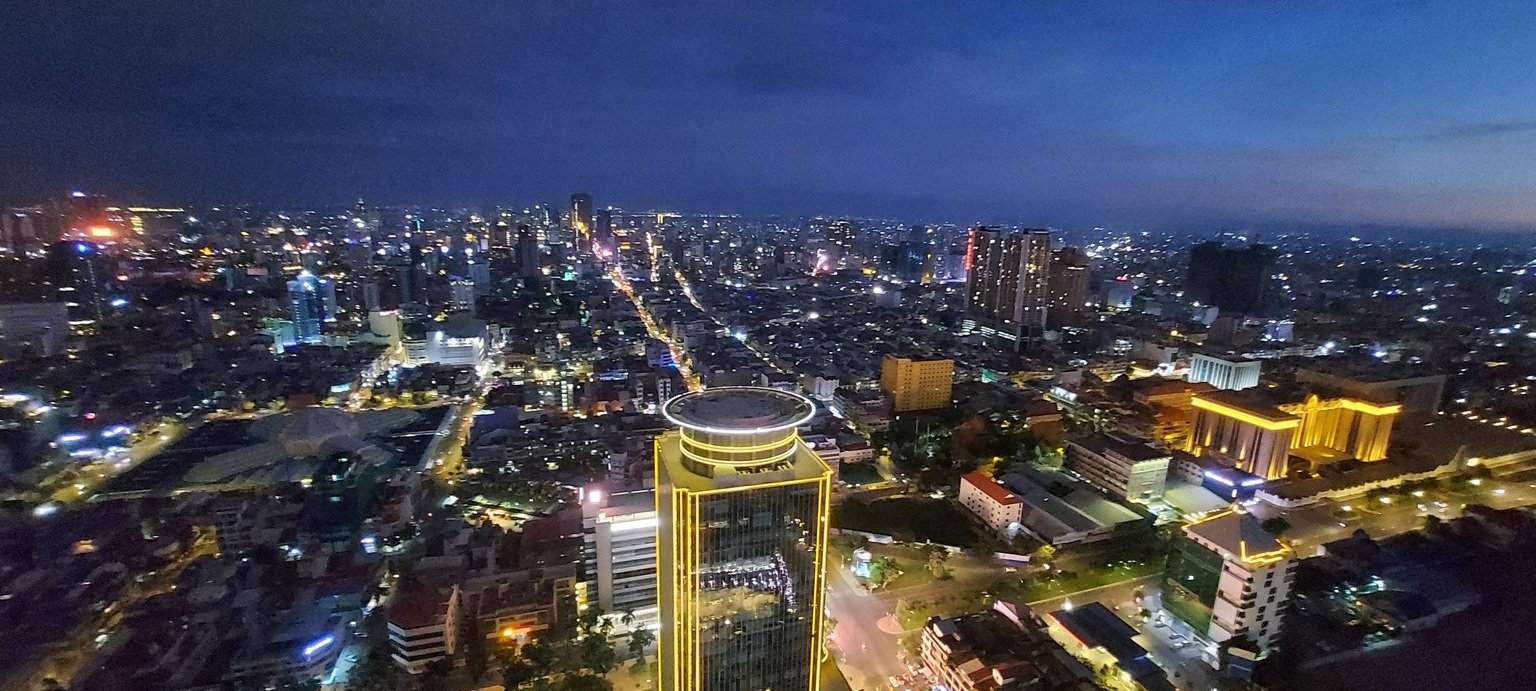
Phnom Penh Itinerary: Plan Your Perfect 1, 2, or 3 Day Visit
Planning a Phnom Penh itinerary can feel surprisingly tricky. Cambodia’s capital is compact, intense, and deeply historical, which means you can see the highlights quickly, but structuring your time properly makes a significant difference to the overall experience.
This guide shows you exactly how to spend 1, 2, or 3 days in Phnom Penh, with realistic pacing, logical routes, and clear priorities so you can explore the city efficiently without feeling rushed or overwhelmed.
- ✔️ A complete 1-day Phnom Penh itinerary covering the essential landmarks
- ✔️ A balanced 2-day itinerary with culture, history, and local experiences
- ✔️ A 3-day itinerary with slower pacing and optional additions
- ✔️ How to combine Phnom Penh with other destinations in Cambodia
- ✔️ Practical tips for getting around and organizing your days efficiently
If you are planning a wider trip, start with this Cambodia travel guide and use this Cambodia itinerary to structure your route. You can then continue your journey with Siem Reap and the detailed Angkor Wat guide.
After exploring the temples and the capital, many travelers head south toward Cambodia’s coastline and islands. This Koh Rong and Koh Rong Samloem guide shows how to plan your island stay, including beaches, ferry routes, and where to stay.
For a deeper understanding of the capital itself, including attractions, neighborhoods, and local insights, refer to the full Phnom Penh travel guide.
Phnom Penh Itinerary: What to Expect When Planning Your Visit
A well-planned Phnom Penh itinerary helps you experience the city for what it truly is: a place of contrasts, where ornate temples and royal architecture stand alongside powerful reminders of Cambodia’s recent history. It is not a city that overwhelms you with endless attractions, but rather one that rewards thoughtful pacing and intentional exploration.
Most travelers spend one to two days here, which is enough to cover the essential landmarks while still leaving time to absorb the atmosphere along the riverside, explore local neighborhoods, and enjoy the city’s growing food and nightlife scene. Adding a third day allows for a slower rhythm or a few less obvious experiences without feeling rushed.
This guide is designed to help you structure your time efficiently, whether you are visiting Phnom Penh as a standalone destination or as part of a wider journey through Cambodia. Each itinerary is built around realistic travel times, logical routes, and a balance between cultural sites, historical context, and moments to simply experience the city as it is.
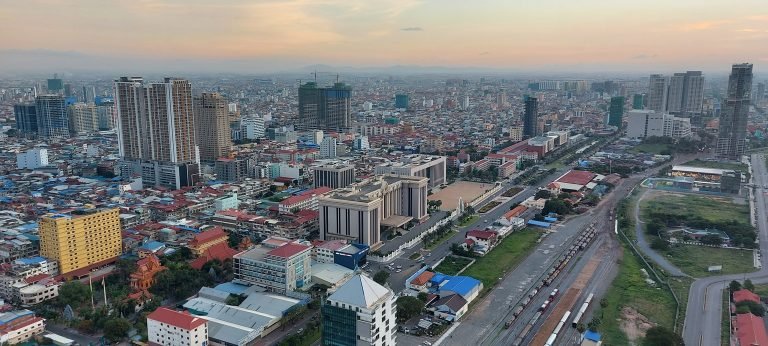
How to Get to Phnom Penh
Most international travelers arriving for a Phnom Penh itinerary will now land at Techo International Airport, which serves as the main international gateway for Cambodia’s capital. If Phnom Penh is your first stop in the country, it makes sense to book your route early, especially during peak travel periods, through this cheap international flights guide.
Before arrival, most travelers will need a visa to enter Cambodia. You can apply in advance through the official e-visa platform, or obtain a visa on arrival depending on your nationality. In addition, all travelers are required to complete the digital arrival form via the Cambodia e-arrival system before entering the country. Make sure your passport is valid for at least six months from your date of entry.
Once you land, getting into the city is straightforward. The airport provides official transport information on its transportation page, including bus connections into Phnom Penh. This is usually the most budget-friendly option, although it may not be the most convenient if you are arriving with heavy luggage, after a long flight, or late in the day.
For most travelers, ride-hailing apps are the easiest way to reach their hotel. PassApp and Grab are the two main apps worth having on your phone, and both are useful not only for airport transfers but also throughout the rest of your Phnom Penh itinerary. They make getting around the city much simpler, especially if it is your first time in Cambodia.
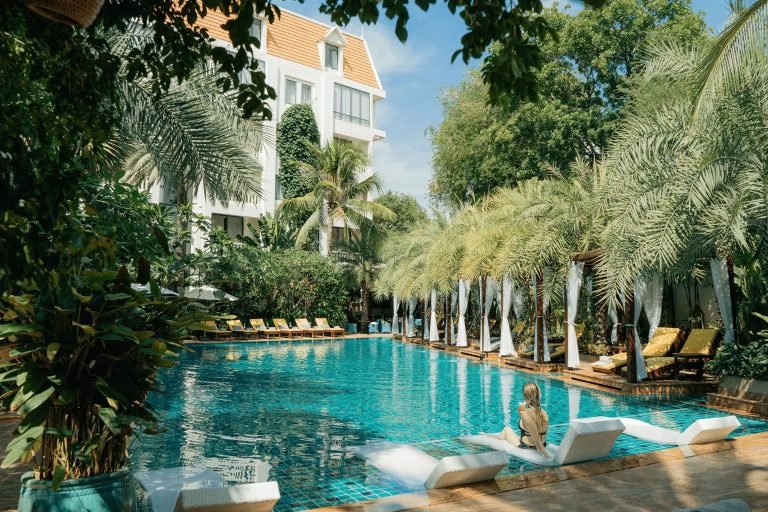
Phnom Penh Itinerary: Where to Stay in Phnom Penh
Choosing where to stay is one of the most important parts of planning your Phnom Penh itinerary. The city is relatively compact, but your experience can feel very different depending on whether you stay near the riverside, in Daun Penh, or in areas like BKK1. For most travelers, central locations close to the main attractions make it much easier to follow a 1, 2, or 3 day itinerary without wasting time in traffic.
If you want to compare availability, prices, and locations across multiple platforms, use this hotel comparison guide before booking.
HOTELS IN PHNOM PENH
BUDGET HOTELS
MAD MONKEY HOSTEL PHNOM PENH
No. 30-32 Street 242, Sangkat Chaktomuk, Daun Penh, Phnom Penh, Cambodia — +855 23 987 091
Mad Monkey Hostel Phnom Penh is my top recommendation for budget travelers visiting the Cambodian capital. Located in the heart of Daun Penh, it places you within easy reach of the Royal Palace, National Museum, Riverside, cafés, restaurants, and nightlife. The hostel is well known for its friendly social atmosphere, making it especially popular with backpackers, solo travelers, and anyone looking to meet other travelers. Despite its reputation as a hostel, it also offers comfortable private rooms for those who want more privacy while still enjoying the lively atmosphere. If you are looking for the best combination of location, value, facilities, and social experience, this is one of the strongest budget stays in Phnom Penh.
Exclusive WorldlyRoaming reader offer: Book your stay directly through the official Mad Monkey Phnom Penh page and use code WORLDLYROAMING10 during checkout to receive 10% off. The discount is valid on all room and bed types at participating Mad Monkey Hostels across Southeast Asia and also applies to the popular Ha Giang Loop tour.
Frog Guesthouse
Boeng Keng Kang Muoy, Phnom Penh, Cambodia — +885 88 204 0360
A simple and affordable guesthouse in a lively neighborhood, ideal for travelers who want to stay close to restaurants and local life. The atmosphere is relaxed, and it works well as a base for exploring Phnom Penh on foot or by short rides. If you are looking for a budget-friendly stay with a social feel, this is a solid option to consider.
Best Central Point Hotel
35, St 172, Sangkat Chey Chum Nas, Khan Daun Penh, Phnom Penh, Cambodia — +885 23 986 296
Located in the heart of Daun Penh, this hotel puts you within walking distance of major sights and the riverside. It offers great value for travelers who want convenience without spending much. A practical choice if your Phnom Penh itinerary is focused on central attractions.
The Artist Residence
#69, Street 178, Sangkat Chey Chumnas, Daun Penh, Phnom Penh, Cambodia — +885 23 213 930
This small boutique-style stay has a creative feel and a strong location near cultural sites and cafés. It is ideal for travelers who want something a bit more unique while still staying within a budget. A good fit if you want character without sacrificing location.
MID-RANGE COMFORT HOTELS
The Scenic Hotel
The Scenic Hotel Phnom Penh, Daun Penh, Phnom Penh, Cambodia — +885 96 627 7799
A comfortable, well-located hotel that balances price and quality, making it ideal for most travelers. Its central position allows easy access to Phnom Penh’s main highlights. A reliable option if you want convenience and comfort throughout your stay.
X One Hotel
97 Preah Sisowath Quay, Daun Penh, Phnom Penh, Cambodia — +885 87 722 922
Set along the riverside, this hotel offers great views and immediate access to Phnom Penh’s nightlife and dining scene. It is ideal for travelers who want to stay in a lively area with everything nearby. A strong choice for a well-located and easy stay.
Pinnacle Moments Residence
12307 Preah Monivong Blvd (93), Phnom Penh, Cambodia — +855 23 951 666
A modern residence-style hotel offering more space and a quieter atmosphere compared to the busy center. It works well for longer stays or travelers who want a bit more comfort and privacy. A good option if you prefer a slightly calmer base.
JD POLMAN Hotel & Residence
Sen Sok, Phnom Penh, Cambodia — +885 23 886 789
Located away from the tourist center, this hotel offers a more local and residential feel. It is ideal for travelers who prefer quieter surroundings and modern facilities. A good choice if you do not mind short rides into the city center.
LUXURY STAYS
Palace Gate Hotel & Resort by EHM
#44, St Sothearos, Daun Penh, Phnom Penh, Cambodia — +855 23900011
Set directly opposite the Royal Palace, this hotel offers one of the best locations in Phnom Penh. The design blends traditional Khmer elements with modern comfort, creating a refined atmosphere. A top choice if you want a premium stay in the heart of the city.
Skyline Boutique Hotel
#18C, Street 29, Sangkat Tonle Basac, Phnom Penh, Cambodia — +885 15 222 753
A smaller luxury property with a boutique feel, ideal for travelers who value design and a more intimate setting. It offers a quieter alternative to larger hotels while still being centrally located. A great fit for couples or relaxed stays.
Plantation Urban Resort & Spa
#28 Street 184, Daun Penh, Phnom Penh, Cambodia — +885 23 215 151
A well-known urban resort offering a calm oasis in the middle of the city, with lush gardens and a strong reputation. It combines location, comfort, and atmosphere in a way that suits most travelers. A standout option if you want to unwind after busy days exploring Phnom Penh.
Browse More Phnom Penh Hotels
Phnom Penh is growing quickly, and good hotels can fill up fast, especially during peak travel periods, so it is worth checking availability early.
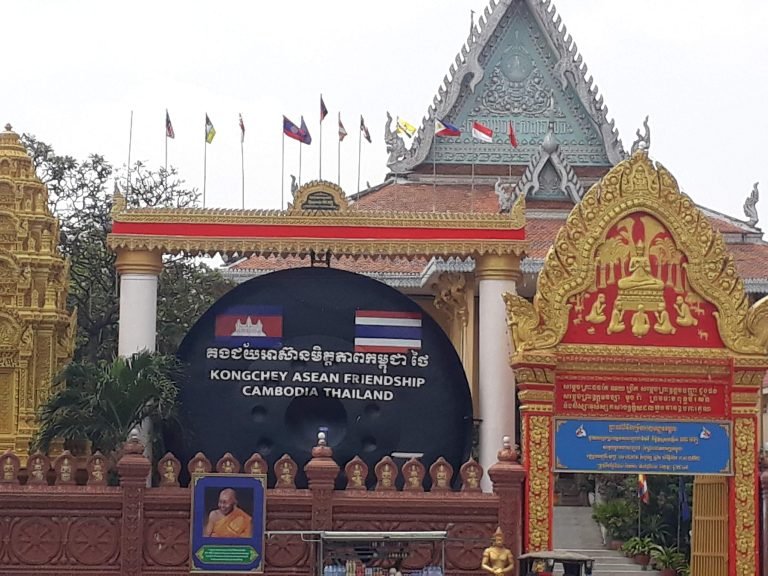
Phnom Penh Itinerary: How to Spend 1 Day in Phnom Penh
If you only have one day in Phnom Penh, the goal is not to see everything, but to experience the city’s most important highlights in a logical and manageable way. This Phnom Penh itinerary focuses on the key cultural landmarks and historical sites, while still leaving room to absorb the atmosphere along the riverside.
Start your day early to avoid the heat and traffic, and group your visits geographically to keep travel time to a minimum. Most of the main attractions are relatively close to each other, which makes a one-day itinerary realistic if you plan it properly.
Morning: Royal Palace and Silver Pagoda
Begin your Phnom Penh itinerary at the Royal Palace, one of the city’s most iconic landmarks. The complex is home to beautifully maintained gardens, traditional Khmer architecture, and the famous Silver Pagoda, known for its floor lined with silver tiles and its collection of Buddha statues.
Arriving early helps you avoid both the crowds and the midday heat, making the experience much more enjoyable. Plan to spend around one to two hours here, taking your time to explore the different buildings and courtyards.
Late Morning: National Museum and Riverside Walk
From the Royal Palace, it is a short walk to the National Museum, which houses one of the most important collections of Khmer art in the country. Even if you are not deeply interested in history, the building itself and the peaceful inner courtyard are worth seeing.
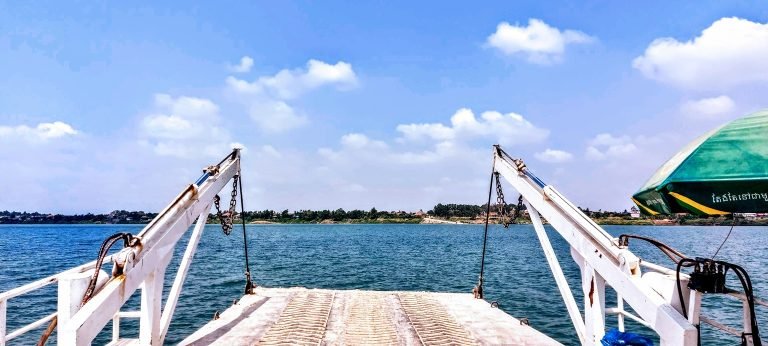
After your visit, take a walk along the riverside promenade. This is one of the best ways to experience Phnom Penh’s daily rhythm, with locals gathering, vendors setting up, and views over the Tonlé Sap and Mekong rivers.
Afternoon: Tuol Sleng Genocide Museum and Killing Fields
In the afternoon, focus on understanding Cambodia’s recent history. Start with the Tuol Sleng Genocide Museum, a former school that was turned into a prison during the Khmer Rouge regime. The experience is intense, but it provides essential context for understanding the country.
If you have the time and emotional energy, continue to the Killing Fields of Choeung Ek, located just outside the city. Visiting both sites on the same day creates a deeper and more complete understanding of this period in Cambodia’s history. This complete guide to the killing fields and Tuol Sleng visit helps you plan the logistics, timing, and approach for visiting both sites together.
Visit the Killing Fields and Tuol Sleng Genocide Museum to understand Cambodia’s history through a guided and respectful experience.
View historical tourEvening: Riverside, Dinner, and Nightlife
Return to the riverside area in the evening, when the city begins to cool down and the atmosphere becomes more relaxed. This is the perfect time to enjoy dinner at one of the many restaurants along the river or in nearby streets.
If you still have energy, Phnom Penh offers a surprisingly lively nightlife scene, from casual bars to rooftop venues with views over the city. It is a great way to end your first day and reflect on everything you have seen.
Phnom Penh Itinerary: How to Spend 2 Days in Phnom Penh
A 2-day Phnom Penh itinerary gives you enough time to explore the city at a more comfortable pace, without trying to fit everything into a single day. You can follow the 1-day itinerary for the major highlights, then use your second day to explore local markets, neighborhoods, and a different side of the city beyond the main tourist sites.
This approach creates a better balance between history, culture, and everyday life, which is exactly what Phnom Penh is about. It also allows for more flexibility, so you can slow down, take breaks, and enjoy the experience rather than rushing from one place to another.
Day 1: Follow the Essential Phnom Penh Highlights
Use your first day to follow the 1-day Phnom Penh itinerary, covering the Royal Palace, Silver Pagoda, National Museum, riverside area, and the important historical sites such as Tuol Sleng and the Killing Fields. This gives you a strong foundation and helps you understand both the beauty and the history of the city.
Day 2 Morning: Central Market and Wat Phnom
Start your second day at the Central Market, one of Phnom Penh’s most recognizable landmarks with its distinctive Art Deco dome. It is a great place to see local life in action, browse souvenirs, and experience the busy atmosphere of a Cambodian market.
From there, head to Wat Phnom, the small hilltop temple that gave the city its name. It is a quick stop, but it offers a different perspective compared to the larger and more formal temple complexes you may have seen elsewhere in Cambodia.
Day 2 Afternoon: Russian Market and Local Neighborhoods
In the afternoon, visit the Russian Market, which is known for its maze of stalls selling clothing, handicrafts, and local goods. It is a more local and less polished experience than Central Market, making it a good complement to your morning.
After exploring the market, take some time to walk around nearby neighborhoods or relax in a café. This part of your Phnom Penh itinerary is about slowing down and experiencing the city beyond the main attractions.
Day 2 Evening: Rooftop Views and Dinner
End your second day with a rooftop bar or a relaxed dinner in one of Phnom Penh’s more modern areas. Rooftop venues offer a different perspective of the city, especially at sunset, when the skyline and rivers reflect the changing light.
This is also a good opportunity to explore the city’s growing food scene, whether you are looking for local Cambodian dishes or international options. After two days, you will have a much more complete and balanced view of Phnom Penh.
Browse Phnom Penh tours and activities, from cultural landmarks and history-focused visits to river cruises and day trips beyond the city.
View Phnom Penh tours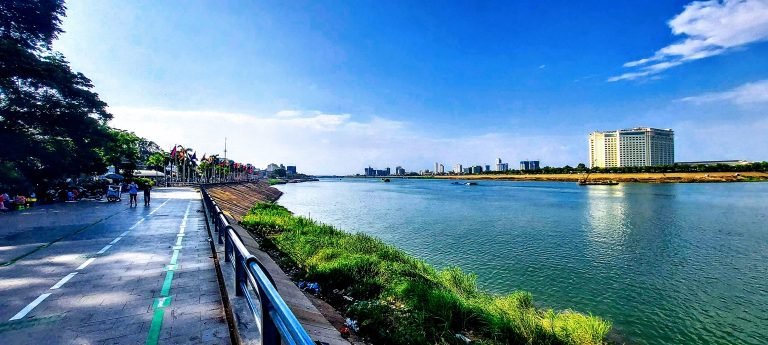
Phnom Penh Itinerary: How to Spend 3 Days in Phnom Penh
A 3-day Phnom Penh itinerary allows you to slow things down and experience the city beyond its main highlights. After covering the essential landmarks on your first two days, the third day is where you can explore more local areas, take a break from the intensity of the historical sites, or venture just outside the city.
This extra time makes a noticeable difference. Instead of moving quickly from one attraction to the next, you can enjoy Phnom Penh at a more relaxed pace, spend time in cafés, revisit places you liked, or add a short day trip.
Day 1 and Day 2: Follow the Core Phnom Penh Itinerary
Use your first two days to follow the 1-day and 2-day Phnom Penh itinerary structure, covering the Royal Palace, Silver Pagoda, National Museum, riverside, Tuol Sleng, the Killing Fields, markets, and local neighborhoods. This ensures you do not miss any of the key experiences that define the city.
Day 3 Option 1: Oudong Mountain Day Trip
One of the most worthwhile day trips from Phnom Penh is Oudong Mountain, the former royal capital of Cambodia. Located about an hour from the city, it offers a completely different atmosphere, with peaceful surroundings, large stupas, and panoramic views over the countryside.
Climbing the steps to the top takes some effort, especially in the heat, but the views and the sense of space make it worthwhile. This is a good option if you want to step away from the city and experience a quieter, more traditional side of Cambodia.
Day 3 Option 2: Silk Island (Koh Dach)
Another easy escape from Phnom Penh is Silk Island, also known as Koh Dach. A short ferry ride takes you to a much calmer environment where you can see traditional silk weaving, cycle through villages, and experience rural life along the Mekong River.
This option is ideal if you prefer a lighter, more relaxed day without long travel times. It contrasts nicely with the intensity of the city and adds variety to your Phnom Penh itinerary.
Day 3 Option 3: Slow Day in the City
If you prefer to stay in Phnom Penh, use your third day to explore at your own pace. You can revisit the riverside, spend time in cafés, explore smaller temples, or simply enjoy the atmosphere without following a strict schedule.
This is also a good opportunity to catch anything you may have missed during your first two days or to balance out your itinerary with a more relaxed and flexible day.
Browse Phnom Penh tours and activities, from cultural landmarks and history-focused visits to river cruises and day trips beyond the city.
View Phnom Penh tours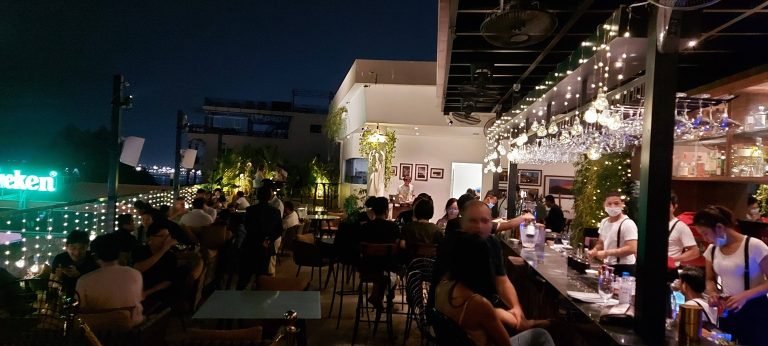
Phnom Penh Itinerary: Food and Nightlife
Food and nightlife are an essential part of any Phnom Penh itinerary. The city has evolved into one of Southeast Asia’s more interesting dining scenes, where traditional Khmer cuisine sits alongside international restaurants, rooftop bars, and relaxed late-night spots. Whether you are looking for local flavors, refined dining, or a place to unwind after a full day of exploring, Phnom Penh delivers far more variety than most travelers expect.
The areas around Riverside, BKK1, and the Russian Market are particularly strong for both food and nightlife, making it easy to build your evenings naturally into your itinerary without long travel times.
Restaurants in Phnom Penh
Phnom Penh offers a mix of authentic local eateries and high-quality international restaurants. From simple noodle shops to refined tasting menus, the city’s food scene reflects both its traditions and its growing global influence.
Chinese Noodle Restaurant
No-frills noodle house, Phnom Penh
A simple, no-frills spot known for its hand-pulled noodles and freshly made dumplings prepared right in front of you. The focus here is entirely on flavor and technique rather than atmosphere. It is a great choice if you want something authentic, quick, and satisfying between sightseeing stops.
Eleven One Kitchen
Local Khmer restaurant, Phnom Penh
A local favorite that focuses on traditional Khmer dishes like fish amok and beef lok lak, prepared with fresh, seasonal ingredients. The restaurant also stands out for its environmentally conscious approach, including minimal plastic use. It is an excellent place to experience Cambodian cuisine in a comfortable setting.
Pizza 4P’s
International restaurant, Phnom Penh
An international favorite known for its craft pizzas, house-made cheeses, and creative flavor combinations. The concept blends Japanese precision with Italian tradition, resulting in a unique dining experience. A reliable option if you are in the mood for something different from local cuisine.
Khema La Poste
French restaurant and deli, Phnom Penh
A refined French-style deli and restaurant offering quality cheeses, cold cuts, pastries, and classic bistro dishes. Its riverside location adds to the overall experience. Ideal for a relaxed meal with a European touch.
Topaz
Fine dining French restaurant, Phnom Penh
One of the most established fine dining restaurants in the city, known for its classic French cuisine and elegant setting. The wine cellar and attention to detail make it a standout for special occasions. A strong choice if you want a high-end dining experience.
Cuisine Wat Damnak
Modern Cambodian restaurant, Phnom Penh
A modern take on Cambodian cuisine, offering seasonal tasting menus that reinterpret traditional flavors. The experience is more refined and structured compared to typical local restaurants. Perfect if you want to explore Khmer cuisine at a higher level.
Discover cooking classes in Phnom Penh and learn how to prepare traditional Khmer dishes through hands-on local experiences.
View cooking classesBars and Rooftop Bars
Phnom Penh’s bar scene ranges from casual riverside spots to elevated rooftop venues with panoramic views. These are ideal for ending your day, especially after exploring the city in the heat.
Juniper Gin Bar
Rooftop bar, Phnom Penh
Located on the 12th floor, this bar specializes in gin-based cocktails and offers wide views over the river. The atmosphere is relaxed but refined, making it a good transition between daytime sightseeing and evening plans. A great spot for sunset drinks.
Harry’s Sports Bar
Riverside bar, Phnom Penh
A lively sports bar on the riverfront with multiple screens, a pool table, and a casual menu. It is popular with both locals and expats, especially during live events. A reliable option if you want something easygoing and social.
Sora Sky Bar
Luxury rooftop bar, Phnom Penh
Located high above the city, this rooftop offers one of the best views in Phnom Penh. The setting is upscale, with a strong cocktail menu and a curated whiskey selection. A standout choice for a more premium evening experience.
Rukkha Sky Bar
Rooftop bar, Phnom Penh
A more relaxed rooftop venue with a plant-filled terrace and views over the Mekong. It combines good cocktails with a laid-back atmosphere, making it easy to spend a longer evening here. One of the best-balanced rooftop options in the city.
Chill Bars
If you prefer something quieter, Phnom Penh has several hidden bars and low-key spots that focus more on atmosphere and quality drinks than crowds.
BATTBONG Speakeasy Bar . Bistro
Speakeasy bar, Phnom Penh
A hidden bar accessed through a disguised entrance, offering a more intimate and dimly lit setting. The focus is on craft cocktails and a quieter atmosphere. A good option if you want to escape the busier parts of the city.
Long After Dark
Whiskey and cocktail bar, Phnom Penh
A relaxed bar in the Russian Market area with an extensive selection of spirits. The atmosphere is low-key and unpretentious, making it easy to settle in for the evening. Ideal for a slower-paced night.
Nightclubs
For those looking to continue into the night, Phnom Penh has a small but energetic club scene, particularly around BKK1 and the riverside.
Pulse Club
Nightclub, Phnom Penh
An electronic music venue featuring local and international DJs, with a strong focus on sound quality. The atmosphere is energetic and attracts a mixed crowd. A good option if you are looking for a full club experience.
Love Club
Nightclub, Phnom Penh
A high-energy club known for its lighting, DJ sets, and lively crowd. It is particularly popular with younger locals and visitors looking for a late-night experience. A strong choice if you want to end your night with something more intense.
Phnom Penh Itinerary: How to Get Around Phnom Penh
Getting around efficiently is essential for making your Phnom Penh itinerary work smoothly. While distances are not huge, traffic, heat, and limited pedestrian infrastructure mean you will rely on transport throughout your stay. Understanding your options helps you move around confidently and avoid wasting time.
Ride-Hailing Apps (Remork, Bajaj, Cars)
The easiest and most reliable way to get around Phnom Penh is by using ride-hailing apps like PassApp and Grab. These apps let you choose between remorks (tuk-tuks), bajaj-style vehicles, and cars, depending on your preference and budget.
Prices are fixed within the app, which removes the need to negotiate and makes everything more predictable, especially for first-time visitors. For most travelers, this will be the main way to move between attractions, restaurants, and hotels throughout the itinerary.
Tuk-Tuks You Flag Down
You will see plenty of tuk-tuks on the streets that you can flag down at any time. This can be convenient, especially in busy areas like the riverside or markets, but it requires a bit more awareness.
Always agree on the price before starting your ride to avoid misunderstandings later. While this option can sometimes be cheaper than apps, it is generally less consistent and slightly more effort compared to using PassApp or Grab.
Motorbike Taxis
Motorbike taxis are another common way to get around Phnom Penh, particularly for short distances or when traffic is heavy. They are usually the fastest option, as they can move through traffic more easily than larger vehicles.
However, they are less comfortable and not ideal if you are carrying luggage or traveling long distances. This option is best suited for quick solo trips when speed matters more than comfort.
City Bus
Phnom Penh has a public bus system that connects different parts of the city at a very low cost. While it is used by locals, it is not the most practical option for most travelers due to limited routes, infrequent schedules, and a lack of clear information.
For short stays and structured itineraries, buses are generally not worth the extra time and uncertainty compared to ride-hailing apps. They are better suited for longer stays or travelers already familiar with the system.
Walking
Walking works well in specific areas such as the riverside and parts of Daun Penh, where attractions are relatively close together. It is a good way to experience the city’s atmosphere, especially in the early morning or evening when temperatures are lower.
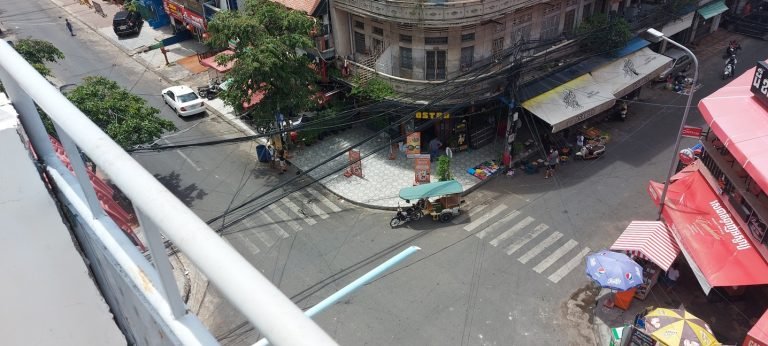
That said, Phnom Penh is not consistently pedestrian-friendly. Sidewalks can be uneven or blocked, and the heat can become intense during the day, so walking is best combined with short rides rather than used as your main mode of transport.
Phnom Penh Itinerary: Best Time to Visit Phnom Penh
Choosing the right time to visit can make a significant difference in how comfortable and enjoyable your Phnom Penh itinerary feels. Cambodia has a tropical climate, which means heat and humidity are constant factors throughout the year, but seasonal differences still affect travel conditions. For a broader breakdown of seasonal patterns, this Cambodia travel seasons guide helps you understand how timing can impact your trip.
Dry Season (November to March)
The dry season is generally considered the best time to visit Phnom Penh. Temperatures are still warm, but humidity is lower, and rainfall is minimal, making it easier to explore the city’s outdoor attractions and move between locations comfortably.
This is also the busiest period for tourism, so hotels can fill up quickly and prices may be slightly higher. If your Phnom Penh itinerary falls within these months, it is a good idea to book accommodation in advance.
Hot Season (April to May)
April and May are the hottest months of the year, with temperatures often rising above what many travelers are used to. Exploring during the middle of the day can be challenging, and you will need to plan more breaks and indoor stops.
If you visit during this period, start your days early, return to your hotel in the afternoon, and continue in the evening. The upside is that there are fewer crowds, and you may find better hotel deals.
Rainy Season (June to October)
The rainy season brings regular, but usually short, bursts of heavy rain. These often occur in the late afternoon or evening, meaning you can still plan your days around them without major disruption.
While humidity is higher, the city becomes greener and less dusty, and there are noticeably fewer tourists. This can make for a more relaxed Phnom Penh itinerary, especially if you do not mind occasional rain.
When Should You Visit Phnom Penh?
For most travelers, the dry season between November and March offers the best balance of weather and comfort. However, Phnom Penh is a year-round destination, and each season has its advantages depending on your priorities.
If you prefer fewer crowds and do not mind heat or occasional rain, the shoulder and rainy seasons can still provide a very rewarding experience. The key is to adapt your itinerary slightly to the conditions and pace your days accordingly.
Phnom Penh Itinerary: Practical Travel Tips
A well-planned Phnom Penh itinerary is not just about what you see, but how smoothly your trip runs day to day. A few practical decisions around connectivity, transport, and preparation can make a big difference once you are on the ground.
Book Flights and Accommodation Early
Phnom Penh is growing quickly as a destination, and availability can tighten during peak travel periods. It is worth comparing routes and prices in advance using this cheap international flights guide to find the best options.
For accommodation, location matters more than luxury in Phnom Penh. Staying in central areas like Daun Penh or BKK1 will save you time and simplify your itinerary, so use this hotel comparison guide to check availability and secure a good base.
Stay Connected from the Start
Having mobile data as soon as you arrive makes everything easier, from booking rides to navigating the city. Setting up an eSIM before your trip is the simplest option, and you can compare providers in this international eSIM guide.
Reliable connectivity is especially useful in Phnom Penh, where apps like PassApp and Grab are the main way to get around. It removes friction from your itinerary and saves time throughout the day.
Use Ride Apps Instead of Negotiating
While tuk-tuks are everywhere, using apps is generally easier and more consistent than negotiating prices on the street. It also helps you avoid misunderstandings and gives you a clearer idea of travel time and cost before you start your journey.
This small adjustment can significantly improve how your Phnom Penh itinerary flows, especially if it is your first time in Cambodia.
Be Prepared for the Heat
Phnom Penh can feel intense, particularly around midday. Plan your sightseeing for the morning and late afternoon, and use the hottest part of the day for indoor activities, cafés, or rest.
Light clothing, hydration, and pacing your day properly will make your experience much more comfortable. Packing the right items can also help, so it is worth checking these travel gear recommendations before your trip.
Travel Insurance Is Worth Considering
Medical care in Phnom Penh has improved in recent years, and you will find good dentists and clinics capable of handling basic health issues. For minor concerns, the standard of care is generally sufficient and accessible for travelers.
However, for anything serious, medical evacuation to a better-equipped hospital in another country is often necessary. This is where many travelers run into problems, as evacuation and advanced treatment can be extremely expensive without coverage.
It is not uncommon to see fundraising campaigns started by foreigners who arrived without insurance and suddenly face large medical bills they cannot afford. Before traveling, take a moment to review options in this travel insurance guide so you are properly covered throughout your itinerary.
Respect Local Culture and History
Phnom Penh is not just another Southeast Asian capital. Many of its key sites relate to Cambodia’s recent history, and visiting them requires a respectful and thoughtful approach.
Dress appropriately when visiting temples, remain mindful at historical sites, and take the time to understand the context behind what you are seeing. This adds depth to your Phnom Penh itinerary and makes the experience far more meaningful.
Phnom Penh Itinerary: Final Thoughts and Next Steps
A well-structured Phnom Penh itinerary is less about ticking off attractions and more about understanding the rhythm of the city. Phnom Penh is compact, intense, and meaningful, and even a short stay can leave a strong impression when your time is planned thoughtfully.
For most travelers, one to two days is enough to experience the highlights, while a third day allows for a slower pace or a short escape beyond the city. The key is to balance historical sites with lighter moments, so your itinerary feels complete without becoming overwhelming. One of the most important parts of that balance is understanding the city’s recent past through sites like Tuol Sleng and Choeung Ek, which are explained in this practical guide to visiting Phnom Penh’s genocide memorial sites.
If you are continuing your journey through Cambodia, the next logical step is Siem Reap and the Angkor temples. Use this Siem Reap travel guide to plan your stay, and dive deeper into the temples with this Angkor Wat visitor guide. Extending your route to include Battambang’s countryside and local experiences adds a quieter and more authentic dimension to your trip.
To place Phnom Penh in the wider context of the country, you can also explore the full Cambodia travel guide, which connects all major destinations and helps you structure a complete trip using this how to plan your Cambodia route, while keeping in mind the best period to visit Cambodia. Before confirming your overall plans, it is also helpful to review the Cambodia visa entry and application details so your arrival fits smoothly into your itinerary. Adding time in the south with Kampot’s laid-back river and coastal experiences brings a slower, more relaxed balance to your itinerary.
From Kampot, most routes continue toward Sihanoukville Cambodia, which acts as the main gateway to the islands. From there, many travelers continue toward Cambodia’s islands for a beach-focused part of their trip. This Koh Rong and Koh Rong Samloem guide helps you plan that transition, covering ferry routes, beaches, and where to stay. If you are looking for a more remote and nature-focused alternative to the coast, heading inland through this Cambodia off-the-beaten-path highlands guide offers a completely different experience in Mondulkiri and Ratanakiri. To better manage your spending as you move between cities, temples, and islands, this Cambodia travel expenses guide gives you a clear idea of what to expect at each stage of your journey, while this Cambodia transport guide helps you plan how to move between each destination efficiently. If you want to better understand how travel conditions vary between cities and regions, this Cambodia safety considerations guide adds useful context as you plan your route.
If you want a deeper breakdown of attractions, neighborhoods, and local insights within the capital itself, refer back to the full Phnom Penh travel guide to complement this itinerary.
Phnom Penh Itinerary: Frequently Asked Questions
-
How many days do you need in Phnom Penh?
Most travelers need 1 to 2 days to cover the main highlights of Phnom Penh. A third day allows for a slower pace or a short day trip outside the city. -
Is one day enough for a Phnom Penh itinerary?
Yes, one day is enough to see the key landmarks such as the Royal Palace, National Museum, and the main historical sites. However, the pace will be quite full and requires early planning. -
What is the best Phnom Penh itinerary for first-time visitors?
A 2-day itinerary is ideal for first-time visitors, as it balances major attractions with time to explore markets, neighborhoods, and the riverside without rushing. -
Can you combine Phnom Penh and Siem Reap in one trip?
Yes, combining Phnom Penh and Siem Reap is very common and highly recommended. Phnom Penh provides historical context, while Siem Reap offers access to the Angkor temples. -
Is Phnom Penh worth visiting?
Yes, Phnom Penh is worth visiting for its history, culture, and atmosphere. While it is not a large sightseeing city, it offers meaningful experiences that add depth to a Cambodia trip. -
What is the best way to get around Phnom Penh?
The easiest way to get around is by using ride-hailing apps like PassApp and Grab. They are affordable, reliable, and remove the need to negotiate prices. -
When is the best time to visit Phnom Penh?
The best time to visit is during the dry season from November to March, when the weather is more comfortable. However, Phnom Penh can be visited year-round with some adjustments to your itinerary. -
Do you need a visa to visit Phnom Penh?
Most travelers need a visa to enter Cambodia, which can be obtained online or on arrival depending on nationality. You will also need to complete the official digital arrival form before entering the country.
Travel Resources to Plan, Book & Stay Connected
Use these tools and guides to stay connected abroad, find inspiration for your next trip, and book your flights, stays and gear with confidence.
Disclosure: This article may contain affiliate links. If you make a purchase through a link, I may receive a commission at no extra cost to you. I only share recommendations I believe are genuinely useful, and all opinions are my own. AI was used in this post for research and drafting purposes.

Comment (0)