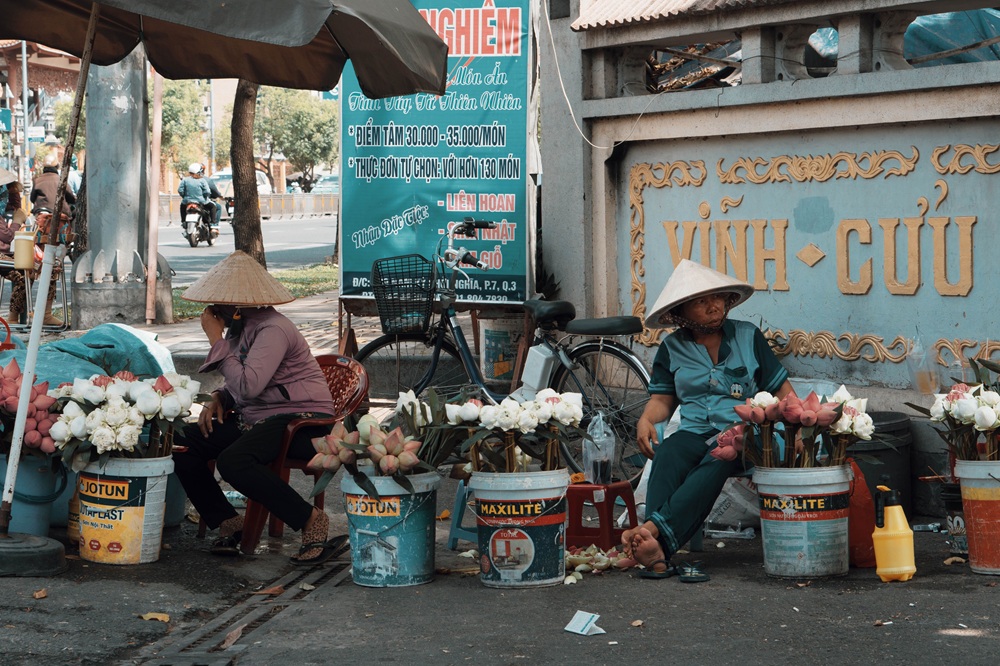
Planning Your Trip: Things to Do in Vietnam
Vietnam stretches from the mountains and historic cities of the north to the beaches and cultural highlights of Central Vietnam and the energy of the south. This guide brings the country together in one place, helping you decide where to go, what to experience and how to build a trip that works for you.
- Explore Vietnam’s major destinations, from Hanoi and Ninh Binh to Hue, Da Nang, Hoi An, Nha Trang and Ho Chi Minh City.
- Compare beaches, mountains, historic sites, food experiences, cultural attractions and some of the country’s most memorable landscapes.
- Turn those destinations into a realistic route with the Vietnam itinerary guide.
- Choose when to travel with the guide to the best time to visit Vietnam, including regional differences between north, central and southern Vietnam.
- Work out what your trip may cost with the Vietnam travel budget guide and compare accommodation options in the Vietnam accommodation guide.
- Prepare for the practical side of the trip with guides covering transport around Vietnam, visas, packing and essential travel tips.
Not sure where to start? Use this guide first to choose the places that interest you, then move on to the itinerary and practical planning guides above to turn those ideas into a complete Vietnam trip.
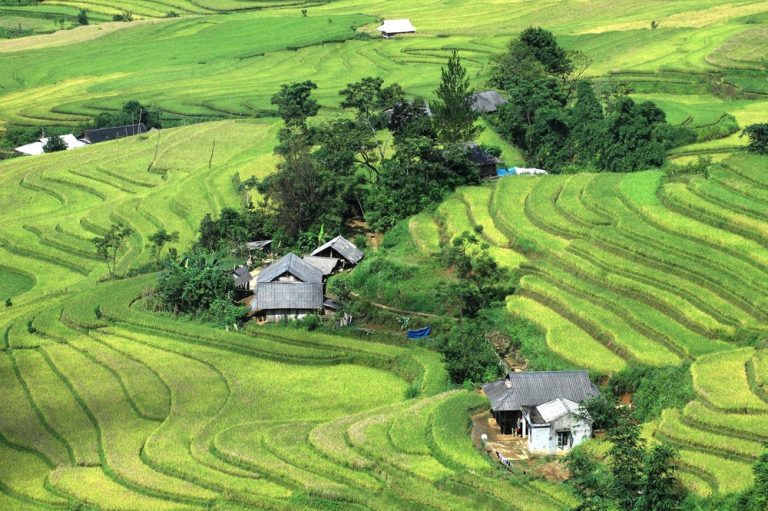
Things to Do in Vietnam: Why This Incredible Country Should Be on Your Travel Bucket List
From the emerald limestone islands of Ha Long Bay and the lantern-lit streets of Hoi An to the bustling energy of Ho Chi Minh City and the spectacular mountain landscapes of Ha Giang, Vietnam is one of Southeast Asia's most rewarding travel destinations. Whether you're planning your first backpacking adventure, a luxury holiday, a family trip or a culinary journey, you'll find an incredible variety of experiences packed into one long, diverse country.
This guide brings together the very best things to do in Vietnam, from world-famous attractions and UNESCO World Heritage Sites to scenic road trips, pristine beaches, vibrant cities and authentic cultural experiences. Rather than simply listing famous landmarks, you'll discover which destinations are worth your time, what makes each region unique and how to combine them into an unforgettable itinerary. If you're wondering how to fit these destinations into your trip, our Vietnam itinerary will help you plan the perfect route based on the time you have available.
One of Vietnam's greatest strengths is its diversity. In the north, you can cruise between the dramatic limestone karsts of Ha Long Bay, trek through the rice terraces of Sapa or ride the breathtaking Ha Giang Loop. Central Vietnam offers historic imperial cities, beautiful beaches and charming ancient towns, while southern Vietnam combines the fast-paced atmosphere of Ho Chi Minh City with the peaceful waterways of the Mekong Delta and the tropical islands of Phu Quoc.
Of course, the best things to do in Vietnam extend far beyond sightseeing. Sample some of the world's finest street food, sip traditional Vietnamese coffee in a bustling café, explore colourful floating markets, cycle through quiet countryside, discover vast cave systems, relax on idyllic beaches or simply watch daily life unfold from a tiny plastic stool on a busy street corner. Vietnam has a remarkable ability to surprise visitors with memorable experiences around every corner.
This guide focuses on the best things to do in Vietnam while also helping you plan the rest of your trip. After exploring the country's top destinations and experiences, you'll find practical advice on where to stay, how to get around, visa requirements, travel costs, safety, the best time to visit and suggested itineraries, with links to more detailed guides throughout. Whether you have one week or a month to explore, this Vietnam travel guide will help you make the most of every day.
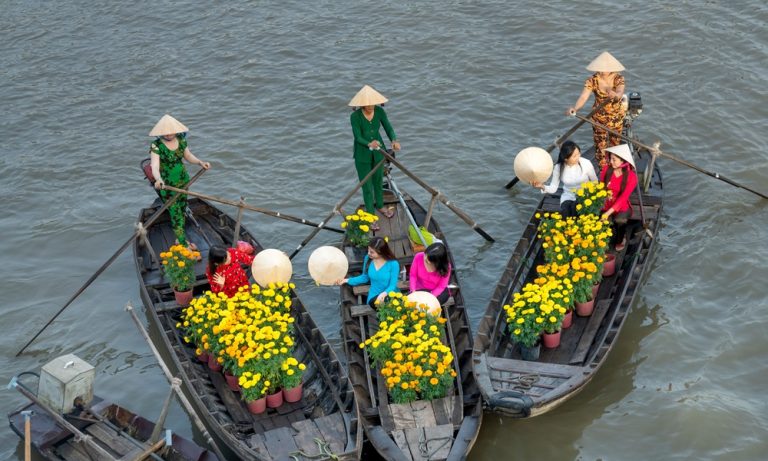
Vietnam Map: Where Are the Best Places to Visit?
Click the coloured markers to explore Vietnam’s main cities, natural wonders, cultural sites and major attractions. You may have to zoom in here and there as some locations may be closer together than you think.
The Best Things to Do in Vietnam
In this section, you'll discover:
- The most spectacular destinations across Northern, Central and Southern Vietnam
- Historic cities, UNESCO World Heritage Sites, breathtaking natural wonders and tropical islands
- Where to experience Vietnam's famous beaches, mountains, caves, rice terraces and cultural landmarks
- The highlights of each destination and why they're worth adding to your itinerary
Stretching more than 1,600 kilometres from the mountains bordering China to the tropical islands of the Gulf of Thailand, Vietnam offers one of the most diverse travel experiences in Southeast Asia. Every region has its own distinct landscapes, cuisine, history and culture, making it a destination that rewards both first-time visitors and returning travellers.
The best things to do in Vietnam range from exploring ancient imperial cities and cruising through spectacular limestone bays to trekking across emerald rice terraces, relaxing on palm-fringed beaches and sampling some of the finest street food in the world. Whether you're searching for adventure, history, nature, luxury or authentic local experiences, Vietnam has something to suit every type of traveller.
Rather than simply listing attractions, this guide is organised geographically to help you plan a logical journey through the country. We'll begin in Northern Vietnam, home to Hanoi, Ha Long Bay, Sapa and the legendary Ha Giang Loop, before travelling south through the historic towns and beautiful coastline of Central Vietnam. Finally, we'll explore Southern Vietnam, where bustling Ho Chi Minh City, the Mekong Delta and idyllic tropical islands provide a completely different side of the country.
Many travellers combine several regions into a single itinerary, while others focus on one part of Vietnam and save the rest for a future trip. Whichever approach you choose, the destinations below represent the very best things to do in Vietnam and showcase why this fascinating country has become one of Asia's most popular travel destinations.
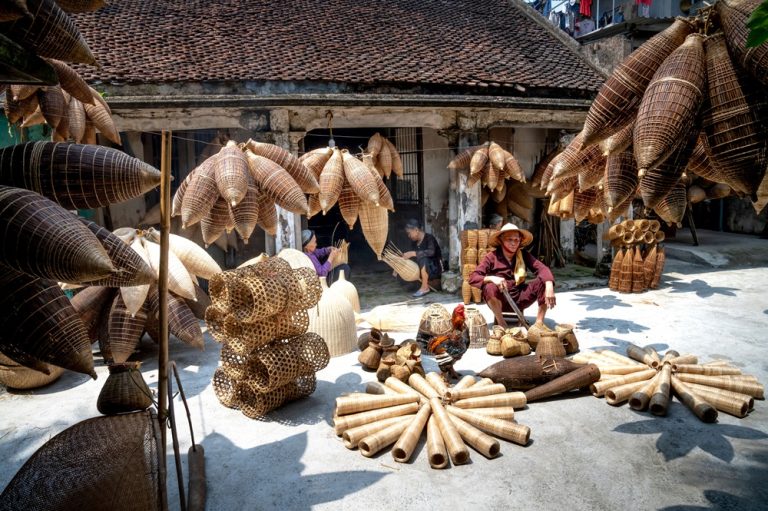
Northern Vietnam: Mountains, Rice Terraces & Spectacular Natural Wonders
Highlights of Northern Vietnam:
- Explore the vibrant capital of Hanoi
- Cruise through the breathtaking limestone islands of Ha Long Bay
- Discover the dramatic landscapes of Ninh Binh
- Trek among the famous rice terraces of Sapa
- Ride the legendary Ha Giang Loop
- Visit the spectacular Ban Gioc Waterfall
- Escape into the peaceful wilderness of Ba Be National Park
Northern Vietnam is where many travellers begin their journey, and for good reason. Home to the country's capital, spectacular mountain scenery and some of Vietnam's most iconic landscapes, this region offers an incredible combination of culture, history and outdoor adventure. Whether you're wandering through Hanoi's bustling Old Quarter, cruising beneath the limestone karsts of Ha Long Bay or riding one of the world's most scenic motorbike routes through Ha Giang, Northern Vietnam delivers some of the most unforgettable experiences in the country.
The region is also remarkably diverse. Within a single itinerary, you can explore ancient temples, hike through emerald rice terraces, visit colourful ethnic minority villages, paddle across peaceful rivers, discover hidden caves and admire some of Southeast Asia's most dramatic mountain scenery. While first-time visitors often focus on Hanoi and Ha Long Bay, venturing a little further rewards you with quieter destinations such as Ninh Binh, Ba Be National Park and the magnificent Ban Gioc Waterfall.
If you're looking for breathtaking scenery, authentic cultural encounters and some of the very best things to do in Vietnam, Northern Vietnam deserves a prominent place on your itinerary.
From cruising through Ha Long Bay and trekking the spectacular Ha Giang Loop to exploring Hanoi's Old Quarter and discovering hidden caves, Northern Vietnam is packed with unforgettable experiences. Find the best tours and activities to make the most of your adventure.
View Northern Vietnam Tours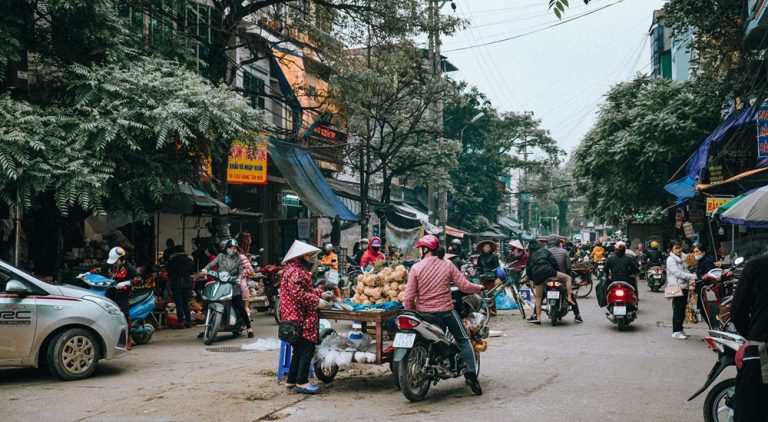
Hanoi – Experience Vietnam's Vibrant Capital
Vietnam's thousand-year-old capital is far more than simply a gateway to the country's northern attractions. Hanoi is a fascinating blend of ancient temples, French colonial architecture, peaceful lakes and chaotic streets where scooters weave effortlessly past bustling cafés and traditional markets. Spending a few days here allows you to experience the unique atmosphere that makes Vietnam so captivating.
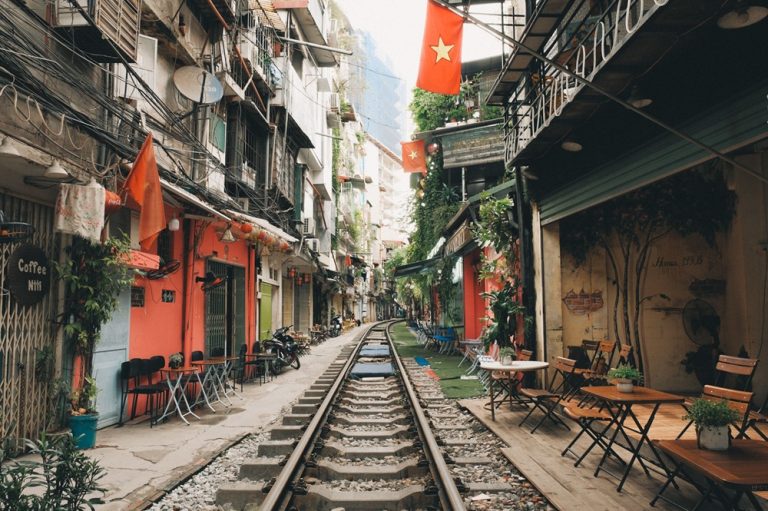
The city's historic Old Quarter is the heart of Hanoi, with narrow streets lined with street food stalls, coffee shops, local boutiques and centuries-old shop houses. Beyond the Old Quarter, visitors can explore Hoan Kiem Lake, admire the Temple of Literature, visit the Ho Chi Minh Mausoleum, watch the famous Train Street, or enjoy a traditional water puppet performance. Hanoi is also one of the best places in Vietnam to discover authentic Vietnamese cuisine, from steaming bowls of pho and freshly made bánh mì to the city's famous egg coffee.
Most travellers spend two to four days in Hanoi before continuing to destinations such as Ha Long Bay, Ninh Binh or Sapa. The city is an excellent introduction to Vietnamese culture and undoubtedly one of the very best things to do in Vietnam. If you're planning to spend a few days in the capital, our complete guide to the best things to do in Hanoi covers the city's attractions, food, cultural experiences, day trips and practical travel advice.
From wandering the bustling Old Quarter and sampling world-famous street food to visiting ancient temples, museums and cultural landmarks, Hanoi is packed with unforgettable experiences. Discover the city's best tours and activities to make the most of your visit.
View Hanoi Tours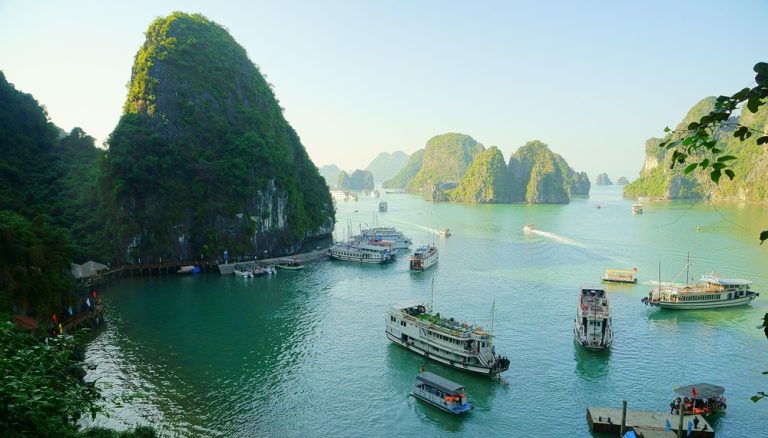
Ha Long Bay – Cruise Among Thousands of Limestone Islands
A UNESCO World Heritage Site, and one of the New Seven Natural Wonders of the World, Ha Long Bay is undoubtedly one of the most iconic places to visit in Vietnam. Rising dramatically from the emerald waters of the Gulf of Tonkin, more than 1,600 limestone islands and karsts create one of Southeast Asia's most breathtaking landscapes. Whether you choose a luxury overnight cruise or a simple day trip, visiting Ha Long Bay is one of the best things to do in Vietnam.
Most visitors explore the bay aboard a traditional cruise, sailing past towering limestone cliffs, hidden lagoons and picturesque floating fishing villages. Many itineraries also include kayaking through secluded coves, swimming at quiet beaches, hiking to panoramic viewpoints and visiting spectacular caves such as Sung Sot Cave. Spending the night on the water allows you to experience peaceful sunsets and sunrises after the day-trippers have returned to the mainland.
If you're looking for a quieter alternative, neighbouring Lan Ha Bay and Bai Tu Long Bay offer equally spectacular scenery with fewer visitors while retaining the same dramatic limestone landscapes. These areas have become increasingly popular with travellers seeking a more relaxed cruising experience.
Most travellers visit Ha Long Bay from Hanoi, either as a full-day excursion or, preferably, as a two-day, one-night cruise. While a day trip offers a glimpse of the bay's beauty, staying overnight provides a far more memorable experience and remains one of Vietnam's true travel highlights.
Whether you're dreaming of an overnight cruise, kayaking through emerald waters or exploring hidden caves and floating villages, Ha Long Bay offers some of Vietnam's most unforgettable experiences. Discover the best cruises and tours to make the most of your visit.
View Ha Long Bay Tours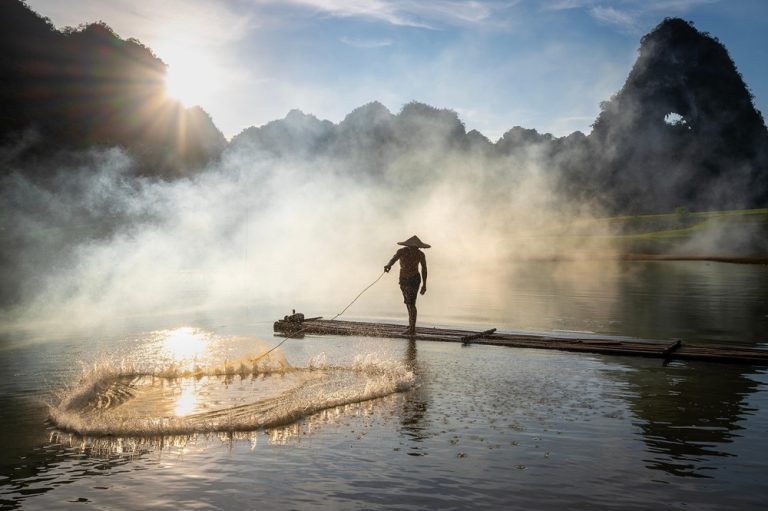
Ninh Binh – Explore Vietnam's Spectacular Limestone Landscapes
Often referred to as the "Ha Long Bay on land", Ninh Binh is one of Vietnam's most scenic destinations. Towering limestone karsts rise dramatically above emerald rice paddies, winding rivers and ancient temples, creating breathtaking landscapes that are every bit as impressive as their coastal counterpart. Located just a couple of hours south of Hanoi, Ninh Binh has become an essential stop on almost every Vietnam itinerary and is easily one of the best things to do in Vietnam.
The region's most famous experience is a peaceful boat ride through the Tam Coc or Trang An Scenic Landscape Complex, where local rowers navigate narrow waterways beneath towering cliffs and through natural caves. Trang An is also a UNESCO World Heritage Site, recognised for both its spectacular natural scenery and rich cultural heritage. Other highlights include climbing to the panoramic viewpoint at Hang Múa, exploring the ancient capital of Hoa Lu and cycling through the beautiful countryside that surrounds the limestone peaks.
Unlike the busy streets of Hanoi or the cruises of Ha Long Bay, Ninh Binh offers a slower pace of travel. The peaceful scenery, quiet villages and excellent cycling routes make it one of the most relaxing destinations in Vietnam while still providing plenty of opportunities for adventure and photography.
Most travellers spend two or three days exploring Ninh Binh before continuing further north or travelling south towards Central Vietnam. Its unique landscapes and relaxed atmosphere make it one of the country's most rewarding destinations. If you're planning to spend a few days here, my guide to the best things to do in Ninh Binh covers the region's top attractions, experiences and practical travel tips.
Explore the spectacular landscapes of Ninh Binh on a traditional boat tour, cycle through peaceful rice fields, visit ancient temples and climb to breathtaking viewpoints. Discover the best tours and activities to experience one of Vietnam's most beautiful regions.
View Ninh Binh Tours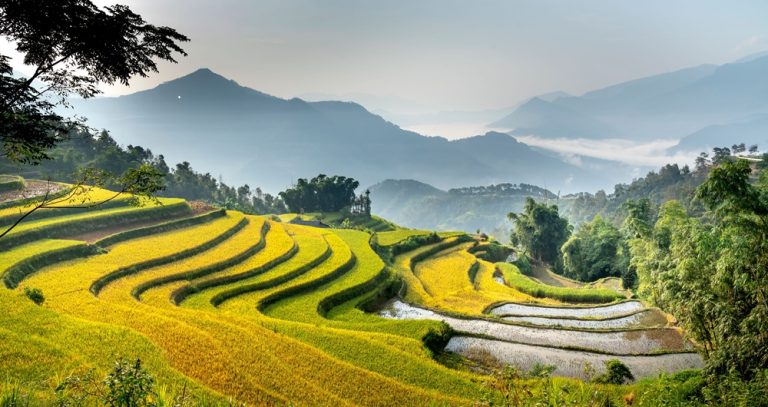
Sapa – Trek Through Vietnam's Spectacular Rice Terraces
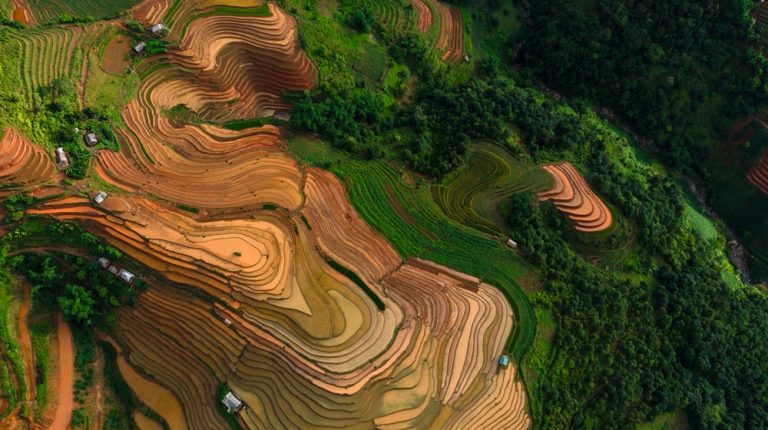
Nestled high in the Hoàng Liên Sơn Mountains near the Chinese border, Sapa is famous for its breathtaking rice terraces, cool mountain climate and rich cultural diversity. Surrounded by dramatic peaks and traditional villages, it offers some of the most spectacular scenery in Southeast Asia and is widely regarded as one of the best places to visit in Northern Vietnam.
The region is best known for its multi-day trekking routes, which take visitors through emerald rice terraces, bamboo forests and remote villages inhabited by ethnic minority communities such as the Hmong, Dao and Giáy people. Along the way, you'll experience a completely different side of Vietnam, where local traditions, colourful markets and rural life have remained largely unchanged for generations. The panoramic views across the Muong Hoa Valley are particularly unforgettable during the rice-growing seasons.
Beyond trekking, visitors can ride the scenic cable car to the summit of Fansipan, the highest mountain in Indochina at 3,147 metres. Nicknamed the "Roof of Indochina", Fansipan rewards visitors with spectacular mountain views on clear days and has become one of Sapa's most popular attractions.
Most travellers spend two or three days exploring Sapa, although keen hikers often stay longer to tackle more challenging trekking routes. Whether you come for the landscapes, the mountain villages or the opportunity to experience Vietnam's remarkable cultural diversity, Sapa is a destination that leaves a lasting impression.
WorldlyRoaming Tip: Visit Sapa during the rice-growing seasons (May to June and September to early October) if you want to see the famous emerald-green and golden rice terraces at their most spectacular. Winter has its own charm with misty mountain scenery and cooler temperatures, but the landscapes look very different once the rice has been harvested.
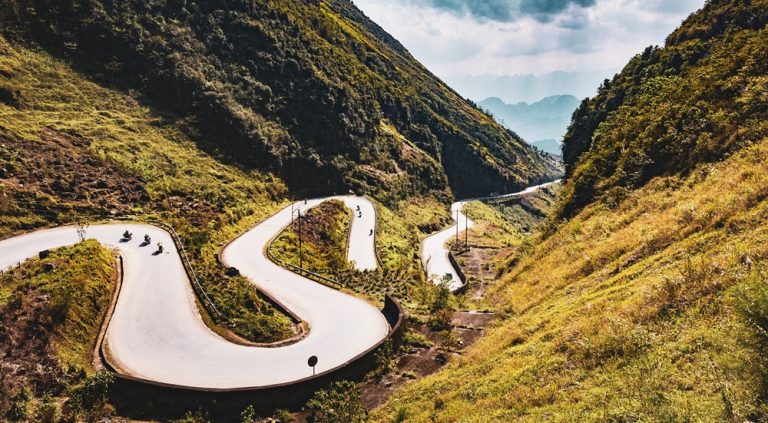
Ha Giang Loop – Drive One of the World's Most Spectacular Road Trips
For adventurous travellers, few experiences rival the legendary Ha Giang Loop. Winding through the dramatic mountains of Vietnam's far north, this multi-day journey has become one of the country's most unforgettable adventures. Towering limestone peaks, deep valleys, winding mountain passes and remote ethnic minority villages combine to create scenery unlike anywhere else in Vietnam, making the Ha Giang Loop one of the absolute best things to do in Vietnam.
The classic loop takes three to five days to complete and can be explored independently by motorbike or with an experienced local guide as part of an organised easy-rider tour. Along the way, you'll cross breathtaking mountain passes such as the famous Mã Pí Lèng Pass, visit colourful local markets, discover traditional villages and enjoy spectacular viewpoints around almost every corner. Every day brings a completely different landscape, making the journey as rewarding as the destinations themselves.
Although the roads have improved considerably in recent years, the Ha Giang Loop remains a genuine adventure. Travellers without previous motorbike experience should seriously consider joining an easy-rider tour, allowing a local driver to handle the mountain roads while you simply enjoy the incredible scenery. It's a safer option and often provides a much richer cultural experience through local knowledge and interactions.
Most travellers spend four days completing the loop before returning to Hanoi. If you're looking for breathtaking mountain scenery, authentic cultural encounters and an unforgettable road trip, the Ha Giang Loop deserves a place near the top of your Vietnam bucket list.
WorldlyRoaming Tip: Don't feel pressured to ride the Ha Giang Loop yourself. Unless you're already an experienced motorbike rider, an easy-rider tour is often the better choice. You'll enjoy the scenery far more, avoid the stress of navigating challenging mountain roads and benefit from the local knowledge of your driver.
Experience one of Southeast Asia's most spectacular road trips as you ride through dramatic mountain passes, visit remote ethnic minority villages and admire breathtaking viewpoints along the legendary Ha Giang Loop. Discover the best tours and adventures for an unforgettable journey.
View Ha Giang Loop Tours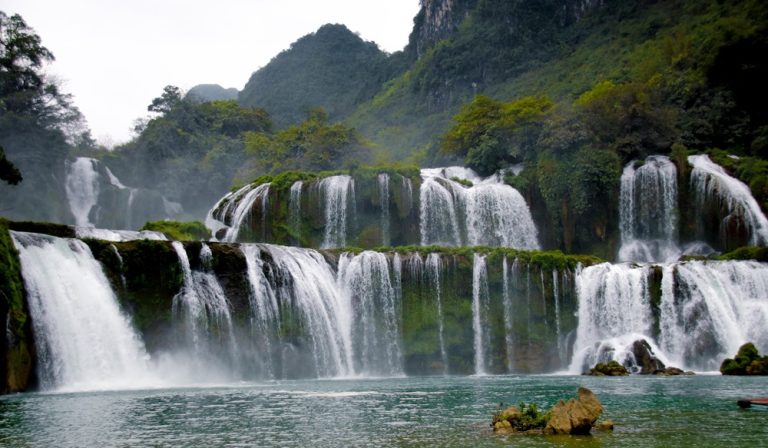
Ban Gioc Waterfall – Visit One of Asia's Most Spectacular Waterfalls
Located on Vietnam's remote border with China, Ban Gioc Waterfall is one of the country's most breathtaking natural wonders. Cascading over multiple limestone tiers and surrounded by lush mountains and rice fields, it is the largest waterfall in Vietnam and one of the most impressive in Southeast Asia. Despite its incredible beauty, Ban Gioc remains far less visited than destinations such as Ha Long Bay or Sapa, making it a perfect addition for travellers looking to venture beyond the usual tourist trail.
The waterfall stretches over 300 metres across the Quây Sơn River, creating a spectacular curtain of cascading water that changes dramatically with the seasons. Visitors can admire the falls from several viewpoints, take a bamboo raft close to the base of the cascades or simply enjoy the peaceful scenery that surrounds this remarkable landscape. The drive to Ban Gioc is equally memorable, passing through picturesque valleys, limestone mountains and traditional villages in one of Northern Vietnam's most scenic regions.
Many travellers combine Ban Gioc Waterfall with nearby attractions such as Ngườm Ngao Cave, one of Vietnam's largest and most impressive cave systems, creating an unforgettable two or three-day adventure through Cao Bằng Province. The region offers a slower, more authentic side of Vietnam that many visitors never experience.
Although reaching Ban Gioc requires more planning than many of Vietnam's better-known destinations, the spectacular scenery and peaceful atmosphere make the journey more than worthwhile. For travellers seeking one of the country's true hidden gems, Ban Gioc Waterfall is an experience you won't soon forget.
WorldlyRoaming Tip: If possible, spend at least one night in Cao Bằng rather than attempting Ban Gioc as a rushed day trip. The surrounding countryside is just as beautiful as the waterfall itself, and staying overnight allows you to enjoy the area before the larger tour groups arrive.
Witness the breathtaking beauty of Ban Gioc Waterfall, one of Asia's largest and most spectacular border waterfalls. From scenic boat rides and panoramic viewpoints to nearby caves and hidden gems, discover the best tours and experiences in this stunning corner of northern Vietnam.
View Ban Gioc Tours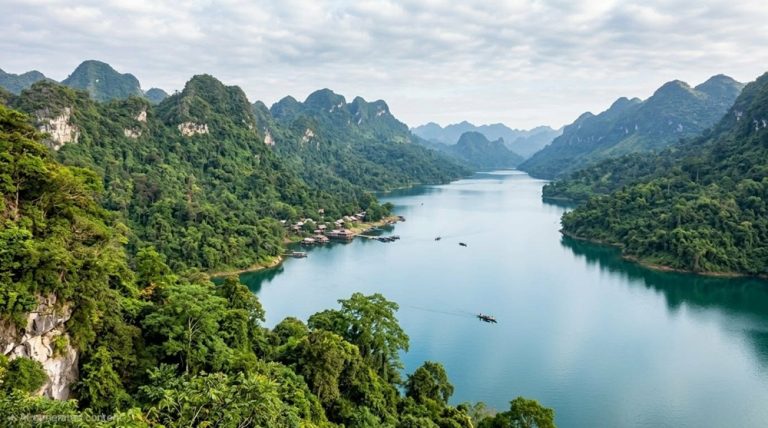
Ba Be National Park – Discover One of Vietnam's Hidden Natural Gems
If you're looking to escape the crowds and experience one of Vietnam's most peaceful landscapes, Ba Be National Park is an excellent choice. Home to Vietnam's largest natural freshwater lake, towering limestone mountains, dense rainforest and traditional ethnic minority villages, this protected area offers a completely different experience from the country's better-known tourist destinations. Its untouched beauty and tranquil atmosphere make it one of Northern Vietnam's best-kept secrets.
The highlight of the park is beautiful Ba Be Lake, where visitors can take a leisurely boat trip through calm waters surrounded by dramatic limestone cliffs and lush tropical forest. Many excursions also include stops at waterfalls, caves and small villages belonging to the Tay people, providing an authentic glimpse into rural life in Northern Vietnam. Hiking, kayaking and cycling are also popular ways to explore the park's diverse landscapes and rich biodiversity.
Unlike many of Vietnam's more famous attractions, Ba Be National Park remains refreshingly uncrowded. The slower pace of life, welcoming local communities and pristine natural surroundings make it an ideal destination for travellers seeking nature, wildlife and authentic cultural experiences away from the country's busiest tourist hotspots.
Most visitors spend one or two nights exploring Ba Be National Park, often combining it with nearby Ban Gioc Waterfall for an unforgettable journey through Vietnam's scenic northeast. If you enjoy peaceful landscapes and off-the-beaten-path adventures, Ba Be is a destination that deserves a place on your Vietnam itinerary.
WorldlyRoaming Tip: Stay in a traditional lakeside homestay rather than rushing through on a day trip. Waking up beside Ba Be Lake and experiencing the quiet morning atmosphere is one of the highlights of visiting the park.
Central Vietnam: Ancient Cities, Stunning Coastlines & Timeless Culture
Highlights of Central Vietnam:
- Wander through the lantern-lit streets of Hoi An
- Relax on the beautiful beaches of Da Nang
- Discover the imperial history of Hue
- Explore the spectacular caves of Phong Nha National Park
- Drive the breathtaking Hai Van Pass
- Visit the ancient Hindu temples of My Son Sanctuary
Central Vietnam offers a perfect balance of history, culture, nature and relaxation, making it one of the country's most rewarding regions to explore. From beautifully preserved ancient towns and imperial palaces to golden beaches, dramatic mountain passes and some of the world's largest caves, this part of Vietnam is packed with unforgettable experiences. Thanks to its excellent transport connections and relatively short travel distances, many visitors spend a week or more discovering everything Central Vietnam has to offer.
Unlike the mountainous landscapes of the north or the bustling cities of the south, Central Vietnam has a more relaxed atmosphere. Historic trading ports, picturesque fishing villages and long stretches of coastline create a slower pace of travel, while centuries of history are reflected in ancient temples, royal tombs and remarkably preserved architecture. Food lovers will also find some of Vietnam's finest regional cuisine here, with each destination offering its own unique specialities.
Whether you're strolling through the colourful streets of Hoi An, driving one of the world's most scenic coastal roads, relaxing on Da Nang's beaches or exploring underground rivers deep within Phong Nha National Park, Central Vietnam showcases another fascinating side of the country. For many travellers, it becomes the highlight of their entire Vietnam adventure.
From the lantern-lit streets of Hoi An and the Imperial City of Hue to the beaches of Da Nang, the Hai Van Pass and the temples of My Son Sanctuary, Central Vietnam is packed with unforgettable experiences. Discover the best tours and activities to explore this fascinating region.
View Central Vietnam Tours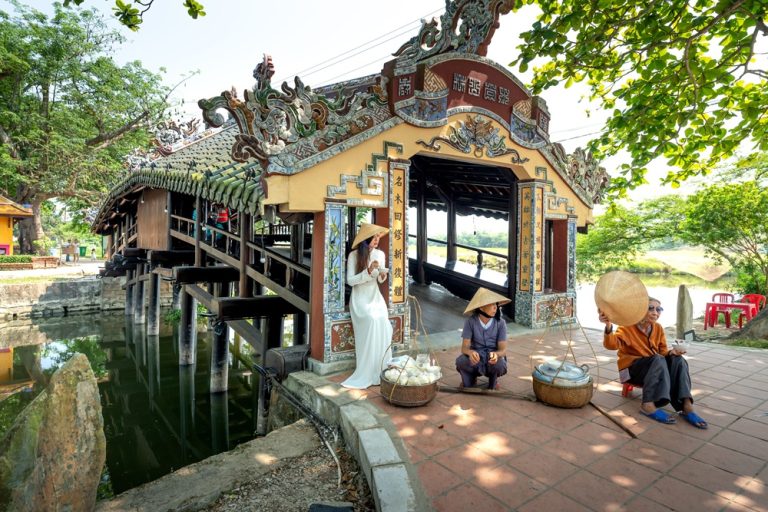
Hoi An – Wander Through Vietnam's Enchanting Ancient Town
Few destinations capture the charm of Vietnam quite like Hoi An. This beautifully preserved trading port is famous for its lantern-lined streets, centuries-old architecture and relaxed riverside atmosphere. Recognised as a UNESCO World Heritage Site, Hoi An combines history, culture and exceptional food to create one of the most memorable places to visit in Vietnam.
The heart of Hoi An is its remarkably preserved Ancient Town, where colourful merchant houses, historic temples, wooden bridges and riverside cafés reflect centuries of Chinese, Japanese and European influence. As evening falls, thousands of colourful lanterns illuminate the narrow streets, transforming the town into one of Vietnam's most photogenic destinations. Visitors can also explore local markets, relax at nearby An Bang Beach, take a traditional basket boat tour through the coconut forests or have custom-made clothing tailored by one of Hoi An's many skilled craftsmen.
Hoi An is also considered one of Vietnam's culinary capitals. Local specialities such as cao lầu, white rose dumplings and fresh seafood are just a few of the dishes that attract food lovers from around the world. Whether you're joining a cooking class, exploring the night market or simply enjoying dinner beside the Thu Bon River, food is an essential part of the Hoi An experience.
Most travellers spend two or three days exploring Hoi An, often combining it with nearby Da Nang and the Hai Van Pass. Its unique blend of history, culture and relaxed charm makes it one of the absolute best things to do in Vietnam. For a complete look at the Ancient Town, local food, beaches, countryside and day trips, read our guide to exploring Hoi An.
WorldlyRoaming Tip: Stay at least two nights if you can. Hoi An has a completely different atmosphere after sunset once the lanterns are lit, and spending the night lets you experience both the lively evenings and the peaceful early mornings before the day-trippers arrive.
Wander through Hoi An's enchanting lantern-lit streets, discover centuries-old merchant houses, cruise the Thu Bon River and join a traditional Vietnamese cooking class. Explore the best tours and activities to experience one of Vietnam's most charming destinations.
View Hoi An Tours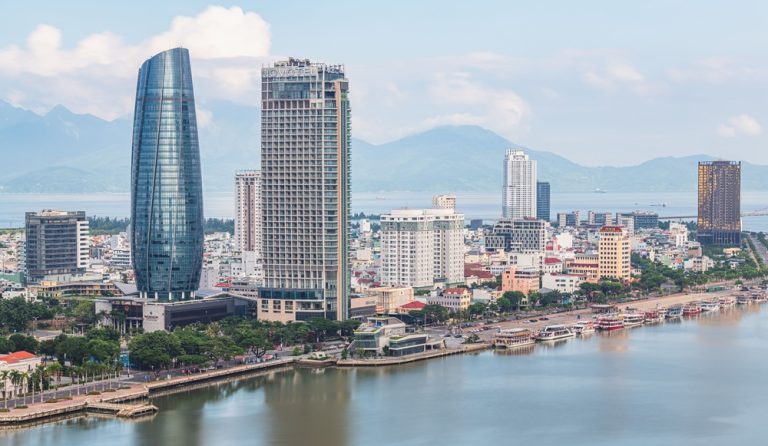
Da Nang – Relax on Vietnam's Beautiful Beaches & Modern Coastal City
Perfectly positioned between Hoi An and Hue, Da Nang is one of Vietnam's most liveable and dynamic cities. Combining long sandy beaches, modern cafés, excellent restaurants and easy access to many of Central Vietnam's top attractions, it has become a favourite base for travellers exploring the region. Whether you're looking to unwind by the sea, discover cultural landmarks or enjoy the city's growing food scene, Da Nang offers something for every type of visitor.
The city's greatest attraction is My Khe Beach, a beautiful stretch of golden sand ideal for swimming, surfing and watching spectacular sunrises over the South China Sea. Beyond the coastline, visitors can explore the Marble Mountains, admire the famous Dragon Bridge, visit Linh Ung Pagoda with its towering Lady Buddha statue or ride the cable car to Ba Na Hills, home to the world-famous Golden Bridge.
Da Nang is also an excellent base for exploring Central Vietnam. Hoi An is less than an hour away, Hue can easily be reached via the scenic Hai Van Pass, and several of the region's most famous attractions are within comfortable day-trip distance. Its international airport, modern infrastructure and wide range of accommodation make Da Nang one of the easiest cities to visit in Vietnam.
Most travellers spend two or three days in Da Nang, often combining beach time with day trips to nearby attractions. Whether you're looking for relaxation, adventure or a convenient base for exploring Central Vietnam, Da Nang deserves a place on your Vietnam itinerary.
Relax on Da Nang's beautiful beaches, stroll across the famous Dragon Bridge, explore the Marble Mountains and take unforgettable day trips to Ba Na Hills and the Golden Bridge. Discover the best tours and activities to make the most of your stay.
View Da Nang ToursWorldlyRoaming Tip: Don't treat Da Nang as just a stopover between Hoi An and Hue. Spending a couple of nights here gives you time to enjoy the beaches, explore the Marble Mountains and experience the city's relaxed evening atmosphere after many day-trippers have left.
Hue – Discover Vietnam's Imperial Capital
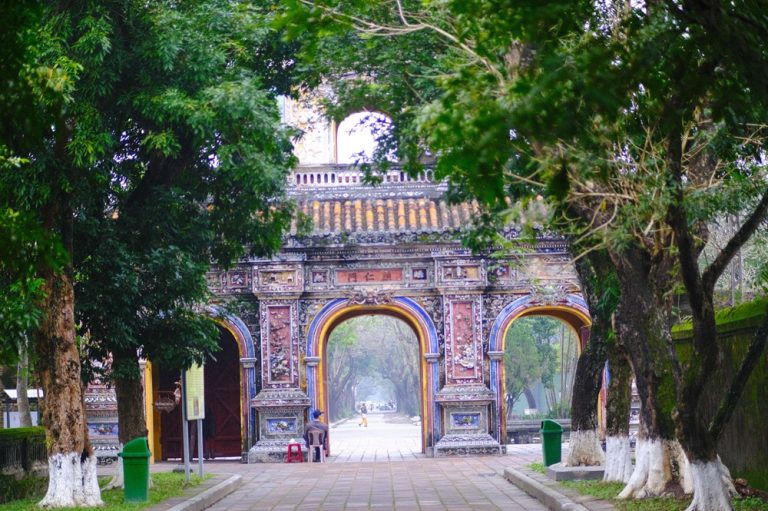
Steeped in history and culture, Hue was the capital of Vietnam for more than 140 years under the Nguyen Dynasty. Situated on the banks of the Perfume River, this elegant city is home to magnificent palaces, ancient temples, royal tombs and centuries-old traditions that offer a fascinating insight into Vietnam's imperial past. For travellers interested in history, Hue is undoubtedly one of the best places to visit in Vietnam. Our guide to exploring Hue covers the city's imperial landmarks, cultural attractions, food and practical travel planning in much greater detail.
The city's centrepiece is the Complex of Hué Monuments, a UNESCO World Heritage Site that includes the impressive Imperial City, ancient citadel and Forbidden Purple City. Beyond the citadel, visitors can explore the elaborate tombs of former emperors, visit the iconic Thien Mu Pagoda overlooking the Perfume River or take a leisurely dragon boat cruise while learning about the city's rich history.
Hue is equally famous for its distinctive cuisine. Once prepared for Vietnam's royal court, many traditional dishes continue to be served today, giving visitors the opportunity to sample unique regional specialities that can't easily be found elsewhere in the country. Combined with its relaxed atmosphere and cultural heritage, this makes Hue a rewarding destination for travellers looking to experience a more traditional side of Vietnam.
Most visitors spend one or two days exploring Hue before continuing south to Da Nang and Hoi An or north towards Phong Nha. Its remarkable historical landmarks, royal heritage and outstanding cuisine make Hue an essential stop on any Central Vietnam itinerary.
Step back in time as you explore Hue's magnificent Imperial City, ancient royal tombs, historic pagodas and the scenic Perfume River. Discover the best tours and experiences to uncover the rich history and culture of Vietnam's former imperial capital.
View Hue Tours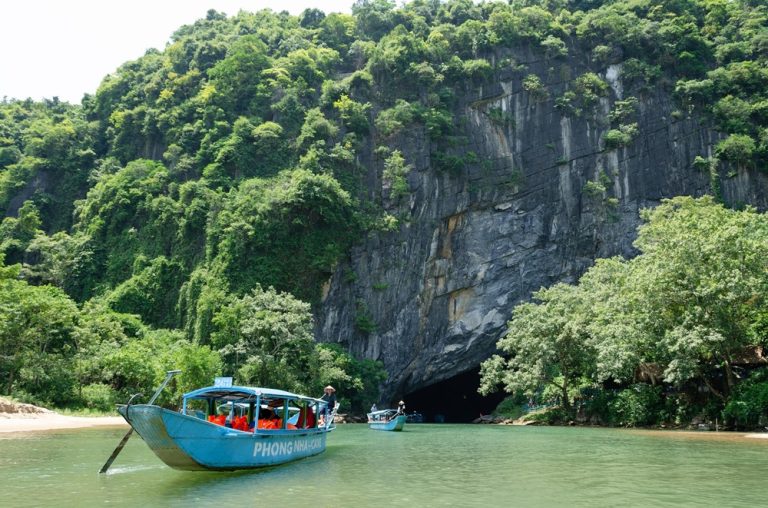
Phong Nha National Park – Explore One of the World's Greatest Cave Systems
Home to some of the largest and most spectacular caves on Earth, Phong Nha-Ke Bang National Park is a paradise for nature lovers and adventure seekers. This remarkable landscape of limestone mountains, dense jungle and underground rivers is recognised as a UNESCO World Heritage Site for its outstanding geological significance and extraordinary biodiversity. Whether you're an experienced adventurer or simply looking to experience one of Vietnam's most unique natural attractions, Phong Nha is a destination that shouldn't be missed.
The national park is famous for its vast network of caves, including Paradise Cave, Phong Nha Cave and the legendary Son Doong Cave—the largest cave in the world. While Son Doong can only be visited on specialised multi-day expeditions booked well in advance, the park offers plenty of accessible caves that can easily be explored on day trips. Visitors can also kayak along underground rivers, cycle through peaceful countryside, hike jungle trails or simply enjoy the relaxed atmosphere of the surrounding villages.
Unlike Vietnam's bustling cities, Phong Nha offers a slower pace of life where nature takes centre stage. The combination of spectacular scenery, outdoor activities and peaceful rural surroundings makes it one of the country's most rewarding destinations for travellers who enjoy exploring beyond the usual tourist hotspots.
Most visitors spend two or three days exploring Phong Nha National Park, allowing enough time to visit several caves and enjoy the area's beautiful landscapes. Whether you're fascinated by geology, love outdoor adventures or simply want to experience one of Vietnam's most extraordinary natural wonders, Phong Nha is an unforgettable addition to any Vietnam itinerary.
WorldlyRoaming Tip: Don't be disappointed if you can't visit Son Doong Cave. The expedition is extremely expensive, highly restricted and often booked out months in advance. Fortunately, caves like Paradise Cave and Phong Nha Cave are spectacular in their own right and offer an incredible experience without the need for a multi-day expedition.
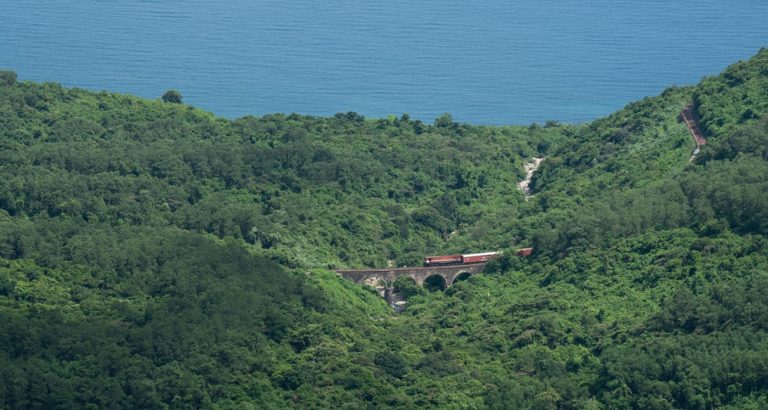
Hai Van Pass – Drive One of the World's Most Scenic Coastal Roads
Connecting Da Nang and Hue, the Hai Van Pass is widely regarded as one of the most spectacular coastal roads in the world. Winding its way through lush mountains overlooking the South China Sea, this breathtaking mountain pass combines dramatic scenery, panoramic viewpoints and a sense of adventure that has made it one of the best things to do in Vietnam. Whether you explore it by motorbike, private car or guided tour, the journey is every bit as memorable as the destinations it connects.
Made famous internationally by BBC's Top Gear, the Hai Van Pass climbs to an elevation of nearly 500 metres before descending through a series of sweeping bends with incredible ocean views. Along the route, travellers can stop at scenic viewpoints, visit the historic Hai Van Gate, photograph the winding mountain road and enjoy some of Central Vietnam's most spectacular coastal scenery.
The pass is often combined with visits to the Marble Mountains, Lang Co Beach and the fishing villages that dot the coastline between Da Nang and Hue. Thanks to the relatively short distance, it makes an unforgettable day trip while offering countless opportunities to stop and admire the views along the way.
Most travellers drive the Hai Van Pass while travelling between Hue and Da Nang rather than making a dedicated return journey. If you're looking for one of Vietnam's most scenic road trips, this iconic mountain pass deserves a place on your itinerary.
WorldlyRoaming Tip: Don't rush across the Hai Van Pass by bus if you have the choice. Travelling by motorbike with an easy rider or hiring a private car with sightseeing stops allows you to fully appreciate one of Vietnam's most spectacular drives and visit attractions along the way.
Drive one of the world's most scenic coastal roads as you cross the legendary Hai Van Pass. With breathtaking ocean views, winding mountain roads and spectacular viewpoints, discover the best tours and experiences along this iconic stretch of Vietnam's coastline.
View Hai Van Pass Tours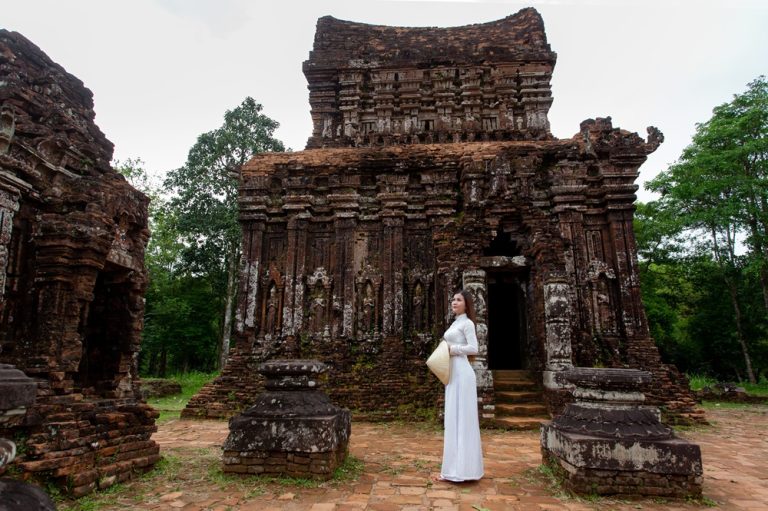
My Son Sanctuary – Discover Vietnam's Ancient Hindu Temples
Hidden within a lush valley surrounded by forested hills, My Son Sanctuary is one of Vietnam's most important archaeological sites and a fascinating reminder of the ancient Champa Kingdom that once ruled much of Central Vietnam. Built between the 4th and 13th centuries, this remarkable temple complex is recognised as a UNESCO World Heritage Site and offers visitors a unique glimpse into Vietnam's rich cultural and religious history.
Often compared to Cambodia's Angkor Wat on a much smaller scale, My Son consists of dozens of red-brick temple towers and religious monuments that were once dedicated to the Hindu god Shiva. Although many structures were damaged over the centuries, the remaining temples still showcase the remarkable craftsmanship and architectural achievements of the Champa civilisation. Walking through the peaceful ruins surrounded by jungle creates a completely different experience from Vietnam's bustling cities and coastal resorts.
Most visitors explore My Son on a half-day trip from Hoi An or Da Nang, often combining their visit with a scenic boat cruise along the Thu Bon River or other nearby attractions. Guided tours provide valuable historical context and help bring the ancient kingdom's fascinating story to life.
While My Son may not be as famous as Vietnam's beaches or mountain landscapes, it offers one of the country's richest cultural experiences. For travellers interested in history, archaeology and UNESCO World Heritage Sites, My Son Sanctuary is a rewarding addition to any Central Vietnam itinerary.
Discover the ancient temples of My Son Sanctuary, a UNESCO World Heritage Site and one of Vietnam's most important archaeological treasures. Explore the fascinating history of the Champa Kingdom and uncover centuries of culture on a guided tour.
View My Son Sanctuary Tours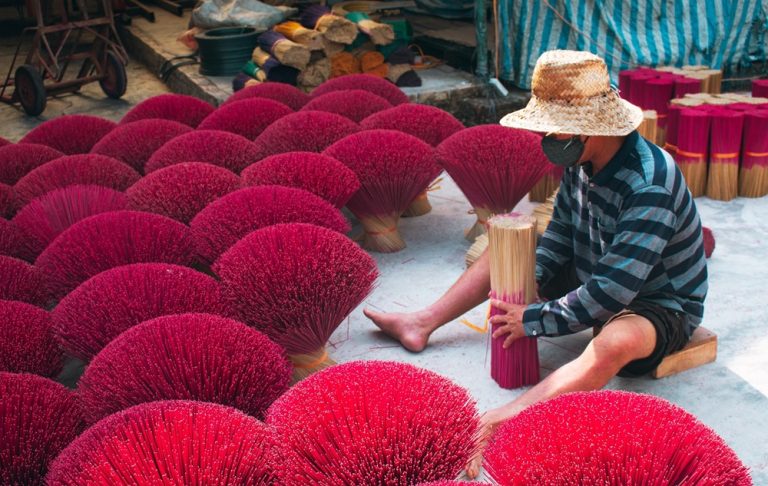
Southern Vietnam: Bustling Cities, Tropical Islands & River Life
Highlights of Southern Vietnam:
- Experience the energy of Ho Chi Minh City
- Explore the floating markets and canals of the Mekong Delta
- Relax on the beautiful beaches of Phu Quoc
- Discover the towering sand dunes of Mui Ne
- Escape to the untouched islands of Con Dao
- Experience authentic local life in Can Tho
Southern Vietnam offers a completely different experience from the country's mountainous north and historic central region. Here, modern cities, fertile river deltas, tropical islands and endless coastlines combine to create a destination that is vibrant, diverse and wonderfully easy to explore. Whether you're interested in history, food, island life or authentic local culture, Southern Vietnam has something to suit every traveller.
The region is anchored by Ho Chi Minh City, Vietnam's largest metropolis, where gleaming skyscrapers stand alongside colonial buildings, bustling markets and fascinating historical landmarks. Beyond the city, the mighty Mekong Delta unfolds into a maze of rivers, floating markets and traditional villages, while idyllic islands such as Phu Quoc and the Con Dao archipelago offer some of the country's finest beaches and marine life.
Southern Vietnam is also famous for its warm hospitality, vibrant café culture and outstanding cuisine. Fresh seafood, tropical fruit and local specialities are found everywhere, while the region's relaxed atmosphere provides the perfect contrast to the faster pace of Vietnam's major cities. Whether you're ending your journey on a tropical island or exploring the waterways of the Mekong Delta, Southern Vietnam delivers some of the country's most memorable travel experiences.
From the vibrant streets of Ho Chi Minh City and the floating markets of the Mekong Delta to the sand dunes of Mui Ne and the idyllic beaches of Con Dao, Southern Vietnam offers unforgettable adventures for every traveller. Discover the region's best tours and experiences.
View Southern Vietnam Tours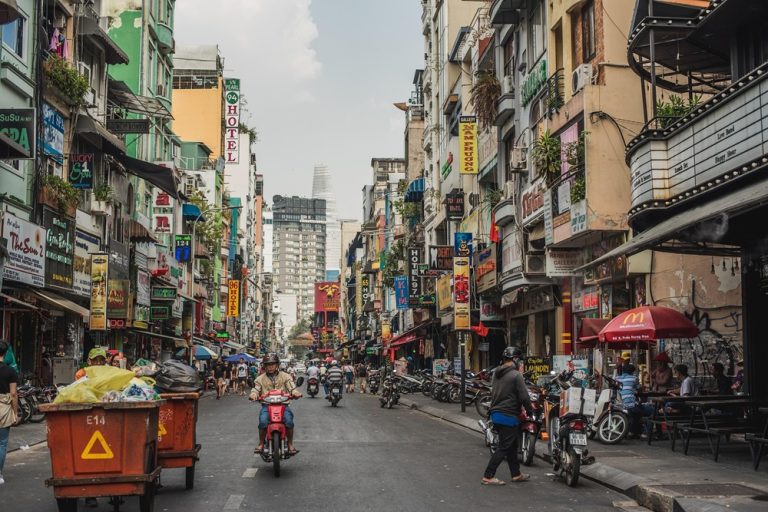
Ho Chi Minh City – Experience Vietnam's Dynamic Southern Metropolis
Formerly known as Saigon, Ho Chi Minh City is Vietnam's largest and most energetic city. A fascinating blend of modern skyscrapers, French colonial architecture, historic landmarks and vibrant street life, it offers visitors an exciting introduction to Southern Vietnam. Fast-paced, colourful and constantly evolving, Ho Chi Minh City is one of the best places to experience Vietnam's remarkable transformation while still discovering the country's rich history and culture.
The city's highlights range from iconic landmarks such as the Notre-Dame Cathedral, the Central Post Office and the bustling Ben Thanh Market to powerful historical sites including the War Remnants Museum and the Reunification Palace. Food lovers will also find an incredible variety of street food, rooftop bars, hidden cafés and lively night markets, making Ho Chi Minh City one of Vietnam's top culinary destinations.
Beyond the city centre, visitors can explore the famous Cu Chi Tunnels, take a day trip into the Mekong Delta or simply wander through the city's diverse neighbourhoods, each offering its own unique atmosphere. Whether you're interested in history, shopping, nightlife or local cuisine, Ho Chi Minh City has enough attractions to keep visitors busy for several days.
Most travellers spend two or three days exploring Ho Chi Minh City before continuing to the Mekong Delta or relaxing on the beaches of Phu Quoc. As Vietnam's economic powerhouse and cultural melting pot, it offers a fascinating contrast to the country's quieter towns and rural landscapes.
Discover the energy of Ho Chi Minh City, from bustling markets and fascinating museums to rooftop bars, river cruises and the historic Cu Chi Tunnels. Explore the best tours and activities to experience Vietnam's vibrant southern metropolis.
View Ho Chi Minh City Tours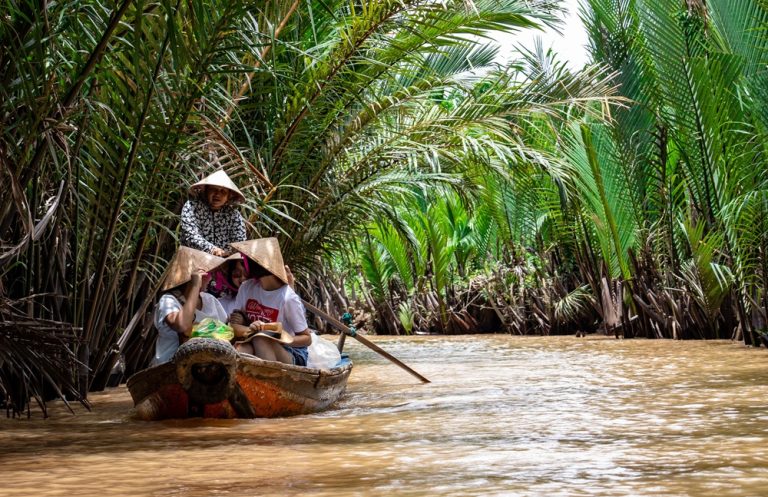
Mekong Delta – Explore Vietnam's Legendary Waterways
Known as Vietnam's "Rice Bowl", the Mekong Delta is a vast network of rivers, canals, islands and fertile farmland where life revolves around the water. Covering more than 40,000 square kilometres in the country's far south, this remarkable region offers visitors the chance to experience a slower, more traditional side of Vietnam. From colourful floating markets and peaceful villages to lush orchards and winding waterways, the Mekong Delta is one of the most unique places to visit in Vietnam.
The best way to explore the delta is by boat, gliding along narrow canals shaded by coconut palms while passing floating houses, riverside temples and local communities that have depended on the Mekong River for generations. Many tours also visit traditional workshops producing coconut candy, rice paper and other local products, offering a fascinating insight into daily life in one of Vietnam's most productive agricultural regions.
The Mekong Delta is also famous for its floating markets, where traders sell fresh fruit, vegetables and other produce directly from their boats. Although modern transport has reduced the size of many of these markets over the years, they remain one of the region's most distinctive cultural experiences. The delta's peaceful countryside, welcoming communities and exceptional local cuisine make it a refreshing contrast to the energy of Ho Chi Minh City.
Most travellers spend two or three days exploring the Mekong Delta, either on a multi-day tour or by staying in one of the region's riverside towns. Whether you're interested in local culture, traditional river life or simply slowing down for a few days, the Mekong Delta offers an unforgettable glimpse into one of Vietnam's most fascinating regions.
WorldlyRoaming Tip: Choose an overnight stay in the Mekong Delta rather than a rushed day trip from Ho Chi Minh City. You'll experience the waterways at their most peaceful and have the opportunity to visit the floating markets early in the morning when they're at their liveliest.
Cruise through the lush waterways of the Mekong Delta, visit colourful floating markets, cycle through peaceful villages and discover authentic local life along Vietnam's legendary river. Explore the best tours and experiences for an unforgettable journey into the heart of southern Vietnam.
View Mekong Delta Tours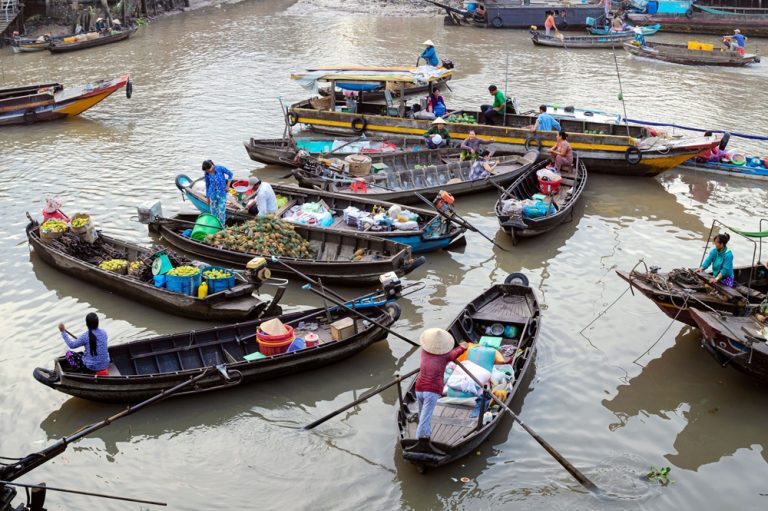
Can Tho – Experience Vietnam's Famous Floating Markets
Often referred to as the capital of the Mekong Delta, Can Tho is the region's largest city and the best base for exploring Vietnam's legendary waterways. While the city itself has a relaxed riverside atmosphere, its biggest draw is the opportunity to experience authentic floating markets, peaceful canals and traditional river life that have made the Mekong Delta one of Vietnam's most distinctive destinations.
The city's most famous attraction is Cai Rang Floating Market, where hundreds of boats gather in the early morning to trade fresh fruit, vegetables and local produce. Although smaller than it once was, it remains one of the most authentic floating markets in Vietnam and is best experienced by boat shortly after sunrise. Beyond the market, visitors can explore narrow canals lined with tropical vegetation, visit traditional workshops, sample local delicacies and discover the slower pace of life that defines the Mekong Delta.
Can Tho also offers attractive riverside promenades, lively night markets and an excellent selection of local restaurants serving fresh seafood and regional specialities. Compared to Ho Chi Minh City, life here moves at a much gentler pace, making it the perfect place to unwind while experiencing everyday life in Southern Vietnam.
Most travellers spend one or two nights in Can Tho before continuing their journey through the Mekong Delta or returning to Ho Chi Minh City. If you want to experience Vietnam's famous floating markets and explore the heart of the Mekong Delta, Can Tho is the ideal place to stay.
Experience the authentic charm of Can Tho as you explore the famous Cai Rang Floating Market, cruise the Mekong's peaceful canals and discover traditional villages and local cuisine. Find the best tours and activities to experience the heart of the Mekong Delta.
View Can Tho Tours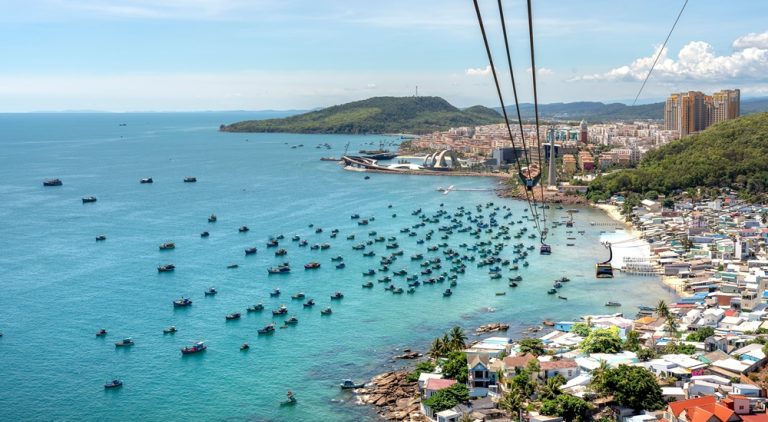
Phu Quoc – Relax on Vietnam's Tropical Island Paradise
Located in the warm waters of the Gulf of Thailand, Phu Quoc is Vietnam's largest island and its premier beach destination. Blessed with powdery white sand beaches, crystal-clear waters, lush tropical forests and spectacular sunsets, the island offers the perfect escape after exploring Vietnam's bustling cities and cultural landmarks. Whether you're looking for luxury resorts, family-friendly beaches, snorkelling adventures or simply a few days of relaxation, Phu Quoc is one of the best places to visit in Vietnam.
The island is home to some of Vietnam's most beautiful beaches, including Long Beach, Sao Beach and Khem Beach, where calm turquoise waters are ideal for swimming and water sports. Beyond the coastline, visitors can snorkel or dive around nearby islands, take a cable car to Hon Thom Island, explore Phu Quoc National Park or sample the island's famous fish sauce and fresh seafood. Sunset cruises and island-hopping tours are also among the most popular activities.
Despite its growing popularity, Phu Quoc still offers plenty of opportunities to escape the crowds, particularly in the island's northern and eastern regions. Luxury resorts, boutique hotels and beachfront bungalows cater to every budget, making it an excellent destination for honeymooners, families and travellers looking to unwind after a busy itinerary.
Most visitors spend three or four days enjoying Phu Quoc's beaches and island atmosphere before continuing their journey or flying home. If you're dreaming of turquoise waters, tropical scenery and spectacular sunsets, Phu Quoc is the perfect place to end your Vietnam adventure.
WorldlyRoaming Tip: While Sao Beach is the island's most famous stretch of sand, don't overlook quieter beaches in northern Phu Quoc if you prefer a more peaceful atmosphere. Renting a scooter or hiring a driver makes it easy to discover some of the island's less-visited coastal gems.
Escape to the tropical paradise of Phu Quoc, where white-sand beaches, crystal-clear waters, vibrant coral reefs and spectacular sunsets await. Discover the island's best boat trips, snorkelling tours, island-hopping adventures and unforgettable experiences.
View Phu Quoc Tours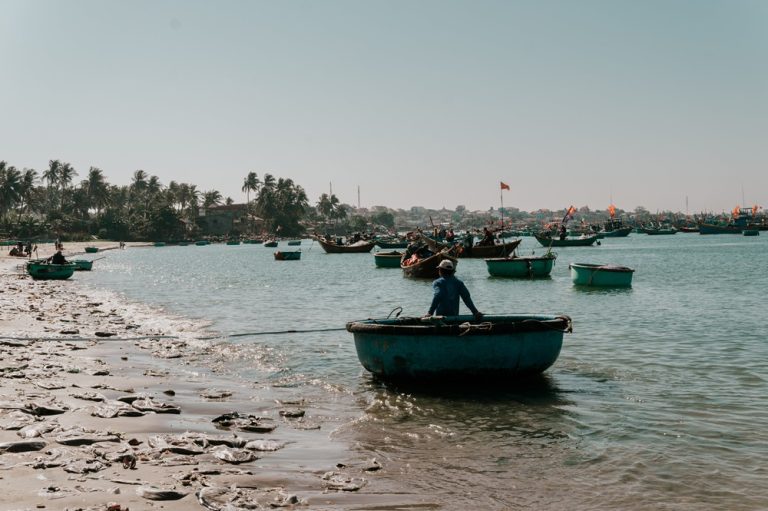
Mui Ne – Discover Vietnam's Sand Dunes & Coastal Adventure Capital
Famous for its towering sand dunes, reliable winds and laid-back beach atmosphere, Mui Ne offers a completely different side of Vietnam. Once a quiet fishing village, it has evolved into one of the country's most popular coastal destinations while still retaining much of its relaxed charm. Whether you're looking to try kitesurfing, explore dramatic desert-like landscapes or simply unwind by the sea, Mui Ne is one of the most unique places to visit in Vietnam.
The region's biggest attractions are the spectacular White Sand Dunes and Red Sand Dunes, where visitors can enjoy sunrise or sunset, try sandboarding or explore the rolling dunes by ATV. Another highlight is the Fairy Stream, a shallow stream that winds through colourful sandstone cliffs and unusual rock formations, creating one of the area's most photogenic walks. Along the coast, long sandy beaches provide excellent conditions for kitesurfing and windsurfing, earning Mui Ne an international reputation among water sports enthusiasts.
Beyond the main attractions, Mui Ne offers fresh seafood restaurants, lively beach bars and a relaxed atmosphere that makes it an ideal place to slow down after exploring Vietnam's cities. The nearby fishing harbour is particularly picturesque at sunrise, when colourful boats return with the morning's catch and local life is at its busiest.
Most travellers spend two or three days in Mui Ne, combining beach time with visits to the sand dunes and nearby attractions. Whether you're seeking adventure, relaxation or spectacular coastal scenery, Mui Ne is a rewarding addition to any Southern Vietnam itinerary.
WorldlyRoaming Tip: Visit the White Sand Dunes at sunrise rather than sunset if possible. The temperatures are far more comfortable, the light is better for photography and you'll avoid the larger crowds that arrive later in the day.
Discover the unique landscapes of Mui Ne, from its towering red and white sand dunes to colourful fishing villages, Fairy Stream and exciting kitesurfing beaches. Explore the best tours and activities to experience one of southern Vietnam's most distinctive coastal destinations.
View Mui Ne Tours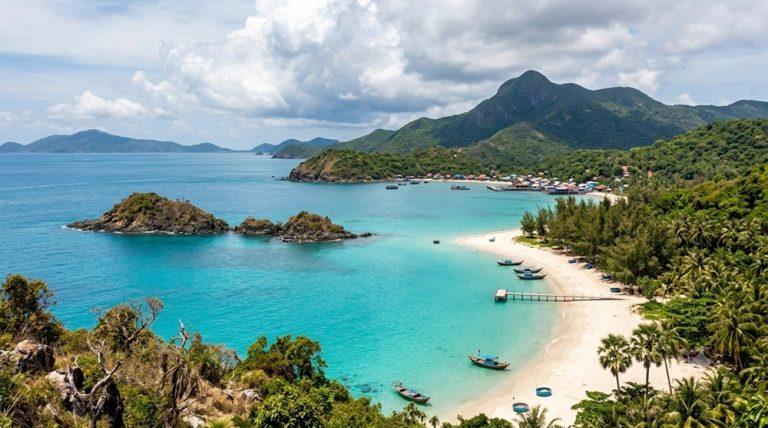
Con Dao – Escape to Vietnam's Most Beautiful & Unspoilt Islands
For travellers seeking pristine beaches, crystal-clear waters and a peaceful island escape, few destinations rival the Con Dao Islands. Located off Vietnam's southern coast, this idyllic archipelago of 16 islands is renowned for its untouched natural beauty, rich marine life and fascinating history. Far less developed than Phu Quoc, Con Dao offers a quieter and more exclusive experience, making it one of Vietnam's best hidden gems.
Much of the archipelago is protected as Con Dao National Park, preserving its tropical forests, coral reefs and diverse wildlife. Visitors can spend their days relaxing on secluded beaches, snorkelling or diving among vibrant coral gardens, hiking through lush rainforest or taking boat trips to nearby islands. Between May and October, Con Dao is also one of the best places in Vietnam to witness endangered green sea turtles nesting, with carefully managed conservation tours offering a rare opportunity to observe this remarkable natural event.
Beyond its natural beauty, Con Dao also has an important historical legacy. During the French colonial period and later the Vietnam War, the islands were home to a notorious prison complex where political prisoners were held. Today, the Con Dao Museum and former prison sites provide a moving insight into this significant chapter of Vietnamese history and have become important cultural landmarks.
Most travellers spend three or four days exploring the islands, combining beach time with snorkelling, hiking and historical sightseeing. If you're looking for tranquillity, spectacular scenery and some of Vietnam's finest beaches away from the crowds, Con Dao is an unforgettable destination.
WorldlyRoaming Tip: Con Dao is best suited to travellers looking for peace and nature rather than nightlife. If your dream trip involves quiet beaches, incredible diving and unspoilt scenery, you'll probably prefer Con Dao over the more developed atmosphere of Phu Quoc.
Escape to the untouched islands of Con Dao, where pristine beaches, crystal-clear waters and vibrant coral reefs await. From snorkelling and diving to wildlife encounters and historic sites, discover the best tours and experiences in one of Vietnam's most beautiful island destinations.
View Con Dao Tours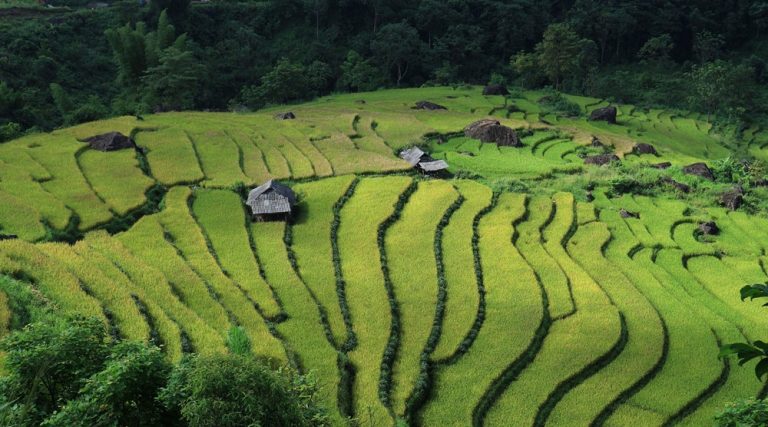
Unforgettable Experiences in Vietnam
Don't miss these uniquely Vietnamese experiences:
- Sample authentic Vietnamese street food
- Learn why Vietnamese coffee is famous worldwide
- Ride an overnight train through the country
- Take a traditional cooking class
- Watch the sunrise over rice terraces and mountain valleys
- Experience Vietnam's colourful floating markets
- Explore hidden caves, rivers and national parks
- Discover the country's vibrant festivals and local traditions
While Vietnam's cities, beaches and natural wonders are undoubtedly the country's biggest attractions, many of the most memorable moments come from the experiences themselves. Sitting on a tiny plastic stool enjoying a bowl of steaming pho, sipping a rich Vietnamese egg coffee overlooking a bustling street, watching fishing boats return at sunrise or sharing dinner with a local family often become the moments travellers remember most.
Vietnam is a country that rewards curiosity. Slow down, explore beyond the famous landmarks and embrace the local culture whenever possible. Whether you're learning to cook traditional Vietnamese dishes, riding the country's spectacular mountain roads, browsing colourful night markets or cruising through peaceful waterways, these experiences will leave you with memories that last long after your trip has ended.
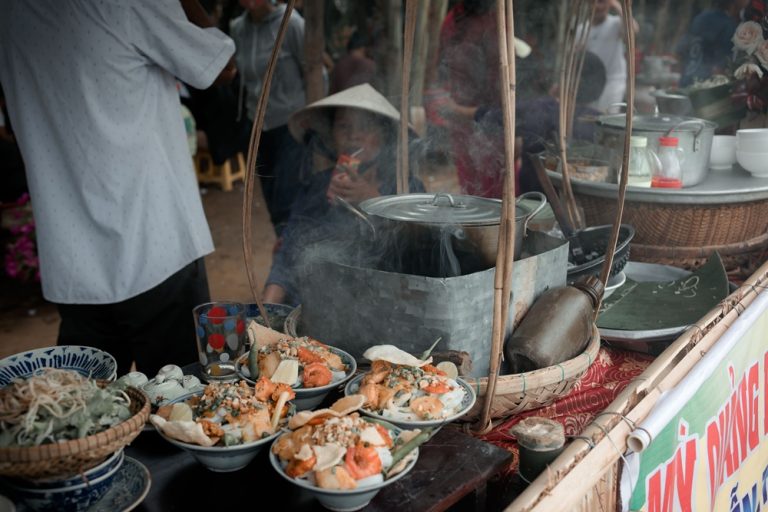
Taste Vietnam's Incredible Street Food
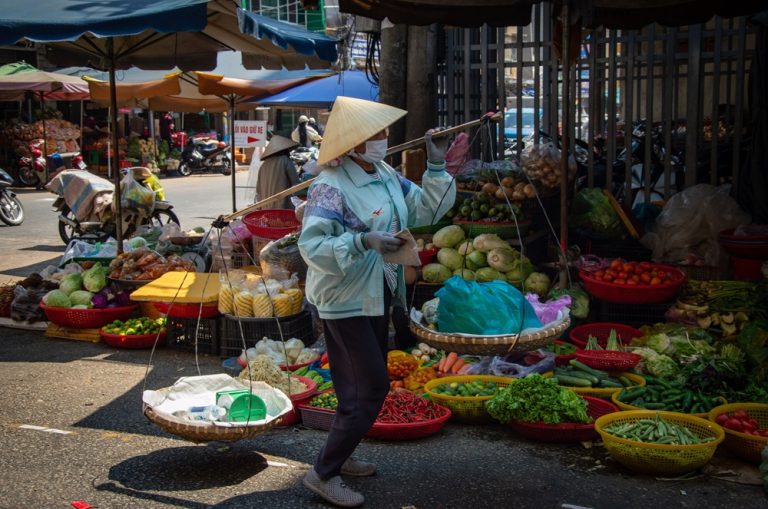
Vietnam is widely regarded as one of the world's greatest food destinations, and sampling its incredible street food is an essential part of any visit. Fresh ingredients, fragrant herbs, bold flavours and regional specialities combine to create a cuisine that is both incredibly diverse and remarkably affordable. From tiny roadside stalls and bustling local markets to family-run restaurants that have perfected the same recipes for generations, unforgettable meals can be found almost everywhere you travel.
Every region has its own culinary identity. Northern Vietnam is known for comforting dishes such as pho and bún chả, Central Vietnam is famous for imperial cuisine and local favourites like cao lầu and bún bò Huế, while Southern Vietnam offers sweeter flavours, tropical fruits and outstanding seafood. Trying these regional specialities is one of the best ways to experience Vietnam's rich cultural diversity.
One of the greatest pleasures of travelling through Vietnam is simply following the locals. Pull up a tiny plastic stool, order whatever the busy street stall is serving and enjoy a meal that often costs just a few pounds while delivering flavours you'll remember long after your trip has ended.
WorldlyRoaming Tip: Don't judge a street food stall by its appearance. Some of Vietnam's best meals are served from the smallest roadside kitchens. If you see a place packed with local customers, that's usually the best recommendation you can get.
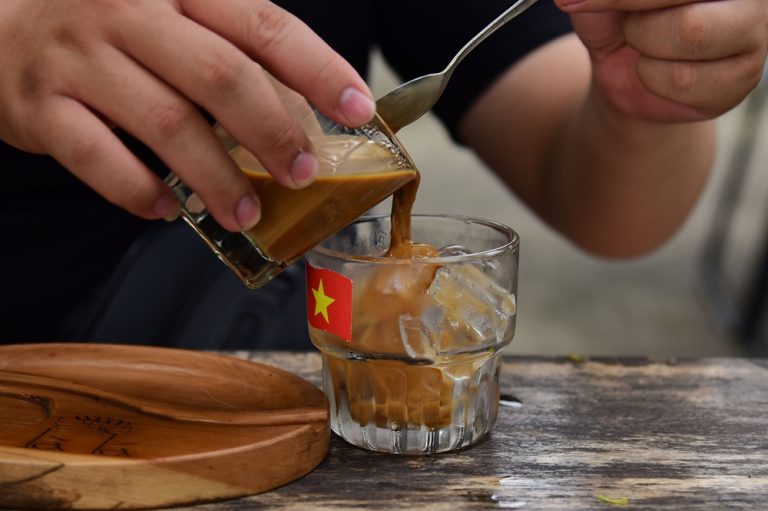
Try Vietnam's Famous Coffee Culture
Vietnam is the world's second-largest coffee producer, but simply knowing that statistic doesn't prepare you for the country's extraordinary café culture. Coffee is woven into daily life, whether it's enjoyed on a tiny plastic stool beside a busy street, in a hidden courtyard café or from a modern rooftop overlooking the city skyline. Taking the time to slow down over a cup of coffee is one of the most authentic experiences you can have while travelling through Vietnam.
The country's most famous speciality is cà phê trứng, or egg coffee, a rich and creamy drink that originated in Hanoi and has become one of Vietnam's signature beverages. Other favourites include strong Vietnamese iced coffee (cà phê sữa đá), coconut coffee, yoghurt coffee and traditional black coffee brewed using the iconic Vietnamese metal drip filter, known as a phin.
Every city has its own café scene. Hanoi is renowned for its historic coffee houses and hidden alleyway cafés, while Ho Chi Minh City offers everything from trendy speciality coffee shops to elegant rooftop venues. Smaller towns such as Hoi An and Da Lat also have thriving café cultures, making it easy to discover unique places to relax throughout your journey.
WorldlyRoaming Tip: Skip the international coffee chains whenever possible. Some of Vietnam's most memorable cafés are hidden down narrow alleyways or tucked away on the upper floors of old buildings. If you see locals sitting quietly with a coffee, it's usually worth stopping to see what you've discovered.
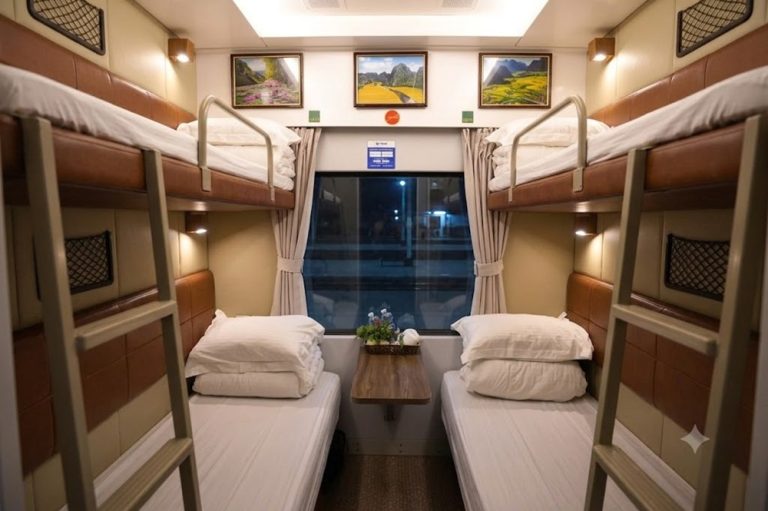
Ride Vietnam's Legendary Overnight Trains
Travelling through Vietnam isn't just about reaching your next destination—it's about enjoying the journey itself. One of the country's most memorable travel experiences is riding Vietnam's overnight railway, which connects many of its most popular destinations while offering a slower, more authentic way to explore the country. Instead of losing an entire day travelling, you can fall asleep in one city and wake up hundreds of kilometres away, ready to begin your next adventure.
The railway stretches almost the entire length of Vietnam, linking major destinations such as Hanoi, Ninh Binh, Hue, Da Nang, Hoi An (via Da Nang), Dong Hoi for Phong Nha, and Ho Chi Minh City. Watching rice paddies, fishing villages, mountain passes and dramatic coastlines roll past your window provides a unique perspective that you simply won't experience by flying.
Although trains are generally slower than domestic flights, they're often far more enjoyable. Soft sleeper cabins provide comfortable overnight accommodation, while daytime services allow travellers to admire some of Vietnam's most beautiful scenery. The journey between Hue and Da Nang, crossing the spectacular Hai Van Pass, is widely considered one of the country's most scenic rail journeys.
For many travellers, Vietnam's railway becomes more than just a means of transport—it becomes one of the highlights of the trip itself. If your itinerary allows, consider replacing at least one domestic flight with an overnight train for a travel experience you'll remember long after you return home.
WorldlyRoaming Tip: Book a four-berth soft sleeper rather than a hard sleeper whenever possible. The extra comfort is well worth the small additional cost, especially on longer overnight journeys.
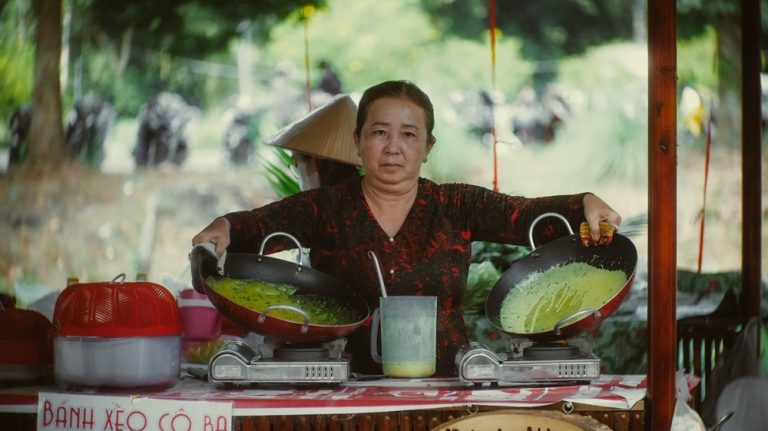
Take a Vietnamese Cooking Class
Vietnamese cuisine is celebrated around the world, but there's no better way to truly appreciate it than by learning to cook it yourself. Joining a cooking class is one of the most enjoyable cultural experiences in Vietnam, allowing you to discover local ingredients, traditional cooking techniques and the stories behind some of the country's most iconic dishes. Whether you're an experienced home cook or a complete beginner, it's a fun and rewarding activity for travellers of all ages.
Many cooking classes begin with a visit to a bustling local market, where you'll learn about fresh herbs, exotic fruits, aromatic spices and regional ingredients before heading to the kitchen. Under the guidance of experienced local chefs, you'll prepare classic Vietnamese dishes such as fresh spring rolls, pho, bánh xèo and regional specialities before sitting down to enjoy the meal you've created.
Hoi An is widely regarded as one of the best places in Vietnam to take a cooking class, thanks to its outstanding food culture and abundance of excellent culinary schools. However, memorable classes can also be found in Hanoi, Ho Chi Minh City and throughout the Mekong Delta, each showcasing the distinctive flavours of their region.
Beyond the recipes themselves, a cooking class offers a deeper understanding of Vietnamese culture and daily life. It's an experience that stays with you long after your trip has ended, allowing you to recreate a taste of Vietnam whenever you return home.
WorldlyRoaming Tip: Choose a cooking class that includes a visit to a local market rather than one that starts directly in the kitchen. Learning about the ingredients and seeing how locals shop adds another fascinating layer to the experience.
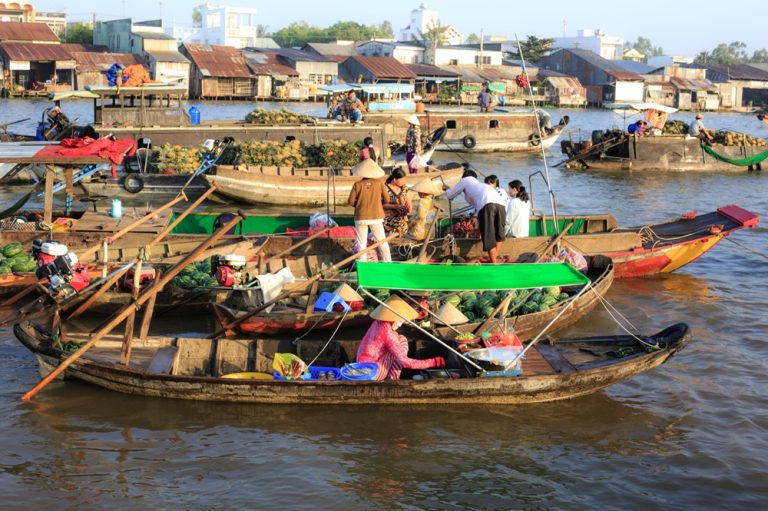
Visit Vietnam's Colourful Floating Markets
For generations, the waterways of the Mekong Delta have served as the lifeblood of Southern Vietnam, and nowhere is this more evident than at its famous floating markets. Long before modern roads connected the region, traders gathered each morning to buy and sell fruit, vegetables and other produce directly from their boats. While many of these markets are smaller than they once were, visiting a floating market remains one of the most authentic cultural experiences in Vietnam.
The most famous is Cai Rang Floating Market near Can Tho, where hundreds of boats gather before sunrise, creating a colourful spectacle unlike anywhere else in the country. As you drift along the waterways, you'll see traders advertising their produce by hanging samples from tall bamboo poles, while smaller boats weave between them selling freshly prepared breakfasts, strong Vietnamese coffee and tropical fruit. It's a fascinating glimpse into a way of life that has shaped the Mekong Delta for centuries.
Beyond the markets themselves, travelling through the delta's narrow canals reveals peaceful villages, traditional stilt houses, lush fruit orchards and everyday river life. Whether you're cruising through shaded waterways or stopping to visit local workshops and family-run farms, the experience offers a unique perspective on one of Vietnam's most productive and culturally rich regions.
WorldlyRoaming Tip: Floating markets are at their busiest very early in the morning, often between 5:30 am and 7:30 am. Staying overnight in Can Tho gives you the best chance to experience the market before most day-trippers arrive from Ho Chi Minh City.
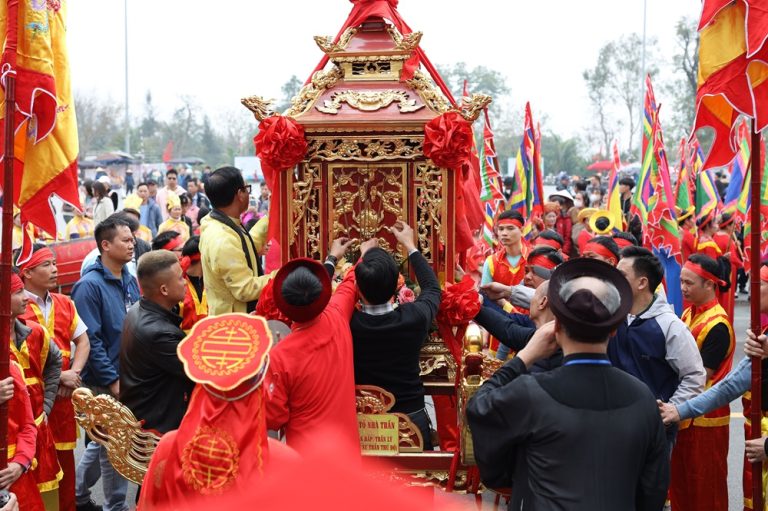
Experience Vietnam's Colourful Festivals & Local Traditions
Vietnam's rich cultural heritage comes alive through its vibrant festivals, centuries-old traditions and strong sense of community. While many visitors focus on the country's famous landscapes and historic landmarks, experiencing a local celebration offers a unique opportunity to connect with Vietnamese culture on a much deeper level. From colourful lantern festivals and lively street parades to solemn religious ceremonies and traditional performances, these events provide unforgettable memories and fascinating insights into local life.
The most important celebration is Tết, the Vietnamese Lunar New Year, when families gather to honour their ancestors, decorate their homes and welcome the new year with fireworks, traditional food and cultural performances. Although many businesses temporarily close during the holiday, it's an incredible time to witness Vietnam's traditions and festive atmosphere. Throughout the year, destinations such as Hoi An host magical lantern festivals, while temples across the country celebrate important Buddhist and local religious events.
Even outside the major festivals, travellers will regularly encounter local traditions, from incense offerings at temples and lively night markets to dragon dances, village celebrations and colourful weddings. Taking the time to observe these everyday cultural moments often becomes one of the most rewarding parts of travelling through Vietnam.
WorldlyRoaming Tip: If your trip coincides with Tết, book your accommodation and transport well in advance. It's Vietnam's busiest travel period, but it's also one of the most fascinating times to experience the country's traditions and festive spirit.
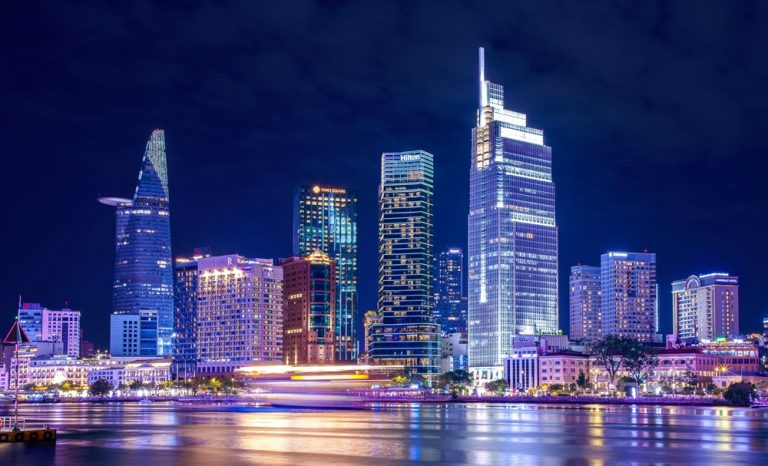
Where to Stay in Vietnam
In this section, you'll discover:
- Suggestions of places to stay throughout Vietnam
- Which destinations suit beaches, culture, food and adventure
- Where backpackers, couples, families and luxury travellers should base themselves
- How to choose the right destinations for your itinerary
Choosing where to stay in Vietnam is one of the biggest decisions you'll make when planning your trip. Unlike smaller destinations where a single hotel base may be enough, Vietnam stretches for more than 1,600 kilometres from north to south. Most travellers gradually work their way through the country, spending a few nights in several destinations rather than staying in one place and relying on day trips.
The best bases will depend on what you want from your journey. Hanoi, Hue and Hoi An are excellent choices for culture, history and traditional architecture, while Hanoi, Ho Chi Minh City and Hoi An are among the country's most rewarding destinations for food. Beach lovers can consider Da Nang, Phu Quoc, Con Dao, Nha Trang or Mui Ne, while travellers seeking mountains, hiking and outdoor adventure may prefer Sapa, Ha Giang, Cao Bang or Phong Nha.
Your travel style should also influence where you stay. Backpackers and solo travellers often appreciate the sociable hostels and nightlife found in Hanoi, Hoi An, Ha Giang and Ho Chi Minh City. Couples may prefer the romantic atmosphere of Hoi An, a boutique hotel in Hanoi or a beachfront resort on Phu Quoc. Families are often comfortable in Da Nang, Hoi An and Phu Quoc, where accommodation, transport and activities are relatively easy to organise. Luxury travellers will find excellent city hotels in Hanoi and Ho Chi Minh City, together with high-end beach resorts along the central and southern coastlines.
Rather than trying to include every famous destination, choose a combination that suits the length and pace of your itinerary. A first-time visitor might combine Hanoi and Ninh Binh in the north, Hoi An or Da Nang in Central Vietnam and Ho Chi Minh City or the Mekong Delta in the south. Travellers with more time can add mountain regions, national parks or an island stay without making the journey feel rushed.
Vietnam also offers excellent accommodation value at every level, from lively backpacker hostels and comfortable guesthouses to elegant boutique hotels and luxurious beachfront resorts. If you're looking for destination-specific recommendations, don't miss my Where to Stay in Vietnam guide, where I compare the country's best destinations, explain who each region is best suited for and recommend carefully selected hotels for every budget.
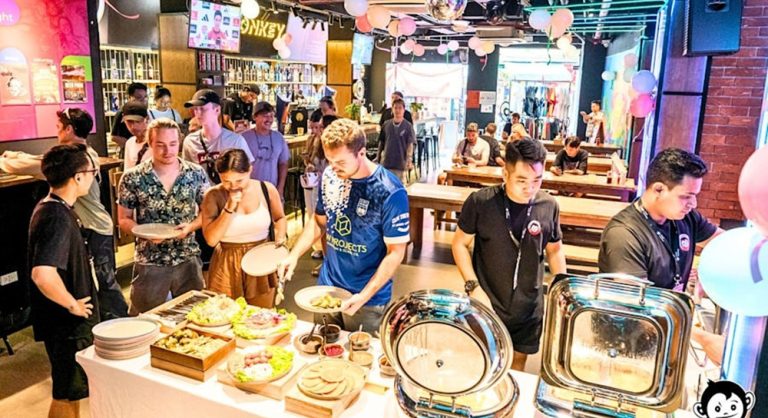
Budget Stay: Mad Monkey Hostels
If you're travelling through Vietnam on a budget or exploring the country alone, Mad Monkey Hostels are worth considering. They have hostels in Hanoi, Hoi An and Ha Giang, placing them along several of Vietnam's most popular backpacking routes.
Mad Monkey focuses strongly on the social side of travel, with organised activities, local experiences and communal spaces where guests can meet other travellers. This makes the hostels particularly suitable for backpackers and solo visitors who want more than simply an inexpensive bed for the night.
You can receive 10% off your booking by reserving directly through Mad Monkey and using the discount code WORLDLYROAMING10.
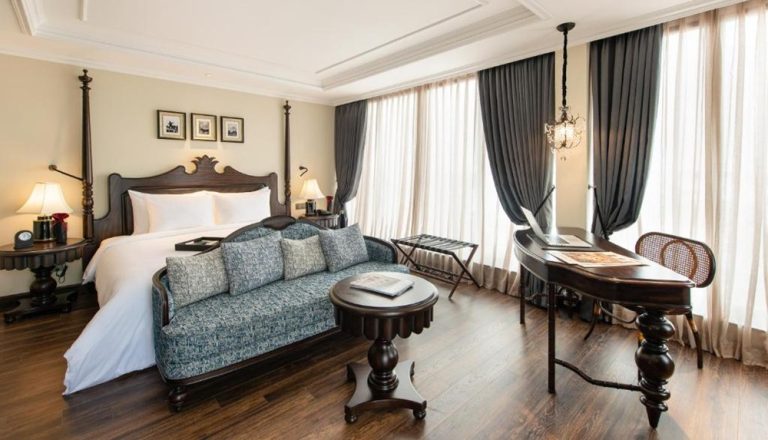
Boutique Stay: La Siesta Classic Ma May in Hanoi
One boutique hotel you could consider is La Siesta Classic Ma May in Hanoi. Located in the heart of the Old Quarter, it provides a convenient base for exploring the city's historic streets, cafés, restaurants, markets and cultural attractions on foot.
The hotel may appeal to travellers who want a more refined and comfortable experience without moving into the highest luxury price range. Its central location is particularly useful for first-time visitors who want to stay close to Hanoi's atmosphere while still having a polished and relaxing place to return to at the end of the day.
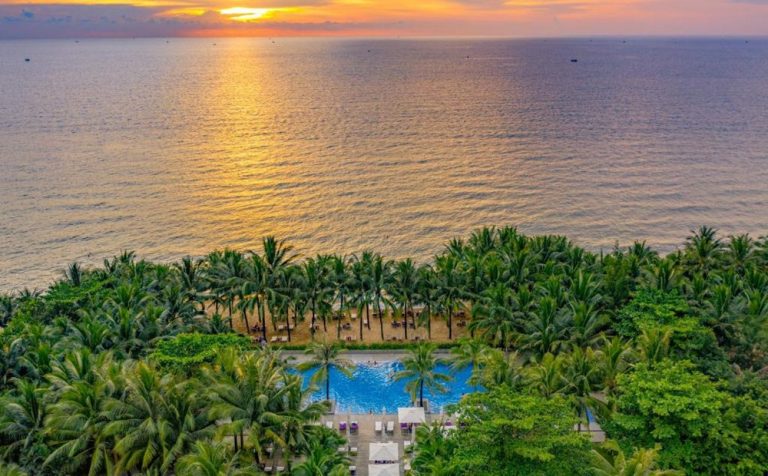
Luxury Escape: Salinda Resort Phu Quoc Island
If you're looking for something more luxurious, Salinda Resort Phu Quoc might be more to your liking. Set beside the beach and surrounded by tropical gardens, the resort offers a peaceful contrast to Vietnam's busy cities and fast-paced sightseeing routes.
Its beachfront location, spacious facilities and resort atmosphere make it especially suitable for couples, honeymooners and travellers who want to finish their Vietnam itinerary with a few relaxing days by the sea. It can also work well for anyone who wants a more secluded island stay without sacrificing comfort.
Check prices and availability at Salinda Resort Phu Quoc →
Of course, attempting to list every worthwhile hotel, hostel and resort in Vietnam here would be neither practical nor particularly helpful. These are simply a few suggestions to help you begin your search.
For a much wider selection, you can compare accommodation throughout Vietnam and filter the results according to your destination, travel dates, budget, guest rating and preferred facilities.
Planning Your Trip to Vietnam
Everything you need to know before you go:
- How to get to Vietnam
- Visa requirements and entry information
- Getting around the country
- The best time to visit
- How much a trip to Vietnam costs
- Essential safety advice and practical travel tips
Planning a trip to Vietnam is surprisingly straightforward, but a little preparation will help you make the most of your visit. From understanding visa requirements and choosing the best time to travel to deciding how you'll get around such a long and diverse country, making a few key decisions before you leave will save time and help you build a smoother itinerary.
Vietnam is well connected to the rest of the world through several international airports, domestic transport is both affordable and efficient, and accommodation ranges from budget-friendly hostels to luxury beachfront resorts. Whether you're travelling for one week or one month, the country is easy to explore thanks to its excellent network of flights, trains, buses and private transfers.
The following sections provide a quick overview of everything you need to know before visiting Vietnam. As the Vietnam cluster continues to grow, each topic will eventually have its own in-depth guide covering everything in greater detail.
How to Get to Vietnam
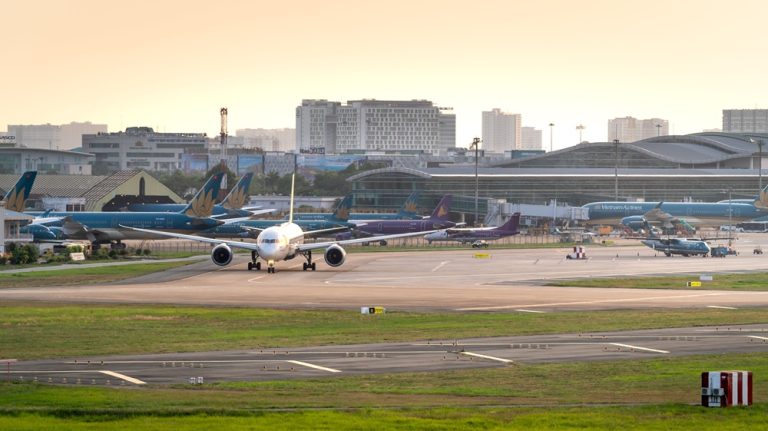
Vietnam is well connected to the rest of the world, with direct international flights arriving from Europe, Asia, Australia and the Middle East. Most travellers enter the country through one of three major international airports, each providing convenient access to a different part of Vietnam depending on your itinerary.
For a complete look at international flights, overland border crossings, Vietnam's main arrival airports and getting from the airport into the city, read my complete guide to travelling to Vietnam.
- Noi Bai International Airport (HAN) – The main gateway to Northern Vietnam, serving Hanoi, Ha Long Bay, Ninh Binh, Sapa and the Ha Giang Loop.
- Da Nang International Airport (DAD) – The best arrival point for Central Vietnam, including Hoi An, Hue, the Hai Van Pass and Phong Nha National Park.
- Tan Son Nhat International Airport (SGN) – Vietnam's busiest airport and the ideal gateway to Ho Chi Minh City, the Mekong Delta, Mui Ne, Phu Quoc and Con Dao.
Return flights to Vietnam vary considerably depending on the season, departure airport and how far in advance you book. As a general guide, travellers from Europe can often find return fares between £450 and £900, while flights from Australia typically range from £250 to £600. Travellers already in Southeast Asia can often find one-way flights for as little as £40 to £150, making Vietnam an easy addition to a wider regional itinerary.
If you're ready to book your trip, I recommend comparing airlines and fares across multiple booking platforms to find the best deal. Flight prices can vary significantly depending on your travel dates and departure airport.
Compare cheap international flights to Vietnam →
Vietnam can also be reached overland from neighbouring Cambodia, Laos and China, although flying is usually the quickest and most convenient option for international visitors. Once you arrive, affordable domestic flights, trains and sleeper buses make travelling between Vietnam's major destinations both easy and budget-friendly.
Vietnam Visa Requirements
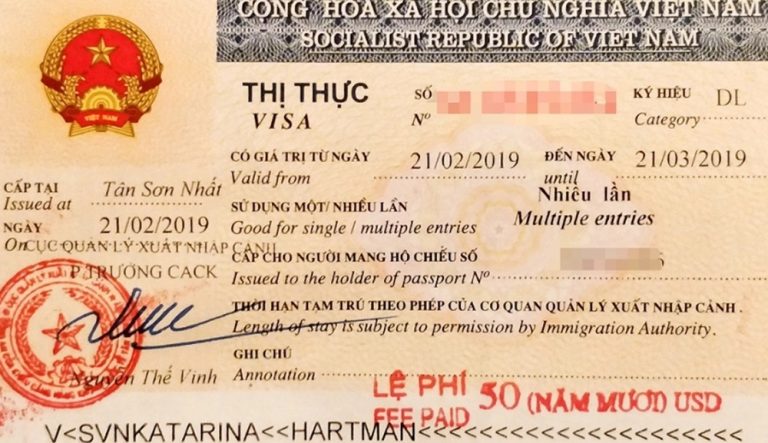
Many travellers can visit Vietnam without a visa for a limited period, while others need to apply for an electronic visa (eVisa) before travelling. Since entry requirements vary depending on your nationality and can change over time, it's always advisable to check the latest regulations before booking your trip.
Vietnam's official eVisa portal allows eligible travellers to apply online before departure, making the process straightforward and convenient. At the time of writing, the official government fee is US$25 for a single-entry eVisa and US$50 for a multiple-entry eVisa. Processing typically takes around three to five working days, although applying well in advance of your departure is always recommended. Please note that visa fees are non-refundable, even if your application is refused.
Your passport should generally be valid for at least six months beyond your intended date of entry and have sufficient blank pages for immigration stamps where required. Immigration regulations can change, so always rely on the official government website rather than outdated information from third-party sources. For a complete explanation of visa requirements, eVisa applications, visa-free countries, processing times and common mistakes to avoid, read our Vietnam Visa Guide.
Getting Around Vietnam
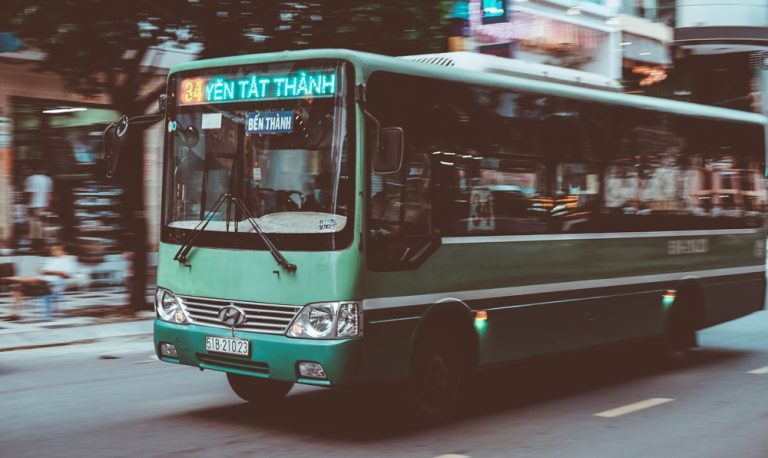
Despite stretching more than 1,600 kilometres from north to south, Vietnam is remarkably easy to explore. An extensive network of domestic flights, trains, sleeper buses and private transfers connects the country's major destinations, allowing travellers to move efficiently between bustling cities, tropical islands and spectacular national parks. The best mode of transport depends on your itinerary, budget and how much time you have available.
Domestic flights are the fastest way to cover long distances. The country's main airlines include Vietnam Airlines, VietJet Air, Bamboo Airways and Vietravel Airlines. Vietnam Airlines offers a traditional full-service experience, while VietJet Air is popular with budget-conscious travellers. VASCO, a subsidiary of Vietnam Airlines, operates smaller aircraft on regional routes, including flights to Con Dao.
Most domestic flights operate through Hanoi, Da Nang and Ho Chi Minh City, but Vietnam's regional airports make it easy to reach many of the country's most popular destinations. Key airports include Phu Quoc International Airport (PQC), Phu Bai International Airport (HUI) for Hue, Cam Ranh International Airport (CXR) for Nha Trang, Lien Khuong Airport (DLI) for Da Lat, Van Don International Airport (VDO) for Ha Long Bay, and regional airports such as Con Dao (VCS) and Dong Hoi (VDH), which are managed by the Airports Corporation of Vietnam (ACV).
If you have more time, Vietnam's railway is one of the country's most enjoyable ways to travel. Overnight trains connect many of the major destinations, while the spectacular journey between Hue and Da Nang is widely regarded as one of Southeast Asia's most scenic rail routes. Sleeper buses are another popular and affordable option, particularly among backpackers travelling longer distances.
Within cities, ride-hailing apps such as Grab are often the easiest way to get around, offering transparent pricing and convenient cashless payments. Walking is ideal in destinations such as Hoi An, while bicycles are popular in quieter towns and rural areas. Motorbike rentals are widely available throughout Vietnam, although busy city traffic and challenging mountain roads mean they're best suited to experienced riders with the appropriate licence and insurance. For a more detailed comparison of trains, buses, domestic flights, ferries, taxis and ride-hailing services, read our Getting Around Vietnam guide.
Best Time to Visit Vietnam
One of the biggest challenges when planning a trip to Vietnam is that there isn't a single "best" time to visit the entire country. Stretching more than 1,600 kilometres from north to south, Vietnam experiences several different climate zones, meaning weather conditions can vary significantly depending on where you're travelling. While one region may be enjoying clear blue skies, another could be in the middle of its rainy season.
Fortunately, Vietnam is a year-round destination. By understanding the seasonal differences between the north, central and southern regions, you can easily plan an itinerary that offers excellent weather wherever you're travelling.
| Region | Best Time to Visit | What to Expect |
|---|---|---|
| Northern Vietnam | October – April | Cooler temperatures, lower rainfall and ideal conditions for sightseeing, trekking and Ha Long Bay cruises. |
| Central Vietnam | February – August | Warm, sunny weather that's perfect for beaches, cultural attractions and scenic road trips. |
| Southern Vietnam | November – April | Dry, sunny weather with warm temperatures, making it ideal for cities, islands and the Mekong Delta. |
👉 On smaller screens, slide the table to the right to view all the information.
Northern Vietnam enjoys four distinct seasons. Autumn (October and November) and spring (March and April) generally offer the most pleasant conditions, while winter brings cooler temperatures that are ideal for exploring Hanoi, Sapa and Ha Giang. Summer is warmer and wetter, although the lush green rice terraces make this a rewarding time for photographers and hikers.
Central Vietnam experiences a different weather pattern, with the driest months typically falling between February and August. This is the ideal time to visit destinations such as Hoi An, Da Nang, Hue and Phong Nha National Park. Heavy rainfall is more common between September and December.
Southern Vietnam has a tropical climate with two distinct seasons. The dry season, from November to April, offers sunny days and lower humidity, making it the most popular time to visit Ho Chi Minh City, the Mekong Delta and islands such as Phu Quoc. The rainy season usually brings short, heavy afternoon showers rather than continuous rainfall, allowing plenty of time for sightseeing.
If you're travelling throughout the entire country, the months of March and April generally offer the best balance of weather across all three regions. However, Vietnam can be enjoyed at any time of year, provided you tailor your itinerary to the seasonal conditions in each part of the country. If you'd like a more detailed month-by-month breakdown, including regional weather patterns, festivals and seasonal travel advice, read our Best Time to Visit Vietnam guide.
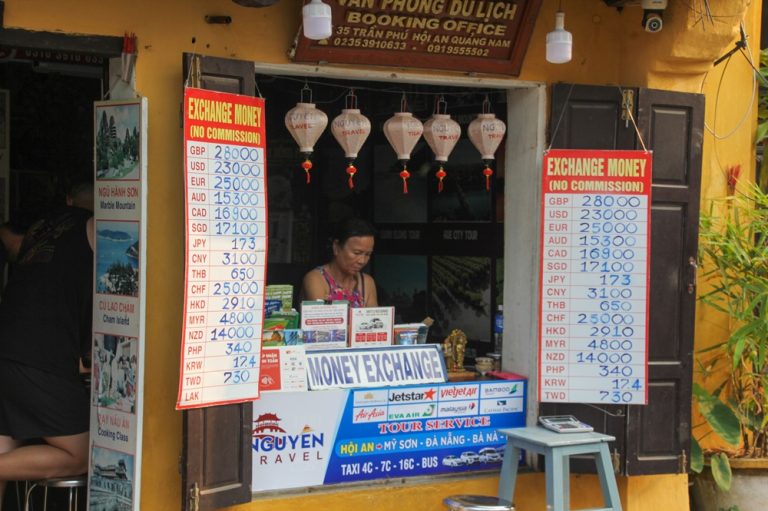
How Much Does a Trip to Vietnam Cost?
Vietnam is one of the best-value destinations in Southeast Asia, offering excellent accommodation, delicious food and affordable transport for every budget. Whether you're backpacking across the country or enjoying a luxury holiday, it's possible to travel comfortably without spending a fortune. While costs naturally vary depending on your travel style and the destinations you visit, the following estimates provide a realistic idea of what to expect.
Looking for a complete breakdown of accommodation, food, transport, activities and realistic daily expenses? Read my detailed Vietnam Travel Budget guide to see exactly how much you should expect to spend, whether you're backpacking or travelling in comfort.
| Travel Style | Daily Budget (USD) | What to Expect |
|---|---|---|
| Budget / Backpacker | US$25–40 | Hostels, street food, local transport and budget attractions. |
| Mid-range / Comfort | US$60–110 | Boutique hotels, restaurants, Grab rides and organised day tours. |
| Luxury | US$200–400+ | Luxury hotels, private transfers, fine dining and premium experiences. |
👉 On smaller screens, slide the table to the right to view all the information.
Accommodation offers particularly good value for money. Backpackers can find hostel dorm beds from around US$6–12 per night, while comfortable guesthouses and homestays typically cost US$15–30. Boutique hotels generally range from US$35–70, while luxury hotels and beachfront resorts usually start at around US$120 per night.
Food is another highlight of travelling in Vietnam. Delicious street food favourites such as phở, bánh mì and bún chả often cost between US$1–3, while a traditional Vietnamese coffee typically costs less than US$2. Even dining in a comfortable restaurant usually costs only US$6–15 per person, making Vietnam one of Asia's best destinations for food lovers.
Transport is equally affordable. Domestic flights between major cities often cost US$35–80 one-way when booked in advance, overnight sleeper trains generally range from US$25–45, and Grab rides within cities usually cost just a few dollars. Even many of Vietnam's most popular attractions remain reasonably priced, with museum and temple entrance fees often costing less than US$4 and full-day group tours typically ranging from US$15–35.
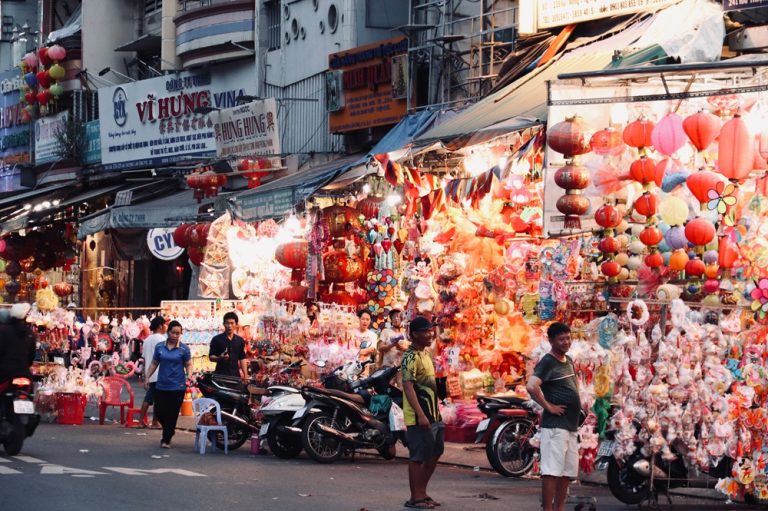
Is Vietnam Safe?
Yes. Vietnam is generally considered one of the safest countries to visit in Southeast Asia and welcomes millions of international visitors every year. Violent crime involving tourists is rare, and most travellers complete their trip without encountering any serious problems. Like anywhere in the world, however, it's important to exercise common sense and remain aware of your surroundings, particularly in busy cities and popular tourist areas.
The most common issues visitors encounter are petty theft and tourist scams rather than serious crime. Pickpocketing and bag snatching can occasionally occur in crowded places such as markets, busy streets and public transport, especially in Hanoi and Ho Chi Minh City. Keeping valuables secure, avoiding displaying expensive jewellery or electronics, and using reputable transport providers such as Grab significantly reduces the risk.
Road traffic is often the biggest challenge for first-time visitors. Vietnam's streets can appear chaotic, with thousands of motorbikes sharing the road. Crossing busy streets may seem intimidating at first, but moving steadily and predictably allows traffic to flow safely around you. If you plan to rent a motorbike, make sure you have the appropriate licence, experience and travel insurance.
Food hygiene is generally very good, particularly at busy restaurants and popular street food stalls with a high turnover of customers. Drinking bottled or filtered water is recommended throughout your trip, while staying hydrated is especially important during the hotter months.
Overall, Vietnam is a welcoming, friendly and remarkably safe destination for solo travellers, couples, families and backpackers alike. By taking the same sensible precautions you would in any unfamiliar destination, you're likely to enjoy a safe and unforgettable journey.
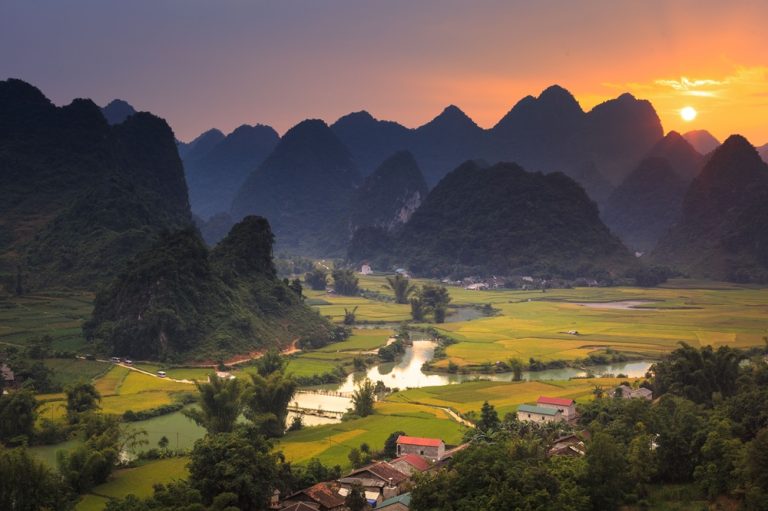
Essential Vietnam Travel Tips
A little preparation goes a long way in Vietnam. While the country is easy to explore independently, the following tips will help you save money, avoid common mistakes and make the most of your time discovering one of Southeast Asia's most rewarding destinations.
Before you fly, don't miss my guide to comprehensive travel advice for Vietnam, covering everything from money and transport to local customs, scams, mobile data, health and packing for your first trip.
- Book your international flights early. Airfares can increase significantly during peak travel periods such as Christmas, New Year and Tết. Booking a few months in advance usually gives you the best choice of flights and prices. Compare international flight prices.
- Choose the right accommodation for your itinerary. Vietnam offers everything from backpacker hostels and boutique hotels to luxury beachfront resorts. Staying in the right neighbourhood can make a huge difference to your overall experience. Find the best hotel booking platform.
- Set up an eSIM before you arrive. Having mobile data as soon as you land makes it easy to order a Grab, navigate unfamiliar cities, contact your accommodation and stay connected throughout your trip. Choose the best eSIM for international travel.
- Travel with comprehensive insurance. Whether you're hiking in Sapa, cruising through Ha Long Bay or exploring Vietnam by motorbike, good travel insurance provides valuable peace of mind. Compare travel insurance options.
- Pack for different climates. Northern Vietnam can be surprisingly cool during winter, while the south remains hot and tropical throughout the year. If you're travelling the length of the country, lightweight layers are your best friend. My guide to what to pack for Vietnam covers clothing, footwear, toiletries, electronics and other essentials for different regions and seasons.
- Don't try to see everything in one trip. Vietnam is much larger than many first-time visitors expect. Rather than constantly moving between destinations, spend a few extra days in places you enjoy and allow yourself time to experience the local culture.
- Download Grab before you arrive. Grab is Vietnam's most popular ride-hailing app and is usually the easiest, safest and most affordable way to travel around major cities.
- Carry some cash. Credit cards are widely accepted in hotels and larger restaurants, but markets, street food stalls and many small businesses still prefer cash.
- Respect local customs. Dress modestly when visiting temples and pagodas, remove your shoes where required and always ask permission before photographing local people.
- Stay flexible. Some of the best travel experiences happen unexpectedly. Leave room in your itinerary for spontaneous discoveries, recommendations from locals and places you simply don't want to leave.
Vietnam rewards travellers who slow down, embrace its culture and venture beyond the obvious highlights. With a little preparation and an open mind, you're almost certain to leave with unforgettable memories—and probably a desire to return.
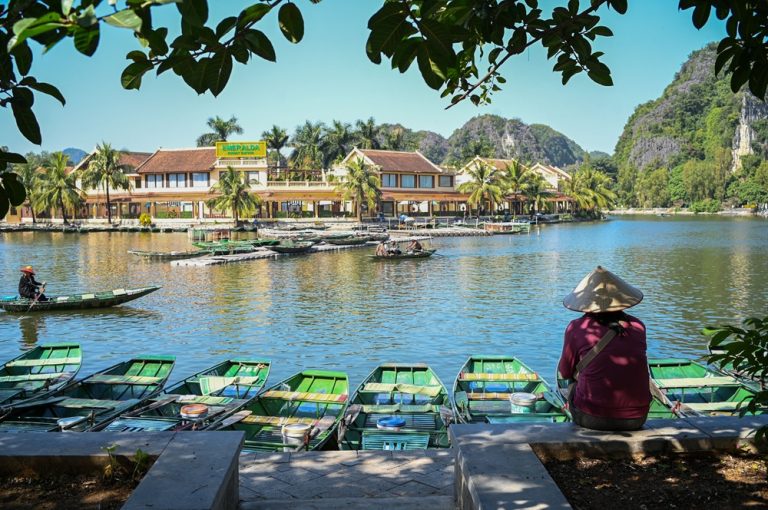
Final Thoughts on the Best Things to Do in Vietnam
Vietnam is one of those rare destinations that appeals to almost every type of traveller. Whether you're cruising through the limestone karsts of Ha Long Bay, wandering the lantern-lit streets of Hoi An, trekking through the rice terraces of Sapa or enjoying a bowl of steaming phở at a bustling street-side café, every region offers something unique.
What makes Vietnam truly special isn't just its spectacular landscapes or world-famous cuisine—it's the incredible diversity of experiences packed into one long, fascinating country. From vibrant cities and ancient imperial capitals to remote mountain villages, tropical islands and some of Southeast Asia's most scenic road trips, Vietnam rewards travellers who are willing to slow down and explore beyond the obvious highlights.
Whether you're planning a one-week holiday or a month-long adventure, Vietnam offers outstanding value for money, welcoming locals and unforgettable experiences around every corner. Hopefully this guide has helped you discover some of the best things to do in Vietnam and inspired you to start planning your own unforgettable journey.
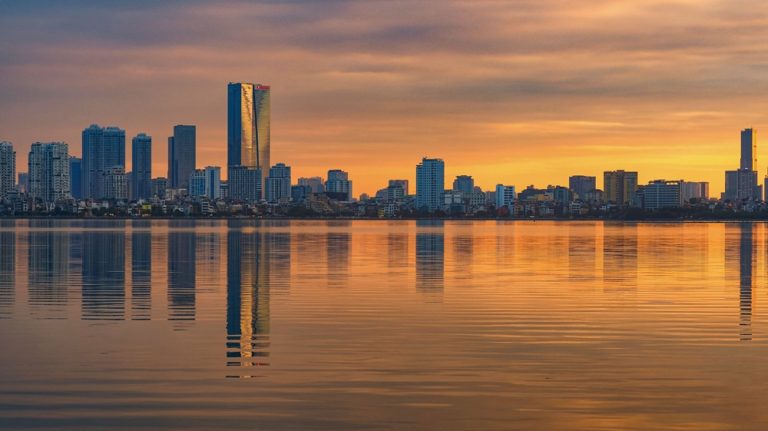
Frequently Asked Questions About Visiting Vietnam
What are the best things to do in Vietnam?
Some of the best things to do in Vietnam include cruising through Ha Long Bay, exploring Hanoi's Old Quarter, wandering the lantern-lit streets of Hoi An, trekking in Sapa, riding the Hai Van Pass, discovering the caves of Phong Nha, visiting the Mekong Delta and relaxing on the beaches of Phu Quoc. Every region offers a different experience, making Vietnam one of Southeast Asia's most diverse travel destinations.
How many days do you need in Vietnam?
A minimum of 10 to 14 days allows you to experience several of Vietnam's highlights without rushing. If you have three weeks or more, you'll have enough time to explore the country's northern mountains, central coastline and southern cities at a much more relaxed pace.
What is the best month to visit Vietnam?
There isn't a single best month to visit Vietnam because the climate varies across the country. March and April generally offer the best balance of weather in the north, central and southern regions, making them popular months for first-time visitors.
Is Vietnam expensive to visit?
No. Vietnam is one of the most affordable countries in Southeast Asia. Backpackers can travel comfortably on around US$25–40 per day, while mid-range travellers often spend between US$60 and US$110 per day, including accommodation, food, transport and activities.
Is Vietnam safe for tourists?
Yes. Vietnam is generally considered one of the safest countries in Southeast Asia for tourists. Violent crime is rare, although visitors should remain aware of petty theft, tourist scams and the busy traffic found in major cities such as Hanoi and Ho Chi Minh City.
Do I need a visa for Vietnam?
That depends on your nationality. Some visitors can enter Vietnam without a visa, while others need to apply for an eVisa before travelling. Always check the latest entry requirements through Vietnam's official government eVisa website before your departure.
What is the number one tourist attraction in Vietnam?
Ha Long Bay is widely regarded as Vietnam's most famous tourist attraction thanks to its spectacular limestone islands and emerald waters. Other iconic destinations include Hoi An Ancient Town, the Golden Bridge near Da Nang, the Imperial City of Hue and the mountain landscapes of Sapa.
Is Vietnam worth visiting?
Absolutely. Vietnam combines breathtaking scenery, fascinating history, delicious cuisine, welcoming locals and excellent value for money. Whether you're interested in culture, beaches, hiking, food or adventure, Vietnam offers something for every type of traveller.
Should I visit North or South Vietnam first?
Most travellers begin in Hanoi and travel south towards Ho Chi Minh City, although the reverse route works just as well. Choosing an open-jaw flight itinerary—arriving in one city and departing from the other—helps avoid unnecessary backtracking.
Can you travel around Vietnam without speaking Vietnamese?
Yes. English is commonly spoken in hotels, tourist attractions and many restaurants, particularly in popular destinations. Learning a few simple Vietnamese phrases is appreciated by locals, but it isn't essential for travelling around the country.
Can you drink tap water in Vietnam?
It's generally recommended to drink bottled or filtered water rather than tap water during your trip. Most hotels provide complimentary bottled water, while filtered refill stations are becoming increasingly common in larger cities and tourist destinations.
Is Vietnam good for solo travellers?
Yes. Vietnam is one of Southeast Asia's most popular destinations for solo travellers thanks to its well-developed tourist infrastructure, affordable accommodation, excellent transport network and welcoming backpacker community.
What currency is used in Vietnam?
Vietnam uses the Vietnamese đồng (VND). Although credit cards are widely accepted in hotels and larger restaurants, carrying some cash is recommended for markets, street food stalls and smaller local businesses.
Can you use Grab in Vietnam?
Yes. Grab is available in most major cities, including Hanoi, Ho Chi Minh City and Da Nang. It's one of the safest, easiest and most affordable ways to travel around urban areas, with transparent pricing and convenient cashless payment options.
What should I pack for Vietnam?
Lightweight clothing is suitable for most of Vietnam, but travellers visiting the northern mountains or travelling during winter should also pack a warm layer. Comfortable walking shoes, sunscreen, insect repellent and a universal travel adapter are useful wherever you travel.
What is the rainy season in Vietnam?
The rainy season varies depending on the region. Southern Vietnam typically experiences its wet season between May and October, while Central Vietnam often receives the heaviest rainfall between September and December. Northern Vietnam generally sees its wettest weather during the summer months.
What food should I try in Vietnam?
Vietnam is famous for dishes such as phở, bánh mì, bún chả, cao lầu, bánh xèo and fresh spring rolls. Sampling regional specialities is one of the highlights of travelling through the country.
Is Vietnam a good destination for families?
Yes. Vietnam is an excellent destination for families thanks to its friendly atmosphere, affordable accommodation, beautiful beaches, fascinating cultural attractions and wide variety of outdoor activities suitable for children of all ages.
What are the best places to visit in Vietnam?
The best places to visit in Vietnam include Hanoi, Ha Long Bay, Sapa, Ninh Binh, Phong Nha National Park, Hue, Hoi An, Da Nang, Ho Chi Minh City, the Mekong Delta and Phu Quoc. Together, these destinations showcase Vietnam's incredible diversity of landscapes, culture and history.
Travel Resources to Plan, Book & Stay Connected
Use these tools and guides to stay connected abroad, find inspiration for your next trip, and book your flights, stays and gear with confidence.
Disclosure: This article may contain affiliate links. If you make a purchase through a link, I may receive a commission at no extra cost to you. I only share recommendations I believe are genuinely useful, and all opinions are my own. AI was used in this post for research and drafting purposes.

Comment (0)