Getting Around Vietnam: Quick Answers
Wondering how to get around Vietnam? Travelling around the country is surprisingly easy thanks to an extensive network of domestic flights, trains, buses, ferries and ride-hailing services. Whether you're planning a short trip or travelling from Hanoi to Ho Chi Minh City, choosing the right transport for each leg can save you considerable time and money.
- Best way to get around Vietnam: Combine domestic flights, trains and buses depending on the distance, your budget and how much time you have.
- Fastest transportation in Vietnam: Domestic flights are generally the quickest option for covering long distances between major destinations.
- Cheapest way to travel around Vietnam: Sleeper buses and long-distance coaches are usually among the most budget-friendly options.
- Most scenic transport: Vietnam's railway offers some spectacular journeys, particularly along the central coast and across the Hai Van Pass.
- Best transport for backpackers: Sleeper buses, overnight trains and ride-hailing services can provide an excellent balance between convenience and cost.
- Best transport for families: Domestic flights and private transfers generally provide the greatest comfort and flexibility, particularly when travelling with luggage or children.
- Best way to get around cities: Ride-hailing services such as Grab, taxis and local public transport cover most everyday journeys, while scooters are an option for suitably licensed and experienced riders.
- Can tourists drive in Vietnam? Yes, but you need the appropriate valid licence and must meet Vietnam's legal requirements. Riding a scooter or motorcycle in busy Vietnamese traffic is not suitable for inexperienced riders.
- Is Vietnam easy to travel around? Generally, yes. Major tourist destinations are well connected, although journey times and transport options vary considerably depending on the route.
Before booking transport, decide which parts of the country you actually want to visit. Start by comparing Vietnam's destinations and travel experiences, then use our guide to planning a realistic route through Vietnam. Once your route is clear, compare the best places to base yourself along the way before booking your transport.

Getting Around Vietnam: Everything You Need to Know
Getting around Vietnam is much easier than many first-time visitors expect. Although the country stretches for more than 1,600 kilometres from north to south, Vietnam has one of Southeast Asia's best-developed transportation networks. Whether you're travelling between major cities, exploring remote mountain regions or heading to tropical islands, you'll find a wide range of transport options to suit every budget and travel style.
From fast and affordable domestic flights to the iconic Reunification Express train, comfortable sleeper buses, scenic ferries and convenient ride-hailing apps like Grab, getting around Vietnam is both straightforward and surprisingly inexpensive. Choosing the right combination of transport can help you save time, reduce travel costs and make the most of your itinerary.
In this complete guide to getting around Vietnam, we'll compare every major transportation option, including flights, trains, buses, motorbikes, taxis, private drivers and ferries. You'll also discover typical travel times, average costs, booking tips, safety advice and recommendations for travelling between Vietnam's most popular destinations, helping you decide which option is best for your itinerary.
Whether you're planning a week-long city break, a two-week journey from Hanoi to Ho Chi Minh City or a month-long adventure exploring every corner of the country, this guide will help you travel around Vietnam with confidence and make every journey as smooth as possible.
Before deciding how you'll travel around the country, it's also worth reading my practical Vietnam travel advice, covering everything from money and local customs to mobile data, safety, packing and common mistakes first-time visitors should avoid.
What Is the Best Way to Get Around Vietnam?
There isn't a single best way to get around Vietnam because the ideal mode of transport depends on your itinerary, budget and travel style. A short journey between neighbouring cities may be quickest by train or bus, while travelling from Hanoi to Ho Chi Minh City is often best done by plane. If you're planning to explore remote mountain regions or islands, you may even need to combine several forms of transport during the same trip.
Fortunately, Vietnam offers one of Southeast Asia's most extensive and affordable transportation networks. Domestic flights connect the country's major cities in just a few hours, the famous Reunification Express train provides one of Asia's most scenic railway journeys, comfortable sleeper buses reach almost every destination, and ride-hailing apps like Grab make getting around cities both easy and inexpensive.
The table below compares the main transportation options in Vietnam to help you decide which one best suits your travel plans.
| Transport | Best For | Speed | Cost | Comfort | Our Rating |
|---|---|---|---|---|---|
| Domestic Flights | Long-distance travel | ⭐⭐⭐⭐⭐ | $$ | ⭐⭐⭐⭐☆ | ⭐⭐⭐⭐⭐ |
| Train | Scenic journeys | ⭐⭐⭐☆☆ | $$ | ⭐⭐⭐⭐☆ | ⭐⭐⭐⭐⭐ |
| Sleeper Bus | Budget travellers | ⭐⭐⭐☆☆ | $ | ⭐⭐⭐☆☆ | ⭐⭐⭐⭐☆ |
| Grab | Cities | ⭐⭐⭐⭐⭐ | $ | ⭐⭐⭐⭐☆ | ⭐⭐⭐⭐⭐ |
| Taxi | Short journeys | ⭐⭐⭐⭐⭐ | $$ | ⭐⭐⭐⭐☆ | ⭐⭐⭐⭐☆ |
| Scooter | Independent travellers | ⭐⭐⭐⭐☆ | $ | ⭐⭐⭐☆☆ | ⭐⭐⭐⭐☆ |
| Private Driver | Families & small groups | ⭐⭐⭐⭐☆ | $$$ | ⭐⭐⭐⭐⭐ | ⭐⭐⭐⭐⭐ |
| Ferry | Island travel | ⭐⭐⭐☆☆ | $$ | ⭐⭐⭐⭐☆ | ⭐⭐⭐⭐☆ |
👉 On smaller screens, slide the table to the right to view all columns.
In the following sections, we'll take a closer look at each transportation option, comparing costs, travel times, comfort, safety and the types of journeys they're best suited for. Whether you're backpacking across the country, travelling as a family or planning a luxury holiday, you'll quickly discover which transport methods will help you make the most of your time in Vietnam.
Domestic Flights in Vietnam
Thanks to Vietnam's long, narrow shape, domestic flights are often the quickest and most convenient way to travel between regions. Flying can save many hours compared to travelling by train or bus, making it an excellent option for travellers with limited time or those covering large distances, such as between Hanoi and Ho Chi Minh City.
Vietnam has an extensive domestic flight network connecting every major region of the country. While there are numerous regional airports serving smaller destinations, most travellers will pass through Noi Bai International Airport in Hanoi, Da Nang International Airport or Tan Son Nhat International Airport in Ho Chi Minh City. These three hubs offer frequent daily flights to destinations throughout Vietnam, making it easy to build almost any itinerary. If you're flying into Central Vietnam, our guide to things to do in Da Nang will help you plan your time in the city.
If Hanoi is your first stop, it's worth spending a few days exploring the capital before travelling further into northern Vietnam. Our guide to Hanoi's best sights and experiences covers the Old Quarter, historical attractions, food, markets, nightlife and the most worthwhile day trips from the city.
If you're still planning your journey into the country, my guide on the best ways to reach Vietnam covers international flights, Vietnam's main arrival airports, overland border crossings and getting from the airport into the city.
Domestic flights are generally affordable, especially if booked several weeks in advance. They're particularly worthwhile for journeys of more than 500 kilometres, allowing you to maximise your sightseeing time instead of spending long hours on the road or railway.
Advantages of Domestic Flights
- Fastest way to travel long distances across Vietnam.
- Excellent network connecting all major tourist destinations.
- Often surprisingly affordable when booked in advance.
- Ideal for travellers with one or two weeks in Vietnam.
- Multiple daily departures on popular routes.
Disadvantages of Domestic Flights
- Additional travel time to and from airports.
- Budget airlines often charge extra for checked baggage.
- Less scenic than travelling by train.
- Occasional delays during bad weather.
Major Domestic Airlines
Vietnam's domestic market is served by several reliable airlines. Vietnam Airlines offers the most comprehensive network and full-service experience, while VietJet Air is popular for its low fares. Bamboo Airways provides a comfortable alternative on many routes, and Vietravel Airlines operates a smaller but steadily expanding domestic network.
Ready to explore Vietnam? Compare hundreds of airlines and booking platforms in one place to find the best fares for your trip and save money before you even arrive.
Compare flight prices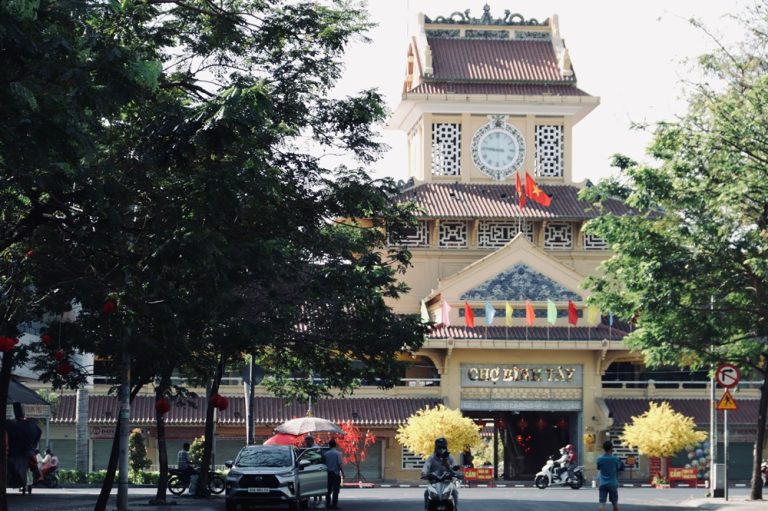
Popular Domestic Flight Routes
Domestic flights make travelling across Vietnam fast and convenient, especially if you're combining multiple destinations in one trip. The busiest routes operate several times a day, with competitive fares available when booked in advance.
| Route | Flight Time | Typical Fare | Recommended? |
|---|---|---|---|
| Hanoi → Ho Chi Minh City | 2 hr 10 min | From US$35 | ⭐⭐⭐⭐⭐ |
| Hanoi → Da Nang | 1 hr 20 min | From US$25 | ⭐⭐⭐⭐⭐ |
| Ho Chi Minh City → Da Nang | 1 hr 20 min | From US$25 | ⭐⭐⭐⭐⭐ |
| Hanoi → Phu Quoc | 2 hr 10 min | From US$40 | ⭐⭐⭐⭐⭐ |
| Ho Chi Minh City → Phu Quoc | 1 hr | From US$20 | ⭐⭐⭐⭐⭐ |
| Ho Chi Minh City → Con Dao | 1 hr | From US$40 | ⭐⭐⭐⭐☆ |
👉 On smaller screens, slide the table to the right to view all columns.
If you're planning to visit several regions of Vietnam in one trip, domestic flights are often the smartest choice. They dramatically reduce travel times, allowing you to spend more time exploring destinations like the capital of Hanoi, Da Nang in central Vietnam, Hoi An in central Vietnam and Phu Quoc, or discovering the best of Ho Chi Minh City, instead of sitting on overnight buses or lengthy train journeys. For shorter routes or travellers with more time, however, Vietnam's railway network offers a slower but far more scenic alternative—which we'll explore next.
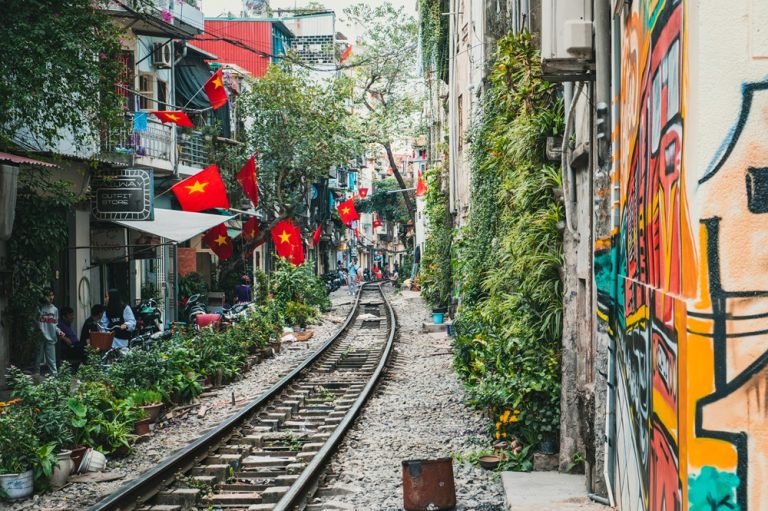
Travelling by Train in Vietnam
Travelling by train is one of the most enjoyable ways of getting around Vietnam. While trains are slower than domestic flights, they offer a comfortable, affordable and scenic alternative that allows you to experience the country's diverse landscapes along the way. For many travellers, the journey itself becomes one of the highlights of their Vietnam adventure.
Vietnam's railway network is centred around the famous North–South Railway, often referred to as the Reunification Express. Rather than being a single train, the Reunification Express is a collection of daily services connecting Hanoi and Ho Chi Minh City, with stops at many of Vietnam's most popular destinations along the way. These include Ninh Binh, Hue, Da Nang and Nha Trang, making the railway particularly useful for travellers exploring Vietnam overland.
Why Travel by Train?
- Comfortable seats and spacious sleeper cabins.
- One of the most scenic ways to travel through Vietnam.
- Safer and more comfortable than long-distance buses.
- Excellent overnight services save both time and accommodation costs.
- Environmentally friendlier than flying.
- Ideal for travellers who prefer enjoying the journey rather than simply reaching the destination.
Train Classes in Vietnam
Vietnam Railways offers several seating and sleeping options depending on your budget and the length of your journey.
| Class | Comfort | Typical Fare* | Recommended For |
|---|---|---|---|
| Hard Seat | ⭐⭐☆☆☆ | US$8–25 | Short daytime journeys |
| Soft Seat | ⭐⭐⭐☆☆ | US$12–35 | Comfortable daytime travel |
| Hard Sleeper (6 Berths) | ⭐⭐⭐⭐☆ | US$20–55 | Budget overnight journeys |
| Soft Sleeper (4 Berths) | ⭐⭐⭐⭐⭐ | US$30–80 | Most travellers ⭐ |
👉 On smaller screens, slide the table to the right to view all columns.
*Typical fares vary depending on the route, train service, season and how far in advance you book.
For example, a train ticket between Hanoi and Ninh Binh may cost as little as US$8–15, while a comfortable soft sleeper cabin for the full journey from Hanoi to Ho Chi Minh City generally costs between US$55 and US$80. Considering the distance travelled and the opportunity to save on a night's accommodation, train travel offers excellent value for money. If Ninh Binh is part of your route, our Things to Do in Ninh Binh guide will help you plan what to see once you arrive.
Popular Train Routes
| Route | Travel Time | Best For |
|---|---|---|
| Hanoi → Ninh Binh | 2–2.5 hours | Easy day trips |
| Hanoi → Hue | 13–14 hours | Overnight travel |
| Hue → Da Nang | Around 3 hours | Scenic coastal journey |
| Da Nang → Ho Chi Minh City | 16–18 hours | Long-distance travel |
| Hanoi → Ho Chi Minh City | 32–36 hours | The ultimate Vietnam rail adventure |
👉 On smaller screens, slide the table to the right to view all columns.
Is the Reunification Express Worth It?
Absolutely. While few travellers complete the entire journey from Hanoi to Ho Chi Minh City, many choose individual sections of the route. The spectacular railway crossing the Hai Van Pass between Hue and Da Nang is widely regarded as one of Southeast Asia's most scenic train journeys, offering breathtaking views of mountains, jungle and the South China Sea. If you have the time, travelling by train is one of the most memorable ways to experience Vietnam beyond its tourist attractions.
Tips for Travelling by Train
- Book sleeper cabins as early as possible, especially during holidays.
- Choose a lower bunk if climbing ladders is difficult.
- Bring snacks and drinking water for longer journeys.
- Download movies or music before departure, as Wi-Fi isn't available.
- Keep valuables with you while sleeping.
- Expect occasional delays, particularly during bad weather.
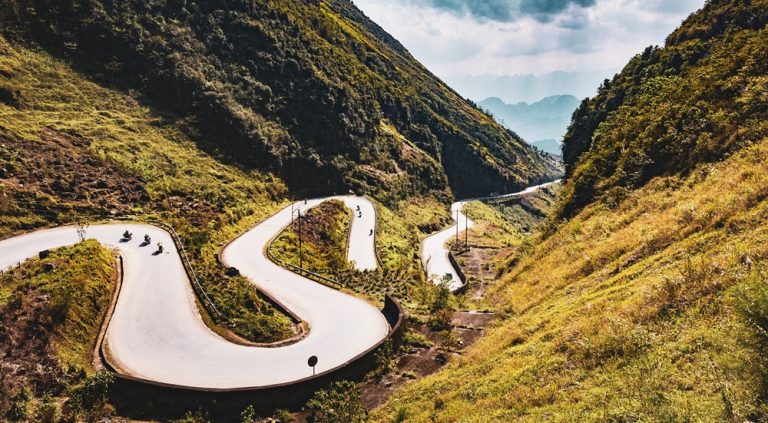
Sleeper Buses in Vietnam
Sleeper buses are one of the most popular ways of getting around Vietnam, particularly for backpackers and budget-conscious travellers. They connect almost every major tourist destination, operate both during the day and overnight, and are often considerably cheaper than domestic flights. If you're looking to save money while covering long distances, sleeper buses are an excellent option.
Most long-distance buses depart from major terminals such as My Dinh Bus Station in Hanoi, although many operators also provide convenient hotel pick-up services in popular tourist areas. For the widest selection of routes, operators and schedules, you can compare and reserve tickets online through VeXeRe, Vietnam's leading transport booking platform.
While overnight sleeper buses may not offer the same comfort as the train, modern VIP buses have improved dramatically in recent years. Many feature reclining beds, air conditioning, USB charging ports, Wi-Fi and onboard toilets, making them a surprisingly comfortable way to travel across the country.
Advantages of Sleeper Buses
- One of the cheapest ways to travel long distances.
- Extensive network covering almost every tourist destination.
- Overnight journeys can save the cost of a night's accommodation.
- Frequent departures throughout the day and night.
- Modern VIP buses offer excellent comfort for a reasonable price.
Disadvantages of Sleeper Buses
- Road conditions can make some journeys bumpy.
- Less spacious than trains, particularly for taller travellers.
- Driving standards vary between operators.
- Limited privacy compared to sleeper train cabins.
- Not ideal if you're prone to motion sickness.
Types of Sleeper Buses
| Bus Type | Comfort | Typical Fare | Recommended For |
|---|---|---|---|
| Standard Sleeper | ⭐⭐⭐☆☆ | US$10–30 | Budget travellers |
| VIP Sleeper | ⭐⭐⭐⭐☆ | US$20–45 | Most travellers ⭐ |
| Limousine Bus | ⭐⭐⭐⭐⭐ | US$15–35 | Short and medium-distance journeys |
👉 On smaller screens, slide the table to the right to view all columns.
Popular Sleeper Bus Routes
| Route | Travel Time | Typical Fare |
|---|---|---|
| Hanoi → Sapa | 5.5–6 hours | US$12–25 |
| Hanoi → Ha Giang | 6–7 hours | US$12–25 |
| Hanoi → Phong Nha | 9–10 hours | US$18–30 |
| Hue → Hoi An | 3 hours | US$8–15 |
| Ho Chi Minh City → Da Lat | 6–7 hours | US$12–25 |
| Ho Chi Minh City → Mui Ne | 3–4 hours | US$8–15 |
👉 On smaller screens, slide the table to the right to view all columns.
Tips for Travelling by Sleeper Bus
- Book VIP buses whenever possible—the extra comfort is usually well worth the small price difference.
- Bring an eye mask and earplugs for overnight journeys.
- Keep valuables with you rather than in the luggage compartment.
- Wear comfortable clothing, as you'll be reclining for several hours.
- If you suffer from motion sickness, choose a lower berth near the centre of the bus.
- Arrive at the departure point at least 30 minutes before departure.
For travellers on a tight budget, sleeper buses offer outstanding value and reach destinations that aren't served by the railway network. However, if comfort and scenery are your priorities, the train often provides a more relaxing travel experience.
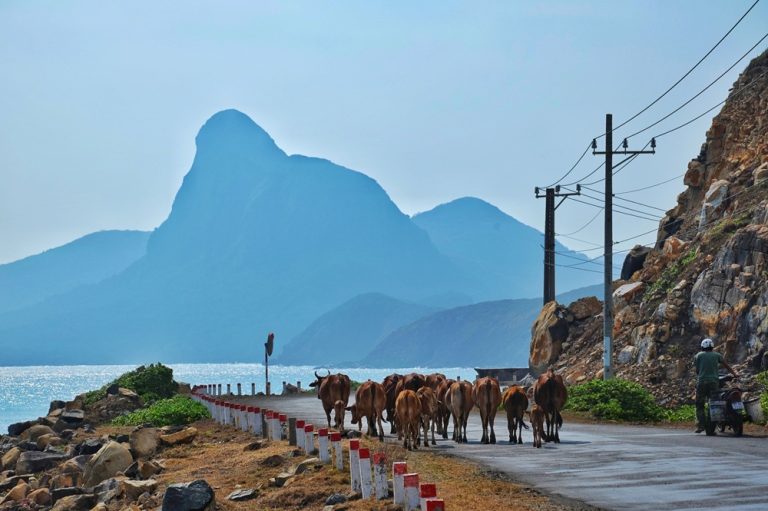
Getting Around Vietnam by Motorbike & Scooter
Renting a motorbike or scooter is one of the most popular ways to explore Vietnam independently. From winding mountain roads in the north to quiet coastal routes and peaceful countryside, having your own transport gives you the freedom to stop whenever you like and discover places that organised tours often miss. For confident riders, it can easily become one of the highlights of a trip to Vietnam.
However, riding in Vietnam isn't for everyone. Traffic in major cities such as Hanoi and Ho Chi Minh City can be chaotic, road conditions vary considerably between regions, and you'll need the appropriate licence and insurance to ride legally. Before renting a scooter, it's worth checking the requirements for an International Driving Permit (IDP) and ensuring your travel insurance covers motorcycle use.
Outside the largest cities, however, riding becomes far more relaxed. Scenic routes such as the Hai Van Pass and the Ha Giang Loop have become legendary among travellers, while quieter destinations like Ninh Binh, Phu Quoc and Da Lat are perfect for exploring at your own pace.
Advantages of Renting a Motorbike
- Complete freedom to explore off-the-beaten-path destinations.
- One of the cheapest ways to travel independently.
- Easy parking almost everywhere.
- Ideal for scenic road trips and day excursions.
- Perfect for exploring rural areas where public transport is limited.
Disadvantages
- Traffic can be intimidating for inexperienced riders.
- Higher risk of accidents than other forms of transport.
- Heavy rain can make roads slippery during the wet season.
- Some travel insurance policies won't cover riders without the correct licence.
- Theft can occasionally be an issue if scooters are left unattended.
Licence Requirements
Foreign visitors should carry an International Driving Permit together with a valid driving licence from their home country that includes the appropriate motorcycle category. Riding without the correct documentation may invalidate your travel insurance and could result in fines if you're stopped by the police. Always check your insurer's policy before renting a scooter.
Typical Rental Costs
| Vehicle | Typical Rental Price | Best For |
|---|---|---|
| 110–125cc Scooter | US$6–12/day | General sightseeing |
| Automatic Scooter | US$8–15/day | Most travellers ⭐ |
| Semi-Automatic Scooter | US$7–12/day | Experienced riders |
| Large Motorbike | US$20–40/day | Long-distance touring |
👉 On smaller screens, slide the table to the right to view all columns.
Best Places to Ride in Vietnam
- Hai Van Pass – Vietnam's most famous coastal road.
- Ha Giang Loop – Spectacular mountain scenery and one of Asia's greatest road trips.
- Ninh Binh – Quiet country roads through limestone landscapes and rice fields.
- Phu Quoc – Easy island exploration with relatively quiet roads.
- Da Lat – Scenic mountain roads, waterfalls and coffee plantations.
If you're an inexperienced rider, it's generally best to avoid renting a scooter in Hanoi or Ho Chi Minh City. The traffic can be overwhelming, and using Grab or taxis is usually a safer and less stressful option.
Safety Tips
- Always wear a properly fitted helmet.
- Inspect the brakes, tyres and lights before accepting the scooter.
- Avoid riding after dark whenever possible.
- Drive defensively and expect unpredictable traffic.
- Slow down during rain, as roads can become slippery.
- Carry your driving licence, International Driving Permit and insurance details with you.
For confident riders, renting a scooter is one of the most rewarding ways to experience Vietnam beyond the main tourist attractions. However, if you're uncomfortable riding in busy traffic, don't worry—Vietnam's excellent network of trains, domestic flights, buses and ride-hailing services makes it easy to explore the country without ever getting behind the handlebars.
Hiring a Private Driver in Vietnam
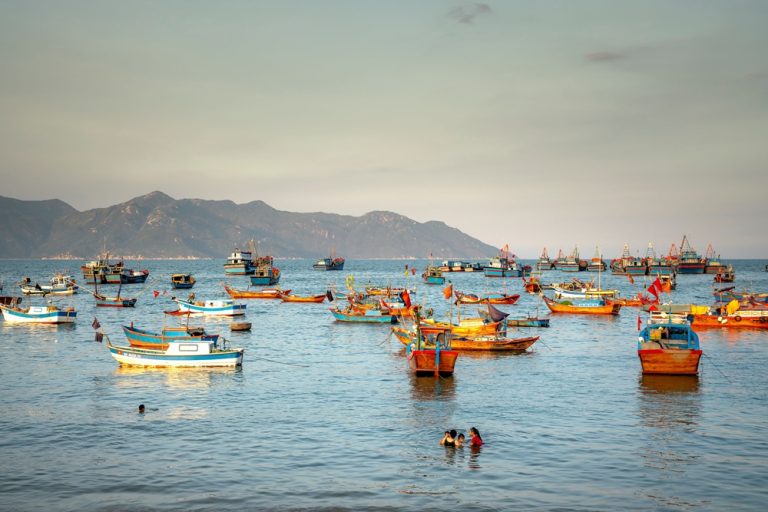
Hiring a private driver is one of the most comfortable and convenient ways of getting around Vietnam, particularly for families, small groups and travellers who prefer not to drive themselves. While it's more expensive than public transport, having your own vehicle gives you complete flexibility, allowing you to travel at your own pace and stop whenever something catches your eye.
Private drivers are especially popular for scenic routes, day trips and destinations where public transport is limited. They also eliminate the stress of navigating unfamiliar roads, dealing with traffic or carrying luggage between buses and trains. For many visitors, the added convenience is well worth the extra cost.
If you're looking for official travel information before planning your journey, the Vietnam National Authority of Tourism provides useful travel advice, destination information and practical resources for visitors.
Advantages of Hiring a Private Driver
- Door-to-door service without changing transport.
- Flexible itinerary with as many photo or sightseeing stops as you like.
- Comfortable, air-conditioned vehicles.
- Ideal for families, older travellers and small groups.
- No need to worry about navigation, parking or local traffic.
- Drivers often have valuable local knowledge and can recommend worthwhile stops.
Disadvantages
- More expensive than trains or buses.
- Usually requires advance booking during busy travel periods.
- Less adventurous than travelling independently.
- English proficiency varies between drivers.
Typical Daily Rates
| Vehicle | Typical Daily Rate | Best For |
|---|---|---|
| Sedan | US$50–80 | Couples |
| SUV | US$70–120 | Families |
| Minivan | US$90–150 | Groups |
👉 On smaller screens, slide the table to the right to view all columns.
When Is Hiring a Private Driver Worth It?
- Exploring the countryside around Ninh Binh.
- Driving the spectacular Hai Van Pass between Hue and Hoi An.
- Visiting several attractions in the Mekong Delta.
- Travelling with young children or elderly family members.
- Groups sharing transport costs between several people.
- Travellers who value comfort and flexibility over saving money.
Tips for Hiring a Private Driver
- Confirm what's included in the quoted price before booking.
- Ask whether toll roads, fuel and parking fees are included.
- Agree on waiting times if you're making multiple sightseeing stops.
- Carry some cash for entrance fees and personal expenses.
- Read recent reviews before booking a driver or transport company.
For day trips and scenic routes, hiring a private driver can be an excellent investment, especially if you're travelling with others and can share the cost. However, if you're simply getting around Hanoi, Ho Chi Minh City or other large cities, a private driver is usually unnecessary. Ride-hailing apps like Grab offer a far cheaper and equally convenient alternative for short urban journeys—which we'll look at next.
Getting Around Vietnam with Grab
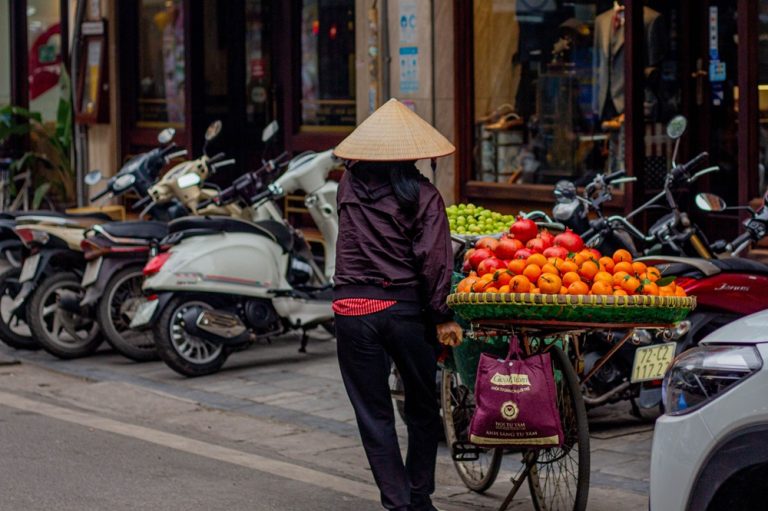
If you're wondering how to get around Vietnam's cities, the answer is simple: download Grab. Often described as Southeast Asia's version of Uber, Grab is by far the easiest, safest and most convenient way to travel around major cities such as Hanoi, Ho Chi Minh City, Da Nang, Hoi An, Nha Trang, Can Tho and many other popular destinations. The app offers transparent pricing, cashless payments and GPS tracking, making it the preferred choice for both locals and visitors. :contentReference[oaicite:0]{index=0}
Whether you need a motorbike for a quick journey through busy traffic or a comfortable car for airport transfers and sightseeing, Grab makes booking a ride incredibly straightforward. Fares are displayed before you confirm your trip, eliminating the need to negotiate prices or worry about taxi meters.
Since Grab relies on a mobile internet connection, it's worth arranging mobile data before arriving in Vietnam. If you haven't already, our Best eSIM for International Travel guide compares the best options for staying connected from the moment you land.
Why Use Grab?
- Transparent pricing with no need to negotiate fares.
- Cash and credit card payments are accepted.
- GPS tracking allows you to follow your journey in real time.
- Generally cheaper than traditional taxis.
- Available in most major cities and tourist destinations across Vietnam.
- Fast and convenient airport transfers.
GrabCar vs GrabBike
| Service | Best For | Typical Fare |
|---|---|---|
| GrabBike | Solo travellers and short city journeys | From US$0.50 |
| GrabCar | Couples, families and travellers with luggage | From US$2 |
👉 On smaller screens, slide the table to the right to view all columns.
Advantages of Using Grab
- Very affordable compared to taxis in many countries.
- No language barrier when entering your destination.
- Upfront pricing before confirming your ride.
- Reliable drivers with customer ratings.
- Ideal for airport transfers, sightseeing and evenings out.
- Available in dozens of cities throughout Vietnam. :contentReference[oaicite:1]{index=1}
Disadvantages
- Requires a mobile internet connection.
- Fares can increase during busy periods due to surge pricing.
- Availability may be limited in smaller towns and remote areas.
- Waiting times can be longer during rush hour.
Tips for Using Grab in Vietnam
- Download and set up the app before arriving in Vietnam.
- Double-check the driver's licence plate before getting in.
- Share your trip with friends or family if travelling alone.
- Keep some cash with you as a backup payment method.
- Use GrabBike for quick solo journeys through congested city traffic.
- Choose GrabCar if you're travelling with luggage or in a group.
For most travellers, Grab is the best way to get around Vietnam's major cities. It's inexpensive, easy to use and removes much of the uncertainty that can come with using unfamiliar public transport or negotiating taxi fares. For destinations where Grab isn't available, however, traditional taxis remain a reliable alternative—which we'll cover next.
Taking Taxis in Vietnam
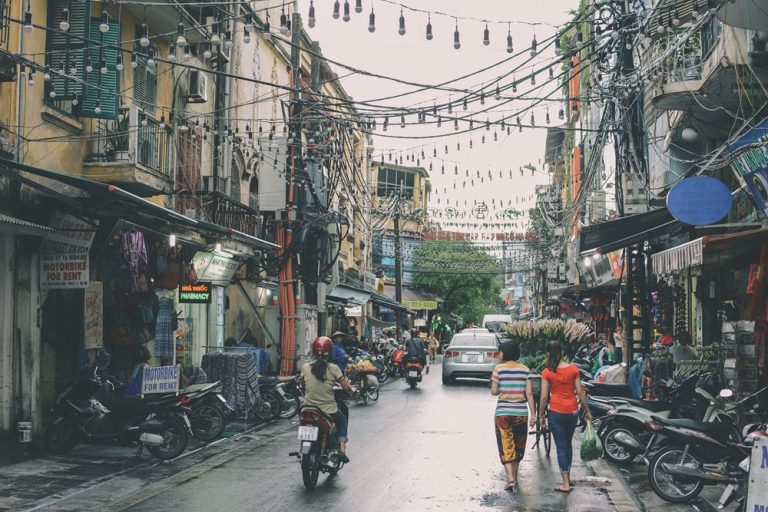
Taxis are widely available throughout Vietnam and remain a reliable way to get around, particularly in destinations where Grab has limited coverage or if you don't have access to mobile data. Most taxi rides are inexpensive by international standards, making them a convenient option for airport transfers, short city journeys and travelling with luggage.
While the majority of taxi drivers are honest, it's still important to choose reputable companies that use meters. Companies such as Mai Linh Taxi and Vinasun have built strong reputations for reliable service and transparent pricing, helping you avoid many of the scams occasionally associated with unofficial taxis.
Reliable Taxi Companies
- Mai Linh Taxi – Vietnam's largest taxi company, recognised by its distinctive green vehicles and operating throughout much of the country.
- Vinasun Taxi – Particularly popular in Ho Chi Minh City and southern Vietnam, known for reliable metered fares.
- GrabCar – Often the cheapest and easiest option where available.
Typical Taxi Fares
| Journey | Typical Fare | Notes |
|---|---|---|
| Flag fall | US$0.50–0.80 | Initial fare |
| Per kilometre | US$0.50–0.70 | Depends on city and operator |
| Airport to city centre | US$8–20 | Varies by airport and distance |
👉 On smaller screens, slide the table to the right to view all columns.
Advantages of Taking a Taxi
- Available in almost every city and tourist destination.
- Comfortable, air-conditioned vehicles.
- Ideal if you don't have mobile data for Grab.
- Convenient for airport arrivals and travelling with luggage.
- Generally inexpensive compared with many Western countries.
Disadvantages
- Usually more expensive than Grab.
- Traffic congestion can increase journey times.
- Some unofficial taxis may overcharge tourists.
- Not all drivers speak English.
How to Avoid Taxi Scams
- Use reputable companies such as Mai Linh or Vinasun.
- Always make sure the meter is switched on before the journey begins.
- Avoid unofficial drivers waiting outside airports and tourist attractions.
- If Grab is available, compare the fare before getting into a taxi.
- Keep small banknotes handy in case the driver doesn't have change.
- Save your hotel's address on your phone to avoid language misunderstandings.
For most travellers, taxis remain a safe and convenient way to get around Vietnam, particularly outside Grab's coverage area or when travelling with luggage. However, if your itinerary includes islands such as Phu Quoc or Con Dao, you'll also need to rely on Vietnam's ferry network—which we'll explore in the next section.
Travelling by Ferry & Boat in Vietnam
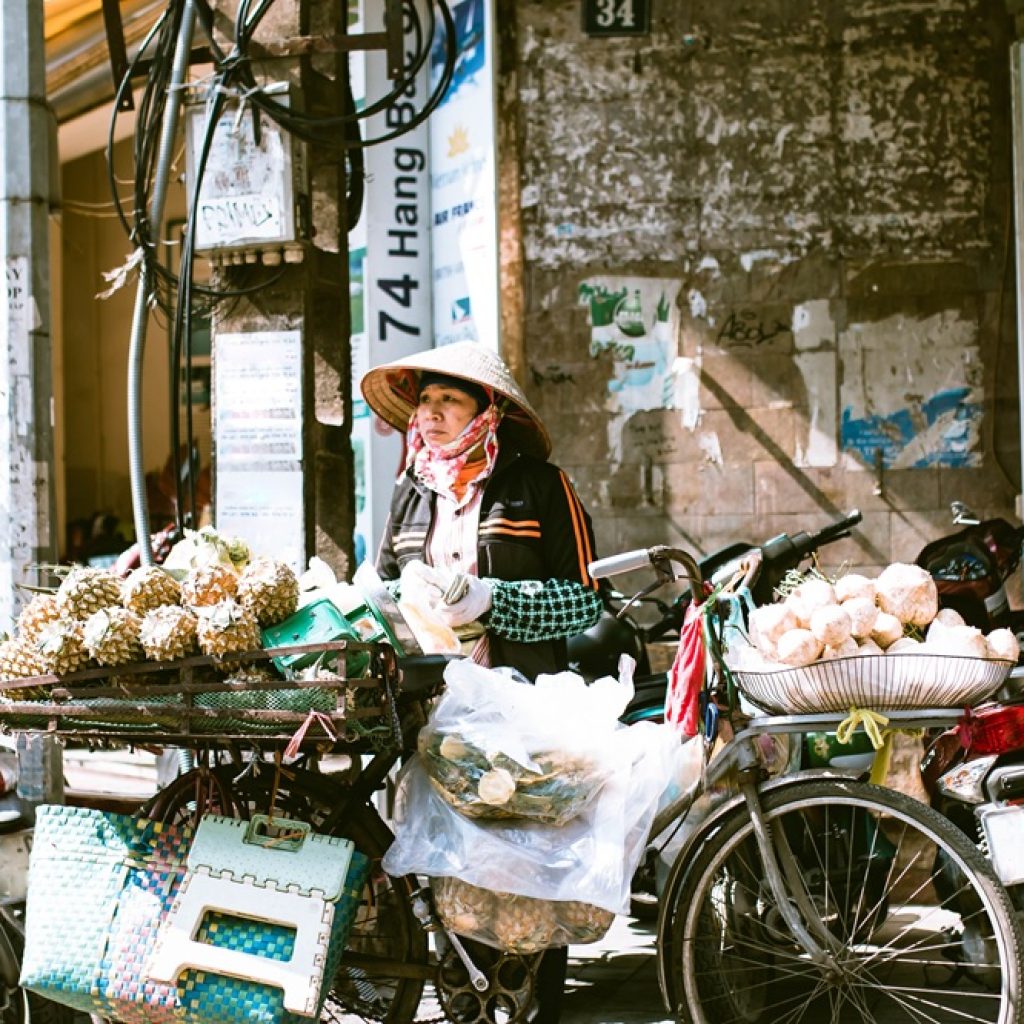
Although most visitors travel around Vietnam by plane, train or bus, ferries and boats are essential for reaching many of the country's beautiful islands and coastal destinations. They're also an unforgettable way to experience famous landscapes such as Ha Long Bay and the waterways of the Mekong Delta.
Modern high-speed ferries connect popular destinations including Phu Quoc, Con Dao and Cat Ba Island, while traditional boats remain an important means of transport in places like the Mekong Delta. If you're planning to include Vietnam's islands in your itinerary, travelling by ferry will almost certainly become part of your journey.
For schedules, ticket prices and online reservations, Phu Quoc Express is one of Vietnam's leading high-speed ferry operators, serving several popular coastal and island routes.
Where You'll Need a Ferry
- Phu Quoc – High-speed ferries operate from Ha Tien and Rach Gia.
- Con Dao Islands – Ferries depart from Vung Tau, Soc Trang and Tran De.
- Cat Ba Island – Easily reached by ferry from Hai Phong and Tuan Chau.
- Cham Islands – Regular speedboats depart from Hoi An.
- Ha Long Bay – Cruises and sightseeing boats are the best way to explore the bay.
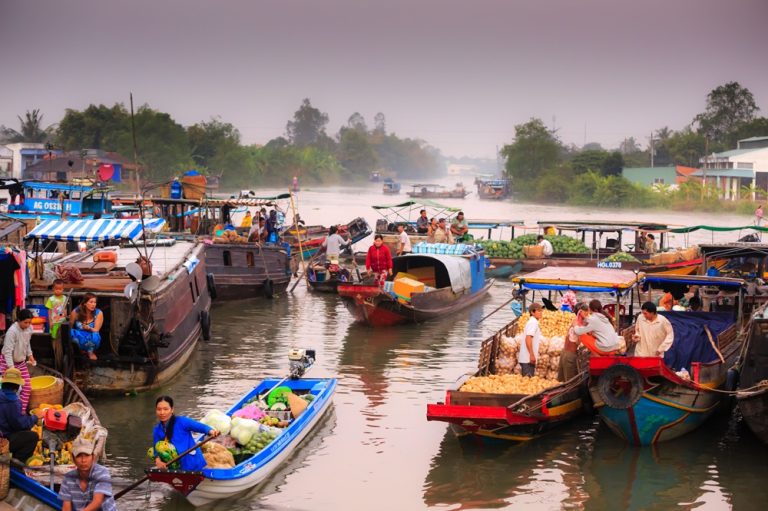
- Mekong Delta – River boats and ferries remain part of everyday life throughout the region.
Popular Ferry Routes
| Route | Travel Time | Typical Fare |
|---|---|---|
| Rach Gia → Phu Quoc | 2.5 hours | US$14–20 |
| Ha Tien → Phu Quoc | 1.5 hours | US$10–15 |
| Vung Tau → Con Dao | 3.5–4 hours | US$25–40 |
| Tuan Chau → Cat Ba Island | Around 1 hour | US$8–15 |
👉 On smaller screens, slide the table to the right to view all columns.
Advantages of Travelling by Ferry
- The only practical way to reach many of Vietnam's islands.
- Spectacular coastal scenery throughout the journey.
- Modern high-speed ferries are comfortable and air-conditioned.
- Ideal for photography and sightseeing.
- Generally affordable compared to domestic flights.
Disadvantages
- Sailings may be cancelled during rough weather.
- Sea conditions can occasionally cause motion sickness.
- Departure times are more limited than buses or trains.
- Popular routes can sell out during weekends and public holidays.
Tips for Travelling by Ferry
- Book tickets in advance during peak travel periods.
- Arrive at the terminal at least 30–45 minutes before departure.
- Check weather conditions if travelling during the rainy season.
- Bring motion sickness medication if you're sensitive to rough seas.
- Keep passports, cameras and electronics in waterproof bags.
Ferries may only make up a small part of your Vietnam itinerary, but they're essential for visiting some of the country's most beautiful islands and coastal destinations. Whether you're heading to the beaches of Phu Quoc, exploring the untouched Con Dao Islands or cruising through the spectacular limestone scenery of Ha Long Bay, travelling by boat is an unforgettable part of the experience.

How to Travel Between Vietnam's Most Popular Destinations
Choosing the right mode of transport depends on both the distance and the amount of time you have available. While domestic flights are ideal for covering Vietnam's longest routes, trains, buses and ferries are often more practical—and sometimes more enjoyable—for shorter journeys. The recommendations below will help you decide the best way to travel between Vietnam's most popular destinations.
| Route | Best Transport | Travel Time | Typical Cost | Our Recommendation |
|---|---|---|---|---|
| Hanoi → Ha Long Bay | Shuttle Bus / Private Transfer | 2.5–3 hrs | US$10–30 | ⭐⭐⭐⭐⭐ |
| Hanoi → Ninh Binh | Train | 2–2.5 hrs | US$8–15 | ⭐⭐⭐⭐⭐ |
| Hanoi → Sapa | Sleeper Bus | 5.5–6 hrs | US$12–25 | ⭐⭐⭐⭐☆ |
| Hanoi → Ha Giang | Sleeper Bus | 6–7 hrs | US$12–25 | ⭐⭐⭐⭐⭐ |
| Hanoi → Hue | Overnight Train | 13–14 hrs | US$30–80 | ⭐⭐⭐⭐☆ |
| Hue → Da Nang | Train | 3 hrs | US$8–15 | ⭐⭐⭐⭐⭐ |
| Da Nang → Hoi An | Grab / Taxi | 45–60 mins | US$10–18 | ⭐⭐⭐⭐⭐ |
| Ho Chi Minh City → Mekong Delta | Bus / Private Driver | 2–3 hrs | US$8–20 | ⭐⭐⭐⭐☆ |
| Ho Chi Minh City → Phu Quoc | Domestic Flight | 1 hr | From US$20 | ⭐⭐⭐⭐⭐ |
| Hanoi → Ho Chi Minh City | Domestic Flight | 2 hrs 10 mins | From US$35 | ⭐⭐⭐⭐⭐ |
👉 On smaller screens, slide the table to the right to view all columns.
For most travellers, the ideal solution is to combine several modes of transport rather than relying on just one. Domestic flights are perfect for covering Vietnam's longest distances, trains offer some of the country's most scenic journeys, sleeper buses provide excellent value for overnight travel, while Grab and taxis make getting around cities quick and convenient. Choosing the right option for each leg of your journey will help you maximise your time and make exploring Vietnam both easier and more enjoyable.

Practical Tips for Getting Around Vietnam
Travelling around Vietnam is straightforward once you understand the country's transport network. With a little planning, you can minimise travel time, avoid common pitfalls and make your journey far more enjoyable. The following tips will help you get the most out of your trip, whether you're backpacking across the country or enjoying a more relaxed holiday.
- Book flights and trains early. Domestic flights and sleeper train cabins often sell out during weekends, public holidays and especially during the Tet (Lunar New Year) holiday.
- Download Grab before you arrive. Setting up the app in advance will make getting around major cities much easier from the moment you land.
- Stay connected. Reliable mobile data makes booking transport, using Grab and navigating unfamiliar places much easier. If you haven't arranged mobile data yet, our Best eSIM for International Travel guide compares the best options for staying connected abroad.
- Carry some cash. Although cards are increasingly accepted, many smaller bus operators, ferries and local taxis still prefer cash payments.
- Don't underestimate Vietnam's size. Travelling from Hanoi to Ho Chi Minh City covers more than 1,600 kilometres, so trying to do everything by road can quickly consume valuable sightseeing time.
- Use overnight transport wisely. Overnight trains and sleeper buses can save both time and the cost of a night's accommodation, particularly on longer routes.
- Allow extra time during busy periods. Traffic congestion around Hanoi and Ho Chi Minh City can significantly increase journey times, while popular transport services may be fully booked during holidays.
- Check the weather before travelling. Heavy rain, flooding or rough seas can occasionally disrupt ferry services, mountain roads and domestic flights, particularly during the rainy season.
- Travel light whenever possible. Smaller bags are much easier to manage when changing between trains, buses, ferries and taxis. My guide to packing for Vietnam covers what to bring for different regions, seasons and travel styles without weighing yourself down with unnecessary luggage.
- Take out comprehensive travel insurance. Good travel insurance provides valuable protection against delays, cancellations, lost luggage and medical emergencies. If you haven't arranged cover yet, compare the best policies in our Travel Insurance Guide.
Wondering how transport fits into your overall trip expenses? My detailed Vietnam travel budget breakdown explains realistic daily costs for accommodation, food, transport and activities, helping you plan your trip with confidence.
Vietnam's transport system is one of the country's greatest strengths. Whether you're flying between major cities, enjoying the scenery from the Reunification Express, exploring by scooter or hopping aboard a ferry to a tropical island, choosing the right transport for each stage of your journey will make travelling around Vietnam easier, more comfortable and far more rewarding.
Final Thoughts on Getting Around Vietnam
Getting around Vietnam is easier than most first-time visitors expect. Whether you choose to fly between major cities, experience the legendary Reunification Express, travel overnight by sleeper bus or explore the countryside by scooter, Vietnam offers a transportation network that caters to every budget and travel style. By choosing the right combination of transport, you'll spend less time travelling and more time discovering everything this fascinating country has to offer.
Before setting off, take some time to plan your route and decide which destinations you want to include. Our Things to Do in Vietnam guide will help you discover Vietnam's must-see attractions, while our Vietnam Itinerary can help you decide how long to spend in each region. If you're still choosing where to base yourself, don't miss our Where to Stay in Vietnam guide, and if you're wondering when to travel, our Best Time to Visit Vietnam guide explains the country's seasons and weather throughout the year.
With a little preparation and the right transport choices, travelling around Vietnam becomes part of the adventure itself. From bustling cities and spectacular mountain passes to tropical islands and peaceful countryside, every journey brings you one step closer to experiencing the incredible diversity that makes Vietnam one of Southeast Asia's most rewarding destinations.
Frequently Asked Questions About Getting Around Vietnam
- What is the best way to get around Vietnam?
The best way to get around Vietnam depends on your itinerary. Domestic flights are ideal for long distances, trains offer comfortable and scenic journeys, sleeper buses provide excellent value for budget travellers, while Grab and taxis are perfect for getting around cities. - Is Vietnam easy to travel around?
Yes. Vietnam has one of Southeast Asia's best transportation networks, with frequent domestic flights, an extensive railway, affordable sleeper buses, ride-hailing apps and ferries connecting the country's most popular destinations. - Is it better to fly or take the train in Vietnam?
If you're short on time, flying is usually the better option. However, if you enjoy scenic journeys and want a more relaxed travel experience, the train is an excellent choice, especially on routes such as Hue to Da Nang or Hanoi to Hue. - Are trains in Vietnam comfortable?
Yes. Vietnam's trains are generally clean, comfortable and affordable. Soft sleeper cabins are the best option for overnight journeys, while soft seats are ideal for daytime travel. - Are sleeper buses in Vietnam safe?
Sleeper buses are generally safe and widely used by both locals and tourists. Choosing reputable operators, keeping valuables with you and booking VIP sleeper buses whenever possible will provide the most comfortable experience. - Can tourists drive in Vietnam?
Yes, but you'll need the appropriate driving licence and an International Driving Permit that covers the type of motorcycle or vehicle you're renting. Always confirm that your travel insurance provides the necessary cover before driving. - Do I need an International Driving Permit in Vietnam?
If you plan to rent a scooter or motorbike, most foreign visitors should carry an International Driving Permit together with a valid driving licence from their home country. Requirements vary depending on your nationality and licence type. - Is Grab available throughout Vietnam?
Grab is available in most major cities, including Hanoi, Ho Chi Minh City, Da Nang, Nha Trang and Can Tho. However, availability is more limited in smaller towns and remote rural areas. - Is Grab cheaper than taxis in Vietnam?
In many cases, yes. Grab often offers lower fares than traditional taxis while displaying the price before you book, helping travellers avoid unexpected costs. - What is the cheapest way to travel around Vietnam?
Sleeper buses are generally the cheapest option for long-distance travel, while trains offer excellent value for money and domestic flights can also be surprisingly affordable when booked well in advance. - How much does transportation cost in Vietnam?
Transportation in Vietnam is relatively inexpensive. GrabBike journeys often start from less than US$1, domestic flights can be found from around US$20–35, while overnight sleeper buses generally cost between US$10 and US$30 depending on the route. - Can you travel around Vietnam without renting a scooter?
Absolutely. Many visitors never rent a scooter and instead rely on domestic flights, trains, sleeper buses, Grab and taxis. Vietnam's public transport network makes it easy to explore the country without driving yourself. - What is the best way to travel from Hanoi to Ho Chi Minh City?
Flying is by far the quickest option, taking just over two hours. Travellers with more time can also experience the famous Reunification Express train, which offers one of Vietnam's most iconic rail journeys. - How do you get from Hanoi to Ha Long Bay?
The easiest way is by shuttle bus, private transfer or an organised cruise transfer. The journey usually takes around 2.5 to 3 hours, depending on traffic. - How do you get from Da Nang to Hoi An?
Grab, taxis and private transfers are the most convenient options. The journey typically takes between 45 minutes and one hour. - Can you take a train from Hanoi to Sapa?
Not directly. Trains travel from Hanoi to Lao Cai, after which you'll need to take a shuttle bus or taxi for the final journey to Sapa. Many travellers now choose direct sleeper buses instead. - Can you take a ferry to Phu Quoc?
Yes. High-speed ferries operate daily from both Ha Tien and Rach Gia, while domestic flights are also available from several major Vietnamese cities. - How many days do you need to travel around Vietnam?
Two weeks is enough to explore many of Vietnam's highlights, while three to four weeks allows for a more relaxed journey from north to south with time to visit destinations such as Sapa, Ha Long Bay, Hoi An, the Mekong Delta and Phu Quoc.
Travel Resources to Plan, Book & Stay Connected
Use these tools and guides to stay connected abroad, find inspiration for your next trip, and book your flights, stays and gear with confidence.
Disclosure: This article may contain affiliate links. If you make a purchase through a link, I may receive a commission at no extra cost to you. I only share recommendations I believe are genuinely useful, and all opinions are my own. AI was used in this post for research and drafting purposes.

Comment (0)