Vietnam Packing List at a Glance
A good Vietnam packing list should prepare you for hot weather, tropical rain, cooler conditions in the north and plenty of time spent walking and exploring. What to pack for Vietnam ultimately depends on when you're travelling, which regions you're visiting and what you plan to do.
- Clothing: Lightweight, breathable clothes for everyday wear, plus something that covers your shoulders and knees for temples and religious sites.
- Footwear: Comfortable walking shoes and lightweight sandals are enough for most trips; bring proper trekking shoes only if your itinerary requires them.
- Rain protection: A lightweight rain jacket or compact poncho is useful during wetter periods, particularly if you'll be spending plenty of time outdoors.
- Sun protection: Sunscreen, sunglasses and a hat are useful Vietnam travel essentials throughout much of the country.
- Health: Bring prescription medication, mosquito repellent and a small supply of the basic medicines you normally use.
- Electronics: Pack your phone, chargers, power bank and any camera equipment you actually expect to use.
- Documents: Keep your passport, required visa or eVisa, insurance details and important reservations easily accessible, with digital copies stored separately.
- Pack for your route: Northern Vietnam can be surprisingly cool in winter and mountain areas, while conditions in the south remain much warmer.
Before deciding what goes into your bag, check the weather conditions for your travel dates. Vietnam's climate varies considerably between the north, central coast and south, so packing for the country as though it has one climate is an easy mistake to make.
Your route matters just as much as the season. If you're still deciding which regions you'll visit, use these suggested routes through Vietnam to work out whether you'll be packing for beaches, cities, mountains or a combination of all three.
For everything beyond your luggage, read our practical advice for travelling around Vietnam covering money, connectivity, transport and other useful things to know before you arrive.
Vietnam Packing List: What Do You Really Need?
A Vietnam packing list needs to account for much more than tropical heat. Vietnam stretches more than 1,600 km from north to south, and the weather you encounter can vary considerably depending on where and when you travel. You could be dealing with cool conditions in Northern Vietnam, heavy tropical rain in Central Vietnam and hot, humid weather in the south during the same trip.
That means packing for Vietnam is less about bringing everything you might possibly need and more about packing for your actual itinerary. A Vietnam packing list for beaches around Da Nang or Phu Quoc will look very different from one for trekking around Sapa or Ha Giang, while a journey covering several regions requires lightweight clothing that can be layered as conditions change.
This Vietnam packing list covers what to pack for Vietnam from clothing and footwear to toiletries, electronics, documents and other travel essentials. I'll also look at what changes during the rainy season, what you may need for different types of trips and what you can safely leave at home. The goal isn't to fill your luggage with things you might use once, but to help you pack lighter while still having what you genuinely need.
Essential Things to Pack for Vietnam
The most important things to pack for Vietnam are the items that keep you connected, comfortable and prepared for everyday travel. You don't need to bring everything from home—Vietnam has pharmacies, convenience stores, supermarkets and shops where most everyday items can easily be replaced. Focus instead on the Vietnam packing essentials that would be inconvenient to lose, forget or immediately need after arrival.
- Passport and entry documents: Bring your passport and any visa or eVisa documentation required for your trip. Before departure, confirm what you need to enter Vietnam and keep digital copies of important documents stored separately.
- Bank cards and cash: Bring at least one internationally accepted bank card, ideally with a backup card stored separately. Having some accessible cash is also useful for smaller purchases and places where cards aren't accepted.
- Smartphone: Your phone will probably serve as your map, translator, camera, booking tool and means of arranging transport, making it one of the most useful Vietnam travel essentials.
- Chargers and power bank: Bring the charging cables you need and a power bank for long travel days, particularly if you'll be relying heavily on your phone for navigation and bookings.
- Mobile data: Having internet access from the beginning of your trip makes navigation, messaging accommodation and using ride-hailing apps much easier. You can compare eSIM options before you travel if you want to arrange connectivity before arrival.
- Prescription medication: Bring enough of any medication you regularly take for your trip, preferably in its original packaging, along with any documentation you may need when travelling with it.
- Basic medication: A small personal supply of the medicines you normally use can be convenient, but there's little reason to carry an enormous travel pharmacy for an ordinary trip.
- Sun and insect protection: Sunscreen, sunglasses, a hat and mosquito repellent are useful in many parts of Vietnam, particularly when you'll be spending long periods outdoors.
- Reusable water bottle: A lightweight bottle is useful during sightseeing and longer travel days. Refill it with safe drinking water rather than drinking untreated tap water.
- Small daypack: A compact backpack or day bag is useful for carrying water, rain protection, sunscreen, your phone and other everyday essentials while leaving your main luggage at your accommodation.
- Lightweight rain protection: A compact rain jacket or poncho takes up very little room and can be extremely useful when travelling during wetter periods.
- Comfortable footwear: Bring shoes you can comfortably walk in for several hours. Specialist hiking footwear is unnecessary unless trekking or similar activities are actually part of your itinerary.
These are the basic items worth considering regardless of where you're travelling in the country. What to bring to Vietnam beyond these essentials depends much more on your route, the season and the activities you have planned, so the rest of this guide will help you adapt your packing rather than simply adding more things to your bag.
What Clothes to Pack for Vietnam
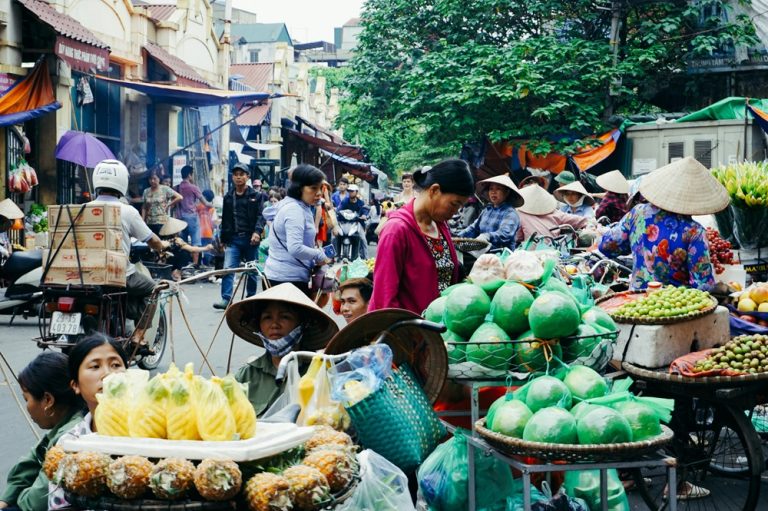
Deciding what to wear in Vietnam depends heavily on where you're going and when you're travelling. Lightweight, breathable clothing works well for much of the country, but Vietnam's regional climate means you may also need rain protection or warmer layers. When deciding what to pack for Vietnam, choose versatile clothes that can handle the conditions along your actual route rather than packing for a single idea of tropical weather.
Lightweight Everyday Clothing
For warm and humid conditions, loose-fitting shirts, T-shirts, shorts, lightweight trousers and dresses are comfortable choices. Breathable fabrics are particularly useful when you're walking around cities or sightseeing in the heat, while quick-drying clothing makes life easier if you're travelling during the rainy season or washing clothes along the way.
Try to choose clothes that can be combined easily rather than packing a separate outfit for every day. Laundry services are widely available in Vietnam, so carrying enough clothing for your entire trip is rarely necessary, even if you're travelling for several weeks.
What to Wear at Temples and Religious Sites
You don't need to dress conservatively everywhere in Vietnam, but more respectful clothing is appropriate when visiting temples, pagodas and other religious or culturally sensitive sites. Having something that covers your shoulders and knees gives you the flexibility to visit these places without having to return to your accommodation and change.
Lightweight trousers, longer skirts or dresses and shirts that cover the shoulders can all work well without becoming uncomfortable in the heat. A lightweight scarf or similar cover can also be useful, although you should still follow any specific dress requirements at the site you're visiting.
Warm Clothes for Northern Vietnam
One of the easiest mistakes when packing for Vietnam is assuming the entire country will always be hot. Northern Vietnam can become surprisingly cool during winter, particularly from December through February, and temperatures can drop much further in mountainous destinations such as Sapa and Ha Giang.
If Northern Vietnam is part of a winter itinerary, bring layers rather than relying entirely on shorts and T-shirts. A light sweater or fleece and a jacket may be useful, with warmer clothing potentially necessary if you're heading into the mountains. Check the forecast shortly before departure rather than carrying bulky cold-weather clothing you may never use.
Swimwear and Beach Clothes
If your itinerary includes beaches or islands such as Da Nang, Nha Trang or Phu Quoc, pack at least one swimsuit and lightweight beachwear. Quick-drying fabrics are particularly useful in Vietnam's humid climate.
Ultimately, the best clothes to wear in Vietnam are those suited to your particular combination of destinations, weather and activities. A few versatile layers will usually serve you better than filling your luggage with clothing for every possible situation.
What Shoes to Pack for Vietnam
When deciding what shoes to pack for Vietnam, comfort and versatility matter far more than bringing footwear for every possible occasion. For most travellers, one comfortable pair of walking shoes plus lightweight sandals or flip-flops will cover almost everything you need. Unless your itinerary includes serious trekking, bulky hiking boots don't need to be among your Vietnam packing essentials.
Everyday Walking Shoes
A comfortable pair of trainers or lightweight walking shoes is the best all-round choice for sightseeing, exploring cities and longer days on your feet. Vietnam's pavements can be uneven, and you'll often cover considerably more distance than expected while exploring places such as Hanoi, Hoi An or sightseeing in Ho Chi Minh City.
Choose shoes you've already worn enough to know they're comfortable rather than bringing a brand-new pair for the trip. Lightweight or relatively quick-drying footwear is particularly useful during wetter periods, when shoes can easily get soaked in a sudden downpour.
Sandals and Flip-Flops
Sandals are useful in hot weather and work particularly well for beaches, casual sightseeing and shorter walks. Flip-flops take up almost no luggage space and are handy around pools, beaches and accommodation, although they aren't necessarily the best choice for spending an entire day walking around a city.
If you're packing for Vietnam during the rainy season, having a pair of sandals that can get wet and dry quickly can also be much more practical than repeatedly soaking your main walking shoes.
Do You Need Hiking Shoes in Vietnam?
Most travellers don't need dedicated hiking shoes or boots. If your trip consists mainly of cities, cultural attractions, beaches and ordinary day trips, comfortable walking shoes should be sufficient.
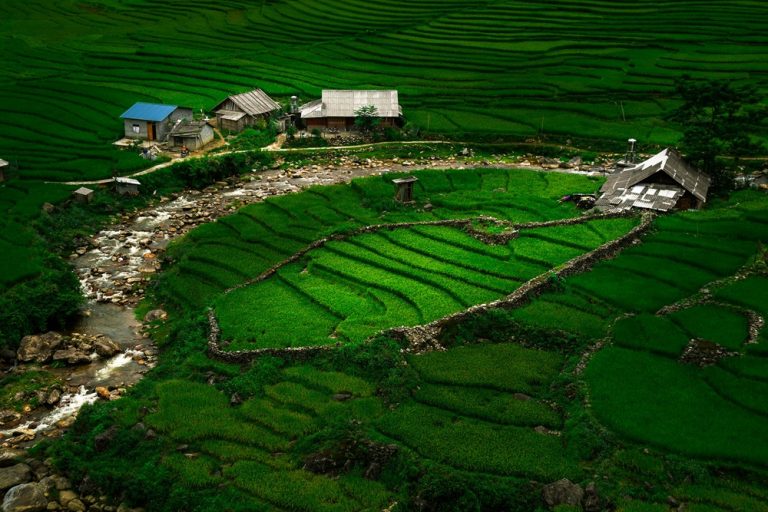
Proper trekking footwear becomes more worthwhile if you're planning substantial hikes in areas such as Sapa or Ha Giang, particularly when trails are steep, muddy or slippery. In that case, prioritise good grip and footwear appropriate for the conditions rather than simply packing the heaviest hiking boots you own.
Dress shoes are another easy item to leave behind unless you already know you'll need them for a particular occasion. Vietnam is generally easy to travel around casually, and limiting yourself to footwear you'll genuinely use can save a surprising amount of luggage space.
Packing for Vietnam's Weather
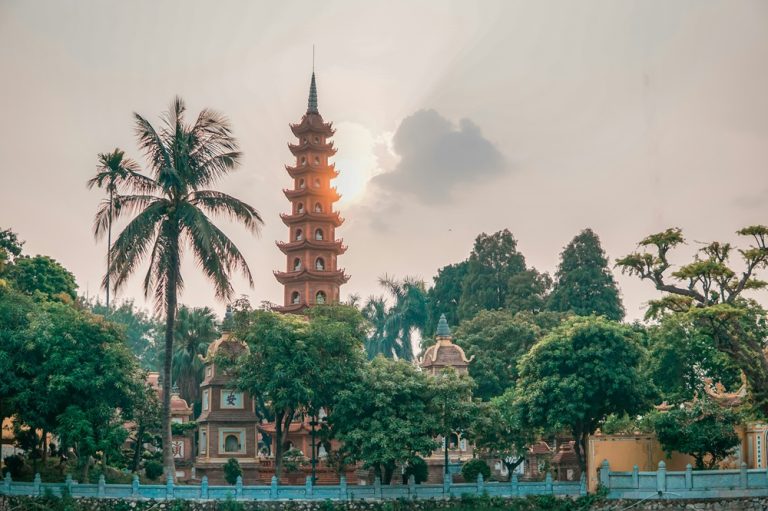
Vietnam's weather varies significantly between regions, so packing for Vietnam based on the season alone can be misleading. Northern, Central and Southern Vietnam can experience very different conditions at the same time of year. When deciding what to pack for Vietnam, consider the weather in each destination on your route rather than treating the country as having one tropical climate.
What to Pack for Vietnam's Rainy Season
A Vietnam rainy season packing list doesn't need to include heavy waterproof gear. A lightweight rain jacket or compact poncho is usually much more practical in warm, humid conditions, while quick-drying clothes can make a big difference when you're caught in a sudden downpour.
Consider bringing sandals or other footwear that can handle getting wet, along with a small waterproof pouch or dry bag for your phone, passport and electronics. A compact umbrella can also be useful, particularly when exploring cities.
Rainy season doesn't necessarily mean continuous rain from morning until night. Conditions vary considerably by region, and tropical downpours can be intense but relatively short. Packing lightweight rain protection therefore makes more sense than filling your luggage with bulky waterproof clothing.
What to Pack for Vietnam's Dry Season
A Vietnam dry season packing list should focus more heavily on staying comfortable in the heat and protecting yourself from the sun. Lightweight breathable clothing, sunglasses, a hat, sunscreen and a reusable water bottle will be useful during long days of sightseeing.
Even during generally dry periods, a lightweight layer can be useful for air-conditioned buses, trains, shopping centres and flights. And because Vietnam's regional weather patterns don't follow one nationwide calendar, some rain protection may still be worthwhile if your itinerary crosses several parts of the country.
What to Pack for Northern Vietnam in Winter
Northern Vietnam requires more careful planning during the winter months. Hanoi can feel cool and damp, while temperatures in mountainous areas such as Sapa and Ha Giang can fall much lower, particularly at night and at higher elevations.
Layers are the most flexible solution. Depending on your route and the forecast, a sweater or fleece, long trousers and a lightweight jacket may be sufficient, while trips into colder mountain areas can require genuinely warm clothing. Check the forecast shortly before departure rather than assuming that everything labelled "Vietnam" will be warm.
The timing of these conditions differs across the country, so if your itinerary covers several regions, see how conditions change across Vietnam throughout the year before making your final packing decisions.
Toiletries and Health Essentials for Vietnam
Health and personal-care items are worth considering carefully, but there's no need to turn your luggage into a travelling pharmacy. Vietnam has pharmacies, supermarkets and convenience stores where everyday toiletries are readily available, so concentrate on the Vietnam travel essentials you personally rely on and anything that may be difficult to replace during your trip.
Medication and a Basic First-Aid Kit
Bring enough of any prescription medication you regularly take for the duration of your trip, preferably in its original packaging. If you need specific medicines or medical supplies, check whether there are any restrictions on bringing them into Vietnam and carry supporting documentation where appropriate.
A small first-aid kit can also be useful. Basic items such as plasters, antiseptic, pain relief and any medication you normally use for minor stomach problems are usually enough for an ordinary trip. If your itinerary involves trekking or spending significant time in remote areas, you may want to adapt the kit accordingly.
Health requirements vary according to your itinerary and individual circumstances, so check the CDC's current health advice for travellers to Vietnam before departure, particularly if you'll be visiting rural areas or undertaking outdoor activities.
Sun and Mosquito Protection
Sunscreen and mosquito repellent are two of the more useful things to pack for Vietnam. You'll potentially spend hours outdoors sightseeing, visiting beaches or exploring rural areas, while mosquitoes can be present in both cities and the countryside.
Bring a sunscreen you're comfortable using regularly and an effective insect repellent. A hat and lightweight clothing that covers exposed skin can provide additional protection without taking much room in your luggage.
Everyday Toiletries
Pack the toiletries you normally use, particularly products or brands you strongly prefer, but don't assume you need enough of everything for your entire trip. Shampoo, soap, toothpaste, deodorant and other everyday products can generally be purchased after you arrive.
The same principle applies to menstrual products and other personal-care items. If you use a particular product that would be inconvenient to substitute, bring enough with you; otherwise, many everyday supplies can be replenished locally.
Small travel containers can also reduce the amount of space toiletries take up. If you're still deciding which practical items deserve space in your luggage, you can browse the travel gear I recommend for trips rather than buying equipment simply because it appears on a generic packing checklist.
Electronics to Pack for Vietnam
You don't need a bag full of technology for an ordinary trip. A smartphone can replace a map, phrasebook, alarm clock, music player and, for many travellers, a separate camera. When deciding what to bring to Vietnam, concentrate on the electronics you'll genuinely use and leave unnecessary gadgets at home.
Phone, Chargers and Power Bank
Your smartphone will probably be one of your most useful Vietnam packing essentials. Beyond staying in touch, you can use it for navigation, translation, accommodation bookings, transport apps and storing copies of important travel documents.
Bring the appropriate charging cables for your devices and consider a power bank if you'll spend long days away from your accommodation. This is particularly useful on overnight trains, long bus journeys, trekking days or whenever you're relying heavily on your phone for navigation.
Remember that airlines generally require spare lithium batteries and power banks to be carried in hand luggage rather than checked baggage. Check your airline's current battery restrictions before flying, particularly if you're travelling with a high-capacity power bank.
Do You Need a Power Adapter in Vietnam?
Vietnam operates on a 220V electricity supply at 50Hz. Types A, B and C plugs are associated with the country, although the sockets you encounter can vary between accommodation and buildings. A universal travel adapter is therefore a convenient option if your plugs aren't compatible with the sockets available.
Before plugging anything in, check the voltage information printed on the charger or appliance itself. Many modern phone, laptop and camera chargers accept a wide voltage range, but equipment designed exclusively for a lower voltage may require a voltage converter rather than simply a plug adapter.
If you want one adapter that can be useful in Vietnam as well as on future trips, I use the EPICKA Universal Travel Adapter. It allows you to carry one compact adapter for multiple destinations rather than accumulating different plug adapters for each country you visit.
You can also check the plug types, voltage and adapter guidance on Electrical Safety First's Vietnam travel adapter guide before deciding what you need to bring.
Staying Connected in Vietnam
Having mobile data makes travelling considerably easier. Maps, translation tools, Grab, accommodation messages and transport bookings all become more useful when you aren't dependent on finding Wi-Fi.
If you use an eSIM, you may be able to arrange your data connection before departure. Otherwise, physical SIM cards are readily available in Vietnam. Whichever option you choose, download important booking confirmations, addresses and documents for offline access as a backup.
Camera and Other Electronics
A dedicated camera is worth bringing if photography is an important part of your trip, but many travellers will be perfectly happy using their phone. The same principle applies to tablets, laptops and other electronics: if you don't have a clear reason for carrying them, leaving them at home saves both weight and something else to worry about.
Earphones or headphones can be useful for flights and long transport journeys. If you're carrying cameras or other sensitive equipment during the rainy season, also make sure you have a simple way to protect them from sudden heavy rain.
Documents and Money to Bring to Vietnam
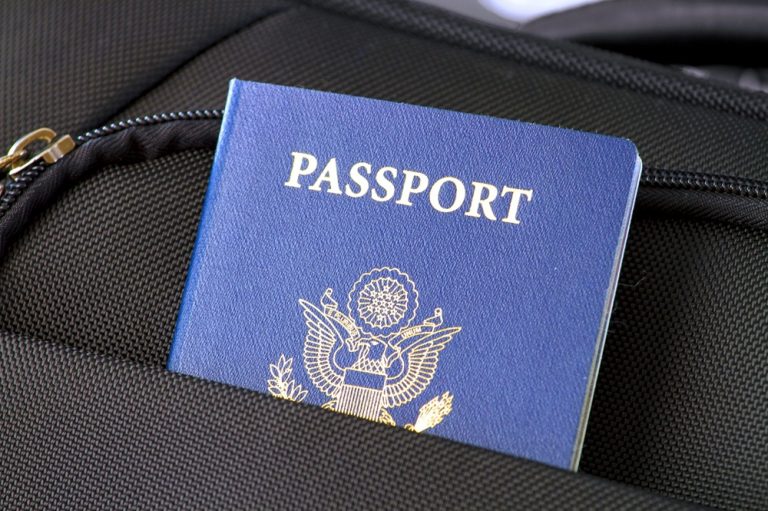
Some of the most important Vietnam travel essentials take up almost no luggage space. Your passport, entry documents, bank cards and access to important booking information matter far more than an extra change of clothes, so organise them before departure and make sure you have backups if something gets lost.
Passport, Visa and Travel Documents
Your passport is obviously the first thing to bring, along with any visa or eVisa documentation required for your trip. Check your passport validity and entry requirements well before departure rather than discovering a problem when you're already at the airport.
Keep copies of your passport, visa or eVisa, travel insurance and important reservations somewhere separate from the originals. Digital copies stored securely online can be useful, but I also recommend saving essential documents to your phone so you can access them without an internet connection.
Vietnam's entry requirements depend on factors including nationality and length of stay. If you haven't already checked yours, find out which Vietnam entry rules apply to your trip before you travel.
Cards and Cash
Bring at least one internationally accepted debit or credit card and, ideally, a second card stored somewhere separate. If one card is lost, blocked or rejected by an ATM, having another payment method can prevent a relatively small problem from becoming a major inconvenience.
Cash remains useful in Vietnam, particularly for smaller businesses, markets, street food and everyday purchases. You don't need to arrive carrying a large amount of Vietnamese dong, but make sure you have a practical way to access money once you're in the country.
Avoid keeping your passport, every bank card and all your cash together in one wallet or bag. For more on ATMs, payments, Vietnamese currency and other everyday practicalities, see my advice for handling the practical side of a Vietnam trip.
Travel Insurance Details
If you have travel insurance, keep your policy number and emergency assistance details somewhere you can access quickly. Saving them offline is useful in case you need assistance when you don't have mobile data or Wi-Fi.
Before travelling, check what your policy actually covers rather than assuming every activity is automatically included. This is particularly important if your plans involve motorbikes, trekking, adventure activities or anything else that may have specific conditions or exclusions.
If you're still comparing policies, my guide to choosing travel insurance for your trip explains the main types of coverage and what to look for before buying.
When deciding what to bring to Vietnam, keep your essential documents and payment methods accessible during the journey rather than buried in checked luggage. They are difficult to replace quickly, which makes organising them properly more important than packing extra items "just in case."
What to Pack for Different Types of Vietnam Trips
What to pack for Vietnam changes considerably depending on the kind of trip you're planning. Someone travelling between cities needs very little specialist equipment, while a trek through the northern mountains requires more thought. A beach-focused holiday has different priorities again. Rather than packing for every possible scenario, take the equipment that matches the activities actually included in your itinerary.
Vietnam Backpacking Packing List
A Vietnam backpacking packing list should prioritise versatility and keeping your main bag manageable. If you're regularly moving between destinations by bus, train or domestic flight, you'll appreciate lighter luggage every time you change accommodation or climb aboard another form of transport.
Quick-drying clothes, comfortable walking shoes, lightweight sandals, a compact rain jacket, a small daypack and a power bank cover many of the practical basics. You generally don't need enough clothing for several weeks because laundry services are readily available along popular travel routes.
Keeping your luggage manageable is particularly useful if you'll be moving around frequently. My guide to travelling between destinations in Vietnam can help you anticipate the buses, trains, flights and other transport you'll encounter along your route.
What to Pack for a Beach Trip in Vietnam
For a beach-focused trip, lightweight clothing, swimwear, sandals, sunglasses, a hat and sunscreen will cover most of your needs. A lightweight shirt or cover-up is useful for moving between the beach, restaurants and your accommodation without needing a completely separate wardrobe.
A waterproof pouch or small dry bag can protect your phone and valuables during boat trips or sudden rain. Beyond that, there's little reason to fill your luggage with specialised beach equipment that you'll only use occasionally.
What to Pack for Trekking in Vietnam
Trekking requires a few additions, particularly in mountainous Northern Vietnam. Footwear with good grip becomes more important on steep or muddy trails, while a comfortable daypack, water bottle, sun protection, mosquito repellent and lightweight rain protection are useful for days spent outdoors.
Clothing should reflect the season and elevation. Conditions around Sapa, Ha Giang and other northern mountain areas can be much cooler than elsewhere in Vietnam, so check the forecast shortly before your trek and add appropriate layers when necessary.
There's no reason to carry trekking equipment around the country if hiking isn't actually part of your plans. If you're taking an organised trek, also check what equipment is provided before buying or packing additional gear.
What to Pack for a City-Focused Vietnam Trip
If your itinerary concentrates on places such as Hanoi, Hue, Da Nang, Hoi An and Ho Chi Minh City, you can keep things particularly simple. Comfortable walking shoes, breathable clothing, a small day bag, sun protection and lightweight rain protection will handle most sightseeing days.
Keep at least one outfit suitable for temples and religious sites, and carry a power bank if you rely heavily on your phone for maps, Grab and bookings. Beyond that, city travel requires very little specialist equipment, making packing light for Vietnam considerably easier.
Vietnam Packing List for Women
A Vietnam packing list for women doesn't need to be dramatically different from the general list above. Lightweight, breathable clothes, comfortable walking shoes, sandals and weather-appropriate layers will cover most situations. The main consideration is having a few versatile pieces that work for sightseeing, beaches, evenings and visits to religious sites without carrying separate outfits for each.
When deciding what to wear in Vietnam, include at least one combination that covers your shoulders and knees for temples, pagodas and other places where more respectful clothing is appropriate. Lightweight trousers, a longer skirt or dress and a top covering the shoulders are easy options. A thin scarf can also be useful as an extra layer or cover, although it isn't essential.
If beaches or hotel pools are part of your itinerary, pack your preferred swimwear and perhaps a lightweight cover-up. Comfortable sandals can work for beaches and casual days, while a good pair of walking shoes is more useful than bringing several pairs of footwear for different outfits.
Menstrual products and everyday toiletries are available in Vietnam, particularly in cities and larger towns. However, if you use a particular product, brand or specialist item that you don't want to substitute, bringing enough from home removes the need to search for it during your trip.
Vietnam Packing List for Men
A Vietnam packing list for men can remain fairly simple. Lightweight T-shirts or shirts, shorts and breathable trousers will work for most everyday situations, with warmer layers added if you're travelling through Northern Vietnam during cooler months. Choose clothes that can be mixed, matched and washed easily rather than packing a different outfit for every day of your trip.
When packing for Vietnam, include at least one outfit suitable for temples, pagodas and other religious sites. Lightweight trousers and a shirt or T-shirt that covers the shoulders are usually easy to carry without adding much weight to your luggage.
For footwear, comfortable walking shoes and a pair of sandals or flip-flops should be sufficient for most itineraries. Add swimwear if you're heading to the coast or islands, and only bring dedicated hiking footwear if trekking is genuinely part of your plans.
Basic toiletries and grooming products are readily available in Vietnamese cities and towns, so there's little reason to carry large quantities from home. Formal clothing is also unnecessary for most independent trips unless you already know you'll be attending an event or visiting somewhere with a particular dress requirement.
What NOT to Pack for Vietnam
A useful Vietnam packing list isn't just about deciding what to take; it's also about knowing what you can leave behind. Vietnam is an easy country in which to replace everyday items, and carrying unnecessary belongings becomes particularly annoying when you're regularly moving between destinations. When packing for Vietnam, resist the temptation to prepare for every situation that could theoretically happen.
- Too many clothes: You don't need enough outfits for every day of a two- or three-week trip. Laundry services are widely available, so a smaller selection of versatile clothing makes much more sense.
- Too many shoes: Comfortable walking shoes and sandals or flip-flops will cover most trips. Hiking footwear is worth the additional space only when your itinerary actually includes trekking.
- Large quantities of toiletries: Shampoo, toothpaste, soap and other everyday toiletries can easily be replenished in Vietnam. Bring particular products you rely on, but don't carry oversized supplies simply because you're travelling abroad.
- A bulky towel: Hotels, guesthouses and most other conventional accommodation provide towels. A compact quick-drying towel may be worthwhile for particular backpacking, beach or trekking itineraries, but most travellers won't need a full-size towel from home.
- Heavy cold-weather clothing: A large winter wardrobe is unnecessary for most Vietnam trips. Warmer clothing becomes relevant in Northern Vietnam during cooler months and particularly in mountainous areas, but pack according to the forecast rather than carrying heavy clothing everywhere.
- Specialist outdoor equipment you won't use: Trekking poles, heavy hiking boots and other outdoor gear don't belong among your things to pack for Vietnam unless the activities on your itinerary genuinely require them.
- Expensive jewellery and unnecessary valuables: If an item serves no practical purpose and you'd be extremely upset to lose or damage it, leaving it safely at home is usually the better option.
- Too many electronics: Unless you need them for work or photography, reconsider whether you really need a laptop, tablet, dedicated camera and multiple other devices when your smartphone can perform many of the same functions.
- Large amounts of cash: There's no reason to carry your entire travel budget in cash. Use a combination of cards and cash, keep backup payment methods separate and withdraw or exchange money as necessary during your trip.
Most importantly, avoid filling your luggage with things you're bringing "just in case." Vietnam has shops, pharmacies and supermarkets, so forgetting an ordinary item rarely creates a serious problem. The best packing strategy isn't to anticipate every possibility; it's to arrive with a manageable bag containing things you'll actually use.
Backpack or Suitcase for Vietnam?
There is no single correct choice between a backpack and suitcase when packing for Vietnam. Both work perfectly well, and the better option depends on how frequently you'll be changing destinations, the transport you plan to use and how you prefer to travel. Whichever you choose, keeping your luggage manageable will make moving around the country considerably easier.
When a Backpack Makes More Sense
A backpack can be particularly convenient if you're changing destinations frequently and regularly using buses or trains. You may encounter uneven pavements, stairs, narrow entrances or accommodation without lifts, and being able to carry your luggage rather than wheel it can make these situations easier.
If you're building a Vietnam backpacking packing list, that doesn't mean you need an enormous trekking pack. A manageable travel backpack combined with a small daypack can be enough, particularly when you're willing to do laundry along the way.
When a Suitcase Makes More Sense
A suitcase is equally practical if you're primarily travelling between airports, hotels and accommodation by taxi or ride-hailing service. It can also be more convenient if you're staying several nights in each destination rather than constantly moving from one place to another.
Wheeled luggage is perfectly viable in Vietnam, so don't buy a backpack simply because you're travelling independently through Southeast Asia. If you already prefer travelling with a suitcase and your itinerary doesn't require carrying your luggage over significant distances, there's little reason to change.
What Size Luggage Do You Need for Vietnam?
The length of your trip doesn't necessarily determine how large your bag needs to be. Someone travelling for a month can carry roughly the same amount of clothing as someone travelling for ten days by using laundry services along the way. Weather, planned activities and your personal travel style have a much greater impact on how much you genuinely need.
Check the baggage allowance for any airlines you'll be using, particularly if your itinerary includes domestic flights. Cabin and checked-baggage limits vary between airlines and fares, so there isn't one weight or luggage size that works for every Vietnam trip.
Ultimately, packing light for Vietnam matters more than whether your luggage has shoulder straps or wheels. Choose the type of bag you find comfortable and practical, then concentrate on keeping its contents limited to things you'll actually use.
How to Pack Light for Vietnam
Packing light for Vietnam doesn't mean squeezing everything into the smallest possible bag or leaving useful items behind. The goal is simply to avoid carrying things you aren't likely to use. With laundry readily available and everyday necessities easy to replace, there's rarely a reason to start your trip with an overfilled suitcase or backpack.
Pack for a Week, Not the Entire Trip
Whether you're travelling for ten days or a month, you don't need enough clothing for every day of your journey. Pack a manageable rotation of clothes and use laundry services as you travel. This becomes particularly worthwhile on longer trips, when carrying several weeks of clothing would add considerable bulk for very little benefit.
When building your Vietnam packing list, think in terms of how often you'll realistically need each item before you can wash it rather than how many days you'll be away.
Choose Clothes That Work Together
Versatile clothing makes a smaller wardrobe much easier. Choose tops and bottoms that can be mixed and matched, and favour pieces that work for sightseeing, transport days and casual evenings rather than bringing outfits with only one purpose.
Lightweight layers are particularly useful because they allow you to adapt to changing temperatures without carrying bulky clothing. Quick-drying fabrics are also practical in humid conditions, during rainy periods and when doing laundry along the way.
Pack for Your Actual Itinerary
One of the easiest ways to reduce your luggage is to stop packing for activities you aren't actually planning to do. You don't need trekking equipment without a trek, substantial cold-weather clothing for a warm southern itinerary or specialised beach gear if you're spending your entire trip inland.
When deciding what to pack for Vietnam, look at your route, activities and expected weather shortly before departure. Pack for those circumstances rather than every hypothetical situation you could encounter.
Leave Some Room in Your Bag
Try not to leave home with your luggage already packed to capacity. A little spare room makes packing and unpacking considerably easier as you move between destinations and gives you space for anything you decide to buy during the trip.
It also provides some flexibility if you discover that you genuinely need something you didn't bring. Vietnam has plenty of shops where ordinary clothing, toiletries and travel necessities can be purchased, so you don't need to anticipate every possible requirement before departure.
Ultimately, packing light for Vietnam isn't about travelling with as little as humanly possible. It's about removing the things you're unlikely to use so that everything you're carrying earns its place in your bag.
Final Thoughts on Your Vietnam Packing List
There is no single Vietnam packing list that works perfectly for every traveller. Someone trekking through Northern Vietnam during the cooler months needs very different clothing and footwear from someone spending two weeks exploring Ho Chi Minh City and the beaches of Phu Quoc. Your luggage should reflect the trip you're actually taking rather than everything you could theoretically encounter.
When deciding what to pack for Vietnam, concentrate on three things: where you're going, when you're travelling and what you're planning to do. Cover the essentials, add clothing and equipment appropriate for your route, and leave behind the things you can easily buy locally or are unlikely to use. A lighter, more manageable bag will make moving around Vietnam considerably easier.
If you're still working out where your journey will take you, start by deciding what you want to experience around the country, then use my Vietnam route-planning guide to put those destinations together. Once you know where you're going and what you'll be doing, adapting this Vietnam packing list to your own trip becomes much simpler.
Frequently Asked Questions About Packing for Vietnam
-
What should I pack for Vietnam?
Pack lightweight, breathable clothing, comfortable walking shoes, sandals, rain protection, sun protection, mosquito repellent, essential medication, your phone and chargers, and the travel documents you need. What to pack for Vietnam also depends on your route, season and planned activities, particularly if you're visiting the northern mountains or travelling during wetter months. -
What should I bring to Vietnam?
The most important things to bring are your passport, any required visa or eVisa documentation, bank cards, essential medication, phone, chargers and clothing appropriate for your itinerary. Most everyday toiletries and basic supplies can easily be purchased after you arrive, so there's little reason to bring everything from home. -
What should I wear in Vietnam?
Lightweight and breathable clothing works well in warm conditions, while Northern Vietnam can require warmer layers during winter. When deciding what to wear in Vietnam, also include clothing that covers your shoulders and knees for temples, pagodas and other religious sites. -
Can I wear shorts in Vietnam?
Yes, shorts are perfectly practical for everyday sightseeing in many parts of Vietnam, particularly during hot weather. However, temples and religious or culturally sensitive sites may require more modest clothing, so carry or wear something that covers your knees when necessary. -
Do I need warm clothes for Vietnam?
It depends on where and when you're travelling. Southern Vietnam remains warm for most of the year, while Hanoi and other northern destinations can become cool during winter. Mountainous areas such as Sapa and Ha Giang can be considerably colder, so check the forecast and pack appropriate layers if they're on your itinerary. -
Do I need a rain jacket for Vietnam?
A lightweight rain jacket or compact poncho is useful, particularly during wetter periods. Heavy waterproof clothing is usually unnecessary for ordinary sightseeing because Vietnam can remain hot and humid even when it's raining. Quick-drying clothing and footwear that can handle getting wet are also useful additions to a Vietnam rainy season packing list. -
What shoes should I pack for Vietnam?
Comfortable trainers or lightweight walking shoes and a pair of sandals or flip-flops are sufficient for most trips. Dedicated hiking footwear is worth bringing if you're planning substantial trekking, especially where trails may be steep, wet or muddy. -
Should I take a backpack or suitcase to Vietnam?
Either works well. A backpack can be more convenient if you're frequently changing destinations and using buses or trains, while a wheeled suitcase works perfectly well for travellers primarily moving between hotels, airports and accommodation by taxi or ride-hailing service. Keeping your luggage manageable matters more than which type of bag you choose. -
How much should I pack for two weeks in Vietnam?
You don't need two weeks of clothing for a two-week trip. Pack enough versatile clothes for roughly a week and use laundry services along the way. Packing light for Vietnam makes buses, trains, domestic flights and accommodation changes considerably easier. -
What should I pack for backpacking in Vietnam?
A Vietnam backpacking packing list should prioritise lightweight, versatile items such as quick-drying clothes, comfortable footwear, sandals, a compact rain jacket, small daypack, power bank and essential toiletries. Keep your main luggage manageable and plan to do laundry rather than carrying clothing for your entire trip. -
What should I pack for Vietnam in the rainy season?
Bring lightweight rain protection, quick-drying clothing, footwear that can handle getting wet and a waterproof pouch or dry bag for important electronics and documents. A compact umbrella can also be useful, especially when sightseeing in cities. -
Do I need a power adapter for Vietnam?
You may need a plug adapter depending on the plugs used by your devices. Vietnam operates on 220V at 50Hz and Types A, B and C plugs are associated with the country. Check both plug compatibility and the voltage range printed on your electrical devices before using them. -
What should I not pack for Vietnam?
Avoid bringing excessive clothing, too many shoes, large quantities of toiletries, bulky towels, unnecessary valuables and specialist equipment you won't actually use. Everyday necessities can generally be purchased locally, so your Vietnam packing list doesn't need to prepare you for every possible situation.
Travel Resources to Plan, Book & Stay Connected
Use these tools and guides to stay connected abroad, find inspiration for your next trip, and book your flights, stays and gear with confidence.
Disclosure: This article may contain affiliate links. If you make a purchase through a link, I may receive a commission at no extra cost to you. I only share recommendations I believe are genuinely useful, and all opinions are my own. AI was used in this post for research and drafting purposes.

Comment (0)