In This Vietnam Travel Budget Guide
Wondering how much a trip to Vietnam really costs? This comprehensive Vietnam travel budget guide breaks down the average daily expenses for different travel styles, helping you estimate accommodation, food, transport, activities and other essential costs. Whether you're backpacking across the country or planning a more comfortable holiday, you'll find everything you need to budget your trip with confidence.
- Discover how much to budget per day for backpackers, budget travellers, mid-range holidays and luxury trips.
- Compare the average cost of accommodation, from hostels and guesthouses to boutique hotels and luxury resorts.
- Learn what to expect to pay for street food, restaurants, coffee, drinks and everyday meals throughout Vietnam.
- Understand the typical costs of travelling around Vietnam by Grab, train, bus and domestic flight.
- Find out how much to budget for popular attractions, guided tours and unforgettable experiences.
- Plan for additional expenses such as visas, travel insurance, eSIMs, laundry, tipping and souvenirs.
- Discover practical ways to save money without missing out on Vietnam's best experiences.
- Learn whether Vietnam is still one of the best-value destinations in Southeast Asia.
Looking for more inspiration? Continue planning your adventure with our guides to Things to Do in Vietnam, the perfect Vietnam Itinerary and Where to Stay in Vietnam to help you plan an unforgettable trip.
Vietnam Travel Budget: How Much Should You Budget for Your Trip?
One of the first questions travellers ask when planning a trip is: How much does Vietnam actually cost? The good news is that Vietnam remains one of the most affordable destinations in Southeast Asia, offering excellent value for money whether you're travelling on a backpacker's budget or looking for a more comfortable holiday. With a little planning, it's possible to enjoy incredible food, comfortable accommodation, spectacular scenery and unforgettable experiences without spending a fortune.
This Vietnam travel budget guide will help you estimate how much you can expect to spend on accommodation, transport, food, activities and everyday expenses. While your final Vietnam travel budget will depend on your travel style and itinerary, understanding the average costs before you leave makes it much easier to plan realistically and avoid unpleasant surprises along the way.
We'll also look at typical daily budgets for different types of travellers, explain where your money is likely to go and share practical tips for keeping your Vietnam travel budget under control without missing out on the country's best experiences. Whether you're planning a one-week holiday, a two-week itinerary or a month-long adventure, this guide will help you budget with confidence.
How Much Does a Trip to Vietnam Cost?
Vietnam offers excellent value for money, making it one of Southeast Asia's most affordable destinations. Whether you're travelling on a shoestring budget, enjoying a comfortable mid-range holiday or treating yourself to luxury resorts and fine dining, it's easy to tailor your trip to suit your budget. The table below provides realistic estimates for accommodation, food, transport and everyday expenses, helping you plan with confidence before you travel.
| Travel Style | Daily Budget | 1 Week | 2 Weeks | 1 Month | Best For |
|---|---|---|---|---|---|
| Backpacker | US$25–40 | US$175–280 | US$350–560 | US$750–1,200 | Hostels, street food, buses and budget-friendly travel. |
| Budget Traveller | US$40–70 | US$280–490 | US$560–980 | US$1,200–2,100 | Comfortable hotels, a mix of local restaurants and occasional tours. |
| Mid-range Traveller | US$70–150 | US$490–1,050 | US$980–2,100 | US$2,100–4,500 | Quality hotels, domestic flights, organised tours and regular dining out. |
| Luxury Traveller | US$150+ | US$1,050+ | US$2,100+ | US$4,500+ | Luxury resorts, private transfers, premium experiences and fine dining. |
👉 Drag the table to the right on smaller screens to view all the information.
These estimates exclude international flights, as airfare varies considerably depending on your departure country and the time of year. They also assume you're travelling independently rather than on an organised package tour.
Your actual travel budget will also depend on where you visit. Popular destinations such as Phu Quoc or luxury resorts around Da Nang tend to be more expensive than smaller cities and rural areas, while travelling during Tet (Vietnamese New Year) or other major holidays can significantly increase accommodation and transport costs.
Vietnam Travel Budget by Travel Style
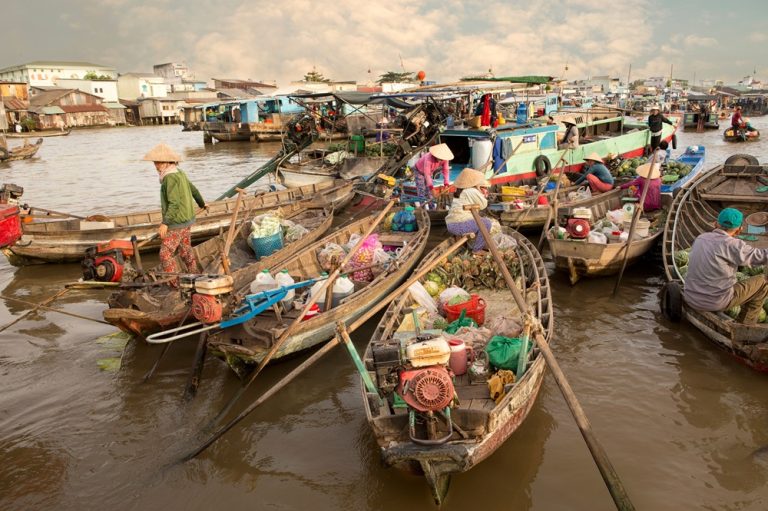
How much you'll spend in Vietnam depends largely on your travel style. While the country offers excellent value for money across every budget, the type of accommodation you choose, how often you fly domestically, where you eat and the activities you include will all influence your daily expenses. Whether you're backpacking across the country, enjoying a comfortable holiday or splurging on luxury resorts, the examples below should give you a realistic idea of what you can expect to spend.
Backpacker Budget (US$25–40 per day)
Vietnam is one of the best countries in Asia for backpackers. Travelling on US$25–40 per day is perfectly achievable if you're happy staying in hostel dormitories or simple guesthouses, eating primarily at local restaurants and street food stalls, and travelling by sleeper bus or train.
- Hostel dorm: US$5–12
- Budget guesthouse: US$12–20
- Street food meal: US$1–3
- Vietnamese coffee: US$0.75–2
- Local beer: US$0.80–2
- Grab ride within the city: US$1–4
- Sleeper bus: US$8–25
This budget is particularly well suited to long-term travellers who don't mind simple accommodation and slower transport in exchange for stretching their money further. Travelling slowly, eating locally and using affordable overland transport allows backpackers to comfortably stay within this budget while still experiencing Vietnam's major destinations and attractions.
Budget Traveller (US$40–70 per day)
This is where many visitors fall. You'll enjoy a comfortable private hotel room, eat at a mix of local restaurants and cafés, use Grab or occasional taxis within cities and still have room in your budget for guided tours and paid attractions.
- Comfortable hotel: US$25–50
- Restaurant meal: US$4–10
- Coffee: US$1–3
- Craft beer or cocktail: US$3–7
- Grab rides throughout the day: US$5–10
- Typical attraction: US$2–10
For many travellers, this offers one of the best balances between comfort and affordability. You'll have enough flexibility to enjoy private accommodation, regular restaurant meals and occasional organised experiences without needing to watch every dollar you spend.
Mid-range Traveller (US$70–150 per day)
A mid-range budget provides considerably more flexibility. High-quality or boutique hotels, domestic flights to save time, excellent restaurants, organised excursions and occasional luxury experiences become affordable without dramatically increasing your overall travel budget.
- Boutique hotel: US$50–100
- Upscale dinner: US$12–30
- Domestic flight: US$40–120
- Full-day guided tour: US$35–90
- Spa treatment: US$15–40
This budget suits couples, families and travellers who prefer convenience while still receiving excellent value for money. You'll spend less time worrying about individual costs and have much more freedom to choose faster transport, better accommodation and organised experiences whenever they improve your trip.
Luxury Traveller (US$150+ per day)
Vietnam is one of the few countries where luxury remains relatively affordable. Five-star hotels, beachfront resorts, private transfers, premium cruises, fine dining and personalised experiences often cost significantly less than comparable holidays in Europe, North America or Australia.
- Luxury hotel or resort: US$150–500+
- Private airport transfer: US$20–60
- Luxury dinner: US$30–80+
- Premium day tour: US$80–200+
- Luxury Ha Long Bay cruise: US$150–400+ per night
If you're celebrating a special occasion or simply want to travel in style, Vietnam offers excellent opportunities to enjoy premium accommodation and experiences without the prices associated with many other luxury destinations.
Whether you're travelling on a backpacker's budget or treating yourself to luxury experiences, Vietnam consistently delivers exceptional value. Careful planning, booking accommodation in advance and travelling outside peak holiday periods can often reduce your costs even further without compromising your experience.
Food and Drink Prices in Vietnam
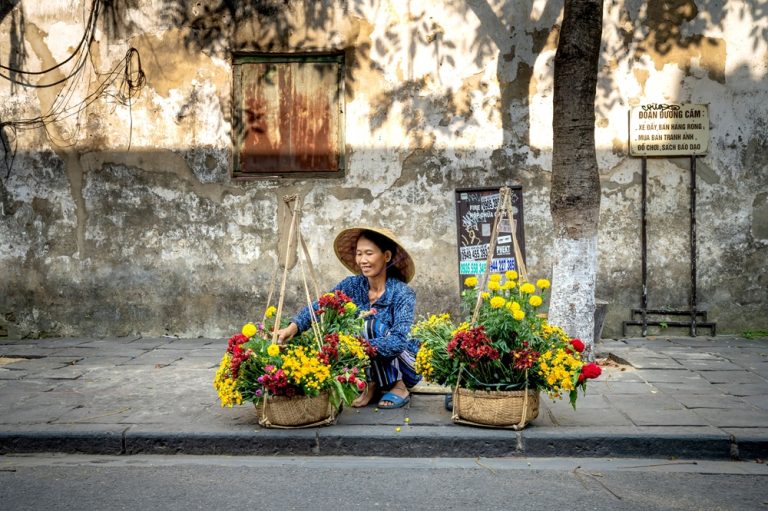
One of the biggest reasons Vietnam is considered such great value is its incredible food. Whether you're grabbing a quick bánh mì from a street vendor, enjoying a bowl of pho at a local restaurant or treating yourself to a multi-course dinner, eating well doesn't have to cost much. The prices below will give you a realistic idea of what to budget for food and drinks during your trip.
| Food & Drink | Typical Price (USD) |
|---|---|
| Bánh mì | US$1–2 |
| Bowl of pho | US$2–4 |
| Street food meal | US$1–4 |
| Local restaurant meal | US$4–10 |
| Mid-range restaurant (3 courses) | US$15–30 per person |
| Fine dining | US$30–80+ |
| Vietnamese coffee | US$1–3 |
| Bottle of water (500 ml) | US$0.30–0.80 |
| Soft drink | US$0.70–2 |
| Local beer | US$0.80–2 |
| Imported beer | US$2–5 |
| Cocktail | US$4–10 |
👉 Drag the table to the right on smaller screens to view all the information.
Eating locally is one of the easiest ways to keep your Vietnam travel budget under control. Delicious street food is available almost everywhere, and some of the country's most memorable meals cost just a few dollars. At the same time, Vietnam also offers an impressive dining scene, where high-quality restaurants and even fine dining remain surprisingly affordable by international standards.
Getting Around Vietnam Costs
Transport is another area where Vietnam offers excellent value for money. Whether you're taking a short Grab ride across town, travelling overnight by train or flying between Hanoi and Ho Chi Minh City, getting around the country is generally affordable. The right choice depends on your itinerary, available time and travel style, but even longer journeys rarely break the budget. If you're planning a Ho Chi Minh City stay, the city also offers plenty of inexpensive attractions and experiences alongside its organised tours and day trips.
| Transport | Typical Price (USD) |
|---|---|
| Grab ride within a city | US$1–5 |
| Airport transfer (Grab) | US$6–15 |
| Local public bus | US$0.30–0.60 |
| Sleeper bus | US$8–30 |
| Train (depending on route & class) | US$10–70 |
| Domestic flight | US$40–120 |
| Motorbike rental | US$5–10 per day |
| Bicycle rental | US$2–5 per day |
| Ferry (short routes) | US$3–15 |
👉 Drag the table to the right on smaller screens to view all the information.
For most visitors, Grab is the easiest and most economical way to get around Vietnam's cities. For longer distances, trains provide a comfortable and scenic alternative, while sleeper buses remain the cheapest option for backpackers. If you're short on time, domestic flights can often save an entire day of travel for surprisingly little money.
If you're planning several long-distance journeys, it's worth comparing train and flight prices before booking. You can check schedules and fares on the official Vietnam Railways website or browse domestic routes directly with Vietnam Airlines. Both are excellent resources when planning your itinerary. :contentReference[oaicite:0]{index=0}
Want to compare all the available transport options before deciding? Our guide to Getting Around Vietnam explains the pros and cons of travelling by train, bus, domestic flight, ferry and motorbike, helping you choose the best option for every stage of your journey.
Sightseeing & Activity Costs in Vietnam
One of Vietnam's biggest advantages is that you don't need a huge budget to enjoy its best attractions. Many temples, markets, beaches and viewpoints are free to visit, while museums and historical sites usually charge only a modest entrance fee. The biggest expenses tend to be organised tours, cruises and full-day experiences, but even these are generally excellent value compared with many other countries.
| Activity | Typical Price (USD) | Notes |
|---|---|---|
| Temple or pagoda | Free – 2 | Many are free, although donations are appreciated. |
| Museum | 1 – 5 | Excellent value across the country. |
| Imperial City (Hue) | 8 – 10 | One of Vietnam's most important historical attractions. |
| My Son Sanctuary | 6 – 8 | UNESCO World Heritage Site. |
| Marble Mountains | 2 – 3 | Small additional fee for the elevator. |
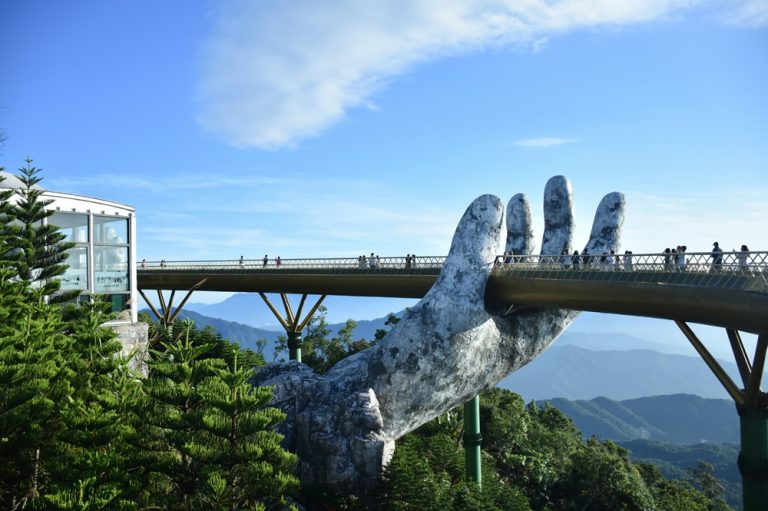
| Ba Na Hills | 35 – 40 | Includes the famous Golden Bridge. |
| Ha Long Bay day cruise | 35 – 70 | Varies according to itinerary and inclusions. |
| Overnight Ha Long Bay cruise | 120 – 350+ | One of Vietnam's signature experiences. |
| Mekong Delta day trip | 25 – 50 | Usually includes transport and boat rides. |
| Cu Chi Tunnels tour | 20 – 45 | Half-day and full-day tours available. |
| Vietnamese cooking class | 25 – 50 | Often includes a local market visit. |
| Street food tour | 25 – 45 | Great introduction to Vietnamese cuisine. |
| Guided walking tour | 20 – 40 | Available in most major cities. |
👉 Drag the table to the right on smaller screens to view all the information.
As you can see, most attractions in Vietnam are surprisingly affordable. Even if you include a few organised tours and paid experiences, sightseeing is unlikely to be the biggest expense of your trip. The exceptions are premium cruises, luxury excursions and multi-day adventures, which can significantly increase your overall travel budget.
If you're planning to visit several of Vietnam's most popular attractions, booking your tours in advance is often worthwhile. Not only does it secure your place during busy periods, but it also allows you to compare itineraries, inclusions and reviews before making a decision. If the capital is part of your route, our guide to what to see and do in Hanoi can help you decide which attractions and experiences are worth including in your budget.
Looking for inspiration? Our guide to Things to Do in Vietnam highlights the country's most rewarding destinations and experiences, helping you decide which attractions deserve a place in your itinerary.
Additional Costs to Budget For
Accommodation, food, transport and sightseeing will account for most of your Vietnam travel budget, but there are several smaller expenses that are easy to overlook when planning your trip. Individually these costs may seem insignificant, but together they can add a noticeable amount to your overall budget.
| Expense | Typical Cost (USD) | Notes |
|---|---|---|
| Vietnam eVisa | US$25–50 | Depends on the visa type and validity. |
| Travel insurance | US$20–100+ | Varies according to age, destination and trip duration. |
| eSIM | US$5–20 | Depends on the data allowance and validity period. |
| Laundry | US$1–3 per kg | Available in almost every tourist destination. |
| ATM withdrawal fee | US$1–5 | Your home bank may charge additional fees. |
| Bottled water | US$0.30–0.80 | Readily available throughout the country. |
| Tips | Optional | Appreciated for excellent service but never expected. |
| Souvenirs | US$5+ | Entirely depends on your shopping habits. |
👉 Drag the table to the right on smaller screens to view all the information.
If you require a visa, don't forget to include the application fee in your budget. Our Vietnam Visa Guide explains the application process, visa options and current fees to help you avoid any surprises before travelling.
Another expense that's well worth budgeting for is travel insurance. While nobody expects to need it, a good policy can protect you against unexpected medical bills, cancelled flights, lost luggage and many other situations that could otherwise become expensive.
Staying connected is equally important. Purchasing an eSIM before you travel allows you to use Google Maps, book Grab rides, contact your accommodation and access important travel information from the moment you arrive, often at a lower cost than international roaming.
Packing sensibly can also help keep smaller travel expenses under control. Vietnam has inexpensive laundry services in most tourist destinations, so there's little reason to carry clothes for your entire trip. My guide to packing for Vietnam explains what to bring, what you can buy locally and how to keep your luggage manageable.
Although these additional expenses are relatively small compared with accommodation or transport, including them in your calculations will give you a much more accurate Vietnam travel budget and help you avoid unexpected costs once you're on the road.
How to Save Money in Vietnam
Vietnam is already one of the most affordable countries in Southeast Asia, but a few smart decisions can stretch your budget even further. None of these tips require sacrificing comfort or missing out on memorable experiences—they simply help you get better value for your money.
Eat Where the Locals Eat
Some of Vietnam's best meals come from small family-run restaurants and busy street food stalls. Not only will you experience authentic Vietnamese cuisine, but you'll often pay a fraction of the price charged by tourist-oriented restaurants. A delicious bowl of pho or a freshly made bánh mì can cost just a couple of dollars.
Use Grab Instead of Traditional Taxis
Whenever possible, book your rides through Grab. You'll see the fare before confirming your journey, avoid language barriers and generally pay less than you would with many street taxis.
Book Flights Early
If your itinerary includes domestic or international flights, booking several weeks or months in advance often results in significantly lower fares. If you're still planning your journey, my guide to getting to Vietnam covers international flights, the country's main arrival airports and overland routes, while our guide to booking cheap international flights shares practical tips for finding the best deals.
Compare Hotel Booking Platforms
Accommodation is usually one of the largest expenses of any trip. Rather than booking through the first website you visit, compare prices across several platforms. Our guide comparing the best hotel booking platforms explains the strengths of each and can help you save money before you book.
Travel During the Shoulder Season
Visiting just before or after the peak tourist season often means lower hotel prices, cheaper flights and fewer crowds, while still enjoying excellent weather in many parts of the country.
Travel Overland When You Have Time
If you're not in a hurry, overnight trains and sleeper buses are often considerably cheaper than flying. You'll also save the cost of a night's accommodation while travelling between destinations.
Stay Connected with an eSIM
Buying an eSIM before you travel is often much cheaper than paying international roaming charges. You'll also have instant access to maps, transport apps and booking confirmations as soon as you arrive.
Plan a Realistic Itinerary
One of the biggest budget mistakes travellers make is trying to see too much in too little time. Constantly moving between destinations increases transport costs and leaves less time to enjoy each place. Slowing down not only saves money but usually results in a far more enjoyable trip.
None of these tips will dramatically change your Vietnam travel budget on their own, but together they can easily save you hundreds of dollars over the course of a two or three-week trip. Better yet, most of them improve your overall travel experience at the same time.
Is Vietnam Good Value for Money?
Absolutely. Vietnam is widely regarded as one of the best-value travel destinations in Southeast Asia, offering an exceptional balance between affordability and unforgettable experiences. Whether you're exploring ancient cities, relaxing on tropical beaches, cruising through Ha Long Bay or sampling some of the world's best street food, it's possible to enjoy an incredible holiday without spending a fortune.
Compared with many Western countries, your money simply goes much further in Vietnam. Comfortable hotels, delicious local meals, reliable transport and fascinating attractions remain remarkably affordable, allowing even budget-conscious travellers to experience far more than they might elsewhere.
While neighbouring countries such as Cambodia and Indonesia can sometimes be slightly cheaper for accommodation or local transport, Vietnam often provides better overall value thanks to its excellent tourism infrastructure, extensive transport network and enormous variety of destinations. From vibrant cities and mountain villages to national parks and idyllic beaches, every region offers memorable experiences without requiring a luxury budget.
Of course, your final travel costs will always depend on your personal travel style. Backpackers can comfortably explore Vietnam on a modest daily budget, while travellers looking for boutique hotels, private tours and luxury resorts will often be pleasantly surprised by how affordable premium experiences remain compared with Europe, North America or Australia.
Ultimately, Vietnam proves that travelling well doesn't have to be expensive. With a little planning and a realistic budget, you'll enjoy outstanding food, comfortable accommodation, spectacular scenery and unforgettable experiences, making Vietnam one of the best-value destinations you'll ever visit.
Final Thoughts
Vietnam proves that unforgettable travel experiences don't have to come with a high price tag. Whether you're backpacking from north to south, enjoying a comfortable two-week holiday or treating yourself to a luxury escape, careful planning will help you make the most of your budget without missing any of the country's incredible highlights.
Hopefully this guide has given you a realistic idea of how much to budget for accommodation, food, transport, activities and the smaller day-to-day expenses that are often overlooked. With your finances planned, you can focus on what really matters—discovering Vietnam's breathtaking landscapes, vibrant cities, fascinating history and world-famous cuisine.
Ready to continue planning your adventure? Explore our complete guide to the best places to visit in Vietnam, find the perfect base for your trip, discover the ideal season to visit Vietnam and prepare for your journey with our collection of essential Vietnam travel advice.
Frequently Asked Questions About Vietnam Travel Budget
- How much should I budget for a trip to Vietnam?
Most travellers should budget between US$40 and US$70 per day for a comfortable trip, including accommodation, food, local transport and sightseeing. Backpackers can often travel on US$25–40 per day, while mid-range and luxury travellers should budget considerably more depending on their travel style. - Is Vietnam an expensive country to visit?
No. Vietnam is widely considered one of the most affordable destinations in Southeast Asia. Accommodation, food, public transport and attractions offer excellent value for money compared with many other countries. - How much is a Vietnam travel budget per day?
A realistic Vietnam travel budget ranges from around US$25 per day for backpackers to more than US$150 per day for luxury travellers. Most visitors find US$40–70 per day provides a comfortable balance between affordability and convenience. - Is US$1,000 enough for two weeks in Vietnam?
Yes. A budget of US$1,000 per person is usually enough for a comfortable two-week trip, excluding international flights. It covers mid-range accommodation, local transport, restaurants and several organised tours. - How much does a 10-day trip to Vietnam cost?
For most travellers, a 10-day trip costs between US$400 and US$700, excluding international flights. Luxury holidays or frequent domestic flights will naturally increase your overall budget. - How much does a two-week Vietnam trip cost?
A two-week Vietnam trip typically costs between US$560 and US$980 for budget-conscious travellers, while mid-range holidays generally range from US$980 to US$2,100 per person, excluding international flights. - How much money do I need for one month in Vietnam?
Long-term travellers often spend between US$750 and US$1,200 per month when backpacking, while travellers staying in private hotels and taking domestic flights should budget between US$1,200 and US$2,100 or more. - Can you travel around Vietnam on a budget?
Absolutely. Vietnam is one of Asia's best destinations for budget travel thanks to inexpensive accommodation, affordable transport, delicious street food and low entrance fees at many attractions. - What is the biggest expense when travelling in Vietnam?
Accommodation and long-distance transport are usually the largest expenses. Choosing sleeper buses instead of domestic flights and booking hotels in advance can significantly reduce your overall travel budget. - Is street food cheaper than restaurants in Vietnam?
Yes. Street food is not only cheaper but often among the best food you'll eat in Vietnam. Meals typically cost between US$1 and US$4, while restaurant meals usually start at around US$4. - How much do domestic flights cost in Vietnam?
Domestic flights generally cost between US$40 and US$120 depending on the route, airline and how far in advance you book. - Is Vietnam cheaper than Thailand?
In general, yes. Vietnam is often slightly cheaper than Thailand for accommodation, food and local transport, although prices vary depending on the destination and travel style. - Can I use US dollars in Vietnam?
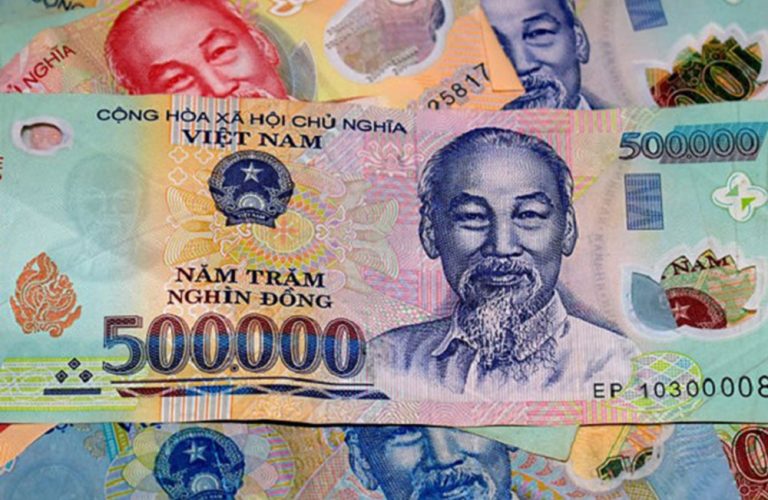
No. The official currency is the Vietnamese đồng (VND), and you'll need local currency for most purchases. International credit cards are accepted in many hotels and larger restaurants, but cash remains essential for smaller businesses and street food vendors. - Do I need cash in Vietnam?
Yes. Although card payments are becoming more common, it's still advisable to carry Vietnamese đồng for markets, local restaurants, cafés and smaller shops. - Is Vietnam worth visiting on a budget?
Absolutely. Vietnam combines spectacular scenery, fascinating history, world-class cuisine and excellent tourism infrastructure with remarkably low travel costs, making it one of the best-value destinations in the world.
Travel Resources to Plan, Book & Stay Connected
Use these tools and guides to stay connected abroad, find inspiration for your next trip, and book your flights, stays and gear with confidence.
Disclosure: This article may contain affiliate links. If you make a purchase through a link, I may receive a commission at no extra cost to you. I only share recommendations I believe are genuinely useful, and all opinions are my own. AI was used in this post for research and drafting purposes.

Comment (0)