Best Time to Visit Vietnam at a Glance
Wondering when to visit Vietnam? The answer depends on where you're going and what you want to experience. Thanks to its long, narrow shape, Vietnam's weather varies considerably between the north, central coast and south, meaning there's almost always somewhere with good conditions, regardless of the time of year.
- Overall best time to visit Vietnam: February to April offers pleasant temperatures and generally dry weather across much of the country.
- Best for first-time visitors: February, March and April provide some of the most balanced conditions for exploring multiple regions.
- Best beach weather: February to August along much of the central coast, including exploring Da Nang and its beaches, Hoi An and Hue.
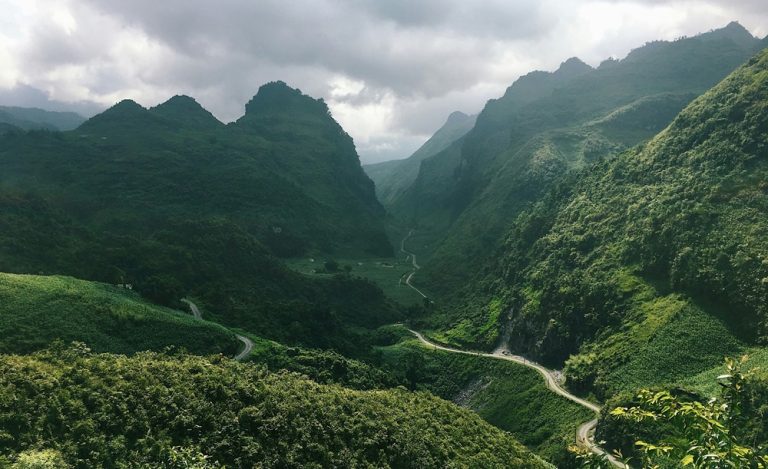
- Best for trekking: September to November in Sapa and Ha Giang after the rainy season, or March to May for comfortable hiking weather.
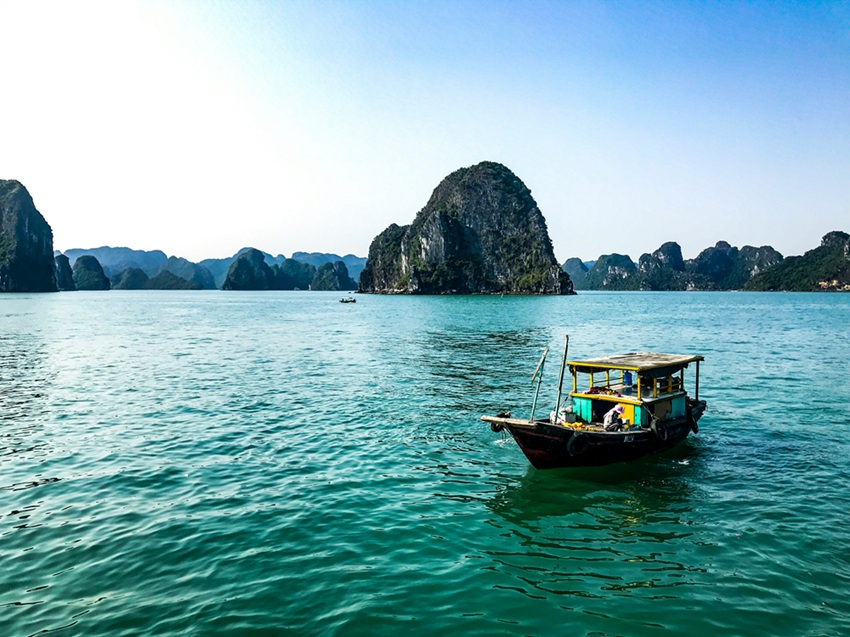
- Best for Ha Long Bay: October to April, when temperatures are cooler and visibility is often at its best.
- Best for Phu Quoc & southern beaches: November to April during the dry season.
- Cheapest time to visit: May to September, when lower demand can bring cheaper flights and hotel rates despite increased rainfall. If weather affects your route, see how to travel between destinations in Vietnam by air, rail, bus and other transport.
- Most expensive period: Tet (Vietnamese Lunar New Year), Christmas and New Year, when accommodation and domestic transport can book up well in advance.
- Best month overall: March combines favourable weather across much of Vietnam with comfortable temperatures and relatively low rainfall.
Choosing the right time to visit is only one part of planning your trip. If you're still deciding where to go, explore the best places and experiences around Vietnam before building your route.
Already know when you want to travel? Use our guide to building a Vietnam itinerary around your available time, then compare where to base yourself around the country once your route begins taking shape.

Best Time to Visit Vietnam
Choosing the best time to visit Vietnam can make the difference between a good trip and an unforgettable one. Unlike many destinations, Vietnam stretches more than 1,600 kilometres (1,000 miles) from north to south, meaning the weather can vary dramatically depending on where you travel. While the mountains around Sapa may be cool and misty, you could be enjoying sunshine on the beaches of Phu Quoc or exploring the lantern-lit streets of Hoi An under clear blue skies.
That's why there isn't one simple answer to the question of the best time to visit Vietnam. The ideal months depend on your itinerary, whether you're travelling from Hanoi to Ho Chi Minh City, relaxing on the central coast, trekking through the northern mountains or island hopping in the south.
In this guide, you'll discover the best time to visit Vietnam for every type of trip, including a month-by-month weather breakdown, regional climate differences, the best seasons for beaches, trekking and sightseeing, as well as practical advice on crowds, costs and festivals. By the end, you'll know exactly when to plan your Vietnam adventure.
Before you book your flights, don't miss my essential Vietnam travel planning guide, covering money, transport, local customs, mobile data, safety and other practical advice for first-time visitors.

When Is the Best Time to Visit Vietnam?
The best time to visit Vietnam is generally from February to April, when much of the country enjoys warm temperatures, relatively low rainfall and comfortable conditions for sightseeing. These months offer an excellent balance for travellers planning to explore multiple regions, whether you're cruising through Ha Long Bay, wandering the streets of Hoi An, trekking in the northern mountains or relaxing on the beaches of Phu Quoc.
That said, there isn't one perfect season for the entire country. Vietnam's climate varies significantly between the north, central coast and south, so the ideal time to visit depends on your itinerary. While central Vietnam enjoys its best beach weather during the summer months, northern Vietnam is often at its most pleasant in spring and autumn, and southern Vietnam remains warm throughout the year with distinct dry and rainy seasons.
| Travel Style | Best Time to Visit | Why? |
|---|---|---|
| First-time visitors | February – April | Excellent weather across much of Vietnam with comfortable temperatures and relatively little rain. |
| Beach holidays | February – August | The central coast, including Da Nang and Hoi An, enjoys long periods of sunshine. |
| Trekking | March – May & September – November | Comfortable temperatures and clearer mountain views in Sapa and Ha Giang. |
| Budget travellers | May – September | Lower accommodation prices and fewer international visitors, although rain is more common. |
| Avoiding crowds | May, September & October | Shoulder seasons offer a great balance between weather, prices and visitor numbers. |
👉 Drag the table to the right on smaller screens to view all the information.
Ultimately, the best time to visit Vietnam depends on where you plan to travel. In the next sections, we'll explore Vietnam's regional climates, compare the weather month by month and help you choose the ideal season for your itinerary.
Vietnam Weather at a Glance
One of the biggest challenges when planning a trip to Vietnam is that there isn't a single weather pattern for the entire country. Because Vietnam stretches across several climate zones, conditions can vary dramatically between the north, central coast and south. It's entirely possible to experience cool mountain weather in Sapa, sunshine in Da Nang and tropical showers in Ho Chi Minh City—all on the same day.
The table below provides a quick overview of Vietnam's weather throughout the year. It highlights the general conditions across the country's three main regions, helping you identify the best months for your itinerary before we explore each season and destination in more detail.
| Season | Northern Vietnam | Central Vietnam | Southern Vietnam |
|---|---|---|---|
| December – February | Cool and generally dry | Mixed weather, improving towards February | Dry, sunny and warm |
| March – May | Warm, sunny and ideal for sightseeing | Hot and dry with excellent beach weather | Hot with increasing humidity before the rains |
| June – August | Hot with frequent afternoon showers | Sunny and excellent for beaches | Rainy season with regular tropical downpours |
| September – November | Pleasant autumn weather after the rains | Rainy season and potential typhoons | Rainfall gradually decreases towards November |
👉 Drag the table to the right on smaller screens to view all the information.
Before you travel, it's always worth checking the latest forecast, especially if you're visiting during the rainy or typhoon seasons. The National Center for Hydrometeorological Forecasting is Vietnam's official meteorological service and provides the latest weather forecasts, warnings and seasonal outlooks. :contentReference[oaicite:0]{index=0}
Understanding Vietnam's Climate
One of the reasons choosing the best time to visit Vietnam can feel confusing is that the country doesn't experience a single, nationwide climate. Stretching more than 1,600 kilometres (1,000 miles) along the South China Sea, Vietnam spans several climate zones, each with its own weather patterns. While one region may be enjoying clear skies and sunshine, another could be experiencing heavy rainfall or even typhoons.
Broadly speaking, Vietnam can be divided into three distinct regions: the north, central coast and south. Northern Vietnam experiences four seasons, with cool winters and hot, humid summers. Central Vietnam enjoys a long dry season but is more exposed to tropical storms and typhoons later in the year. Southern Vietnam remains warm throughout the year, with weather largely defined by a dry season and a rainy season rather than significant temperature changes.
Altitude also plays an important role. Mountain destinations such as Sapa and Ha Giang are considerably cooler than the lowlands and can become surprisingly cold during winter, while coastal destinations like Da Nang, Hoi An and Phu Quoc generally enjoy much warmer temperatures.
The good news is that there is almost always somewhere in Vietnam with excellent weather. Rather than asking whether it's a good time to visit the country as a whole, it's more useful to consider the regions included in your itinerary. Understanding these regional differences will help you choose the best travel dates and get the most out of your trip.
In the following sections, we'll take a closer look at the best time to visit Northern Vietnam, Central Vietnam and Southern Vietnam, before exploring the weather month by month.
Because weather patterns can vary significantly between regions, it's always worth checking local conditions before finalising your itinerary. The Vietnam National Authority of Tourism's weather guide provides an excellent overview of seasonal conditions across the country and can help you plan your trip with the latest travel information.
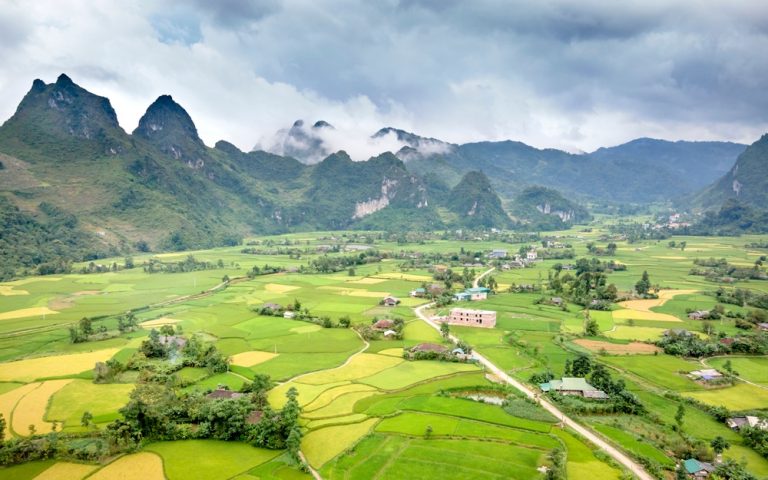
Best Time to Visit Northern Vietnam
Northern Vietnam is home to many of the country's most famous destinations, including Hanoi, Ha Long Bay, Ninh Binh, Sapa and the spectacular Ha Giang Loop. Unlike southern Vietnam, the north experiences four distinct seasons, with cool winters, hot summers and two pleasant shoulder seasons that are widely considered the best times to visit.
For most travellers, the best time to visit Northern Vietnam is between March and May or September and November. During these months, temperatures are generally comfortable, rainfall is relatively low and skies are often clear, making them ideal for sightseeing, hiking and road trips.
Spring (March to May)
Spring is one of the most rewarding seasons to explore Northern Vietnam. The weather is warm without being excessively hot, humidity remains relatively comfortable and the countryside is lush after the cooler winter months. It's an excellent time to cruise through Ha Long Bay, explore Hanoi's historic streets, cycle around Ninh Binh or trek through the rice terraces surrounding Sapa.
Summer (June to August)
Summer brings high temperatures, humidity and frequent afternoon downpours. While rain showers are often short-lived, heavy rainfall can occasionally disrupt trekking routes and mountain roads, particularly around Sapa and Ha Giang. On the other hand, the landscapes are at their greenest, waterfalls are flowing strongly and tourist numbers are generally lower outside the domestic holiday period.
Autumn (September to November)
Autumn is considered by many travellers to be the best season to visit Northern Vietnam. Temperatures become more comfortable, humidity drops and rainfall gradually decreases. It's also one of the best times to drive the Ha Giang Loop, hike in Sapa and enjoy spectacular views across Ha Long Bay.
Winter (December to February)
Winter is cool and generally dry across the region. Daytime temperatures in Hanoi remain pleasant for sightseeing, but mountain destinations such as Sapa and Ha Giang can become surprisingly cold, particularly at night. While snow is rare, occasional frost can occur at higher elevations. While winter offers fewer crowds and excellent visibility in many parts of the north, you'll need to prepare for cooler conditions, particularly in the mountains. My Vietnam packing list explains what to bring for the country's very different regional climates.
Overall, March to May and September to November offer the best combination of comfortable temperatures, lower rainfall and ideal sightseeing conditions, making them the best seasons for most travellers exploring Northern Vietnam.
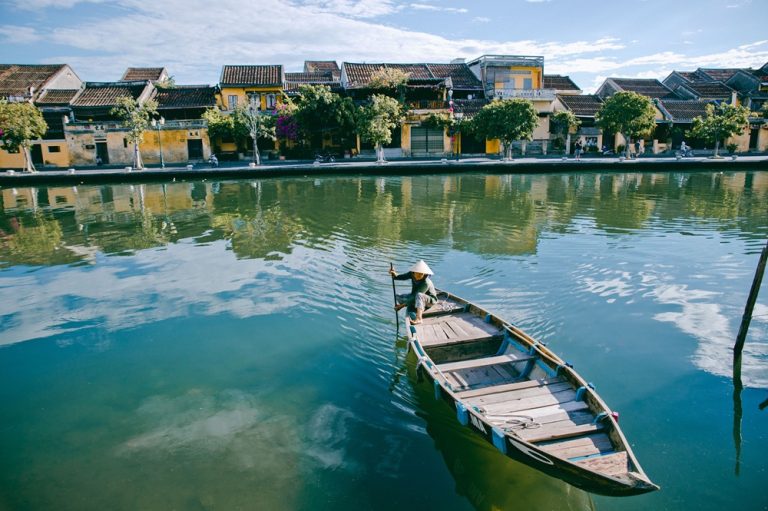
Best Time to Visit Central Vietnam
Central Vietnam is home to some of the country's most popular destinations, including Hue, Da Nang, Hoi An and Phong Nha. Unlike Northern and Southern Vietnam, the region follows a different weather pattern, with a long dry season followed by a shorter but more intense rainy season. As a result, the best time to visit Central Vietnam doesn't always coincide with the best time to visit other parts of the country.
For most travellers, the best time to visit Central Vietnam is between February and August. During these months, you can expect warm temperatures, plenty of sunshine and ideal conditions for sightseeing, beach holidays and outdoor activities.
Dry Season (February to August)
The dry season is by far the most popular time to explore Central Vietnam. Sunny skies, warm seas and very little rainfall make it the perfect time to relax on Da Nang's beaches, wander through Hoi An's Ancient Town, visit the Imperial City of Hue or explore the spectacular caves of Phong Nha-Ke Bang National Park. July and August can be particularly hot, but the coastal breeze helps make beach destinations more comfortable.
Rainy Season (September to January)
The weather becomes much less predictable from September onwards as the northeast monsoon reaches the central coast. Heavy rainfall becomes more frequent, particularly during October and November, and this is also the peak typhoon season. Flooding occasionally affects low-lying areas such as Hoi An, while strong winds and rough seas can disrupt boat trips and beach activities.
Typhoon Season
Central Vietnam is the region most affected by tropical storms and typhoons, which generally occur between September and November. While severe storms don't happen every year, it's worth keeping an eye on the forecast if you're travelling during this period. Flexible itineraries are recommended, as flights, trains and tours can occasionally be delayed by adverse weather.
If your itinerary focuses mainly on Central Vietnam, planning your trip between February and August will usually provide the best combination of sunshine, calm seas and reliable sightseeing conditions. Travellers visiting during the rainy season can still enjoy the region, but should be prepared for occasional heavy rain and possible weather-related disruptions.
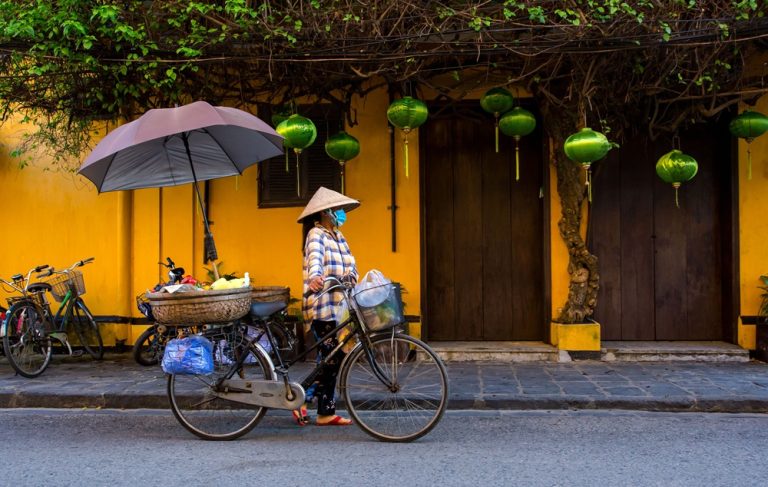
Best Time to Visit Southern Vietnam
Southern Vietnam has a tropical climate that remains warm throughout the year, making it a fantastic destination regardless of when you visit. Unlike Northern Vietnam, temperatures change very little between the seasons. Instead, the weather is defined by two distinct periods: a dry season and a rainy season. Popular destinations in the south include Ho Chi Minh City, the Mekong Delta, Phu Quoc and the Con Dao Islands.
For most travellers, the best time to visit Southern Vietnam is between November and April. During these months, rainfall is limited, humidity is lower and sunny days provide excellent conditions for sightseeing, island hopping and relaxing on the beach.
Dry Season (November to April)
The dry season is the most popular time to visit Southern Vietnam. Ho Chi Minh City enjoys warm, sunny weather that's ideal for exploring Ho Chi Minh City, including its historic landmarks, cafés and markets, while the Mekong Delta is perfect for boat trips through its maze of canals and floating markets. This is also the best season to visit tropical islands such as Phu Quoc and Con Dao, where calm seas and excellent visibility create ideal conditions for swimming, snorkelling and diving.
Rainy Season (May to October)
The rainy season brings higher humidity and regular tropical showers, but that doesn't mean you should avoid travelling. Rain typically falls in the late afternoon or evening, while mornings often remain sunny and suitable for sightseeing. The countryside becomes lush and green, waterfalls are at their most impressive and accommodation prices are often lower than during the peak tourist season.
Should You Avoid the Rainy Season?
Not necessarily. Many travellers are surprised by how manageable Southern Vietnam's rainy season can be. Downpours are usually intense but relatively short-lived, allowing plenty of opportunities to explore between showers. Unless you're planning a beach-focused holiday or diving trip, travelling during the rainy season can offer excellent value with fewer crowds and a more relaxed atmosphere.
If your itinerary centres on Ho Chi Minh City, the Mekong Delta or Vietnam's southern islands, November to April generally provides the most reliable weather. However, Southern Vietnam remains an attractive year-round destination, and even the rainy season offers plenty of sunshine alongside lower prices and fewer visitors.

Best Time to Visit Vietnam by Month
Although Vietnam can be visited throughout the year, the weather changes considerably from month to month and between regions. The overview below highlights what you can generally expect each month, including the best destinations to visit, potential drawbacks and the types of experiences each season is best suited for.
January
January is one of the best months to visit Southern Vietnam, where warm temperatures and dry weather create excellent conditions for exploring Ho Chi Minh City, the Mekong Delta and Phu Quoc. Northern Vietnam is cooler, particularly in Sapa and Ha Giang, while Central Vietnam is beginning to transition towards drier weather.
February
February is widely regarded as one of the best months to visit Vietnam. Pleasant temperatures, relatively low rainfall and improving weather across all three regions make it an excellent choice for first-time visitors. It's also an ideal month for combining Hanoi, Ha Long Bay, Hoi An and Ho Chi Minh City in one itinerary.
March
March offers some of the most reliable weather of the year. Northern Vietnam enjoys warm spring conditions, Central Vietnam experiences abundant sunshine and Southern Vietnam remains in the dry season. It's one of the best months for sightseeing, beaches and multi-region itineraries.
April
April continues the excellent weather across much of Vietnam. Temperatures gradually increase, particularly in the south, but conditions remain ideal for exploring cities, beaches and national parks before the summer heat and heavier rainfall arrive.
May
May marks the beginning of the rainy season in Southern Vietnam, although showers are usually short and predictable. Central Vietnam continues to enjoy excellent beach weather, while Northern Vietnam becomes warmer and more humid. Travellers often benefit from lower prices before the summer holiday period.
June
June brings hot and humid conditions to much of the country. Central Vietnam remains one of the best regions to visit thanks to its sunny beaches, while afternoon thunderstorms become increasingly common in the north and south. It's still a great month for coastal holidays.
July
July is one of the hottest months of the year. Rainfall becomes more frequent in Northern and Southern Vietnam, while Central Vietnam continues to enjoy plenty of sunshine. Domestic tourism also peaks during school holidays, making popular destinations busier.
August
August offers excellent beach conditions along the central coast, although humidity remains high across the country. Rain continues in the north and south, while late August can mark the beginning of the typhoon season in parts of Central Vietnam.
September
September is a month of contrasts. Northern Vietnam begins to enjoy cooler, drier weather, making it an excellent time for trekking in Sapa and driving the Ha Giang Loop. Meanwhile, Central Vietnam enters its wetter season, with an increased risk of heavy rain and tropical storms.
October
October is one of the best months to visit Northern Vietnam, where autumn colours and comfortable temperatures create ideal conditions for outdoor activities. Central Vietnam often experiences its wettest weather of the year, while Southern Vietnam gradually transitions towards the end of the rainy season.
November
November is another excellent month for travelling through Vietnam. Northern Vietnam remains pleasant, Southern Vietnam enters its dry season and rainfall along the central coast begins to ease towards the end of the month. It's a fantastic time for travellers exploring multiple regions.
December
December brings cool, comfortable weather to Northern Vietnam and warm, sunny conditions to the south. While parts of Central Vietnam can still experience occasional rain, December marks the beginning of the peak tourist season as visitors arrive for Christmas and New Year holidays.
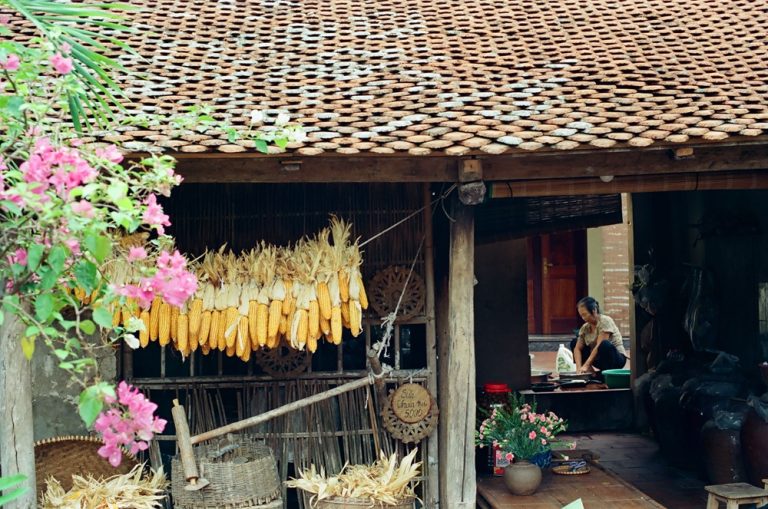
Best Time to Visit Vietnam for Different Activities
The best time to visit Vietnam also depends on what you want to experience. Whether you're planning to relax on tropical beaches, trek through the northern mountains, ride the famous Ha Giang Loop or explore Vietnam's incredible food scene, some months are better suited to certain activities than others.
Best Time for Beaches
If your trip revolves around beach destinations such as Da Nang, Hoi An, Phu Quoc or Con Dao, February to August generally offers the best weather. Central Vietnam enjoys a long dry season with plenty of sunshine, while Southern Vietnam's islands are at their best between November and April.
Best Time for Trekking
The ideal months for trekking in Sapa and Ha Giang are March to May and September to November. These shoulder seasons offer comfortable temperatures, excellent visibility and colourful landscapes without the intense heat and heavy rainfall of summer.
Best Time for the Ha Giang Loop
The spectacular Ha Giang Loop can be driven throughout the year, but September to November and March to May provide the safest road conditions, comfortable temperatures and some of the region's most spectacular scenery. Autumn is particularly popular thanks to the golden rice terraces and blooming buckwheat flowers.
Best Time for Ha Long Bay Cruises
October to April generally provides the most pleasant cruising conditions, with cooler temperatures, lower humidity and better visibility. Summer cruises remain popular but are more likely to encounter rain or occasional tropical storms.
Best Time for Diving and Snorkelling
For destinations such as Phu Quoc and Con Dao, the clearest water is usually found during the dry season between November and April. Calm seas and improved underwater visibility make these months ideal for diving and snorkelling.
Best Time for Photography
Photographers will find excellent opportunities throughout the year. March and April offer clear skies across much of the country, while September and October transform Northern Vietnam into a patchwork of golden rice terraces. The lantern-lit evenings in Hoi An are particularly atmospheric year-round.
Best Time for Festivals
Vietnam hosts colourful festivals throughout the year, with Tet (Vietnamese Lunar New Year) being the country's most important celebration. While festivals offer unforgettable cultural experiences, they also bring larger crowds, higher prices and increased demand for accommodation and domestic transport.
Best Time for Budget Travellers
Travelling during the shoulder seasons or the rainy season can significantly reduce the cost of flights and accommodation. May, September and October often provide an excellent balance between lower prices, fewer tourists and generally good travel conditions, provided you're flexible with your itinerary.
If you're planning a trip that combines several regions, February to April remains the best overall period to visit Vietnam. However, choosing your travel dates around your favourite activities can often result in an even more rewarding experience.

Best Time to Visit Vietnam's Most Popular Destinations
Although the weather generally follows the regional patterns discussed above, each destination has its own seasonal highlights. Whether you're planning to cruise through Ha Long Bay, hike the mountains of Sapa or relax on the beaches of Phu Quoc, choosing the right time to visit can make your experience even more memorable.
Hanoi
The best time to visit Hanoi is from March to April and September to November, when temperatures are comfortable, rainfall is relatively low and the city's parks and lakes are at their most enjoyable. These conditions are particularly good for walking through the Old Quarter, exploring the city's historical landmarks and spending time around Hoan Kiem Lake. Our complete guide to visiting Hanoi covers the attractions, food experiences, neighbourhoods and day trips worth adding to your stay.
Ha Long Bay
Ha Long Bay is best visited between October and April, when cooler temperatures, lower humidity and clearer skies provide ideal cruising conditions. Summer offers warmer weather but also brings a higher chance of rain and occasional tropical storms.
Ninh Binh
March to May and September to November are generally the best months to explore Ninh Binh. Comfortable temperatures and beautiful countryside make these seasons ideal for cycling, boat trips and hiking to panoramic viewpoints. For a complete look at what to do once you're there, see our Ninh Binh travel guide.
Sapa
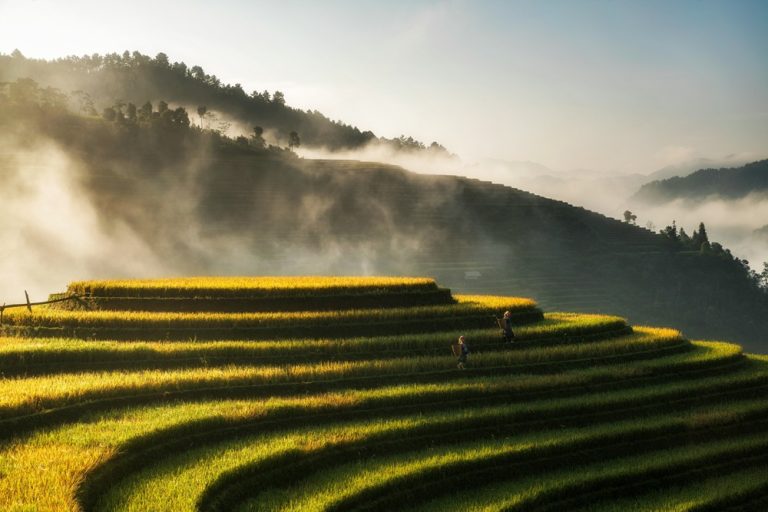
Sapa is at its best during March to May and September to November. Spring offers blooming flowers and pleasant hiking conditions, while autumn is famous for its spectacular golden rice terraces.
Ha Giang Loop
The Ha Giang Loop can be driven throughout the year, but March to May and September to November usually provide the safest road conditions, cooler temperatures and the region's most spectacular scenery.
Hue
The best time to visit Hue is between February and August, when rainfall is limited and the Imperial City can be explored under warm, sunny skies. October and November are typically the wettest months.
Da Nang
Da Nang enjoys its best weather from February to August. Long sunny days, calm seas and warm temperatures make this the perfect period for beaches, sightseeing and day trips into the surrounding mountains.
Hoi An
Hoi An
Hoi An is most enjoyable between February and August, when dry weather makes it easy to wander the Ancient Town, cycle through the countryside or spend the day on nearby beaches. Once you've chosen when to visit, our Hoi An sightseeing guide will help you plan what to see and do while you're there.
Phong Nha
The best time to visit Phong Nha is from February to August, when caves, hiking trails and river activities are least likely to be affected by heavy rainfall.
Ho Chi Minh City
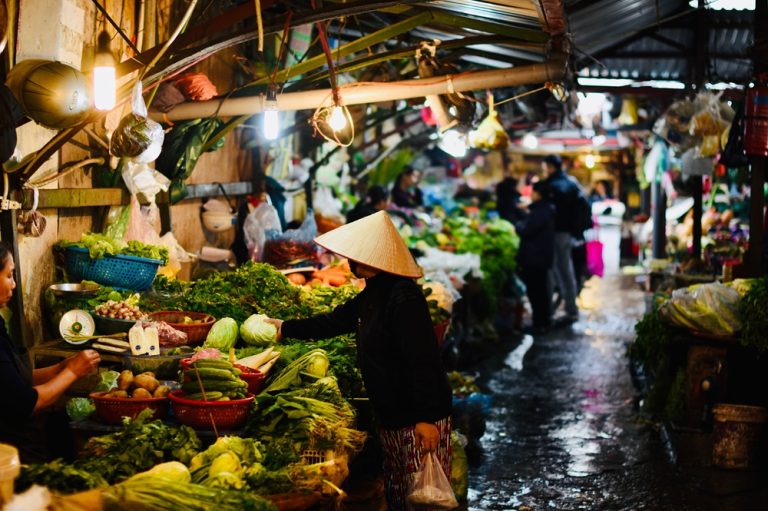
Ho Chi Minh City can be visited year-round, although November to April offers the driest and most comfortable conditions for exploring the city's markets, museums and vibrant food scene.
Mekong Delta
The dry season between November and April is ideal for boat trips through the Mekong Delta, although the rainy season brings lush landscapes and full canals that many travellers also enjoy.
Phu Quoc
For beach holidays, snorkelling and diving, the best time to visit Phu Quoc is from November to April, when the island enjoys sunny skies, calm seas and excellent underwater visibility.
Con Dao Islands
The Con Dao Islands are generally best visited between March and September, when sea conditions are calmer and diving visibility is often at its best. The islands are also one of Vietnam's most important sea turtle nesting sites during the warmer months.
As WorldlyRoaming continues to expand its Vietnam coverage, each of these destinations will have its own detailed travel guide with local advice, suggested itineraries and seasonal recommendations.
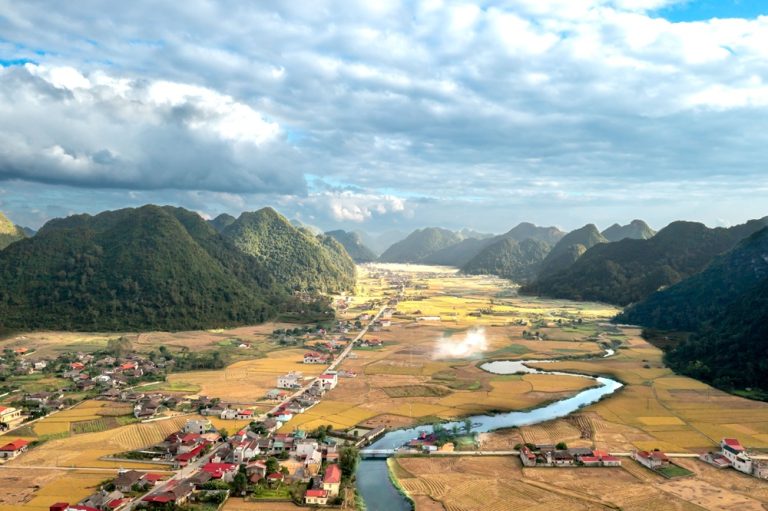
When Is the Cheapest and Most Expensive Time to Visit Vietnam?
The cost of travelling in Vietnam varies considerably throughout the year. While Vietnam remains one of Southeast Asia's most affordable destinations, your travel dates can have a noticeable impact on flight prices, hotel rates and the availability of tours and transport. If your schedule is flexible, choosing the right season can help you save a significant amount of money.
Cheapest Time to Visit Vietnam
The cheapest time to visit Vietnam is generally during the rainy season and the shoulder months of May to September. Although you'll experience occasional tropical showers, accommodation prices are often lower, international flights can be more affordable and many popular attractions are noticeably quieter than during the peak tourist season.
Rainfall doesn't usually mean continuous bad weather. In many parts of the country, showers are short-lived and often occur during the afternoon or evening, leaving plenty of time for sightseeing earlier in the day. Budget-conscious travellers who don't mind a little flexibility can often enjoy excellent value during these months.
International flight prices also vary considerably throughout the year. If you're comparing the best ways to reach the country, my guide on how to travel to Vietnam covers the main international gateways, flight routes and overland options.
Most Expensive Time to Visit Vietnam
The busiest and most expensive periods are typically Tet (Vietnamese Lunar New Year), Christmas and New Year. During Tet in particular, millions of Vietnamese travel across the country to celebrate with family, causing domestic flights, trains and long-distance buses to sell out well in advance. Hotel prices in popular tourist destinations also tend to increase.
The summer school holidays in June and July can also bring larger domestic crowds to beach destinations such as Da Nang, Hoi An and Phu Quoc, although price increases are generally less dramatic than during Tet.
Should You Travel During Peak Season?
Peak season certainly has its advantages. Weather conditions are generally more reliable, tourist services operate at full capacity and many destinations have a lively atmosphere. However, booking accommodation, domestic transport and popular tours well in advance is highly recommended if you're travelling during these periods.
If your priority is finding the best balance between pleasant weather, reasonable prices and fewer crowds, the shoulder seasons of March to April and September to November are often the sweet spot for many travellers.
If you're planning your expenses in more detail, my complete Vietnam travel budget guide breaks down accommodation, transport, food, activities and realistic daily costs for every travel style.

Final Thoughts
There is no single best time to visit Vietnam because the country's weather varies significantly from north to south. Fortunately, that's also one of Vietnam's greatest advantages. Whether you're chasing sunshine on the beaches of the central coast, trekking through the mountains of the north or exploring the vibrant cities of the south, there's always a region offering excellent travel conditions.
For most travellers planning a classic journey through the country, February to April provides the best balance of comfortable temperatures, lower rainfall and ideal sightseeing weather. However, every season has its own appeal, and with a little planning, Vietnam is a destination that can be enjoyed at any time of year.
Now that you know the best time to visit Vietnam, it's time to start planning the rest of your adventure. Our Things to Do in Vietnam guide will help you discover the country's must-see destinations and experiences, while our Vietnam Itinerary shows you how to combine them into the perfect 7, 10, 14, 21 or 30-day trip. If you're still deciding where to base yourself, don't miss our Where to Stay in Vietnam guide for expert advice on the best regions, cities and hotels for every type of traveller.

Frequently Asked Questions About the Best Time to Visit Vietnam
- What is the best month to visit Vietnam?
March is generally considered the best month to visit Vietnam. Much of the country enjoys warm temperatures, relatively low rainfall and comfortable conditions for sightseeing, making it an excellent choice for travellers exploring multiple regions.
- What is the best time to visit Vietnam overall?
For most travellers, February to April offers the best balance of pleasant weather across Northern, Central and Southern Vietnam. These months are ideal for sightseeing, beaches and classic north-to-south itineraries.
- What is the cheapest time to visit Vietnam?
The cheapest time to visit Vietnam is usually between May and September, when accommodation and flights are often more affordable due to the rainy season. Travellers willing to accept occasional showers can find excellent value during these months.
- When is the rainy season in Vietnam?
There isn't one nationwide rainy season. Southern Vietnam is generally wet from May to October, Central Vietnam receives most of its rainfall between September and January, while Northern Vietnam experiences its wettest months during the summer.
- When is the dry season in Vietnam?
The dry season varies by region. Southern Vietnam is driest between November and April, while Central Vietnam generally enjoys its best weather from February to August. Northern Vietnam experiences relatively dry conditions during spring and autumn.
- When should you avoid visiting Vietnam?
Vietnam can be visited year-round, but travellers should be aware of the typhoon season along the central coast between September and November. If you're planning to visit Hoi An, Hue or Da Nang during these months, it's worth monitoring the weather forecast before travelling.
- Is Vietnam worth visiting during the rainy season?
Absolutely. Rain showers are often short-lived, landscapes become beautifully green and prices are generally lower than during peak season. With a flexible itinerary, the rainy season can be an excellent time to visit Vietnam.
- When is the best time to visit Hanoi?
The best time to visit Hanoi is from March to April and September to November, when temperatures are pleasant and rainfall is relatively low.
- When is the best time to visit Ha Long Bay?
October to April generally offers the best cruising conditions, with cooler temperatures, lower humidity and better visibility across the bay.
- When is the best time to visit Hoi An?
Hoi An is best visited between February and August, when warm, sunny weather is ideal for exploring the Ancient Town and relaxing on nearby beaches.
- When is the best time to visit Da Nang?
Da Nang enjoys its best weather from February to August, making it an excellent destination for beaches, sightseeing and outdoor activities.
- When is the best time to visit Sapa?
March to May and September to November offer the most comfortable temperatures and the best trekking conditions. Autumn is particularly popular thanks to the spectacular golden rice terraces.
- When is the best time to drive the Ha Giang Loop?
March to May and September to November provide the safest road conditions, pleasant temperatures and some of the most spectacular scenery of the year.
- When is the best time to visit Phu Quoc?
The dry season between November and April is the best time to visit Phu Quoc for beach holidays, snorkelling and diving.
- How many days do you need in Vietnam?
Ten to fourteen days is enough to experience many of Vietnam's highlights, although three weeks allows a more relaxed journey from north to south. Travellers with a week should focus on a single region rather than trying to see the entire country.
- Can you visit North and South Vietnam in the same trip?
Yes. Many visitors combine Hanoi, Ha Long Bay, Central Vietnam and Ho Chi Minh City in one itinerary. Travelling between February and April generally provides the most reliable weather across all three regions.
- Does Vietnam have typhoons?
Yes. Tropical storms and typhoons mainly affect Central Vietnam between September and November. While severe storms aren't guaranteed every year, it's wise to monitor official forecasts if travelling during this period.
- Is Vietnam hot all year?
Southern Vietnam remains warm throughout the year, while Northern Vietnam experiences cooler winters and hot, humid summers. Mountain destinations such as Sapa and Ha Giang can even become chilly during winter.
- What should I pack for Vietnam?
Lightweight clothing is suitable for most of the country, but travellers visiting Northern Vietnam during winter or trekking in the mountains should also pack warmer layers and a waterproof jacket.
Travel Resources to Plan, Book & Stay Connected
Use these tools and guides to stay connected abroad, find inspiration for your next trip, and book your flights, stays and gear with confidence.
Disclosure: This article may contain affiliate links. If you make a purchase through a link, I may receive a commission at no extra cost to you. I only share recommendations I believe are genuinely useful, and all opinions are my own. AI was used in this post for research and drafting purposes.

Comment (0)