
Vietnam Itinerary at a Glance
The best Vietnam itinerary depends on how much time you have and how quickly you want to travel. Vietnam is a long country with very different experiences in the north, centre and south, so trying to see everything in a short trip usually means spending too much time in transit.
- Best itinerary for first-time visitors: Around 14 days gives you enough time to combine several of Vietnam's major cities, cultural highlights and landscapes without turning every day into a race to the next destination.
- Short trip: With 7–10 days, concentrate on one or two regions rather than trying to cross the entire country. A focused itinerary will usually give you a much better experience.
- Ideal trip length: Two to three weeks gives you considerably more flexibility and allows you to combine the major highlights with additional destinations such as Phong Nha, Da Lat or the Mekong Delta.
- Travel direction: A classic route runs north to south from Hanoi toward Ho Chi Minh City, but travelling in reverse works equally well. Weather, flight prices and your onward travel plans can all influence which direction makes more sense.
- Choosing your stops: Before deciding on your route, explore the best places and experiences across Vietnam to see which parts of the country appeal to you most.
- Where to stay: Once your route starts taking shape, compare the best areas and accommodation bases around Vietnam so you can match your overnight stops to your itinerary.
- Getting between destinations: Domestic flights, trains, sleeper buses and private transfers make it possible to combine very different parts of the country. Our guide to travelling between destinations in Vietnam helps you decide when saving time is worth paying more.
- When to travel: Vietnam does not have one single nationwide weather pattern. Conditions can differ considerably between the north, central coast and south, so check when to visit each region of Vietnam before locking in your route.
- How much to budget: Your daily costs will depend heavily on accommodation, transport and activities. See what a trip to Vietnam is likely to cost to estimate the budget you'll need for your itinerary.
- What you'll find below: Detailed 7, 10, 14, 21 and 30-day Vietnam itineraries, alternative routes, transport advice, budgeting considerations and practical planning guidance for adapting each itinerary to your own travel style.
Not sure how long to spend in Vietnam? Start with the 14-day route below as a baseline. Add destinations if you have more time, or concentrate on one part of the country if your trip is shorter.
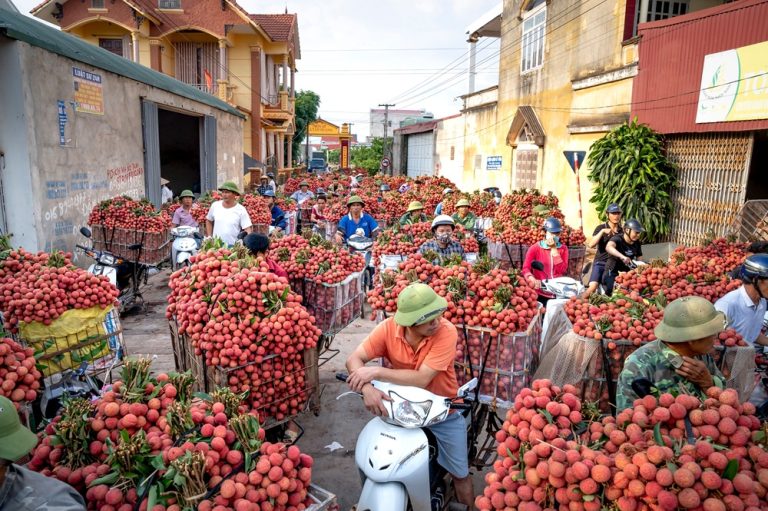
The Ultimate Vietnam Itinerary: How to Plan the Perfect Vietnam Itinerary
Planning the perfect Vietnam itinerary can feel overwhelming at first. Stretching more than 1,600 kilometres from north to south, Vietnam offers an incredible variety of destinations, from the bustling streets of Hanoi and the limestone karsts of Ha Long Bay to the lantern-lit alleys of Hoi An, the beaches of central Vietnam and the energetic atmosphere of Ho Chi Minh City. With so many unforgettable places to visit, one of the biggest challenges isn't deciding whether to visit Vietnam—it's deciding what to include in your itinerary.
Fortunately, travelling around Vietnam is surprisingly easy. Affordable domestic flights, scenic overnight trains, comfortable sleeper buses and an ever-improving transport network make it possible to explore the country independently, whether you're planning a one-week holiday or a month-long adventure. The real question isn't if you can see Vietnam—it's how to build a Vietnam itinerary that matches your available time, travel style and interests.
This guide brings together everything you need to plan your trip in one place. You'll find detailed 7, 10, 14, 21 and 30-day Vietnam itinerary suggestions, advice on whether to travel north to south or the other way around, budgeting tips, transportation recommendations and practical planning advice. Along the way, we'll also point you towards our detailed destination guides, helping you decide what to see, where to stay and how to make the most of your time in one of Southeast Asia's most rewarding destinations.
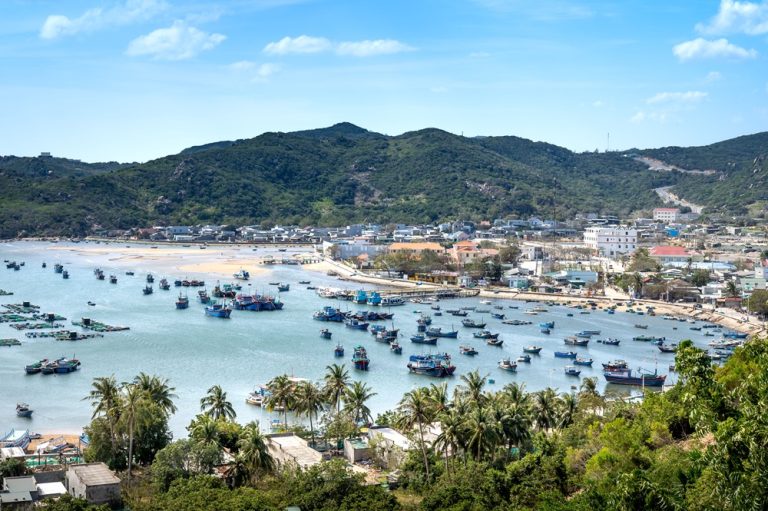

Vietnam at a Glance
If you're planning a Vietnam itinerary, these quick facts will help you understand the basics before deciding how long to stay and which route to follow.
| Category | Information |
|---|---|
| Capital | Hanoi |
| Currency | Vietnamese Dong (VND) |
| Language | Vietnamese |
| Time Zone | UTC +7 (Indochina Time) |
| Best Time to Visit | March–April and September–November generally offer the most pleasant weather, although conditions vary by region. |
| Ideal Trip Length | 14–21 days |
| Minimum Recommended | 7–10 days |
| Getting Around | Domestic flights, overnight trains, sleeper buses, Grab, taxis and private transfers. |
| Daily Budget | Budget: US$30–50 • Mid-range: US$60–120 • Luxury: US$150+ |
| Visa | Many nationalities can enter Vietnam visa-free, while others require an eVisa. Always check the latest entry requirements before travelling on the official Vietnam eVisa website. |
| Best For | Culture, food, beaches, mountains, history, adventure and budget-friendly travel. |
👉 Drag the table to the right on smaller screens to view all the information.

How Many Days Do You Need in Vietnam?
One of the first questions travellers ask when planning a Vietnam itinerary is how much time they actually need. The answer depends on your travel style, but one thing is certain: Vietnam is much larger and more diverse than many people expect. From the mountains of the north and the lantern-lit streets of Hoi An to the bustling energy of Ho Chi Minh City and the waterways of the Mekong Delta, there is far more to see than you can comfortably fit into a short holiday.
If you're planning a trip to Vietnam, it's tempting to squeeze every famous destination into a single itinerary. In reality, travelling at a slower pace often leads to a much more enjoyable experience. While a one-week Vietnam itinerary gives you a great introduction to the country, two or three weeks allows you to explore Vietnam's incredible variety without feeling like you're constantly on the move.
| Trip Length | Best For | Typical Route | Our Recommendation |
|---|---|---|---|
| 5 Days | One region only | Hanoi + Ha Long Bay or Ho Chi Minh City + Mekong Delta | Only if your time is very limited. |
| 7 Days | First visit | Northern Vietnam highlights | A good introduction to the country. |
| 10 Days | Balanced holiday | North + Central Vietnam | Excellent balance between sightseeing and travel time. |
| 14 Days | Most travellers | North + Central + South Vietnam | ⭐ The best Vietnam itinerary for first-time visitors. |
| 21 Days | In-depth exploration | Entire country with extra destinations | Ideal if you want to experience Vietnam beyond the highlights. |
| 30 Days | Slow travel | Complete Vietnam with flexibility | Perfect for discovering lesser-known destinations and travelling at a relaxed pace. |
👉 Drag the table to the right on smaller screens to view all the information.
For most travellers, we recommend spending at least 10 days in Vietnam. This gives you enough time to experience the country's incredible contrasts without spending your entire holiday in airports, train stations or on overnight buses. If your schedule allows, however, a 14-day Vietnam itinerary offers the best overall balance and is the option we recommend for most first-time visitors.
If you have three weeks or longer, you can start venturing beyond the classic tourist route. A longer Vietnam travel itinerary gives you the opportunity to explore spectacular destinations such as the Ha Giang Loop, Phong Nha, Da Lat, Con Dao or Phu Quoc, while also allowing extra time to slow down and truly enjoy each destination instead of rushing from one place to the next.
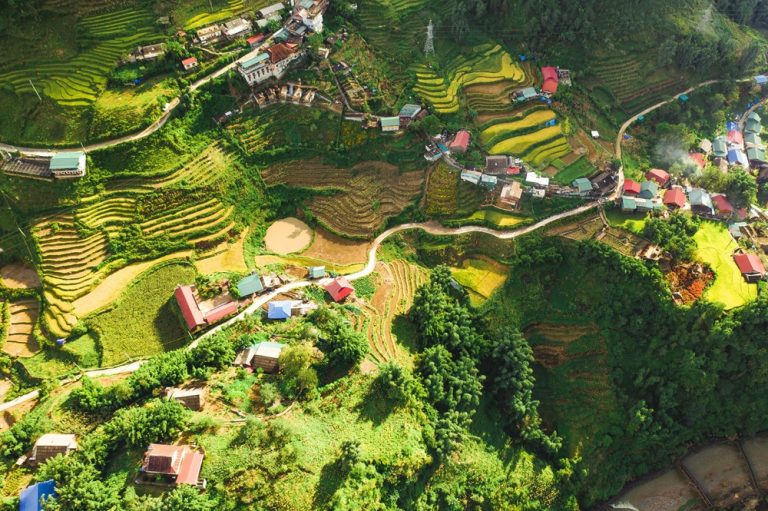
Should You Travel North to South or South to North?
Another important decision when planning your Vietnam itinerary is choosing which direction to travel. Fortunately, there isn't a wrong answer. Whether you start in Hanoi and work your way south or begin in Ho Chi Minh City before travelling north, you'll experience the same incredible destinations. The best route simply depends on your available time, the season you're travelling and your personal preferences.
That said, we generally recommend travelling north to south, especially if this is your first Vietnam travel itinerary. Starting in Hanoi allows you to experience the country's spectacular mountains and natural landscapes before gradually working your way through Vietnam's historic cities, beautiful coastline and vibrant southern metropolis. Many organised tours follow this route, making it one of the easiest Vietnam itinerary options to plan.
| Factor | North → South | South → North |
|---|---|---|
| Starting City | Hanoi | Ho Chi Minh City |
| Ending City | Ho Chi Minh City | Hanoi |
| Journey | Mountains → Heritage → Beaches → Modern city | Modern city → Beaches → Heritage → Mountains |
| Best For | First-time visitors | Returning visitors or seasonal flexibility |
| Planning | ⭐ Most popular route with straightforward logistics | Equally easy to organise |
| Weather | Often works well during spring travel | Can be a better option during certain autumn and winter periods |
👉 Drag the table to the right on smaller screens to view all the information.
For most travellers planning their first trip, a north-to-south Vietnam itinerary simply feels more rewarding. The journey begins among the bustling streets of Hanoi before taking you to the breathtaking scenery of Ha Long Bay and Ninh Binh. From there, you'll continue through the caves of Phong Nha, the imperial history of Hue, the lantern-lit charm of Hoi An and the beaches of central Vietnam before finishing in the energetic atmosphere of Ho Chi Minh City and the Mekong Delta.
That doesn't mean a south-to-north Vietnam itinerary is any less enjoyable. If flights into Ho Chi Minh City are cheaper, the weather is more favourable for your travel dates or you've already explored northern Vietnam, reversing the route works just as well. The distances, transport options and overall travel time remain almost identical, so there's no need to worry about choosing the "wrong" direction.
Throughout this guide, we'll use a north-to-south Vietnam itinerary as the default route because it suits most first-time visitors, follows a logical progression through the country and provides the easiest foundation for adapting the different 7, 10, 14, 21 and 30-day itineraries.
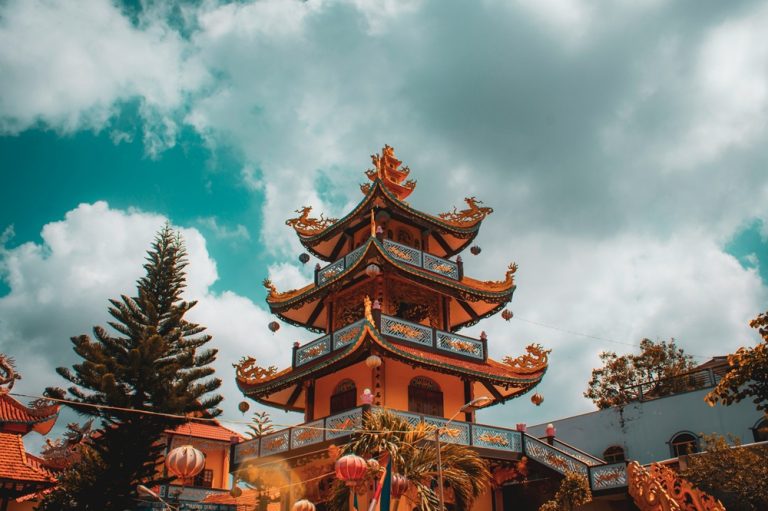
Vietnam Itinerary Overview
Although every traveller has different interests and time constraints, most Vietnam travel itineraries follow a similar route through the country. Vietnam's main attractions are spread along a long north-to-south corridor, making it easy to build a logical journey that gradually connects the country's most spectacular landscapes, historic cities and cultural highlights.
If you're planning a trip to Vietnam for the first time, we recommend starting in Hanoi and finishing in Ho Chi Minh City. This route minimises unnecessary backtracking, offers excellent transport connections and allows you to experience Vietnam's incredible diversity in a natural progression. Whether you're following a one-week Vietnam itinerary or spending an entire month exploring the country, the backbone of your route will usually look something like this.
↓
Ha Long Bay
↓
Ninh Binh
↓
Phong Nha
↓
Hue
↓
Da Nang
↓
Hoi An
↓
Nha Trang (optional)
↓
Da Lat (optional)
↓
Ho Chi Minh City
↓
Mekong Delta
Don't worry if you don't have enough time to visit every destination. The shorter itineraries simply focus on the highlights, while the longer routes add extra stops and allow you to travel at a more relaxed pace. A 7-day Vietnam itinerary concentrates on the north, a Vietnam itinerary for 10 days introduces central Vietnam, while a 14-day Vietnam itinerary comfortably covers the country's three main regions. If you're lucky enough to have three weeks or more, you'll be able to include additional destinations and experience a far more complete side of Vietnam.
In the following sections, we'll break down the best Vietnam itinerary for every timeframe, helping you choose the route that matches your available time, interests and travel style.

7-Day Vietnam Itinerary: The Best One-Week Route
If you only have one week, don't try to see the whole country. Vietnam may look relatively small on a map, but travelling between destinations takes longer than many first-time visitors expect. Instead of rushing from one place to the next, this 7-day Vietnam itinerary focuses on Northern Vietnam, where you'll experience a fantastic mix of vibrant cities, breathtaking landscapes and unforgettable natural wonders.
A Vietnam itinerary for 1 week gives you enough time to discover the country's capital, cruise through the iconic limestone scenery of Ha Long Bay and explore the peaceful countryside around Ninh Binh. While you'll miss destinations such as Hue, Hoi An and Ho Chi Minh City, you'll enjoy a much more relaxed trip with less time spent travelling and more time actually experiencing Vietnam.
Hanoi
↓
Day 3–4
Ha Long Bay
↓
Day 5–6
Ninh Binh
↓
Day 7
Return to Hanoi
Departure
Day 1–2: Explore Hanoi
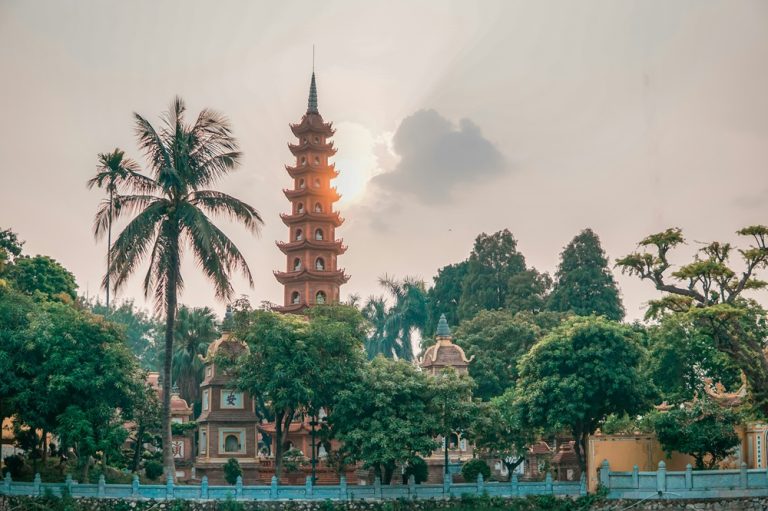
Begin your Vietnam travel itinerary in Hanoi, the country's fascinating capital and one of Southeast Asia's most characterful cities. Spend your first two days wandering through the bustling Old Quarter, sampling delicious street food, visiting historic temples and enjoying the unique atmosphere created by the constant stream of scooters weaving through the narrow streets. Our complete guide to things to see and do in Hanoi will help you plan those first few days in much greater detail.
Don't miss highlights such as Hoan Kiem Lake, the Temple of Literature, Train Street and the lively night markets. Hanoi also offers some of Vietnam's best food, making it the perfect place to try local favourites such as pho, bun cha and the city's famous egg coffee before continuing your journey.
Day 3–4: Cruise Through Ha Long Bay
From Hanoi, travel to Ha Long Bay, one of Vietnam's most famous natural attractions and a UNESCO World Heritage Site. An overnight cruise is the best way to experience the bay, allowing you to enjoy sunrise and sunset among thousands of dramatic limestone islands rising from the emerald-green waters.
Most cruises include kayaking, cave visits, swimming, excellent seafood meals and plenty of opportunities to relax on deck while sailing through one of the most spectacular landscapes in Asia. For many travellers, Ha Long Bay is the highlight of their entire Vietnam itinerary.
Day 5–6: Discover Ninh Binh
After returning to the mainland, continue to Ninh Binh, often referred to as the "Ha Long Bay on land." Here you'll find towering limestone cliffs, winding rivers, ancient temples and lush rice fields that create some of Vietnam's most photogenic scenery.
Take a boat ride through Trang An or Tam Coc, climb to the viewpoint at Hang Mua for panoramic views and explore Hoa Lu, Vietnam's ancient capital. Compared with Hanoi, Ninh Binh offers a much slower pace and provides the perfect contrast before returning to the capital.
Day 7: Return to Hanoi and Fly Home
On your final day, return to Hanoi for your departure. Depending on your flight time, you may have a few extra hours to visit a museum, enjoy one last Vietnamese coffee or pick up souvenirs before heading to Noi Bai International Airport.
Although this one-week Vietnam itinerary only scratches the surface, it offers an excellent introduction to the country and combines three destinations that showcase Vietnam's culture, history and spectacular natural beauty without feeling rushed.
If you can extend your holiday slightly, a Vietnam itinerary 10 days is an even better option. Those extra few days allow you to continue into Central Vietnam, adding historic Hue, vibrant Da Nang and the lantern-lit streets of Hoi An—three destinations that many travellers consider essential stops on their first trip to Vietnam.
Turn your Vietnam itinerary into an unforgettable adventure. Browse Vietnam's best cruises, cultural experiences, food tours, cooking classes, day trips and outdoor adventures to make the most of your journey.
View Vietnam activities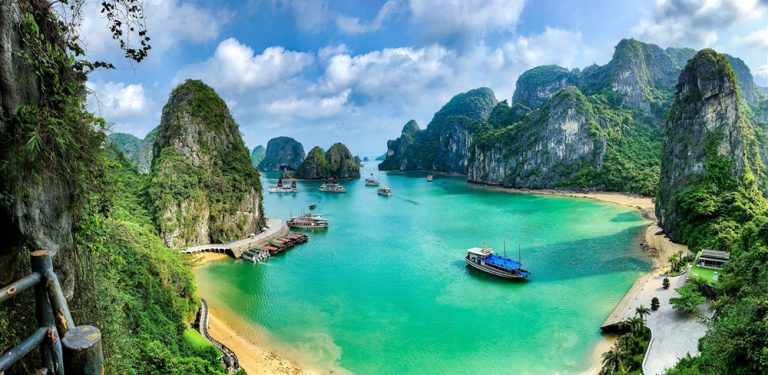
10-Day Vietnam Itinerary: The Perfect First Trip
If you have a little more time, this 10-day Vietnam itinerary offers one of the best introductions to the country. While a one-week trip focuses mainly on Northern Vietnam, these extra days allow you to continue into Central Vietnam, where you'll discover imperial history, beautiful beaches and one of Southeast Asia's most charming old towns. For many travellers, this is the ideal balance between sightseeing and travel time.
A Vietnam 10 day itinerary is perfect if you're planning your first visit and want to experience Vietnam's incredible diversity without constantly packing your bags. You'll explore bustling cities, cruise through spectacular limestone landscapes, wander ancient streets and relax along the central coast, all while keeping travel days to a minimum.
Hanoi
↓
Day 3–4
Ha Long Bay
↓
Day 5–6
Ninh Binh
↓
Day 7
Hue
↓
Day 8–10
Da Nang & Hoi An
Day 1–2: Discover Hanoi
Begin your Vietnam travel itinerary in Hanoi, where French colonial architecture, centuries-old temples and lively street markets create an unforgettable first impression. Spend your time exploring the Old Quarter, relaxing around Hoan Kiem Lake, sampling world-famous Vietnamese street food and discovering many of the highlights featured in our Things to Do in Vietnam guide.
If you're looking for accommodation, compare the best hotels and booking platforms in our guide to booking hotels in Vietnam.
Day 3–4: Cruise Through Ha Long Bay
No Vietnam trip itinerary would be complete without visiting Ha Long Bay. Spending one night on the water gives you the chance to experience sunrise and sunset among thousands of limestone islands while enjoying activities such as kayaking, cave visits and swimming.
Day 5–6: Explore Ninh Binh
Continue to Ninh Binh, including Trang An, Tam Coc, Hang Mua, Hoa Lu and the region's other major attractions.
, where peaceful rivers wind through towering limestone cliffs and emerald-green rice fields. A boat trip through Trang An or Tam Coc, a visit to Hoa Lu Ancient Capital and the panoramic viewpoint at Hang Mua make this one of the most rewarding stops on any Vietnam itinerary.Two days is enough to experience the area's main attractions while enjoying a slower pace than the country's larger cities. Plan your time with our guide to the best things to do in Ninh Binh, including Trang An, Tam Coc, Hang Mua, Hoa Lu and the region's other major attractions.
Day 7: Discover Vietnam's Imperial Past in Hue
Travel south to Hue, Vietnam's former imperial capital. Although your visit is brief, you'll have enough time to explore the magnificent Imperial City, learn about the Nguyen Dynasty and stroll along the Perfume River before continuing your journey. Our guide to Hue's essential sights can help you decide what to prioritize during your time in the city.
Day 8–10: Relax in Da Nang and Hoi An
Finish your Vietnam itinerary in Da Nang and Hoi An, two destinations that perfectly complement one another. Da Nang offers beautiful beaches, modern cafés and attractions such as the Marble Mountains, while nearby Hoi An enchants visitors with its lantern-lined streets, colourful shophouses and exceptional local cuisine.
Spend your final days wandering through Hoi An Ancient Town, relaxing on An Bang Beach, taking a cooking class or simply enjoying the laid-back atmosphere before flying home. For more ideas, our guide to the best things to see and do in Hoi An covers the Ancient Town, beaches, food, countryside and day trips. If you're deciding where to base yourself, our Where to Stay in Vietnam guide compares the country's best destinations and accommodation options.
This Vietnam itinerary for 10 days offers an excellent balance between culture, history, nature and relaxation, making it one of the best Vietnam itineraries for first-time visitors. If you can extend your holiday even further, our 14-day Vietnam itinerary adds spectacular destinations such as Phong Nha, allows more time in Central Vietnam and continues all the way to Ho Chi Minh City and the Mekong Delta, creating an even more complete journey through the country.
Turn your Vietnam itinerary into an unforgettable adventure. Browse Vietnam's best cruises, cultural experiences, food tours, cooking classes, day trips and outdoor adventures to make the most of your journey.
View Vietnam activities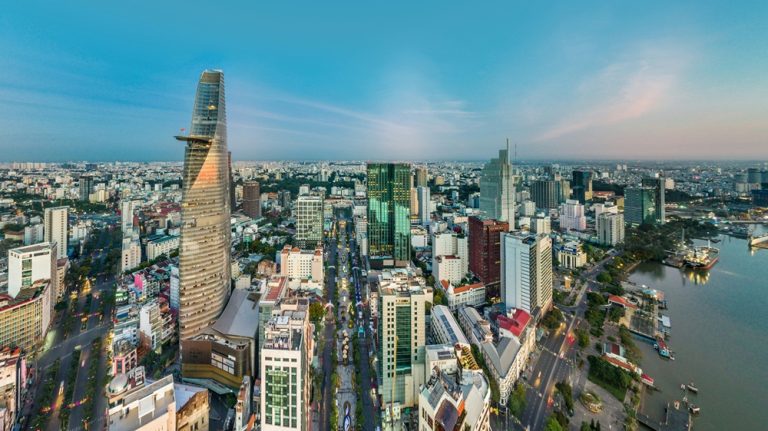
14-Day Vietnam Itinerary: The Ultimate Two-Week Route
If you're looking for the best Vietnam itinerary, two weeks is the sweet spot. A Vietnam itinerary for 2 weeks gives you enough time to experience the country's spectacular natural landscapes, fascinating history, vibrant cities and incredible cuisine without feeling like you're constantly rushing from one destination to the next. For most first-time visitors, this is the itinerary we recommend.
Compared with a 10-day trip, a 14-day Vietnam itinerary allows you to travel at a more comfortable pace while adding one of Vietnam's most impressive natural destinations: Phong Nha. You'll also have more time to enjoy Central Vietnam before finishing your journey in the energetic streets of Ho Chi Minh City. If you're planning a Vietnam travel itinerary that showcases the country's incredible diversity, this route offers the perfect balance.
Hanoi
↓
Day 3–4
Ha Long Bay
↓
Day 5–6
Ninh Binh
↓
Day 7–8
Phong Nha
↓
Day 9
Hue
↓
Day 10–12
Da Nang & Hoi An
↓
Day 13–14
Ho Chi Minh City
Day 1–2: Experience the Energy of Hanoi
Start your Vietnam itinerary in Hanoi, where centuries-old temples, colonial architecture and bustling street life create the perfect introduction to the country. Spend two days exploring the Old Quarter, visiting Hoan Kiem Lake, enjoying authentic Vietnamese street food and discovering why Hanoi remains one of Southeast Asia's most captivating capitals.
Day 3–4: Cruise Through Ha Long Bay
Continue to Ha Long Bay, where thousands of limestone islands rise dramatically from emerald waters. Spending a night on the bay allows you to experience sunrise, sunset and the peaceful atmosphere that day-trippers often miss. Whether you're kayaking through hidden lagoons or relaxing on the sundeck, this is one of the defining experiences of any Vietnam itinerary.
Day 5–6: Explore the Limestone Landscapes of Ninh Binh
Next, head to Ninh Binh, often described as "Ha Long Bay on land." Cruise along peaceful rivers through towering karst formations, climb Hang Mua for spectacular panoramic views and visit Hoa Lu, Vietnam's ancient capital. With two days available, you'll have plenty of time to appreciate the region's natural beauty without feeling rushed.
Day 7–8: Discover the Caves of Phong Nha
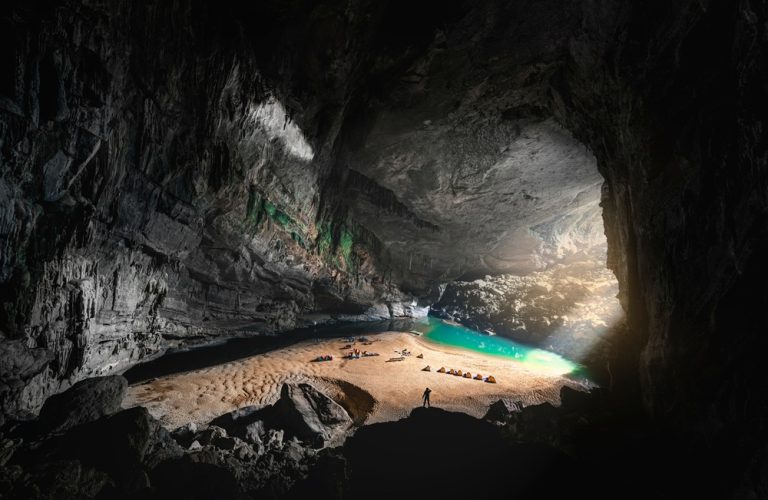
One of the biggest advantages of a Vietnam itinerary 2 weeks is having enough time to include Phong Nha, home to some of the world's largest and most impressive cave systems. Explore the breathtaking Paradise Cave, take a boat trip into Phong Nha Cave or simply enjoy the peaceful countryside that surrounds the national park.
For adventurous travellers, this is one of Vietnam's true highlights and a destination that's often missed on shorter itineraries.
Day 9: Step Back in Time in Hue
Travel south to Hue, Vietnam's former imperial capital. Although your visit is brief, you'll have enough time to explore the magnificent Imperial City, learn about the Nguyen Dynasty and stroll along the Perfume River before continuing your journey.
Day 10–12: Enjoy Da Nang and Hoi An
Spend the next three days between Da Nang and Hoi An, two destinations that perfectly complement each other. Relax on Da Nang's beautiful beaches, visit the Marble Mountains and enjoy the city's growing café scene before exploring Hoi An's lantern-lit streets, historic architecture, riverside restaurants and famous tailor shops.
If you're still deciding where to base yourself, our Where to Stay in Vietnam guide compares Vietnam's best destinations and accommodation options to help you choose the perfect location.
Day 13–14: Finish in Ho Chi Minh City
End your journey in Ho Chi Minh City, Vietnam's largest and most dynamic city. Explore fascinating historical sites, browse the bustling Ben Thanh Market, discover the city's thriving food scene and experience the energy that makes southern Vietnam so different from the north. Our Ho Chi Minh City travel guide covers the best sights, experiences and practical tips for making the most of your time in the city.
Two weeks is enough to experience Vietnam's three distinct regions while enjoying a comfortable pace of travel. It's no surprise that this is the Vietnam itinerary we recommend to most first-time visitors.
Turn your Vietnam itinerary into an unforgettable adventure. Browse Vietnam's best cruises, cultural experiences, food tours, cooking classes, day trips and outdoor adventures to make the most of your journey.
View Vietnam activitiesIf you have another week to spare, your Vietnam trip itinerary becomes even more rewarding. A 21-day Vietnam itinerary gives you the freedom to explore spectacular destinations such as the Ha Giang Loop, Da Lat, the Mekong Delta or Vietnam's beautiful islands without sacrificing time in the country's iconic highlights.
21-Day Vietnam Itinerary: Explore Vietnam Beyond the Highlights
If you have three weeks, you're in for a truly unforgettable adventure. A Vietnam itinerary for 3 weeks allows you to experience the country's famous highlights while also venturing beyond the classic tourist route. With extra time available, you can slow down, explore more remote regions and enjoy each destination without constantly thinking about your next train, bus or flight.
Unlike shorter routes, this 3-week Vietnam itinerary includes spectacular mountain scenery, world-class caves, imperial history, beautiful beaches, vibrant cities and authentic rural landscapes. For travellers who want a deeper understanding of Vietnam, this itinerary offers one of the most rewarding travel experiences in Southeast Asia.
Hanoi
↓
Day 3–5
Ha Giang Loop
↓
Day 6–7
Ha Long Bay
↓
Day 8–9
Ninh Binh
↓
Day 10–11
Phong Nha
↓
Day 12
Hue
↓
Day 13–15
Da Nang & Hoi An
↓
Day 16–17
Da Lat
↓
Day 18–20
Ho Chi Minh City
↓
Day 21
Mekong Delta
Day 1–2: Explore Hanoi
Begin your Vietnam itinerary in Hanoi, taking time to immerse yourself in the city's fascinating blend of history, culture and outstanding street food. Wander through the Old Quarter, visit Hoan Kiem Lake and enjoy the lively cafés before heading towards Vietnam's mountainous far north.
Day 3–5: Experience the Legendary Ha Giang Loop
With three weeks available, this is the perfect opportunity to include the spectacular Ha Giang Loop, one of the most scenic road trips in Southeast Asia. Winding through dramatic mountain passes, deep valleys and traditional ethnic minority villages, the loop offers an entirely different side of Vietnam from the country's better-known coastal destinations.
Whether you ride as a passenger with an experienced driver or explore independently, the Ha Giang Loop is often remembered as the highlight of a Vietnam travel itinerary.
Day 6–7: Cruise Through Ha Long Bay
Return towards the coast for an overnight cruise in Ha Long Bay. After the rugged mountain landscapes of Ha Giang, the peaceful limestone islands and emerald waters provide a completely different but equally unforgettable experience.
Day 8–9: Relax in Ninh Binh
Continue to Ninh Binh, where river cruises through limestone valleys, ancient temples and spectacular viewpoints create one of Vietnam's most photogenic destinations. Two days allows you to fully appreciate the area's relaxed atmosphere and stunning scenery.
Day 10–11: Explore Phong Nha National Park
Next, travel to Phong Nha, home to some of the world's most impressive cave systems. Paradise Cave and Phong Nha Cave are must-see attractions, while adventurous travellers may also wish to explore some of the park's more challenging cave experiences.
Day 12: Discover Imperial Hue
Spend a day exploring Hue, Vietnam's former imperial capital. Visit the impressive Imperial City, stroll along the Perfume River and enjoy the city's unique cuisine before continuing south.
Day 13–15: Enjoy Da Nang and Hoi An
With three full days, you'll have plenty of time to experience both Da Nangand Hoi An. Relax on beautiful beaches, visit the Marble Mountains, explore Hoi An's UNESCO-listed Ancient Town and enjoy the city's outstanding restaurants, cafés and riverside atmosphere.
If you're planning where to base yourself, our Where to Stay in Vietnam guide compares Vietnam's best destinations and accommodation options.
Day 16–17: Escape to Da Lat
Head into Vietnam's cooler Central Highlands to discover Da Lat, a city famous for its waterfalls, coffee plantations, pine forests and pleasant year-round climate. The relaxed atmosphere provides a welcome contrast to Vietnam's larger cities and coastal destinations.
Day 18–20: Experience Ho Chi Minh City
Spend your final city break in Ho Chi Minh City, where fascinating history meets modern energy. Explore museums, bustling markets, rooftop bars and an outstanding food scene before preparing for the final stop of your journey.
Day 21: Visit the Mekong Delta
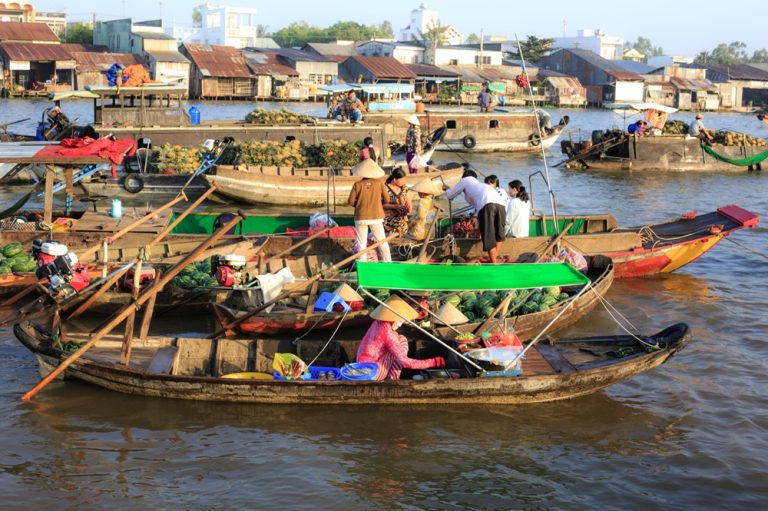
Finish your Vietnam itinerary with a day exploring the Mekong Delta. Cruise along peaceful waterways, visit floating markets, discover traditional villages and experience a slower side of Vietnam before returning to Ho Chi Minh City for your departure.
This Vietnam itinerary for 3 weeks offers an outstanding balance between Vietnam's iconic attractions and its lesser-known treasures. By slowing the pace and adding destinations such as the Ha Giang Loop and Da Lat, you'll experience a much broader and more authentic side of the country than most shorter itineraries allow.
Turn your Vietnam itinerary into an unforgettable adventure. Browse Vietnam's best cruises, cultural experiences, food tours, cooking classes, day trips and outdoor adventures to make the most of your journey.
View Vietnam activitiesIf you're lucky enough to have an entire month, your Vietnam travel itinerary becomes even more flexible. A 30-day Vietnam itinerary gives you time to explore beautiful islands such as Phu Quoc or Con Dao, relax on the beaches of Nha Trang, revisit your favourite destinations and experience Vietnam at a much slower, more rewarding pace.
30-Day Vietnam Itinerary: The Ultimate One-Month Adventure
If you have an entire month to explore, you'll be rewarded with the most complete Vietnam itinerary possible. Rather than simply rushing between famous attractions, a 30-day Vietnam itinerary gives you the freedom to experience the country's incredible diversity at a relaxed pace, discover destinations that many travellers never reach and leave room for spontaneous adventures along the way.
Unlike shorter routes, this one-month Vietnam itinerary isn't about ticking off landmarks—it's about truly experiencing the country. You'll combine Vietnam's iconic highlights with spectacular mountain scenery, tropical islands, beautiful beaches and authentic local culture, creating an unforgettable journey from north to south.
Hanoi
↓
Day 3–5
Ha Giang Loop
↓
Day 6–7
Ha Long Bay
↓
Day 8–9
Ninh Binh
↓
Day 10–11
Phong Nha
↓
Day 12
Hue
↓
Day 13–15
Da Nang & Hoi An
↓
Day 16–18
Da Lat
↓
Day 19–21
Nha Trang
↓
Day 22–24
Ho Chi Minh City
↓
Day 25–26
Mekong Delta
↓
Day 27–30
Phu Quoc or Con Dao
Day 1–2: Explore Hanoi
Begin your Vietnam itinerary in Hanoi, where historic temples, bustling markets and exceptional street food provide the perfect introduction to the country. Take time to enjoy the city's unique atmosphere before setting off towards Vietnam's spectacular northern mountains.
Day 3–5: Conquer the Ha Giang Loop
Spend three unforgettable days exploring the legendary Ha Giang Loop. Dramatic mountain passes, winding roads and traditional ethnic minority villages make this one of Southeast Asia's greatest road trips and an unforgettable addition to any one-month Vietnam travel itinerary.
Day 6–7: Overnight Cruise in Ha Long Bay
Continue to Ha Long Bay for one of Vietnam's signature experiences. Cruising among thousands of limestone islands remains one of the country's most iconic attractions and offers a wonderful contrast to the rugged scenery of northern Vietnam.
Day 8–9: Relax in Ninh Binh
Explore the peaceful countryside of Ninh Binh, taking boat trips through Trang An or Tam Coc, climbing Hang Mua and discovering Vietnam's ancient capital at Hoa Lu.
Day 10–11: Discover Phong Nha
Head south to Phong Nha, where spectacular cave systems and beautiful national park scenery make this one of the country's greatest natural treasures. Whether you prefer relaxed sightseeing or outdoor adventure, Phong Nha deserves a place on any extended Vietnam itinerary.
Day 12: Visit Imperial Hue
Spend a day exploring Hue, wandering through the magnificent Imperial City and learning about Vietnam's imperial past before continuing towards the central coast.
Day 13–15: Experience Da Nang and Hoi An
With three full days available, enjoy the perfect combination of beaches, culture and outstanding cuisine. Relax in Da Nang, explore the Marble Mountains and spend leisurely evenings wandering the lantern-lit streets of Hoi An.
If you're deciding where to stay during your trip, our Where to Stay in Vietnam guide compares Vietnam's best destinations and accommodation options.
Day 16–18: Escape to Da Lat
Travel into the cooler Central Highlands to discover Da Lat. Waterfalls, coffee plantations, mountain scenery and a relaxed atmosphere make it an ideal place to slow down before returning to Vietnam's coastline.
Day 19–21: Unwind in Nha Trang
Spend several days enjoying the beaches of Nha Trang. Whether you choose island-hopping excursions, snorkelling, fresh seafood or simply relaxing by the sea, this coastal city offers a different side of Vietnam from the country's cultural and historical destinations.
Day 22–24: Explore Ho Chi Minh City
Continue to Ho Chi Minh City, Vietnam's largest city. Explore fascinating museums, vibrant markets, rooftop bars and an outstanding food scene while experiencing the fast-paced energy of southern Vietnam.
Day 25–26: Discover the Mekong Delta
Take time to explore the Mekong Delta, where peaceful waterways, floating markets, fruit orchards and traditional villages offer a fascinating glimpse into everyday life in southern Vietnam.
Day 27–30: Finish on a Tropical Island
End your one-month Vietnam itinerary with a few days of well-earned relaxation. Phu Quoc is perfect for beautiful beaches, luxury resorts and spectacular sunsets, while Con Dao offers a quieter atmosphere, pristine nature and some of Vietnam's most beautiful beaches. Either destination provides the perfect ending to an unforgettable journey across the country.
This is the ultimate Vietnam itinerary for travellers who want to experience the country without compromise. By combining Vietnam's famous highlights with mountain adventures, beautiful beaches, tropical islands and authentic local experiences, you'll gain a much deeper appreciation for one of Southeast Asia's most fascinating destinations.
Turn your Vietnam itinerary into an unforgettable adventure. Browse Vietnam's best cruises, cultural experiences, food tours, cooking classes, day trips and outdoor adventures to make the most of your journey.
View Vietnam activitiesOf course, no two trips are exactly the same. In the next section, we'll look at several alternative Vietnam travel itineraries designed for different travel styles, whether you're backpacking on a budget, travelling as a family, searching for Vietnam's best food experiences or planning a luxury escape.

Alternative Vietnam Itineraries by Travel Style
Not every traveller explores Vietnam in the same way. While the itineraries above are designed to suit most first-time visitors, your ideal Vietnam itinerary also depends on your interests, budget and travel style. Some travellers want to experience Vietnam's spectacular landscapes, while others are more interested in its food, beaches, adventure activities or luxury resorts.
If you're still planning a trip to Vietnam and aren't sure which route suits you best, these alternative Vietnam travel itineraries will help you decide where to spend your time and which destinations deserve the highest priority.
Backpacker Vietnam Itinerary
If you're travelling on a budget, focus on destinations that offer affordable accommodation, inexpensive transport and plenty of social opportunities. A classic backpacker route includes Hanoi, the Ha Giang Loop, Ninh Binh, Phong Nha, Hoi An and Ho Chi Minh City. Vietnam's excellent hostel scene, cheap sleeper buses and affordable street food make it one of the best countries in Southeast Asia for backpackers.
Allow at least three weeks if possible. This gives you enough time to travel overland, meet other travellers and enjoy each destination without constantly moving.
Luxury Vietnam Itinerary
A luxury Vietnam itinerary combines world-class hotels, private transfers and unforgettable experiences. Spend extra time cruising Ha Long Bay, relax in the beach resorts of Da Nang, enjoy fine dining in Hoi An and finish your trip on the tropical island of Phu Quoc or the peaceful beaches of Con Dao.
With two to three weeks available, you'll have enough time to enjoy Vietnam's finest accommodation, exceptional cuisine and premium experiences without feeling rushed.
Family Vietnam Itinerary
Families should keep travel days to a minimum and avoid trying to see the entire country in one trip. A 10 to 14-day Vietnam itinerary focusing on Hanoi, Ha Long Bay, Hoi An and Da Nang provides an excellent balance of culture, outdoor activities and beach time.
These destinations offer family-friendly hotels, safe beaches, plenty of restaurants and activities suitable for children of all ages, making them ideal for a relaxed family holiday.
Food Lover's Vietnam Itinerary
Vietnam is one of the world's great culinary destinations, so food lovers should plan their route around the country's regional specialities. Start in Hanoi for pho, bun cha and egg coffee, continue to Hue for imperial cuisine, explore the vibrant food scene in Hoi An and finish in Ho Chi Minh City, where you'll discover everything from traditional street food to innovative modern Vietnamese restaurants.
If your main goal is eating your way across the country, don't rush. Spending at least two weeks allows you to experience the incredible diversity of Vietnamese cuisine while still exploring the country's major attractions.
Adventure Vietnam Itinerary
If you're looking for outdoor adventure, build your Vietnam itinerary around the country's spectacular natural landscapes. Ride the legendary Ha Giang Loop, explore the enormous caves of Phong Nha, kayak through Ha Long Bay, hike to panoramic viewpoints in Ninh Binh and discover the waterfalls and mountain scenery surrounding Da Lat.
A Vietnam itinerary for 3 weeks or longer gives adventurous travellers enough time to experience these destinations without sacrificing Vietnam's cultural highlights, making it one of the most rewarding ways to explore the country.
Getting Around Vietnam
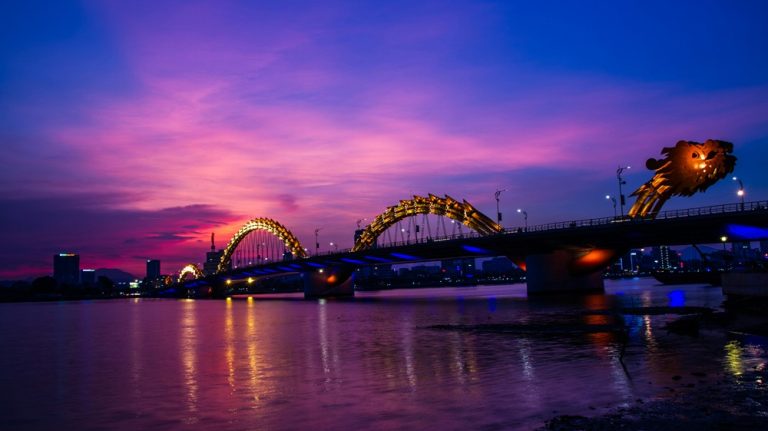
One of the biggest advantages of planning a Vietnam itinerary is that travelling around the country is surprisingly straightforward. Whether you're spending one week exploring the north or following a month-long Vietnam travel itinerary from Hanoi to Phu Quoc, you'll find an extensive network of domestic flights, trains, sleeper buses and private transport connecting almost every major destination.
Before planning how you'll travel between destinations, my guide on how to travel to Vietnam covers the main international gateways, flight routes and overland options for reaching the country.
The best way to get around depends on your available time, budget and travel style. Many travellers combine several forms of transport throughout their trip, flying longer distances while using trains or buses for shorter journeys. This approach offers the perfect balance between convenience, cost and experiencing Vietnam's diverse landscapes.
Domestic Flights
Domestic flights are the quickest way to cover Vietnam's long distances and are highly recommended for longer itineraries. Flying between Hanoi, Da Nang and Ho Chi Minh City can save an entire day of travelling compared with overland transport, leaving you with more time to enjoy your destination.
The country's three main aviation hubs are:
- Hanoi – Noi Bai International Airport (HAN): Official Airport Website
- Da Nang International Airport (DAD): Official Airport Website
- Ho Chi Minh City – Tan Son Nhat International Airport (SGN): Official Airport Website
Vietnam also has an extensive domestic airport network serving destinations such as Dong Hoi (gateway to Phong Nha), Phu Quoc, Con Dao, Pleiku, Buon Ma Thuot and Tuy Hoa, making it easy to include more remote regions in longer itineraries. :contentReference[oaicite:0]{index=0}
You can compare routes, schedules and fares directly with Vietnam's main airlines:
Overnight Trains
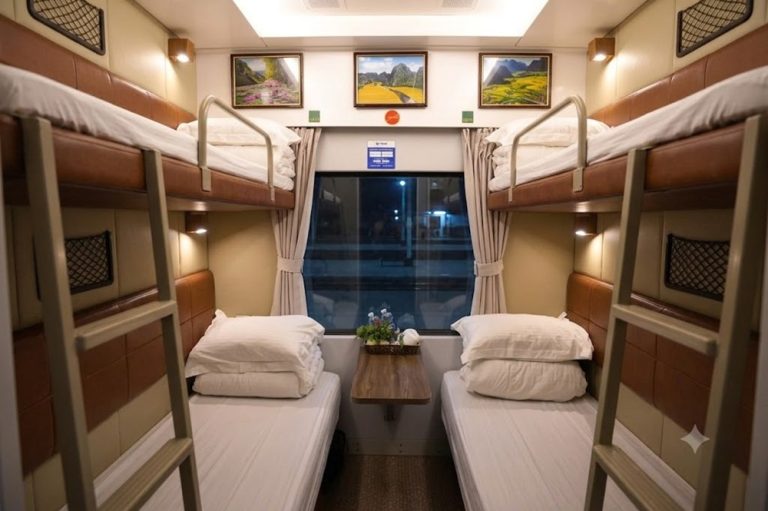
Travelling by train is one of the classic Vietnam travel experiences. The famous North–South Reunification Express connects many of the country's most popular destinations, allowing you to save both travel time and a night's accommodation while enjoying some beautiful scenery along the way.
Some of the most popular train routes include:
- Hanoi → Ninh Binh
- Hanoi → Dong Hoi (Phong Nha)
- Dong Hoi → Hue
- Hue → Da Nang
- Da Nang → Ho Chi Minh City
For overnight journeys, a 4-berth soft sleeper cabin offers the best balance between comfort and value, while budget travellers may prefer a 6-berth sleeper.
You can book train tickets through the official Vietnam Railways website or use the English-friendly booking platform Vexere.
Sleeper Buses
Sleeper buses are one of the cheapest ways to travel around Vietnam and connect almost every major tourist destination. They're particularly popular with backpackers and travellers following longer Vietnam travel itineraries, although comfort levels vary depending on the operator and route.
If you're travelling on a budget, sleeper buses are often an excellent option for medium-distance journeys, while domestic flights are generally a better choice for covering longer distances.
You can compare routes, operators and prices through Vexere, Vietnam's largest online transport booking platform.
Private Transfers, Taxis and Grab
For shorter journeys, private transfers, taxis and the Grab ride-hailing app provide convenient transport throughout Vietnam's major cities. Grab is widely available in destinations such as Hanoi, Da Nang and Ho Chi Minh City, offering transparent pricing and cashless payment options.
Private transfers are especially worthwhile for families, groups or travellers with lots of luggage, while taxis remain easy to find throughout Vietnam's larger cities.
Motorbike Rental
Renting a motorbike is one of the most popular ways to explore Vietnam, particularly in destinations such as the Ha Giang Loop, Da Lat and the countryside surrounding Ninh Binh. However, riding in Vietnam requires experience and confidence, especially in busy cities where traffic can be intense.
If you're an inexperienced rider, joining an organised tour or hiring an experienced local driver is often a safer and more enjoyable alternative.
For most travellers, the best Vietnam itinerary combines several modes of transport. Domestic flights save valuable time over long distances, trains provide a memorable travel experience, sleeper buses offer excellent value for money and private transfers make shorter journeys easy and comfortable.
How Much Does a Vietnam Trip Cost?
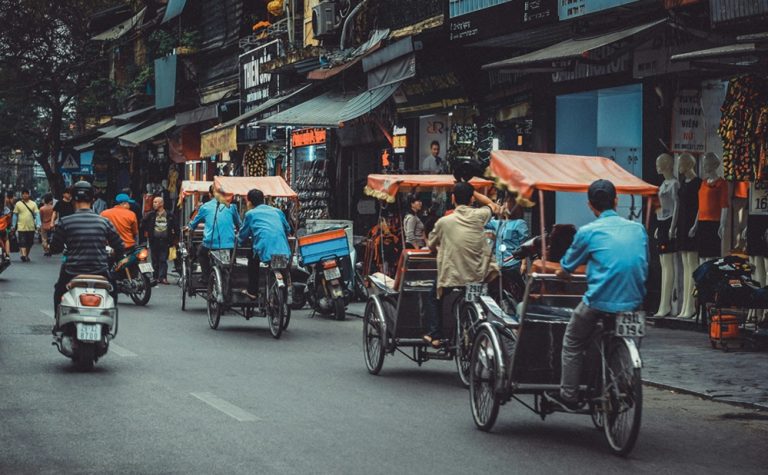
One of the reasons Vietnam has become one of Southeast Asia's most popular destinations is its outstanding value for money. Whether you're planning a budget backpacking adventure or a luxury holiday, a Vietnam itinerary can be tailored to almost any budget without sacrificing unforgettable experiences.
Your total travel costs will depend on your accommodation, transportation and travel style, but Vietnam remains remarkably affordable compared with many other destinations in Asia. The table below provides a realistic overview of what you can expect to spend during your trip.
Want a more detailed breakdown of accommodation, food, transport, activities and realistic daily expenses? My complete Vietnam travel budget guide explains exactly how much you should expect to spend for every travel style.
| Travel Style | Daily Budget | 7 Days | 14 Days | 30 Days |
|---|---|---|---|---|
| Budget | US$30–50 | US$210–350 | US$420–700 | US$900–1,500 |
| Mid-range | US$60–120 | US$420–840 | US$840–1,680 | US$1,800–3,600 |
| Luxury | US$150+ | US$1,050+ | US$2,100+ | US$4,500+ |
👉 Drag the table to the right on smaller screens to view all the information.
Typical Travel Costs in Vietnam
To help you estimate your budget more accurately, here are some typical prices you can expect while travelling around Vietnam. Keep in mind that prices vary depending on the destination, season and level of comfort you choose.
Accommodation
- Hostel dorm bed: US$6–15 per night
- Budget hotel: US$15–35 per night
- Mid-range hotel: US$40–90 per night
- Luxury hotel or resort: From US$150 per night
Transportation
- Local city bus: US$0.30–0.50
- Grab ride within the city: US$2–6
- Long-distance sleeper bus: US$10–25
- Overnight train (4-berth soft sleeper): US$25–60
- Domestic flight: US$30–100
- Motorbike rental: US$6–12 per day
Food & Drinks
- Bowl of pho: US$1.50–3
- Bánh mì: US$1–2
- Fried chicken with rice: US$2–4
- Fresh orange juice: US$1–2
- Vietnamese coffee: US$1–2
- Local beer: US$0.70–2
- Bottled water: US$0.30–0.80
Activities
- Ha Long Bay day cruise: US$35–70
- Overnight Ha Long Bay cruise: US$100–250+
- Hoi An cooking class: US$25–45
- Phong Nha cave tour: US$15–50
- Museum entrance: US$2–8
- Traditional water puppet show: US$5–15
Overall, Vietnam offers exceptional value for money, regardless of your travel style. Budget travellers can comfortably explore the country for less than US$50 per day, while mid-range travellers enjoy excellent hotels, comfortable transport and memorable experiences at a fraction of the cost of many other destinations. If you're planning a longer Vietnam itinerary, booking domestic flights in advance and travelling during the shoulder seasons can help stretch your budget even further.
Where to Stay During Your Vietnam Itinerary
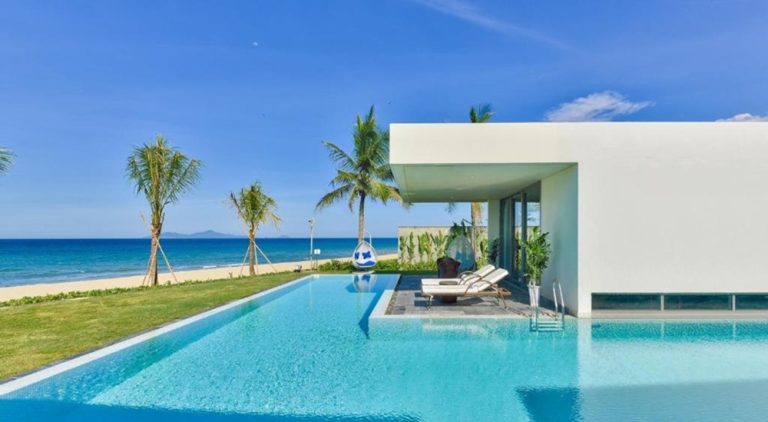
Choosing the right place to stay can make a huge difference to your Vietnam itinerary. While Vietnam offers excellent accommodation for every budget, staying in the right area will reduce travel time, improve your overall experience and make it much easier to explore each destination.
Whether you're planning a one-week holiday or a month-long adventure, we recommend choosing accommodation that keeps you close to the attractions you want to visit rather than simply booking the cheapest option. If you're looking for more detailed recommendations, our Where to Stay in Vietnam guide compares the country's best destinations, neighbourhoods and accommodation options in much greater detail.
Hanoi
For first-time visitors, the Old Quarter is the best place to stay. You'll be within walking distance of many of Hanoi's main attractions, excellent restaurants, cafés and lively evening markets, making it an ideal base for exploring the capital.
Ha Long Bay
Most travellers spend the night on an overnight cruise, so you usually won't need to book a hotel unless you're arriving the day before or staying an extra night after your cruise.
Ninh Binh
If you're visiting Ninh Binh, we recommend staying in Tam Coc, where you'll find the largest selection of hotels, restaurants and cafés within easy reach of the area's main attractions. Travellers looking for a quieter atmosphere may prefer staying closer to Trang An.
Phong Nha
Stay in Phong Nha town to minimise travel time to the national park's famous caves and organised tours. Most accommodation is located close to restaurants, cafés and tour operators.
Hue
Choose accommodation near the Perfume River or in the city centre for easy access to the Imperial City, restaurants and the city's main historical attractions.
Da Nang or Hoi An?
This is one of the biggest accommodation decisions you'll make during your Vietnam itinerary. Da Nang is the better choice if you prefer modern hotels, long sandy beaches, nightlife and easy airport access. Hoi An, on the other hand, offers a more relaxed atmosphere, charming boutique hotels and the unforgettable experience of staying within walking distance of its beautiful UNESCO-listed Ancient Town.
If you have enough time, consider splitting your stay between both destinations to experience the best of each.
Ho Chi Minh City
First-time visitors should stay in District 1, where you'll be close to major attractions, restaurants, cafés, nightlife and many of the city's most popular hotels.
Longer Itineraries
If you're following a 21 or 30-day Vietnam itinerary, you'll also spend time in destinations such as Da Lat, Nha Trang, the Mekong Delta, Phu Quoc or Con Dao. Each offers a wide range of accommodation, from budget guesthouses to luxury beachfront resorts, making it easy to adapt your trip to your travel style and budget.
Before booking, compare prices across multiple booking platforms, as rates can vary considerably for the same property. Our guide to the best hotel booking platforms will help you find the best deals for your Vietnam itinerary.
Finally, remember to plan your accommodation around your transport schedule. Overnight trains, sleeper buses, domestic flights and Ha Long Bay cruises may reduce the number of hotel nights you need, helping you save money while making your Vietnam travel itinerary more efficient.
Essential Vietnam Travel Tips
A little preparation goes a long way when planning a Vietnam itinerary. These practical tips will help you avoid common mistakes, save money and make your trip smoother from the moment you arrive.
Looking for more practical planning advice? My complete guide to travelling in Vietnam covers money, transport, local customs, mobile data, safety, packing and many other useful tips to help you prepare for your trip.
Once your route is taking shape, use my Vietnam packing list to make sure you're prepared for the country's different climates, activities and travel conditions.
Check Visa Requirements Before You Travel
Visa requirements vary depending on your nationality, so it's worth reading our Vietnam Visa Guide before planning your trip. While citizens of some countries can enter Vietnam visa-free, others must apply for an eVisa before travelling. Always check the latest entry requirements through the official Vietnamese eVisa website before booking your trip.
Buy an eSIM Before You Arrive
Having mobile data as soon as you land makes travelling around Vietnam much easier. You'll be able to book a Grab, navigate unfamiliar cities, communicate with your accommodation and access online tickets without searching for airport SIM card kiosks.
Our guide to the best eSIMs for international travel explains how to stay connected throughout your Vietnam itinerary while avoiding expensive roaming charges.
Carry Some Cash
Credit cards are widely accepted in larger hotels, shopping centres and many restaurants, but cash is still essential for street food, local markets, smaller cafés and rural destinations. Keeping a reasonable amount of Vietnamese Dong on hand will make everyday purchases much easier.
Download Grab
Grab is Vietnam's most popular ride-hailing app and is available in major cities such as Hanoi, Da Nang and Ho Chi Minh City. It provides transparent pricing, convenient cashless payments and removes the need to negotiate taxi fares.
Don't Try to See Everything
One of the biggest mistakes first-time visitors make is trying to visit every famous destination in a single trip. You'll enjoy Vietnam much more by spending extra time in fewer places rather than constantly travelling. The itineraries in this guide are designed to balance sightseeing with realistic travel times, allowing you to experience each destination without feeling rushed.
Book Popular Experiences Early
Vietnam's most popular experiences can sell out quickly, especially during weekends, public holidays and the peak travel season. If you're planning to take an overnight cruise in Ha Long Bay, travel on an overnight train or stay in highly rated accommodation, it's worth booking well in advance to secure the best availability and prices.
Take Out Travel Insurance
Travel insurance is something you hope you'll never need, but it's one of the smartest investments you can make before travelling. Medical emergencies, cancelled flights, lost luggage and unexpected disruptions can quickly become expensive without adequate coverage.
Our comprehensive guide to choosing the right travel insurance explains what to look for before your trip.
Respect Local Customs
Vietnamese people are incredibly welcoming, and showing respect for local customs goes a long way. Dress modestly when visiting temples and pagodas, remove your shoes where required, ask permission before photographing people and always be courteous when interacting with locals. Small gestures of respect are often warmly appreciated.
Final Thoughts
There is no single "perfect" Vietnam itinerary. The best route depends on how much time you have, your travel style and the experiences you're looking for. Whether you have just one week or an entire month, Vietnam offers an incredible combination of vibrant cities, spectacular natural landscapes, fascinating history, beautiful beaches and some of the best food in Southeast Asia.
If you're short on time, a 7-day Vietnam itinerary introduces you to the country's northern highlights. With 10 days, you can comfortably combine Northern and Central Vietnam, while a 14-day Vietnam itinerary remains our top recommendation for most first-time visitors thanks to its excellent balance of culture, nature and relaxation. Travellers with three weeks or more can venture beyond the classic tourist route, while a 30-day Vietnam itinerary offers the ultimate opportunity to experience the country's incredible diversity at a relaxed pace.
Perhaps the most important piece of advice is not to rush. Vietnam is a country that rewards slow travel, whether that means spending an extra evening wandering Hoi An's lantern-lit streets, enjoying another bowl of pho in Hanoi, extending your stay on a Ha Long Bay cruise or discovering a destination you hadn't originally planned to visit. Leaving a little flexibility in your schedule often leads to the most memorable travel experiences.
Now that you've chosen the right Vietnam itinerary, it's time to start planning the details. Our guides to Things to Do in Vietnam and Where to Stay in Vietnam will help you decide what to see, where to stay and how to make the most of your journey through this remarkable country.

Frequently Asked Questions About Planning a Vietnam Itinerary
- How many days do you need in Vietnam?
That depends on how much of the country you want to see. 7 days is enough to explore Northern Vietnam, 10 days allows you to include Central Vietnam, while a 14-day Vietnam itinerary offers the best balance for most first-time visitors. If you have three weeks or longer, you'll be able to explore Vietnam at a much more relaxed pace. - What is the best Vietnam itinerary for first-time visitors?
We recommend a 14-day Vietnam itinerary for first-time visitors. It covers Northern, Central and Southern Vietnam while leaving enough time to properly enjoy destinations such as Hanoi, Ha Long Bay, Ninh Binh, Hue, Hoi An and Ho Chi Minh City. - Is 7 days enough for Vietnam?
Yes, but you'll need to focus on one region rather than trying to see the entire country. A one-week Vietnam itinerary is ideal for exploring Northern Vietnam, including Hanoi, Ha Long Bay and Ninh Binh. - Is 10 days enough for Vietnam?
Absolutely. A Vietnam itinerary for 10 days gives you enough time to experience both Northern and Central Vietnam, making it one of the most popular choices for first-time visitors. - Is two weeks enough for Vietnam?
Yes. A Vietnam itinerary for 2 weeks is widely considered the ideal length for a first visit. It allows you to experience Vietnam's highlights without constantly rushing between destinations. - Is one month too long for Vietnam?
Not at all. A 30-day Vietnam itinerary allows you to explore famous destinations while also visiting places such as the Ha Giang Loop, Da Lat, Phu Quoc, Con Dao and the Mekong Delta at a relaxed pace. - Should I travel from north to south or south to north?
Both directions work well. Many travellers choose to travel from Hanoi to Ho Chi Minh City, following Vietnam's geography from north to south, but the reverse route is equally enjoyable if it better suits your flights. - Can you travel around Vietnam without flying?
Yes. Vietnam has an excellent network of overnight trains and sleeper buses, making it entirely possible to travel from north to south without taking a domestic flight. However, flying can save significant time on longer itineraries. - What's the best way to get around Vietnam?
Most travellers combine domestic flights, overnight trains, sleeper buses and Grab rides throughout their trip. Mixing different types of transport creates the most efficient and enjoyable Vietnam itinerary. - Is Vietnam expensive to visit?
No. Vietnam remains one of Southeast Asia's best-value destinations. Budget travellers can comfortably travel on around US$30–50 per day, while mid-range travellers enjoy excellent comfort for a fraction of what they might spend in many other countries. - How much money do I need for two weeks in Vietnam?
A comfortable mid-range budget for a 14-day Vietnam itinerary is approximately US$840–1,680, excluding international flights. Budget travellers can spend considerably less, while luxury travellers should budget more. - When is the best time to visit Vietnam?
Vietnam can be visited throughout the year, but the ideal travel season depends on which regions you plan to explore. Spring (March to April) and autumn (September to November) generally offer the most pleasant weather across much of the country. - Can you visit Vietnam during the rainy season?
Yes. Vietnam's weather varies considerably between regions, so rain in one part of the country doesn't necessarily affect another. Travelling during the shoulder or rainy season can also mean fewer crowds and lower prices. - Do I need a visa for Vietnam?
Many nationalities can enter Vietnam visa-free, while others must apply for an eVisa before travelling. Always check the latest requirements through the official Vietnam eVisa website. - Is Vietnam safe for tourists?
Yes. Vietnam is generally considered one of the safest countries in Southeast Asia for travellers. As with any destination, remain aware of your belongings in busy tourist areas and follow normal travel precautions. - Should I book hotels in advance?
During the peak travel season and public holidays, booking accommodation in advance is highly recommended. Before making your reservation, compare prices across multiple booking platforms using our guide to the best hotel booking platforms. - Should I book a Ha Long Bay cruise in advance?
Yes. Overnight cruises are among Vietnam's most popular experiences and often sell out during busy periods. Booking in advance gives you the widest choice of itineraries, cabins and departure dates. - Can I use credit cards in Vietnam?
Credit cards are accepted in many hotels, restaurants and shopping centres, but smaller businesses, local markets and street food vendors often accept cash only. Carrying some Vietnamese Dong is always a good idea. - Should I buy a SIM card or an eSIM?
For most travellers, an eSIM is the easiest option. You'll have mobile data as soon as you arrive without needing to visit a local phone shop. Our guide to the best eSIMs for international travel explains everything you need to know before your trip. - Which part of Vietnam is best to visit?
Each region offers something different. Northern Vietnam is famous for its mountains, Ha Long Bay and Ninh Binh, Central Vietnam combines beaches, history and charming towns such as Hoi An, while Southern Vietnam offers vibrant city life, the Mekong Delta and beautiful tropical islands. - What shouldn't I miss in Vietnam?
Some of Vietnam's absolute highlights include Hanoi, Ha Long Bay, Ninh Binh, Phong Nha, Hue, Hoi An, Ho Chi Minh City and, if time allows, the spectacular Ha Giang Loop. Our Things to Do in Vietnam guide covers the country's top attractions in much more detail.
Travel Resources to Plan, Book & Stay Connected
Use these tools and guides to stay connected abroad, find inspiration for your next trip, and book your flights, stays and gear with confidence.
Disclosure: This article may contain affiliate links. If you make a purchase through a link, I may receive a commission at no extra cost to you. I only share recommendations I believe are genuinely useful, and all opinions are my own. AI was used in this post for research and drafting purposes.

Comment (0)