
In This Vietnam Visa Guide
Planning a trip to Vietnam? This guide explains everything you need to know about Vietnam's visa requirements, including the Vietnam eVisa, visa-free entry, visa fees, processing times and practical travel advice to help you prepare before you travel.
- Find out who needs a visa for Vietnam and which travellers qualify for visa-free entry.
- Learn how the Vietnam eVisa works, including validity, entry requirements and processing times.
- Compare Vietnam visa fees and understand the difference between single-entry and multiple-entry visas.
- Discover whether Visa on Arrival is still available and when it can be used.
- Understand Vietnam's passport validity rules and entry requirements.
- Avoid the most common Vietnam visa mistakes that can delay or even prevent your trip.
- Get practical tips to ensure your Vietnam visa application goes as smoothly as possible.
- Planning the rest of your adventure? Continue with our guides to Things to Do in Vietnam, the perfect Vietnam Itinerary, Where to Stay in Vietnam, the Best Time to Visit Vietnam and Getting Around Vietnam.
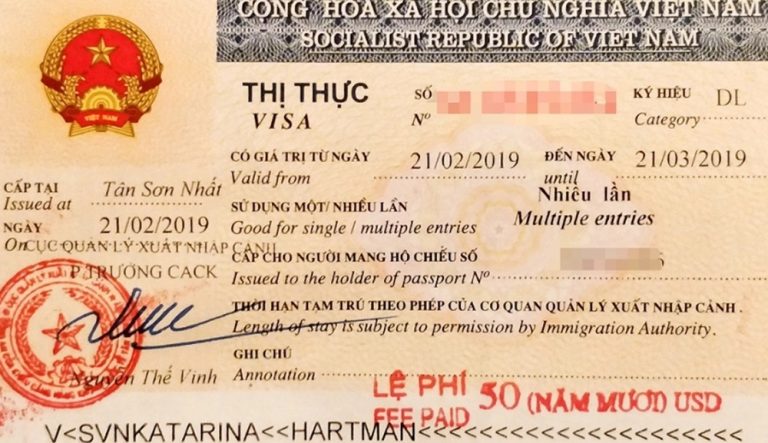
Vietnam Visa Guide: Everything You Need to Know Before You Travel
Understanding Vietnam's entry requirements is one of the most important parts of planning your trip. While Vietnam has made visiting the country much easier through its electronic visa system, the rules still depend on your nationality, the purpose of your visit and how long you intend to stay. Some travellers can enter Vietnam without a visa, while others must apply for a Vietnam eVisa before departure, making it essential to know exactly which requirements apply to you.
This Vietnam Visa Guide explains everything you need to know before travelling, including who needs a visa, which countries qualify for visa-free entry, how the Vietnam eVisa works, visa fees, processing times, passport validity requirements and the documents you'll need before departure. You'll also learn whether Visa on Arrival is still available, how to avoid common application mistakes and what to do if you plan to stay longer than originally intended.
Whether you're visiting Vietnam for a week, planning a two-week itinerary or travelling from north to south over the course of a month, this Vietnam Visa Guide will help you understand the latest entry requirements so you can arrive prepared, avoid unnecessary delays and start your trip with confidence.
Before finalising your plans, it's also worth reading my essential Vietnam travel advice, covering money, transport, local customs, mobile data, packing, safety and many of the practical questions first-time visitors often have.
Apply for your Vietnam eVisa only through the official government portal. The Official Vietnam Immigration eVisa Website provides the latest application requirements, visa fees, eligible entry points and processing information.
Vietnam Visa Requirements at a Glance
Vietnam has made travelling to the country much easier thanks to its electronic visa system, but entry requirements still depend on your nationality. While some travellers can enter Vietnam without a visa, many visitors will need to apply for a Vietnam eVisa before departure. The table below summarises the key requirements you'll need to know before planning your trip. Always check the latest regulations before travelling, as visa policies can change.
| Requirement | Details |
|---|---|
| Visa Required | Depends on your nationality. |
| Vietnam eVisa | Available for eligible travellers applying online before departure. |
| Maximum Validity | Up to 90 days. |
| Entry Types | Single-entry or multiple-entry. |
| Passport Validity | Your passport must generally be valid for at least six months from your date of entry. |
| Processing Time | Usually around 3 working days, although applying at least two weeks before departure is recommended. |
| Official Application Website | eVisa.gov.vn |
👉 On smaller screens, slide the table to the right to view all columns.
Although most visitors can now complete the entire visa application online, it's still important to ensure that your passport is valid, your travel dates are correct and you apply using the official government website. Taking a few minutes to verify these details before submitting your application can help you avoid unnecessary delays and ensure a smooth arrival in Vietnam.
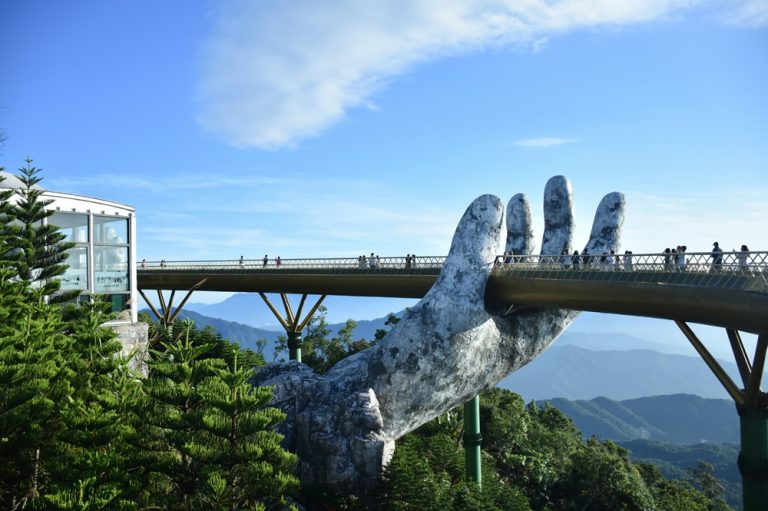
Who Needs a Visa for Vietnam?
Whether you need a visa for Vietnam depends entirely on your nationality. While citizens of several countries can enter Vietnam without a visa for a limited period, many travellers are required to obtain a visa before departure. Fortunately, Vietnam's electronic visa system has made the application process straightforward for most visitors, allowing eligible travellers to apply online without visiting an embassy or consulate.
If you're unsure whether you need a visa, it's always worth checking the latest entry requirements before booking your trip. Visa policies can change, and the length of stay permitted under visa-free entry varies from one nationality to another. Regardless of whether you qualify for visa-free entry or need a Vietnam eVisa, your passport should generally be valid for at least six months beyond your planned date of entry.
| Traveller | Visa Required? | Typical Requirement |
|---|---|---|
| Citizens of visa-free countries | No | May enter without a visa for a limited number of days. |
| Citizens of eligible eVisa countries | Yes | Apply online before travelling using the official Vietnam eVisa website. |
| Travellers not eligible for visa-free entry or an eVisa | Yes | Contact the nearest Vietnamese embassy or consulate for visa options. |
👉 On smaller screens, slide the table to the right to view all columns.
Visa-Free Entry
Vietnam grants visa-free entry to citizens of several countries, although the permitted length of stay varies by nationality. Travellers entering under a visa exemption must still meet Vietnam's passport requirements and leave the country before their authorised stay expires unless they obtain another valid visa.
Travellers Who Need a Vietnam eVisa
Most international visitors who require a visa can now apply online through Vietnam's official eVisa system. The application process is simple, eliminates the need to visit an embassy and allows eligible travellers to obtain either a single-entry or multiple-entry visa before travelling. We'll explain exactly how the Vietnam eVisa works in the next section.
Before making any non-refundable travel arrangements, always confirm the latest visa requirements on the official Vietnamese immigration website, as entry rules, visa exemptions and eligibility criteria may change over time.
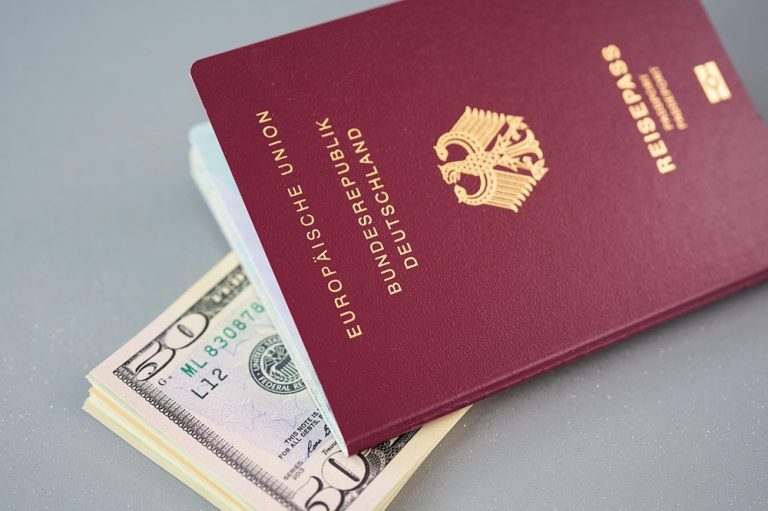
How the Vietnam eVisa Works
The Vietnam eVisa is the easiest and most convenient way for most international travellers to obtain permission to enter the country. Introduced to simplify the visa application process, the eVisa allows eligible visitors to apply entirely online without visiting a Vietnamese embassy or consulate. Once approved, the visa is issued electronically and can be presented upon arrival at one of Vietnam's designated international airports, land border crossings or seaports.
The Vietnam eVisa is available for tourism, business and several other travel purposes. Applicants can choose either a single-entry or multiple-entry visa, with both options allowing stays of up to 90 days. Because the entire application is completed online, it's generally much faster and more convenient than traditional embassy applications.
| Feature | Vietnam eVisa |
|---|---|
| Application Method | Online through the official government website. |
| Embassy Visit Required | No. |
| Maximum Validity | Up to 90 days. |
| Entry Options | Single-entry or multiple-entry. |
| Processing Time | Typically around 3 working days. |
| Passport Requirement | Generally valid for at least six months beyond your date of entry. |
👉 On smaller screens, slide the table to the right to view all columns.
Advantages of the Vietnam eVisa
- Complete the entire application online from anywhere in the world.
- No need to visit a Vietnamese embassy or consulate.
- Choose between single-entry and multiple-entry visas.
- Valid for stays of up to 90 days.
- Accepted at numerous international airports, land border crossings and seaports.
- Receive your approved visa electronically before you travel.
- Simple application process with clear online instructions.
Although applying for a Vietnam eVisa is relatively straightforward, it's important to ensure that all information matches your passport exactly. Even small mistakes, such as an incorrect passport number or arrival date, can delay your application or create problems when entering Vietnam. In the next section, we'll look at the current Vietnam visa fees and explain the difference between single-entry and multiple-entry visas.

Vietnam Visa Fees
The cost of a Vietnam visa depends on the type of eVisa you apply for. Travellers can choose between a single-entry visa, which allows one entry into Vietnam, or a multiple-entry visa, which permits you to leave and re-enter the country during the visa's validity period. Both visa types are valid for stays of up to 90 days, making them suitable for everything from short holidays to longer trips around Southeast Asia.
The fees below are charged directly by the Vietnamese government when you submit your application through the official eVisa website. These fees are paid online during the application process and are generally non-refundable, even if your application is refused due to incorrect information or missing documents.
| Visa Type | Maximum Validity | Government Fee | Best For |
|---|---|---|---|
| Single-Entry eVisa | Up to 90 days | US$25 | Travellers visiting Vietnam once before leaving the country. |
| Multiple-Entry eVisa | Up to 90 days | US$50 | Travellers planning to leave and re-enter Vietnam during their trip. |
👉 On smaller screens, slide the table to the right to view all columns.
For most visitors, the single-entry eVisa is all that's required. However, if you're planning to combine Vietnam with neighbouring countries such as Cambodia, Laos or Thailand before returning to Vietnam, the multiple-entry eVisa is usually the better choice. Before submitting your application, double-check that you've selected the correct visa type, as you'll need to submit a new application if your travel plans change.
Once your visa is sorted, it's a good time to estimate the rest of your travel costs. My complete Vietnam travel budget guide breaks down accommodation, transport, food, activities and realistic daily expenses for every travel style.
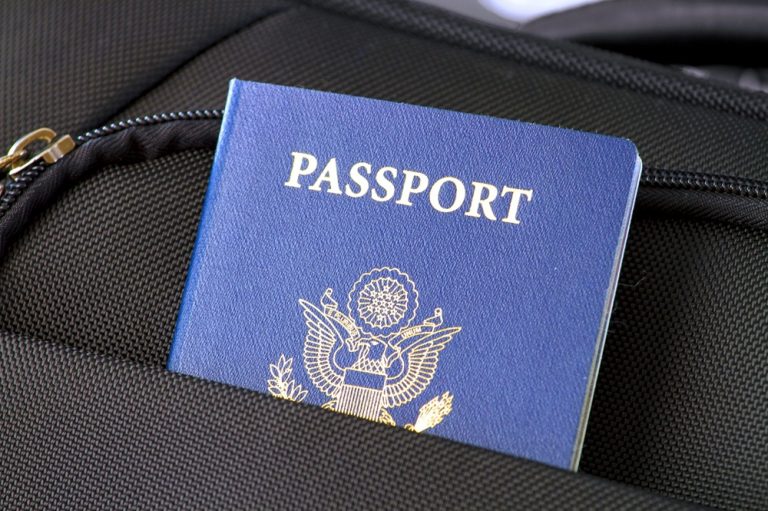
How to Apply for a Vietnam eVisa
Applying for a Vietnam eVisa is a quick and straightforward process that can usually be completed in less than 15 minutes. Everything is done online through the official Vietnamese government website, so there's no need to visit an embassy or consulate. To avoid delays, make sure all the information you provide matches your passport exactly before submitting your application.
Before you begin, have your passport, a recent passport-style photo, a scanned copy of your passport's information page and a valid payment card ready. Once your application has been approved, you'll receive your eVisa electronically and can download it before travelling.
Step-by-Step Application Process
- Visit the official Vietnam eVisa website.
Go to https://evisa.gov.vn/ and select the option to apply for a new eVisa. - Complete the online application form.
Enter your personal details exactly as they appear in your passport, including your full name, passport number, nationality and date of birth. - Upload the required documents.
Upload a recent passport-style photograph along with a clear scan of your passport's information page. - Select your travel details.
Choose your intended arrival date, departure date, visa type and the airport, land border or seaport where you'll enter Vietnam. - Pay the government visa fee.
Complete the payment securely online using an accepted payment method. - Wait for your application to be processed.
Most applications are processed within a few working days, although it's always wise to apply well before your departure date. - Download your approved eVisa.
Once approved, download your eVisa and keep both a digital copy on your phone and a printed copy with your travel documents.
Before submitting your application, carefully review every detail. Even a small typo in your passport number, name or arrival date can result in delays or require you to submit a completely new application. Taking a few extra minutes to double-check everything can save you time, money and unnecessary stress before your trip.
Vietnam Visa Processing Time
Most Vietnam eVisa applications are processed quickly, but it's important not to leave your application until the last minute. While the Vietnamese Immigration Department states that most applications are completed within a few working days, processing times can occasionally be longer during public holidays or periods of high demand. Applying early gives you plenty of time to resolve any issues before your departure.
As a general rule, submit your application at least two weeks before travelling. Although many travellers receive their eVisa much sooner, applying well in advance provides extra peace of mind and avoids unnecessary stress if additional checks are required.
| Application | Typical Processing Time | Recommendation |
|---|---|---|
| Vietnam eVisa | Around 3 working days | Apply at least 2 weeks before departure. |
👉 On smaller screens, slide the table to the right to view all columns.
If your travel dates are approaching and your visa hasn't been approved yet, avoid making changes or submitting multiple applications unless instructed to do so. Instead, check your application status through the official Vietnam eVisa website and ensure you've received the approval letter before departing for Vietnam. Airlines may refuse boarding if you cannot present the required travel documents.
Vietnam Visa-Free Countries
Citizens of several countries can visit Vietnam without obtaining a visa before travelling. The length of the permitted stay depends on your nationality, so it's important to check the latest requirements before booking your trip. If you plan to stay longer than your visa-free period allows, you'll need to apply for a Vietnam eVisa before travelling.
At the time of writing, Vietnam grants visa-free entry to travellers from countries including:
- Belarus
- Denmark
- Finland
- France
- Germany
- Italy
- Japan
- Norway
- Russia
- South Korea
- Spain
- Sweden
- United Kingdom
Most of these travellers can remain in Vietnam for up to 45 days without obtaining a visa, although entry conditions and permitted lengths of stay can change. If you're planning a longer visit or your nationality isn't listed above, you'll generally need to apply for a Vietnam eVisa before departure.
Always verify the latest visa exemptions and entry requirements through the official Vietnam Immigration website before travelling, as immigration policies may be updated without notice.
Passport Requirements for Vietnam
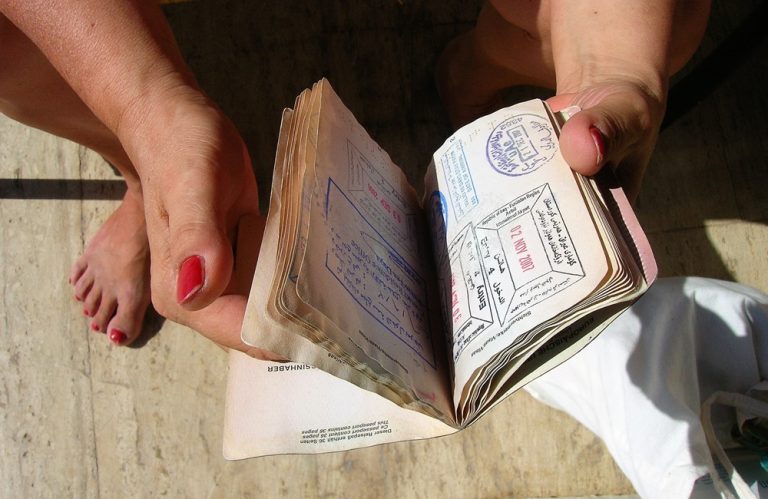
Before applying for a Vietnam eVisa or travelling under a visa exemption, make sure your passport meets Vietnam's entry requirements. Immigration authorities may refuse entry if your passport is damaged, expires too soon or contains incorrect information. Taking a few minutes to check your passport before applying can help you avoid unnecessary problems when travelling.
Before travelling to Vietnam, make sure your passport meets the following requirements:
- Your passport should be valid for at least six months beyond your planned date of entry into Vietnam.
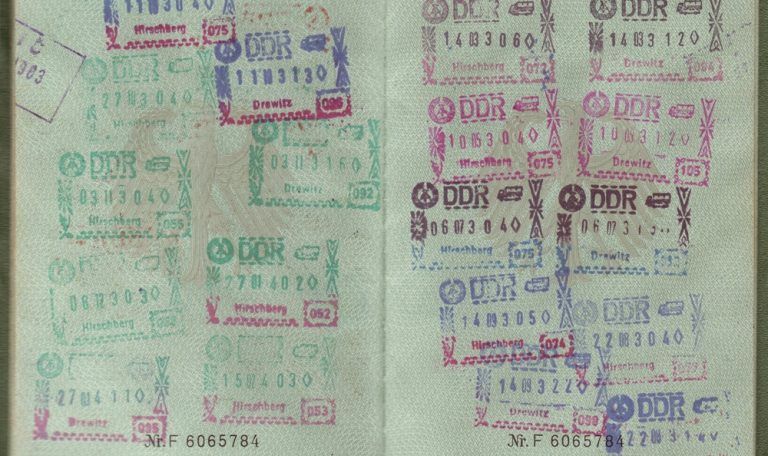
- Your passport should have at least two blank pages for immigration stamps.
- Your passport must be in good condition. Passports with torn pages, water damage or significant wear may not be accepted.
- Ensure that your name, passport number and date of birth are entered exactly as they appear in your passport when applying for a Vietnam eVisa.
- If you're travelling with children, each traveller must have their own valid passport and meet Vietnam's entry requirements.
- If your passport is due to expire before or during your trip, renew it before applying for your visa.
It's also worth remembering that airlines are responsible for checking your travel documents before departure. Even if you're eligible to enter Vietnam, you may be refused boarding if your passport doesn't meet the required validity or your visa information doesn't match your passport exactly. Double-checking everything before leaving home can save you a great deal of stress at the airport.
Vietnam Visa on Arrival
If you've been researching Vietnam visas online, you've probably come across information about Visa on Arrival (VOA). While this was once one of the most common ways for tourists to obtain a visa, it has largely been replaced by the Vietnam eVisa. Many older travel blogs still recommend Visa on Arrival, which can cause unnecessary confusion for first-time visitors.
Today, most international travellers who require a visa should apply for a Vietnam eVisa before travelling. The entire process can be completed online, allowing you to receive your approved visa before boarding your flight. For the vast majority of tourists, this is now the simplest, fastest and most reliable way to enter Vietnam.
Visa on Arrival is now generally limited to specific situations, such as travellers entering Vietnam under special circumstances or those using an approval letter arranged through an authorised agency. Because the requirements can vary, most visitors should not rely on Visa on Arrival unless they've confirmed they qualify.
To avoid problems at the airport, always apply for your visa through the official Vietnam Immigration eVisa website whenever you're eligible. This ensures you'll have your approved visa before departure and avoids the uncertainty of relying on outdated information found elsewhere online.
Can You Extend a Vietnam Visa?
If you decide to stay in Vietnam longer than originally planned, it's important to understand that extending your visa isn't always possible. While visa extensions were once relatively common, Vietnam's immigration policies have changed over the years, and extensions are now much more limited than they were in the past.
In many cases, travellers holding a Vietnam eVisa cannot simply extend their existing visa from within the country. Instead, they may need to leave Vietnam before their visa expires and apply for a new visa if they wish to return. Because immigration regulations can change, the options available will depend on your nationality, visa type and the rules in force at the time of your visit.
If you think there's a chance you'll stay in Vietnam for longer than originally planned, it's usually best to apply for the most appropriate visa before you travel rather than relying on the possibility of an extension later. This can save you time, additional expense and unnecessary stress during your trip.
Before making any decisions about extending your stay, always check the latest guidance on the official Vietnam Immigration website or contact the nearest Vietnamese immigration office, as visa regulations and extension policies may change without notice.
Common Vietnam Visa Mistakes to Avoid
Applying for a Vietnam eVisa is generally a simple process, but even small mistakes can lead to delays, rejected applications or problems when boarding your flight. Most issues aren't caused by complicated immigration rules—they're the result of travellers rushing through the application or overlooking important details. Taking a few extra minutes to carefully review your application can save you both time and money.
Below are some of the most common mistakes travellers make when applying for a Vietnam visa and how you can avoid them.
Entering Incorrect Passport Details
One of the most common reasons for visa problems is entering passport information incorrectly. Your name, passport number, nationality and date of birth must match your passport exactly. Even a single incorrect letter or number can result in your visa being considered invalid, forcing you to submit a new application and pay the visa fee again.
Applying Too Late
Although most Vietnam eVisa applications are processed within a few working days, unexpected delays can occur due to public holidays, high application volumes or requests for additional information. Waiting until a few days before your flight leaves very little room for unexpected problems. Whenever possible, submit your application at least two weeks before travelling.
Selecting the Wrong Arrival Date
Your Vietnam eVisa is only valid from the date specified on your application. If you accidentally select a later arrival date than your planned flight, you may not be allowed to board your aircraft or enter Vietnam. Double-check your travel dates carefully before submitting your application.
Choosing the Wrong Port of Entry
During your application you'll be asked to select the airport, land border or seaport where you intend to enter Vietnam. While changes may sometimes be possible depending on current regulations, it's always safest to select your actual point of entry when applying. If your travel plans change after your visa has been approved, check the latest guidance on the official immigration website before travelling.
Using an Unofficial Visa Website
Many commercial websites advertise Vietnam visa services and often charge substantial additional service fees. While some agencies provide legitimate assistance, others simply submit the same application you could complete yourself through the official government portal. Unless you specifically need assistance, it's usually best to apply directly through the official Vietnam Immigration website.
Assuming You Can Extend Your Visa Later
Many travellers incorrectly assume they can extend their visa after arriving in Vietnam if they decide to stay longer. In reality, visa extensions are much more limited than they were in the past and are never guaranteed. If there's a possibility you'll remain in Vietnam for an extended period, it's usually better to apply for the most suitable visa before travelling.
Not Checking Your Approved eVisa
Once your visa has been approved, don't simply download it and assume everything is correct. Carefully check your name, passport number, visa validity dates and entry details. If you notice an error after arriving at the airport, it may already be too late to correct it before your flight departs.
Travelling Without a Printed Copy
Although many airlines and immigration officers can verify electronic documents, it's still a good idea to carry a printed copy of your approved Vietnam eVisa. Mobile phones can run out of battery, internet connections may not always be available and having a paper copy can make the arrival process much smoother.
Most Vietnam visa problems are entirely avoidable. By applying early, checking every detail carefully and using the official government website, you'll greatly reduce the chances of encountering delays or complications and can instead focus on enjoying your trip through Vietnam.
Practical Vietnam Visa Tips
Applying for a Vietnam visa is usually straightforward, but a little preparation can make the entire process even smoother. These practical tips will help you avoid unnecessary stress before departure and ensure you're ready when you arrive in Vietnam.
Apply Earlier Than You Think You Need To
Although most Vietnam eVisas are processed within a few working days, it's always wise to apply at least two weeks before departure. This gives you plenty of time to correct any mistakes or deal with unexpected delays without worrying about missing your flight.
Keep Digital and Printed Copies
Once your visa has been approved, save a digital copy on your phone, email it to yourself and print a paper copy. While electronic documents are widely accepted, having a printed copy can speed up immigration procedures and provides a useful backup if your phone battery dies or you lose internet access. For the rest of your pre-departure essentials, my Vietnam travel packing guide covers the documents, clothing, electronics and practical items worth bringing with you.
Book Flights After Checking Visa Requirements
Before purchasing non-refundable flights, make sure you understand whether you need a visa and allow enough time for it to be approved. A little planning beforehand can prevent expensive changes later. Once your entry requirements are clear, my guide to reaching Vietnam by air or overland covers international flights, the main arrival airports and land border crossings.
Check Your Passport Before Applying
Make sure your passport is valid for at least six months beyond your planned arrival date and is in good condition. If your passport is damaged or close to expiring, renew it before submitting your visa application.
Use the Official Government Website
Whenever possible, submit your application through the official Vietnam Immigration eVisa website rather than third-party agencies. This helps you avoid unnecessary service fees, reduces the risk of using outdated information and ensures you're following the latest application procedures published by the Vietnamese government.
Review Everything One Last Time
Before clicking the final submit button, carefully check every detail of your application, including your passport number, full name, arrival date and port of entry. Spending just a few extra minutes reviewing your application is one of the easiest ways to avoid unnecessary delays and additional costs.
With the right preparation, obtaining a Vietnam visa is usually a quick and hassle-free process. Once your visa is approved, you can focus on planning the more enjoyable parts of your trip, from deciding where to stay in Vietnam and creating the perfect Vietnam itinerary to discovering the very best things to do in Vietnam. If you're beginning your journey in the north, our guide to exploring Vietnam's capital will help you plan your first few days in Hanoi.

Final Thoughts on This Vietnam Visa Guide
Obtaining a visa for Vietnam is much easier than it used to be. Thanks to the introduction of the Vietnam eVisa, most travellers can now complete the entire application online without visiting an embassy or consulate. As long as you understand Vietnam's entry requirements, apply early, double-check your application and use the official government website, the process is usually quick, straightforward and hassle-free.
This Vietnam Visa Guide has covered everything you need to know before travelling, from determining whether you need a visa and understanding the Vietnam eVisa system to visa fees, processing times, passport requirements, Visa on Arrival, visa-free countries and the most common mistakes to avoid. By preparing your documents in advance and following the latest immigration requirements, you'll greatly reduce the risk of delays and can focus on planning the exciting parts of your trip instead.
Now that your visa is sorted, it's time to start planning the rest of your adventure. Discover the best things to do in Vietnam, build the perfect Vietnam itinerary, find out where to stay in Vietnam, learn the best time to visit Vietnam and read our complete guide to getting around Vietnam. Together, these guides will help you plan every stage of your trip with confidence and make the most of your time in one of Southeast Asia's most rewarding destinations.
Frequently Asked Questions About Vietnam Visas
- Do I need a visa to travel to Vietnam?
Whether you need a visa depends on your nationality. Citizens of several countries can enter Vietnam visa-free for a limited period, while many other travellers must obtain a Vietnam eVisa before departure. Always check the latest entry requirements before travelling. - How do I apply for a Vietnam eVisa?
You can apply online through the official Vietnam Immigration eVisa website. Complete the application form, upload the required documents, pay the government fee and download your approved eVisa once it's issued. - How much does a Vietnam eVisa cost?
A single-entry Vietnam eVisa currently costs US$25, while a multiple-entry Vietnam eVisa costs US$50. These government fees are generally non-refundable once your application has been submitted. - How long does it take to get a Vietnam eVisa?
Most Vietnam eVisa applications are processed within approximately three working days. To allow for unexpected delays, it's recommended to apply at least two weeks before your departure. - How long can I stay in Vietnam with an eVisa?
A Vietnam eVisa is valid for stays of up to 90 days. Depending on the visa you choose, it can be issued as either a single-entry or multiple-entry visa. - Can I get a Vietnam visa on arrival?
For most tourists, the Vietnam eVisa is now the preferred and simplest option. Visa on Arrival is generally limited to specific circumstances and shouldn't be relied upon unless you've confirmed you're eligible. - Can I extend my Vietnam visa?
Visa extensions are no longer as straightforward as they once were and aren't guaranteed. In many cases, travellers need to leave Vietnam and apply for a new visa if they wish to return. - Which countries can enter Vietnam without a visa?
Several nationalities, including citizens of France, Germany, Italy, Spain, the United Kingdom, Japan and South Korea, currently benefit from visa-free entry for a limited period. Always confirm the latest visa exemptions before travelling, as immigration policies can change. - What passport validity is required for Vietnam?
Your passport should generally be valid for at least six months beyond your planned date of entry and should contain sufficient blank pages for immigration stamps. - Can I enter Vietnam through any airport with an eVisa?
Vietnam eVisas are accepted at many international airports, land border crossings and seaports. During your application, you'll select your intended point of entry, so it's important that your travel plans match your application. - Should I print my Vietnam eVisa?
Yes. Although your visa is issued electronically, carrying a printed copy alongside a digital version is strongly recommended. It can make check-in and immigration procedures smoother and serves as a useful backup. - Is the Vietnam eVisa website legitimate?
Yes. To avoid unnecessary service fees and ensure you're using the latest application procedures, always apply through the official Vietnam Immigration eVisa website. - Can I visit Cambodia or Laos and re-enter Vietnam?
Yes, provided you hold a multiple-entry Vietnam eVisa or another visa that permits multiple entries. A single-entry visa becomes invalid once you leave Vietnam. - What happens if I overstay my Vietnam visa?
Overstaying your visa can result in fines, administrative penalties or difficulties leaving the country. If you believe you'll stay longer than permitted, seek advice from the Vietnamese immigration authorities before your visa expires. - When should I apply for my Vietnam visa?
Although processing is often much quicker, it's best to submit your Vietnam eVisa application at least two weeks before travelling. Applying early provides extra time to correct any mistakes or deal with unexpected delays.
Travel Resources to Plan, Book & Stay Connected
Use these tools and guides to stay connected abroad, find inspiration for your next trip, and book your flights, stays and gear with confidence.
Disclosure: This article may contain affiliate links. If you make a purchase through a link, I may receive a commission at no extra cost to you. I only share recommendations I believe are genuinely useful, and all opinions are my own. AI was used in this post for research and drafting purposes.

Comment (0)