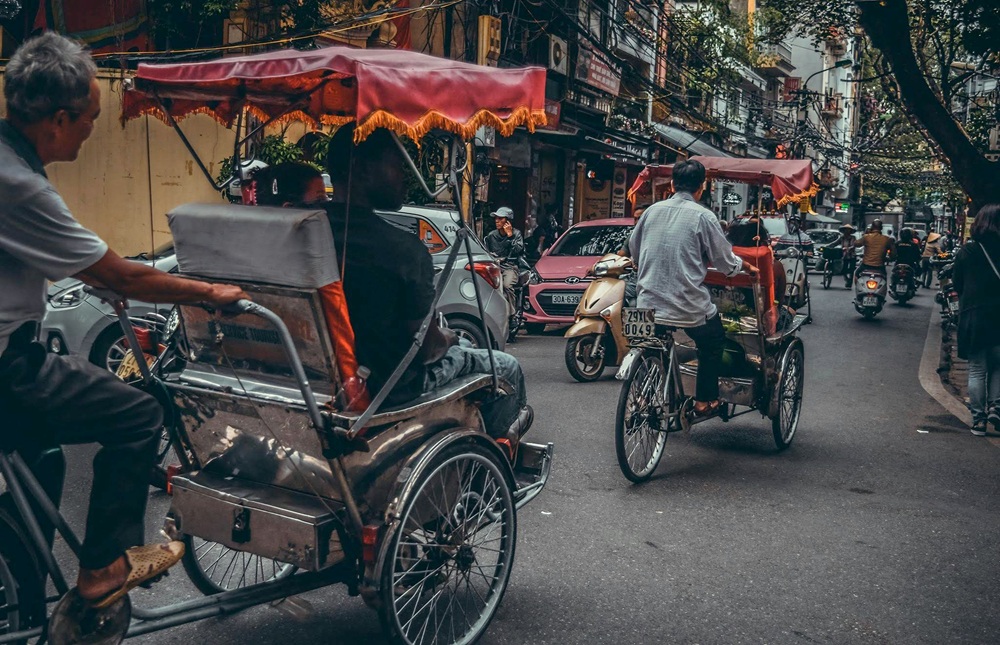
In This Vietnam Travel Tips Guide
Planning your first trip to Vietnam? This guide brings together the most practical Vietnam travel tips to help you prepare before you go, avoid common mistakes and make the most of your time exploring this fascinating country. From money and transport to local customs and staying connected, you'll find everything you need to travel with confidence.
- Learn the most important Vietnam travel tips every first-time visitor should know before arriving.
- Discover how to plan your route, manage travel times and avoid common itinerary mistakes.
- Understand how to pay, use cash and cards, exchange money and avoid unnecessary fees.
- Find out how to get around Vietnam efficiently using trains, buses, domestic flights and ride-hailing apps.
- Learn practical advice for staying safe, avoiding scams and protecting your belongings.
- Discover useful health, food and packing tips to help you stay comfortable throughout your trip.
- Understand Vietnamese customs, etiquette and cultural differences to travel respectfully.
- Get practical advice on staying connected with mobile data, Wi-Fi and eSIMs during your travels.
Looking for more inspiration? Continue planning your adventure with our guides to Things to Do in Vietnam, the perfect Vietnam Itinerary and Where to Stay in Vietnam to help you plan an unforgettable trip.
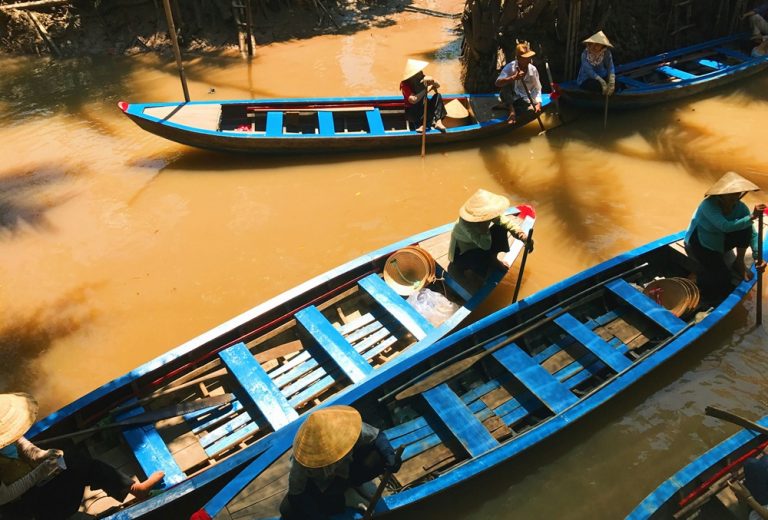
Why These Vietnam Travel Tips Matter
Vietnam is one of Southeast Asia's most rewarding destinations, offering a remarkable mix of vibrant cities, breathtaking landscapes, world-famous cuisine and a rich cultural heritage. Whether you're cruising through the limestone karsts of Ha Long Bay, wandering the lantern-lit streets of Hoi An, riding the spectacular Hai Van Pass or exploring the bustling streets of Ho Chi Minh City, travelling through Vietnam is an unforgettable experience. However, like any destination, a little preparation goes a long way.
These Vietnam travel tips are designed to help you plan your trip with confidence and avoid many of the common mistakes first-time visitors make. From understanding how long it really takes to travel between destinations and choosing the best way to get around, to handling money, avoiding scams, respecting local customs and staying connected throughout your journey, this guide covers the practical advice that can make the difference between a stressful holiday and a smooth, enjoyable adventure.
Rather than overwhelming you with dozens of random suggestions, these Vietnam travel tips focus on the information that genuinely matters when planning your journey. You'll discover how to prepare before you leave home, what to expect once you arrive and the small details that many travellers only learn after spending time in the country. Whether you're visiting Vietnam for one week or embarking on a month-long adventure from north to south, these practical insights will help you travel more confidently, save time and money, and make the most of every day.
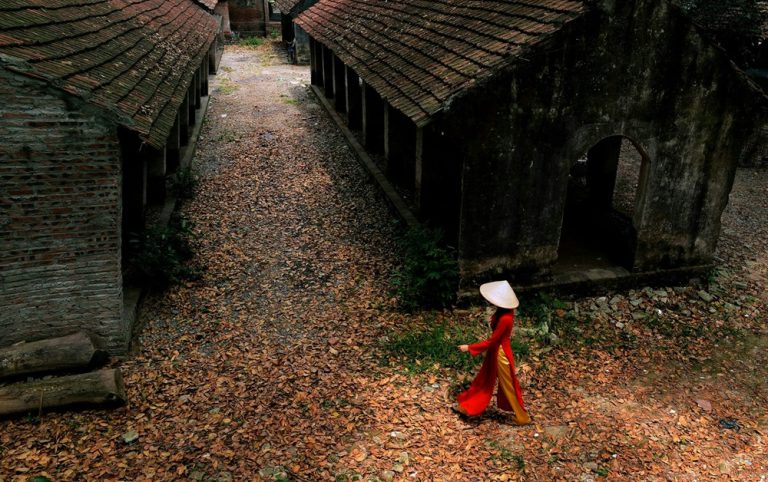
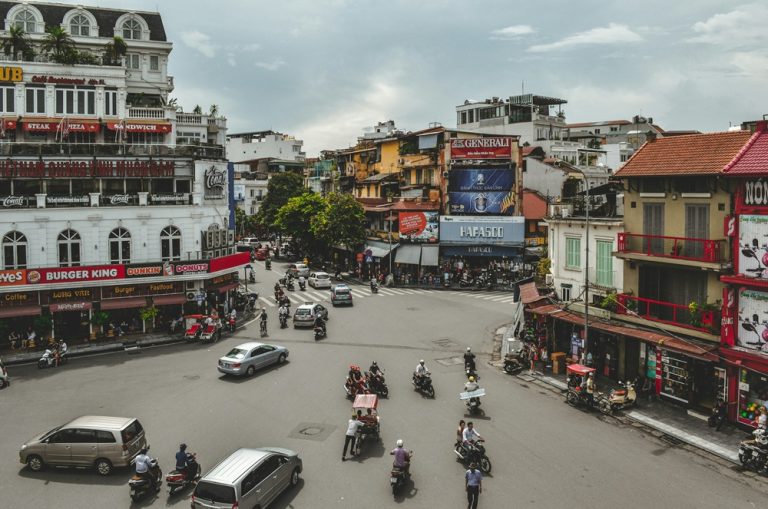
Essential Vietnam Travel Tips Before You Go
Preparing for your trip before you leave home is one of the easiest ways to make travelling in Vietnam smoother, safer and far more enjoyable. While Vietnam is an easy country to explore independently, a little planning can save you time, money and unnecessary stress once you arrive. These essential Vietnam travel tips cover the most important things to organise before boarding your flight, from checking visa requirements and planning a realistic itinerary to understanding the country's climate, arranging mobile data and protecting yourself with travel insurance.
Check Your Vietnam Visa Requirements
One of the most important Vietnam travel tips is to confirm your visa requirements before booking non-refundable flights or accommodation. Entry rules vary depending on your nationality, with some travellers qualifying for visa-free entry while others must obtain a Vietnam eVisa before travelling.
Always verify the latest requirements through the official Vietnam National eVisa Portal. The official website allows you to check your eligibility, apply for an eVisa and track your application without paying unnecessary third-party service fees.
If you're unsure which option applies to you, our comprehensive Vietnam Visa Guide explains everything you need to know before you travel.
Don't Try to See Everything in One Trip
Vietnam stretches for more than 1,600 kilometres (1,000 miles) from north to south, making it much larger than many first-time visitors expect. Although it may look manageable on a map, travelling between destinations often takes longer than anticipated, especially if you're relying on trains or buses.
Rather than trying to visit every famous destination in a week, focus on a realistic route that allows you to experience each place properly. You'll enjoy your trip far more by spending extra time in fewer destinations than constantly rushing from one city to the next. Our Vietnam Itinerary will help you choose the best route based on the amount of time you have available.
Travel at the Right Time of Year
One of the biggest surprises for many travellers is that Vietnam doesn't have a single weather pattern. The climate varies significantly between the north, central coast and south, meaning conditions can be completely different depending on where and when you travel.
Before booking your flights, check the seasonal weather for the regions you plan to visit. Choosing the right travel window can make a huge difference to your experience, particularly if you're hoping to trek in Sapa, cruise Ha Long Bay or relax on the beaches of central Vietnam. Our guide to the Best Time to Visit Vietnam explains exactly what to expect throughout the year.
Book Your First Accommodation Before You Arrive
While it's perfectly possible to book hotels as you travel, having your first night's accommodation confirmed before landing removes a great deal of unnecessary stress after a long flight. It also makes airport transfers easier and provides immigration officials with an address should they ask where you'll be staying.
If you're still deciding where to base yourself, our Where to Stay in Vietnam guide compares the country's best regions and destinations for every type of traveller.
You'll also want to plan how you're actually reaching the country and what happens after you land. My guide to getting to Vietnam covers international flights, the main arrival airports, overland border crossings and transport from the airport into the city.
Get Connected Before You Land
Having mobile data from the moment you arrive makes it much easier to book a Grab, access maps, communicate with your accommodation and stay in touch throughout your trip. Instead of searching for a SIM card after landing, consider arranging your eSIM before you travel if your phone supports it.
You'll have internet access as soon as your plane lands, making your arrival considerably smoother, particularly if it's your first time visiting Vietnam. It also means you can immediately order transport, navigate to your hotel and stay connected without relying on airport Wi-Fi.
Protect Yourself with Travel Insurance
Even the best-planned trips don't always go according to plan. Flight delays, lost luggage, unexpected illnesses or accidents can quickly become expensive if you're travelling without adequate cover. While nobody expects to use it, travel insurance provides valuable peace of mind throughout your trip.
Before you leave, take a few minutes to compare policies and choose cover that suits your travel plans and activities. Our guide to Travel Insurance explains what to look for, what is typically covered and how to choose the right policy for your journey.
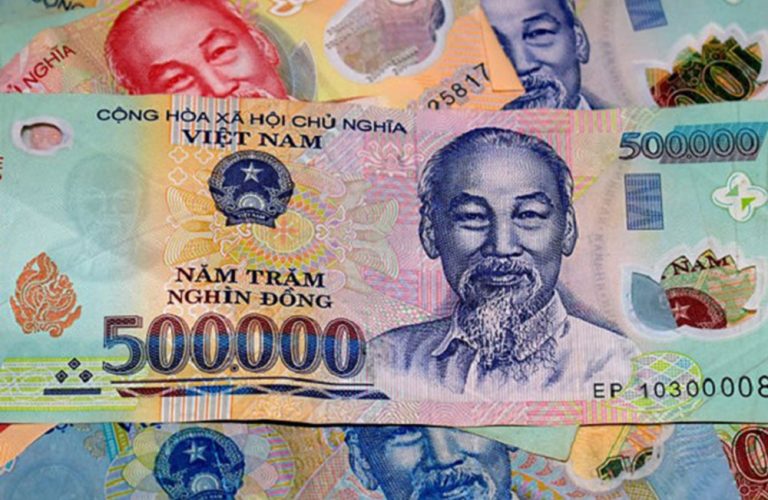
Money & Payments in Vietnam
Managing your money in Vietnam is generally straightforward, but there are a few things worth knowing before you arrive. Although card payments are becoming increasingly common in larger cities and tourist areas, Vietnam remains a largely cash-based society, particularly when eating at local restaurants, shopping at markets or travelling through smaller towns. Understanding the local currency, carrying the right amount of cash and knowing when to use your card will help you avoid unnecessary fees and make day-to-day travel much easier.
Want to know exactly how much you'll spend beyond day-to-day payments? My complete Vietnam travel budget guide breaks down accommodation, transport, food, activities and realistic daily costs to help you plan your trip with confidence.
Get Familiar with the Vietnamese Đồng
One of the biggest surprises for first-time visitors is just how many zeros appear on Vietnamese banknotes. Don't be alarmed if your dinner costs several hundred thousand đồng or your hotel bill runs into the millions — that's completely normal. After a day or two, you'll quickly become accustomed to the currency.
| Currency | Approximate Value |
|---|---|
| 1 US Dollar (USD) | ≈ 26,000 VND |
| 1 Euro (EUR) | ≈ 30,000 VND |
Exchange rates fluctuate daily, so it's worth checking the latest conversion before your trip using the Xe Currency Converter.
👉 Drag the table to the right on smaller screens to view all the information.
Carry Some Cash
Although hotels, shopping centres, larger restaurants and many cafés accept credit and debit cards, cash is still essential for everyday purchases. Street food vendors, local markets, small family-run restaurants and many rural businesses often accept cash only, so it's a good idea to keep some Vietnamese đồng with you throughout the day.
You don't need to carry large amounts, however. Withdraw enough for a day or two at a time and leave the rest securely stored in your hotel safe where possible.
Use ATMs Wisely
ATMs are widely available throughout Vietnam, particularly in cities and popular tourist destinations. Most international Visa and Mastercard debit or credit cards work without any issues, although your bank may charge foreign transaction or withdrawal fees.
Whenever an ATM offers to convert the withdrawal into your home currency, it's usually better to decline the conversion and choose to be charged in Vietnamese đồng instead. This avoids dynamic currency conversion, which often uses a less favourable exchange rate.
Cards Are Becoming More Common
Card payments are much more widely accepted than they were a few years ago, particularly in larger cities such as Hanoi, Ho Chi Minh City and Da Nang. Hotels, supermarkets, shopping malls and many mid-range and upscale restaurants happily accept international credit and debit cards.
However, don't assume every business accepts cards. Smaller cafés, local eateries, market stalls and independent shops frequently prefer cash, especially outside the main tourist centres.
QR Payments Are Everywhere
You'll quickly notice Vietnamese customers paying for almost everything by scanning QR codes. The most popular payment platforms are MoMo, ZaloPay and VNPAY, all of which are widely accepted throughout the country. While these digital wallets are incredibly convenient for locals, they usually require a Vietnamese bank account, a local phone number or identity verification, making them impractical for most short-term visitors.
Unlike China, where apps such as Alipay and WeChat Pay have become almost essential for independent travel, you don't need to download any local payment apps before visiting Vietnam. As a traveller, cash and international Visa or Mastercard payments remain the easiest and most reliable ways to pay throughout the country.
Tipping Isn't Mandatory
Tipping isn't traditionally expected in Vietnam, but it's always appreciated when you've received excellent service. In local restaurants, simply rounding up the bill or leaving a small tip is a thoughtful gesture rather than an obligation.
For private guides, drivers or exceptional hotel staff, a modest tip is generally welcomed, although you should never feel pressured to leave one.
Bargaining Is Part of the Experience
If you're shopping in local markets or browsing souvenir stalls, friendly negotiation is perfectly normal. Vendors often expect a little bargaining, particularly in tourist areas, so don't be afraid to politely negotiate a fair price.
That said, keep negotiations respectful and remember that the difference you're discussing may only amount to a euro or two. Paying a fair price while supporting local businesses is often worth more than winning every negotiation.
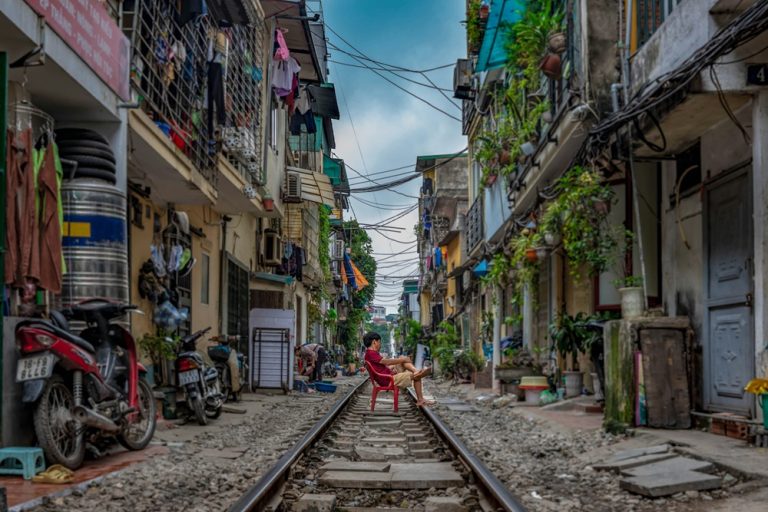
Getting Around Vietnam
Getting around Vietnam is easier than many first-time visitors expect, but choosing the right mode of transport can make a huge difference to your trip. Thanks to a well-developed network of domestic flights, trains, buses and ride-hailing apps, travelling between Vietnam's major destinations is relatively straightforward. The key is choosing the option that best suits your itinerary, budget and available time.
Use Grab Instead of Taxis
If you're visiting Vietnam's larger cities, downloading Grab before you arrive is one of the best travel decisions you can make. The app allows you to book cars, taxis and motorbike taxis with fixed upfront pricing, helping you avoid language barriers, fare negotiations and many of the common taxi scams that can affect first-time visitors.
Grab is widely available in destinations such as Hanoi, Ho Chi Minh City, Da Nang and many other cities, making it the easiest and most reliable way to get around urban areas.
Don't Underestimate Travel Times
One of the most common mistakes travellers make is assuming Vietnam is a small country. Stretching more than 1,600 kilometres (1,000 miles) from north to south, travelling between destinations often takes considerably longer than expected. Even relatively short distances can require several hours by road due to traffic, mountain roads or slower speed limits.
When planning your itinerary, allow enough time to actually enjoy each destination instead of constantly moving from one place to the next.
Domestic Flights Can Save You Valuable Time
If you're travelling long distances, domestic flights are often worth the extra cost. Flying between Hanoi, Da Nang and Ho Chi Minh City can save an entire day compared with travelling by train or bus, giving you more time to explore rather than sitting in transit.
Vietnam has several low-cost airlines, making domestic flights surprisingly affordable if booked in advance.
The Train Journey Is Part of the Experience
Vietnam's Reunification Express railway connects many of the country's most popular destinations and is one of the most scenic ways to travel. While trains are generally slower than flying, they offer comfortable seating, sleeper cabins on longer routes and beautiful views of the countryside and coastline.
If time isn't your biggest priority, travelling by train can become one of the highlights of your trip rather than simply a way of getting from A to B.
Sleeper Buses Aren't for Everyone
Vietnam's extensive sleeper bus network is an affordable way to cover long distances overnight, particularly for budget travellers. However, comfort levels vary considerably between operators, and overnight journeys can be noisy, bumpy and less restful than many travellers expect.
If you're a light sleeper or travelling with a larger budget, a train or short domestic flight may provide a much more comfortable experience.
Crossing the Road Takes Confidence
Crossing the street in Vietnam can seem intimidating at first, especially in busy cities where thousands of motorbikes appear to flow continuously through intersections. Rather than waiting for a completely empty road, walk steadily at a predictable pace and allow traffic to flow around you. Sudden stops or changes in direction are far more likely to confuse drivers than slow, consistent movement.
It may feel daunting during your first few attempts, but most travellers quickly adapt after a day or two.
Planning to travel around the country? Our comprehensive Getting Around Vietnam guide compares trains, buses, domestic flights, ferries, taxis and ride-hailing apps to help you choose the best way to travel between Vietnam's most popular destinations.
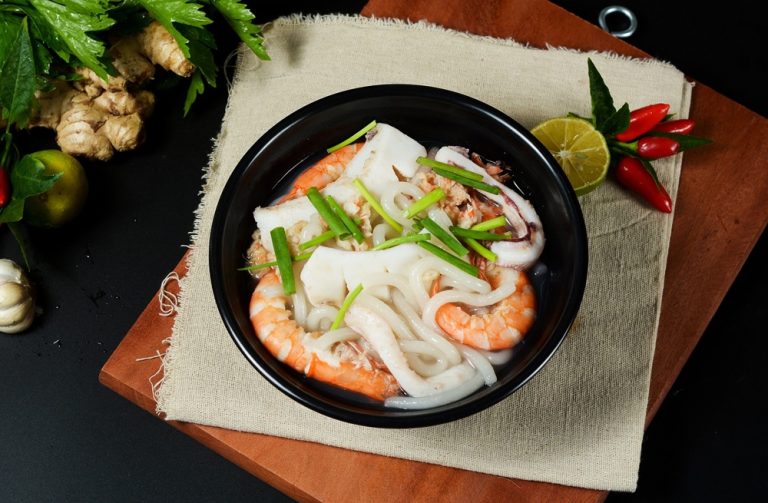
Health & Food Tips for Travelling in Vietnam
Vietnam is generally an easy and rewarding country to travel through, and most visitors enjoy their trip without any health issues. The country has a fantastic food culture, a warm tropical climate and good access to pharmacies and medical care in the major cities. Like anywhere, however, taking a few simple precautions can help you avoid the most common travel problems and enjoy your holiday with confidence.
These practical health and food tips aren't intended to make you worry about travelling in Vietnam. Quite the opposite—they'll help you prepare for everyday situations so you can focus on enjoying the incredible food, beautiful landscapes and unforgettable experiences the country has to offer.
Don't Drink Tap Water
Tap water in Vietnam isn't considered safe to drink, so stick to bottled or properly filtered water throughout your trip. Most hotels provide complimentary bottled water each day, while supermarkets and convenience stores make it easy to stock up whenever you need it.
If you're trying to reduce plastic waste, consider bringing a reusable water bottle that can be refilled at hotels or trusted filtered water stations where available.
Enjoy the Street Food
Vietnam is famous for its incredible street food, and some of the country's best meals are served from small family-run stalls. Rather than avoiding street food altogether, look for places that are busy with local customers, have a high turnover of freshly prepared dishes and cook food to order.
Freshly cooked food served hot is generally a good sign, while quiet stalls with food sitting out for long periods are usually best avoided. Trust your instincts and don't be afraid to follow the locals—they often know exactly where the best food can be found.
Prepare for the Heat and Humidity
Large parts of Vietnam are hot and humid for much of the year, particularly in the south. Drink plenty of water, take regular breaks in the shade and avoid spending extended periods in the midday sun whenever possible.
Lightweight clothing, sunscreen, sunglasses and a hat will help you stay comfortable, especially if you're planning to spend long days exploring cities or visiting historical sites.
Protect Yourself Against Mosquitoes
Mosquitoes are common throughout Vietnam, particularly during the rainy season and around sunrise and sunset. While most bites are simply an annoyance, mosquitoes can carry diseases such as dengue fever in some parts of the country.
Using insect repellent, wearing long sleeves during the evening where practical and choosing accommodation with air conditioning or mosquito screens can significantly reduce the number of bites.
Pharmacies Are Easy to Find
If you forget toiletries, sunscreen or basic medication, don't panic. Pharmacies are easy to find throughout Vietnam, especially in cities and popular tourist destinations, and many common medicines are available without a prescription.
That said, if you rely on prescription medication, it's always best to bring enough for your entire trip, together with a copy of your prescription if appropriate.
Be Prepared for the Unexpected
Most trips to Vietnam are completely trouble-free, but unexpected situations can happen anywhere. A stomach bug, motorbike accident, hiking injury or flight disruption can quickly become expensive if you're travelling without adequate cover.
Before you leave home, it's worth taking a few minutes to compare policies that cover medical emergencies, cancellations, lost luggage and the activities you plan to do during your trip. Our guide to choosing the right travel insurance explains what to look for and how to find the best policy for your journey.

Staying Safe in Vietnam
Vietnam is widely considered one of the safest countries in Southeast Asia for independent travellers. Violent crime against tourists is rare, and millions of people visit the country every year without experiencing any serious problems. Like anywhere else, however, it's important to stay aware of your surroundings, take sensible precautions and be prepared for a few common tourist scams.
Most safety concerns in Vietnam involve petty theft, traffic or small scams rather than serious crime. By following a few simple precautions, you can travel confidently and focus on enjoying everything the country has to offer.
Keep an Eye on Your Belongings
Petty theft is the most common issue affecting visitors, particularly in busy cities such as Hanoi and Ho Chi Minh City. Pickpocketing can occur in crowded markets, tourist attractions and public transport, while bag snatching by thieves on motorbikes occasionally happens along busy roads.
Carry your bag across your body, avoid displaying expensive jewellery or electronics and keep your phone securely in your hand rather than holding it near the edge of the road. A little awareness goes a long way and is usually enough to avoid problems.
Crossing the Road Is Easier Than It Looks
I still remember my first time in Hanoi. Standing at the edge of a busy street, I was genuinely intimidated. Cars and, even more so, countless motorbikes whizzed past without seemingly slowing down, and I couldn't imagine how anyone was supposed to cross safely. It took me a while to realise that the trick wasn't to wait for the traffic to stop—it usually doesn't. Instead, you simply begin crossing at a slow, steady and predictable pace, allowing the motorbikes to flow around you as they continue on their way.
It feels completely unnatural at first, especially if you're used to traffic stopping for pedestrians, but you'll quickly discover that Vietnamese drivers are remarkably good at anticipating your movements. The key is to remain calm, walk at a consistent pace and avoid suddenly stopping or changing direction, as that makes it harder for riders to predict where you're going.
Use Reputable Transport
When travelling around Vietnam's cities, using Grab is one of the easiest ways to avoid misunderstandings over fares and reduce the risk of taxi scams. If you prefer taking a regular taxi, choose well-known companies and make sure the meter is running before your journey begins.
At airports, bus stations and popular tourist attractions, politely decline unsolicited offers from unofficial drivers and head to the official taxi rank or book your ride through Grab instead.
Be Aware of Common Tourist Scams
Most scams in Vietnam are relatively minor and rely on catching visitors off guard rather than causing serious harm. Inflated taxi fares, overpriced souvenirs, unofficial tour operators and occasional overcharging can all be avoided by doing a little research beforehand and confirming prices in advance.
If a deal sounds too good to be true or someone is putting you under pressure to make a quick decision, it's usually best to walk away. There will almost always be another opportunity elsewhere.
Trust Your Instincts
One of the best travel tips, whether you're visiting Vietnam or anywhere else in the world, is to trust your instincts. If a situation doesn't feel right, don't be afraid to leave, decline an offer or seek advice from your hotel or another trusted local. A little awareness and common sense are usually all you need to enjoy a safe, relaxed and memorable trip through Vietnam.
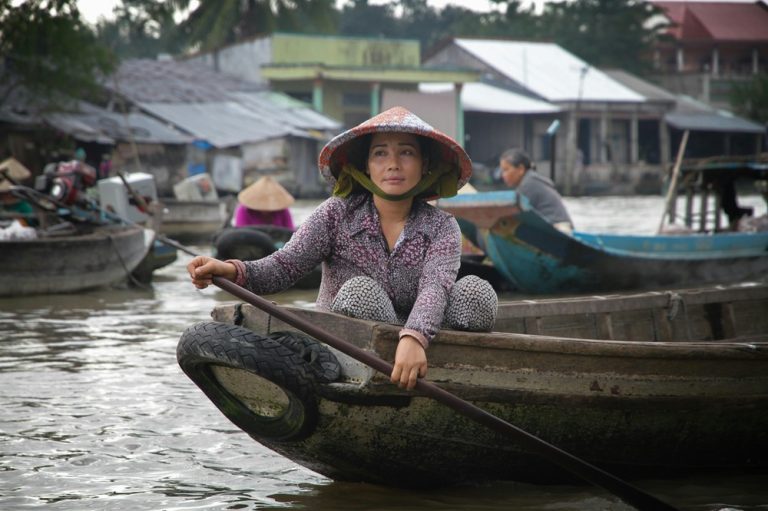
Vietnamese Culture & Etiquette
One of the things that makes Vietnam such a rewarding destination is the warmth and hospitality of its people. Vietnamese culture places great importance on respect, politeness and consideration for others, and visitors who make a small effort to understand local customs are often rewarded with genuine smiles and friendly interactions.
Don't worry about getting everything right. Vietnamese people are generally very understanding of foreign visitors and won't expect you to know every custom. A little courtesy, patience and respect are usually all it takes to make a positive impression.
Dress Respectfully When Visiting Temples
Vietnam is home to beautiful pagodas, temples and religious sites, many of which remain active places of worship. When visiting these locations, dress modestly by covering your shoulders and knees where possible, remove your hat and speak quietly out of respect for those who have come to pray.
Taking a few moments to observe what local visitors are doing is often the easiest way to understand the expected etiquette.
Remove Your Shoes When Appropriate
You'll often be asked to remove your shoes before entering temples, family homes and occasionally smaller guesthouses or businesses. If you notice a row of shoes outside the entrance, that's usually your cue to do the same.
When in doubt, simply ask or follow the example of those around you. Locals will appreciate the effort, even if you aren't familiar with every custom.
A Smile Is Universally Understood
You don't need to speak Vietnamese to enjoy meaningful interactions with local people. A smile, friendly attitude and a little patience can go a long way, particularly when communicating across a language barrier.
If something gets lost in translation, stay relaxed and keep smiling. Most people will genuinely try to help, and a positive attitude often leads to memorable encounters.
Learn a Few Vietnamese Words
While English is spoken in many tourist areas, learning a few simple Vietnamese phrases is always appreciated. Even a basic greeting or a heartfelt thank you often brings an immediate smile and shows that you're making an effort to engage with the local culture.
Simple expressions such as Xin chào (hello), Cảm ơn (thank you) and Tạm biệt (goodbye) are easy to learn and can make everyday interactions feel much more personal.
Be Patient and Embrace the Experience
Vietnam can sometimes feel busy, noisy and wonderfully chaotic, especially if it's your first visit to Southeast Asia. Traffic moves differently, queues may not always work as you expect and everyday life often follows a rhythm of its own.
Rather than becoming frustrated, embrace these differences as part of the experience. Travelling with an open mind, a sense of humour and a little flexibility will almost certainly lead to a far more rewarding journey and help you appreciate Vietnam for what it truly is.
Packing Tips for Vietnam
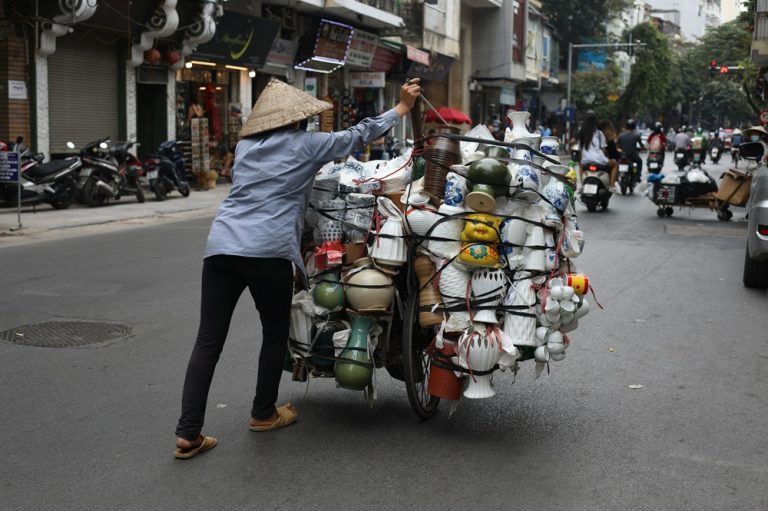
Packing for Vietnam is relatively straightforward, but what you need depends on where you're travelling and the time of year. The climate varies considerably between the north, central coast and south, so it's worth checking the forecast before you pack. For a complete breakdown of clothing, footwear, toiletries, electronics and other essentials, use my complete packing guide for Vietnam. If you're looking for reliable equipment for your trip, our recommended travel gear covers the travel essentials we personally use and recommend.
Pack for Different Climates
Vietnam's weather varies far more than many first-time visitors expect. While the south enjoys a tropical climate throughout the year, northern destinations such as Hanoi and Sapa can become surprisingly cool during the winter months, and central Vietnam has its own rainy season.
Rather than packing for just one type of weather, check the forecast for each region you'll be visiting before you leave. Our guide to the Best Time to Visit Vietnam explains what to expect throughout the year and can help you pack accordingly.
Choose Comfortable Footwear
You'll probably spend far more time on your feet than you expect. Whether you're wandering through Hanoi's Old Quarter, exploring the Imperial City in Hue, climbing viewpoints in Ha Long Bay or strolling around Hoi An, comfortable walking shoes are one of the most important things you can pack.
Vietnam's pavements can be uneven, and you'll often find yourself walking on cobblestones, steps or unpaved paths, so leave the brand-new shoes at home.
Bring a Lightweight Rain Jacket
Even during the dry season, tropical showers can appear with very little warning. A lightweight waterproof jacket or compact poncho takes up very little space in your luggage and can quickly become one of your most useful items.
If you're travelling during the rainy season, a small umbrella can also come in handy when exploring cities on foot.
Pack a Universal Travel Adapter
Vietnam primarily uses plug types A, C and F with a standard voltage of 220V. Many modern hotels provide universal sockets, but this isn't guaranteed, particularly in smaller guesthouses or older accommodation.
A universal travel adapter is inexpensive, lightweight and ensures you can charge your phone, camera, laptop and other devices wherever you stay.
Leave Some Space in Your Luggage
Vietnam is a fantastic place to shop, and many travellers end up bringing home far more than they expected. From locally roasted coffee and handcrafted souvenirs to beautiful ceramics, artwork and tailor-made clothing, you'll find plenty of opportunities to pick up unique gifts and keepsakes during your trip.
Leaving a little extra room in your suitcase—or packing a lightweight foldable bag—can save you from struggling to fit everything in before your flight home.
Final Thoughts on Travelling in Vietnam
Vietnam can feel intense when you first arrive. The traffic is busy, the cities are energetic, the currency comes with an intimidating number of zeros and travelling between destinations often takes longer than expected. Yet those same qualities are also part of what makes the country so exciting. Once you settle into the rhythm, learn how things work and stop trying to control every detail, Vietnam becomes an incredibly rewarding place to explore.
The most useful Vietnam travel tips are often the simplest ones: plan a realistic route, leave room for unexpected discoveries, carry some cash, use Grab in the cities, eat where the locals eat and don't rush from one destination to the next. Vietnam rewards travellers who slow down enough to appreciate its contrasts, from Hanoi's atmospheric Old Quarter and the mountains of the north to the historic streets of Hoi An, the beaches of central Vietnam and experiencing the energy of Ho Chi Minh City.
Good preparation will make your trip easier, but flexibility will often make it more memorable. Trains may be delayed, tropical rain can disrupt a carefully planned afternoon and a destination you expected to love may not capture you as much as the small town you almost skipped. Give yourself enough freedom to change your plans, stay longer somewhere you enjoy and occasionally follow a recommendation that wasn't part of the original itinerary.
When you're ready to continue planning, start by exploring the best places and experiences across Vietnam. If you're still deciding how to divide your time, our suggested Vietnam travel routes will help you build a realistic journey for seven, ten, fourteen, twenty-one or thirty days.
You can also compare the best regions and accommodation bases in Vietnam, understand the country's changing seasons with our Vietnam weather and month-by-month guide, and choose between trains, buses and domestic flights in our complete guide to travelling around Vietnam.
Finally, make sure your entry documents are in order before departure. Our detailed guide to Vietnam's visa and entry requirements explains the eVisa process, visa-free entry, passport rules and the most common application mistakes to avoid.
Vietnam isn't a destination you need to understand completely before you arrive. Prepare carefully, travel with an open mind and allow the country to surprise you. The moments you remember most may not be the famous landmarks, but the bowl of noodles served on a tiny plastic stool, the mountain road that took your breath away or the stranger who helped you when you were completely lost.
Frequently Asked Questions About Vietnam Travel Tips
- What should I know before travelling to Vietnam?
Before travelling to Vietnam, check whether you need a visa, plan a realistic itinerary, understand the weather in the regions you'll be visiting, arrange an eSIM, book your first accommodation and carry some Vietnamese đồng for small purchases. A little preparation before departure will make your trip considerably smoother. - Is Vietnam easy for first-time visitors?
Yes. Vietnam is one of the easiest countries in Southeast Asia to travel independently. Tourist infrastructure is well developed, domestic transport is affordable, accommodation is widely available and many people working in tourism speak at least some English. The biggest challenge for most first-time visitors is simply adjusting to the busy traffic in larger cities. - How much cash should I carry in Vietnam?
It's sensible to carry enough Vietnamese đồng for everyday expenses such as street food, local cafés, market shopping and small transport costs. Larger hotels, shopping centres and many restaurants accept international credit and debit cards, but cash is still essential in many places. - Can I use my credit card in Vietnam?
Yes. Visa and Mastercard are widely accepted in hotels, shopping malls, supermarkets and many restaurants, particularly in larger cities. However, smaller businesses, local markets and street food vendors often accept cash only. - Should I exchange money before travelling to Vietnam?
You don't need to exchange large amounts before arriving. Most travellers simply withdraw Vietnamese đồng from ATMs after landing or exchange a small amount of cash at authorised exchange counters if needed. - Do I need to tip in Vietnam?
Tipping isn't expected in Vietnam, but it's always appreciated for excellent service. Leaving a small tip for private guides, drivers or hotel staff is a thoughtful gesture, although it's never considered obligatory. - Can I drink tap water in Vietnam?
No. Tap water isn't considered safe to drink in Vietnam. Stick to bottled or properly filtered water throughout your trip, and use bottled water when brushing your teeth if you have a sensitive stomach. - Is street food safe in Vietnam?
Yes, provided you choose busy stalls with a high turnover of customers and freshly prepared food. Some of the best meals in Vietnam are served from small family-run street food stalls that are popular with local residents. - Do I need a SIM card in Vietnam?
Having mobile data makes travelling around Vietnam much easier. Many visitors now choose an eSIM before departure, allowing them to access maps, book Grab rides and stay connected from the moment they arrive. - Should I download Grab before travelling to Vietnam?
Yes. Grab is the most convenient ride-hailing app in Vietnam and is widely available in cities such as Hanoi, Ho Chi Minh City and Da Nang. It offers transparent pricing and helps travellers avoid language barriers and taxi fare disputes. - What is the best way to travel around Vietnam?
The best option depends on your itinerary. Domestic flights are ideal for covering long distances, trains offer a comfortable and scenic experience, while buses connect almost every destination in the country. Within cities, Grab is usually the easiest way to get around. - What should I wear in Vietnam?
Lightweight, breathable clothing is suitable for most of the country, although northern Vietnam can become surprisingly cool during the winter months. If you plan to visit temples, wear clothing that covers your shoulders and knees out of respect. - Do I need travel insurance for Vietnam?
Although Vietnam is generally a safe destination, comprehensive travel insurance is highly recommended. It can protect you against unexpected medical expenses, flight disruptions, lost luggage and many other situations that could otherwise become costly. - Is Vietnam safe for solo travellers?
Yes. Vietnam is generally considered one of the safest destinations in Southeast Asia for solo travellers. Taking normal precautions, keeping an eye on your belongings and using reputable transport providers is usually all that's required. - What is the biggest mistake first-time visitors make in Vietnam?
The most common mistake is trying to see too much in too little time. Vietnam is a long country, and travelling between destinations often takes longer than expected. A slower itinerary almost always results in a more enjoyable trip.
Travel Resources to Plan, Book & Stay Connected
Use these tools and guides to stay connected abroad, find inspiration for your next trip, and book your flights, stays and gear with confidence.
Disclosure: This article may contain affiliate links. If you make a purchase through a link, I may receive a commission at no extra cost to you. I only share recommendations I believe are genuinely useful, and all opinions are my own. AI was used in this post for research and drafting purposes.

Comment (0)