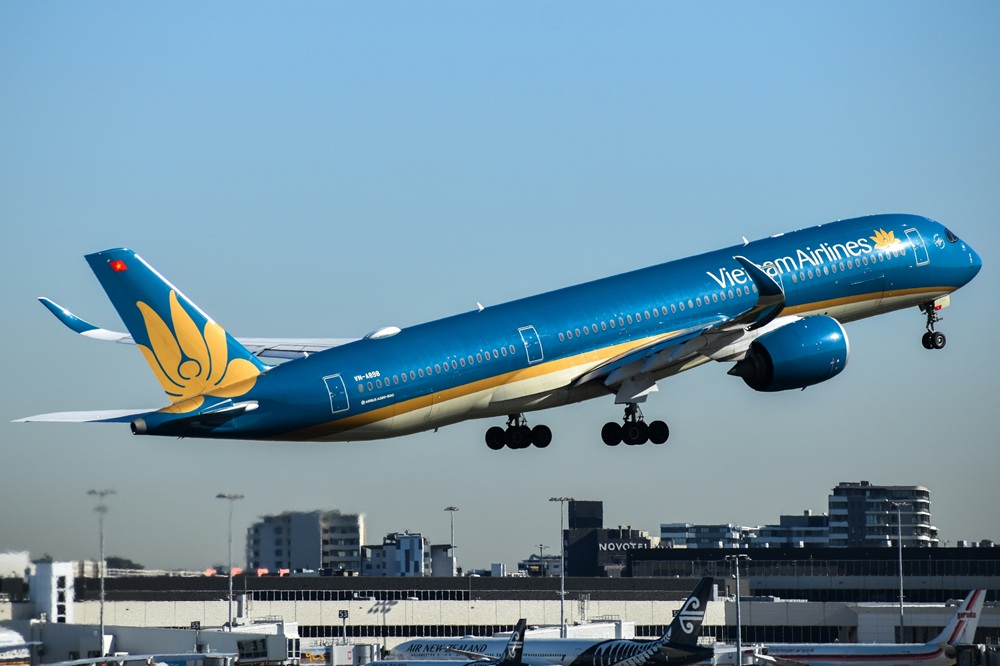
How to Travel to Vietnam at a Glance
For most international travellers, the easiest way to reach Vietnam is by air, with major international airports in Hanoi, Ho Chi Minh City and Da Nang. Travelling overland is also possible from Cambodia, Laos and China, making Vietnam easy to include in a longer Southeast Asia journey.
- Easiest way to travel to Vietnam: Fly into Hanoi, Ho Chi Minh City or Da Nang, depending on where you plan to begin your trip.
- Best airport for Northern Vietnam: Hanoi's Noi Bai International Airport (HAN).
- Best airport for Central Vietnam: Da Nang International Airport (DAD).
- Best airport for Southern Vietnam: Ho Chi Minh City's Tan Son Nhat International Airport (SGN).
- Overland entry: Vietnam shares land borders with Cambodia, Laos and China, with several international border crossings available to foreign travellers.
- Before travelling: Check your passport and visa requirements and make sure your chosen entry point is permitted for your visa or eVisa.
If you're still deciding where to begin your trip, the Vietnam itinerary will help you choose a route through the country, while the Vietnam Visa Guide explains the entry requirements before you leave.
Once you arrive, see my Getting Around Vietnam guide for the best ways to travel between cities and destinations.

How to Travel to Vietnam
Figuring out how to travel to Vietnam is the first practical step in planning your trip. For most international travellers, flying is by far the easiest option, with Hanoi, Ho Chi Minh City and Da Nang providing convenient gateways to different parts of the country. Vietnam can also be reached overland from Cambodia, Laos and China, which makes it easy to include in a longer journey through Southeast Asia.
The best way to travel to Vietnam depends largely on where you're coming from and where you want to begin your journey. Hanoi is the natural gateway to Northern Vietnam, Ho Chi Minh City works particularly well for travellers starting in the south, while Da Nang provides convenient access to Central Vietnam and destinations such as Hoi An and Hue. If you're traveling to Vietnam as part of a longer regional trip, entering overland may also make more sense than flying.
In this guide, I'll explain how to travel to Vietnam by air and overland, which international airport to choose, the main border-crossing options and what you need to arrange before departure. Whether you're visiting Vietnam as a standalone holiday or combining it with neighbouring countries, understanding how to travel to Vietnam will help you choose the arrival route that works best for your itinerary.
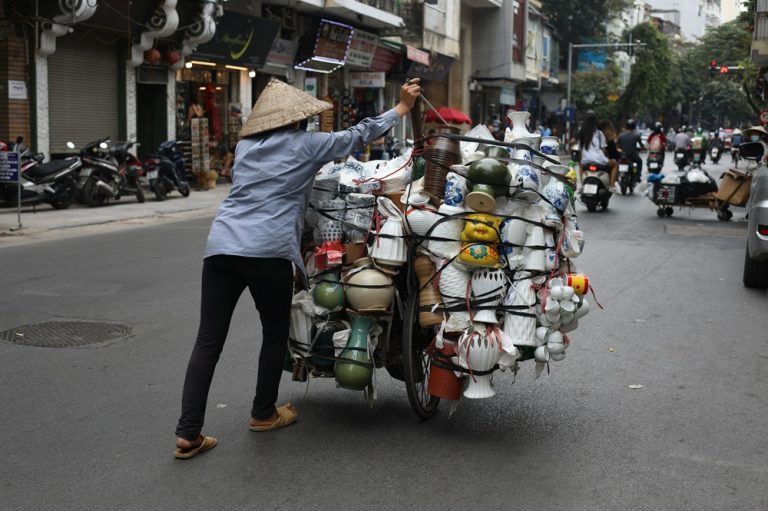

Flying to Vietnam
For most international travellers, flying is the easiest and most convenient way to travel to Vietnam. The country has several international airports, but the three most useful gateways for most visitors are Hanoi in the north, Da Nang in Central Vietnam and Ho Chi Minh City in the south.
Choosing where to fly can make a significant difference to your itinerary. If you're traveling to Vietnam for a north-to-south or south-to-north journey, Hanoi and Ho Chi Minh City are the most logical starting points. Da Nang is particularly convenient if your trip focuses on Central Vietnam or destinations such as Hoi An and Hue.
Flying into Hanoi
Hanoi (Noi Bai International Airport - HAN) is the main international gateway to Northern Vietnam. It is the most convenient arrival point if you plan to explore Hanoi, Ha Long Bay, Ninh Binh, Sapa, Ha Giang or other destinations across the north.
For travellers flying into Vietnam with an itinerary that continues south through the country, Hanoi also makes an excellent starting point. You can begin in the north before gradually travelling through Central Vietnam and finishing in Ho Chi Minh City. If Ninh Binh is one of your first stops, see what to see and do in Ninh Binh before continuing south.
Flying into Ho Chi Minh City
Ho Chi Minh City (Tan Son Nhat International Airport - SGN) is the principal gateway to Southern Vietnam. It is a convenient choice for travellers beginning their trip in Ho Chi Minh City or heading towards the Mekong Delta and other destinations in the south.
Ho Chi Minh City also works particularly well as the starting point for a south-to-north journey. From here, you can travel north through Vietnam and eventually finish your trip in Hanoi rather than having to return to your original arrival city.
Flying into Da Nang
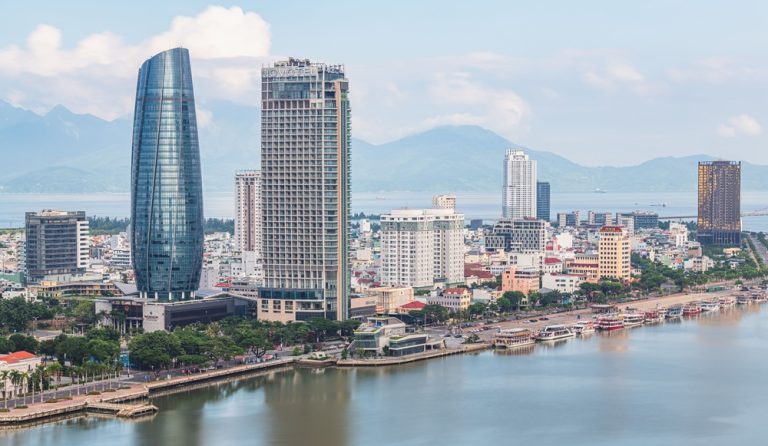
Da Nang (Da Nang International Airport - DAD) is the most convenient major international gateway to Central Vietnam. It is particularly useful if your itinerary focuses on Da Nang, Hoi An, Hue and the central coast rather than covering the entire country.
Arriving in Da Nang can also save considerable backtracking on a shorter trip. Instead of automatically starting in Hanoi or Ho Chi Minh City, you can begin close to the places you actually want to visit and use your available time more efficiently.
Which Vietnam Airport Should You Fly Into?
The best airport depends primarily on your itinerary. Choose Hanoi for Northern Vietnam, Da Nang for Central Vietnam and Ho Chi Minh City for Southern Vietnam. If you're planning to travel through most of the country, consider flying into Hanoi and home from Ho Chi Minh City, or vice versa. This open-jaw approach avoids returning to your starting point simply to catch your flight home.
Before booking, compare the route with your Vietnam itinerary. A slightly more expensive flight into the right city can sometimes save both time and additional transport costs once you're in Vietnam.

Direct Flights to Vietnam
Whether you can travel to Vietnam on a direct flight depends heavily on where you're starting. Vietnam has excellent air connections across Asia and a growing network of long-haul services, but travellers from some parts of the world will still need at least one connection. Hanoi and Ho Chi Minh City receive the widest range of long-haul international flights, while Da Nang has particularly strong connections within Asia.
Travelling to Vietnam from the United States
Options for traveling to Vietnam from the US are more limited than from many Asian and European countries. The main nonstop option is Vietnam Airlines' service between San Francisco (SFO) and Ho Chi Minh City (SGN). If you're departing from elsewhere in the United States, you will usually need a connecting flight.
For travellers looking to travel to Vietnam from USA cities without a nonstop service, common routings involve a connection at a major Asian hub before continuing to Hanoi, Ho Chi Minh City or Da Nang. Rather than choosing a flight purely by price, compare the total journey time and length of the layover, as a cheaper fare can sometimes add many hours to an already long journey.
Travelling to Vietnam from Europe
Vietnam has nonstop connections with several major European gateways. Vietnam Airlines operates direct services from cities including London, Paris and Frankfurt to Vietnam, with Hanoi and Ho Chi Minh City serving as the principal long-haul arrival points. Travellers departing from other European cities will often connect through one of these gateways or through a major hub in Asia or the Middle East.
If you're visiting Vietnam from Europe, it is worth comparing flights into both Hanoi and Ho Chi Minh City rather than automatically choosing the cheapest return fare to one airport. Flying into one city and home from the other can work particularly well for a longer Vietnam itinerary and avoid unnecessary backtracking.
Travelling to Vietnam from Australia and New Zealand
Australia has good direct connections with Vietnam. Nonstop services operate from major Australian cities including Sydney, Melbourne and Perth, with Ho Chi Minh City particularly well connected and direct options also available to Hanoi on some routes.
Travellers from New Zealand will generally have fewer nonstop options and may need to connect through Australia or another Asian hub. When comparing fares, check the complete itinerary rather than simply the number of stops, as connection times can make a substantial difference to the overall journey.
Travelling to Vietnam from Asia
Asia offers by far the greatest choice of short- and medium-haul flights to Vietnam. Major regional cities such as Bangkok, Singapore, Kuala Lumpur, Seoul, Tokyo, Taipei and Hong Kong provide convenient connections, with Hanoi and Ho Chi Minh City receiving extensive international traffic and Da Nang particularly accessible from destinations around East and Southeast Asia.
This also makes flying practical if you're traveling to Vietnam as part of a wider Asian trip. Depending on your route, a short regional flight can be considerably faster than travelling overland, especially when your previous destination is not close to one of Vietnam's international land borders.
Airline schedules, direct routes and fares change regularly, so compare your options before fixing your itinerary. You can use my guide to finding cheap international flights to compare routes, booking options and fares for your trip to Vietnam.
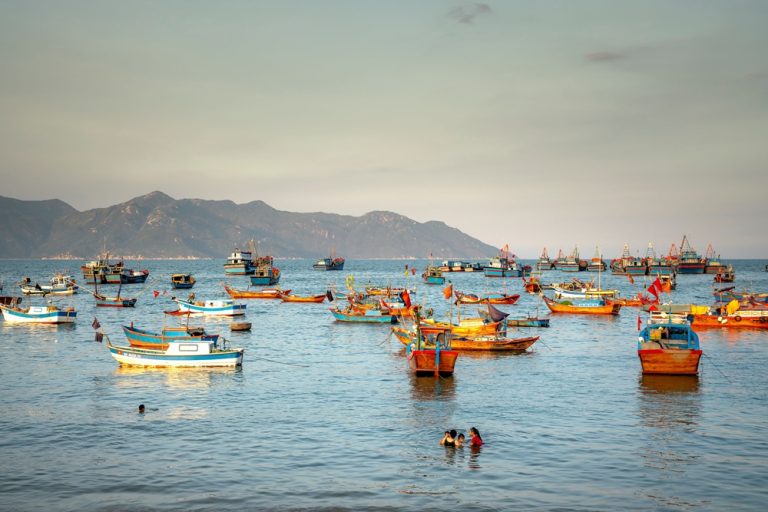
Travelling to Vietnam Overland
Flying is the easiest option for most visitors, but you can also travel to Vietnam overland from Cambodia, Laos and China. This can make particularly good sense if Vietnam forms part of a longer journey through Southeast Asia and you are already relatively close to the border.
Vietnam has numerous international land border crossings, but not every crossing is suitable for every traveller or visa type. If you are entering with an eVisa, check that your intended border gate is currently approved for eVisa entry before arranging your transport. The official Vietnam Immigration Department eVisa portal maintains the current list of permitted border gates.
Entering Vietnam from Cambodia
Cambodia offers some of the most practical overland routes into Southern Vietnam. The Phnom Penh to Ho Chi Minh City route is particularly straightforward, with international buses typically taking around 6–7 hours depending on traffic and the time required at immigration.
Most services use the Bavet–Moc Bai crossing. With major through-bus operators, you normally remain with the same bus throughout the journey rather than changing vehicles at the border. At Bavet, passengers leave the bus with their passports and hand luggage to complete Cambodian exit formalities before reboarding. The bus then crosses to Moc Bai, where passengers disembark again for Vietnamese immigration and customs procedures before continuing to Ho Chi Minh City.
Your larger luggage will generally remain in the bus's cargo hold, although you should always follow the instructions given by your operator and border officials. Some bus companies also collect passengers' passports temporarily to organise immigration processing as a group.
If your eventual destination is Hanoi, don't expect a single direct bus from Phnom Penh all the way to the Vietnamese capital. Hanoi is more than 1,700 km north of Phnom Penh, so the sensible overland route is to reach Ho Chi Minh City first and continue north separately. From there, you can take the northbound train, use long-distance buses or, as most travellers will find considerably easier, fly to Hanoi.
Entering Vietnam from Laos
It is also possible to travel to Vietnam overland from Laos, although journeys can be considerably longer and slower because of the mountainous terrain between the two countries. International crossings include Lao Bao in Central Vietnam, Cau Treo in Ha Tinh Province and several other approved border gates.
The best crossing depends on where you are travelling from in Laos and where you want to continue in Vietnam. Rather than choosing a border crossing in isolation, look at the entire journey on both sides of the border, including how you will reach the crossing and what onward transport is available after entering Vietnam.
Entering Vietnam from China
Travellers coming from southern China can enter Northern Vietnam through several international crossings. Huu Nghi, near Lang Son, and Lao Cai are among the most useful land gateways, while international rail connections provide another option for reaching Northern Vietnam from China.
Overland entry can be an interesting alternative to flying into Vietnam, particularly when it fits naturally into a wider regional itinerary. However, border regulations and permitted eVisa entry points can change. Before visiting Vietnam overland, confirm both your immigration requirements and your intended entry gate. My Vietnam Visa Guide explains the visa and eVisa requirements in more detail.
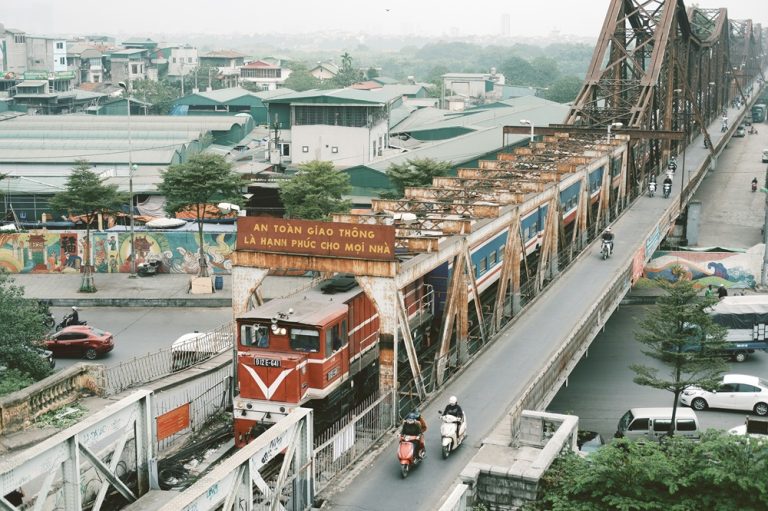
Can You Travel to Vietnam by Train?
Yes, you can travel to Vietnam by train from China, although international rail options are much more limited than flying or entering by road. For travellers incorporating southern China into a longer Asian journey, the railway can provide an interesting overland route into Northern Vietnam.
International passenger trains connect China with Vietnam via the border between Pingxiang in China and Dong Dang in Vietnam, before continuing towards Hanoi. Passengers must complete immigration formalities during the journey, so you should have the correct Vietnamese entry permission arranged before departure and check that your visa or eVisa is valid for the border crossing being used.
If you're considering how to travel to Vietnam without flying, the train is therefore a realistic option primarily for travellers arriving from China. It is not a practical international entry method from Cambodia or Laos, where buses and other road transport are the usual overland choices.
International rail schedules can change, so check the current service before building your itinerary around a train connection. Once you're inside the country, Vietnam's extensive north-south railway becomes a completely different travel option; my Getting Around Vietnam guide covers trains and other forms of domestic transport in more detail.
Can You Travel to Vietnam by Boat?
Yes, you can travel to Vietnam by sea, but for most independent travellers it is not a practical alternative to flying or crossing one of the country's land borders. International sea arrivals are primarily relevant to cruise passengers and travellers arriving on vessels that use an authorised Vietnamese port of entry rather than people looking for a regular international passenger ferry.
Vietnam has numerous designated international seaports where eligible eVisa holders can enter or leave the country. These include port border gates in Da Nang, Hai Phong, Nha Trang, Ho Chi Minh City and several other coastal locations. If you're arriving by cruise ship or another international vessel, check that the port on your itinerary is an approved entry point for your visa or eVisa before travelling.
There is no extensive international passenger-ferry network that makes travelling to Vietnam by boat as straightforward as taking a ferry between destinations elsewhere in Southeast Asia. Unless a sea journey is already part of your cruise or wider itinerary, flying or entering overland will usually be considerably easier.
Domestic ferries are a different matter and can be useful for reaching Vietnamese islands and coastal destinations once you're in the country. Those journeys are part of travelling within Vietnam rather than a way of entering the country, so they are covered separately in my Getting Around Vietnam guide.

Vietnam Entry Requirements Before You Travel
If you're visiting Vietnam, the entry requirements you need to meet depend largely on your nationality, the length of your stay and whether you qualify for visa-free entry. Before booking your journey, check that your passport is valid for your trip and establish whether you need a visa or eVisa.
Vietnam's electronic visa system allows eligible travellers to apply online before departure, while citizens of certain countries can enter without a visa for a specified period. If you are going to Vietnam with an eVisa, you should also make sure the airport, land border or seaport you intend to use is an approved eVisa entry point.
So, what do I need to travel to Vietnam? At a minimum, you need a valid passport and the correct permission to enter for your nationality and planned stay. Check the latest requirements through the official Vietnam Immigration Department eVisa portal before departure, as immigration rules and visa exemptions can change.
For the application process, current eVisa fees, visa-free entry and other requirements, see my Vietnam Visa Guide. It covers the immigration side of planning your trip in detail without you having to work it out at the airport or border.

Where Should You Arrive in Vietnam?
Where you arrive can have a major impact on how efficiently you use your time when visiting Vietnam. Rather than automatically booking the cheapest return flight to the same city, choose your arrival point around the part of the country you want to explore and the direction you intend to travel.
Hanoi for Northern Vietnam
Hanoi is the best starting point if your trip focuses on Northern Vietnam. Travellers who want to travel to Hanoi can begin by exploring Hanoi and its major attractions before continuing to destinations such as Ninh Binh, Ha Long Bay, Sapa and Ha Giang.
It is also the logical arrival point for a longer north-to-south journey. Starting in Hanoi allows you to work your way gradually through Central Vietnam before finishing in Ho Chi Minh City, rather than repeatedly covering the same ground.
Da Nang for Central Vietnam
Da Nang makes the most sense if you are planning a shorter trip focused primarily on Central Vietnam. Arriving here puts you close to Hoi An and within easy reach of Hue, while Da Nang itself offers beaches, food and plenty to explore.
Choosing Da Nang can be particularly useful when you don't have enough time for a full north-to-south journey. Instead of spending part of your holiday travelling from Hanoi or Ho Chi Minh City simply to reach Central Vietnam, you can start close to the destinations you actually want to visit.
Ho Chi Minh City for Southern Vietnam
Ho Chi Minh City is the natural gateway for a trip focused on Southern Vietnam, including the Mekong Delta and destinations farther along the southern coast. If you're starting your Vietnam trip in Ho Chi Minh City, it's worth spending a few days exploring the city before continuing south. It is also an excellent starting point if you want to travel through Vietnam on a south-to-north route and finish your journey in Hanoi.
For a longer trip covering much of the country, consider booking an open-jaw itinerary: fly into Hanoi and home from Ho Chi Minh City, or do the journey in reverse. This avoids travelling all the way back to your original arrival point simply to catch your international flight.
If you're still deciding which direction to travel and how much of the country you can realistically cover, my Vietnam itinerary compares routes for different trip lengths and will help you choose the most practical arrival and departure cities.

Getting from the Airport into the City
Once you land, getting from Vietnam's major airports into the city is generally straightforward. If you're traveling to Vietnam for the first time, ride-hailing apps such as Grab are particularly convenient because you can arrange the journey through the app and see the estimated fare before you leave the airport. Official taxis and public transport are also available.
From Hanoi Airport to the City Centre
Noi Bai International Airport is around 30 km from Hanoi's Old Quarter, and the journey typically takes 45–60 minutes depending on traffic. Express Bus 86 is a popular budget option, connecting the airport with central Hanoi for around 45,000 VND. Grab fares generally fall around 250,000–350,000 VND, while official taxis typically cost approximately 300,000–400,000 VND.
From Ho Chi Minh City Airport to the City Centre
Tan Son Nhat International Airport is much closer to central Ho Chi Minh City, around 7–8 km from District 1, although heavy traffic can still make the journey take 30–45 minutes. Grab and other ride-hailing services are convenient, with fares to District 1 typically around 100,000–180,000 VND before any applicable airport charges. Official metered taxis are another straightforward option, generally costing around 150,000–200,000 VND to the centre.
Budget travellers can also use public buses between the airport and central Ho Chi Minh City. Services and routes can change, so check the current airport bus information when you arrive rather than planning your journey around a specific service months in advance.
From Da Nang Airport to the City Centre
Da Nang International Airport is the easiest of the three major gateways for reaching the city centre. It is only around 3–5 km from central Da Nang, with most journeys taking roughly 10–15 minutes. A Grab into the city typically costs around 50,000–100,000 VND, while metered taxis are readily available outside arrivals. If you're staying around My Khe Beach, expect the journey to be slightly longer and more expensive.
Whichever airport you use, book ride-hailing services through the official app or use the designated taxi rank rather than accepting unsolicited transport offers inside the arrivals area. For buses, trains, taxis, ride-hailing and longer journeys once you're in the country, see my Getting Around Vietnam guide.
What to Arrange Before Travelling to Vietnam
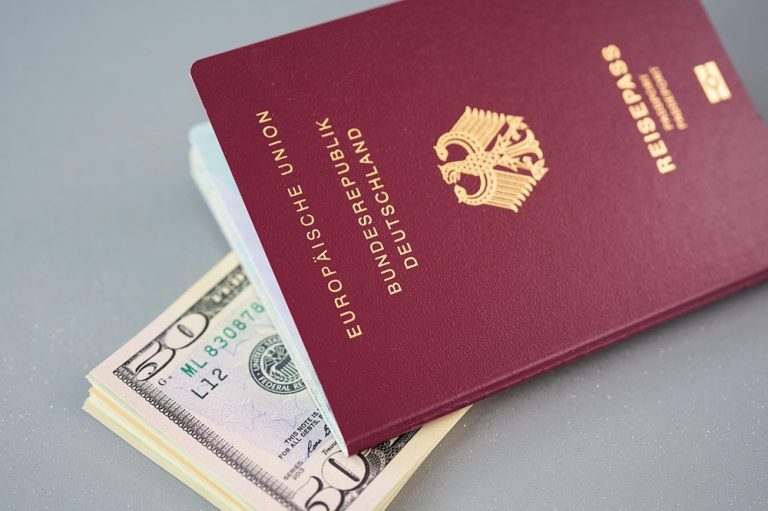
A little preparation before travelling to Vietnam can make your arrival considerably easier. Start with the essentials: make sure your passport is valid for your trip and confirm whether you need a visa or eVisa. If you're unsure about the rules that apply to you, check the entry requirements for Vietnam well before your departure date.
Vietnam's weather can vary dramatically between the north, centre and south, so don't pack based simply on the season shown on a general weather app. Check the conditions for the specific regions on your itinerary using my month-by-month guide to Vietnam's weather, particularly if you'll be travelling across several parts of the country.
I also recommend arranging at least your first accommodation before you arrive. Knowing exactly where you're heading makes the first few hours much easier, especially after a long international flight. If you're still choosing your base, my guide to Vietnam's best places to stay compares the main destinations and accommodation options.
Think about connectivity before you leave as well. Having mobile data as soon as you arrive makes it much easier to use maps, contact your accommodation and book Grab rides from the airport. You can compare eSIM options for international travel before departure rather than relying on airport Wi-Fi when you land.
Travel insurance is another consideration when going to Vietnam, particularly if your itinerary includes motorbikes, trekking, boat trips or other activities. Check carefully what a policy covers and any exclusions that apply to the activities you plan to do. My travel insurance overview explains what to look for when comparing coverage.
So, what do I need to travel to Vietnam? Beyond the correct entry documents, have your first accommodation details, essential bookings and important documents accessible on your phone and preferably available offline. Bring at least one backup payment method, check the weather for your route and pack according to the places you'll actually be visiting rather than Vietnam as a whole.
There are also plenty of small practical details that are easier to understand before you land, from using Vietnamese currency to crossing busy streets and staying connected. I've covered those separately in my practical advice for first-time visitors rather than repeating them here.
What Happens After You Arrive in Vietnam?
Once you've cleared Vietnamese immigration, collected your luggage and passed through customs, the process is generally straightforward. If you haven't already arranged mobile data, you can get connected before leaving the airport, withdraw or exchange some Vietnamese dong if necessary, and then use an official taxi, ride-hailing service or public transport to reach your accommodation.
If you're traveling to Vietnam for the first time, having your accommodation address, essential bookings and transport details saved offline can make those first few hours considerably easier. Once you're settled in, the focus shifts from reaching the country to actually exploring it.
For most people visiting Vietnam, that means combining trains, buses, domestic flights, taxis and ride-hailing depending on the route. My guide to planning your onward transport around the country explains the different options and when each one makes the most sense.
Final Thoughts on How to Travel to Vietnam
For most travellers, figuring out how to travel to Vietnam is relatively simple: flying into Hanoi, Ho Chi Minh City or Da Nang will usually be the easiest option. The important part is choosing an arrival point that fits your itinerary rather than automatically booking a return flight to whichever Vietnamese city offers the cheapest fare.
Overland travel from Cambodia, Laos or China can also make sense when Vietnam is part of a longer journey through Asia, while international rail travel from China provides another alternative. Whichever route you choose, check your entry requirements and permitted border point before departure, particularly if you're travelling with an eVisa.
Once you've decided how you're getting there, you can concentrate on the much more interesting part: deciding what you'll actually do when you arrive. Start with my complete guide to exploring Vietnam for inspiration, then use my suggested routes through the country to turn those ideas into a realistic trip.

Frequently Asked Questions About How to Travel to Vietnam
-
What is the easiest way to travel to Vietnam?
For most international travellers, flying is the easiest way to travel to Vietnam. Hanoi, Ho Chi Minh City and Da Nang are the three most useful international gateways, and the best one depends on which part of the country you plan to explore first. -
How to visit Vietnam for the first time?
Start by deciding when you want to go and which region you want to visit, then check your visa requirements and choose the most convenient arrival airport. Hanoi works well for Northern Vietnam, Da Nang for Central Vietnam and Ho Chi Minh City for Southern Vietnam. For a longer trip, flying into one city and home from another can save considerable backtracking. -
What do I need to travel to Vietnam?
You need a valid passport and, depending on your nationality and length of stay, you may also need a visa or eVisa. Check the current entry requirements before departure and make sure your intended airport, land border or seaport is permitted for your visa type. -
Do I need a visa to travel to Vietnam?
Whether you need a visa to travel to Vietnam depends on your nationality and the length and purpose of your stay. Some nationalities qualify for visa-free entry, while other travellers need an eVisa or another appropriate visa. See my guide to Vietnam's current visa options for the details. -
Can you travel to Vietnam overland?
Yes. You can travel to Vietnam overland from Cambodia, Laos and China through designated international border crossings. Before travelling, confirm that the crossing you intend to use is open to foreign travellers and permitted for your visa or eVisa. -
Can you travel to Vietnam by train?
Yes, international rail travel to Vietnam is possible from China via Northern Vietnam. International train options are limited, however, so most travellers arriving overland from Cambodia or Laos use road transport instead. -
Can you travel to Vietnam by boat?
Vietnam can be entered through designated international seaports, particularly by travellers arriving on cruise ships or other international vessels. For independent travellers, however, there is no extensive international passenger-ferry network, so flying or entering through a land border is usually more practical. -
Which airport should I fly into when visiting Vietnam?
Fly into Hanoi if you want to begin in Northern Vietnam, Da Nang for Central Vietnam or Ho Chi Minh City for Southern Vietnam. If you're travelling through most of the country, consider arriving in Hanoi and departing from Ho Chi Minh City, or vice versa. -
Can you travel to Vietnam from the US on a direct flight?
Direct flight options from the United States are limited. Vietnam Airlines operates nonstop service between San Francisco and Ho Chi Minh City, while travellers departing from most other US cities will normally need at least one connection. -
What is the best way to travel to Vietnam from the USA?
For most travellers, the best way to travel to Vietnam from the USA is to fly to Hanoi or Ho Chi Minh City, either directly where available or with one connection through a major Asian hub. Compare the total journey time as well as the fare, as a cheaper itinerary can sometimes involve a much longer layover. -
Can I travel to Vietnam from Cambodia by bus?
Yes. International buses operate between Cambodia and Vietnam, with Phnom Penh to Ho Chi Minh City being one of the most convenient routes. The journey typically uses the Bavet–Moc Bai border crossing and takes around 6–7 hours depending on traffic and immigration formalities. -
What is the best way to travel through Vietnam after arriving?
Domestic flights, trains and buses are the main options for longer journeys, while taxis and ride-hailing apps are useful locally. The best combination depends on your itinerary, budget and available time. See my transport options for exploring Vietnam for a detailed comparison.
Travel Resources to Plan, Book & Stay Connected
Use these tools and guides to stay connected abroad, find inspiration for your next trip, and book your flights, stays and gear with confidence.
Disclosure: This article may contain affiliate links. If you make a purchase through a link, I may receive a commission at no extra cost to you. I only share recommendations I believe are genuinely useful, and all opinions are my own. AI was used in this post for research and drafting purposes.

Comment (0)