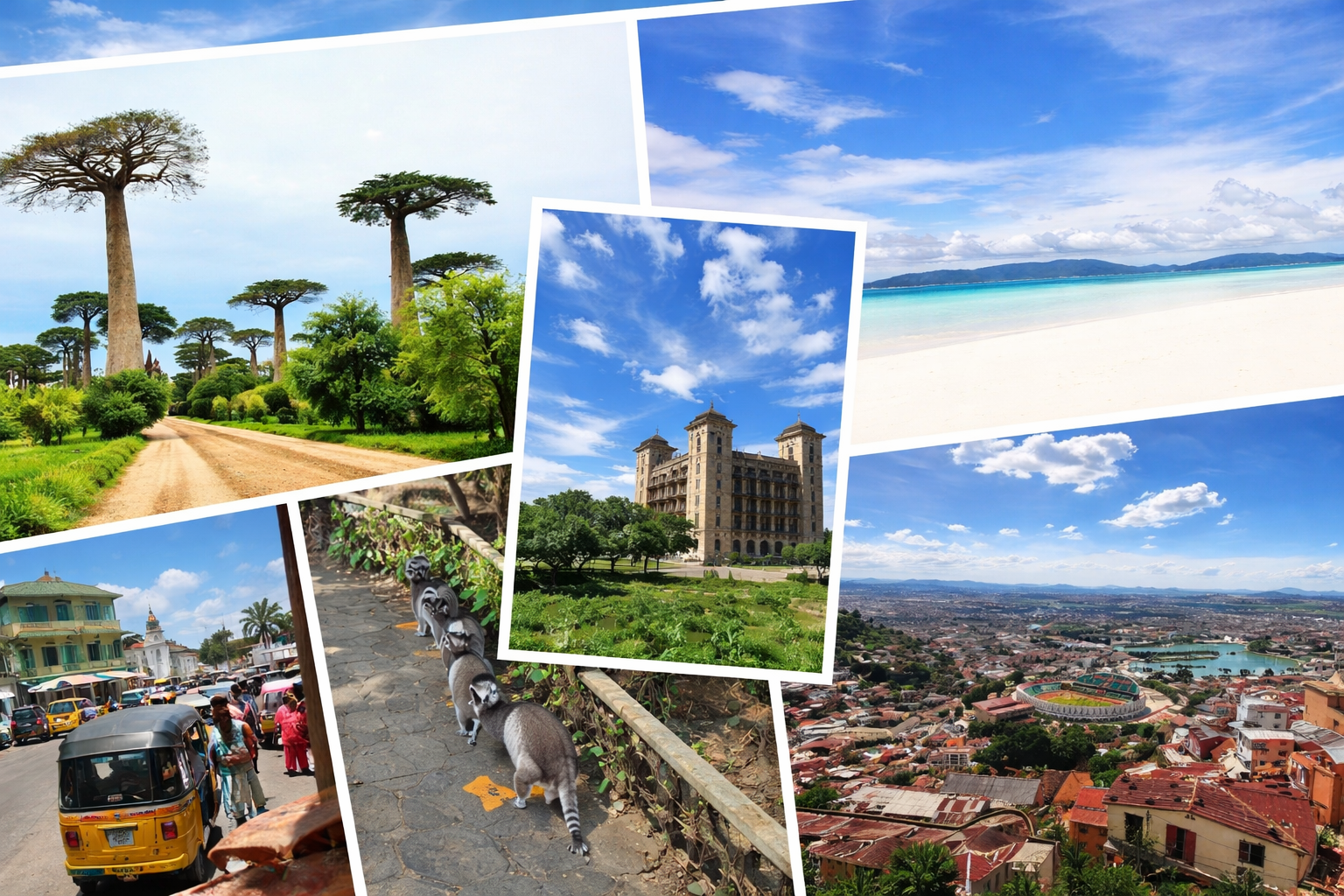
Short answer: The best things to do in Madagascar depend heavily on your route. This is not a country where you can see everything easily, so choosing the right experiences matters more than trying to do too much.
- What makes Madagascar different from typical destinations
- How travel actually works on the ground
- What to realistically expect when planning your route
- Key things to understand before choosing where to go
📍 What This Madagascar Travel Guide Covers
Madagascar is a remarkable destination — rich in nature, culture, and human warmth — but it rewards travelers who arrive informed and prepared. This guide is designed to help you understand what traveling to and within Madagascar is really like, so you can move with confidence, adapt easily, and fully enjoy everything the country has to offer.
- How to get to Madagascar, including international airports, flights, and entry points
- Where to stay across the island, with regional guidance and accommodation styles
- A clear breakdown of Madagascar’s main regions and key cities, from north to south
- Local food, drinks, and regional specialties you should try while traveling
- Cultural traditions, beliefs, taboos (fady), and everyday Malagasy life
- Things to do in Madagascar and places to see, including landmarks, nature, wildlife, and unique landscapes
- What moving around the island actually looks like, including transport limitations and realistic travel times
- Weather patterns, seasons, and when different regions are easiest to visit
- Essential travel facts, including visas, money, language, safety, and electricity
- Connectivity, mobile data, and practical tips to plan your Madagascar trip
- Frequently asked questions to help you prepare and travel with confidence
If you are planning your route next, you can explore how different regions connect in this Madagascar itinerary guide, or get a realistic overview of transport and distances in how to travel around Madagascar.
Madagascar Travel Guide Series
Looking for a specific region? Jump directly to the guide you need:
Why Madagascar Is Different: Travel, Safety & What to Expect
When people search for things to do in Madagascar, they often expect a simple list of attractions. In reality, Madagascar is not a destination where you can see everything quickly. The best experiences depend heavily on your route, your time, and how well you plan around the island’s slow travel pace.
From rainforests and limestone formations to remote beaches, highland towns, and wildlife found nowhere else on Earth, Madagascar is as rewarding as it is unique. But it also requires realistic expectations. Distances take longer than they appear on a map, infrastructure can be limited, and trying to do too much often leads to frustration.
This guide to things to do in Madagascar goes beyond a simple checklist. It shows you what is actually worth your time, what to skip if your trip is short, and how to plan your route so you do not waste days in transit. For a deeper look at how travel works on the ground, read these Madagascar travel expectations before finalizing your plans.
First-time visitors naturally have questions about safety. For most travelers, Madagascar can be visited safely with realistic planning, basic precautions, and respect for local customs. If you want a more detailed breakdown by region and situation, this Madagascar safety guide explains what to watch for.
Madagascar is not the easiest country to travel, but it is one of the most rewarding. The landscapes are extraordinary, the wildlife exists nowhere else on Earth, and the warmth, humor, and generosity of Malagasy people often become one of the most memorable parts of the trip.
This guide is designed to help you travel Madagascar with confidence rather than frustration. It keeps the spotlight on the best things to do in Madagascar while also explaining the realities that shape your experience, including transport, regions, culture, safety, and daily life.
Things to Do in Madagascar
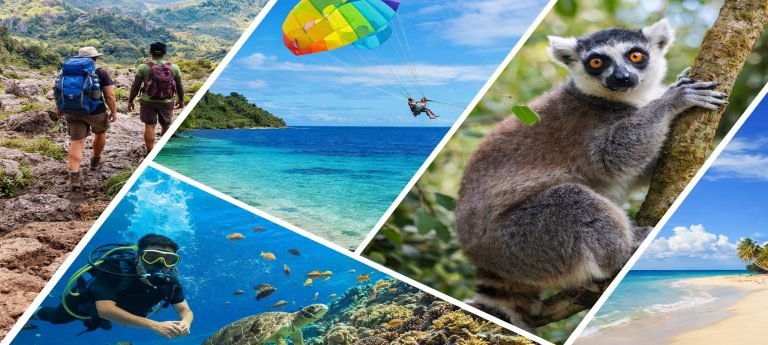
- Wildlife and national park excursions (lemurs, chameleons, baobabs)
- Hiking and exploring unique landscapes across the island
- Beaches, islands, and coastal experiences
- Snorkeling, diving, and whale watching
- City visits and cultural experiences
- Vanilla plantations and local agriculture
- Slow travel and multi-region adventures
When people search for things to do in Madagascar, they often expect a checklist of headline attractions. In reality, Madagascar is not a destination defined by isolated sights, but by experiences shaped by nature, distance, and culture.
What you do here depends heavily on where you go and how you plan your route. If you are still mapping your trip, this overview of where to travel in Madagascar can help you connect activities with the regions that suit them best.
Wildlife, Fauna & Flora Excursions
Madagascar is one of the world’s most important biodiversity hotspots. The vast majority of its wildlife and plant species are endemic, meaning they exist nowhere else on Earth. Guided excursions in national parks and reserves allow visitors to observe lemurs, chameleons, frogs, birds, baobabs, and rare orchids in their natural habitats. If you want a deeper understanding of the species you may encounter, this Madagascar wildlife guide breaks down the island’s most unique animals and ecosystems.
Wildlife experiences are typically quiet and immersive rather than staged. Success depends on patience, timing, and the knowledge of local guides who understand animal behaviour and forest ecosystems.
Hiking, Trekking & Landscapes
Hiking is one of the most rewarding ways to experience Madagascar’s varied terrain. Trails pass through rainforests, highland rice terraces, sandstone canyons, limestone formations, and spiny desert landscapes.
Rather than focusing on distance or altitude, hiking here is about scenery and gradual immersion. Many routes require local guides, especially in remote areas where trails are unmarked and conditions can change quickly.
Beaches, Islands & Coastal Excursions
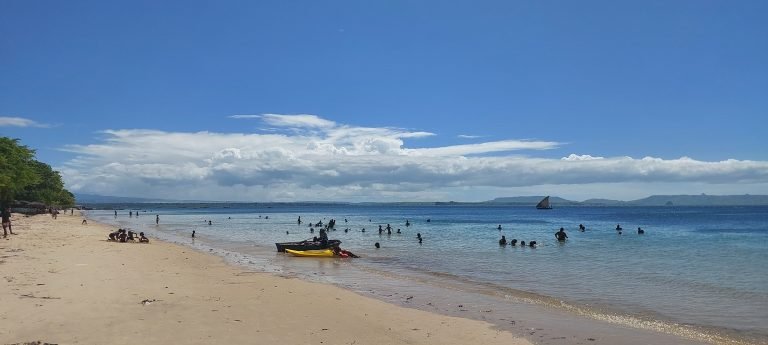
Madagascar’s coastline ranges from quiet fishing villages to tropical island escapes. Popular excursions include trips to Nosy Iranja, Nosy Komba, and surrounding islets, combining swimming, snorkeling, and relaxed beach time.
If you want to explore the island’s best coastal destinations in more detail, see this guide to Madagascar’s beaches and island destinations.
Along the coast, activities such as fishing with local communities, snorkeling, and diving are common, particularly in the north and west where conditions are calmer and reefs are more accessible.
Marine Experiences: Diving, Fishing & Whale Watching
Scuba diving and snorkeling are well developed around Nosy Be and nearby islands, with coral reefs, tropical fish, and occasional encounters with rays or turtles.
Between July and September, humpback whales migrate along Madagascar’s coastline. Whale watching is especially popular around Île Sainte-Marie, where excursions offer respectful viewing of breaching whales and mother-calf pairs.
City Tours & Historical Sites
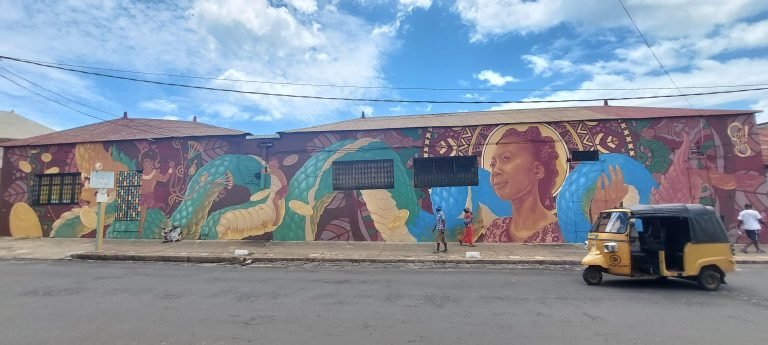
While Madagascar is not primarily known for its cities, guided walks provide insight into colonial history, markets, architecture, and everyday life. Antananarivo, Antsirabe, Diego Suarez, and Tamatave each reveal different aspects of the country’s identity.
In Île Sainte-Marie, visitors can explore sites linked to Madagascar’s pirate history, reflecting the island’s role in Indian Ocean trade routes.
Vanilla Tours & Agricultural Experiences
In the northeast, particularly around Sambava and the SAVA region, travelers can learn about vanilla cultivation, one of Madagascar’s most important exports.
Visiting plantations reveals the complex and labour-intensive process behind natural vanilla production, while also providing insight into rural livelihoods and global trade.
Adventure & Slow Travel
Madagascar rewards travelers who slow down. Long journeys, changing plans, and unexpected encounters are part of the experience.
Most visitors have richer trips by focusing on one or two regions rather than trying to cover the entire island. If you are planning routes across multiple areas, this Madagascar itinerary guide can help you structure your time realistically.
What Madagascar Is Really Known For
Madagascar is known for its unique wildlife, dramatic landscapes, island life, and strong regional identities. These elements shape every activity, whether you are hiking, diving, traveling by road, or visiting local communities.
The most meaningful experiences rarely follow a fixed schedule. They emerge through time, openness, and a willingness to adapt to how travel works on the island.
These are the main types of experiences that define what to do in Madagascar, but where and how you experience them depends entirely on your route. The sections below break down regions, logistics, and planning details to help you turn these ideas into a realistic and rewarding itinerary.
📍 Madagascar Travel Map: Regions & Key Destinations
Use this interactive Madagascar travel map to explore all destinations and wildlife locations mentioned in this guide. Purple pins mark cities and key travel bases, while green pins highlight national parks and wildlife areas. Click on any pin to view details about that location.
To see the full list of destinations and parks, click the icon to the left of Madagascar Destinations Map. This will open a panel where you can quickly navigate between locations and better understand how they connect across the island. Alternatively, click any pin to see a brief description of the destination.
How to Get to Madagascar
- Main airports and where you will likely arrive
- Common flight routes and connection hubs
- Which airlines are most reliable
- Typical flight prices and booking strategies
- What to expect when you land
Reaching Madagascar takes more planning than many mainstream destinations, but that extra effort is part of what keeps the island feeling so distinct. With limited long-haul routes and fewer flight options, the journey itself already sets the tone for a more intentional and rewarding travel experience.
The vast majority of visitors arrive by air, landing either in Antananarivo or, less commonly, directly in Nosy Be. Understanding these entry points, the main airline routes, and realistic pricing helps avoid surprises and makes onward planning smoother. For a complete breakdown of routes, airlines, and booking strategies, you can read the full guide on getting to Madagascar.
Main International Airports in Madagascar
-
Antananarivo – Ivato International Airport (TNR)
Madagascar’s primary international and domestic gateway. Nearly all international flights arrive here, regardless of where travelers plan to explore next on the island. -
Nosy Be – Fascene Airport (NOS)
A secondary international airport serving the popular island destination of Nosy Be, mainly with seasonal or regional international flights.
Common Flight Routes to Madagascar
Flights to Madagascar almost always involve at least one connection. The most common routing hubs include Paris, Addis Ababa, Nairobi, Johannesburg, and Istanbul. Among these, Addis Ababa stands out as one of the most reliable and frequently used gateways.
Ethiopian Airlines operates daily flights from Addis Ababa to Antananarivo and is one of the most widely used carriers for reaching Madagascar from Europe, North America, the Middle East, and Asia. Air France operates direct flights from Paris to Antananarivo, offering one of the most straightforward options for travelers departing from Europe.
Other commonly used airlines include Kenya Airways via Nairobi, Airlink via Johannesburg, and Turkish Airlines via Istanbul. Madagascar Airlines (formerly Air Madagascar) operates some international routes as well, though schedules and reliability can vary — making it wise to double-check timings and allow buffer days when planning connections.
Flight Prices and Booking Advice
Flight prices to Madagascar vary widely depending on origin, season, and booking time. As a general reference, round-trip fares from Europe, the Middle East, or parts of Africa often fall between USD 700 and USD 1,200+, while routes from North America are typically higher and almost always involve two connections.
Because flight availability is limited compared to more mainstream destinations, booking well in advance usually results in better prices and more flexible routing options. If you want to compare routes, airlines, and pricing across multiple platforms, this flight comparison guide can help you find the most practical options.
These challenges are real — but they are also part of what makes Madagascar such a deeply rewarding place to travel, helping preserve the sense of discovery and authenticity that draws visitors to the island.
Arriving in Madagascar: What to Expect
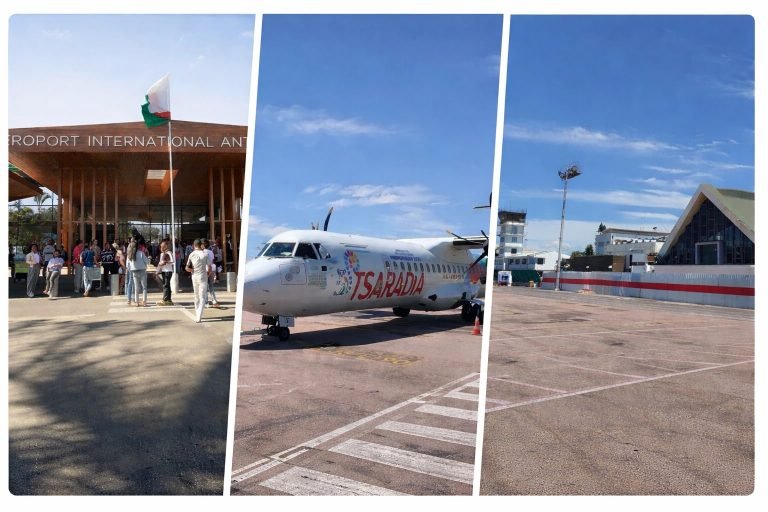
Ivato International Airport in Antananarivo is functional but fairly basic. Immigration procedures can be slow, baggage handling may take time, and facilities are limited compared to major international hubs. This reflects the slower, less commercialized rhythm of travel in Madagascar.
Arriving with printed accommodation details, proof of onward travel, and a patient mindset will make the process much smoother. It is also important to understand the Madagascar visa requirements and entry process before you travel, including visa options and required documents at immigration.
Arriving via Nosy Be is often faster and more relaxed, particularly during peak travel seasons, though international connections are fewer and typically seasonal.
Where to Stay in Madagascar
Choosing where to stay in Madagascar requires a slightly different mindset than in more developed travel destinations — but understanding this early makes a huge difference to how enjoyable your trip becomes. Accommodation standards, comfort levels, and reliability vary by region, and star ratings are often less meaningful than location, access, and local conditions. Travelers who focus on choosing the right base rather than chasing amenities tend to have the most rewarding experiences.
In Madagascar, where you stay directly affects how much you can see, how smoothly your days unfold, and how relaxed you feel while traveling. Smart accommodation choices make the journey easier, more immersive, and far more enjoyable. If you want a deeper breakdown of regions and recommended areas, this Madagascar accommodation guide explores where to base yourself across the island.
How to Choose Where to Base Yourself
Most trips to Madagascar work best with multiple bases rather than a single hotel for the entire stay. Distances are long, road conditions vary, and domestic flights are limited and sometimes unpredictable. Trying to see too much from one base often leads to rushed days and unnecessary fatigue.
Instead, many travelers spend a short stay in Antananarivo for arrival, departure, and connections, then choose one or two regional bases depending on their interests — whether that’s wildlife, beaches, or cultural experiences. Planning around travel time and allowing yourself to slow down leads to a far more comfortable and meaningful journey.
These realities shape how travel works in Madagascar, but they also encourage a slower, more intentional approach — one that allows you to settle in, experience places more deeply, and appreciate the country beyond a rushed checklist.
Types of Accommodation in Madagascar
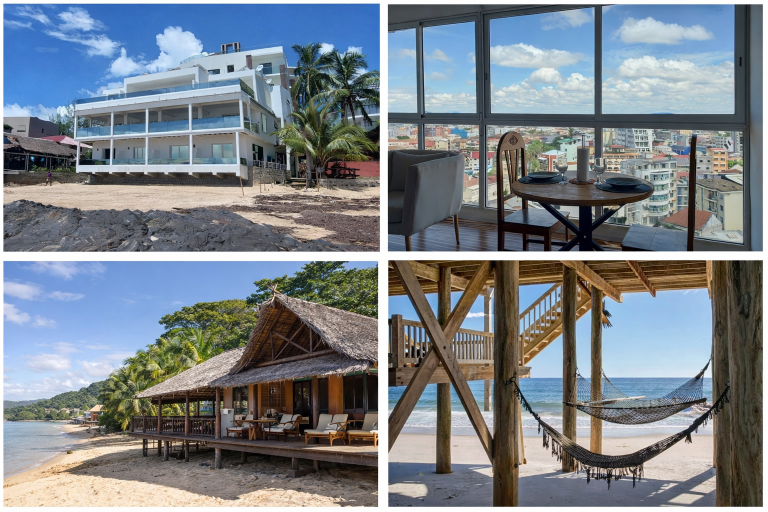
Madagascar offers a wide range of accommodation styles, though availability and standards vary significantly from region to region. Knowing what to expect helps you choose places that match your priorities and travel style.
City hotels are mainly found in Antananarivo and larger regional towns. These range from simple guesthouses to comfortable mid-range properties and are typically chosen for convenience, safety, and access to transport rather than atmosphere.
Beach lodges and island resorts are common along the coast and on islands such as Nosy Be. These often offer the highest comfort levels in the country, with relaxed settings, good food, and organised activities. In more remote coastal areas, options can be limited, making advance planning worthwhile.
Eco-lodges and nature stays are usually located near national parks and wildlife reserves. Comfort varies, but locations are often exceptional, with simple rooms set in beautiful natural surroundings and schedules designed around nature-based experiences.
Guesthouses and auberges are widely available, especially in towns and rural areas. Many are welcoming and full of character, though standards can vary significantly, making reviews and local recommendations particularly valuable.
Compare hotels, lodges, beach resorts, eco-camps, and guesthouses across Madagascar. Find the perfect base for your trip, whether you're exploring the national parks, relaxing on Nosy Be, or discovering the island’s remote and unforgettable landscapes.
Find Hotels in MadagascarCosts, Payments, and Expectations
Accommodation in Madagascar often works differently from what travelers are used to in Europe or North America. While platforms such as Booking.com and Agoda are widely used, many hotels, guesthouses, and lodges do not require prepayment at the time of booking. Reservations are confirmed online, but payment is typically expected on arrival.
This means travelers should arrive with sufficient cash to cover accommodation costs, sometimes for multiple nights. Because the highest banknote in circulation is 20,000 Ariary, paying for hotels can involve carrying larger amounts of cash than you might expect. This is particularly relevant outside major cities, where ATMs may be limited or unreliable — making a bit of advance planning especially helpful, including setting up a local mobile money account (such as Orange Money, MVola, or Airtel Money), which can solve many everyday payment and cash-access issues across the country.
Although Madagascar is one of the poorest countries in the world, travelers should not expect local prices for accommodation that meets typical Western expectations — such as a private bathroom, a toilet in the room, consistent cleanliness, and regular housekeeping. While prices are often still lower than in Europe or North America, there is no direct correlation between local poverty and hotel costs. Maintaining these standards involves higher operating costs in a country with limited infrastructure, logistics, and supply chains.
In destinations such as Nosy Be, hotel prices around €50 per night are common in the low season and can rise significantly during peak periods. In Diego Suarez, you may pay €70–80 per night for a well-maintained, comfortable stay. While these prices can feel disconnected from local income levels, they are generally predictable within tourist areas and reflect access, location, and seasonal demand rather than arbitrary pricing.
If you want to compare real accommodation options and current pricing across platforms, you can use this hotel comparison guide alongside this international flight search overview to plan both stays and transport together.
One reason for this pricing structure is that many tourist-oriented hotels in Madagascar are owned or managed by foreign operators, particularly French and Italian owners, and often cater primarily to international visitors. Pricing is usually aligned with international travel standards and the real costs of operating in a remote environment, rather than local wage levels — which strongly influences accommodation prices across the country.
Madagascar by Region: Where to Go Across the Island
One of the most exciting things about traveling in Madagascar is how dramatically the country changes from one region to the next. Understanding these regional differences helps you choose destinations that match your interests and travel style, whether you’re drawn to wildlife, beaches, culture, or adventure.
Madagascar is a vast and geographically diverse island, and each region feels like a different world. From lush rainforests and cool highlands to dry southern landscapes and tropical islands, the variety is remarkable. While distances may look manageable on a map, travel times are often longer than expected due to road conditions, weather, and limited transport options — which is why it’s best to approach Madagascar as a collection of distinct regions rather than a single, fast-moving itinerary. If you want to understand how these regions connect in practice, this Madagascar route planner shows how travelers typically structure their routes across the island.
Most travelers focus on just a few regions during one trip, combining destinations based on their interests and the time they have available. Rather than limiting your experience, this approach allows you to slow down, travel more comfortably, and connect more deeply with each place — something many visitors say is what makes Madagascar so memorable.
Antananarivo & the Central Highlands
Antananarivo, often called Tana, is Madagascar’s capital and main gateway to the island. While most travelers don’t come specifically for the city itself, nearly everyone passes through it — and with a bit of curiosity, it offers a valuable first introduction to the country’s rhythm, contrasts, and daily life. If you have time to explore beyond your arrival or departure, our guide to things to do in Antananarivo covers the capital’s historic sights, markets, restaurants, nightlife and practical travel advice.
Beyond the capital, the Central Highlands reveal a very different side of Madagascar. Rolling hills, rice terraces, cooler temperatures, and deeply rooted traditions define this region, creating landscapes and scenes that feel calm, human, and distinctly Malagasy.
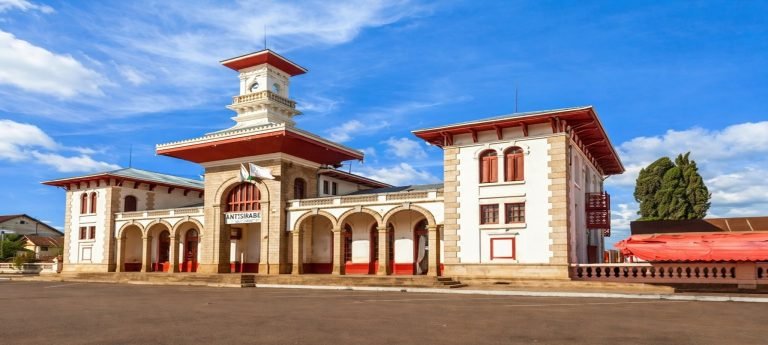
Towns such as Antsirabe add depth to the experience, with their colonial architecture, artisan workshops, and thermal springs. Markets, village life, and traditional farming dominate the highlands, offering some of the clearest insights into everyday life on the island — far removed from the beach-focused image many travelers associate with Madagascar.
For a deeper look at the capital and the surrounding highlands — including culture, landscapes, and how to plan your time in this region — see this guide to Antananarivo and the Central Highlands of Madagascar.
If you are deciding where to stay or how to structure your time here, the accommodation section of this guide explains how to choose the right base and what to expect across different regions.
Discover the best things to do in and around Antananarivo, from historic landmarks and royal palaces to wildlife parks, cultural attractions, local markets, and scenic day trips beyond the capital.
View Antananarivo Tours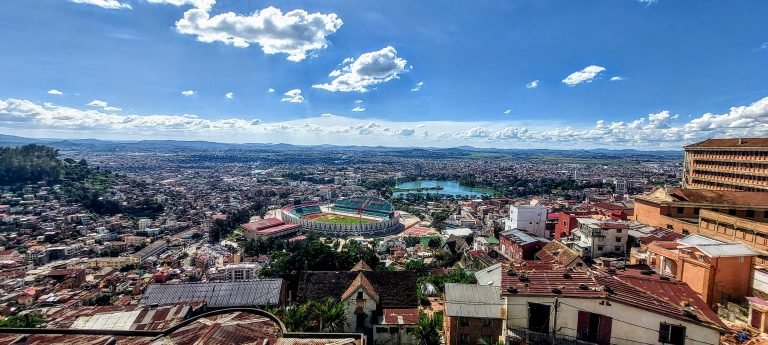
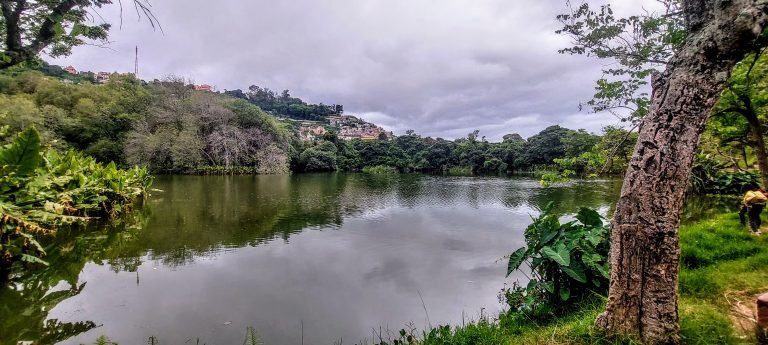
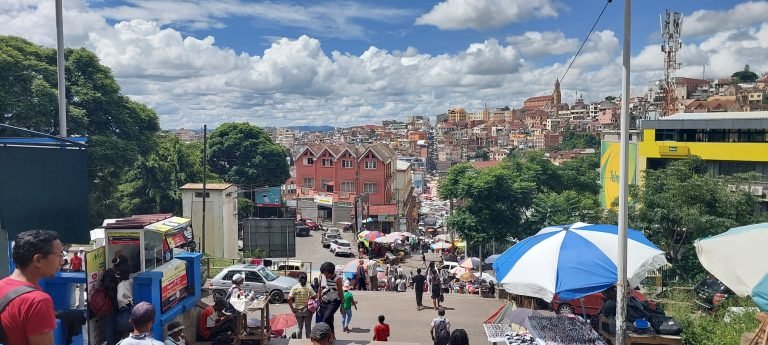
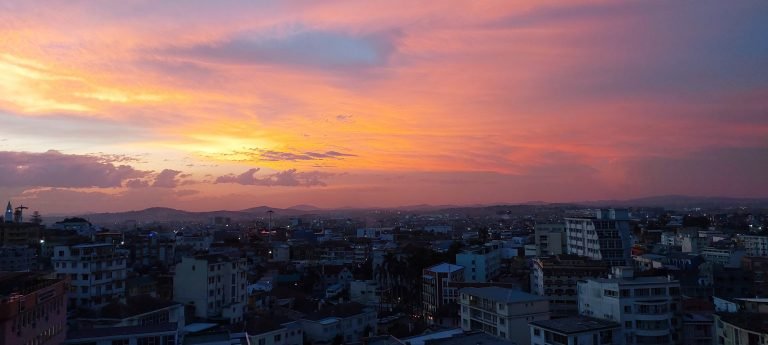
North Madagascar: Diego Suarez, Sambava & Nosy Be
Northern Madagascar is one of the country’s most varied and rewarding regions, offering everything from tropical islands and coral reefs to remote coastlines and rainforest-covered hills. For many travelers, the north begins with Nosy Be — one of Madagascar’s most popular and accessible destinations.
Located just off the northwest coast, Nosy Be is known for its beaches, diving, relaxed atmosphere, and easy island-hopping to nearby islets. It offers a softer introduction to Madagascar, combining warm water, rich marine life, and laid-back island living while still feeling far removed from mass tourism.
Beyond Nosy Be, the region stretches toward Diego Suarez (Antsiranana), known for its dramatic bays and windswept landscapes, and east toward Sambava on the Vanilla Coast, where rainforest meets the Indian Ocean. This diversity makes northern Madagascar one of the most complete regions to explore.
If northern Madagascar is the region you are most interested in, this Northern Madagascar travel guide explores Nosy Be, Diego Suarez, Sambava, and how to plan your time across the region.
For coastal experiences elsewhere on the island, you can also explore Madagascar’s best beaches and coastal destinations, which highlights how the north compares to other parts of the country.
Explore Northern Madagascar’s most spectacular landscapes, from the dramatic Tsingy formations and Emerald Sea near Diego Suarez to the rainforests of Marojejy National Park around Sambava and the tropical islands, beaches, and wildlife of Nosy Be, Nosy Iranja, Nosy Komba, and Lokobe Reserve.
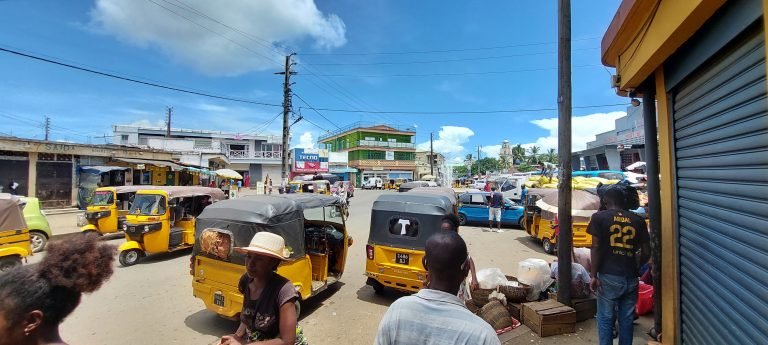
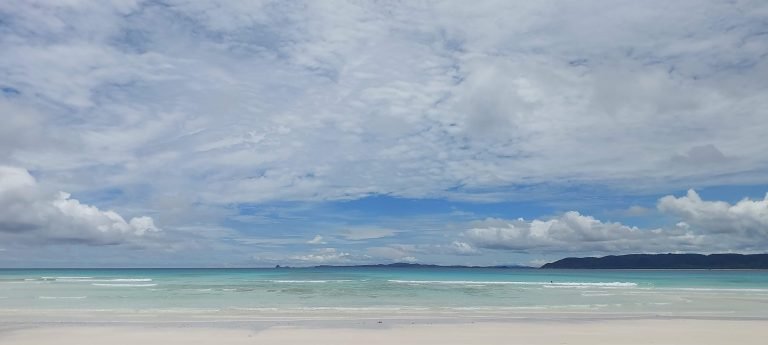
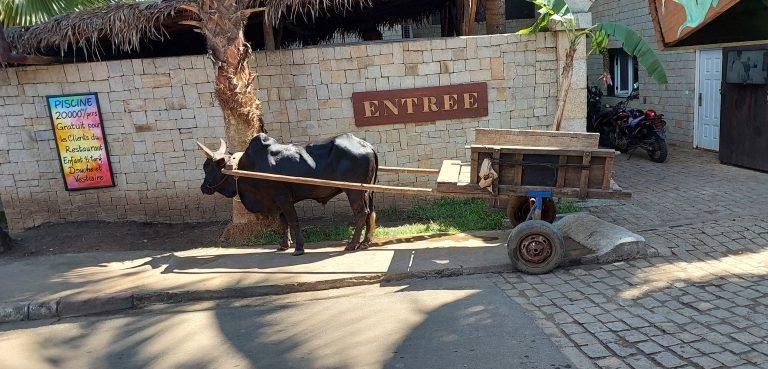
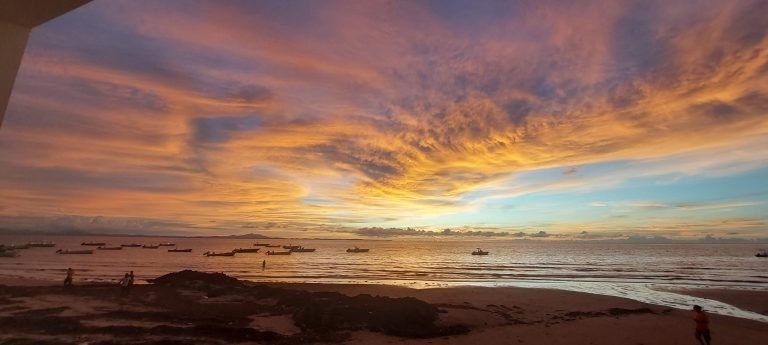
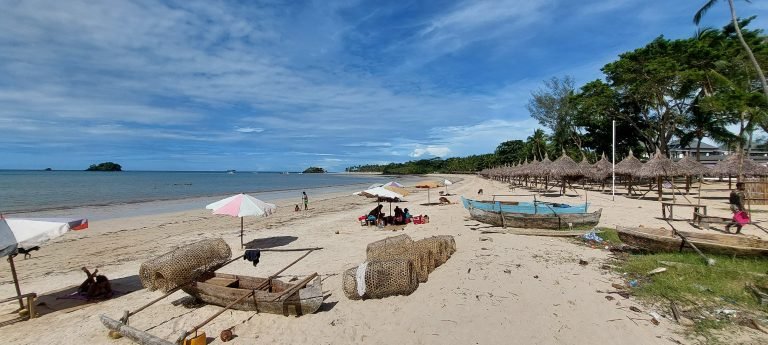
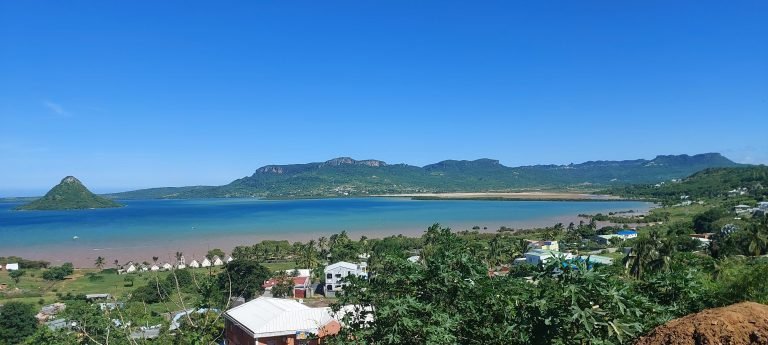
Beyond the islands, northern Madagascar becomes wilder and more rugged. Diego Suarez (also known as Antsiranana), at the island’s northern tip, is surrounded by dramatic bays, wind-swept coastlines, and striking natural formations. The area is well suited to travelers drawn to hiking, open landscapes, and a sense of remoteness.
Further east, the landscape shifts again toward Sambava and the Vanilla Coast, where lush rainforest meets rural coastal life. This part of the north feels slower, more agricultural, and deeply connected to the land, offering a closer look at everyday life in one of Madagascar’s most important farming regions.
Together, these areas highlight the contrast that defines northern Madagascar — from rugged northern landscapes to fertile coastal regions shaped by agriculture and tradition.
Vanilla Country: Sambava and the SAVA Region
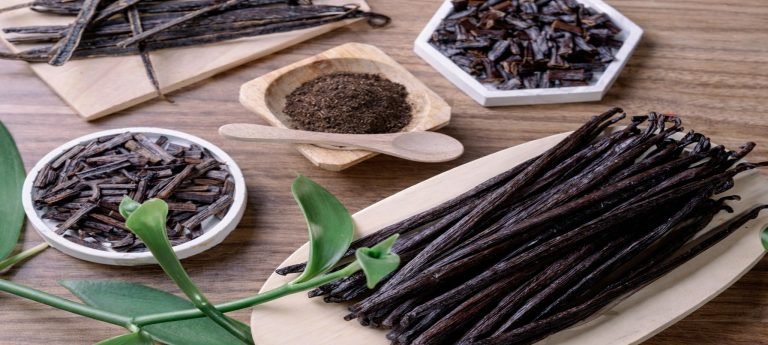
Sambava sits at the heart of Madagascar’s SAVA region (Sambava, Antalaha, Vohemar, and Andapa), an area internationally known as the world’s most important producer of natural vanilla. Much of the vanilla used in fine food, perfume, and cosmetics globally originates from this humid northeast corner of the island.
Vanilla is not simply an export product here; it shapes daily life, seasonal rhythms, and local livelihoods across the region. Vines are grown in small family plots, often hand-pollinated flower by flower, then harvested, cured, dried, and fermented through a long and delicate process that can take several months. The work is labour-intensive and highly skilled, passed down through generations.
Travelers in and around Sambava often notice vanilla pods drying in the sun, bundles tied for transport, or small roadside stalls selling locally grown vanilla alongside cloves and coffee. Even without visiting a plantation, the presence of vanilla is visible throughout the region and deeply tied to its identity.
Because vanilla prices fluctuate sharply on global markets, the crop has also shaped the region’s economic realities, security concerns, and social dynamics. Understanding vanilla production offers valuable insight into both the opportunities and vulnerabilities faced by communities in northeastern Madagascar.
If you are planning your route through northern Madagascar, the Northern Madagascar travel guide explains how Sambava, Diego Suarez, and Nosy Be connect within a realistic itinerary.
For guidance on choosing the right base and understanding accommodation realities in this region, see the accommodation section of this guide.
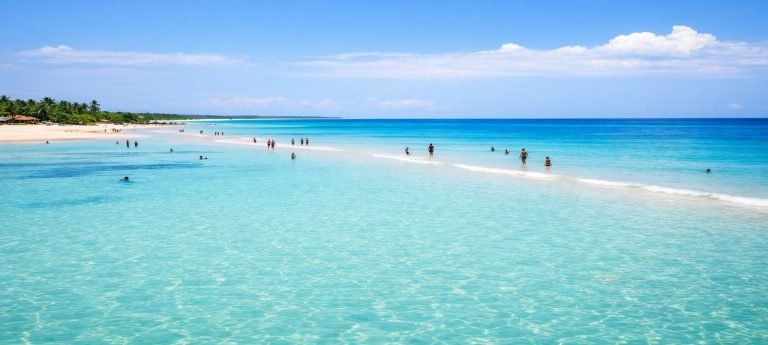
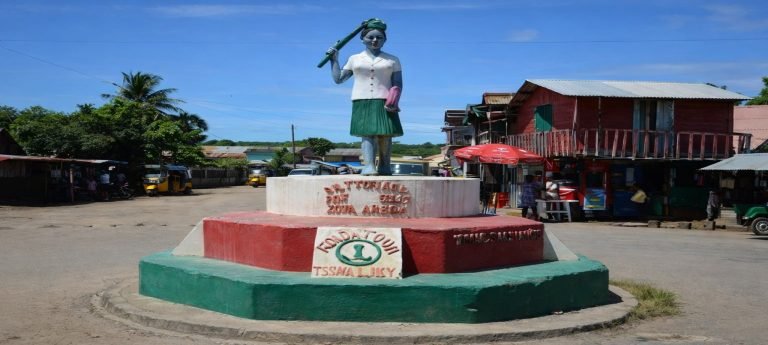
Central & East Coast: Majunga, Tamatave & Antsirabe
The central and eastern parts of Madagascar offer a varied mix of port cities, inland towns, and tropical coastlines, each with a distinct atmosphere and travel pace. These regions are often chosen for their accessibility, everyday life, and opportunities to experience Madagascar beyond its most famous tourist areas.
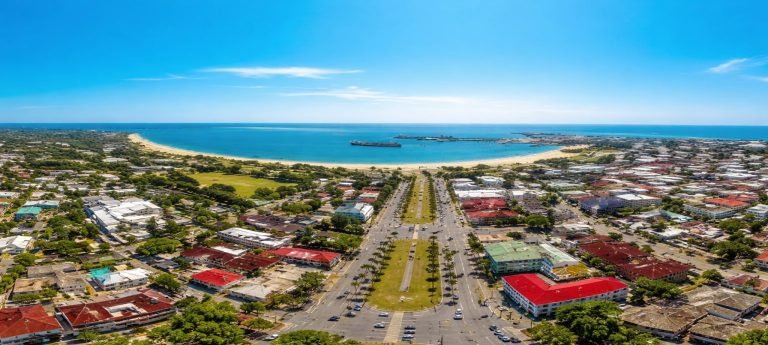
On the west coast, Majunga (Mahajanga) stands out for its warmer climate, seaside promenades, and relaxed rhythm of life. With its broad beaches, sunsets, and casual waterfront cafés, it appeals to travelers looking for a laid-back coastal base that still feels local and unhurried.
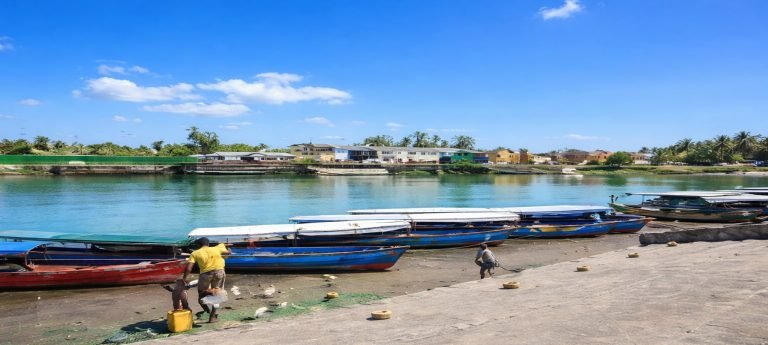
On the east coast, Tamatave (Toamasina) is Madagascar’s main port city and an important economic hub. The surrounding region is lush, humid, and green, with access to rainforests, canals, and small coastal villages. While more industrial than other destinations, Tamatave offers insight into the country’s commercial heart and serves as a gateway to eastern landscapes and waterways.
Further inland, Antsirabe sits within the Central Highlands and is a popular stop for travelers moving between Antananarivo and the southern regions. Known for its cooler climate, colonial architecture, and artisan workshops, it offers a quieter atmosphere and a slower pace, making it a comfortable base or short stopover.
If you are exploring these regions in more detail, this guide to Madagascar’s west and east coast regions covers Majunga, Tamatave, and how they fit into a broader travel route.
For guidance on choosing the right base and understanding accommodation realities across the island, see the accommodation section of this guide.
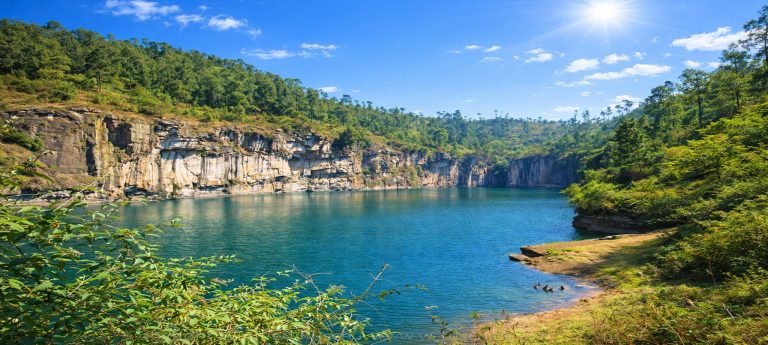
Explore the highlights of Antsirabe and the Central Highlands, including volcanic lakes, traditional workshops, gemstone markets, scenic countryside, and cultural experiences in one of Madagascar’s most charming cities.
View Antsirabe Tours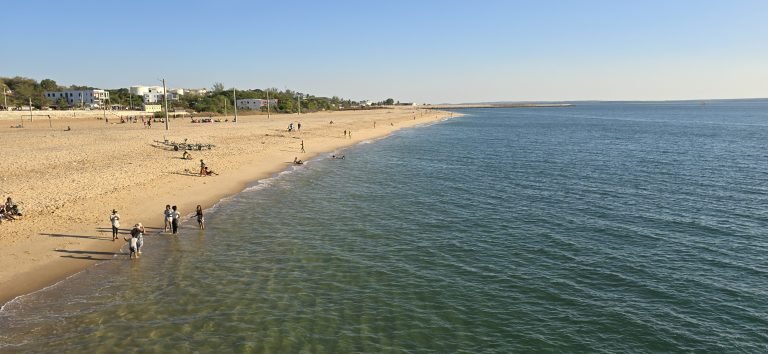
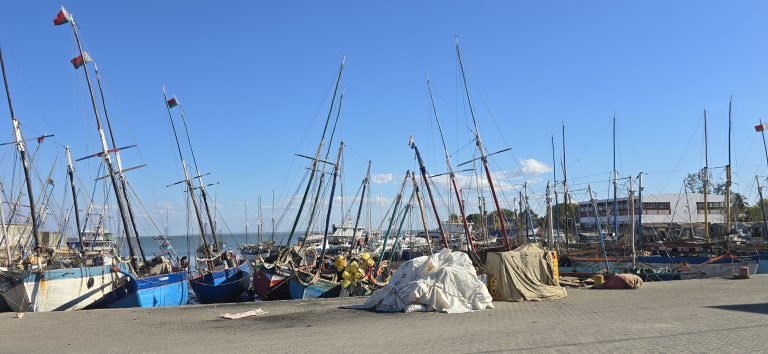
South Madagascar: Toliara & Fort Dauphin
Southern Madagascar feels worlds apart from the rest of the island, defined by drier climates, rugged terrain, and landscapes found nowhere else in the country. Baobabs, spiny forests, wide open spaces, and remote coastal stretches give the south a raw, almost otherworldly character.
Toliara (Tuléar) serves as the main gateway to the southwest, where long beaches, fishing villages, coral reefs, and unique desert-meets-ocean ecosystems dominate. The region moves at a slower pace and offers a strong sense of remoteness, making it especially appealing to travelers looking to step away from busier routes.
In the far southeast, Fort Dauphin (Taolagnaro) combines mountains, rainforest, and dramatic coastline in a compact area. While the south is less visited than other regions, travelers willing to accept longer journeys and simpler infrastructure are rewarded with some of Madagascar’s most striking scenery and memorable experiences.
If you are planning to explore this part of the island, this Southern Madagascar travel guide breaks down Toliara, Fort Dauphin, and how to structure a realistic route through the region.
As with all travel in Madagascar, choosing where to go in the south depends on how much time you have and the type of experience you’re seeking. Focusing on a few carefully chosen regions — and allowing time to move slowly and adapt to the island’s rhythm — tends to result in the most rewarding journeys.
For guidance on choosing the right base and understanding accommodation realities across the island, see the accommodation section of this guide.
🧭 Explore Madagascar with a Guided Route
Planning Madagascar independently is absolutely possible — but distances, road conditions, and logistics can make route-building complex. This 9-day journey offers a structured way to experience the island’s highlights, starting in Antananarivo, crossing dramatic landscapes including Isalo National Park, and ending in Tulear on the southwest coast.
It is one of the easiest ways to understand how travel in Madagascar really works — the distances, the rhythm, and the variety of landscapes — before continuing independently if you choose.
Culture, Beliefs & Traditions in Madagascar
Madagascar’s culture is deeply shaped by ancestral reverence, spiritual beliefs, and community traditions that quietly influence everyday life. These beliefs are not limited to ceremonies — they are woven into how people relate to family, nature, and one another. While modern life continues to evolve, many Malagasy people still see the world as a connected whole, where the living, the ancestors, the natural environment, and the spiritual realm coexist.
For travelers, understanding this cultural framework adds an entirely different dimension to the experience. It helps explain everyday interactions, local customs, and the slower, more relational rhythm of life across the island — something that often surprises visitors who arrive expecting a more conventional travel experience.
If you are planning your route across the island, this deeper cultural layer becomes especially noticeable as you move between regions. From the highlands to the coast, traditions, beliefs, and daily life vary significantly, which is why many travelers combine cultural experiences with regional exploration in a broader Madagascar travel route.
Ancestor Worship: The Living and the Dead Are Closely Connected
Ancestor worship sits at the heart of Malagasy culture. Ancestors are not viewed as distant figures of the past, but as continuing members of the family who are believed to guide, protect, and influence daily life. Honouring ancestors is associated with harmony, balance, and wellbeing, both for individuals and for the wider community.
One of the most striking expressions of this belief is Famadihana, often called “the turning of the bones.” Practiced mainly by the Merina and Betsileo peoples of the highlands, Famadihana is a sacred yet joyful ceremony held every five to seven years. Families open ancestral tombs, carefully rewrap the remains of deceased relatives in fresh silk shrouds, and celebrate together with music, dancing, and shared meals. Rather than being somber, the ceremony reflects the idea that relationships continue beyond death and remain an active part of family life.
Gri-Gri (Ody Gasy): Protection, Guidance & Spiritual Balance
Spiritual protection in Madagascar often takes the form of gri-gri, locally known as ody gasy or sampy. These are protective charms, objects, or remedies believed to bring luck, health, success, or protection. They are not seen as superstition, but as practical spiritual tools that exist alongside everyday life.
Gri-gris can take many forms, from small objects or bundles carried on the body, to liquids, scents, or symbolic items placed in homes or workplaces. They are prepared or prescribed by ombiasy — traditional healers and spiritual advisors — who draw on inherited knowledge to offer guidance or protection. Many people use gri-gris for important moments such as travel, business decisions, or major life events, reflecting how closely spirituality and daily life are connected in Madagascar.
Fady: Sacred Taboos That Guide Daily Life
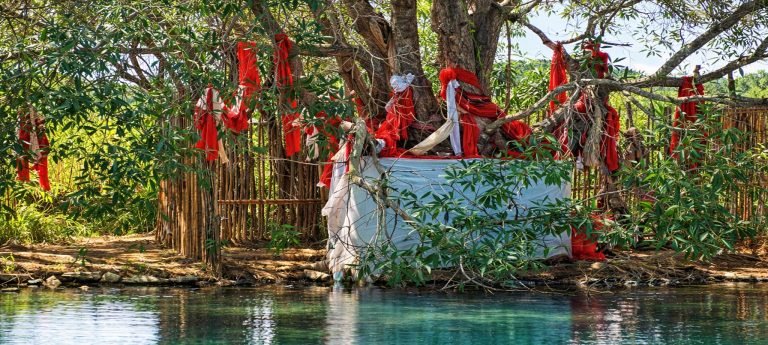
Closely linked to ancestral beliefs is the concept of fady — sacred taboos that guide behaviour in certain places or situations. Fady are not rigid laws, but culturally important guidelines that vary widely by region, family, and community. What matters most is awareness and respect, rather than strict adherence to a universal set of rules.
Fady can relate to food, behaviour, animals, or specific locations. In some areas, this may include avoiding certain foods such as pork, goat, or eel, or refraining from actions like pointing at tombs or whistling at night. Some animals — including indri lemurs, chameleons, aye-ayes, or owls — may hold spiritual significance, while sacred trees, stones, or landscapes are often protected through local beliefs.
Violating a fady (ota fady) is traditionally believed to disturb balance or bring misfortune, but in practice, visitors rarely encounter problems when they behave respectfully. For travelers, fady are less about restriction and more about understanding and respecting the cultural context of the places they visit.
Because fady differ from one place to another, even Malagasy people often ask about local customs when visiting unfamiliar areas. This same approach works perfectly for travelers.
A simple question to a guide, host, or driver — “Is there anything I should avoid doing here?” — is always appreciated and helps you navigate local customs with ease. Asking is seen as a sign of respect, not ignorance.
In practice, this might mean avoiding certain colours, foods, or actions in specific places. In some communities, for example, eating particular foods before swimming, touching certain objects, or interacting with sacred sites in a casual way may be discouraged. These customs are always local rather than universal, which is why a little curiosity goes a long way.
Marriage & Wedding Traditions: Vodiondry and Family Unity
Marriage in Madagascar is traditionally understood as a union between families rather than just two individuals. At the heart of this process is the Vodiondry ceremony, which literally translates to “the sheep’s rump.” This formal and symbolic proposal allows the groom’s family to honour the bride’s family and ask for their blessing.
Historically, the offering involved a lamb or zebu, though today it is often monetary. What matters most is not the gift itself, but the respect shown during the ceremony. Representatives from both families speak publicly, recounting family histories, praising the bride, and expressing goodwill, while elders play a central role in offering guidance and blessings.
Traditional clothing is commonly worn, especially the lamba, a versatile cloth used across Madagascar. Brides often wear it as a wrapped dress with a matching head covering, while grooms may drape it over a tunic. During the wedding feast, newlyweds traditionally share a meal from a single clay plate (fandambanana) using one spoon — a simple but powerful symbol of unity and shared life.
These traditions reflect the importance of family, respect, and social harmony — values that shape everyday life across the island and are often visible to travelers in both subtle and meaningful ways.
Celebrations, Community & the Malagasy Spirit
One of the most visible expressions of contemporary Malagasy culture is the Sômarôho (Somaroho) Festival, held annually on the island of Nosy Be in August. This vibrant event celebrates music, creativity, and cultural exchange, bringing together Malagasy artists, international performers, and visitors from across the Indian Ocean.
The festival blends traditional Malagasy rhythms with contemporary African music, reggae, and fusion styles. Performances take place in open-air settings that feel relaxed, social, and inclusive rather than staged or overly commercial.
For travelers, events like Somaroho offer a rare opportunity to experience Malagasy culture as it is lived today — communal, expressive, and welcoming — rather than something presented purely for tourism.
Ethnic Diversity and Regional Identities
Madagascar is home to around twenty distinct Malagasy ethnic groups, shaped by centuries of migration and cultural blending between Southeast Asian (Austronesian) and East African (Bantu) ancestry. While Malagasy is spoken nationwide, strong regional dialects exist, and even Malagasy people may not always fully understand one another across distant regions.
Regional identities remain closely tied to geography, livelihoods, and history. Some of the largest groups include the Merina of the central highlands, the Betsimisaraka along the east coast, and the Betsileo of the southern highlands.
Across the island, other groups such as the Sakalava, Antandroy, Vezo, and Mahafaly reflect the diversity of environments and traditions found in Madagascar. This cultural mosaic helps explain why customs, beliefs, and daily life vary so widely from one region to another.
If you are exploring different parts of the island, this diversity becomes especially clear when comparing regions such as the northern Madagascar, the central highlands, and southern Madagascar.
Indigenous Peoples and Disappearing Traditions: The Mikea
Among Madagascar’s many ethnic groups, the Mikea occupy a unique and often misunderstood place. Traditionally living in the south-west of the island, they have relied on a semi-nomadic way of life closely connected to the forest.
For generations, Mikea communities depended on hunting small game, gathering wild tubers and honey, and small-scale shifting cultivation. Their way of life follows seasonal rhythms and deep ecological knowledge rather than permanent settlements or modern infrastructure.
Today, many Mikea communities face increasing pressure from deforestation, land appropriation, and conservation policies that can restrict traditional practices. Their situation reflects broader challenges in Madagascar, where environmental protection, economic development, and ancestral ways of life do not always align easily.
The Mikea should not be viewed as a tourist attraction. Understanding their story offers insight into how closely culture, land, and survival are connected in Madagascar — and how fragile some of these traditions have become.
Food & Drink in Madagascar: What to Eat and What to Try
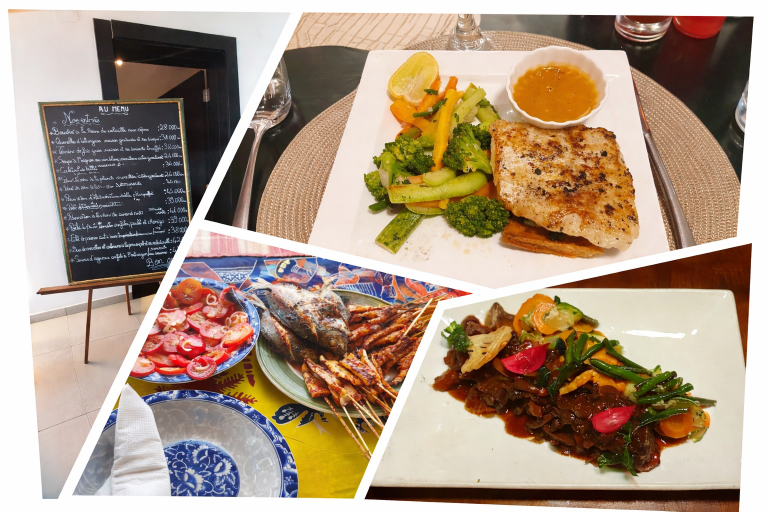
Food in Madagascar reflects the island’s geography, history, and cultural influences, blending African roots, Southeast Asian traditions, and French colonial touches. Meals are simple, rice-based, and deeply communal, with flavours built around fresh ingredients rather than heavy spices.
Eating here is not rushed — it is part of daily life and social connection. Meals feel nourishing, honest, and closely tied to the rhythms of everyday Malagasy life. If you want a deeper look at regional dishes, local specialties, and what to eat across the island, this guide to traditional Malagasy food explores the cuisine in more detail.
Rice: The Heart of Every Meal
Rice (vary) is the foundation of Malagasy cuisine and is eaten at almost every meal — breakfast, lunch, and dinner alike. It is typically served plain and accompanied by a variety of side dishes, known as laoka, which can include vegetables, meat, fish, or legumes.
A meal without rice is often considered incomplete. Across the island, rice is not just a staple food, but a cultural anchor that reflects daily life, agriculture, and tradition.
Must-Try Malagasy Dishes
Some dishes are found across the island, while others are closely tied to specific regions such as the highlands or the coast. Portions are generous, and flavours tend to be comforting and well-balanced rather than heavily spiced.
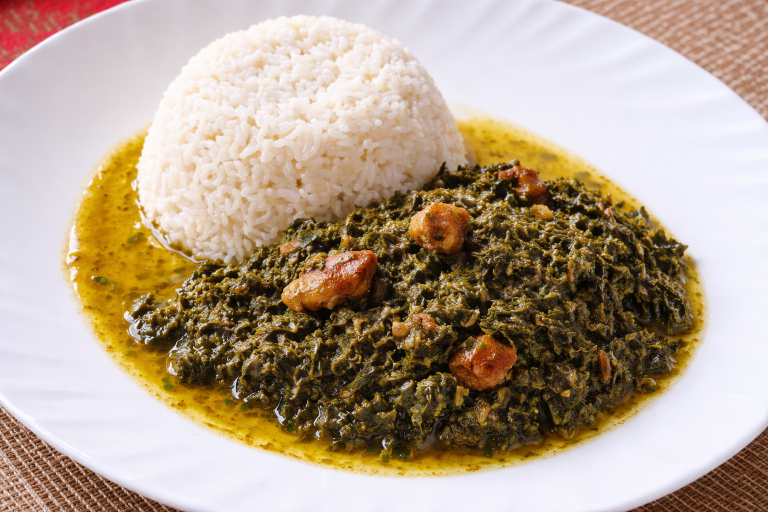
- Romazava – A traditional Malagasy dish made with mixed leafy greens, beef or pork, and a light broth, often flavoured with local herbs.
- Ravitoto – Crushed cassava leaves slow-cooked with pork until rich and hearty, especially popular in the highlands.
- Hen’omby sy anana – Beef with greens, simple, filling, and widely eaten across the country.
- Mofo gasy – Sweet rice cakes sold at roadside stalls, commonly eaten for breakfast or as a snack.
- Koba – A traditional dessert made from ground peanuts, banana, and rice flour, wrapped in banana leaves and steamed.
Coastal & Seafood Dishes
Along the coast — particularly in Nosy Be, Diego Suarez, and along the east — seafood plays a central role in local cuisine. Fish, prawns, crab, and lobster are often grilled simply or prepared with coconut-based sauces, allowing the freshness of the ingredients to stand out.
- Grilled fish with coconut sauce – Freshly caught, lightly seasoned, and typically served with rice.
- Seafood romazava – A coastal variation of the national dish using fish or shellfish.
- Prawn and coconut curries – Reflecting Indian Ocean influences, rich but not overly spiced.
Street Food & Everyday Eating
Street food is widely available in towns and cities and offers an affordable way to experience everyday Malagasy flavours. Vendors sell snacks, fried dough, skewered meats, and small rice-based dishes throughout the day.
As in many parts of the world, hygiene standards vary. Choosing busy stalls with high turnover is usually the safest option and often leads to the freshest food.
Traditional Drinks
Malagasy drinks range from simple daily staples to locally produced celebratory beverages, many of which are closely tied to tradition and local ingredients.
- Ranovola – A smoky rice water made by boiling water with toasted rice crust, commonly served alongside meals.
- Litchel wine – A sweet wine made from lychee fruit, especially popular during harvest season.
- Toaka gasy – A strong homemade rum or sugarcane spirit, often consumed during gatherings and celebrations.
- Fresh fruit juices – Mango, pineapple, passion fruit, and tamarind are widely available and often freshly prepared.
Eating Customs & Practical Tips
Meals are often shared, and hospitality plays an important role in Malagasy culture. In rural areas, guests may be invited to eat with a family, which is considered a sign of respect and trust.
Eating with your right hand is common in traditional settings, and finishing your rice is seen as polite. Small gestures of appreciation — accepting food with gratitude and curiosity — are usually met with warmth and generosity.
Vegetarian options exist but can be limited outside major cities. If you have dietary restrictions, it is best to explain them clearly and expect simple adaptations rather than fully separate dishes.
Getting Around Madagascar: Transport, Distances & Realistic Expectations
Getting around Madagascar requires a different mindset than traveling in more developed destinations. Distances may look manageable on a map, but road conditions, terrain, weather, and limited infrastructure mean journeys often take far longer than expected. Understanding this early is essential for planning a smooth and enjoyable trip.
Distances in Madagascar Are Deceptive
Madagascar is the fourth-largest island in the world, and travel is slow by both geography and infrastructure. Outside a small number of main routes, average driving speeds are often under 25 kilometres per hour. As a result, a journey of 400 kilometres can easily take 15 to 18 hours, even without major delays.
Because of this, one of the most common planning mistakes is trying to cover too much ground in too little time. Most visitors have a far better experience by focusing on one or two regions rather than attempting to cross the island.
Long journeys are not just transfers from point A to point B. They reveal rural landscapes, roadside markets, village life, and daily rhythms that are rarely visible on tightly scheduled itineraries.
Taxi-Brousse (Long-Distance Shared Buses)
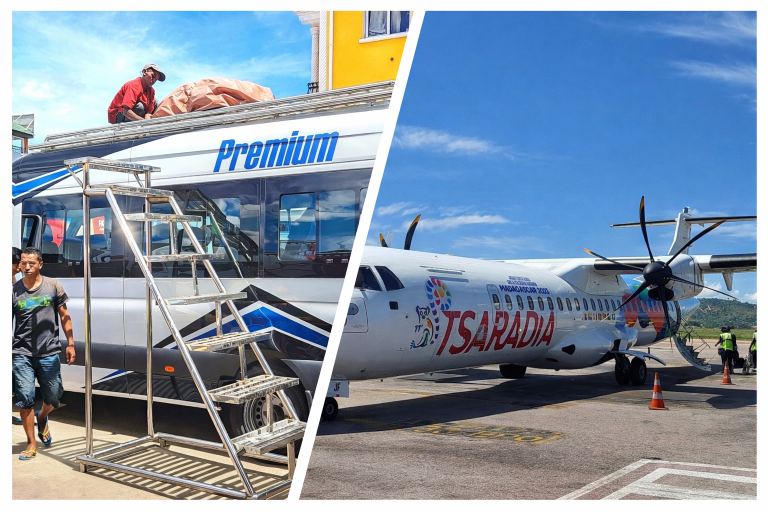
For long-distance travel between cities and regions, taxi-brousse remains the backbone of transportation in Madagascar. These shared minibuses and coaches are the most economical way to travel and are used daily by Malagasy people to transport both passengers and cargo across the country.
Local, informal taxi-brousse services can be cramped, overcrowded, and unpredictable. However, a few well-established operators offer a much higher standard of service, with cleaner vehicles, assigned seating, and more reliable departures. Two of the most trusted companies are Soatrans and Cotisse, both of which allow seats to be reserved online in advance:
-
Soatrans (Soatrans Plus) operates modern minibuses and coaches on popular routes, including Antananarivo to Antsirabe, Mahajanga, Tamatave, and parts of the south. Vehicles are generally clean, well maintained, and not overcrowded, with some routes offering air-conditioning.
Soatrans Plus website -
Cotisse Transport is particularly well known on the Antananarivo–Tamatave route, offering assigned seating, fixed departure times, and a strong reputation for punctuality and professionalism.
Cotisse Transport website
Compared to informal taxi-brousse, these companies provide a far more comfortable and predictable experience, making them an excellent choice for travelers who want to move overland without renting a private car.
Good to know:
- Seats can sell out on weekends and during holidays, so booking ahead is recommended.
- Luggage is usually stored underneath or on the roof and is normally included in the ticket price.
- Even with better operators, travel times can still be long due to road conditions — always build in buffer time.
Taxi-brousse travel is best suited to travelers with time and flexibility. While slow, it offers a direct view into everyday Malagasy life and remains one of the most authentic ways to move through the country.
To put travel times into perspective, a taxi-brousse journey from Majunga to Nosy Be during the Somaroho festival took around 19 hours door to door, including waiting times, road conditions, and transfers. Experiences like this are not unusual and highlight why realistic planning matters.
In some cases, hiring a private taxi for long distances can make more sense than flying. For example, traveling by private taxi from Nosy Be to Diego Suarez cost around 900,000 Ariary. The drive from Amify, the mainland ferry point from Nosy Be, to Diego Suarez took roughly nine hours — still more efficient than flying via Antananarivo, which would have required at least one overnight stay and higher overall costs.
Because distances and travel times in Madagascar are often underestimated, it’s important to understand how to get around Madagascar before planning routes between regions.
Domestic Flights: Available, but Structurally Limited
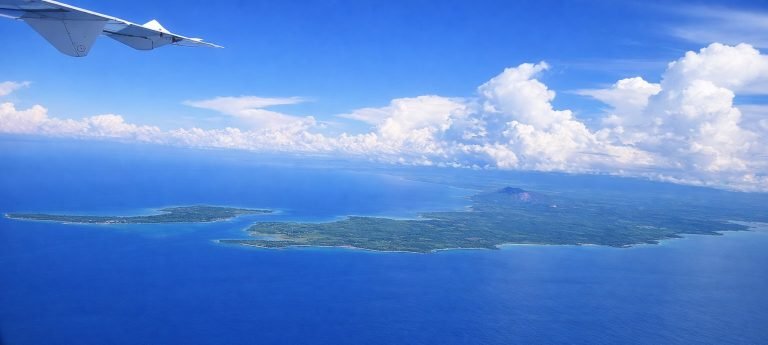
Domestic flights connect Antananarivo with most major cities and tourist regions, including Nosy Be, Diego Suarez, Fort Dauphin, Tamatave, and Tulear. However, the network is almost entirely hub-based, with nearly all routes passing through the capital.
Direct flights between regional destinations are extremely limited. Traveling between cities such as Diego Suarez and Majunga typically requires routing via Antananarivo, often involving long layovers or overnight stays.
Madagascar Airlines operates most domestic routes. While flights can save significant time, delays, schedule changes, and cancellations are relatively common, and timings may shift even after booking confirmation.
Booking systems can also be confusing. It is not unusual to receive “awaiting payment” notifications after completing payment. In most cases, confirmation follows later, but flexibility and patience are essential when relying on domestic flights.
Getting Around Within Cities
Local transport within cities operates very differently from long-distance travel. In Antananarivo, city buses cover much of the capital but are slow, often crowded, and involve long waiting times, making them less practical for most visitors.
Taxis are widely available and remain the most convenient option for short distances. Motorbike taxis are also common but are best suited to travelers comfortable with local traffic conditions and informal fare negotiation.
A newer alternative in Antananarivo is Piqla, a ride-hailing service similar to Uber or Grab. It offers a more structured and predictable experience than street taxis, with a focus on safety and convenience.
The service currently operates only in the capital. It maintains an active presence on Facebook (Piqla) and is available on both the Google Play Store and App Store. Customer support is accessible 24/7 via short code 345.
Outside the capital, most towns rely on local buses and bajaj (three-wheeled motorized taxis), which are widely available and well suited for short journeys.
Pousse-Pousse and Cyclo-Pousse (Local Bicycle Taxis)
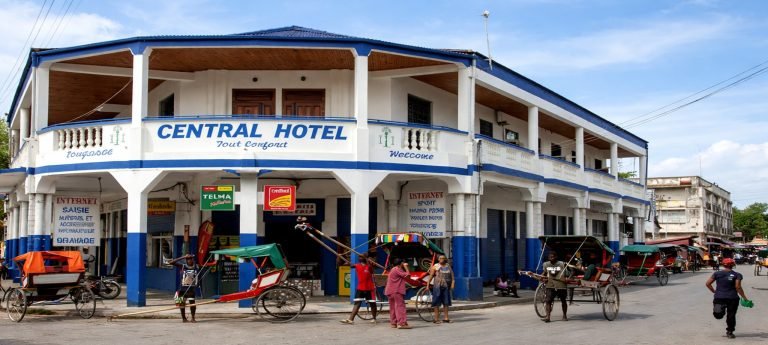
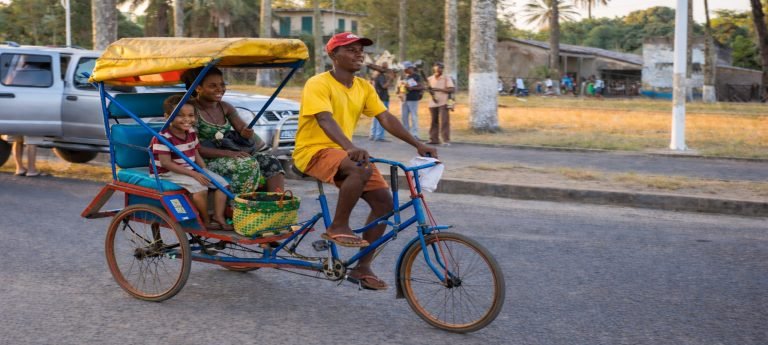
In some coastal towns and more remote regions — particularly in places like Manakara — local transport often takes the form of pousse-pousse or cyclo-pousse, which are bicycle-powered taxis used for short distances.
While slow, pousse-pousse are an essential part of daily life in areas where roads are narrow or motorized vehicles are less common. They are inexpensive, widely used, and fares should always be agreed upon before departure.
Critical Advice for Flights, Transport & Safety Buffers
If you are flying internationally out of Madagascar, plan to return to Antananarivo at least two full days before your departure. Delays and cancellations frequently leave travelers stranded in regional cities longer than expected, and missed international flights are one of the most common issues.
As a general rule, avoid tight connections, last-minute transfers, or same-day travel plans involving flights or long overland journeys. Building buffer time into your itinerary is essential rather than optional.
Small Aircraft & Charter Flights
Some operators offer domestic flights using small aircraft, typically seating around 16 passengers. These flights are significantly more expensive and usually operate only when enough seats are filled.
Because of this, they are unpredictable and should not be relied upon for fixed schedules.
Hiring a Car and Driver
For many travelers — especially small groups — hiring a car with a local driver is the most practical way to explore Madagascar. Drivers understand road conditions, local customs, and safety considerations, and remove much of the stress associated with navigation.
Self-driving is technically possible but not recommended for first-time visitors due to poor road conditions, limited signage, and the risk of breakdowns far from assistance.
Boats and Coastal Travel
Boats are commonly used to reach islands and coastal destinations such as Nosy Be and Île Sainte-Marie. Schedules depend heavily on weather and sea conditions, and delays are common.
The Manakara–Fianarantsoa Train (FCE Railway)
Madagascar is home to one of its most iconic transport routes: the Manakara–Fianarantsoa train, officially known as the Fianarantsoa Côte Est (FCE). This historic railway connects the highlands city of Fianarantsoa with the coastal town of Manakara, crossing rainforest and remote valleys.
Covering approximately 163 kilometres, the train travels at an average speed of around 20 kilometres per hour and crosses more than 60 bridges and nearly 50 tunnels. Travel times range from 8–12 hours on good days to well over 24 hours during breakdowns or weather-related delays.
At the time of writing, the line is not currently operational. If services resume, it should be approached as a scenic experience rather than a practical transport option.
What Not to Plan
Madagascar does not reward rushed itineraries. Avoid planning:
- Long-distance transfers on the same day as international arrival
- Back-to-back domestic flights without overnight buffers
- Multi-region itineraries in short timeframes
Travel in Madagascar requires patience and realistic expectations, but those who plan accordingly are rewarded with smoother journeys and far richer experiences.
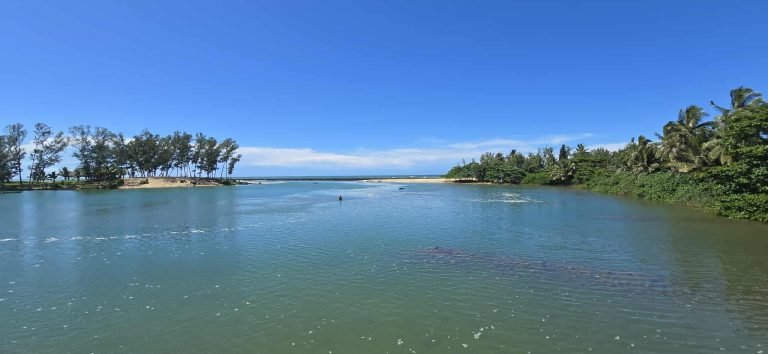
The best time to travel to Madagascar depends less on ticking off sights and more on understanding climate, regional differences, and how travel actually works on the island. There is no single “perfect” season, but there are clear periods that tend to be easier, safer, and more enjoyable for most travelers — especially when combined with realistic planning and flexibility.
Dry Season (May to October): The Most Reliable Time to Visit
For most visitors, the dry season from May to October is considered the most reliable time to travel to Madagascar. Rainfall is lower, roads are generally more passable, and travel delays are less frequent than during the wetter months.
This period is particularly well suited for:
- Wildlife viewing and national parks
- Long-distance travel by road
- Hiking and outdoor activities
- Visiting the highlands and southern regions
Temperatures are milder, especially in the central highlands, where evenings can feel cool. Coastal areas remain warm year-round, but drier conditions during this season make beach destinations more comfortable and predictable.
Shoulder Season (April and November): Good, With Some Flexibility
April and November can still be good months to travel in Madagascar, particularly for travelers with flexible schedules. These transition months sit between the wet and dry seasons and often offer greener landscapes, fewer visitors, and a quieter travel experience.
Conditions can vary by region during this time. Some roads may still be affected by recent rains, and domestic transport can be less predictable than during the core dry season. Building a few buffer days into your itinerary usually makes travel during these months far more enjoyable.
Wet Season (December to March): Possible, but More Demanding
The wet season generally runs from December to March and brings heavier rainfall, higher humidity, and an increased risk of cyclones, particularly along the east coast. This is typically the most challenging period for travel in Madagascar.
During these months:
- Road conditions can deteriorate quickly
- Some remote regions may become temporarily inaccessible
- Domestic flights are more likely to be delayed or cancelled
- Cyclones can disrupt coastal and island travel
Travel during this season is not impossible, but it requires patience, flexibility, and a willingness to adjust plans as conditions change. For first-time visitors or those on fixed schedules, other seasons are usually a better choice.
Regional Differences Matter
Madagascar’s climate varies significantly by region. The east coast receives far more rainfall than the west, while the southern regions are drier and more arid. The central highlands experience cooler temperatures throughout the year.
Because of this, the best time to visit Madagascar also depends on where you plan to travel. Trips focused on the south or west can sometimes work outside peak season, while eastern regions are far more sensitive to rainfall and storms.
When Not to Overplan
Regardless of season, travel in Madagascar rarely follows a strict timetable. Weather, road conditions, and transport availability can change with little notice.
Choosing the right season certainly helps, but allowing extra time and remaining adaptable matters even more. Travelers who plan with flexibility — rather than rigid schedules — consistently report more relaxed and rewarding experiences.
Continue Exploring
If you enjoy in-depth, realistic travel guides, you may also like our long-form destination guides covering very different styles of travel:
- Brazil Travel Guide – A vast country of cities, beaches, culture, and wildlife, with very different logistics and travel rhythms.
- Things to Do in Sydney – A highly accessible destination focused on urban exploration, beaches, and day trips.
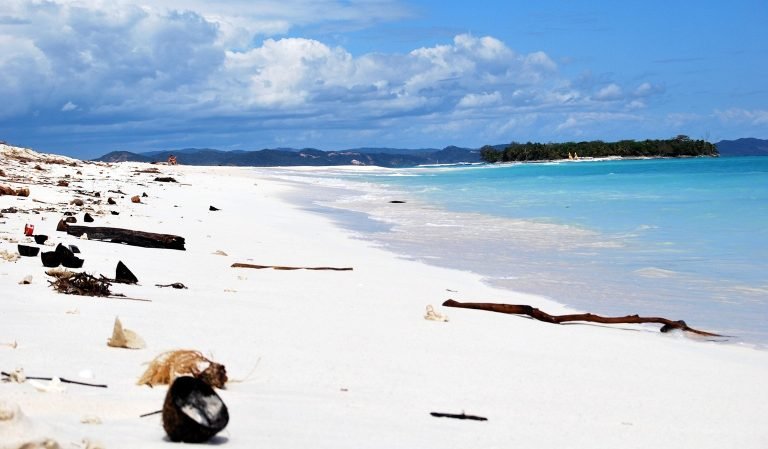
Beaches, Nature & Wildlife in Madagascar
Madagascar is one of the most biologically and geographically unique places on Earth. Isolated from mainland Africa for millions of years, the island evolved ecosystems and wildlife found nowhere else, making it one of the world’s most important biodiversity hotspots.
What makes Madagascar truly remarkable is not just its biodiversity, but the contrast between its landscapes. Within a single journey, you can move from dense rainforests and wildlife-rich national parks to dry deserts, limestone formations, volcanic lakes, and coral-fringed beaches.
Many of the country’s most rewarding experiences are found in these natural environments, where travel is shaped by geography, climate, and distance. If you are planning your route, this guide to where to go in Madagascar can help you match destinations with the type of landscapes and experiences you are looking for.
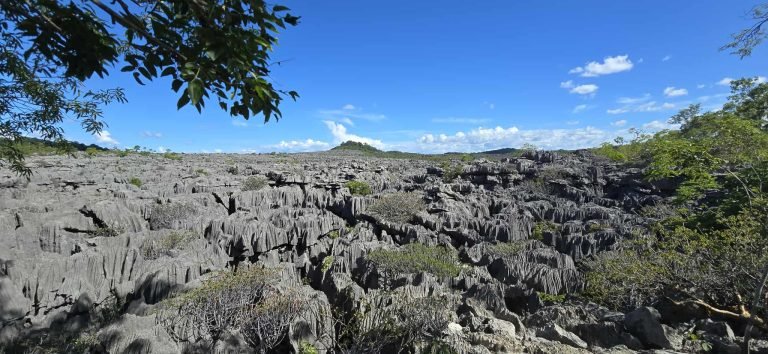
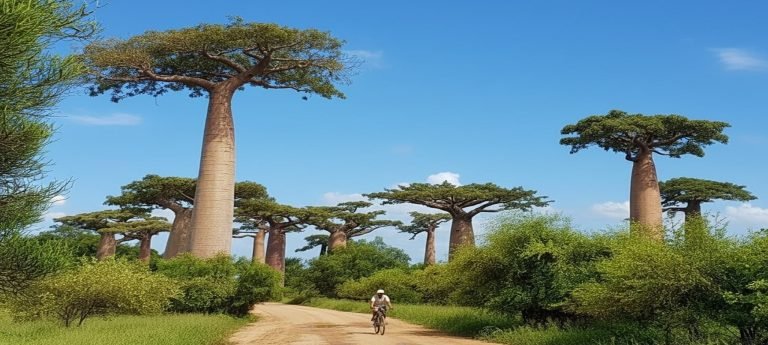
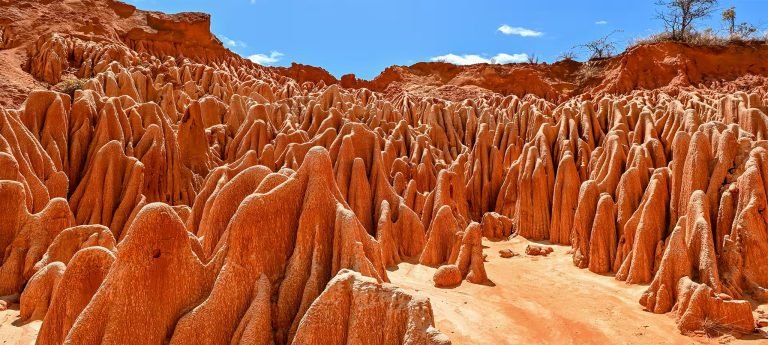
Iconic Landscapes & Geological Wonders
Some of Madagascar’s most striking natural sights are landscapes shaped over millions of years by erosion, tectonic movement, and isolation. These environments are not just visually dramatic — they define how and where you travel across the island.
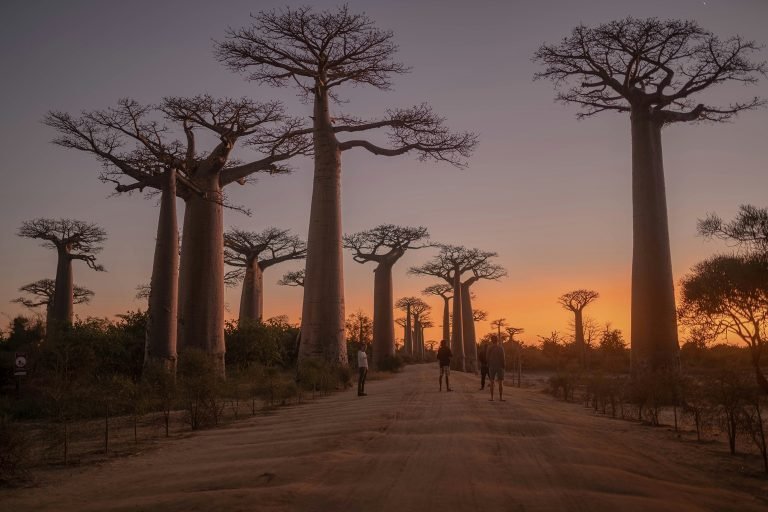
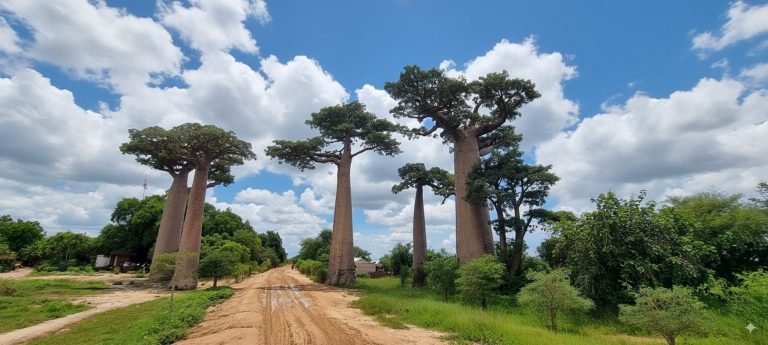
Avenue of the Baobabs (Morondava) is a legendary dirt road lined with ancient baobab trees, especially atmospheric at sunrise and sunset.
Many of these landscapes are tied to specific regions, which is why route planning matters. This overview of Madagascar’s main travel regions can help you connect these environments into a realistic itinerary.
National Parks, Rainforests & Dry Forests
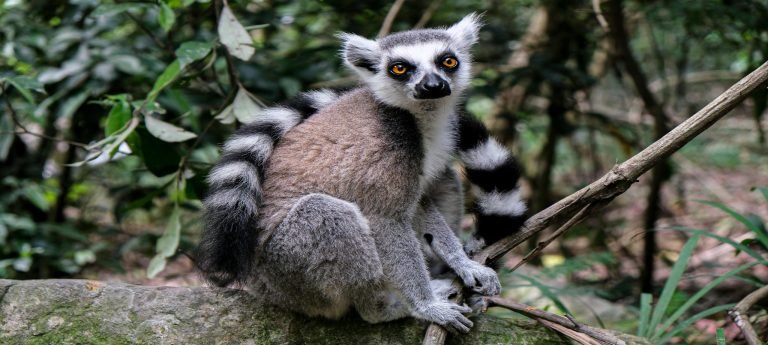
Madagascar’s protected areas showcase dramatically different ecosystems depending on region, altitude, and rainfall. These parks are also the best places to encounter the island’s most iconic wildlife — especially lemurs, which exist nowhere else on Earth.
If seeing them in the wild is part of your trip, this guide explains which lemur species live in Madagascar and where to see them.
- Andasibe–Mantadia National Park – Famous for the Indri lemur, dense rainforest, orchids, and waterfalls.
- Ranomafana National Park – A biodiversity hotspot with hot springs and rare species such as the golden bamboo lemur.
- Masoala National Park – Madagascar’s largest national park, where rainforest meets the ocean.
- Ankarana Special Reserve – Limestone tsingy formations, caves, and diverse wildlife.
- Kirindy Forest – A dry forest known for fossa sightings and iconic baobabs.
- Anja Community Reserve – A community-run reserve with reliable close encounters with ring-tailed lemurs.
- Amber Mountain National Park – A volcanic massif with crater lakes, waterfalls, and cooler temperatures in the north.
Because these parks are spread across the island, visiting multiple ecosystems usually requires careful planning and time. If you are building a route that includes several regions, this Madagascar itinerary guide can help you structure your trip realistically.
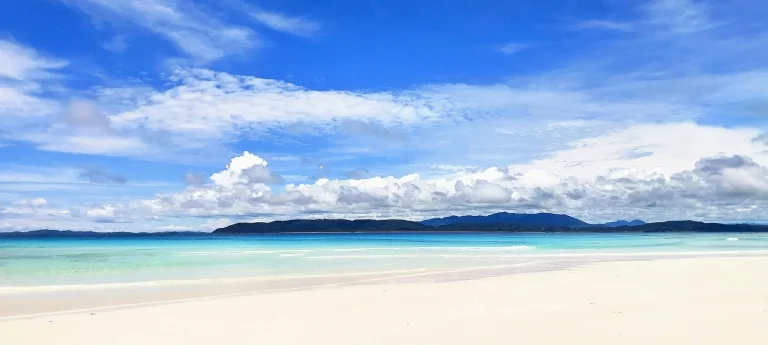
Beaches, Islands & Coastal Landscapes
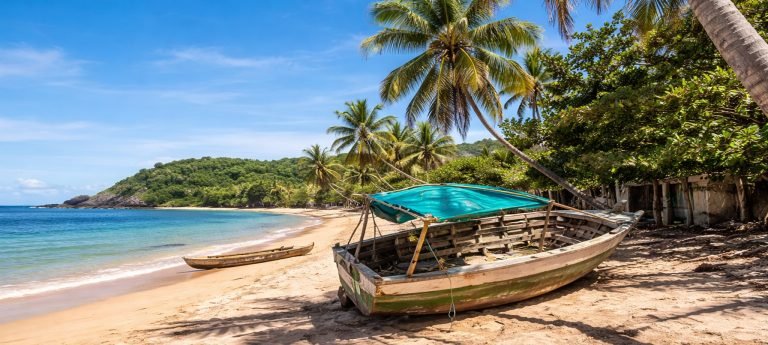
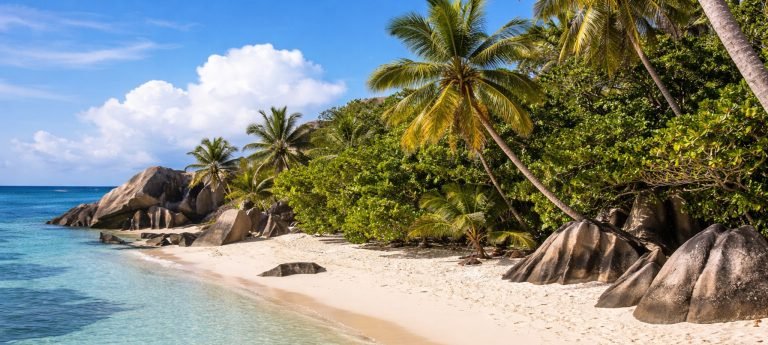
Madagascar’s coastline stretches over 5,000 kilometres and offers an exceptional range of beach environments, from well-developed island hubs to remote, untouched shores. For a deeper look at the island’s most beautiful coastal destinations, see this guide to Madagascar beaches.
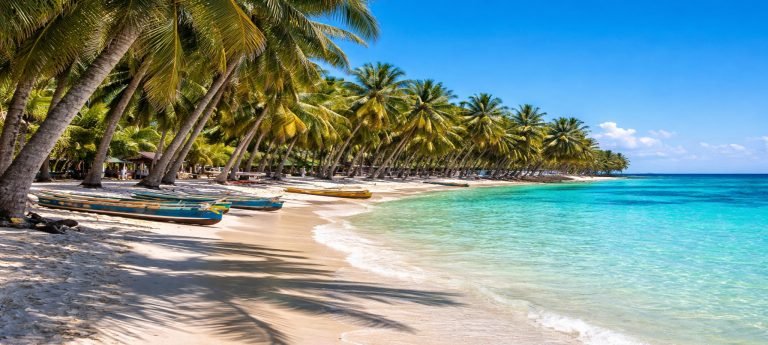
- Nosy Be Archipelago – The country’s main beach destination, with coral reefs, diving, and nearby islands such as Nosy Komba, Nosy Tanikely, and Nosy Iranja.
- Andilana Beach (Nosy Be) – One of the most scenic and accessible beaches in the country, well suited for swimming.
- Île Sainte-Marie (Nosy Boraha) – A quiet island known for pirate history, coral reefs, and seasonal humpback whale watching.
- Diego Suarez (Antsiranana) – Northern coastal landscapes featuring Ramena Beach and the emerald waters of the Mer d’Émeraude.
- Ifaty & Anakao – Southwest coastal villages where spiny forests meet turquoise lagoons, shaped by Vezo fishing culture.
- Masoala Coast – Remote beaches backed by rainforest, offering rare combinations of marine and terrestrial wildlife.
- Fort Dauphin (Tolagnaro) – Rugged southeastern beaches such as Libanona, where mountains and ocean collide.
- Mitsio & Radama Archipelagos – Remote island groups in the northwest, ideal for diving, snorkeling, and island hopping.
Wildlife Found Nowhere Else
Madagascar’s wildlife is one of its defining reasons for travel.
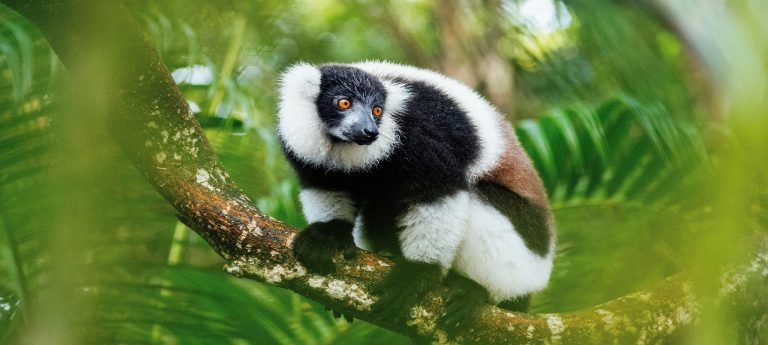
- Lemurs – Over 100 species, ranging from tiny nocturnal mouse lemurs to the powerful, hauntingly vocal Indri.
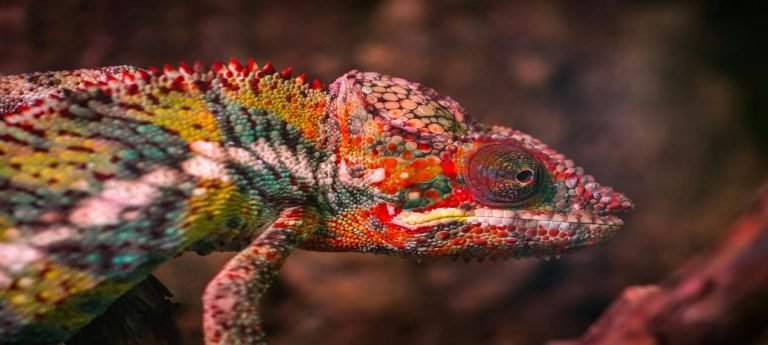
- Chameleons – Exceptional diversity, from leaf-sized species to vividly colored panther chameleons.
- Baobabs – Several endemic Adansonia species, each adapted to specific regions of the island.
- Birdlife & Reptiles – Thousands of endemic species across forests, wetlands, and coastal ecosystems.

Important Cultural Awareness: Fady in Nature & at the Beach
When exploring Madagascar’s natural spaces, it is important to be aware of fady — local taboos and sacred customs that can vary by region, village, or even family. These traditions are rooted in ancestral beliefs and shape how communities relate to the land, the sea, and wildlife.
In practice, fady rarely restrict what visitors can do. Instead, they encourage awareness and respect for local customs. Guides and local residents are used to explaining what applies in a specific place, and asking is always welcomed.
Some examples of nature-related fady that travelers may encounter include:
- Avoiding swimming in the ocean after eating pork in certain coastal areas.
- Not wearing red clothing or swimwear at specific beaches or near sacred waters.
- Asking permission before entering forests, rivers, caves, or spiritually protected sites.
- Showing respect toward animals believed to have ancestral or spiritual significance, such as lemurs or chameleons.
Because fady are local rather than universal, the most practical approach is simple: ask your guide, host, or a local resident if there is anything you should be aware of. This is seen as a sign of respect and cultural awareness.
If you want a deeper understanding of Malagasy traditions and beliefs, this section on culture and traditions in Madagascar explains how customs like fady shape everyday life across the island.
For most travelers, fady are never an obstacle. A little curiosity, openness, and willingness to ask questions is all it takes to move freely and comfortably throughout Madagascar’s landscapes.
Whether you are exploring beaches, forests, national parks, or remote regions, Madagascar offers nature on a scale and richness few countries can match — and engaging with it thoughtfully only deepens the experience.
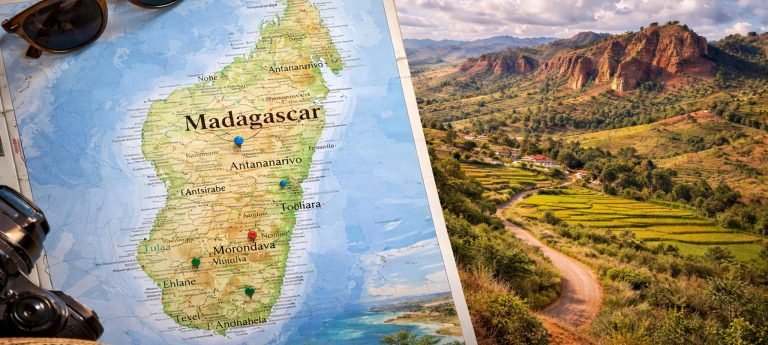
Planning a Trip to Madagascar: Expectations vs Reality
Madagascar is not a destination you simply slot in between other trips. It is a country that rewards travelers who slow down, plan thoughtfully, and accept flexibility as part of the journey. Understanding this before you arrive makes a profound difference in how much you enjoy the experience. Taking time to review how travel works in practice through this realistic Madagascar travel guide can help you approach your trip with the right mindset from the start.
Distances in Madagascar are famously deceptive. What appears short on a map can easily take a full day or more, and itineraries that feel comfortable elsewhere often feel rushed here. The most rewarding trips focus on fewer regions, longer stays, and realistic daily pacing rather than trying to see everything at once.
If you want to see what realistic planning looks like in practice, this Madagascar itinerary guide breaks down workable 10-day, 2-week, and 3-week routes built around real travel time.
Before finalizing your plans, it is also worth reviewing a complete Madagascar packing list to make sure you are prepared for the island’s varied climates, remote conditions, and limited infrastructure.
Time also moves differently in Madagascar. Delays are normal, schedules shift, and plans sometimes change without notice — not due to lack of care, but because infrastructure, weather, and logistics remain fragile.
If you are traveling between regions, understanding how transport works on the island can make a significant difference. This guide to getting around Madagascar explains the realities of road travel, domestic flights, and timing.
Accommodation, transport, and tours are best planned with margin rather than precision. Tight connections, same-day international departures, or rigid schedules increase the risk of disruption. Experienced travelers treat extra days not as wasted time, but as breathing room that allows the trip to unfold naturally.
Comfort expectations also require adjustment. Outside a small number of high-end lodges, standards can vary widely. Power cuts, limited hot water, basic facilities, and slower service are common, even in places considered tourist-friendly. These are not shortcomings, but reflections of daily life in a developing island nation.
For those willing to adjust expectations, the rewards are substantial. Madagascar offers experiences that feel raw, unfiltered, and deeply human. Wildlife encounters, landscapes, and cultural moments are rarely staged or packaged, and often feel genuinely earned rather than delivered.
In short, Madagascar is not difficult to travel, but it does require patience, respect, and thoughtful planning. Travelers who embrace these realities rather than resist them often leave describing Madagascar as one of the most powerful and rewarding journeys of their lives.
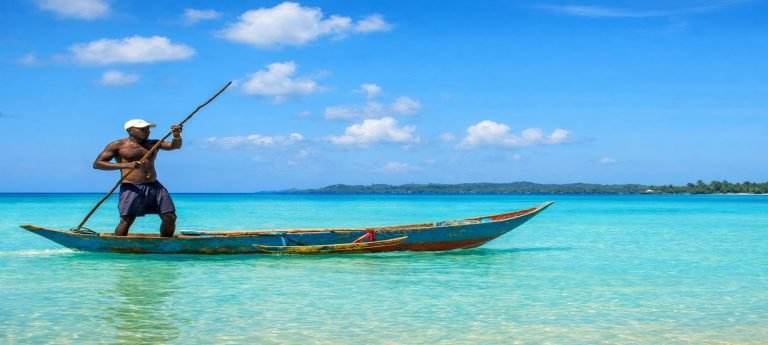
Safety, Etiquette & Cultural Awareness in Madagascar
Madagascar is not a dangerous destination for travelers, but it does require awareness, patience, and cultural sensitivity. Most official travel advisories focus on infrastructure challenges and economic realities rather than direct threats to visitors. The biggest difficulties travelers face are usually misunderstandings, unrealistic expectations, and underestimating how different daily life can be from more developed destinations.
If you are planning your route or logistics, understanding how travel works across the island can make a significant difference. This guide to getting around Madagascar explains transport realities, timing, and what to expect between regions.
Is Madagascar Safe to Travel?
A common question among first-time visitors is: is Madagascar safe to travel? For most travelers, the answer is yes — provided basic precautions are taken. Violent crime against tourists is rare, but petty theft does occur, particularly in larger cities such as Antananarivo and in crowded areas like markets, bus stations, or busy streets.
Pickpocketing and bag snatching are the most common issues. Avoid walking alone at night, especially in cities, and use taxis after dark rather than walking, even for short distances. During the day, moving around on foot is generally safe in most areas as long as you stay aware of your surroundings and avoid displaying valuables.
In rural areas and smaller towns, crime is far less common, and visitors are often welcomed with curiosity and warmth. This contrast surprises many travelers and is an important part of understanding what travel in Madagascar feels like on the ground.
Dress Code & Respectful Appearance
Madagascar is a conservative society, particularly outside major tourist zones. While beachwear is appropriate on beaches and resort islands, revealing clothing is not suitable in towns, villages, markets, or when visiting religious or ancestral sites.
Light, loose-fitting clothing that covers shoulders and knees is both respectful and practical in the climate. Dressing modestly helps avoid unwanted attention and signals respect for local norms.
Photography & Asking Permission
Always ask before photographing people. Many Malagasy are happy to be photographed, but some may refuse for personal, spiritual, or cultural reasons. Never photograph tombs, sacred sites, ceremonies, or rituals without explicit permission.
If in doubt, ask first. A simple gesture or a few words of French usually goes a long way.
Communication, Tone & Daily Interactions
Politeness and humility matter deeply in Madagascar. Loud voices, visible frustration, or confrontational behavior are poorly received. Even when problems arise, staying calm and respectful will almost always lead to better outcomes.
Greetings are important. Saying hello before asking a question, entering a shop, or starting a conversation is expected and appreciated. Small courtesies carry significant weight in daily interactions.
Cultural Awareness & Local Customs
Madagascar has strong regional traditions that influence daily life. Local taboos, known as fady, vary by region and even by family. Travelers are not expected to know every rule, but they are expected to listen and adapt when something is explained.
If a local guide, driver, or host advises against a certain action, place, or behavior, it is best to respect that guidance without debate. Cultural awareness here is less about memorizing rules and more about showing openness and flexibility.
You may already have encountered fady in natural settings earlier in this guide. These customs apply across both nature and daily life, reinforcing how closely culture and environment are connected in Madagascar.
Social Realities & What to Expect
Madagascar is an extraordinary destination, but it is also one of the poorest countries in the world. Poverty can be visible, particularly in cities and tourism-focused areas. Travelers who are prepared for this reality tend to navigate it with greater empathy and understanding.
In certain tourist areas, including parts of Nosy Be and Antananarivo, transactional relationships and sex work may be visible, particularly at night. Families or more conservative travelers may wish to consider this when choosing accommodation or specific neighborhoods.
Managing Expectations
Travel in Madagascar rarely follows a strict plan. Delays, changes, and improvisation are part of the experience. Services move at a different pace, and infrastructure can be unpredictable.
Approaching the country with patience, curiosity, and realistic expectations makes a significant difference. Travelers who adapt tend to have far richer experiences than those who try to impose rigid schedules.
Madagascar rewards respect, time, and openness. Those who embrace this mindset often leave with deeper memories than any itinerary could offer.
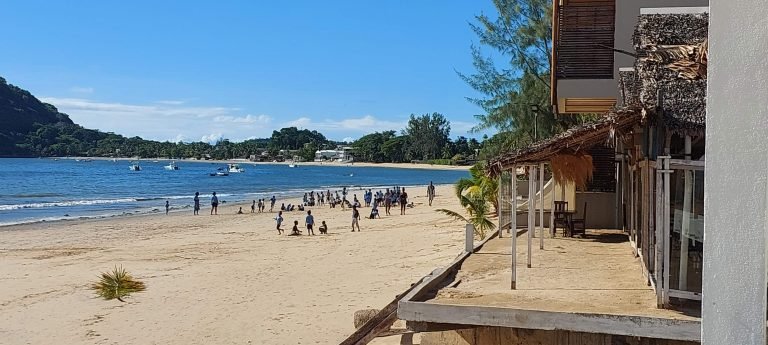
Useful Malagasy Phrases for Travelers
While French is the main working language for visitors, learning a few Malagasy phrases goes a long way. Even small attempts are warmly appreciated and often lead to friendlier interactions, smiles, and better help — especially in rural areas where French may be limited.
- Salama (sah-LAH-ma) – Hello
- Manao ahoana? (mah-now ah-WAH-na) – How are you?
- Tsara, misaotra (TSAH-ra mee-SOW-tra) – Fine, thank you
- Misaotra (mee-SOW-tra) – Thank you
- Misaotra betsaka (mee-SOW-tra beh-TSAH-ka) – Thank you very much
- Azafady (ah-za-FAH-dee) – Please / Excuse me / Sorry
- Eny (EN-ee) – Yes
- Tsy (tsee) – No / Not
- Ohatrinona? (oh-ha-tree-NOO-na) – How much is it?
- Lafo loatra (LAH-foo loo-AH-tra) – It’s too expensive
- Afaka manampy ahy ve ianao? (ah-FAH-ka mah-NAM-pee AH-hee veh ee-AH-nao) – Can you help me?
- Aiza ny trano fidiovana? (EYE-za nee TRAH-noo fee-dee-WAH-na) – Where is the toilet?
- Tsy azoko (tsee ah-ZOO-koo) – I don’t understand
- Miteny frantsay ve ianao? (mee-TEN-ee fran-TSIGH veh ee-AH-nao) – Do you speak French?
- Veloma (veh-LOO-ma) – Goodbye
Using even a few Malagasy words shows respect and effort. Travelers who try often find people become warmer, more patient, and more willing to help — small moments that can completely change the feel of a trip.
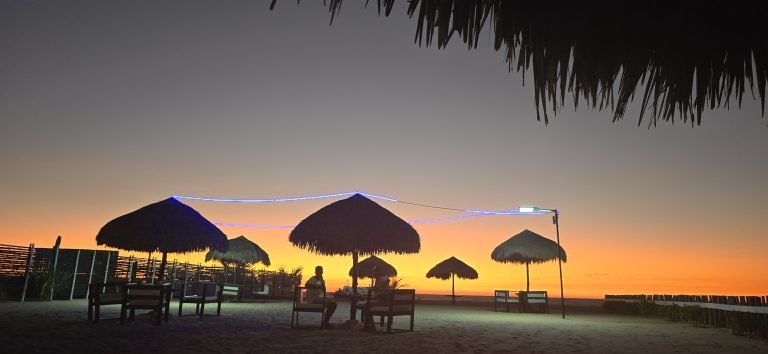
Practical Travel Facts for Madagascar (Visa, Money, Connectivity & Health)
Visa Requirements for Madagascar
Madagascar offers relatively flexible tourist visa options, but it is important to understand the limits clearly before arrival. Tourist visas are available for stays of 15, 30, 60, or up to 90 days, and can be obtained either online (e-Visa) or on arrival at major international airports.
For short stays of up to 15 days, the visa itself is free, but visitors must still pay a €10 administrative fee on arrival. For longer stays, visa fees apply regardless of whether you apply online or at the airport. For most travelers, the process is straightforward and handled efficiently on arrival.
Visa options and approximate fees:
- 15 days: Free visa fee, €10 administrative charge
- 30 days: Around $37 (€35)
- 60 days: Around $45 (€40)
- 90 days: Around $55 (€50)
You can also apply in advance through Madagascar’s official e-Visa system, which allows you to complete part of the process before departure.
Visa extensions beyond 60 days are handled locally through immigration offices and usually require proof of onward or return travel. Entry and exit stamps are checked carefully, particularly when extending your stay.
If you are arriving from a country where yellow fever is endemic, proof of vaccination is required.
Language & Communication in Madagascar
Language is one of the most important practical considerations when traveling in Madagascar. While Malagasy is spoken across the island, French is the primary working language for visitors and is used in transport, accommodation, administration, and daily interactions.
English is not widely spoken, even in many tourist areas. Outside higher-end hotels and tour operators, communication in English can be limited.
If you do not speak French, everyday situations such as ordering food, arranging transport, or asking for directions can be more challenging — especially outside major cities.
Learning a few essential phrases or using translation tools helps, but connectivity can be unreliable. For smoother travel, even a basic level of French makes a noticeable difference.
If you want to go a step further, learning a few basic Malagasy phrases is often appreciated and can make interactions more personal.
Money, Cash & Payments in Madagascar
Madagascar operates largely on cash outside major hotels and a small number of upscale establishments. The local currency is the Malagasy Ariary (MGA), and one detail surprises many travelers: the highest banknote in circulation is 20,000 Ariary.
This is equivalent to roughly $4–5 USD or €3–4 EUR, meaning you will often carry large amounts of cash for everyday expenses such as accommodation, drivers, and tours.
ATMs are available in larger cities, but they should not be relied upon once you leave the capital. Machines can be empty, offline, or incompatible with certain foreign cards.
Because of this, it is best to withdraw sufficient cash in Antananarivo or other major cities before traveling to more remote regions.
Mobile Money: Essential for Daily Life
Mobile money is a core part of Madagascar’s financial system and is often more reliable than banks or ATMs, especially outside major cities. With millions of active accounts nationwide, it is one of the most widely used financial tools across the country.
Even in small towns and rural areas, mobile money agents are easy to find. In many situations, it is the most dependable way to send or receive money while traveling.
The main mobile money providers are:
- MVola (Yas, formerly Telma) – The largest provider, with the widest agent network. Supports transfers, bill payments, savings, and international remittances.
- Orange Money – Widely used and relatively easy to set up, with strong coverage for transfers, airtime, and everyday payments.
- Airtel Money – Common for peer-to-peer transfers and merchant payments, with growing usage across the country.
Mobile money works through smartphone apps or simple USSD codes on basic phones. Services such as MVola and Orange Money also allow international transfers through partners like WorldRemit or MoneyGram.
In practical terms, if you need money urgently outside major cities, mobile money will often work even when ATMs or banks do not.
Connectivity, SIM Cards & Internet in Madagascar
Staying connected in Madagascar is possible, but expectations need to be realistic. Mobile coverage exists across much of the country, yet internet speeds can be slow and reliability varies greatly depending on location.
Mobile data is far more reliable than Wi-Fi. Outside of higher-end hotels and a few cafés in major cities, Wi-Fi is often slow, unstable, or unavailable. In rural areas, it may not exist at all.
The three main mobile network operators are Yas (formerly Telma), Orange, and Airtel. Among them, Yas generally offers the best coverage, particularly outside major urban centres, while Orange and Airtel work well in cities and tourist hubs.
Local SIM cards are sold by all three providers and are easy to obtain at international airports, official provider shops, and in most regional towns. SIM cards must be registered with your passport at the time of purchase.
Data packages are affordable, but speeds are inconsistent. Even with a strong signal, loading maps, messaging apps, and mobile money usually works better than streaming or video calls.
In remote regions, connectivity may drop entirely for hours or days. Always download offline maps, keep key information saved locally on your phone, and avoid relying on constant internet access.
If staying connected is important for navigation, payments, or emergencies, using a local SIM card is usually far more reliable than international roaming. Travelers who prefer to stay connected immediately on arrival, or who want to avoid swapping physical SIM cards, may also consider using an eSIM. For a deeper comparison between both options in real travel conditions, see this SIM vs eSIM in Madagascar guide, or explore broader options in our international eSIM comparison guide.
Power Plugs, Electricity & Charging in Madagascar
Madagascar uses Type C and Type E power plugs, the same as most of continental Europe. The standard voltage is 220V with a frequency of 50Hz.
Travelers from Europe will not need a plug adapter. Visitors from the UK, North America, Australia, or Asia will need a plug adapter to charge their devices.
Electricity supply can be unreliable, especially outside major cities and tourist areas. Power cuts are common, sometimes daily, and can last several hours. Even hotels and lodges that advertise electricity may rely on generators that are switched off overnight.
It is strongly recommended to travel with a power bank, especially if you rely on your phone for navigation, communication, or mobile money. In rural areas, charging opportunities may be limited to specific times of day.
If you use medical devices, camera equipment, or laptops, plan charging carefully and always assume electricity availability is uncertain once you leave major hubs.
Health & Water Safety
Tap water in Madagascar is not safe to drink. You should only drink bottled water with a sealed cap, and it is strongly recommended to brush your teeth with bottled water as well, particularly outside major hotels.
Ice should be avoided unless you are confident it has been made from treated water, and extra caution is advised with raw fruits and vegetables unless you can peel them yourself.
Taking these simple precautions greatly reduces the risk of stomach illness and allows you to travel more comfortably across the island.
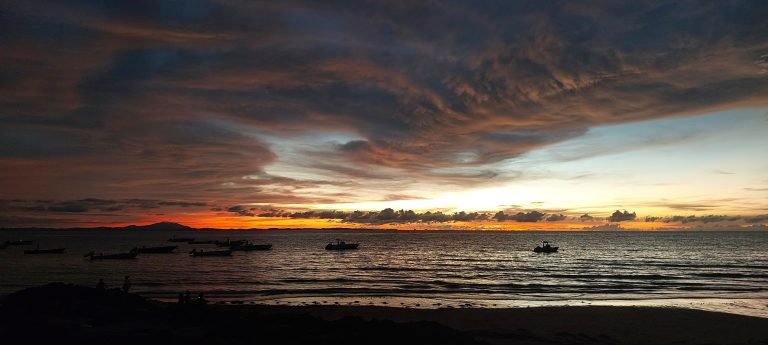
Frequently Asked Questions About Traveling in Madagascar
• Is Madagascar safe for tourists?
Madagascar is generally safe for travelers who take basic precautions. Petty theft can occur in cities, especially in Antananarivo, so avoiding visible valuables and using trusted transport is important. Violent crime against tourists is rare, particularly outside urban areas. For a deeper breakdown, including safe areas and real risks, see this Madagascar safety guide.
• Do I need a visa to visit Madagascar?
Yes. Most travelers need a tourist visa, which can be obtained online or on arrival. Tourist visas are available for stays of 15, 30, 60, or up to 90 days. For full requirements, fees, and how the process works step by step, read this Madagascar visa guide.
• What is the best time of year to visit Madagascar?
The best time to visit Madagascar is generally between April and November, when the weather is drier and travel conditions are more reliable. Wildlife viewing is excellent during this period. For a full seasonal breakdown, including regional differences and travel tips, see the best time to visit Madagascar.
• How difficult is it to get around Madagascar?
Getting around Madagascar is slow and requires patience. Taxi-brousse journeys take time, road conditions vary, and domestic flights are limited. Travel planning should always include buffer days. For routes, transport options, and realistic travel times, read this guide to getting around Madagascar.
• Are domestic flights reliable in Madagascar?
Domestic flights exist, but they operate almost exclusively through Antananarivo. Delays and cancellations are common, and direct connections between regional cities are rare. It is strongly recommended to plan at least a two-day buffer before international departures.
• Can I travel Madagascar without speaking French?
It is possible, but challenging. French is the primary language used with foreigners, and English is rarely spoken outside higher-end hotels or professional guides. Even basic French significantly improves safety, logistics, and everyday interactions.
• Is Madagascar suitable for first-time travelers to Africa?
Madagascar is better suited to travelers who are comfortable with flexibility and slower travel. Infrastructure is limited, plans may change, and patience is essential. Travelers who approach the country with curiosity rather than rigid expectations tend to have the best experience.
• Is Madagascar expensive to travel?
Food and local transport can be affordable, but costs rise quickly for domestic flights, private drivers, guides, and accommodation in remote areas. You can compare booking platforms and find better deals here: compare hotel booking options.
• Should I book accommodation and transport in advance?
Yes, especially outside major cities. Accommodation and transport options are limited in many regions, and advance planning helps avoid delays and higher last-minute costs. You can start your search here: browse hotels in Madagascar.
• Is tap water safe to drink in Madagascar?
No. Tap water is not safe to drink. Travelers should drink only sealed bottled water and use bottled water for brushing teeth, particularly outside major hotels.
• Are there ATMs everywhere in Madagascar?
No. ATMs exist in major cities but are unreliable and often empty outside the capital. Cash and mobile money are essential once you leave Antananarivo.
• What is mobile money, and do tourists need it?
Mobile money is widely used across Madagascar and is often more reliable than ATMs. Services such as MVola and Orange Money are available even in small towns and can be useful for receiving funds and making payments while traveling.
• What power plugs are used in Madagascar?
Madagascar uses Type C and Type E plugs (European standard) with 220V electricity. Travelers from outside Europe will need an adapter, and power outages are common.
• Are there cultural rules visitors should know about?
Yes. Cultural taboos known as fady vary by region. Visitors are not expected to know every rule, but should always ask local guides or hosts about local customs.
• Is Madagascar good for wildlife lovers?
Absolutely. Madagascar is one of the world’s most unique wildlife destinations, home to lemurs, chameleons, and ecosystems found nowhere else on Earth. Explore the best locations in this Madagascar travel guide.
• Can I combine beaches, culture, and wildlife in one trip?
Yes, but travel takes time. Focusing on a few regions rather than rushing leads to a far better experience. A structured plan helps — see this Madagascar itinerary guide.
• Do I need travel insurance for Madagascar?
Yes. Medical facilities are limited outside major cities, and evacuation coverage is strongly recommended. You can compare reliable options here: best travel insurance for international trips.
• Is Madagascar family-friendly?
Madagascar can work well for families with older children if travel is slow-paced and expectations are realistic.
• How long should I spend in Madagascar?
Two weeks is a practical minimum to experience more than one region. Longer stays allow for slower travel and a deeper connection with the country. Plan your route here: Madagascar itinerary options.
• Is Madagascar worth the effort?
Yes. For travelers seeking rare wildlife, striking landscapes, and meaningful cultural encounters, Madagascar is absolutely worth the effort — especially for those willing to travel with patience and flexibility.
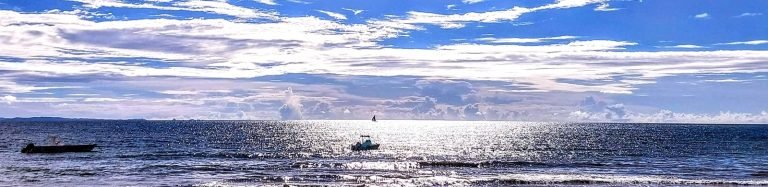
Final Thoughts: Why Madagascar Leaves a Lasting Impression
Madagascar is not defined by a single highlight, landmark, or moment. Its impact comes from the way landscapes, wildlife, culture, and daily life intertwine in ways that feel increasingly rare in modern travel. From ancient rainforests and Madagascar beaches and remote coastal landscapes to highland villages, living traditions, and wildlife found nowhere else on Earth — especially the island’s remarkable lemurs — the island offers depth rather than spectacle alone. Travelers curious about these iconic animals can learn more in this guide to lemurs in Madagascar and where to see them, or explore a broader overview in this Madagascar wildlife guide.
This is not a destination built around ticking boxes or moving quickly from one attraction to the next. Madagascar rewards travelers who slow down and engage with it on its own terms. Landscapes feel raw and unfiltered, wildlife encounters feel earned rather than staged, and the warmth of the Malagasy people — expressed through patience, humor, and generosity — leaves a lasting impression despite the challenges of daily life.
What stays with most travelers is not just what they see, but how Madagascar asks them to travel. Journeys unfold at a human pace, shaped by geography, tradition, and connection rather than convenience. This creates space for moments that feel genuine — shared meals, quiet conversations, unexpected kindness — and memories that linger long after the trip ends. Many of these experiences are centered around food, and you can explore them further in this guide to what to eat in Madagascar.
If you want to understand how the island fits together as a destination and begin planning your journey, start with the full country overview in Things to Do in Madagascar. That guide explains Madagascar’s regions, highlights, and how travelers typically move across the island.
From there, many visitors begin shaping their route using the Madagascar itinerary guide, which explores realistic travel routes for 10 days, two weeks, or longer journeys across the country. Before finalizing your route, it is also worth understanding how to get to Madagascar and choose the right airport, as your arrival point can significantly shape your entire itinerary. Understanding transportation also makes planning far easier, and the guide to getting around Madagascar explains domestic flights, taxi-brousse routes, road travel, and the practical realities of moving between regions.
Accommodation and budgeting also shape how your trip comes together. This guide to where to stay in Madagascar helps you choose the right regions and hotels, while the Madagascar travel cost breakdown gives a realistic view of daily expenses across different travel styles.
Whether you come for wildlife, nature, culture, or simple curiosity, Madagascar gives back to those who take the time to understand it. You can explore the island region by region — beginning in the north with beaches, bays, and dramatic landscapes in Northern Madagascar, then shifting into culture, altitude, and everyday Malagasy rhythm in Antananarivo & the Central Highlands.
You can also head west toward Morondava to experience one of the island’s most iconic landscapes — the Avenue of the Baobabs, where ancient trees line a dusty road that becomes especially atmospheric at sunrise and sunset.
From there, you can experience the island’s coastal contrasts through Majunga (Mahajanga) & Tamatave (Toamasina), before ending with the wild coastline and remote adventure of Southern Madagascar (Toliara, Ifaty & Fort Dauphin).
Many of the island’s most memorable experiences are tied to its protected areas, and this guide to Madagascar national parks explains where to see rainforests, wildlife, and unique landscapes across the island.
If you are planning your journey in more detail, practical preparation can also help. Understanding the best time to visit Madagascar can help you plan around the island’s seasons, while this guide to traveling in Madagascar covers money, connectivity, and everyday travel realities. For a more detailed look at staying connected on the island, including coverage, costs, and real-world usage, see this SIM vs eSIM in Madagascar guide. Before you travel, it is also important to review Madagascar visa requirements and entry rules so you arrive prepared with the correct documents. Many travelers also appreciate understanding whether Madagascar is safe to visit before planning their trip. It is also worth checking a complete Madagascar packing list to make sure you are fully prepared for the island’s varied conditions.
Together, these regional guides and planning resources form one connected Madagascar travel series — so whether you are traveling north to south, following the RN7 route, or combining several regions into a longer island journey, you can plan with confidence and explore Madagascar in a way that feels realistic, rewarding, and deeply memorable.
Travel Resources to Plan, Book & Stay Connected
Use these tools and guides to stay connected abroad, find inspiration for your next trip, and book your flights, stays and gear with confidence.
Disclosure: This article may contain affiliate links. If you make a purchase through a link, I may receive a commission at no extra cost to you. I only share recommendations I believe are genuinely useful, and all opinions are my own. AI was used in this post for research and drafting purposes.

Very interesting and very detailed, thank you very much. It’s now clearer for my next destination.